Dave at the Lost City

… a good 4 to 5 day hike. We had great weather with no rain, which meant hot afternoons. In the mornings, we were up around 5am to be on the trail by 6am. This was to avoid the heat and catch the sun rise. Although hiking in the heat was hard work, the waterfall swimming pools at the end of every day (except the last) were a magnificent reward. Amazing water and then catch some rays in the sun. …

Ciudad Perdida, Colombia – The Lost City

Dave-at-Ciudad-Perdida

porter deaths Papau New Guinea

You’ve heard of the famed Kokoda Track.

But have you heard of the new alternative, the 6-day Black Cat Track?

png-map

The Black Cat Track is closed, and no one—not Koyu up in Kaisinik or anyone in Lagui—thinks it will open anytime soon. The region remains tense. …

Last September, a trekking company’s guided trip through the wilds of Papua New Guinea was shattered when machete-wielding men attacked the native porters, killing two on the spot and injuring many more. The motive appeared to be robbery, but Carl Hoffman knew something else was at work—ancient tribal patterns of violence that, he knew, would inevitably be avenged.

Outside – CARL HOFFMAN – Murder and Revenge in Papua New Guinea

Seems the killers were 3 brothers, one of them nicknamed Rambo, career criminals who’d done jail time for robbery and murder.

Kilimanjaro – Machame route

Once again I’m looking to climb Kili.

The last thing I want to do is sleep in the Marangu huts. I much prefer tenting.

Of the options tenting, Machame is most popular.  6-7 days, 49km. Less expensive.

Machame
Kyle McLaughlin recommends it.

What guiding company should I sign on with?

Kyle likes African Walking Company and Ultimate Kilimanjaro. They charge $2,000 to $3,500 per climber. Mid-range.

Here are the Ultimate Kilimanjaro trips for autumn 2014.

African Walking Company does not seem to have an easy-to-browse calendar. I emailed them. UPDATE: They got back to me by email, a 7-day trip starting Aug 26th costs $1850. … Those dates are not likely to work for me.

More recommended Kili trek operators.

Though you can climb year round, the main dry season is July to October.

I’ve got the gear.

Leave a comment if you have any recommendations for me.

climbing Volcan Villarica, Chile

Villarrica is one of the world’s most climbed stratovolcanoes. Guided hikes to the crater are offered from the town of Pucón by several enterprises, but may ascent might be suspended due to cloudiness and in periods of seismic or increased volcanic activity. …

volcano climb

Mike Howarth reports on his climb – The Lake District: Autumn Leaves, Asphalt and a Volcano


People love this adventure.

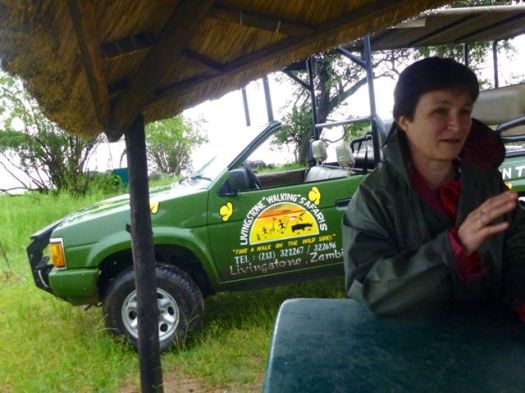
walking Safari – Zambia

Mosi-oa-Tunya National Park is an UNESCO World Heritage site that is home to one half of the Mosi-oa-Tunya — ‘The Smoke Which Thunders‘ — known worldwide as Victoria Falls on the Zambezi River.

The river forms the border between Zambia and Zimbabwe, so the falls are shared by the two countries, and the park is ‘twin’ to the Victoria Falls National Park on the Zimbabwean side. …

The wildlife section of the park is tiny but popular. Popular because half day walking safaris are offered.

This is rare in Africa due to the risk of tourists being injured. Or eaten.

It was very early. Very rainy when I was picked up — alone — at my hostel.

P1270709

We rendezvoused with a British couple alongside the Zambezi.

Everything was about to go wrong. You had to laugh.

P1270710

P1270719

The husband had 2 new hips, 1 new knee. He could not walk.

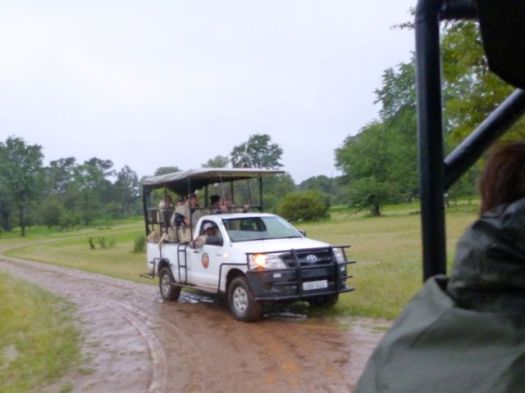
Improvising, we decided to take a quick driving safari before setting out on the promised “walk”.

P1270735

P1270721

African guides are normally super entertaining. Very knowledgeable.

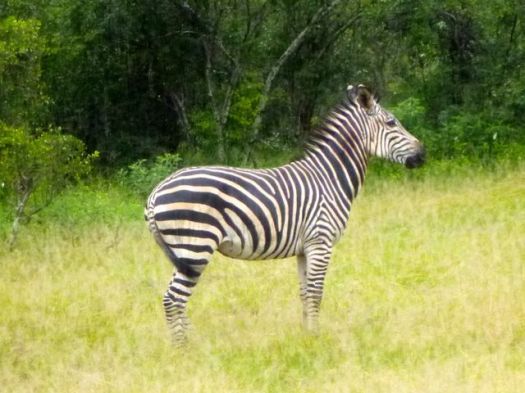
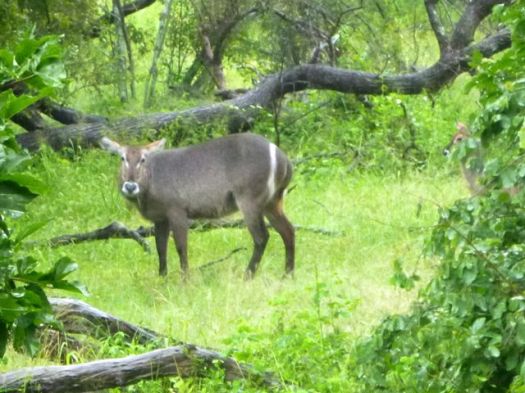
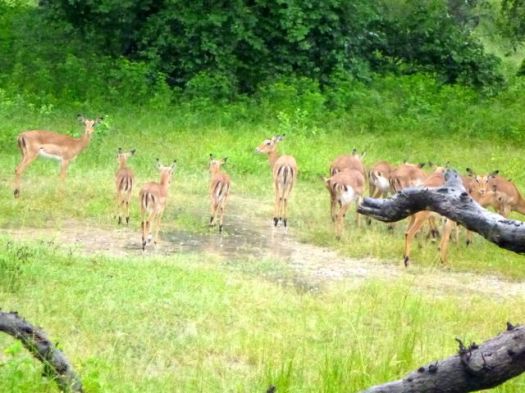
We saw baboon, vervet monkey, giraffe, zebra, warthog, sable, impala and many other antelope.

P1270767

P1270756

P1270745

P1270731

When the British couple departed, I was alone for the walking Safari with a support team of up to 4 men.

I walked with a guide and an armed guard.

P1270785

There’s no shortage of wildlife in Mosi-oa-Tunya National Park. But the main attraction is white Rhino. Though not indigenous, they are the most talked about wildlife in Africa.

You cannot see rhino from the road. They are understandably very shy.

Already an hour or more late, we roamed far and wide in the wet mud looking for rhino sign. The guard checked his phone constantly for an update on where we might find them.

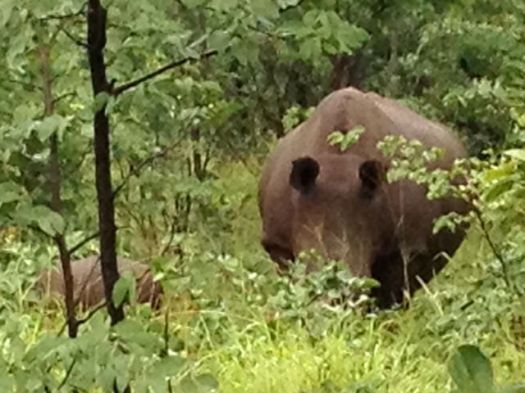
Finally, the highlight of Mosi-oa-Tunya. A mother Rhino and her new baby, less than 2 weeks old.

IMG_1885

IMG_1892

The rhino in Mosi-oa-Tunya were poached to extinction in 2007. 😦

I was told they are no longer worried about poaching here. The Park is now fiercely defended. 5 adult rhino and 5 youngsters, including this newborn.

On the other hand, the enforcement officer spoke longingly of Botswana where guards can (reportedly) shoot poachers on sight.

more of my photos from the day

Community Inca Trail Trek

guest post by Helene Cooper:

Last month I embarked on one of the most amazing experiences of my life, Peru’s Inca Trail. I took part in a five day “Community Trek”, which goes a little more off the beaten track, combining an exhilarating trek along the Peruvian Andes, with an opportunity to camp with local villagers and help with farming and community work.

En-route I enjoyed some of the most beautiful mountainous terrain I’ve ever seen, stopping at amazing ancient ruins and pushing my body to new extremes. The Community Trek gives you the opportunity to give something back to the local people, with a proportion of your fees helping with their schooling and farming activities. While you see less of the ruins than on the Classic Trek, you still see the best, while enjoying a completely different experience, too.

The trek was amazingly hard work, with high altitudes making the long hikes exhausting at times, but with the end reward of Machu Picchu just hours away, it was well worth it. The trails are less preserved than on the Classic Trek, which makes it harder work, but what’s life without a little challenge? The opportunity to spend time in local communities gave the trip an added attraction; I really recommend you try it.

Day 0:

We begin our five-day journey with a pre-trek meeting with our guides from Andina Travel. Everyone takes the opportunity to ask any questions and psyche themselves up for the next four days of walking. We’re told to prepare for the high altitudes, which can reach up to 13,900ft.

Day 1:

We’re picked up early by a minibus; it’s a beautiful clear day and the mountains are simply awe-inspiring – I can’t wait to crack on with the trek.

First stop is Saksaywaman, an incredible old ancient fortress overlooking Cusco; giant boulders are stacked as if they fell from the sky – it’s a great photo opportunity! Our guide tells us this was once a historic, religious and ceremonial place, which you certainly get a feel for.

Next we move to the Sacred Valley, a huge gorge between two steep mountains and home to hundreds of maize fields and numerous tributaries, what an amazing sight!

We trek on to the Pisac ruins and its fantastic terraces and walkways, where we get to put our feet up and give our lungs a rest. We purchase walking sticks, coca leaves and colourful plastic ponchos, the last supplies for our mammoth trek.

After lunch it’s time to start walking! We tentatively start climbing our way up the hills and slowly the scenery starts to change. The higher we climb the colder it gets, and the air starts to thin out, which is a strange feeling.

Our tents are already set up when we arrive to our first camp in the amazing Andes. We’re greeted by hot popcorn and cold drinks in the kitchen tent – very civilised! A pack of cards come out and we play and talk about today’s sights until dinner is served.

I’m starving and it was a pleasure to be served a delicious three course meal including ‘Cuy’, roasted Guinea Pig on a spit, which is really succulent and tasty, followed by a hot cup of Peruvian tea to warm us up, as its now getting pretty cold – I put socks on my hands to keep warm.

Day 2:

The morning starts with a soft knock on our tent and the voice of our guide calling: “coca tea!”

We poke our sleepy heads out to find mugs of steaming tea and a hot basin of washing water waiting for us. What luxury! The coca tea is a greenish yellow colour and has a mild bitter flavour, similar to green tea, but gives you a wake-up kick like a good cup of coffee.

Our cooks continue to spoil us with a breakfast of porridge, toast and eggs, which feels like a real treat. We pick up our snack bags, which include some local fruit and biscuits, and set off for a full day’s walking. Small steps and deep breaths is definitely the recipe for success.

En-route we meet some little old ladies running up the mountain paths without shoes, carrying heavy loads on their backs. Kids hike their way to school down the valley and we all feel a bit sheepish in our Gore-Tex hiking gear.

I feel a real respect for the people living in these harsh conditions, it’s bitterly cold and arid in places, but absolutely stunning nonetheless. We advance towards the highest point of the trek, which is surrounded by clouds and looks incredible.

The air is so thin it’s really hard to fill your lungs with oxygen and my body is getting really tired. As we reach the summit we reward ourselves with a shot of Pisco, which is quite the livener; each of us pouring a drop on the ground as a sacrifice to Pachamama (Mother Earth).

Finally we venture downhill and race towards our lunch stop. The porters and cooks overtook us a long time ago and have served up some delicious hot food, including local rice and beans.

Day 3:

More trekking, I can feel myself getting fitter as we progress, but it’s still a strain on the limbs. There are herds of alpacas and llamas on the mountain sides, which I feed with some of my biscuits; the llama is like a cross between a camel and a sheep and laps up my snacks.

We conquer another high pass and stop for a few photos of the stunning green mountain lakes on show, which shimmer in the sunlight, it’s great to be alive!

We cruise downhill for lunch at our second campsite. I have an afternoon nap while some of the guys play football. At night the stars are shining and we admire the silent stillness of the Andes; it feels like we’re the only ones in the world that are enjoying this moment.

Day 4:

We visit a local school where we work with the local children, helping with break activities, singing and poetry lessons, it’s really good fun. None of the children can speak English but they enjoy learning some useful phrases, like llama and Guinea pig!

We get Quechua lessons, the local dialect, from a teacher, who teaches me “sulpayki wayki” (thank you friend)! We then move on to a local farm and help them with planting and weeding and I buy a nice colourful hat from a local weaver.

Our last day of trekking is short and fortunately it’s all downhill, unsurprisingly nobody complains! We’re sad to say goodbye to our team of porters and cooks as we hop on a bus to Ollantaytambo.

On arrival at our lodge in Ollantaytambo we have glorious hot showers and a short rest before a guided tour of the Ollantaytambo ruins, the royal estate of Emperor Pachacuti. The town is home to a large settlement, so we have dinner in a local restaurant which serves some delicious soups and stews with ‘pan de papa’, a bread made with mashed potatoes.

No sooner have we finished eating we are eager to get back to the lodge to try out those lovely looking beds, which do their job very well indeed.

Day 5:

Today we embark on the final part of our journey, towards the epic Machu Picchu; I am so excited! We have an early breakfast and jump on the train to Aguas Calientes, which has some really picturesque views on route. Unfortunately we don’t arrive at Machu Picchu until late morning, so miss the sunrise, but we still arrive earlier than the masses of tourists, which I’m pleased about.

We take a shuttle bus to Machu Picchu, which suddenly appears on the horizon, lying on a steep sunlit mountain side. We meet up with the other trekkers, who took the more traditional, “Classic” Inca Trail route; they are yet to shower and are pretty envious of our fresh smells!

We have a couple of hours of free time to look around the Machu Picchu complex, so we hike up to the Sun Gate, which offers an amazing view on what is a beautifully clear day; the others take the opportunity to have a closer look around the city’s ruins.
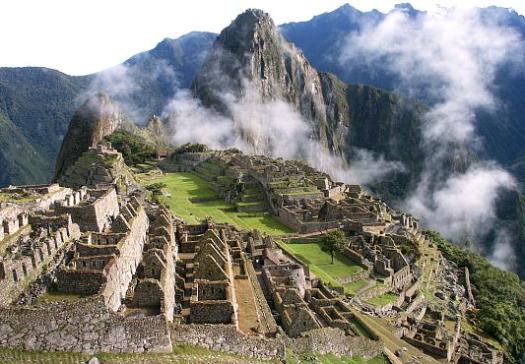
Machu Picchu

Soon it’s time to head back; we board the bus and train to Ollantaytambo and our transfer takes us to back to Cusco, where we tell stories about our experiences of the last five days.

We all have aching muscles, blisters and the odd tummy ache, but the amazing scenery and ancient ruins were well worth it. I can’t recommend the Inca Trail highly enough.

Helene Cooper currently writes for Dragoman, the overland adventure operator

related – our Best Hikes South America list
Kili’s Machame-Mweka route

Bob Foulkes:

I signed up, raised some money from incredulous friends, some of whom thought it cheaper to give than to have me committed, and started training.

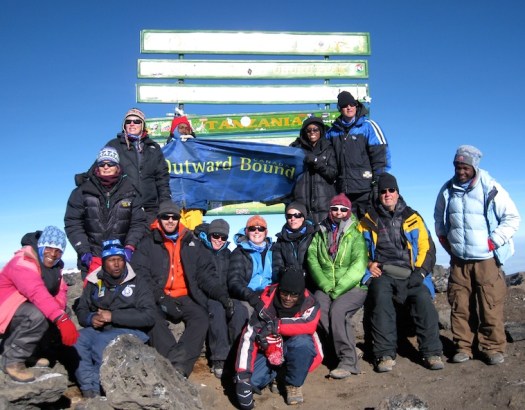
On January 13, 2014, in my 65th year, I joined the group in Amsterdam for the flight to Moshie to start the trek to summit Mount Kilimanjaro. We are 13, 10 women and 3 men, ages varying from mid twenties to mid sixties. We’ve raised almost $100,000 for Outward Bound and have paid our own way here.

Summiting Kilimanjaro is simple but not easy. …

At 5895 meters (19, 340 feet), it is Africa’s tallest peak. It demands a high level of fitness; six to eight hour days of high altitude trekking is demanding. Our well trodden trail, the longer Machame-Mweka route covers 55 kilometers that takes us up a flank of the summit and then traverses slowly across the width of the mountain to the final camp above 4800 meters; from which we strike out for the summit. The longer route allows more time for acclimatization, improving our chances of summiting. …

read more – Climbing to the top of Africa – Part 1

Kili

Bob’s book will be available soon — Off the Couch and Out the Door.

visiting Lesotho

trip report by site editor Rick McCharles

The landlocked mountain kingdom of Lesotho is an enclave completely surrounded by South Africa.

LESOTHO

Population just over two million, about 40% of the population lives below the international poverty line of US $1.25 a day. It’s one of the poorest nations on Earth.

The easiest way to hike Lesotho is by guided day tour ($50) out of Amphitheater Backpackers in the northern Drakensberg.

Our first stop was at Mafika-Lisiu school, the only one for many miles. Amphitheater Backpackers built a classroom.

One of the teachers joined us as an assistant guide. Local information, first hand.

IMG_0160

This teacher has been waiting nearly 2yrs for a visa that would allow him to visit South Africa as a tourist.

Lesotho once had the opportunity to join South Africa, but the leaders — considered very corrupt — declined.

Many families here are self-sufficient, not much using currency. Maize is the primary crop. 75% of the population is rural.

IMG_0166

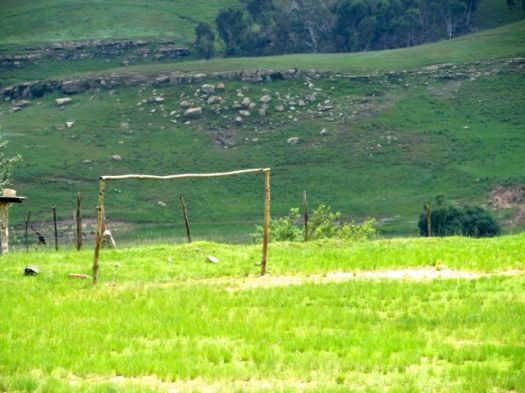
No electricity. No formal shops. The school does have a football field.

IMG_0159

From the school we hiked up to see some of the famous cave paintings.

IMG_0176

Sadly, many had been defaced.

Again we saw plentiful bird life, but no wildlife. This was the wildest creature en route.

IMG_0174

From the caves our group had the option to extend the hike up on to a ridge.

IMG_0181

Hans loved the tranquility of the valley.

IMG_0184

There are “roads” in Lesotho, but most are awful.

IMG_0186

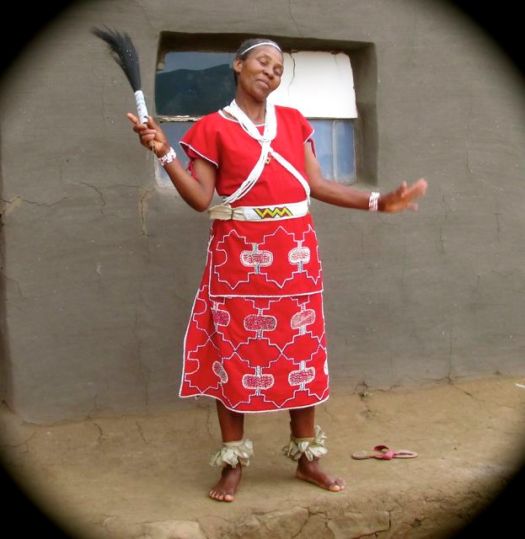
Hans signed on for the tour because he wanted to see a traditional African healer.

IMG_0194

She’s entirely self-taught. Her healing ability is a “gift” first revealed in dreams.

Here is her home.

IMG_0196

I’m a skeptic of natural medicine. But most people in Lesotho do not have the money nor transportation to make the long trip to a clinic or hospital. She is all they’ve got.

Her bedside manner is excellent. Warm and charismatic.

IMG_0197

One tidbit we learned is that the traditional round houses with thatched roofs are slowly being phased out. Thatch is expensive in 2014. And must be replaced regularly.

Children here do not have much. The healer married at age-20 and had had 8 children.

Kids seem to roam about unattended by parents. They are raised (and disciplined) by the village.

IMG_0198

AIDS infects about ⅓ of the population. But we heard nothing of that on the tour.

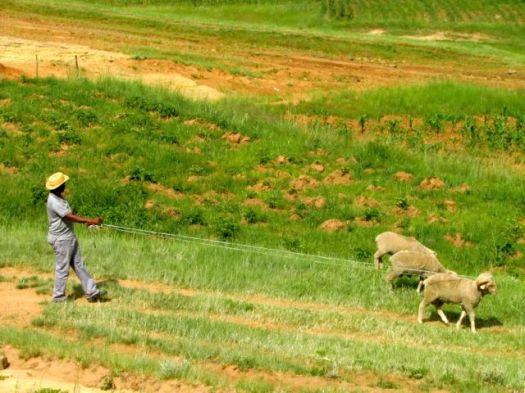
Theft of animals is the most worrisome “crime” in Lesotho. Though the kids are ignored, valuable stock animals are watched closely.

IMG_0204

One local man was trying to chase down a young cow while we were there. 🙂

more photos


Full disclosure: I had been booked on a serious 8hr mountain climb for this day. But opted out, switching to the Lesotho cultural tour instead. After only one day in the summer sun, I was too sunburned to risk a tough climb.

Amphitheater trek, South Africa

Trip report by site editor Rick McCharles.

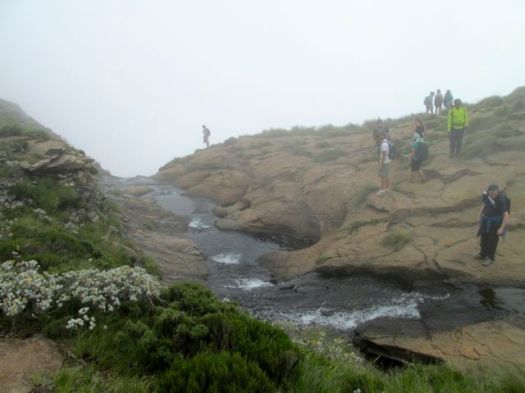
Within 36hrs of landing in JoBurg I found myself atop the Amphitheater cliffs looking down at one of the highest waterfalls in the world.

IMG_0090

How did I get here?

It’s easy.

Catch the Baz Bus to Amphitheater backpackers in the northern Drakensberg.

While checking into the hostel, sign up for their most popular guided hike. It’s offered about every 2nd day for about $50 all inclusive.

7:30am departure.

IMG_0004

Here’s our guide “Sim” parking one of the hiker shuttle vans at Sentinel car park 2,500m (8,200 ft). This is the only official day hiking trail leading to the top of the Drakensberg escarpment.

IMG_0010

IMG_0008

Yep. That’s the Sentinel. You cannot climb it without ropes. We’ll skirt the base.

The trail zigzags up towards the big peak. Then traverses right.

IMG_0009

IMG_0034

Entirely above the treeline, we did not see much in the way of wildlife. Aside from lizards, of course.

IMG_0012

It was an easy start with perfect weather.

One short ladder on the ascent.

IMG_0029

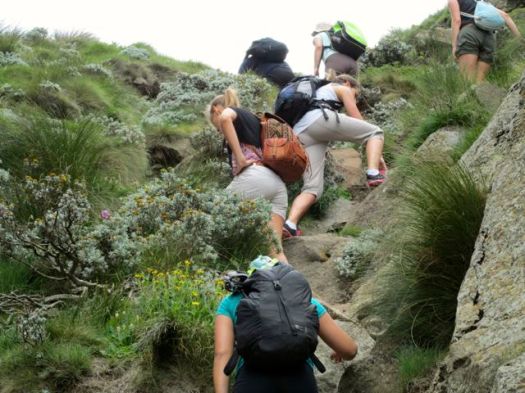
The crux of the hike is up this gorge.

IMG_0047

It’s a 300m scramble. Not too difficult overall.

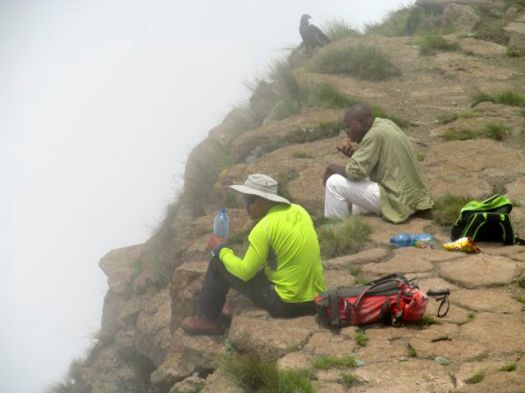
Atop the Amphitheater cliffs, we stopped for lunch. Our guides were disappointed that clouds obscured the fantastic views.

IMG_0056

Note the big birds that stopped for lunch with us.

IMG_0057

20min further is the top of Tugela Falls.

IMG_0080

IMG_0085

The water is quite warm. … I’m told.

IMG_0086

Our guide told us that one hiker fell from here on a winter trek. Slipped on the ice.

Finally I called on the old Gods and new to dissipate the clouds.

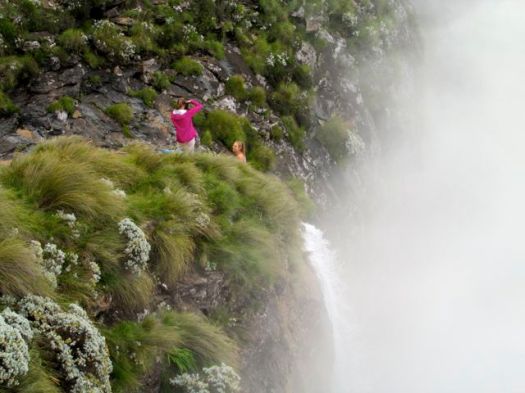
Everything opened up. And we were shocked to see where we’d been standing so casually.

IMG_0110

It’s about 1km down.

The Amphitheatre is widely regarded as one of the most impressive cliff faces on earth, over 5km (3.1mi) in length.

IMG_0114

Surprisingly, these cliffs are not much used for BASE jumping and the ilk. Apparently winds are not favourable here.

One girl from Finland had been to Roraima via Venezuela. She said there were definitely similarities with the top of the Tupuis there …

IMG_0115

… But many differences too.

The standard route is a Lollypop loop. Rather than backtracking we descended via long ladders.

IMG_0133

IMG_0128

From the bottom, it was another cliff traverse to regain our original trail.

IMG_0137

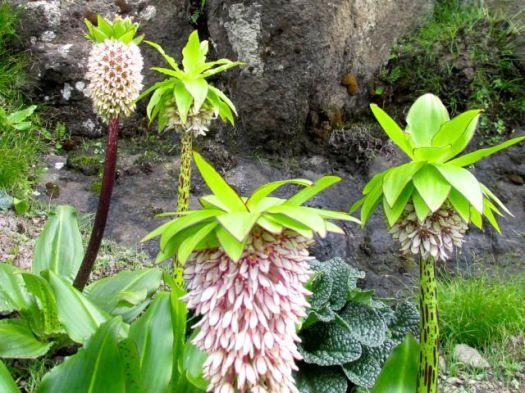
The vegetation in South Africa is different than what I’m used to. The most interesting plant is this … Pineapple something.

IMG_0143

IMG_0144

One intensely scenic day. We all left happy.

This New Yorker was on the last 4 days of 2 years of traveling.

IMG_0130

Back at the car park we enjoyed a gymnastics performance.

headstand South Africa

And saw one sleepy snake close to where we parked the vans.

more pics from this trek

I didn’t delete many photos as most up there in the Bergs were cool. 🙂

related – Controversy Between Tugela Falls and Angel Falls as World’s Tallest Waterfall

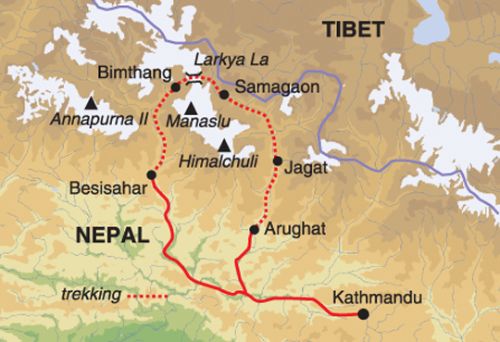
Manaslu Circuit – day 10

by site editor Rick McCharles

In a rush to get clear of the Manaslu Circuit, we opted for a long, easy day from Bimtang 3720mto Dharapai 1850m.

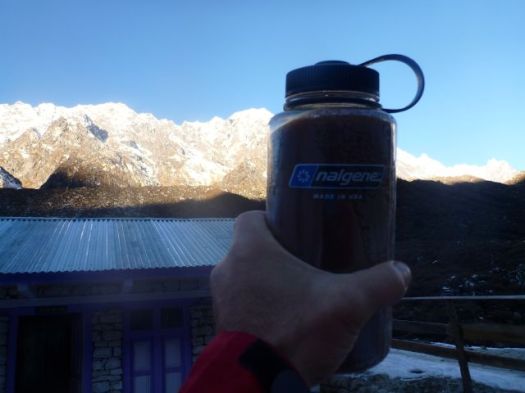
I bought “cooked water”. Made my own instant coffee for the morning.

P1260066

Departing Bimtang, the ground water was frozen. This is still high altitude.

P1260068

Plunging into a forested section truly meant we were coming down.

P1260070

No longer fired by adrenaline, our minor aches and illnesses seemed to become more acute.

My stomach was bad. Betsy’s was worse.

P1260077

Soon, however, we were sweating as we hadn’t done in days.

P1260076

We stopped for lunch at a lovely new place.

P1260081

Turned out service was slow. Food lousy.

Motivation was low too. As we plodded downhill.

P1260085

I had about as much enthusiasm as the mules we traipsed behind.

P1260087

Seems to me there will be no road built any time soon on this side of the Manaslu Circuit. It’s a very rugged canyon.

P1260095

After 7hrs of walking we rolled into Dharapani on the Annapurna Circuit.

We all enjoyed a hot shower. One last dinner together. …

… But early next morning it was time to say goodbye.

P1260100

Tasha and Ivan were headed for the Everest Base Camp trek.

P1260102

Brion and Betsy planned to get a very nice room and luxuriate in the last couple of days of their honeymoon.

P1260104

Everyone rushed away. Except me.

I stayed to continue the trek solo, ascending on the Annapurna Circuit. 🙂

see high resolution photos from this day on flickr


Interested to trek the Manaslu Circuit yourself one day? The best starting point is our Manaslu information page.

Manaslu mapday 0 | day 1 | day 2 | day 3 | day 4 | day 5 | day 6 | day 7 | day 8 | day 9 | day 10 | info