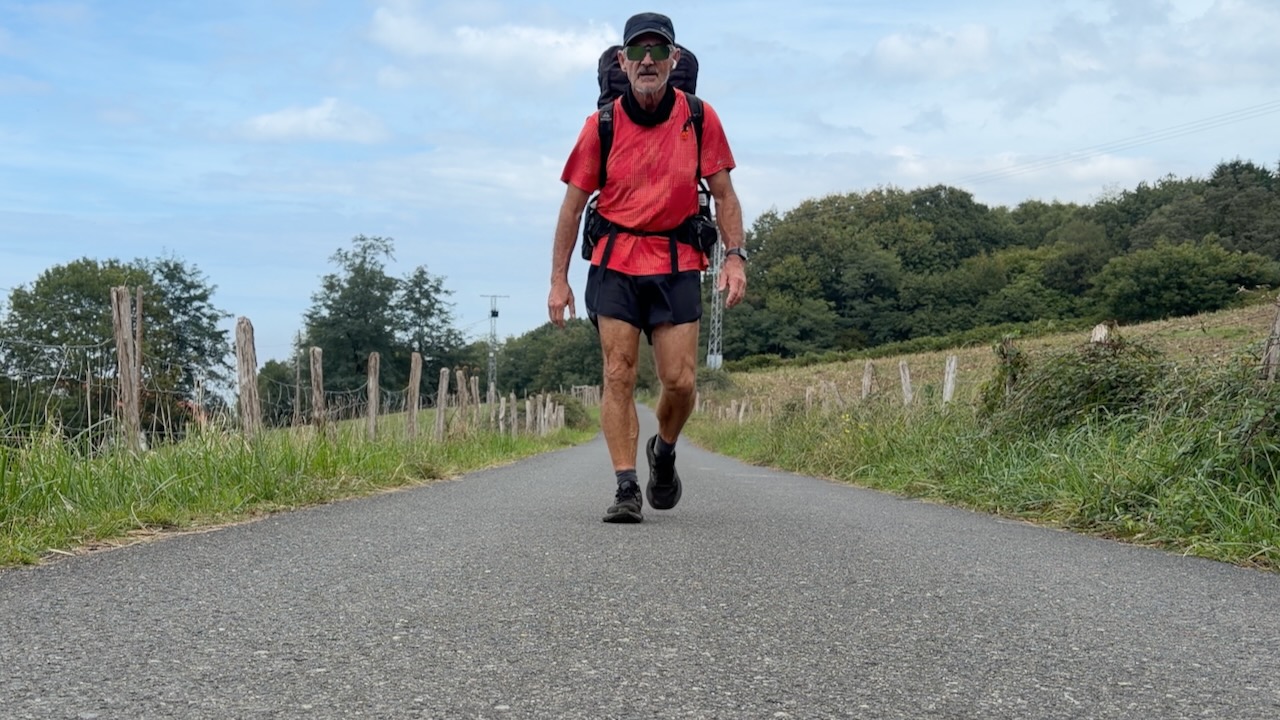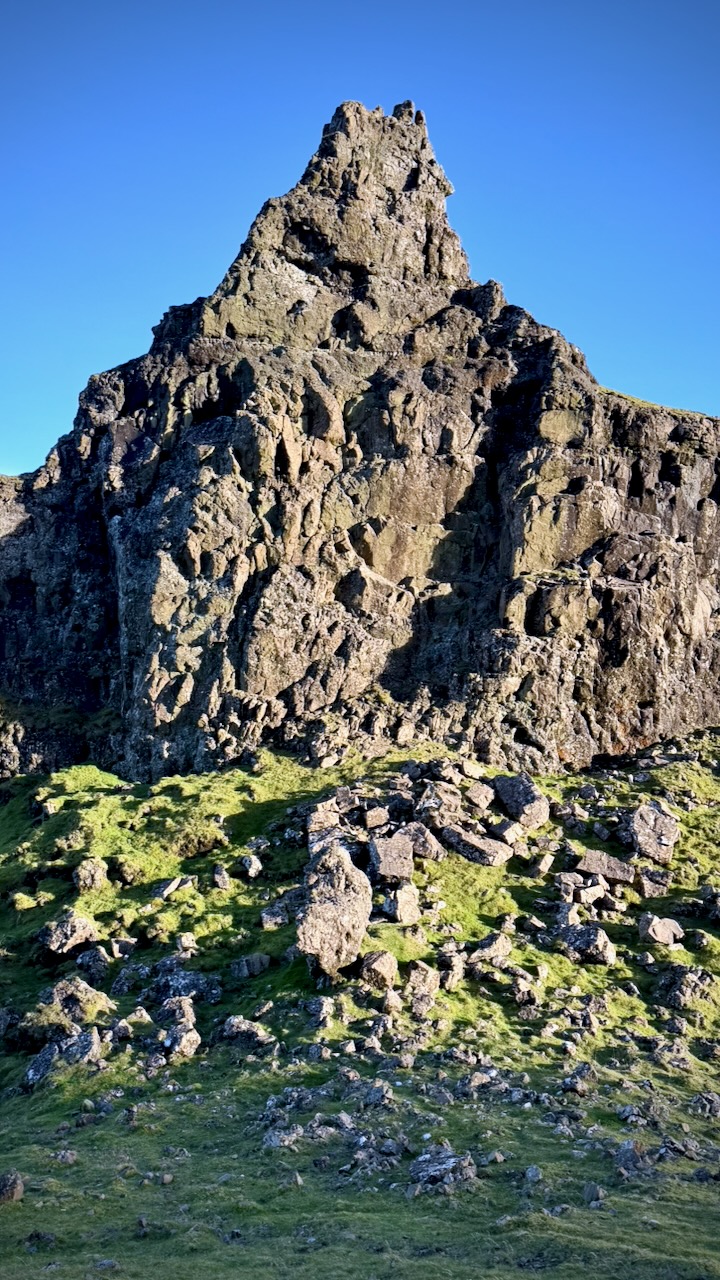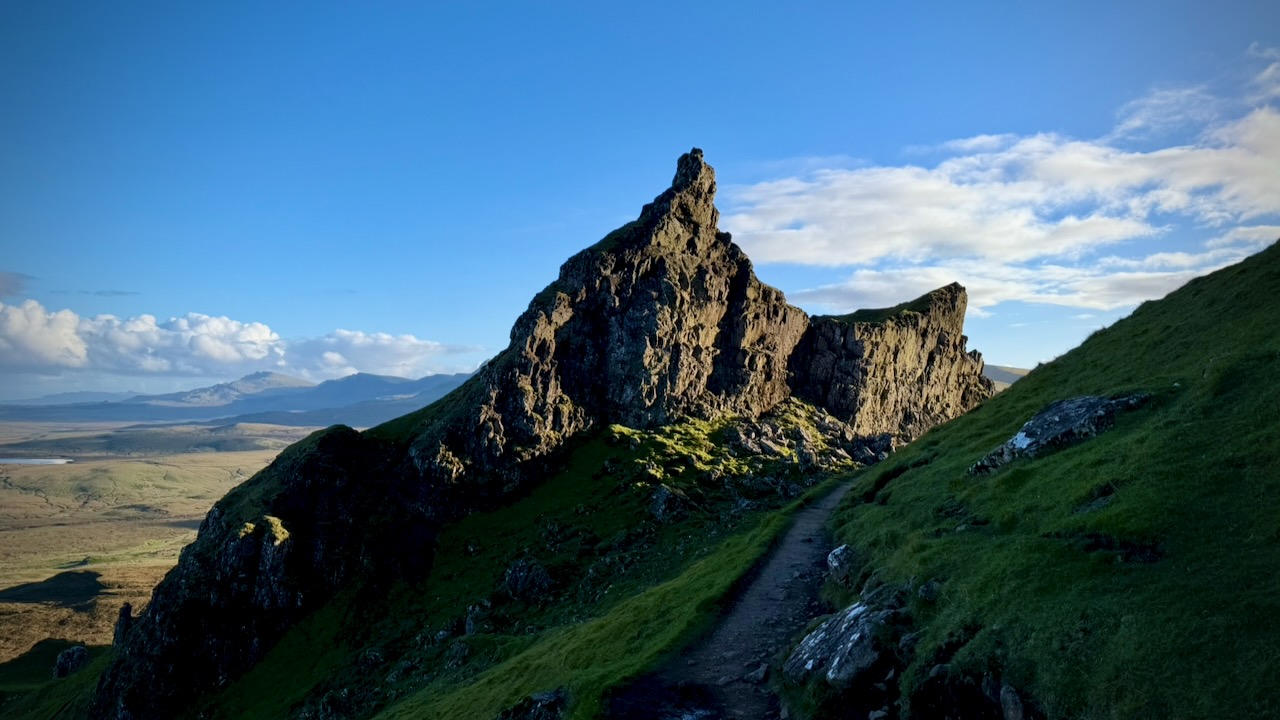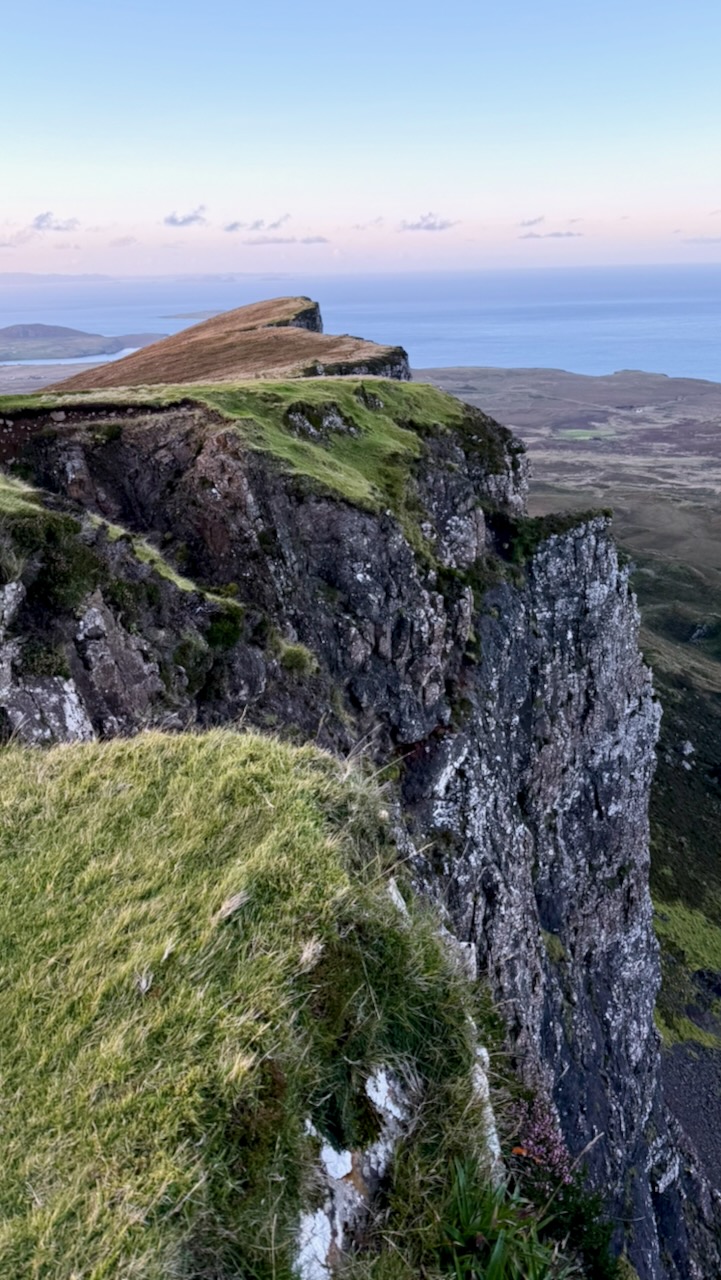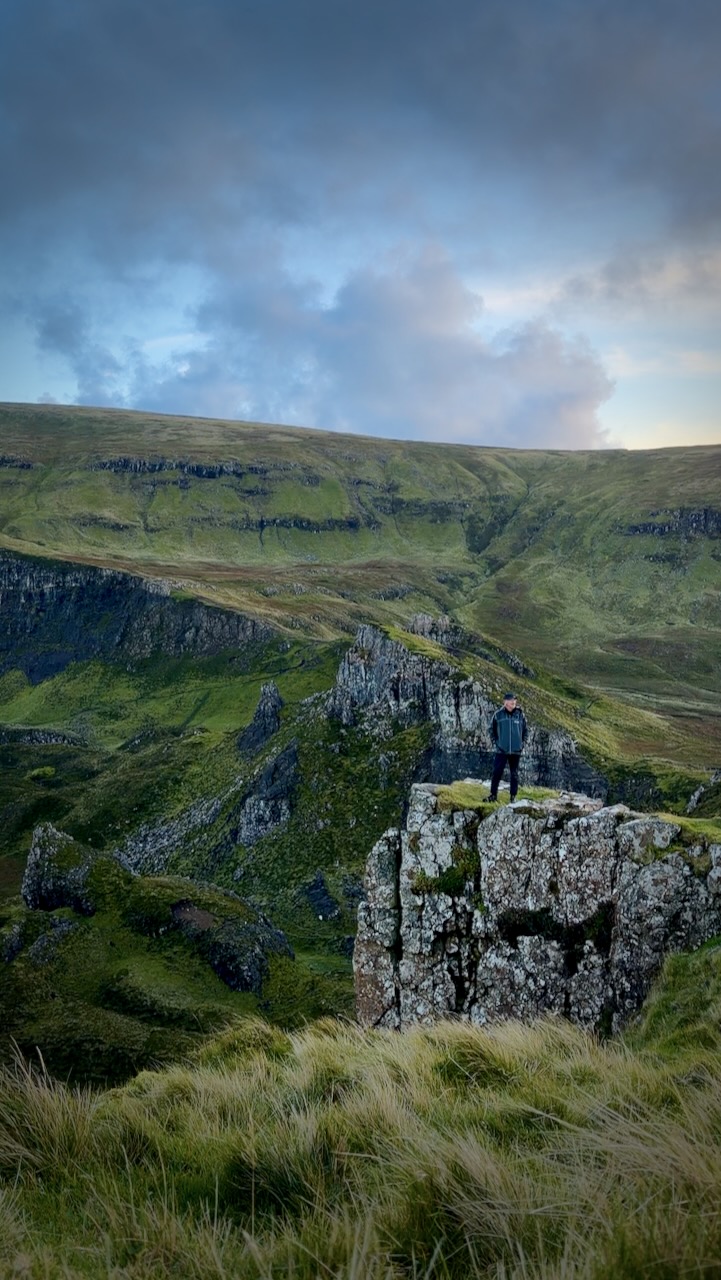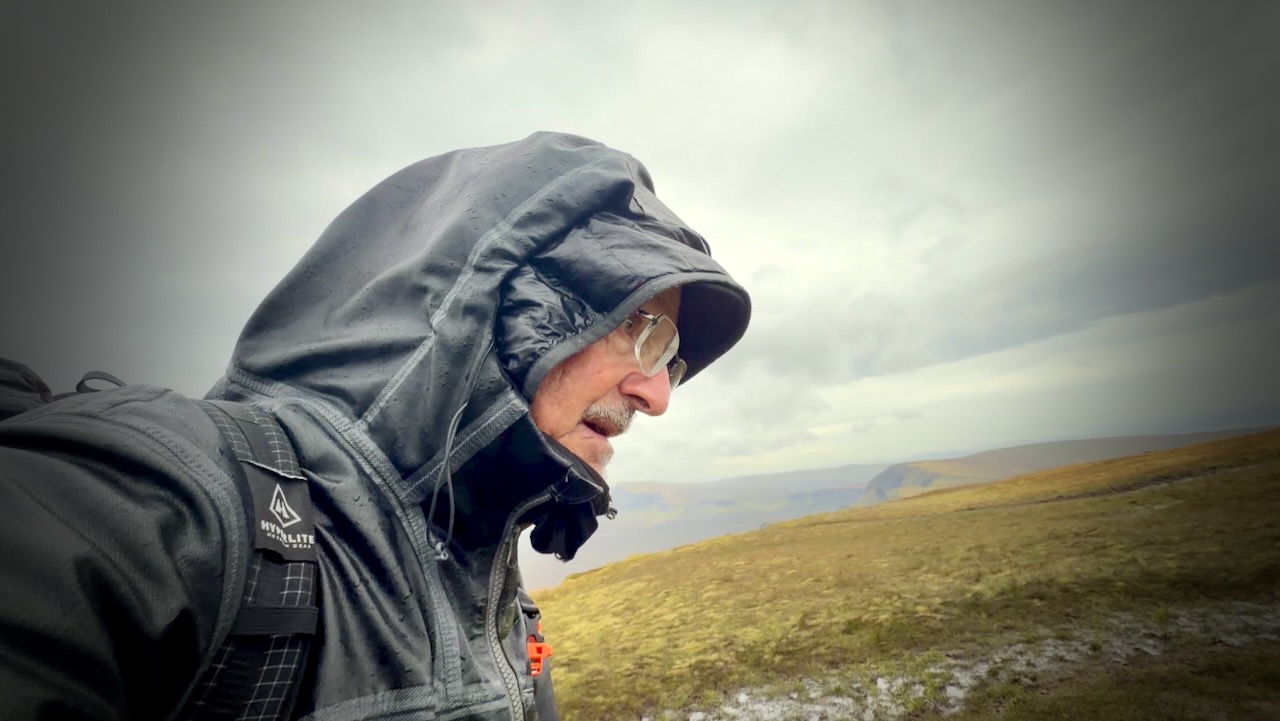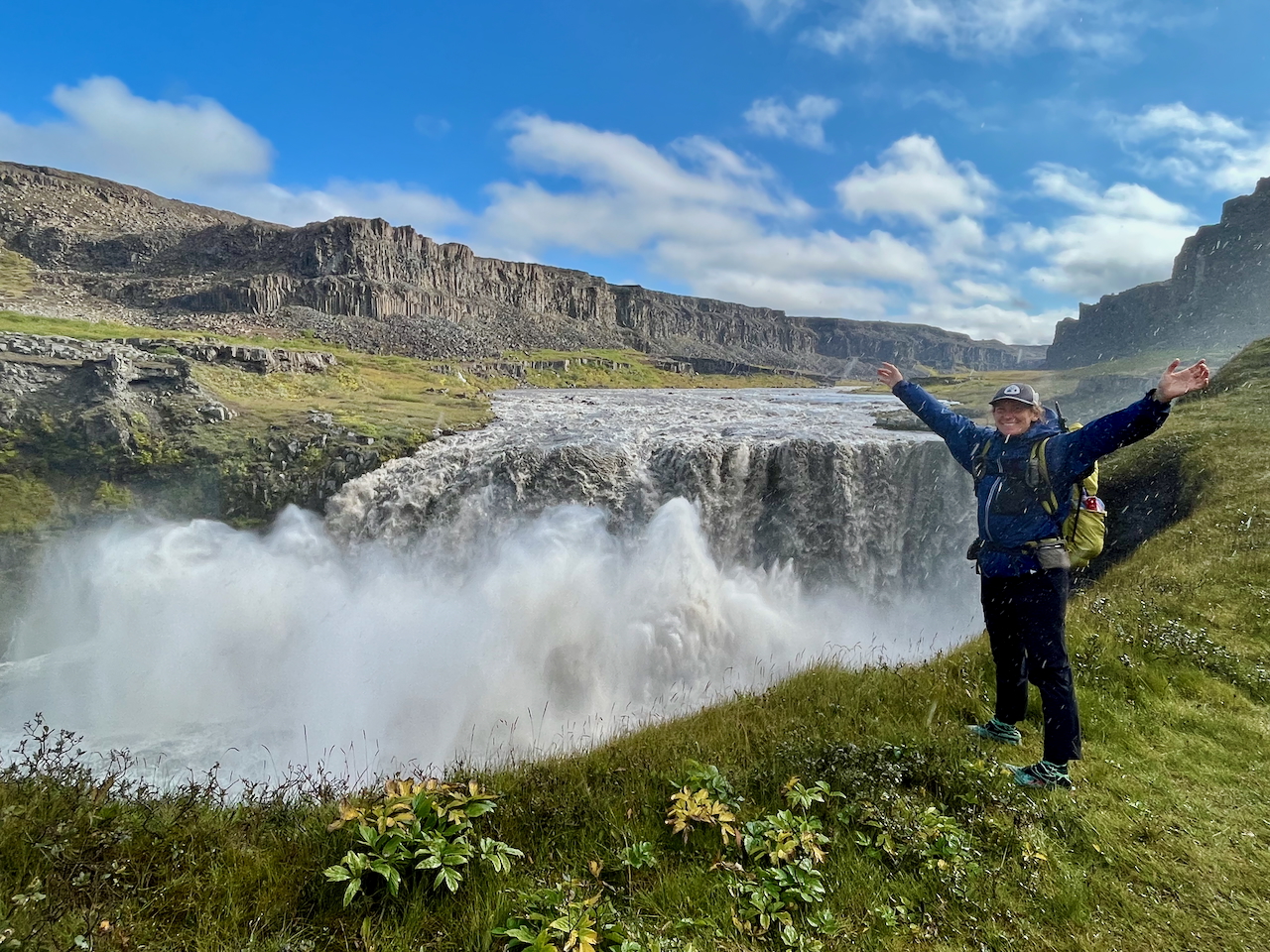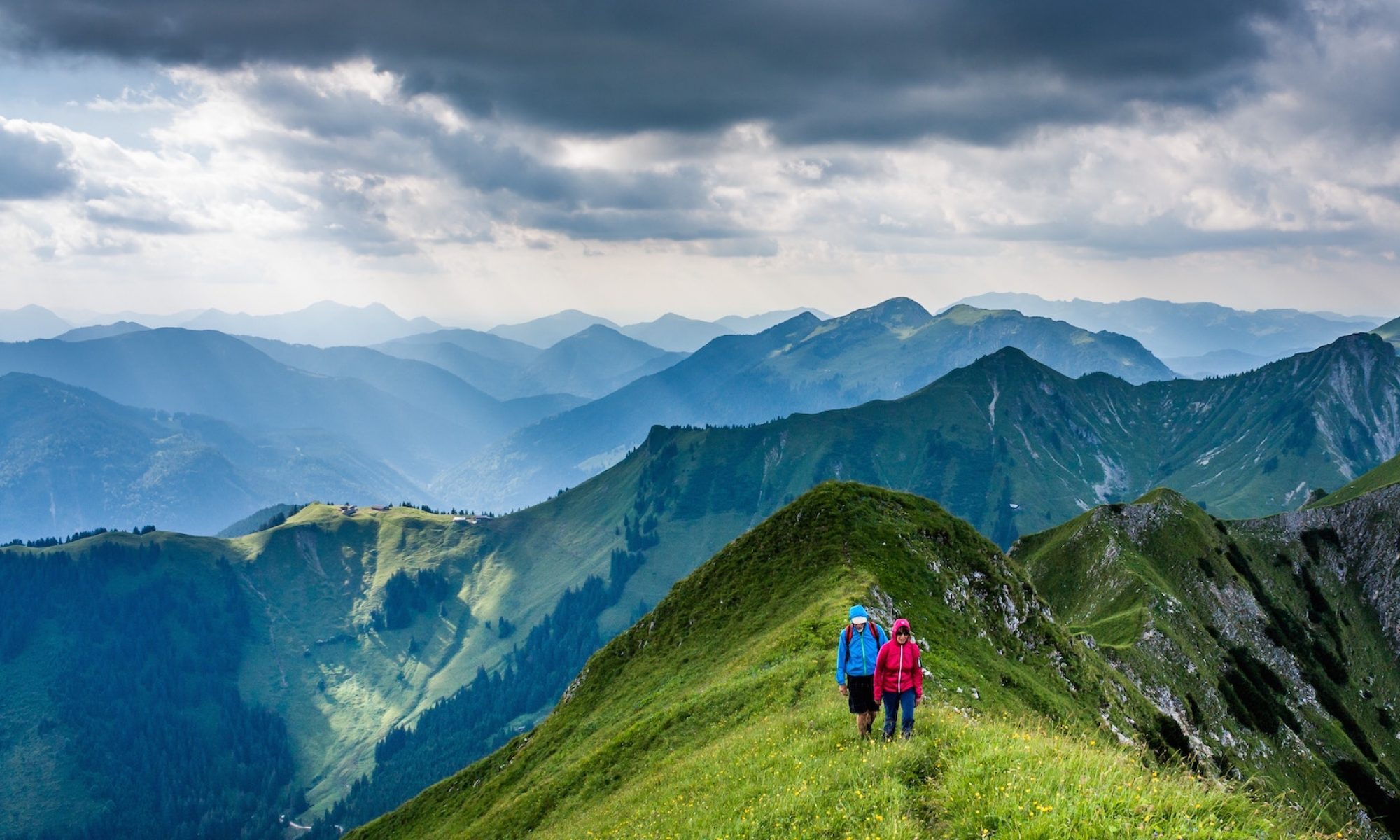

4 Days LOST on the Quilotoa Loop, Ecuador

Trip report by BestHike editor Rick McCharles

Independent hiking. No guide.

The Quilotoa Loop, climbing to a 3-kilometre (2 mi)-wide volcanic caldera, is the most famous multi-day hike in Ecuador.

  • 34.8km
  • 2,480m elevation gain
  • 4 days, 3 nights

It’s essential that you be acclimatized for altitude before climbing with a full pack. I’d been in Ecuador over 2 weeks before starting, most of that time above 3000m.

Quilotoa Crater Rim

In 2026 almost every hiker I met was using the AllTrails app offline to find their way. Our back-up was the Maps.me app offline which includes more trails, more options.

Despite those apps, we all managed to miss multiple side trail turn-offs every day. ๐Ÿ˜€

LOST.

Most hostels cost about $20 for a private room including a complete breakfast and dinner. Hot or warm showers. Good wifi. Jacuzzi and sauna extra charge. A fantastic bargain.

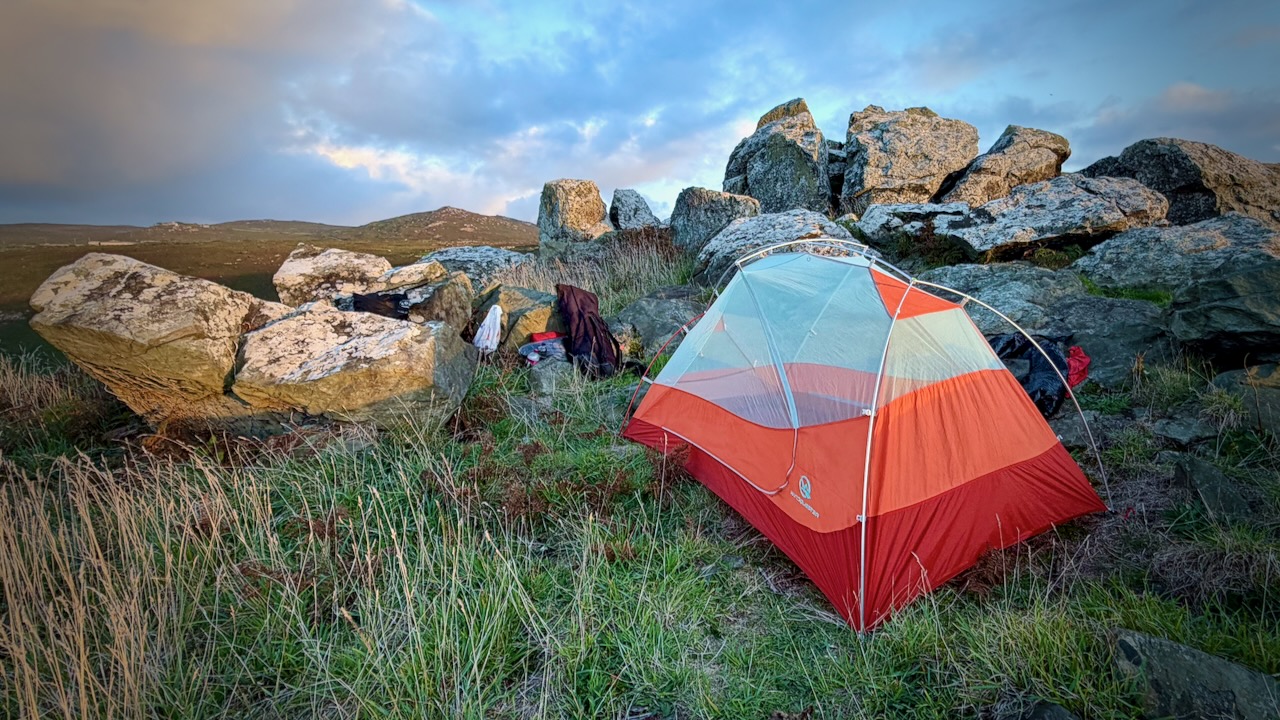
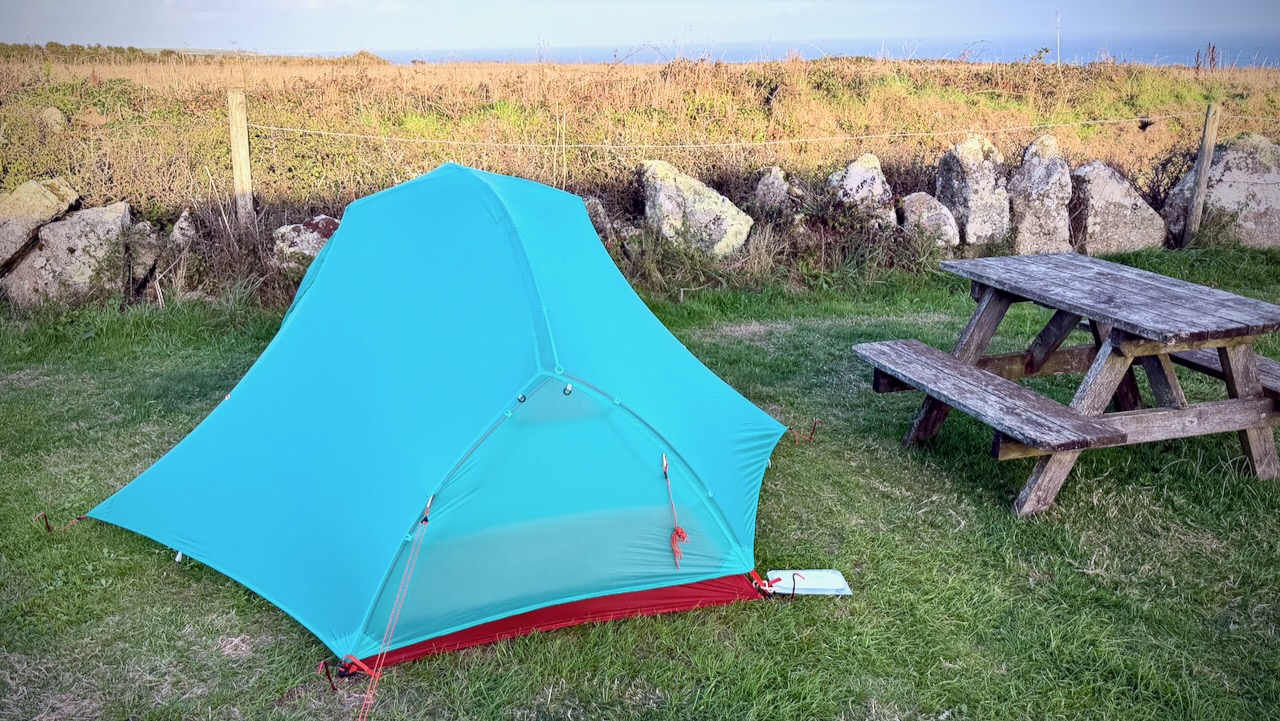
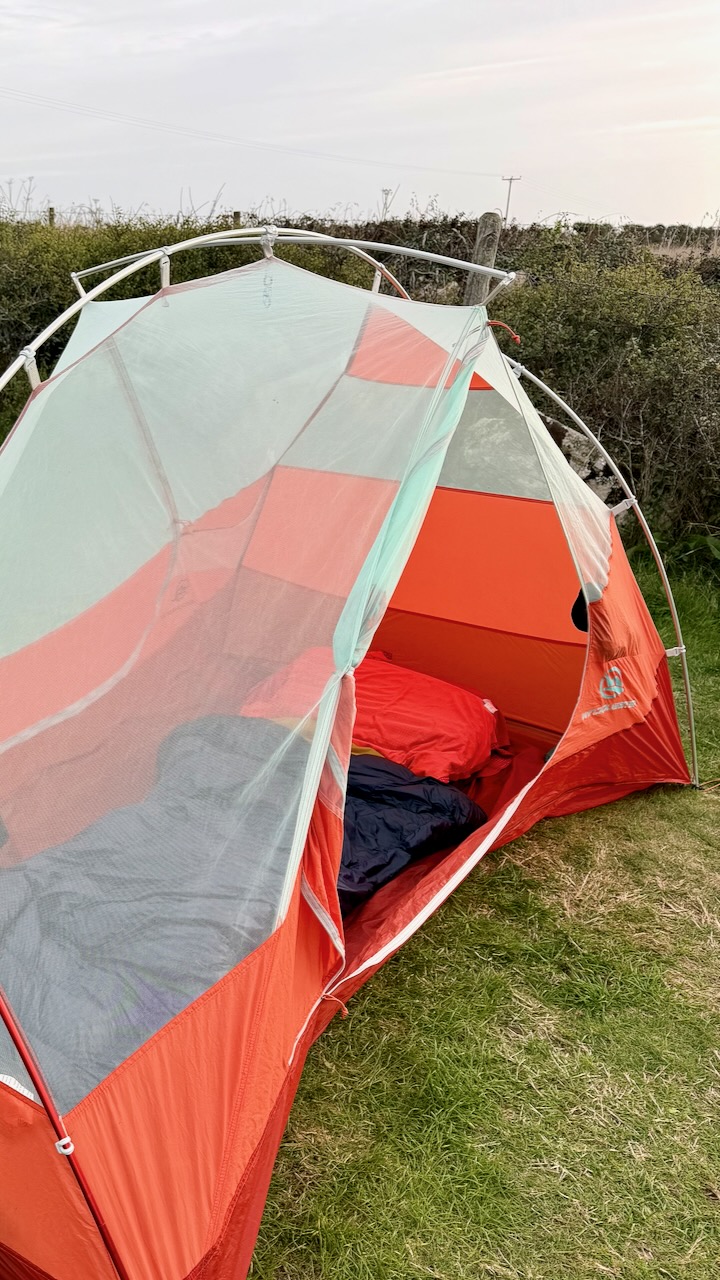
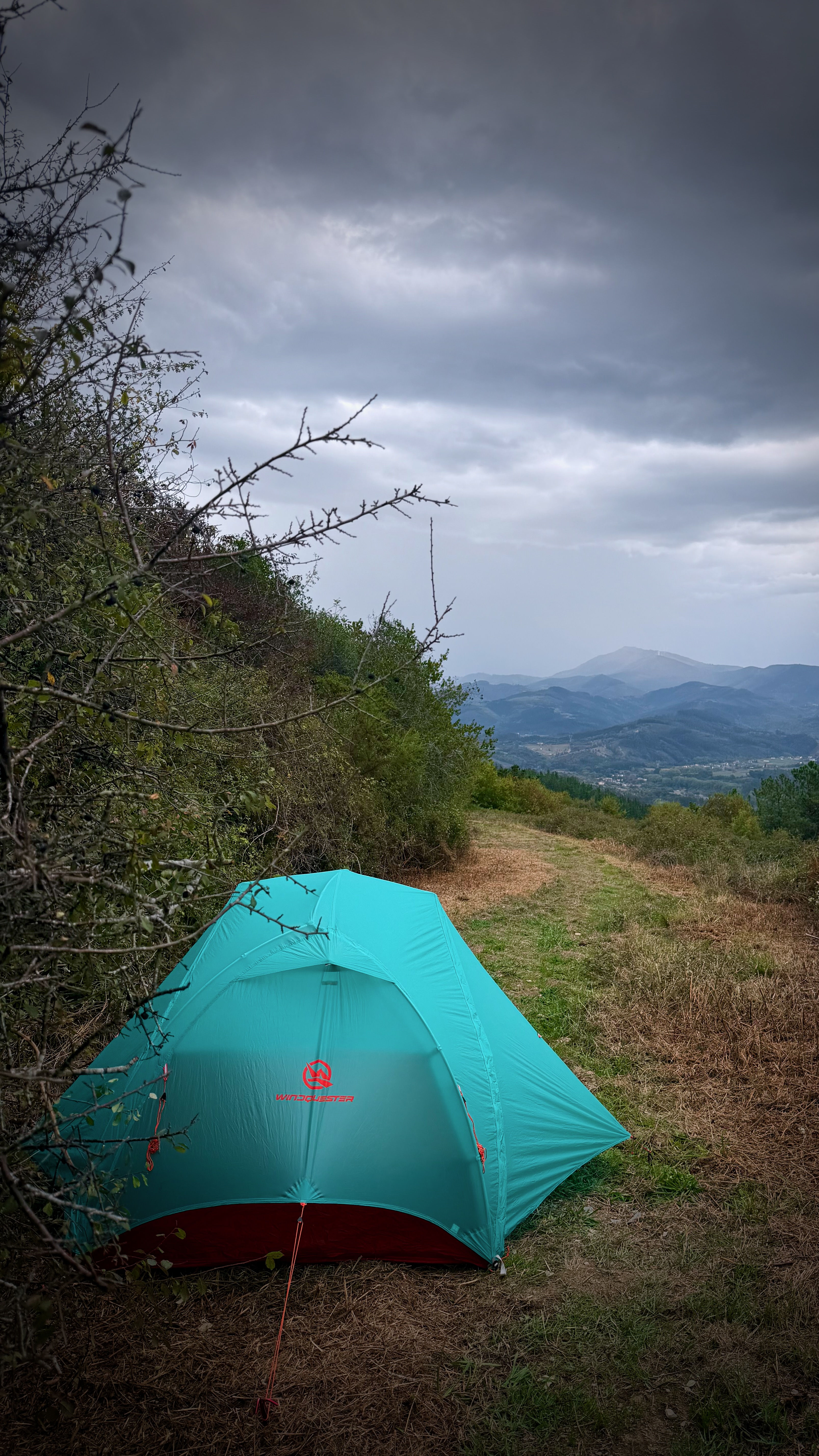
Though I carried a tent as emergency back-up, there’s no way I was going to use it with so many great, inexpensive hostels available.

Weather is a huge factor. I hiked in early February, one of the best months. But had rain almost every afternoon. The rule her is to do as much hiking as possible early in the day.

Farm dogs tend to bark at strangers. At times you must pretend to throw something at them to dissuade.

Typical 3-Day Itinerary (Sigchos to Quilotoa)

Most hikers prefer this direction to save the crater lake for the end and to acclimatize more gradually. 

  1. Sigchos (2850m) to Isinlivรญ (2950m).
    • Distance: ~9.9 km (6.1 miles)
    • Time: 4โ€“7 hours
    • Details: This is the easiest day, involving a descent into the Toachi Canyon and then an ascent to Isinlivi. The trail goes through lush farmland and past small communities.
  2. Isinlivi to Chugchilรกn (3200m)
    • Distance: ~11.8 km (7.3 miles)
    • Time: 4โ€“8 hours
    • Details: A harder day with two major climbs and a suspension bridge crossing at the bottom of the valley. The hike takes you through more dramatic canyon landscapes.
  3. Chugchilรกn to Quilotoa (3800m)
    • Distance: ~13.2 km (8.2 miles)
    • Time: 5โ€“9 hours
    • Details: The most challenging day due to the significant elevation gain at high altitude. The trail gradually climbs up to the rim of the Quilotoa crater, offering stunning views of the lake at the finish. 

Once at Quilotoa village, most hikers catch a bus back to Latacunga. I stayed overnight in the village to be able to complete the additional 10.8km Quilotoa Crater Circuit next morning. Not easy. That’s an extra 795m elevation gain.


Day 1

I stayed one night in Latacunga, gateway city to the Quilotoa Loop. Hostal Cafรฉ Tiana was excellent. I opted to carry ALL my gear rather than leave anything behind at the hostel.

Next morning caught the bus to Sigchos. And began the walk to Isinlivรญ.

I didn’t get my feet wet.

Above Isinlivรญ.

Dogs are all loose. These two not at all menacing.

It was a relief to finally reach Llullu Llama Mountain Lodge, the best hostel on the Loop.

What a facility.

Excellent dinner and breakfast included.

$5 / person for the jacuzzi.

Happy Hiker.

Day 2

I was enjoying Llullu Llama Mountain Lodge โ€” so didn’t start walking until 11am. Not smart. You should get going as early as possible each day.

As we’d all missed many small trail turn-offs the day before, this time I opened the AllTrails app on my Apple Watch. In general, the green means you’ll be turning in that direction. It did help. I missed fewer turns. BUT this does kill the watch battery quickly.

Screenshot

Day 2 was tougher and wetter.

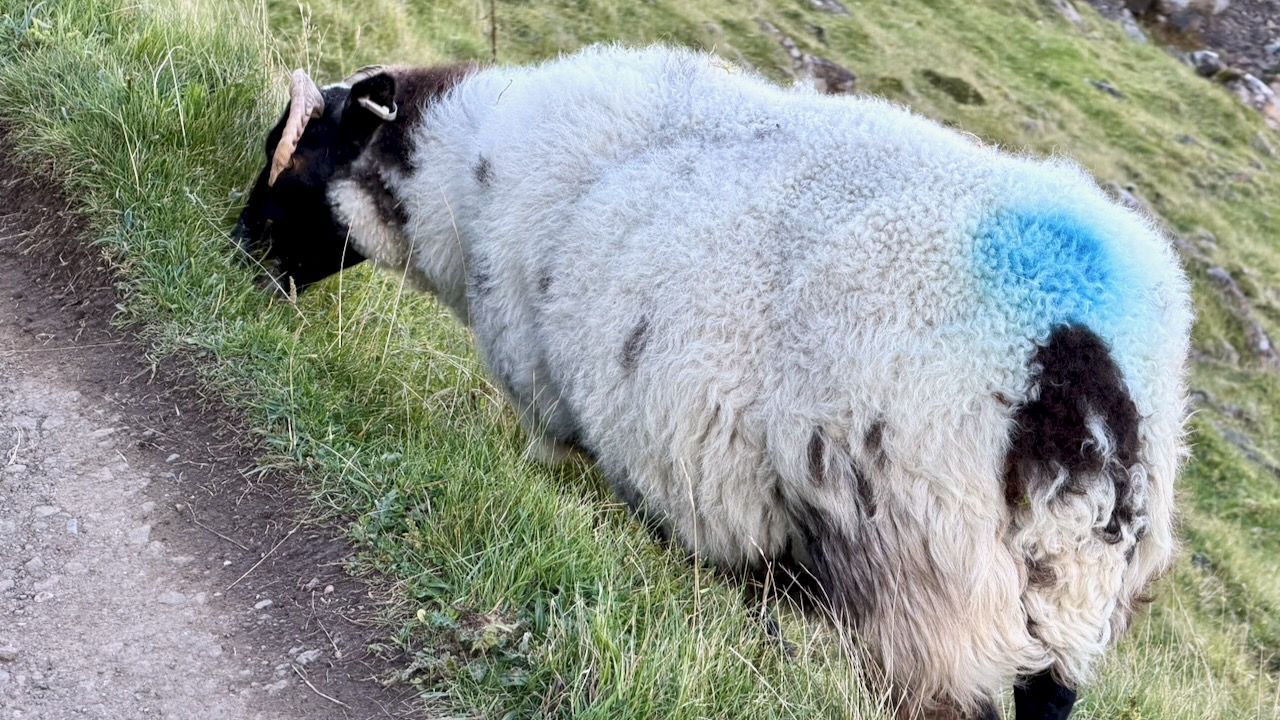
I saw few hikers each day as we were all walking the same direction. BUT was never lonely. Domestic animals are everywhere on this trail.

The sun was out for several hours. Dangerous near the equator. It’s easy to sunburn. I should have covered-up up better.

Sunburn victim.

Peanut butter for lunch on the bridge.

As is typical of the weather here, rain began in the early afternoon. My phone ran out of juice and would not be recharged by portable battery because the cable was wet. My Apple Watch died.

Without electronic navigation, I could really have gotten lost.

Even worst, the last part of day 2 has multiple possible routes. I ended up on one which was stunning, but more difficult. Somehow I still made it to Chugchilรกn, a larger town. We stayed at the Cloud Forest which featured a Sauna.


Day 3

Having learned my lesson, I started early.

As elevation increases, I had more cloud.

Hikers debate which is tougher โž™ day 2 or day 3. Both are challenging.

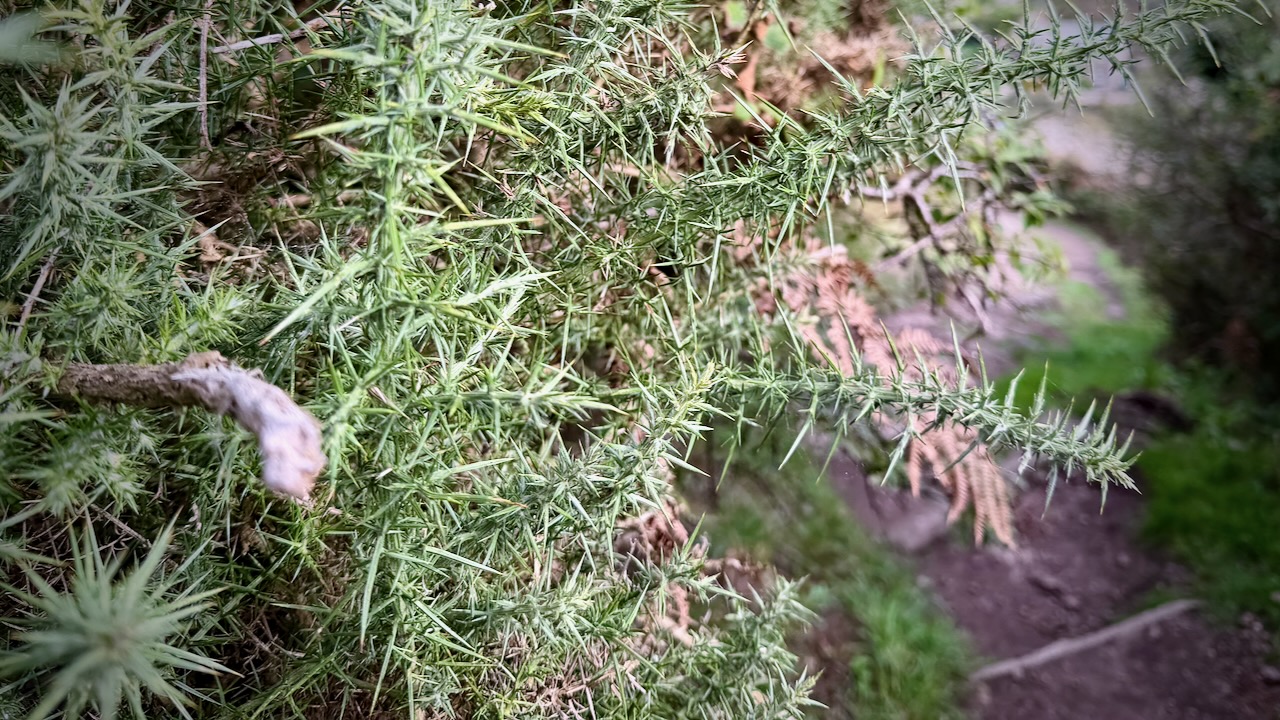
My fingers were bleeding at least 3 times. Some of the vegetation is thorny.

There are some astonishing valley vistas this day.

Vegetation does change with elevation.

Rush hour.

Celebration time when finally reaching the crater ridge.

From this point, it’s still about an hour’s walk to Quiloto village, a 100% tourist trap.

I was happy we decided to stay at Runa Wasi hostel. Classy, friendly accommodation.

By the end of day 3 you’ve gotten to know hikers on the same schedule. Celebration time.

Great food, as well.


Day 4

Breakfast as quick as possible โž™ then off while the weather was good.

The 10.8km Quilotoa Crater Circuit next morning took me 4-5 hours. An extra 795m elevation gain with MANY photo & video stops.

Quilotoa village.

After 3 days with a heavy load, I decided to chug a litre of water here. Then speed hike the Circuit with no day pack.

There are a number of viewpoints. This one with the glass floor the most impressive.

I’d decided to turn right from the village as this was considered the more difficult part. And I wanted to do it first in case of rain later. There is some scrambling.

There are some random llamas on the rim. Village children ask $1 if you want to take their photo.

With no day pack, I made good time.

Weather excellent this morning. Though quite windy.

Good views of snow-capped volcanoes Cotopaxi and Chimborazo.

For me, this was the best hiking day.

You could drive or bus up to Quilotoa village and just do this Circuit.

I caught the bus back to Latacunga. And connected to Quito.

All and all, a terrific hiking adventure.


Climbing Ruku Pichincha, Quito, Ecuador

Trip report by BestHike editor Rick McCharles.

A terrific way to acclimatize to altitude from Quito is to take one of the highestย aerial liftsย in the world, rising from 3,117ย m (10,226ย ft) to 3,945ย m (12,943ย ft).

It’s called the TelefรฉriQo. $9 ticket in 2026. Get there close to opening in the morning at 9 or 10am.

AndrewDresselย –ย photo

Click PLAY or watch it on YouTube.

From the top, you continue up as high as you like.

There are great views of Quito below.

The trail is easy walking through grassland.

Ruku peak is 4,698 metres (15,413ย ft) โ€” but the top is a scramble. You might want a helmet.

At any time, clouds may roll in. It could rain or hail on short notice. The TelefรฉriQo shuts down in high wind or hard rain, trapping folks up top until service can be resumed.

I ended up climbing to about 4500m.

Once it got too rocky, I stopped. Crashed my drone. ๐Ÿ˜€ And started down.

Pichinchaย is aย stratovolcanoย inย Ecuador. The capitalย Quitoย wraps around its eastern slopes.

The two highest peaks of the mountain areย Wawa Pichinchaย (Kichwaย wawaย child, baby / small,ย Spanish spellingย Guagua Pichincha) (4,784 metres (15,696ย ft)) andย Ruku Pichinchaย (Kichwaย rukuย old person, Spanishย Rucu Pichincha) (4,698 metres (15,413ย ft)).ย 

Both peaks are visible from the city of Quito and both are popularย acclimatizationย climbs. Wawa Pichincha is usually accessed from the village of Lloa outside of Quito. Ruku is typically accessed from theย TelefรฉriQoย on the western side of Quito.

related – AllTrails – Ruku Pichincha

Baรฑos: Ecuadorโ€™s adventure capital

Baรฑos de Agua Santa (Baรฑos) is a small mountain town, the nation’s gateway to the Amazon. And legitimately touted the Adventure Capital of Ecuador.

Activities similar to what you are offered in New Zealand, but for 10% of the cost. There MIGHT be some compromises on safety and liability, however. ๐Ÿ˜€ 

I came for the hiking and cycling. And for altitude acclimatization. It’s at 1,820 metres (5,971 feet).  Three weeks at altitude conditioning in preparation for Kilimanjaro up next.

Click PLAY or watch it on YouTube.


Hiking to Cotopaxi Base Camp, Ecuador

Trip report by BestHike editor Rick McCharles.

A super popular acclimatization hike is a steep, 1,000-meter climb up loose volcanic scree to the base camp of one of the world’s most iconic peaks.

Accessible as a day trip from Quito or โ€” better โ€” via surrounding lodges like Secret Garden Cotopaxi, which is what I did.

Cotopaxi stratovolcano

We started early morning when the weather is generally better. Picked up mountain bikes en route.

It’s a beautiful part of the world.

One highlight was spotting a “Andean Wolf” on the drive up. And again on the way down the mountain. It looks more like a long-legged fox.

Processed by: Helicon Filter;By I, Ondล™ej ลฝvรกฤek, CC BY 2.5, https://commons.wikimedia.org/w/index.php?curid=18463942

From the parking lot, it’s 45 minutes to 1.5 hours uphill. (Much faster back down to your vehicle.)

Most continue on to reach the glacier at about 5000m.

We were all checking our devices to see if we’d reached 5000m. We did.

One photographer from South Africa had never seen snow. He decided to climb right into the glacier. … Probably not the safest decision.

We then dropped down to the Base Camp refuge (refugio) at 4,864 meters (15,953 feet) for a hot drink and/or soup.

A festive vibe.

We slid back down the mountain in soft, safe ash.

A simple, but memorable day hike.

Safe but exciting to finish was rolling down the mountain road on bikes.

Highly recommended. BUT we had one in our group who felt altitude enough to only go as far as the refuge. That’s typical for most groups. Be cautious.
related – Brooke Beyond trip report


Scrambling Rumiรฑahui Volcano, Ecuador

Trip report by BestHike editor Rick McCharles.

We signed on for a climb of Rumiรฑahui Central with Secret Garden Cotopaxi.

Spoiler. Lexi, Tahel, and myself all made it to 4,643m. Super happy here. Our guide was terrific.

Rumiรฑahui is considered a lead-up to Cotopaxi (5,897m) and then Chimborazo (6,263โ€“6,310m).

Rumiรฑahui is a dormant, heavily eroded stratovolcano 4,721 metres (15,489 ft) above sea level.

Situated in the Andes mountains 40 km south of QuitoEcuador, it is overshadowed by its famous neighbour Cotopaxi.

This mountain is in Cotopaxi National Park, so we drove directly towards the big peak. Excellent weather early morning.

We parked at Lake Limpiopungo at approximately 3,850m. Many different species of birds alight here.

Headed to that central peak.

We saw rabbits at the beginning while climbing up through paramo.

And condors floating in the updraft.

On the way down, our guide spotted wild horses below.

We had amazing views of Cotopaxi.

I call it a scramble because this mountain is quite jagged. We used our hands quite a bit at the top. Tahel put spare socks on her hands. I used a buff for protection. None of us had opted to carry gloves.

Check this rugged mountaineer.

Ready for Kilimanjaro, coming up next.

The most surprising moment of the trip was having a caracara land on the summit just as we were celebrating.

A bit slow getting to the top, we actually ran down much of the mountain as Tahel had to catch a bus back to Quito at 3pm.

We stopped to chat with this group at 1pm. Just starting up.

Well … they had horrific hard rainfall in the afternoon. You really want to finish your hiking by 2pm in the Andes.

Click PLAY or watch our adventure on YouTube.

Hiking Near Cotopaxi Volcano, Ecuador

Trip report by BestHike editor Rick McCharles.

I flew to Ecuador for 3 weeks hiking & climbing in preparation for Kilimanjaro.

A good decision.

Logistics getting to and from trailheads is complicated in this nation.

BEST for me was adventuring out of Secret Garden Cotopaxi Hostel โž™ perhaps my favourite hostel in the world. At around 3,800 metres (12,500 feet), you’ll feel some altitude symptoms for sure if coming from sea level. I’d been in Ecuador for about 9 days and still had minor headaches.

Most popular is a 3-day, 2-night package starting at $120 with transportation from Quito, the capital.

That includes two free guided hikes:

In some ways, the short Waterfall hike is challenging.

You must wear provided rubber boots that don’t have much traction. It’s not uncommon for new visitors at altitude to fall into the muddy creek.

Each day some fool(s) decide to swim the waterfall. But not this fool. Not this day.


The Pasochoa summit hike to 4200m (13,776 ft) is legit high altitude training. Even though you start directly from the hotel.

Best pay attention to the warnings of your very experienced guide.

The start can be muddy and slippery. Some wear rubber boots for the first 45 minutes, or so.

From there, you switch to hiking shoes and climb up through paramo grasslands and primary cloud forest.

Very popular, the route is blazed.

Of course there are terrific views back to the higher volcanoes.

Everyone agreed, the highlight was walking with hostel dogs.

Pasochoa summit.

An easy day hike โž™ IF you are acclimatized to altitude. Most days, some who start don’t make it to the top.

The Hiking Trip by Jenny Blackhurst

The Hiking Tripย (2023) is not a bad murder mystery. Murder on the West Coast Trail, Vancouver Island.

It’s obvious to me โ€”ย someone who’s hiked the West Coast Trail 7 times โ€”ย that the author has never done so. There are many glaring mistakes. ๐Ÿ˜€

It alternates between two timelines: a young woman’s fateful trek on the WCT 1999 and a mother in the present day (around 2019/2023) whose past secrets come back to haunt her when human remains are found just off the trail.

As a hiker, I did find the plot more interesting than otherwise.

Recommended.
Of course there are no open fires in the trees on the West Coast Trail. Jenny needed some hiking fact checkers. ๐Ÿ˜€

Overview of Hiking in the USA 2025

Chris from Greenbelly looks at the big picture in America.

Public lands uncertainty, declining Appalachian Trail hikers, and economic pressure are reshaping the outdoor world.
Here are some emerging trends and events in hiking, conservation, wildlife, gear culture, and how people discover trips and advice today.
  • 0:00 Intro 0:58
  • #1 Thru Hiking Numbers 2:38
  • #2 Public Lands 3:56
  • #3 Conservation 4:48
  • #4 Brands Struggling 6:00
  • #5 Brands Thriving 7:03
  • #6 Performance Hiking 8:31
  • #7 Wildlife Encounters 9:24
  • #8 Reintroductions 10:36
  • #9 Wildfires 11:10
  • #10 AI Rejection 11:46
  • #11 Gear Advice 12:42
  • #12 Trip Discovery

Click PLAY or watch it on YouTube.

Best Hikes in Switzerland ๐Ÿ‡จ๐Ÿ‡ญ Part 2

Markus Rosehill calls Harder Ridge one of the best โ€” if not the best โ€”ย hikes of his life.

Harder Ridge is our #1 day hike in the world, as well.

Click PLAY or watch it on YouTube.

related – Best Hikes in Switzerland ๐Ÿ‡จ๐Ÿ‡ญ Partย 1