Personally, I felt the storytelling average. Sometimes pretentious.
What kept me going was the plot ➙ story of the search for Valerie Gillis, a 42-year-old hiker known as “Sparrow,” who vanishes while navigating the challenging Appalachian Trail.
After weeks experience on the A.T., Sparrow makes many dumb mistakes.
The book was slightly inspired by the story of Geraldine Largay who went missing in 2013 and survived for 26 days.
Valerie pours her thoughts into fractured, poetic letters to her mother as she battles the elements and struggles to keep hoping.
At the heart of the investigation is Beverly, the determined Maine State Game Warden tasked with finding Valerie, who leads the search on the ground. Meanwhile, Lena, a seventy-six-year-old birdwatcher in a Connecticut retirement community, becomes an unexpected armchair detective. …
… The mystery inspires larger questions about the many ways in which we get lost, and how we are found. …
An excellent book. Even if you have no interest in hiking or pipelines. 😀
In fact, you won’t learn much about hiking. A thru hiker would not be impressed. Ken’s gear was too heavy. And he hiked the wrong months of the year.
Ken Ilgunas has a Masters in English from Duke. He’s a terrific writer.
This book has given me the best insight into how poor North American rural people think. An insight into why they vote for political Parties that make the rich richer, the poor poorer. Worse education and health care.
Children and grandchildren leave for big cities. Life is tough for those remaining.
Ken mostly sought out small town religious leaders, asking them for advice on where he could tent safely. He was astonished by the generosity of those spiritual leaders.
Ken worked as a backcountry ranger in Alaska. And was forced to take a job as dishwasher in a high Arctic oil camp.
Jobs there were high pay — very low quality of life.
Those arguing for the Petrotoxin industries usually shout JOBS, JOBS, JOBS. Ken came away thinking these were actually lousy jobs. High rates of alcoholism and drug abuse.
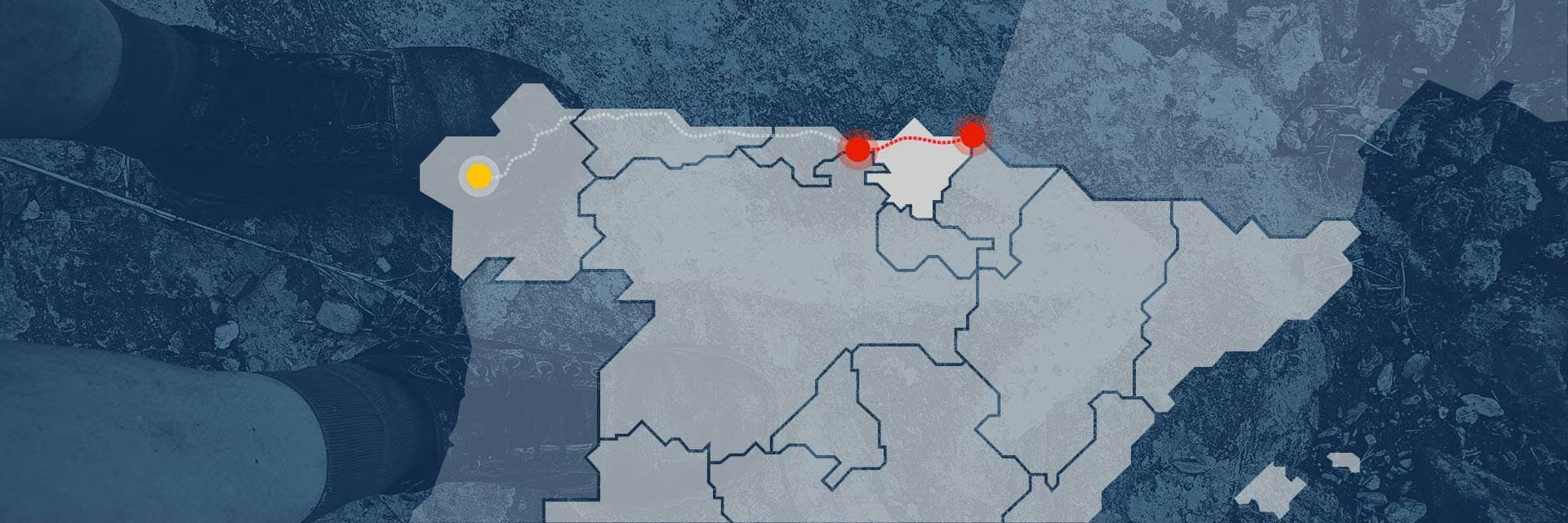
In September 2012, I stuck out my thumb in Denver, Colorado, and hitchhiked 1,500 miles north to the Alberta tar sands. After being duly appalled, I commenced my 1,700-mile hike south following the route of the proposed Keystone XL pipeline, from Alberta to the Texas Gulf Coast. It would become a 4.5 month journey across the Great Plains. To follow the pipe, I couldn’t take roads. I’d have to walk across fields, grasslands, and private property. I’d have to trespass across America.
The book is about my journey–fleeing from cows, taking cover from gunfire, and keeping warm on a very wintry and questionably-timed hike. But it’s also about coming to terms with climate change and figuring out what our role as individuals should be in confronting something so big and so out of our hands. It’s about taking a few months of your life to look at your country from a new perspective. Ultimately, it’s about embracing the belief that a life lived not half wild is a life only half lived.
Most of the folks he met were supportive of Keystone XL Phase IV— but over the months Ken didn’t come away with even one good argument in support of the project.
Few jobs. Short term jobs. MOST of the money kept by the corporation, not those people who had dirty oil flowing over their property.
Most of the dirty Canadian oil is shipped overseas.
There are plenty of pipelines in North America. If you must ship Petrotoxins, pipelines are likely the least terrible way.
But Keystone XL became symbolic of the debate over how to slow or reverse climate change.
Among youth who spend only 1-5 hours outside per week, just 31% rated their happiness level in the 8-10 range on a 10-point scale. 42% put their stress level that high.
But among youth who spend 11 or more hours outside weekly, the results flip: 51% are in the 8-10 happiness range and stress drops.