
hiking Portugal’s vineyards

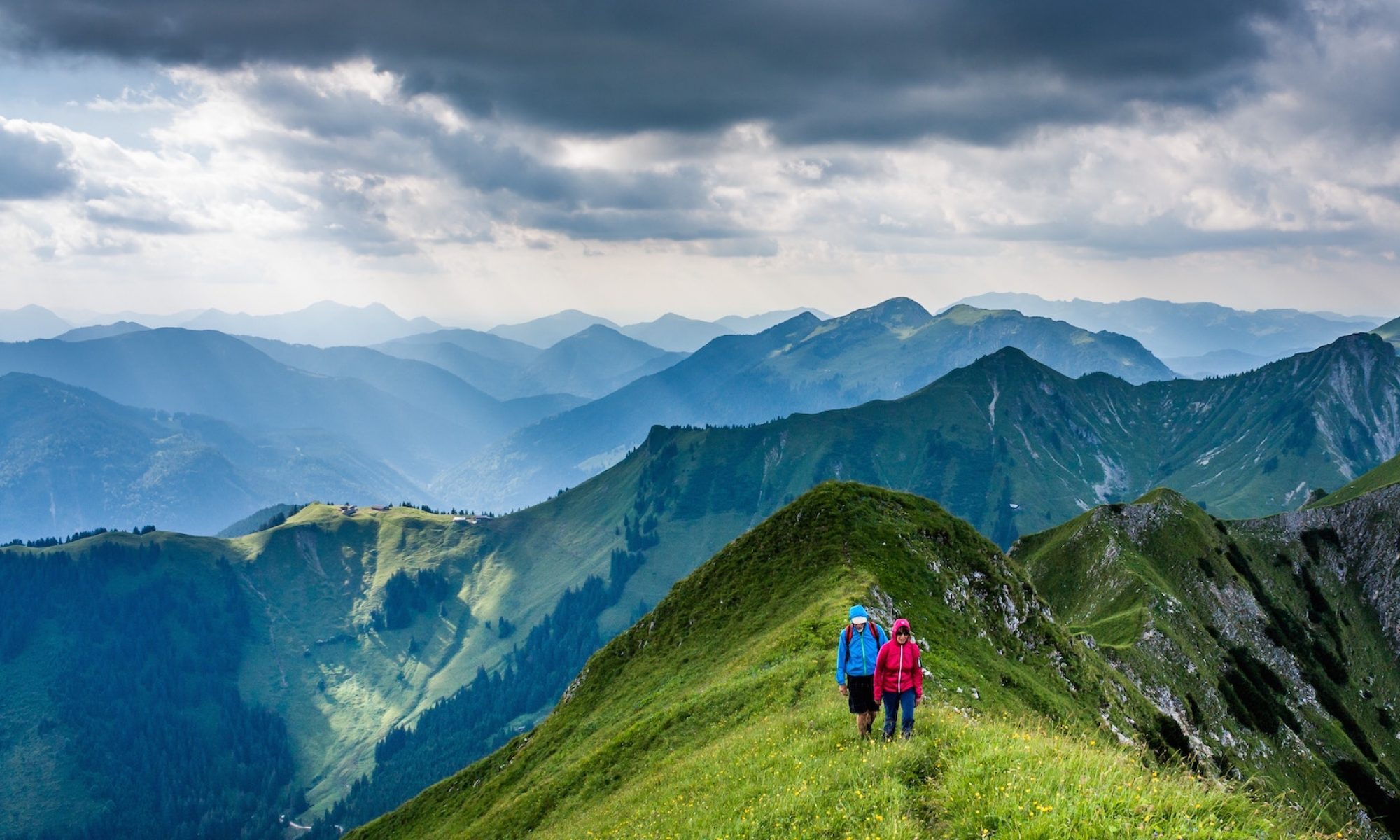
If you love Port and Portuguese wine, consider a week long guided hiking tour through famed Douro valley.

The pitch:

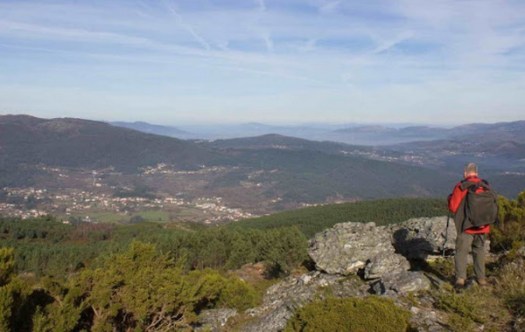
This fantastic program will get you to one of the most beautiful places in Portugal, de Douro region. From Porto to the Douro slopes you’ll take train journeys who lead you to amazing vineyard terraces scenery, today UNESCO heritage site.

While hiking thru the vineyards, you’ll have the chance to taste some of these wines, world class wine!!! Return in a cruise descending to the river mouth at Porto and, finish the trip at the famous cellars of the port Wine.

» UNESCO World Heritage Sites

» One very good time to taste wines from the Douro region.

PortugalPortugal Nature Tours

___

I’ve hiked nearby Peneda-Gerês National Park. Combining a wine walk with this National park on one trip would be idea. Click through for more information.

Gosainkund & Helambu – day 4

Trip report by site editor Rick McCharles

Gopte 3439m – Mangengoth 3420m

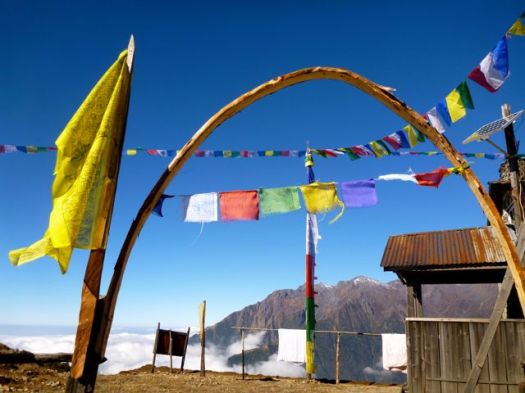
Good morning Gopte.

P1320555

P1320556

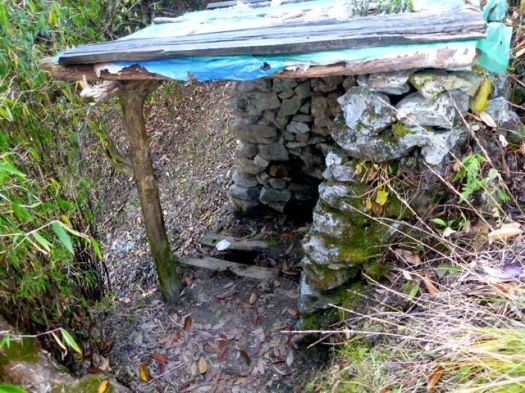
Nepali toilets are as unsanitary as any in the world. I walked past down the mountain past this one to do my business.

P1320562

P1320564

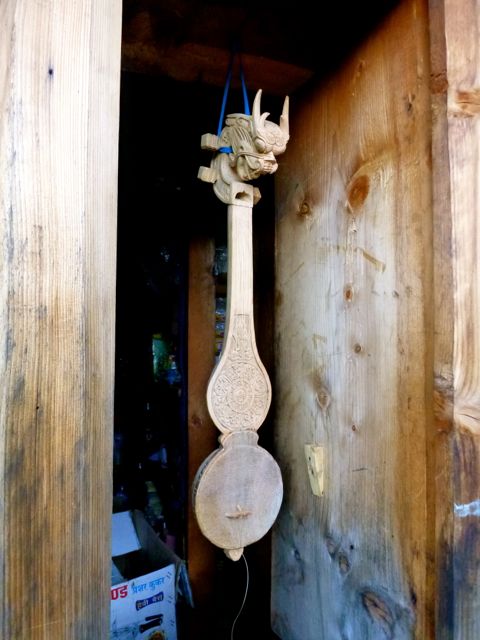
There’s a strange and popular instrument here, called the sarangi, with a carved dragon? head. Something like a fiddle. But with only 4 strings. Nepali Bluegrass. 🙂

P1320561

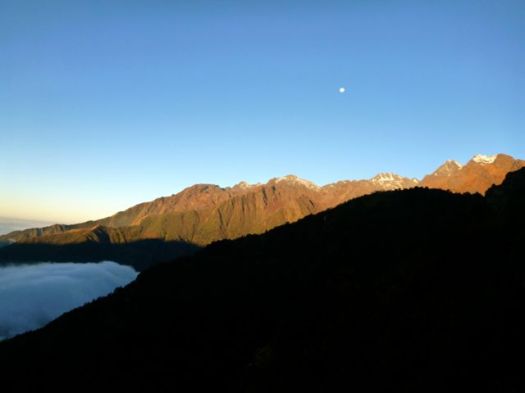
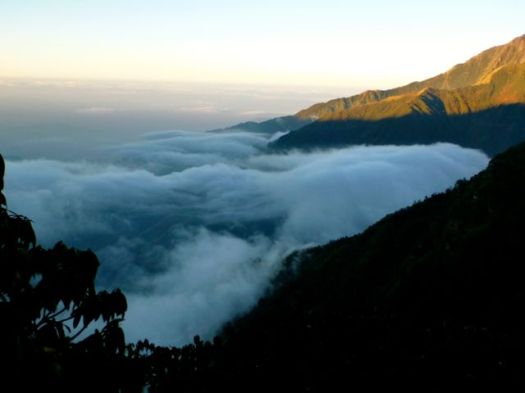
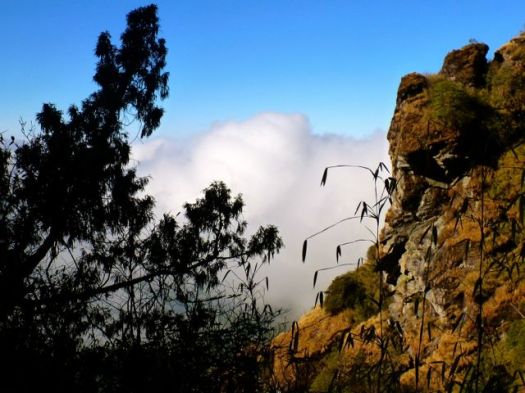
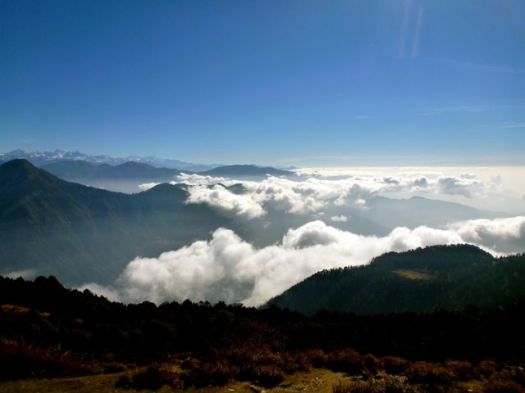
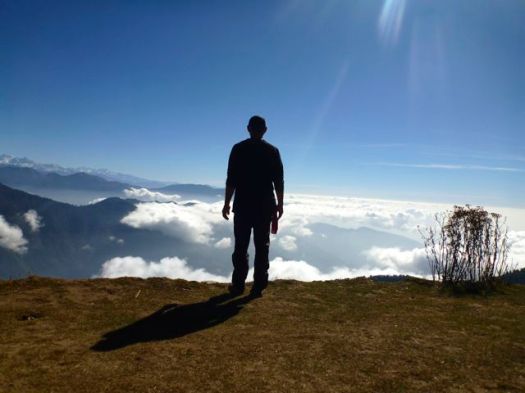
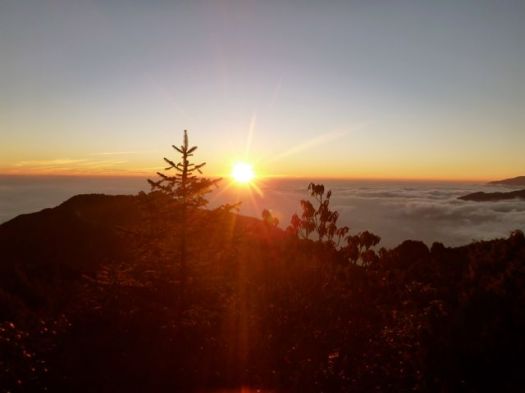
Starting out today late, I’m happy to be still above the clouds. 🙂

P1320576

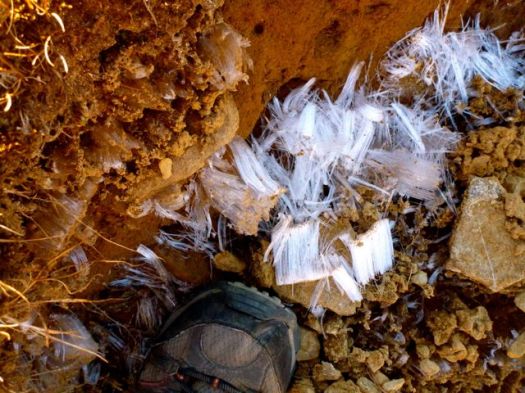
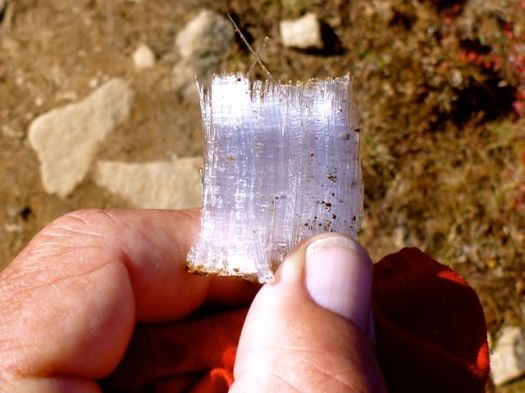
Have you ever seen frost like this? Like hair?

P1320571

P1320572

Nobody talks about distance in the Himalaya, only elevation change. Today I dropped only 19m, my easiest day yet. I wanted a rest after the exhausting day over the Pass.

I stopped for lunch at Thatepati, the only hiker to do so that day. It’s a little off the beaten track.

P1320579

P1320580

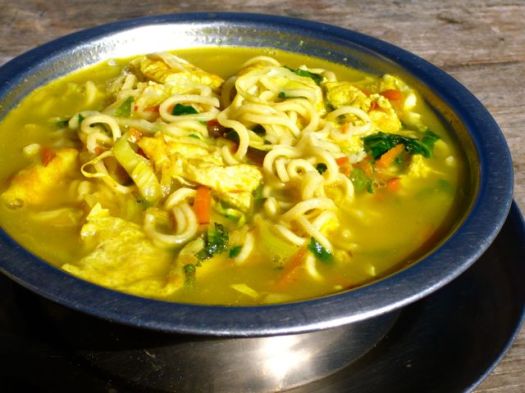
Egg Veg Noodle soup, my usual.

P1320581

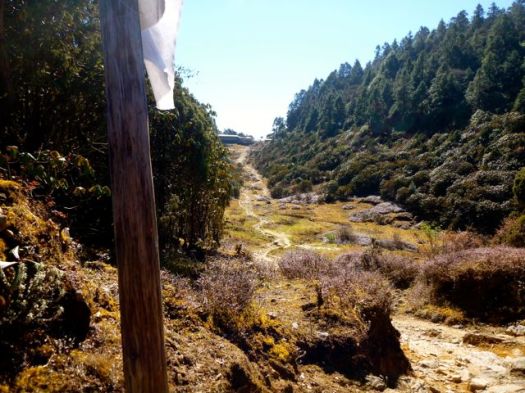
High on a ridge, the owner had to make several trips down a day carrying up barrels of water. The Helambu trail is mostly on a ridge. And there’s not much water available on ridges.

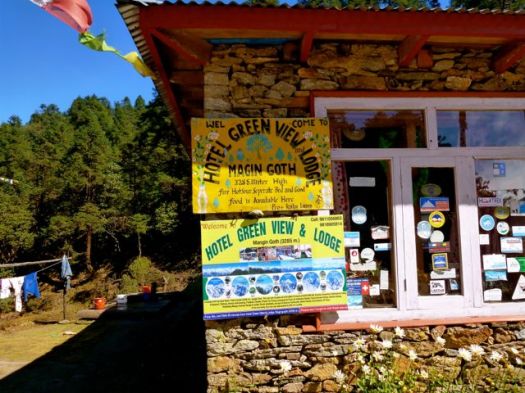
Hotel Green View, Mangengoth came highly recommended. And it was worth the stopover.

P1320592

P1320593

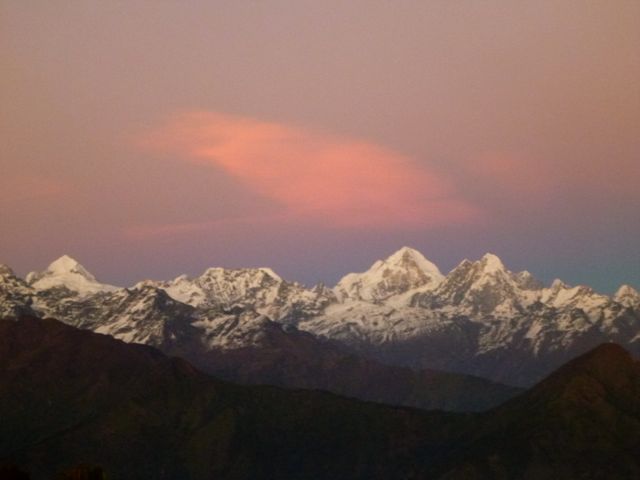
One of the best viewpoints in Nepal is a 25min climb from the guest house. My first thought was to tent up there, to see both sunset and sunrise. The Green View owner (who looked ex-military) and another guide both felt that was a bad idea. I deferred to their judgement. Even hiking independently you get a lot of smothering advise in Nepal.

P1320599

P1320604

I walked down in the dark.

P1320612

see all my high resolution photos from this day

day 1 | day 2 | day 3 | day 4 | day 5 | day 6 | info | … Langtang

treking Iceland north to south

A short video showing some of the highlights of our traverse of Iceland during the summer of 2014. It took us 21 days to cross about 500km from the northern shore at Hraunhafnartangi to the southern coast at Skogar. …

We had 2 food parcels on the route – one in myvatn and another in landmannnalaugar. This meant the maximum amount of food we had to carry was 12 days giving a backpack weight of between 15 and 25kgs. We also got caught in a storm in the highlands midway through and had to use our SPOT device to get picked up by Iceland’s amazing Search and Rescue volunteers …

http://vimeo.com/101096882

(via Hiking in Finland)

2014 Ursack S29 AllWhite

Though the Ursack is not allowed in many American National Parks, I often use mine on other hikes.

Ursack

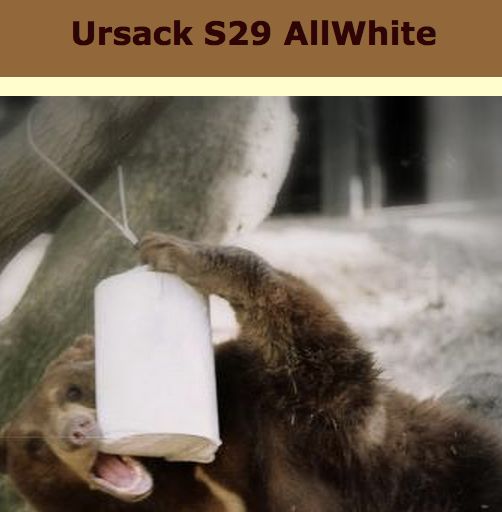
The 2014 Ursack S29 AllWhite has been given IGBC (Interagency Grizzly Bear Committee) certification number 3738. It may take a bit of time before that information shows up on the IGBC website. 2013 and earlier models of the AllWhite are not certified. …

… we baited an Ursack S29 AllWhite, knotted it securely and placed it on the ground with no aluminum liner and not tied to a tree. The first two grizzlies went at it for an active 57 minutes. One of the bears was nick-named “The Destroyer,” but neither he nor his sister were able to compromise the Ursack. …

Ursack

Namibia camping – Brandburg – day 1

My hosts in Swakopmund, Namibia run  Ondjamba Safaris.

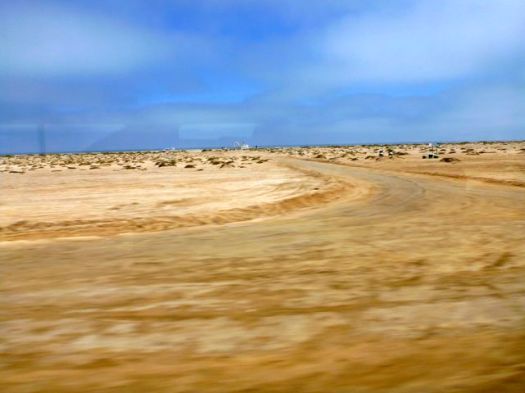
For the independence day long weekend, we loaded kids into one of their desert vehicles and headed north into the desert.

P1280379

P1280386

P1280388

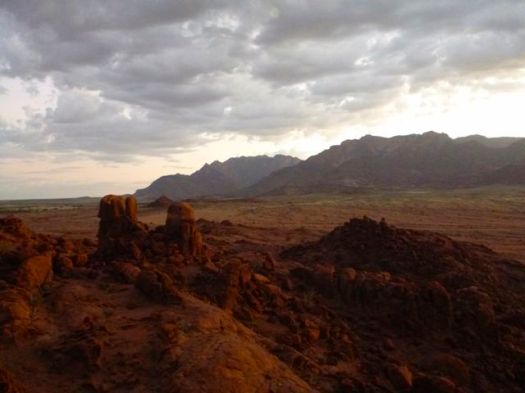
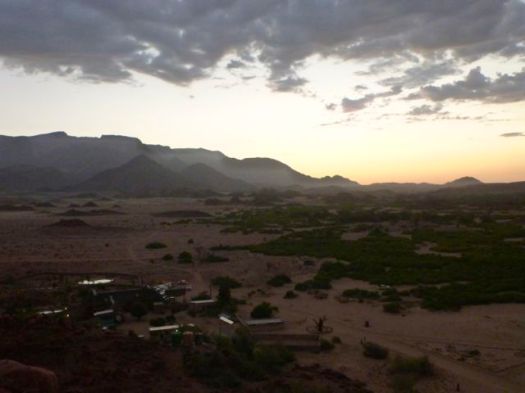
Our destination was Brandburg (Fire Mountain), Namibia’s highest massif at 2573m.

P1280392

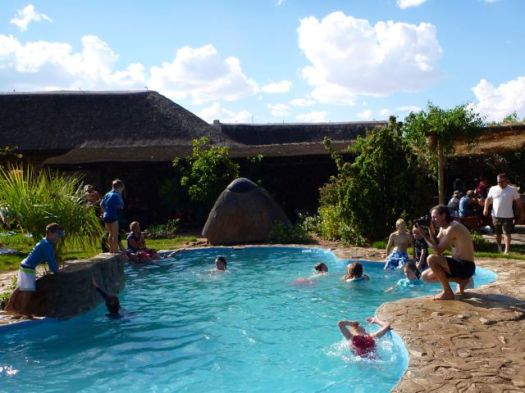
The temperature was about 40C when we arrived White Lady Lodge.

P1280395

I love the Namibian campsites, sprawling under shade trees.

P1280403

P1280399

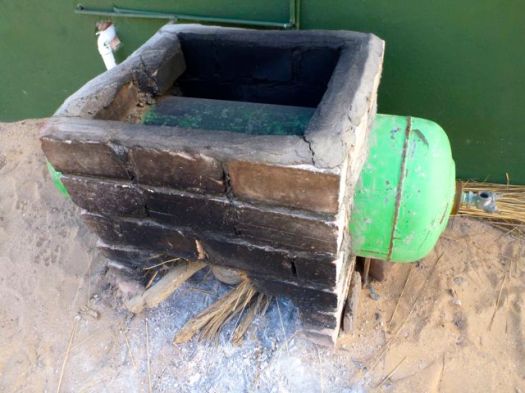
This technology was a first for me — showers are heated by wood fire. Campground employees light up the showers every morning.

P1280400

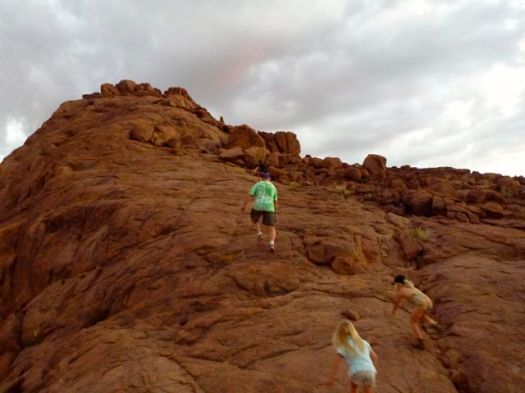
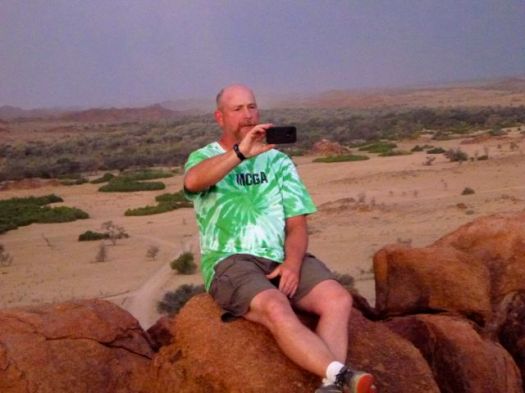
Just before sunset we headed off to climb a mound of boulders.

P1280422

P1280430

P1280438

P1280434

P1280426

P1280424

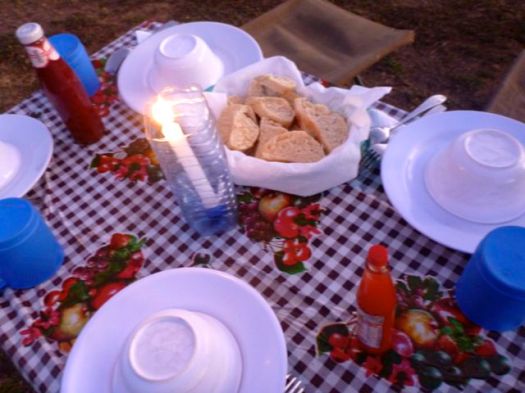
The real attraction of Namibian camping is the Brai — a magnificent barbecue.

P1280439

P1280412

I slumped into my tent early. Too much wine.

see ALL my photos from this long weekend trip

Community Inca Trail Trek

guest post by Helene Cooper:

Last month I embarked on one of the most amazing experiences of my life, Peru’s Inca Trail. I took part in a five day “Community Trek”, which goes a little more off the beaten track, combining an exhilarating trek along the Peruvian Andes, with an opportunity to camp with local villagers and help with farming and community work.

En-route I enjoyed some of the most beautiful mountainous terrain I’ve ever seen, stopping at amazing ancient ruins and pushing my body to new extremes. The Community Trek gives you the opportunity to give something back to the local people, with a proportion of your fees helping with their schooling and farming activities. While you see less of the ruins than on the Classic Trek, you still see the best, while enjoying a completely different experience, too.

The trek was amazingly hard work, with high altitudes making the long hikes exhausting at times, but with the end reward of Machu Picchu just hours away, it was well worth it. The trails are less preserved than on the Classic Trek, which makes it harder work, but what’s life without a little challenge? The opportunity to spend time in local communities gave the trip an added attraction; I really recommend you try it.

Day 0:

We begin our five-day journey with a pre-trek meeting with our guides from Andina Travel. Everyone takes the opportunity to ask any questions and psyche themselves up for the next four days of walking. We’re told to prepare for the high altitudes, which can reach up to 13,900ft.

Day 1:

We’re picked up early by a minibus; it’s a beautiful clear day and the mountains are simply awe-inspiring – I can’t wait to crack on with the trek.

First stop is Saksaywaman, an incredible old ancient fortress overlooking Cusco; giant boulders are stacked as if they fell from the sky – it’s a great photo opportunity! Our guide tells us this was once a historic, religious and ceremonial place, which you certainly get a feel for.

Next we move to the Sacred Valley, a huge gorge between two steep mountains and home to hundreds of maize fields and numerous tributaries, what an amazing sight!

We trek on to the Pisac ruins and its fantastic terraces and walkways, where we get to put our feet up and give our lungs a rest. We purchase walking sticks, coca leaves and colourful plastic ponchos, the last supplies for our mammoth trek.

After lunch it’s time to start walking! We tentatively start climbing our way up the hills and slowly the scenery starts to change. The higher we climb the colder it gets, and the air starts to thin out, which is a strange feeling.

Our tents are already set up when we arrive to our first camp in the amazing Andes. We’re greeted by hot popcorn and cold drinks in the kitchen tent – very civilised! A pack of cards come out and we play and talk about today’s sights until dinner is served.

I’m starving and it was a pleasure to be served a delicious three course meal including ‘Cuy’, roasted Guinea Pig on a spit, which is really succulent and tasty, followed by a hot cup of Peruvian tea to warm us up, as its now getting pretty cold – I put socks on my hands to keep warm.

Day 2:

The morning starts with a soft knock on our tent and the voice of our guide calling: “coca tea!”

We poke our sleepy heads out to find mugs of steaming tea and a hot basin of washing water waiting for us. What luxury! The coca tea is a greenish yellow colour and has a mild bitter flavour, similar to green tea, but gives you a wake-up kick like a good cup of coffee.

Our cooks continue to spoil us with a breakfast of porridge, toast and eggs, which feels like a real treat. We pick up our snack bags, which include some local fruit and biscuits, and set off for a full day’s walking. Small steps and deep breaths is definitely the recipe for success.

En-route we meet some little old ladies running up the mountain paths without shoes, carrying heavy loads on their backs. Kids hike their way to school down the valley and we all feel a bit sheepish in our Gore-Tex hiking gear.

I feel a real respect for the people living in these harsh conditions, it’s bitterly cold and arid in places, but absolutely stunning nonetheless. We advance towards the highest point of the trek, which is surrounded by clouds and looks incredible.

The air is so thin it’s really hard to fill your lungs with oxygen and my body is getting really tired. As we reach the summit we reward ourselves with a shot of Pisco, which is quite the livener; each of us pouring a drop on the ground as a sacrifice to Pachamama (Mother Earth).

Finally we venture downhill and race towards our lunch stop. The porters and cooks overtook us a long time ago and have served up some delicious hot food, including local rice and beans.
Day 3:

More trekking, I can feel myself getting fitter as we progress, but it’s still a strain on the limbs. There are herds of alpacas and llamas on the mountain sides, which I feed with some of my biscuits; the llama is like a cross between a camel and a sheep and laps up my snacks.

We conquer another high pass and stop for a few photos of the stunning green mountain lakes on show, which shimmer in the sunlight, it’s great to be alive!

We cruise downhill for lunch at our second campsite. I have an afternoon nap while some of the guys play football. At night the stars are shining and we admire the silent stillness of the Andes; it feels like we’re the only ones in the world that are enjoying this moment.

Day 4:

We visit a local school where we work with the local children, helping with break activities, singing and poetry lessons, it’s really good fun. None of the children can speak English but they enjoy learning some useful phrases, like llama and Guinea pig!

We get Quechua lessons, the local dialect, from a teacher, who teaches me “sulpayki wayki” (thank you friend)! We then move on to a local farm and help them with planting and weeding and I buy a nice colourful hat from a local weaver.

Our last day of trekking is short and fortunately it’s all downhill, unsurprisingly nobody complains! We’re sad to say goodbye to our team of porters and cooks as we hop on a bus to Ollantaytambo.

On arrival at our lodge in Ollantaytambo we have glorious hot showers and a short rest before a guided tour of the Ollantaytambo ruins, the royal estate of Emperor Pachacuti. The town is home to a large settlement, so we have dinner in a local restaurant which serves some delicious soups and stews with ‘pan de papa’, a bread made with mashed potatoes.

No sooner have we finished eating we are eager to get back to the lodge to try out those lovely looking beds, which do their job very well indeed.

Day 5:

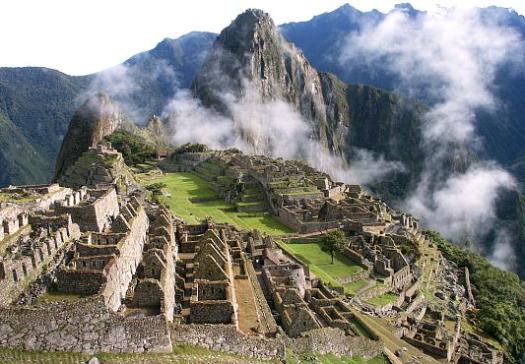
Today we embark on the final part of our journey, towards the epic Machu Picchu; I am so excited! We have an early breakfast and jump on the train to Aguas Calientes, which has some really picturesque views on route. Unfortunately we don’t arrive at Machu Picchu until late morning, so miss the sunrise, but we still arrive earlier than the masses of tourists, which I’m pleased about.

We take a shuttle bus to Machu Picchu, which suddenly appears on the horizon, lying on a steep sunlit mountain side. We meet up with the other trekkers, who took the more traditional, “Classic” Inca Trail route; they are yet to shower and are pretty envious of our fresh smells!

We have a couple of hours of free time to look around the Machu Picchu complex, so we hike up to the Sun Gate, which offers an amazing view on what is a beautifully clear day; the others take the opportunity to have a closer look around the city’s ruins.

Machu Picchu

Soon it’s time to head back; we board the bus and train to Ollantaytambo and our transfer takes us to back to Cusco, where we tell stories about our experiences of the last five days.

We all have aching muscles, blisters and the odd tummy ache, but the amazing scenery and ancient ruins were well worth it. I can’t recommend the Inca Trail highly enough.

Helene Cooper currently writes for Dragoman, the overland adventure operator

related – our Best Hikes South America list

West Coast Trail day 0

wctmaTrip report by site editor Rick McCharles.

day 0 | day 1 | day 2 | day 3 | day 4 | day 5 | day 6 | info page

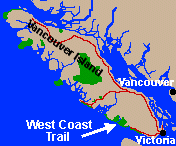
The West Coast Trail on Vancouver Island in Canada is our #1 hike in the World.

This was my 4th WCT. 🙂

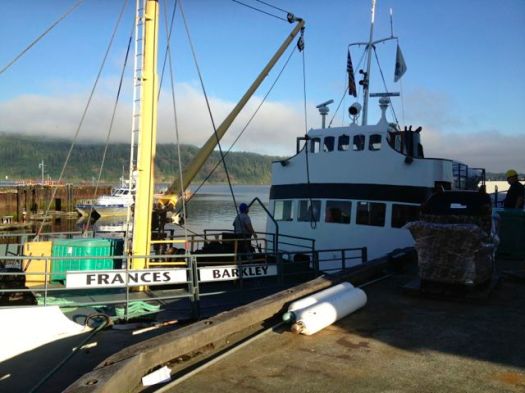
My Dad dropped me at the ferry in Port Alberni. Riding the Francis Barkley is my favourite way to start the WCT.

IMG_1319

P1210737

The weather was perfect as it had been for most of the summer of 2013.

P1210758

arriving Bamfield
arriving Bamfield

Scheduled to rendezvous with the rest of my group next day, I could have taken a trail shuttle out toPachena Bay Campground at the trailhead.

Instead, I stayed at small Centennial Park Campground ($23) in Bamfield.

P1210788

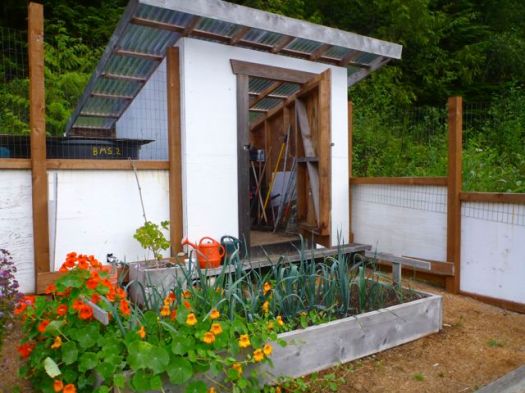
Having no place to store my food overnight, I ended up leaving it in this shed. Storage for a communal fenced garden.

P1210787

My new lighter failed. They truly are an unreliable technology. 😦

It was nice to have a final few hours with phone / free internet access (Bamfield Community School Library). And there were OTHER good reasons to spend my last night in Bamfield. 🙂

P1210786

P1210789

I enjoyed both meals at Tides and Trails Restaurant.

more photos from this day

day 0 | day 1 | day 2 | day 3 | day 4 | day 5 | day 6 | info page

North Cascades Copper Ridge Chilliwack River loop

Washington State

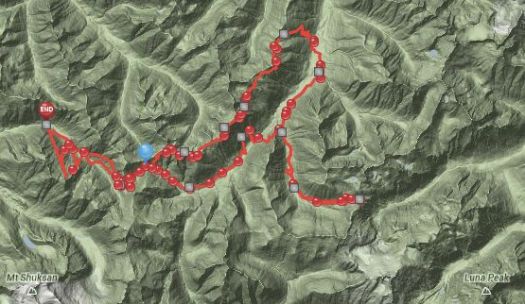
… the sight of Mt. Shuksan‘s tumultuous, glaciated north face will have you groping for adjectives to replace “awwwe-some” or “un-bee-lievable.” Even from a distance you have to crane your neck to take in all of the massive peak.

This remote, unroaded section of North Cascades National Park brims with private pleasures for anyone willing to strap on a pack and exert themselves: thick forests, wildflower-filled avalanche chutes, alpine tarns, and streams that look like milk, thanks to the glacial runoff. …

Backpacker

Ilya posted a trip report starting Sept 1, 2013.

click to see photo map

trail

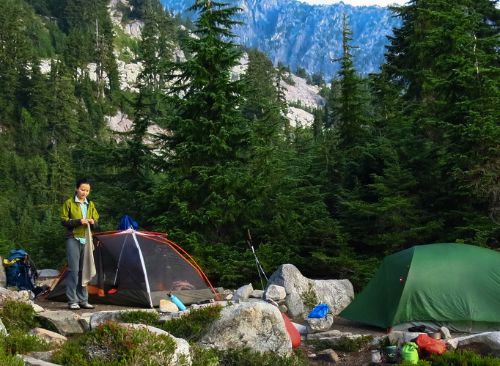
tents

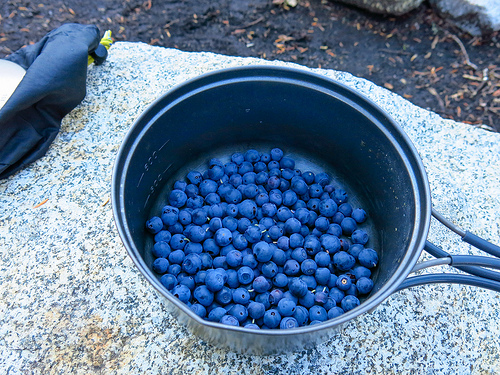
berries

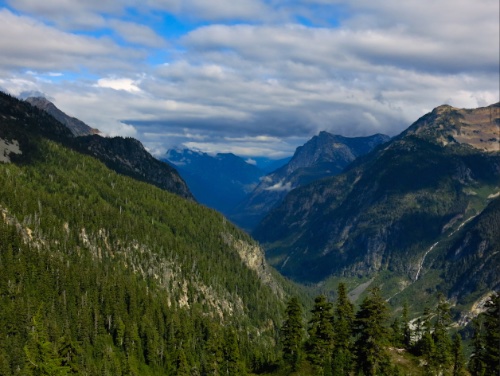
valley

See more on flickr.

Envirofit clean-burning cook stove

Kraig Becker promotes the Himalayan Stove Project.

Check this article to see what they are doing to make the world a better place:

The problems the Project are addressing and solving are obvious. Inefficient cookstoves in the fragile high Himalayan environment (and elsewhere) cause

1.) indoor air pollution and related health issues due to smoke inhalation,

2.) personal safety hazards to families and their children,

3.) deforestation,

4.) climate change and

5.) economic and other social issues.

The Himalayan Stove Project is a U.S. public charity staffed totally by volunteers who pay all their own expenses, including travel to Nepal. In addition, a growing community of institutions, corporations and individuals supports its very pragmatic mission of making a difference now.

Indoor Air Pollution (IAP) is the planet’s 4th-largest public health threat after malaria, clean water and HIV-Aids.

Changing the World One Cookstove at a Time –

Click PLAY or watch one of the clearer technology stoves on YouTube.

best lunch vista in the Dolomites

by site editor Rick McCharles

1956 Winter Olympics host Cortina d’Ampezzo, Italy, is the jumping off mountain town for visitors arriving to enjoy a region of jagged mountain spires, far more striking than the Alps.

Sleep in Cortina, then catch an early bus to the trails. Of many great options, the best panorama for lunch just might be from the Nuvolau mountain hut (Refugio) built 1883, first in the Dolomites. It’s impossibly located on the very top of a 2600 meter (8530 foot) cliff.

Nuvolau

To get there you need the hiker’s shuttle bus to drop you at passo Falzarego on the SR 48. At least six different paths of varying difficulty get you to Nuvolau. Look first at Alpine Trail #439 via the Rifugio Cinque Torri (5 Towers). The Refugio offers 26 cramped beds. But with bus access this convenient, it’s best to day hike out of Cortina. (There have been many complaints from those sleeping at Nuvolau.)

Bring your own gourmet Italian food and drink from town. Or order from the hut menu. Nuvolau is only open during the hiking season, June 15 to September 30. August is busiest. That’s when Italians holiday.

The Dolomites are one of our top 10 hiking regions in the world.

The crazies at sram somehow got up there with their mountain bikes!

Nuvolau
_____

Related:

Do your shopping at Cooperativa di Cortina, founded 1893. But count your change. The ladies at the till were shortchanging foreign tourists last time we were there.

If you are flying in, book the direct Cortina Express bus from Venice’s main airport, Marco Polo.

Trip Advisor Cortina d’Ampezzo gives up-to-date recommendations for hotels in all price ranges. Cheapest is tenting.