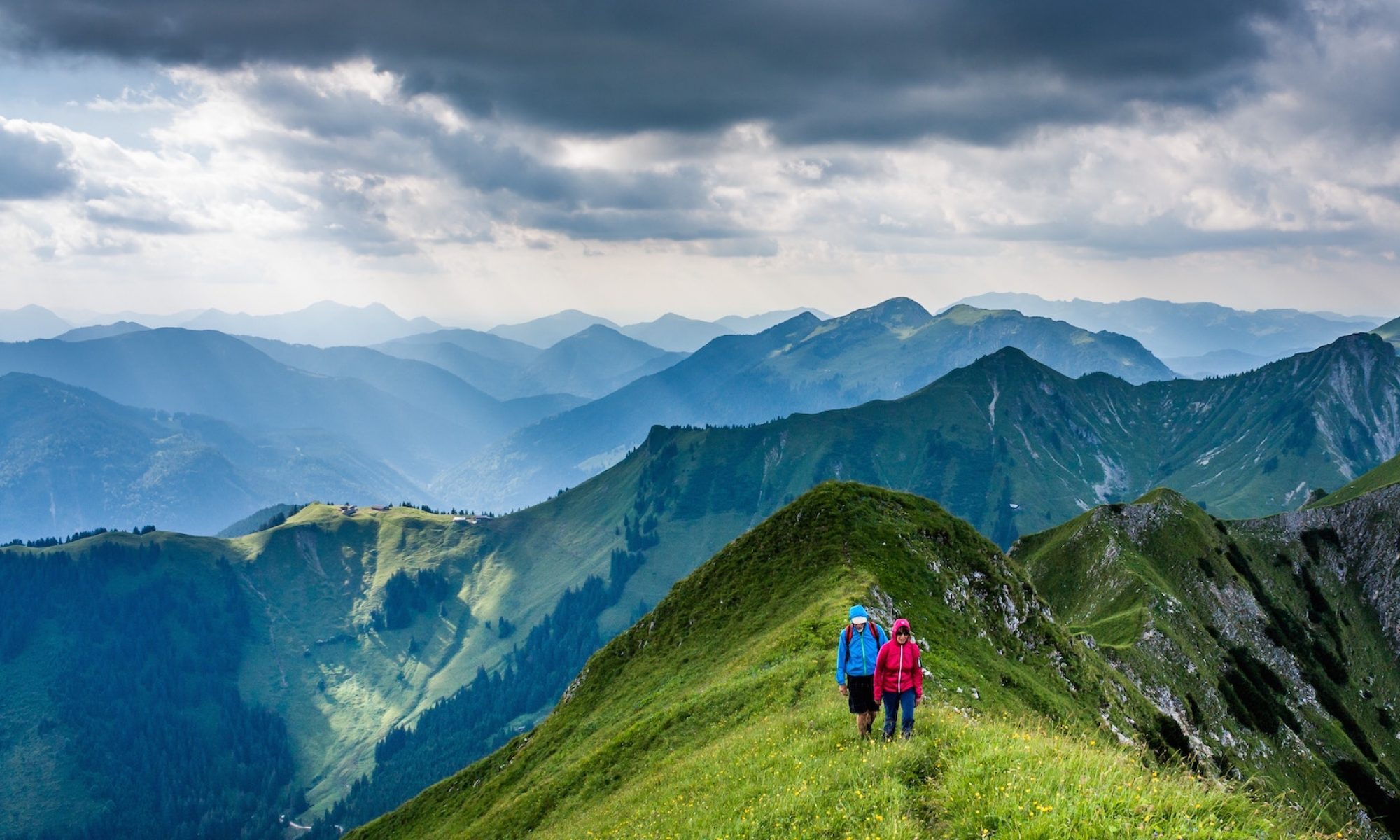

Hiking to Yoho Lake

Trip report by BestHike editor Rick McCharles.

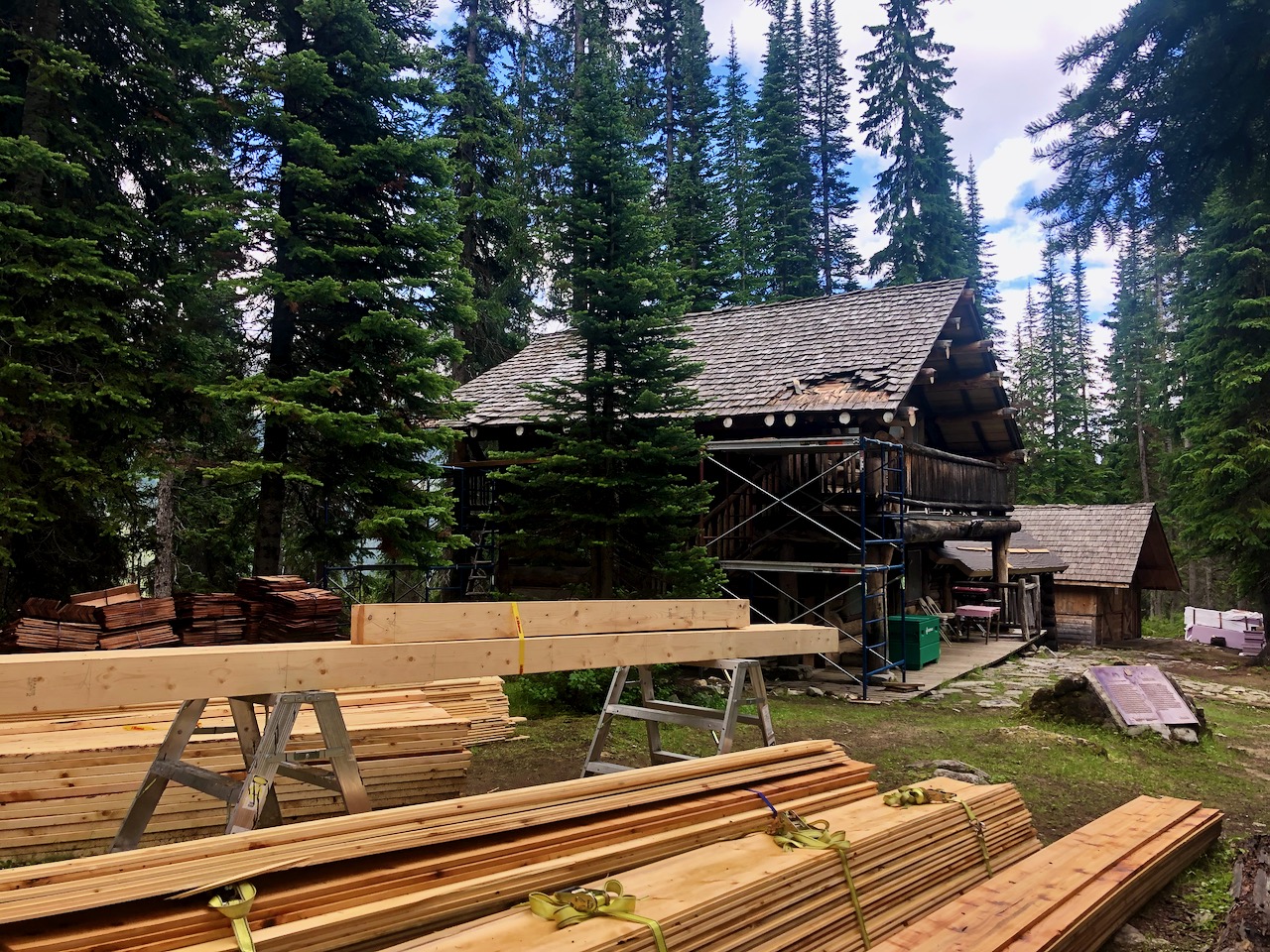
Yoho Lake was the site of the original Alpine Club of Canada camp in 1906.

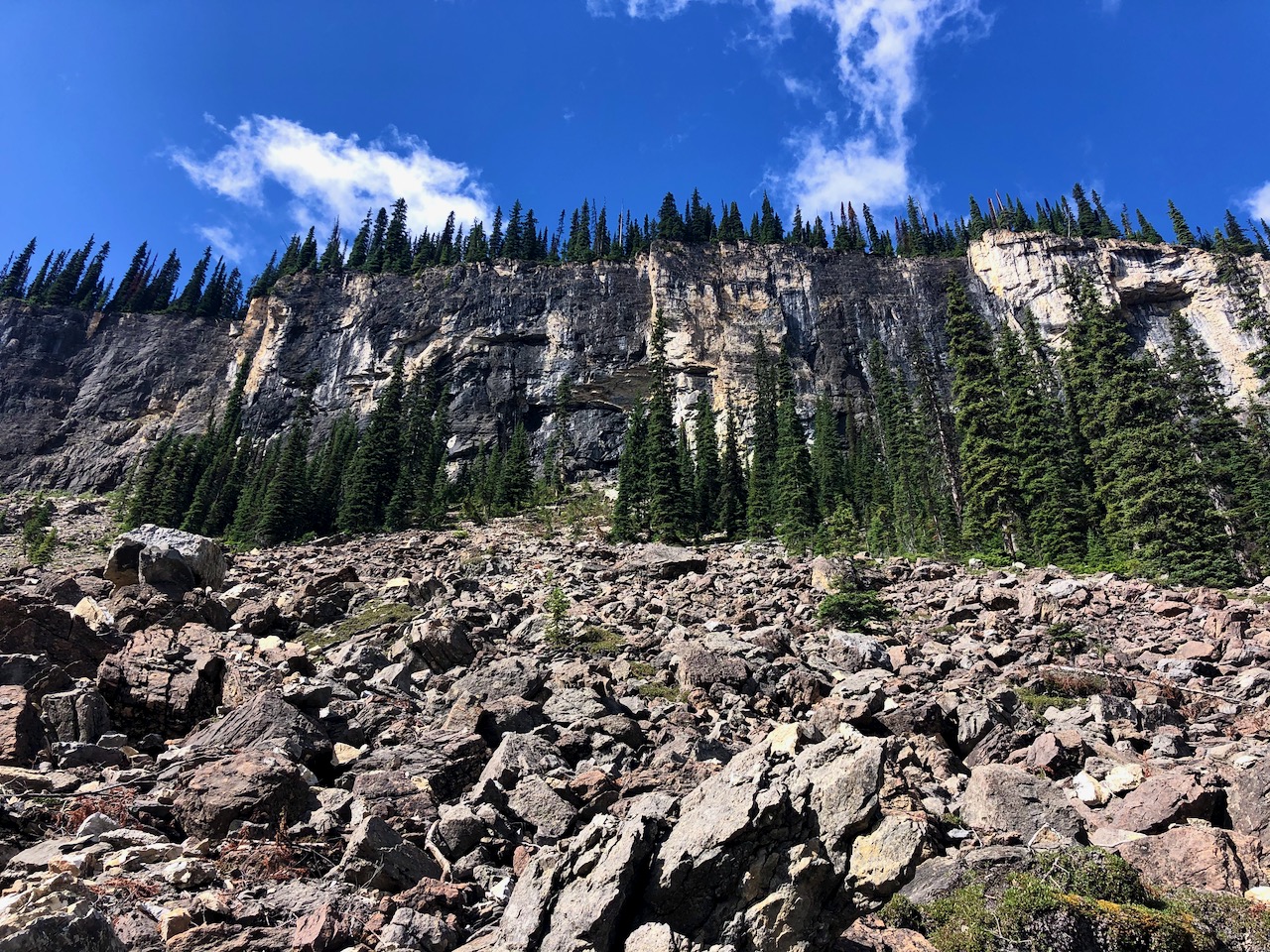
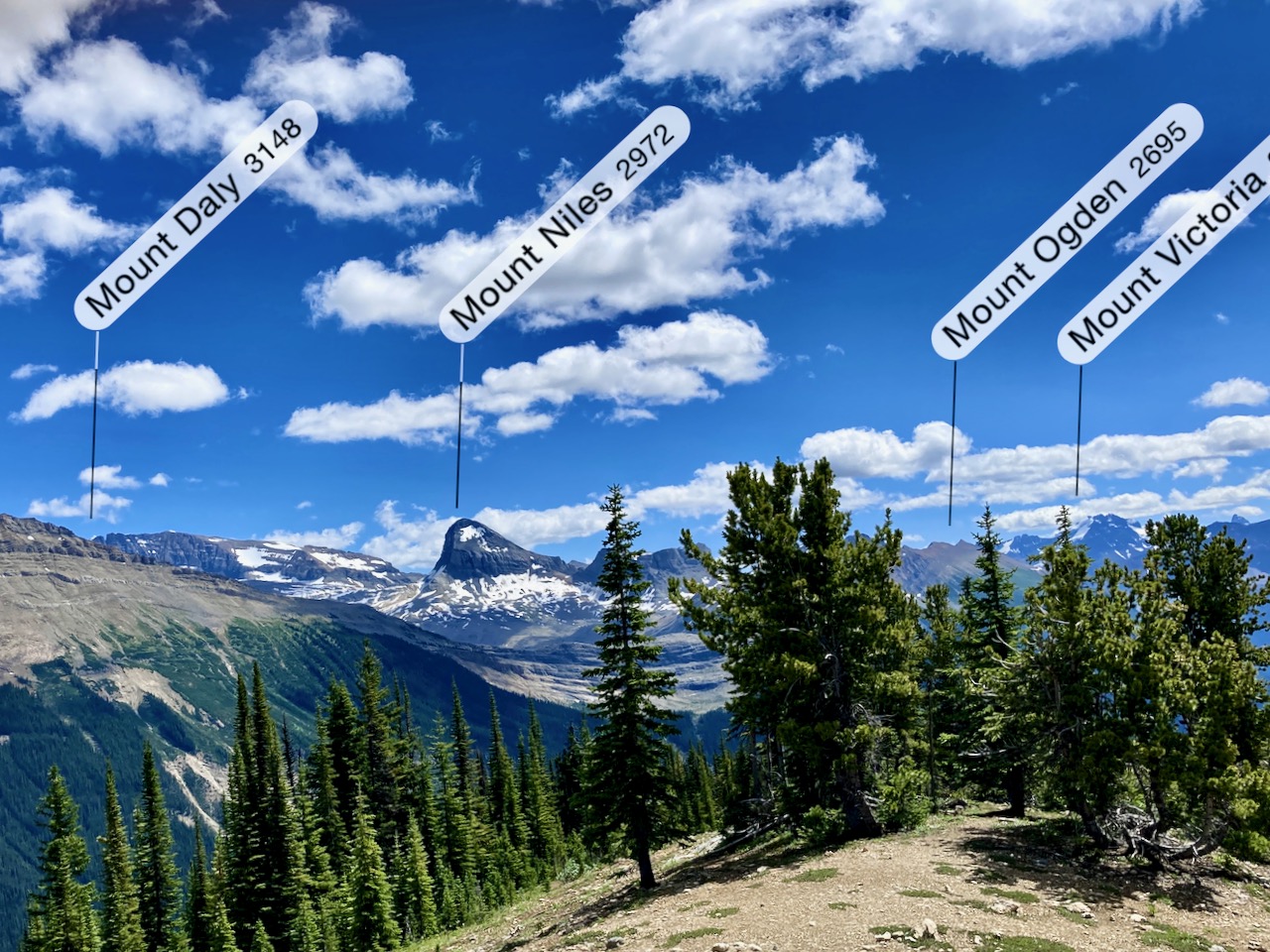
Early alpinists climbed Mt Wapta (south) and Michaels Peak (north).

Mt Wapta

Returning from our Twin Falls hike, we resupplied at the vehicles parked at the Takakkaw Falls trailhead.

Then started with great views over to Takakkaw , the second highest Falls in Canada.

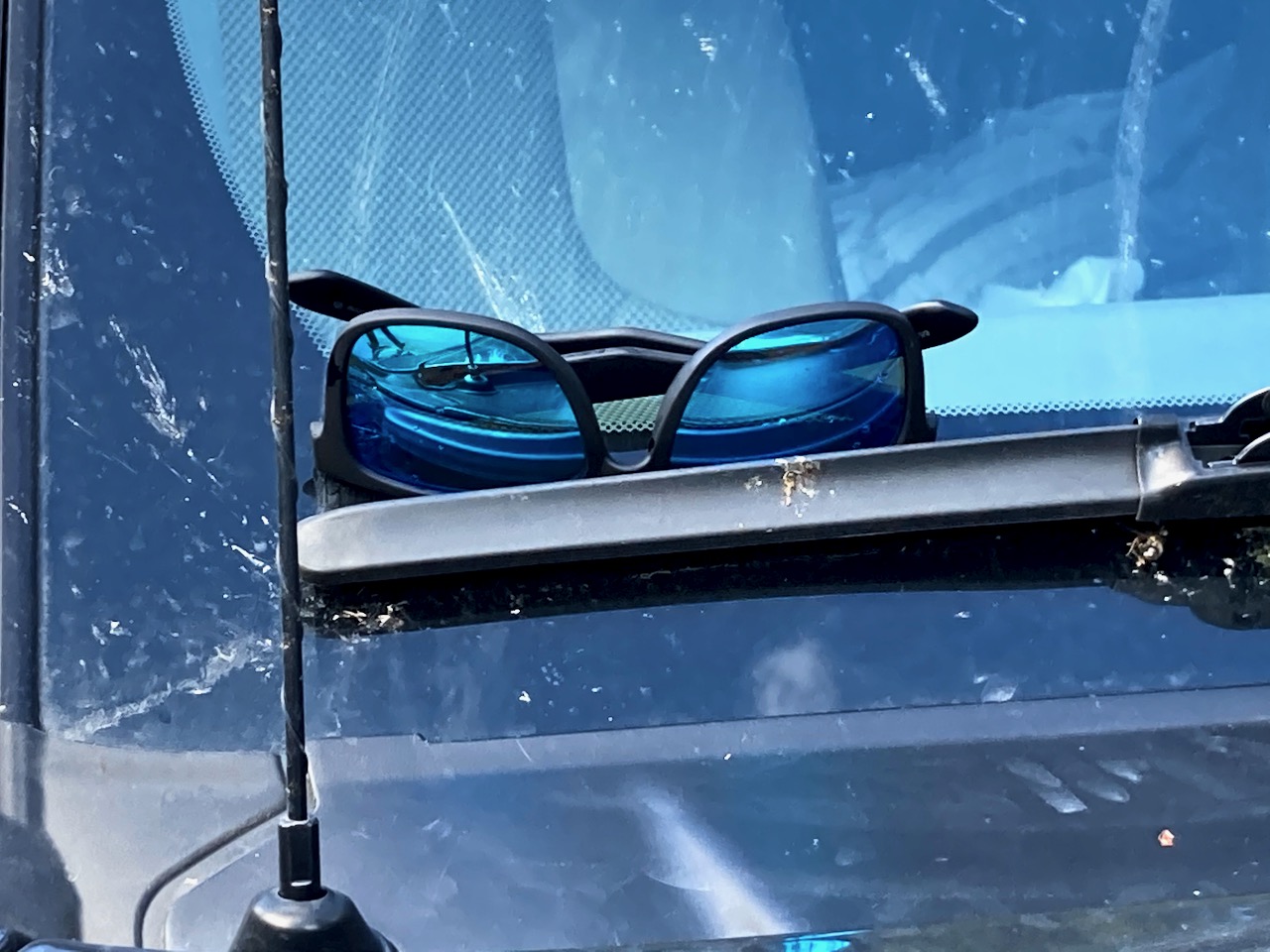
One of our group forgot his sunglasses at the lookout.

ET and I asked some hikers going the other direction to see if they could find them. And it worked! We found them on ET’s vehicle 2 days later.
We climbed steadily up to the lake on a route that many switchbacks.

More wildflowers here than on the Twin Falls side.

You catch a glimpse en route of Hidden Lake.

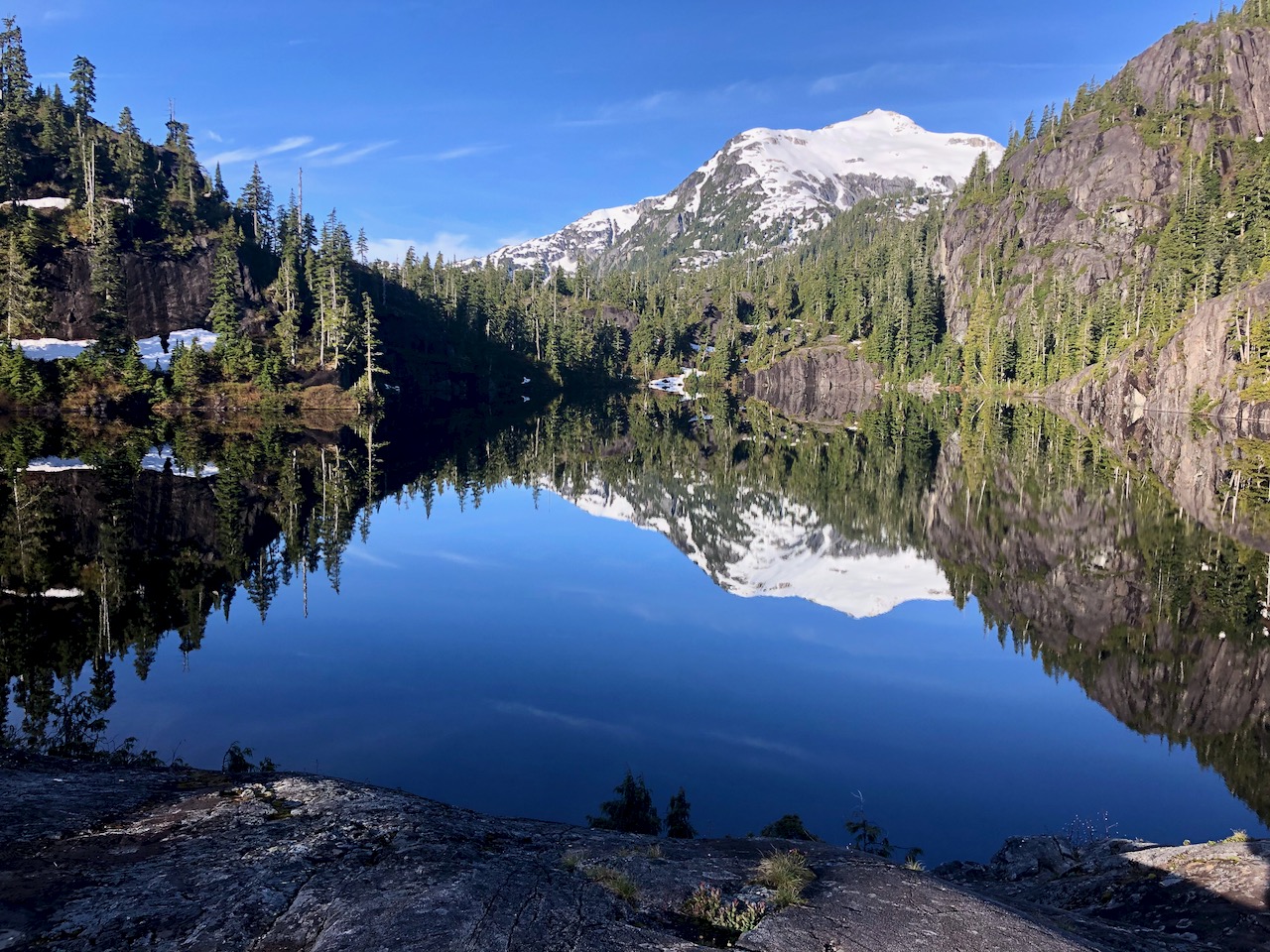
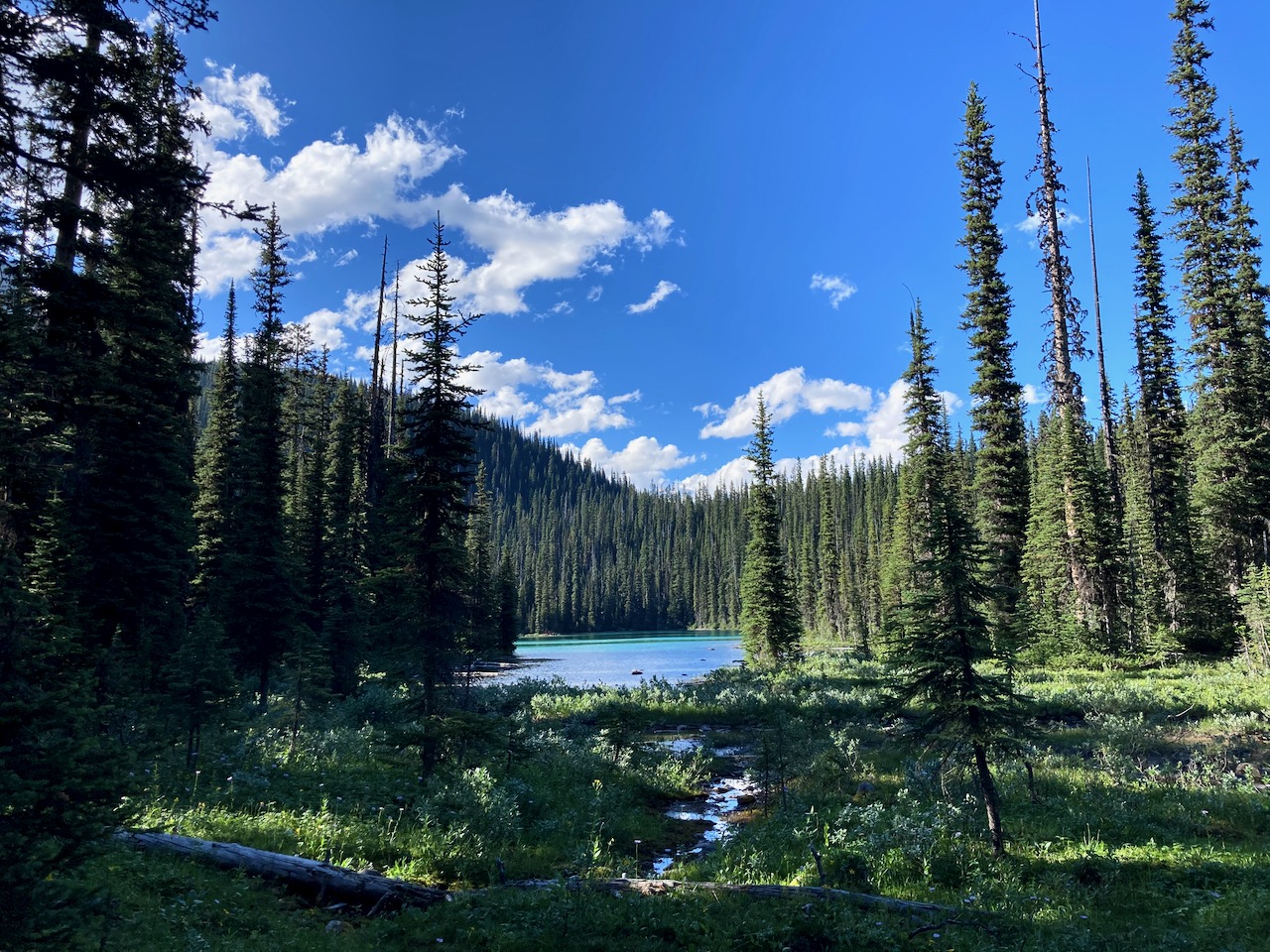
Here’s a first look at Yoho lake.
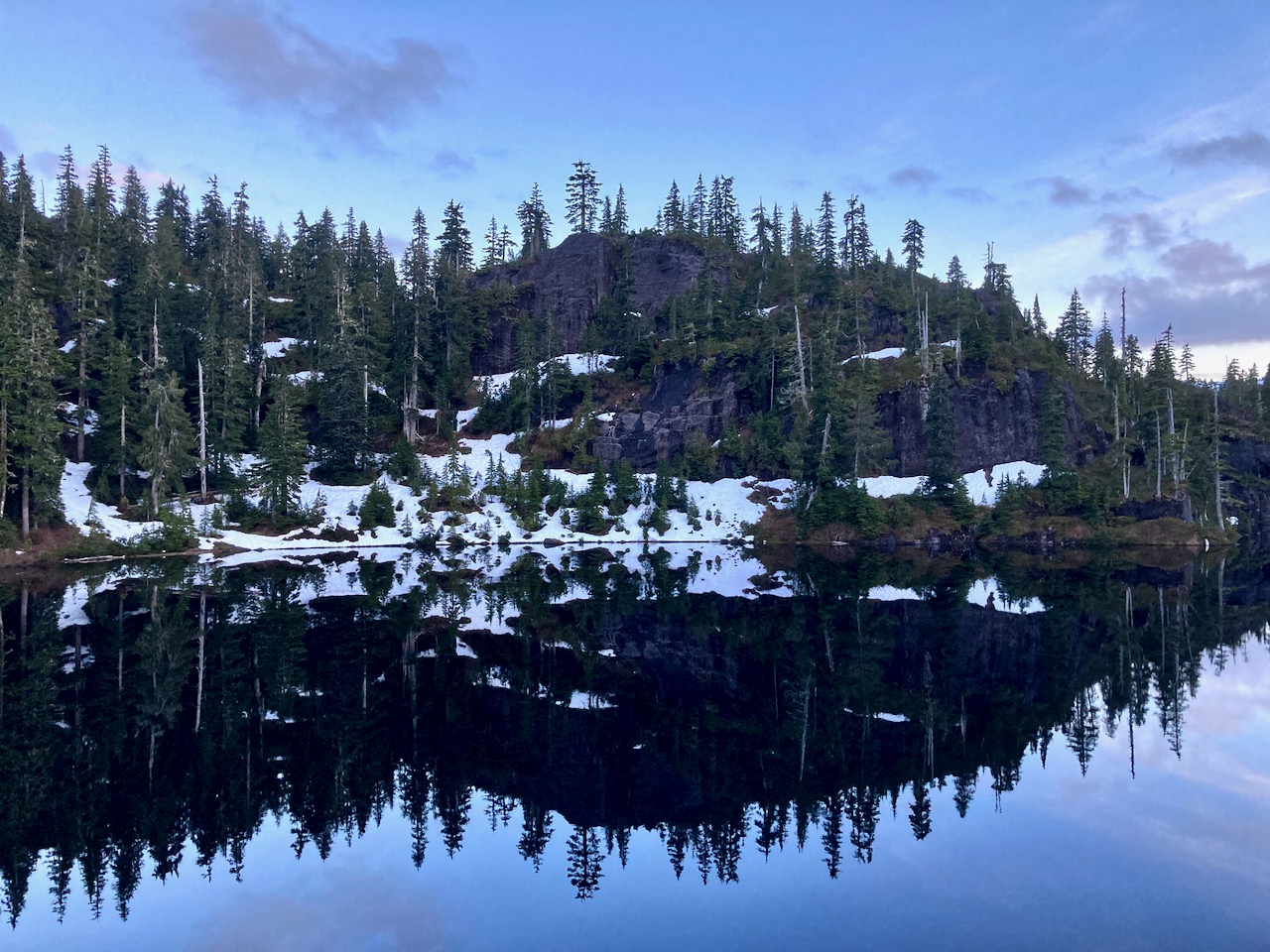
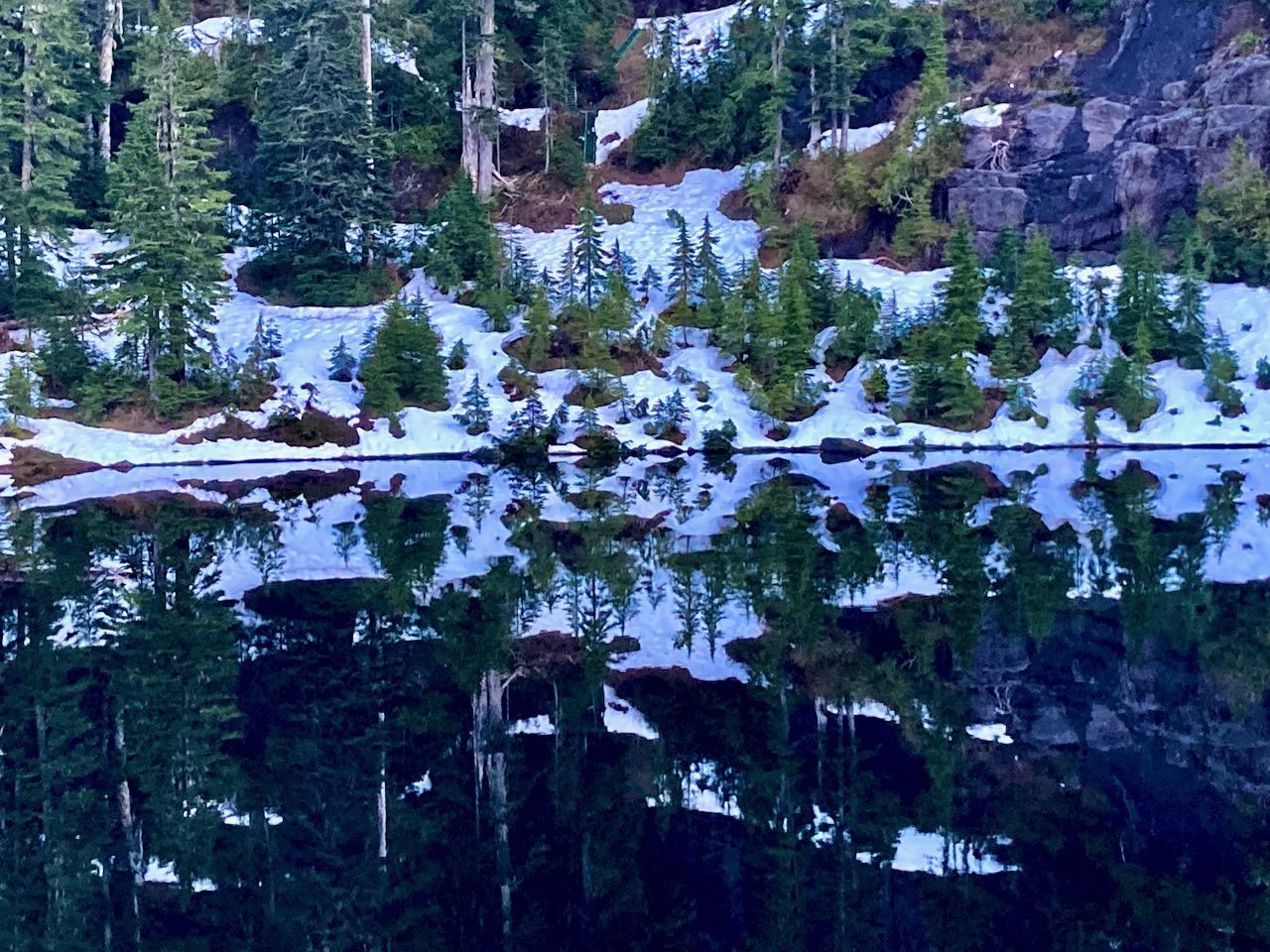
Yoho lake is deep emerald green, more so than Emerald lake.
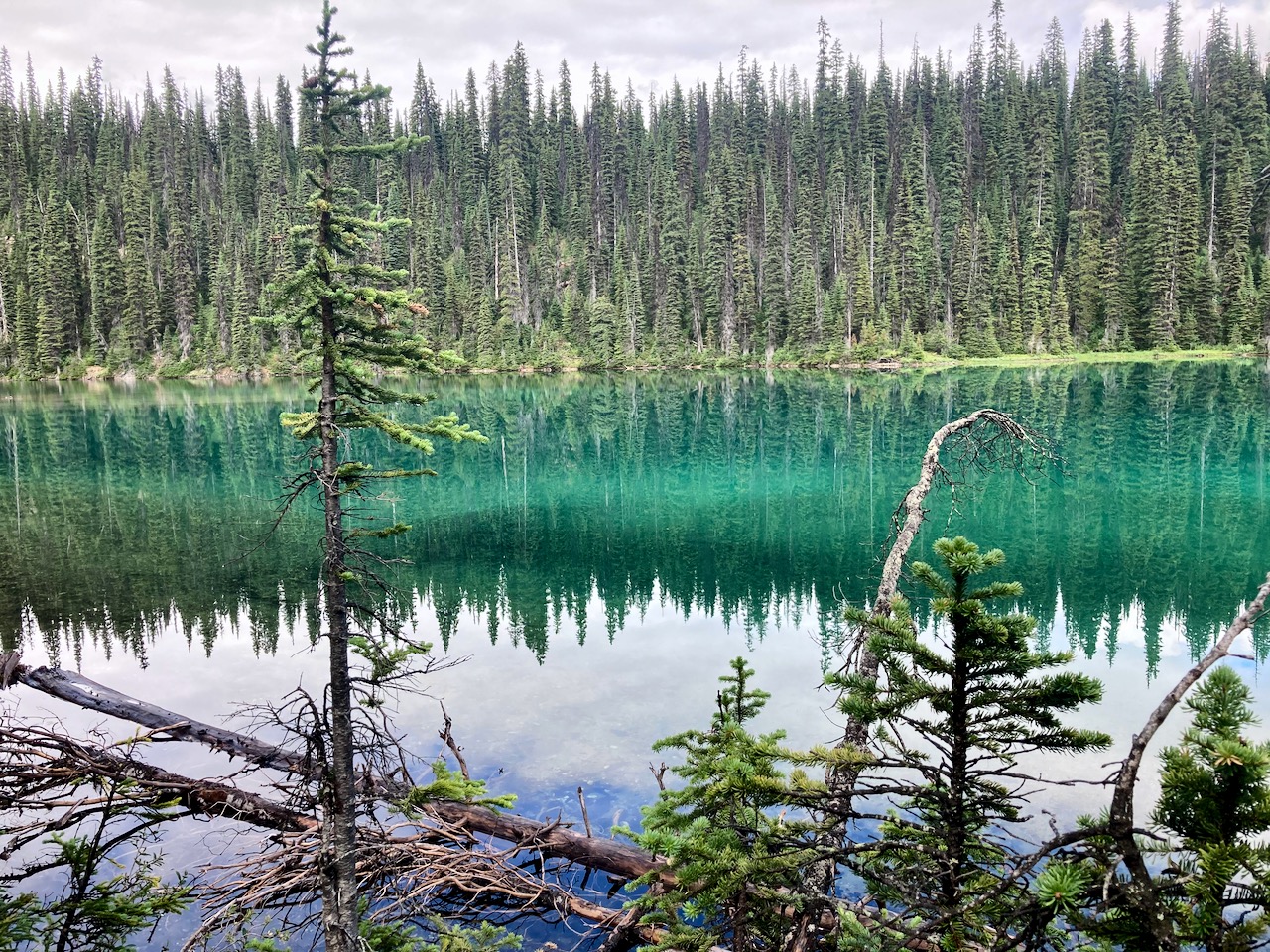
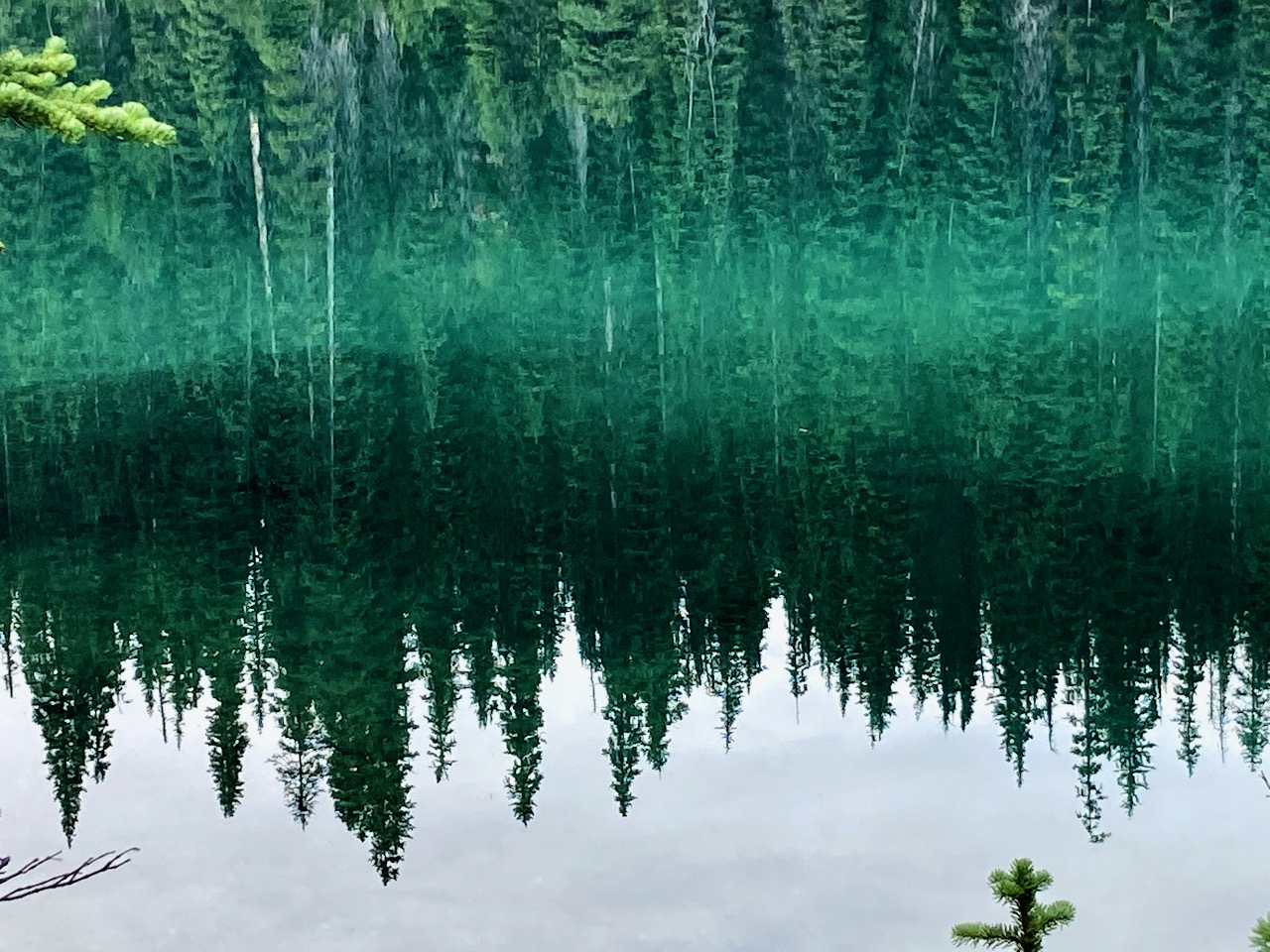
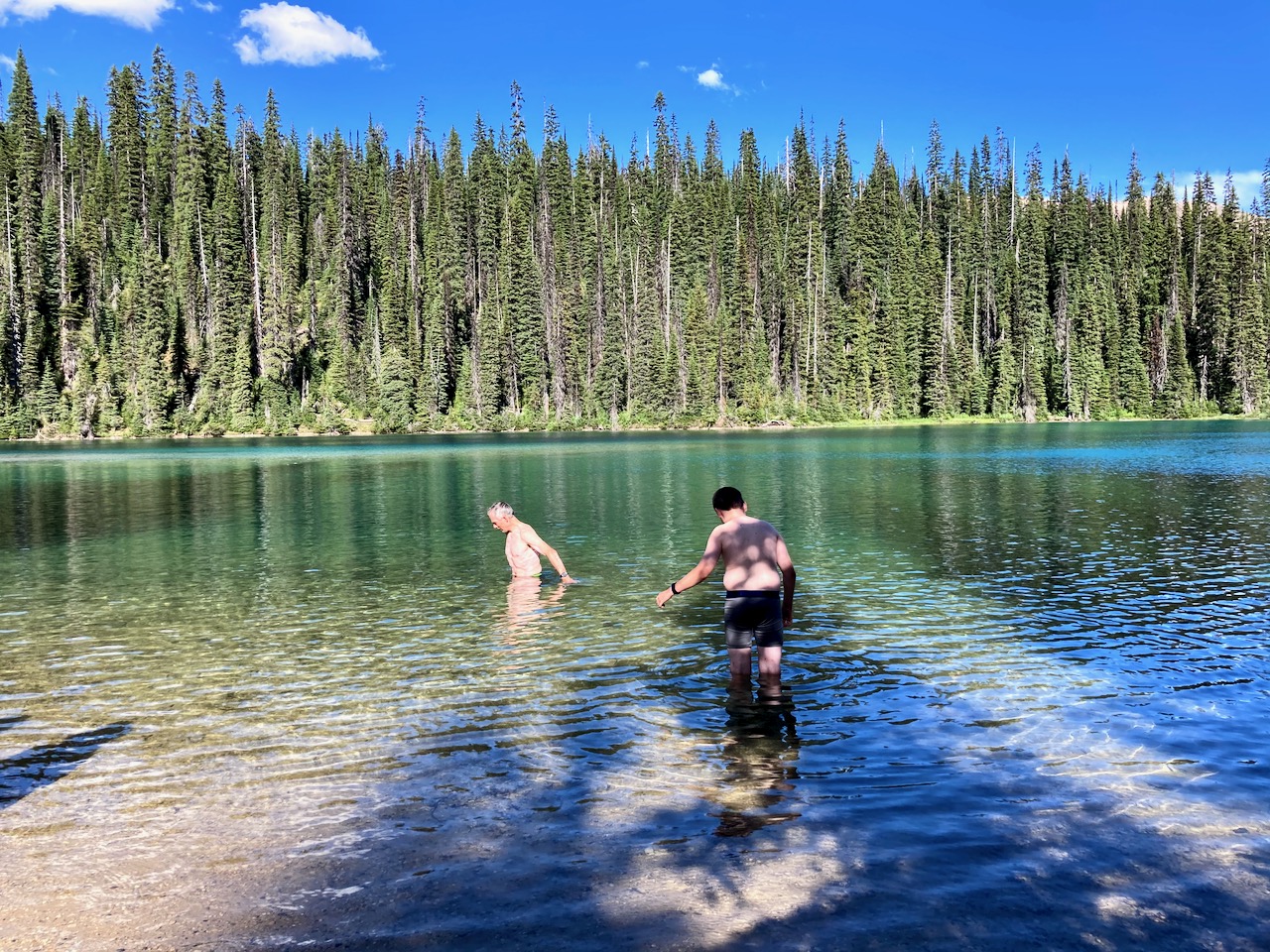
You’d have to be CRAZY to swim.
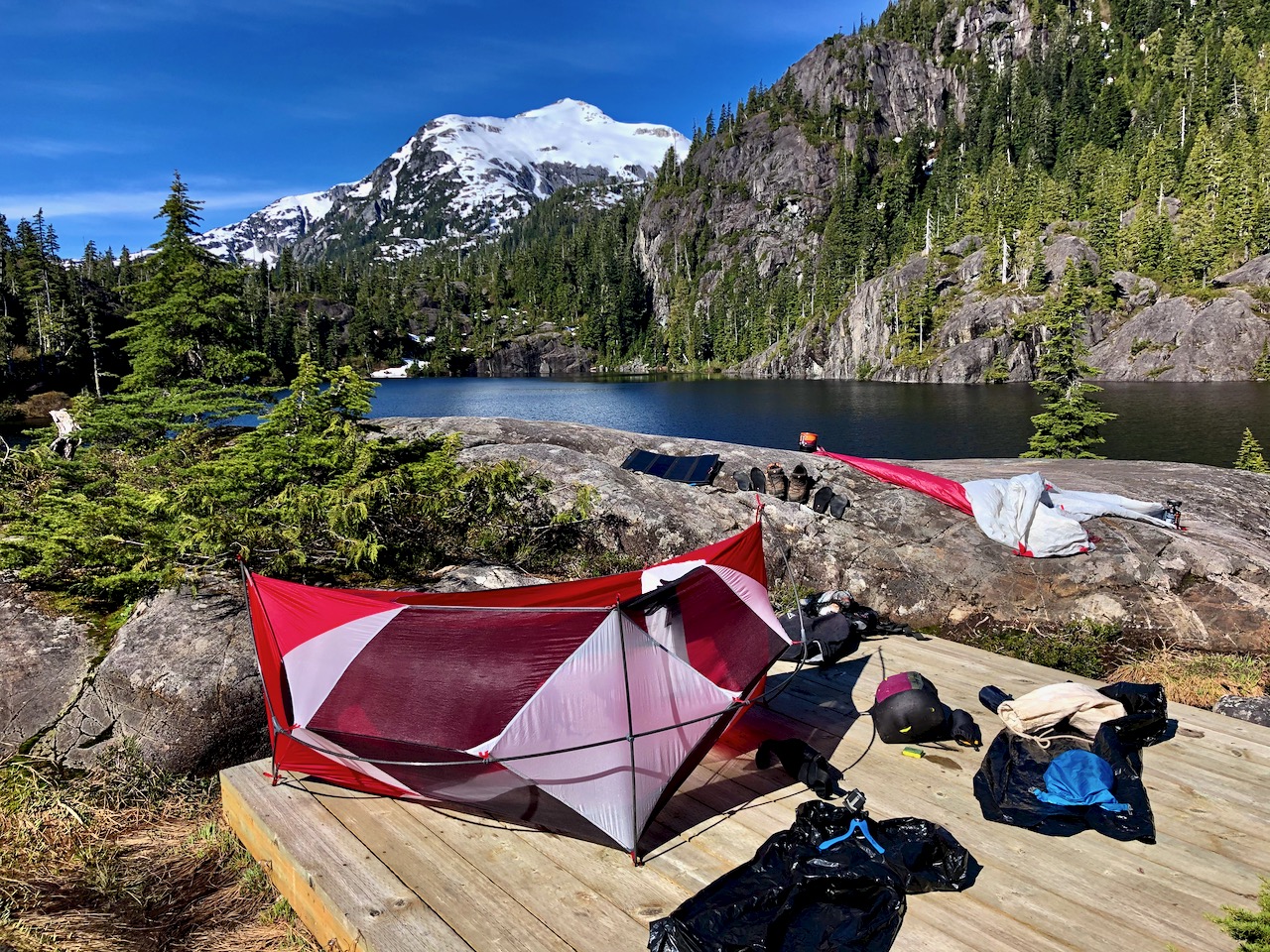
Warren set up a cook tarp to protect from sun and rain.

It’s a peaceful campground.

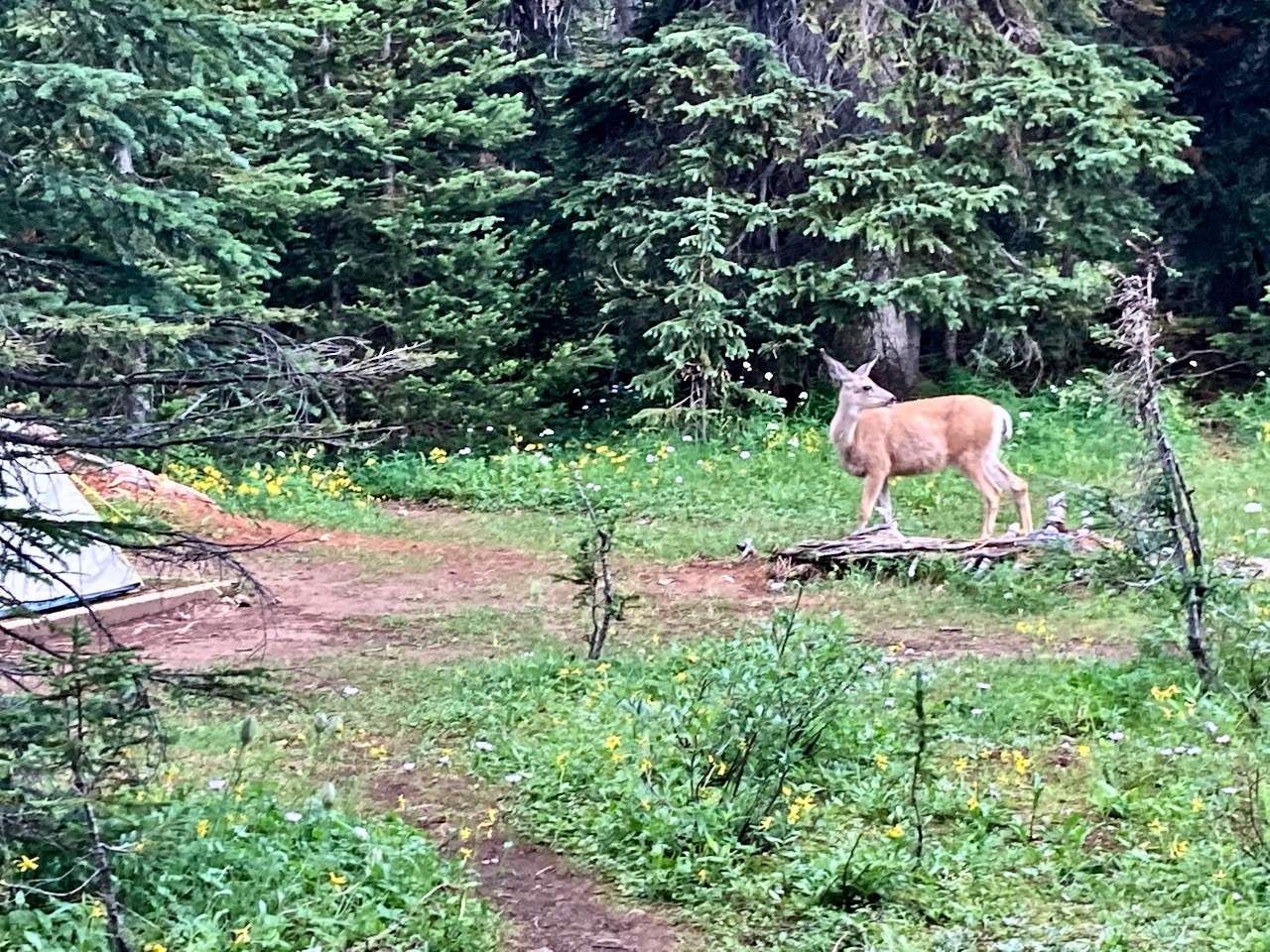
Next morning we had one deer hang around the tents.  I assume he was salt deprived, looking for urine.
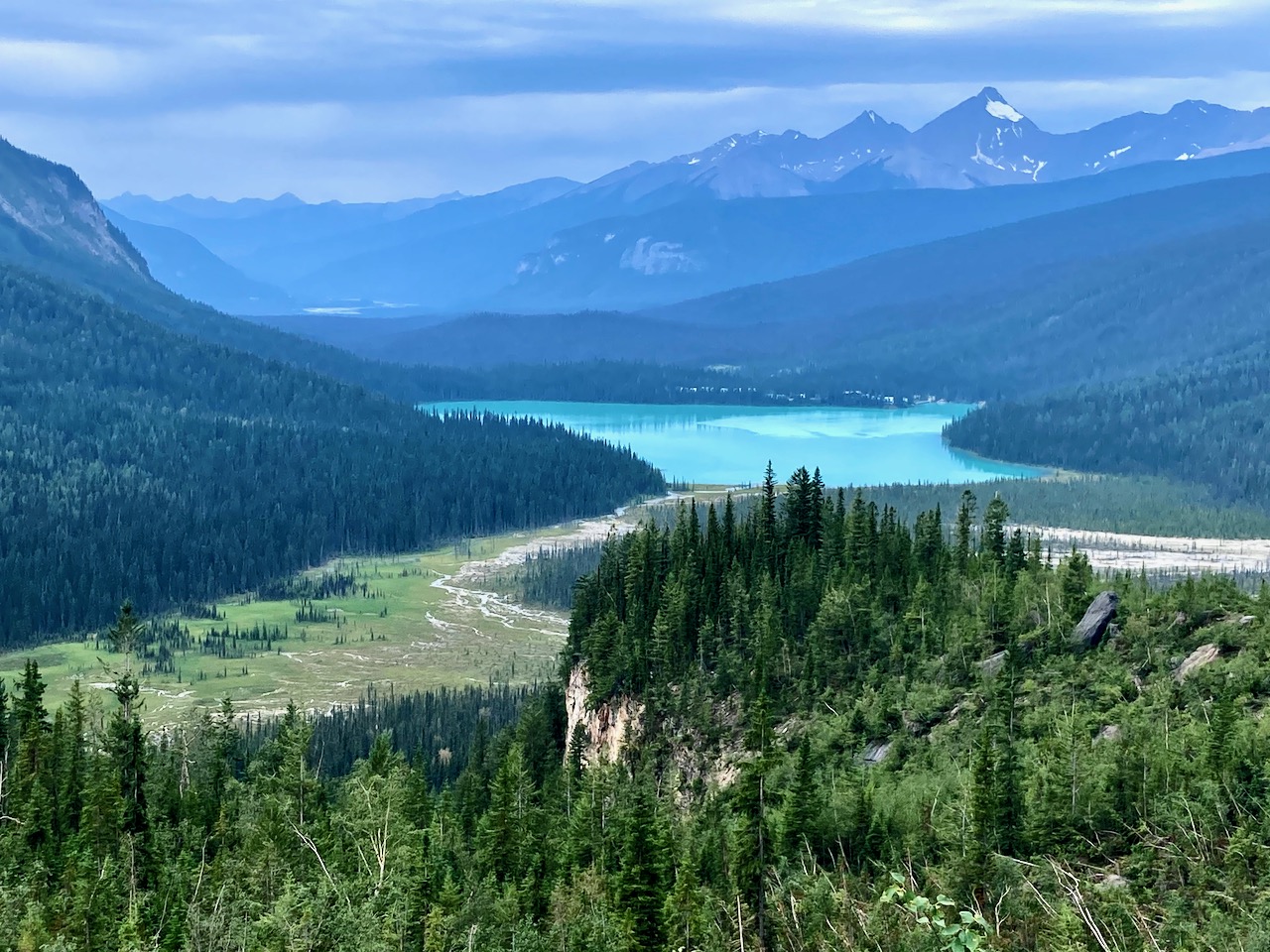
We took a day hike to look down on to Emerald lake.
There are some impressive waterfalls en route.
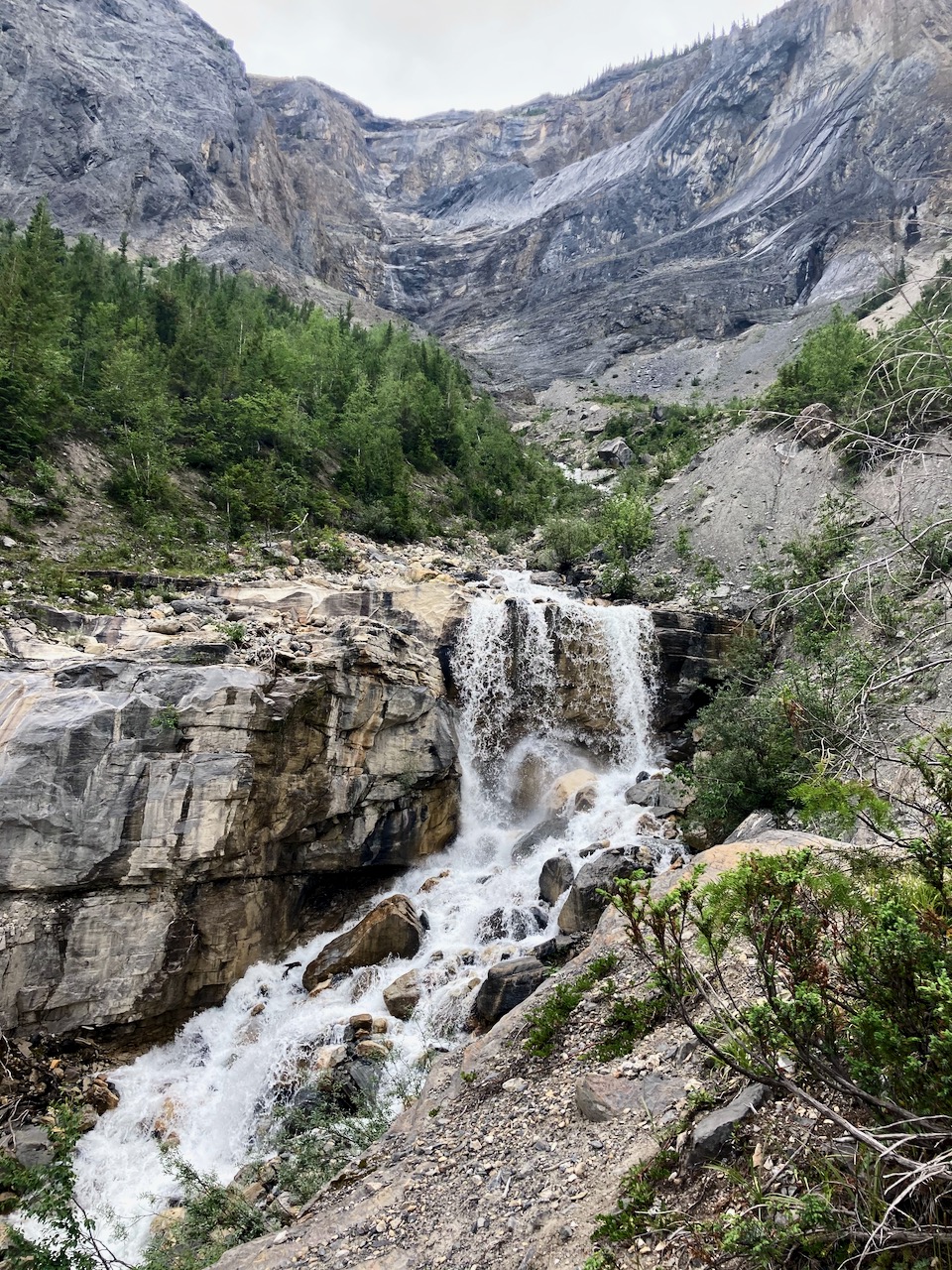
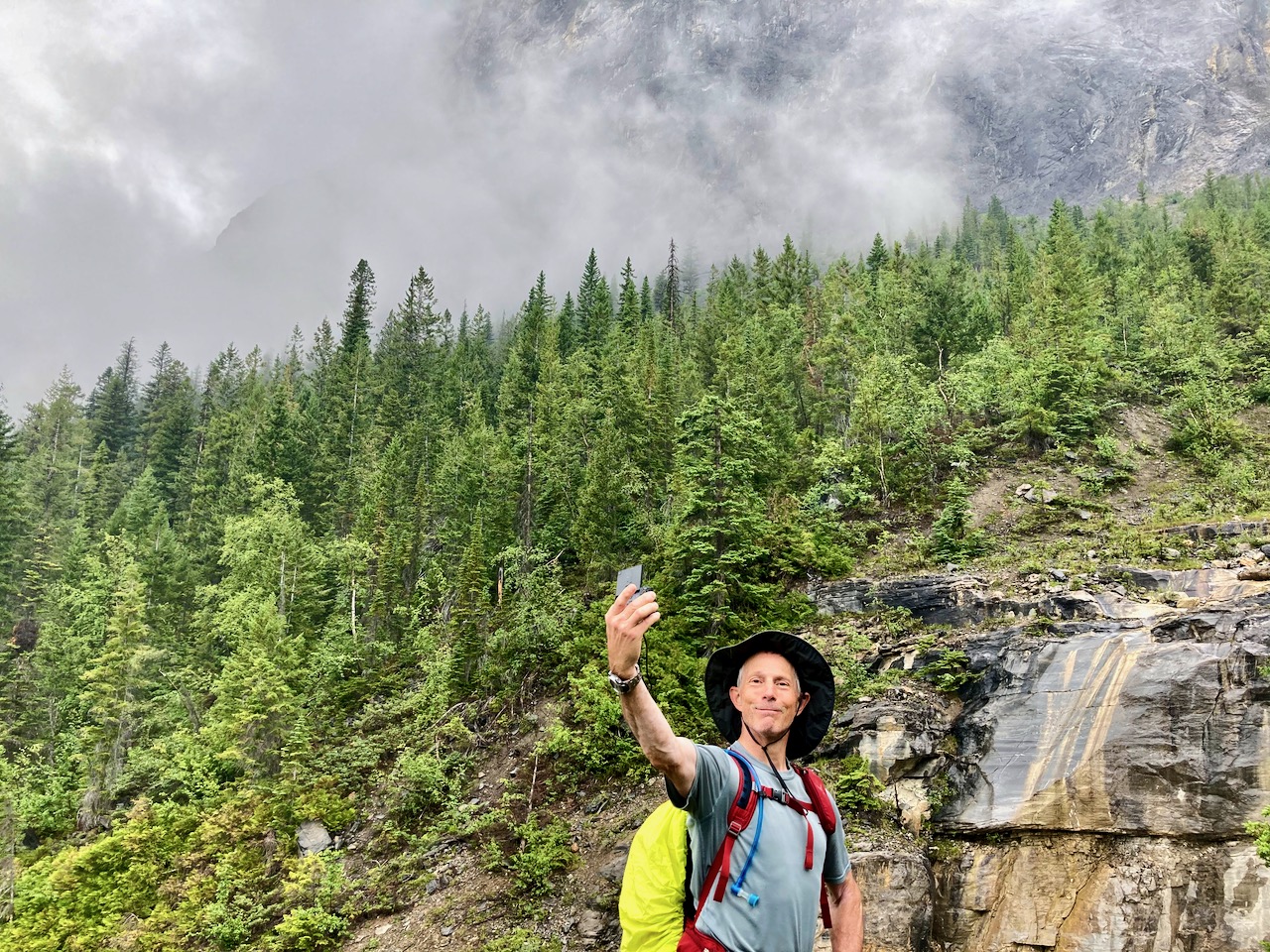
Warren and I decided to extend the walk and circumambulate Emerald lake.  (Actually, we had originally planned to return via Burgess Pass trail — but it seemed to be unsigned and closed in 2020.). So we walked around Emerald lake and back the way we came.

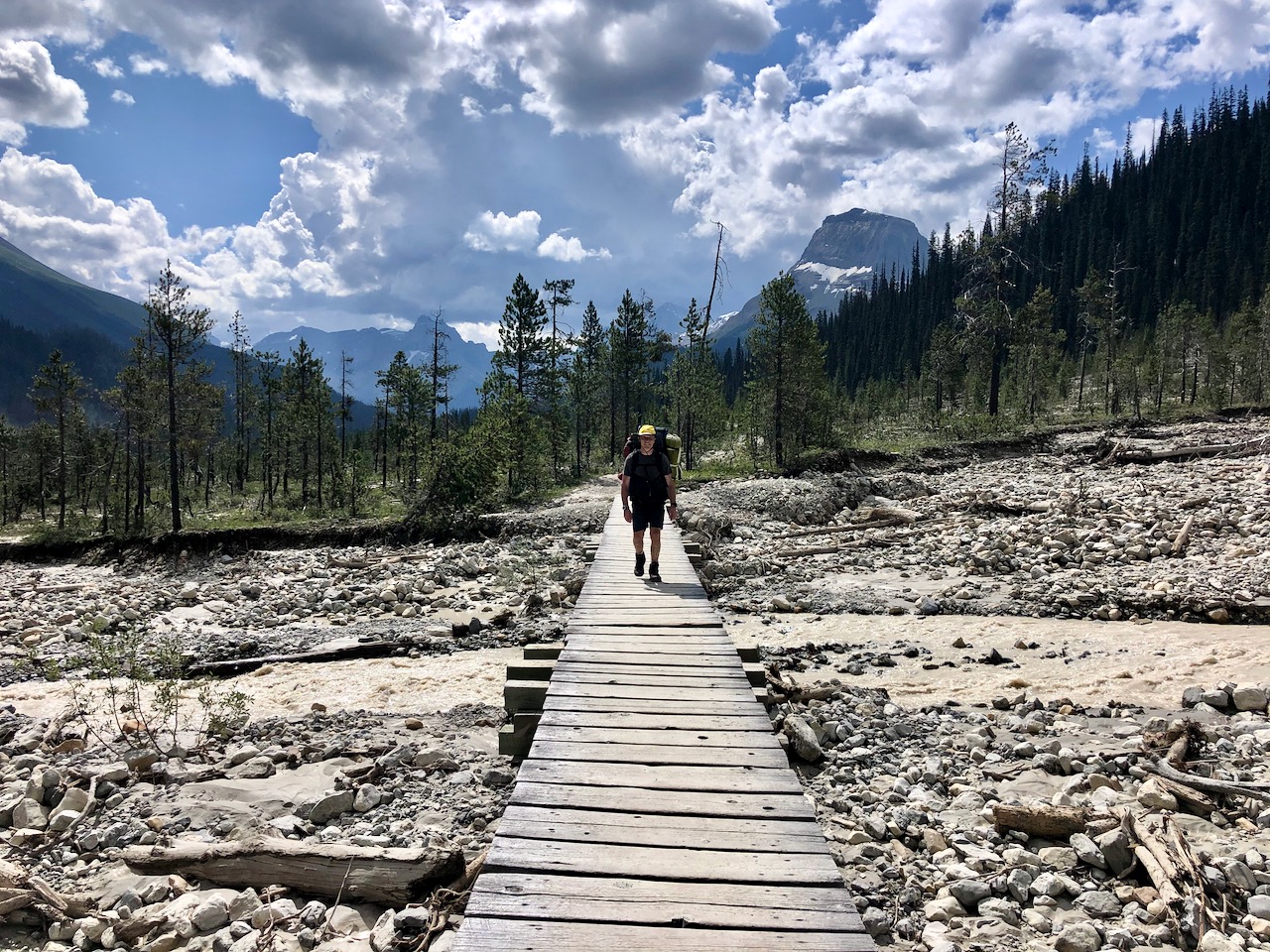
The only difficult section was about a half hour of flooded alluvial plain.

Once back in camp we found our group had decided to hike out a day early.  Forecast was for big storm.

Rather than camp at the Takakkaw Falls campground, we instead drove to Banff and enjoyed a dry night at the Hidden Ridge resort.
Another great hiking adventure.  🙂
Hiking to Twin Falls, Yoho National Park

Rock walls and waterfalls.

Trip report by BestHike editor Rick McCharles.

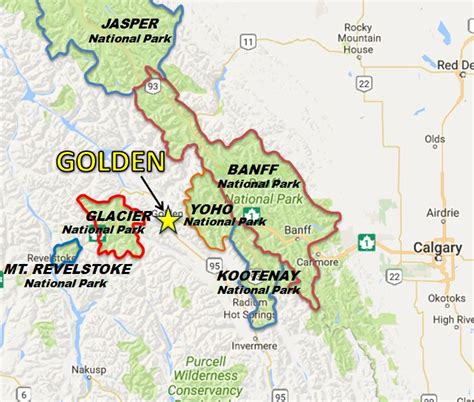
Though Banff and Jasper are more famous internationally, locals like myself consider Yoho National Park even better for hiking.

Golden is the nearest town.  Calgary the nearest international airport.

We parked at the Takakkaw Falls trailhead.

Takakkaw 254 metres (833 ft) is the 2nd tallest waterfall in Canada.

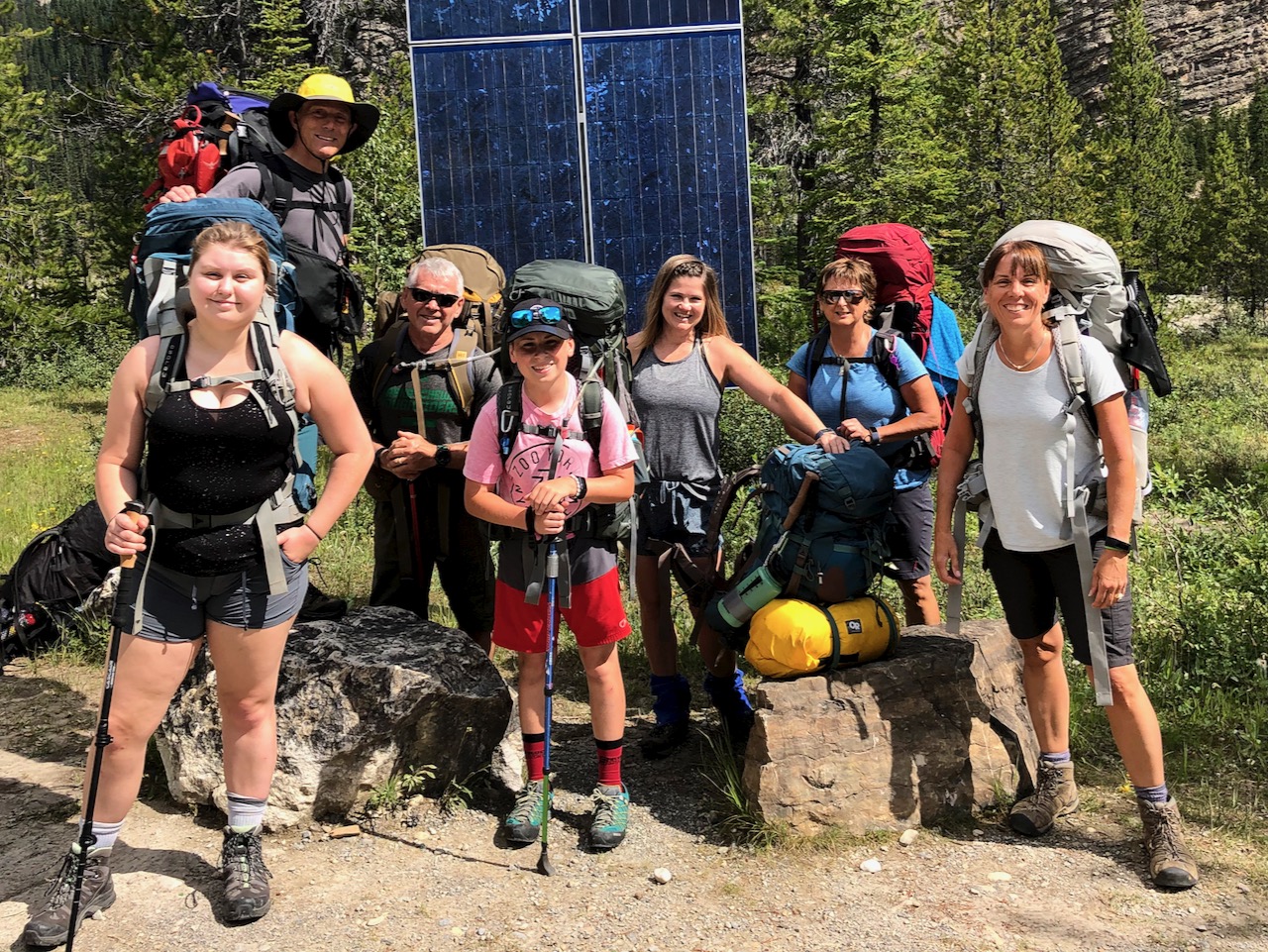
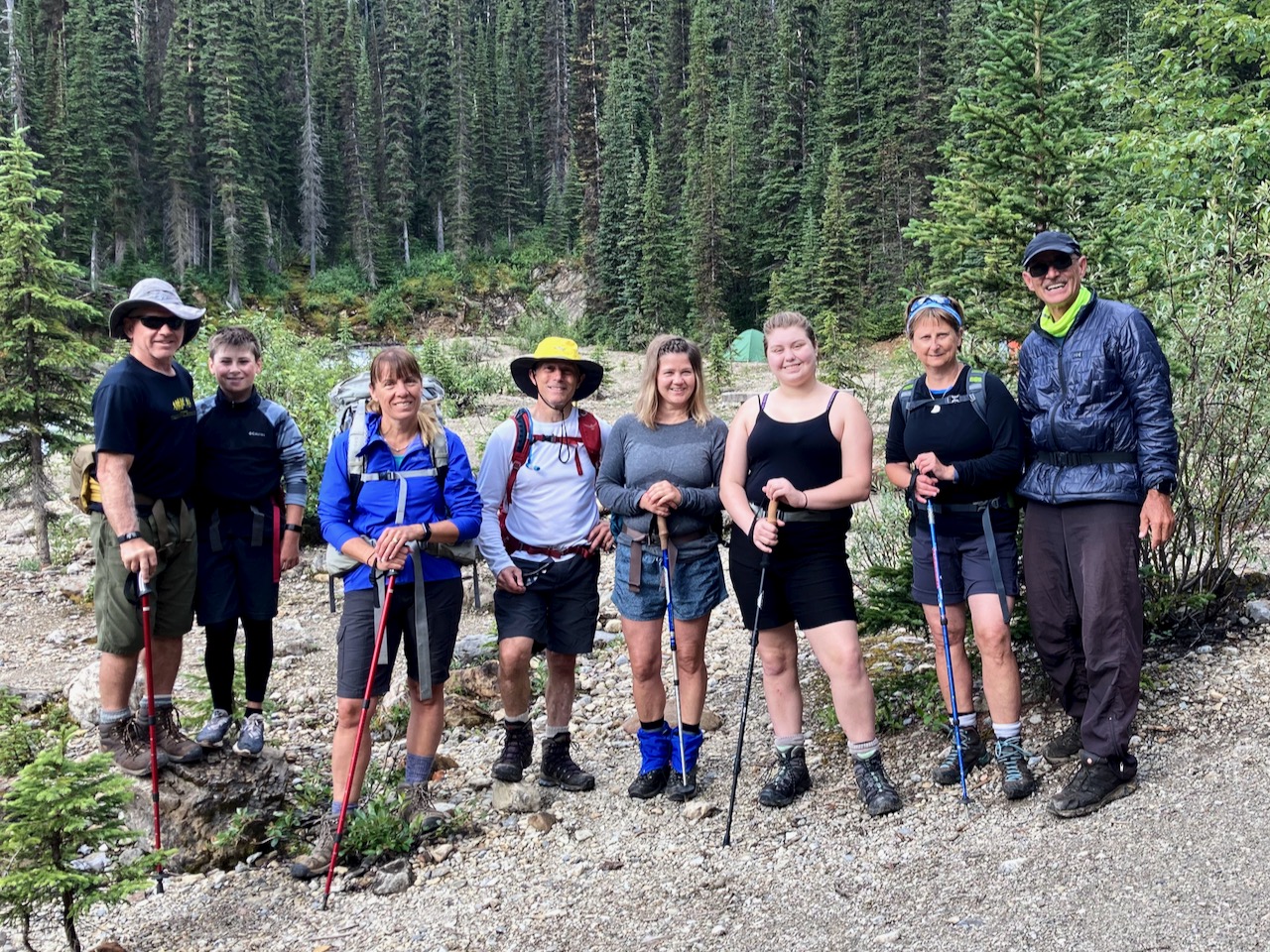
Friends from the flat lands of Saskatchewan schedule a hiking holiday every year. I tagged along, eventually joining their COVID-19 bubble.

As we set off, weather was deteriorating.

And, as so often the case in the Rockies in summer, we were soon hiding in the trees from a hail storm.

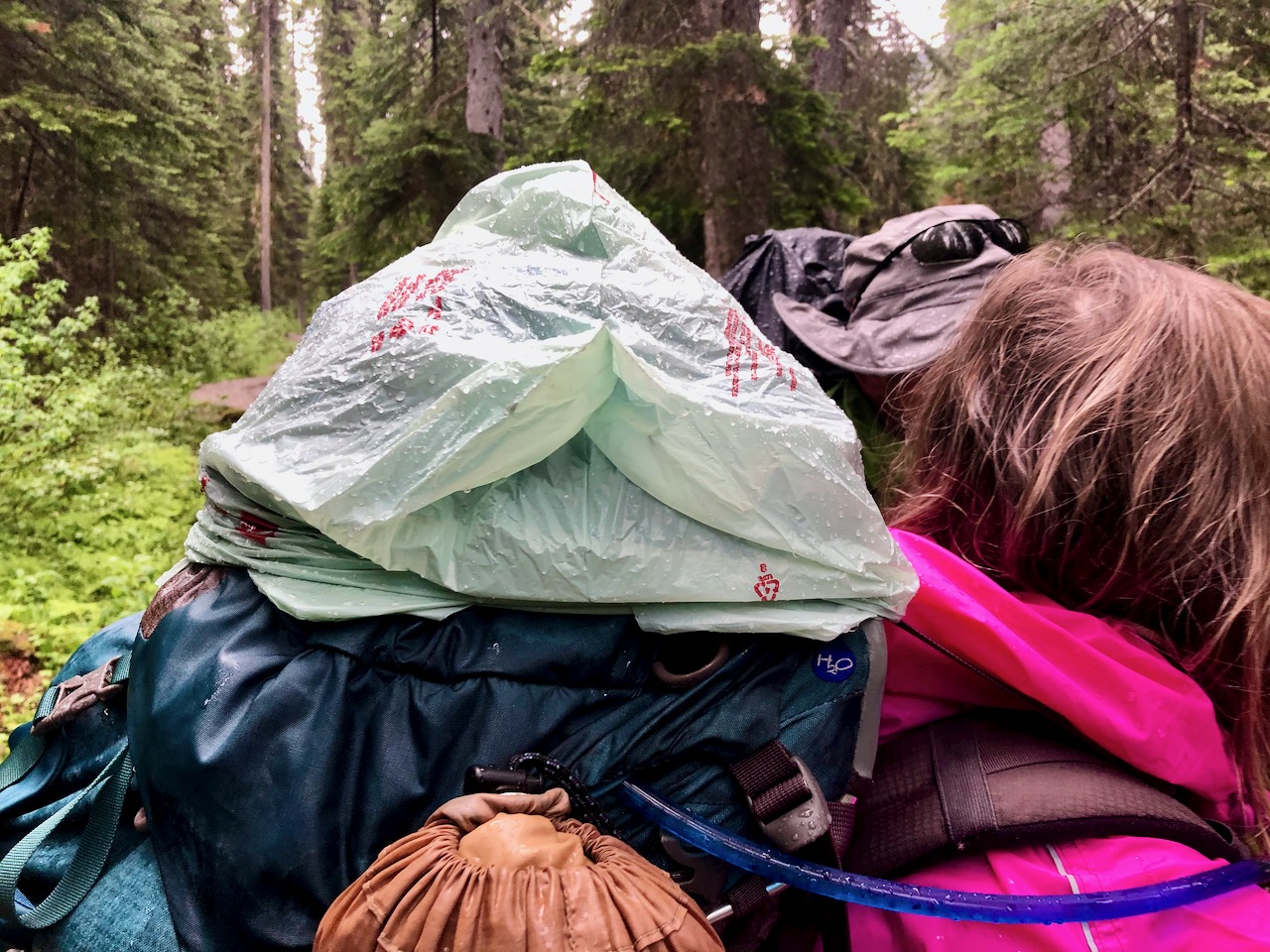
makeshift backpack cover

Warren considers bad weather an interesting challenge. And it was this day.

Last year the group had camped here at Laughing Falls.

We pushed on in the rain.

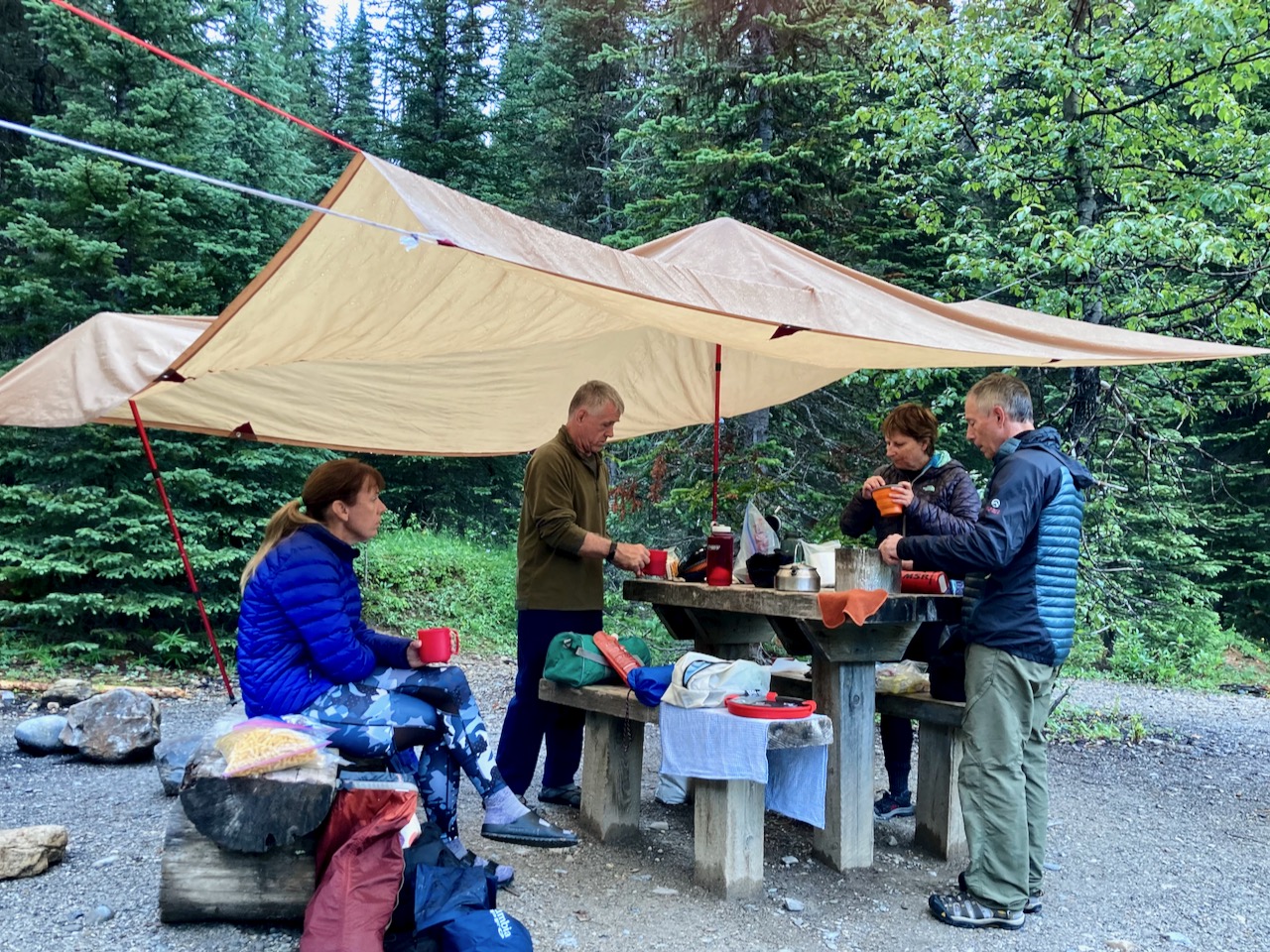
On arrival at Twin Falls campground, Warren set up a tarp.  This camp is about 6.7 km   from the trailhead. And about 100m elevation gain.

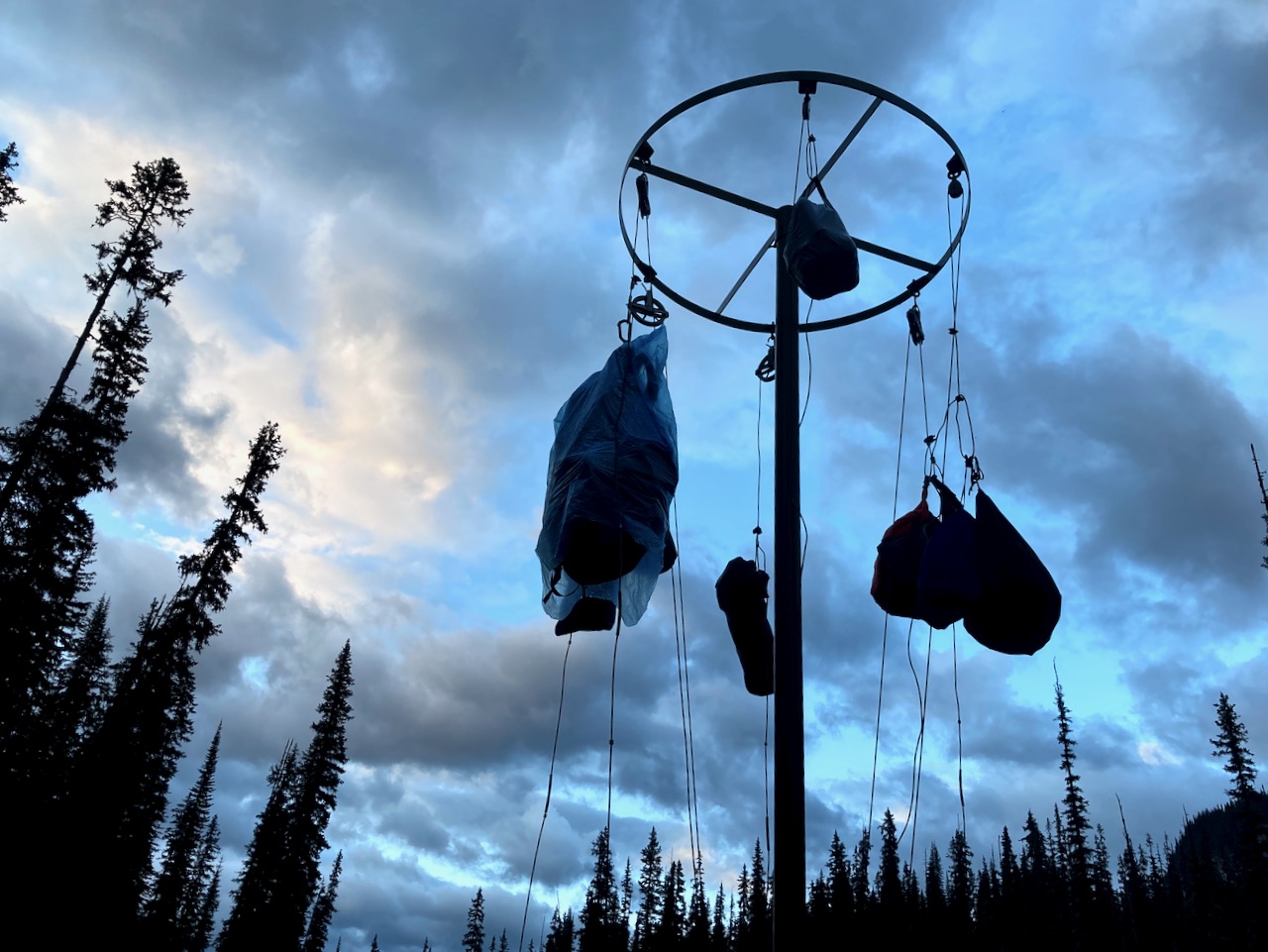
We hung our food as bears are always a concern in the Rockies.

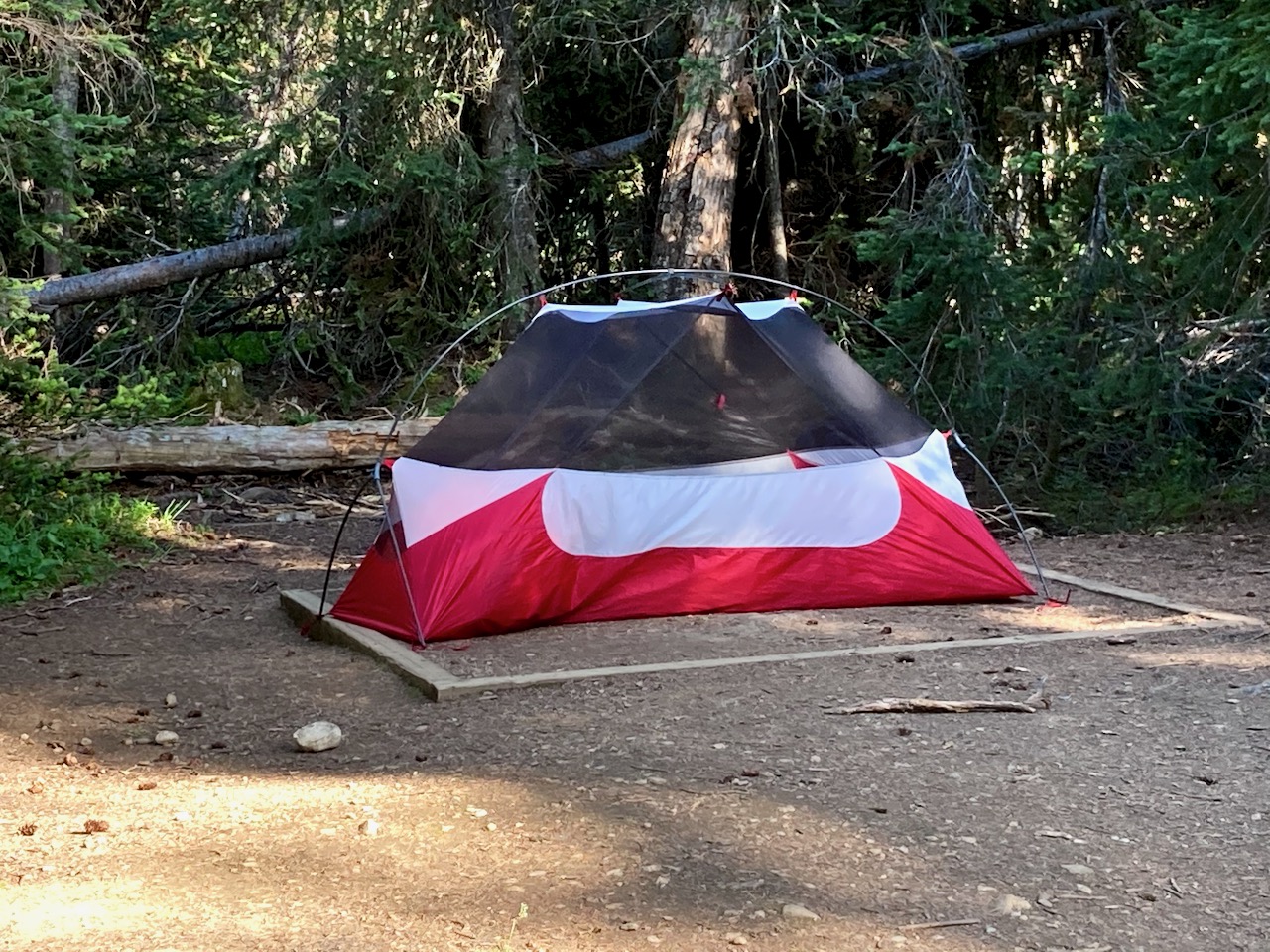
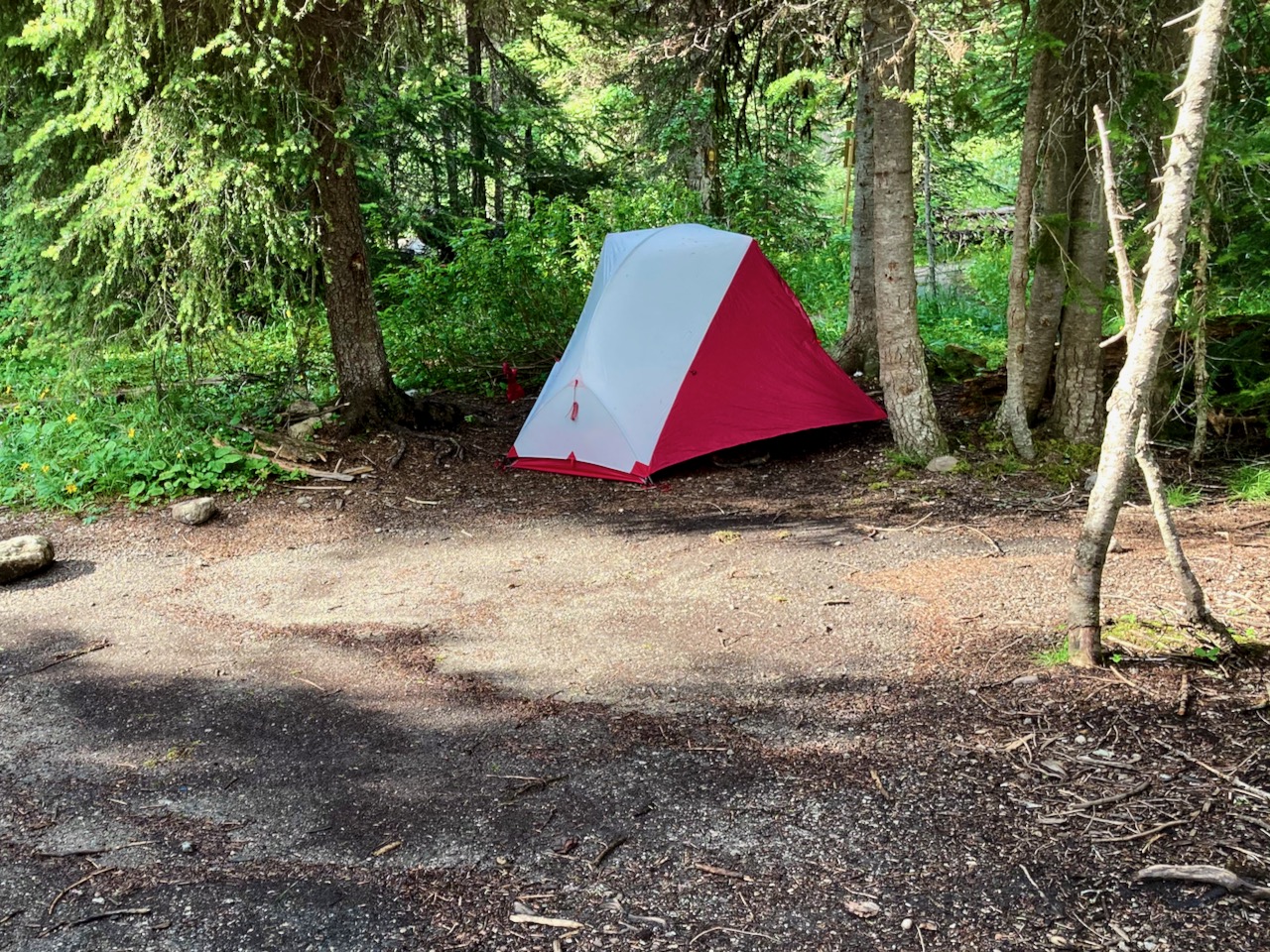
The main sites were quite wet so we placed our tents on dryer ground as much as possible.

Happily, next morning was sunnier.

The BIG downside in 2020 — it’s been a terrible mosquito year.

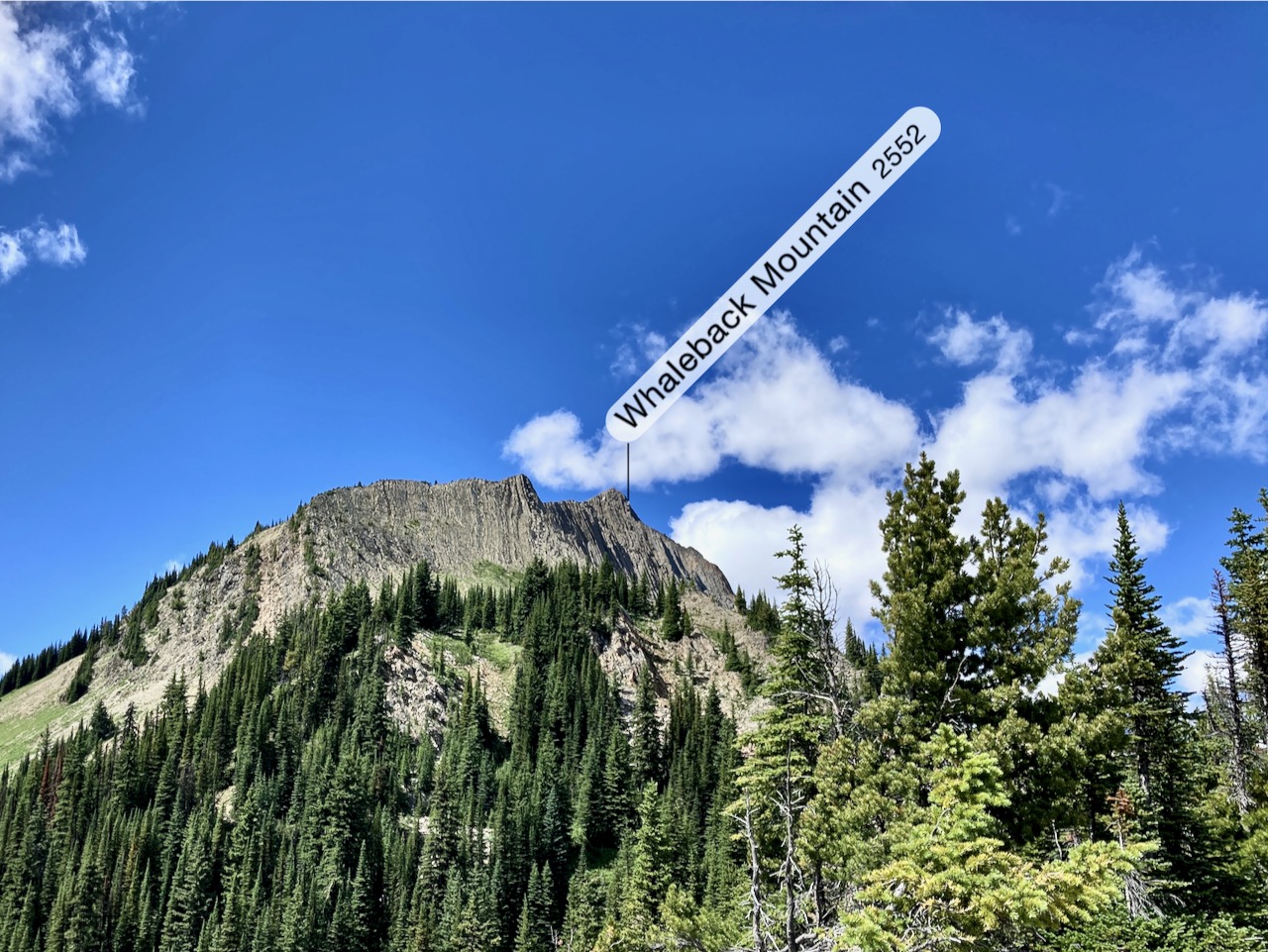
ready for the Whaleback

Twin Falls is a lovely hiking area.

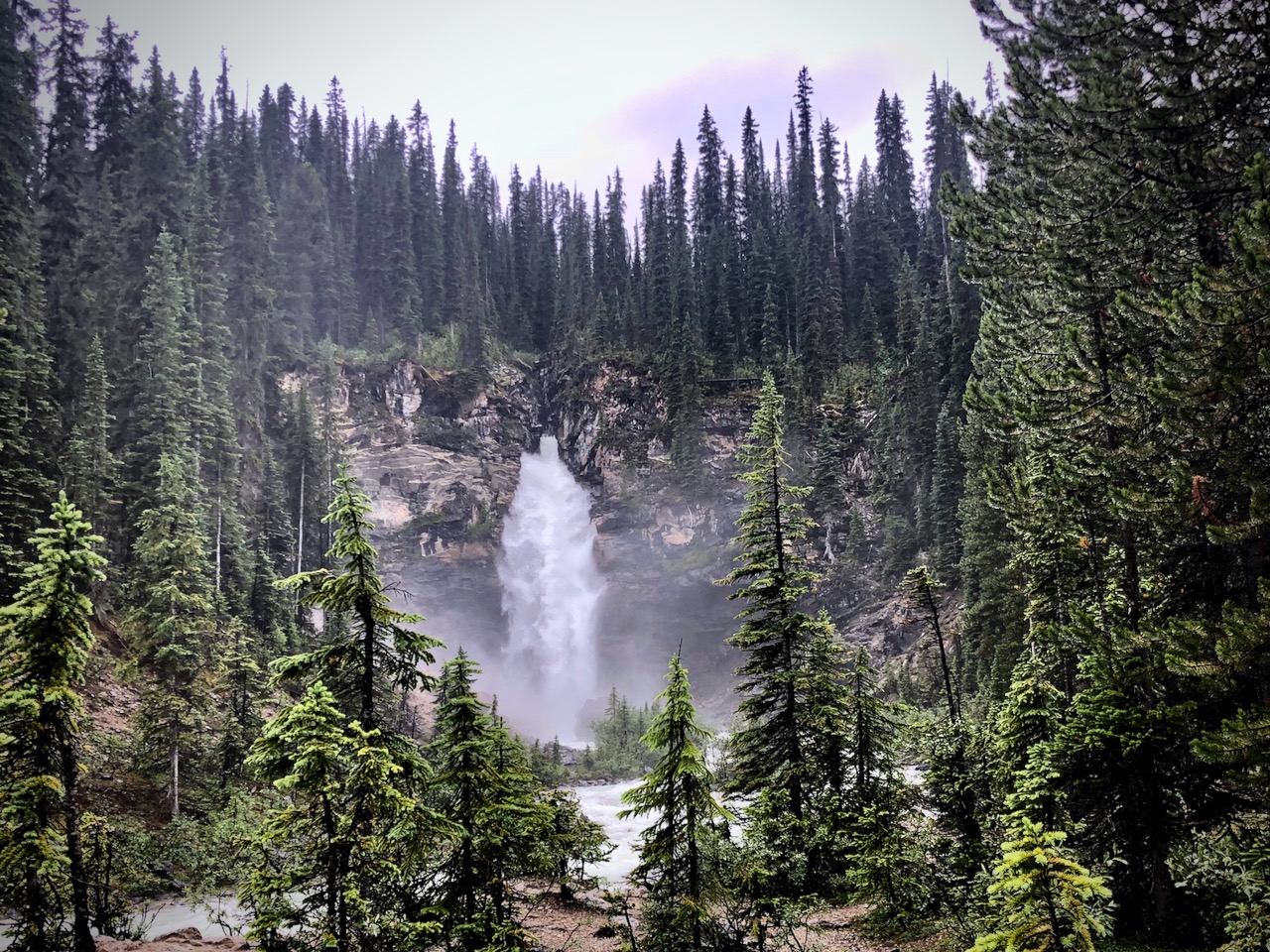
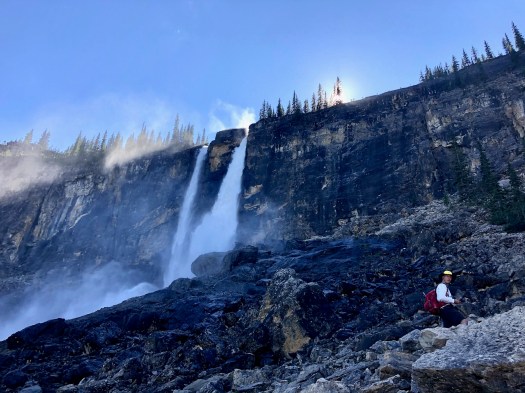
Here’s a first look at Twin Falls.

Twin Falls Tea House was closed this year due to COVID-19. It was extensively renovated in 2005 and will be again this season.

Rock walls and waterfalls.

We had plenty of switchbacks getting to the top of the Whaleback ridge.

Lunch at the top.

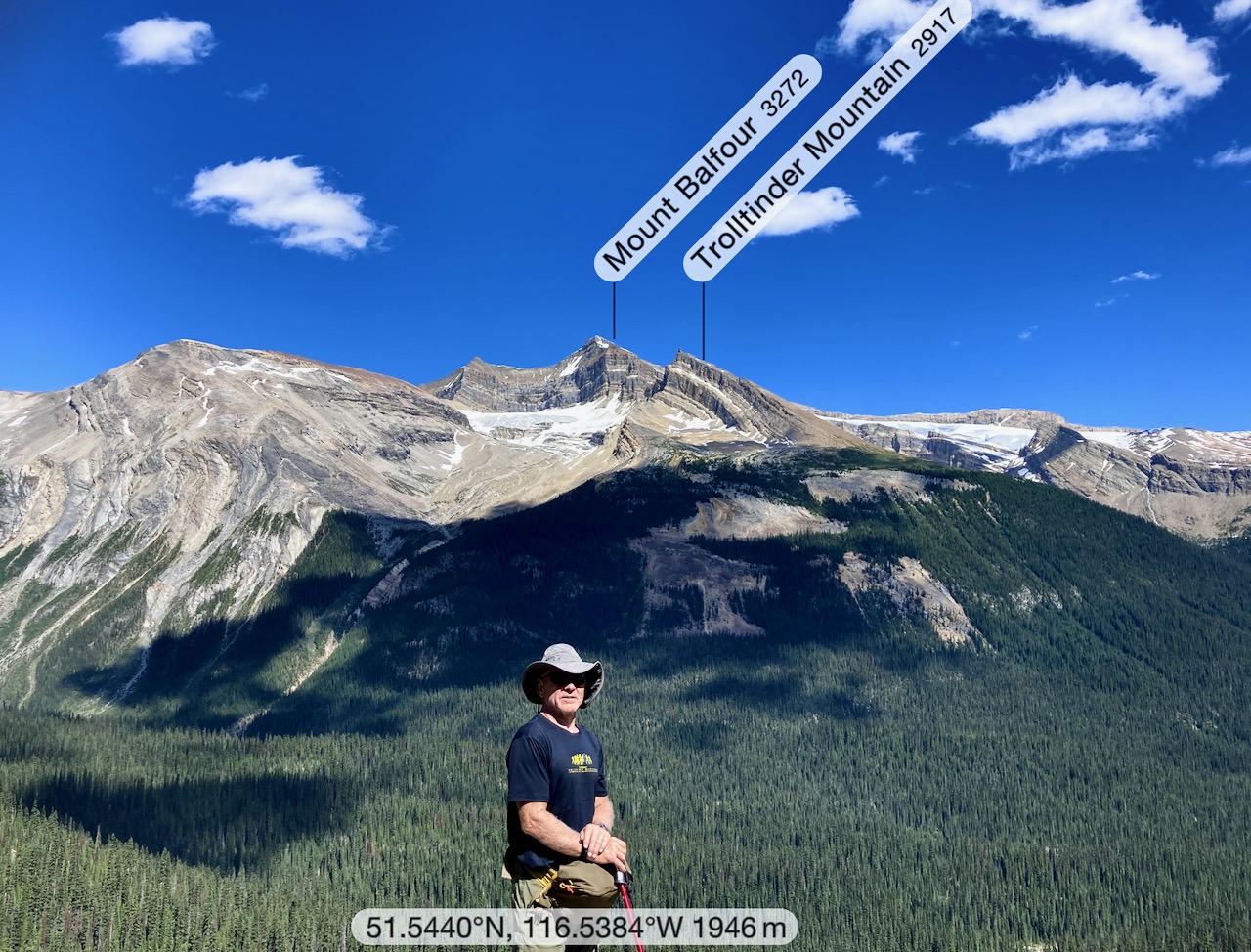
I used my Peakfinder app to confirm the names of surrounding mountains.

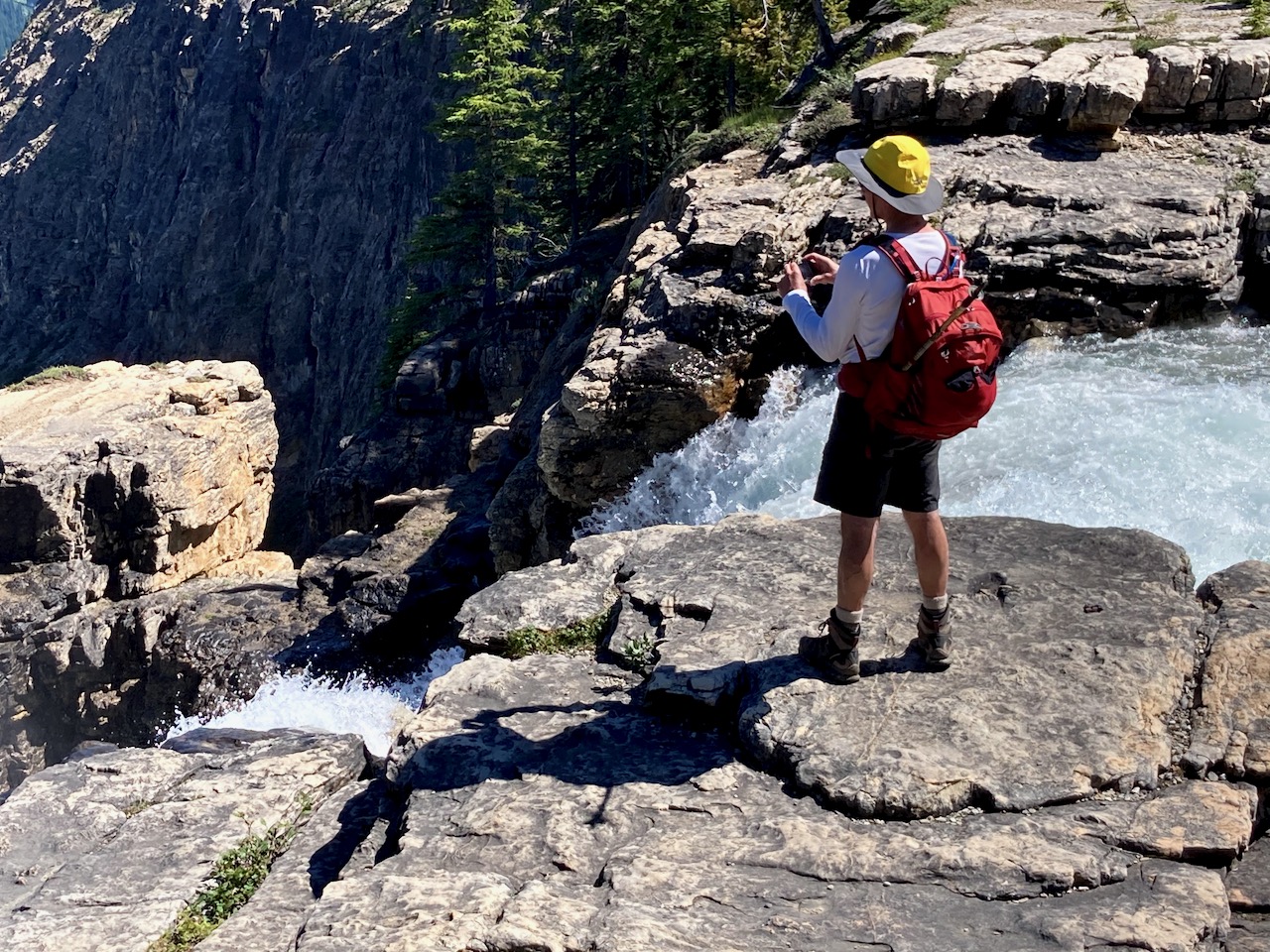
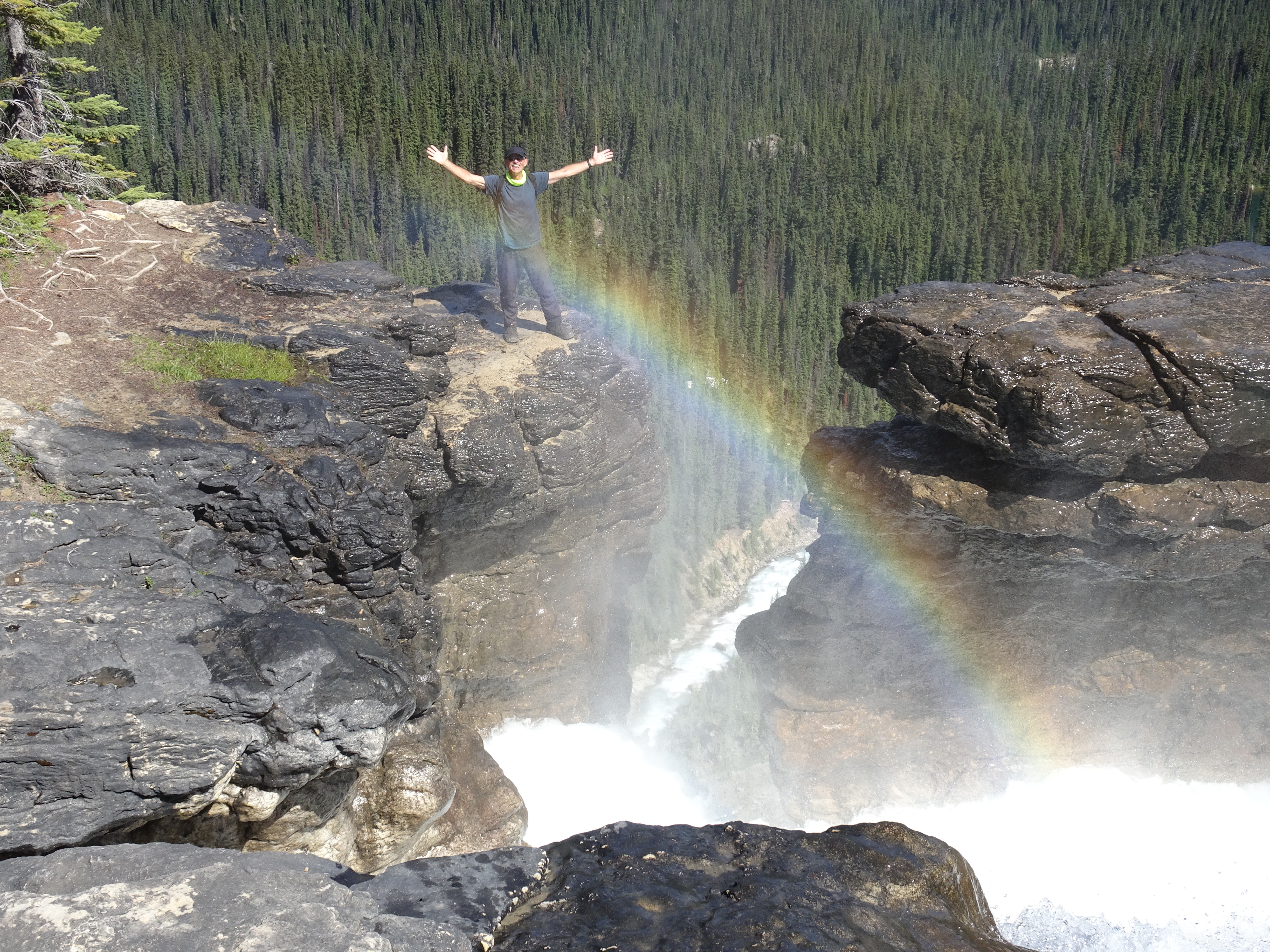
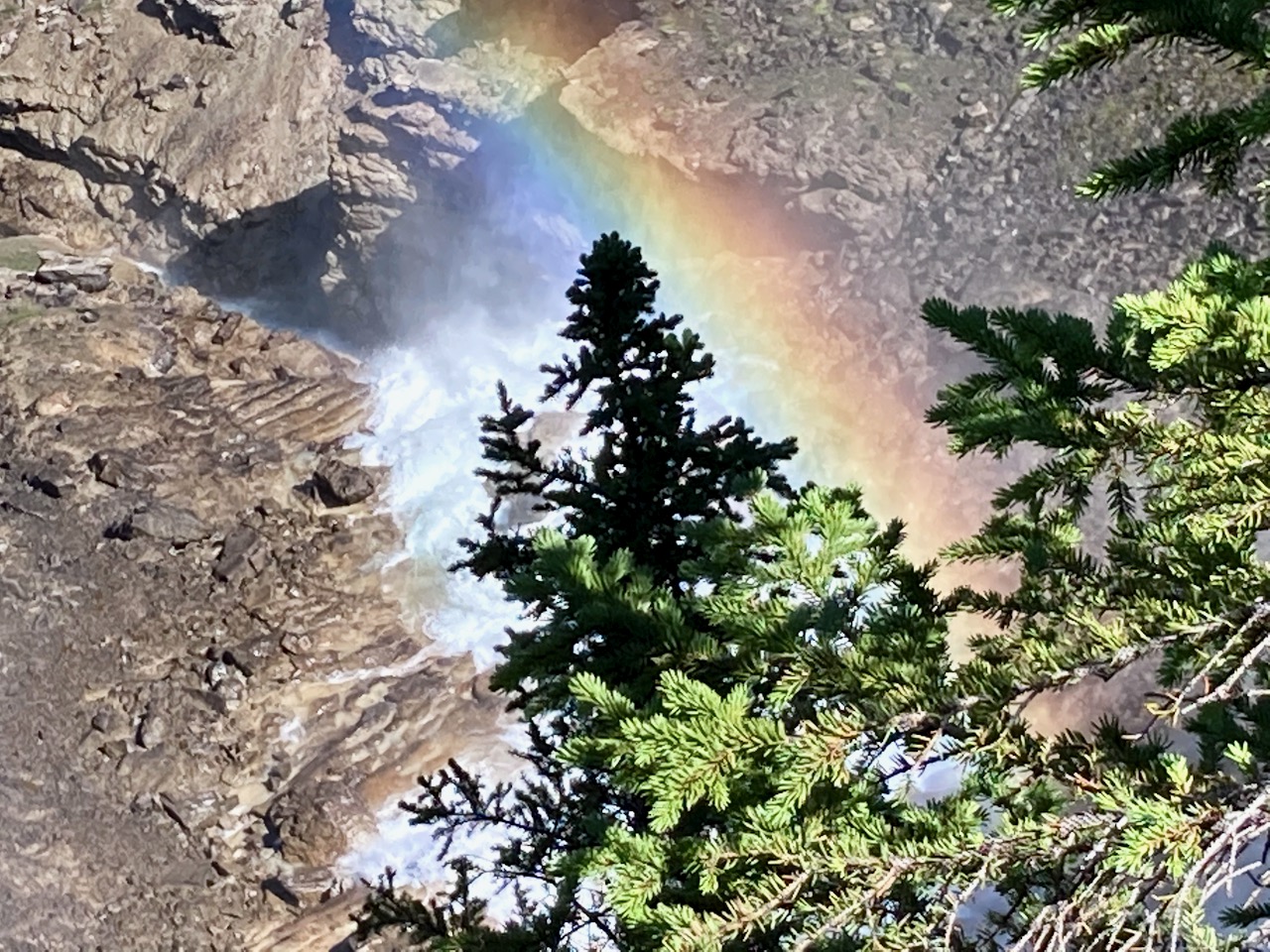
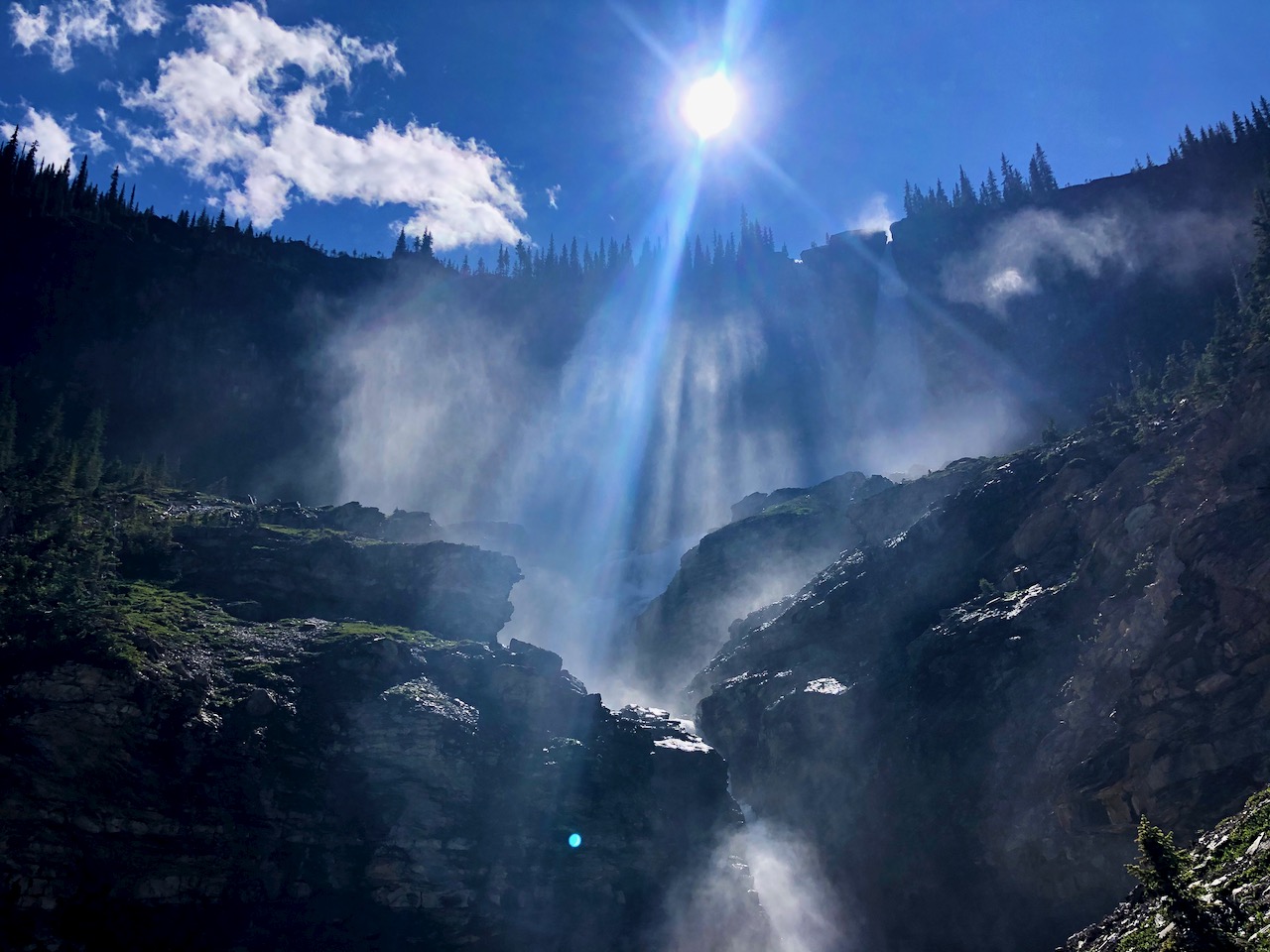
The highlight of the hike was Twin Falls. Both top and bottom.

Hikers have died falling from here. One survived 45 minutes in the freezing whirlpool before finally being rescued.

Click PLAY or watch a short video of our adventure on YouTube.

hike La Luz Trail, New Mexico

Marc Witkes posting to Inside Outside Magazine on the best trail out of Albuquerque:

And of the many ways to enjoy the Sandias, my favorite is running or hiking up the La Luz trail and taking the Sandia Peak Tramway down.

… The trail begins at 6,559 feet elevation, skirts a residential area for two miles, climbs 800 feet, turns east and descends to the junction of La Luz trail. A “5 mile” sign marks the beginning of a series of 19 switchbacks, many of which are cut through rocky sections made up of layers of shale and limestone. At the Y near the top of the trail, turn right and proceed to the top terminal and High Finance Restaurant (10,378 feet elevation).

While moving up La Luz Trail, you’ll notice dramatically different weather patterns and topographical features. There are four different climatic zones in the Sandias. The Upper Sonoran Zone lies at approximately 5,000 to 7,000 feet elevation, the Transition Zone at 7,000 to 8,000 feet, the Canadian Zone at 8,000 to 10,000 feet and Hudsonian Zone above 10,000 feet. In layman terms, you’ll start in the desert, travel through a wet area and finish in a spectacular alpine setting. Because of these transitional zones, taking off and putting on your jacket, gloves and hat is a common occurrence.

None of this matters that much as you struggle with a shortness of breath while climbing trail sections with a 12-percent grade, but try to pay attention. Juniper, pinion, Gambel and Gray oak, aspen, Douglas and corkback fir, Englemann spruce and limber pine, all quake along the trail. Wildflowers also rage from May to August.

La Luz trail is open year round with the best time to visit in the spring and fall. In summer, temperatures are hot. In winter, you’ll need snowshoes and hiking poles.

Inside Outside Magazine

If you want to make the trip yourself, click over to Backpacker’s Review for logistics – LA LUZ TRAIL – CIBOLA NATIONAL FOREST (8 MILES)


Resurrection Pass Trail, Kenai, Alaska

The 38-mile Resurrection Pass Trail through the Kenai Mountains is by far the most popular multi-day backcountry route in Southcentral Alaska. Ideal for backpackers and mountain bikers—and a great destination for skiers and snowshoers during snow season—the trail links historic gold mining areas near Hope with a trailhead near Cooper Landing close to the Kenai River.

It is a true classic, drawing hundreds of visitors over the entire year. Many Alaskans return annually—often taking at least five days to traverse the route. …

You have two options for accommodations on multi-day trips: rent cabins or carry a tent.  …

If you want to hike from one end to the other, you need to set up a shuttle or book a trip on a local trail taxi. …

The Kenai Mountains feature prime brown bear habitat, and the forests abound with black bears. So take all the usual precautions—including storing food in bear lockers or portable vaults, keeping a clean camp and carrying bear spray for deterrence. Make noise and pay attention. Hikers regularly report encounters with or catch sight of both species. Having said that, the trail gets regular human traffic and does not have a reputation for unusual bear problems.

Mid-June through early September is the window.

Kraig Adams expanded on the standard route. And put together a video which reveals the massive landscape very well.

Click PLAY or watch it on YouTube.

(via Adventure Blog)

Ausangate Circuit, Peru – Aug 2018

Our friends at Travel2Walk posted an excellent independent trip report and video from one of our top 10 hikes in the world.

It’s gotten a LOT more popular since we were there in 2005.

Click PLAY or watch it on YouTube.

AT A GLANCE

Peru
Peru
  • circle the sacred Ausangate massif (6372m, 20,905ft), the highest peak in southern Peru
  • 4 high passes between 4757m – 5165m!
  • 70km (43.5mi) plus sidetrips
  • almost everyone does Ausangate with a guide, but it’s quite doable independently if you are acclimated 
  • many options to extend this trek
  • best months are the May-September dry season
  • Tinqui is 5-8 hours now only about 3.5hrs by bus on a new road, about 100km S.E. of Cusco
  • sidetrip to the “rainbow mountains” of Vinicunca

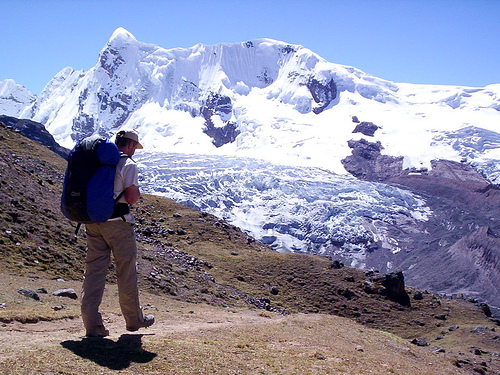
glacier

To learn more, click over to our Ausangate information page.

Related – Cam Honan – Ausangate Circuit: Independent Hiker’s Guide

Climbing Mt Arrowsmith, Vancouver Island

Trip report by BestHike editor Rick McCharles. 

Mount Arrowsmith 1,819 m (5,968 ft) is the most prominent peak seen from my parents home in Vancouver Island.

It’s close to Port Alberni, B.C.

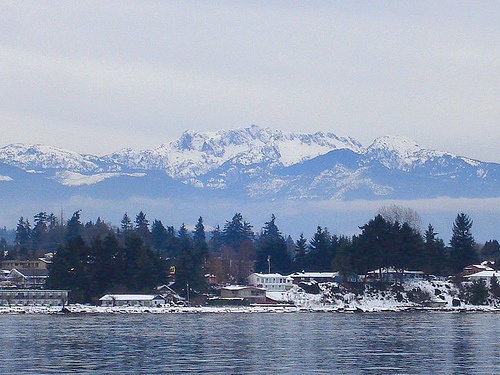
Alanna@VanIsle – Arrowsmith from Parksville in winter

The most popular hike to the top is called Judges Route.  Details.

  • 6-7 km (4 miles) roundtrip
  • elevation gain 1,000m (3,280ft)

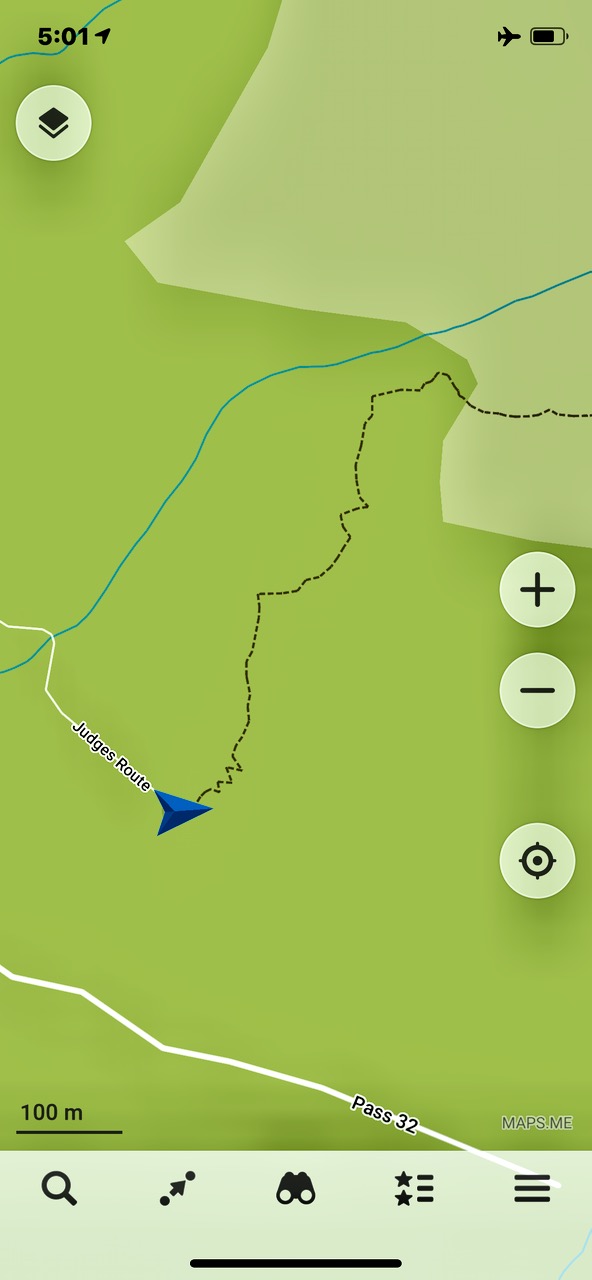
Finding the trailhead can be confusing. Google Maps has it wrong, for example.

I used the free Maps.me app — that worked.

Maps.me

It’s 4-6 hours return.  Challenging.  Some exposure. A bit of scrambling.  Some route finding.  I was briefly lost 3 times.

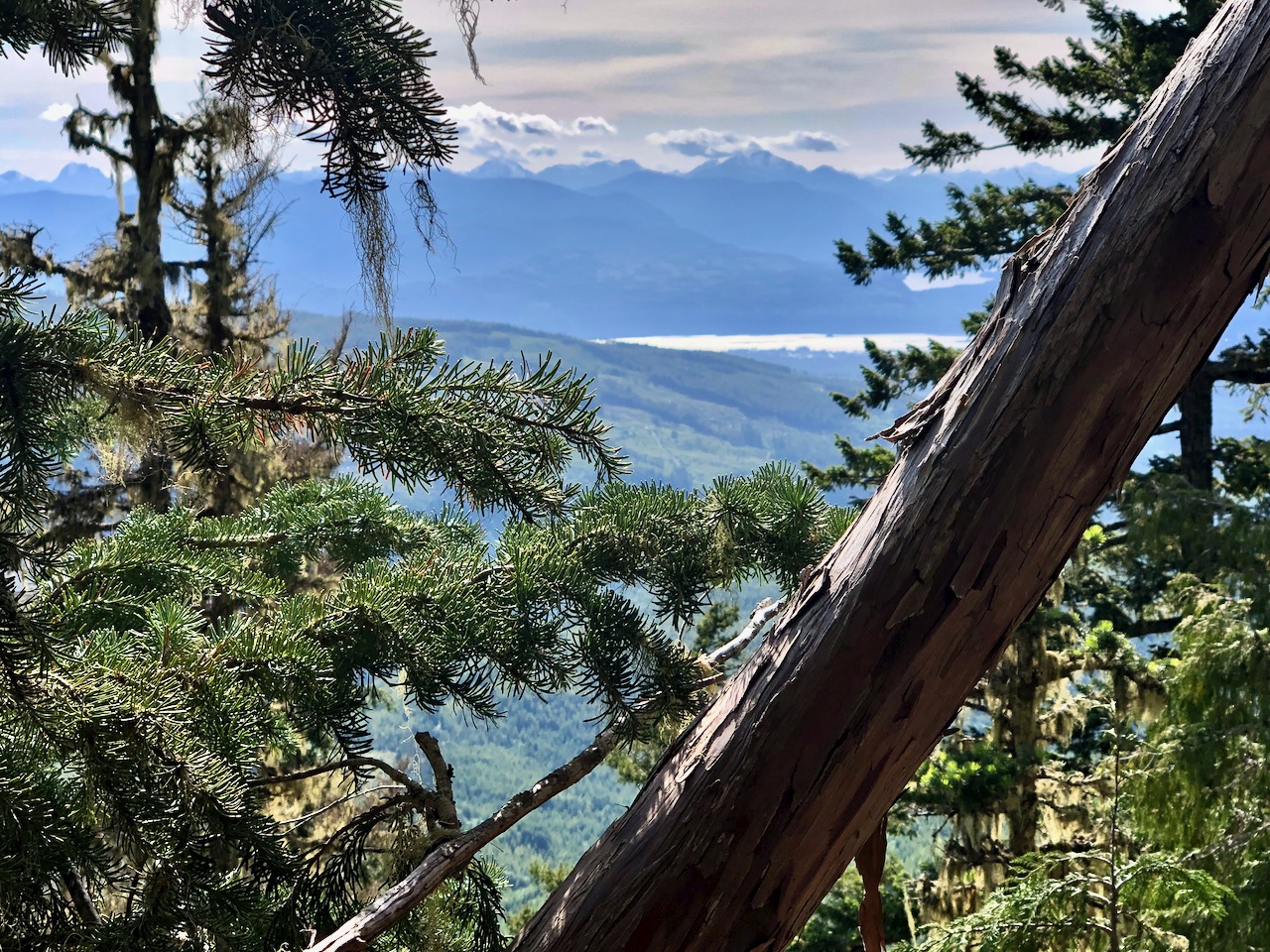
There are some views on the way up.

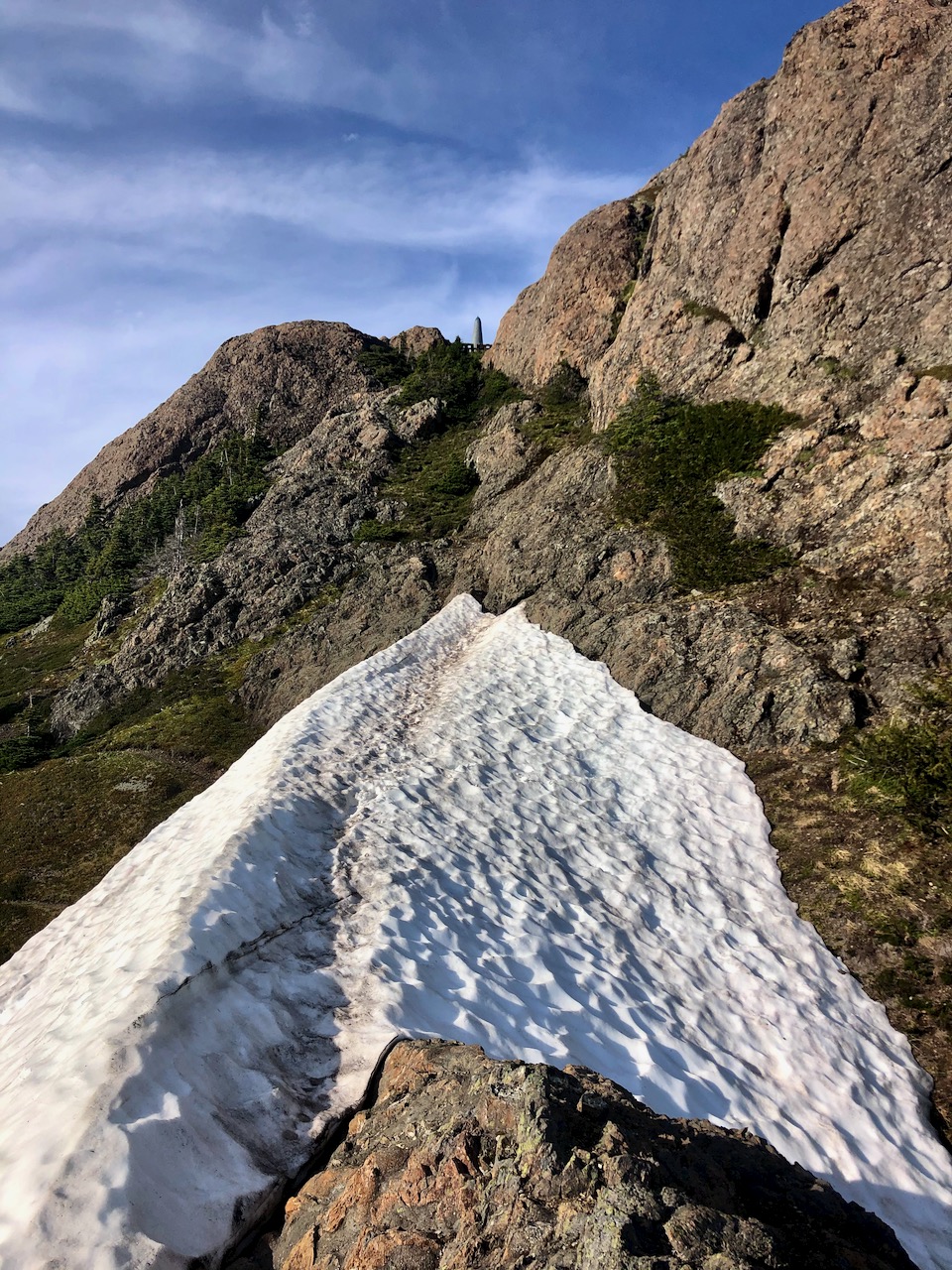
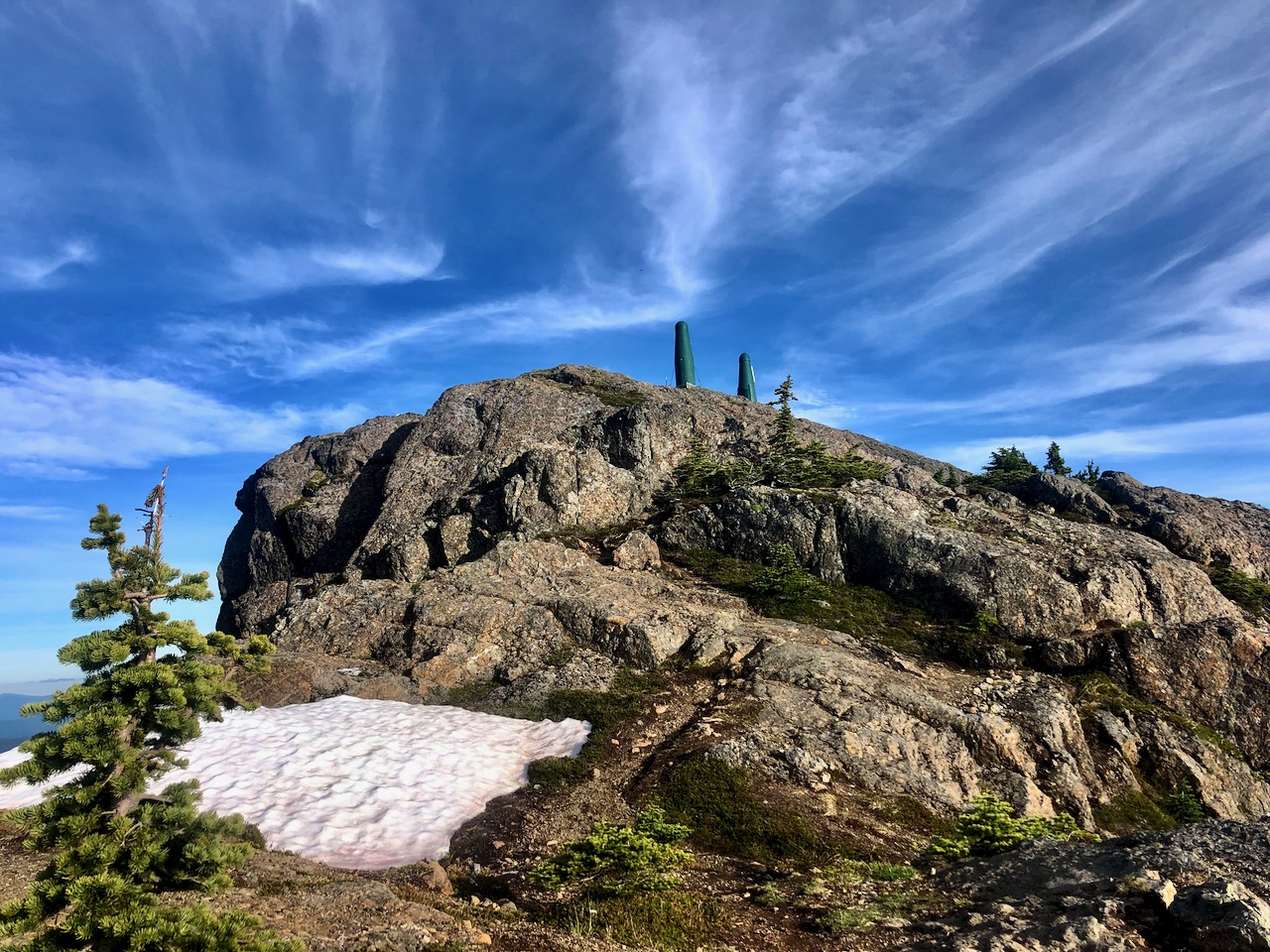
On June 25th, 2020 I didn’t have much snow.

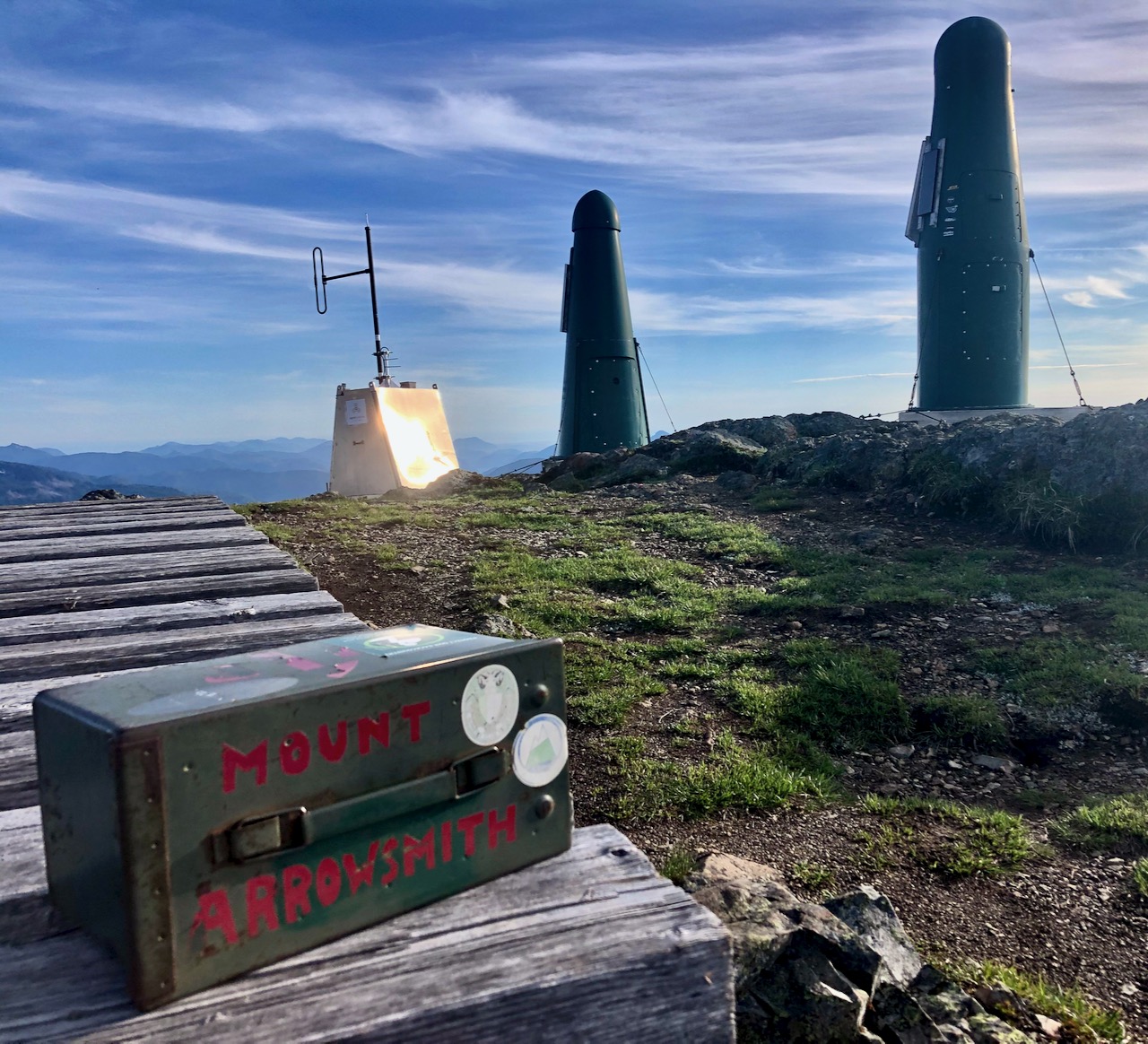
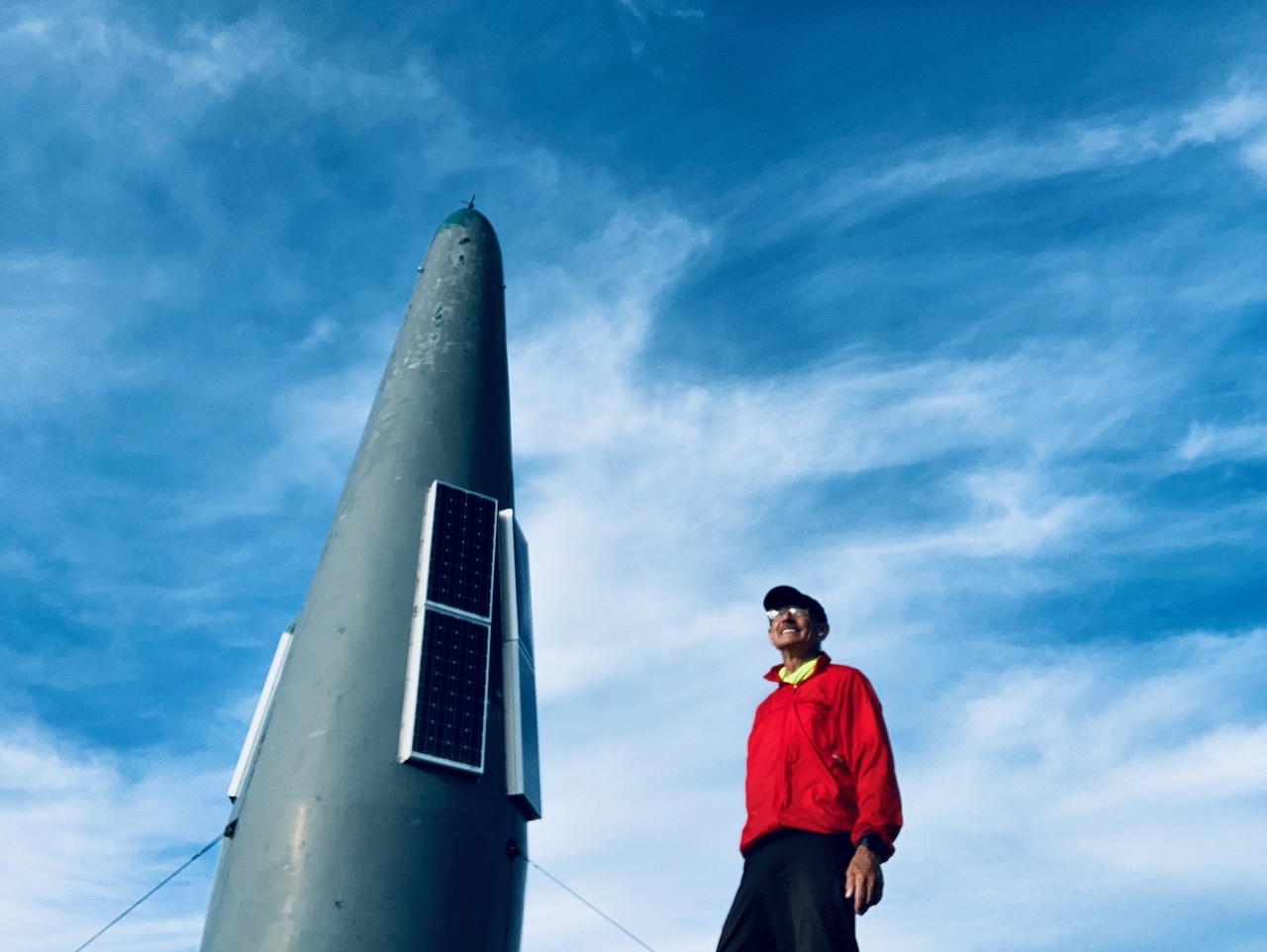
The summit is interesting.

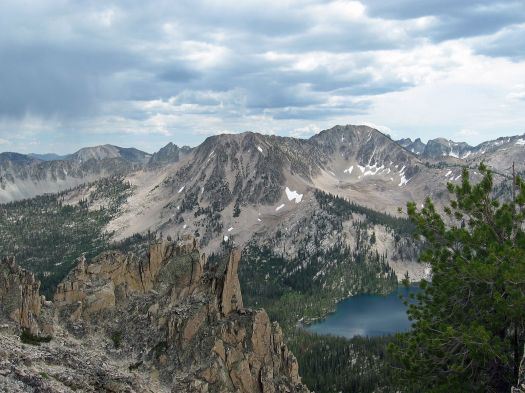
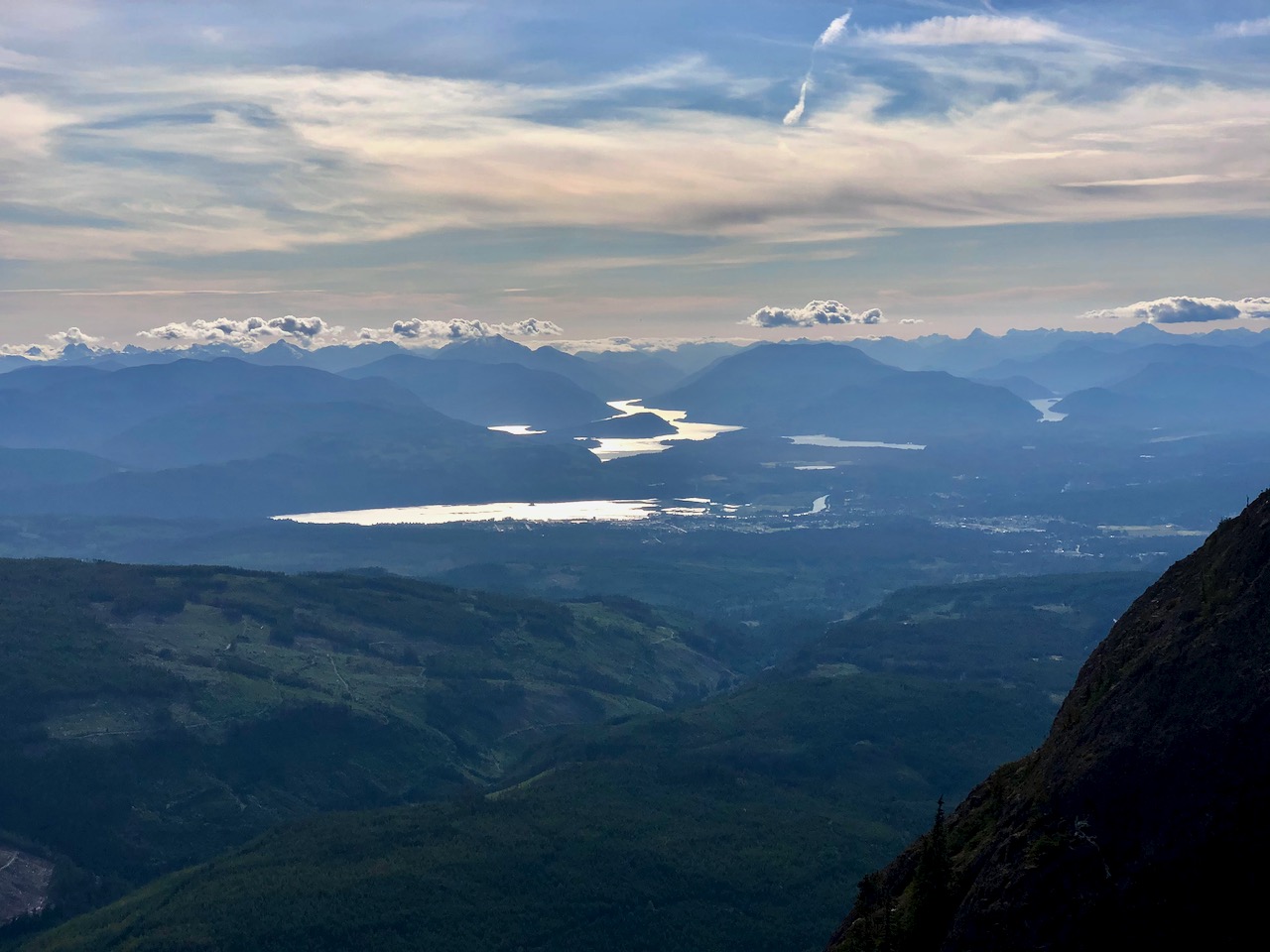
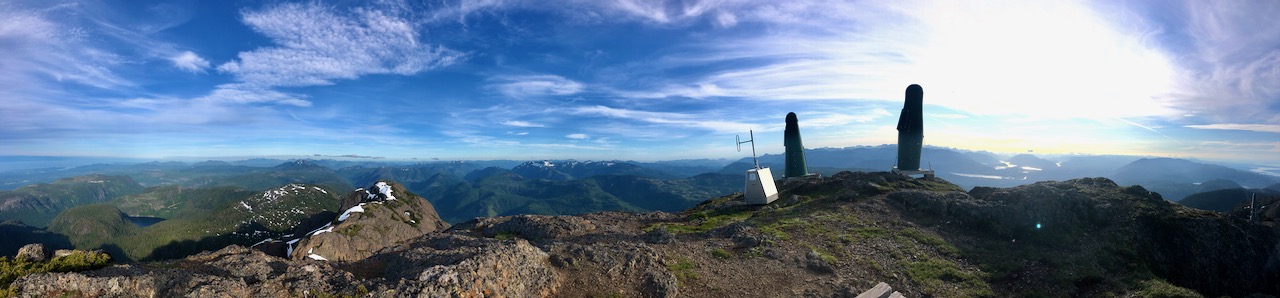
From the top you can see from Port Alberni to Mt. Baker in Washington State.

I was inspired to try one of my rare panoramas.

Click for larger version.

Great day.

Starting up at 4pm I was last hiker on the mountain.

What time is blast off? 😀


Buttle Lake Campground, Strathcona Park B.C.

Trip report by BestHike editor Rick McCharles

First time to this part of Strathcona Provincial Park,  Vancouver Island, I decided to tent at the biggest campground on arrival — Buttle Lake.

And was glad I did.

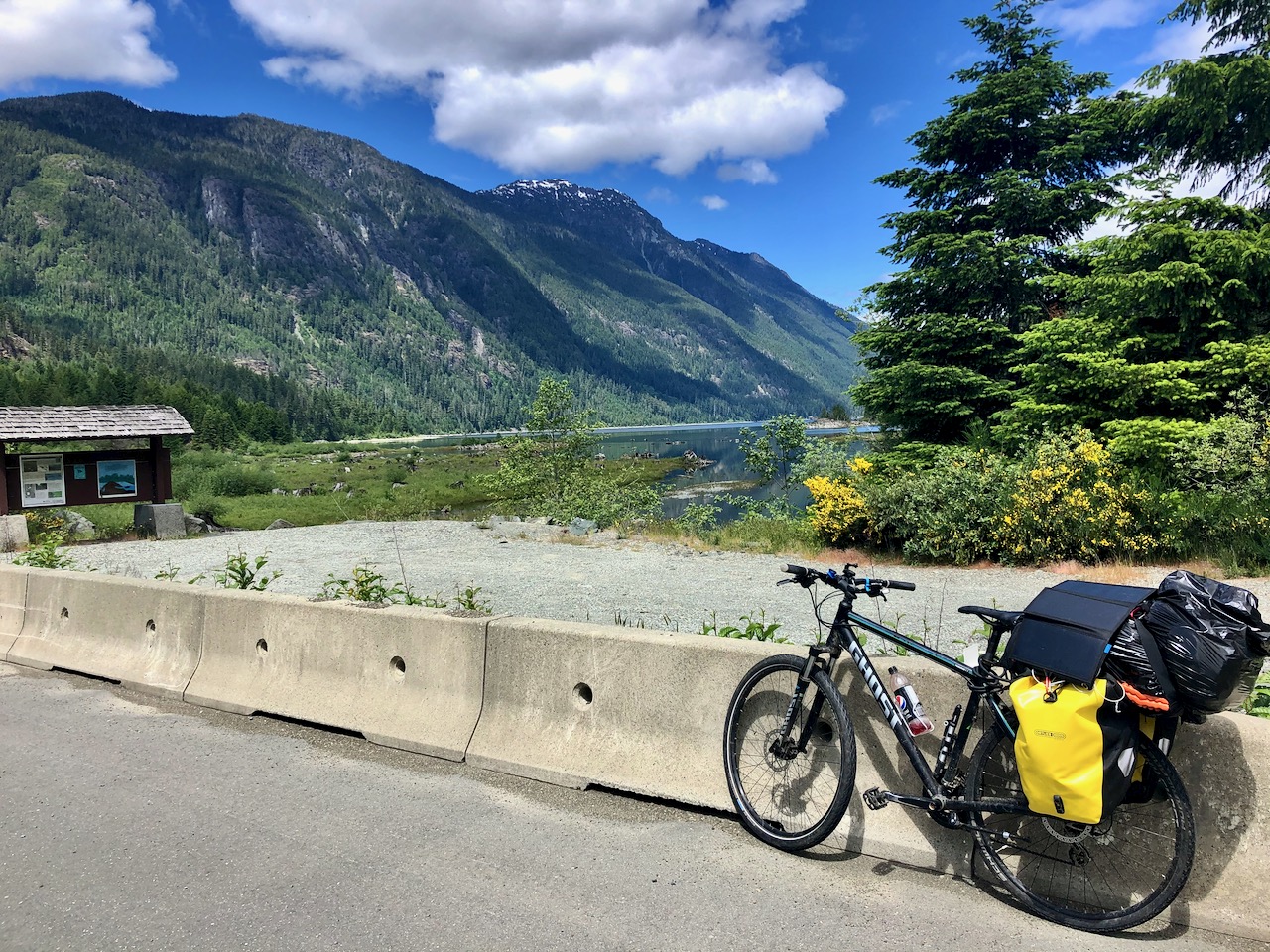
Easy access from Campbell River.  I cycled.

Campgrounds had just opened following the COVID-19 shutdown.  Their reservation system was still getting going.

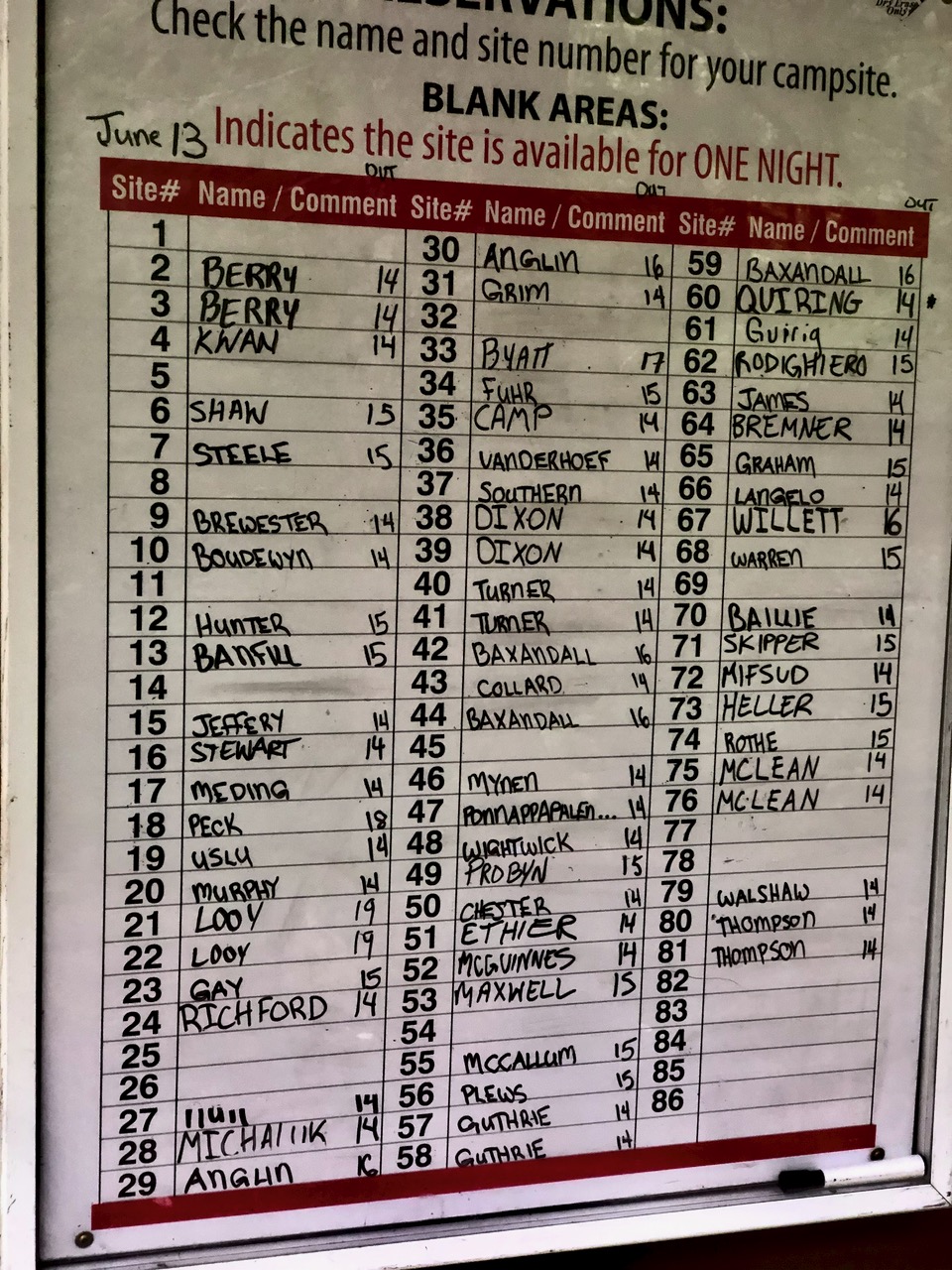
I could choose any site not listed on the whiteboard.

There was one other cyclist that night — John, a cabinet maker from Vancouver — who was out-of-work at the moment from his set design job for the  TV series Riverdale.

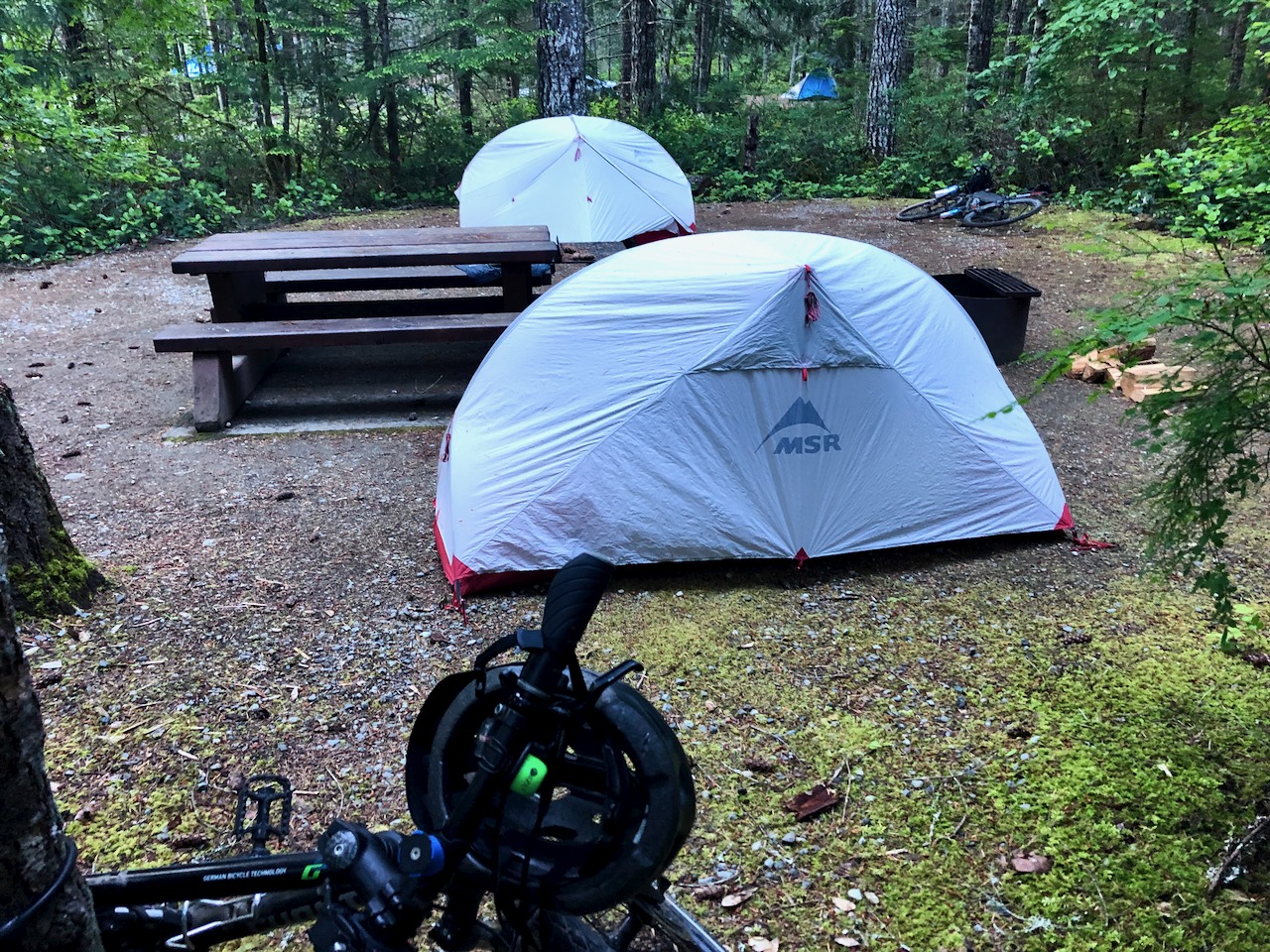
We decided to share a site and campfire.

After setting up the tent, I checked out the many short hikes accessible from camp.

Best was the Beach Access Trail

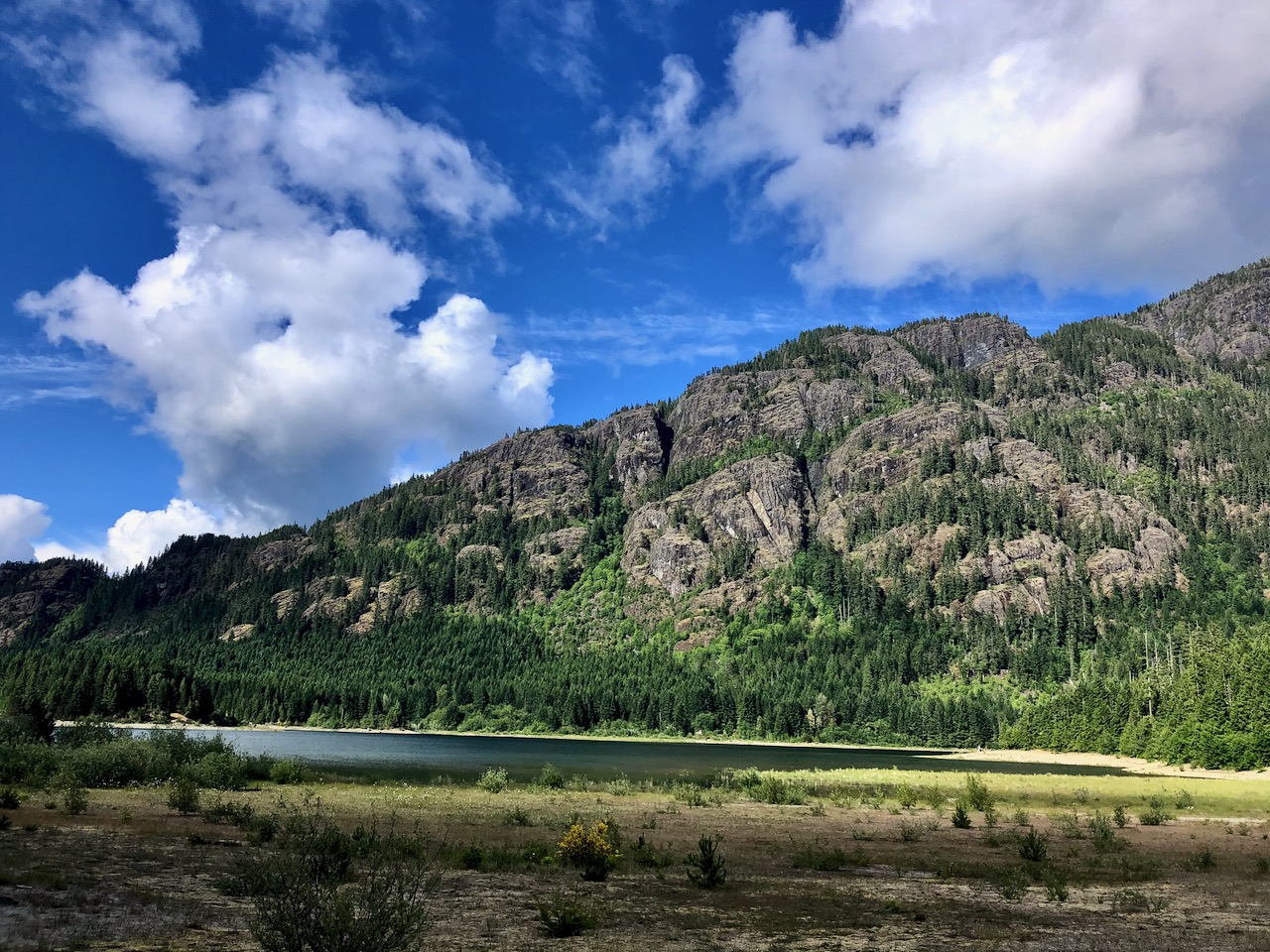
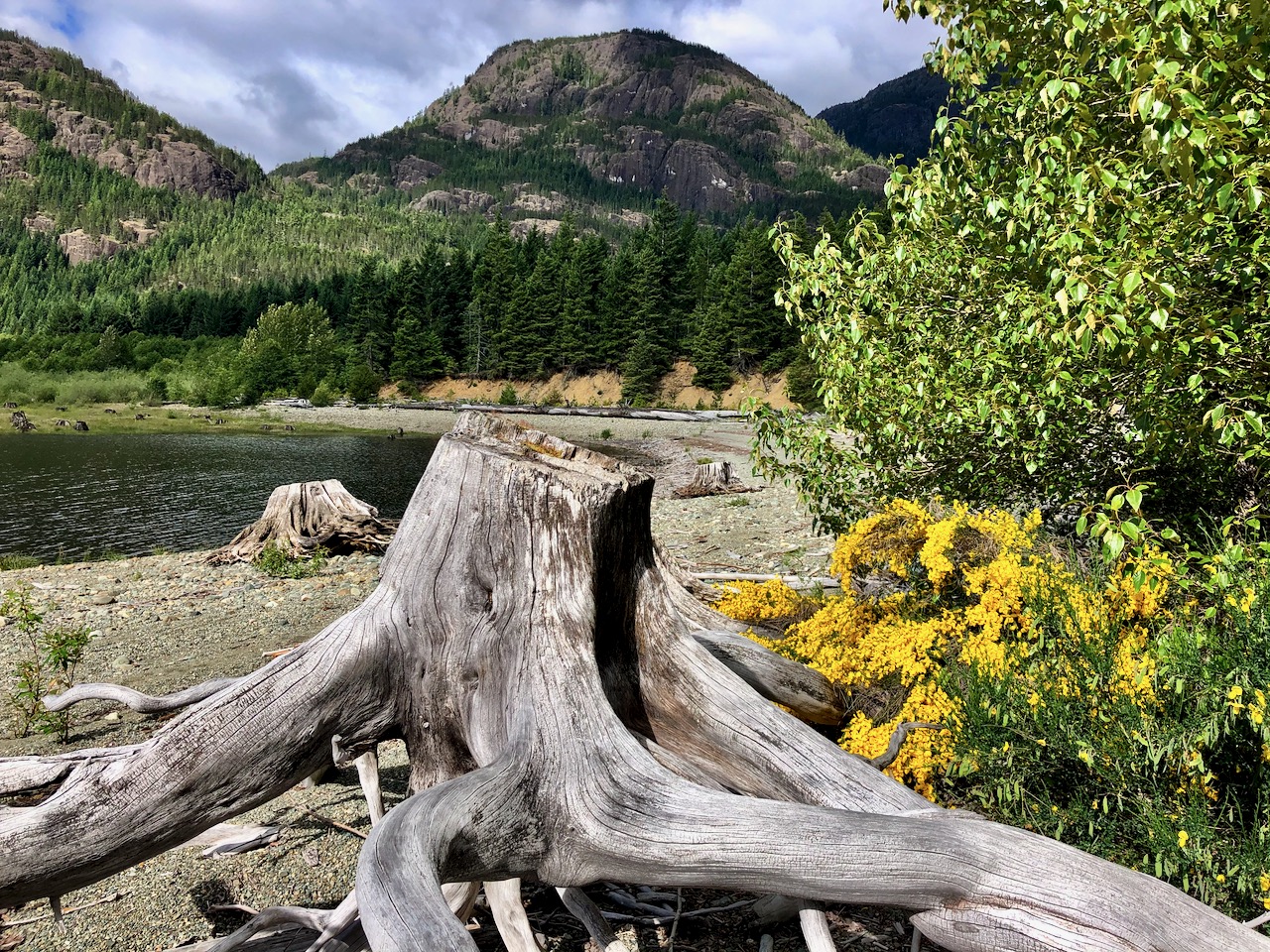
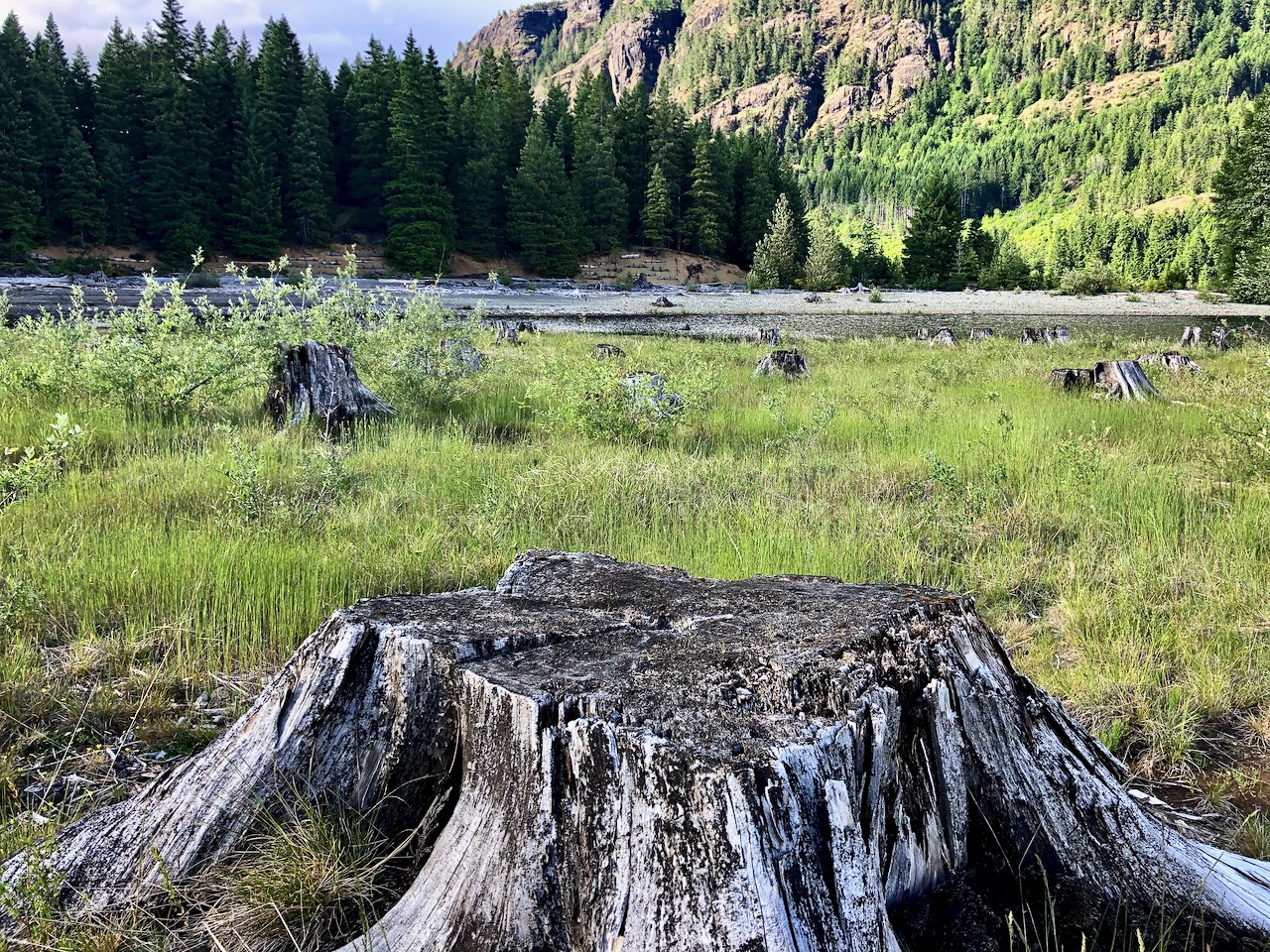
This lake has many drowned tree stumps. Very evocative.

I stumbled upon 5 campsites not shown on any map.  Cool.

The Ranger informed me they were Marine Campsites, designated for those fishing and boating.  BUT that they were free until June 15th.

John and I booked in for the night of June 14th.

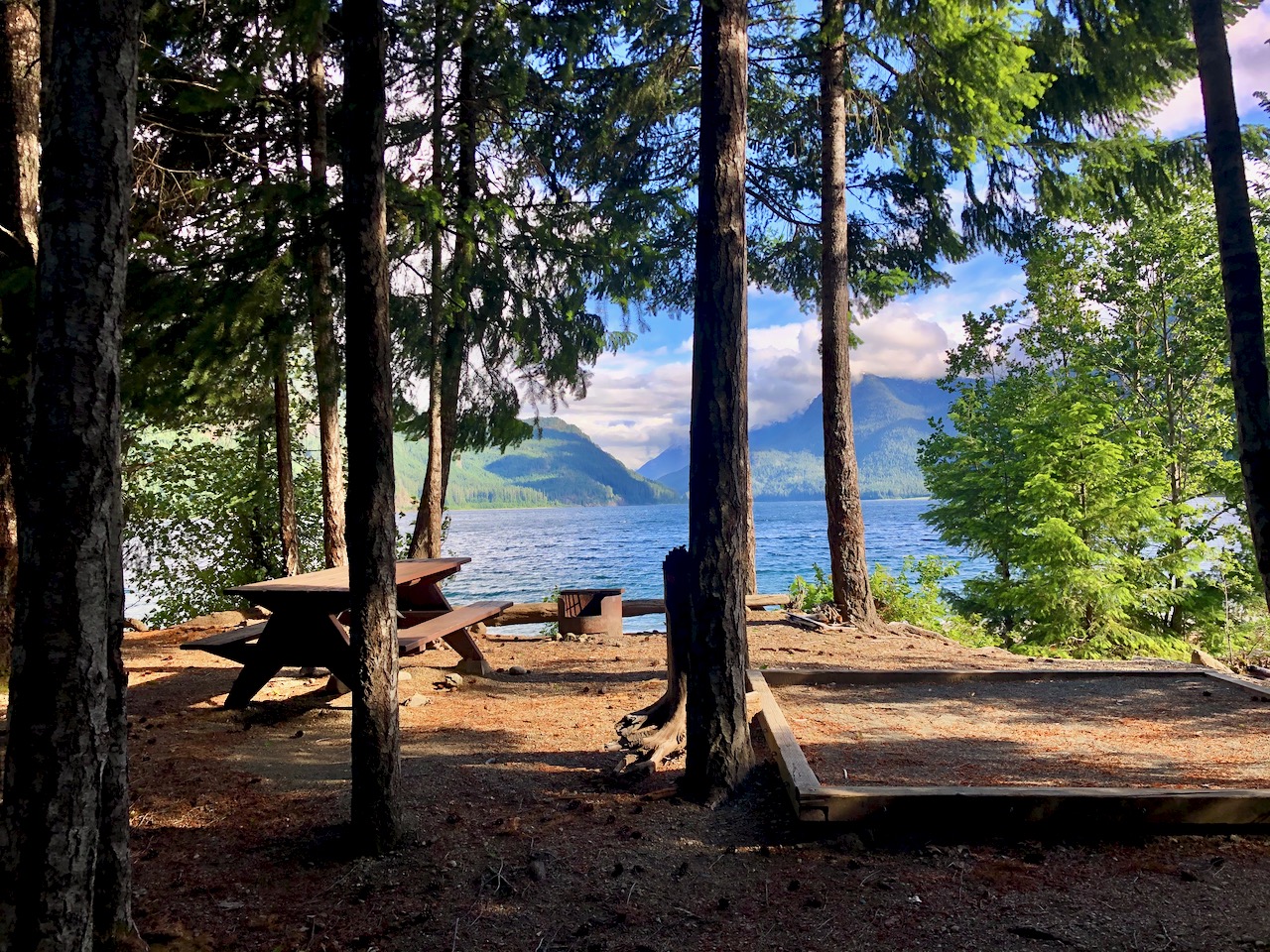
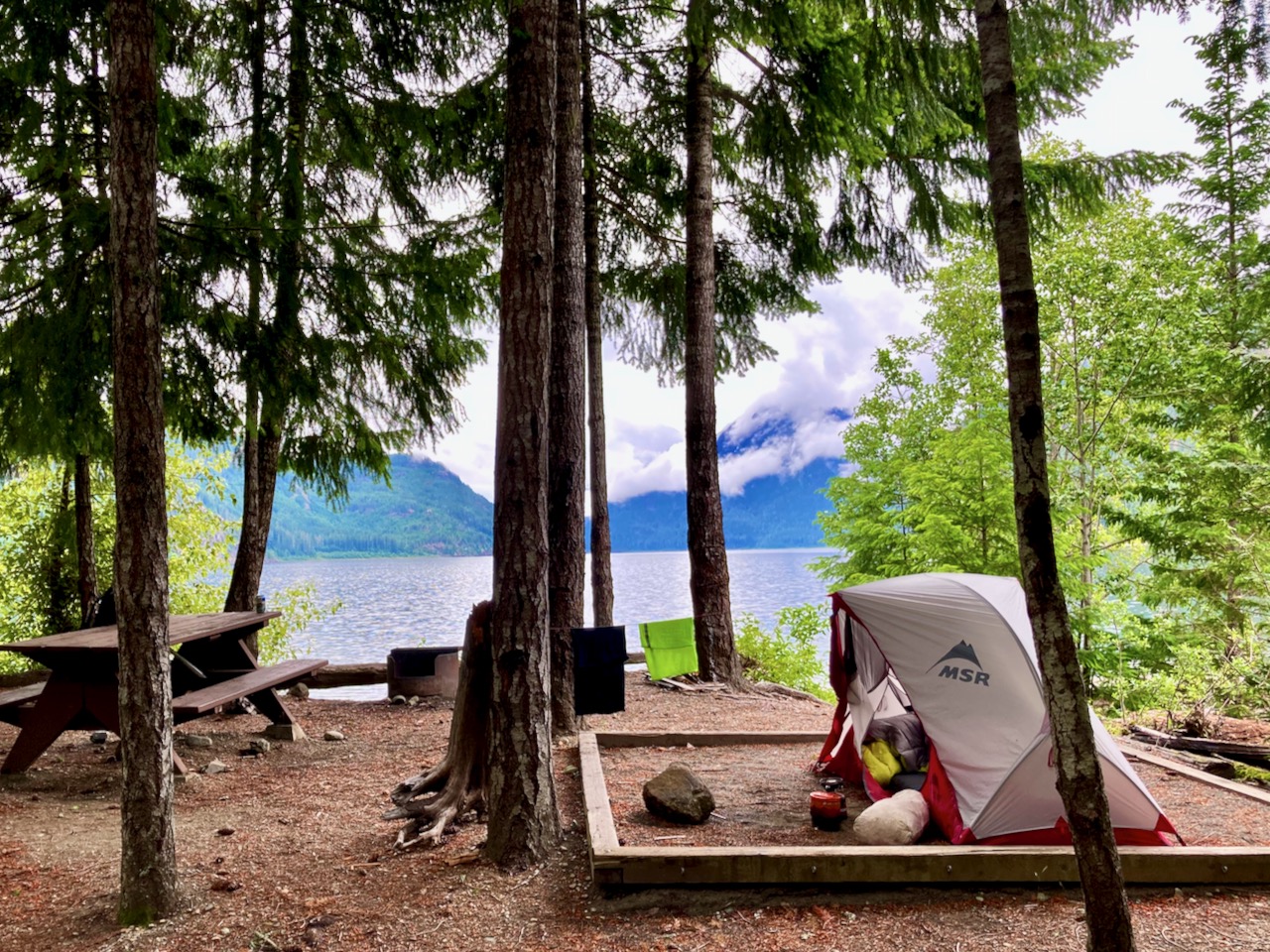
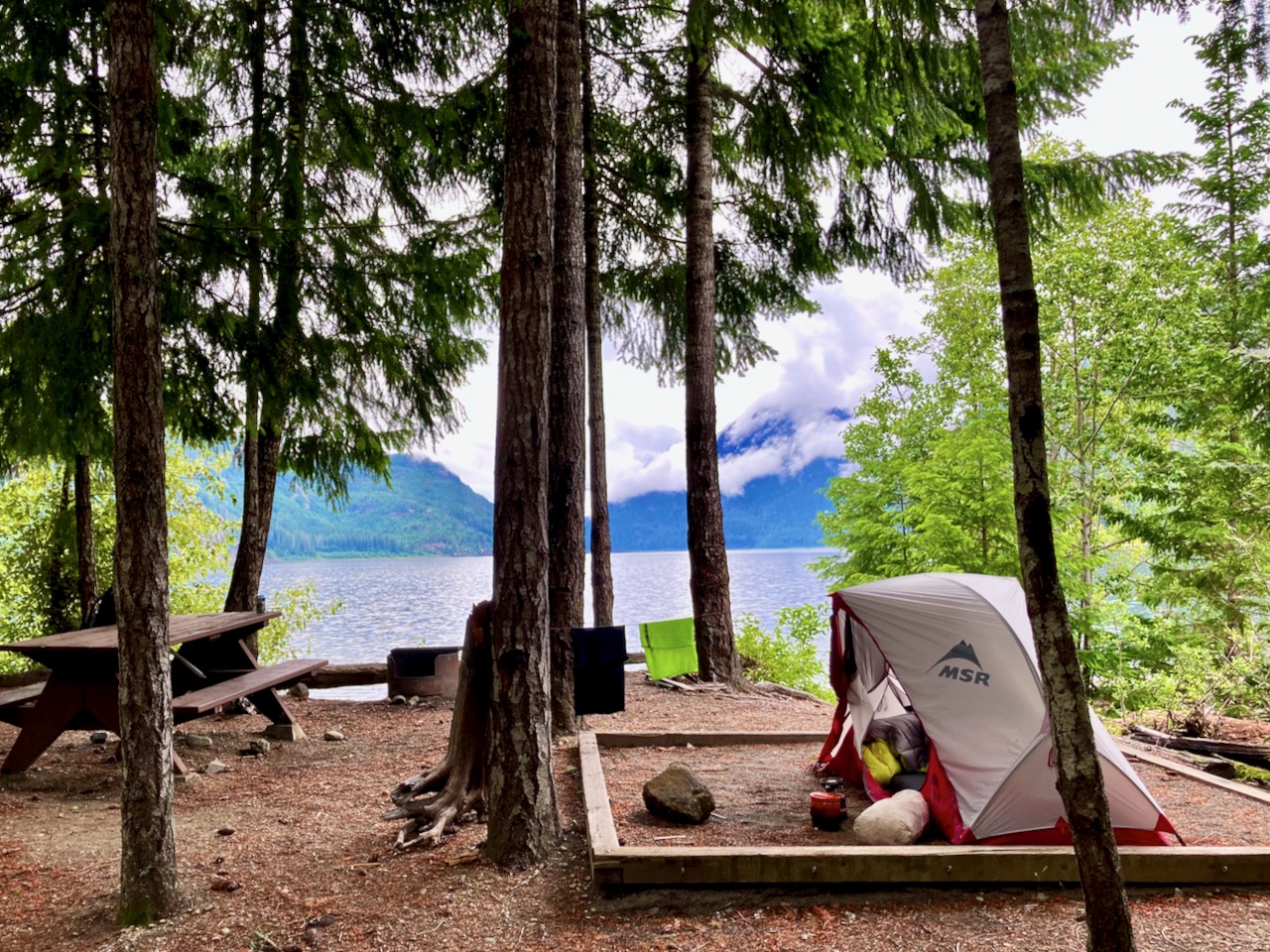
I can hardly recall a more perfect camp. 

Buttle, like most high mountain lakes, is prone to high winds due convection created by the sun heating the canyon walls during the day. Fishermen try to get off the lake by eleven.

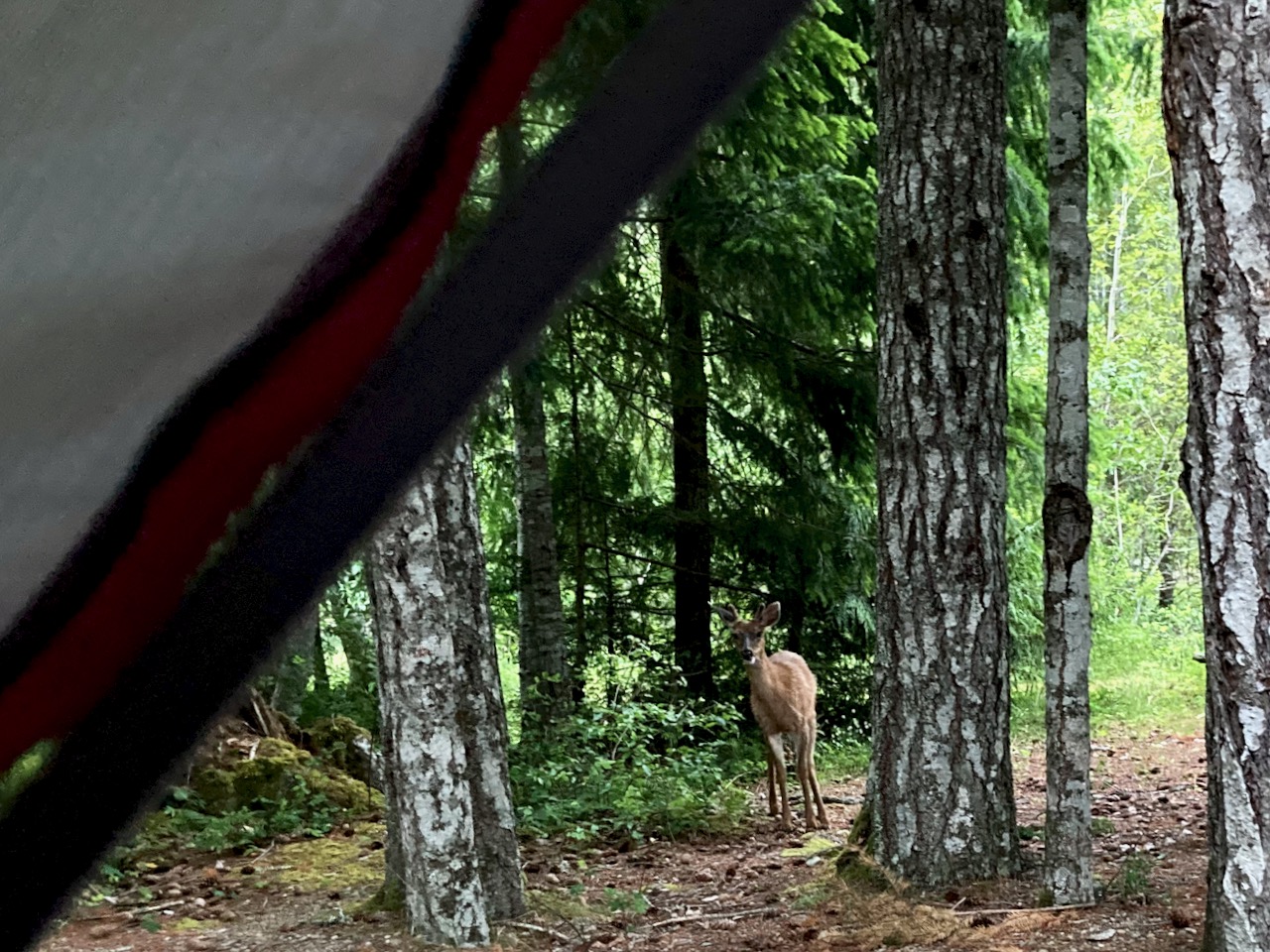
Early next morning, I had a visitor.

Click PLAY or watch it on YouTube.

The other big car campground in this part of the Park is called Ralph River. On paper, it’s similar. But I would recommend you camp at Buttle Lake instead, if you can.

Ralph River Campground Strathcona

The best hiking guidebook is Exploring Strathcona Park. Dead tree version available only. 

See our list of the best hikes in North America

Bedwell Lake trails, Strathcona Park B.C.

Trip report by BestHike editor Rick McCharles

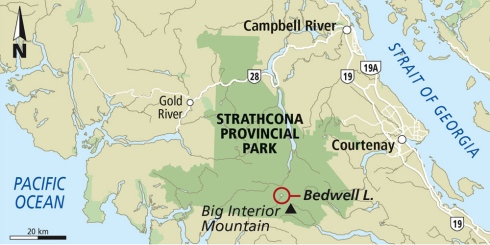
The Bedwell Lakes trails are some of the best in Strathcona Provincial Park, Vancouver Island.

We’ve added Bedwell to our list of best hikes in North America.

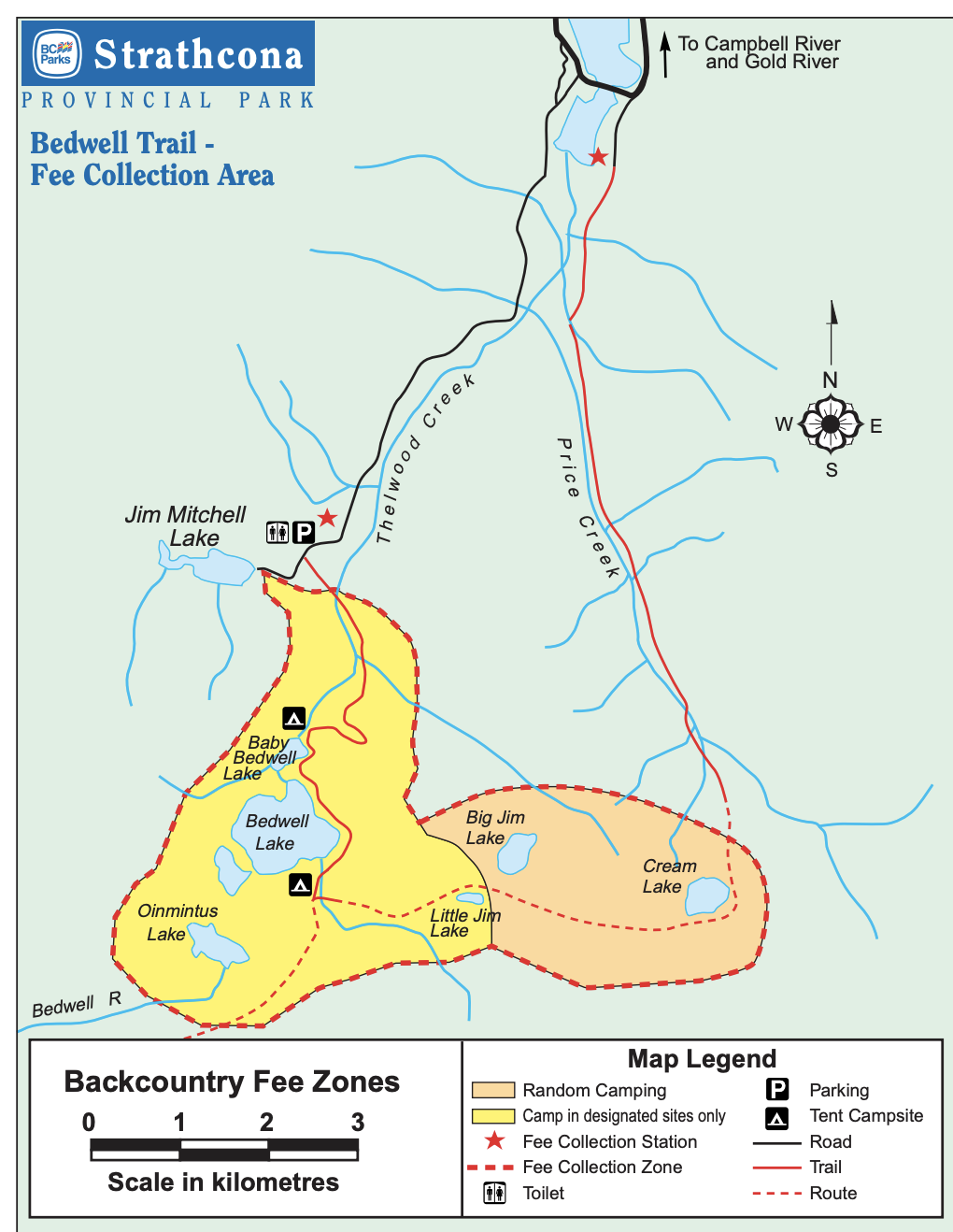
The up-and-back Bedwell Lake Trail:

      • 10km return
      • 1-3 days
      • 875m elevation gain/loss
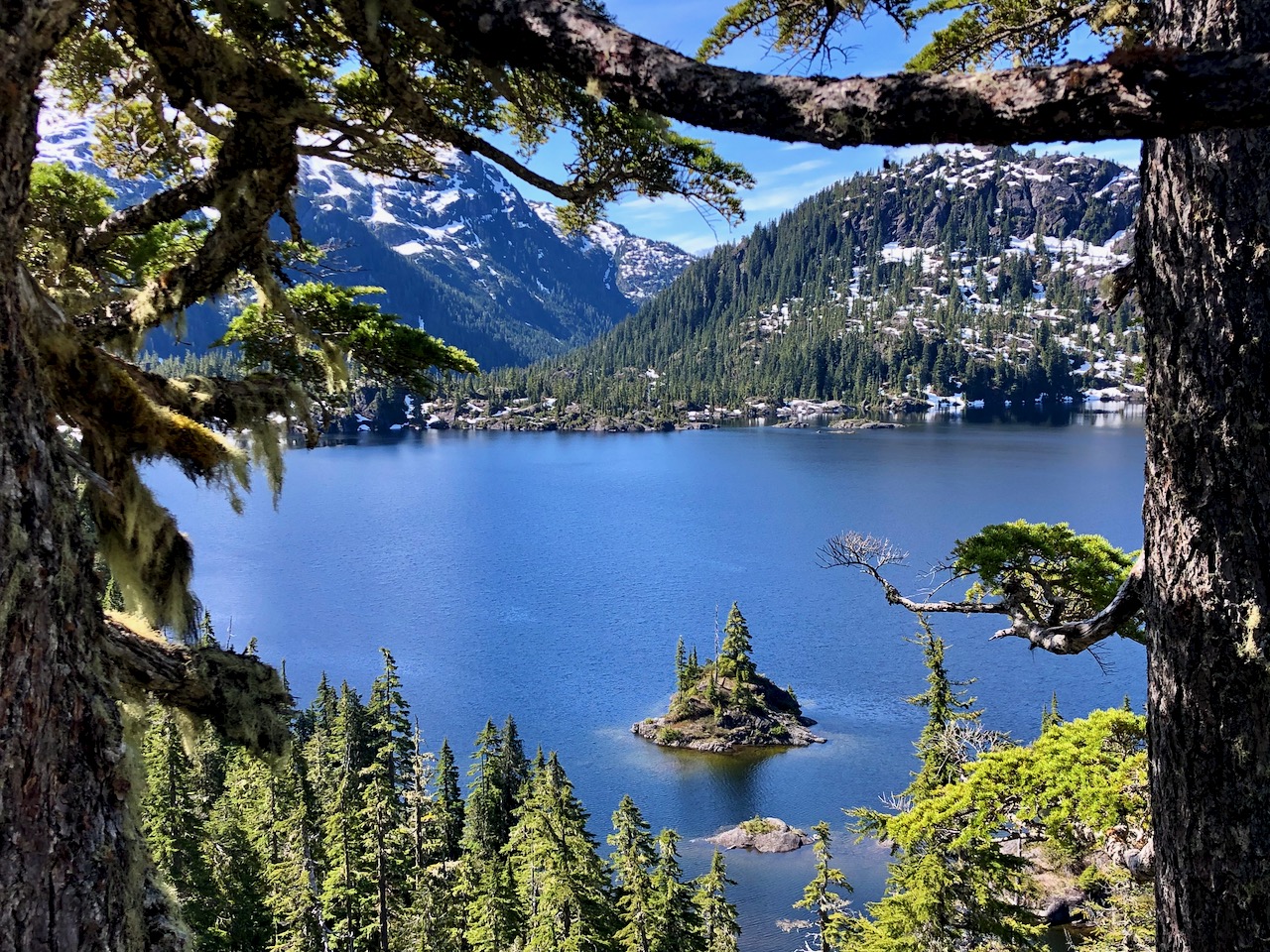
      • Bedwell Lake lookout  980m 
      • camping fee at trailhead (CAD $10 / site in 2020)
      • Phillip Stone – Exploring Strathcona Park guidebook
      • no electricity nor mobile phone service. I carried a solar charger.
Bedwell Lake lookout

If adventurous, you could continue to longer routes including:

  • Cream Lake
  • climbing Big Interior mountain
  • continue to Mt Myra
  • continue to Phillips Ridge
  • exit via Flower Ridge
  • exit via Price Creek
  • climbing Mt Tom Taylor

Amazing would be to continue to Bedwell Sound, organizing a water taxi to take you to Tofino.

Good navigation needed on all those options, of course.  They are all more difficult than Bedwell.

If I had proper snow gear I would have continued on to Cream Lake (at least) where you get views of Nine Peaks, Mt Septimus and (possibly) Della Falls, highest in Canada.

I did talk to one couple who were trying to posthole their way to Cream.  And they looked prepared.  It would be easier later in the season.

CAUTION – A hiker died here in 2015, Anders Jason Newman. He slipped and fell from height somewhere above the lakes.


Cycled to the trailhead, walking the last 3km as Jim Mitchell Lake road was steep!

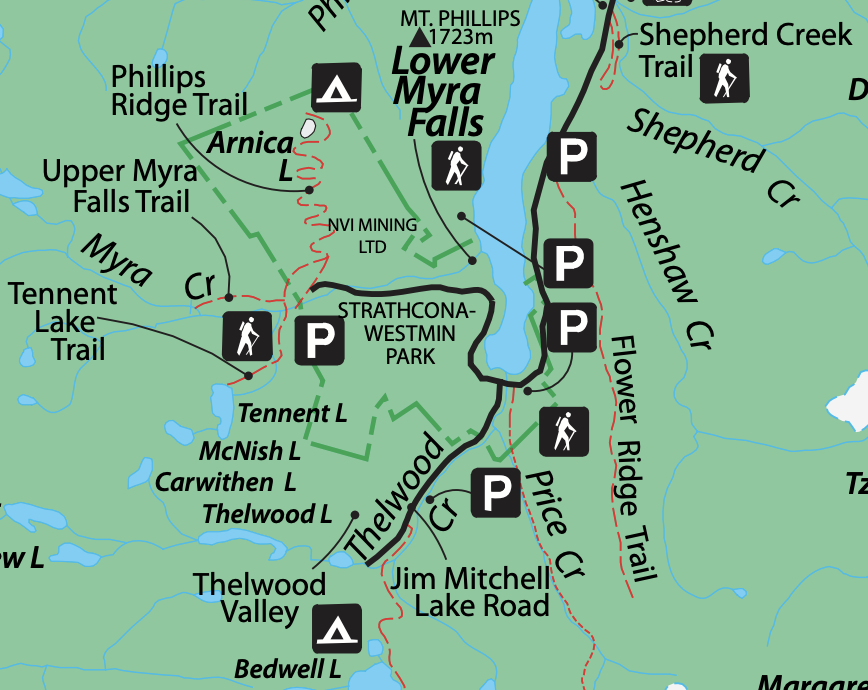
Full Strathcona Park map (PDF)

Started up about 3pm in perfect weather.

Bedwell is possibly the best maintained trail in Strathcona. So steep and (potentially) wet, numerous anti-erosion measures are necessary: wood bridges, metal bridges, boardwalk, etc.

I reached Baby Bedwell lake about 6pm. A gorgeous vista looking over to Mt. Tom Taylor.

Relaxed. Enjoyed dinner from the rocks watching the fading light.

Next morning perfect weather again. No wind.

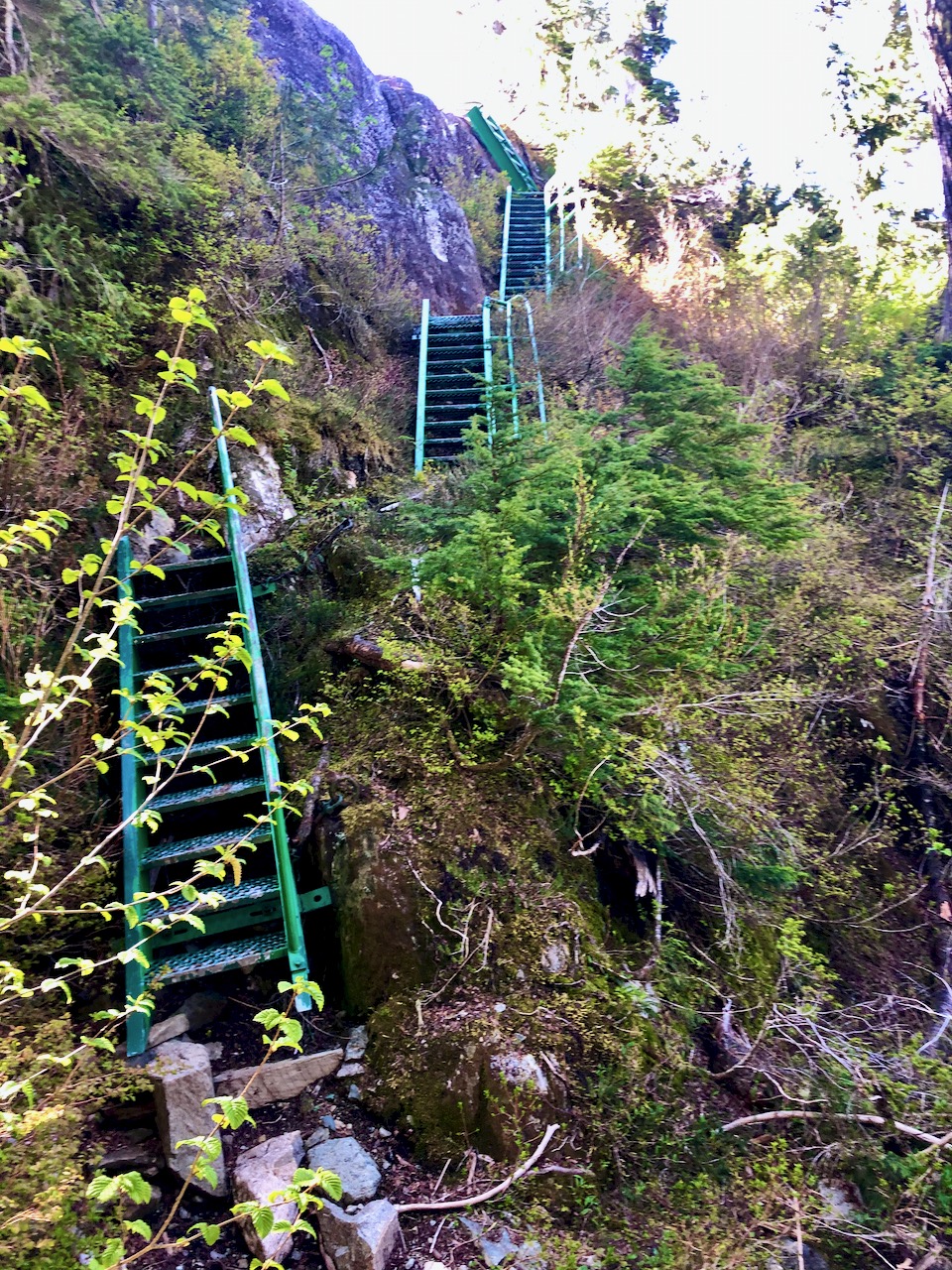
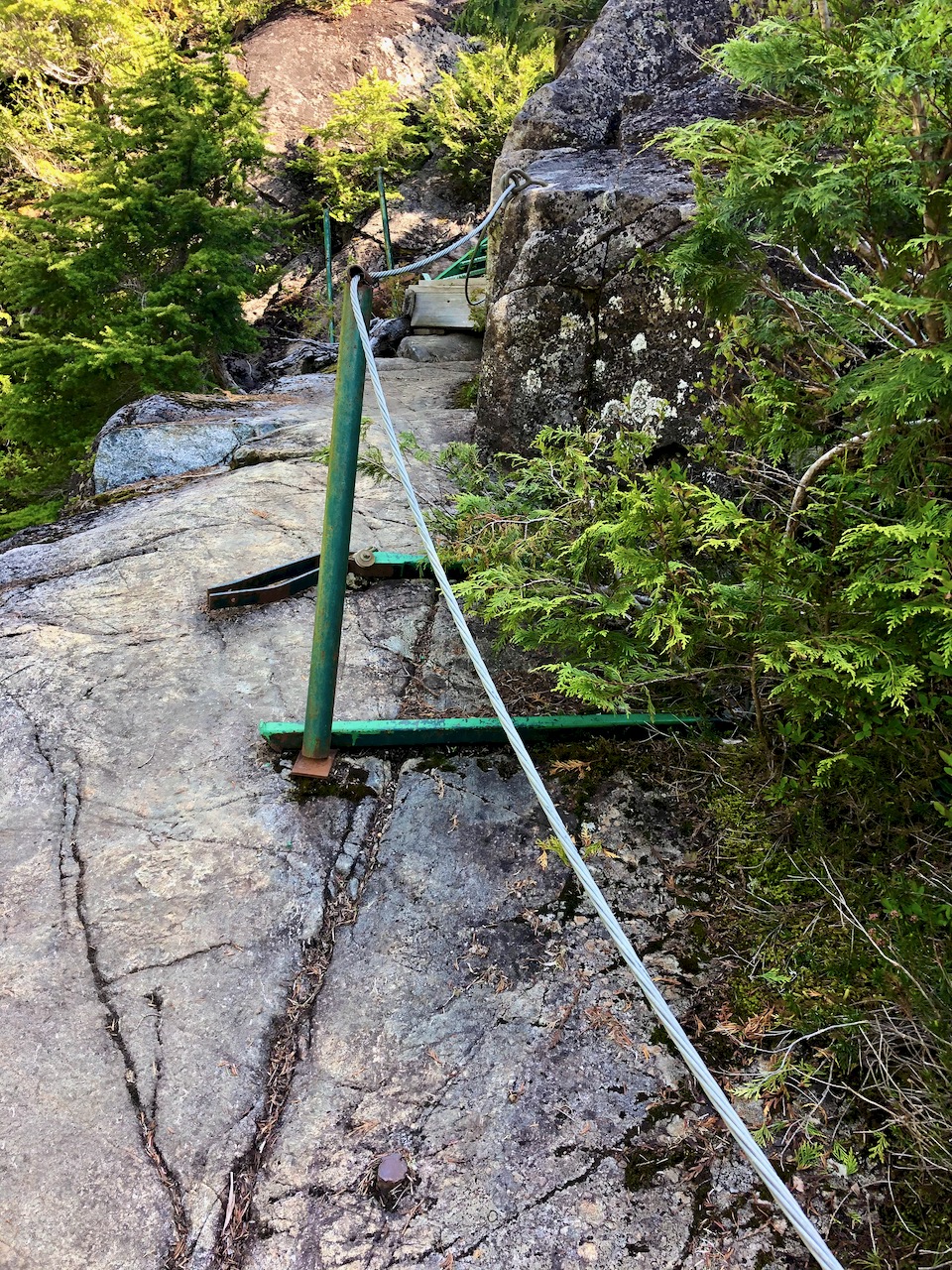
En route to the big lake are a number of steel ladders and one chain assist. It would be very slippery when wet descending in the rain.

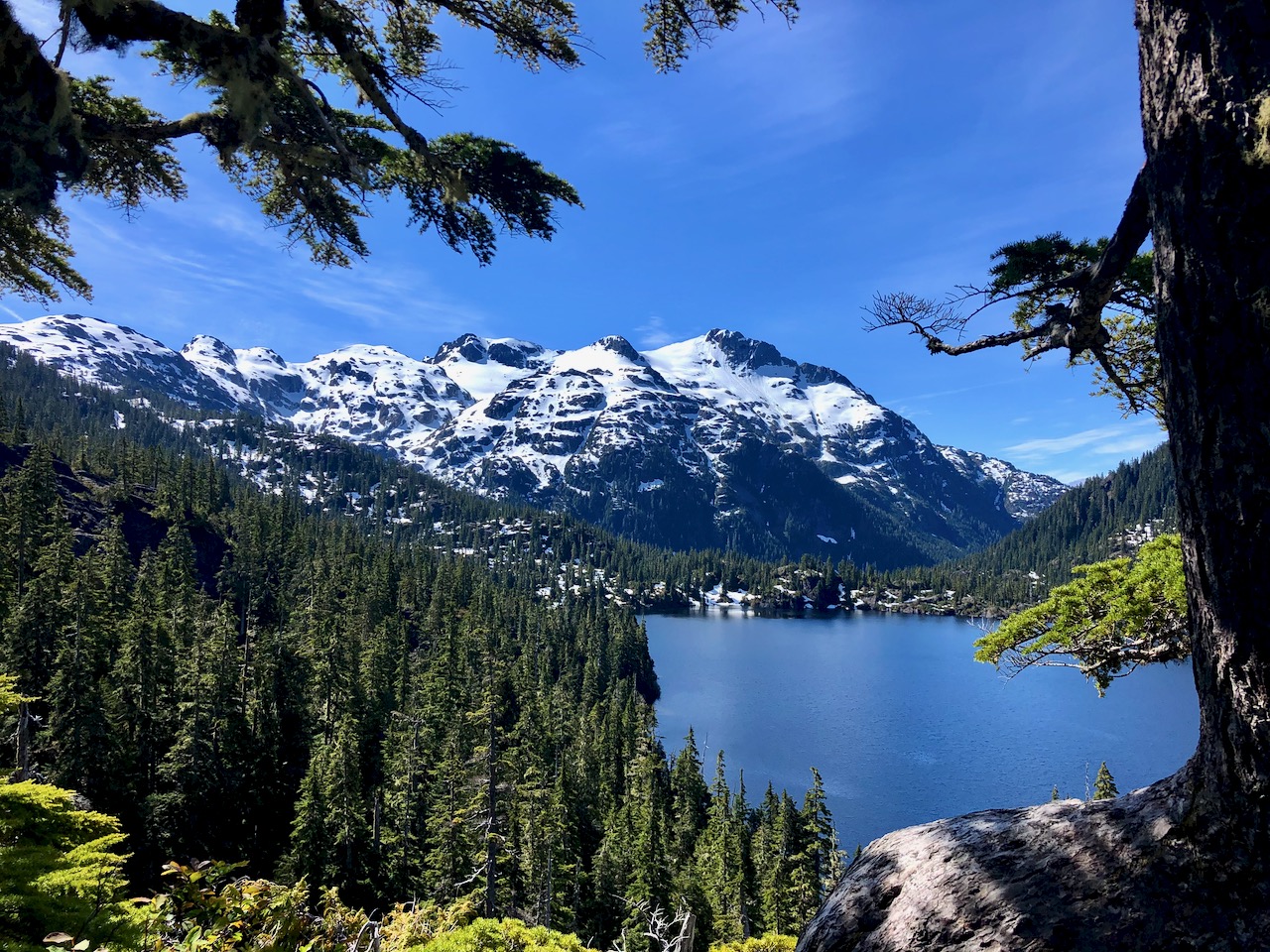
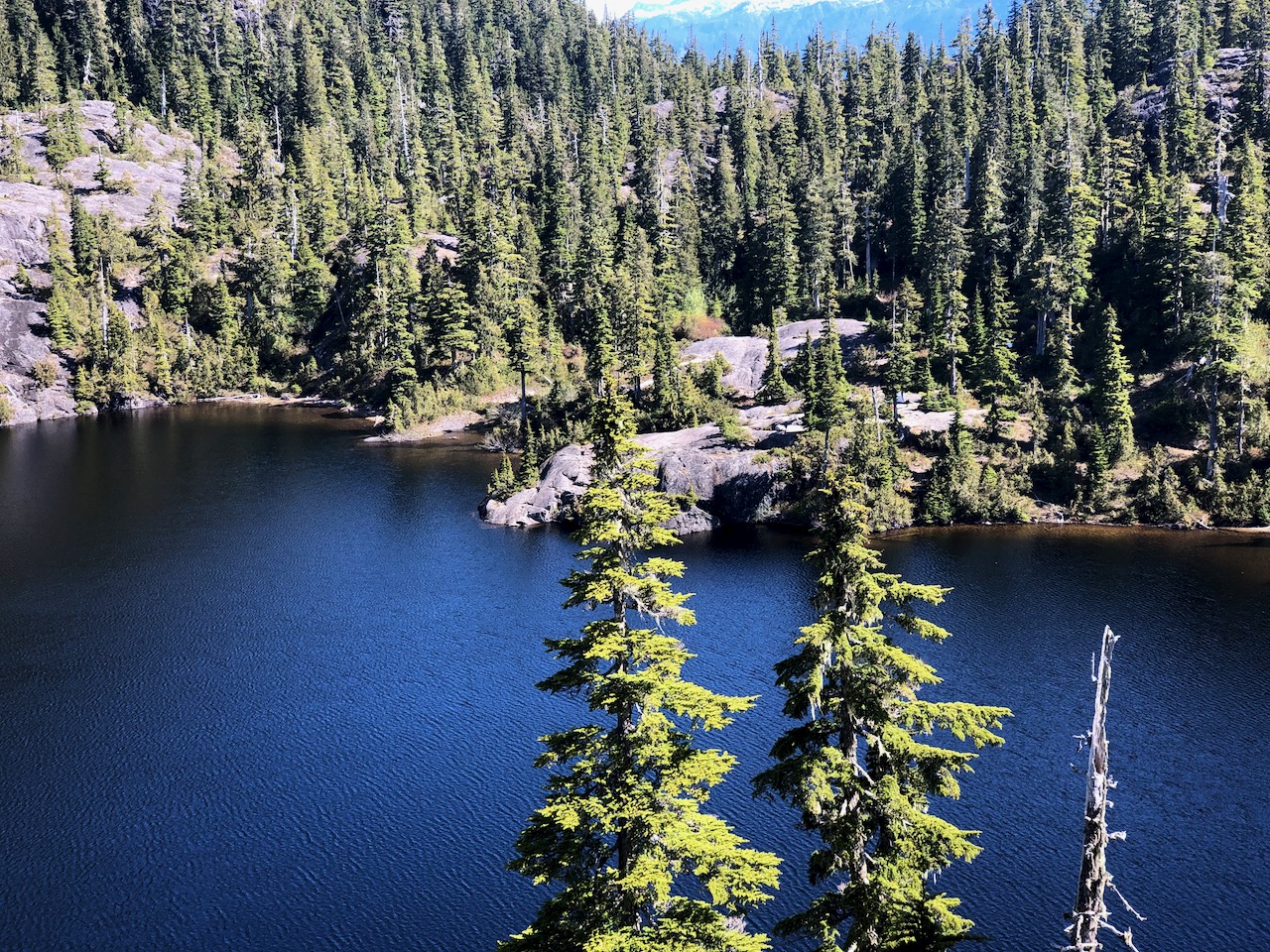
Wow. You arrive well above Bedwell lake with astonishing vistas.

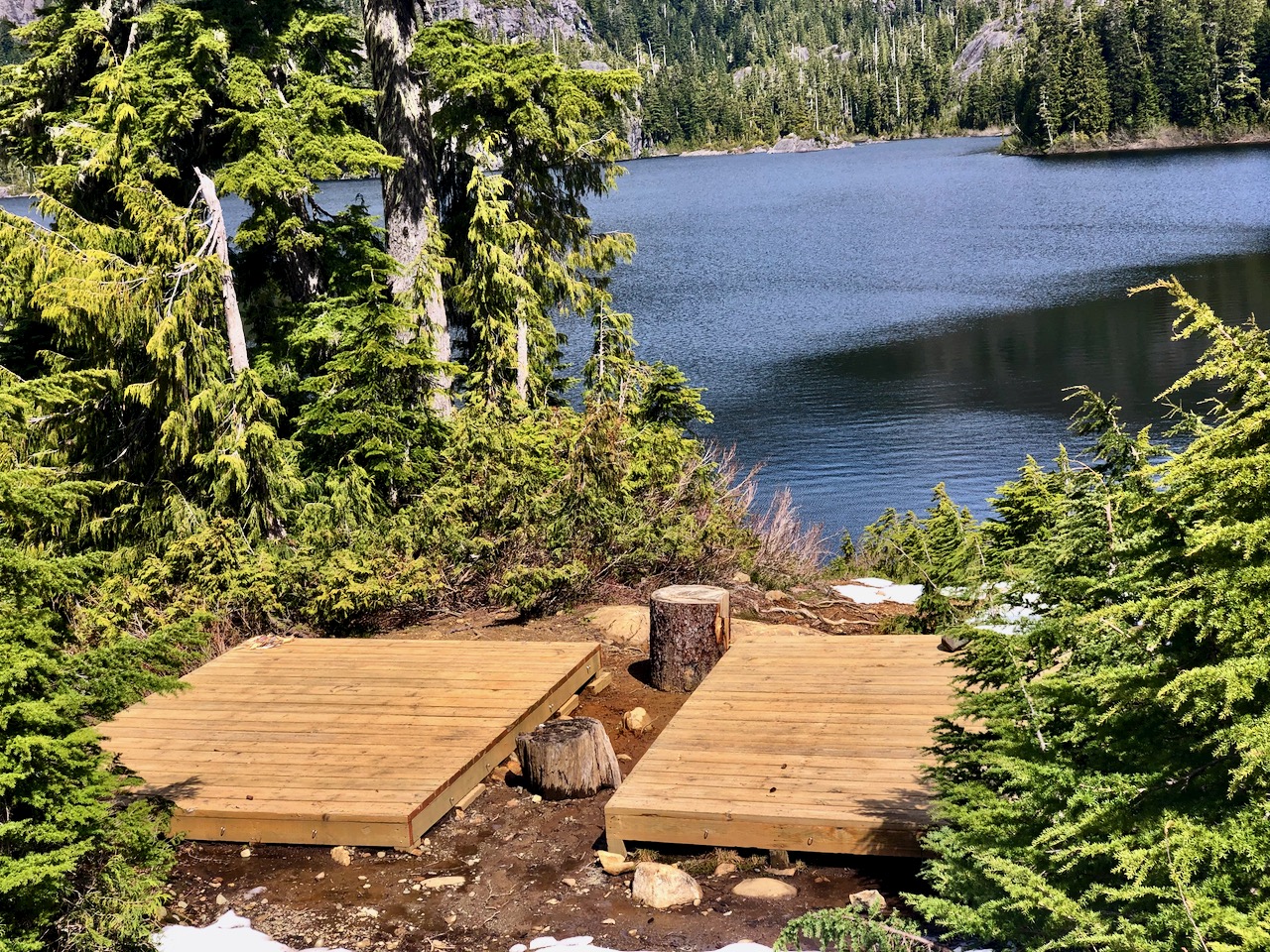
There are tent platforms at both lakes. Personally I prefer those at Baby Bedwell over these at Bedwell.

With good weather, my return back down the same trail seemed easy to me.

What a nice 2-day hike!

The best hiking guidebook is Exploring Strathcona Park. Dead tree version available only. 

See our list of the best hikes in North America

Flower Ridge Trails, Strathcona Park B.C.

Trip report by BestHike editor Rick McCharles.

Experts agree that the Flower Ridge trails are some of the best in Strathcona Provincial Park, Vancouver Island.

The up-and-back Flower Ridge Trail:

  • 27km return
  • 1-3 days
  • 1970m elevation gain/loss
  • summit of Central Crags 1642m 
  • no permit needed
  • Phillip Stone – Exploring Strathcona Park guidebook
  • no electricity nor mobile phone service

If adventurous, you could return via other longer routes including:

  • Comox Glacier to Buttle Lake Traverse
  • Ash River Horseshoe
  • Mt. Rosseau to Cream to Bedwell lakes
  • Green lake to Price creek

Good navigation needed on all those options, of course.

I was actually hoping to return via the Henshaw Creek Horseshoe since it returns you to where you started. A perfect loop.

In fact, it’s one of guidebook author Phillip Stone’s favourite hikes in the Park.

But I would have needed a guide and full mountaineering gear to pull that off in June.  Perhaps a helicopter, as well. 😀

I was there early season.


Beautiful morning. Ideal campsite in the Marine Park next to Buttle Lake campground.

It was June 14th. Free. ($10/night/site starting June 15th.)

I enjoyed a leisurely morning.

Next cycled to the trailhead, easy access from gorgeous Buttle Lake Parkway.

It’s close to Ralph River campground.

Full Strathcona Park map (PDF).

Strathcona Park had just opened following the COVID-19 shutdown.

The previous day I’d tried King’s Peak with a light day pack. Didn’t get higher than 770m due to high creeks.

Learning my lesson, for Flower Ridge I brought food for up to 3 days. Full pack.

Started up about 5pm.

Like many Strathcona hikes, Flower Ridge starts with a steep climb. But less steep than most others

Not many views early on. When you do, it’s of the the Myra Falls Mine (opened 1959)

The mine is currently owned by Nyrstar and produces zinc, lead, copper, silver and gold concentrates.

Any time you are hiking a ridge, finding running water might be a problem. But my guidebook said there was one reliable creek — I never found it.

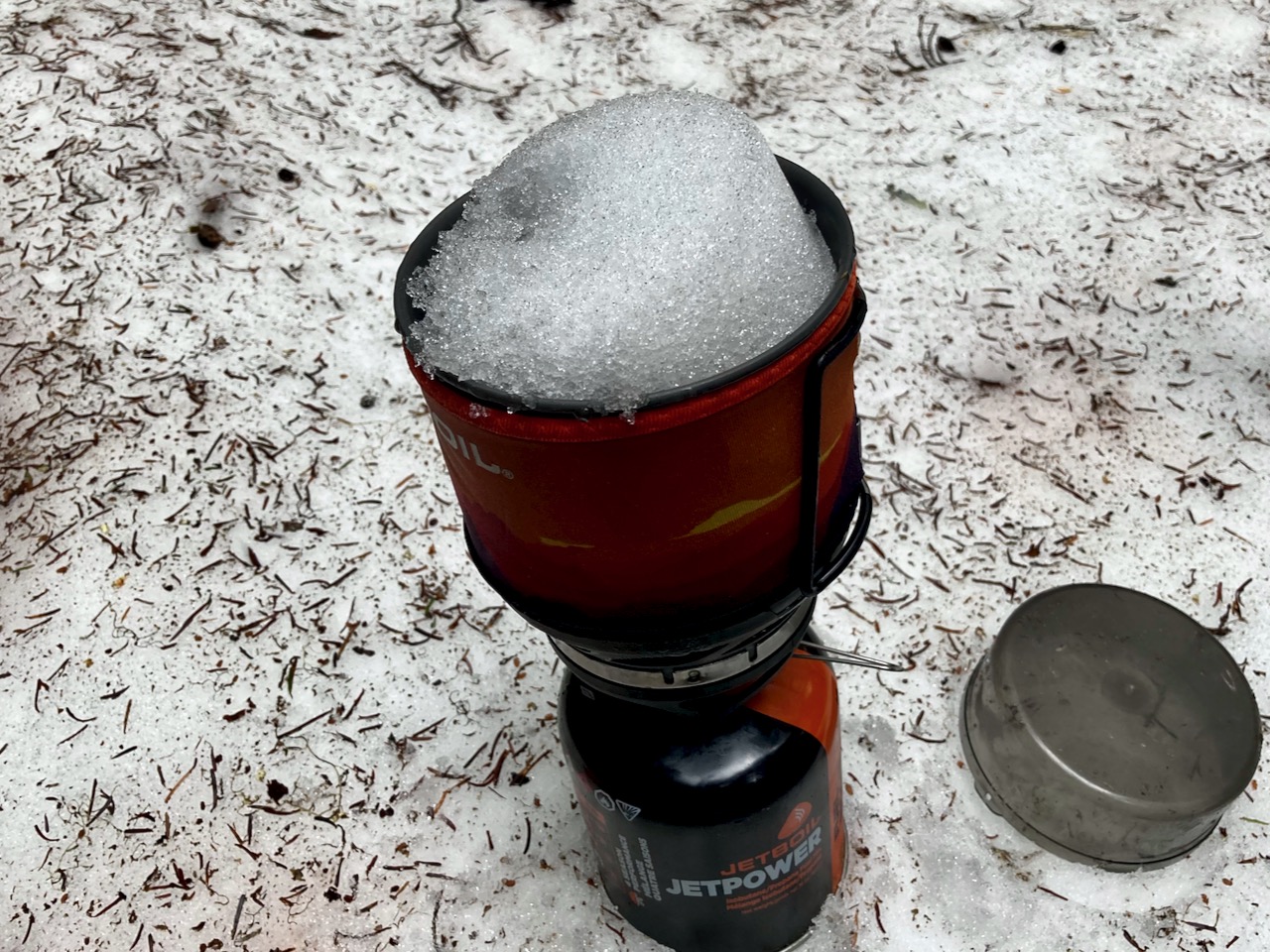
No worries. There is plenty of snow to melt. You dig to find the clean white stuff.

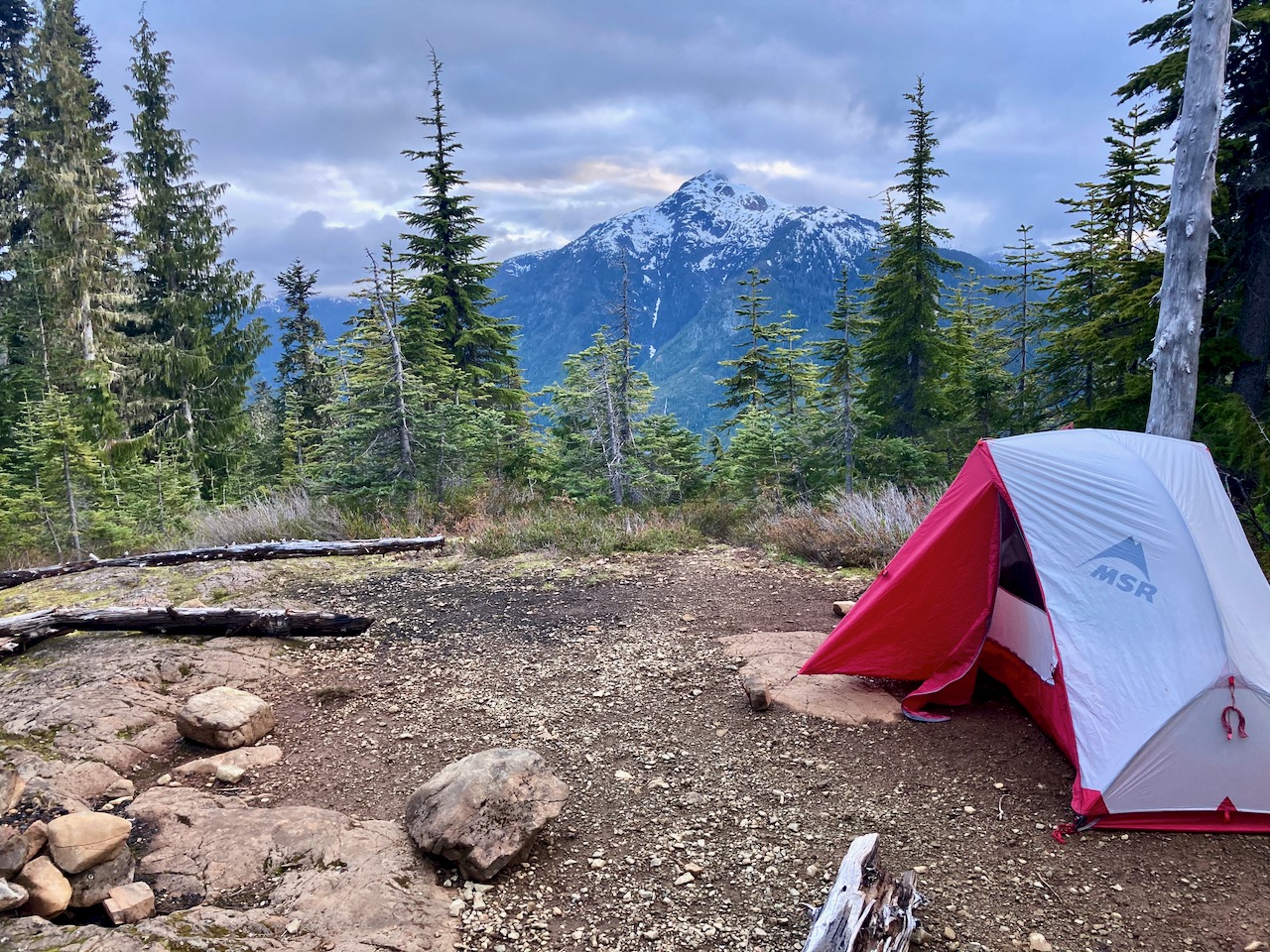
I set up 8:30pm at the first obvious campsite. Days are long in Canada in June.

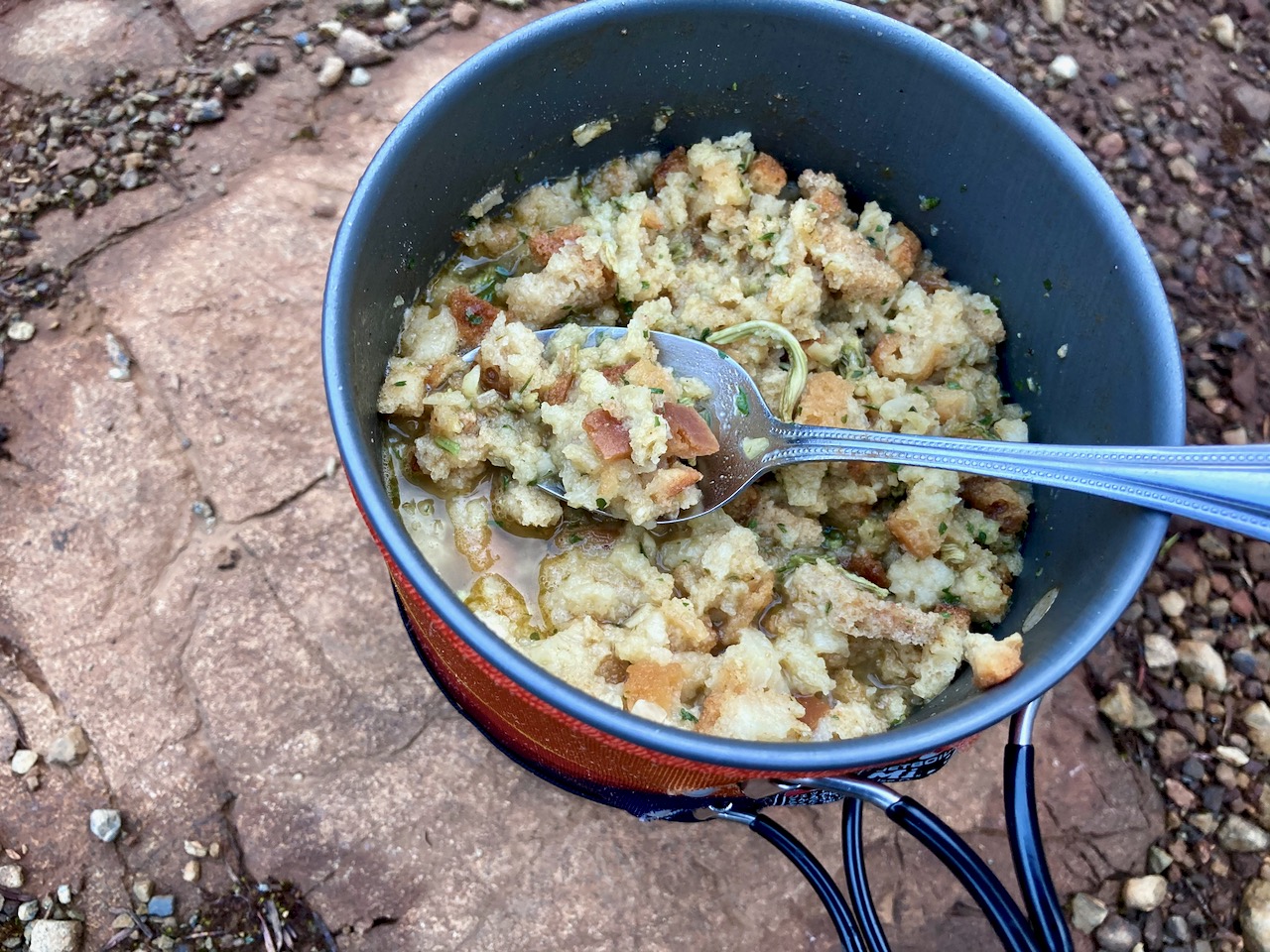
Normally my dinners are based around instant mashed potatoes. But for this trip I went all in for instant stuffing.

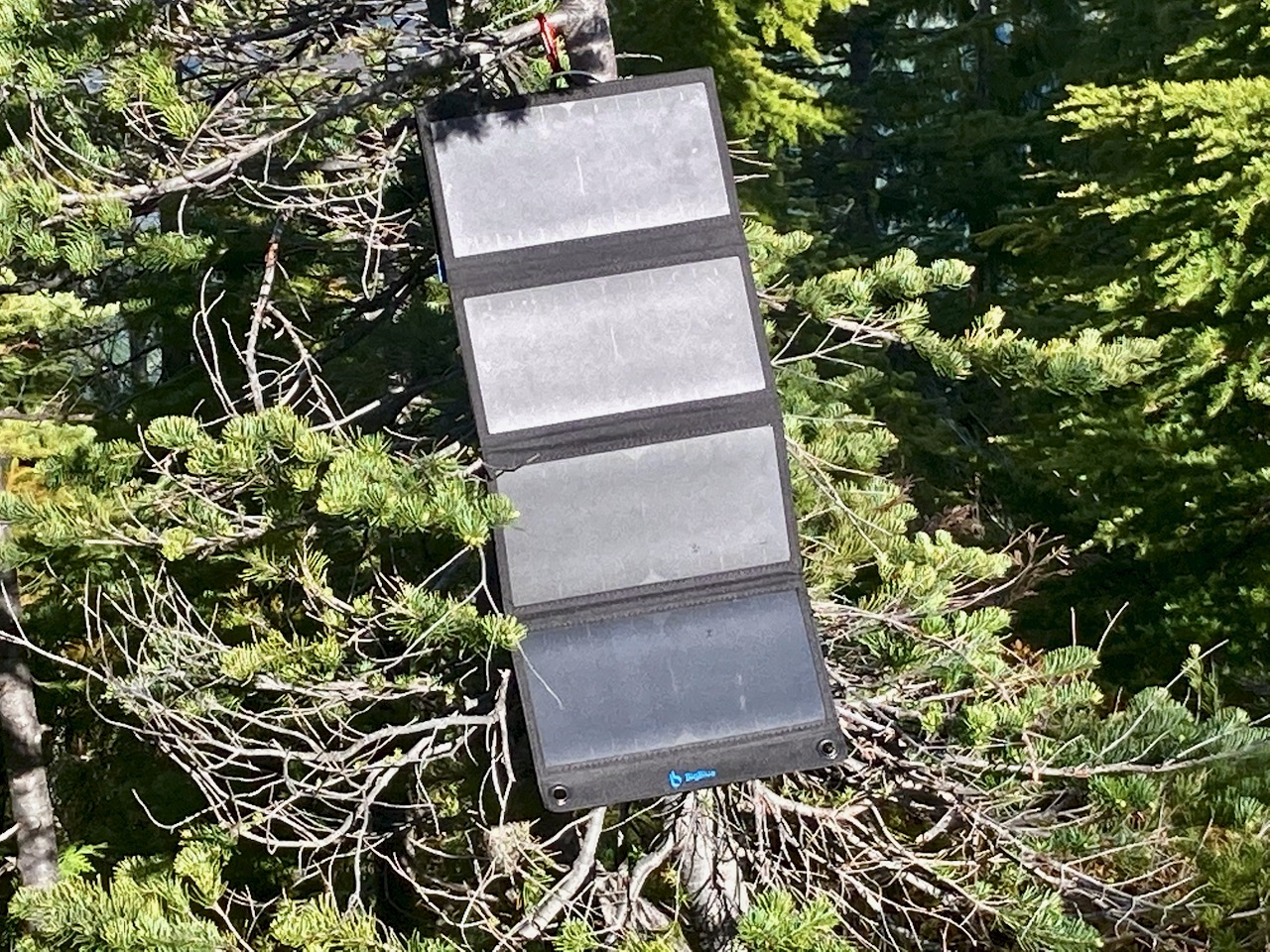
I carried my 1.2 pound solar charger for the first time. Normally it stays with my bikepacking gear.

There’s no electricity in Strathcona. No mobile phone service.

I climbed higher next morning. But quickly the snow got too deep. Just like King’s Peak the previous day, I only reached perhaps 800m elevation before turning back.

The ridge is about 1200m.  In those meadows I would have found more famed spring flowers.

I really need to return to Strathcona late season: August – September.

#LessonLearned

If you want to do it right, click over to MBGuiding:

Flower Ridge Trail – July 13-15, 2018

MBGuiding.ca


The best hiking guidebook is Exploring Strathcona Park. Dead tree version available only. 

See our list of the best hikes in North America