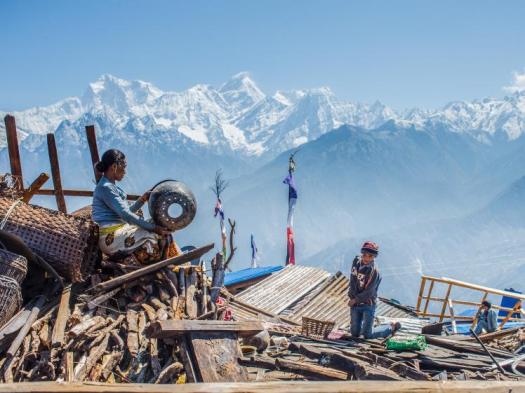
Sorrow for the earthquake victims is one reason I went to Ladakh in 2015 rather than Nepal.
But Nepal is open for business.
In August, the US and UK lifted their country-wide travel advisories against travel to Nepal, meaning that travellers and companies can once again get travel insurance for upcoming trips. Most western travel companies plan to run trekking trips as normal for the 2015/16 winter and spring seasons and some companies are even offering special reconstruction treks …
In many ways now is a great time for tourists to visit Nepal. The infrastructure that travellers need is in place, but tourism is down by over 50%, which means fewer crowds on the popular trekking routes and discounts for hotels and airfares. More importantly, the money you spend when hiring a guide or porter, staying in a lodge or hotel, or eating in a restaurant will directly help local people. Given that 500,000 Nepalis work directly in tourism, the country needs travellers more than ever to rebuild its economy and bounce back stronger for the future.
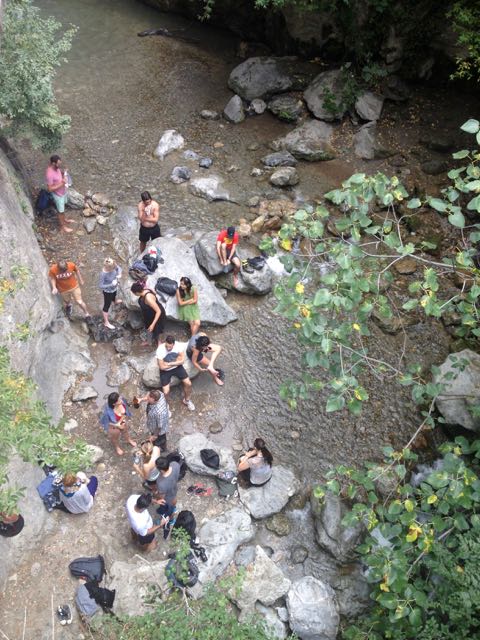
Millions of tourists visit Granada, Spain in any given year. Very few of those make their way to this adventure.
John Kramer for Spain Holiday:
Monachil is a tiny village situated only 8 kilometres from the centre of Granada. Despite its proximity, it remains a place that is relatively undiscovered by mass tourism. The boundaries of the province of Monachil are fairly extensive and include several peaks over 3000m, including Europe’s most southerly ski station – Pradollano, Sierra Nevada.
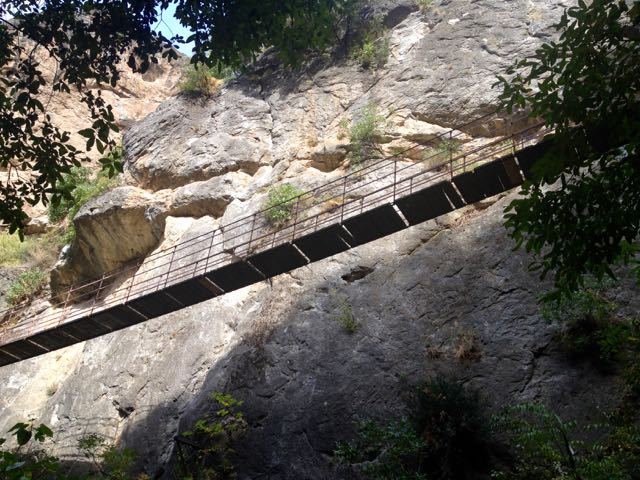
The impressive Los Cahorros gorge is situated 2 kilometres from the sleepy village centre. Until very recently, the gorge was only really known and appreciated in rock climbing circles, the steep limestone cliffs offering numerous routes for climbers. …
One route in particular, is exceptionally beautiful. And suitable for families. A walk alongside and through the Rio Monachil – the Monachil river.
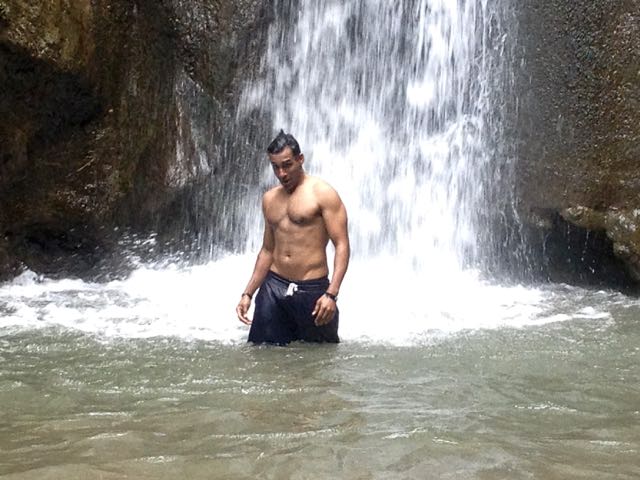
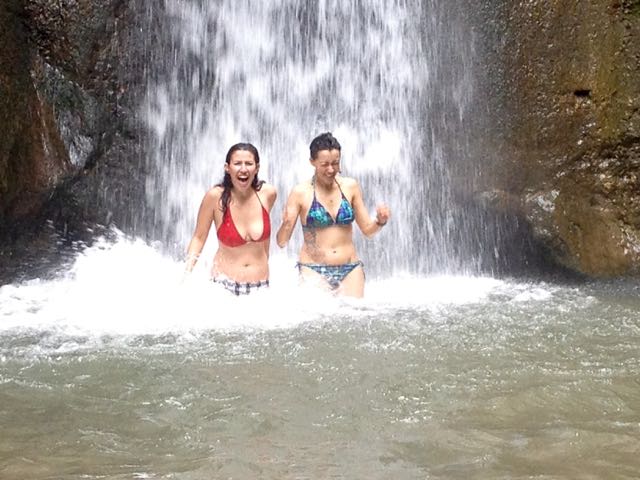
Unbeatable views, waterfalls, plenty of rock pools for swimming, narrow caves and tunnels that you have to crawl through or hang off the rock face, walking alongside acequias that date back to Moorish times and, of course, the famous hanging bridges.
The hike takes you through some spectacular Andalucian countryside. …
Everest has received generally positive reviews from critics. On Rotten Tomatoes, the film holds a rating of 72%, based on 178 reviews, with an average rating of 6.7/10. …
Hollywood has a along history of making mostly bad movies about climbing and mountaineering. …
… few films can hold a candle to Touching the Void for instance. But now, the big blockbuster production Everest is set to get a wide release in theaters this week, and if you’re looking for well made, at times harrowing, film about high altitude climbing, you certainly could do a lot worse. …
The film is based on the actual events that took place back in 1996, when one of the biggest disasters in mountaineering history took place. The story is a well known one in mountaineering circles of course, with Jon Krakauer’s Into Thin Airmost famously telling the tale. …
… This is a film that is beautifully made, and seeing sweeping shots of Everest, and the Khumbu Valley that leads up to it, was breathtaking. …
Probably my favorite aspect of the film was Jason Clarke’s portrayal of Rob Hall. He did a great job of selling the character, and was the centerpiece of the entire movie. …
About midnight I felt droplets of rain on my face. For the first time in Ladakh I got up and put the fly on the tent.
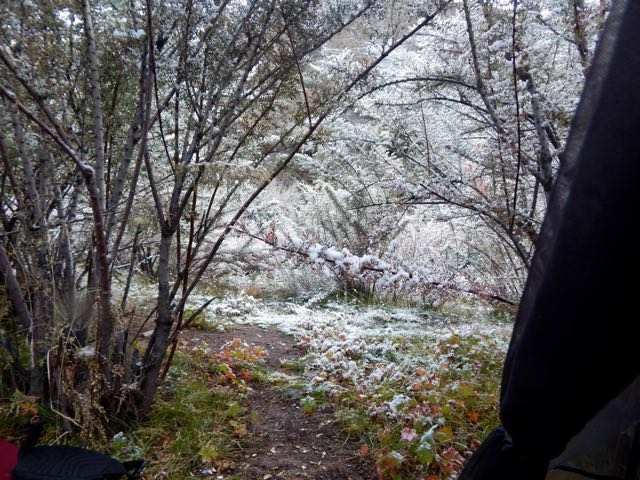
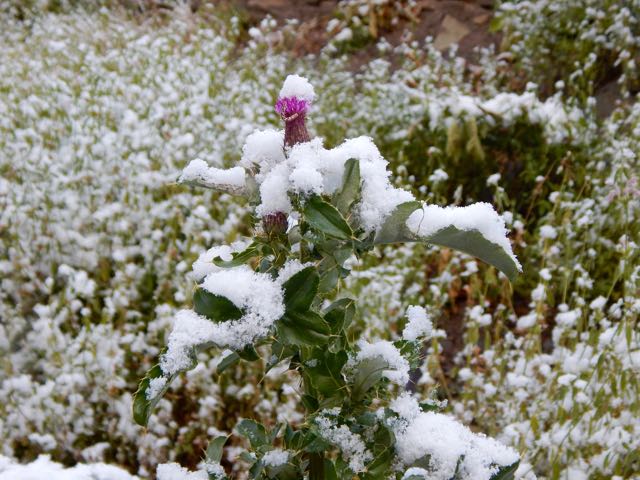
Opening the fly next morning I was surprised to see a winter wonderland.
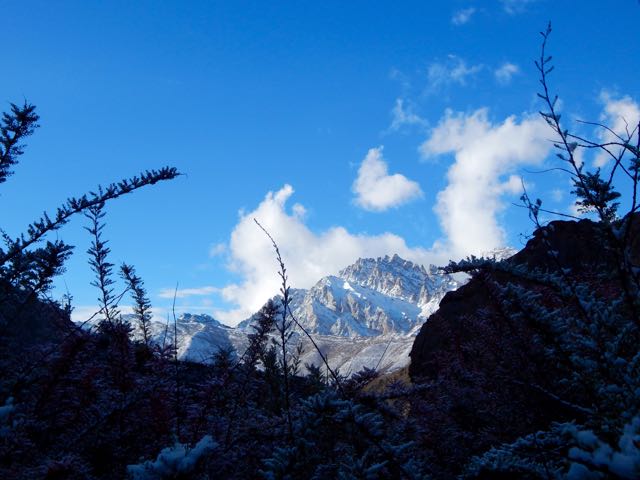
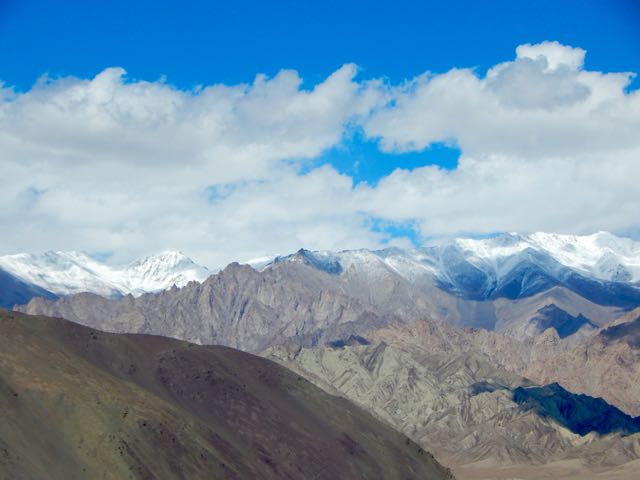
Yet more new snow dusted the mountains.
I’d tented out of sight in these trees.
Dropping further down the valley I finally saw some people. An elderly couple bringing up their goats to graze.
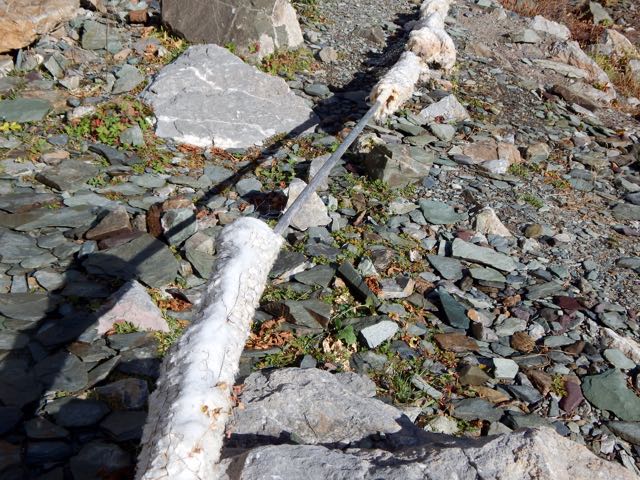
water pipe insulation
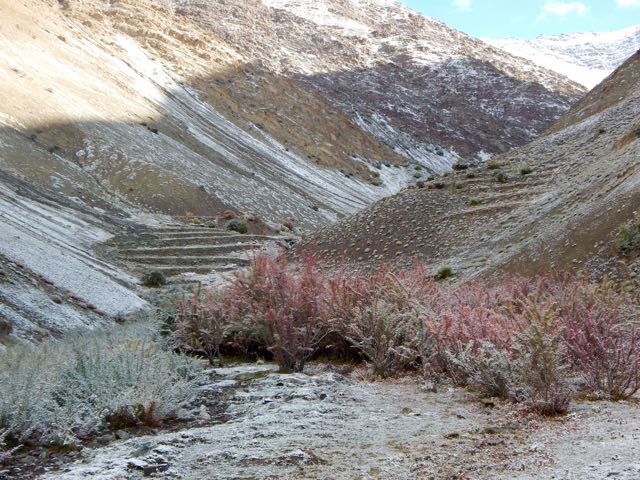
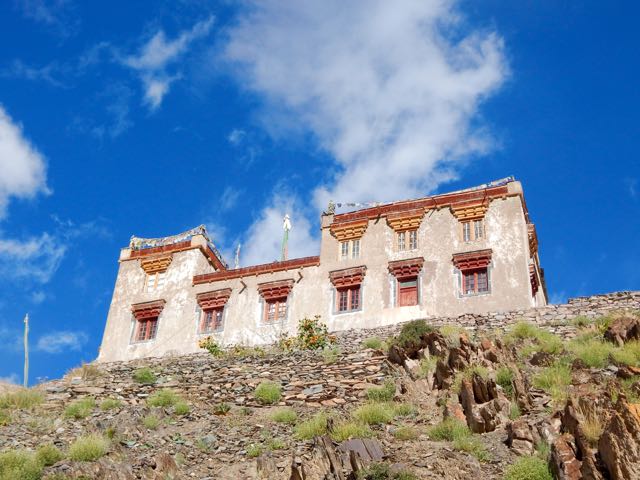
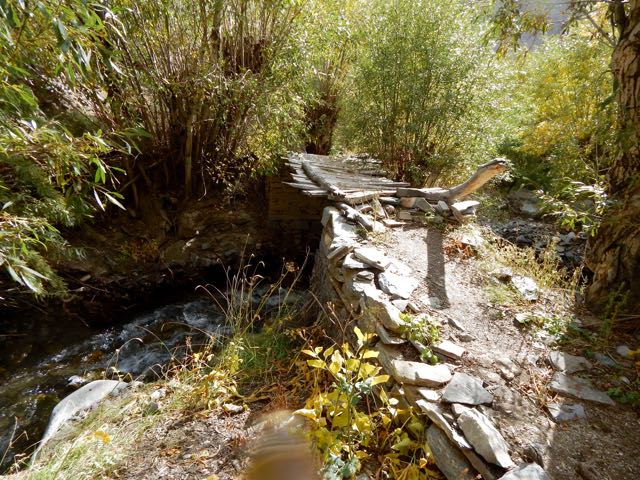
It’s a nice valley, for sure. Some of the buildings impressive.
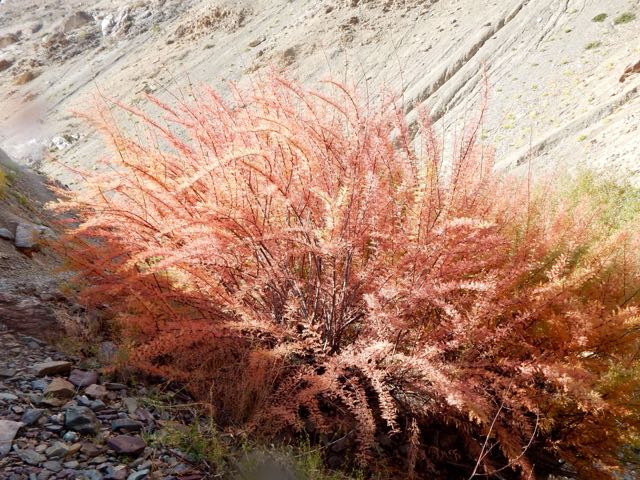
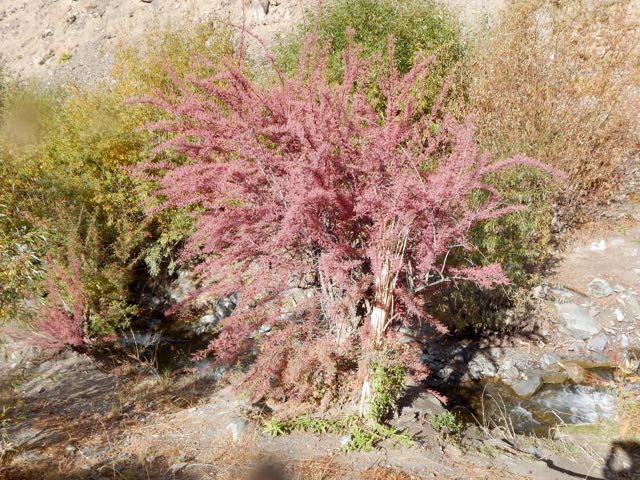
autumn colours
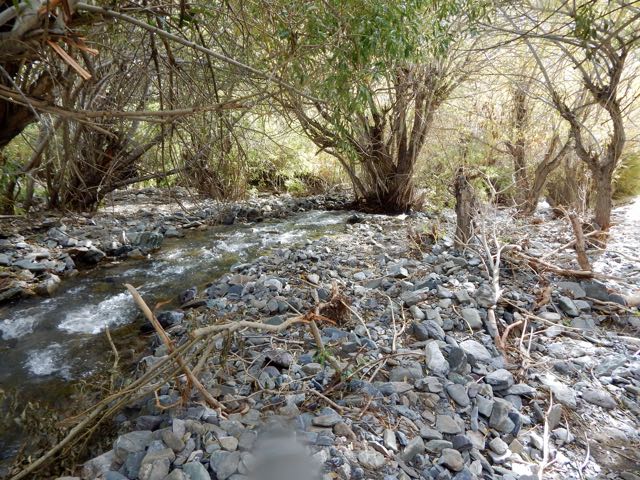
My face somewhat burned from reflected snow the previous day, the shade of the creek foliage was appreciated.
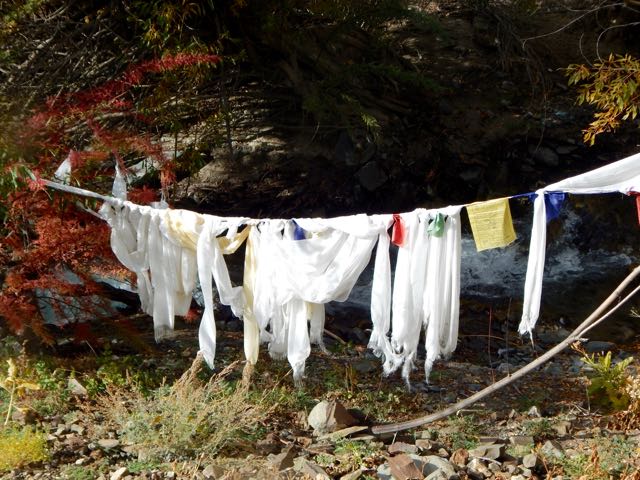
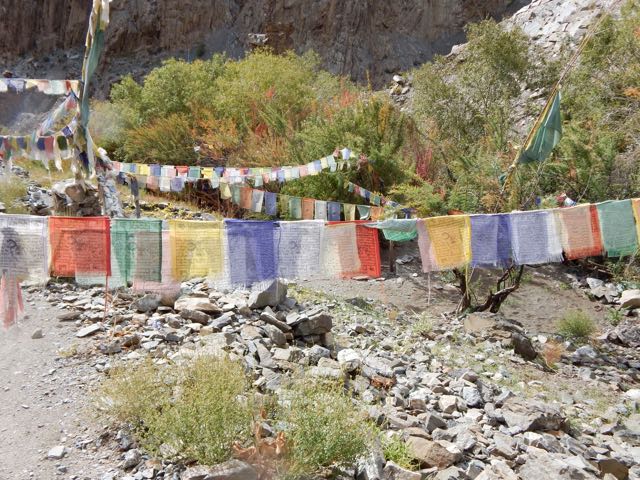
I saw some unusual Buddhist flags and scarfs en route. Like wash day at the monastery.
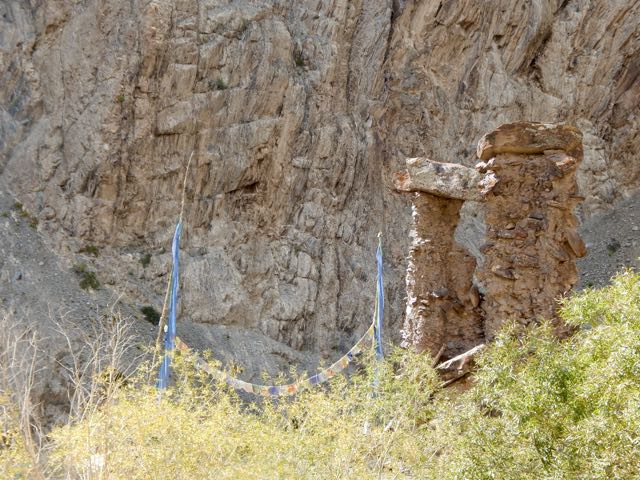
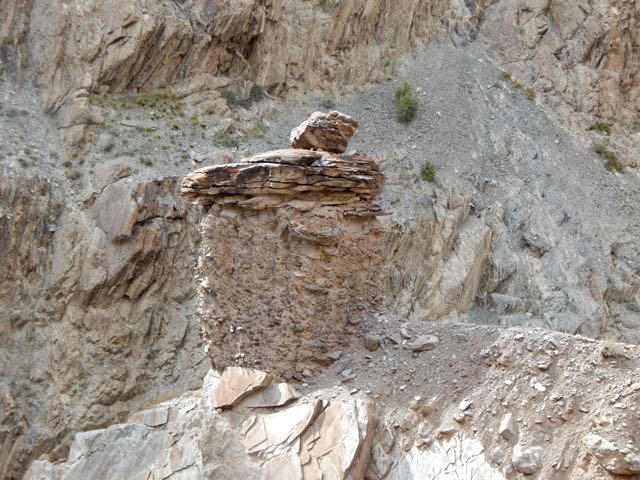
This is some significant Buddhist site. Unusual rock formations.
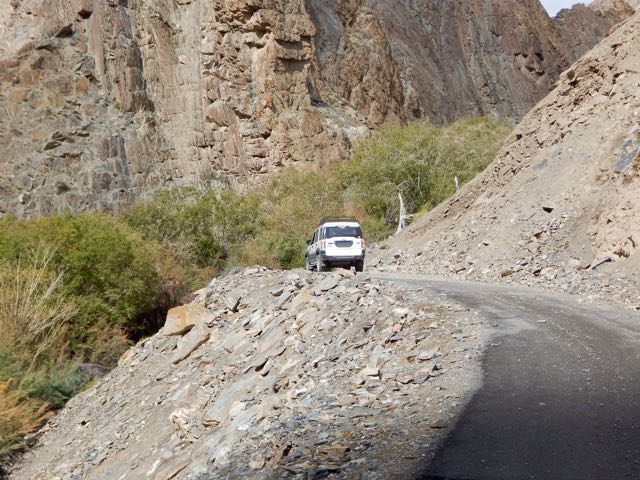
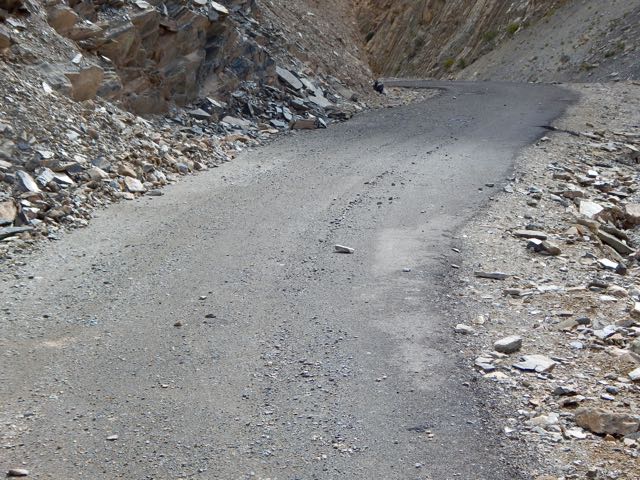
I know because a foreign tourist arrived by car to take photos. Here. On this excellent black top roadway.
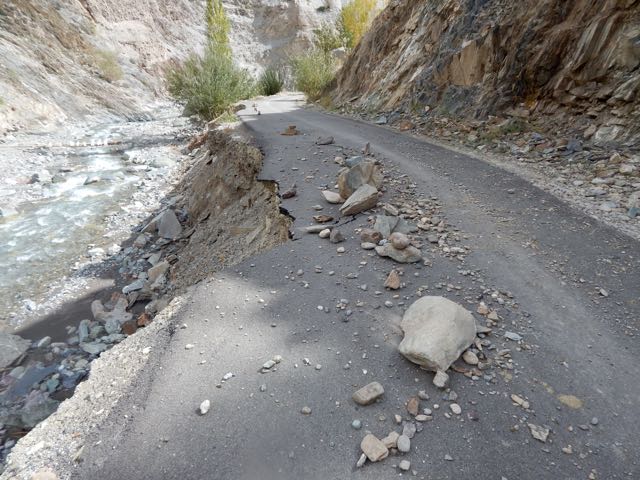
A road? What?! 😦
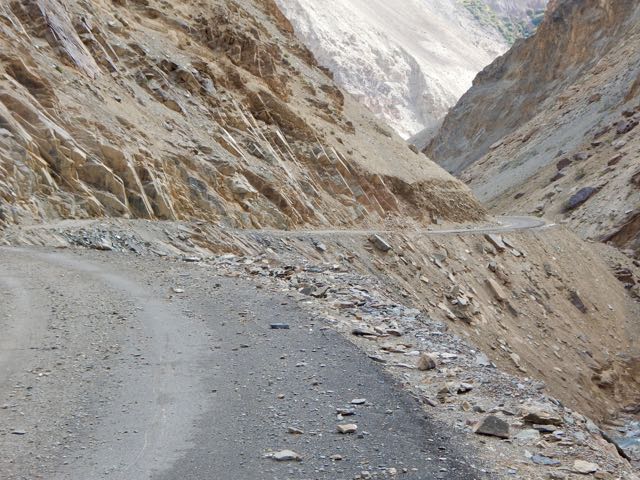
There are no people in this valley. Yet the Indian government built a road up this valley?
I’d planned two more nights on the Alchi circuit. But right here I decided my trek was over. I don’t hike roads.
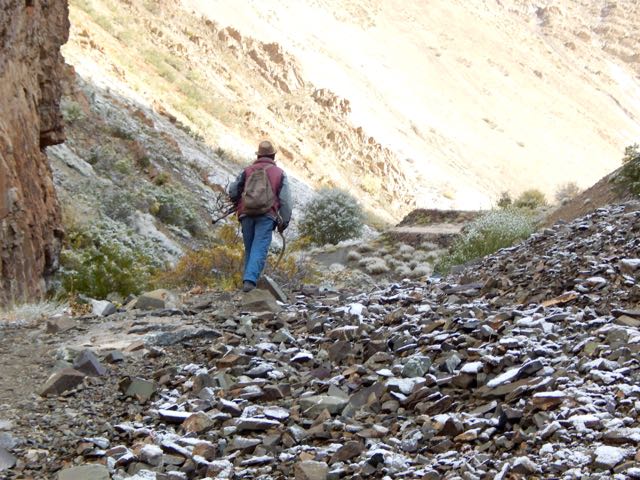
Then – despite my protestations – I proceeded to hike the road all the way down to Sumdha Do.
Mountain people want roads and electricity. Both degrade the hiking experience.
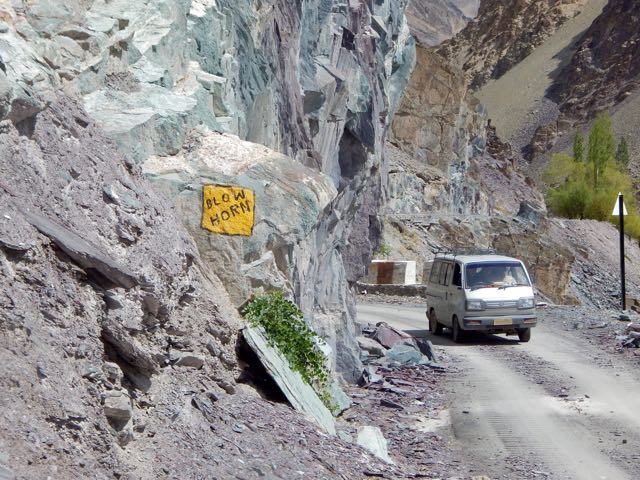
AND it’s nearly impossible to maintain these roads. Washouts, rock slides and collapse are non-stop.
At Sumdha Do I had trouble finding out how to escape. Indians feel it’s polite to give strangers an answer, even if it’s incorrect. Finally I collected 3 independent answers that concurred.
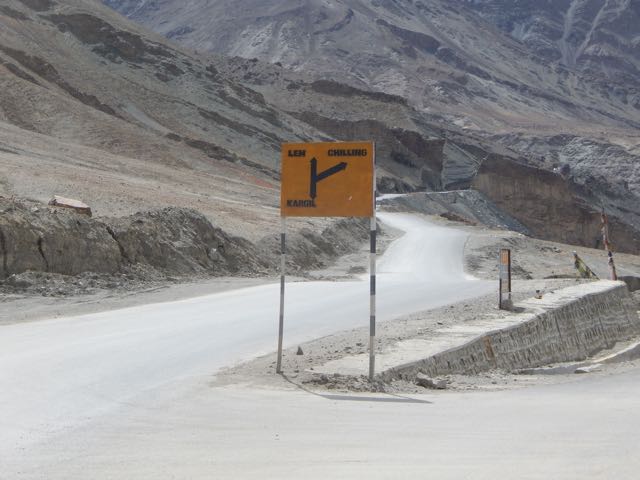
This was the road heading in the direction of Leh.
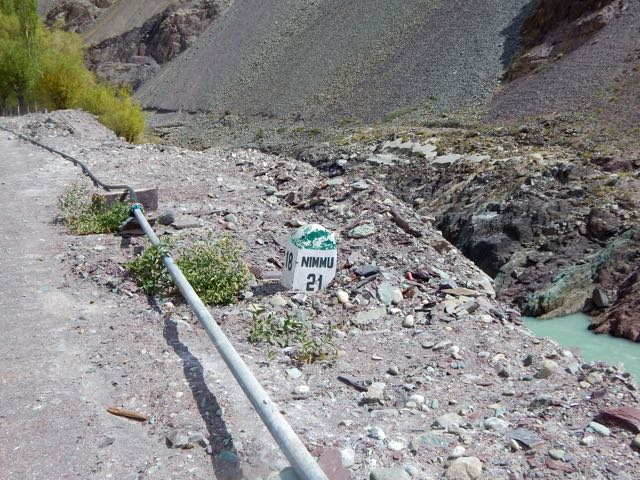
It was 21km to Nimmu village on the main highway.
Would I have to walk it?
NOPE. 🙂
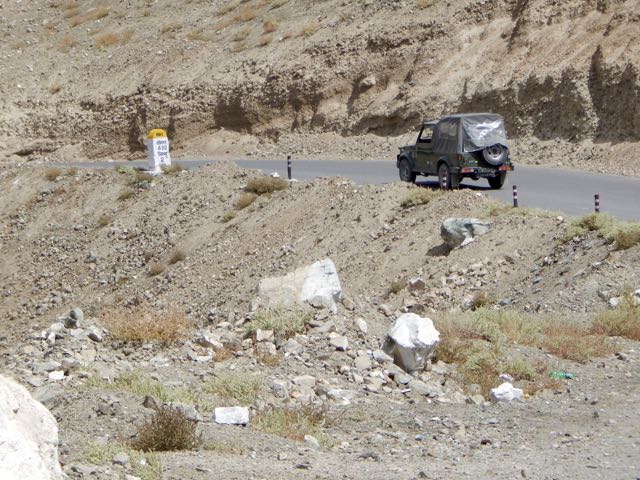
The second vehicle to pass picked me up. An Indian Army jeep.
They dropped me – after a rough ride – at the highway crossroads. The second vehicle to pass picked me up. Turned out it was a jammed, shared taxi. For $2 it delivered me back to Leh by 1pm.
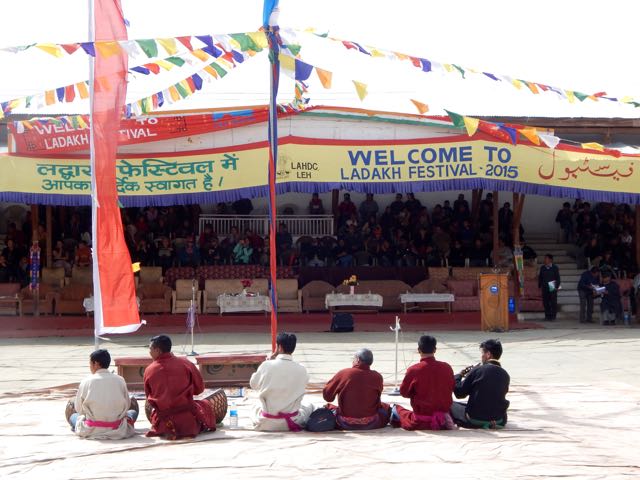
After a hot shower I was just in time for the closing ceremonies of the annual Ladakh festival. Speeches. Ethnic music and dancing.
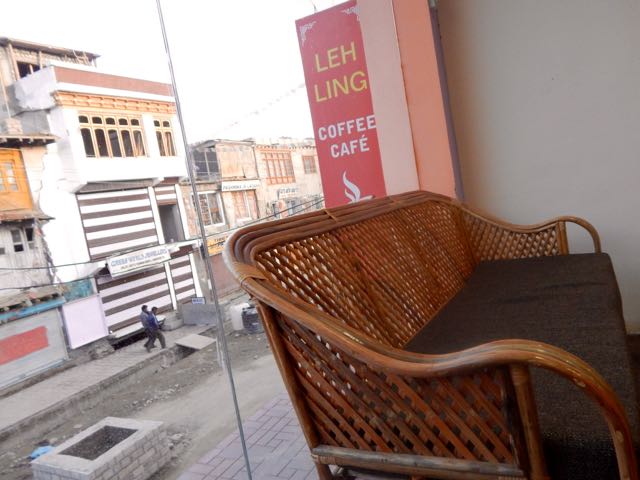
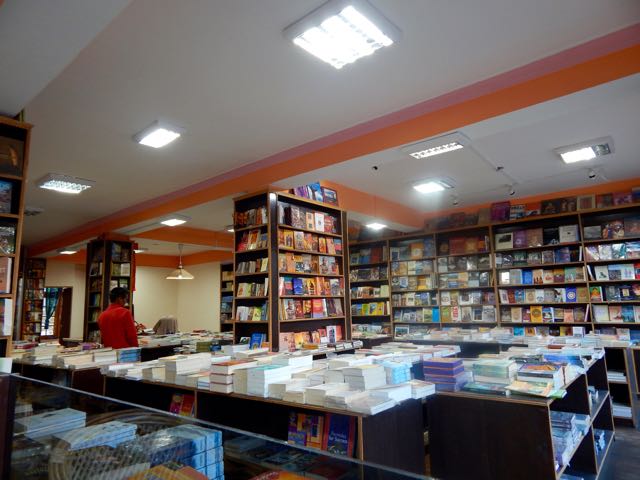
I didn’t last long. I headed, instead, to the excellent Leh Ling Cafe & Bookstore for Chai.
After 2 days rain delay, the morning dawned lovely in Leh.
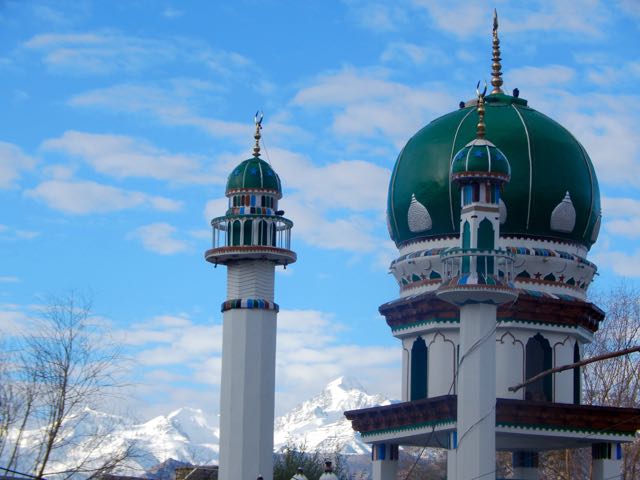
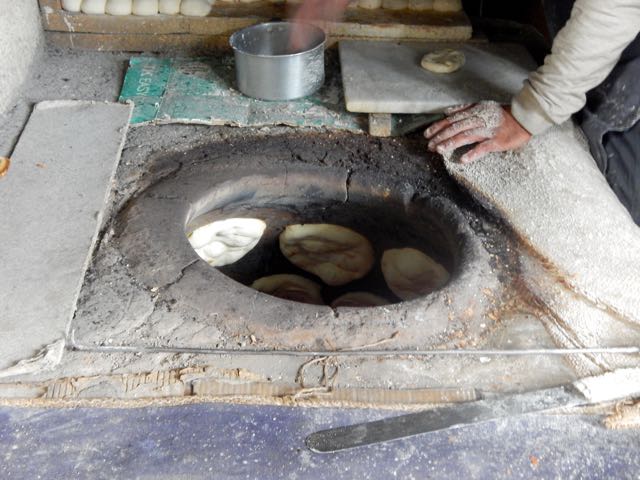
First stop was the outdoor bakery near the main Mosque.
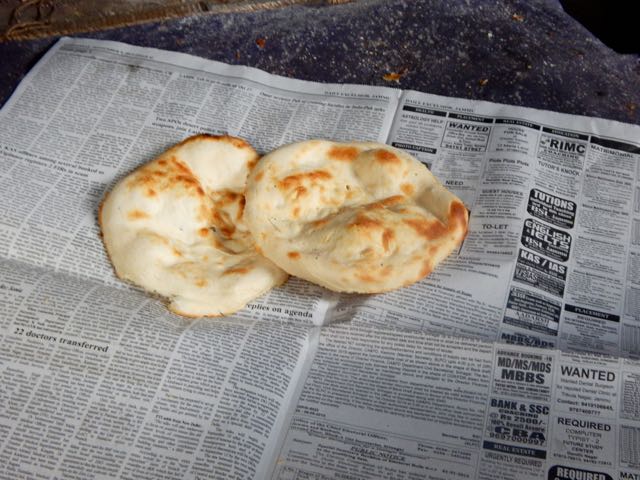
I picked up 10 flat bread for less than $1. My hiking lunches. With peanut butter. 🙂
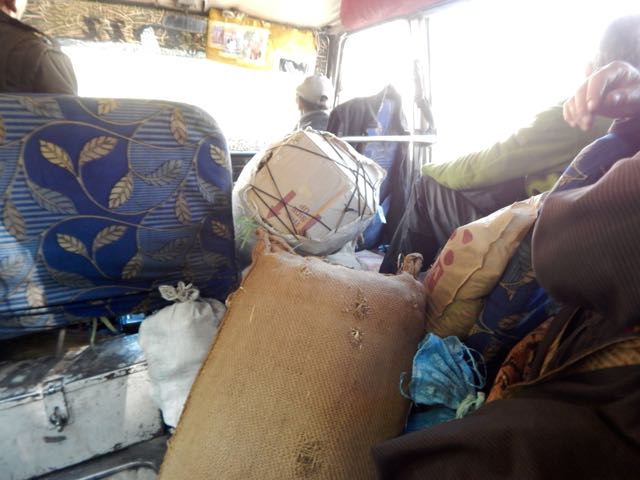
At the NEW Bus Station I found the (unmarked) 8am bus to Alchi, about 70km away. It was packed.
Alchi Monastery or Alchi Gompa … is said to be the oldest and most famous. …
The monastery complex was built, according to local tradition, by the great translator Guru Rinchen Zangpo between 958 and 1055. However, inscriptions in the preserved monuments ascribe it to a Tibetan noble called Kal-dan Shes-rab later in the 11th century …
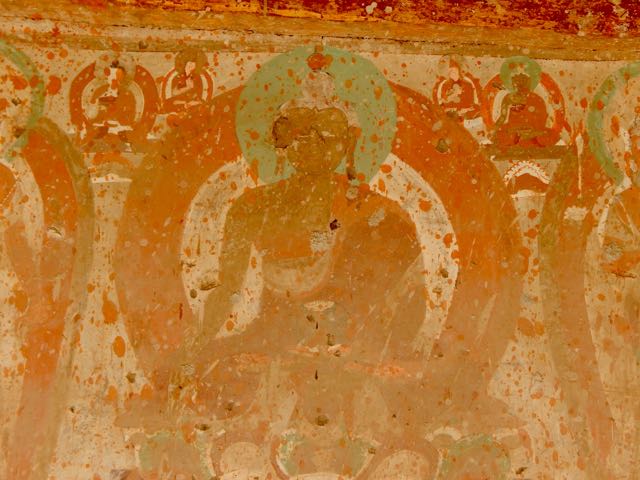
The artistic and spiritual details of both Buddhism and the Hindu kings of that time in Kashmir are reflected in the wall paintings … These are some of the oldest surviving paintings in Ladakh. …
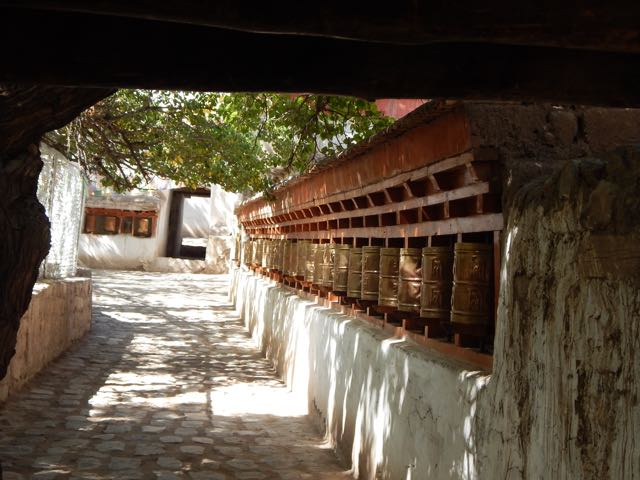
I made the Kora. Let’s hope my hike goes well.
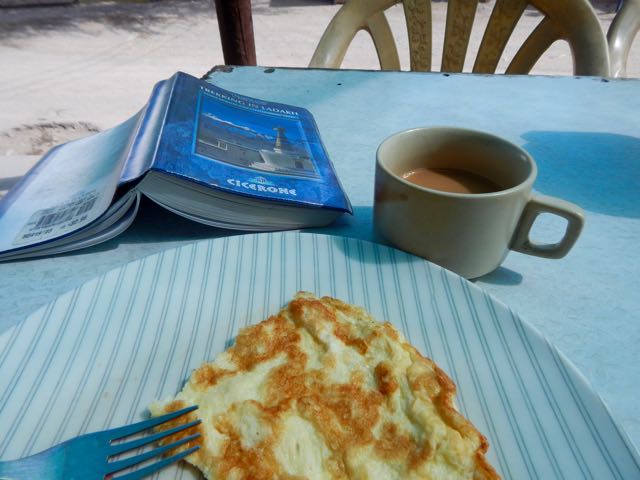
My last meal.
The Italian woman who joined me at the tiny restaurant in Alchi square was hospitalized in Leh the day before. Altitude sickness. She was given 2 shots and 3 different pills!
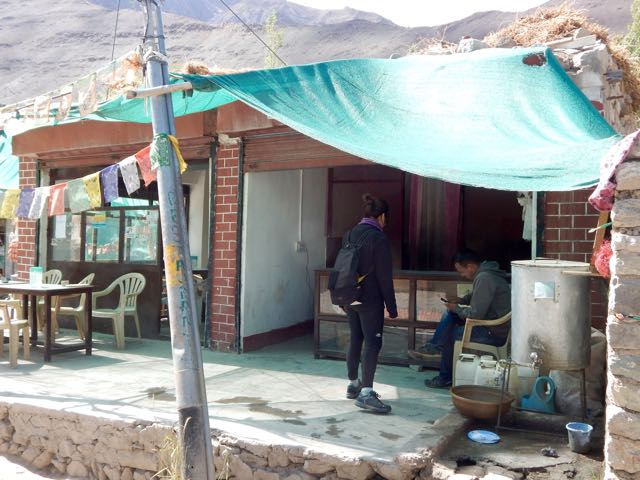
The restaurant owner pointed me in the right direction at 11am. Wandering though local fields.
I was at an altitude of 3,100m (10,200ft). And needed to climb at least 2km vertical!
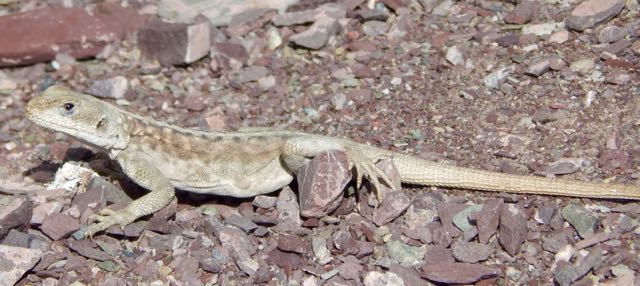
Here’s the one and only lizard I saw on the trip. He stayed behind in the sun.
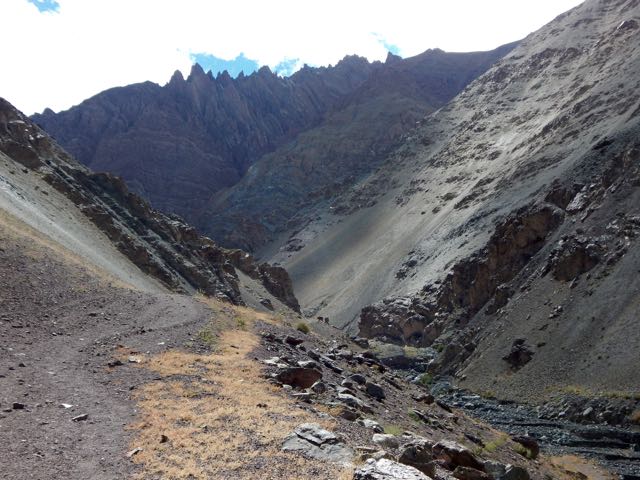
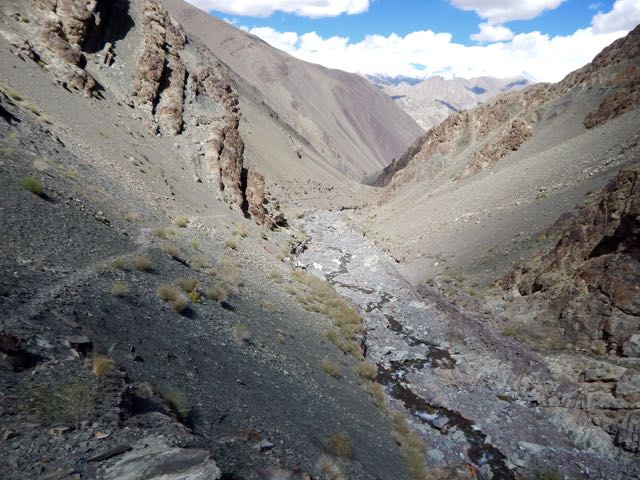
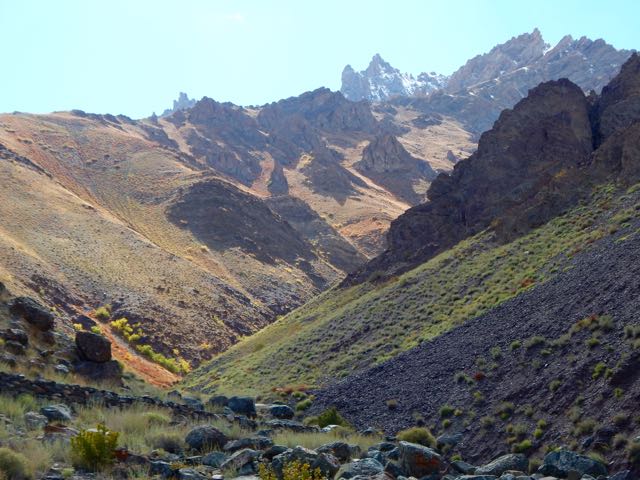
It’s an easy start. Winding up a Himalayan valley.
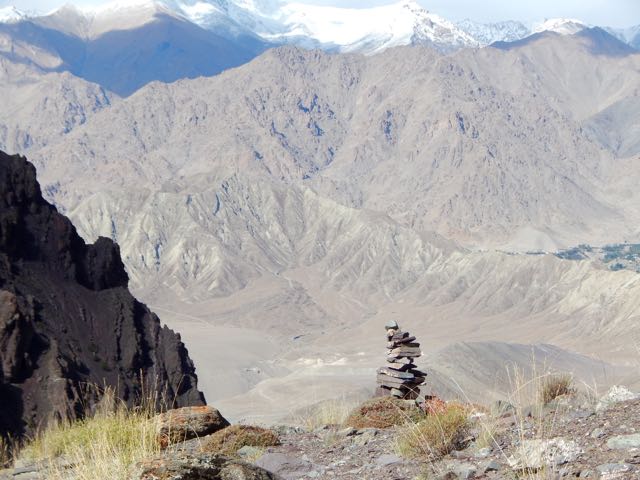
Still, I was worried. I’d need to cross a huge, difficult pass, about the same height as I could see on the other side of the Indus valley.
Higher and higher.
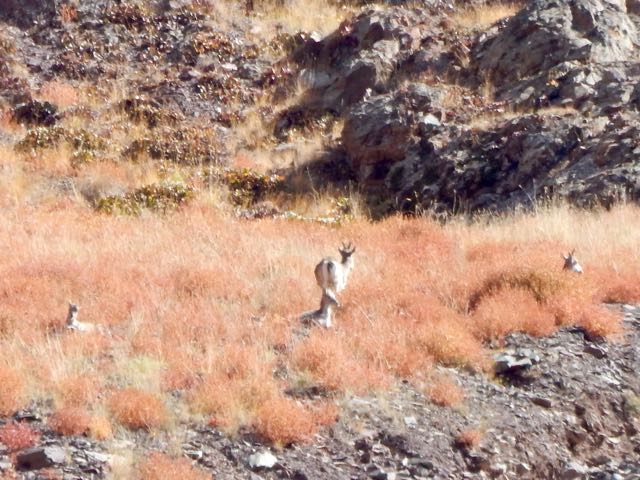
Up a side valley I spotted Blue Sheep. Here’s the herd at 32x zoom.
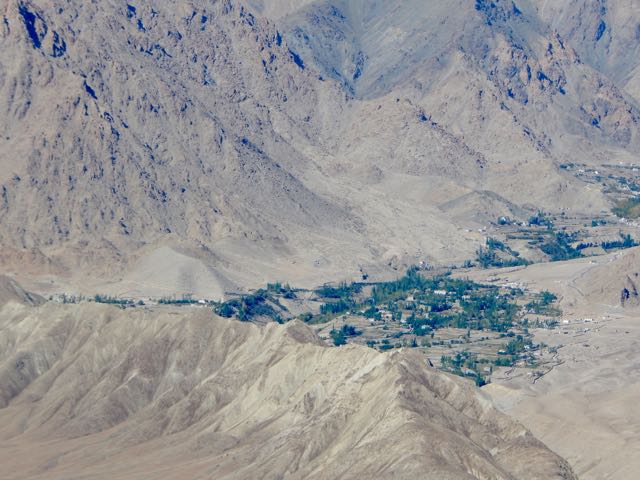
That oasis across the Indus is the famed Buddhist temple Likir.
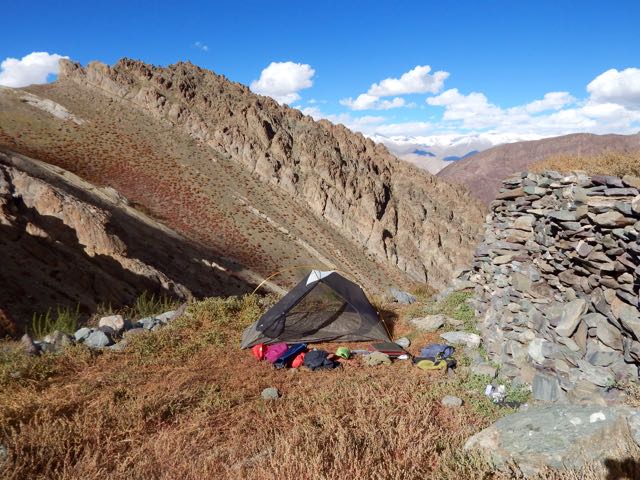
I set up my tent at the last possible site, the highest shepard shelter. My guidebook called it Stakspi La Base Camp. It was 3:30pm.
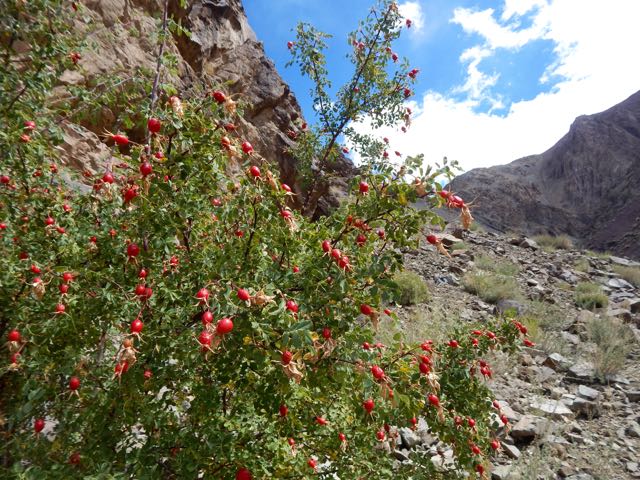
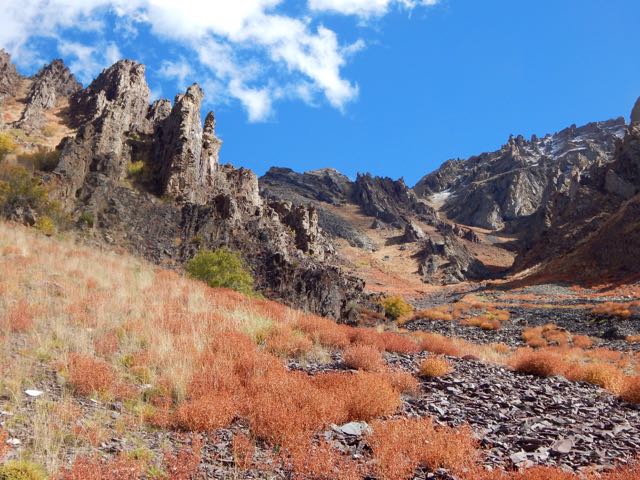
In the bright Tibetan sunlight, the autumn colours were lovely.
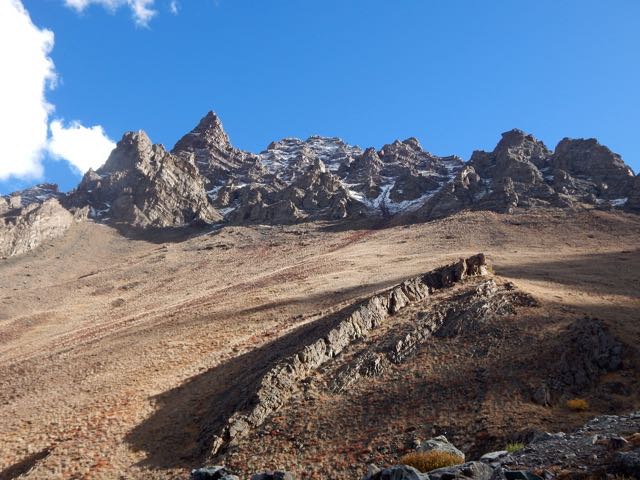
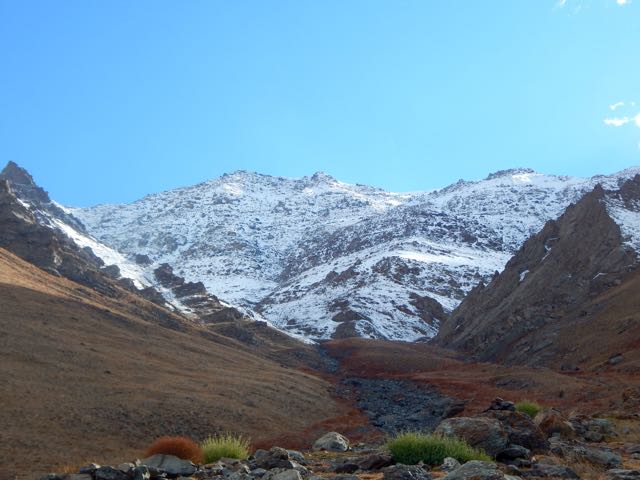
My goal for tomorrow is climbing up and over this 5000m+ wall.