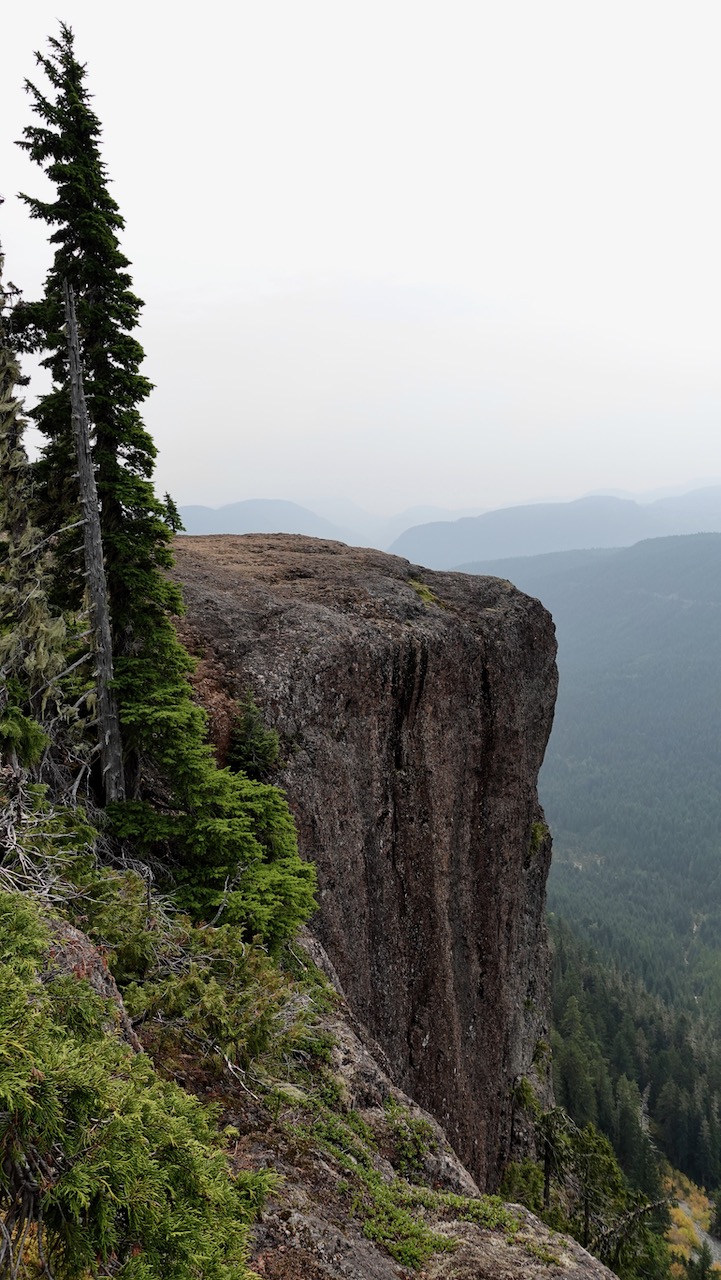
It’s named for Albert Edward, Prince of Wales, later King Edward VII.
Most who climb it start at Circlet Lake campground.
From the campground it’s only5.5km to the summit, but it took much longer for me than I anticipated. Update: that sign on the trail is wrong. It’s significantly further than 5.5km. 😀
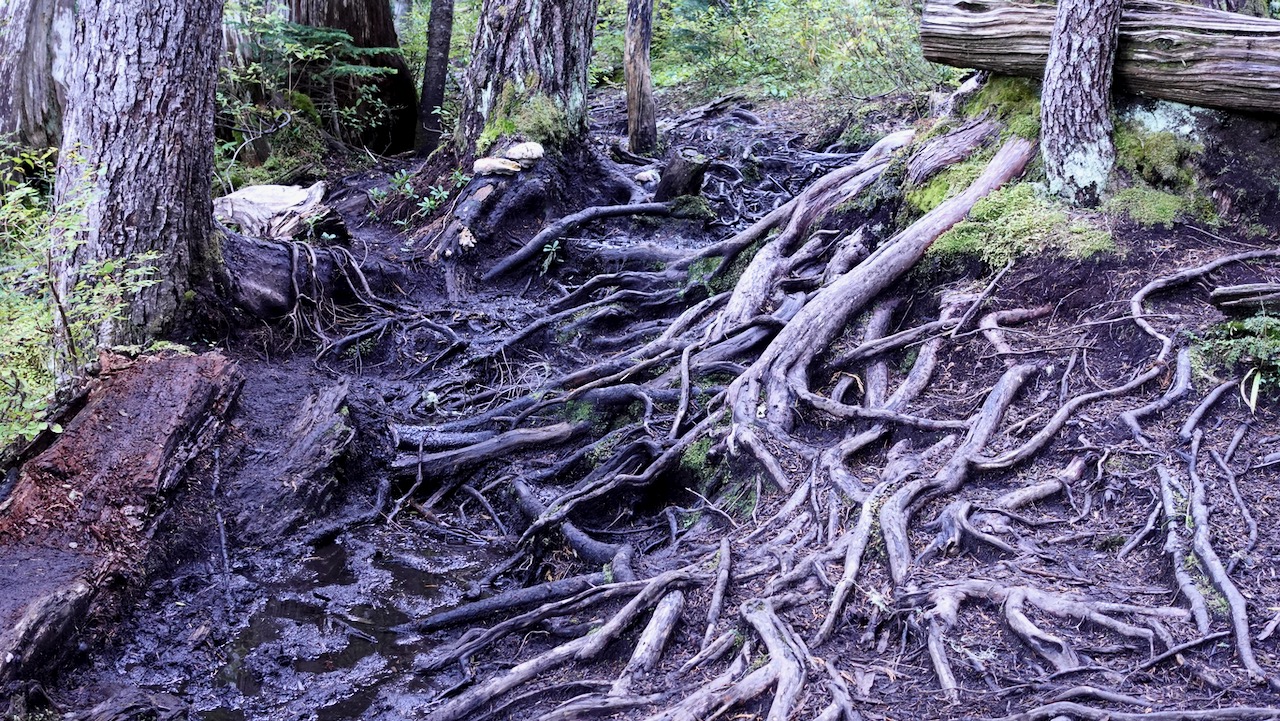
The muddiest trail I found was that just departing Duck Pond.
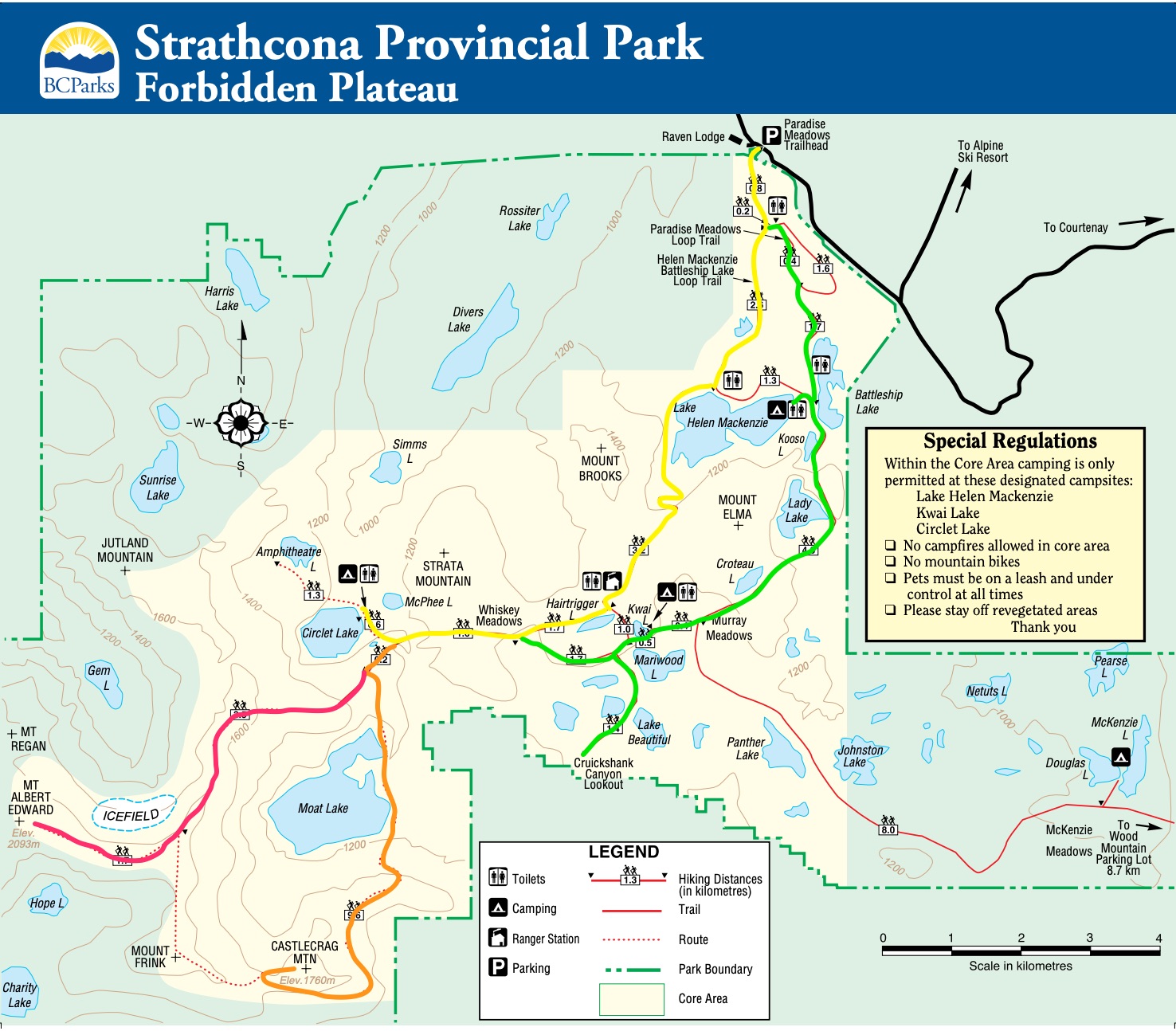
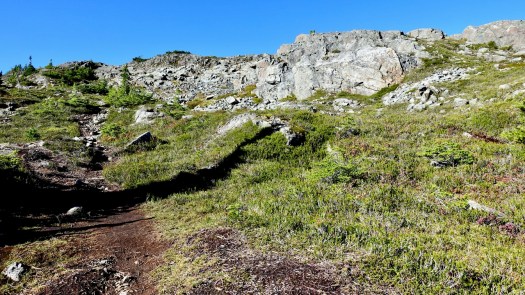
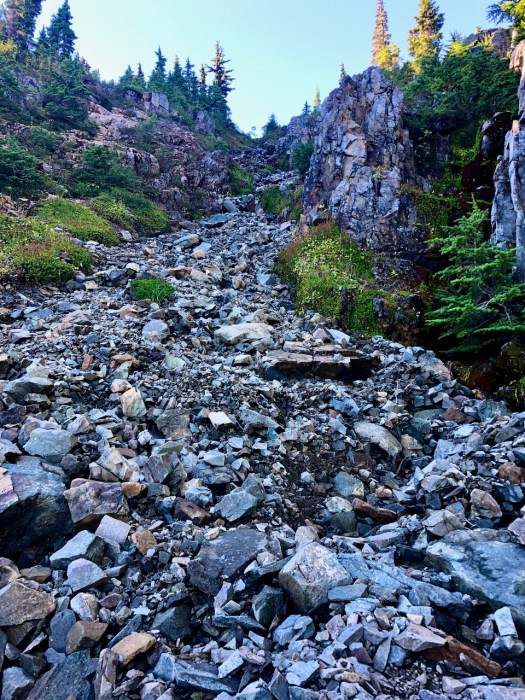
I hiked Circlet to the summit on the trail marked in red.
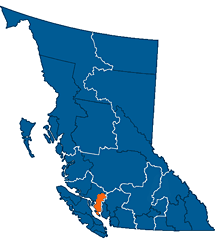
Paradise Meadows is the best and most convenient trailhead in Strathcona, largest and oldest (1911) Provincial Park in B.C..
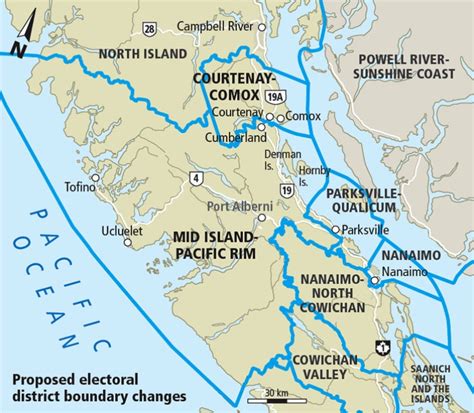
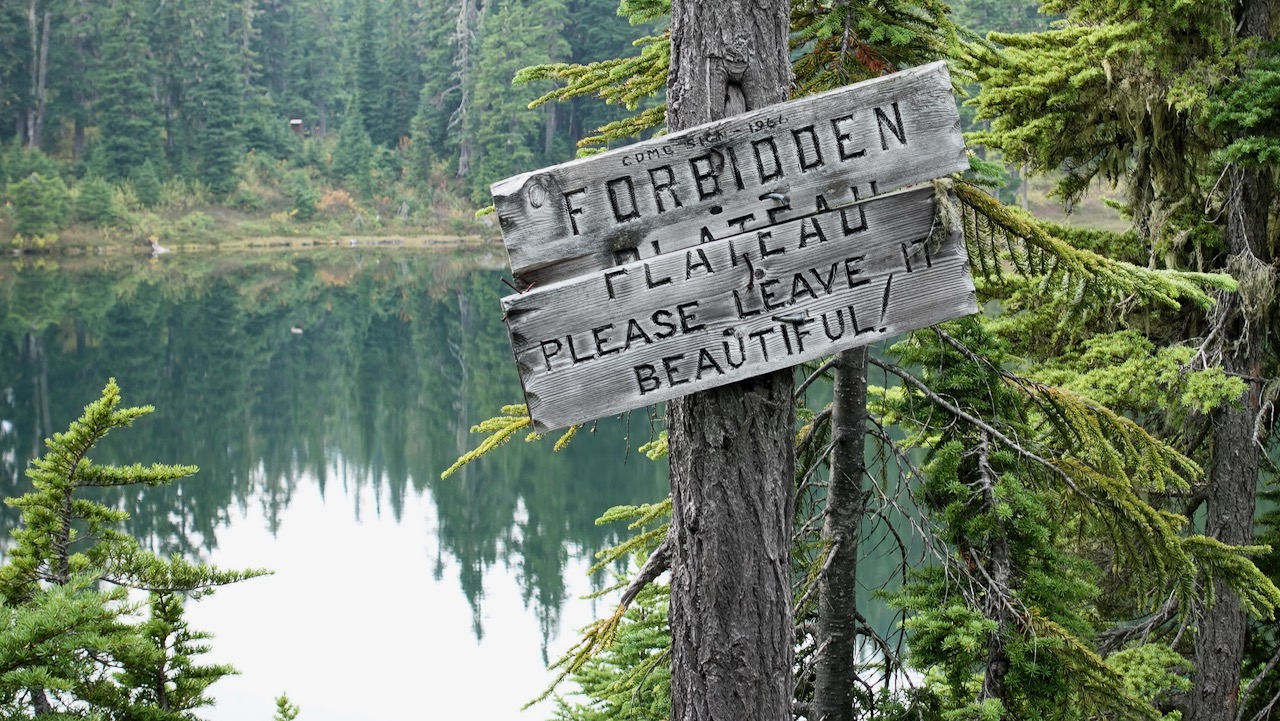
It’s easy access to the Forbidden Plateau on paved Strathcona Parkway up to Mt Washington Alpine Resort 1100m, 20km up from the inland highway.
Close to Courtney, Cumberland, and Campbell River. The nearest airport and ferry port are at Comox.
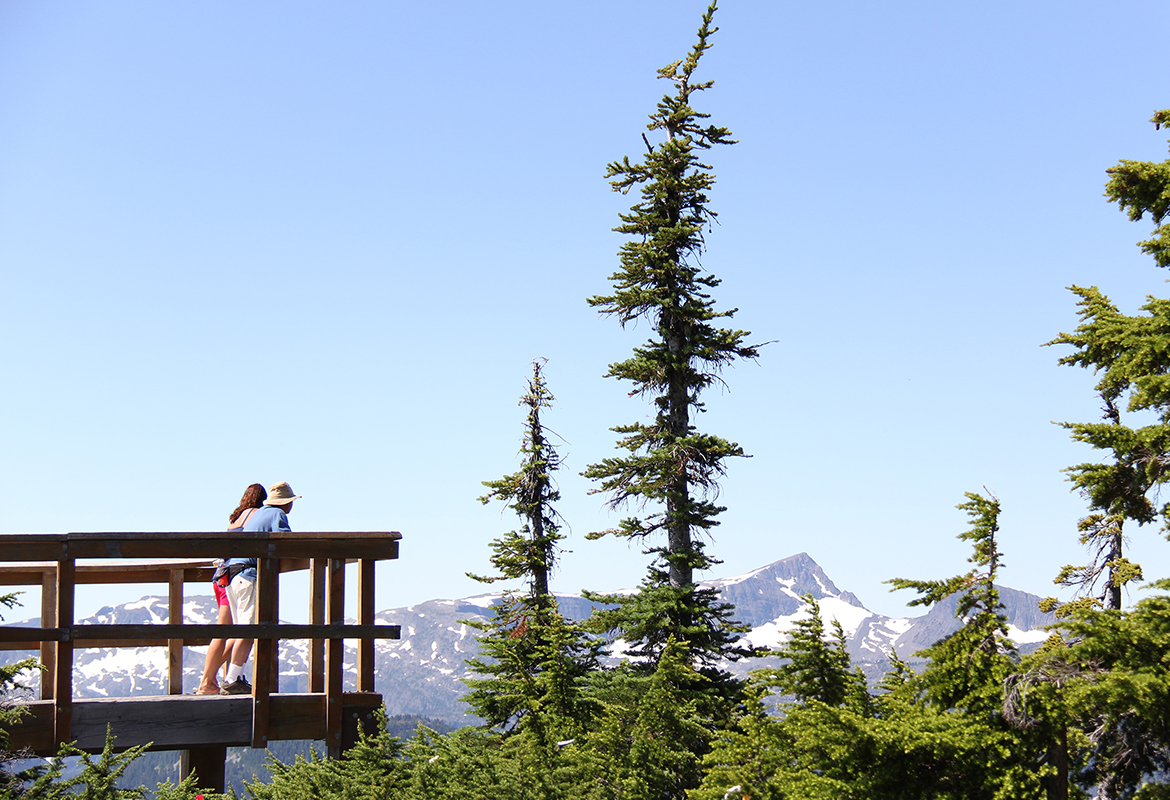
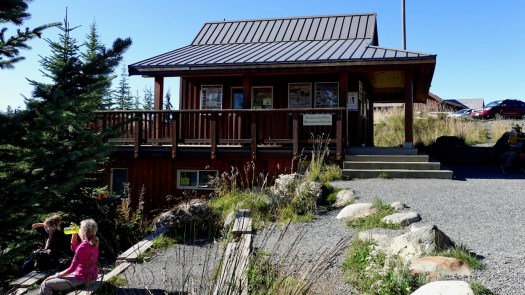
Looking from Raven Lodge at the trailhead, the most distinct peak is sharp Albert Edward, 6th highest mountain on the island.
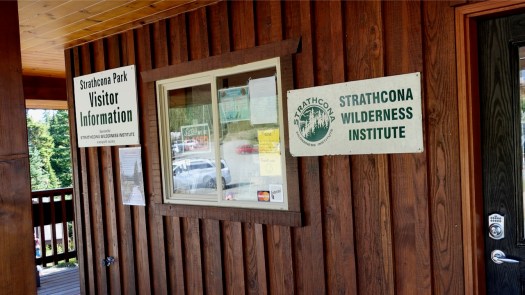
It seemed to me in 2020 that Strathcona Park did not have as much staff as they would like. Happily the volunteers of the Strathcona Wilderness Institute are often in person at Paradise trailhead. Make a donation if they help you out.
→ Centennial Loop (2.5km) → Paradise Meadows Loop (4.2km) → Lake Helen Mackenzie – Battleship Lake Loop (8km) → Helen MacKenzie-Kwai Lake-Croteau Loop (14km)
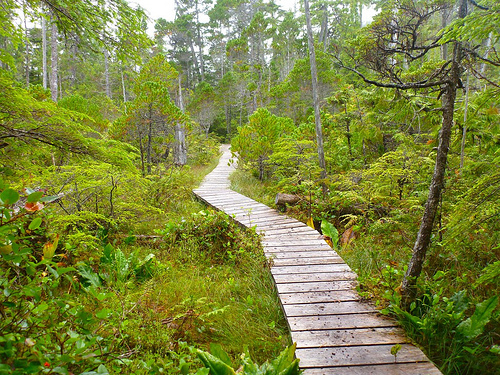
Those trails closest to the trailhead are best maintained: bridges, pit toilets, good signage and much boardwalk. In fact, the Centennial Loop is wheelchair and scooter accessible.
Check the map. I hiked in to Circlet Lake on yellow, mostly looped back on green. But there are MANY possible different interconnecting loops.
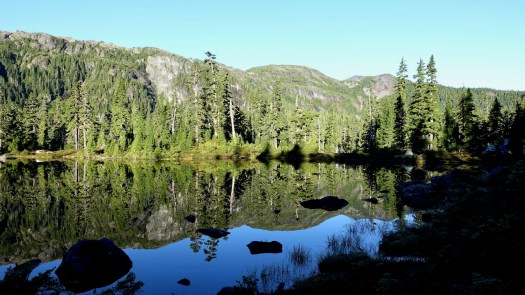
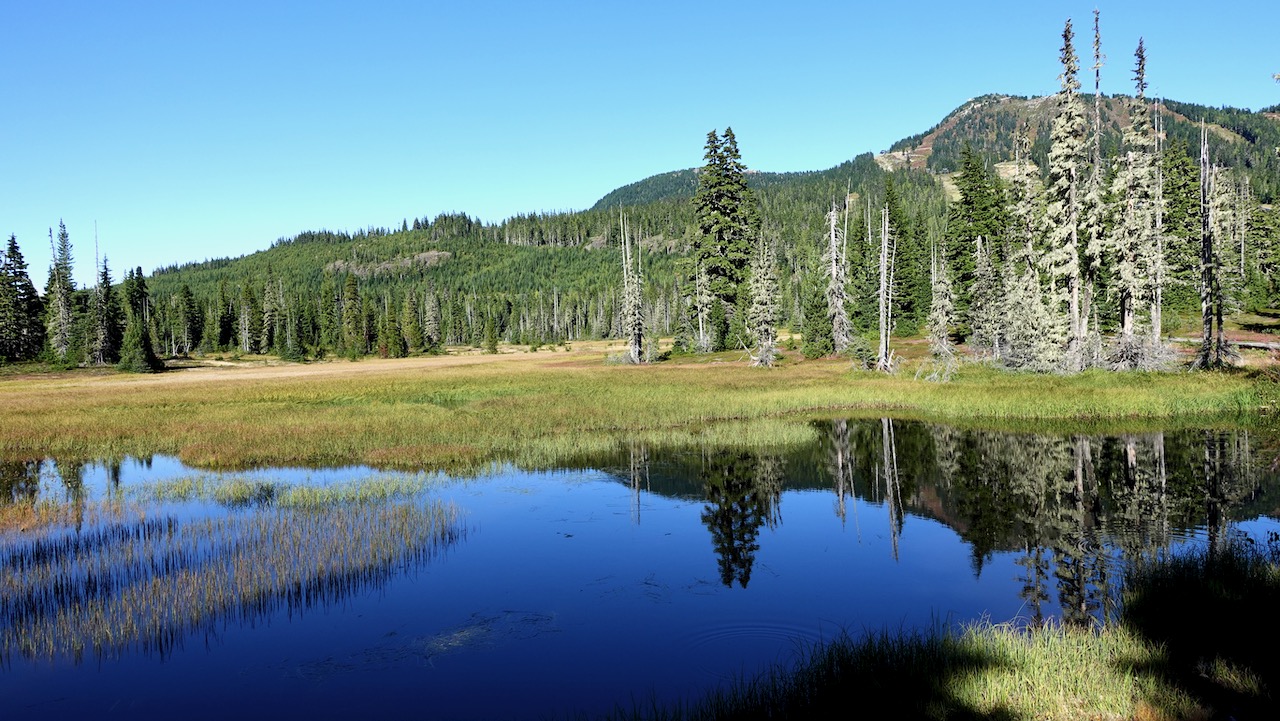
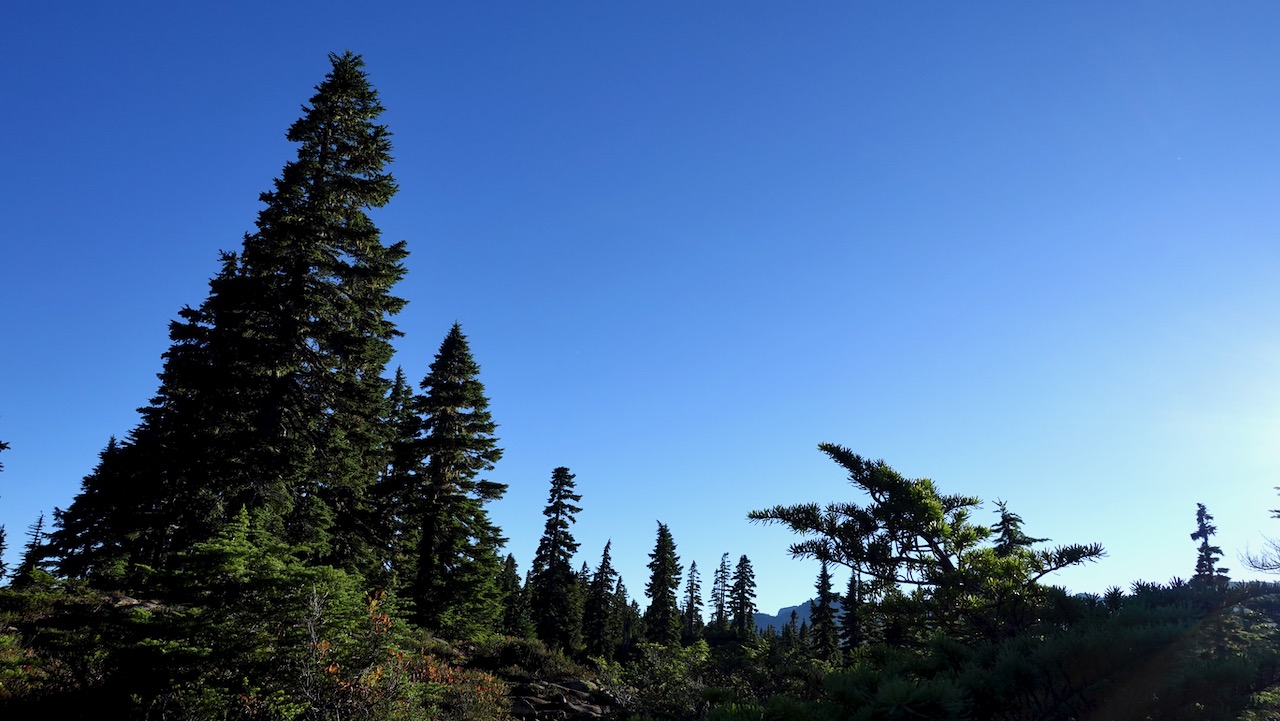
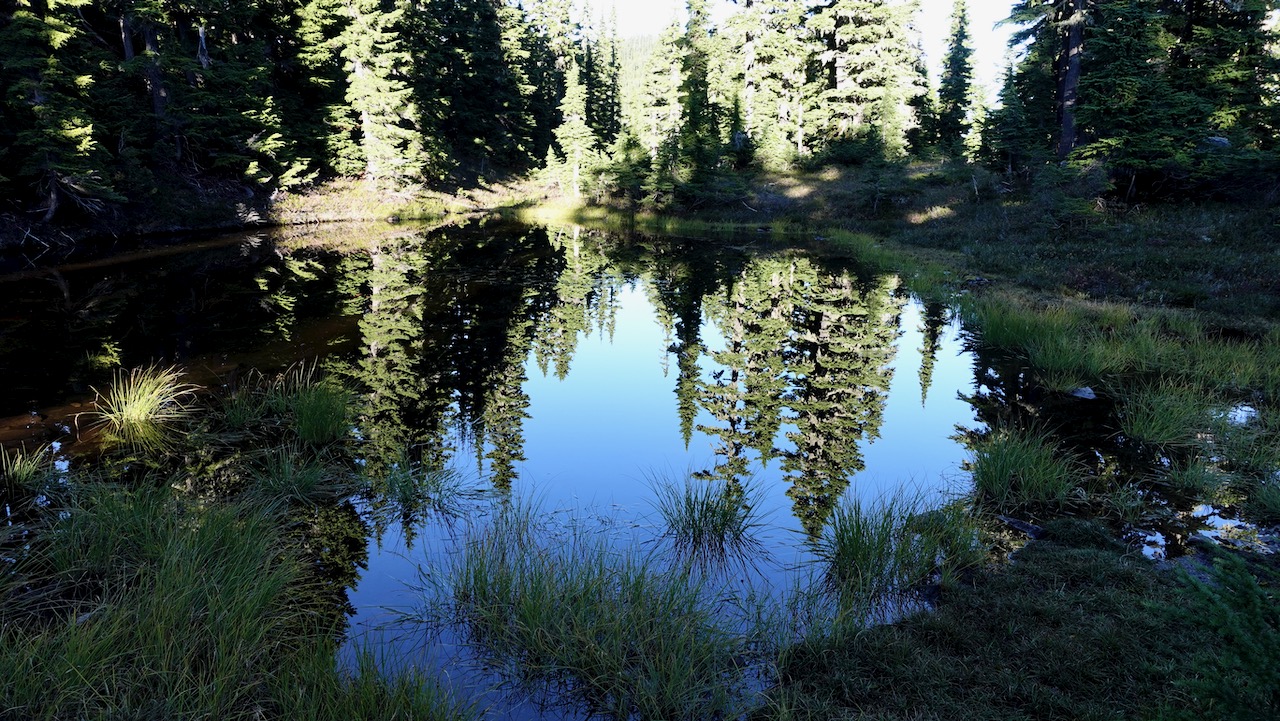
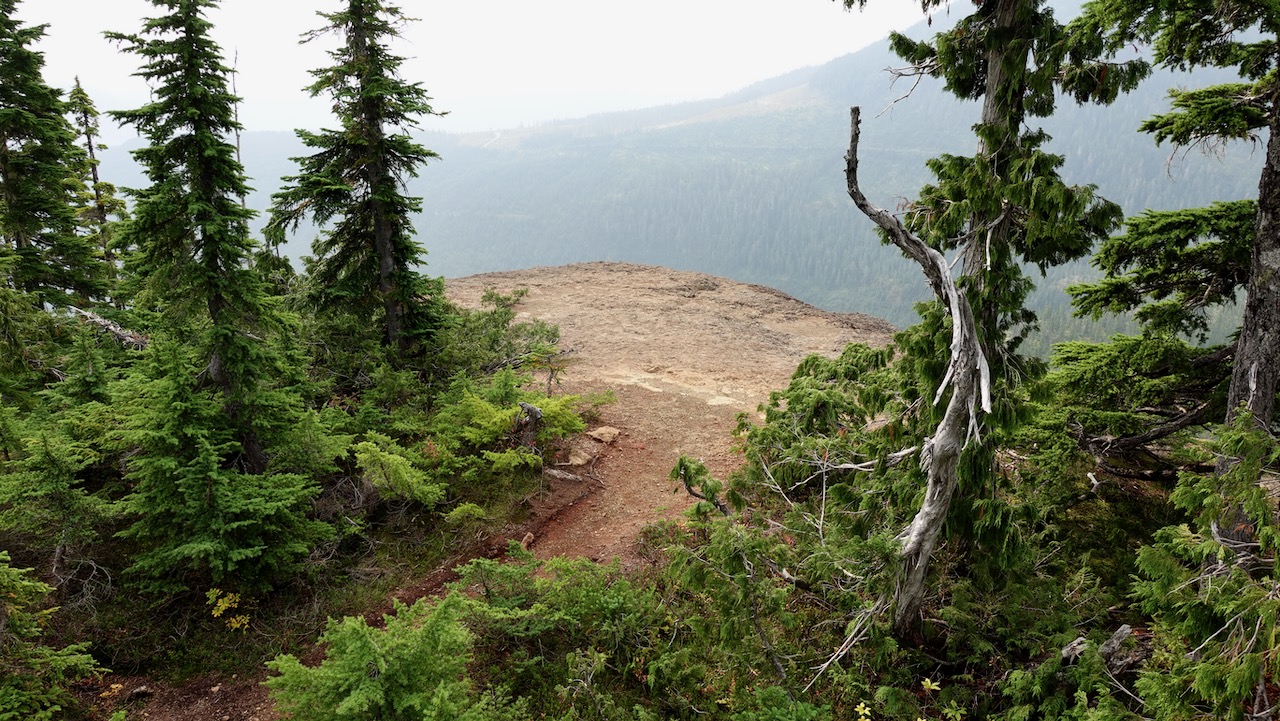
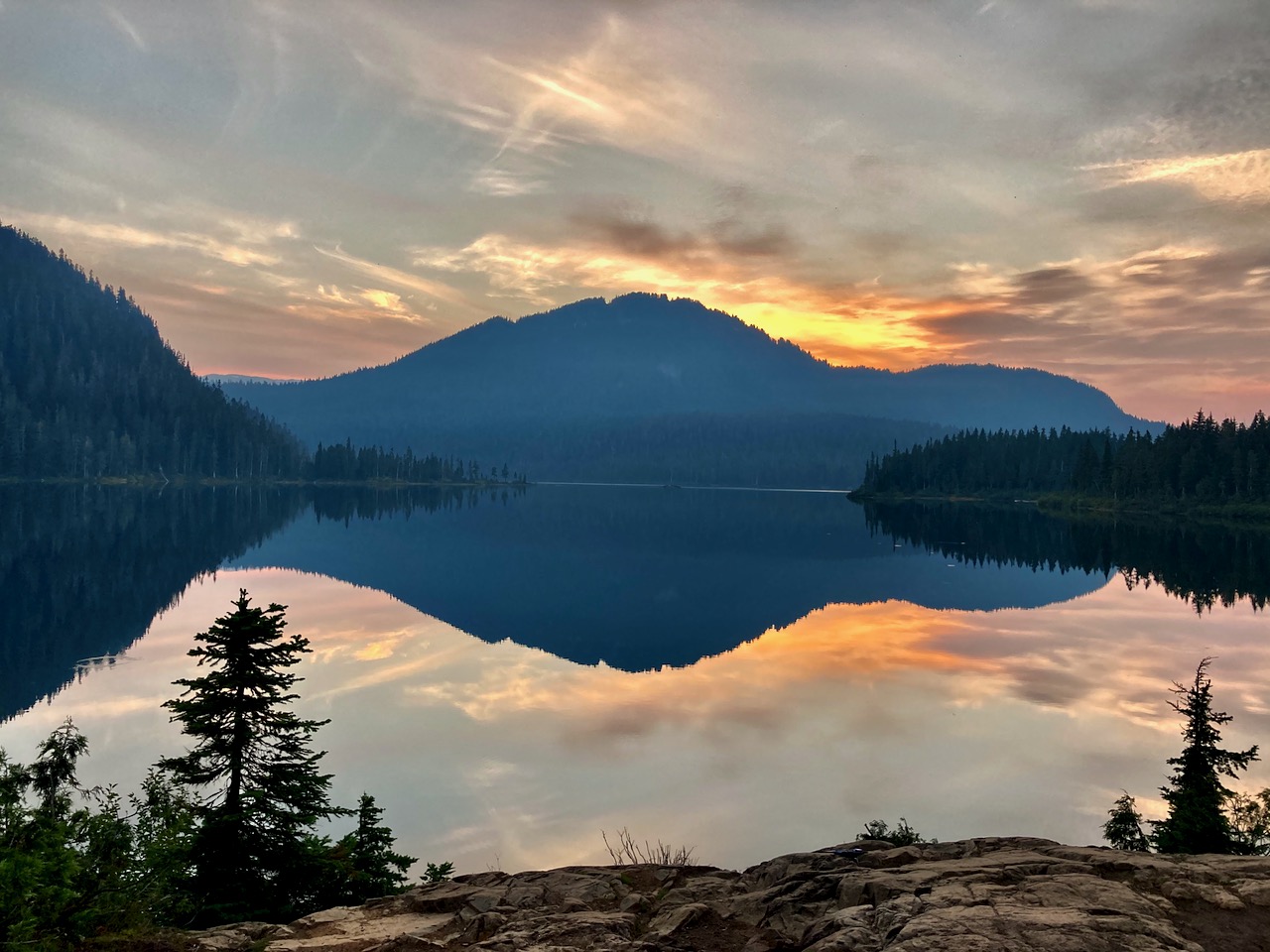
Most hikers on the Forbidden Plateau stay down in the subalpine: forested hills, postcard pretty lakes, babbling brooks, and lovely meadows.
It’s wet. Expect rain.
Expect mud. 🙃
If we couldn’t enjoy all this beautiful boardwalk, we’d often be wading wetlands.
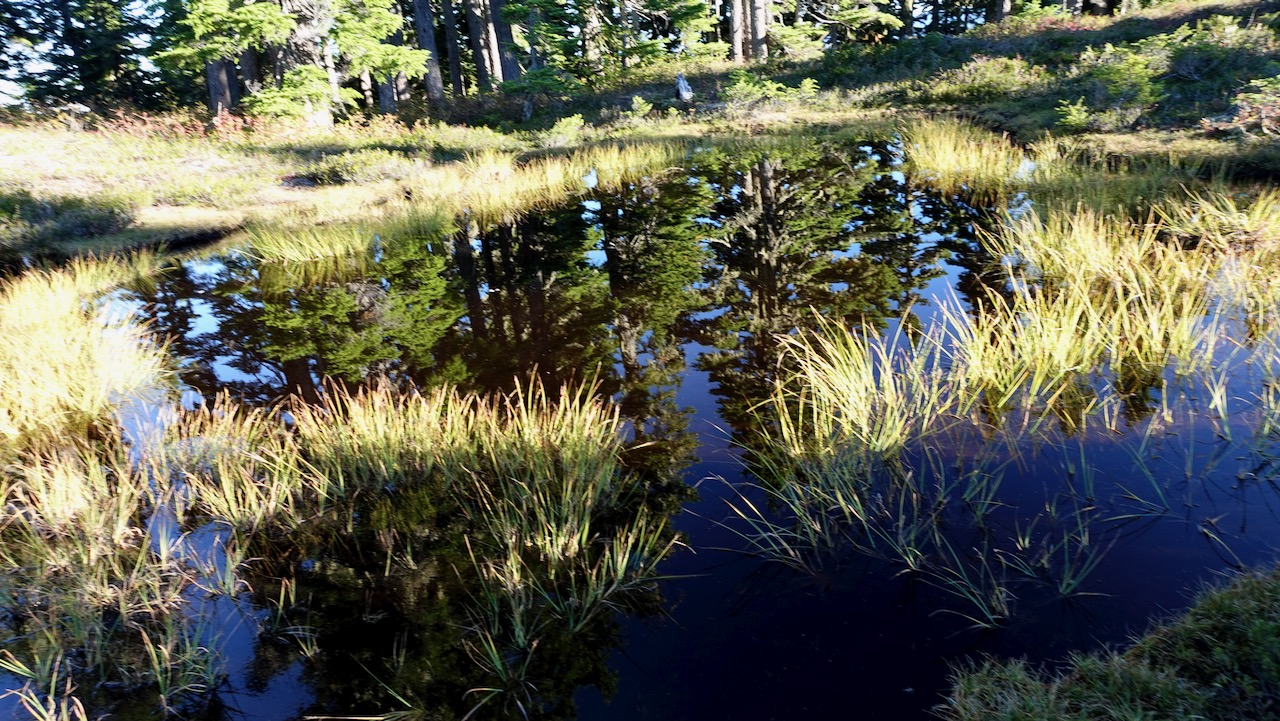
Water water everywhere, yet I found I had to treat almost every source. There are not all that many fast running creeks.
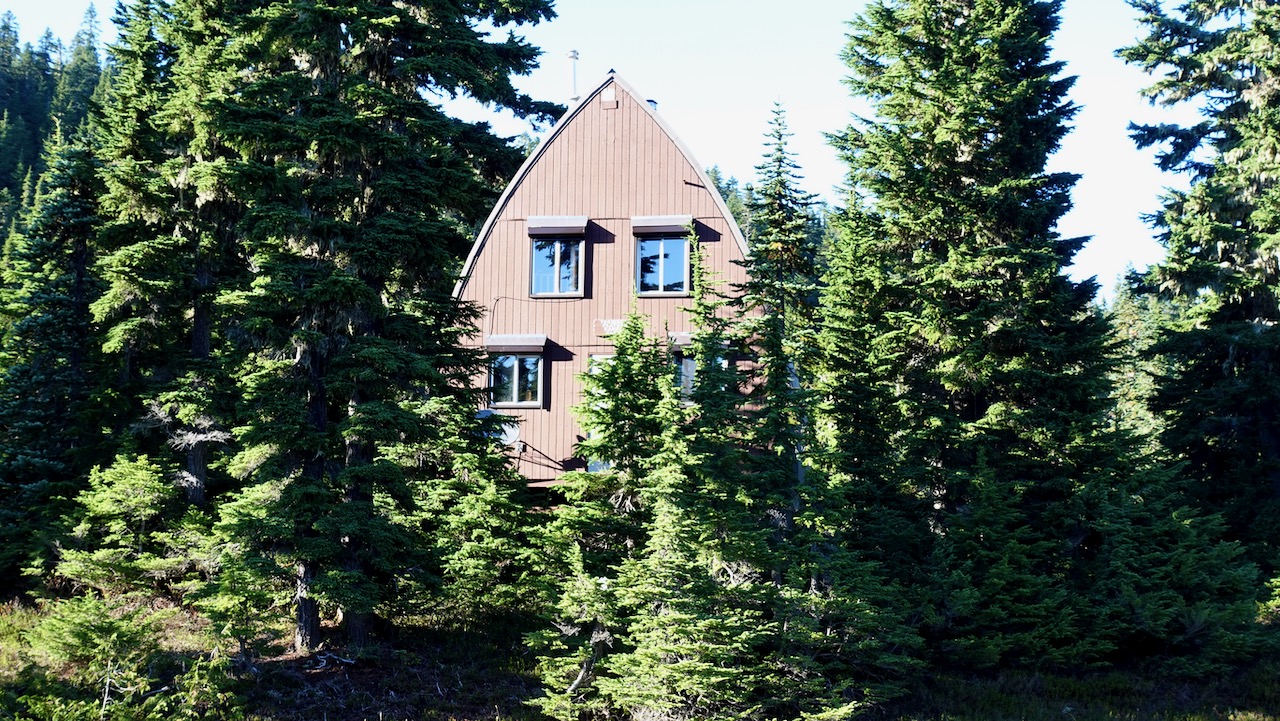
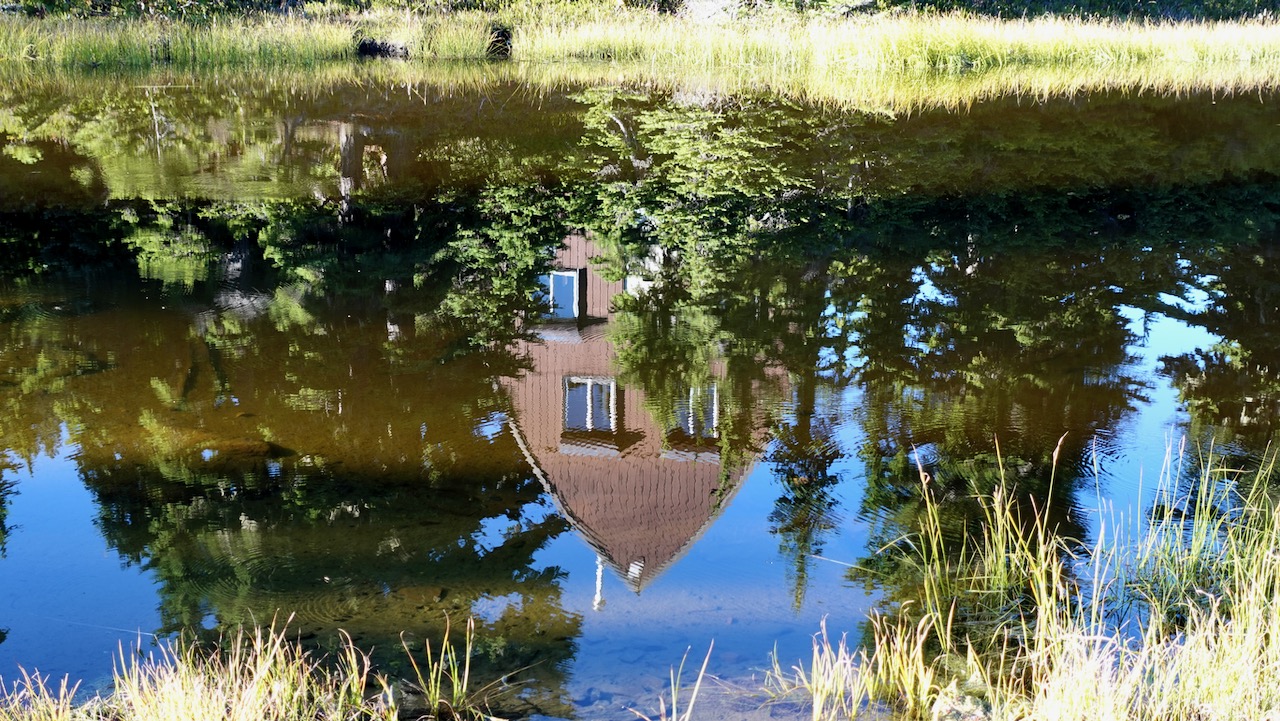
I passed one picturesque Ranger cabin.
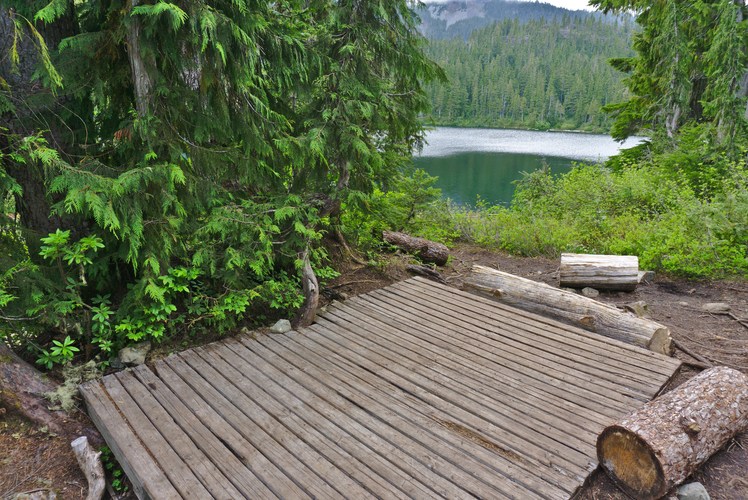
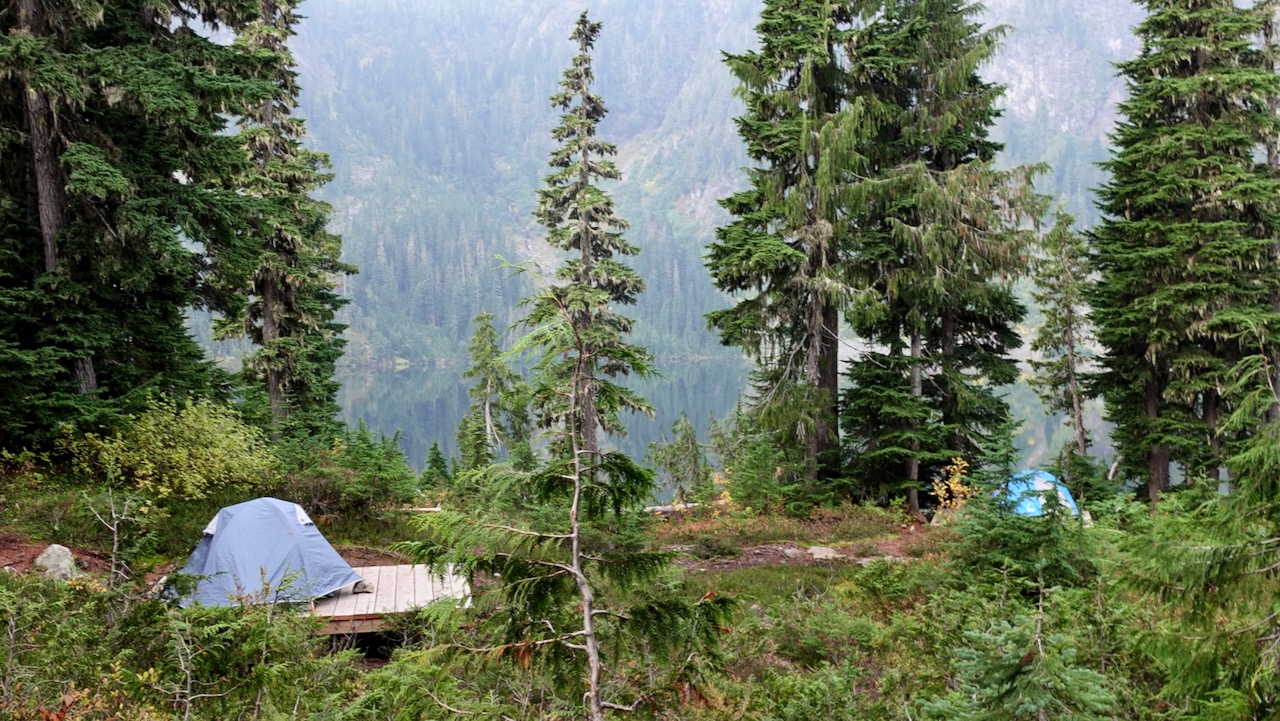
Three first-come, first-served campgrounds are quite good, the closest at Lake Helen Mackenzie near the trailhead. Each has pit toilets and bear proof food lockers. (CAD$10 / person / night in 2020)
I was there late September 2020. Very few mosquitoes! That’s not always the case here.
I hiked in to Circlet about 9.5km one way. About 4 hours walking. Stayed 3 nights.
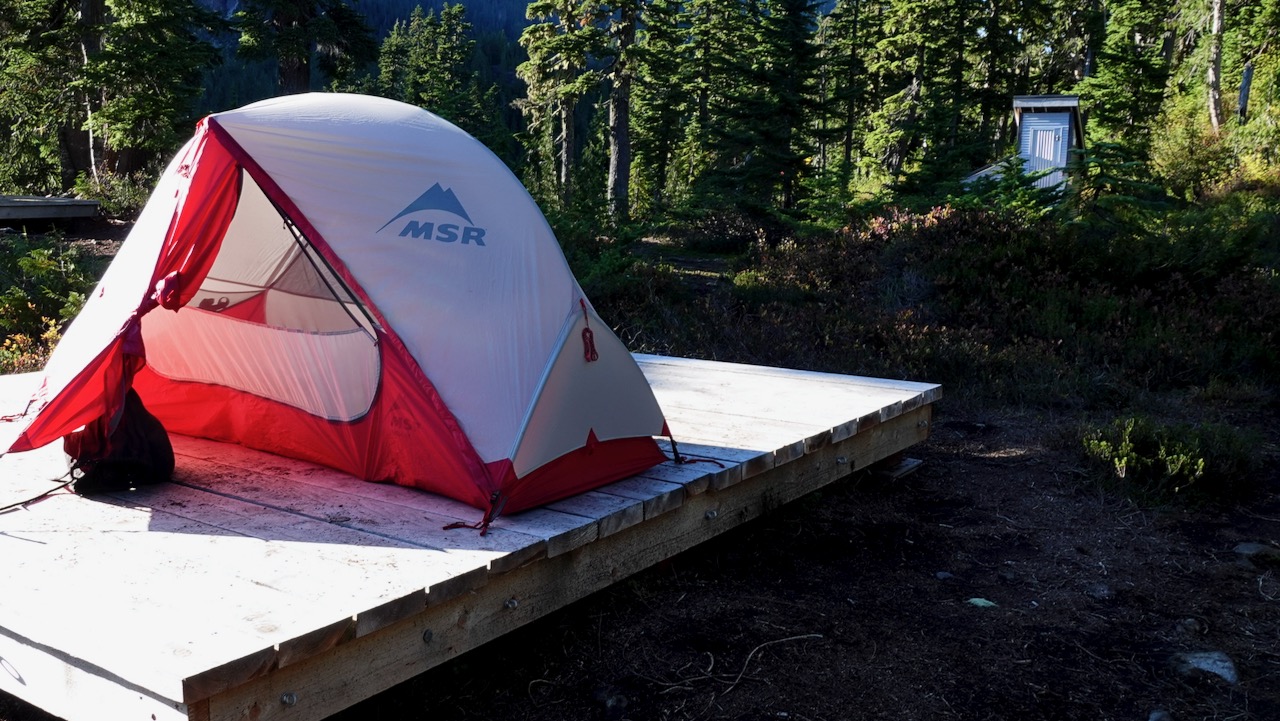
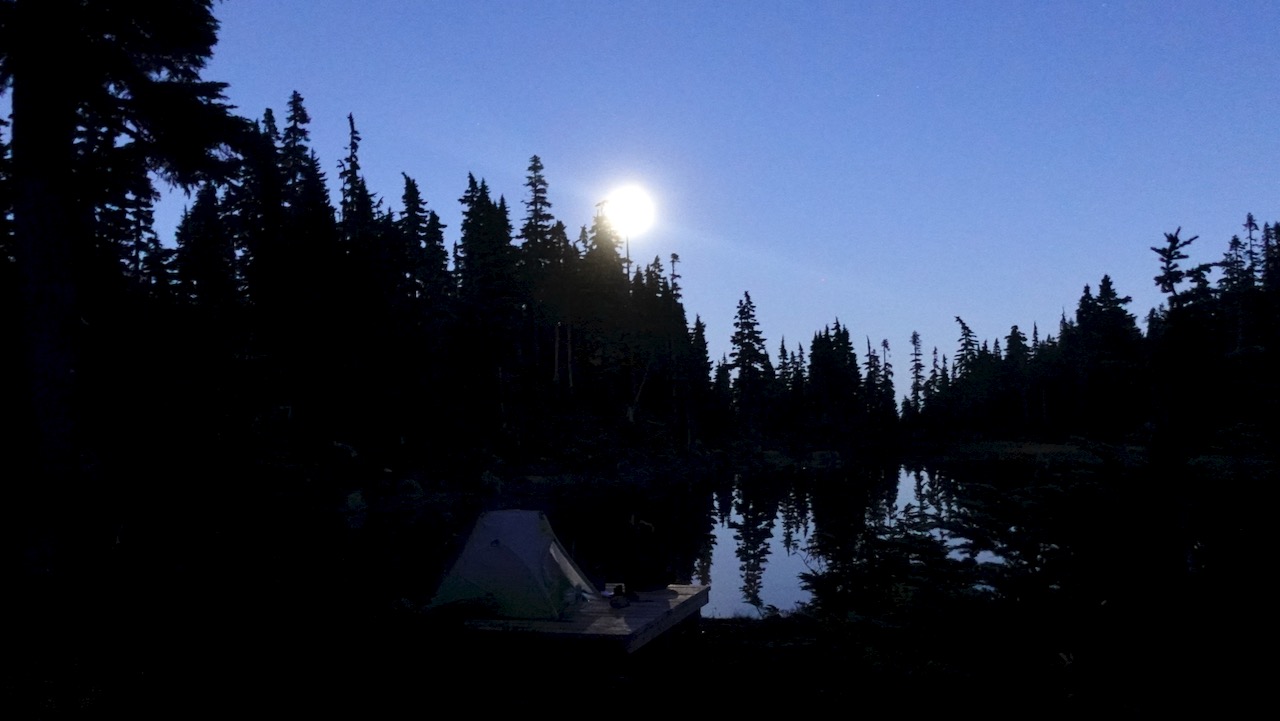
Arrived just before dark. Camped on pretty Duck Pond rather than the lake itself.
Circlet is not likely to fill up — but you MIGHT find no space left at Helen Mackenzie and Kwai Lake campgrounds on a busy day during the short summer season.
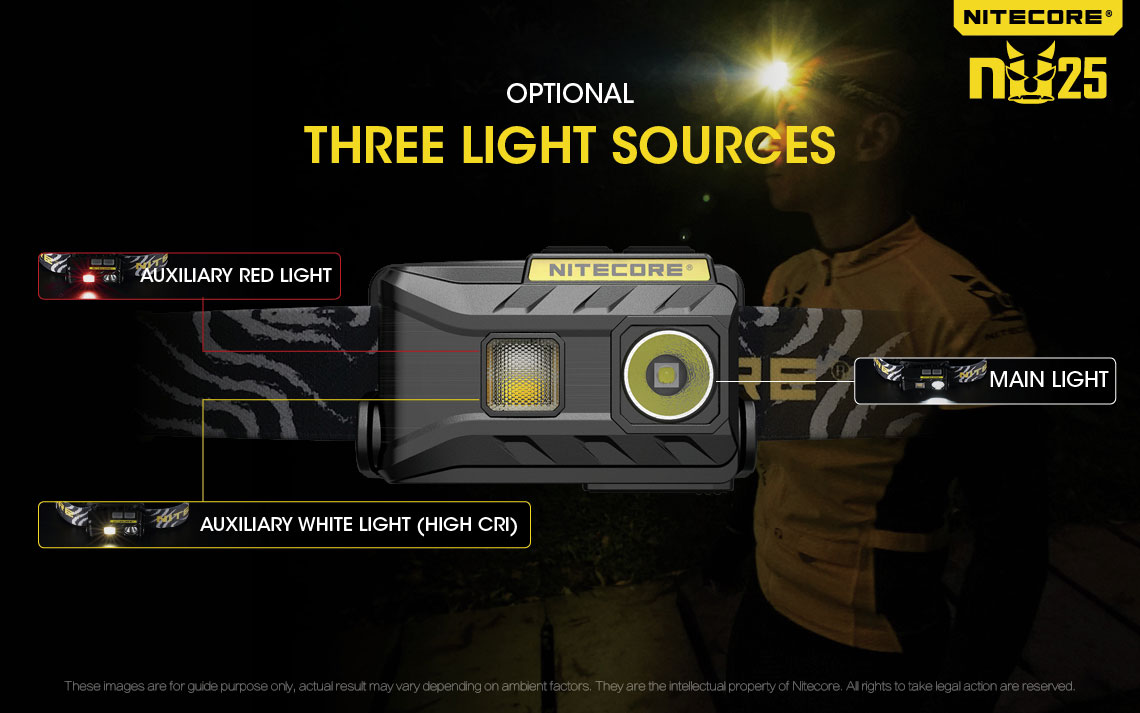
The NU 25’s main limitations are its short battery life (in our testing, the NU’s burn time was much shorter than listed) and the fact that it’s hard to keep the light from shining in your camping partner’s eyes due to its wide beam pattern.
1. Why choose trail running shoes over boots for three-season conditions?
2. When are boots preferable to trail runners?
3. “Wearing Your Fears” – Examining the commonly-held belief that boots provide a greater degree of protection for your ankles than low-cut footwear while backpacking.
4. “A Piece in the Puzzle“ – Why your choice in footwear should be considered an integral piece of an overall lightweight backpacking strategy.
5. A list of 15 of the top trail running shoes in today’s market.
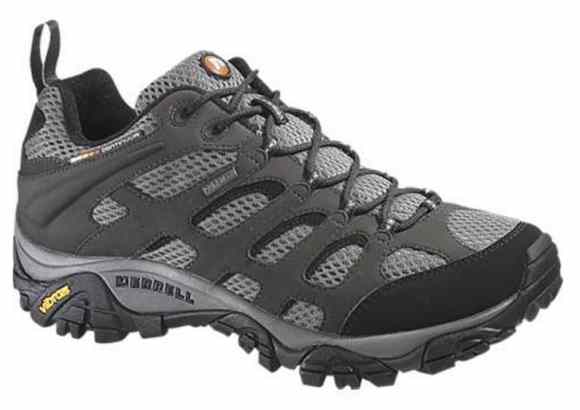
I’ve tried most everything over the years, ending up with something in-between runners and boots – approach shoes — most often Merrell Moab2 Ventilators. Normally without a Gortex layer.
I go with Merrell as they are available online in very wide sizes. I have bunions.
I go with trail shoes as I like the durability.
Cam finds he can get about 800 mi (1,287 km) out of a good approach shoe; as opposed to trail runners which normally need to be retired after 500 mi (805 km).
I’m loath to suffer stubbed toes so prefer footwear with good protection up front.
Like Cam, I wear low-cutfootwear as my ankles are healthy and I’m agile enough not to bash into rocks.
For something VERY rugged — K2 Base Camp, for example — I would take high tops or boots.
The downside of approach shoes is weight. And the smell.
After a hike where my shoes get wet I need bake them in the sun. For days.
Trump and the Republican Party have been ruthless for 4-years selling out public land to rich supporters and corporations. The Environmental Protection Agency has weakened regulations.
For example, a Judge removed Trump public lands chief —a former oil industry attorney — who’d been working in that position illegally.
Patagonia has just released The Fight for America’s Public Lands.
A feature-length documentary about America’s system of public lands and the fight to protect them.
Despite support from voters across the political spectrum, our public lands face unprecedented threats from extractive industries and the politicians in their pockets.
Part love letter, part political exposé, Public Trust investigates how we arrived at this precarious moment through three heated conflicts—a national monument in the Utah desert, a mine in the Boundary Waters and oil drilling in the Arctic National Wildlife Refuge—and makes a case for their continued protection.












 besthike.com