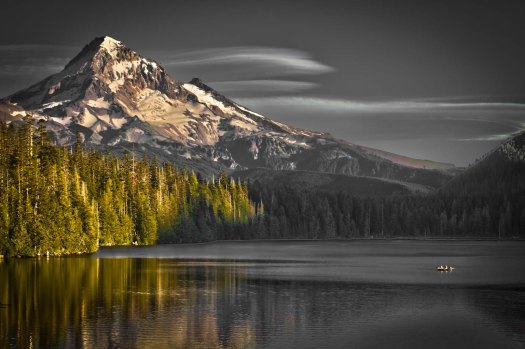
Carrie recommends this remote campground in the shadow of Mt Hood.

There’s plenty of great hiking nearby. Or you could climb Mt Hood. No gear or guide needed in good weather.
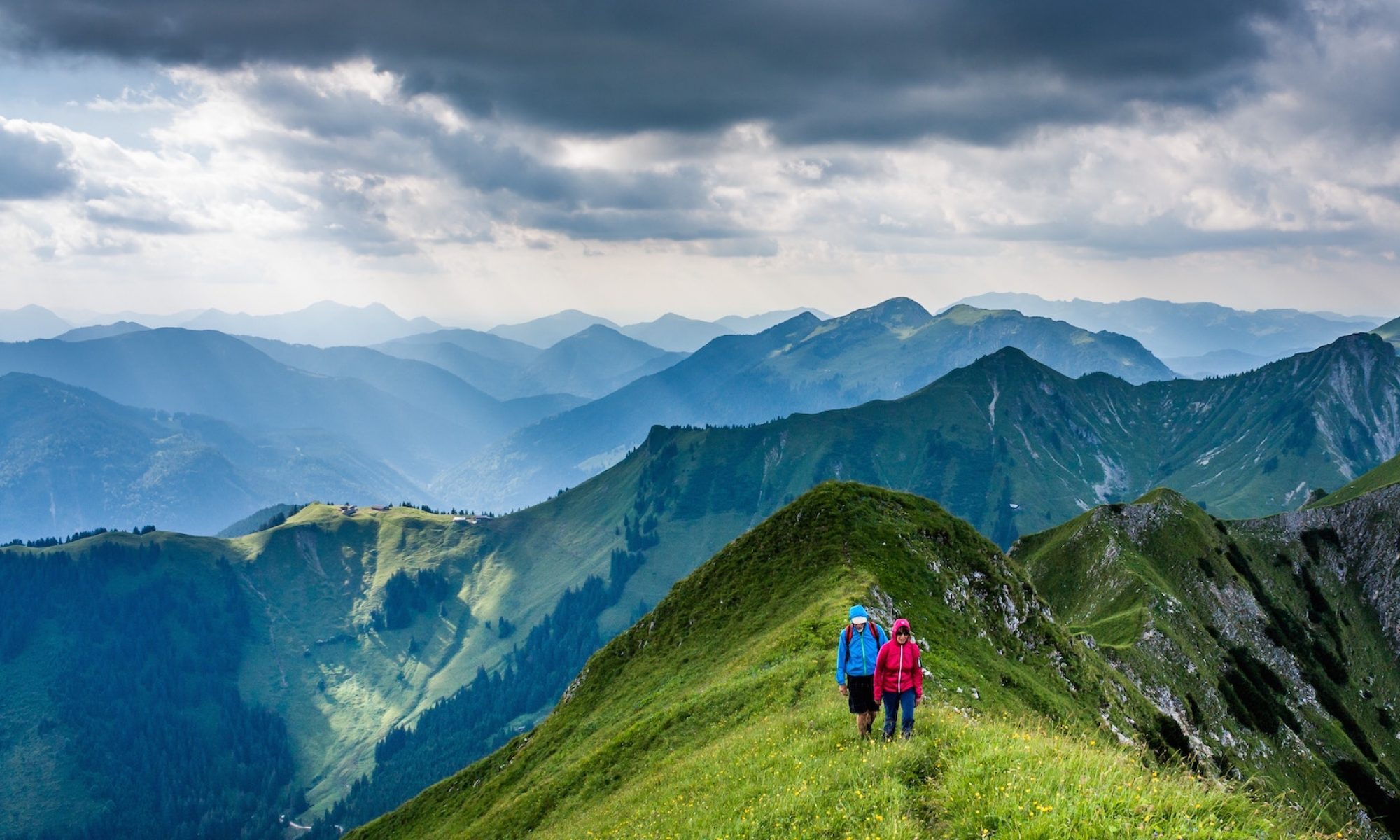

Best hikes, treks, tramps in the world.
Carrie recommends this remote campground in the shadow of Mt Hood.
There’s plenty of great hiking nearby. Or you could climb Mt Hood. No gear or guide needed in good weather.
Bob Foulkes:
I signed up, raised some money from incredulous friends, some of whom thought it cheaper to give than to have me committed, and started training.
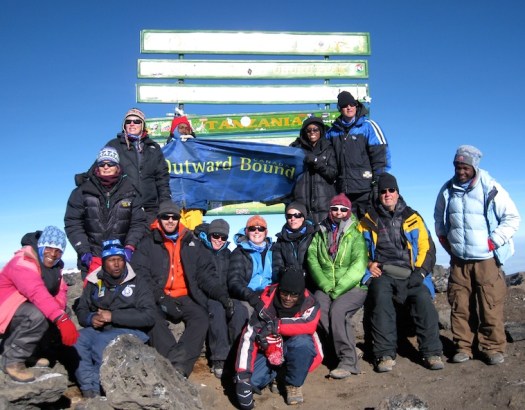
On January 13, 2014, in my 65th year, I joined the group in Amsterdam for the flight to Moshie to start the trek to summit Mount Kilimanjaro. We are 13, 10 women and 3 men, ages varying from mid twenties to mid sixties. We’ve raised almost $100,000 for Outward Bound and have paid our own way here.
Summiting Kilimanjaro is simple but not easy. …
At 5895 meters (19, 340 feet), it is Africa’s tallest peak. It demands a high level of fitness; six to eight hour days of high altitude trekking is demanding. Our well trodden trail, the longer Machame-Mweka route covers 55 kilometers that takes us up a flank of the summit and then traverses slowly across the width of the mountain to the final camp above 4800 meters; from which we strike out for the summit. The longer route allows more time for acclimatization, improving our chances of summiting. …
read more – Climbing to the top of Africa – Part 1
Bob’s book will be available soon — Off the Couch and Out the Door.
En route to Thorung La I learned something new from a doctor in Manang at the daily HRA Altitude Talk.
High-altitude adaptation has a genetic component.
Some people who live at high altitudes suffer breathlessness, palpitations and dizziness, while others have no health problems, and now a new study reveals which genes may explain the difference.
The genetic changes, described today (Aug. 15, 2013) in the American Journal of Human Genetics, allow people to take in enough oxygen from the thin mountain air without developing the heart attacks and strokes of chronic mountain sickness.
“We have ascertained there is a major genetic component that allows populations at high altitude to live better,” said study co-author Dr. Gabriel Haddad, a pediatric pulmonologist at the University of California at San Diego. …
Altitude Sickness: Genetics May Explain Why Only Some Fall Ill
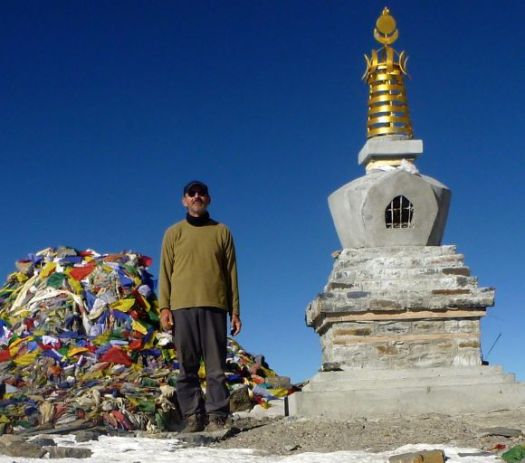
I’ve been over 5000m dozens of times, never having any altitude sickness.
Perhaps I’ve got good genes. 🙂
Read more on wikipedia – High-altitude adaptation in humans – Genetic basis:
… The underlying molecular evolution of high-altitude adaptation has been explored and understood fairly recently. Depending on the geographical and environmental pressures, high-altitude adaptation involves different genetic patterns. …
Ahmed Almaziad from Saudi Arabia started hiking 2011. And is now addicted.
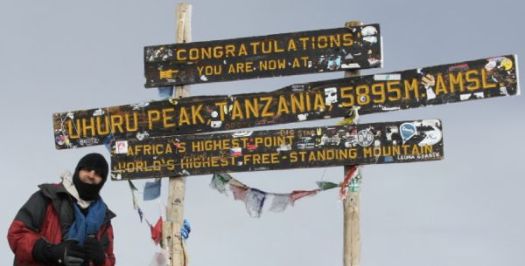
I found his Mt Kilimanjaro Rongai trip report useful.
(I’ve still not climbed the highest mountain in Africa.)
Check his Corsica GR 20 2013 (north) trip report, as well.
Like me, Ahmed found the start of the GR 20 very difficult. In face he backtracked to town to lighten his pack. And start fresh the next morning.
His blog is SaudiHiker.com.
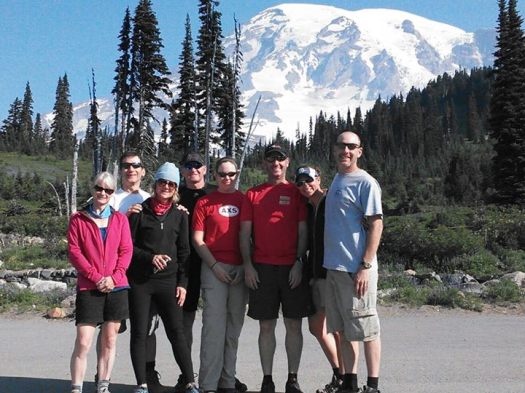
Dave Adlard, Jeni McNeil and crew enjoyed a non-rainy summit.
I hiked Huayhuash in 2004. (annotated PHOTOS) It’s my BEST HIKE to date.
Extreme.
I recommend it only to the most experienced and adventurous trekkers.
Much better is a detailed 2010 trip report by ramblin’ boy:
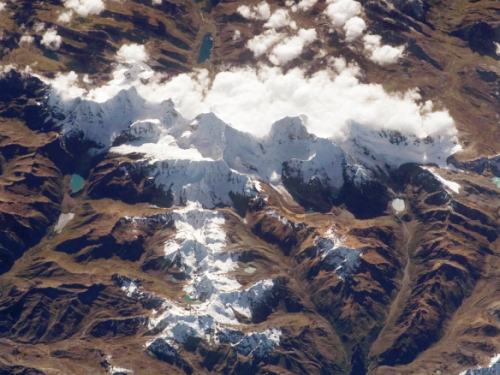
… The satellite image above shows you the mini-range of Huayhuash in the shape of a T; it is about 30 kilometers from one end to the other with six peaks over 6000 meters and a couple of dozen over 5000. It’s like walking in Sagarmatha National Park but without the prayer flags!
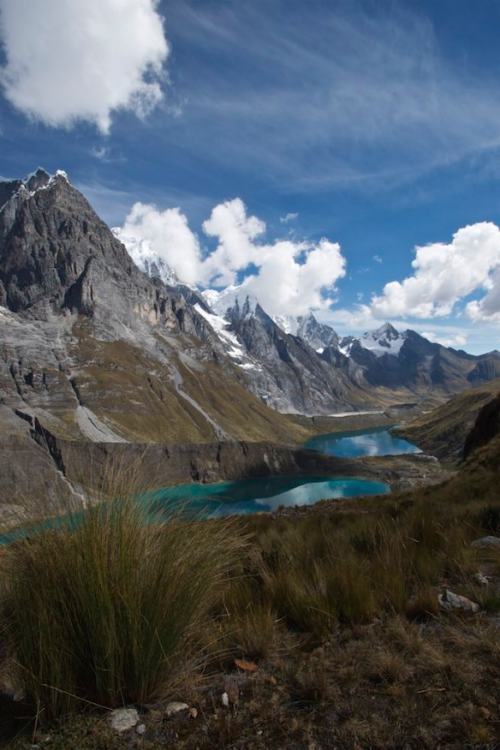
Most of the 125-km long trek is on trails above 4000m and above the tree line so you have a very stark mountain scenery. …
Our trek began with a ride to the new trail head at Llamac in a mini-bus with room for the seven clients, the two guides and cook and his assistant and a whole lot of tenting equipement and food. …
At Llamac we met the arrieros (muleteers) and their burros, all ten of them. They would carry the bulk of our stuff for us; we would walk with day packs containing rain gear, cameras, and a water bottle. I cannot imagine doing this particular trek unsupported, weighed down by all the things you’d need to bring. …
read on – The Huayhuash Circuit: South America’s Finest High-Altitude Trek
Those marvelous 15 days cost only $1350 / person. A great deal since they had a larger group.
They did the Circuit plus climbs of two trekking peaks: Pumarinri and Diablo Mudo.
Sweet.
Check our Huayhuash information page.
Updated January 2019.
 #1) West Coast Trail, BC, Canada
Be the first to hike those 10 in series in 5 months.
#1 New Zealand
#2 Southwest USA
#3 The Rockies
#4 Sierra Nevada USA
#5 Central Andes
#6 Patagonian Andes
#7 Nepal
#8 Australia
#9 The Alps
T #10 Indian Himalaya
T #10 Dolomites
New Zealand is #1 for us. But the wealth of options in North America make it a more compelling destination for most.
#1) Queenstown, New Zealand
#2) Huaraz, Peru
#3) Namche Bazaar, Nepal
#4) Cortina, Italy
#5) Chamonix, France
#6) Banff, Canada or Canmore, or Jasper
#7) Grindelwald, Switzerland
#8) El Calafate / El Chaltén Argentina
#9) Zermatt, Switzerland
10) Moab, Utah
More candidate towns.
#1) West Coast Trail, BC Canada
#2) Otter Trail, South Africa
#3) Abel Tasman Track, New Zealand
#4) Lost Coast Trail, California
#5) Thorsborne Trail, Australia
#7) Kalalau Trail, Kauai, Hawaii
#8) Pembrokeshire Coast Path, U.K.
#9) South Coast Track, Tasmania
10) Great Ocean Walk, Australia
More candidate coastal hikes.
#1) Mt. Kilimanjaro, Tanzania 5895m
#2) Cotopaxi, Ecuador 5897m <wiki><pb><sp>
#3) Imja Tse (Island Peak), Nepal 6189m <wiki><pb><sp>
#4) Mera Peak, Nepal 6476m <wiki><pb><sp>
#5) Chimborazo, Ecuador 6263m <wiki><pb><sp>
#6) Huayna Potosí, Bolivia 6088m <wiki><pb><sp>
#7) Misti Volcano, Peru 5822m
#8) Stok Kangri, India 6153m <wiki><pb<sp><trip><video><info><trip>
#9) Mt. Rainier, USA 4392m <wiki><pb><sp>
#10) Mont Blanc, France 4810m <wiki><pb><sp>
Aconcágua, Argentina 6,960.8m can be a walk-up. But not many would be willing to call it a trekking peak. 🙂
Trekking peaks are mountains under 7,000 metres (22,970 ft) climbable by anyone with a moderate amount of mountaineering experience and minimal gear.
Others considered for the top 10:
Thanks to Kraig Becker, the Adventure Blog, for help on the trekking peak section.

 besthike.com