My own strategy to avoid friction — to reduce blisters — is to wear oversizeshoes, but tied tight to the ankle. I also buy the widest hiking shoes I can get.
If you haven’t found a system that works for you, start with understanding the mechanism of how and why blisters form.
Friends are planning to travel Peru in May / June 2022. Hiking will be part of that adventure.
They’ll bring tents, gear and sleeping bags, looking to hike independently as much as possible.
Both are experienced in the Rocky Mountains. Peru trails can be higher — but I’d consider them no more difficult. Weather is always a factor. I’d recommend they book nothing in advance.
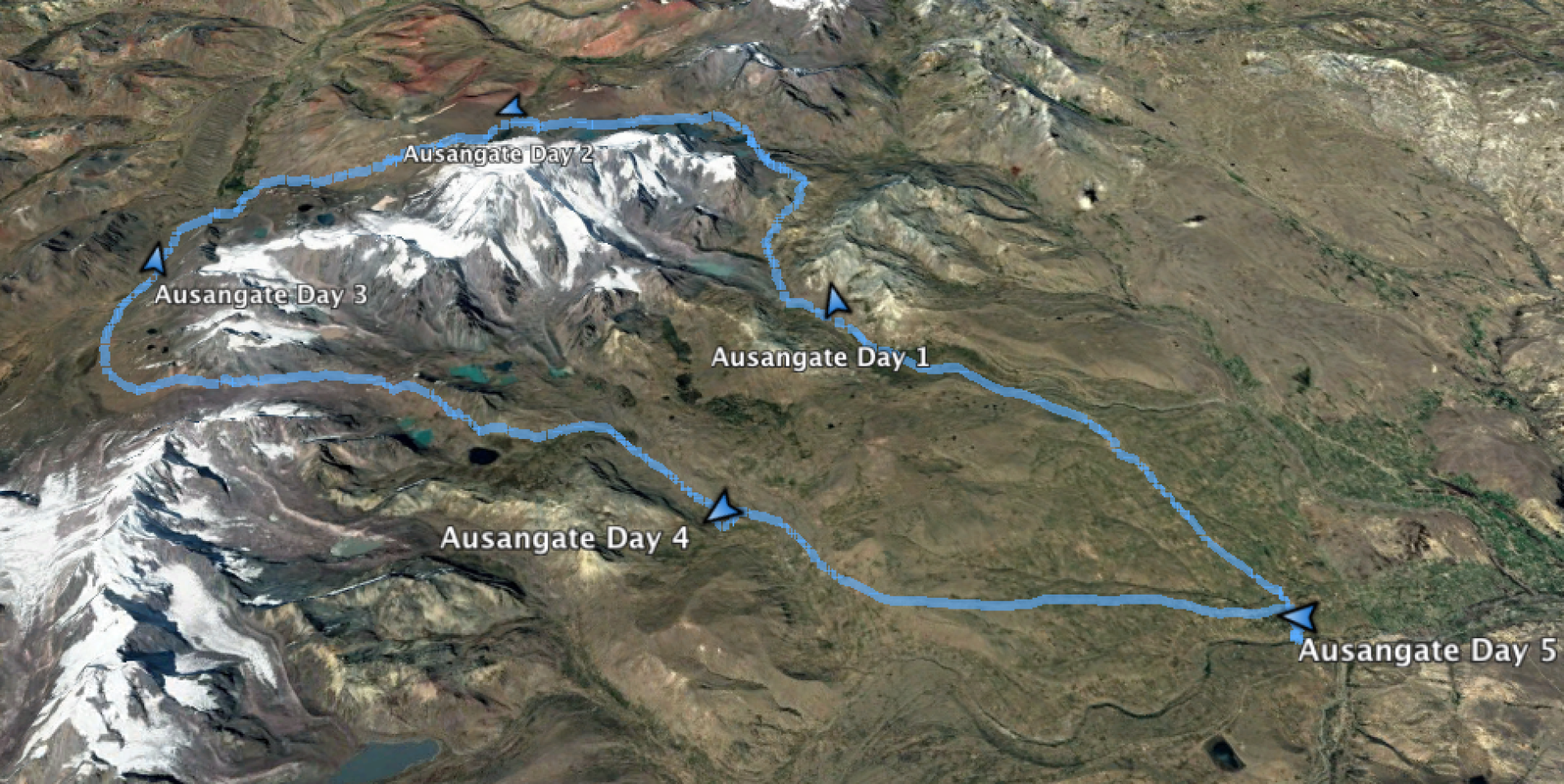
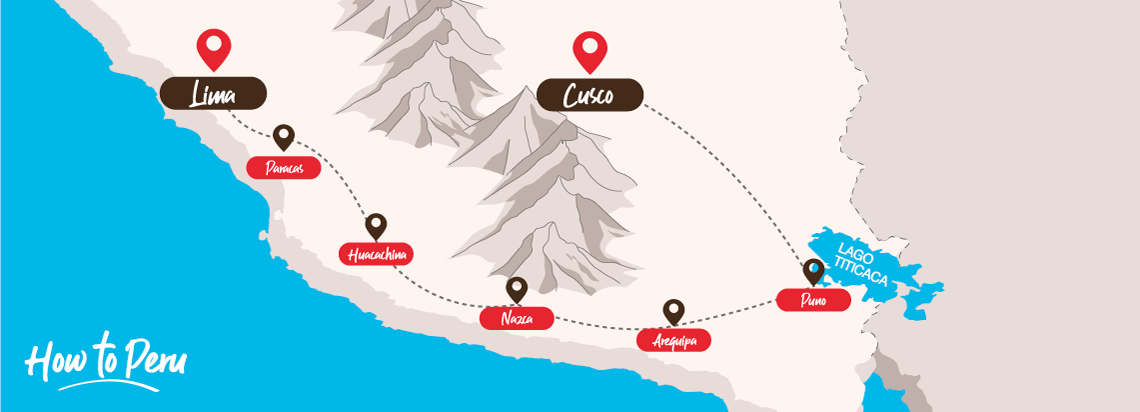
Our #1 independent hike in Peru is Ausangate Circuit and Rainbow Mountains out of Cusco. They’d fly into and acclimatize in Cusco 3326m (10,912ft). Next head for Machu Picchu.
Our favourite hike to Machu Picchu is Salkantay. (Even better would be Choquequirao to Machu Picchu — but that might be difficult to do independently. One guided 7-day adventure for 2 people would cost USD $2275 each.)
I’m recommending they instead take the bus Cusco to the Ollantaytambo ruins. Stay there one night. Then take the train to Aguas Calientes. Walk up to Machu Picchu – 6 kilometres (3.7 mi) in about 90 minutes. Best is to walk in the early morning to arrive at the gates before the tourist buses.
So … Cusco and Machu Picchu to acclimatize. Their first hike would be Ausangate , about 100km south of Cusco.
Next they’d head south towards Lake Titicaca on the well trod Gringo Trail. There are many tourists stops en route.
From the lake they are hoping to detour into Bolivia. La Paz and the local attractions.
For hiking, I’m recommending they bus up to the mountain town of Sorata, Bolivia. Speak to locals on recommended hiking options.
Returning to Peru they’d continue up the coast towards Lima.
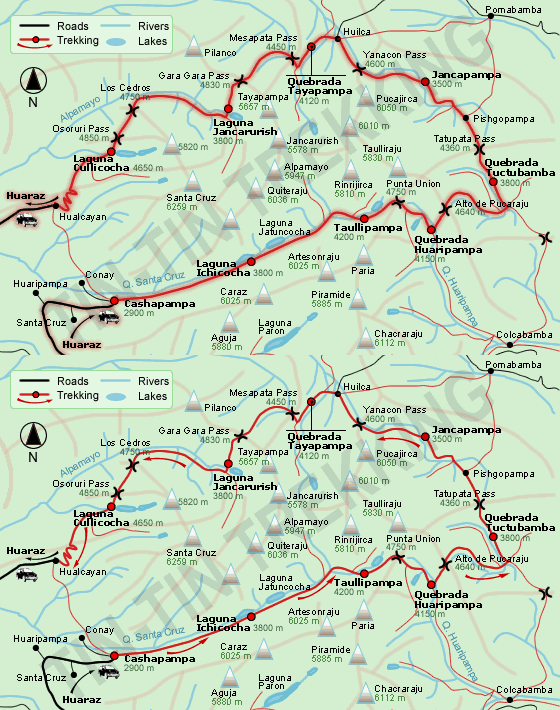
Then set off for the very popular Santa Cruz trek.
If time and energy allow, they could resupply and continue immediately on the Alpamayo trek.
Ultimately my personal favourite hike in Peru is the long and challenging Huayhuash Circuit near Huaraz. But it’s not easy to do independently. We hired a mule driver / guide and were happy we did so.
I’ve made hundreds of flight over the years with camping stoves in both carry-on and luggage — and only really had problems in New Zealand. They are VERY strict on all camping equipment, not wanting to introduce foreign pests.
But in 2021 I’ve had stoves questioned twice. The were not confiscated.
Friends had stoves taken and not returned!
Air Canada last week — for example — took my very clean JetBoil and had to have it approved by SOMEBODY before I could take it on the plane.
Variant no. 2 may be the easiest, but it leads through the roads used by cars, which may be tiresome.
Variant no. 1 is more demanding.
Variant no. 3 is the fastest traverse from all of the options. Going east-west requires more time and planning, and it is combined with bigger difficulties (less roads, more paths and sometimes the wilderness, crossing the rivers, long distances with no water). Choose it, if you are sure of your skills and you can survive far away from people. …
The biggest surprise for me on the sunny 😎 John Muir Trail 2021 was the number of hikers wearing sun-hoodies rather than the more traditional button down shirt, buff and/or bandana (that I was wearing).
Sun-hoodies are particularly popular with the ladies.




 besthike.com