
Helly’s LifaLoft jacket – my review

Kraig Becker sent me an early prototype of a Helly Hansen LifaLoft jacket for my 2019 trip to Patagonia. I wore it non-stop for a couple of months cycling and hiking in wet, windy and sometimes cold weather.

LIFALOFT™ is not down. It’s arguably lighter and warmer.

The idea is to trap a maximum amount of air in a small space. And due to the hydrophobic properties of LIFA®, LIFALOFT™ has an inherent water repellency that should keep you warm, even when wet.

It worked for me as advertised.

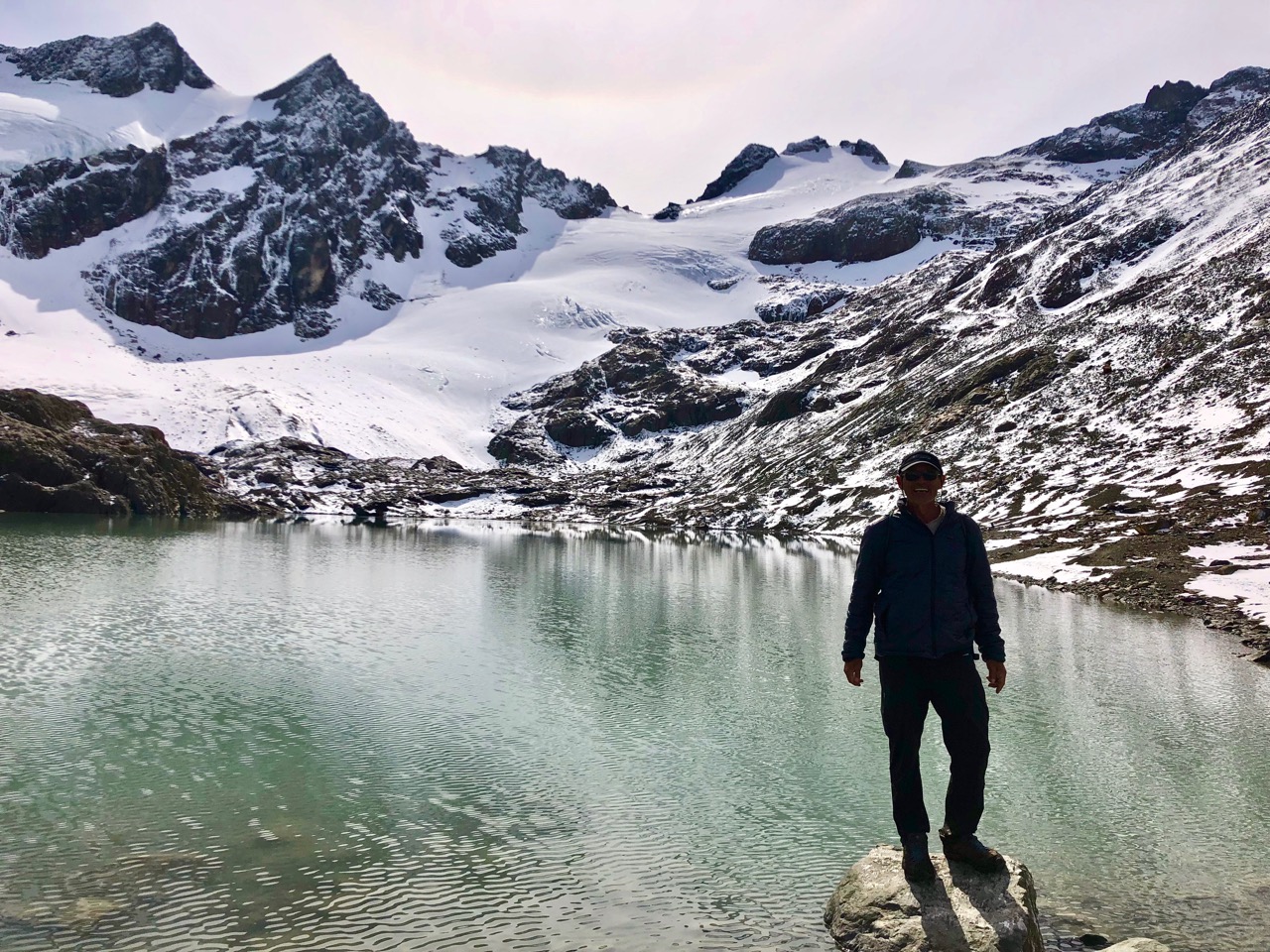
Glacier Vinciguerra, Ushuaia, Argentina

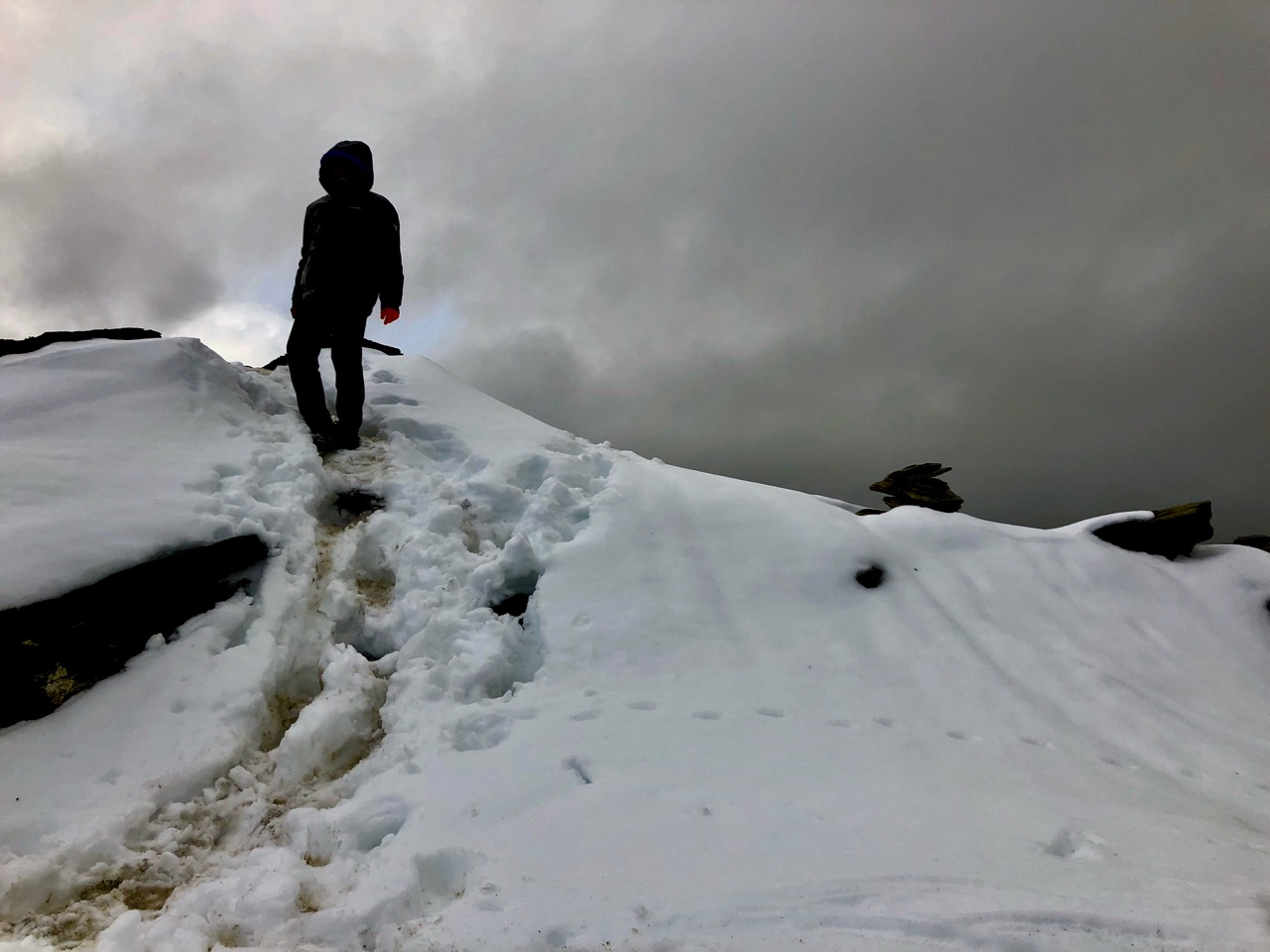
Cerro Guanaco trail, Tierra del Fuego National Park, Argentina under a rain shell

The best test came when I got caught in a surprise downpour while hiking without my shell. I was worried.

But next morning the LifaLoft looked and felt 100% perfect.

UPDATE:  I bought two more LifaLoft jackest – in different colours and sizes.  I often wear two rather than a heavier down jacket.  

I machine washed and dried one jacket.  It come out looking like new. 

Kraig sent me this to replace my FAILED Columbia OutDry down jacket. It was useless after 7 months.

The Helly Hansen is far superior. The Colombia failed — I think — because it couldn’t handle being frequently compressed into a stuff sack. The HH LifaLoft seems much more durable.

In Patagonia Helly Hansen is the go-to brand for serious sailers and outdoors-people. Developed in Norway, HH is tested under the worst weather conditions.

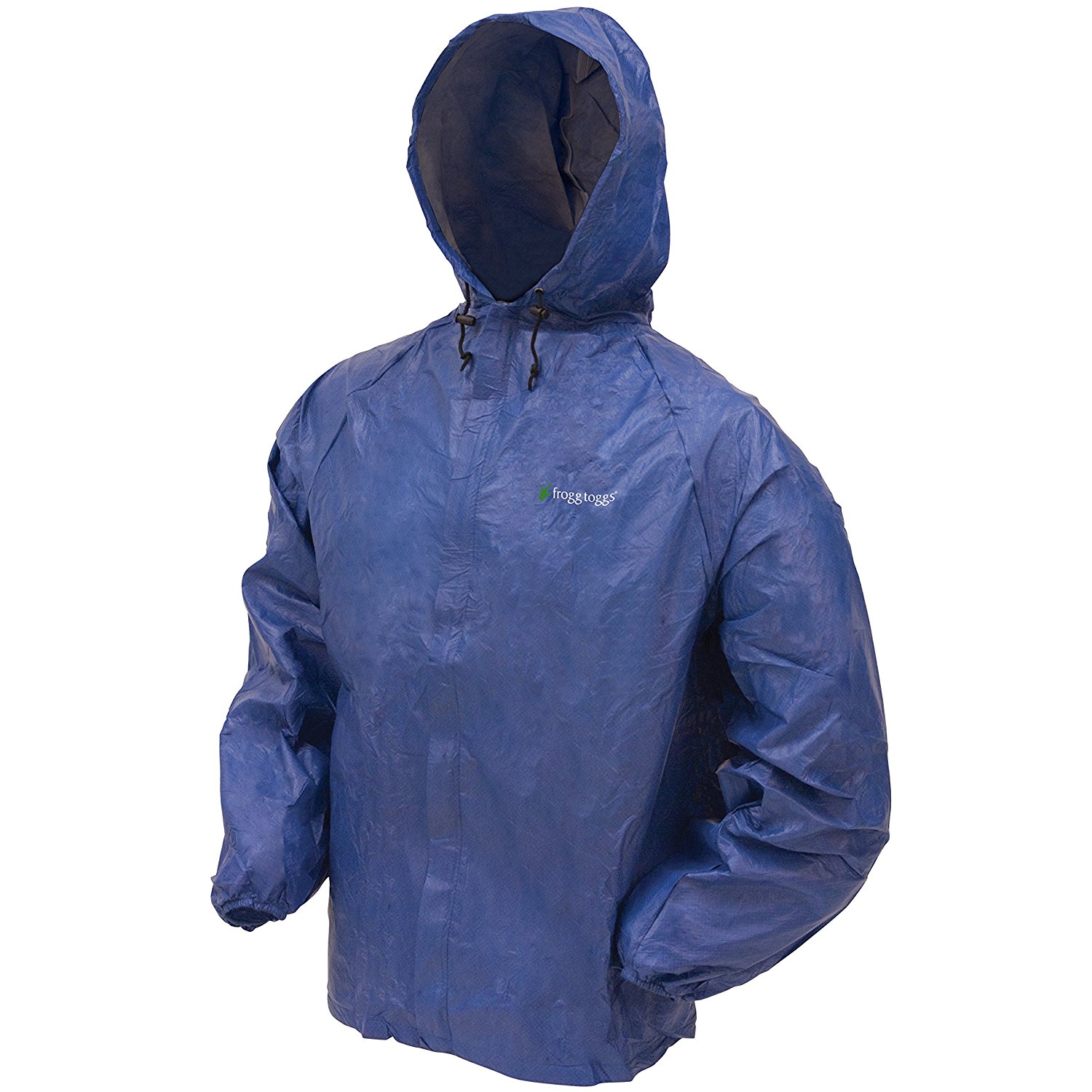
For future hikes in moderate weather where weight is a big consideration, I’ll be carrying the LifaLoft and just a waterproof ultra-light Frogg Toggs shell.

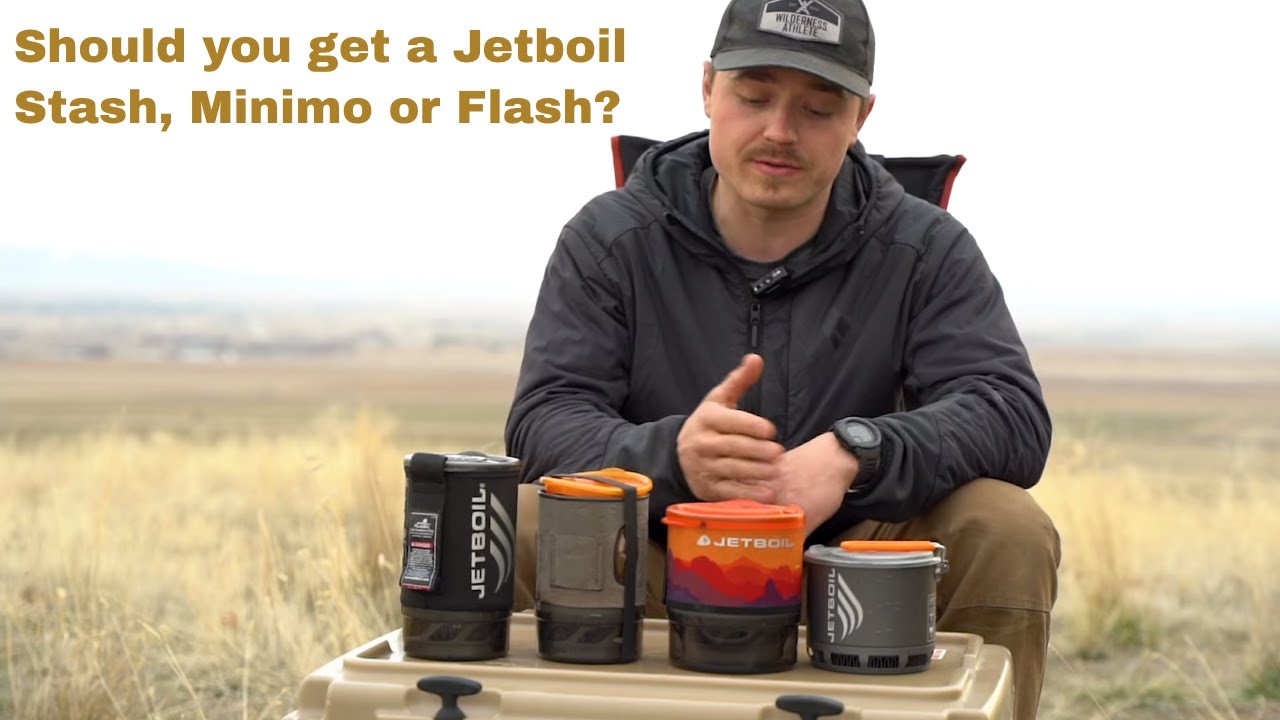
My new Jetboil Stash

I’m won over. I’ll take the Jetboil Stash over any of my other hiking stoves for any adventure where weight is a consideration.

What I like:

  • weight 7.1 oz (without fuel)
  • size ~ compact nesting design
  • pot can quickly and easily be removed from the flame (in case of boiler)
  • 100gm fuel canister snaps into the lid

Considerations:

  • no auto-igniter
  • you might need to carry an additional bowl for mixing your dinner with the boiling water
  • 2.5 minute boil time seems a bit long for that volume of water

Details.

Click PLAY or watch it on YouTube.

John Muir Trail Hiker’s Survey

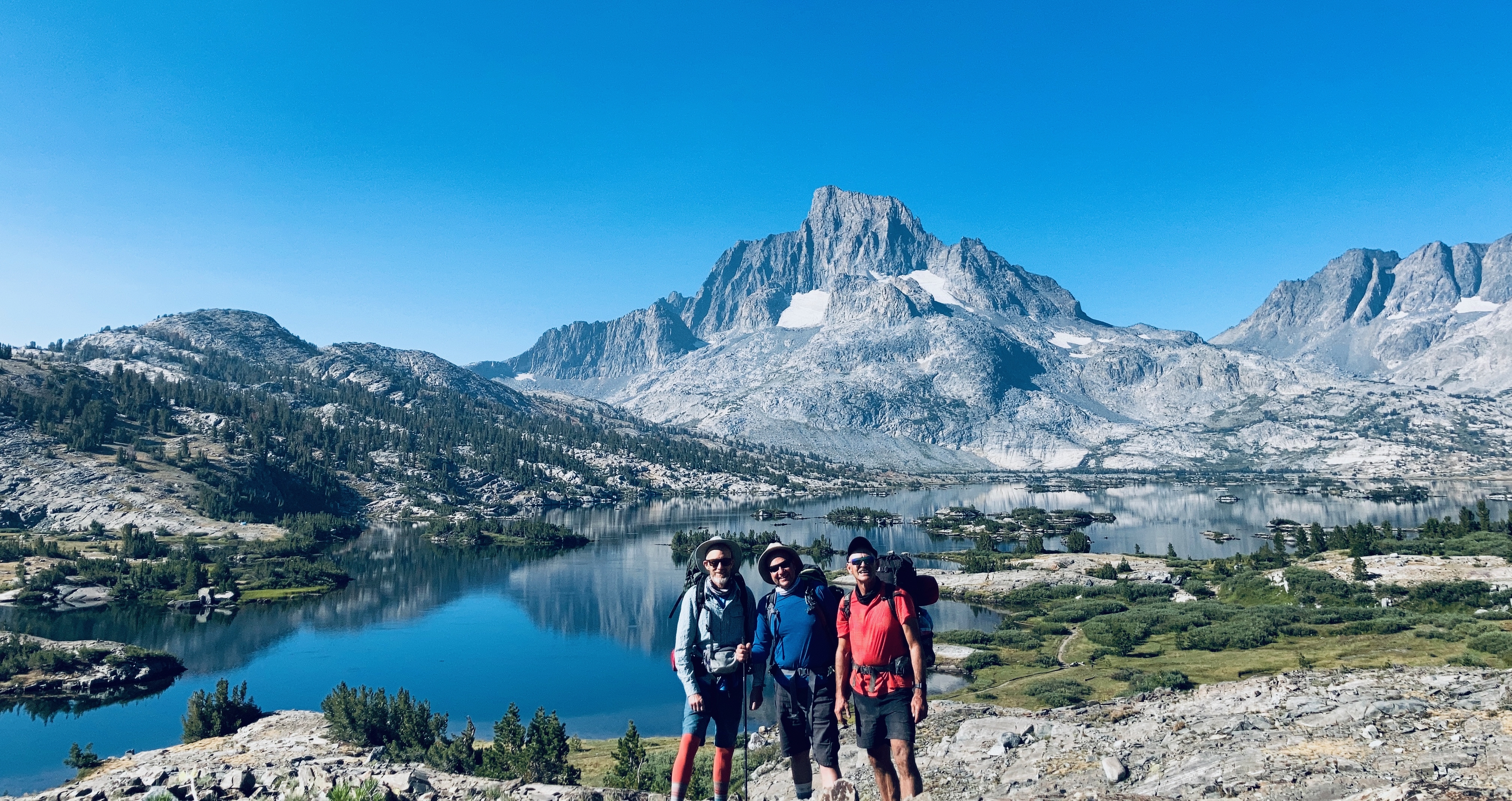
I did the JMT in 2021 so was even more interested than usual in Mac’s data from surveying 119 hikers.

Average age 39.

78.5% white.

$1679 = cost for the adventure. Average 19.6 days.

Average pre-hike backpack base weight = 22.34 pounds.

Favourite section = Evolution Basin.

Read the full report:

John Muir Trail Hiker Survey (2021)

What Causes Blisters?

My own strategy to avoid friction — to reduce blisters — is to wear oversize shoes, but tied tight to the ankle. I also buy the widest hiking shoes I can get.

If you haven’t found a system that works for you, start with understanding the mechanism of how and why blisters form.

Click PLAY or watch it on YouTube.

Airlines and Camping Stoves 😕

BE WARNED

I’ve made hundreds of flight over the years with camping stoves in both carry-on and luggage — and only really had problems in New Zealand. They are VERY strict on all camping equipment, not wanting to introduce foreign pests.

But in 2021 I’ve had stoves questioned twice. The were not confiscated.

Friends had stoves taken and not returned!

Air Canada last week — for example — took my very clean JetBoil and had to have it approved by SOMEBODY before I could take it on the plane.

Here’s the Air Canada policy on that.

Here’s some advice from Backpacker magazine.

And some advice from CyclingAbout.

And advice from MSR.

I’m flying to Europe Nov 1, 2021 with a NEW camping stove in the box. In my carry-on.

Photo by Vanessa Garcia on Pexels.com

My NEXT Backpacking Stove – the Stash

JetBoil has finally perfected the hiking stove. It’s called the STASH.

When my MiniMo (orange) finally retires, I’ll switch to the smaller, lighter Stash.

UPDATE. I just bought the Stash for my upcoming trip to Portugal.

I’ll fly with it in the box — unused — so the airline can’t claim it’s a flight hazard.

Read Adventure Alan’s detailed review.

Click PLAY or watch it on YouTube.

Inflatable Pillow for the Tent

One option is the Drift Camp Pillow from Klymit.

BUT the regular size is 19 oz / 540 g. Bulky and heavy.

Click PLAY or watch it on YouTube.

For many years I’ve been sleeping well with an Uberlite small sleeping pad as my pillow, wrapped in a shirt.

Much smaller and lighter at 6 oz than the Drift Camp 19 oz. BUT much more expensive.

I partially inflate the Uberlite. And stuff it with clothing. An adjustable-sized comfortable pillow. Good fully inflated sitting up reading, as well as partially deflated for bed.

I sleep on a (more durable) NeoAir short. If it ever starts leaking, my “pillow” is my back-up sleeping pad.

Oops – In this photo I have the Uberlite and NeoAir swapped from their usual positions.

IF I were to switch, I’d want something that weighed less than 6 oz.

Perhaps one of the Sea to Summit AEROS pillows. If you use a sleeping bag with a hood, it will probably stay inside even if you roll over side-to-side.

Click PLAY or watch it on YouTube.