Dientes de Navarino Circuit

Dientes de Navarino are a mountain range in Navarino Island, Chile, located just south of Puerto Williams, along the Beagle Channel coast.
The Dientes Circuit is recommended as one of the best hikes in the world.

Dietes map

Also known as:

* Isla Navarino Circuit
* Circuito Dientes de Navarino
* the teeth of Navarino

Victory Cruises

Charming, entertaining and original, be sure to watch this video trip report by rlciq from Brazil before heading to Patagonia for the Teeth of the Navarino.

This is the true last trek on earth! High mountain on low altitude. Few people. Lots of beavers. Amazing landscapes. No fee. Perfect balance between challenging and fun!

Click PLAY or watch part 1 on Vimeo.

Click PLAY or watch part 2 on Vimeo.

Check out Dientes information page.

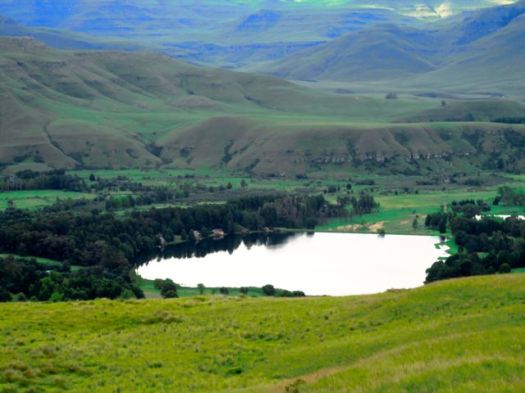
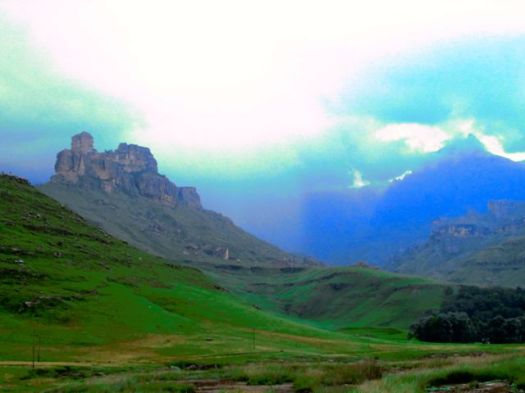
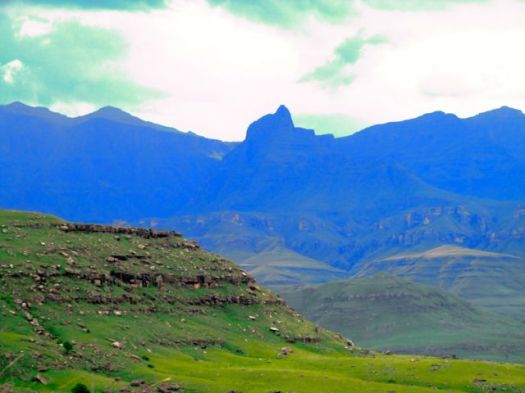
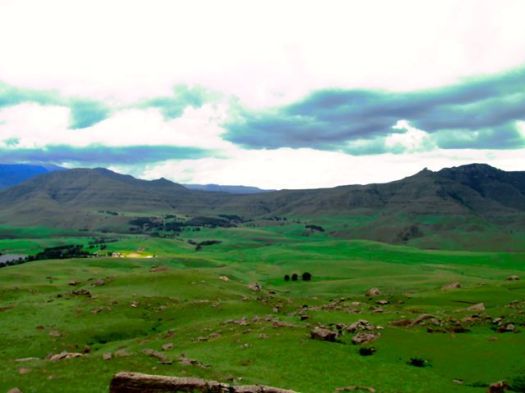
Giant’s Cup Trail, Drakensberg – day 3

Trip report by site editor Rick McCharles.

day 1 | day 2 | day 3

Easy day. Only 12km to finish the Giant’s Cup Trail at Bushman’s Nek Hut.

I departed Swiman hut late.

Glorious. Glorious.

IMG_0362

IMG_0338

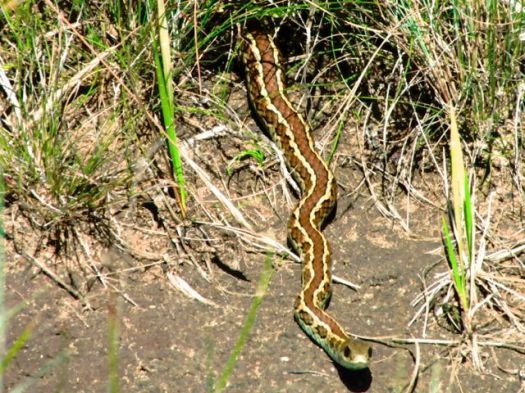
Skies were clear. The landscape empty aside from me. And THIS GUY.

IMG_0340 IMG_0342

I later did some research … but couldn’t confirm the species. Leave a comment if you know.

Again, each time I got saw some significant shade, I cooled off.

IMG_0346

IMG_0345

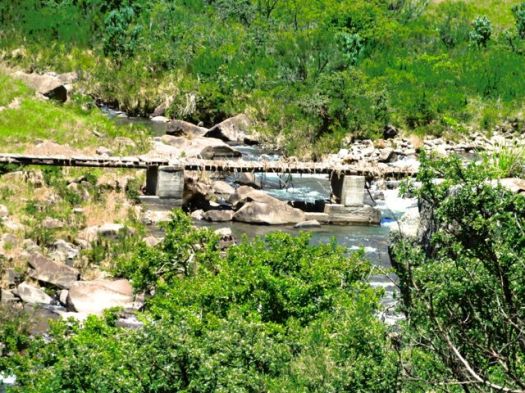
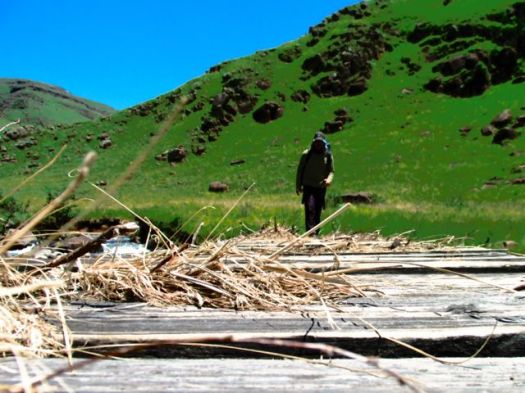
This crude wooden bridge had obviously flooded recently.

IMG_0354

IMG_0355

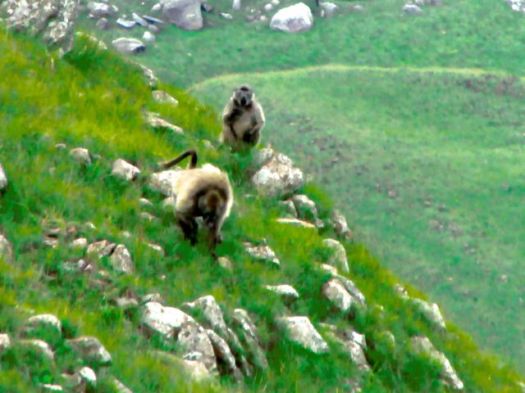
BABOONS!

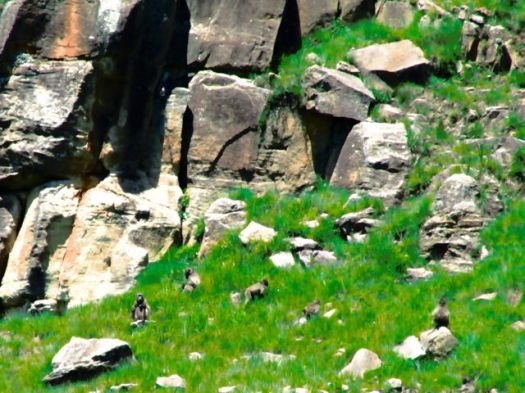
This afternoon I saw 4-5 different troops of Baboons in the distance.

IMG_0348

This was my best photo.

IMG_0375

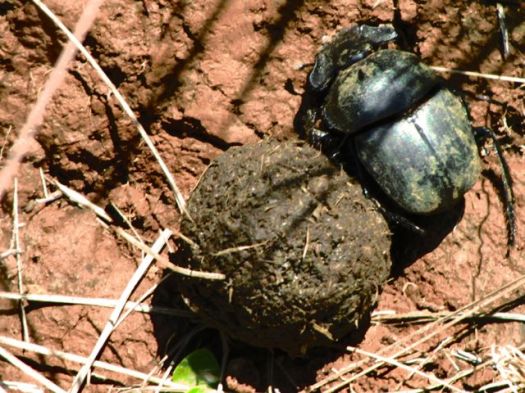
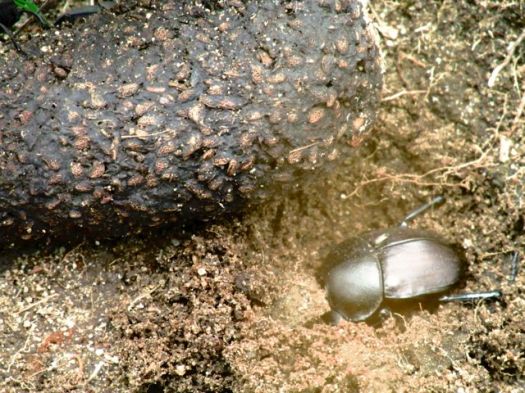
DUNG BEETLE!      … Actually, there are plenty of Dung beetles on this trail.

IMG_0359

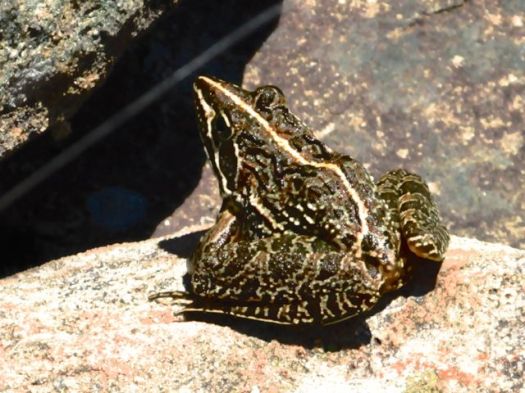
Frog.

IMG_0368

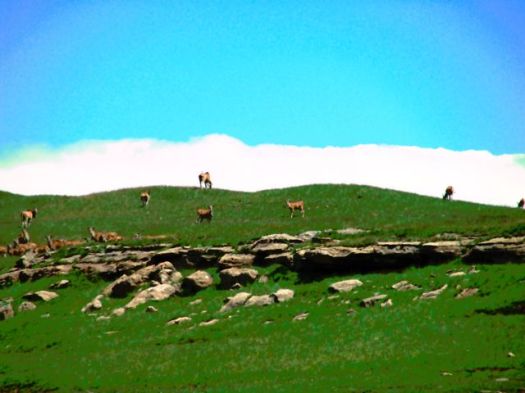
I had great views of a big herd of Eland.

IMG_0369

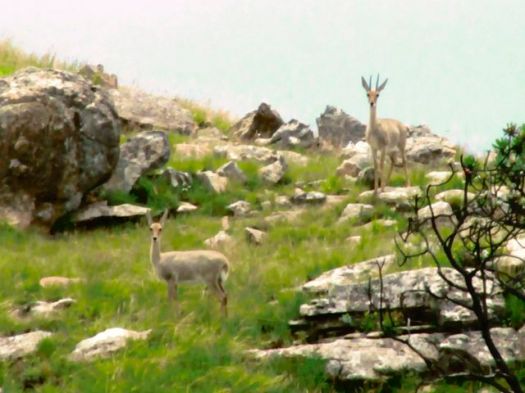
And again saw grey rhebok.

South Africa is a hot, dry country. But there’s no shortage of water in the Drakensberg during the rainy season.

IMG_0364

Civilization.

IMG_0373

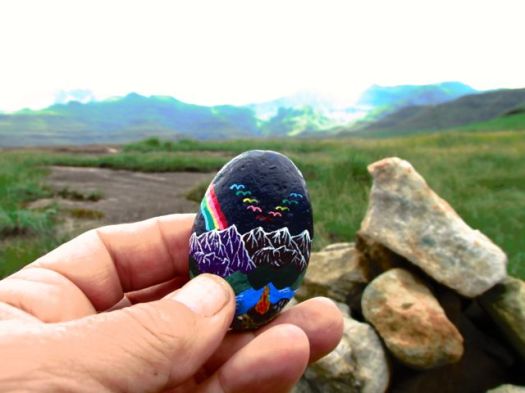
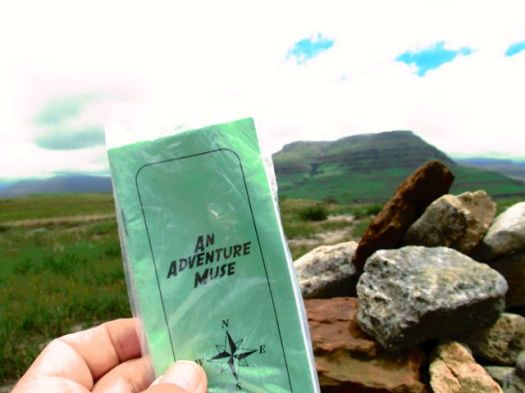
I’d held on to a Summit Stone for the entire trip, waiting on some “highlight” of the Giant’s Cups Trail.

IMG_0376 But there was no one highlight. The Giant’s Cup is all good. I left this one in the final cairn before dropping down to Bushman’s Nek.

IMG_0349
I saw a sign pointing to Bushman’s Nek hut, but ignored it as the trail looked faint.

Instead I stayed on the trail more trodden.

Turned out that took me to the KZN Wildlife office. I had to backtrack about 1km in the rain.

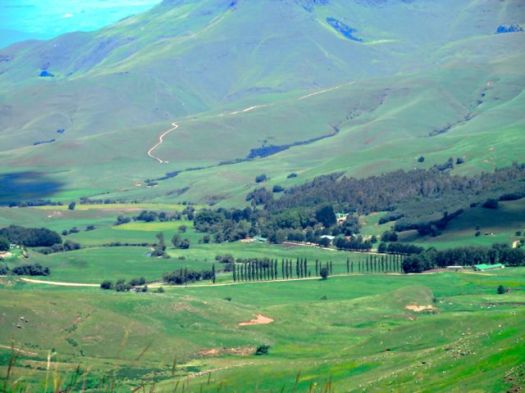
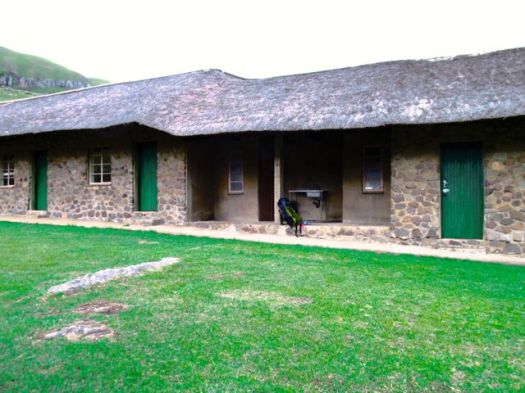
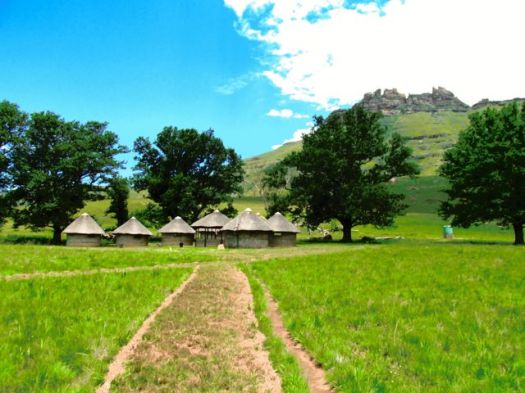
Alone again. Bushman’s Nek hut is in a very pretty location.

IMG_0379

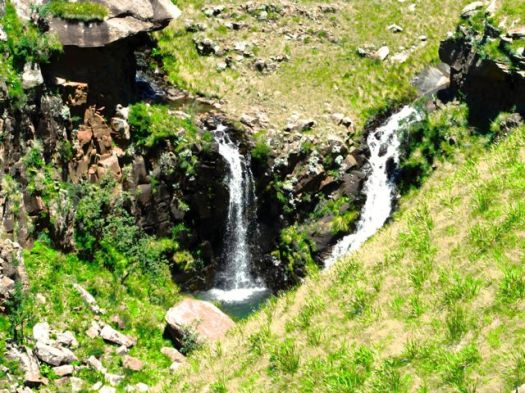
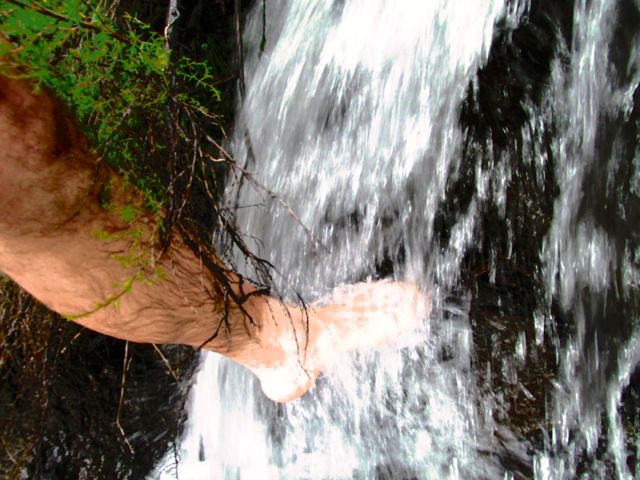
It was nice to wash my dusty, hot feed in the nearby waterfall.

IMG_0382

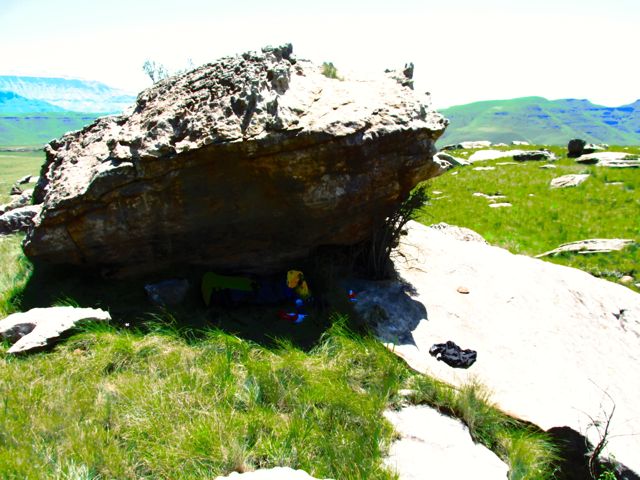
Rather than sleep under a roof, I again set up my tent under cover. And watched the night fall.

IMG_0383

IMG_1373

more photos from this day
___
Logistics

Next morning the KZN Wildlife office called a bush taxi from a local hotel. It took me to Underberg town for about $50 (expensive).

I was there for about 4hrs waiting for the mini-bus to Pietermaritzburg to fill. Though tourists are often advised not to take the local transport, in Underberg they are fairly used to shuttling hikers out from the Giant’s Cup.

You might consider starting at Bushman’s Nek and hiking to Sani Backpackers or Sani Pass Hotel. Travel logistics would be easier and cheaper if you don’t have your own vehicle.

If you wanted to hire a guide, I’d recommend booking through Drakensberg Adventures.

related:

Drakensberg Tourism

Giant’s Cup Trail Run 2014

• EKZ’s Giant’s Cup Trail page

• my hiking guidebook – Cicerone Walking in the Drakensberg

day 1 | day 2 | day 3

Giant’s Cup Trail, Drakensberg – day 2

Trip report by site editor Rick McCharles.

day 1 | day 2 | day 3

Between low clouds, the morning dawned blue, sunny, HOT.

IMG_0334

IMG_0335

This was the prettiest of the three days.

IMG_0329

IMG_0330

IMG_0331

This day I again saw a “wild dog” with one or two young ones. Unfortunately I wasn’t quick enough to zoom the camera in time.

Locals told me they were most likely hyena.

I covered up from the strong sun.

IMG_0332

IMG_0333

IMG_0320

Arriving Winterhoek hut under the trees.

Hikers are advised to lock everything up against baboon and eland.

IMG_0321

IMG_0322

I had lunch here, in the shade.

IMG_0313

My biggest problem on the Giant’s Cup was the strong January sun. Locals thought I was crazy to be hiking in the hot, rainy season. I rested at as many shady spots as possible.

IMG_0328

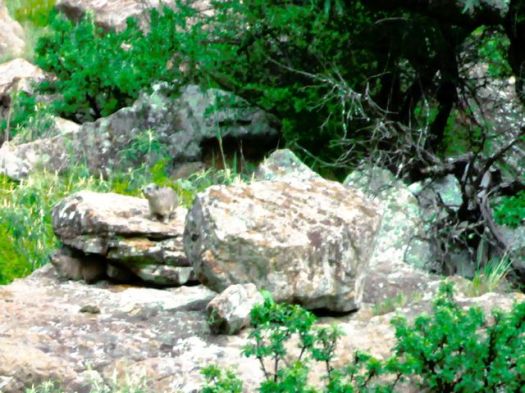
I was surprised not to see more Dassie. This was one of the few I spotted.

IMG_0326

Late afternoon I slapped at something biting me under my pants. Turned out I’d killed a tic, the first that had ever bitten me. Contrary to common wisdom, I’d kicked it. After that I was quite ‘tic vigilant’. They can carry disease.

IMG_0323

I arrived Swiman hut at dusk, quite exhausted. Too exhausted to set up my tent, I crashed into a bunk. After I enjoyed a HOT SHOWER.

Again I was the only hiker in the hut that night.

I did see a caretaker next morning on my way out.

IMG_0336
more photos from this day

day 1 | day 2 | day 3

Giant’s Cup Trail, Drakensberg – day 1

Trip report by site editor Rick McCharles.

day 1 | day 2 | day 3

One of Lonely Planet’s South Africa’s top five multiday hikes:

The Drakensberg Mountains, rising to 3482m (11,423ft) on the Lesotho border, are one of Africa’s greatest hiking destinations.

Numerous day and overnight walks crisscross this World Heritage Site …
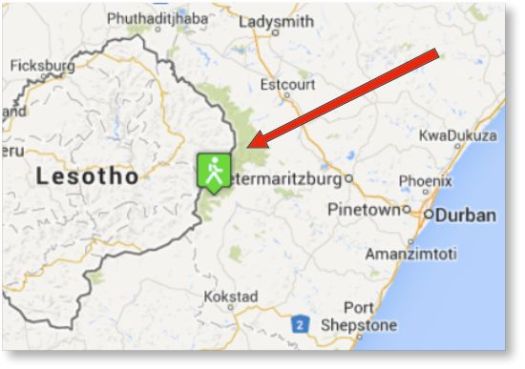
map

Closest major city is Durban.

The famous path starts in appropriately grand fashion at the foot of Sani Pass, South Africa’s highest mountain pass. Passing through the Drakensberg foothills, the trail takes in the Bathplug Cave with San rock art, streams and pools for swimming and breathtaking mountain scenery.

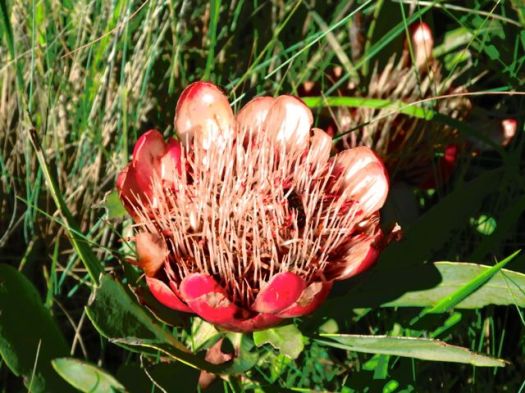
The Giant’s Cup (3256m/10,682ft), from which the trail gets its name, overlooks the Cobham Nature Reserve’s shimmering expanses of grassland, upland lakes, rivers jumping with trout and slopes carpeted with pink proteas. At the southern tip of the Drakensberg, the Garden Castle Nature Reserve is overlooked by sandstone buttresses, caves and the 3051m (10,009ft) Rhino Peak.

The trail ends at Bushman’s Nek Pass, where you can continue into Lesotho on foot or horseback, or unlace your boots in nearby Underberg or Himeville.

The basic 30-person sleeping huts have bunk beds with mattresses, and waking among cairns and circling eagles is an uplifting wilderness experience. With daily distances ranging between 9km (5.6mi) and 13km (8mi), it’s not a strenuous hike and can be managed by younger walkers.

Russell Suchet, author of A Backpackers Guide to Lesotho, is owner of Sani Backpackers where I started.

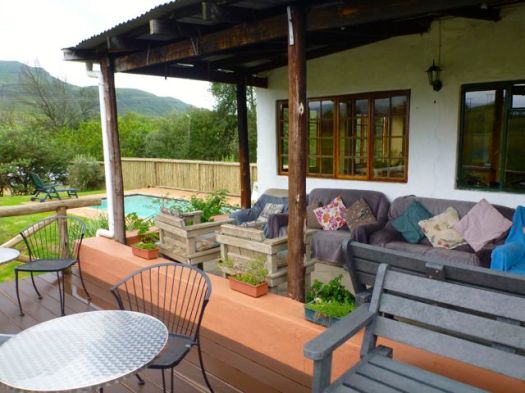
P1270075

P1270076

Russell and staff agreed that the Giant’s Cup was relatively “tame” for someone of my experience. With a tent.

But I loved it anyway. 🙂

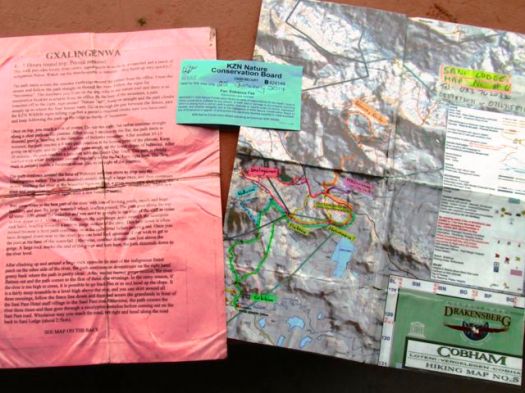
Inexperienced in the Drakensberg, I took every precaution. I purchased maps #5 and #6 ($5ea at Sani Backpackers). And picked up the free “Giant’s Cup Trail Visitor’s Guide” trail description at the KZN Wildlife office at Pholela Hut.
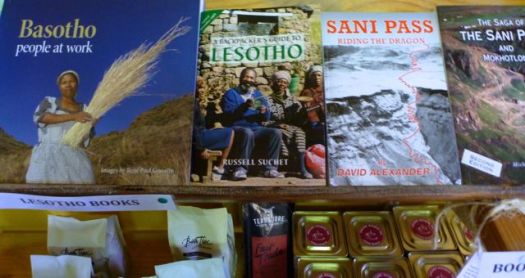
P1270080

Hiking alone, it would have been nice to have a phone in case of emergencies. There is mobile service on most of the route. But I hadn’t bothered to pick up a SIM card for my Canadian phone. 😦

I paid about $8 / night to stay in the huts — even though I carried a tent.

Happy to support the KZN trail system, I wanted the OPTION to stay in the huts if necessary. If it poured rain, for example. It pours rain nearly every afternoon in January.

I carried too much food, adding home made cheese from Sani Backpackers.

I skipped the first 5km as I’d done it the previous day. Here are a few photos starting at Gxalingenwa Cave.
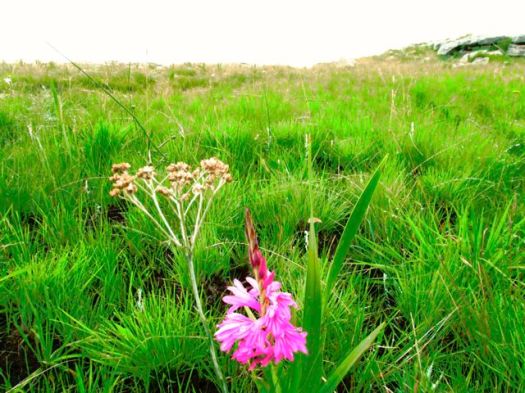
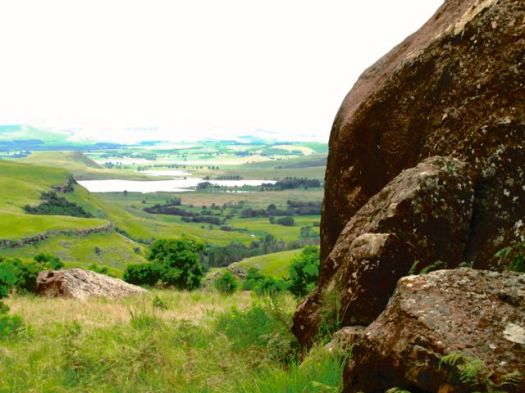
IMG_0273

IMG_0271

IMG_0219

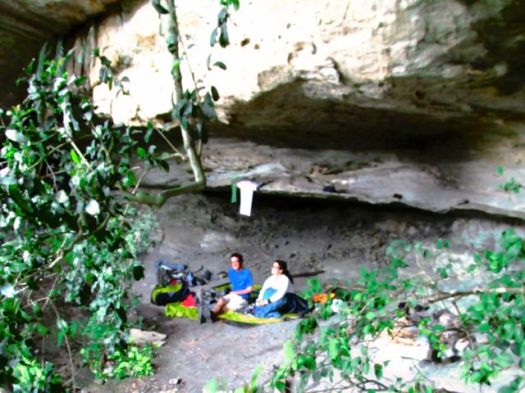
These two ‘mericans had camped 2 nights in the overhang under a waterfall. Later I learned that you are not actually allowed to camp in that particular “cave”.
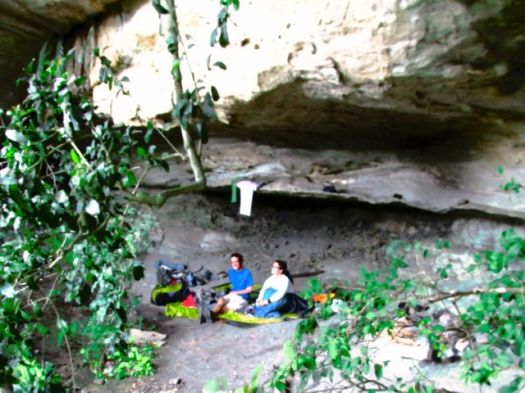
IMG_0249

Officially, the Giant’s Cup starts on the Sani Pass Road at Ezemvelo KZM Wildlife field ranger outpost at 2847m. I started instead by walking out the door of Sani Backpackers climbing up to intersect the route.
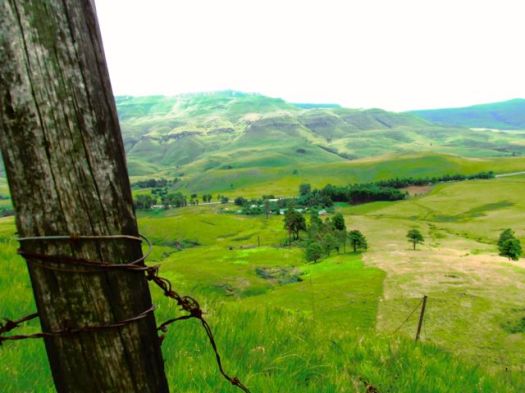
IMG_0216

That’s the Backpacker’s as seen from the parkland area fence.
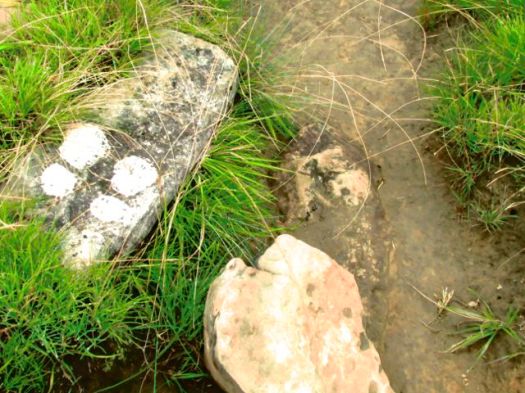
IMG_0269

The trail is super well marked. You follow white footprints.

Some locals feel there is too much signage.

I missed paying for my trip & filling out the Mountain Rescue Register at the start. Russell advised me to — instead — do the paperwork at the KZN Wildlife Office near Pholela Hut. I arrived there about 1:30pm.
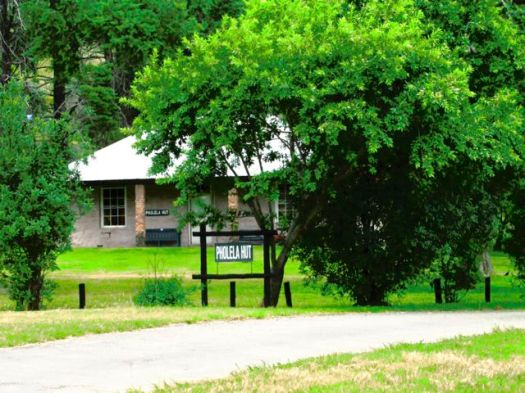
IMG_0289

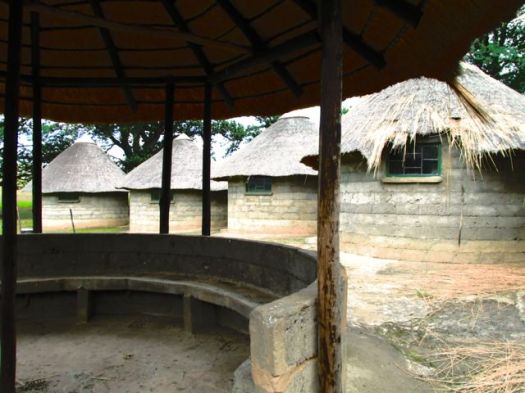
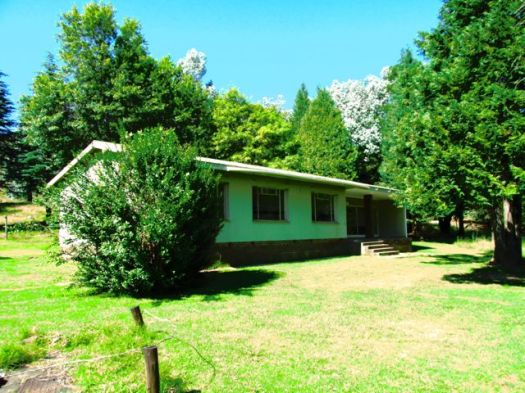
Pholela Hut is a converted farmhouse offering 30 bunk beds in 4 rooms. Cold showers. Empty.

I carried on to the next hut.

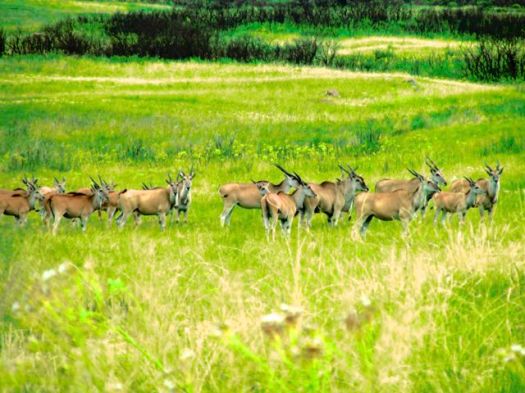
Close to Pholela I saw my first herd of Eland.
IMG_0284

Close to that herd I caught a glimpse of an African dog. Most likely a jackal.

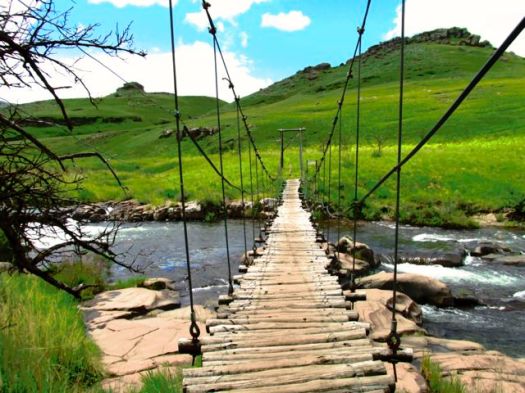
The bridges on this trail are not impressive.
IMG_0288

On the other hand, there’s no need to treat water in the Drakensberg.
IMG_0295

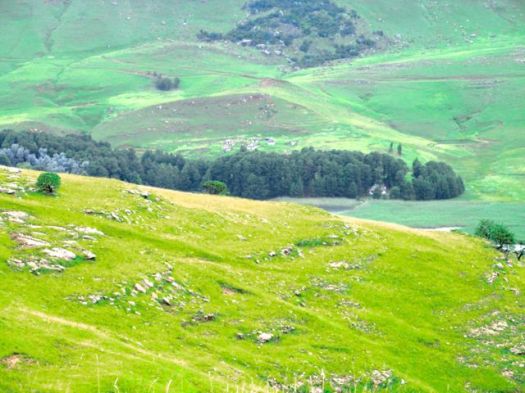
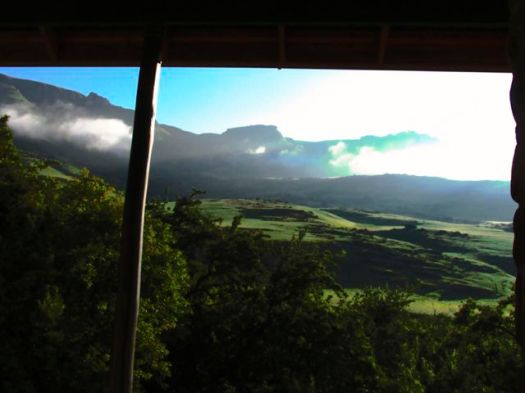
Green. Peaceful. Pretty.

IMG_0297

IMG_0294

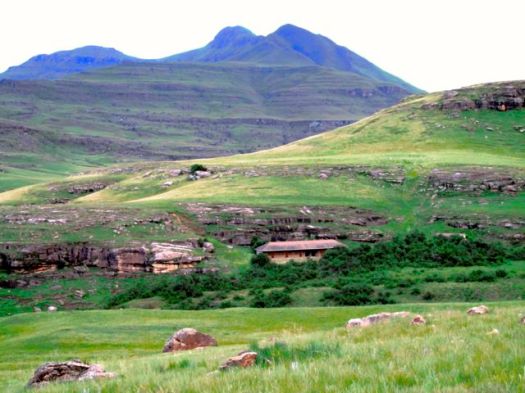
I arrived Mzimkhulwana Hut late and tired.
IMG_0302

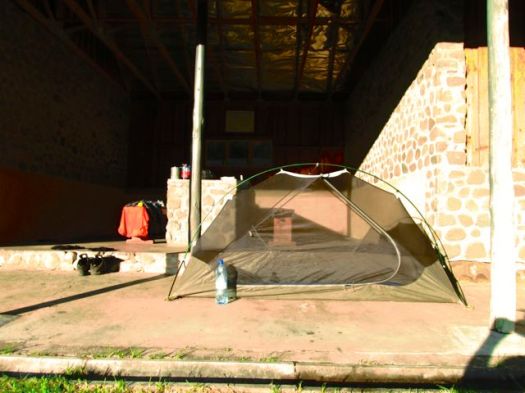
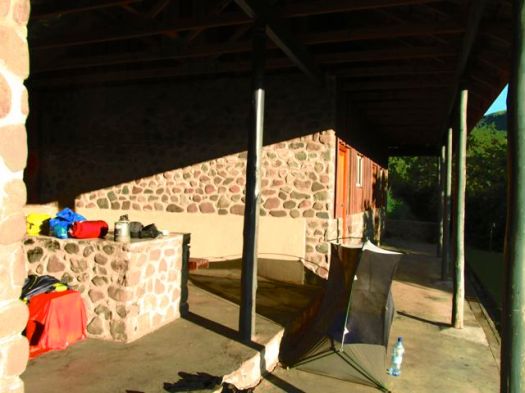
Rather than sleep indoors, I set up my tent under protection.

Alone, I hid my passport, money and credit cards. Just in case some sneak thief arrived in the night. It was a bit spooky.
IMG_0303

IMG_0304

Sipped wine. Ate my local cheese. Watched the night fall. Went to sleep early.
IMG_0305

more photos from this day

day 1 | day 2 | day 3
Namibia camping – Brandburg – day 2

We were up early, taking advantage of the cool of the morning.

P1280450

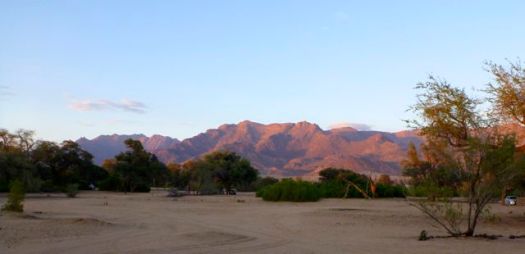
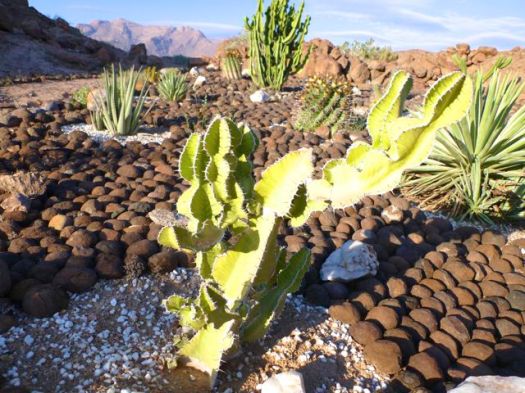
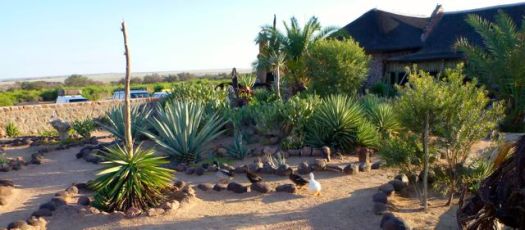
A desert garden at the White Lady Lodge.

P1280466

P1280467

P1280473

P1280474

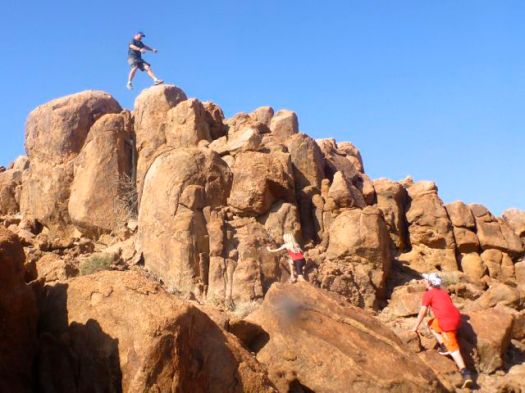
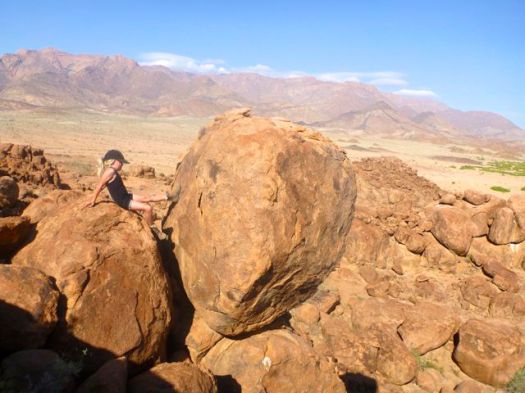
After breakfast we made a second “mountain climb” with the kids. 🙂

P1280480

P1280484

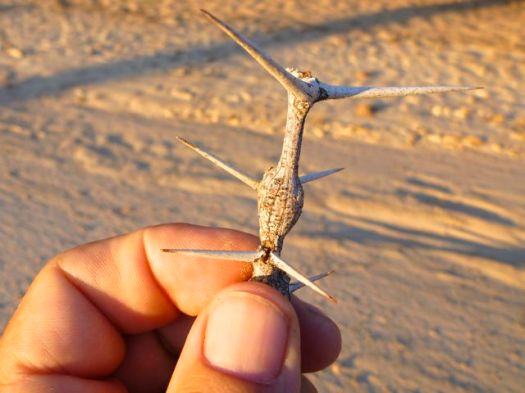
The biggest “danger” of Namibian camping so far as I could tell were these deadly acacia thorns. I stepped on one. It went right through my shoe.

P1280459

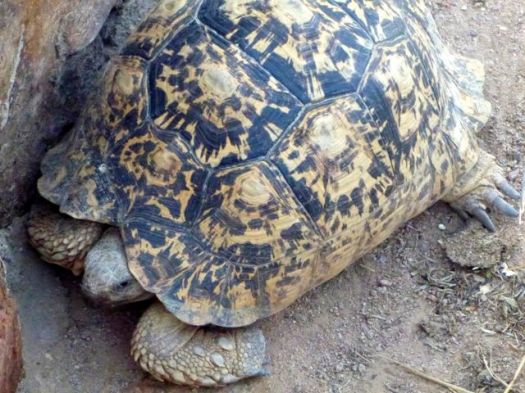
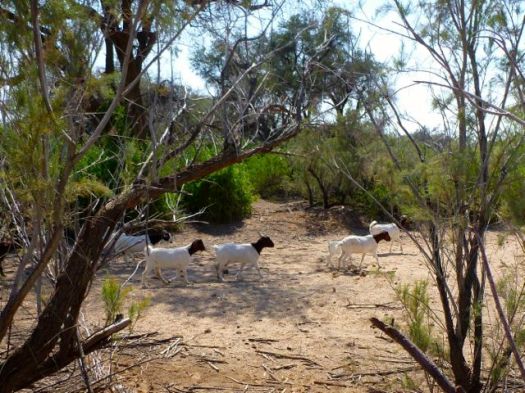
We saw black-backed jackals lurking around the cooking fires a couple of times. And these locals.

P1280498

P1280501

P1280526

P1280547

P1280548

You must be TOUGH to survive this desert climate.

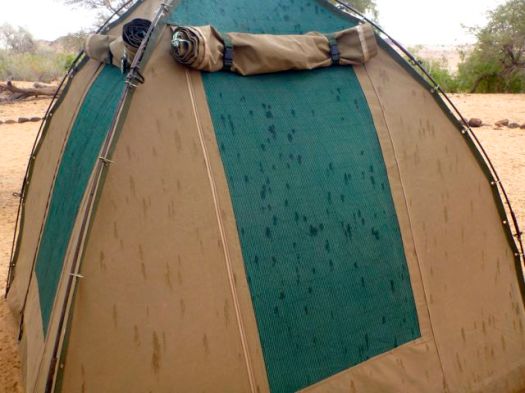
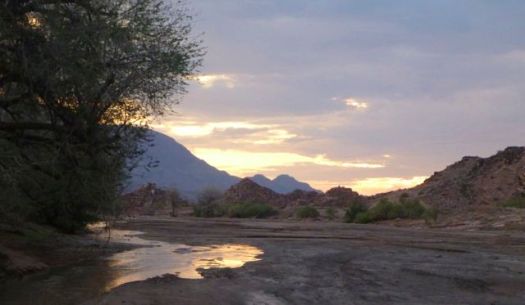
It had not rained at the White Lady lodge in 3 years — but it poured on us. Desert tents are not particularly waterproof.

P1280506

Our not particularly waterproof bedding was soaked. 😦

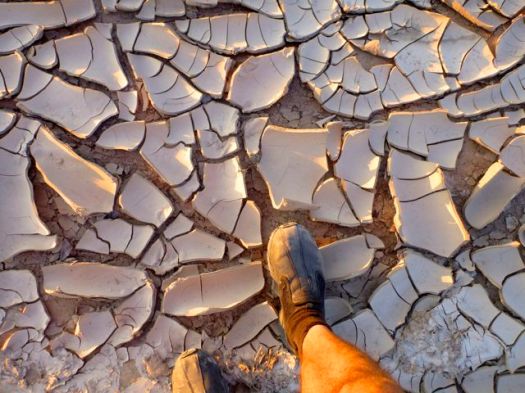
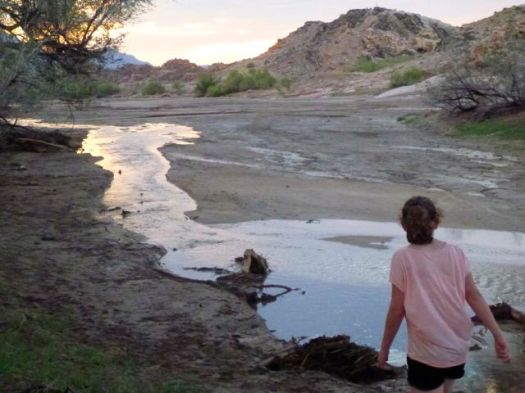
The Ugab River rarely runs.

Here’s the river bed before the rain.

P1280456

And after.

P1280518

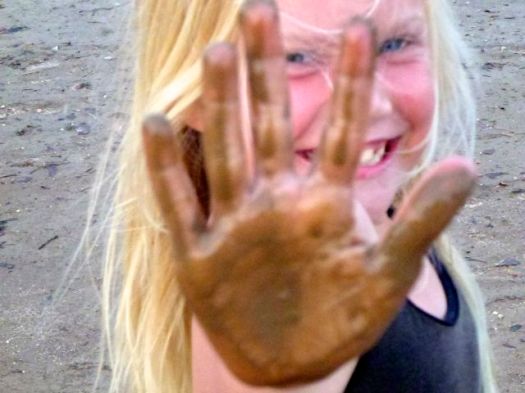
Playing in mud is a big novelty for Namibian kids.

P1280523

We climbed yet another hillock.

P1280528

P1280532

P1280535

P1280537

P1280521

And it was back to camp for another gigantic barbecue.

Ugab Wilderness Campground opened 2001. I can recommend it. Particularly if you want a base camp for climbing Brandburg and/or hiking Messum crater.

see ALL my photos from this long weekend trip

walking Safari – Zambia

Mosi-oa-Tunya National Park is an UNESCO World Heritage site that is home to one half of the Mosi-oa-Tunya — ‘The Smoke Which Thunders‘ — known worldwide as Victoria Falls on the Zambezi River.

The river forms the border between Zambia and Zimbabwe, so the falls are shared by the two countries, and the park is ‘twin’ to the Victoria Falls National Park on the Zimbabwean side. …

The wildlife section of the park is tiny but popular. Popular because half day walking safaris are offered.

This is rare in Africa due to the risk of tourists being injured. Or eaten.

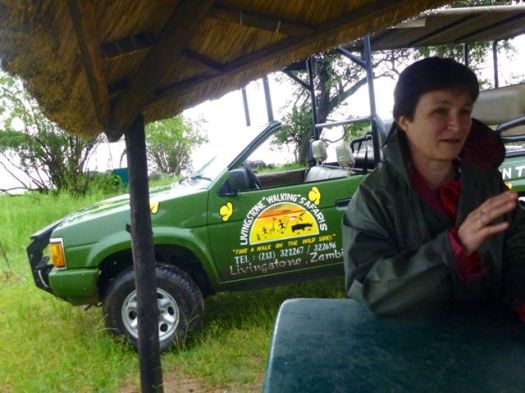
It was very early. Very rainy when I was picked up — alone — at my hostel.

P1270709

We rendezvoused with a British couple alongside the Zambezi.

Everything was about to go wrong. You had to laugh.

P1270710

P1270719

The husband had 2 new hips, 1 new knee. He could not walk.

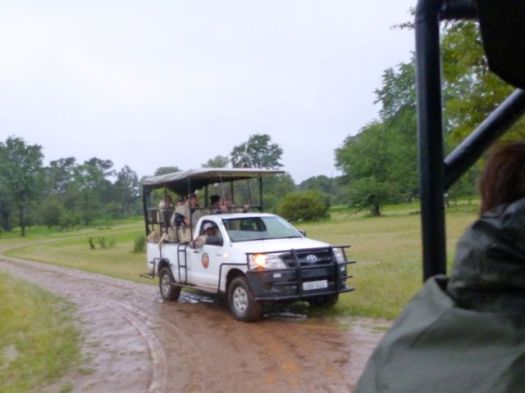
Improvising, we decided to take a quick driving safari before setting out on the promised “walk”.

P1270735

P1270721

African guides are normally super entertaining. Very knowledgeable.

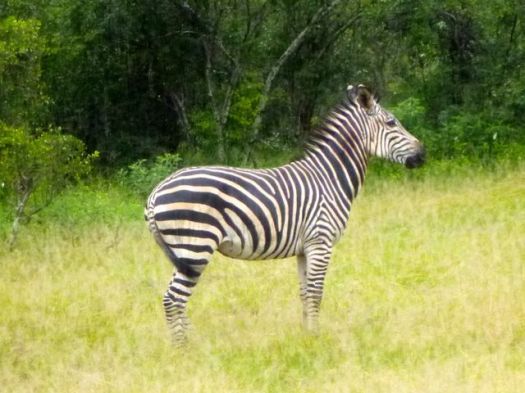
We saw baboon, vervet monkey, giraffe, zebra, warthog, sable, impala and many other antelope.

P1270767

P1270756

P1270745

P1270731

When the British couple departed, I was alone for the walking Safari with a support team of up to 4 men.

I walked with a guide and an armed guard.

P1270785

There’s no shortage of wildlife in Mosi-oa-Tunya National Park. But the main attraction is white Rhino. Though not indigenous, they are the most talked about wildlife in Africa.

You cannot see rhino from the road. They are understandably very shy.

Already an hour or more late, we roamed far and wide in the wet mud looking for rhino sign. The guard checked his phone constantly for an update on where we might find them.

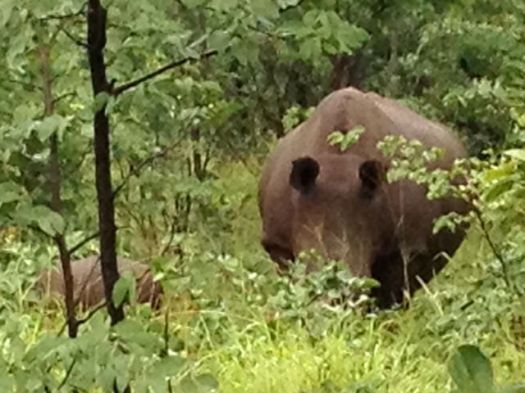
Finally, the highlight of Mosi-oa-Tunya. A mother Rhino and her new baby, less than 2 weeks old.

IMG_1885

IMG_1892

The rhino in Mosi-oa-Tunya were poached to extinction in 2007. 😦

I was told they are no longer worried about poaching here. The Park is now fiercely defended. 5 adult rhino and 5 youngsters, including this newborn.

On the other hand, the enforcement officer spoke longingly of Botswana where guards can (reportedly) shoot poachers on sight.

more of my photos from the day

Gxalingenwa hike, South Africa

trip report by site editor Rick McCharles

One of the best day hikes in South Africa.

At Sani Lodge Backpackers in the Drakensberg you get everything you need.

trail description, permit, map

Step out the back door, you’re on your way.

IMG_0209

IMG_0212

After about 250m you reach the perimeter fence of the KZN protected lands. Permit to hike costs about $3.

IMG_0214

Every step is beautiful in the Drakensberg. Wide open.

IMG_0217

Some African dung beetles are endangered. NOT the ones in these mountains. There are plenty.

IMG_0224

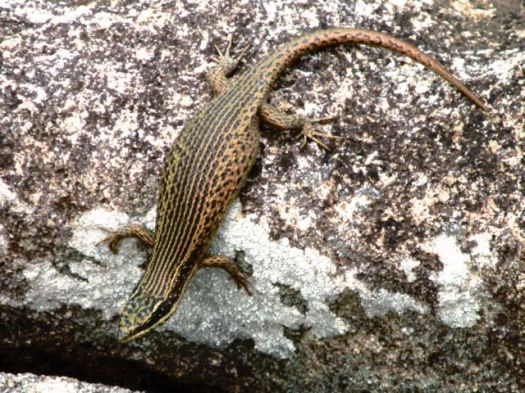
Lizards are constant companions.

IMG_0229

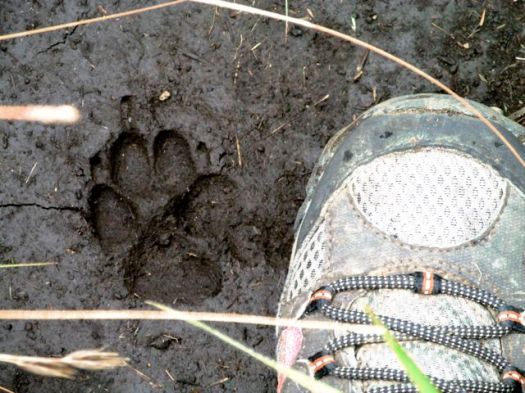
You see a lot of scat, many interesting prints, yet not much wildlife. Animals here have evolved to be elusive.

IMG_0235

I was thrilled to see my first grey rhebok.

IMG_0232

Alpha males “cough” at you from a safe distance.

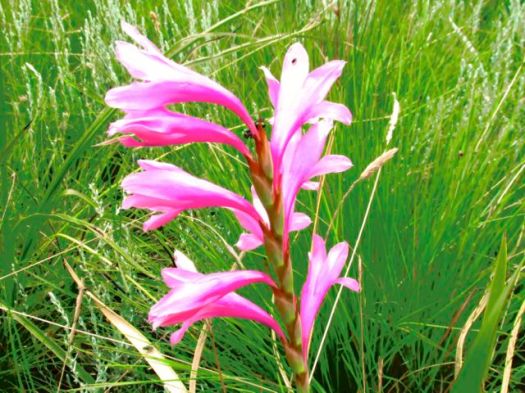
Wild flowers were still in profusion, mid-summer. We’d had a lot of rain.

IMG_0245

I left a Summit Stone for some future hiker to discover.

IMG_0220

Here’s Gxalingenwa cave. These two spent two nights here, sheltered from the rain.

IMG_0249

Later I learned you are not officially allowed to camp there.

From the cave I had to either backtrack … or finish a loop down the river.

IMG_0252

I’d been warned that the water was high. That I’d most likely need to wade the creek several times.

IMG_0255

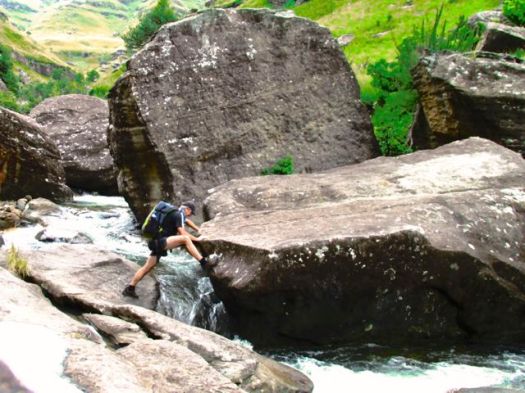
Boulder hopping my second crossing, I fell in. 😦

And — since the shoes were wet — I waded 3 more crossings.

IMG_0253

IMG_0256

Russell at Sani Backpackers wants to improve the trail staying on one side of the creek. One day.

IMG_0260

I was glad to have done Gxalingenwa as a loop. It’s very pretty coming down.

IMG_0258

IMG_0259

Some hike up to these waterfalls from the roadway.

The only downside of the Gxalingenwa loop from Sani Backpackers is a road walk finish.

IMG_0265

Happily, I was picked up. Given a lift by University researchers who happened to be staying at the Backpackers.

more photos from this day hike

hiking/biking Annapurna day 4

by site editor Rick McCharles

The high Pass loomed. I was up and packed early, waiting for the restaurant to open at 6am.

Happily, sunlight reaches Manang early.

P1260239

My stomach felt fine. Weather was fantastic. I spun every prayer wheel in town I could.

P1260246

I was going to cross the Thorung La.

P1260252

I really enjoyed Manang. And would happy to go back any time.

P1260249

It’s high and dry above Manang. True rain shadow. True Tibetan plateau.

P1260254

I couldn’t resist stopping for brunch here.

P1260268

Carbo loading for the Pass.

P1260267

This hiking day was all good.

P1260273

People had smiles on their faces, happy to be in clear November.

P1260284

It was looking pretty easy from here. I expected another early arrival in Camp today.

P1260290

I stopped to take photographs of one unusual Himalayan sight – a burning barrel.

P1260297

It’s obvious to me that the easiest way to dispose of trash way up here, is to burn it. Instead Nepalis throw it off a cliff. Or into a river. 😦

I’m not sure why George Schaller had so much trouble finding Blue Sheep. If they got any closer to me on this Trail, they’d be on my plate. 🙂

P1260331

P1260324

With all this sunshine and mild weather, there were still plenty of Yaks & ponies grazing. Ponies are used for emergency transport of altitude sick hikers.

P1260305

This pika seemed to be looking for a tourist handout.

P1260319

Up and up.

The afternoon was taking far longer than I expected.

P1260310

It was almost dark by the time I reached Thorong Phedi 4420m.

P1260336

I got the second last available room.

What a location!

P1260344

Many take an acclimatization hike up towards the Pass after arrival. I was too late. Too tired.

Instead I enjoyed the last rays of the sun.

P1260338

That night was fun. Japanese girls flirted with their porters in the dining hall.

The last hiker to leave the table, I saw a brazen rodent cleaning up scraps from the floor. It’s almost certain that mice get into the food. Standards of hygene are low in the Himalaya, especially in Thorong Phedi.

Safest would be to sleep in a tent. Cook your own food.

You are advised to drink as much as possible at altitude. I did. But that means a number of trips to pee during the night.

And it’s COLD above 4000m.

see high resolution photos from this day on flickr

day 1 | day 2 | day 3 | day 4 | day 5 | day 6 | day 7 | info
Manaslu Circuit – day 8

by site editor Rick McCharles

We got an early start out of Samo.

P1250332

Manaslu was perfect. Cloudless.

P1250335

Not even spindrift, rare for an 8000m peak.

This is why you want to trek in November / early December.

P1250359

Mike and I were happy to have the weather. Wanted to get up and over the Pass as soon as possible. If he were to have to backtrack to the start, he’d miss his flight back to the U.K.

P1250369

The arid terrain that high up was very Tibetan.

P1250374

Not much can live in this climate. Yet Yaks thrive.

P1250375

The scenery is fantastic. You hike closer to the big peaks than anywhere else I’ve been in Nepal.

P1250391

P1250402

I was one happy hiker.

P1250413

Some trek from Samo only to Samdo 3690m. Then make a long, long day climbing over the 5106m Larkya Pass.

Sounds crazy to me. But it worked for a German couple we had been hiking with.  Their guide doesn’ t like Larkya Phedi 4470m (Dharmsala).

P1260005

Larkya Phedi is a harsh place. In every way.

It was closed by MCAP in 2011 for being an “illegal structure”. But open since. Open normally until about Dec 15th each season. Food sometimes runs out before that date, however. Some years hikers eat nothing but potatoes before crossing the Pass.

We knew fresh eggs had arrived.

eggs

Larkya Phedi is the last place you can sleep with a roof over your head. … On the other hand, there were no beds left when we arrived. When the Pass is closed, it gets very crowded here. 😦

We set up my tent on a snow patch.I wouldn’t be getting much sleep anyway. Wake-up time would be 2am.

P1260007

Hikers tried to relax in the sun. Nap if they could.

P1260016

It got very cold as the sun went down.

P1260023

Toilets are overflowing with feces. They don’t stink. They are frozen.

Ivan saw one Nepali shit into the stream above Camp. The only source of drinking water. That’s how uneducated some of the porters are. That’s why the water is so dangerous in Nepal.

P1260018

We walked the ridge above Camp for acclimatization. And to stay warm. There were dozens of Blue Sheep up there. Until hikers scared them away.

P1260026

I practiced various speeds walking both uphill and downhill to maintain an optimal temperature. This in anticipation of the Pass, considered much more difficult than Thorung La on Annapurna.

P1260034

Wandering alone up there until dark, this was the single highlight of the entire trek for me. 🙂

Wonderful.

P1260004

Mike and I lingered in the dining hall as late as we possibly could. Staying warm. And avoiding our cold tents. Mike and our guide were forced to share a rent a tent as all beds were taken. Porters slept on these tables and benches starting 10pm.

Last minute I ordered hot water for my Nalgene bottle, using it inside my sleeping bag to warm my feet. Temperature dropped to at least -15C. (5F)

It would be a very short night …

see high resolution photos from this day on flickr

day 0 | day 1 | day 2 | day 3 | day 4 | day 5 | day 6 | day 7 | day 8 | day 9 | day 10 | info
Manaslu Circuit – day 6

by site editor Rick McCharles

This would be the longest day so far. And the most stunning yet.

P1250087

P1250078

Permit check first thing in the morning.

Local people and their landscape grows increasingly Tibetan as you ascend. Each village from here on up had it’s own monastery (Gompa).

P1250128

P1250130

P1250160

It was well below freezing last night.

P1250232

Still, when the sun comes out, hikers strip off their many layers quickly.

Rick, Brion, Betsy, Mike

I was astonished at what can still grow at these altitudes.

P1250110

We stopped at Lho 3180m for lunch. The pack animals tried to join us at the table.

P1250171

Some stayed at Lho for acclimatization. Tempting.

Lho has the very best views of Manaslu!

Gompa

IMG_0259

It’s the cover photo for our hiking guidebook.

Manaslu Guidebook

This is why you hike the Himalaya. 🙂

We all felt good here at 3180m, so we pushed on to Sama 3530m.

The afternoon was fantastic, too. Grasslands of the Tibetan plateau support grazing animals nearly all year round.

Yak, Yak, Yak
Yak, Yak, Yak

There are plenty of mountain ponies, too. Used for transport.

pony

You can rent a pony to carry you up. Or down, if you are feeling altitude sickness.

A doctor on Annapurna told us of a young Japanese hiker who’s guide put him on a pony to carry him over a high Pass there. He died of HACE or HAPE en route. 😦

We unpacked for two nights in Sama. (Samagaon) 3530m This would be our acclimatization rest day.

Sama is a surprisingly big village of about 1000 residents. Big lodges. Well stocked stores. Good restaurants. We even checked email there, the internet having arrived only 3 months prior. (2013)

Speed of the internet was good. But the computers and notebooks available to rent were atrocious. Almost unusable.

Increased tourism is needed in this town, I feel. Check the Samagaun Development Foundation blog.

Rent a tent.

P1250246

One downside of sleeping indoors rather than in a tent are rodents. In some guest houses you are kept awake by their scurrying. I even saw one in the dining room at 4470m.

see high resolution photos from this day on flickr

day 0 | day 1 | day 2 | day 3 | day 4 | day 5 | day 6 | day 7 | day 8 | day 9 | day 10 | info