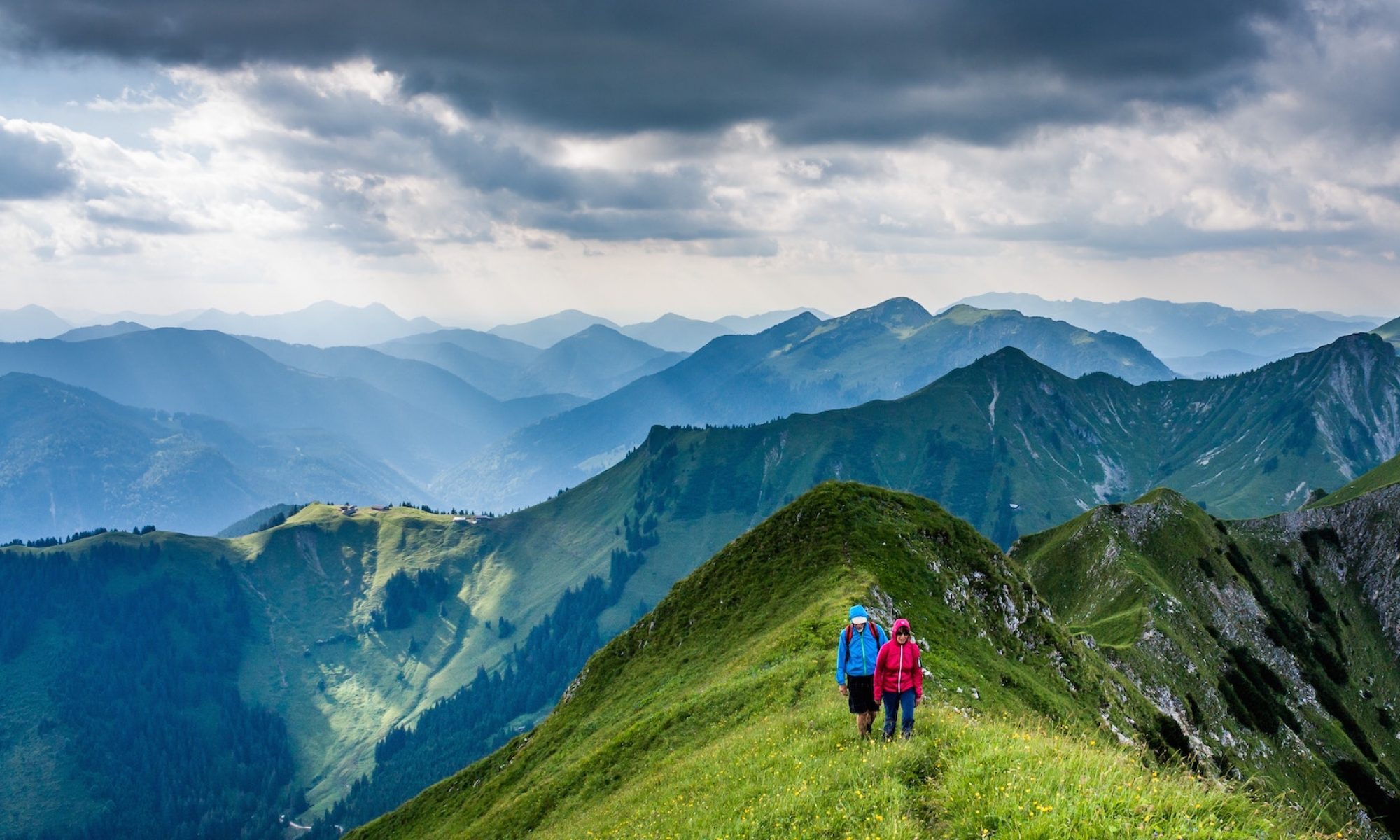

Click PLAY or watch it on YouTube.
Darwin’s Frog trail, Pumalín, Chile
trip report by site editor Rick McCharles
Distance: 2,5 km. loop
Difficulty: easy
Darwin’s frog is native to the forest streams of Chile and Argentina.

The most striking feature of this frog is the tadpoles’ development inside the vocal sac of the male.
Sadly it’s endangered in 2019 due to habitat loss and amphibian disease.
It’s tiny. You’d never be able to find one in this park. Or anywhere.
Darwin’s Frog relies on camaflague and tricks.
Click PLAY or watch it on YouTube.
This hike is an interpretive trail showing the damage done to the temperate rain forest by farming. AND how Pumalín is allowing nature to return it to rain forest.
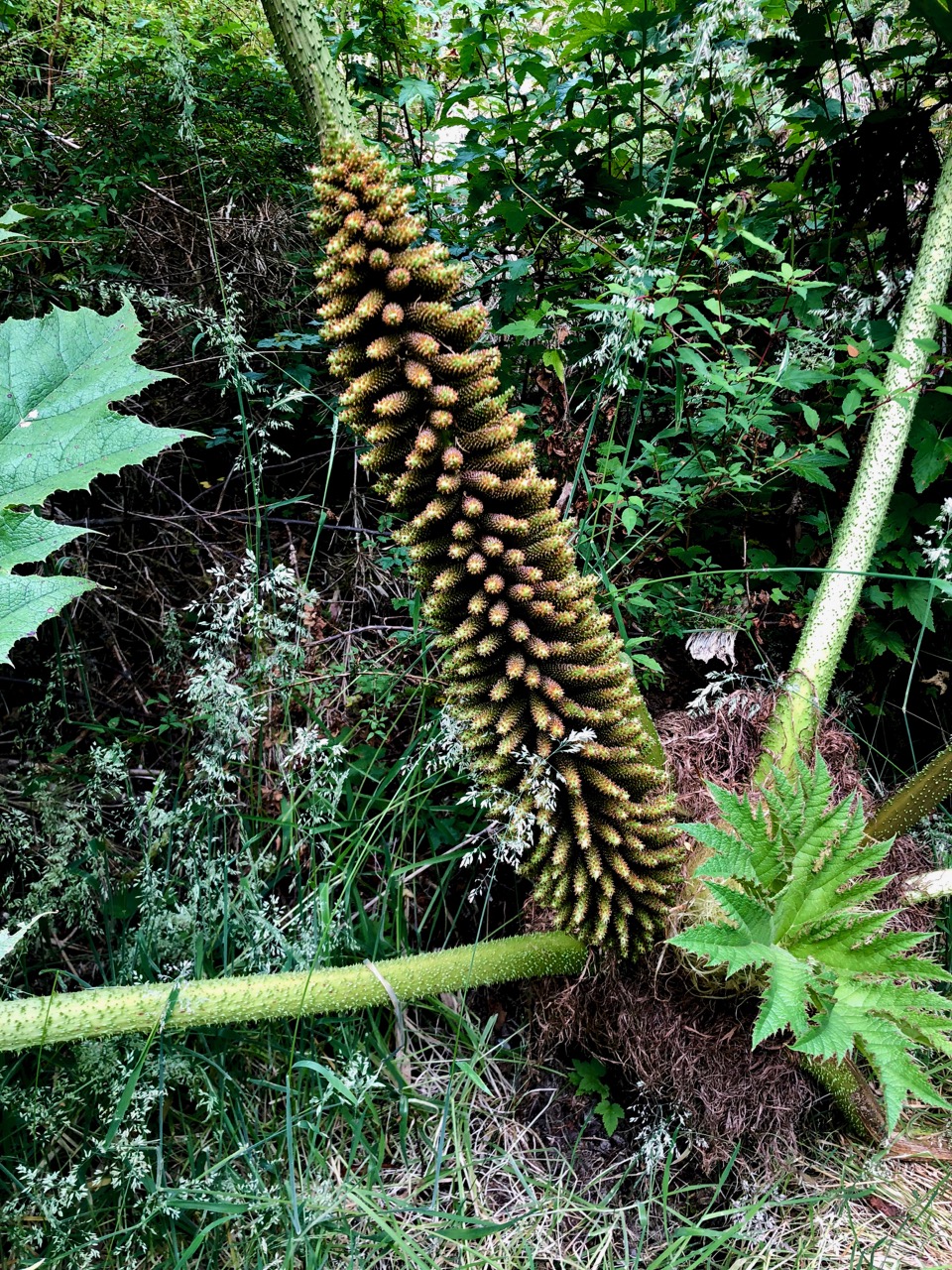

At the information kiosk at the park gates you can sign out waterproof cards explaining each species, guiding you through the circuit.

If you get anywhere near El Amarillo, Patagonia, be sure to do this short walk. There are other longer hikes nearby in Pumalín, as well.
Pumalín, Chile – Laguna Tronador trail
trip report by besthike editor Rick McCharles
Duration: 4 hours round trip.
Distance: 4,8 km round trip.
Return: Same route.
Difficulty: Medium-High
This physically challenging trail climbs through an alerce forest, once burned and now recuperating.
Excellent.
You need your own wheels to get to trailheads like this. I tried to hide my bike in the bush before heading up.

The cost to develop trails is here is high. And these workmen are superb.

I love how they use local materials to blend in to the pristine environment.

At one point they tunnelled under roots of a tree.

Though shockingly well maintained despite the climate, one railing did rip out on me. Happily I was using it for balance, not support.
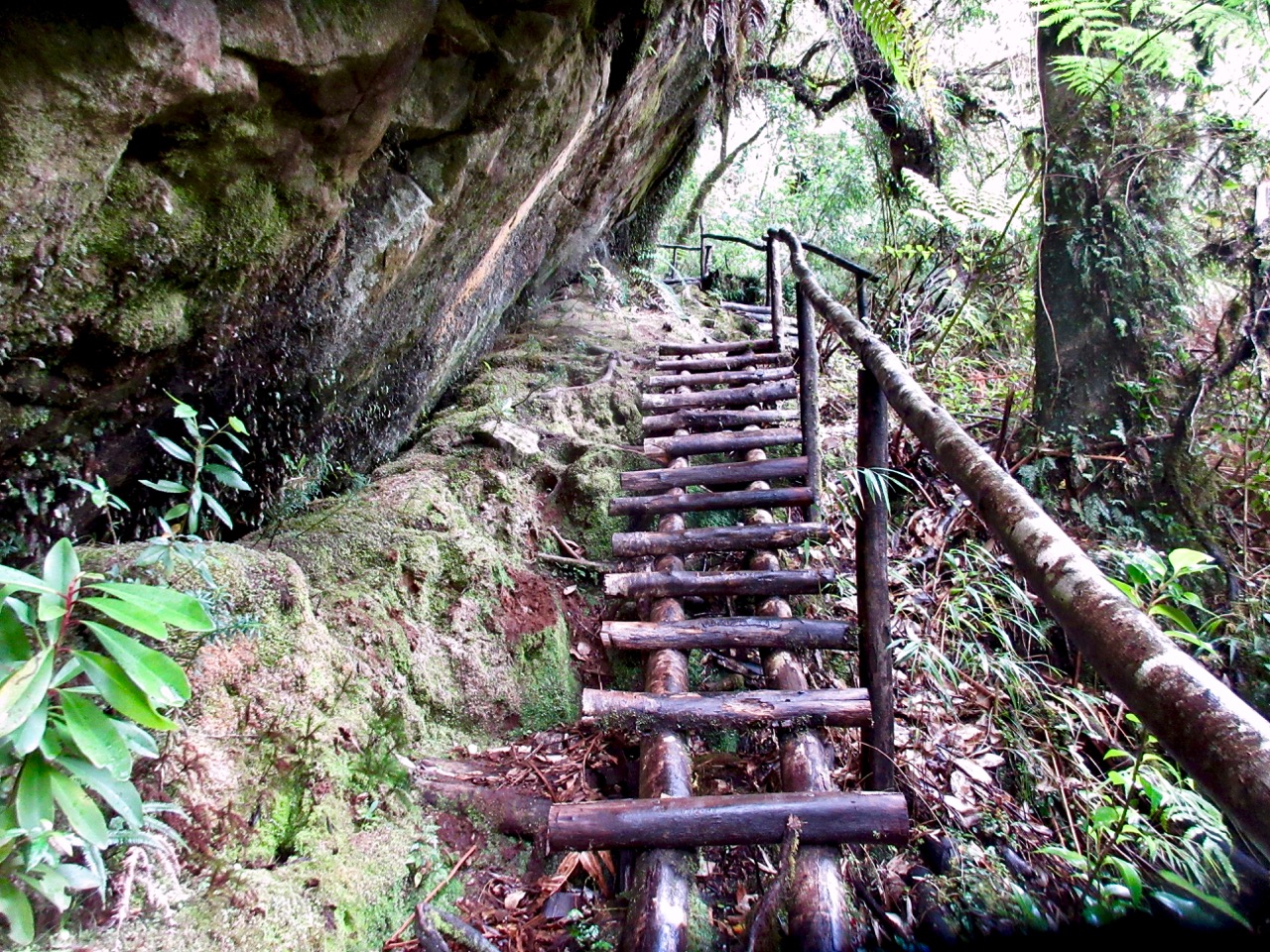
The path generally climbs up near loud waterfalls.

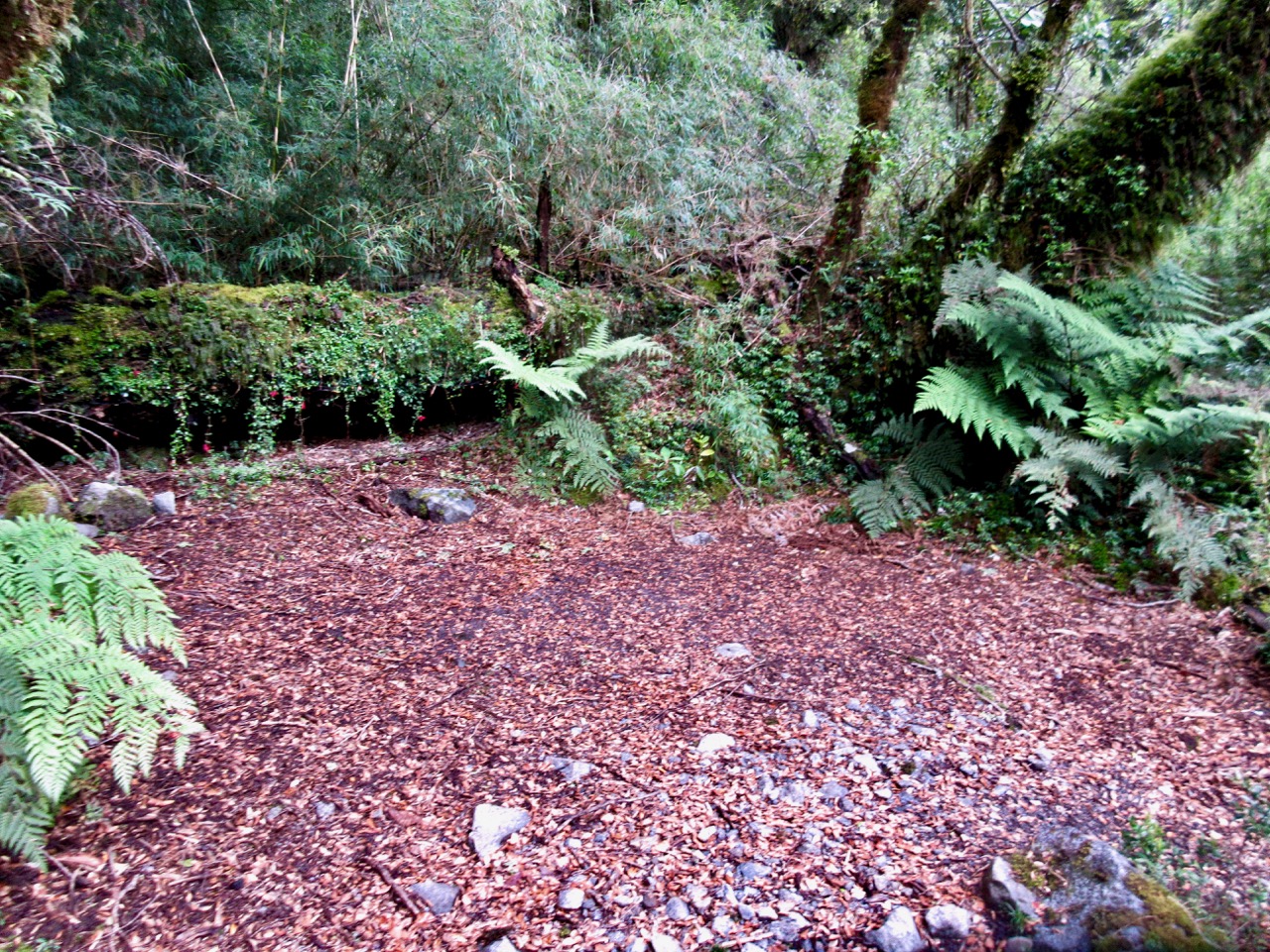
One reason to choose this trail over others is free camping at Laguna Tronador. There are only 2 excellent spots, however.
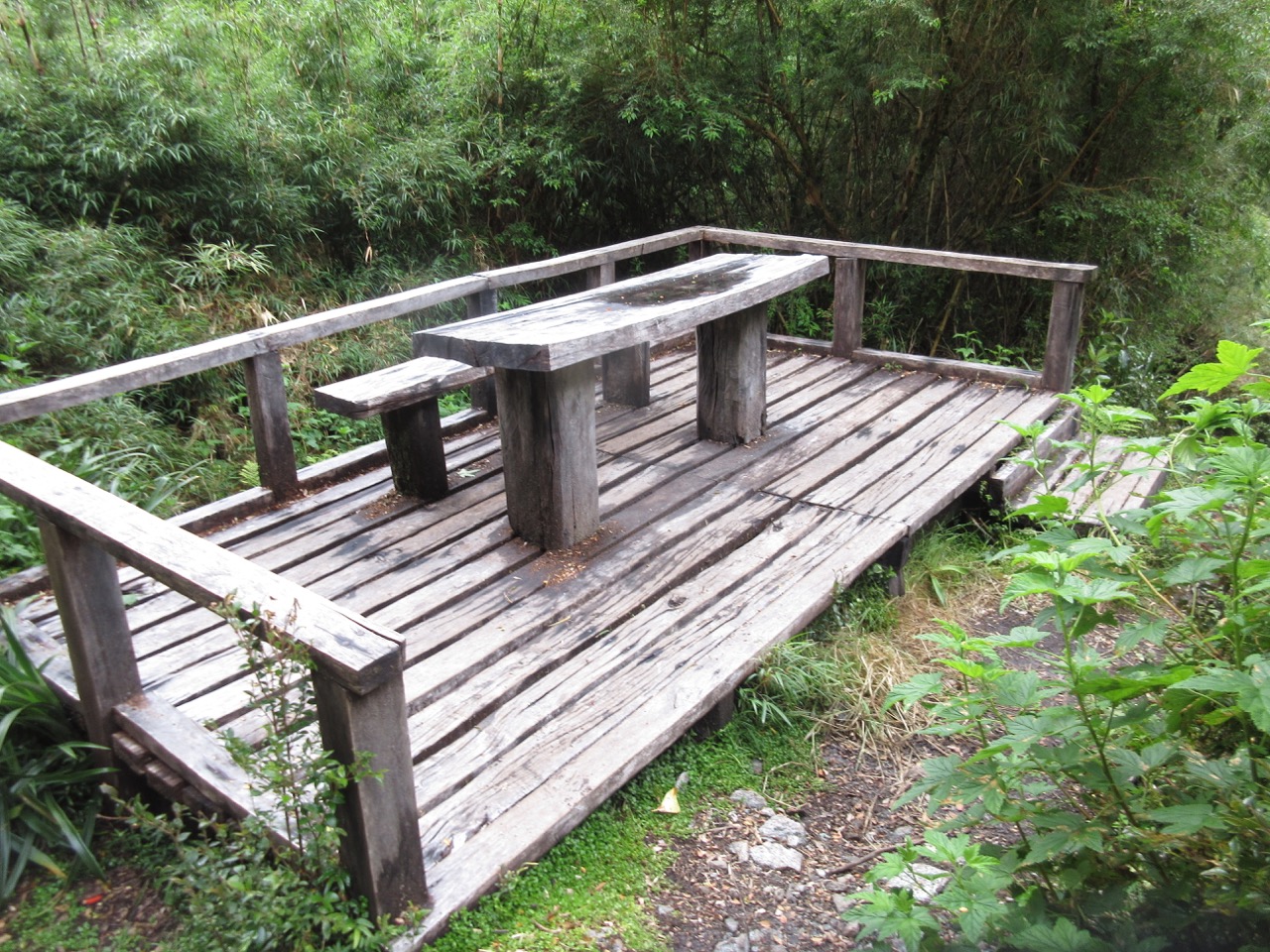
I recommend the Laguna Tronador trail.
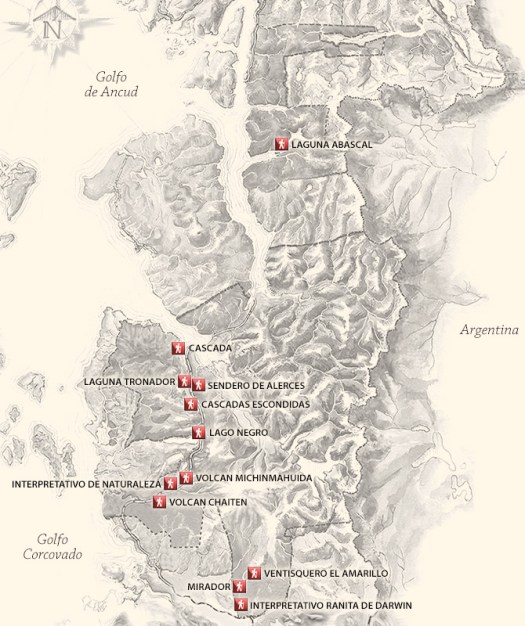
Pumalín, Chile – Volcán Chaitén trail
trip report by besthike editor Rick McCharles
Duration: 2½ hrs round trip.
Distance: 4,4 km round trip.
Return: Same route.
Difficulty: Medium-High.In May of 2008, Volcán Chaitén erupted after 9000 dormant years, causing tremendous damage to Chaitén and Pumalín, and even into Argentina. The park was closed for two years, during which extensive restoration work was conducted.
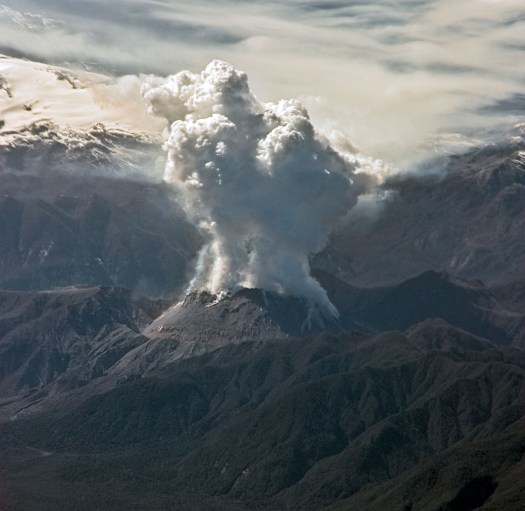
This hike is not dangerous, but it is strenuous.
From the trailhead the volcano looked too far away. I assumed — correctly — that they still wouldn’t allow hikers to get very close.
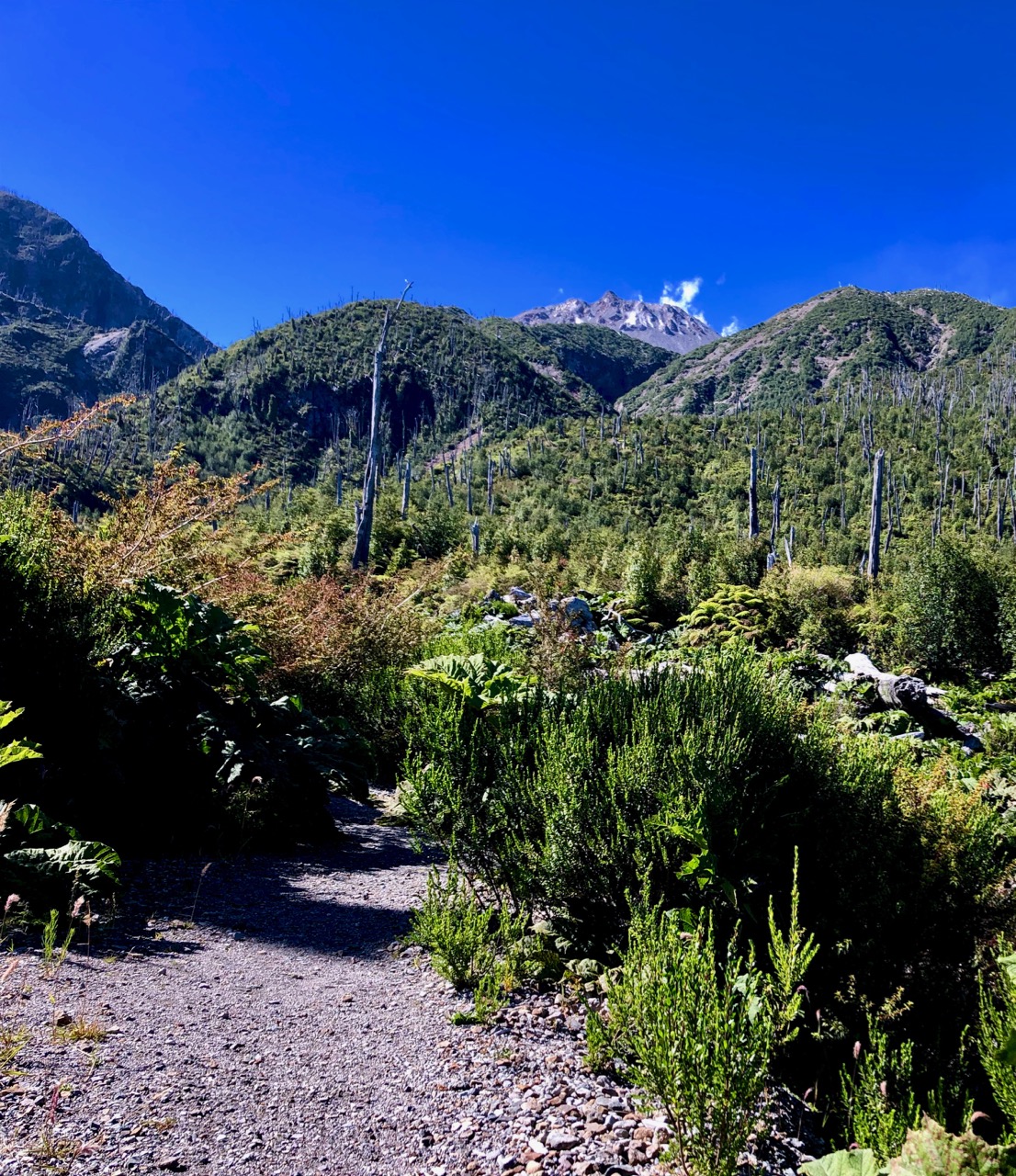
It’s a steep climb. Interesting to see what vegetation has recovered over the past 10 years.
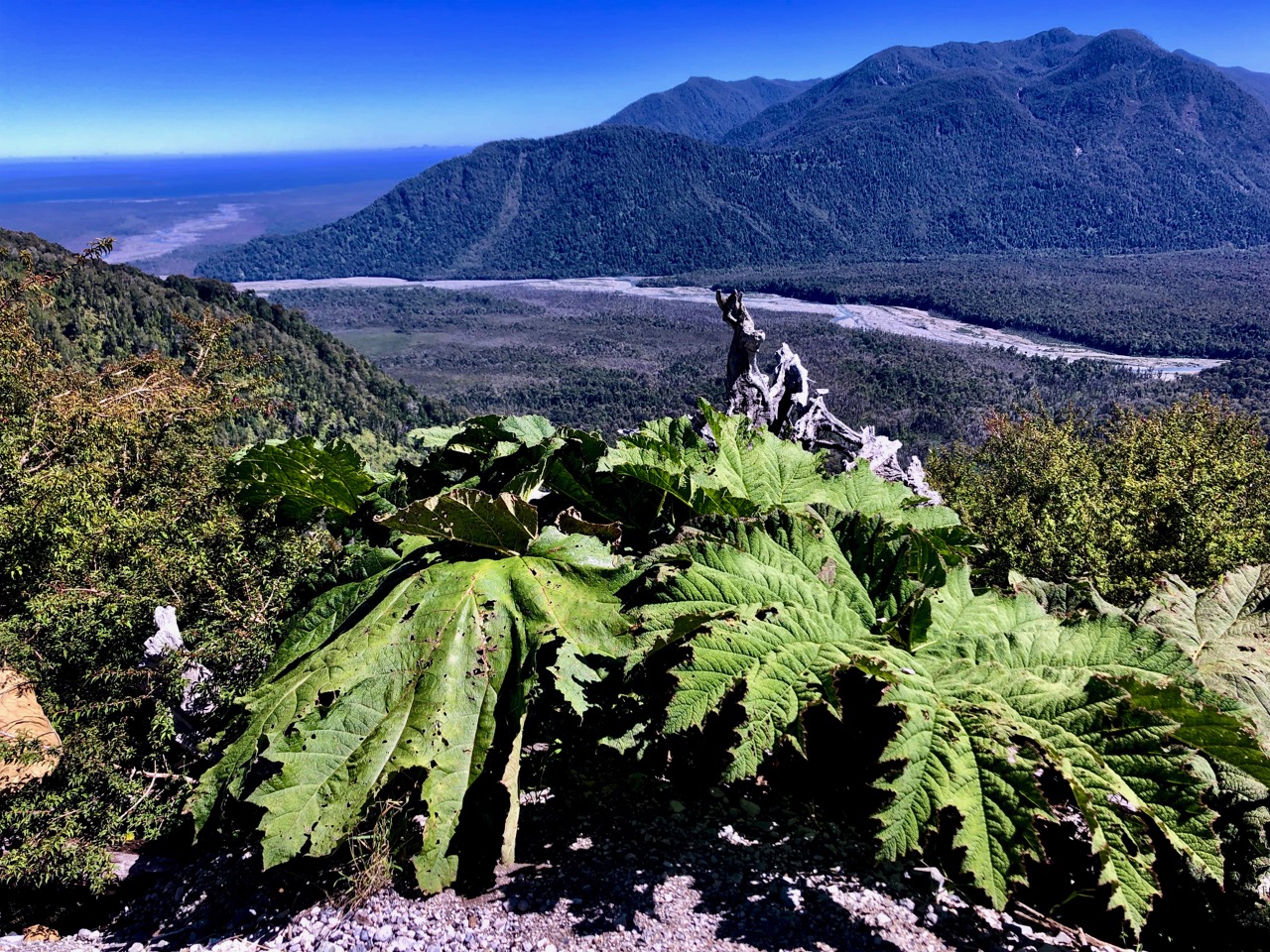
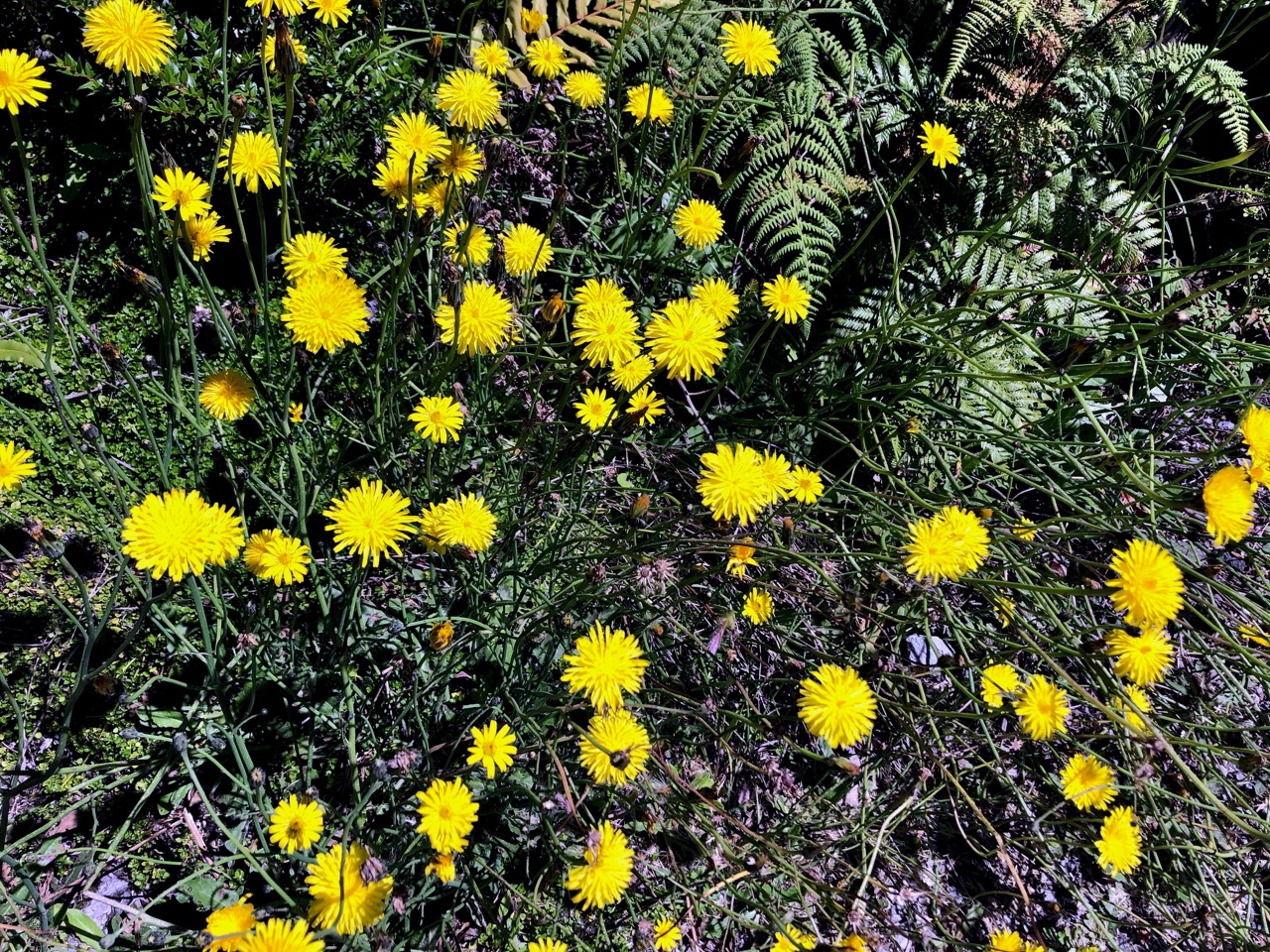
You arrive suddenly at a crater rim lookout.
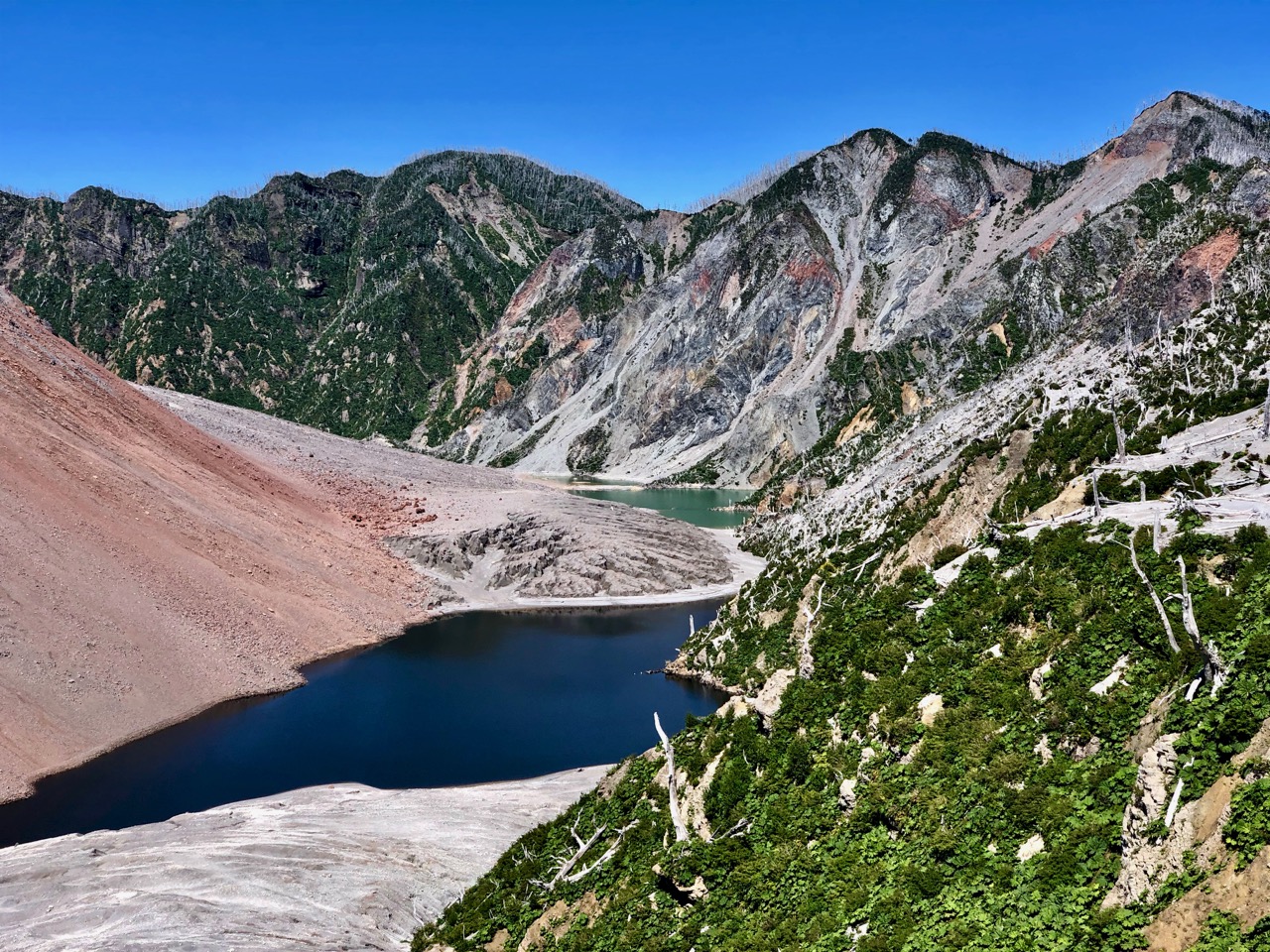
It’s an impressive panorama looking over to the still very active mountain.
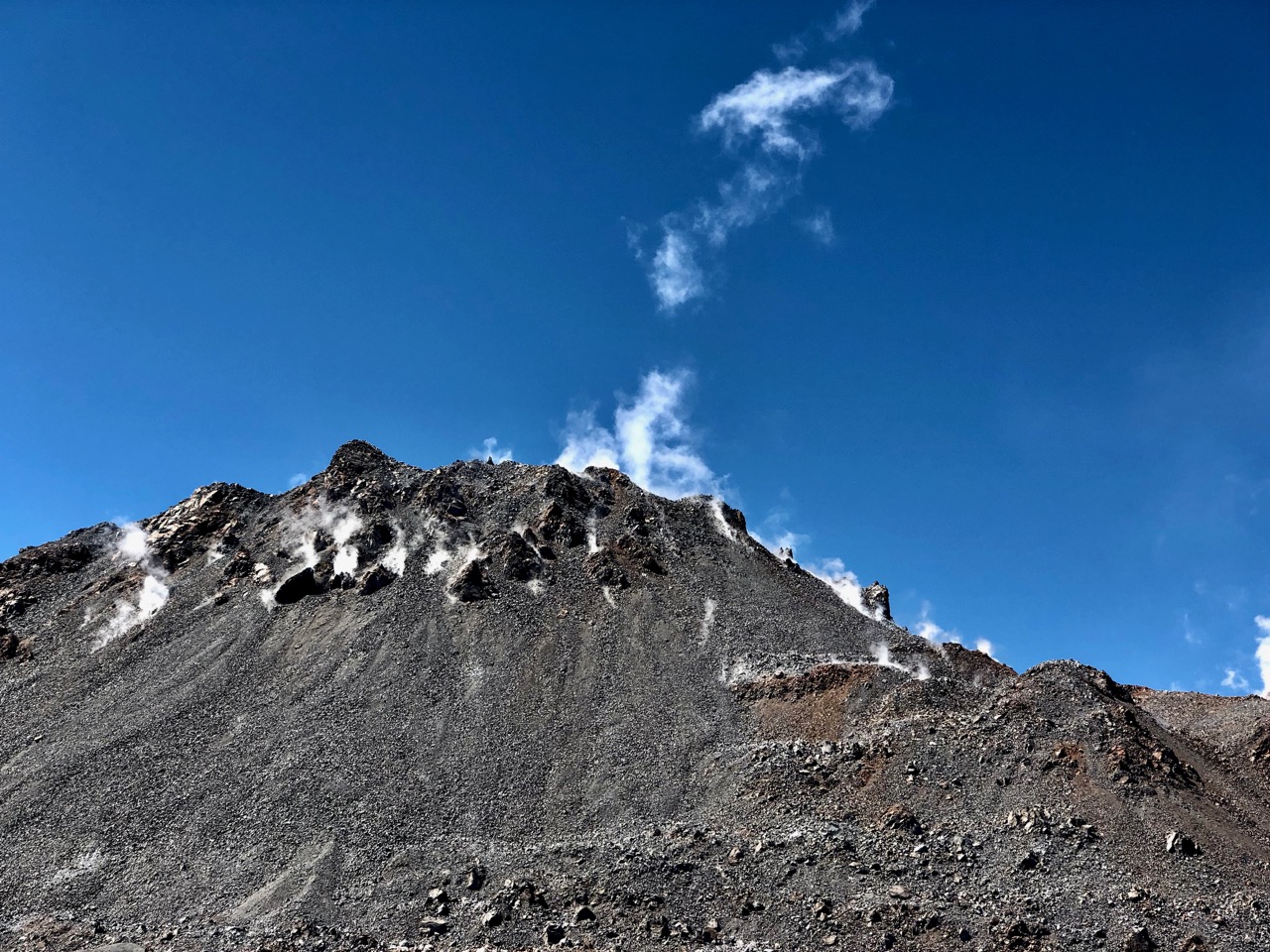
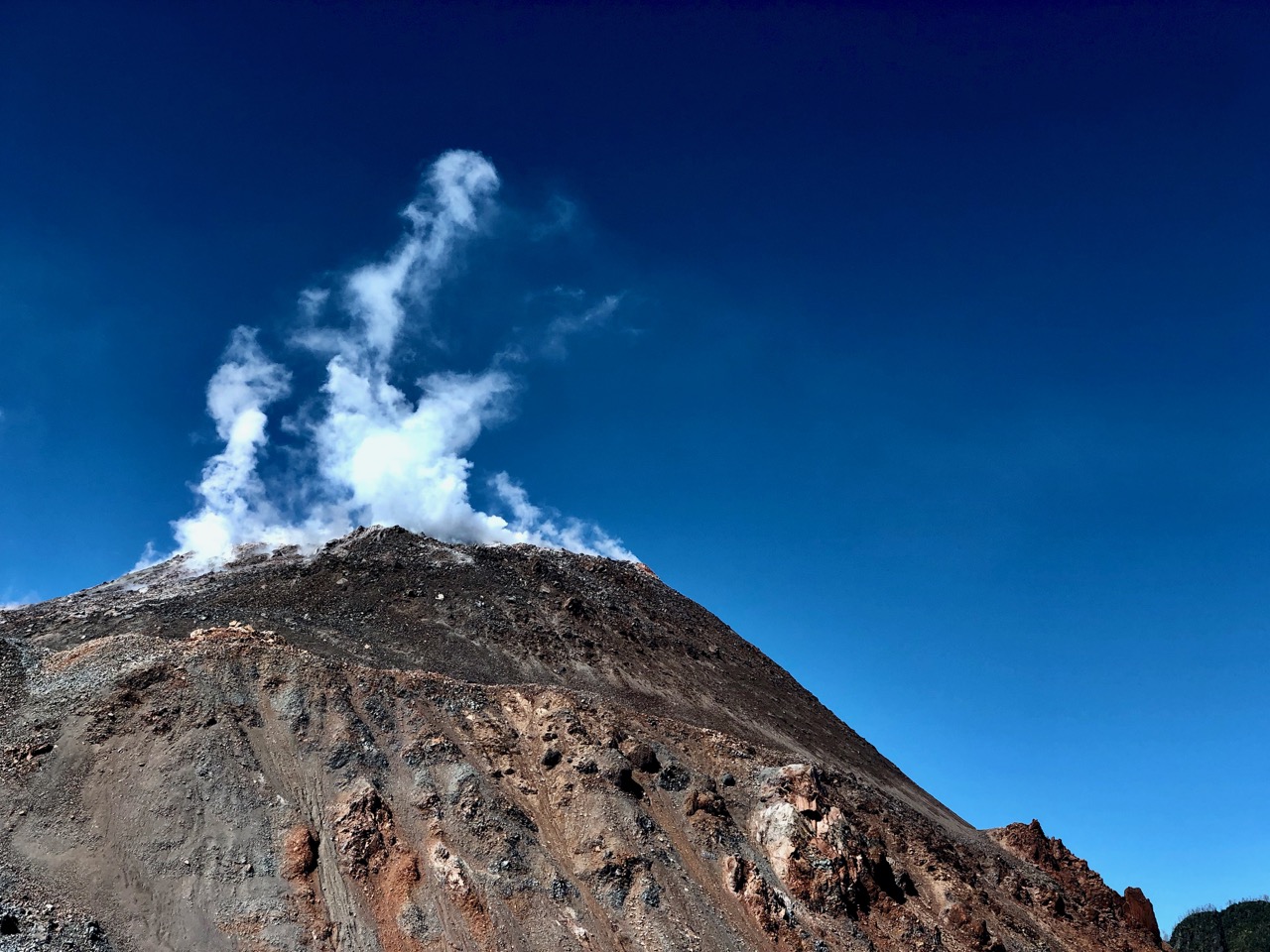
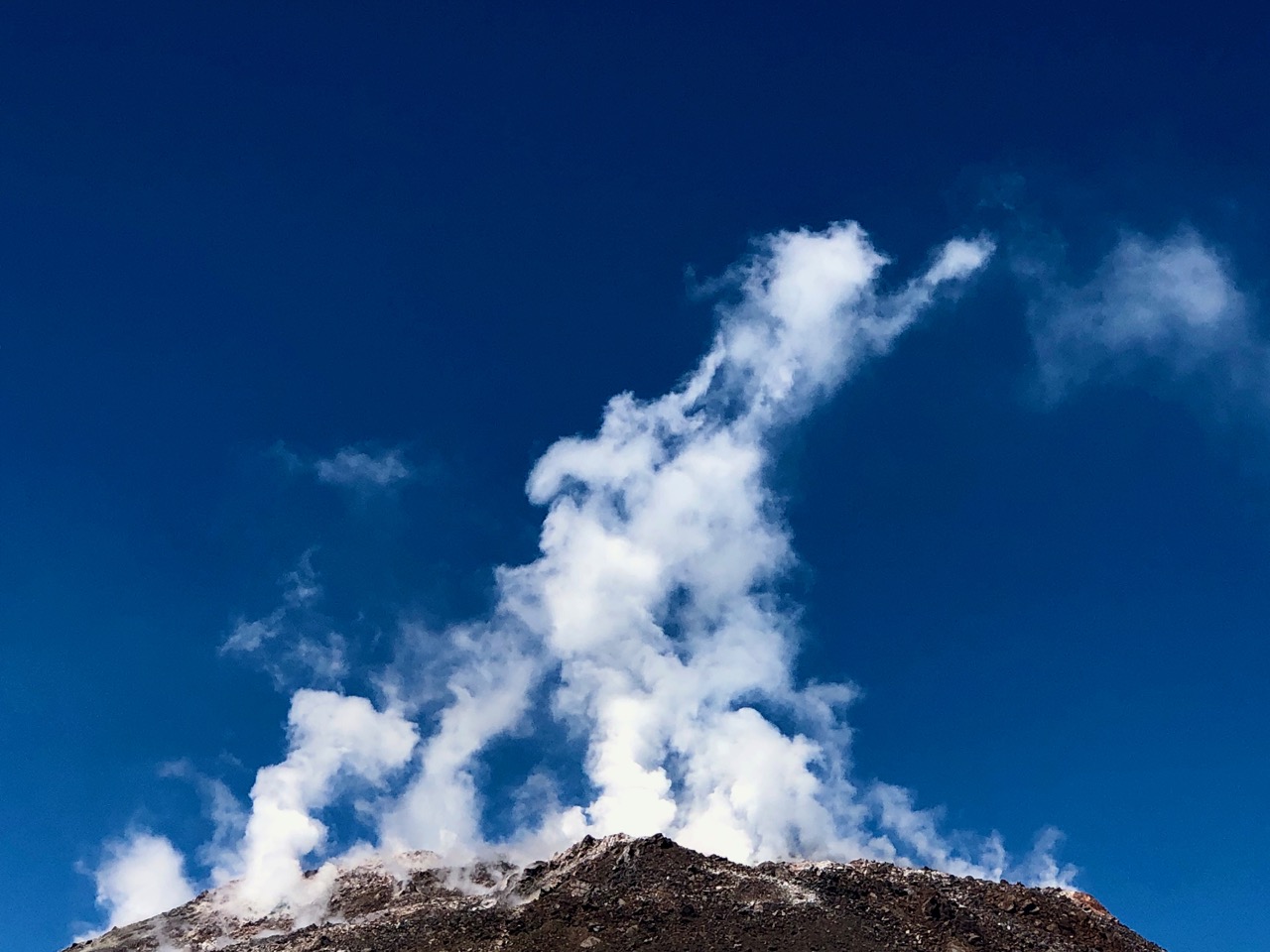
Another gorgeous day in Patagonia.
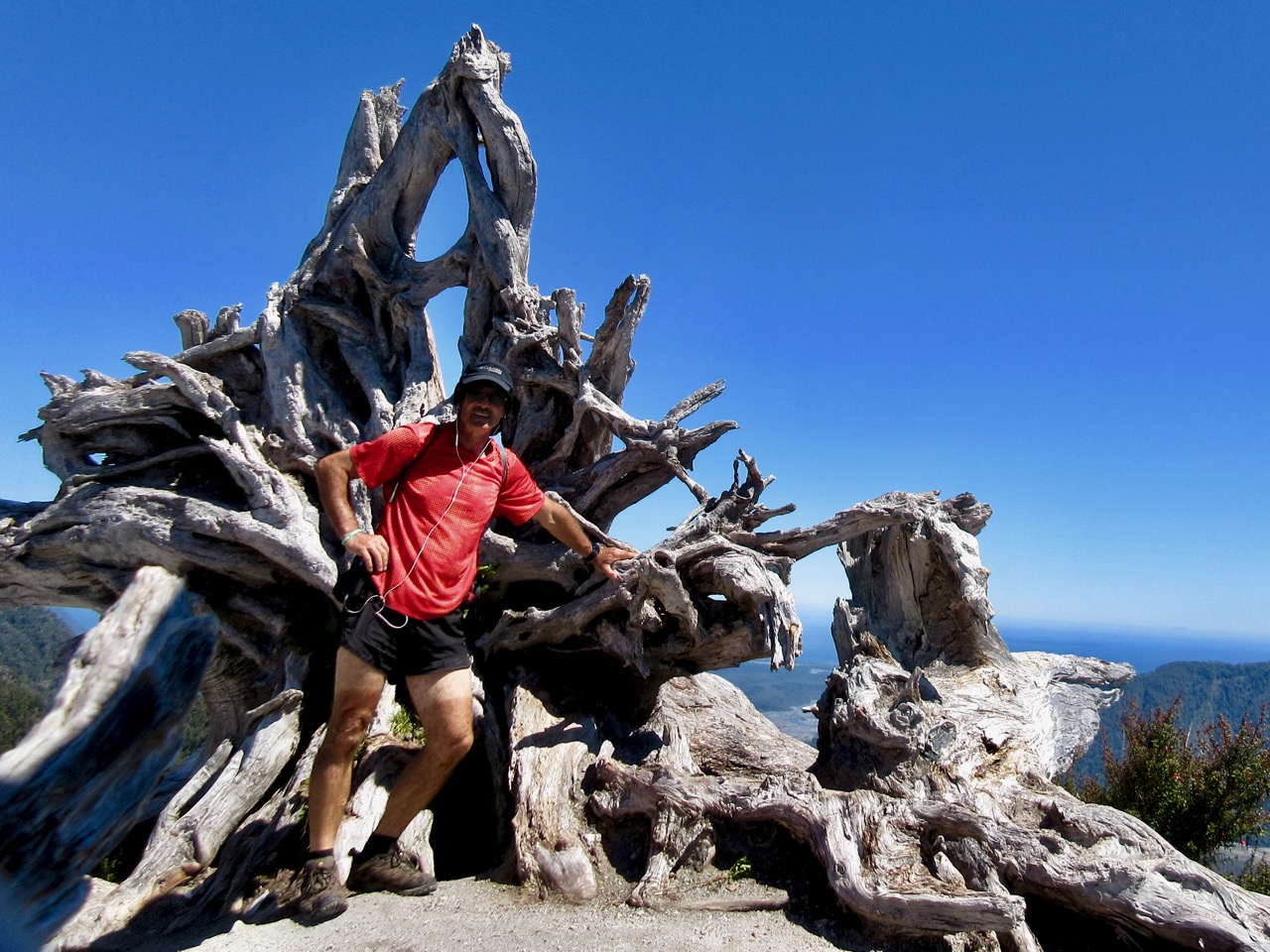
Check my cyclist’s tan!
Pumalín, Chile – Caleta Gonzalo Cascada trail
trip report by besthike editor Rick McCharles
Hike to a spectacular waterfall.
Duration: 3 hours round trip.
Distance: 5,6 km round trip.
Return: Same route.
Difficulty: Low-Medium.
This hike is very challenging. Calling it Low-Medium is insanity. 🙄
There are many sections where you need to use your hands. Scrambles.
The river crossing could be dangerous / impossible at high water. I slipped in with both feet while boulder hopping.
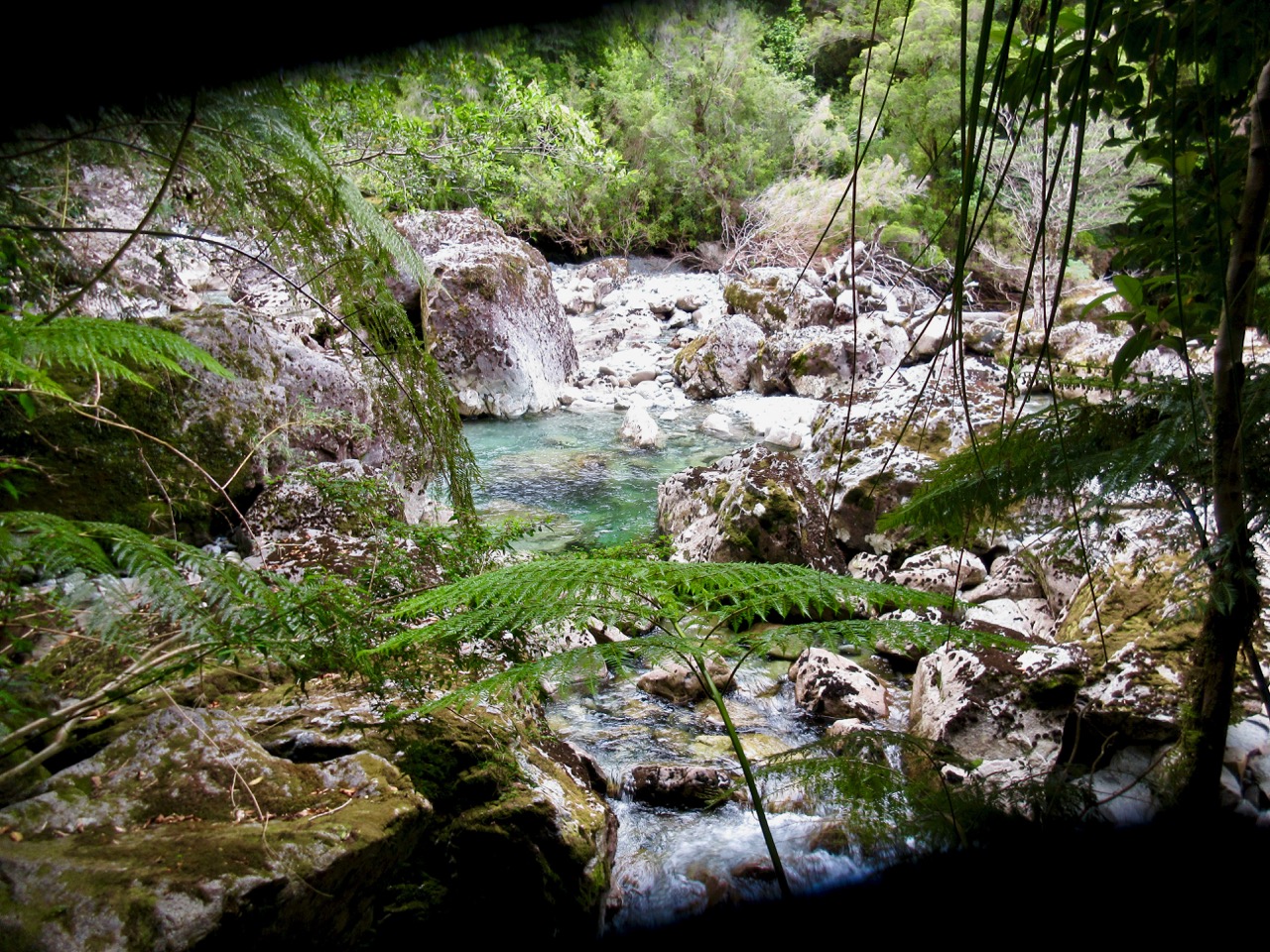
You can quickly see why this temperate rain forest was so inaccessible before superb trail builders got here.
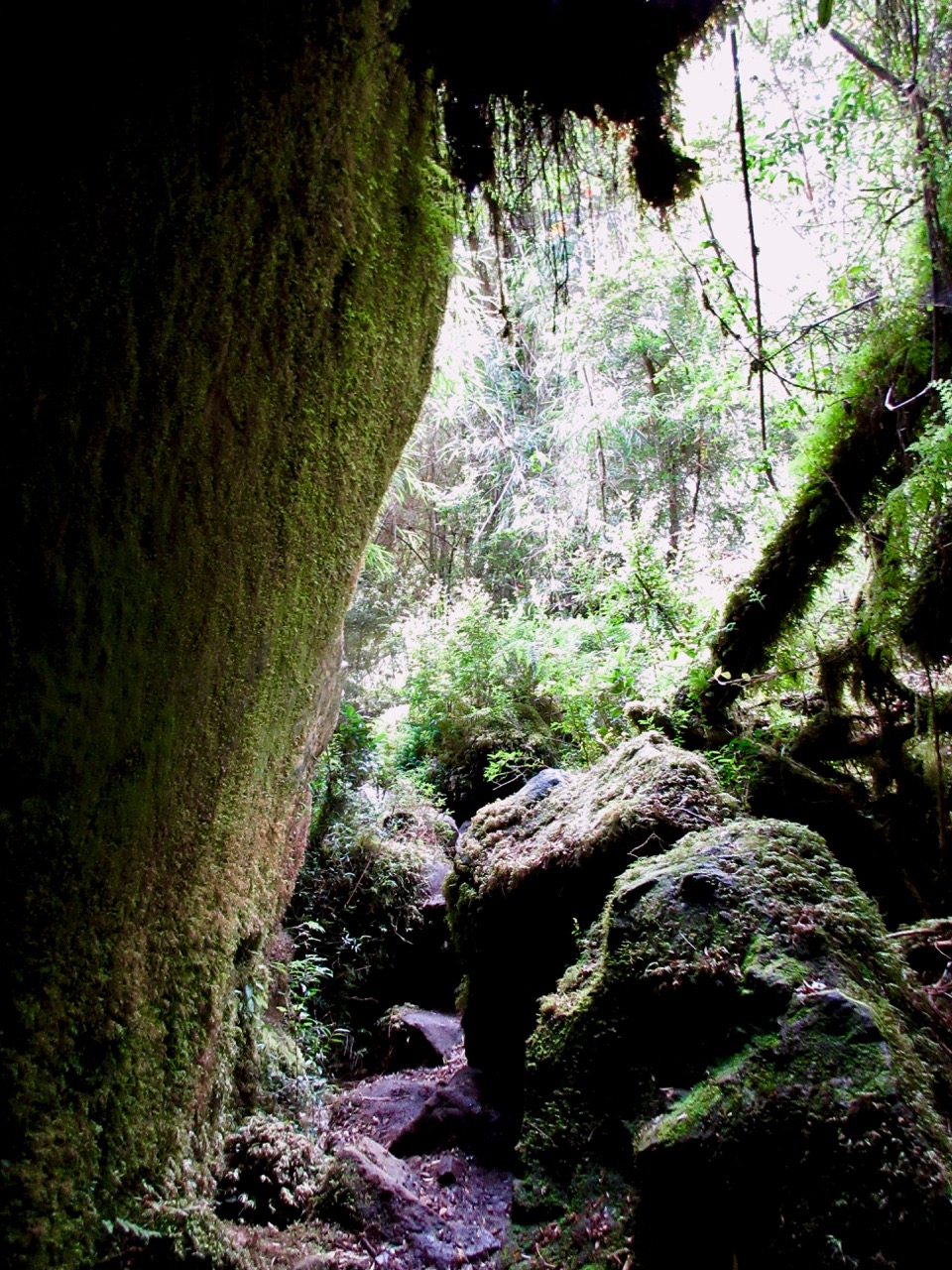
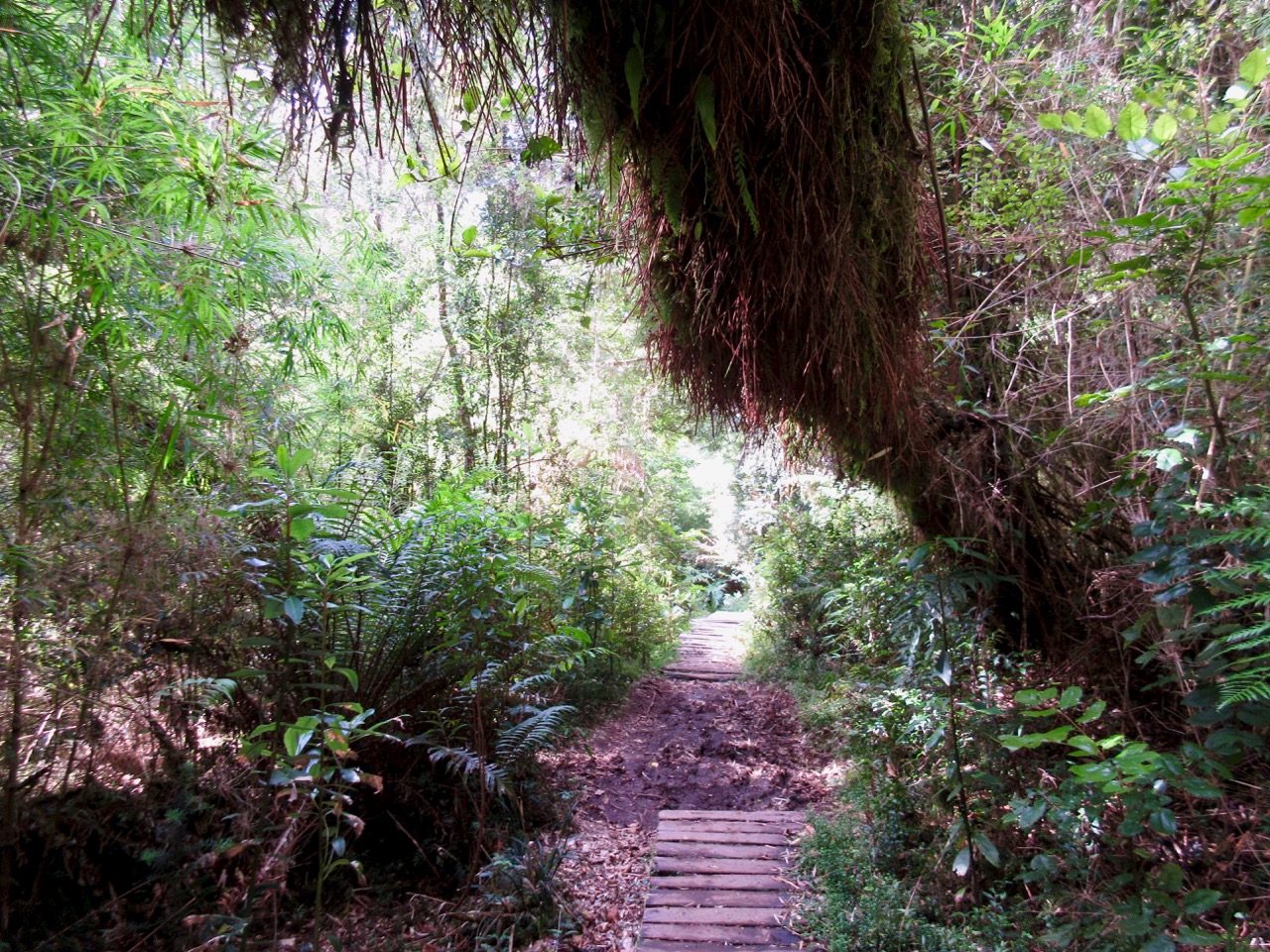
There was a ton of work done to put in this trail. Plenty of boardwalk, most made from local wood onsite.
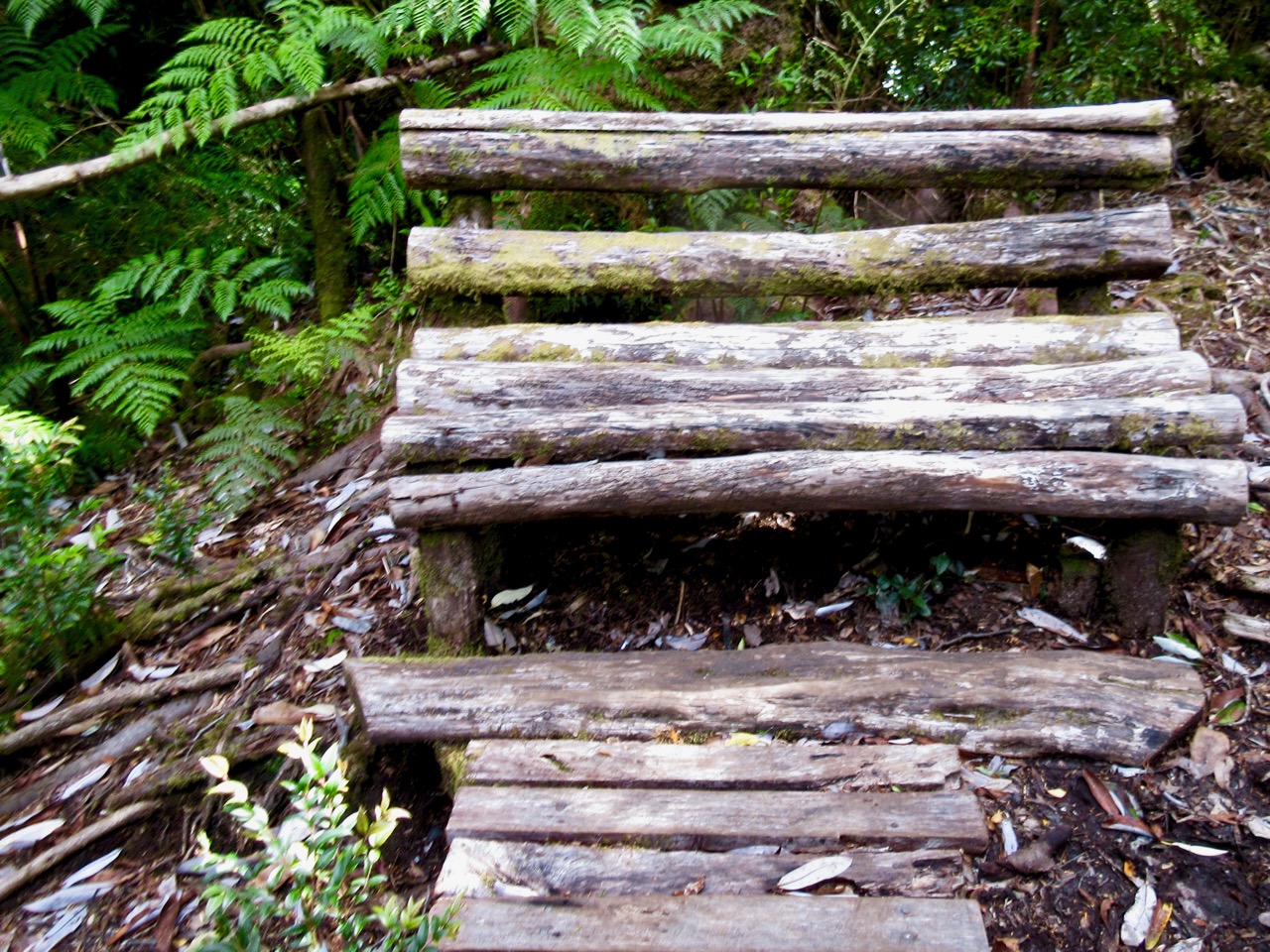
Check this natural park bench.
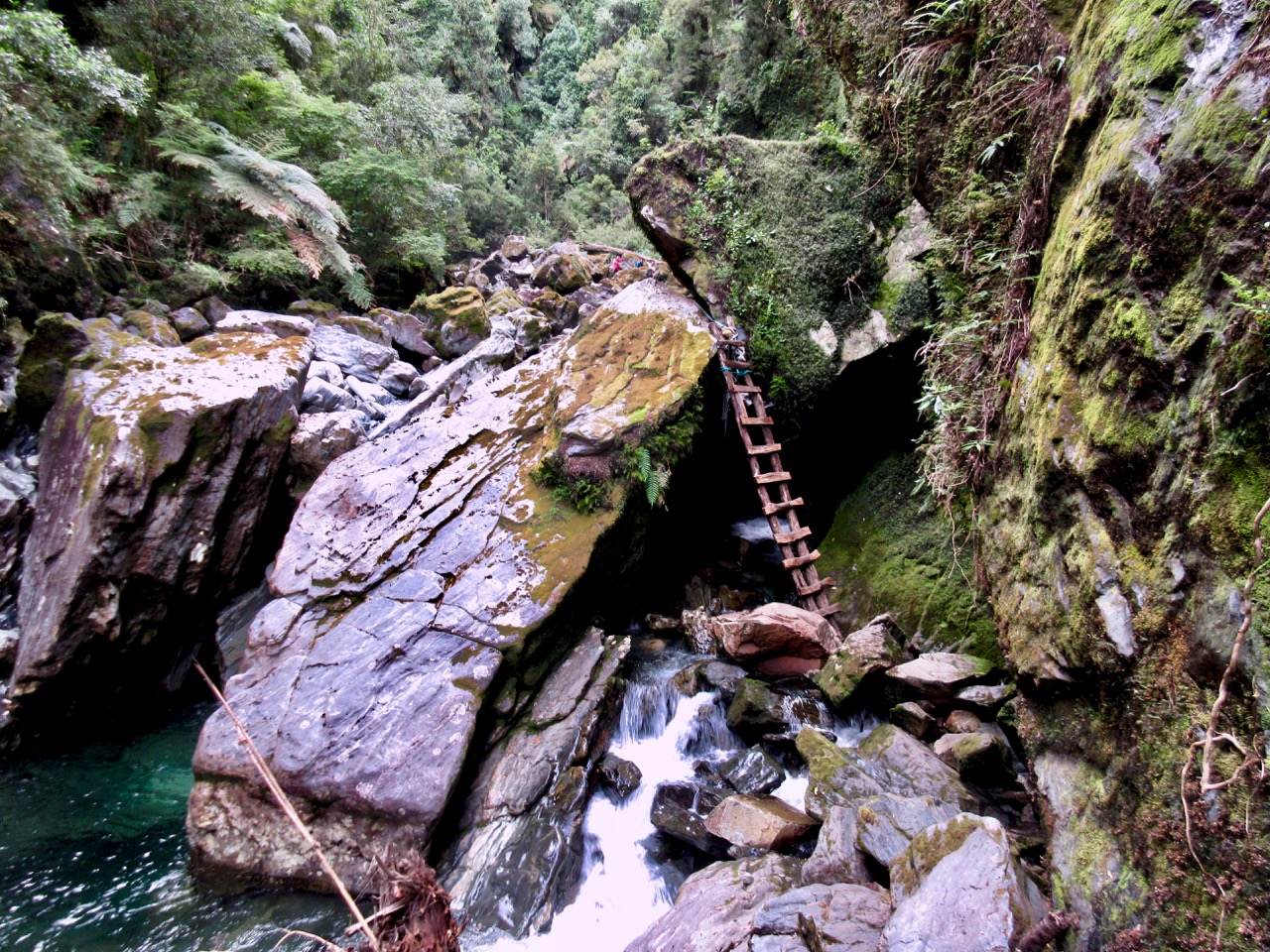
The crux of the hike are these two ladders.
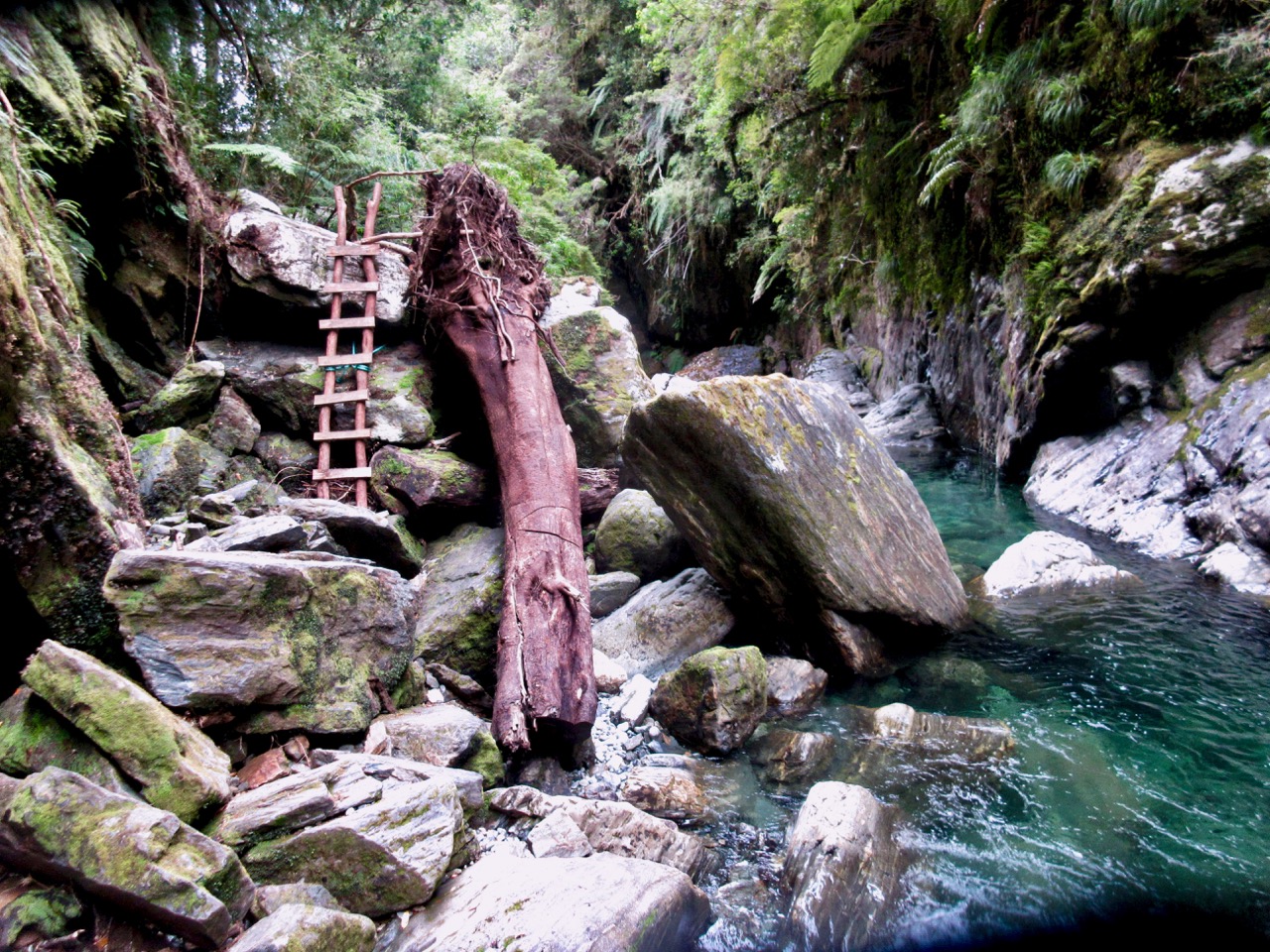
Made it. This is what I expected at Pumalín.
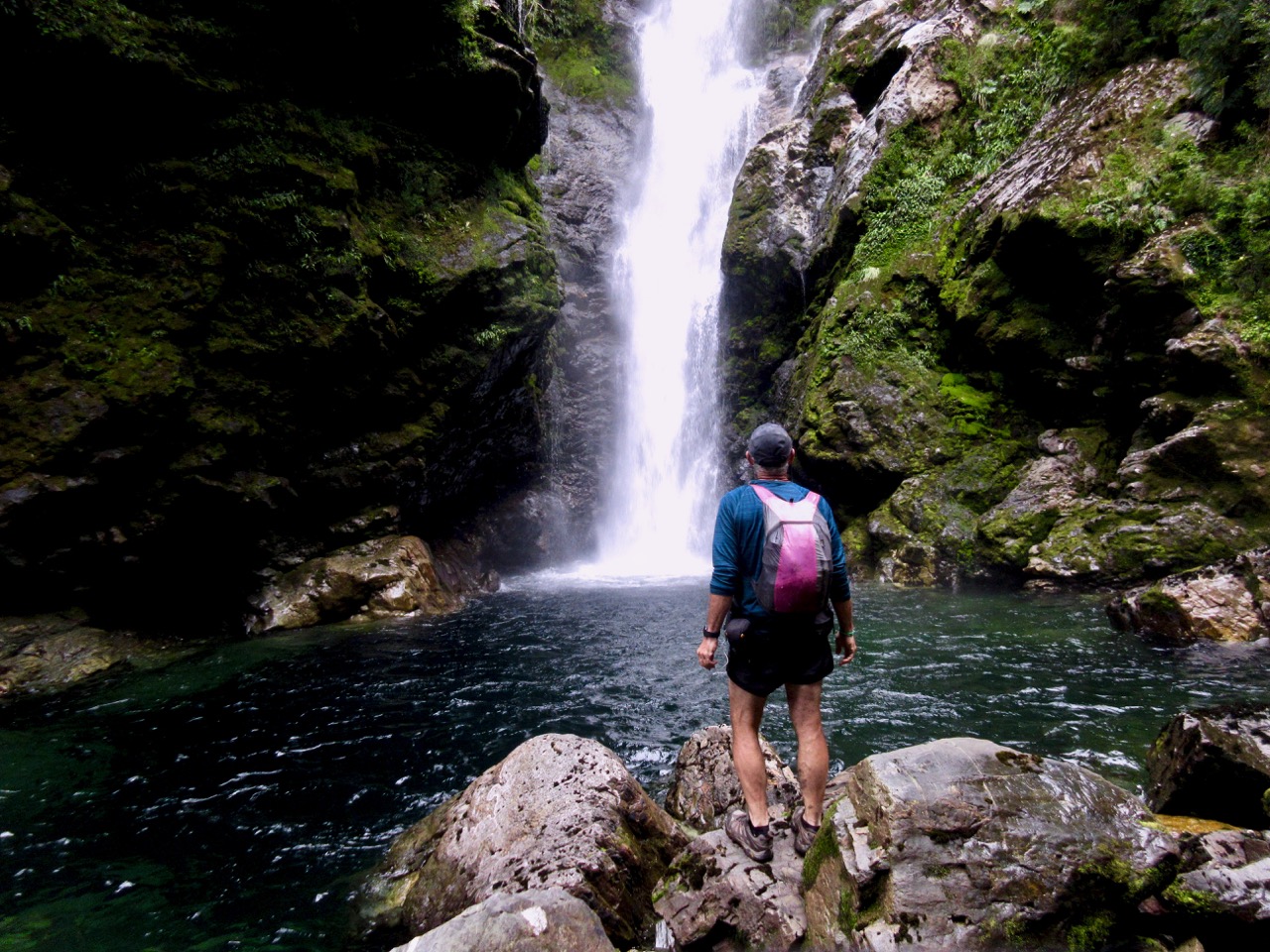
For me it was 3 hours round trip. Finishing at 8pm I had only about 2 hours of daylight left to get set-up at the nearby campground and to cook up a BIG dinner.
Cascada was my first hike in this sector of Parque Pumalín.
more hiking knowledge ~ less gear
Yep.
Heart this on Instagram.
headed for Pumalín National Park, Patagonia
Jan 29th, 2018 Pumalín was finally declared a National Park.
One of the great stories in conservation ever. 🙂
I’ll be cycling there today, planning on a number of hikes.

Click PLAY or watch it on YouTube.
Length of South America in 730 days self-powered
On October 27th, 2018 the two woman Her Odyssey team completed crossing South America.
In 730 days they walked and paddled 12,913 km (8,024 mi) across six countries; Argentina, Chile, Bolivia, Peru, Ecuador, and Colombia.
Fidgit (Bethany Hughes) and Neon (Lauren Reed) are continuing the 5 year project, still heading north.
Click PLAY or get a glimpse of their first continent on YouTube.
hiking Lake Chaiguata, Chiloe, Chile
trip report by site editor Rick McCharles
I cycled in to the Lake Chaiguata as part of my Patagonia bikepacking trip. Cycling is a great way to get to trailheads in this remote part of the world.


Parque Tantauco is fantastic. And fantastically well organized and funded.
The campsites are as good as I’ve seen anywhere. They put down wood chips to keep them dry.
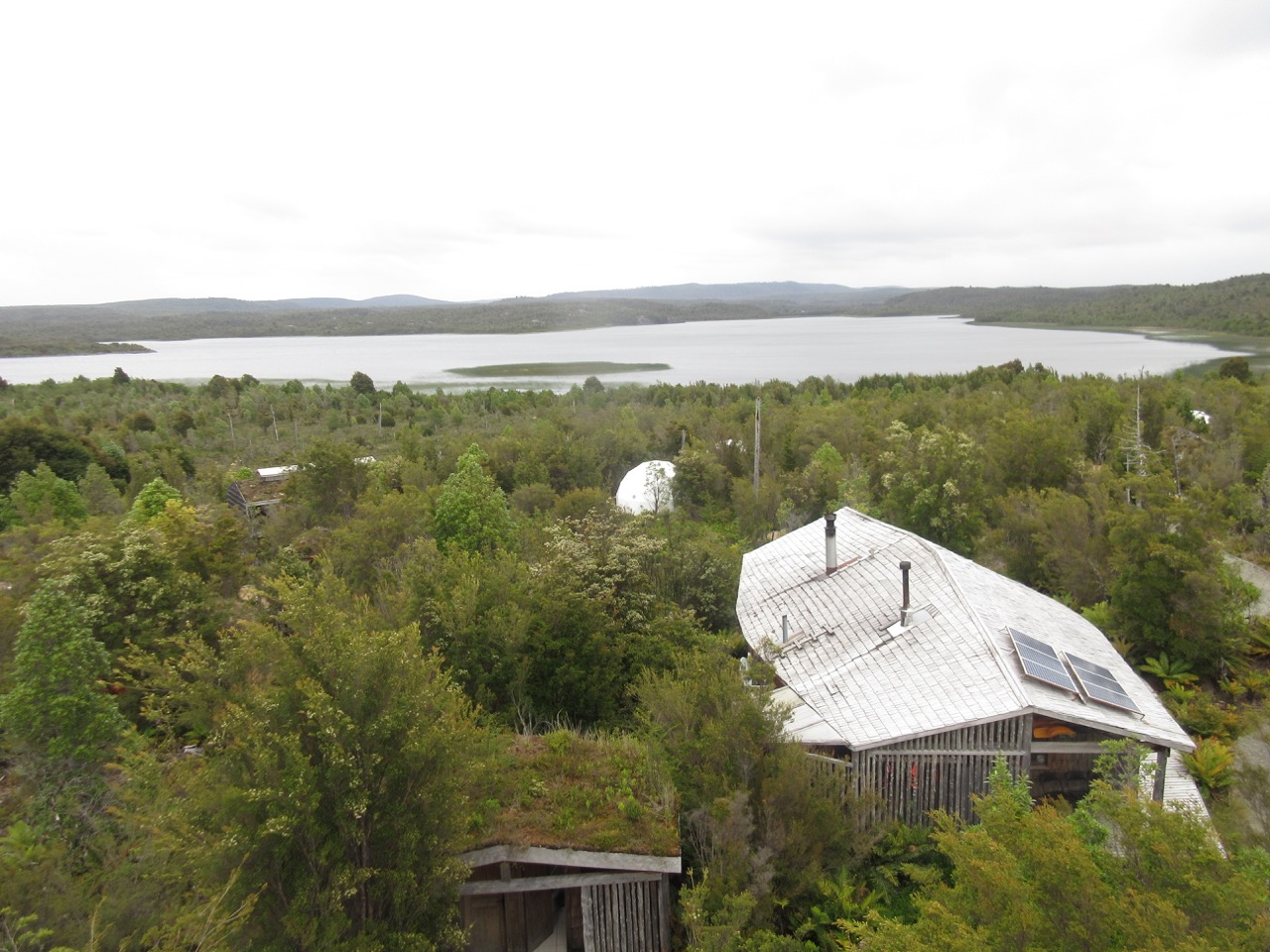
There are a number of day hikes of various lengths, all well signed.
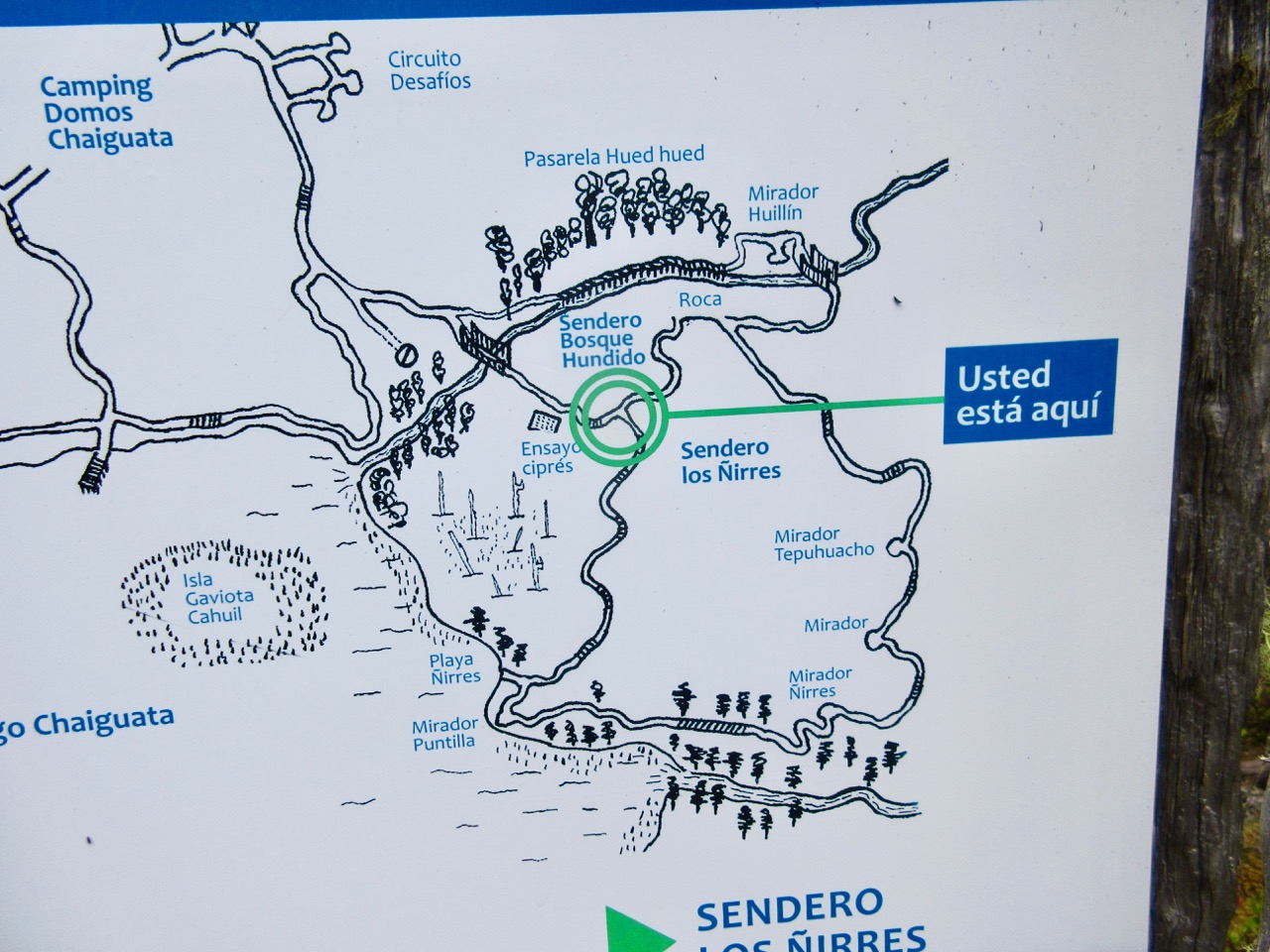
This is a wet, wet landscape. Thus they’ve built a LOT of boardwalk. And I love boardwalk.
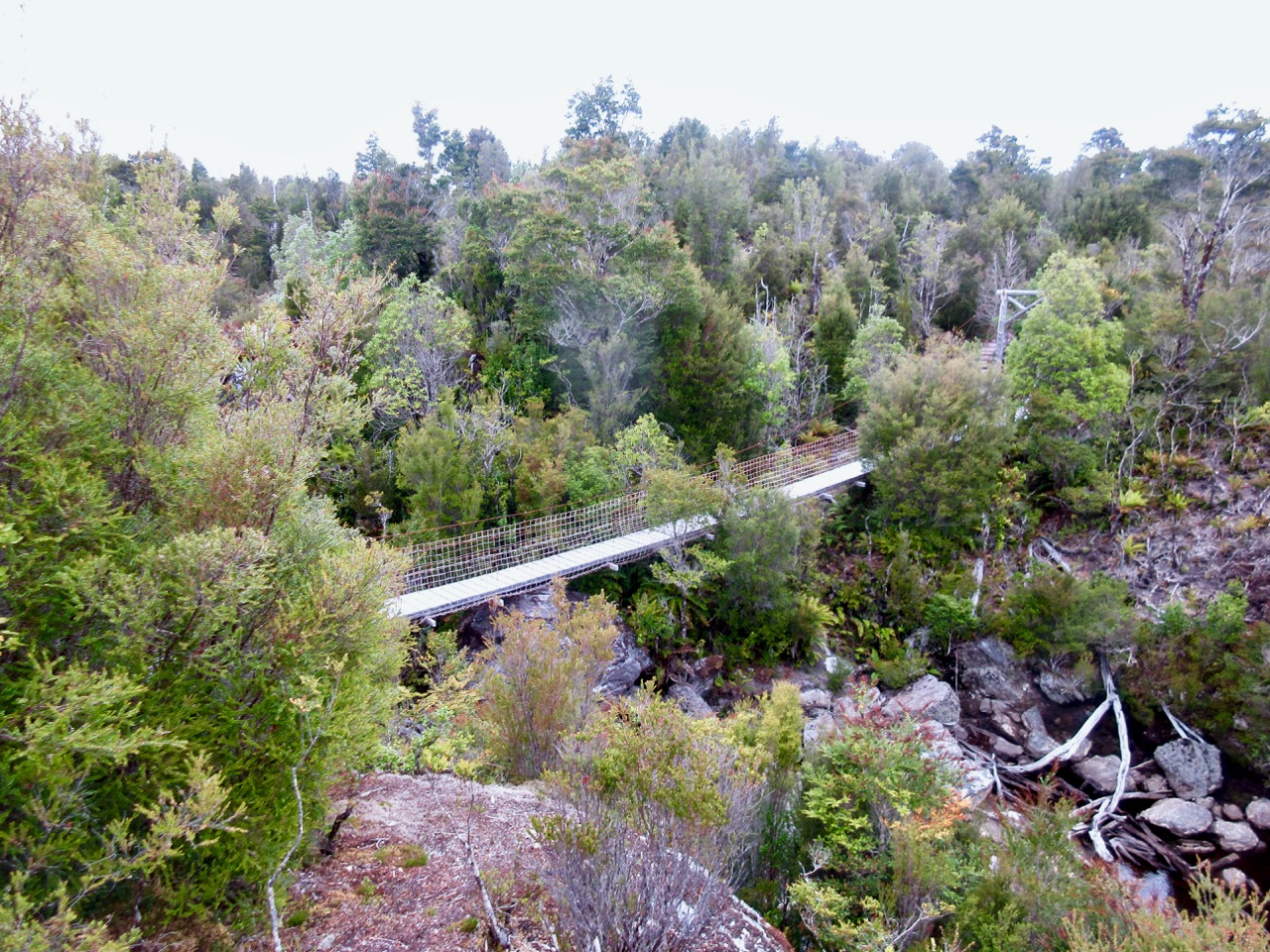
Though the topography is fairly flat, trails are built to take you to overlooks.

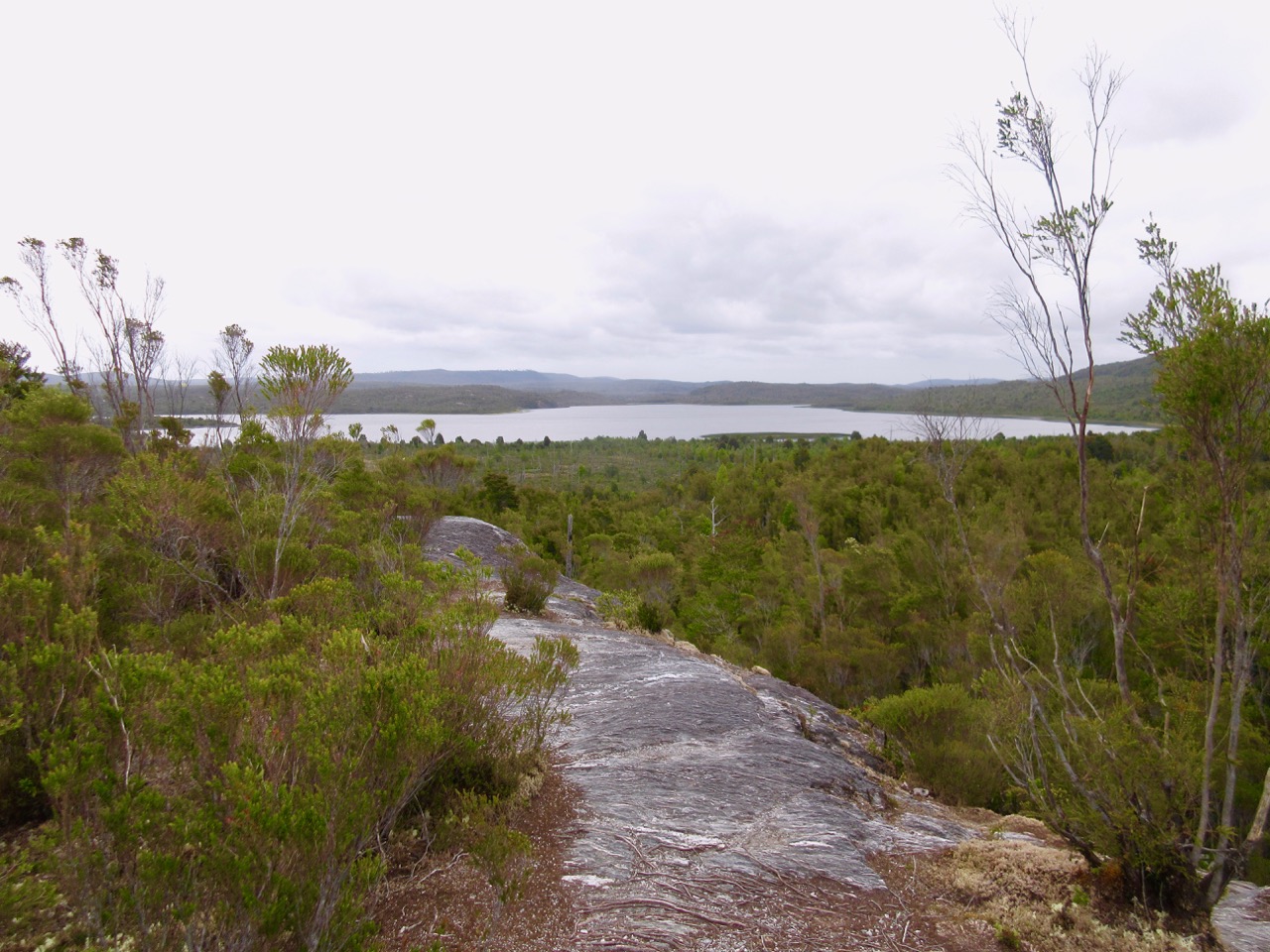
It’s an interesting place.
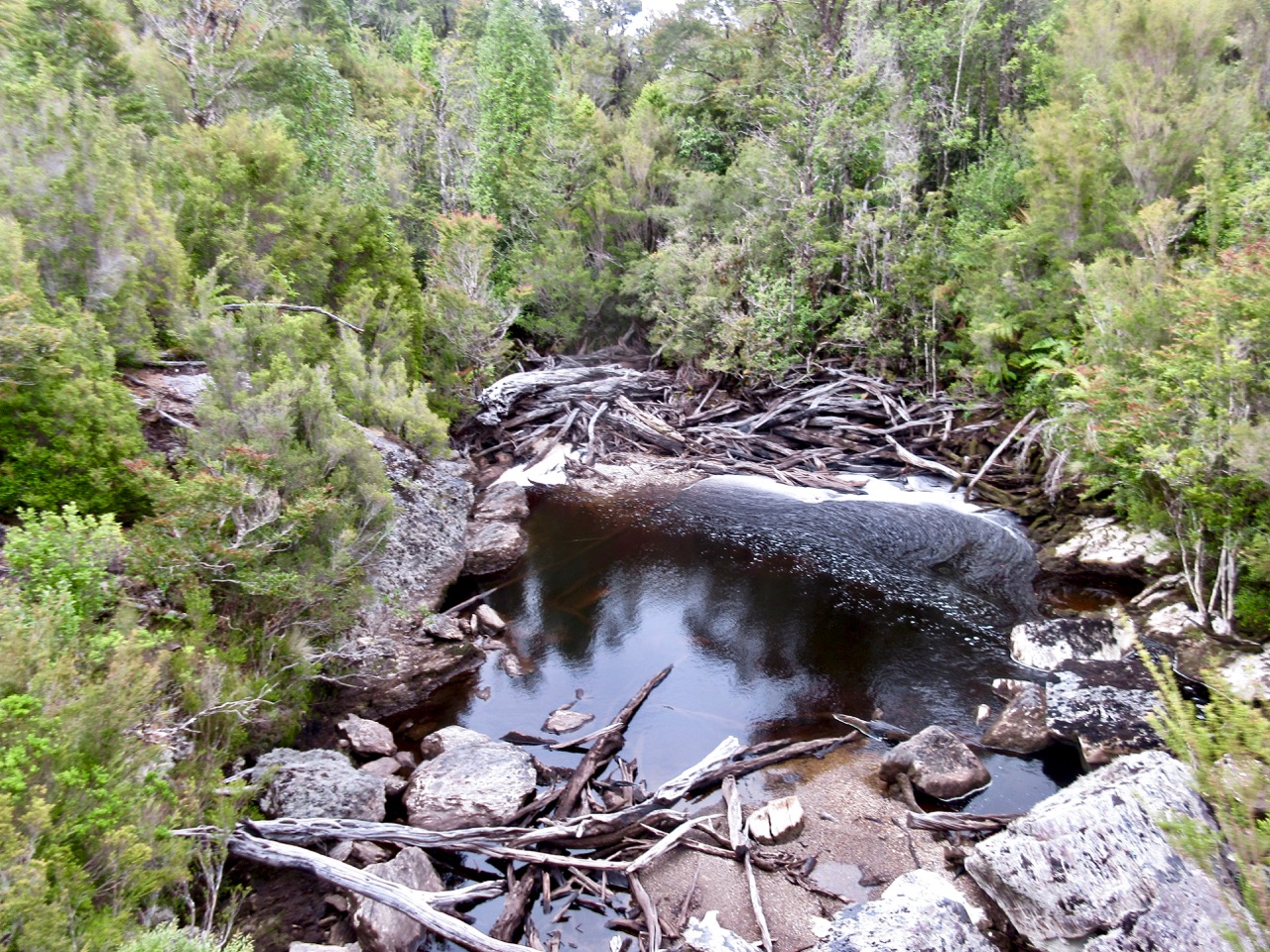
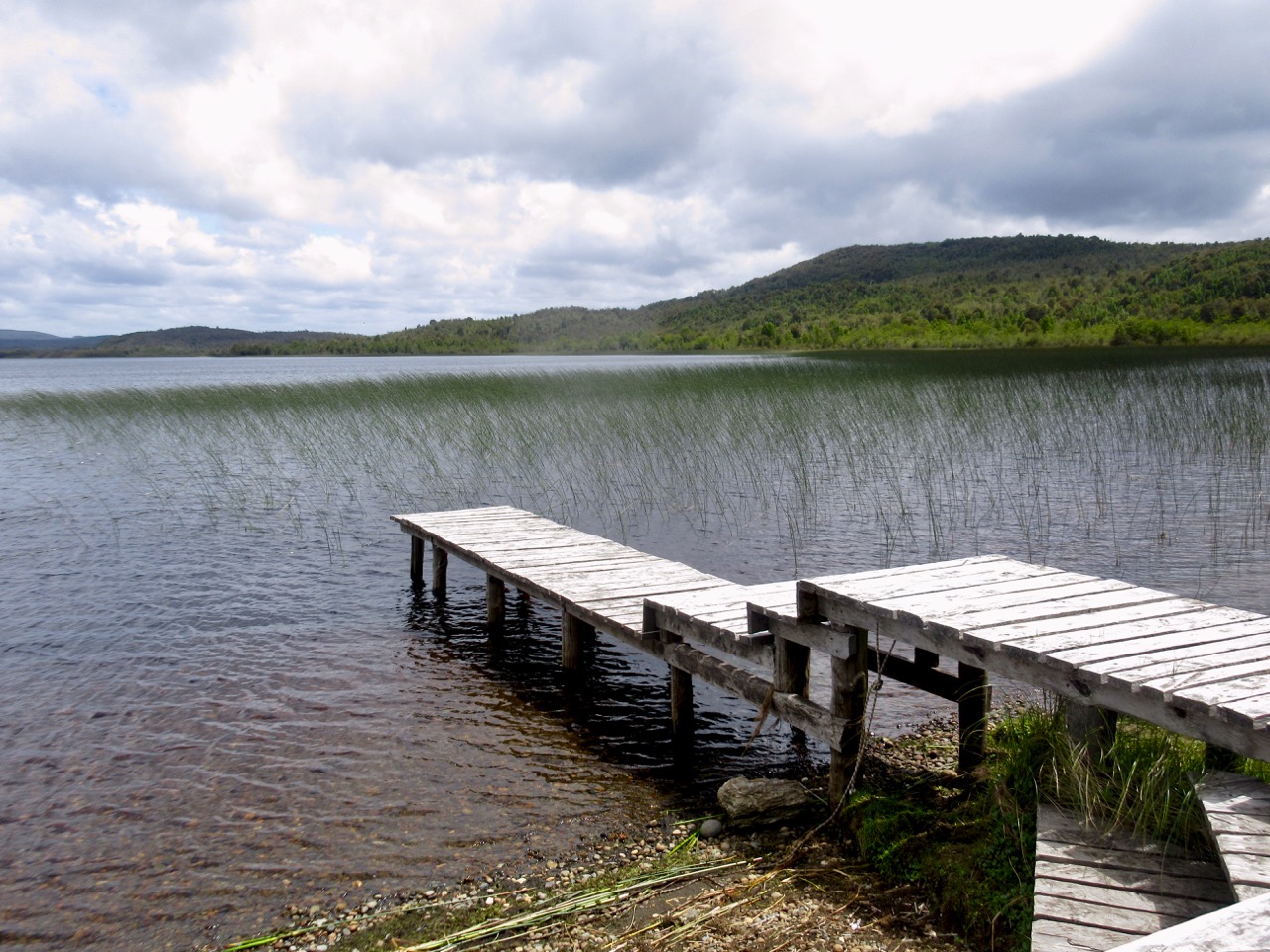
This is the start of the best hike in Chiloe, the 4-8 day Sendero Transversal hut-to-hut.
best hike Chiloe Island, Chile
Sendero Transversal is by far the best hike in remote Chiloe.
I cycled in to the Lake Chaiguata trailhead staying only 1 night and did some day hiking.
It’s a unique and impressive Park. Very well organized.
Tantauco Park (Spanish: Parque Tantauco) is a 1,180 km2 (456 sq mi) private natural reserve on the south end of Chiloé Island in Chile.
The park was created by Chilean business magnate and President of Chile Sebastián Piñera in 2005 …
The park is open to the public with two campgrounds and a 150 km (93 mi) network of hiking trails. …
Tantauco Park is an attractive ecotourist destination due to the remarkable biodiversity of its nearly untouched Valdivian temperate rainforest and the rather easy public access. Precipitations in the area average about 2,500 mm (98 in) annually. …
Details on the Sendero Transversal.
- 4 – 8 days
- hike only 1 direction (counterclockwise)
- download the map
- start Lake Chaiguata, finish Inío
- hut to hut
- maximum 8 hikers / day
- exit by floatplane or boat
- peat bogs, Tepu forests, Cypress trees
- plenty of boardwalk
- trails well maintained, but you’ll be getting wet
- only about 7000 people / year visit this Park
- there are a couple of other multi-night options
Click PLAY or watch on trip on YouTube.
related:
Home page – parquetantauco.cl (Spanish)
WikiTravel – Parque Tantauco
Wikipedia – Tantauco Park

