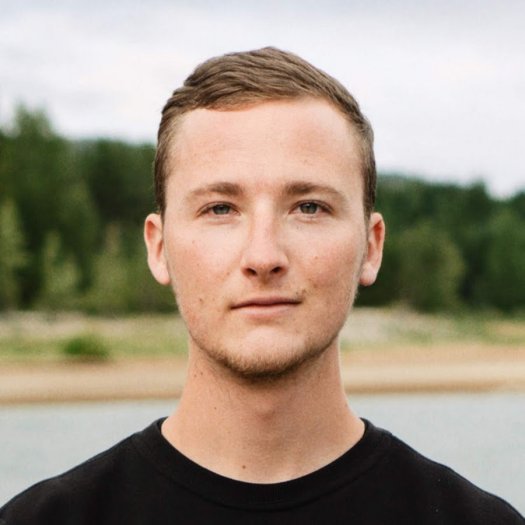

Blake “Deluxe” Robinson walking all U.S. Parks

Blake Robinson is well into his attempt to Walk The Parks.

Walk The Parks is a journey exploring the 49 National Parks in the lower 48 via human power, mostly walking.

Patreon.

Click PLAY or watch him on YouTube.

WHAT happened to Nepal’s Royal Trek?

trip report by BestHike editor Rick McCharles

The Royal Trek was named because Prince Charles and his 90 person entourage followed this route in 1981 shortly before he married Princess Diana.

It was once a BIG DEAL. Mick Jagger did it too, for example.

Some walked a loop to and from Pokhara. It was jungle.

But by 2019 (during the dry season) you could drive most of this route. Take a taxi to any of these villages. Buses run to each, in fact.

Road building has degraded the experience to the point where very few hikers now visit.

That’s a shame because it’s a great way to see three of the highest peaks in the world from one spot: Manaslu 8,156m, Annapurna 8,091m, Dhaulagiri 8,167m.

Companies will still guide you. 9 days for $600 and up.

We did it independently in 2 days. Walked no more than 35 km.

A taxi from Lakeside, Pokhara to Kalikasthan cost $26.

It’s almost entirely a road walk now. Dusty at times.

Do not go unless the weather is clear. You want to see the big mountains including Machapuchhre (Fishtail).

The highlight for us was not the mountains, however, but learning about Gurung village life in the foothills.

You’ve heard of the Gurungs. They’ve been prominent soldiers in Nepalese, British and Indian armies.

Winter is coming. They were bringing in firewood.

Every village now has water pipes. But in the old days it was carried up from far below. Rain collected in giant concrete cisterns.

Our plan was to hike to Syaklung where I assured the guys there should be plenty of guest houses and restaurants.

Despite having 3 online map apps and a hard copy of the Around Pokhara Valley map, our main method of navigation was to ask people ‘which way to the Royal Trek?’

Eventually … we were lost.

Backtracking to the village of Lipeyani, we were incredibly fortunate to meet a gentleman named Rishi who had come up to the family farm for the Diwali festival. We met his people too.

Moma is age-71, but still works the farm. Her eyes have been damaged from decades of cooking smoke.

She picked fresh ginger and chilies. Their small, hard oranges were excellent too.

Rishi’s brother brought fresh buffalo milk for our coffee (Nescafe).

For Diwali, Nepalis clean and decorate their homes.

Fresh coats of mud applied.

They illuminate the interior and exterior of their homes with diyas (oil lamps or candles), electric lights, etc. .

They offer puja (worship) to Lakshmi, the goddess of prosperity and wealth. Many homes have a trail into the house.

Rishi suggested we stay in his village instead of Syaklung Danda, our intended stop. We were very happy we did.

It was Dal Bhat for dinner, of course. The staple. But for an appetizer we were offered a special treat — dried, smoked, spicy goat meat from the high Himalaya. They call it sukuti.

That night we were welcomed into the annual Diwali festivities. Much dancing, chanting and singing. And a bit of drinking. I had the local boiled rice wine called roxy.

We slept well on hard mattresses. And dreamed of having the big vistas early morning.

It dawned not as clear as the previous day, but we did see the three big peaks from one vantage.

Mission accomplished, we decided to walk out as directly as possible to Begnas Lake. Our Royal Trek route ended.

It was mostly downhill on dirt or paved roads.

Rice looks to be the most important crop.

Rishi is a specialist in rural development. He told us these village are in trouble. The young people leave for the cities, India or the Middle East, and those who remain have trouble making ends meet. He consults on new initiatives for the foothill farmers.

Begnas lake is impressive, but I prefer Lakeside, Pokhara as a tourist destination.

We took lunch at a local restaurant in Begnas Tal Bahar, then caught the Lakeside bus.

It’s only 30km back to town, but the local bus is SLOW. If I did it again, I’d taxi back to Pokhara.

Other highlights:

  • hillside rice terraces
  • no permits required
  • a good first Nepal hike to start acclimatization
  • low risk of altitude sickness

Best months for the Royal trek are March – May and September – December. It can get cold at night.

Annapurna: A Trekker’s Guide by Sian Pritchard-Jones and Bob Gibbons might still include the Royal Trek. Lonely Planet Trekking in the Nepal Himalaya (2016) does not.

If you like this vista, do the Royal Trek on your own. You’ll be unlikely to see any other foreigners.

day hiking Peace Pagoda, Pokhara

One popular destination close to Pokhara, Nepal is Shanti Stupa, a Buddhist pagoda-style monument.

There are great views of the Annapurna range on a clear day.


Though you can taxi, cycle, or walk — best is crossing Fewa Lake by local boat.

A long paddle, Josh helped out the boatman.

From the bottom it’s a steep climb on stone stairs. Perhaps 45 minutes.

It’s  115 feet tall and 344 feet in diameter.

We’d come up for sunset not knowing that it closes about sunset. We didn’t get the chance to see Buddha.

So the highlight for me was the flower gardens.

We returned by boat, as well. It was dark by the time we got back to Lakeside.

The Diwali festival was ramping up. We happened upon three fire dancers at landing.

Worldwide, there are many similar Peace Pagodas. Check out any you come across on your travels.

I’m hiking Nepal November 2019

by BestHike editor Rick McCharles

I’ve hiked most of the major trails you can do independently in Nepal.

What next?

  1. The Royal Trek
  2. Khopra Ridge Trek
  3. Makalu Base Camp

I’m flying to Pokhara, bypassing polluted Kathmandu this time.

After getting some dental work done there, my plan (so far) is …

The Royal Trek

  • maximum altitude 1730m
  • foothills of Annapurna, north of Pokhara
  • great views of Fishtail, when weather permits
  • independent hiking using teahouses (but carrying a tent)
  • 3-4 days
  • I’d warm-up with a dayhike to Sarangkot
Fishrail (Machhapuchhare)

Khopra Ridge Trek

  • maximum altitude 4660m
  • bus from Pokhara to Nayapul to start
  • independent hiking using teahouses (but carrying a tent)
  • 5-8 days
  • I might actually join a guided Khopra trip with INDIAHIKES
Khopra Ridge on Annapurna

Makalu Base Camp

  • maximum altitude 5,250m
  • Makalu Barun National Park and Conservation Area
  • flight from Kathmandu to Tumlingtar and jeep to Num to start.
  • Makalu is the 5th highest mountain in the world
  • independent hiking using teahouses (but carrying a tent)
  • 13-16 days
Makalu Base Camp

This is a first draft. I’m certain it will change. Because I’m doing this trip independently and solo I can change on a whim.

Leave a comment if you have any advice.

Family of 6 hikes Appalachian Trail

20 years after her first Appalachian hike, Jamie, her husband Chris, and their four daughters, Maya,13, Harper, 11, Josie, 8, and Sabina, 6, camped in snow, and hiked across rivers and up mountains, all with blistered toes and homework assignments to complete. …

6-year-old Sebastopol girl breaks hiking record with family on Appalachian Trail

Click PLAY or watch them on Twitter.

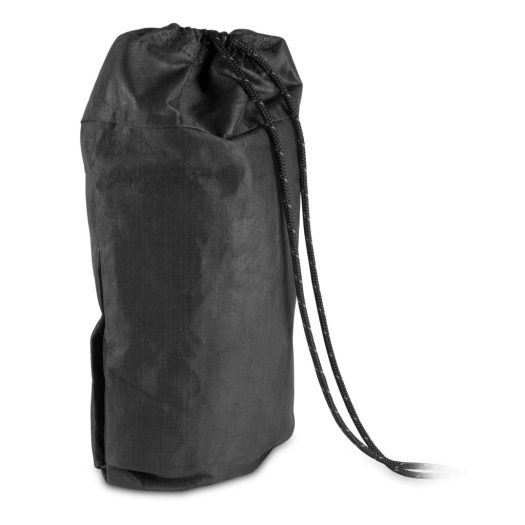
Matador Freefly16 packable daypack

Kraig and Dave on The Adventure Podcast frequently recommend Matador products.

As I travel much of each year, I use packable daypacks nearly every day on those trips. Often it carries my laptop and other essentials for short trips.

Often I use it to carry my daily groceries.

The Matador Freefly16 has replaced my my Sea to Summit Ultra-Sil® Dry Day Pack. The Matador is slightly heavier and bulkier, but much more robust and full-featured.

This 16 liter backpack is built from waterproof Cordura® with sealed internal seams and sealing zippers.  Incredibly light and seriously equipped, Freefly16 is ready for whatever’s ahead.

Dimensions:

  • Unpacked 17in x 11in x 8in
  • Packed 4.75in x 2.75in diameter
  • 4.8 oz

details 

Click PLAY or watch it on Vimeo.