New Zealand #1 on our list of BEST HIKING DESTINATIONS of the World.
Click PLAY or watch it on YouTube.
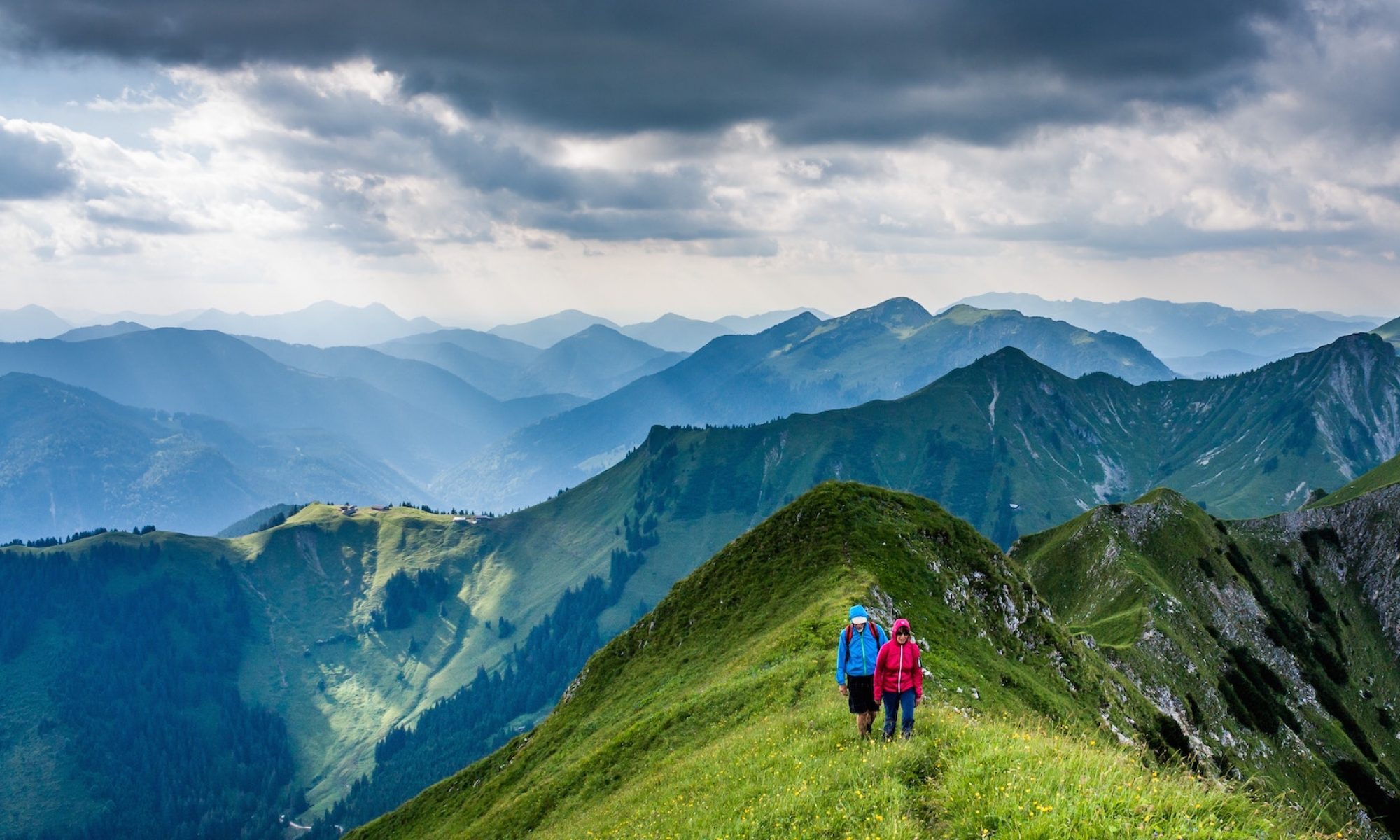

Best hikes, treks, tramps in the world.
New Zealand #1 on our list of BEST HIKING DESTINATIONS of the World.
Click PLAY or watch it on YouTube.
One of my favourite hikers, Hank Leukart, posted his favourites.
Click PLAY or watch it on YouTube.
I was inspired to update and better organize my own hiking folder.
Thanks Hank.
Nanga Parbat is the 9th highest mountain.
The Mountain Company is offering a new guided trip circumambulating the massif summer 2022.
Looks great.
High point is Mazeno La 5400m.

The 2020/2021 Banff Centre Mountain Film Festival is now available online.
Cost US $15 for each of 2 hours of film.
Buy both for US $28.
Click PLAY or watch the trailer on YouTube.
West Coast Trail is our top hike in the world.
Click PLAY or watch a 1-minute preview on YouTube.
Challenging in many ways.
So much VARIETY in pristine Canadian coastal wilderness.
Mystic dawns and mind-blowing sunsets. Hidden pocket coves and weird coastal geology.
You’ll never forget the West Coast Trail.

Read more on our WCT information page.
BestHike editor Rick McCharles
I applied online during the first few minutes applications opened for sections 500 miles or longer.
BUT I reckon there’s less than a 50% chance I’ll actually get on the Pacific Crest Trail in 2021:
BUT hope for the best, plan for the worst.
I’m hoping for at least 500 miles.
Starting mile 702 – Kennedy Meadows – starting July 10th heading north towards the Oregon border.
That’s good timing for the John Muir Trail, the best section of the PCT.
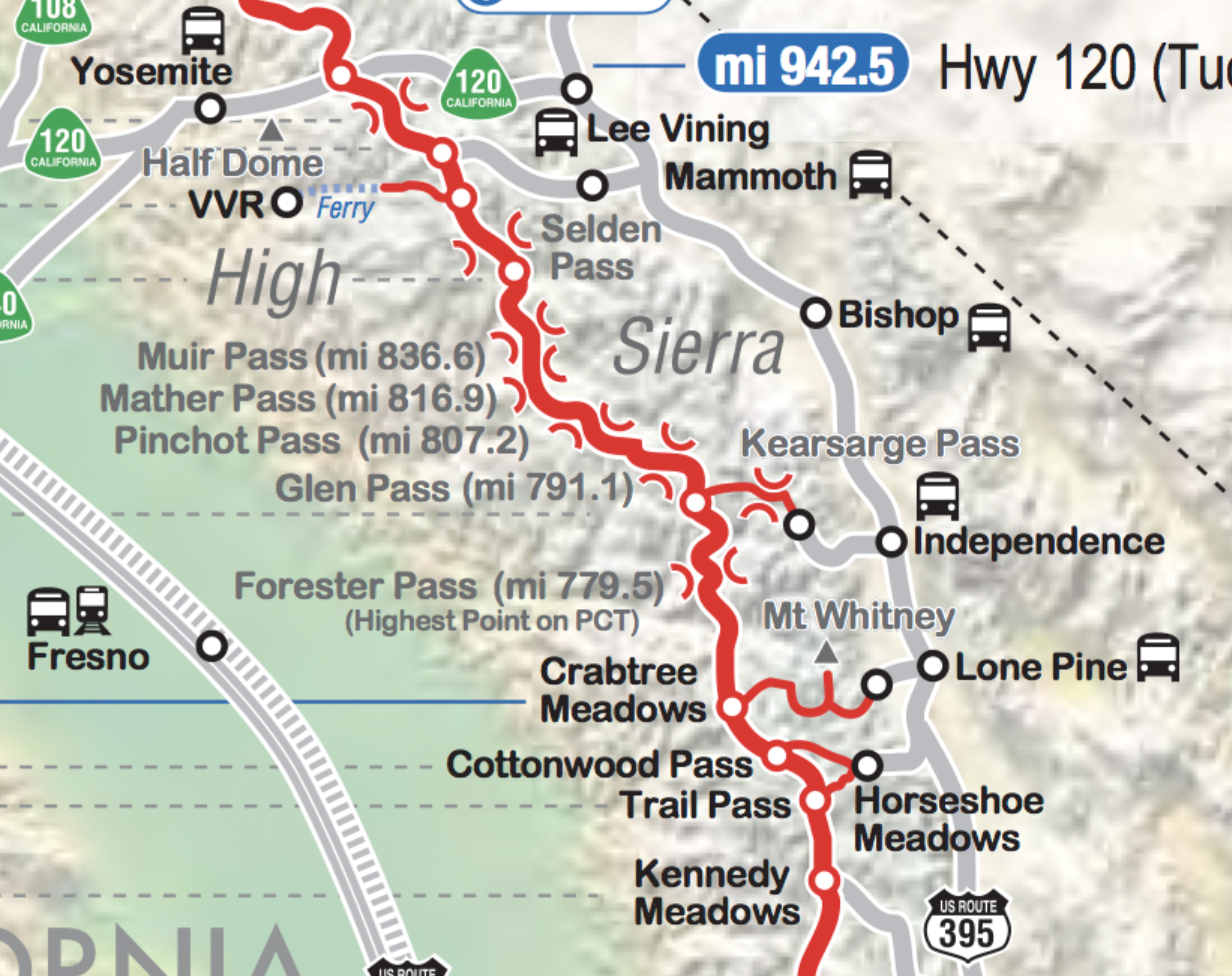
I watched Tim Seymour‘s excellent John Muir Trail northbound video for tips on how to get started on my way up to Whitney.
Click PLAY or watch it on YouTube.
Ausangate Circuit is one of our top 10 hikes in the world.
Click PLAY or watch a 1 minute introduction on YouTube.
Our favourite hike in the high Andes. Doing it independently only recommended for confident, self-sufficient hikers experienced at high altitude. It’s remote.


Read more on our Ausangate Circuit information page.
Sunshine Meadows to Mt Assiniboine is one of our top 10 hikes in the world.
Click PLAY or watch a 1 minute introduction on YouTube.
Our favourite hike in the Canadian Rockies.
Banff to Sunshine Meadows Ski Resort by bus or tram. Then head for the Matterhorn of the Rockies.


Read more on our Sunshine to Assiniboine information page.
The Everest Base Camp via 3 Passes is one of our top 10 hikes in the world.
Click PLAY or watch a 1 minute introduction on YouTube.
Everyone wants to hike to Everest Base Camp (5,320m / 17,450ft). The 3 Passes route is the most epic.
Based on weather and fitness, you can do one or more passes as well as peaks like Kala Pattar (5,545m) that don’t require a permit.
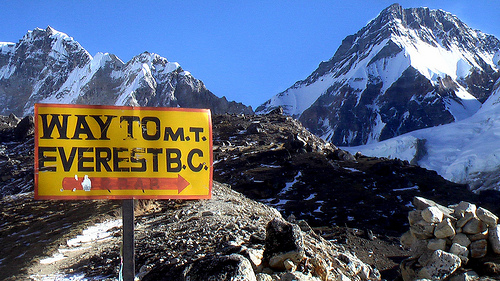
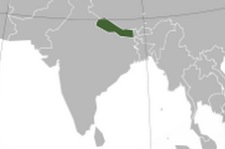
Read more on our Everest Base Camp / 3 Passes information page.
The Haute Route, from France to Switzerland, is one of our top 10 hikes in the world.
Click PLAY or watch a 1 minute introduction on YouTube.
Chamonix to Zermatt, Mont Blanc to the Matterhorn – in two weeks of mountain travel you will see the greatest collection of 4000 metre peaks in the Alps!
Read more on our Haute Route information page.

