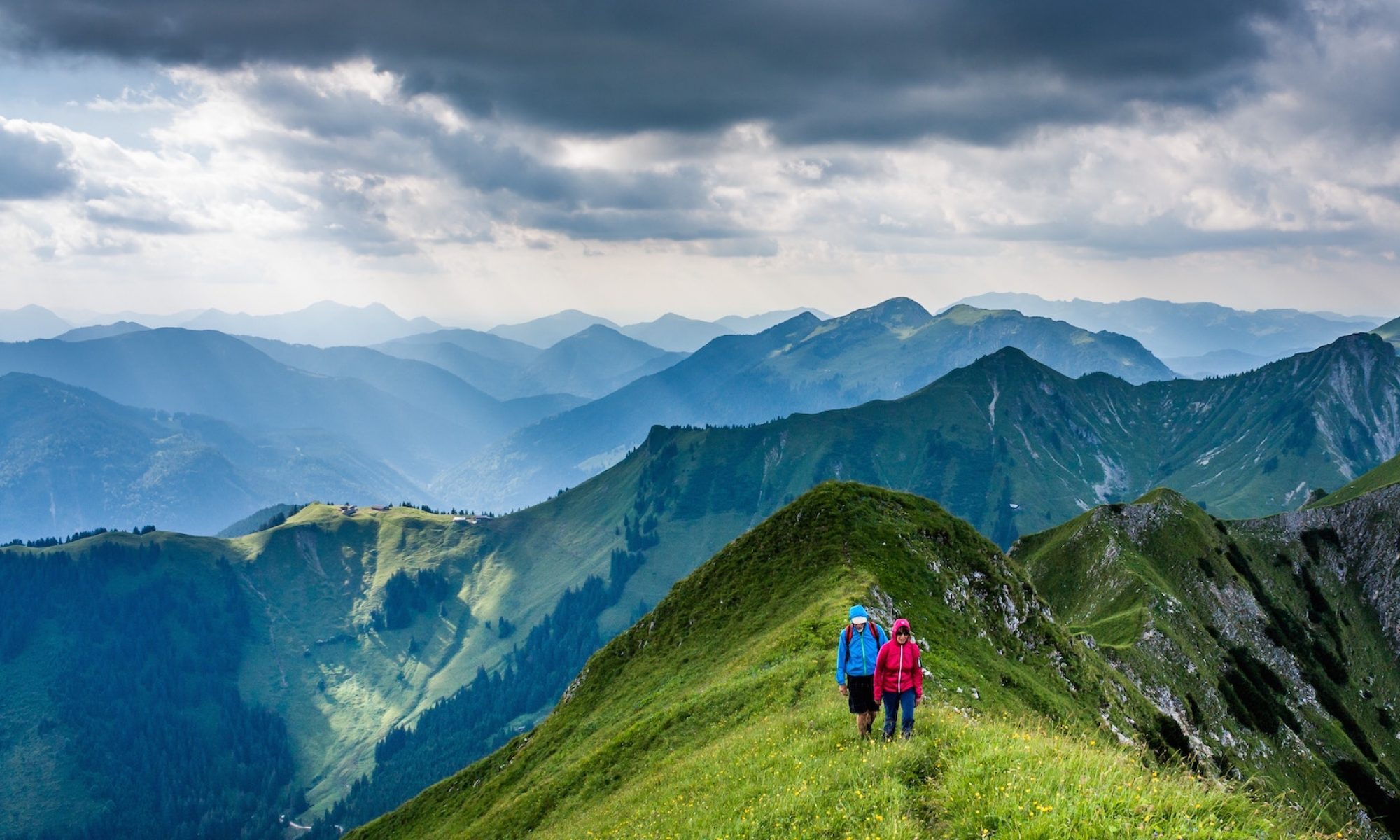

This is Aoraki/Mount Cook National Park.
Click PLAY or watch it on YouTube.
You don’t HAVE to climb the highest mountain outside Asia. Instead, you can HIKE to Base Camp without a guide.
Click PLAY or watch it on YouTube.
related:
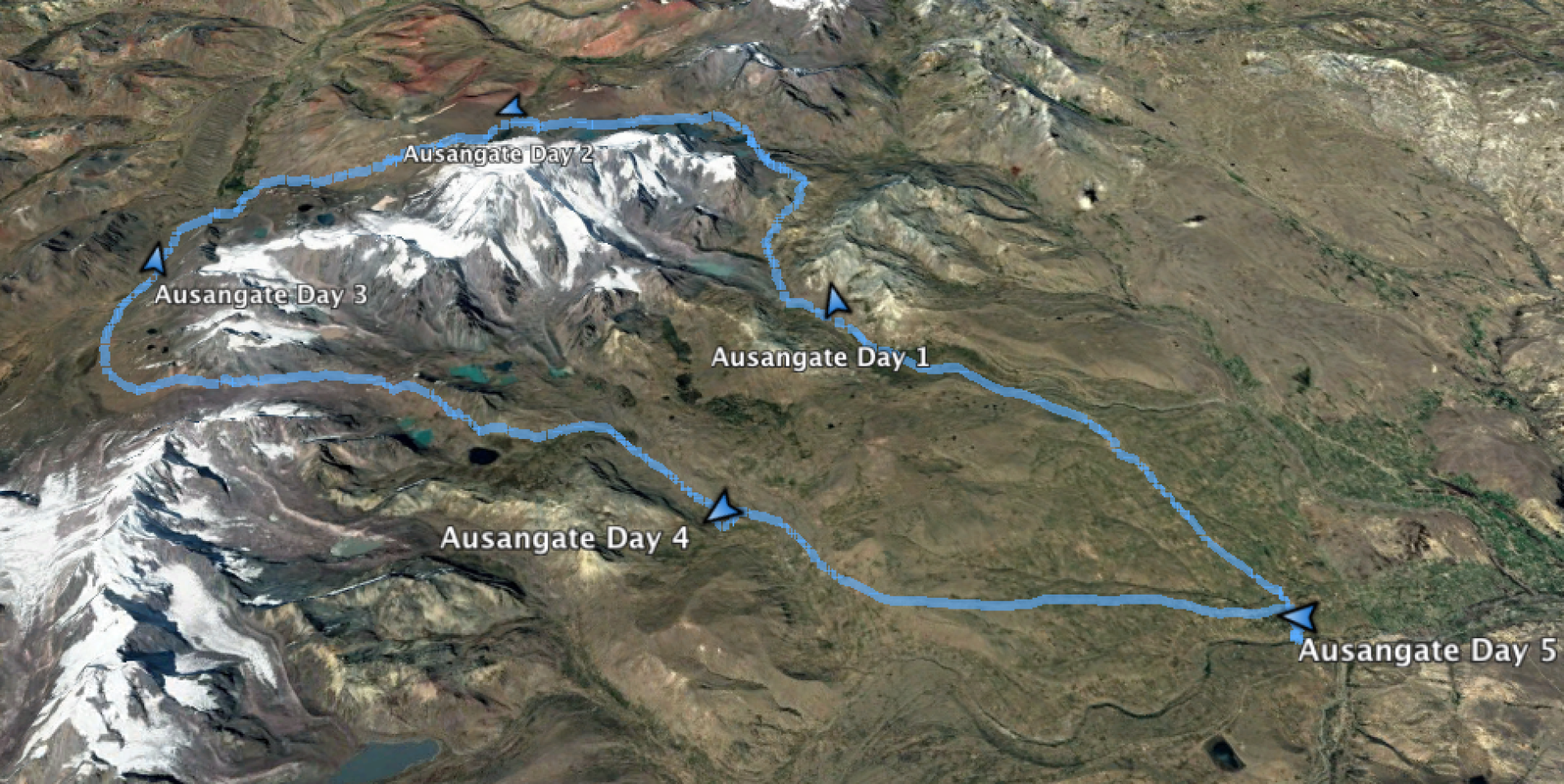
Ausangate (or Auzangate) is one of our top 10 hikes in the world.
Our favourite multi-day tramp in our favourite hiking region of the world — glorious New Zealand. 😎

World → South America → Central Andes → Peru → Ausangate

Click PLAY or watch a 1-minute introduction on YouTube.
For details click over to our Ausangate Circuit information page.
Dianne Whelan is making a film about her solo adventures on the non-motorized Great Trail (the Trans Canada Trail).
From pushing 150-pounds of bike and packs over rocks, to hiking through flooded bogs, paddling the largest lake in the world, snowshoeing through dense coniferous forests, skiing across wind-blown plains, the trail beckons.
Dianne travels the ‘Old Way’, the slow way of the turtle,seeking wisdom from those that live close to the land, asking the questions “what have we forgotten?”
“What do we need to know?”
500daysinthewild.com
Click PLAY or watch a teaser on YouTube.
related – Is it called the Trans Canada Trail … OR Great Trail?

Kraig Becker followed this project from the beginning on the Adventure Blog.
Kraig said most mountaineers thought it was impossible — but hoped they were wrong.
Kraig noted that Nims didn’t have enough money to see the project through, even after mortgaging his house.
14 Peaks: Nothing Is Impossible is a 2021 documentary film …
… Nepalese mountaineer Nirmal Purja and his team as they attempt to climb all 14 eight thousander peaks within a record time of under 7 months. (The previous record was over 7 years.) …
Purja was supported by a rotating team of Nepalese climbers, several of whom are introduced in the film, including Mingma David Sherpa, Geljen Sherpa, Lakpa Dendi Sherpa, and Gesman Tamang, however, only Purja would complete the summit of all 14 eight-thousanders …

I liked the film much more than expected.
The video editors did a terrific job putting together something so good from mostly bad GoPro footage.
Click PLAY or watch it on YouTube.
Nims wife Suchi Purja is a treat.
He’s super talented, of course. Yet irreverent, profane, and funny. A great leader in the face of life and death.
Nims reminds me of a young Mohamad Ali. So confident. So cocky. 😀
Mountaineers might be even more impressed with his later winter summit of K2.
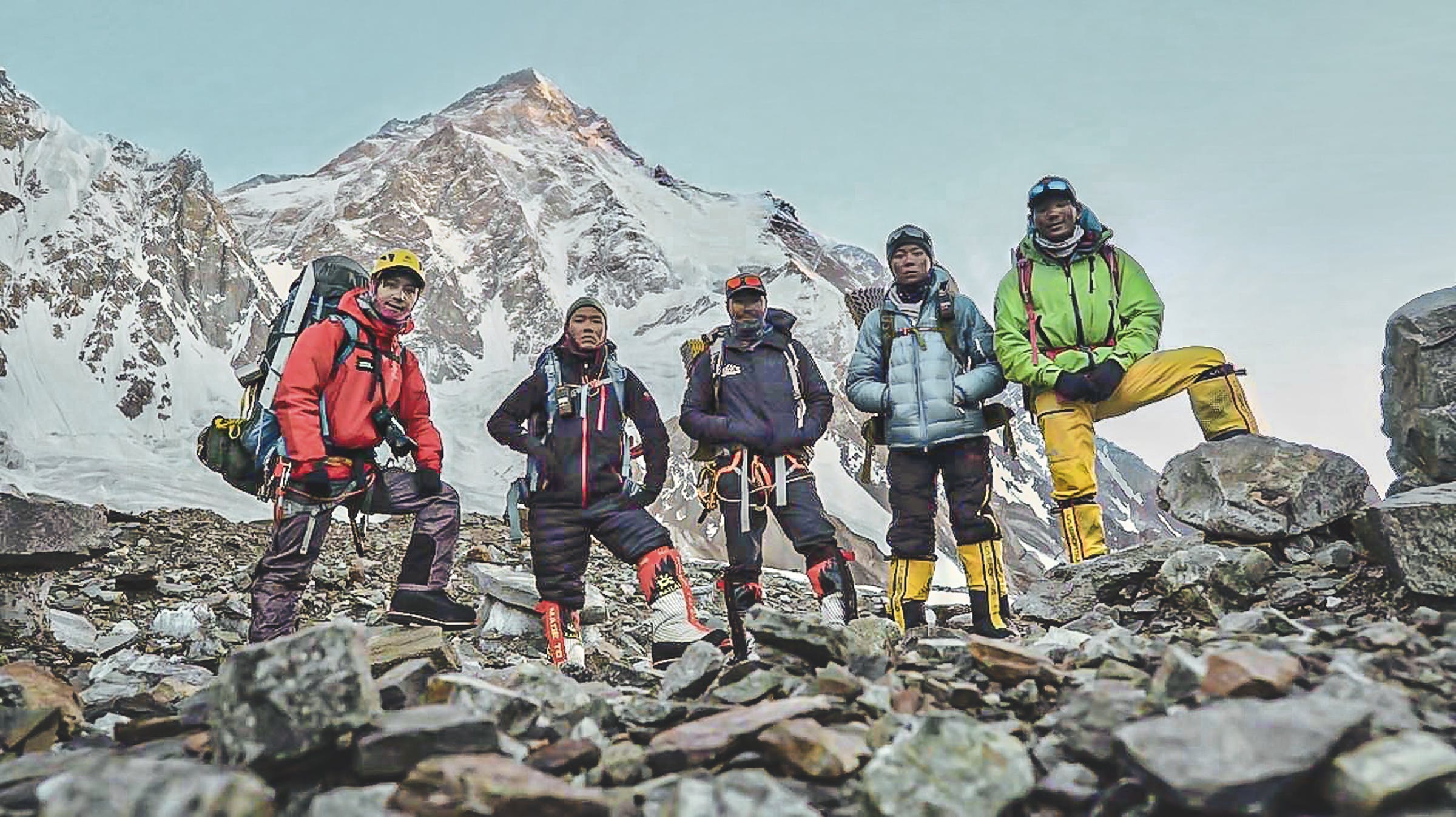
His team consisting of Mingma David Sherpa, Mingma Tenzi Sherpa, Geljen Sherpa, Pem Chiri Sherpa, Dawa Temba Sherpa and himself, joined by the team of Mingma Gyalje Sherpa (Mingma G), Dawa Tenjin Sherpa and Kilu Pemba Sherpa, and Sona Sherpa from Seven Summits Treks.
Nims was the only one to summit without the use of supplemental oxygen.
Stein Valley is one of the best hikes in North America.
It’s high on my personal list of hikes to do … SOON.
Wild and remote, the “route” is about 90km and has a total elevation change of at least 4300m. High elevation is about 2150m.
It’s tough. You probably want to schedule 7 days. Perhaps 9 days to enjoy some side tripping. Carry ALL your food.
Click PLAY or watch it on Vimeo.
Without question you should purchase the only guidebook. And perhaps maps, as well.
Kraig Becker posted some tips:
Keep your device batteries warm, of course. The cold can kill them. 🥶
He linked to this video:
Click PLAY or watch it on YouTube.
Dream by BestHike editor Rick McCharles
Many of my hiking travel plans have been cancelled starting March 2020. Pandemic. 😕
IF possible in August 2022, here’s my PLAN.
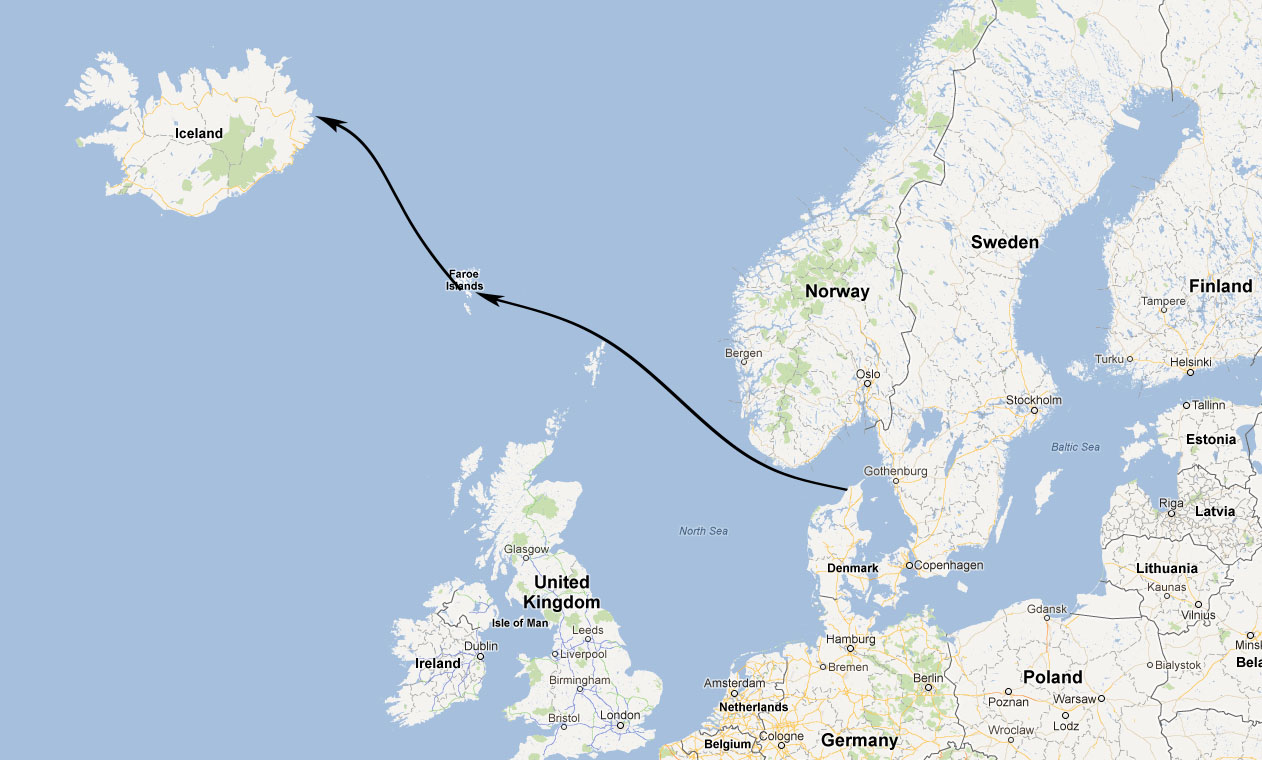
Cycle and hike Norway on my Trek Checkpoint touring bike.
Catch the ferry in northern Denmark. Stopover in the Faroe Islands.
Continue to Iceland for yet more cycling and hiking.
Fly out of Reykjavik.

Price for that ferry starts at 404.00€ plus meals onboard.
It’s 30+ hours to the Faroes. Another 15+ hours to eastern Iceland.
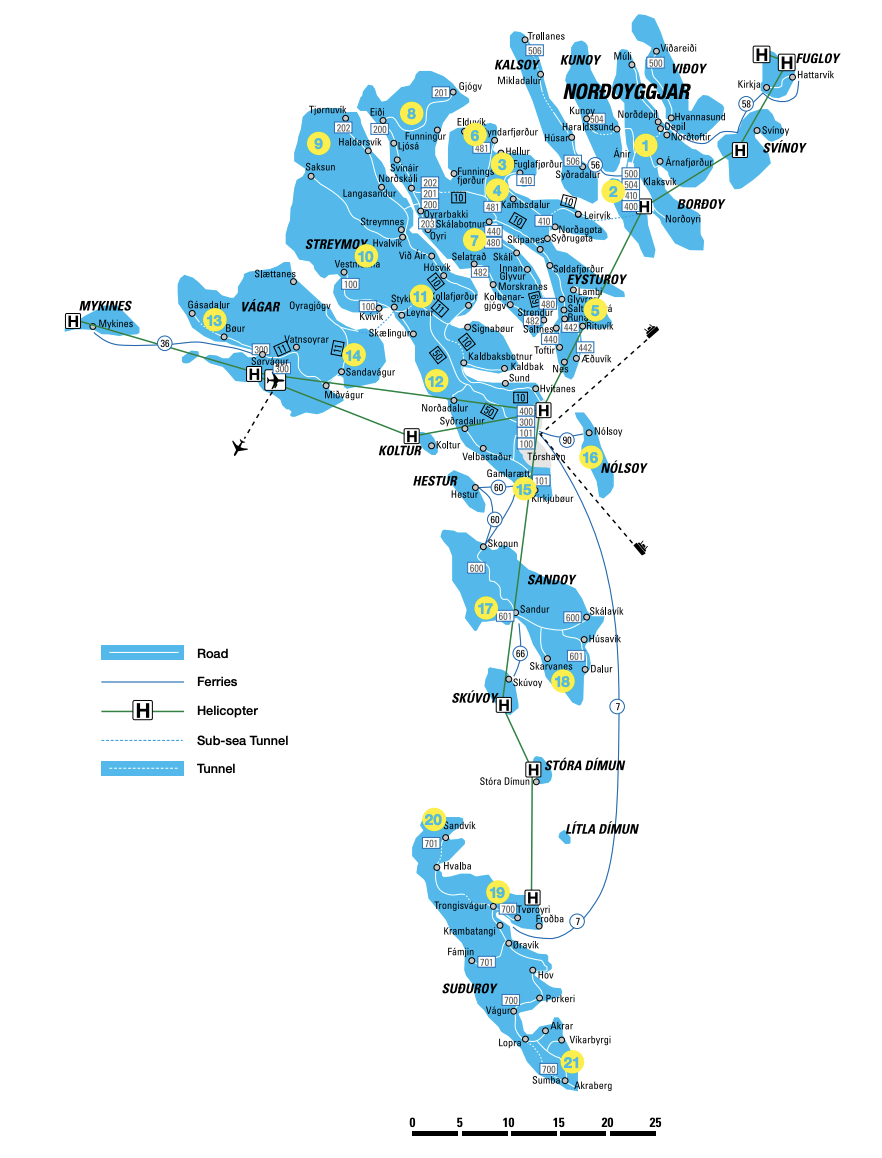
Travel between the islands is not difficult, I understand. Here’s an overview map of popular hikes.


Trip report by BestHike editor Rick McCharles.
My first international trip since start of pandemic was to Nevada, California, Oregon and Washington state.
As part of that, Adlards invited me to join their group climbing the Mt Adams volcano in Washington.
Our base camp was in the deadfall of the 2012 Cascade Creek Fire.


The most popular route is South Climb trail.


I’d climbed Adams with Adlards in 2008.
This time daughter Delaney Adlard joined in the adventure.

In fact, Dave and Lisa were celebrating their 19th wedding anniversary.

We had great weather … on the way up. That’s Mount Hood in the distance.


Dave explained that one difference between hiking and mountaineering is using crampons and/or ice axe.


We set up our tents at the Lunch Counter, a relatively flat portion of Suksdorf Ridge.
Siesta until 3pm. Then we set off towards “Pikers Peak”, the visible false summit that looks close.


It gets steeper.

I loved the clear vistas.

Unfortunately, due to low snow fall and MANY hot days in 2021, Dave had never seen worse snow conditions. We were slow.
In fact, we didn’t quite make the false summit, turning around in time to make it back to camp in daylight.

That night it got very WINDY. None of our 3 tents broke, but we collectively got very little sleep.
Next morning dawned clear again. It was fast and easy downhill on both scree and morning cold ice.

This was Delaney’s personal elevation record.

NEXT TIME we’ll do the middle-of-the-night start with harder snow and ice for the crampons.
Overall, an EXCELLENT adventure. A lot of fun.
Not making the summit was no big deal.
Pro tip — Society Hotel and Hostel in Bingen, Washington — en route to Adams and Hood — is my favourite hostel in the USA, so far. Very cool, you get a complimentary spa and hot springs visit with each stay. That costs $25 by itself.
One of the #BestHikes in the world.
Suzie Dundas posted a terrific trip report for Outside magazine:
Dientes de Navarino is a trek of superlatives.
It starts from the southernmost town in the world—Puerto Williams, on the 55th parallel. …
Our upcoming trek would cover anywhere from 35 to 45 miles, depending on what route we chose and how accurately our trackers would monitor our steps through mud and snow.
First trekked in the late 1990s but only officially (and partially) marked in 2016, around 200 people attempted the trail annually before its blazing. Since then, the number has gone up to between 1,000 and 1,500 per year. …
A Trek to the Edge of the World

related – our failed attempt at Dientes de Navarino