I loved Hank Leukart’s hilarious trip report. Check the excerpt:
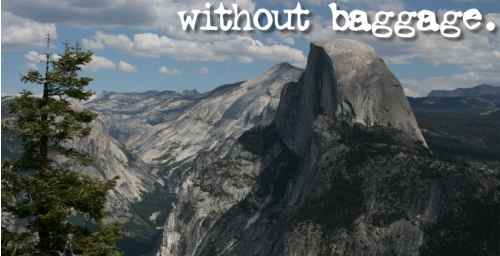
… It’s a surprisingly strenuous cardiovascular workout, battling gravity to reach the top of Yosemite’s most recognizable rock formation. The normally unflappable Laura looks petrified as she slowly inches toward the peak. Finally, the three of us reach the summit, breathing heavily and sweating with adrenaline rushing through our bodies. Laura, finding that she has suddenly become terrified of heights, sits safely in the middle of the Dome’s surface, not wanting to get anywhere near the edges, though they are at least 200 feet in every direction. The three of us eat a lunch of turkey sandwiches as we look out from a height of 8,836 feet above the dramatic expanse of Yosemite Valley, with its complex granite rock formations, pine tree forests, and sprawling meadows. The epic views make us feel dizzy and drunk.
“I want to stay here forever,” I say, looking down into the Valley below.
I checked into the Needles California office of the Bureau of Land Management. They gave me some excellent advice on “best hikes” in the region.
Two books are recommended and sold there:
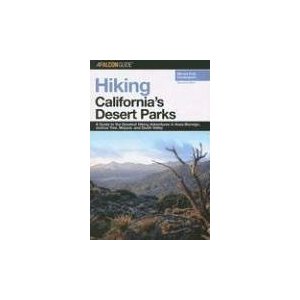
Hiking California’s Desert Parks, 2nd edition: A Guide to the Greatest Hiking Adventures in Anza-Borrego, Joshua Tree, Mojave, and Death Valley by Bill and Polly Cunningham
I’ll be using this one over the next couple of months.
Deserts Summits: A Climbing & Hiking Guide to California & Southern Nevada by Andy Zdon
Both are recommended.
Click on either book cover for more information and links to other available books on Amazon
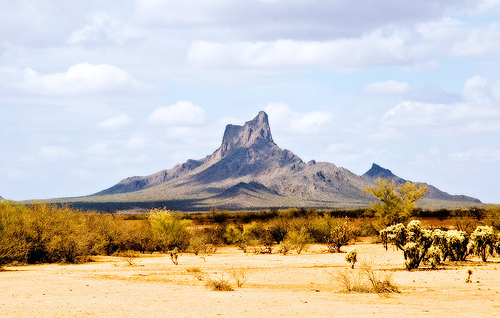
The other three I’m currently researching. … Especially since I’ve just arrived in Arizona. We drove between Tuscon and Phoenix yesterday past impressive Picacho Peak.
Wet Beaver Loop
The Wet Beaver Loop is not a trail that should be hiked by a novice. The trail is a twenty-two mile loop so you should plan on taking a couple of days to complete it. …
Picacho Peak
The Picacho Peak is a hike that that will provide you with the opportunity to admire the Sonora desert. Although the trail is only a seven mile round trip, you need to be aware that much of it is extremely steep and that there are many switchbacks. …
Kendrick Mountain
If Picacho Peak is more than you feel comfortable handling, you might want to consider the Kendrick Mountain hike. This particular hike is 9.2 miles round trip. When you reach the summit you will find a cabin and have an amazing view of Mount Humphreys, Red Mountain, and Sycamore Canyon. On a clear day you will even be able to see the Grand Canyon’s north Rim. …
Rosemary Kitchen on Gadling linked to 8 videos from 7 hikes.
Yikes!
I link to this one, the top of name, because a couple of days before I climbed up there, a Russian hiker was killed by lightning. On this exact spot! Now that’s scary.
Others on the list: Spain’s El Caminito del Rey (“The King’s Little Pathway”), Mount Hua in China, Tennessee’s Mount LeConte, Angel’s Landing in Utah, and Philippines’ Mount Pinatubo.
From Branch Whitney of the excellent Hiking Las Vegas blog:
I am not a big fan of the typical desert peaks. Most have boring approaches, crappy rock, and long drives. I do not consider the peaks in Red Rock or Mt. Charleston as desert peaks. The rock there is much different. So I “cherry pick” the desert peaks I do climb. Here’s a list of my favorite:
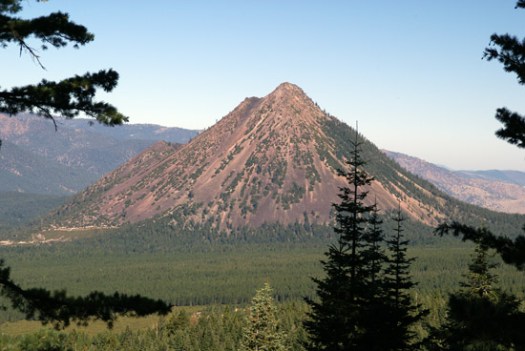
Black Butte from the west slope of Mount Shasta. (Photo by John Soares)
The Black Butte Trail is Hike 45 from 100 Classic Hikes in Northern California, third edition. I discuss the same route in Hike 63 of 75 Hikes in California’s Mount Shasta and Lassen Volcanic National Park Regions, revised edition.
Trip Report – Picos de Europa Circuit – by site editor Rick McCharles
By morning I had no water. Looking up, my prospects for H2O did not look good.
Though my guidebook said I could find water in two places in the next few hours, I was not confident. This late in the season I might need to climb up high enough to melt snow.
I passed one trickle. Then – finally – saw a sign that I might find a spring.
Before I found the man-made spigot, I was approached by an exhausted looking Spanish mountain climber. He and his partner had gotten lost the previous day near the summit. And were forced to bivouac overnight. They had just gotten back to their tent.
He showed me the water source (about 1hr to fill a 1 litre bottle) and gave me detailed advice on how not to get lost on the next section.
Very quickly I was lost. His advice was all wrong.
Having climbed far too high, I arrived at another of the mountaineering base camps. Instead of retreating, however, I waited for a climber who was descending rapidly from the summit.
lost but elated
It was Constant, an adventurer from France. He was just as lost as I, … but had a vague idea of how to exit the base camp. And a wonderfully relaxed world view. His topo map did us no good at all. You need a topo and a GPS in these mountains.
I followed him directly to “civilization”.
Because of the water supply, I decided to camp (for once) close to the Vegarredonada refugio.
Here’s the bizarre old refugio, no longer used.
Everyone takes an obligatory 7.5km side trip to the old, old refugio at Mirador de Ordiales, guarded by this calf when I visited.
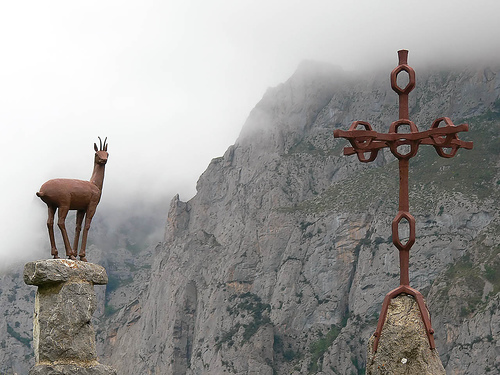
Here is Pedro Pidal’s (1870-1933) final resting place. He founded this, the first National Park in Spain and was named Commissioner General of National Parks.
…. Eight years after his death, his final wish – to be buried at this natural balcony – was fullfilled at last. Engraved in a nearlby rock are words he wrote:
Lover of the Picos, I would love to live, die and eternally rest here in Ordiales. In the enchanted kingdom of the chamois and the eagles.
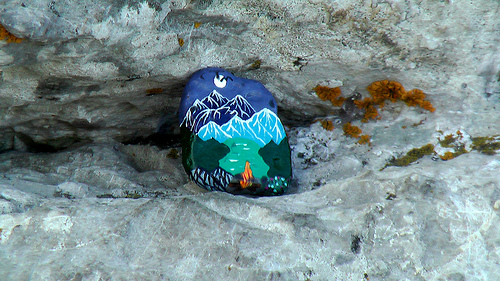
I left a Summit Stone with Pedro, placing it carefully between the stones close to the ground.
Somehow Pedro grabbed it from my fingers, pulling it deep into a crack. I guess he wants to keep it for himself.
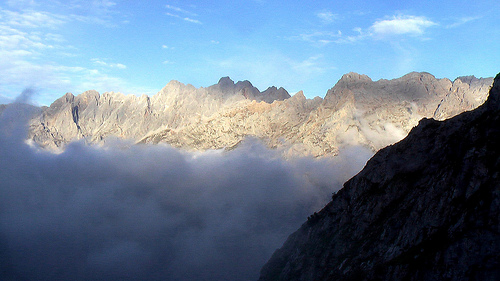
My view of the famous vista was obscured. Again. By cloud.
My last night in the wonderful Picos de Europa.
I was truly sorry to leave these mountains. This is a brilliant hike, one of the very best in the world.
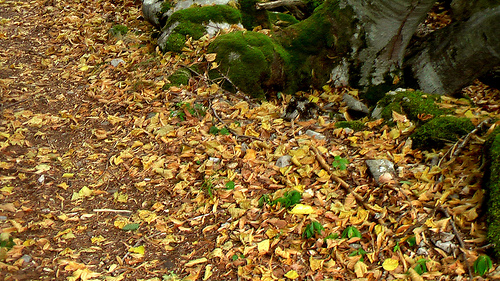
Ascending back into the trees, I was shocked to see the leaves changing. This was the first time it had dawned on me that my summer of hiking Europe was ending. This was to be my last.
Sept. 12th
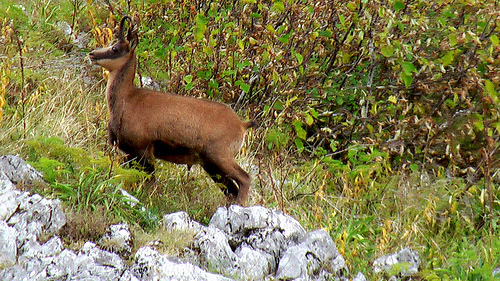
There were many more Chamois on this section of trail, the largest herds I’d yet seen.
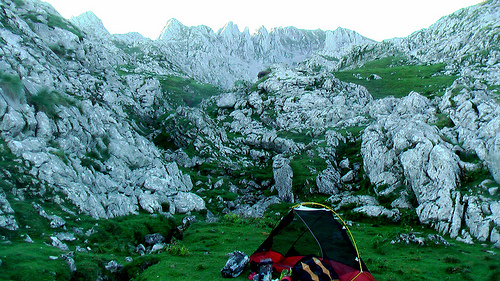
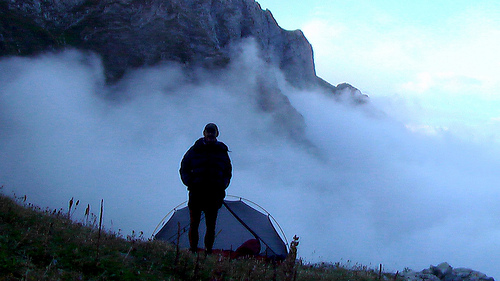
Though I had still not found a water supply, I finally set up the tent in a pretty spot well above the Picos mist.
Trip Report – Picos de Europa Circuit – by site editor Rick McCharles
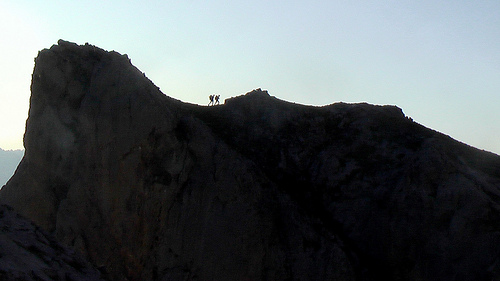
This was the most photogenic day. Amazing.
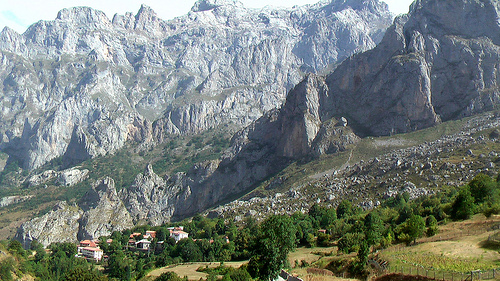
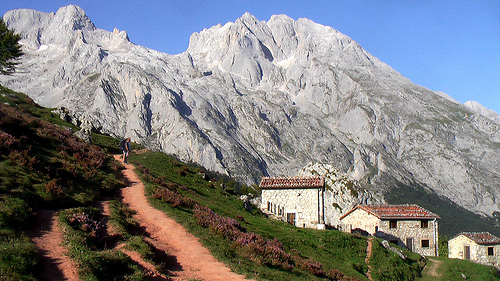
I started by climbing up from Bulnes La Villa through high pasture land towards the central summits.
I was looking forward to the iconic peak of the Picos, Naranjo de Bulnes.
It’s a world class climbing destination, obviously. But I was more surprised by the normally shy Chamois that hang about the Vega d’Urriellu refugio (1953m) as if they are domesticated.
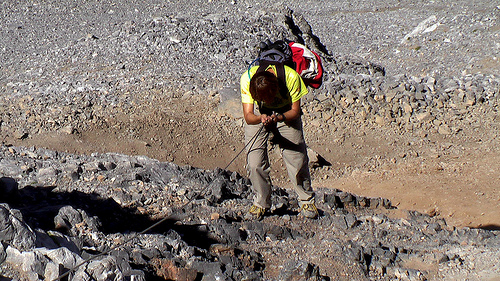
A cable assisted scramble takes you up and over Torre de los Horcados Rojos.
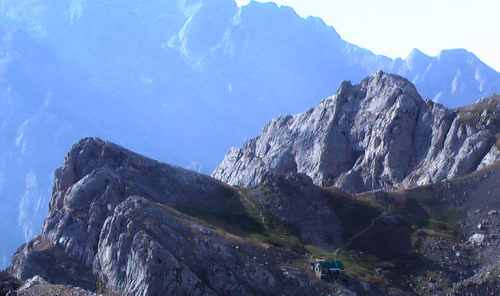
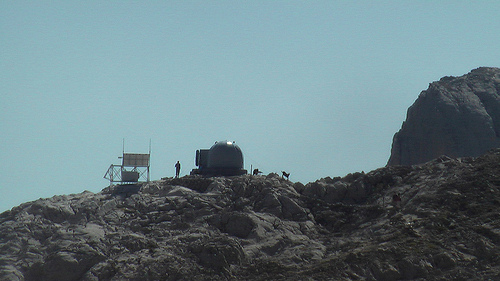
At the top, this weird silver igloo draws your eye. What the heck is it?
That’s Cabaña Veronica (2325m), once an American aircraft carrier cannon mount. Three hikers can sleep in it.
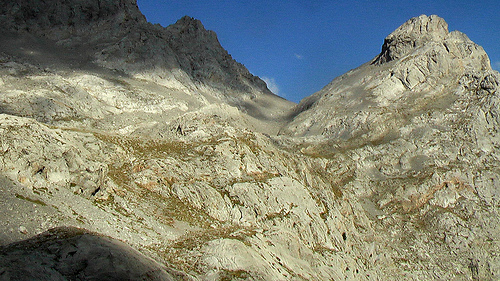
The most difficult part of the entire Circuit for me was the section from Veronica to Refugio Collado Jermoso. Here’s the high, bleak terrain. There are cairns at the start. But soon you’ll be guessing wildly, route finding and scrambling for a couple of hours. Convinced that you are hopelessly off route.
A GPS is essential. …
Somehow I made it. As did a dozen other hikers that day. Many, I noted, arrived late to the refugio.
This was my favourite sunset of the entire summer.
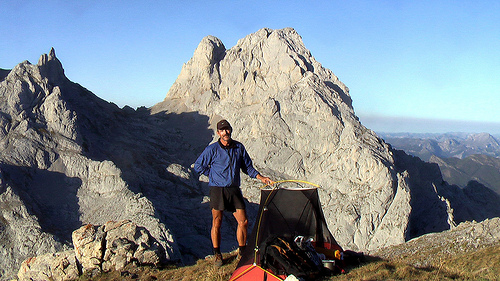
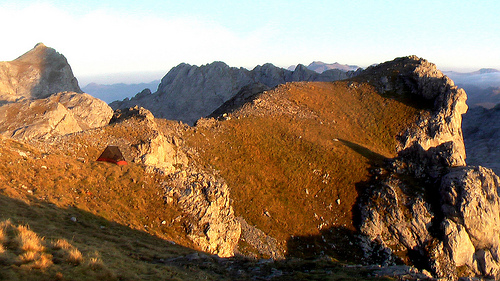
I set up the tent in a marvelous spot, very high with grand vistas in every direction.
















 besthike.com