Eric Hanson of BackpackingTV describes WHY he hikes.
Click PLAY or watch it on YouTube.
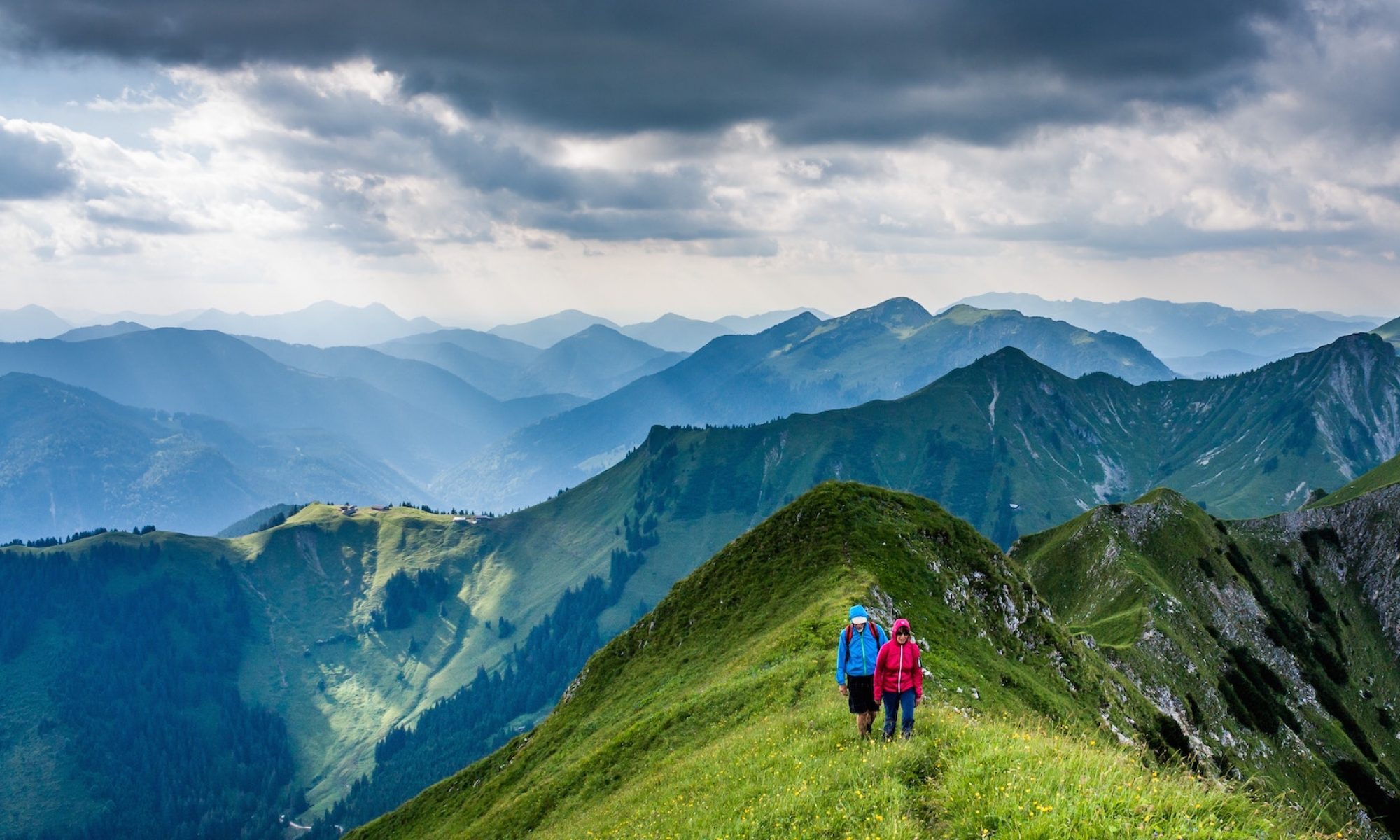

Best hikes, treks, tramps in the world.
The best hike in the world for me personally was the Huayhuash Circuit,
We did rent a cook tent and hire a mule driver, but decided on our route independently.
Huayhuash is dangerous. Hikers have died there. This is arguably the best hike in the world but is appropriate only for robust, experienced high altitude trekkers.
The greatest danger is altitude sickness. We hired horses instead of mules so we could evacuate by horse, if necessary. Smart trekkers do some acclimatization treks out of Huaraz before catching the bus to Huayhuash.
Click PLAY or watch tips and gear recommendations on YouTube.
This is a route invented by Cam Honan 2014.
The jumping off point is Huaraz, Peru, one of our top 10 hiking towns in the world.
If interested in being one of the first to complete this high alpine traverse, check Cam’s post:

To get an idea of the challenge, watch Austin Lillywhite’s CBT Video from 2017. (10min)
One of the best hikes in Strathcona Provincial Park on Vancouver Island, is Albert Edward, 2093m (6867ft).
Well known because it’s visible from Mount Washington Alpine Resort.
Click PLAY or watch it on YouTube.
Read my trip report hiking up early morning from Circlet lake campground.
Mount Albert Edward is one of our best hikes in North America.
His most EPIC video yet, I’d say.
Plenty of drone footage.
River crossings were his greatest challenge. Happily, Kraig had comparatively good weather.
This is definitely the BEST and most POPULAR trek in Iceland.
Click PLAY or watch it on YouTube.
Mac:
BearVault has just released two new products, the BV425 “Sprint” and the BV475 “Trek“.
Both bear canisters meet Interagency Grizzly Bear Committee (IGBC) grizzly bear testing standards as of May 2022 and are approved for use on the John Muir Trail and the Pacific Crest Trail.
… hikers now have twice as many options on offer from BearVault to help protect their food (and protect the bears) in the backcountry. …
Halfway Anywhere

Though canisters are bulky, I certainly do appreciate having a CAMP CHAIR when I carry one. 😀
Everest Base Camp via 3 Passes is one of our top 10 hikes in the world.
Of dozens of fantastic treks in Nepal, the 3 Passes route is best of the best.

World → Asia → Nepal → Everest Base Camp

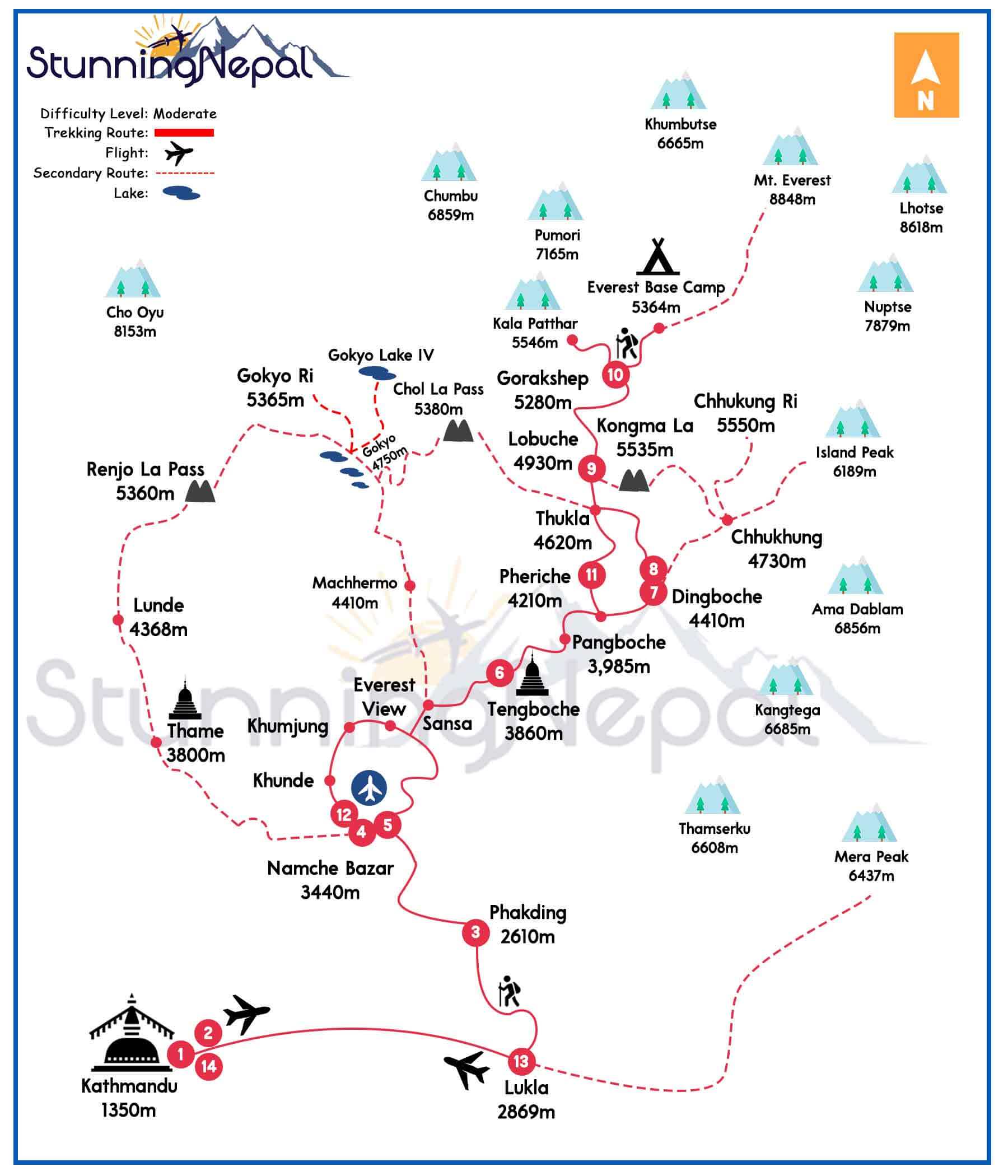
Click PLAY or watch a 1 minute preview on YouTube.
For details click over to our EVEREST BASE CAMP / 3 PASSES information page.
… scientists and engineers at ETH Zurich, a university in Switzerland, announced they created a fully autonomous robot that’s able to hike. The implications may be a bit frightening to some, but they’re also super-exciting, as they may have extremely useful implications for what hiking and national park trips look like 20 or 30 years into the future. …
Scientists Taught a Robot To Hike. Here’s What That Means for Future Adventure Travel.
Click PLAY or watch it on YouTube.
The Otter Trail is one of our top 10 hikes in the world.
Lush forests, rugged shorelines, river crossings, waterfalls and fragrant fynbos make this adventure at the southern tip of Africa unique. It’s strenuous, with lots of ups and downs …
World → Australasia → New Zealand → Tongariro Circuit
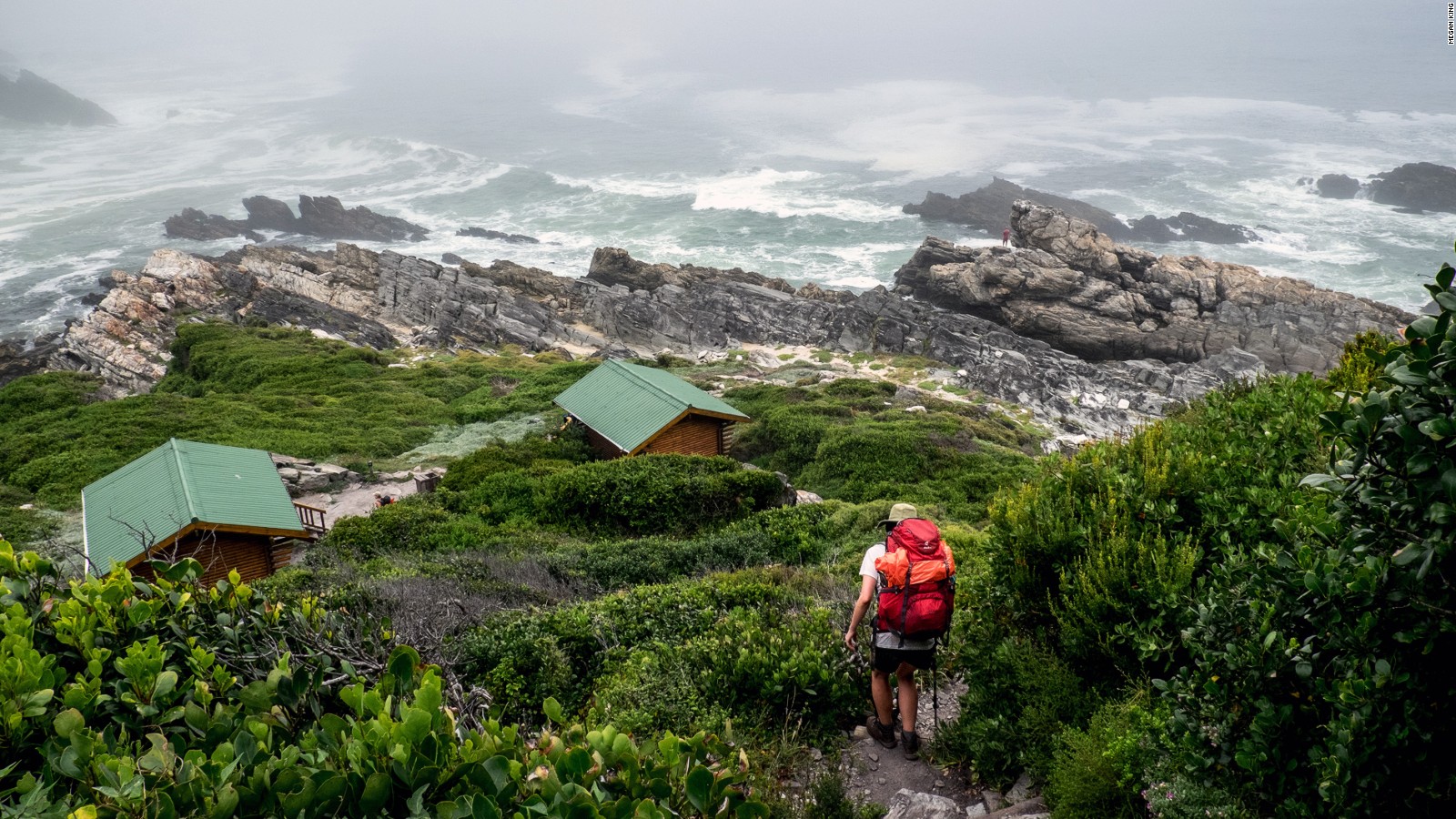

Click PLAY or watch a 1 minute preview on YouTube.
For details click over to our Otter Trail Information page.
We proved you can scale a Lake District Mountain (3100ft Helveylln) in 3mins 30 seconds, despite very poor visibility that would have grounded a HEMS Helicopter.
The Mountain Rescue foot response is over 70 minutes typically.
The route was 1.2 miles and 2200ft of height gain.
This is the latest in a series of Paramedic Response Exercises to prove capability in parallel with training up real Paramedics to provide first response Critical Care in hard to reach geographies.
Click PLAY or watch it on YouTube.

