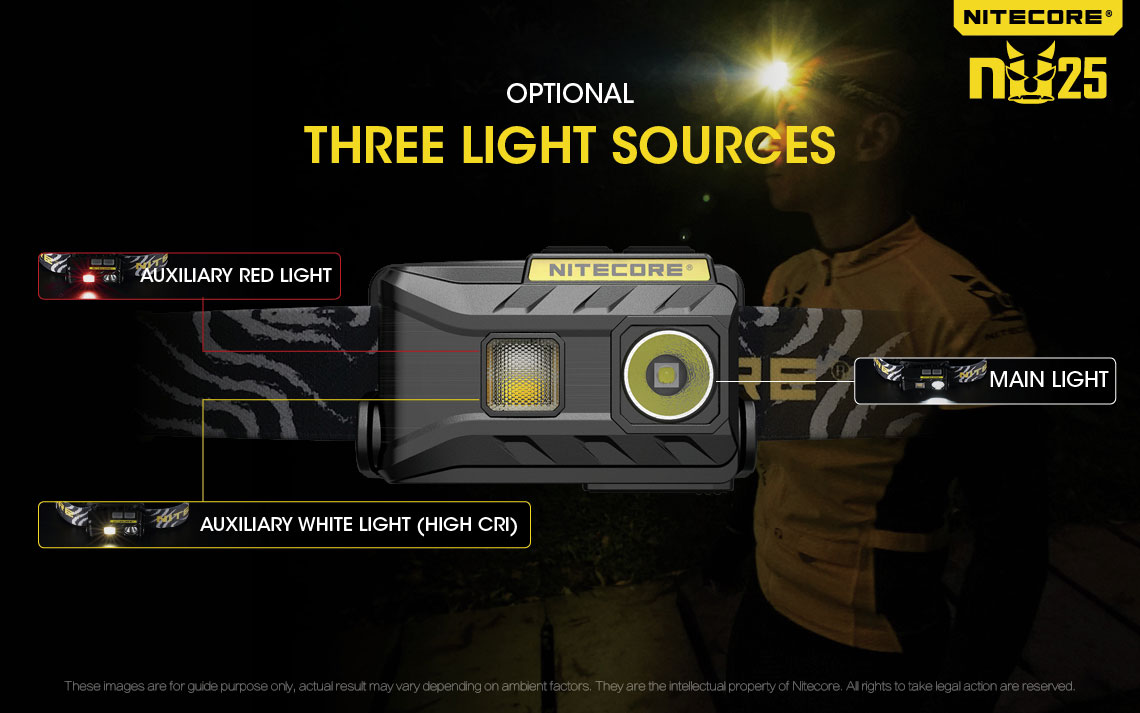
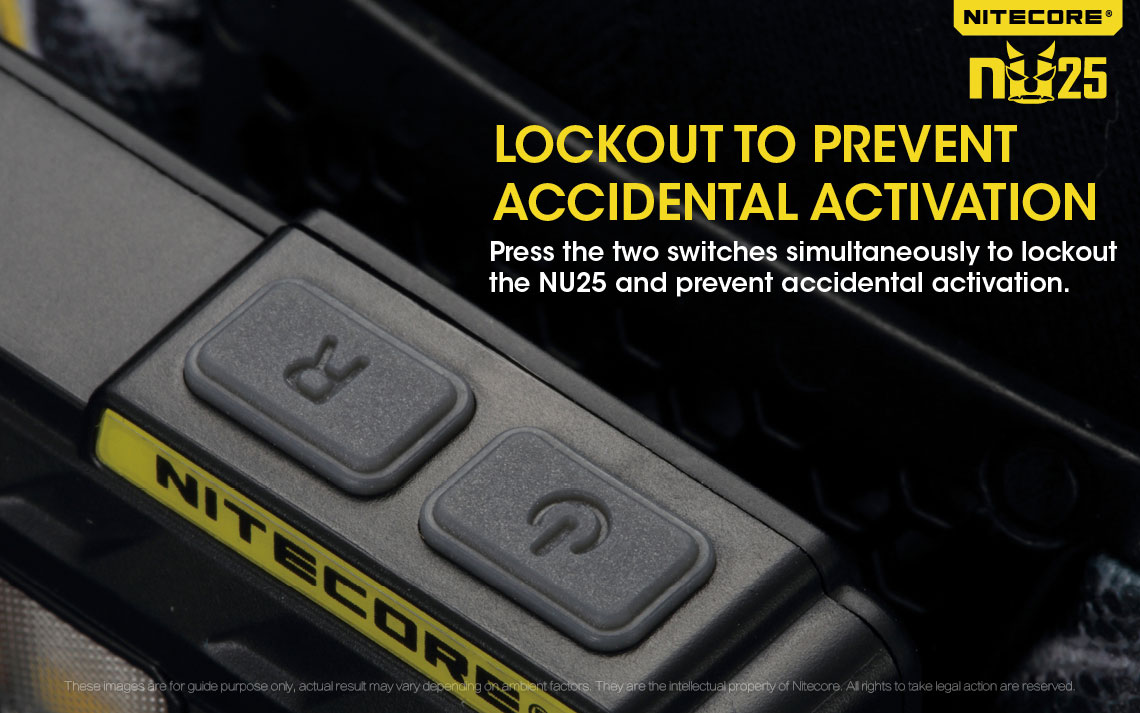
The NU 25’s main limitations are its short battery life (in our testing, the NU’s burn time was much shorter than listed) and the fact that it’s hard to keep the light from shining in your camping partner’s eyes due to its wide beam pattern.
1. Why choose trail running shoes over boots for three-season conditions?
2. When are boots preferable to trail runners?
3. “Wearing Your Fears” – Examining the commonly-held belief that boots provide a greater degree of protection for your ankles than low-cut footwear while backpacking.
4. “A Piece in the Puzzle“ – Why your choice in footwear should be considered an integral piece of an overall lightweight backpacking strategy.
5. A list of 15 of the top trail running shoes in today’s market.
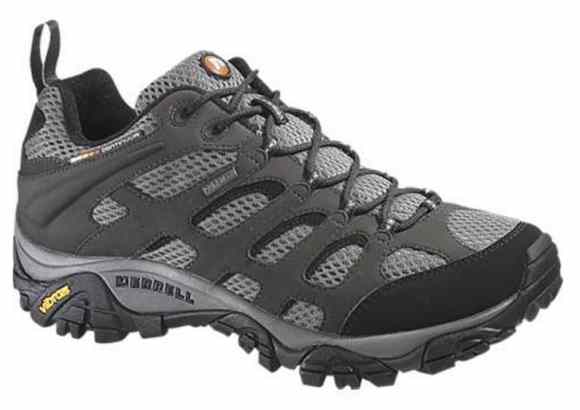
I’ve tried most everything over the years, ending up with something in-between runners and boots – approach shoes — most often Merrell Moab2 Ventilators. Normally without a Gortex layer.
I go with Merrell as they are available online in very wide sizes. I have bunions.
I go with trail shoes as I like the durability.
Cam finds he can get about 800 mi (1,287 km) out of a good approach shoe; as opposed to trail runners which normally need to be retired after 500 mi (805 km).
I’m loath to suffer stubbed toes so prefer footwear with good protection up front.
Like Cam, I wear low-cutfootwear as my ankles are healthy and I’m agile enough not to bash into rocks.
For something VERY rugged — K2 Base Camp, for example — I would take high tops or boots.
The downside of approach shoes is weight. And the smell.
After a hike where my shoes get wet I need bake them in the sun. For days.
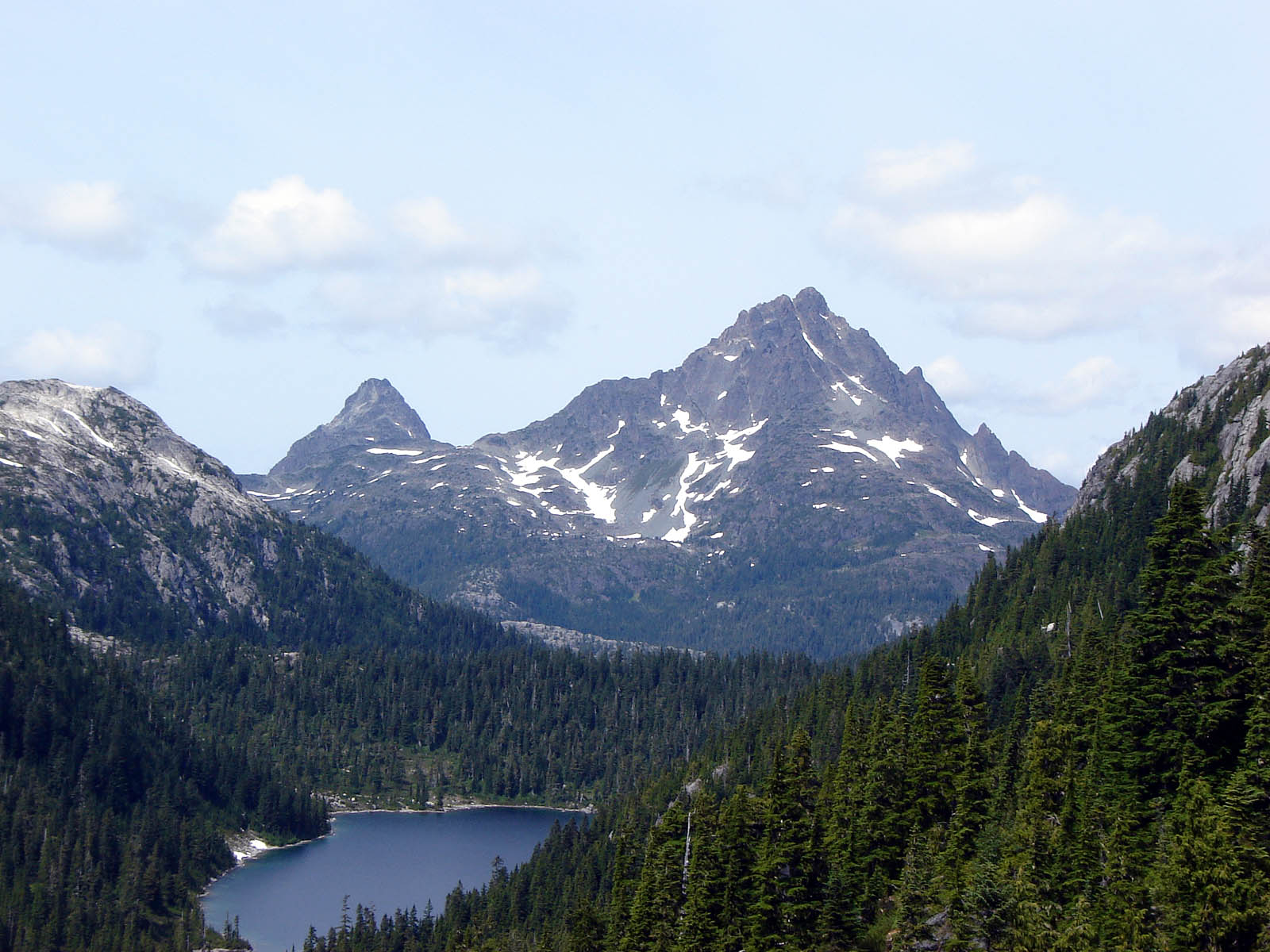
Hoping to climb Golden Hinde, the highest mountain on Vancouver Island 2,195 m (7,201 ft). September should have drier trails. Fewer bugs. … Hopefully.
Many try and fail to get to this summit. It’s a scramble up snow or rock at the top.
The mountain took its name from Sir Francis Drake‘s ship, the Golden Hind, named by an early fur-trading captain who was reminded of Drake’s ship as sunset hit the mountain
My plan is to hike the 47km Golden Hinde Traverse on the Elk River trail through to Myra Falls. I’ll only attempt the summit as a detour if conditions, health, time and weather permit. No pressure. 🙂
Cost for a guided climb is about CAD $1500 for 5 days.
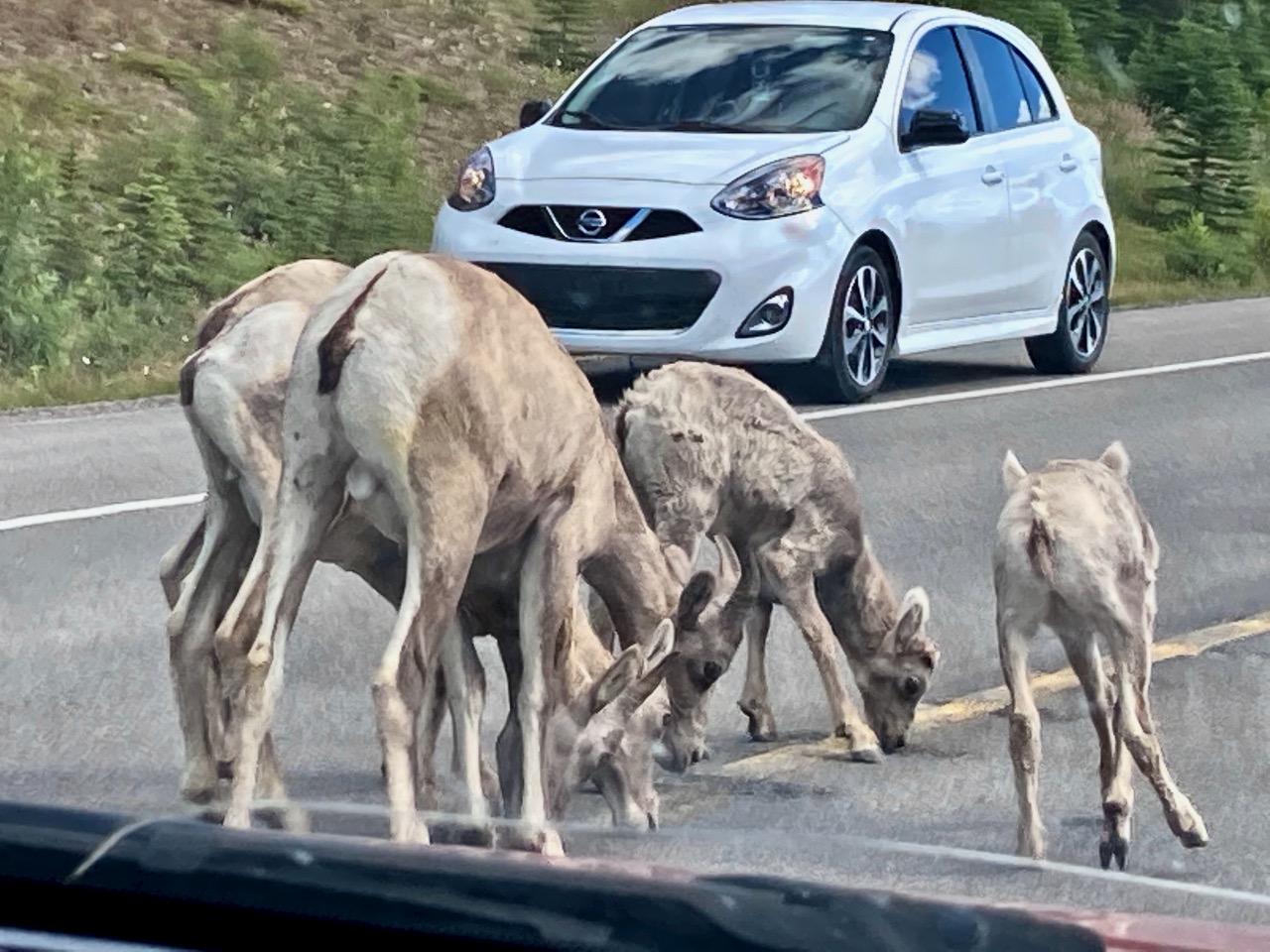
Mountain sheep, not mountain goats. Let’s get that straight.
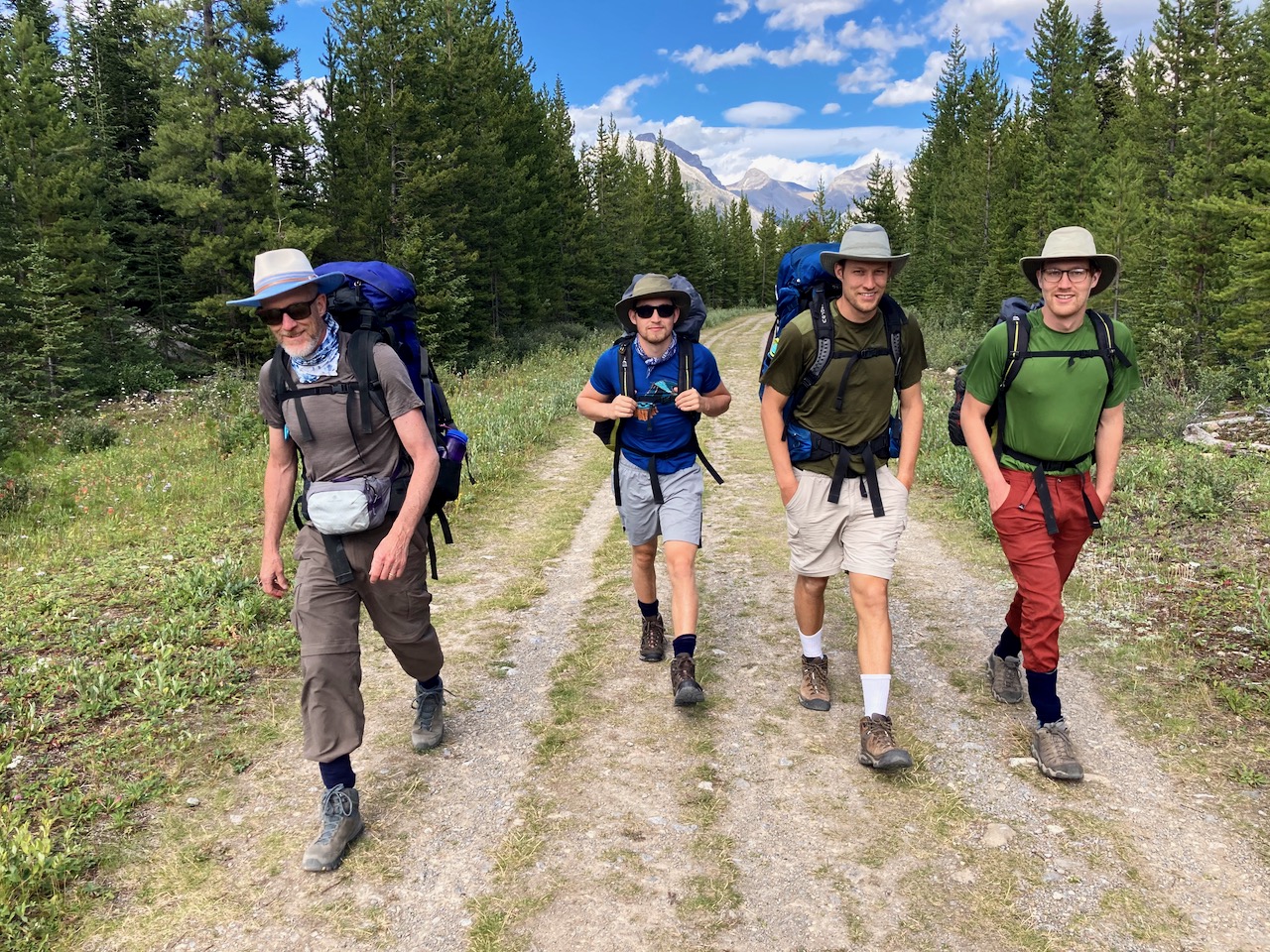
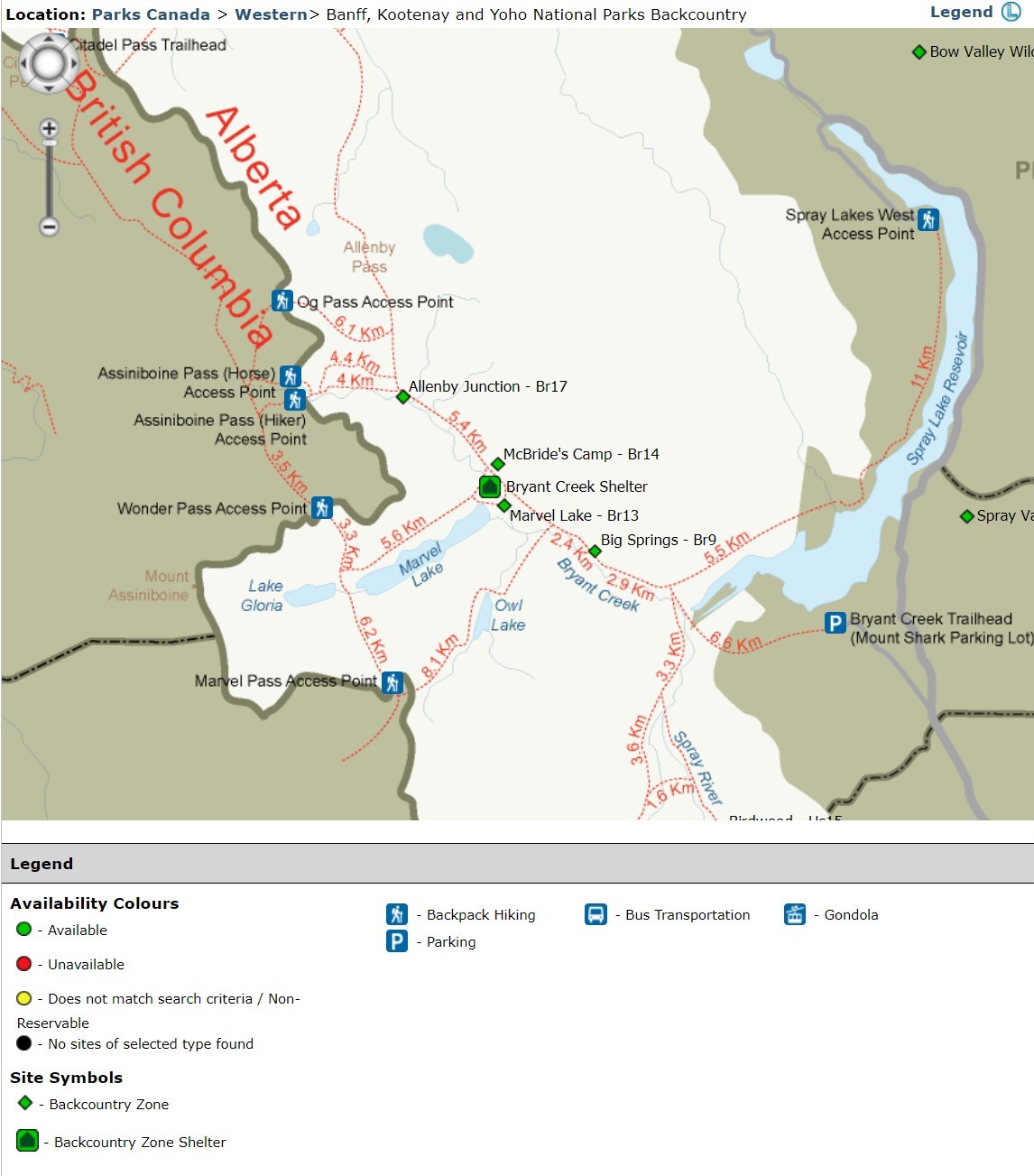
It was almost 5pm by the time we walked away from Mt. Shark trailhead on the Bryant Creek Trail.
We would have come in from Sunshine — but both the bus and Gondola were closed in 2020 due to COVID-19.
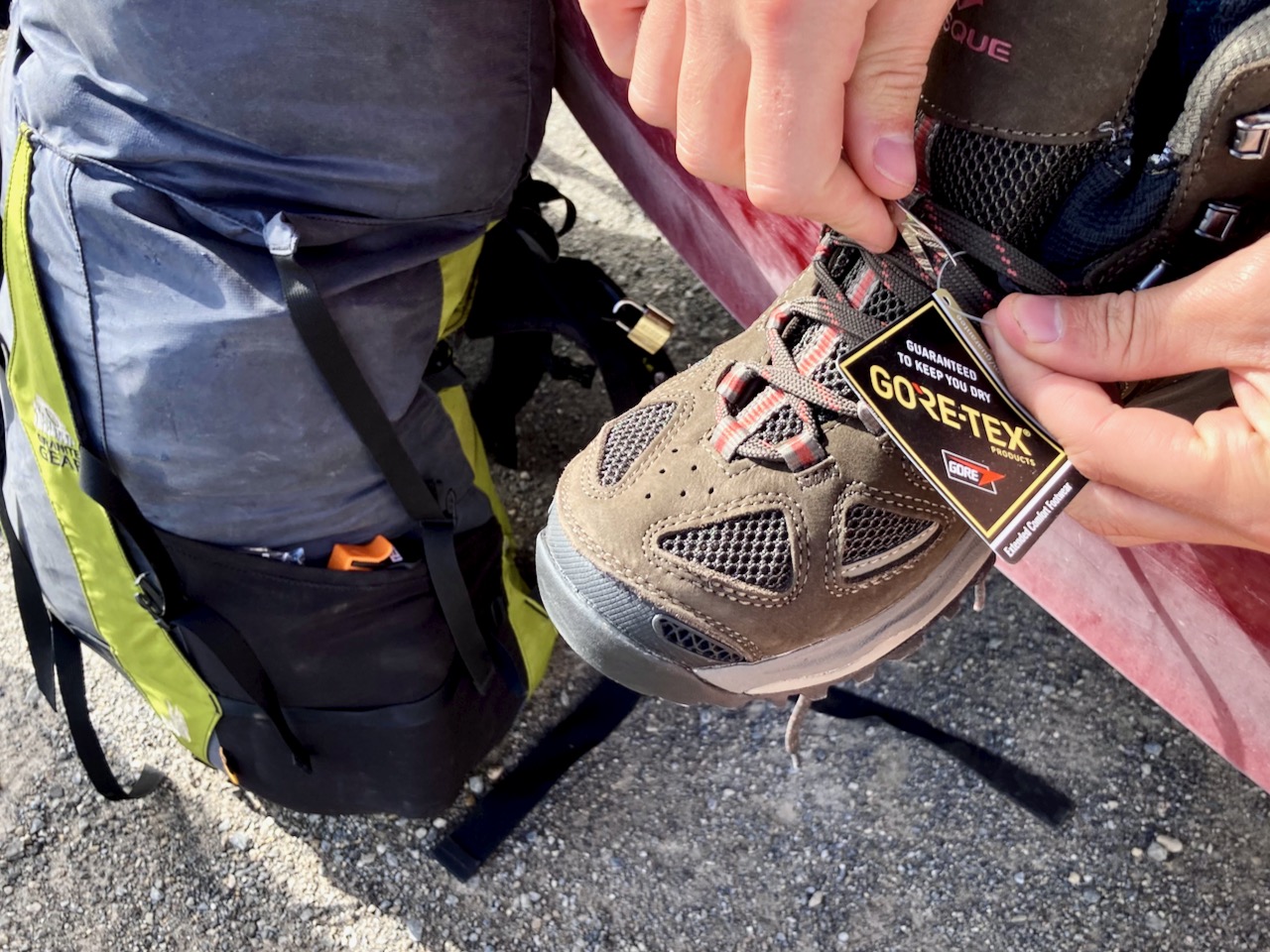
Jack was wearing brand new shoes. Surprisingly, they worked well for him over 5 days.
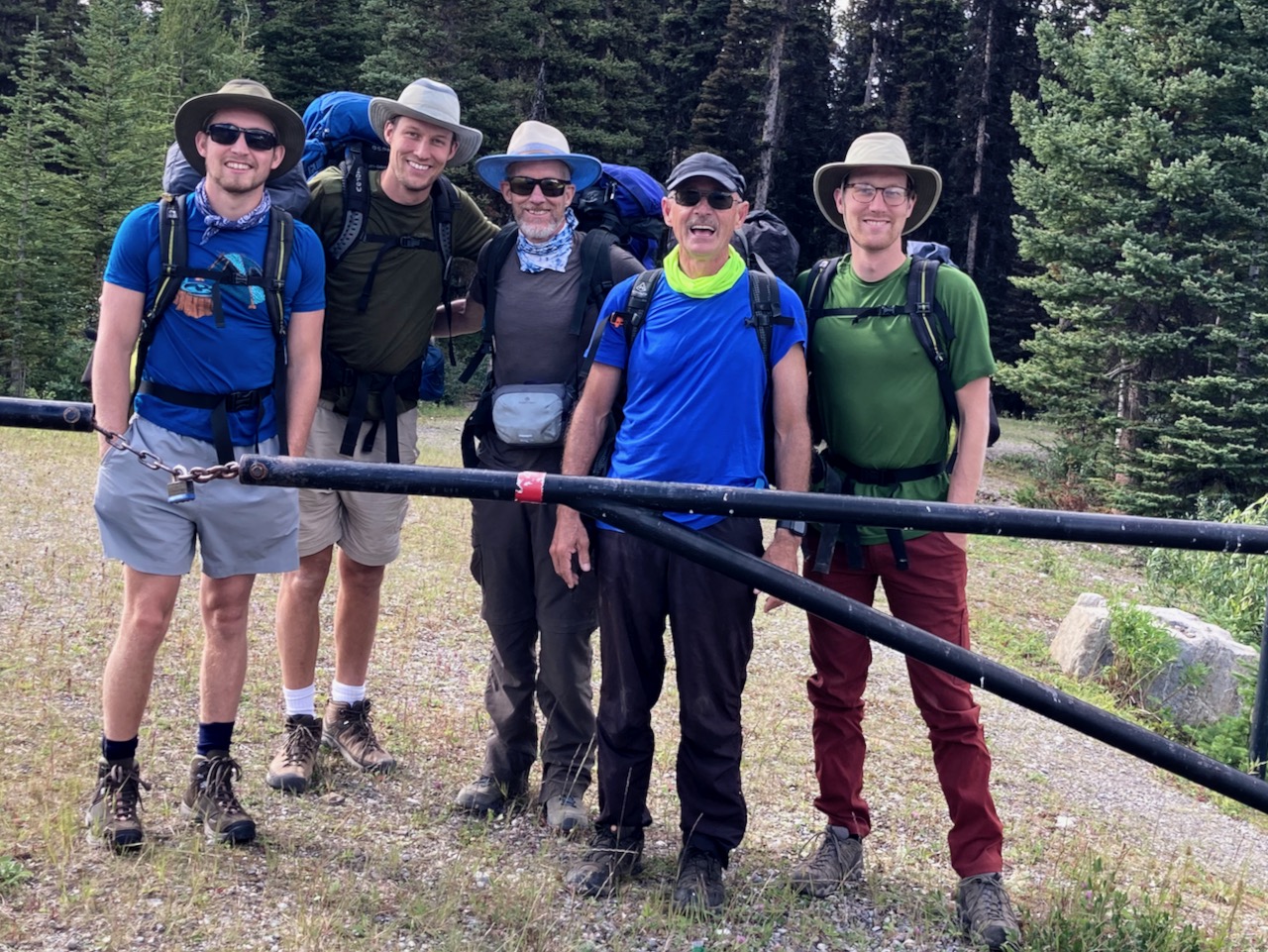
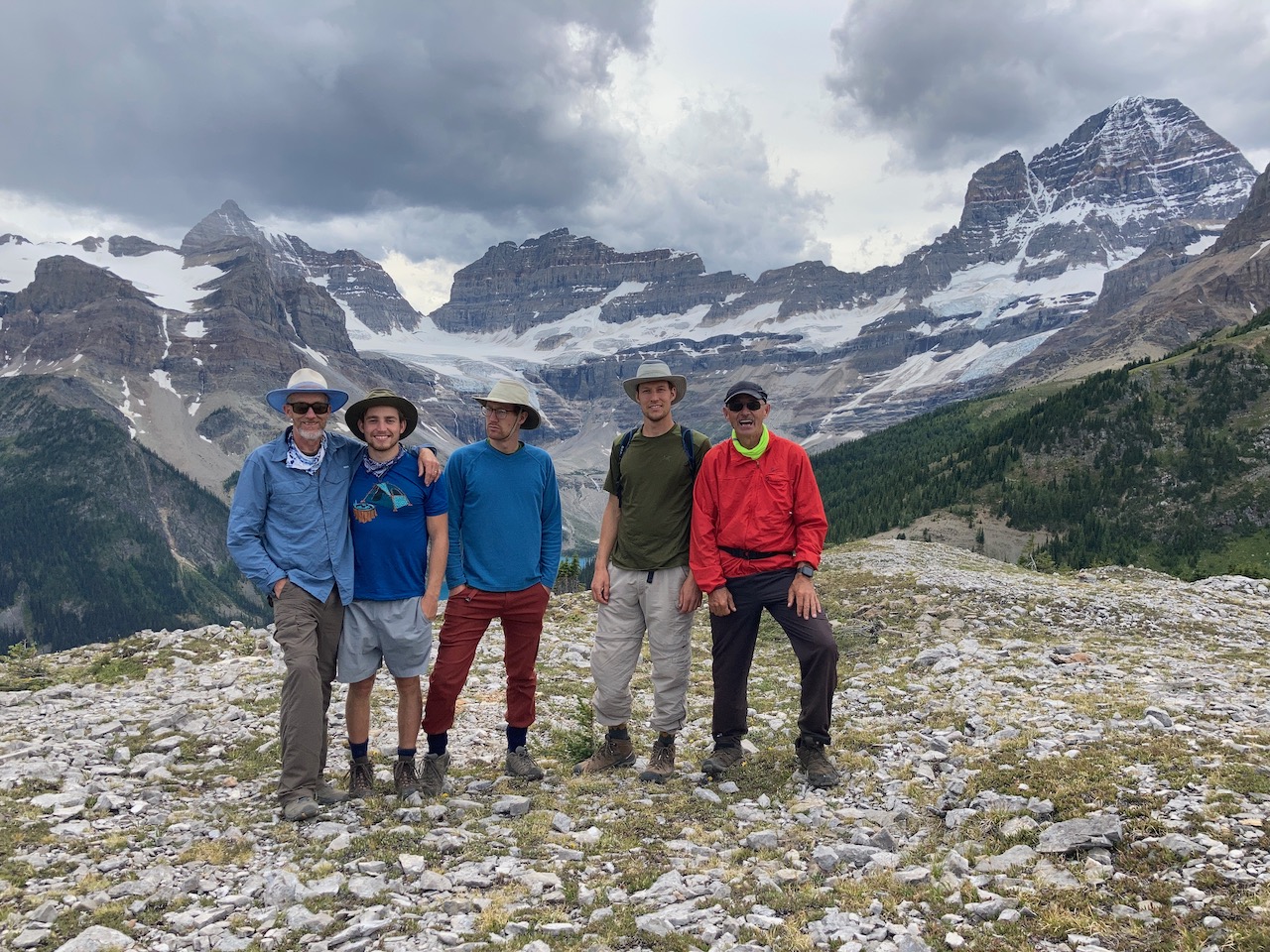
I was happy to join up with Brian Mason and sons for one of his favourite hikes.
I’d thought the trail to McBride campground (BR 14) was 9.8km flat. It’s closer to 13km with some ups and downs.
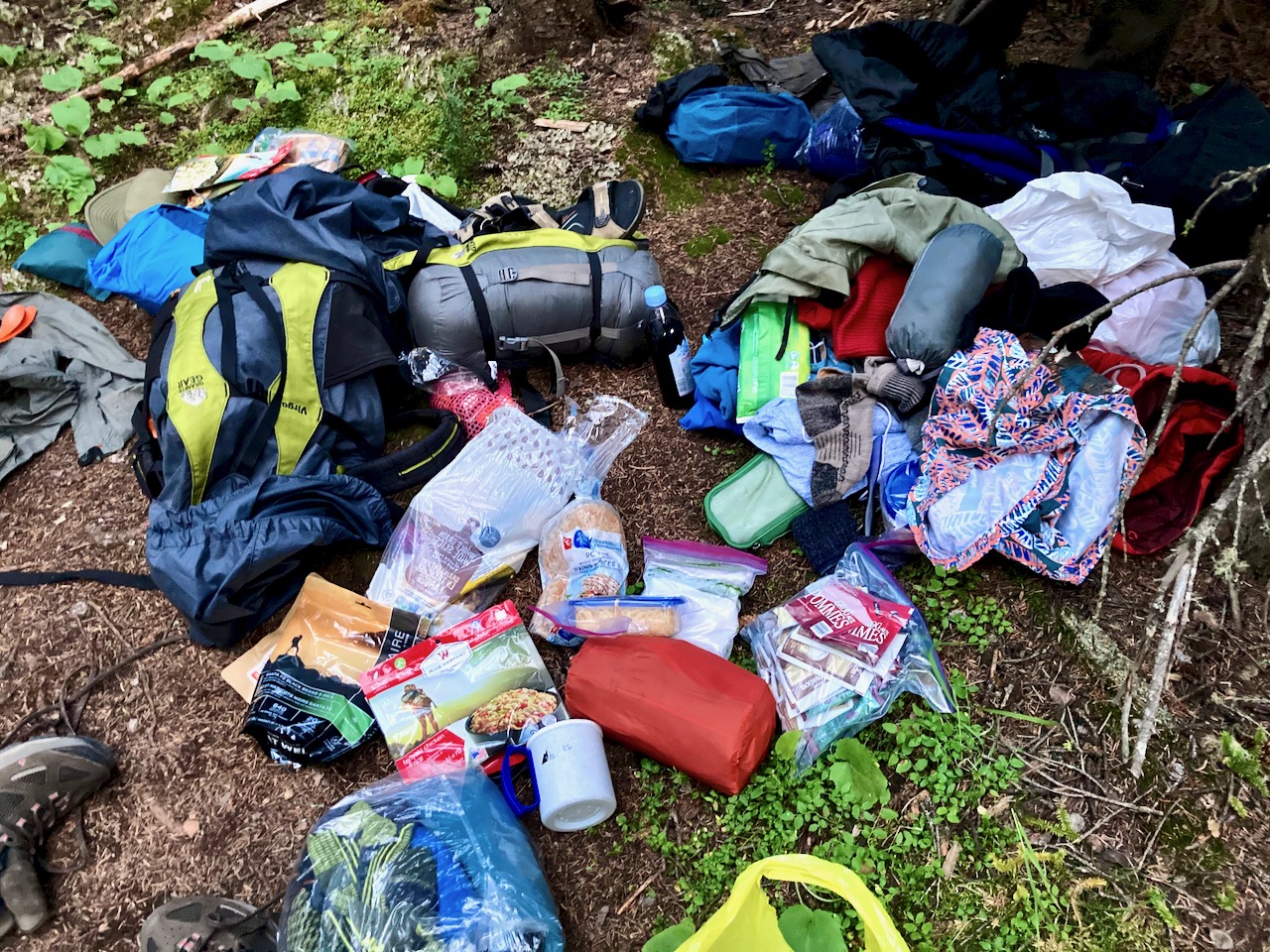
The Masons had most everything they needed, but it wasn’t really “packed”. 😀
9:07pm arrival at McBride
Turns out McBride is a lousy camp: no water, few level sites, distant cooking area.
Masons didn’t finish dinner until well after dark.
NIGHT
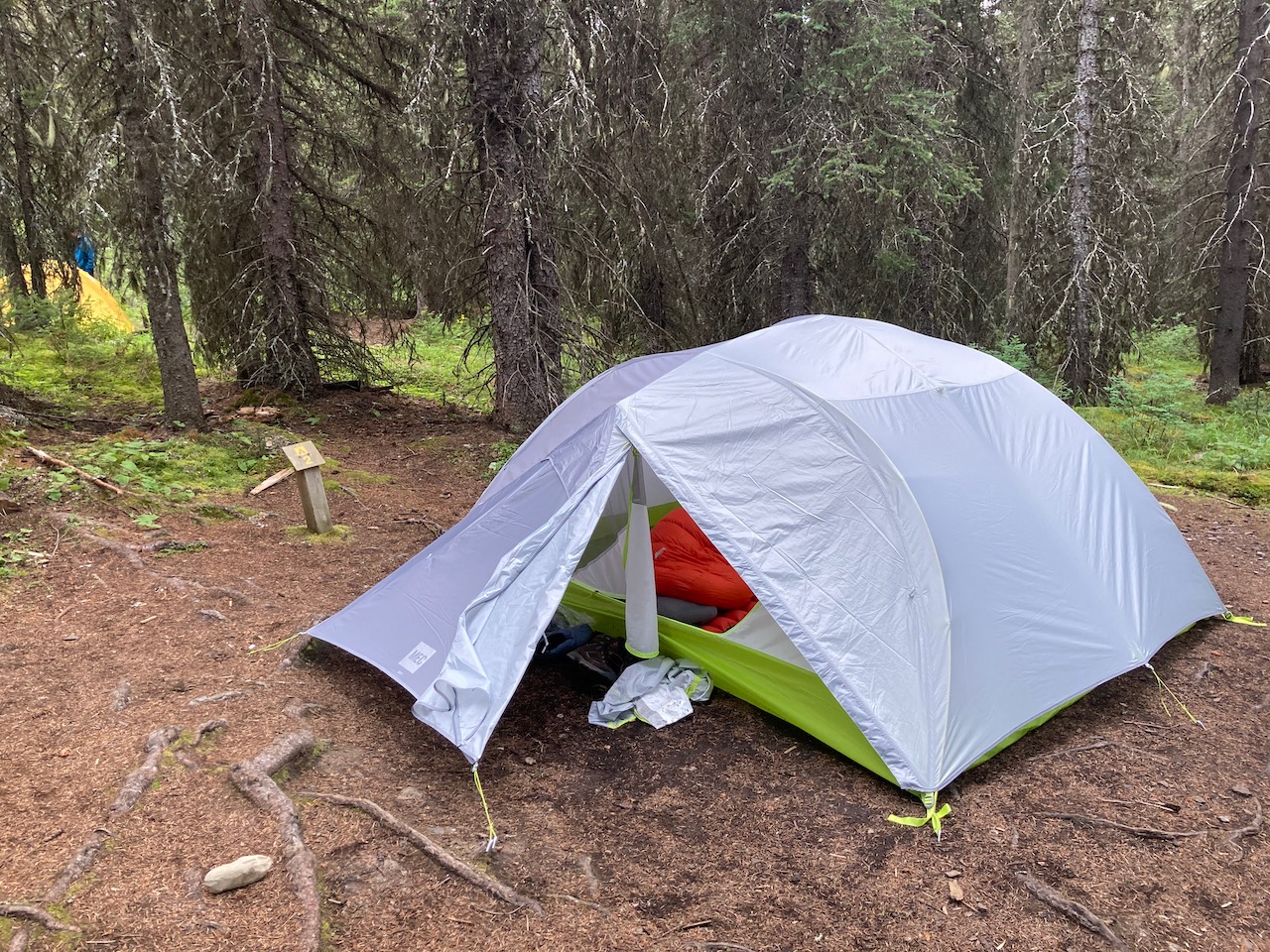
No fly for me. I only use it if I must.
Masons were happy with their new 4 person MEC tent, the first time they’d used it.
I wished we’d camped instead at Big Springs 9.6km. But Brian was actually happy we went all the way to McBride as it shortened the climbing day up to Assiniboine.
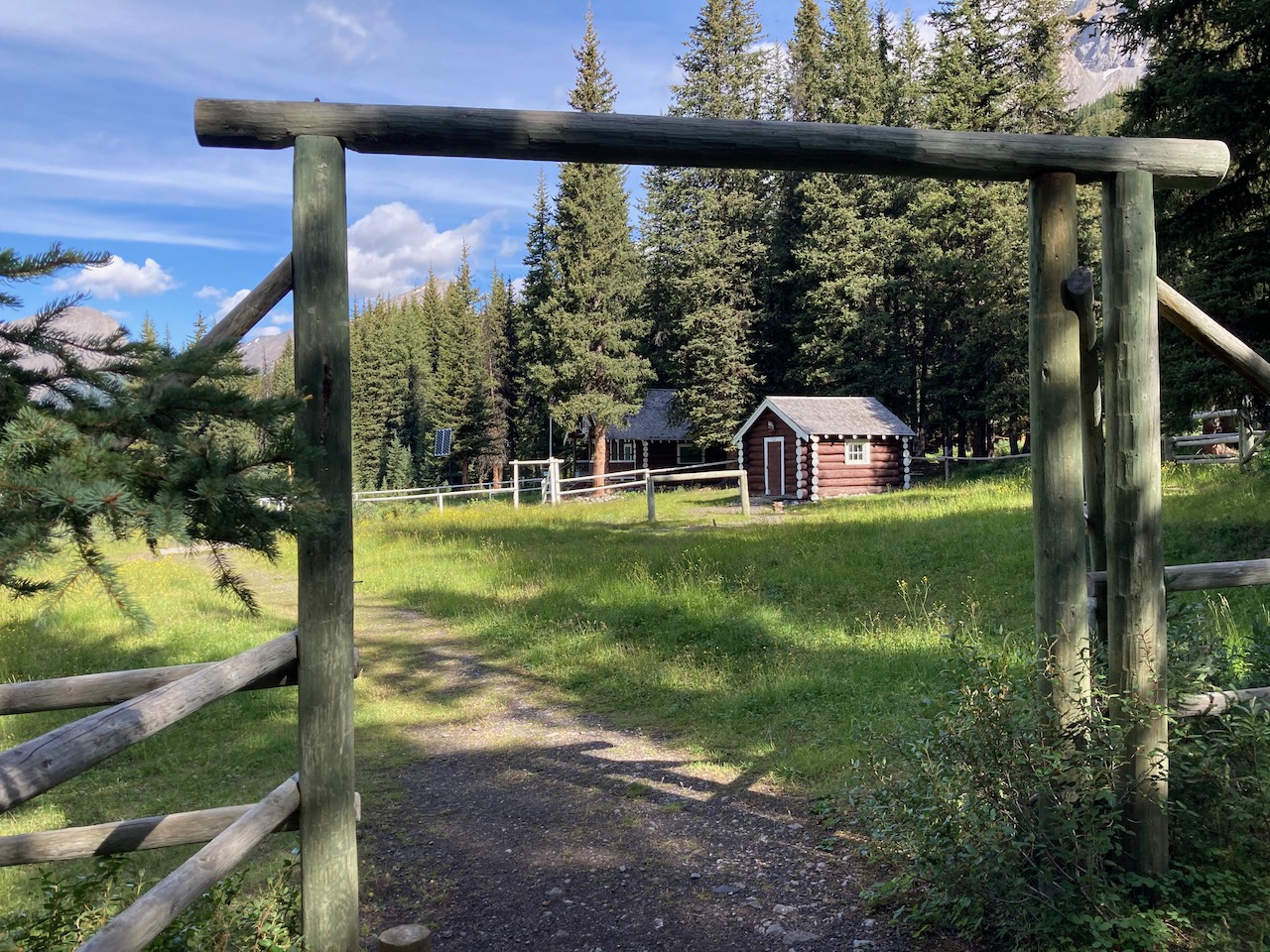
At the Ranger cabin we turned uphill towards Marvel Lake. (The alternative trail is the easier, but less scenic, Assiniboine Pass.)
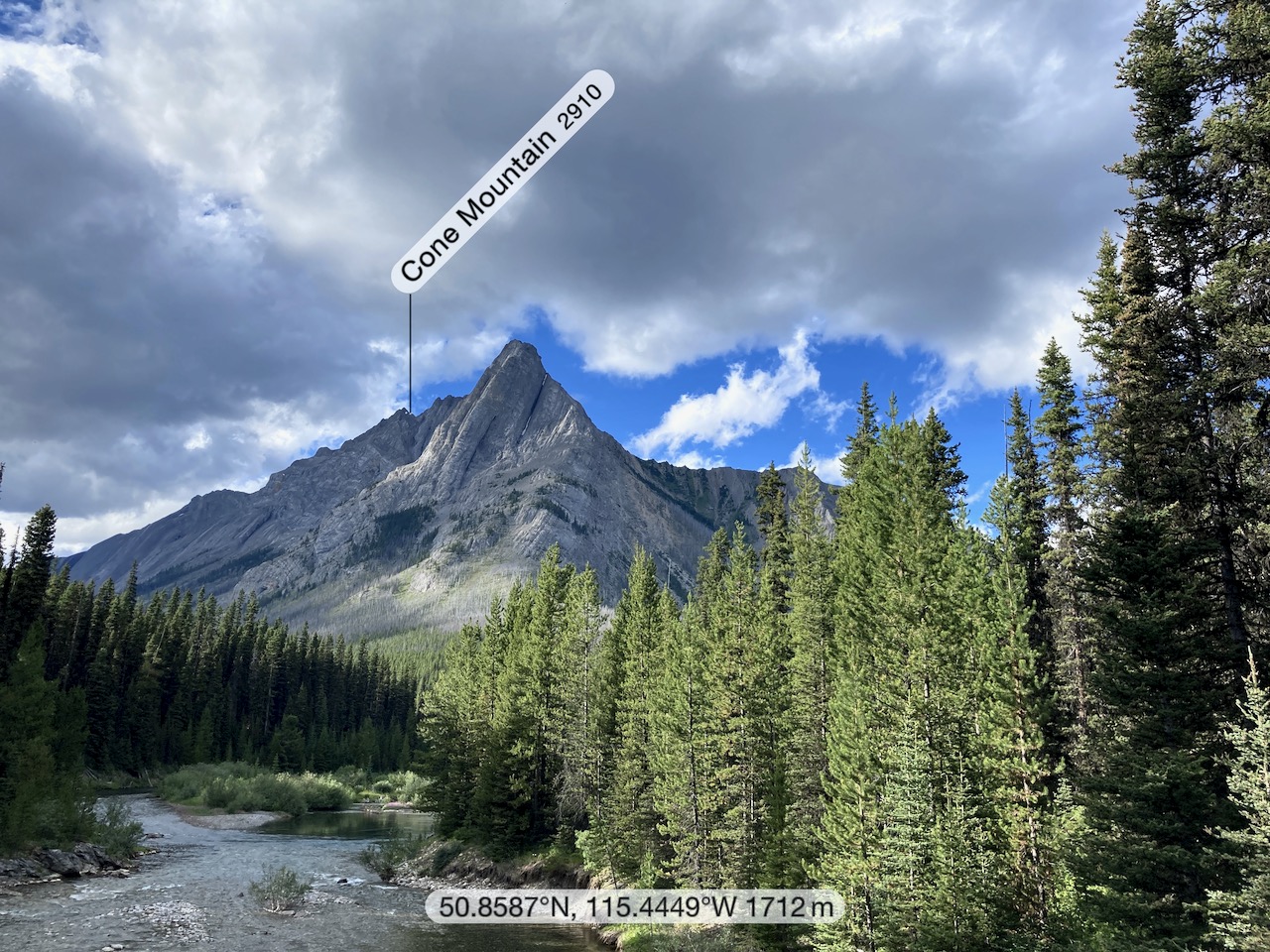
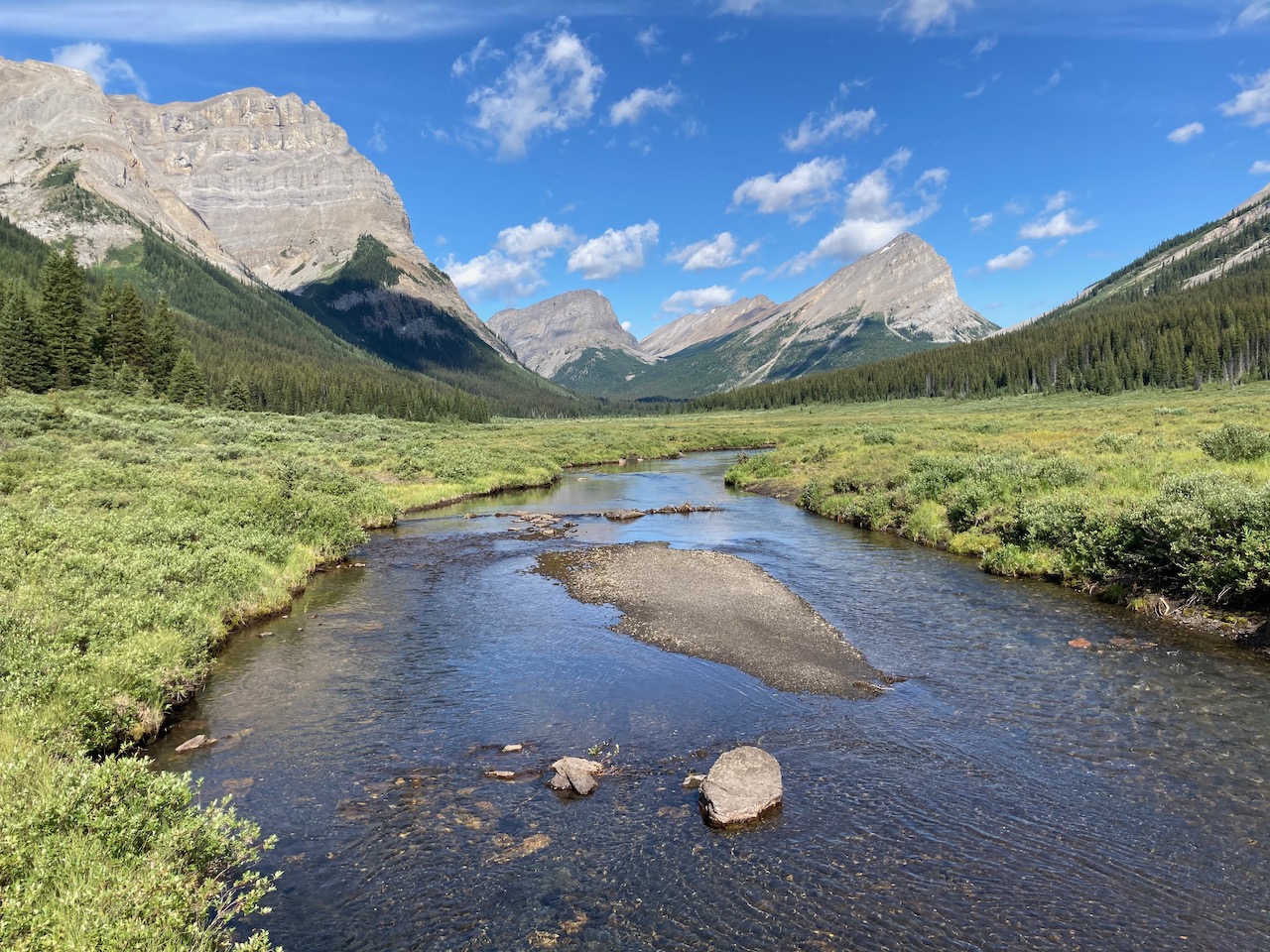
The river is the water supply for McBride. While at that camp, I saw two closer potential sources that were NOT running.
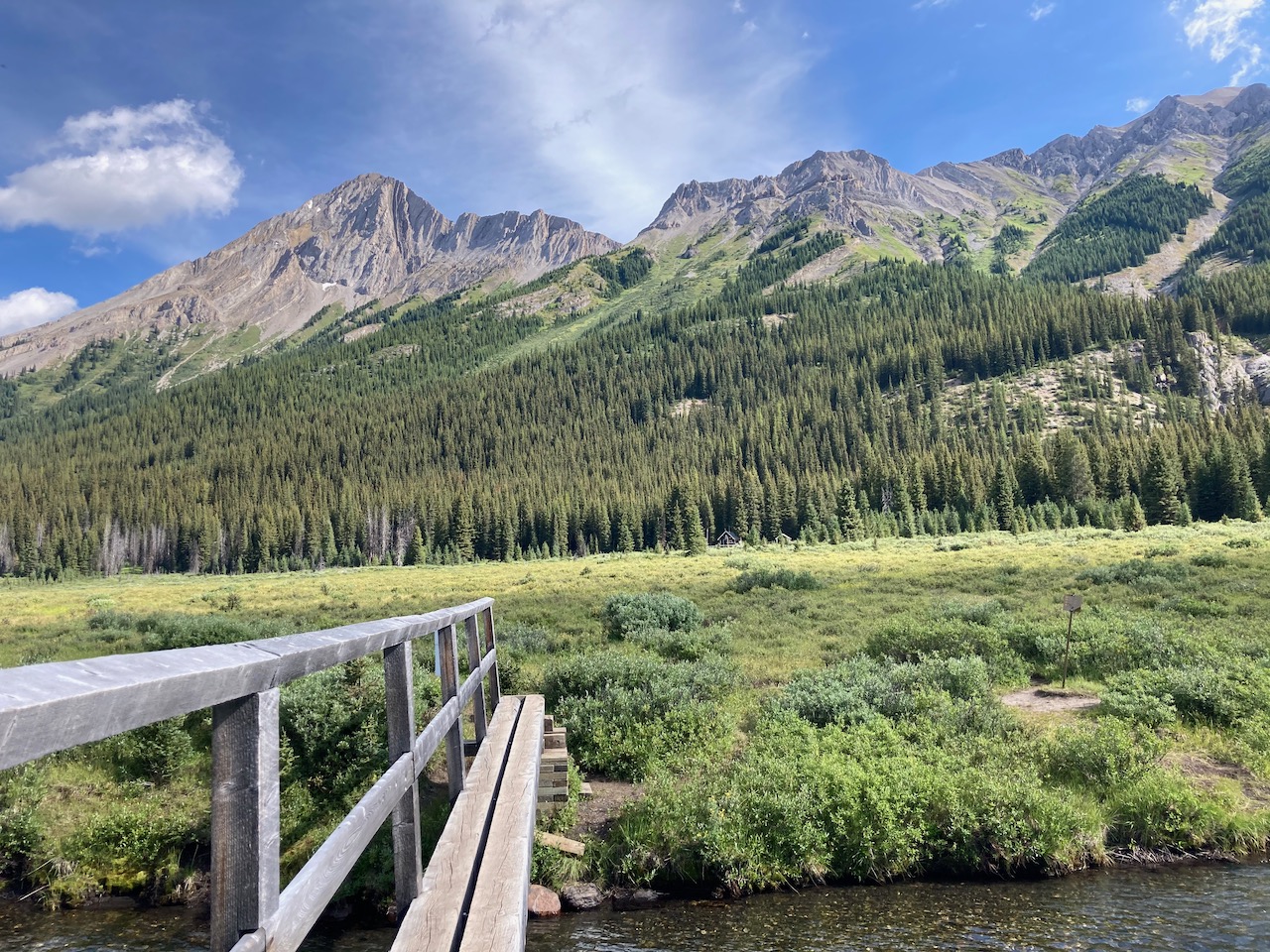
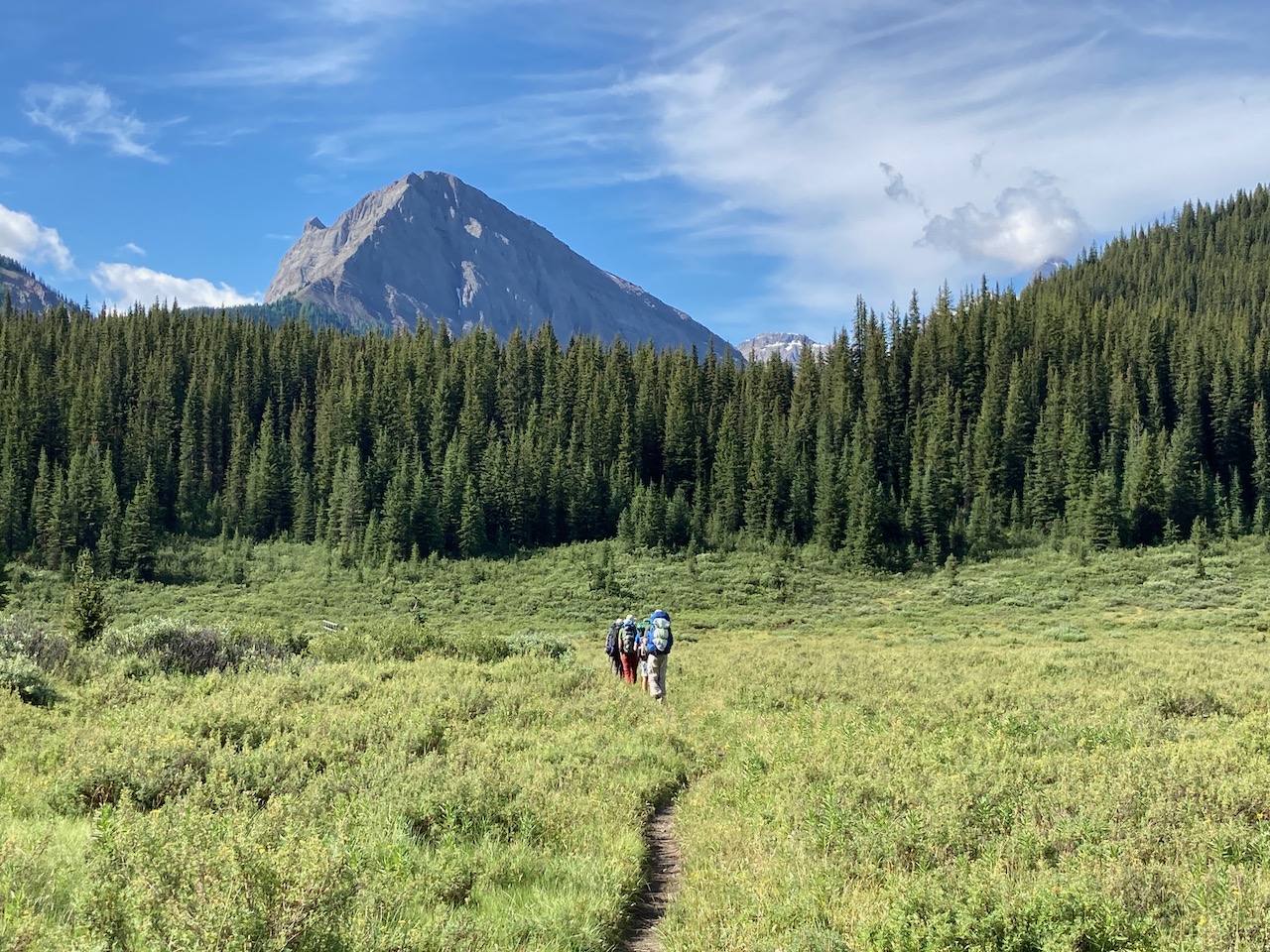
I do love alpine meadows.
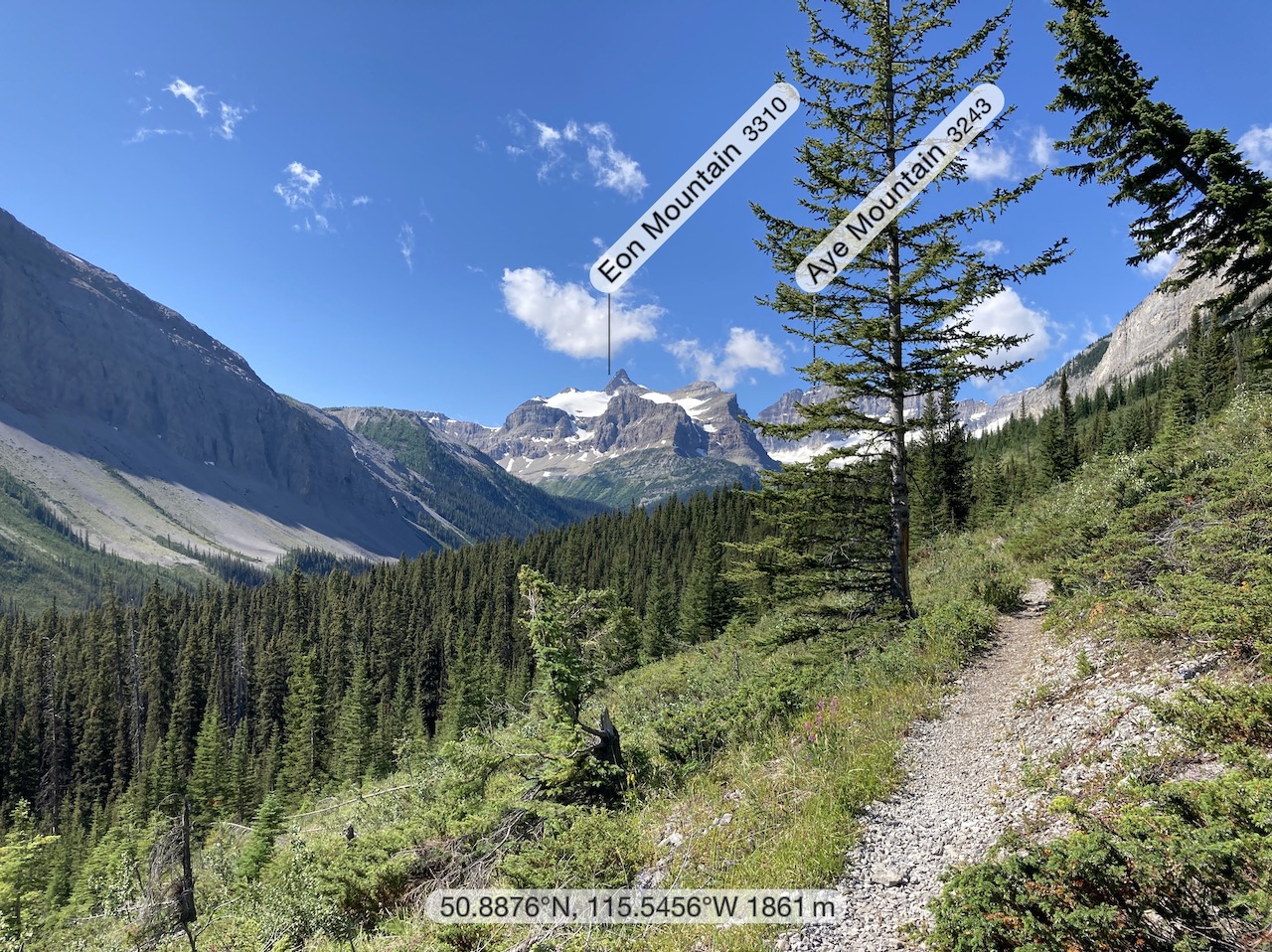
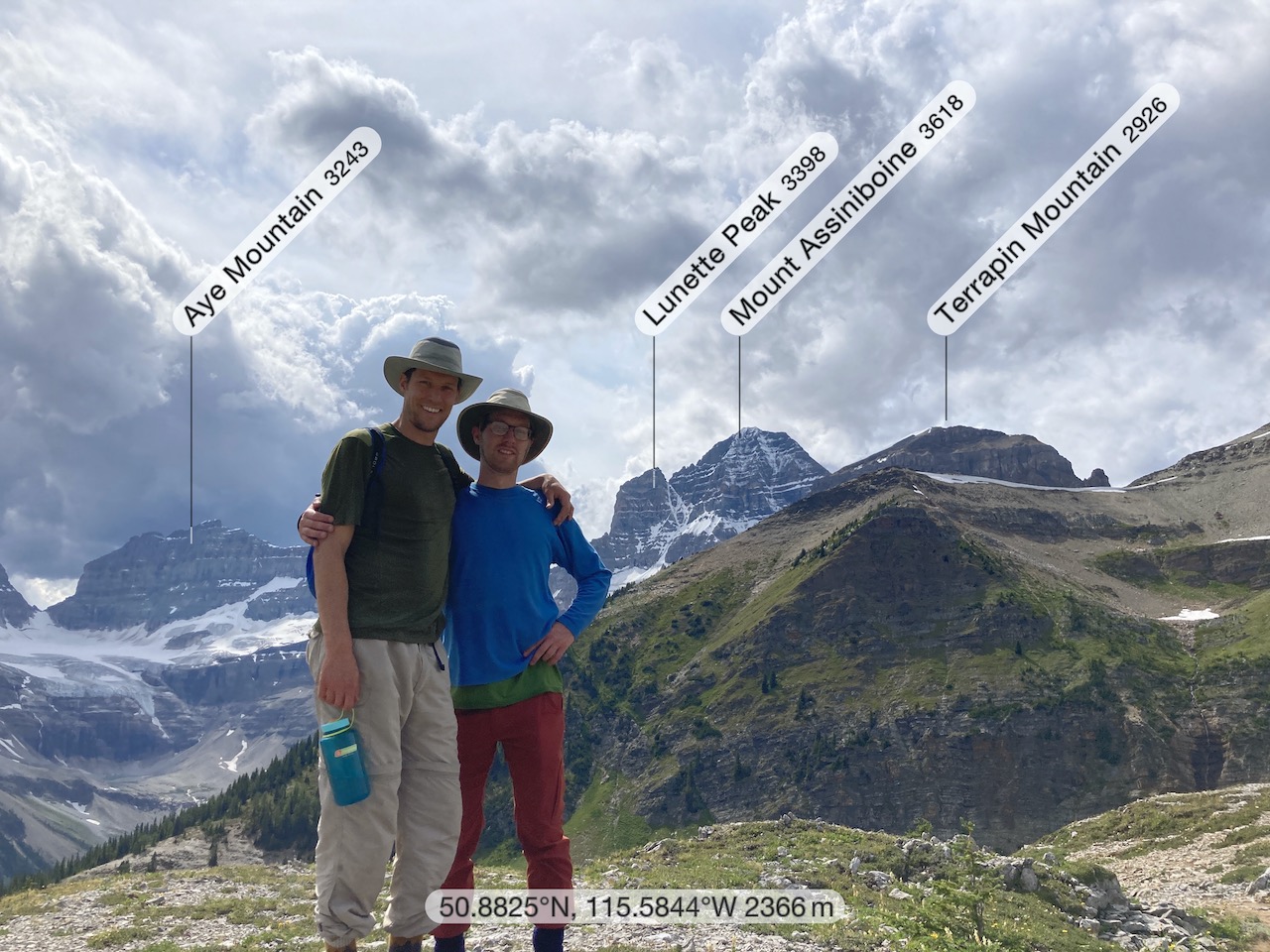
My free Peakfinder app was useful in identifying mountains. You need to download the data in advance before going offline.
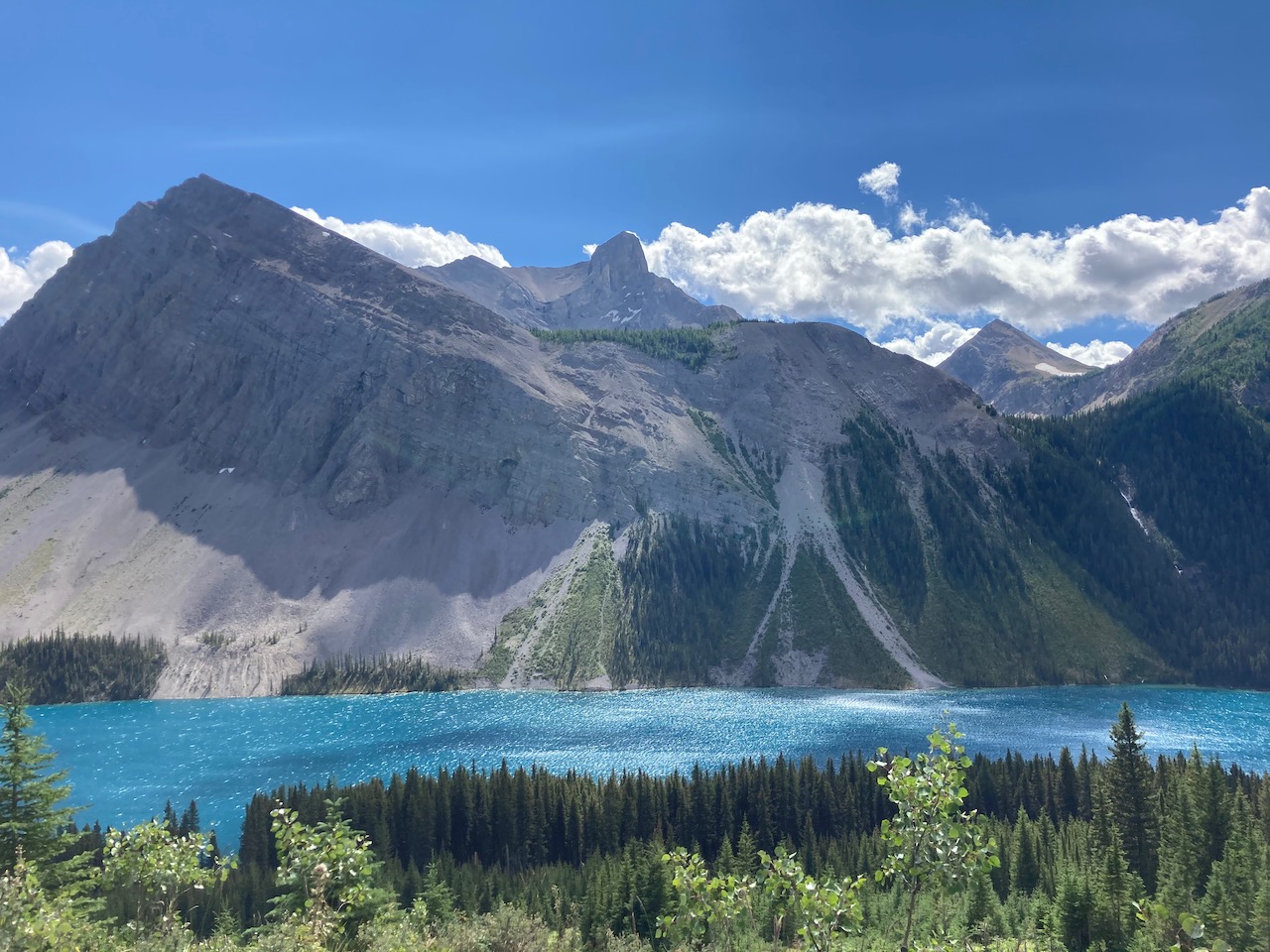
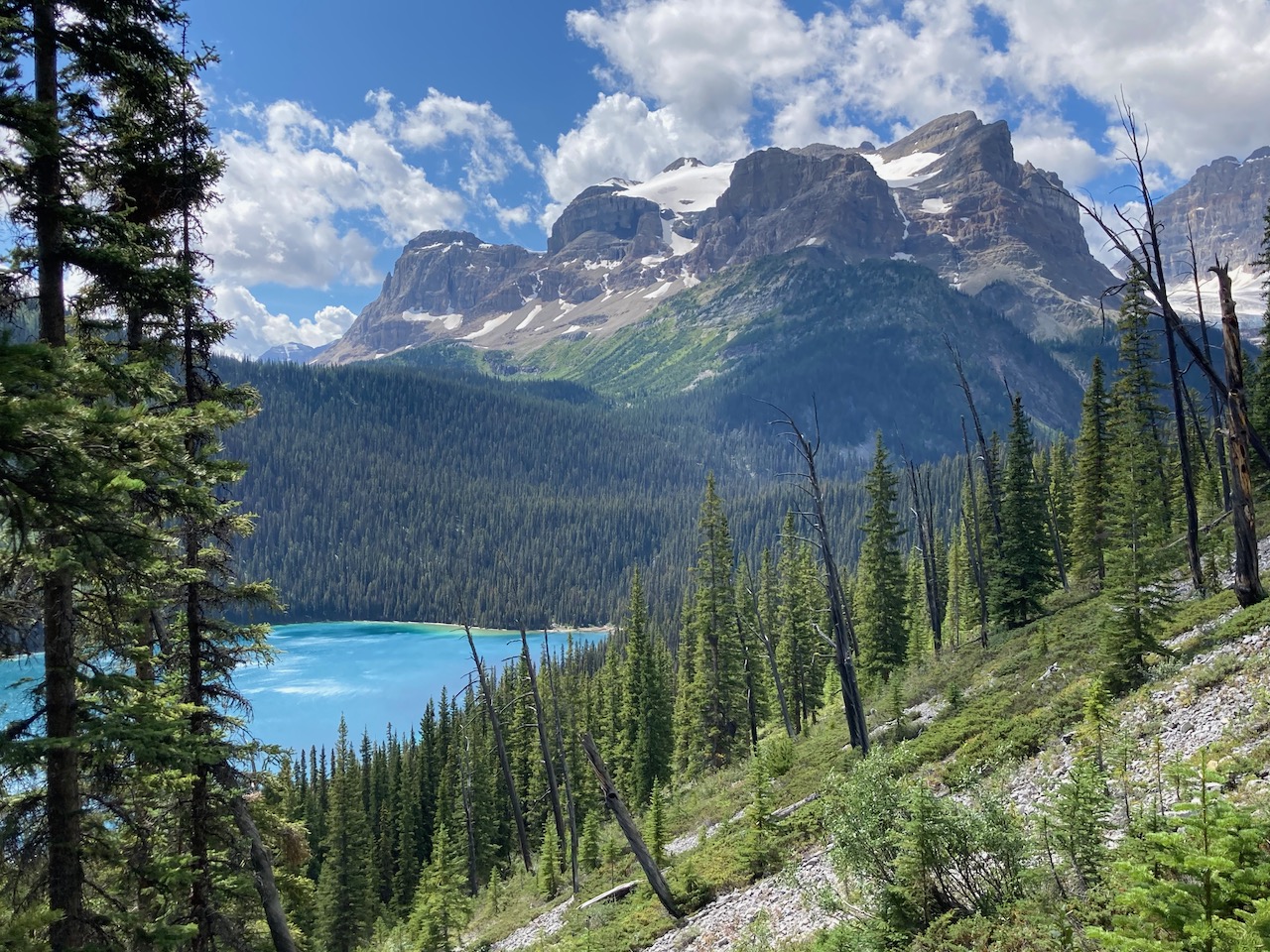
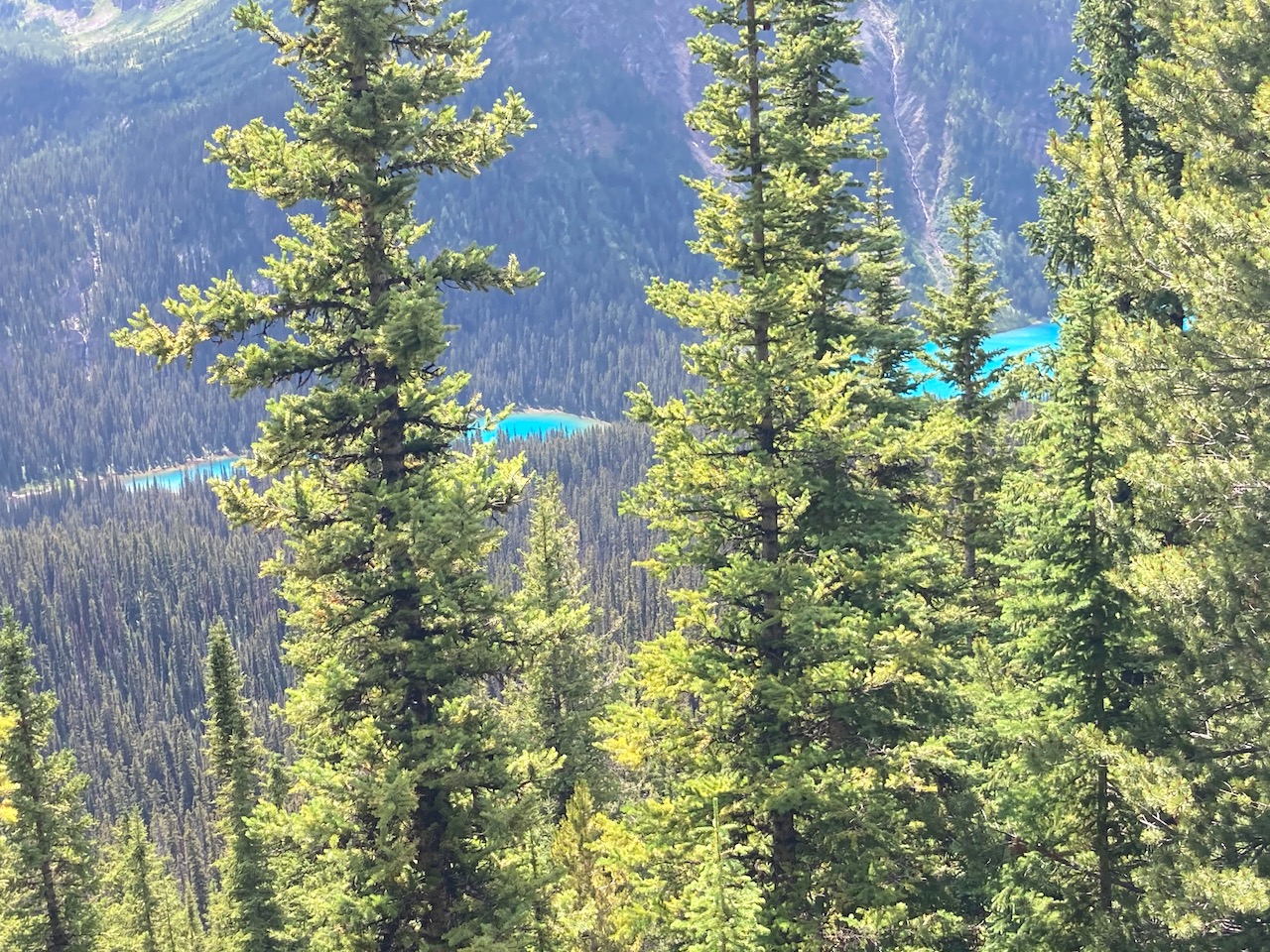
Gorgeous Marvel Lake.
Fantastic.
It’s a steep climb up to Assiniboine on switchbacks, but the views keep you going.
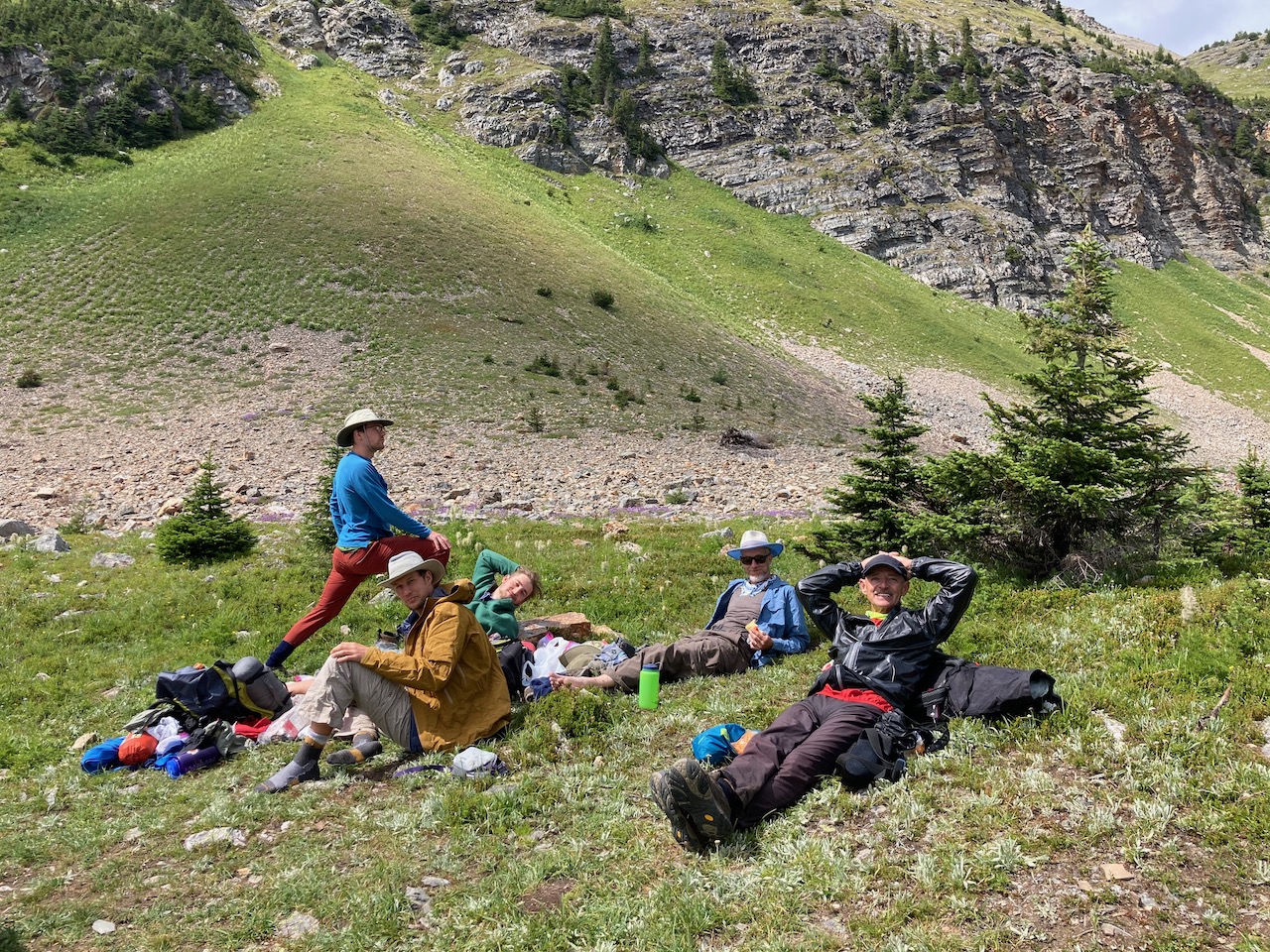
We stopped for lunch at the top.
What a vista !
From there we scrambled up to a higher viewpoint, leaving our big packs below.
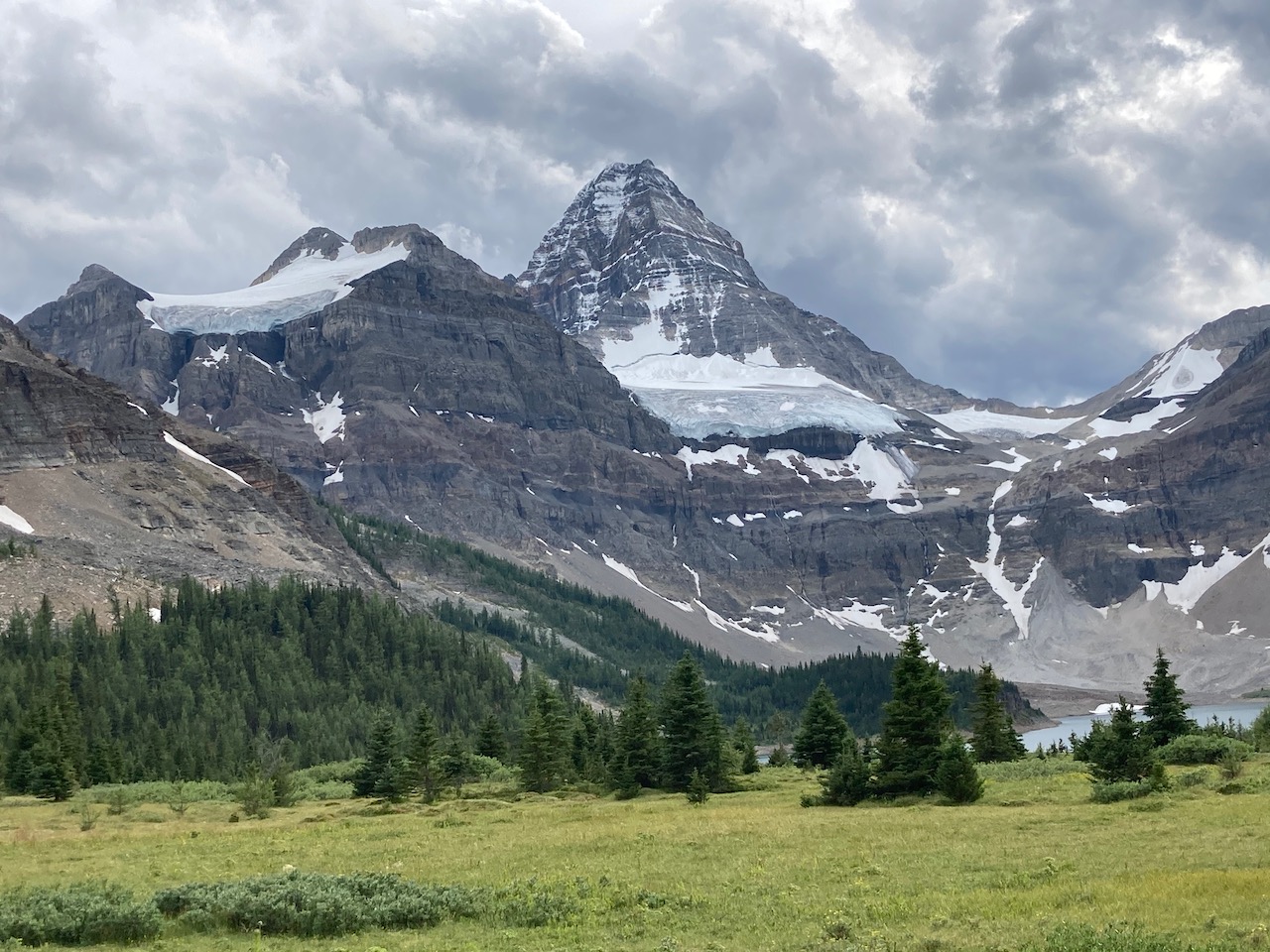
Eventually we strolled into Magog campground with fantastic views of the Matterhorn of the Rockies.
We’d walked about 28 km (17.6 miles) from Shark. Plus our side trip.






 besthike.com