trip report by site editor Rick McCharles
For years I’d been trying to find the Lost Coast of California, listed by all one of the best Ocean walks in the world .
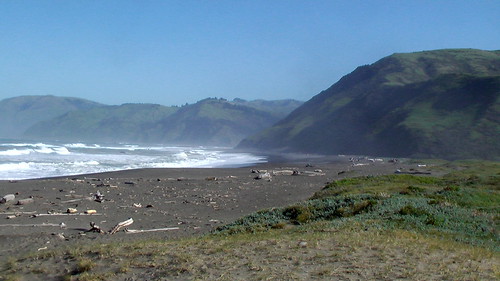
… The Lost Coast is a section of the California North Coast in Humboldt County, which includes the King Range. The steepness and related geotechnical challenges of the coastal mountains made this stretch of coastline too costly for state highway or county road builders to establish routes through the area, leaving it the most undeveloped portion of the California coast. …
Logistics are challenging:
• 25mi one way
• Mattole trailhead south to Shelter Cove
I arrived at the Bureau of Land Management office in Arcata, California after closing. One of the staff unlocked the door, answered all my questions on the hike, got me tide tables and the booklet called “What You Need To Know Before Backpacking The Lost Coast”.
Thanks BLM !!
A quick summary:
• camp anywhere you like, but in established sites
• beware Bear visits
• severe storms typical
• no bridges, many creek crossings
• be forewarned about ticks and Lyme disease
• all water must be treated
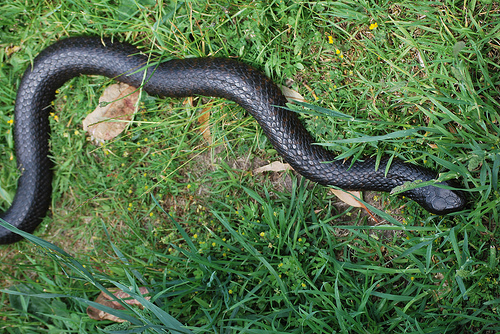
• don’t be surprised to find a rattle snake in a pile of driftwood
• mobile phone coverage unlikely
• it’s remote, rescue slow and difficult
A free self-service permit is required. Get it at either trailhead.
Hike the “low tide” sections while the tide is dropping. If you get “stuck”, you can simply wait for the beach to open.
We talked about the tragedy of 2000 when 2 student hikers and a parent were drowned. Terrible. The rip tides and so-called “rogue waves” are a real hazard here.
My insane plan to park at the North end, then mountain bike with full pack to the South, was … laughable.
Alternatives?
LostCoastTrail.com offers a one way shuttle. Cost about $100 and the vehicle is not always available.
Quickly I decided to hike in and out the North trailhead, doing only part of the Trail.
BLM advised I camp the night prior at Mattole campground. Pit toilets and potable drinking water.

Within minutes I was enjoying the tranquil California coast.

Minutes after that I was questioning my tolerance for hours of trudging in the sand.

Happily, there are often bypass trails higher up on the bluff. I walked a combination of beach and trail.
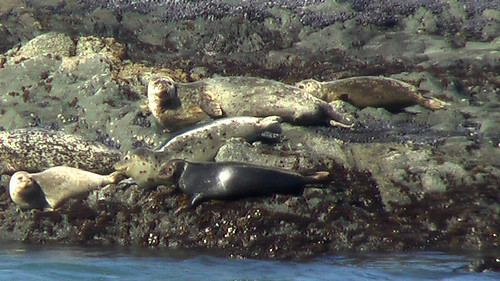
There is a lot of bird and sea life. I saw no sign of the world’s smartest bears while I was there. Bear vaults are mandatory.
The biggest “challenge” are the creek crossings. I brought a second pair of shoes for water but, in the end, did not use them. On some I simply tramped through. On others I went bare foot.

This ship must not have seen the Punta Gorda lighthouse.

About 3.5mi into the morning I spotted a fantastic campsite just being vacated by other hikers. I grabbed it.


Paradise.
After establishing my base camp and tying my tent down securely against the North wind, I spent the rest of the day with only a light pack. My turn around time was 3:30PM.

A gorgeous day on the Lost Coast. I’ll need to hike the south end next time.

See all 50 of my photos from this hike.
UPDATE from Buzz:
The BLM station at Shelter Cove is easiest info stop. Shuttle service works well tho the tides weren’t right for me to do the Coast in a day using the Shuttle, so I contrived a great loop starting at the S end. Ran up the fire roads and trails to the top of King Peak – highest in the range, old fire lookout, incredible views – then cranked down to the beach where strangely, someone owns a remarkable house accessible only by boat or small plane. Single bottle fanny pack was fine – all the water is drinkable.
related:
• GORP – Lost Coast Romance





 besthike.com