Click PLAY or watch it on YouTube.
Personally I don’t mind carrying a Bear Canister and most often use an Ursack. It’s been a good long time since I last threw a rock over a tree limb. 🙂
(via thebackpacker.tv)

Best hikes, treks, tramps in the world.
Click PLAY or watch it on YouTube.
Personally I don’t mind carrying a Bear Canister and most often use an Ursack. It’s been a good long time since I last threw a rock over a tree limb. 🙂
(via thebackpacker.tv)
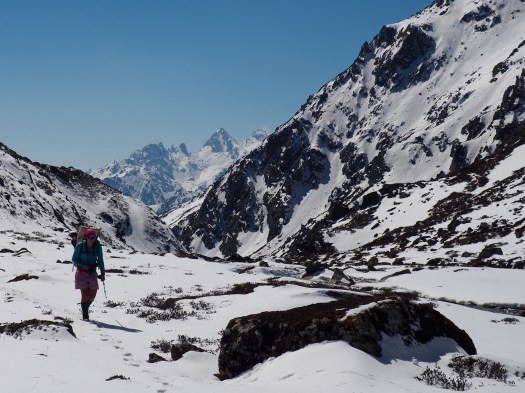
Snow Leopards. Red Pandas. Epic Adventure near Kanchenjunga.
Click PLAY or watch it on Vimeo.
Dulkara Martig’s trip report – Chasing Snow Leopards in Nepal
Yeesh. North Face ultra-runners Mike Foote and Mike Wolfe.
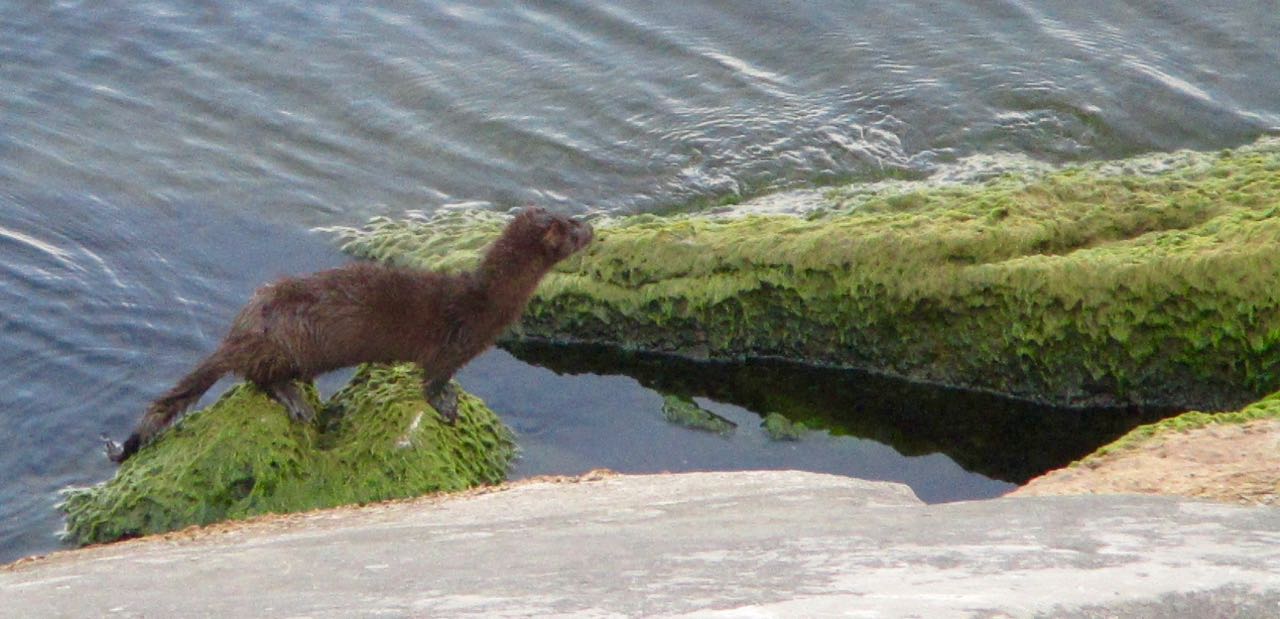
This North American river otter was brazenly unworried about us nearby humans as it browsed the lakeshore in Mississauga.
Actually it’s an American Mink. Thanks for correcting that JStar.
Cycle hiking the Gulf Islands – trip report by site editor Rick McCharles
Mayne Island is a rustic 21-square-kilometre (8.1 sq mi) island in the southern Gulf Islands chain of British Columbia. …
… a population of 1071. Mount Parke in the south-central heart of the island is its highest peak at 255 meters (837 feet). …
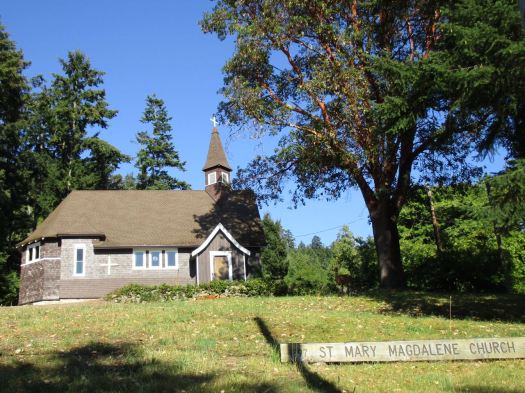
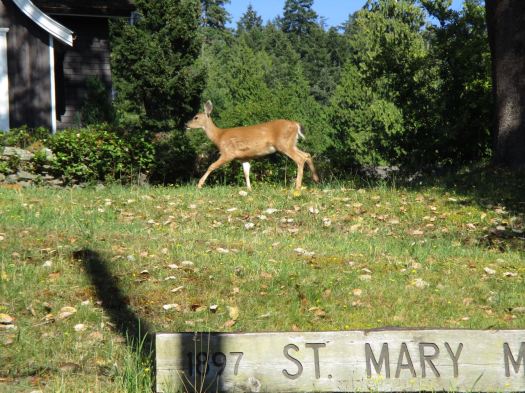
I arrived early enough on Mayne to do some sightseeing. First stop, historic St. Mary Magdalen, Anglican Church.
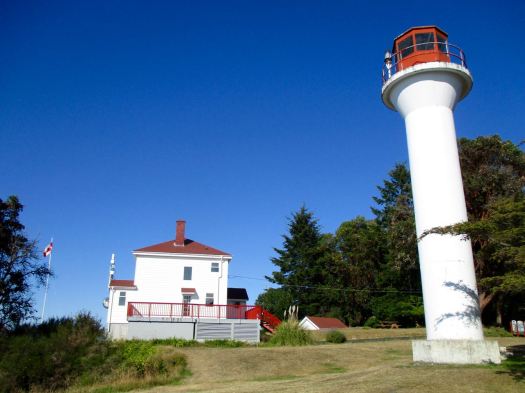
Nearby on Georgina Point is the most scenic light station on the island, built 1885.
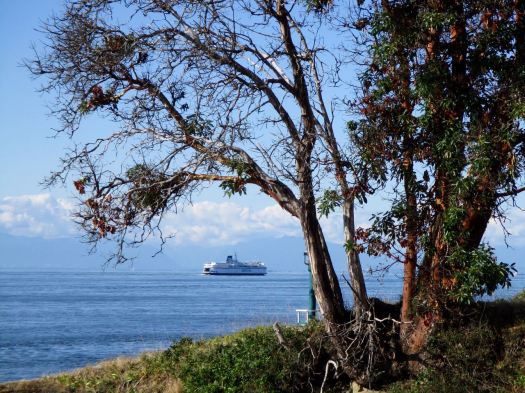
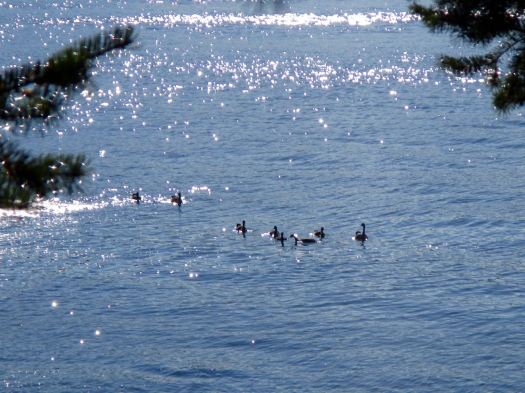
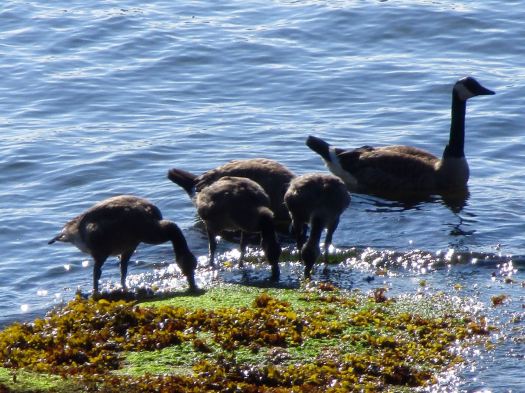
One species not endangered anywhere. Canadian geese. 🙂
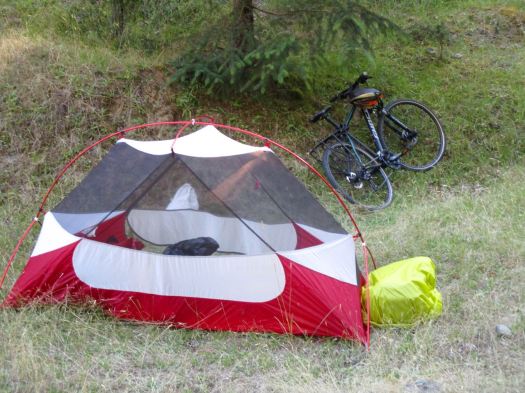
The previous two nights I was hidden away in the trees. But this wild camping tent site was worthy of a photo. Perfect.
I packed up next morning, stashing my panniers in the the trees. And cycled to the most popular hike on the island – Mount Parke.
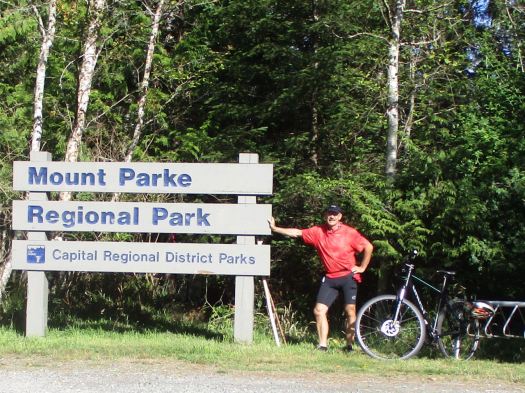
I did a loop: Haliday Ridge Trail to the (appropriately named) Old Gulch Trail to the Lowland Nature Trail. My best hike in the Gulf islands, so far.
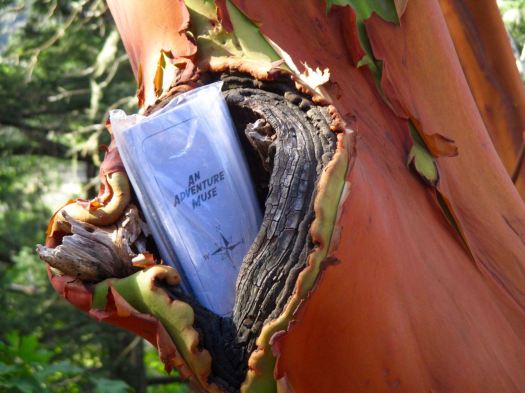
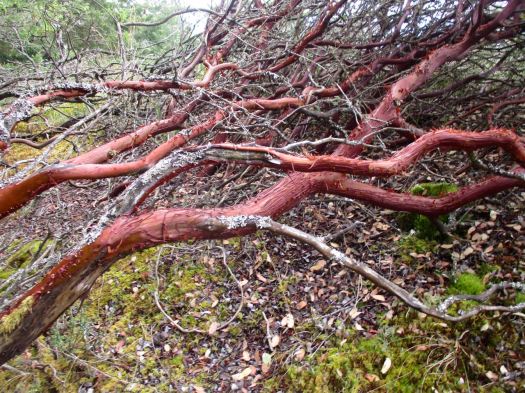
On the Haliday ridge I left a Summit Stone in an Arbutus tree. It seemed appropriate.
A highlight was watching Turkey Vultures pretend to be Bald Eagles.
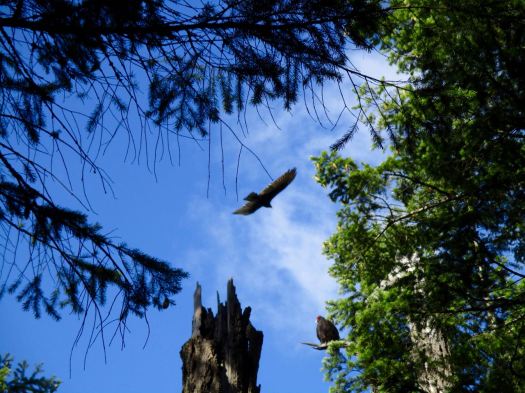
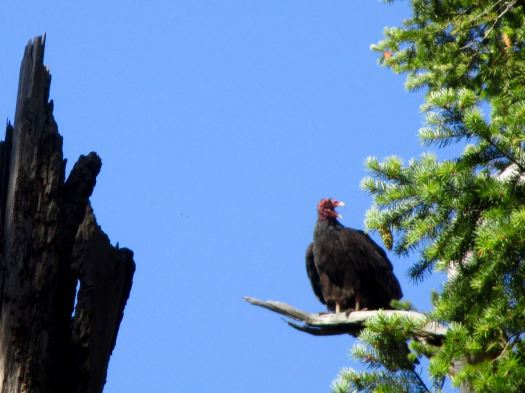
The vistas are magnificent up here. My best weather, so far.
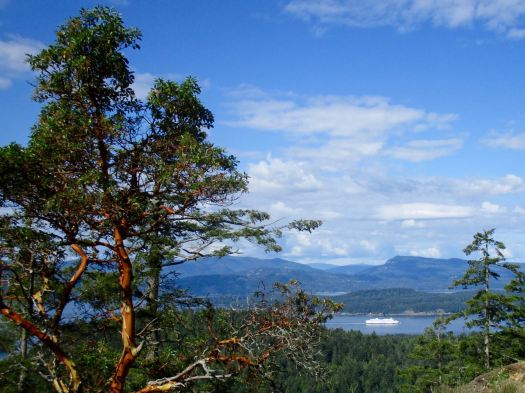
I was starving by the time I got down off the ridge. Happily Farm Gate Store is located near the trailhead. I had a burrito, coffee and muffin. All unbelievably healthy. 🙂
The rest of the day would be easy.
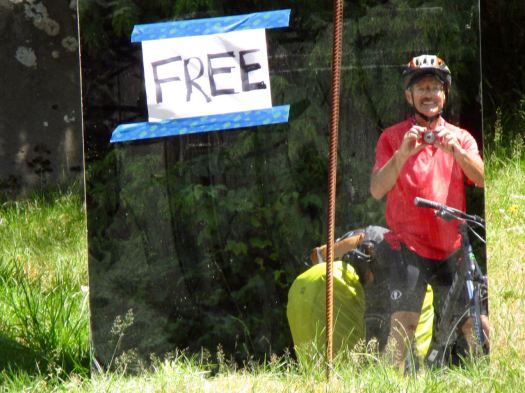
I peddled on to Campbell Point.
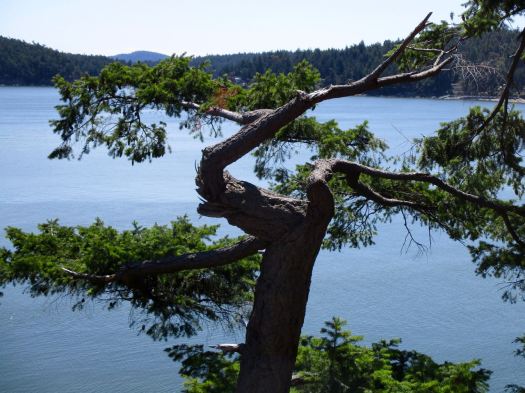
And was quite impressed with the facilities at the Adachi Community Pavilion.
It was here that the Kosumi family lived. Until 1942 when the Canadian government rounded them and all the other Japanese immigrants on the island and moved them to an internment camp. 😦
Today, the Japanese Gardens, located near Dinner Bay, are dedicated to the memory and legacy of the Mayne Island’s Japanese-Canadian community.
Of all the beautiful retirement homes I’ve seen so far, this one caught my eye. Elegant simplicity.
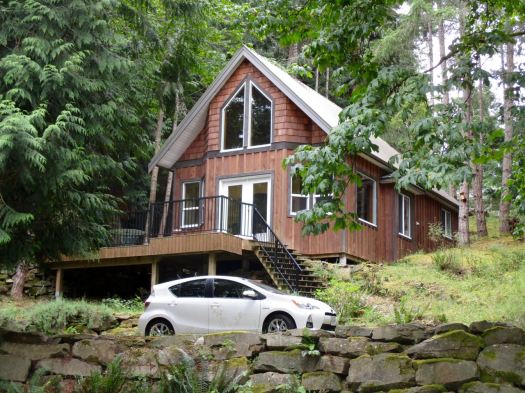
So … in the end I did only the one big hike on Mayne. Island Parks and Recreation does produce a brochure. But most of the other walks are very short.
After all this good weather it began to POUR liquid sunshine while I waited for the ferry to Victoria.
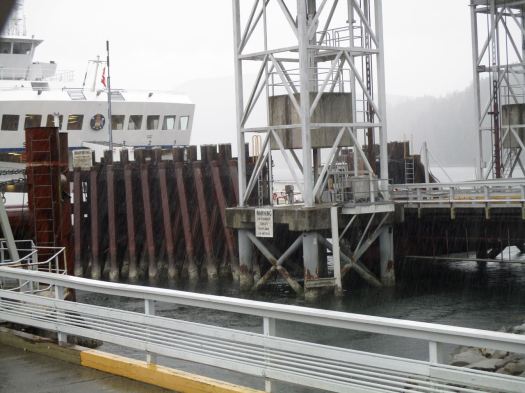
Hmm. What does a cyclist do in the rain?
Cycle hiking the Gulf Islands – trip report by site editor Rick McCharles
Pender Island is home to about 2,250 permanent residents …
North Pender and South Pender, which are separated by a narrow canal originally dredged in 1903. In 1955 the islands were connected by a one lane bridge, as it remains today.
I arrived Pender very tired. And worried. My guidebook said it was one of the hilliest islands. A local cautioned me that many of the steep decent had dangerous right angle turns at the bottom.
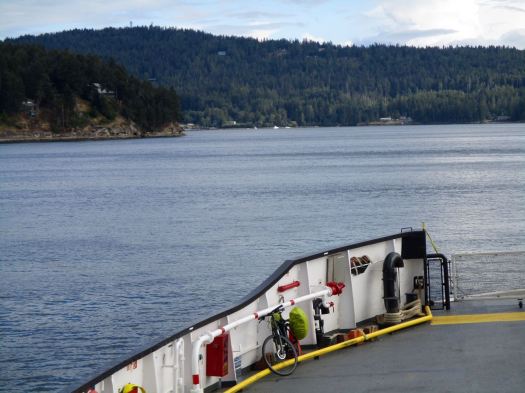

Arriving we had a bit of excitement. Two bald eagles. They spend a lot of time on this perch.
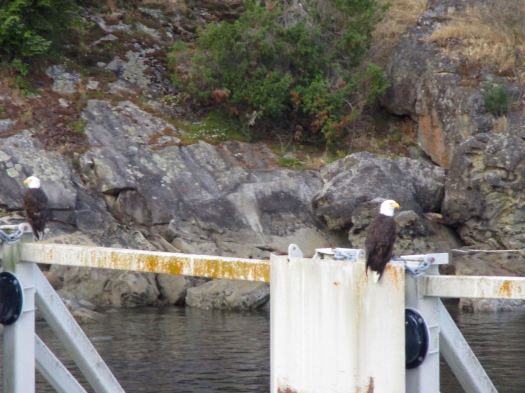
So far on this trip I’d seen plenty of deer. Quail. Bald eagles. Some sort of mink. Turkey vultures. The largest garter snake of my life. …
I rode directly to the Roe Lake trailhead. Wild camped. Too tired to eat, I watched Game of Thrones on my laptop until tired enough to sleep.
Did not get out of the tent until 8am next morning. That’s sleeping-in for me this summer. I packed up. Then walked to the trail.
It was far better than I had anticipated.


At the start you might expect you could mountain bike that 1.5 km loop. Not so. There are some very rough sections.
Psyching up, I headed (literally) for the hills. But before I got far I happened upon Vanilla Leap Bakery Cafe. One of those west coast hippie establishments enjoyed by all.
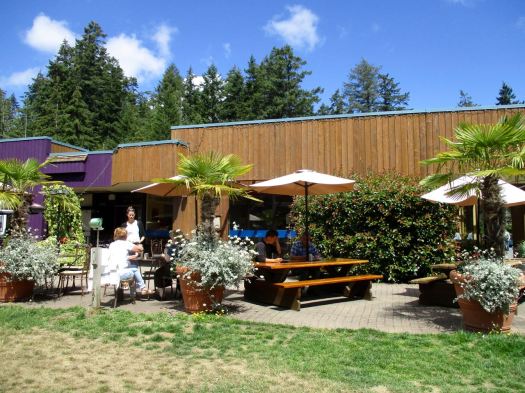
Free wifi. Good coffee. I ended up staying perhaps 90 minutes.
THEN I (literally) headed for the hills. And they are rough. I pushed my heavy bike up most of them.
But I managed to cross the waters over to South Pender. I wanted to climb Mt Norman, the highest point on the islands at 244m.
It’s a short, steep slog up to a gorgeous viewpoint.
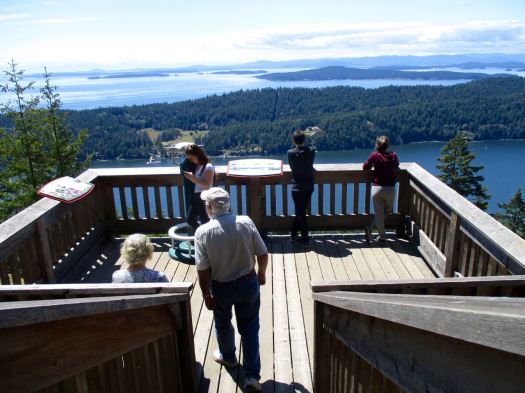

On the way down I managed to miss a turn, ending up at a different trailhead on Canal Road. Rather than admit my mistake, I walked Canal Road back to my bike. Creating my own loop trail. (Not recommended.) 🙂
Again I needed to psych up for the return to the ferry. On Pender it’s uphill each way.
I should have stashed the bike in the trees and stood by one of the Car Stops. These are official alternatives to hitch hiking on some Gulf Islands.

Rather than a bus, locals are encouraged to stop and give free rides to anyone standing at one of these places. Good idea. At your own risk, of course.
With time to kill before my 4:20 ferry I hung out at Port Browning Marina. Very posh.

On to Mayne Island. 🙂

Cycle hiking the Gulf Islands – trip report by site editor Rick McCharles
Galeano Island is 27.5 km long, 6 km at its widest point, and 1.6 km across at its narrowest point …
… population of 1258 inhabitants. …

Seeing a campground an hour out from the ferry landing at Sturdies Bay, I went to check out Montague Harbour Marine Provincial Park.
Nice setup. But the cost was $25 / site for up to 4 people. I prefer the pricing model $10 / person.
So I turned my bike around and wild camped nearby.
In the morning I packed up early and rode back to the campground to make coffee. There’s a good hike there called the Gray Peninsula Trail. About 2km.
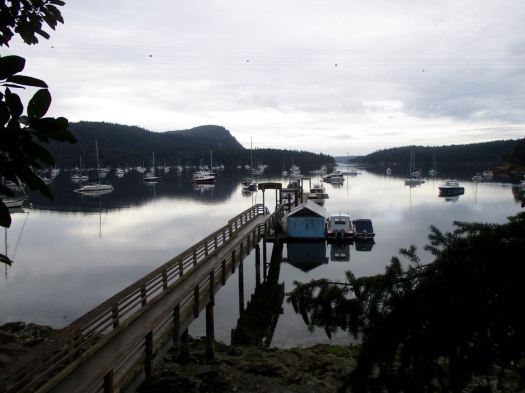
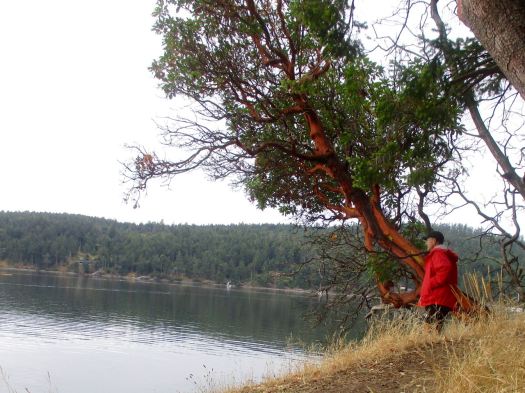
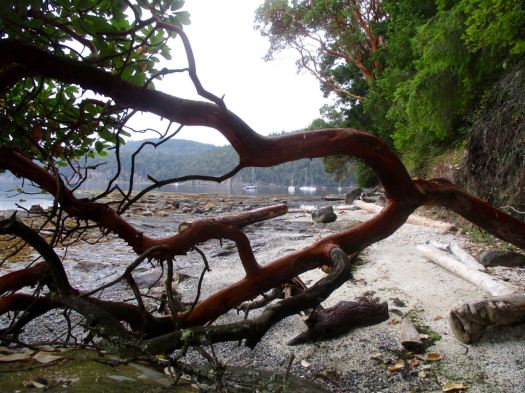
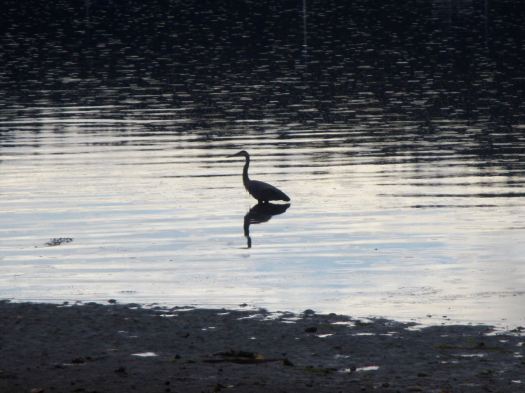
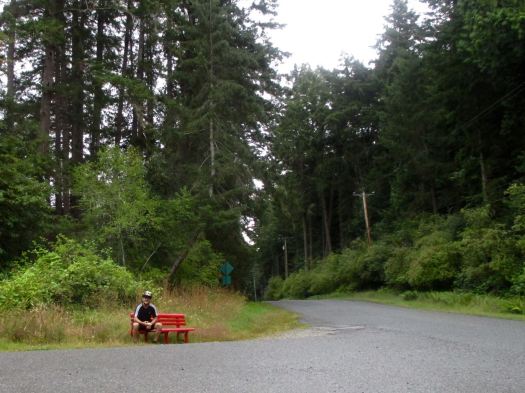
I cycled on to the Pebble Beach hike trailhead. Breakfast was cold pizza on this bench.
You reach the coast at Cable Bay. Then saunter over to Pebble Beach.
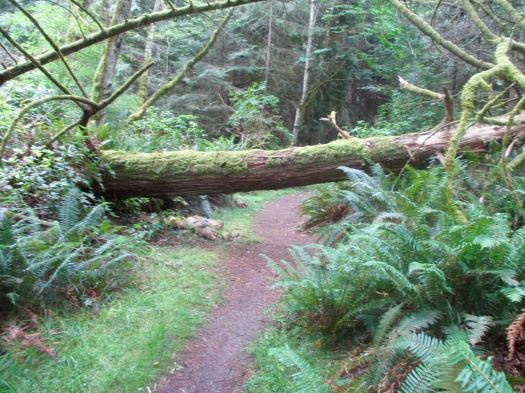
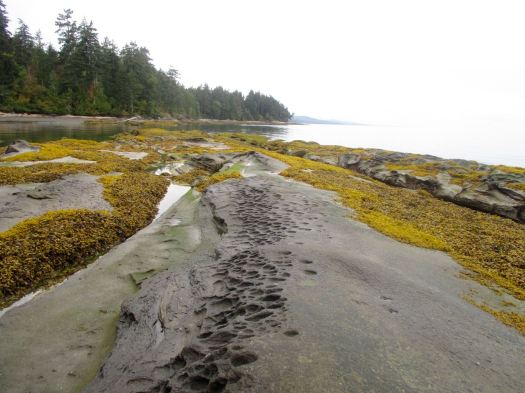
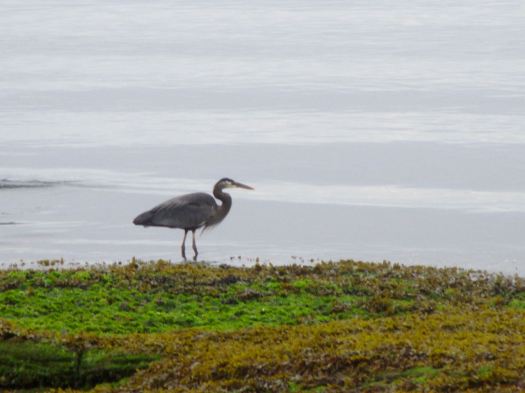
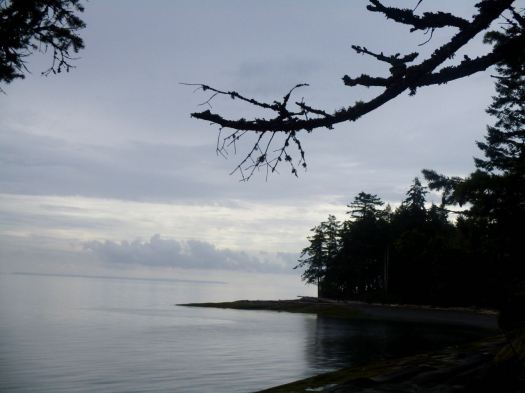
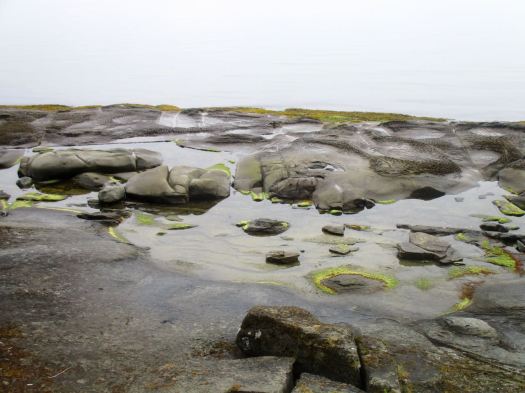
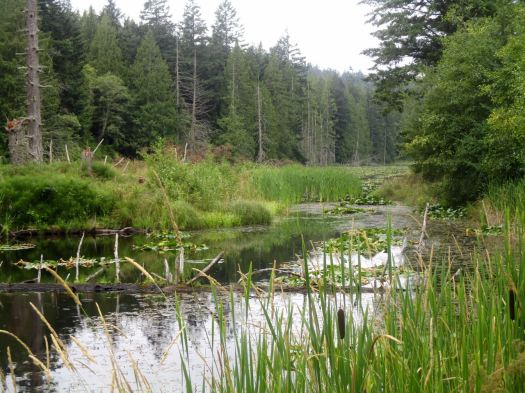
On a trail map it looked like I could cycle a mountain bike trail to Laughlin lake, the largest body of water on Galiano. That’s a bit risky on a hybrid bike. Happily, it worked.
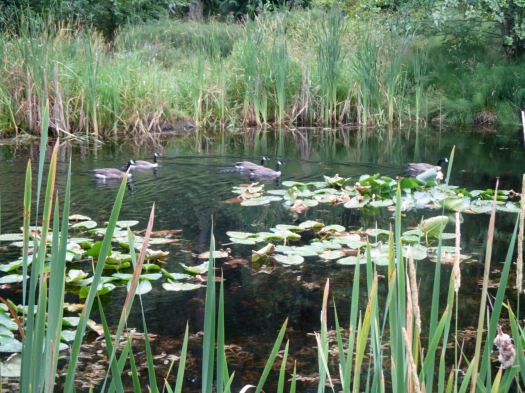
Four guys in this boat arrived for a picnic. Boat and kayak are the best ways to get to Dionisio.
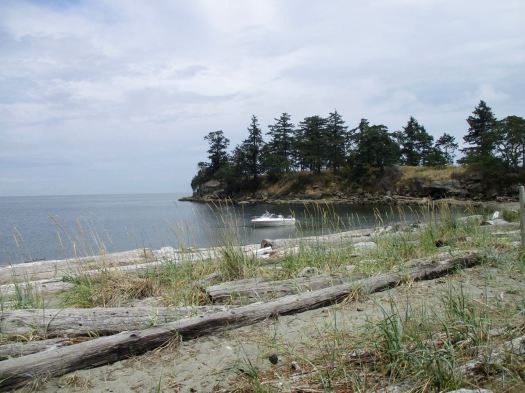
I returned via the dead end Bodega Beach Drive seeing only 2 vehicles in 3 hours. An ideal place to cycle.
The best hike on the island was yet to come – Bodega Ridge.
Bodega started much like any other hike, a welcoming soft temperate rain forest trail.
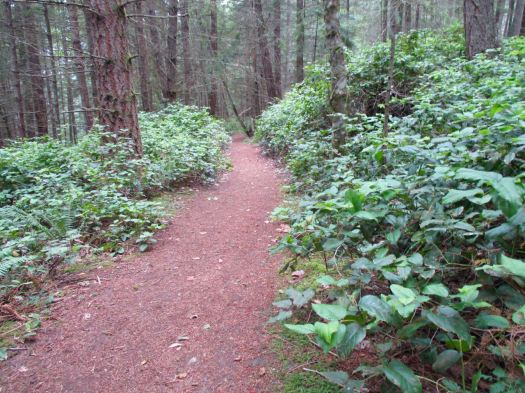
The fun starts when you get up on the ridge. A steep drop with marvellous views.
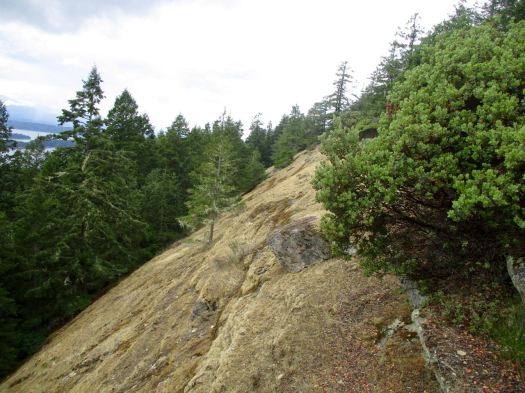
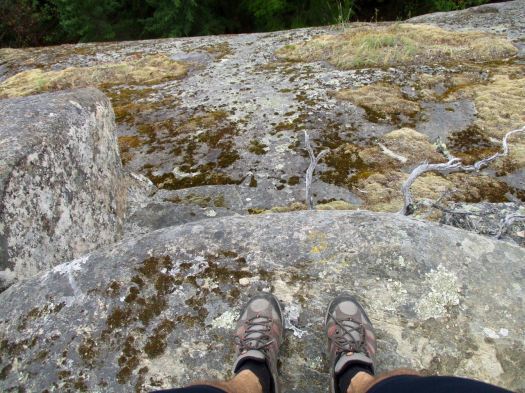
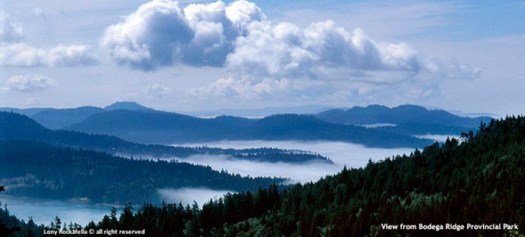
Galiano was a hard day for me. I could barely keep my eyes open on the ferry to Pender.
I’d like to return one day. Kayak to camp at Dionisio. And climb Mt Galiano, the highest point on the island.
Ilha Grande … remains largely undeveloped. …
The island, which is 193 km2 (75 sq mi) in area, is now a popular tourist destination that is noted for its scenic beauty, unspoilt tropical beaches, luxuriant vegetation and rugged landscape. The highest point is the 1,031 m (3,383 ft) Pico da Pedra D’Água. …
Ilha Grande is one of the most pristine remnants of Brazil’s Atlantic rainforest making it one of the richest ecosystems in the world. …
Small-scale ecotourism is being encouraged on the island. Although it has no roads and motorised vehicles banned, the island has more than 150 km (93 mi) of hiking trails …

Stingy Nomads circumambulated the island in 5 days.

… In 5 days we saw: many marmoset and howler monkeys, squirrels, one armadillo, many lizards, owls, bats, parrots, vultures, different tropical birds, humming birds, many spiders with their huge webs all over the jungle and butterflies. On the official web page it says you can also see sloths, we weren’t that lucky, and they warn you about poison snakes, we were lucky enough not to see any. …

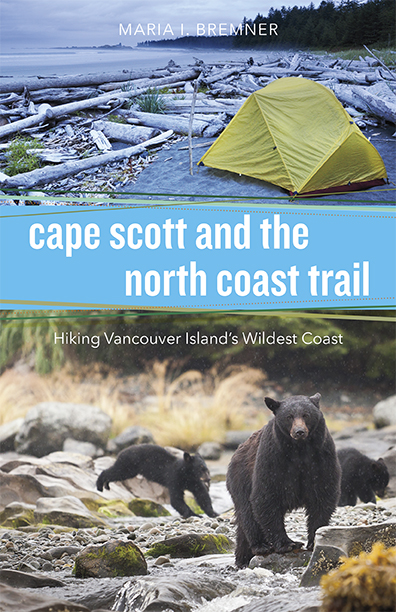
Cape Scott and the North Coast Trail is the first comprehensive guidebook about one of Vancouver Island’s most iconic destinations. Each year, thousands of backpackers and nature lovers head to the northern limits of Vancouver Island, bound for the jewel of the region: Cape Scott Provincial Park and the recently completed North Coast Trail. …

This part of the world is a fantastic wilderness. But we have serious reservations about the standard route – don’t hike the North Coast Trail
One. Crazy. Story.
 besthike.com