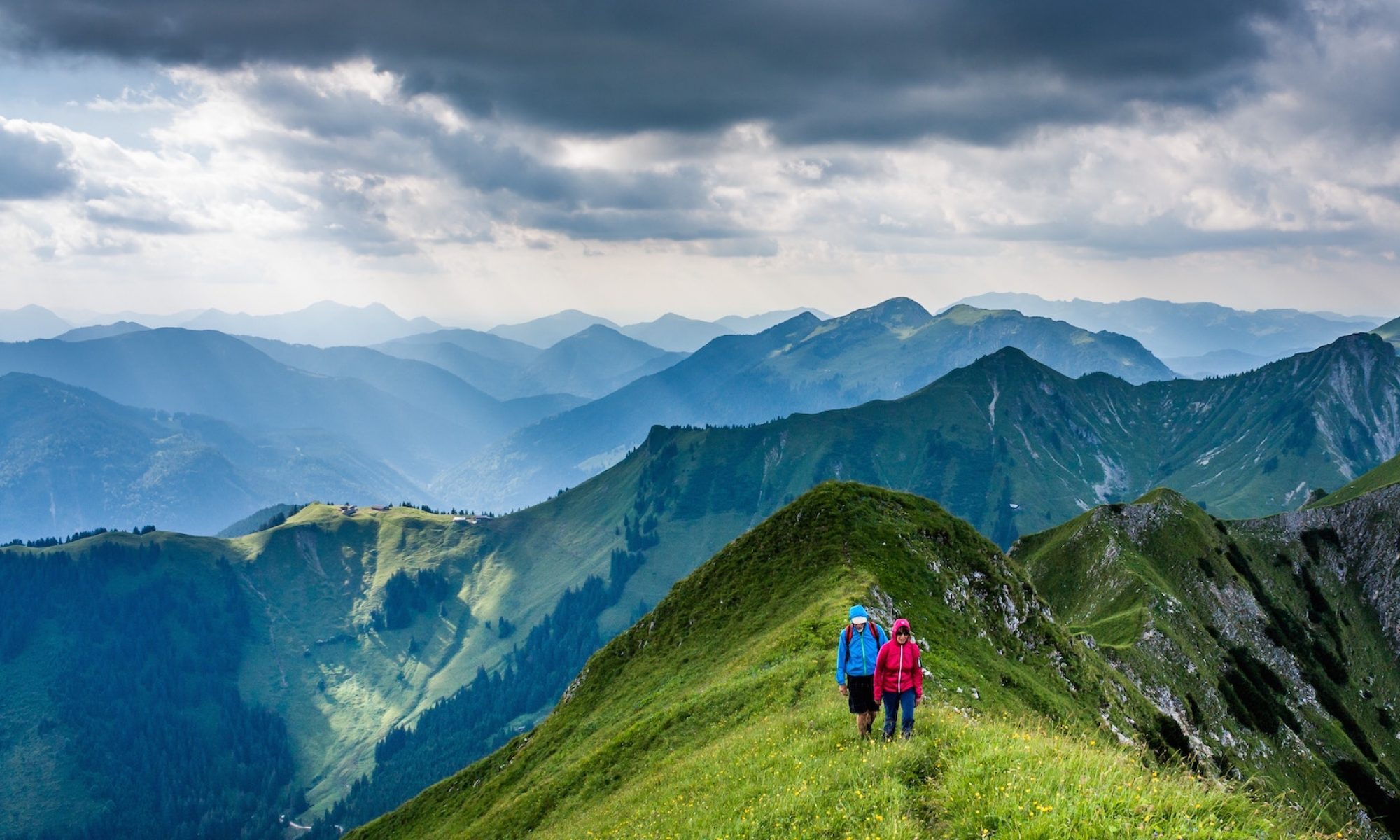

I was thinking of walking the Lost Coast Trail in California in February. This week!
Expert in all things “California is the center of the Outdoor Universe” Tom Mangan advises against.
Might have to return in warmer weather, though.
Two-Heel Drive linked to an interesting trip report:
“A writer for Forbes hiked in nine miles with five days’ gear — and a surfboard — to catch some of the finest waves in the West at a place called Big Flat.”
… We’d come equipped not just for camping and surfing but for fishing. This section of coast swarms with halibut and king salmon; if we could get our poles in the right place, surely we could hook ourselves a dinner or two, we figured. The problem with so much gear, however, was that our packs had grown comically large. To get mine on my back I needed the assistance of my two friends. I might as well have been an armor-laden knight being winched onto a horse. Hip-bruising would be inevitable. But visions of perfect surf and an empty lineup urged us on.
Combining multi-day hiking trips with other activities (paddle, cycle, scramble) is a growning trend.
But a fishing surf trek? That’s a new one on me.

more Lost Coast Trail photos – flickr – Zach
The Lost Coast Trail in California is one of our best hikes in North America.




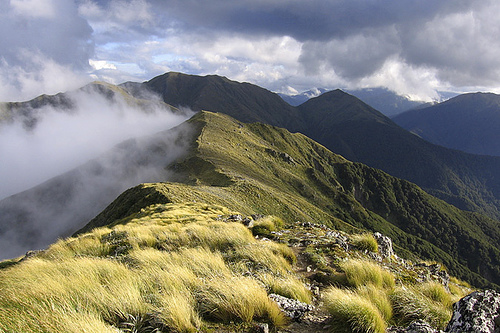
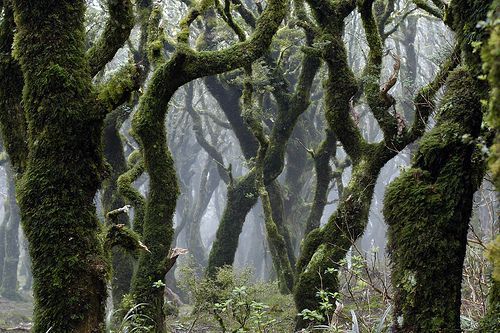

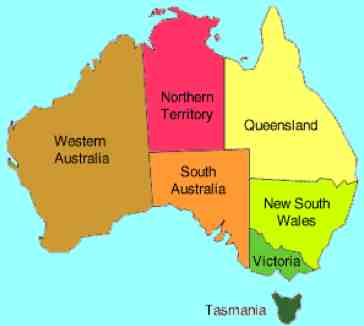
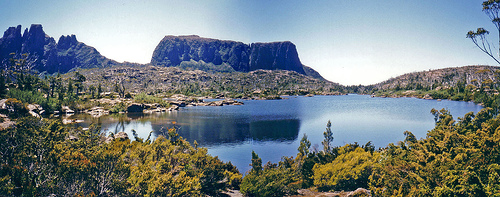


 Reading Frank — Frank in Oz, one of our favourite sites. (linked in the right hand navigation under Blogs) — I clicked on the Hinchinbrook Island link (9 posts). Next, I navigated to the bottom of the page. And worked my way back up to the top.
 … “With its lush rainforests, rugged, misty and heath-covered mountains, sweeping sandy beaches, rocky headlands, paperbark and palm wetlands, mangrove-fringed shores and extensive open forests and woodlands, Hinchinbrook Island National Park is one of the world’s most outstanding island parks.”
 besthike.com