Cycling north from Tromsø the roads are gorgeous and not busy, even in high season. And BestHike editor Rick McCharles had perfect weather for our #6 video of 2022.
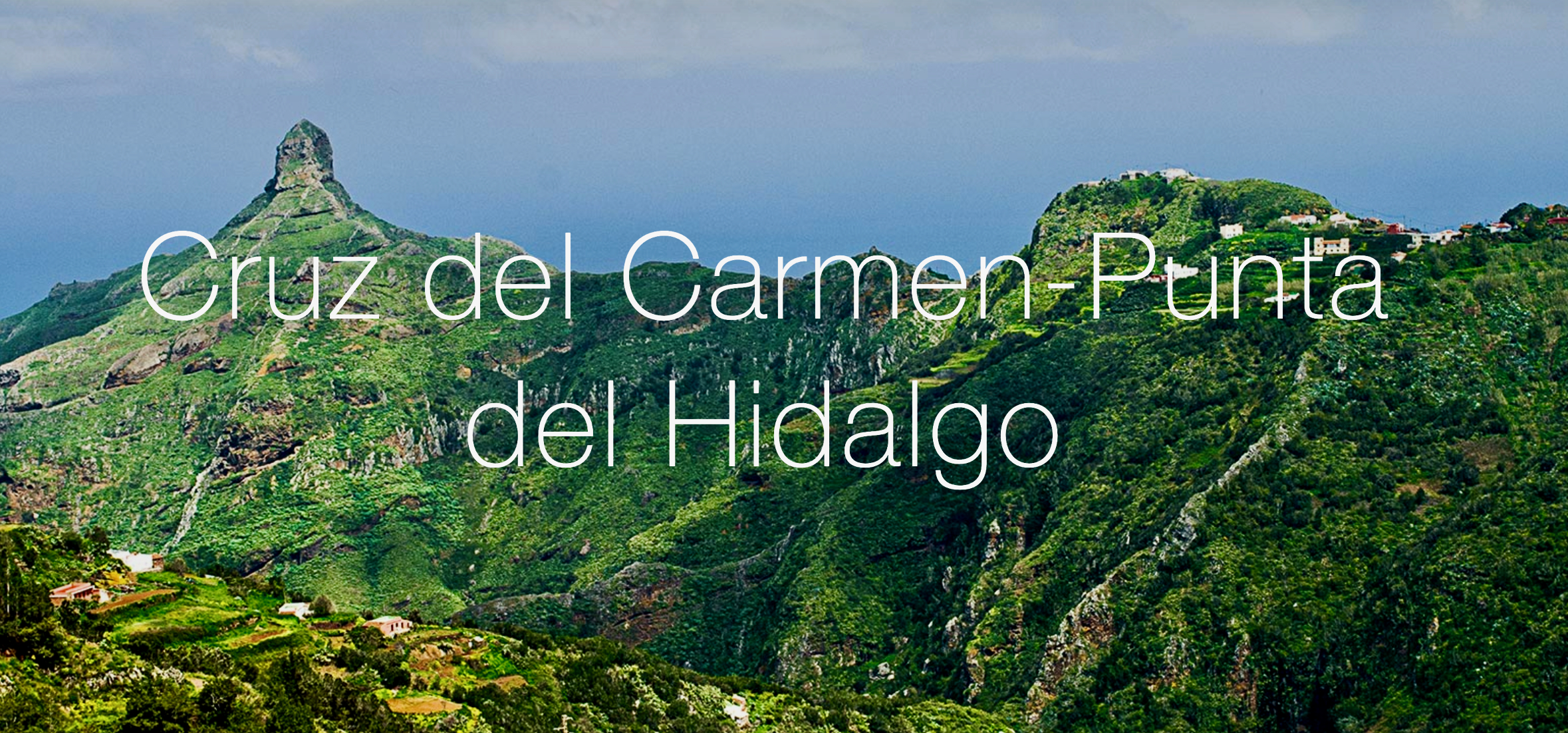
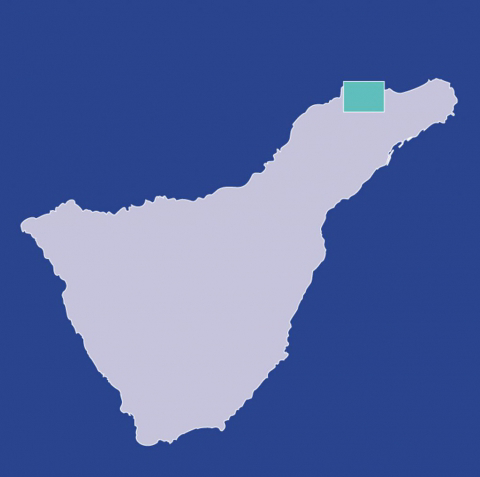
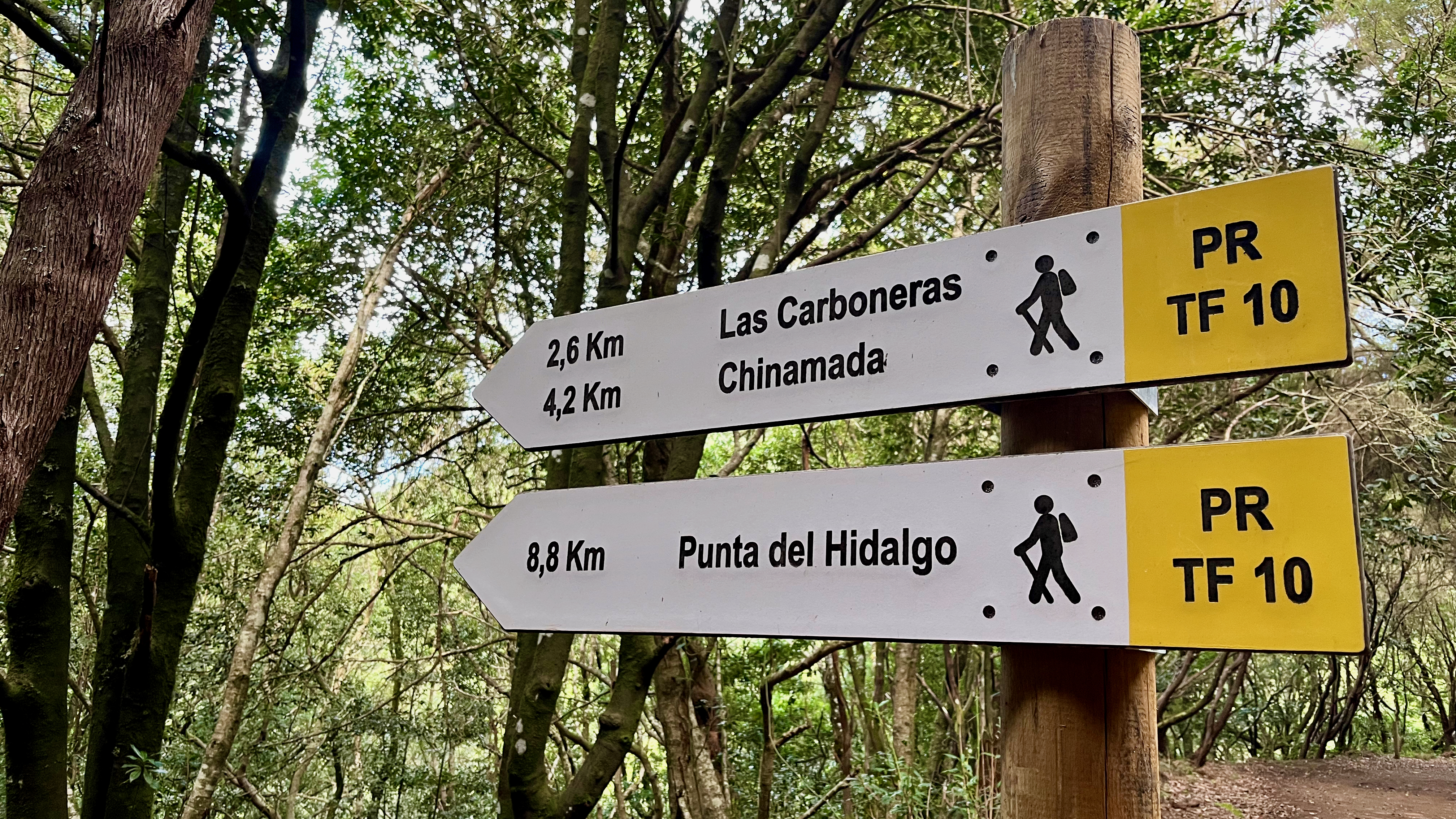
The specific trail is numbered PR-TF 10 Cruz del Carmen to La Punta del Hidalgo.
Definitely one of the best hikes on Tenerife island.
I caught 2 buses to get to Cruz del Carmen, off the main roadways.
From there it was 5.3km to Chinamada. And a further 4.5km to Punta del Hidalgo on the coast. A descent of about 916m on mixed surface, some sharp and volcanic. You need good shoes and plenty of water.
I had downloaded an AllTrails map, but never used it as trails here are very well marked.
It was warm in November. But not too hot.
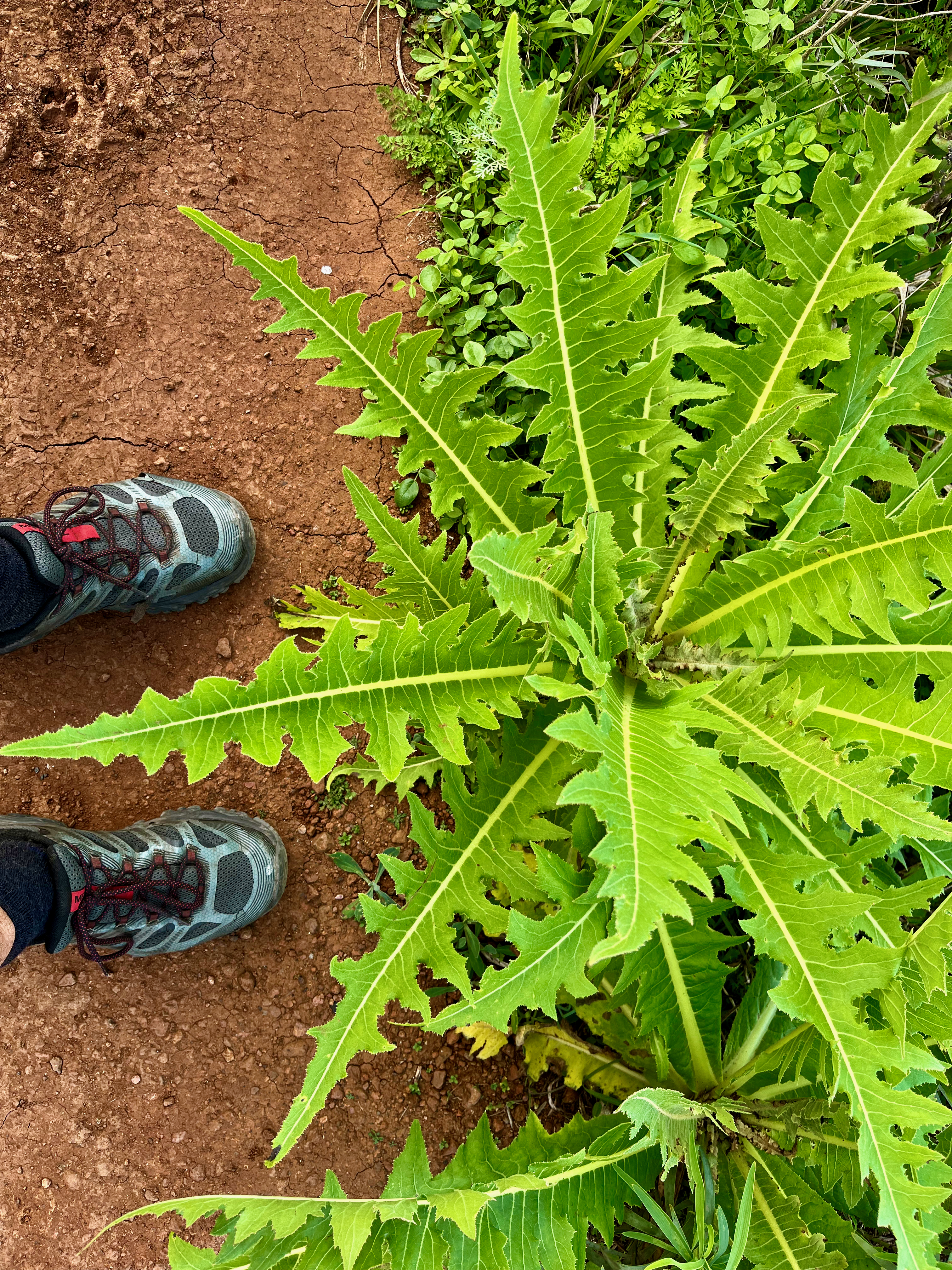
Near the tourist information office at the start, there is a weird bug.
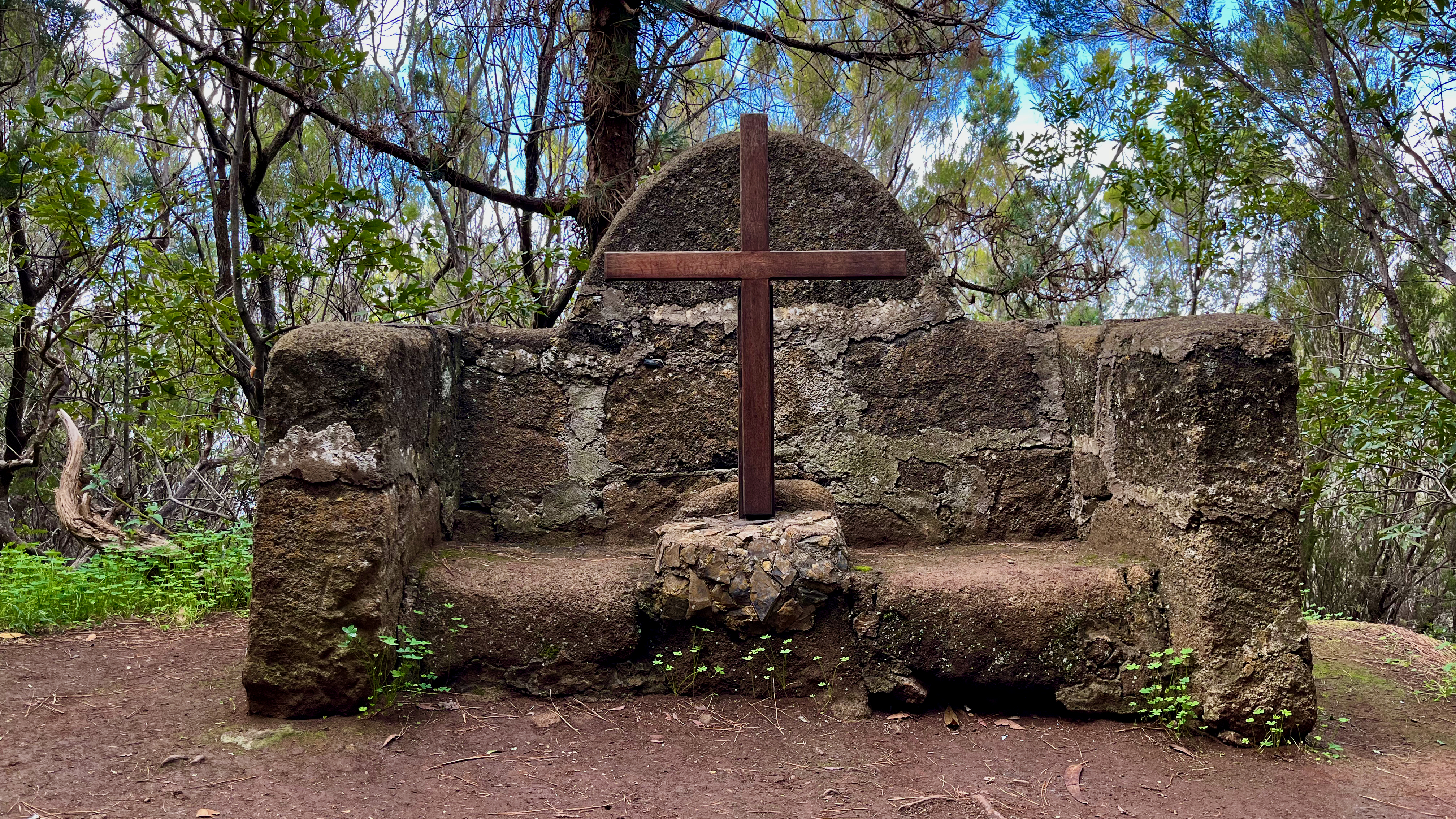
Even more surprising was this bouquet set into a tree near the start.
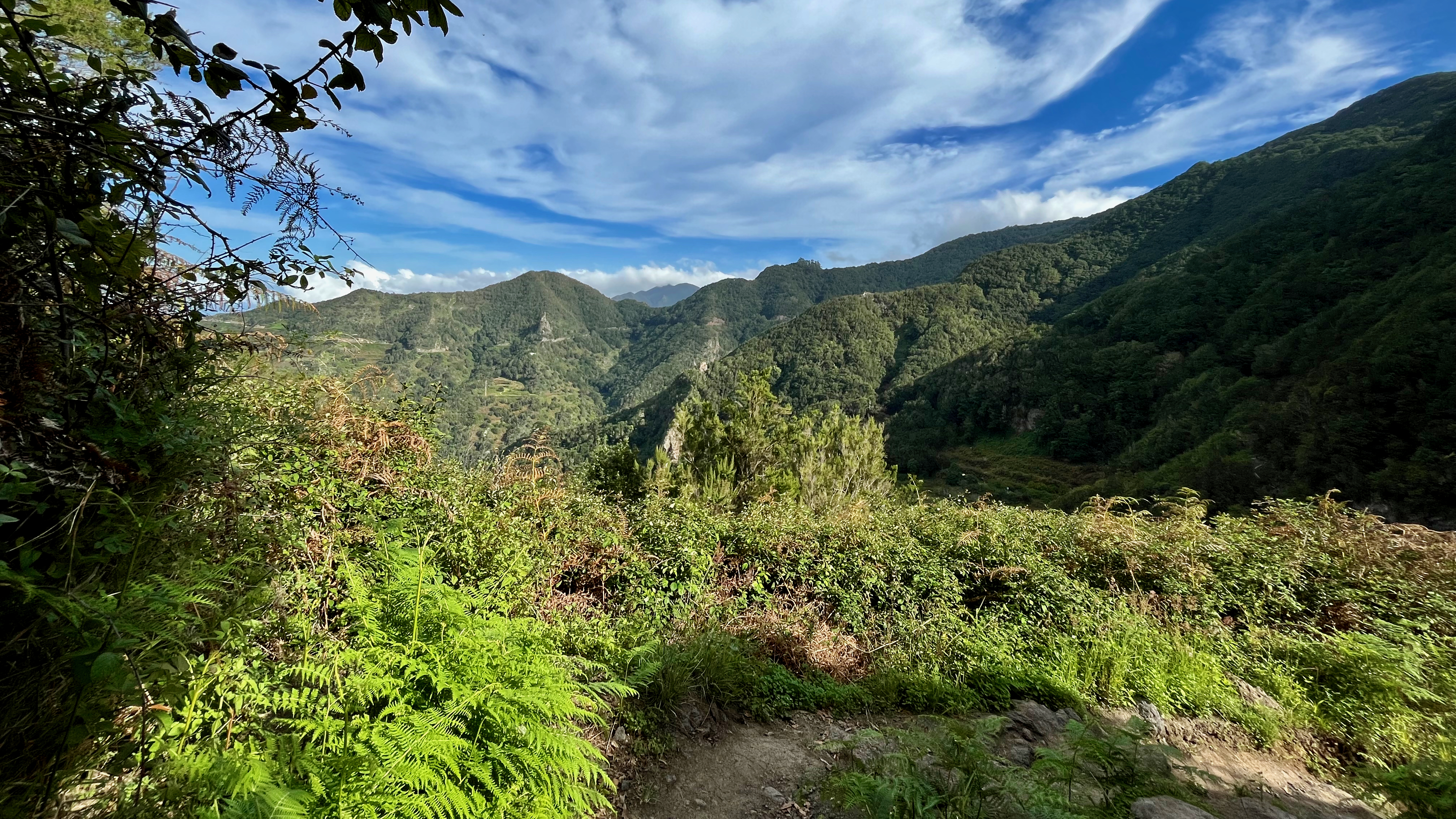
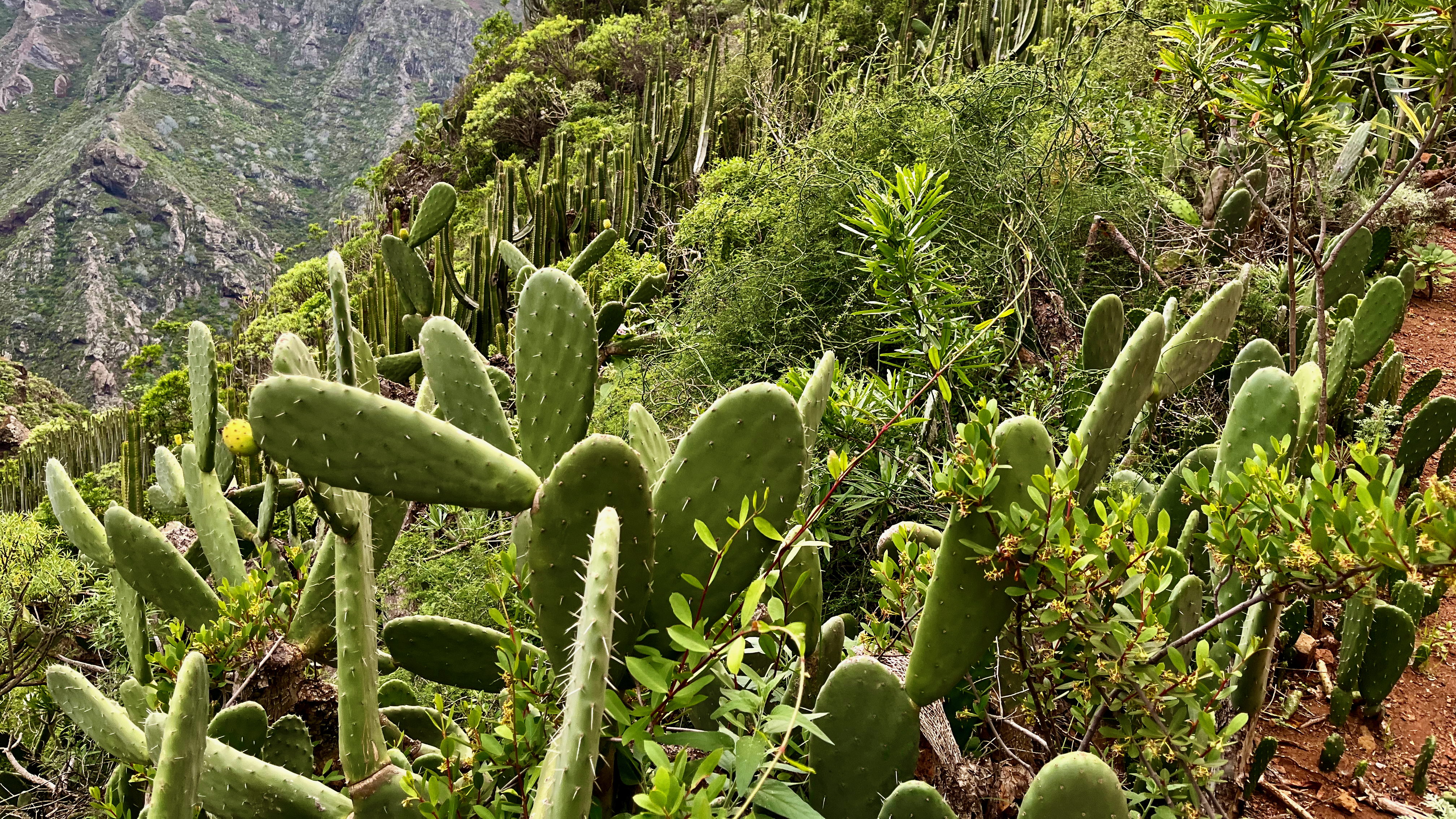
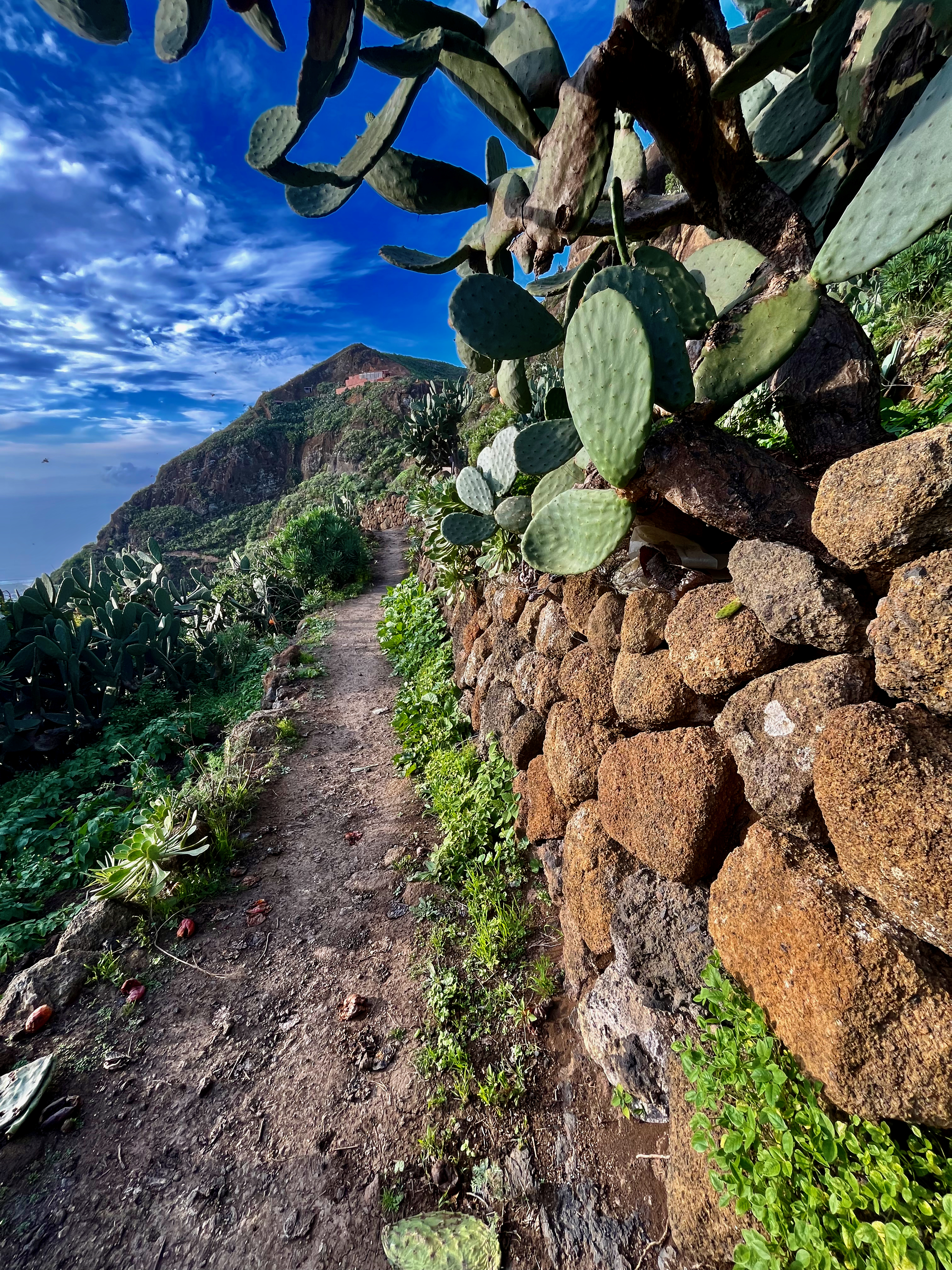
Dropping in elevation, the vegetation changes. Near Cruz del Carmen it’s relatively lush laurel forest. After Chinamada it’s arid brushwood and cactus.
The only wildlife I saw was birds and lizards.
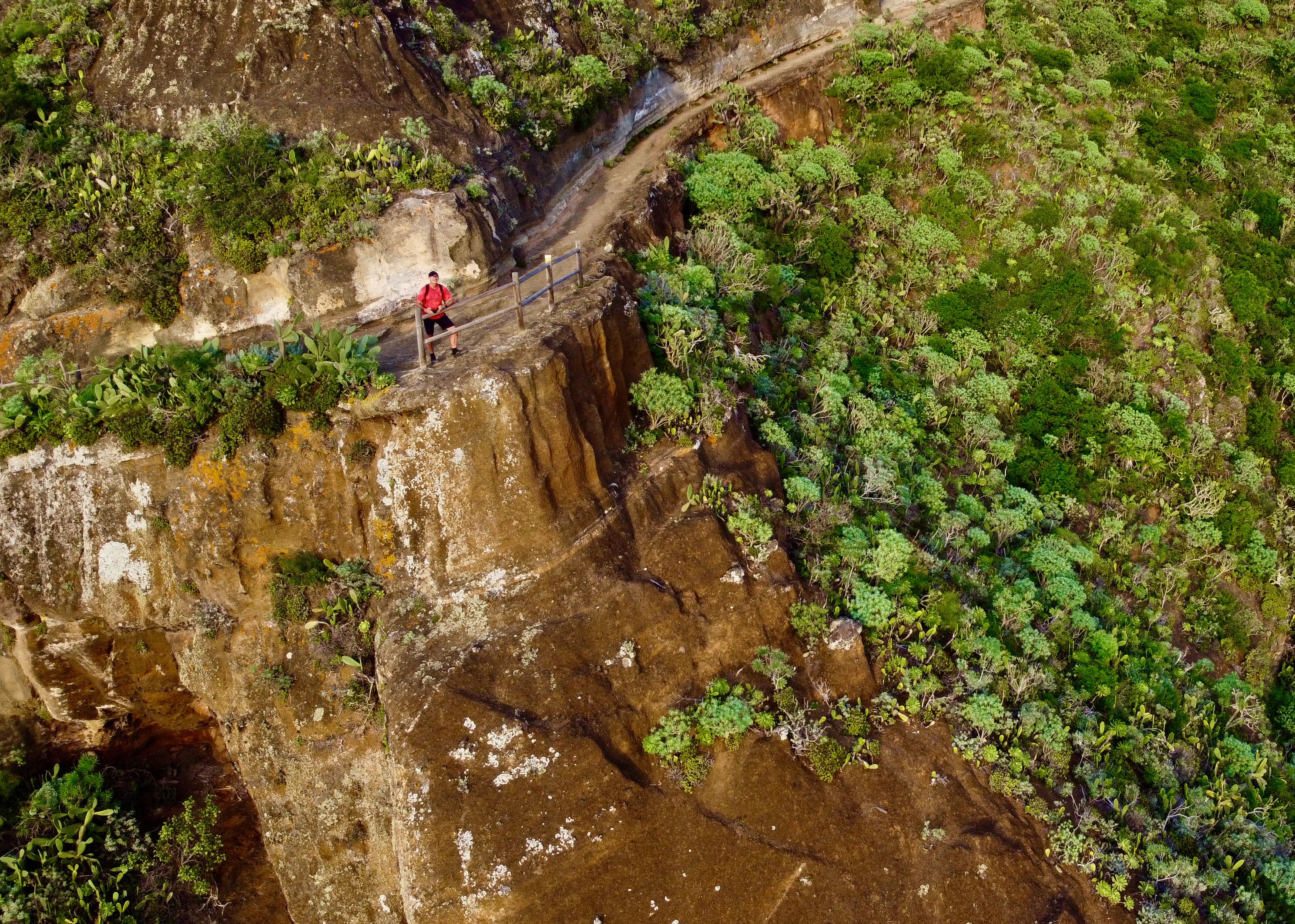
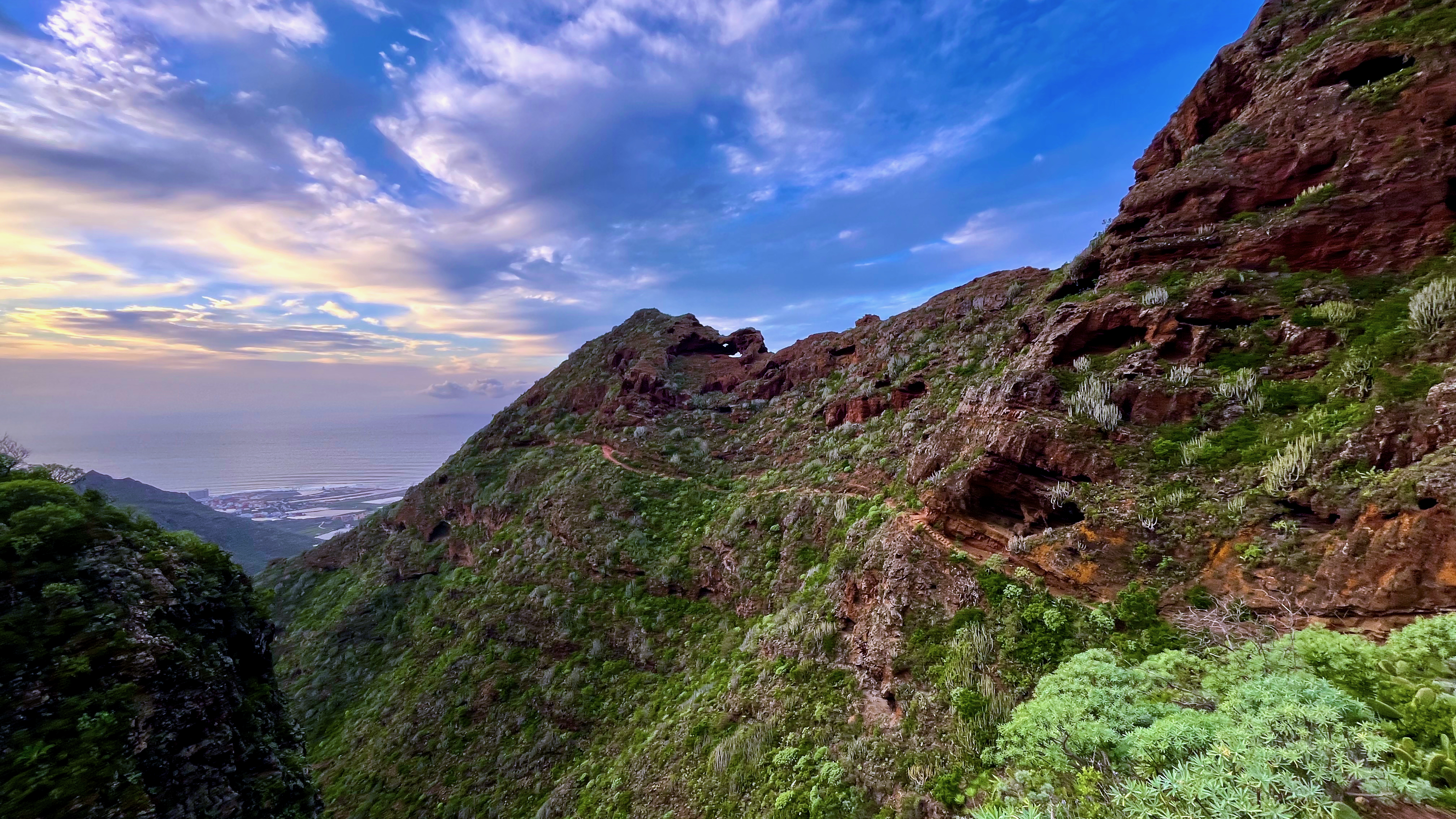
I would say the Chinamada to Hidalgo section is the more spectacular half. Plenty of steep cliffs — though nothing dangerous.
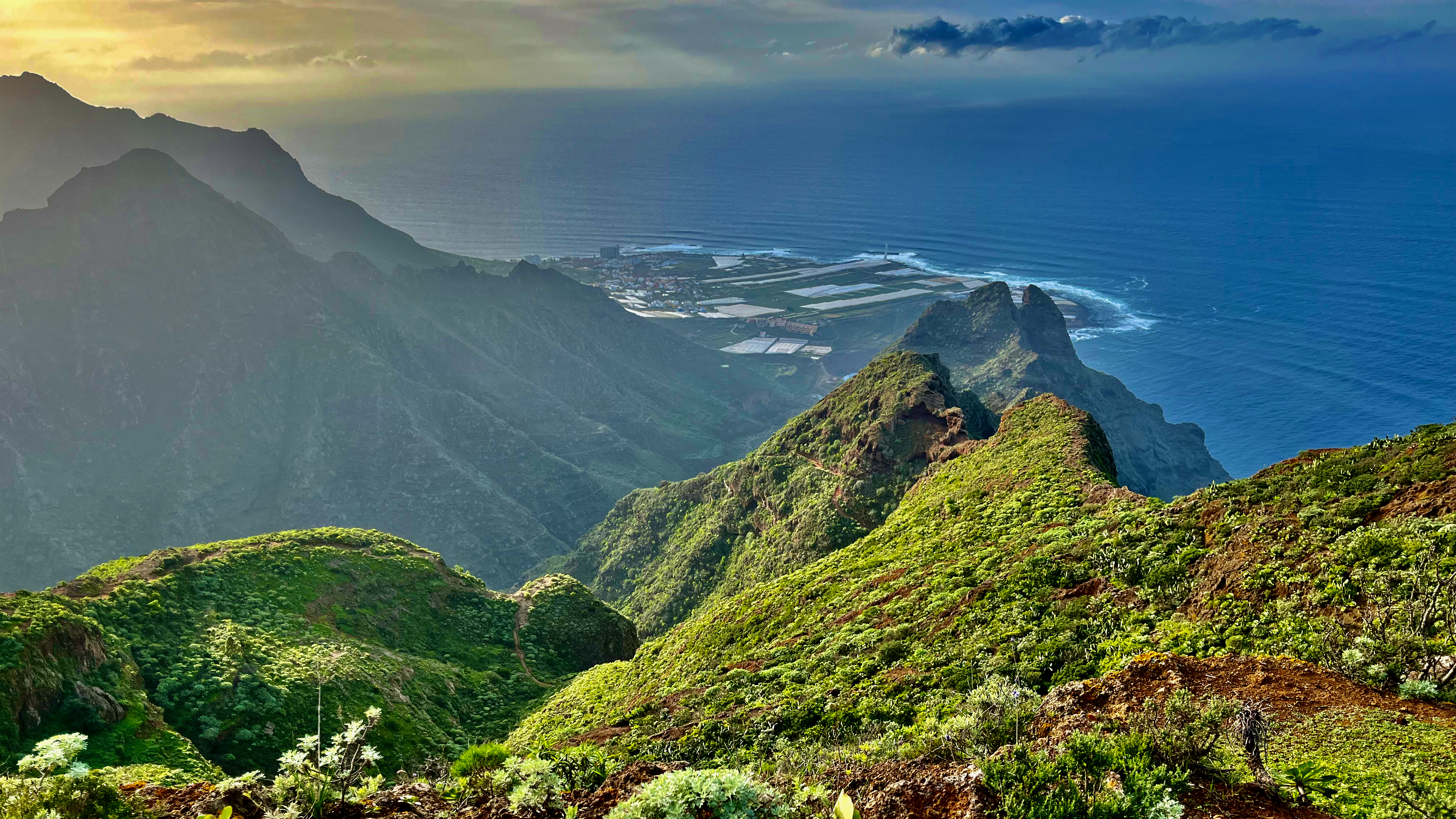
My favourite parts were while approaching the Atlantic. That’s Punta del Hidalgo in the distance.
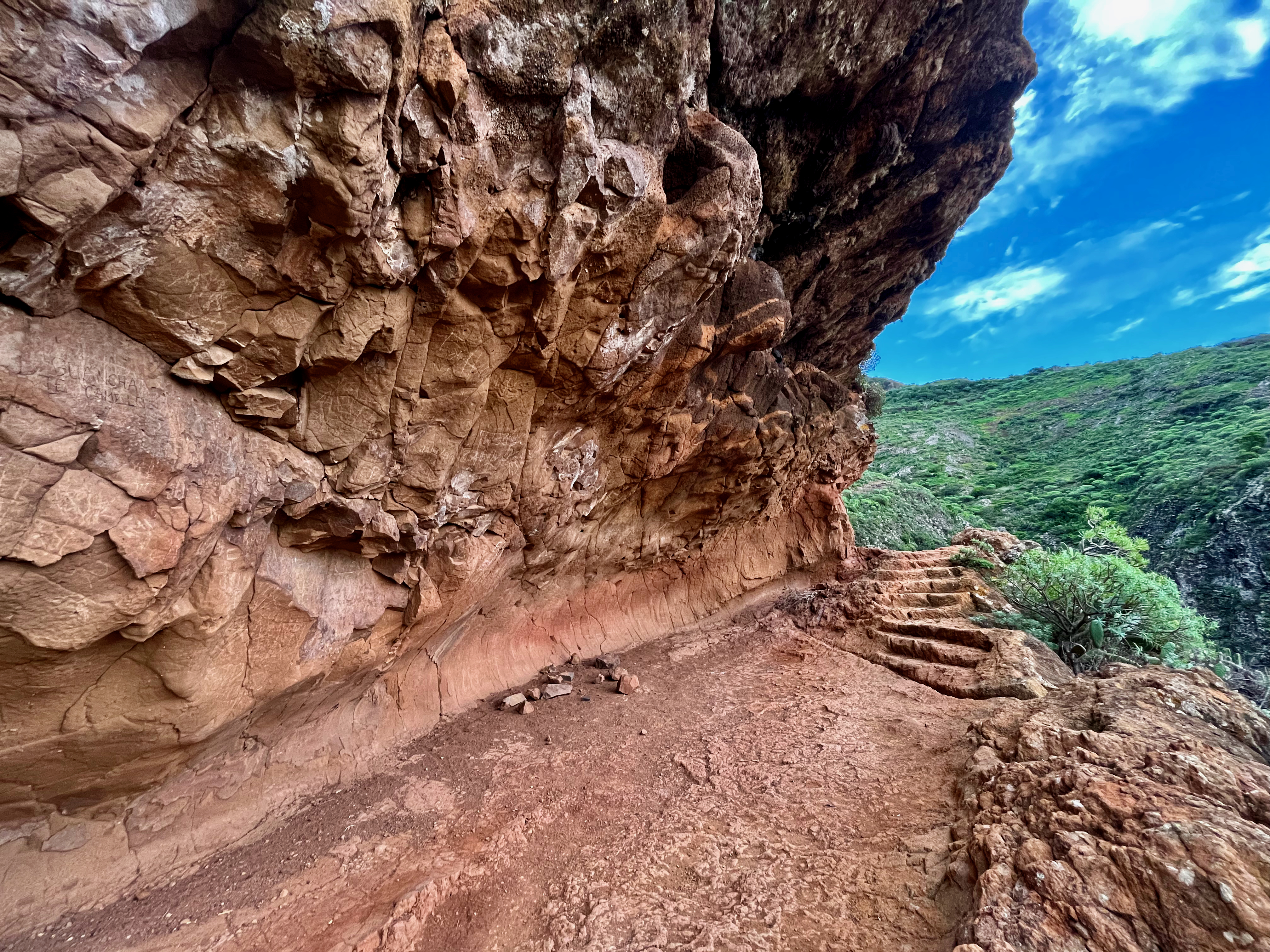
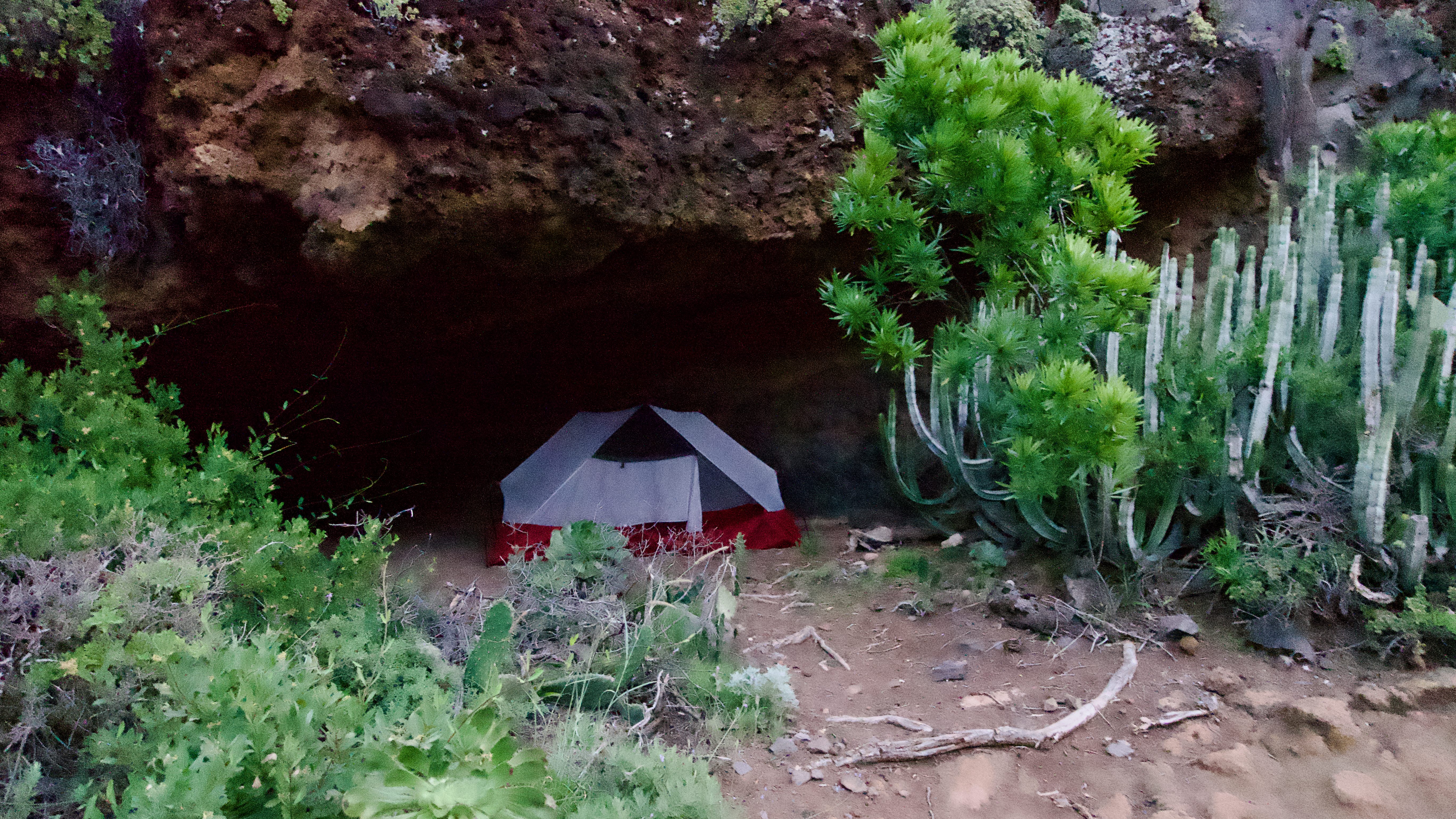
Indigenous people lived in natural caves on this part of the island. As did I. 😀
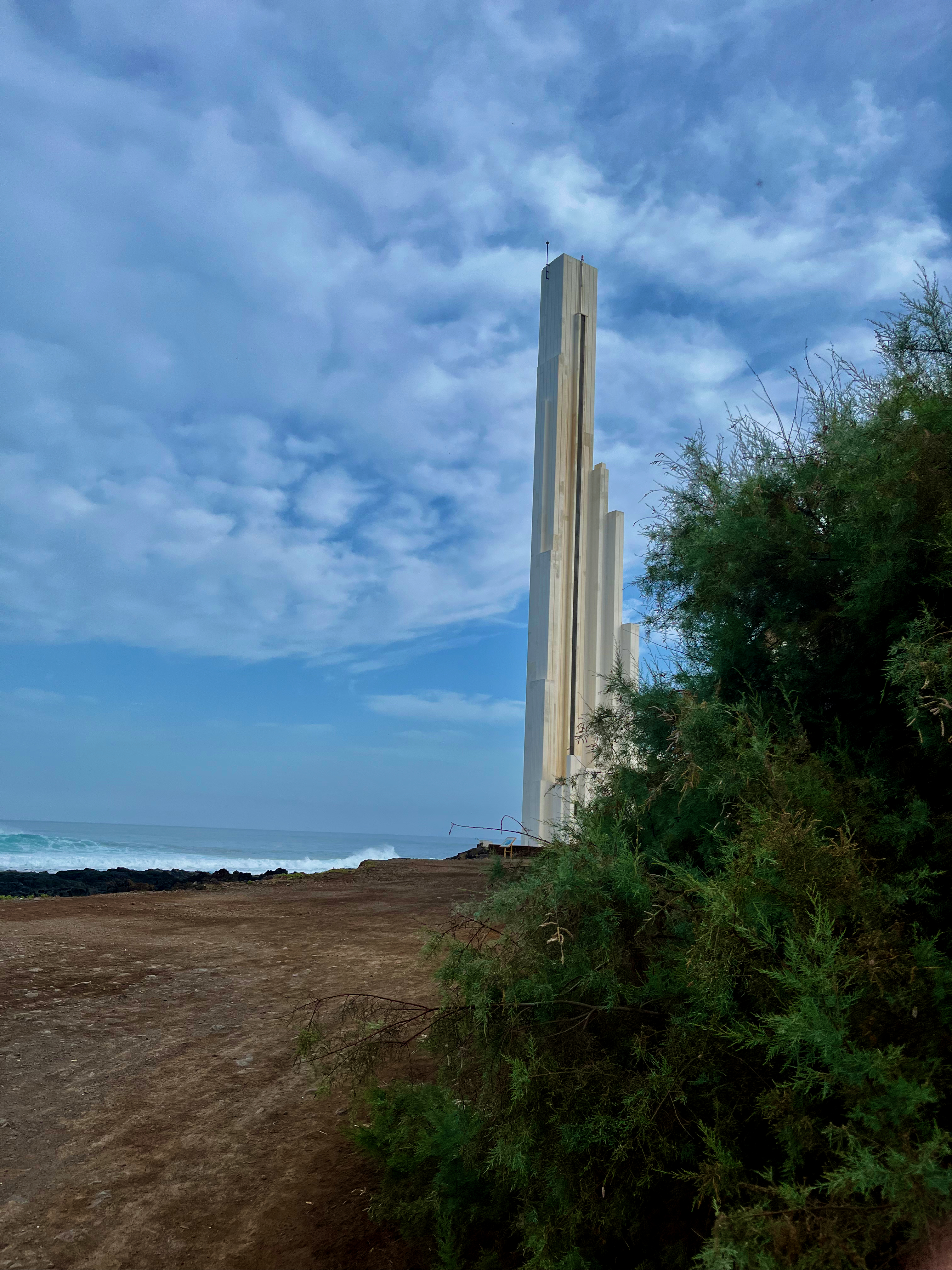
Once I got to town next morning, the main attraction is the Punta del Hidalgo Lighthouse, the strangest I’ve ever seen. Unequal and irregular columns of increasing height rising from a triangular base.
Built 1992, it’s 50-metres-high (160 ft).
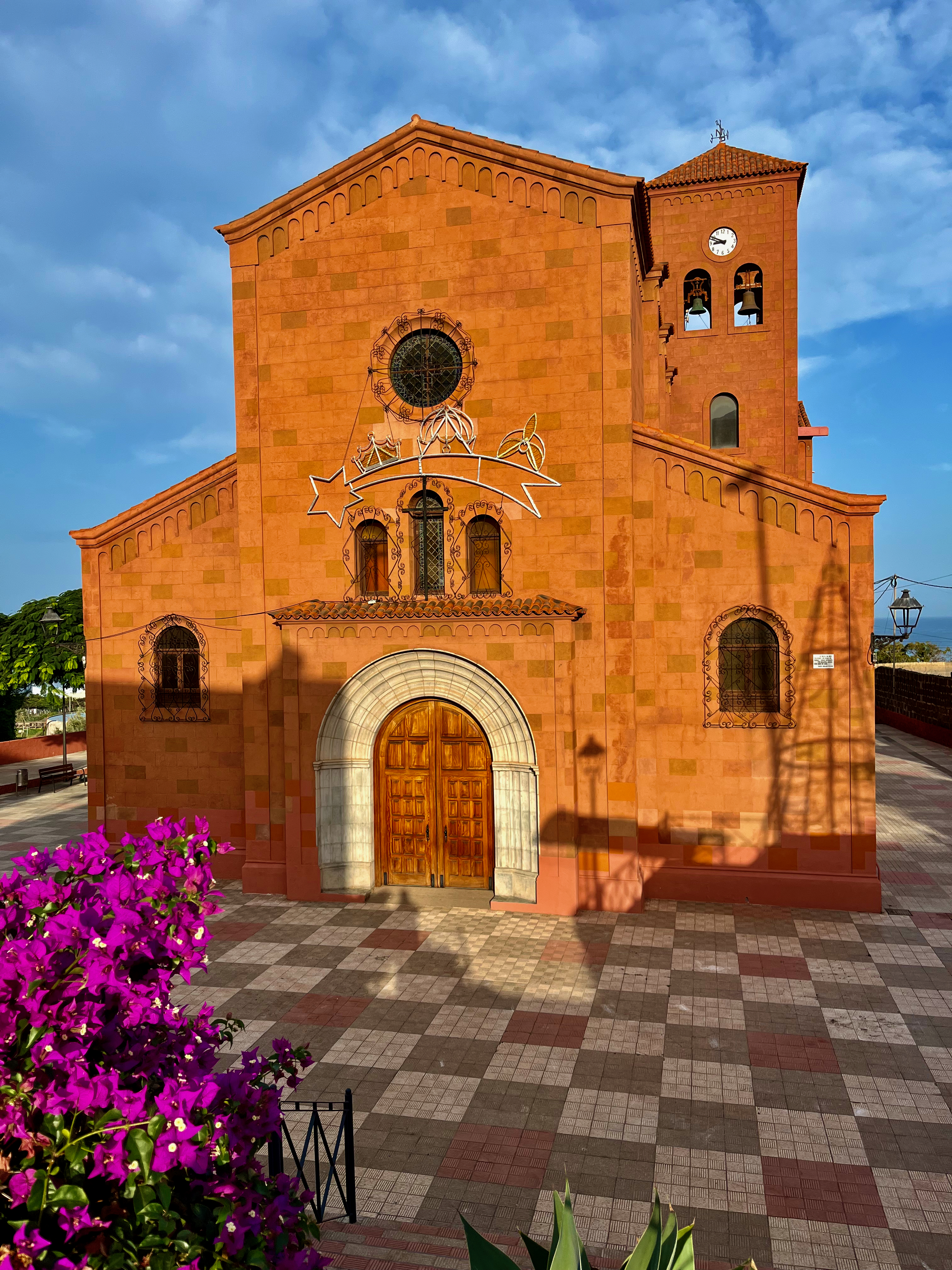
This is the end of the line for the bus along the coast. A quaint town.
I caught a different bus back to the main highway . Bus service on Tenerife is excellent running every half hour or less, even on Sundays.
… a wide variety of landscapes, and different types of paths such as landmarked touristic roads, mountain trails, paved roads, old medieval roads …
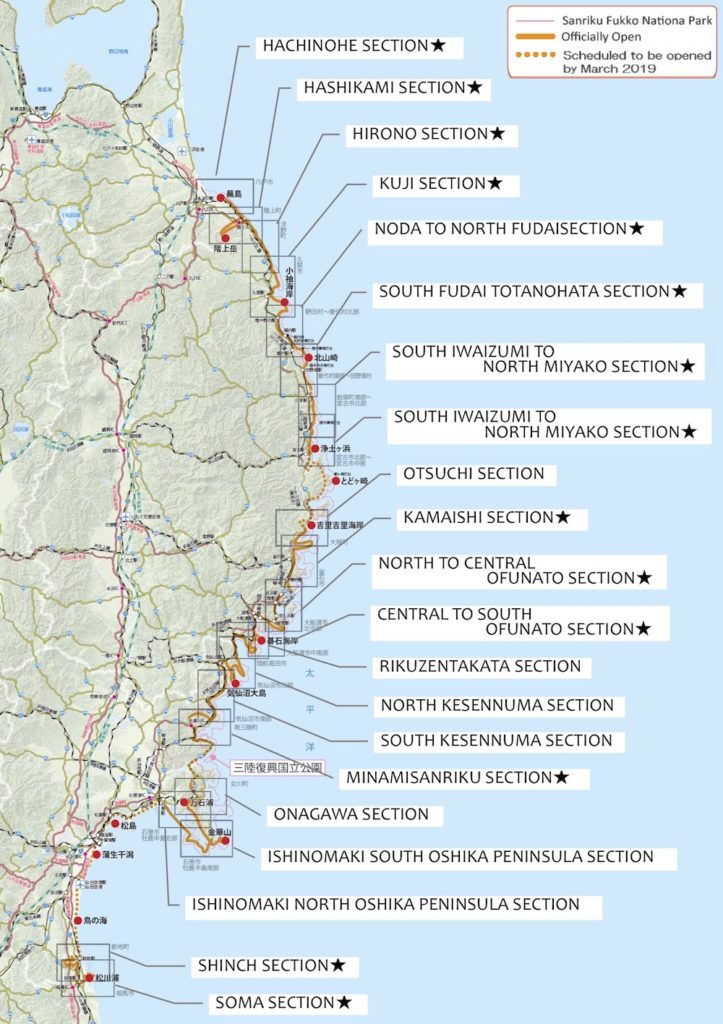
… managed by a network of local governments, private groups, and volunteers. This network is headed by Michinoku Trail Club, a nonprofit corporation. …