While the Kungsleden trail is one of the most popular hiking routes in Sweden, as August passes to September and the end of the short arctic summer nears, the crowds begin to thin and the trail grows quiet as the land awaits the coming of winter.
The arrival of September sees the birch forests turn a golden yellow and the blueberries glow bright red, while the wide valleys rise to snow-capped mountains. The days become cold and the air crisp as snow flurries blow over you. The nights become dark again and northern lights once again dance in the sky.
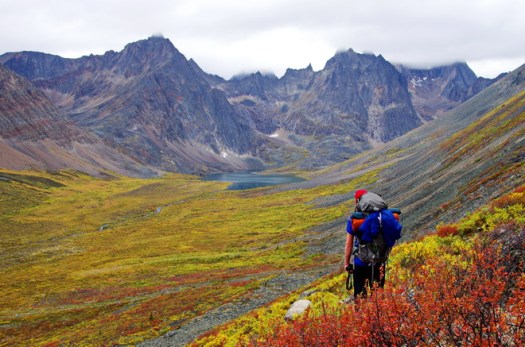
Female hiker with snow covered mountains and autumn colors in southern end of Tjäktjavagge on Kungsleden trail, Lappland, Sweden
Autumn is a wild, colorful, lonely, exhilarating, adventurous, time to experience the wilds of Sweden’s north. …
The mountain huts are seasonal, typically closing in mid September. September 21 for 2014.
Candlelight illumintes room Singi mountain hut at night, Kungsleden trail, Lappland, Sweden
The longest distance between any two huts is 21 km, Alesjaure – Abiskojaure. The average distance for the rest is about 12-14 km.
The price for a bed while the huts are open is between 295 – 330 SEK (in September).
If you’ve been to Alaska, you know hiking there is challenging.
Distances are HUGE. And there are not all that many established trails.
Turns out, that’s partly by design.
GearJunkie in Denali:
The park’s 2006 Backcountry Management Plan … “Except as otherwise specified… backcountry access and travel in Denali will continue without designated routes or constructed trails to allow for freedom to explore and to minimize signs of human presence.”
Similar trail-less wilderness areas exist within Alaska, which contains more than half of all the country’s wildernesses, but Denali is by far the most popular, totaling more than 38,000 backcountry campers last year. According to Burrows, the relative ease at which visitors can access Denali’s backcountry (it’s split in two by the park road) has spurred increased exploration and cause for increased measures to keep the wilderness as Murie intended.
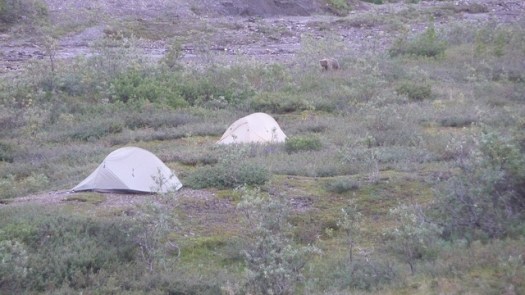
Very quickly after starting hiking from the park road, we ran across our faint trails, and like many of Denali’s visitors we opted to take the path less traveled, spread out to disperse our impact and take advantage of a wilderness experience unlike anyplace else.
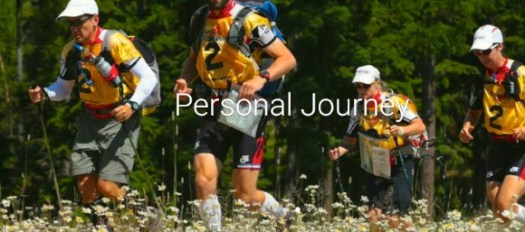
I’m planning to volunteer for Dave Adlard’s NEXT expedition race. Social media. Photos. Video.
June 28th – July 4th, 2015.
Over almost 7 days, teams will undertake a 340 – 600 km (200 – 350 miles) expedition over some of the most beautiful, epic and challenging terrain on Earth.
Racers will use a map, compass and their own wits to navigate their way over a (mostly) unmarked route by mountain biking, rafting, paddling, trekking, canyoneering, coasteering, glacier travel, orienteering, trail running, fixed ropes, and a few other surprises through the amazing expanse of Alaska’s Kenai peninsula!
If you’re looking for world-class mountain scenery, in an area that doesn’t get a lot of attention, then head to the Tombstone Mountain Range in the Yukon Territory. Starting at KM 58.5 on the Dempster Highway, the three to five day backpacking trip takes you first to Grizzly Lake, and then to Divide and Talus Lakes. It’s a wild, desolate, truly memorable landscape. …
The landscape though, is extraordinary – and I can safely say like nowhere else you’ve seen.
Try to arrange your trip for late August when the boreal forest and alpine meadows combine to deliver a rainbow of fall colours. But go prepared for cold temperatures and snow. I had both. …
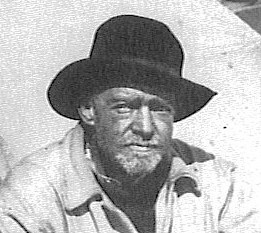
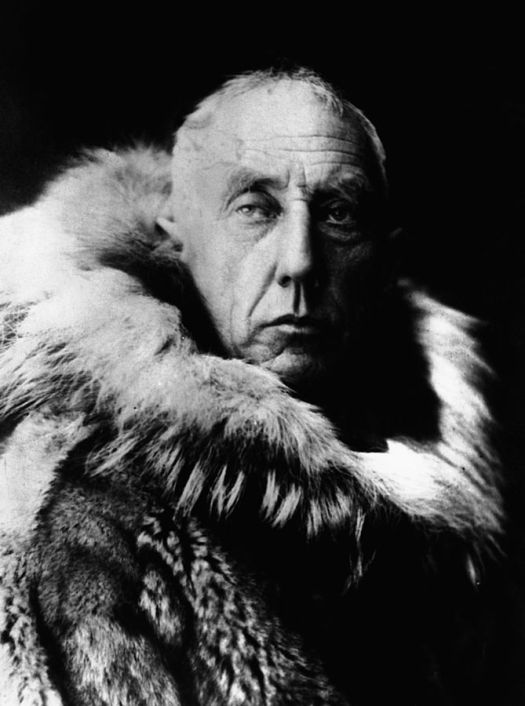
If you guessed the last man, you were right. Roald Amundsen not only led his party safely to the South Pole, ahead of Scott, but he managed to gain weight on the adventure.
In 1926, Amundsen was the first expedition leader to be recognized without dispute as having reached the North Pole. He is also known as the first to traverse the Northwest Passage (1903–06). He disappeared in June 1928 while taking part in a rescue mission.
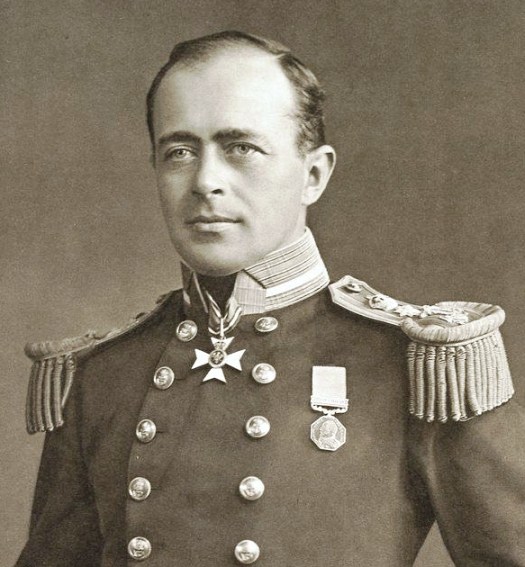
Robert Falcon Scott
Scott led a party of five which reached the South Pole on 17 January 1912, only to find that they had been preceded by Roald Amundsen‘s Norwegianexpedition. On their return journey, Scott and his four comrades all died from a combination of exhaustion, starvation and extreme cold.
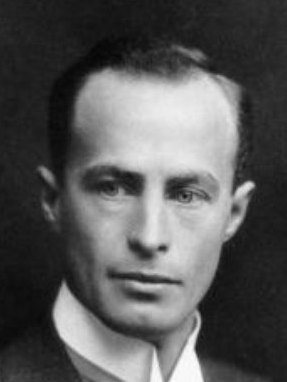
Douglas Mawson
Mawson turned down an invitation to join Robert Falcon Scott’s Terra Nova Expedition in 1910; Australian geologist Griffith Taylor went with Scott instead. Mawson chose to lead his own expedition, the Australasian Antarctic Expedition, to King George V Land and Adelie Land, the sector of the Antarctic continent immediately south of Australia, which at the time was almost entirely unexplored. The objectives were to carry out geographical exploration and scientific studies, including a visit to the South Magnetic Pole. …
There was a quick deterioration in the men’s physical condition during this journey. …
It was unknown at the time that Huskyliver contains extremely high levels of vitamin A. It was also not known that such levels of vitamin A could cause liver damage to humans. …
(Mertz and Ninnis died.) Mawson continued the final 100 miles alone. During his return trip to the Main Base he fell through the lid of a crevasse, and was saved only by his sledge wedging itself into the ice above him. He was forced to climb out using the harness attaching him to the sled. .
When Mawson finally made it back to Cape Denison, the ship Aurora had left only a few hours before. …
Ernest Shackleton
After the race to the South Pole ended in December 1911 with Roald Amundsen‘s conquest, Shackleton turned his attention to what he said was the one remaining great object of Antarctic journeying: the crossing of the continent from sea to sea, via the pole. To this end he made preparations for what became the Imperial Trans-Antarctic Expedition, 1914–17. Disaster struck this expedition when its ship, Endurance, became trapped in pack ice and was slowly crushed before the shore parties could be landed. There followed a sequence of exploits, and an ultimate escape with no loss of human life, that would eventually assure Shackleton’s heroic status, although this was not immediately evident. …
Tablelands, found between the towns of Trout River and Woody Point in Gros Morne National Park, look more like a barren desert than traditional Newfoundland. …
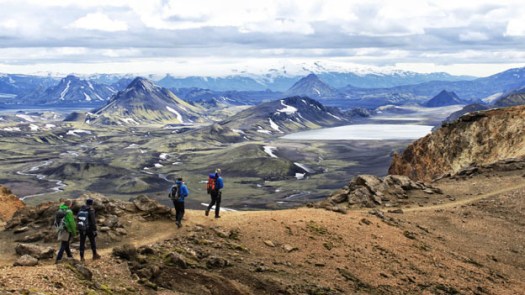
James Handlon signed on with adventure travel company Arctic Adventures to finally trek Laugavegur.
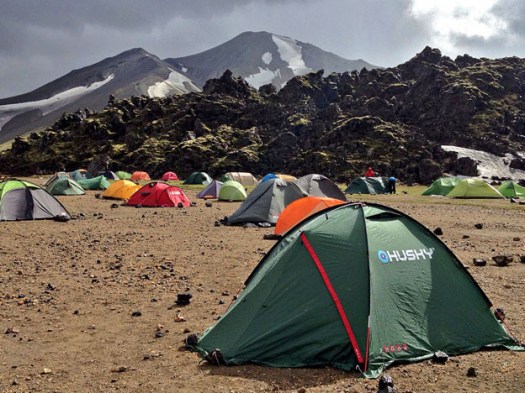
After several hours of bumpy off-roading we finally arrived late in the day at the Landmannalaugar campsite, a weird mix of surreal landscape, Glastonbury Music Festival and refugee camp all thrown together creating the most bizarre of places to start a trek .…




 besthike.com