😦
The bodies of 31 hikers have been found near the top of Japan’s Mount Ontake a day after a sudden volcanic eruption. …
The volcano, about 200km (125 miles) west of Tokyo, erupted without warning on Saturday …

(via Kolby Kirk)
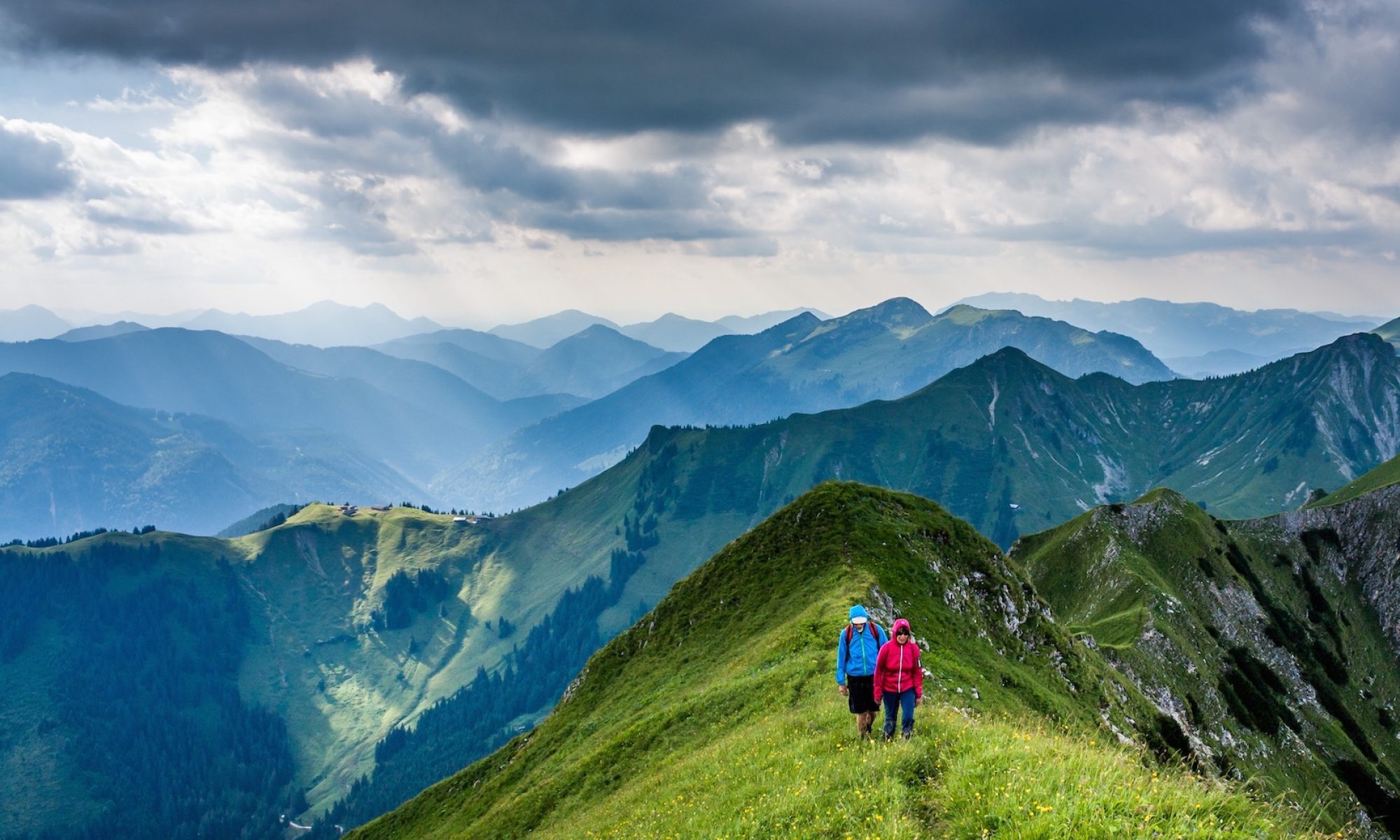

Best hikes, treks, tramps in the world.
😦
The bodies of 31 hikers have been found near the top of Japan’s Mount Ontake a day after a sudden volcanic eruption. …
The volcano, about 200km (125 miles) west of Tokyo, erupted without warning on Saturday …
(via Kolby Kirk)
Misti at 5822m (19,101ft) is one of the easiest, most visible, most popular, most accessible high summits in the world. It is recommended for all self-sufficient hikers. If you tolerate cold & altitude symptoms, the ascent is little trouble in good weather.
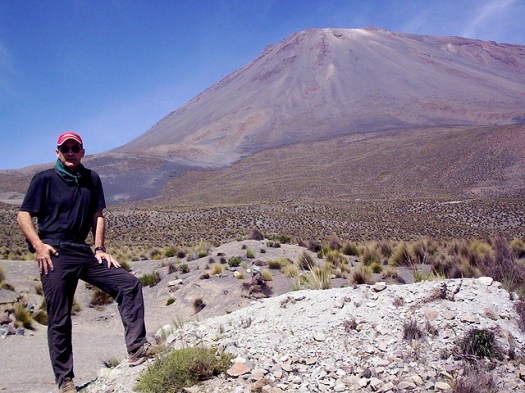
Misti is one of the best trekking peaks in the world — no mountaineering skills nor gear needed if the weather is good
3 days, 25km circuit plus the climb is recommended. Most do it in 2 days, 1 night, however.
Easy access from Arequipa, our favourite city in Peru.
Click PLAY or watch a short Yeti Adventure trip report on YouTube.
Unfortunately, the freezing temperatures, high winds and an incoming storm forced us to turn back without reaching the summit.
We’ve recently moved and updated our Misti information page.
This looks great. I’ll try to find a copy in Kathmandu.
When Jono Lineen‘s brother died in tragic circumstances, he gave up a comfortable life, moved to the Himalayas and over eight years immersed himself in the cultures of the world’s highest mountains.
The experience culminates in his book Into the Heart of the Himalayas, a fascinating memoir that traces his solo trekking odyssey from Pakistan to Nepal across thousands of kilometres of mountain terrain. No-one has ever before attempted to walk the length of the Western Himalayas alone, but Jono’s intentions were more psychological than physical. It was about integrating the Himalayan culture he had grown to love, assimilating the wisdom of the place and coming to terms with his loss.
Jono’s openness with everyone he meets on the trail – from Pakistani military officers to Tibetan lamas and naked Hindu Saddhus – lies at the heart of one of the most complete portraits of the Himalayas ever written. Jono Lineen – a lone, disarming man – crosses borders, religions, castes, languages and philosophical boundaries to find the way to embrace his future.
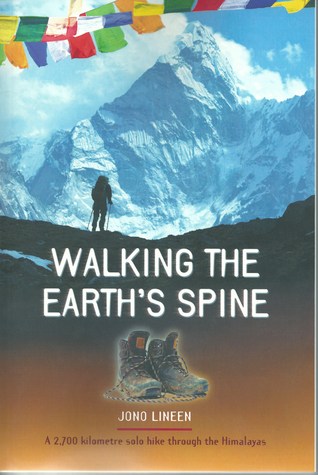
He explains why an adventure from 1995 was not published until April 2014.
We’ve moved and updated our Cerro Castillo (Castle Mountain) information page.
At 2675m (8776ft) Cerro Castillo is the highest peak in the central Patagonian Andes.

We recommend 4 days, 3 nights. The nearest airport is Coihaique, about 75km away.
Though accessible by an excellent highway, only about 1 hiking group / day starts up during the main hiking season. (Jan-Mar)
Click PLAY or watch a short Ecotravel Patagonia autumn trip highlights vid on YouTube.
Cerro Castillo information page.
by site editor Rick McCharles
Today I reprint my trip report from 2004.
___
The main reason I travelled to South America was attending the marvels of a thousand Patagonian sights and sounds.
Actually, it was to hike Fitz Roy (Argentina) & Paine(Chile).

 Both are stunning postcards. But which is the better hike?
To get to southern Patagonia we took a 20+ hour bus ride through scrubby, barren Patagonian steppes. I sipped red wine, dozed, listened to music & read — as I had the last two 20+ hour bus rides.
First stop, though, was the Moreno glacier, perhaps the most visited & photographed in the world.
I camped so as to have the fabulous glacier to myself once the buses departed.
 the hunky Moreno glacier.
Next a happy rendezvous with Stacey and Bevan, a cool couple from Vancouver. We had hiked Alpamayo together months before. The three of us were psyched to finish our hiking adventures together before going home — as all good Canadians do— for Christmas.

We went first to Fitz Roy named for Captain Fitzroy of the Beagle. He and Darwin were likely the first Europeans to see the massif.
I feel a kinship with Fitzroy. Despite sharing a dinner table with Darwin for 5 years, he managed to come up with diametrically opposite positions on almost every issue.
While Darwin is a regular guest on Oprah, Fitzroy’s scientific theories have languished! (As has my own modest discovery that sea creatures once lived in the high mountains. It’s true! I can show you the fossilized shells.)
I had high hopes for Fitz Roy as it is far less visited than Paine and more famous with mountain climbers. The book Enduring Patagonia, by Crouch, details the history. I was particularly interested in the tale of the best first ascent in Patagonia, the Super Couloir on Fitz Roy, 1965. The Argentine climber Comesana said his fitness, at the time, was unimproveable.
Even more impressive is The Tower (Cerro Torre), most often climbed by theCompressor route, named for the 150 pound compressor hauled up by Maestri in 1970. This desecrated the mountain with 350 bolts, one of the great controversies in mountaineering. The compressor is still up there near the summit.
(Cheap chortle: one of the top climbers in history is named Athol Whimp. Talk about a boy named Sue!)
Also of note is the smaller Egger tower, sometimes named one of the 7 real summits — the most difficult peaks to climb on the 7 continents.
Unfortunately we had to endure Patagonia — in 3 days we did not see the tops of any of the famous peaks. The weather at Fitz Roy is horrific, even by Patagonian standards of horror. It sits on the largest ice shield anywhere in the world outside Antarctica. Near constant storms rage.
Horizontal rain and gale force winds. Snow at higher altitudes.
I love high wind, though, at night. The sound through the trees is wonderful. Wind is alive, like fire.
Wind batted my tent like a cat playing with a mouse.
We bailed on the Fitz Roy hike a day early. It did not look like the weather would clear. Ever.
Oh well, as Crouch says, It’s not Patagonia unless you hang on the cross for a while.
I was reading Naipaul too & recalled his advice on how to face disappointment, Take it on the Chin. And move on.
On to the Towers of Paine.

Super touristy, Paine is, regardless, the highlight for many who tramp South America.
Spectacular and uniquely chiselled peaks, granite towers, stunted & twisted trees, colourful flowers including orchids, huge undeveloped glacial lakes, brilliant glaciers — WOW! — What’s not to love?
Animal life is plentiful: llama-like guanaco, ostrich-like rhea, Andean fox, condors, flamingos, water fowl, hares, the endangered huemul deer. We saw all these. People hiking with us even saw a puma, not uncommon.
We did the 100km+ circuit of the Paine massif; no rush, plenty of time for side trips, in 9 days. Wonderful.
Unlike Fitz Roy, on Paine we had, for the most part, remarkably good weather. On the notoriously stormy Glacier Grey, you could light a match when we arrived at the Pass.
 Bevan at Glacier Grey
Anemomaniacs be warned, our most vivid memories of Paine are of the wind which often blasts 170km / hour. Several hikers were thrown to the ground. My glasses were whipped off my face and blown 10m. Two pack covers blew off: one recovered by a group a half hour behind; the other never seen again, flying like a balloon out of sight.

One night we sheltered in one of the expensive Refugiosas winds I estimated at 140km / hour tried to blow in the windows.

At last light (11PM!) Bevan went to check on their tent — it was close to Maytagging away down the valley. All the pegs had pulled out but the weight of 2 packs was justenough. Other friends had their rental tent flattened.
We saw waterfalls blowing UP.
And never before had we seen the wind pick up sheets of water and splash it on to the shore, drenching us at one point
After Paine, the remaining days of my trip were a let down. I moped at the southern extreme of the continent. I did not reach the barbarian coasts of the uttermost part of the world, but I could see it from Punta Arenas.
 Punta Arenas. Tierra del Fuego in the distance.
I daren’t cross the water to Fireland, forewarned that fearsome, naked giants live there, tending constant flames to stay warm, even in their canoes. They would devour me sure as shooting.
That’s it.
 I am happy to go home to the best country in the world. Dreaming of a raisin bagel &double double at Tim Horton’s.
Pleased to stop torturing people with my Spanish.
I have a staggering genius for not learning languages. That is not the problem, though — perhaps I just got off the boat yesterday instead of months ago — the problem is my heartbreaking willingness to try to speak Spanish.
I am weary of filling in unnecessary bus roster & hostel registration forms. The amusement of using the nom de plume Richard Cranium is wearing thin. Occupation:grave robber. I invented new passport numbers each time.
When I was last in South America the blanks asked:Religion?. But this trip I was denied the chance to respond: lapsed pagan.
When I wandered into a high security Chilean naval base, I used my New Zealand driver’s licence as ID before being escorted out past red-faced security guards.
What part of the States are you from? The Canadian part. This no longer amuses anyone.
I will miss the plentiful time for reading, one of the great joys of travel. A few holiday recommendations:
• Kim, Kipling (classic)
• DaVinci Code, Brown (page turner)
• Life of Pi, Martel (original, intense)
• True History of the Kelly Gang, Carey (well wrote)
• Sea Wolf, London (classic)
• My Imaginary Country, Isabelle Allende (on Chile)
 Next?
I was gifted a guide book to Molvania, a land untouched by modern dentistry.
Or — last minute berths to Antarctica by ship were going for US$1200 all inclusive 10 days.
hmmmmmm
Rick
You can do this route independently. You can do it as a teahouse trek.

Here’s an independent trip report by Sathya:
9th – 27th Oct 2012
Lonely planet : Trekking in the Nepal Himalayas.
Note : The LP guide refers to this trek as a camping trek as of 2009 (when it was published). This trek can currently be done as a tea-house trek. The lodges in this trek are very rustic and there are just 1 or 2 lodges that are open in each of the villages en route. Do not expect anything more than dal-bhat at these lodges. …
Permits – One just needs a TIMS permit for this trek. …
Getting to/from the trailhead (Khandbari):
This is as arduous a task as the trek itself.
Coming from Kathmandu : The best way (most comfortable) to get to this is to take a flight (Buddha air) to Tumlingtar from Kathmandu. … Khandbari is less than an hour’s drive. …
Makalu Base Camp trek
13th Oct : Khandbari to RaniDunga (by jeep) and from there to Num and halfway to Sedua (trek)
14th Oct : Sedua to Tashigaon (2070 M)
15th Oct : Tashigaon to Khongma (3560 M)
16th Oct : Khongma to Dobato via Ghuguru/Tutu La (4050 M), Shipton La (4216 M) and Keke La (4150 M)
17th Oct : Dobato to Yangle Kharka (3600 M)
18th Oct : Yangle Kharka to Langma Le (4400 M)
19th Oct : Langma Le to Makalu Base Camp (~4700 M)
20th Oct : Makalu Base Camp to Yangle Kharka
21st Oct : Yangle Kharka to Khongma
22nd Oct : Khongma to Num
23rd Oct : Num to Khandbari

Heart Mountain is west of Calgary, Alberta …
The 2,149 m (6,020 ft) mountain is easily distinguishable by its heart-shaped summit …

At the base of the mountain a left turn onto the flat, good quality, Quaite Creek trail delivers us past a pristine swamp with mirror surface water and back to the car. The 11 KM (7 mile) loop …
Barry makes it sound easy. 🙂
Local hiking Guru Kelly Mock recommended that loop, due to an early winter snowfall, but in reverse. Finishing coming down the Hart Mountain trail. We parked at the the Heart Creek trailhead.


Steve had done the loop before, but in the normal direction. We set off looking to ascend on the Quaite Creek trail.


Only Sept 13th, there was much more snow than we anticipated. But we hoped the snow would have been blown off the ridges, once we got up there.

We tried bushwhacking through deep snow between trees to get up on the windswept ridge.
We tried.
If was tough going, postholing non-stop. For hours. Off trail. 😦
Here’s the highpoint reached.

Sadly slipping on that snowfield up to the ridge was a death drop. We turned back, the sun warm, the sky blue, the wet snow … turning to slush.
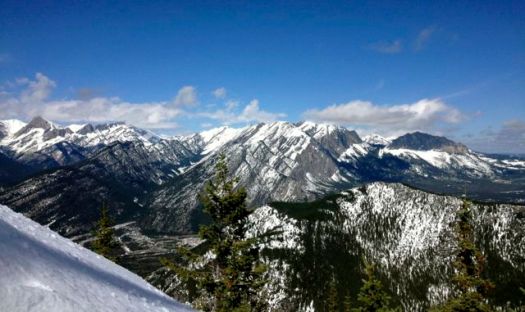
Yes. It was steep.

We scrambled off trail down a different route, eventually getting back to the regulation track after 8 hours.

Phoning Kelly Mock to curse his bad advice, it turned out Kelly had started the Horseshoe in the normal direction, hoping to surprise us half way round.
After a half hour Kelly quit. You’d have to be an idiot to try Heart in these snow conditions. 🙂
Oh well. It was a terrific quad workout.
more of Steve’s and my photos
Lagunas Altas, the first major trail constructed at the future Patagonia National Park, offer a challenging day hike or overnight. The 23-km route offers spectacular views in all directions, from the Northern Patagonian Ice Field to the Jeinimeni Mountains. …
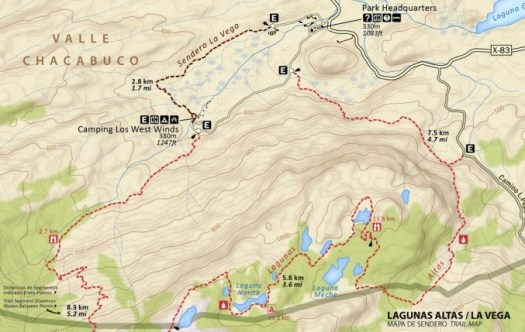 Establishing the Lagunas Altas Trail
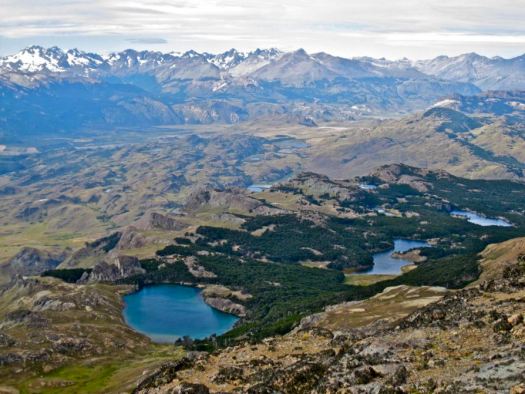 How to get there.
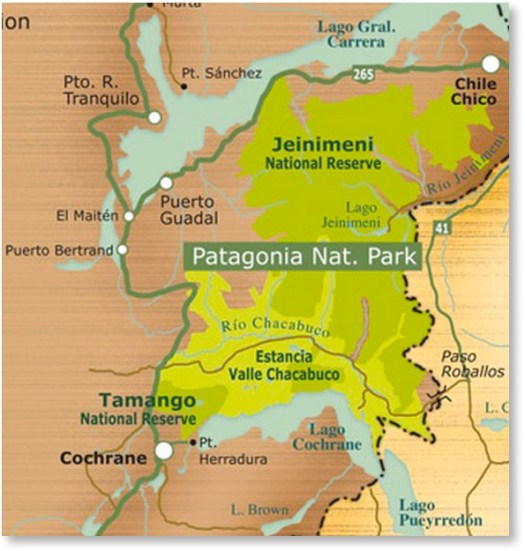
Arriving from the north (Santiago/Puerto Montt)
The easiest way to reach the park is to fly to Balmaceda Airport (Coyaique); LAN (www.lan.com) and SKY (www.skyairline.cl) both operate flights to Balmaceda from Santiago and Puerto Montt. Buses also arrive in Coyhaique from points north.
To reach the park from Balmaceda or Coyhaique, drive or take a bus south on the Carretera Austral (route 7). You can rent a car at the Balmaceda airport or in Coyhaique, or catch a bus south in Coyhaique. Three bus companies offer service south from Coyhaique: Buses Don Carlos, Acuario 13, and Buses Sao Paulo. Between the three companies, there’s usually one bus leaving every morning during the high season, around 9 am. Tickets cost ~$20 USD. …
related:
trip report by site editor Rick McCharles
Whistler is a Canadian resort town in the southern Pacific Ranges of the Coast Mountains in the province of British Columbia, Canada, approximately 125 km (78 mi) north of Vancouver. …
Over two million people visit Whistler annually, primarily for alpine skiing and snowboarding and, in summer, mountain biking …
Very few of those 2 million visitors climb up to one of the most iconic Canadian peaks, Black Tusk.
The Black Tusk is a stratovolcano and a pinnacle of volcanic rock in Garibaldi Provincial Park of British Columbia, Canada. At 2,319 m (7,608 ft) above sea level, the upper spire is visible from a great distance in all directions. It is particularly noticeable from the Sea-to-Sky Highway just south of Whistler …
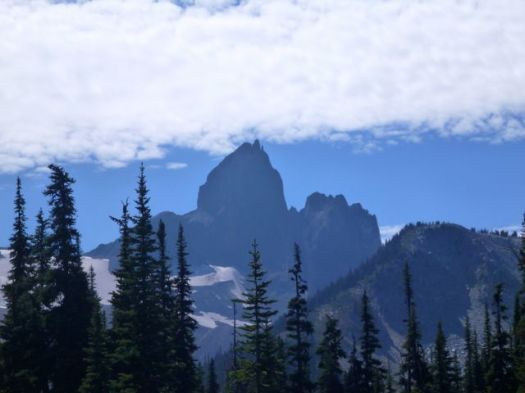
Most hikers approach from the Taylor Meadows campground to the south near Garibaldi Lake, although there is a second route from the north that travels by way of Helm Lake. …
Locals advised me to avoid the crowded trailhead off the highway, and hike via the Helm Creek Trail instead. That’s the Cheakamus Lake trailhead, closer to Whistler.
I bought my $10 / person / night camping permit online from BC Parks. You can pay cash at a machine only at the Diamond Head and Garibaldi Lake parking lots, not at the Cheakamus Lake parking lot.
Why doesn’t BC Parks have an office somewhere near Whistler?
Cheakamus Lake to Black Tusk Meadows via Helm Creek:
• Length, 14.5 km; suggested time, 6 to 7 hours one way;
• elevation change, 600 metres.
• 1.5 km along the Cheakamus Lake trail, drop down to a bridge across the Cheakamus River.
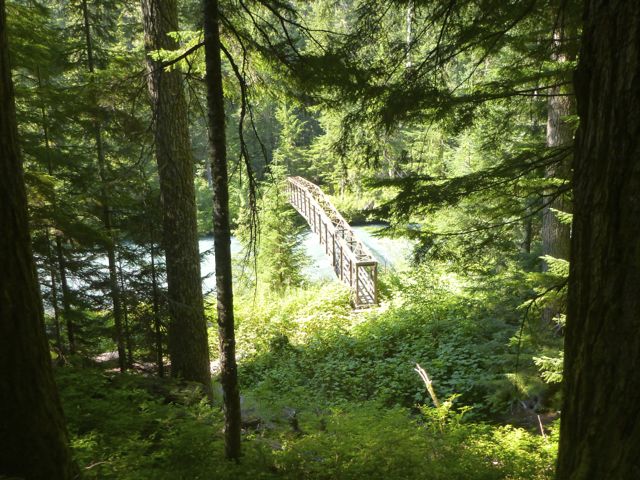
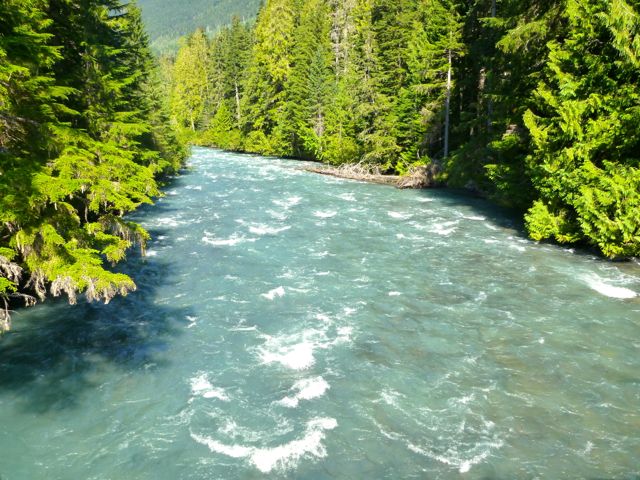 On the other side of the river the trail switchbacks upward steeply to the Helm Creek Campground.

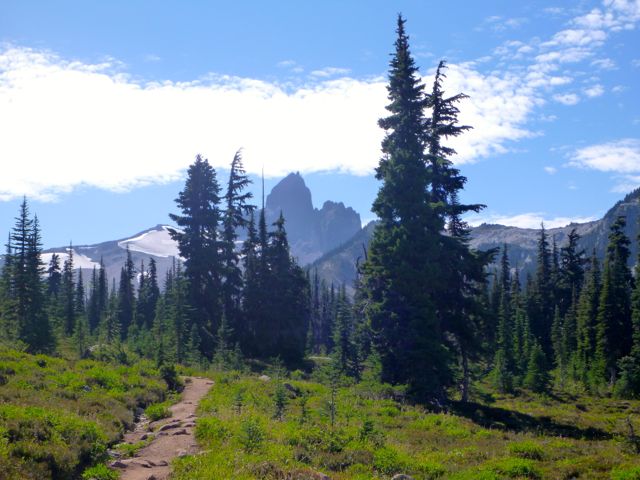 I carried on to gorgeous Black Tusk Meadows.
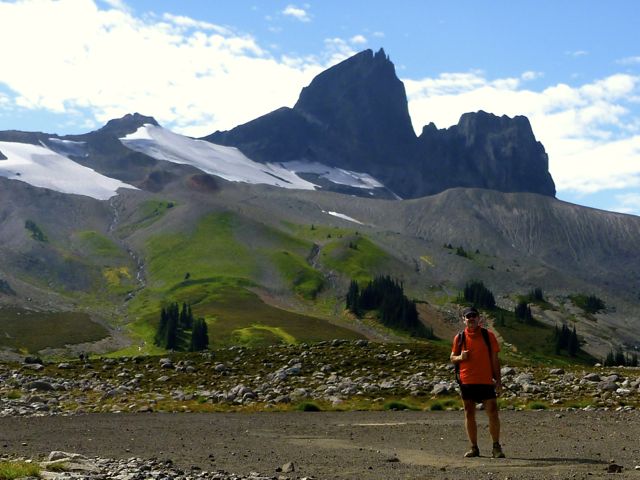 Hikers coming down from the south summit told me it was too late in the day for me to start up.
After weighing my options (I was carrying a head lamp) I finally decided to wander the meadows, instead.
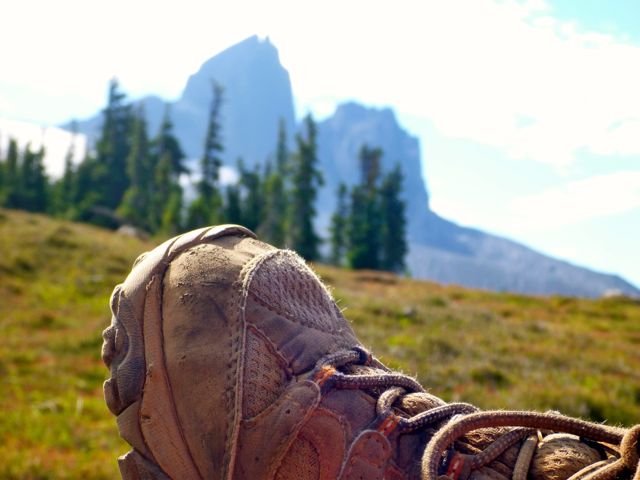
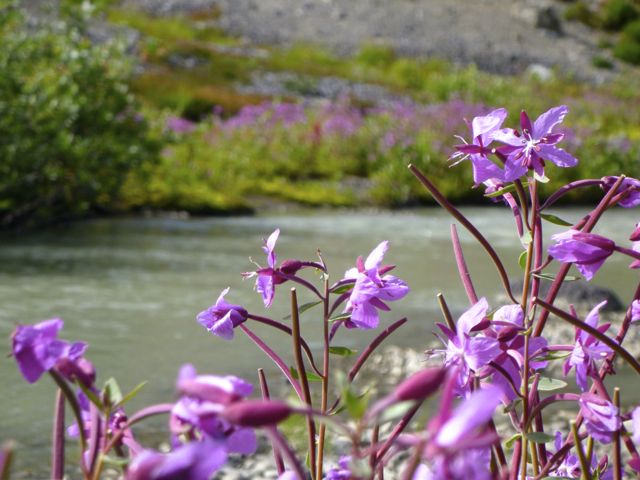
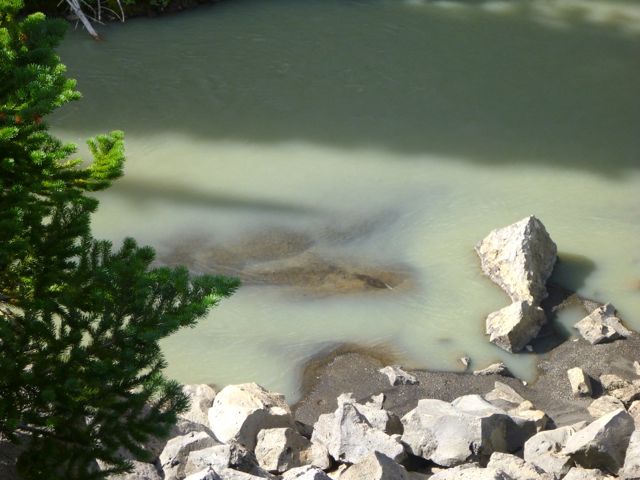 It turned out to be a leisurely night.

Next morning I turned my back on Black Tusk and headed back down to my car.
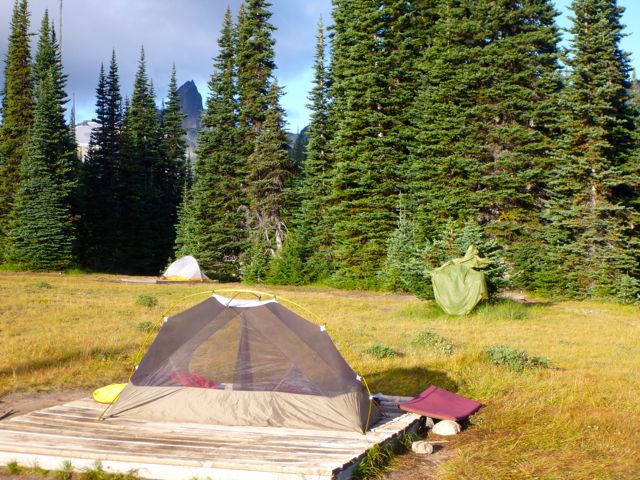
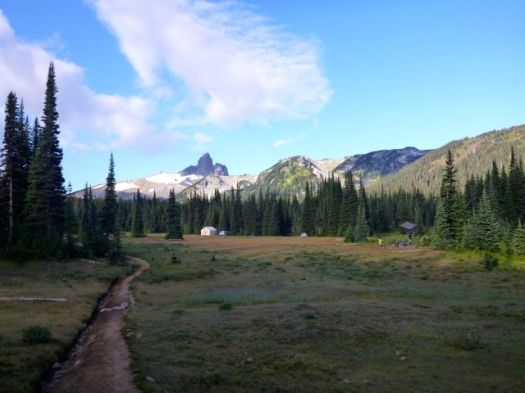
I had time for a sidetrip to pretty Cheakamus Lake via lush temperate rain forest.
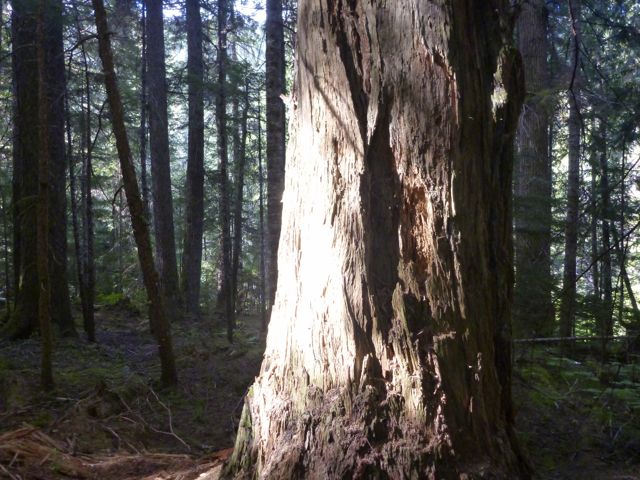
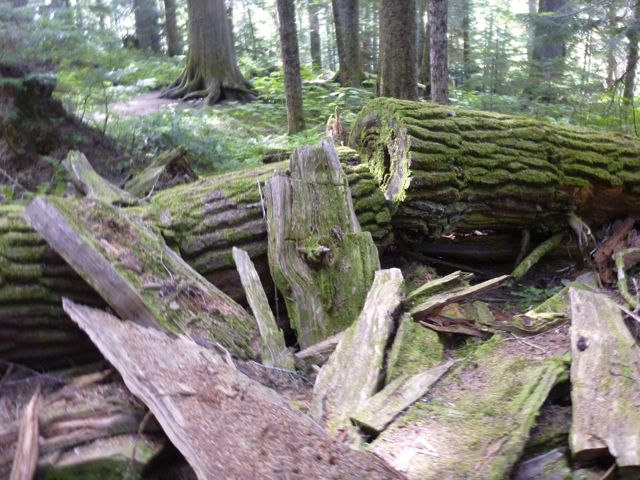
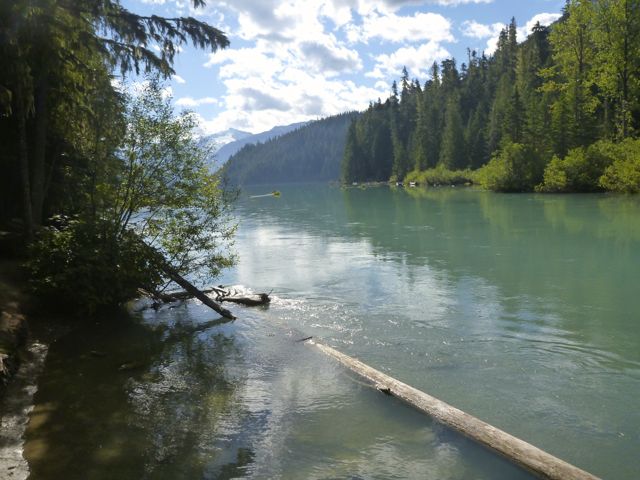 Black Tusk is off limits to mountain bikes, but the ride to this lake is superb.
All in all, a wonderful 2-day hike.
If I had one more day I would have done the 34km route Helm Creek, Panorama Ridge and Black Tusk shoulder detailed in this 9min video.
Click PLAY or watch Summer hiking featuring Helm Creek, Panorama Ridge and Black Tusk on YouTube.
I might even exit from there to the highway. It’s still possible to hitchhike near Whistler. 🙂
more photos from my hike
related – BC Parks – Garibaldi Provincial Park


