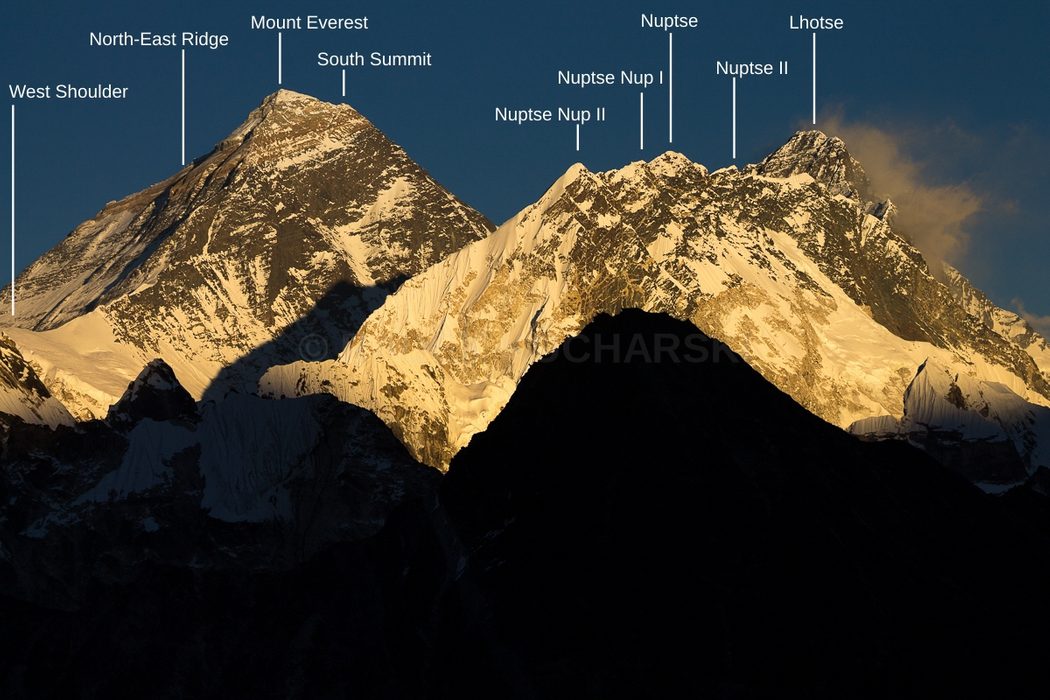
Cicerone guidebook author and Himalayan guide Radek Kucharski gives a firsthand insight to the panoramas that can be seen by trekkers in the Everest region.
See all his photos.
Best hikes, treks, tramps in the world.
Cicerone guidebook author and Himalayan guide Radek Kucharski gives a firsthand insight to the panoramas that can be seen by trekkers in the Everest region.
See all his photos.
Click PLAY or watch it on YouTube.
By BestHike editor Rick McCharles.
The #1 new thing for me during the pandemic was studying the art & science and creating videos.
Click PLAY or watch a sample on YouTube.
I’m proud of that one. It gives a good glimpse at hiking Englishman River. And is entertaining enough to keep you going.
Subscribe to my BestHike YouTube channel from that video, if you want to see more.
My BIG project, so far, was our top 10 hikes on Earth.
Click PLAY or watch it on YouTube.
There’s only one superstar hiking vlogger, so far – Kraig Adams. #respect
The rest of us are doing our own thing. And that’s OK. Here’s why.
I downloaded this book because it was set in Yellowstone National Park.
The plot is dumb, I thought. But the location kept me going.
The Yellowstone Caldera supervolcano supereruption possibility is one thread of the story.
Joe Pickett’s been hired to investigate one of the most cold-blooded mass killings in Wyoming history.
Attorney Clay McCann admitted to slaughtering four campers in a back-country corner of Yellowstone National Park—a “free-fire” zone with no residents or jurisdiction.
In this remote fifty-square-mile stretch a man can literally get away with murder. Now McCann’s a free man, and Pickett’s about to discover his motive—one buried in Yellowstone’s rugged terrain, and as dangerous as the man who wants to keep it hidden.
CJBox.net

Goecha La (el. 4940 mt or 16,207 ft) is a high mountain pass in Sikkim, India in the Himalaya range.
The southeast face of Mt. Kanchenjunga, the world’s third highest mountain, can be viewed from the pass, which is also a base camp for those aspiring to scale the mountain. …
The basic itinerary:

Seems it’s impossible to do this trek independently.
But rather than sign on with a company from home, you could simply show up in Gantok or Darjeeling and start asking around the various agencies to join a group that will give you the best rate.
India Hikes, for example, charged about US $230 in 2021.
Climbing Sulphur Mountain from Banff, Alberta is popular year round. But during the winter you can ride the Gondola back down for FREE. 😇
It’s easy to get to the very top of a Rocky Mountain peak.
Magical.
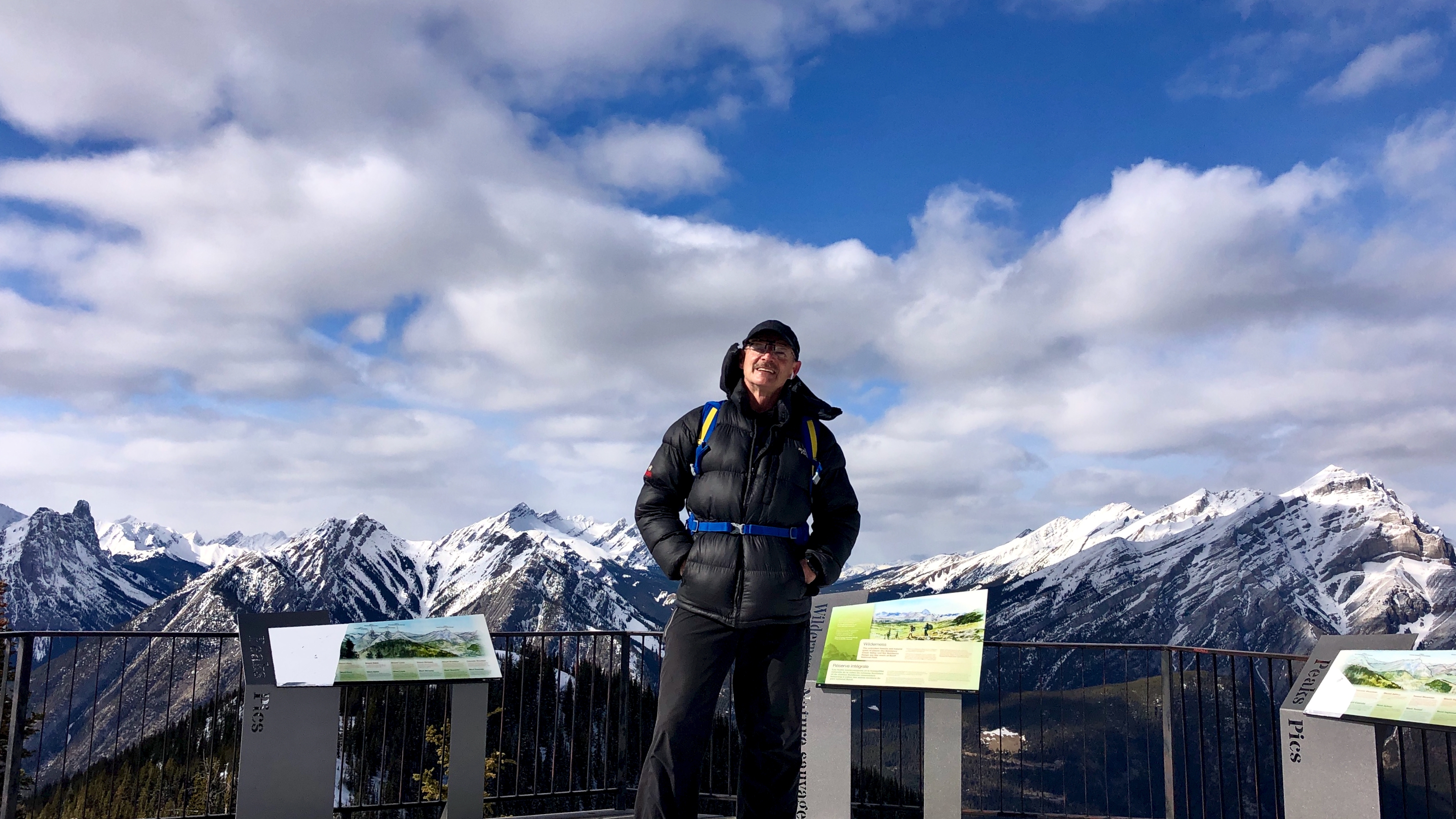
Click PLAY or watch a short video on YouTube.
655 metres elevation gain on switchback trails — easy in the summer, but potential slippery and dangerous with snow and ice.
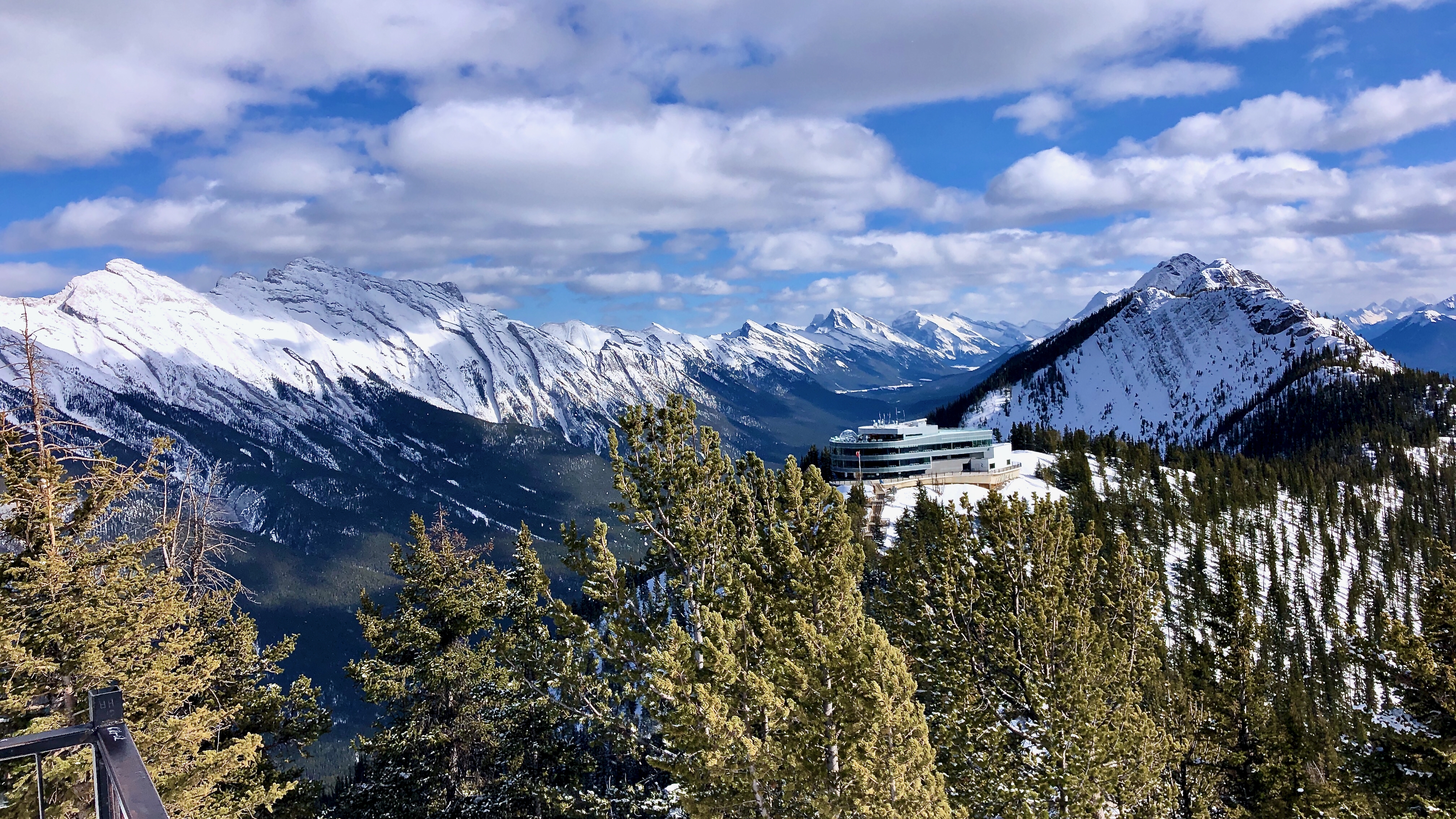
Once you reach the Sulphur Mountain Gondola top station, the best is yet to come. A network of trails along the ridge, and viewing decks at the gondola station, provide stunning views of Banff, the Bow Valley, and 360-degree views in every direction.
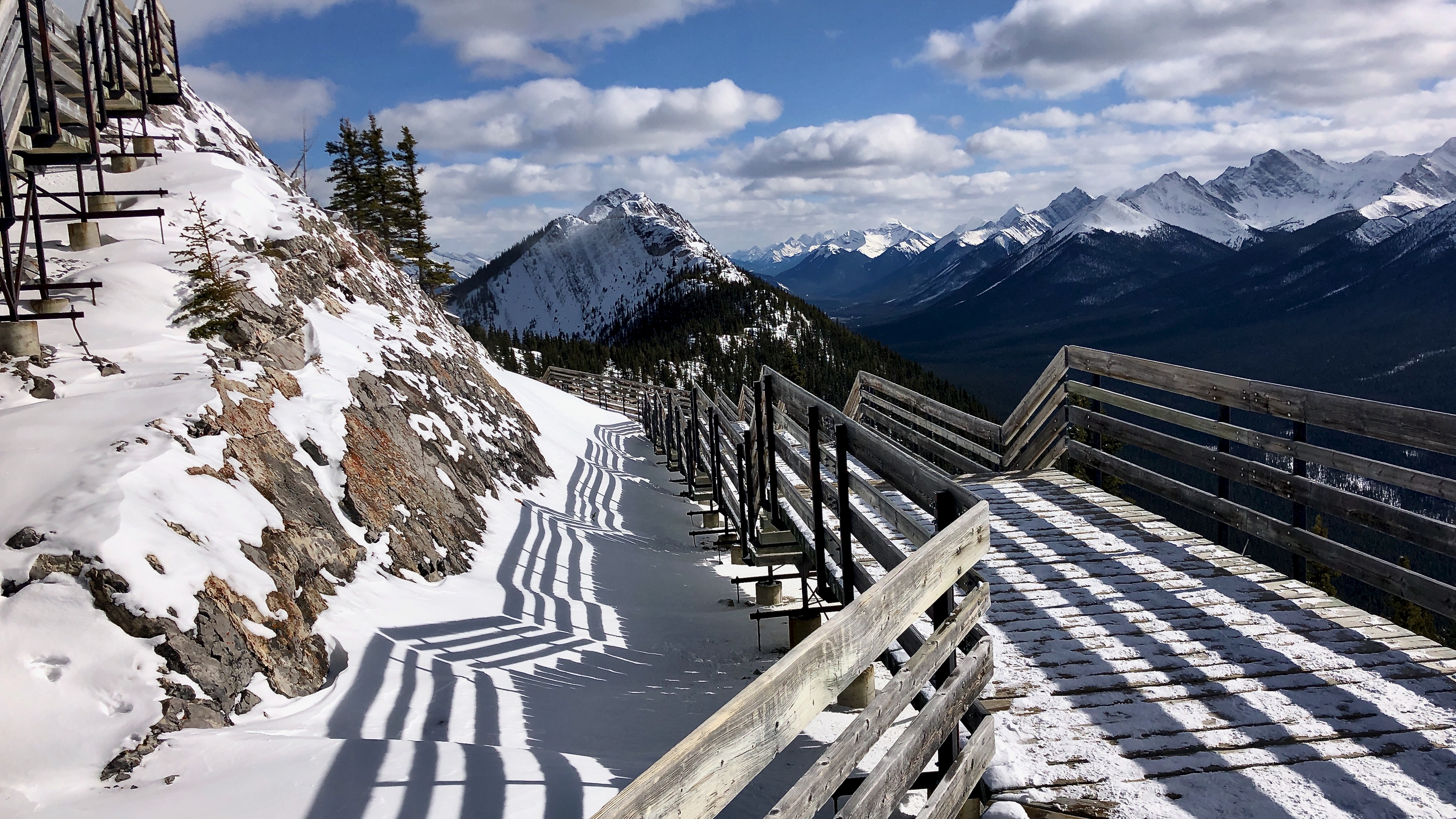
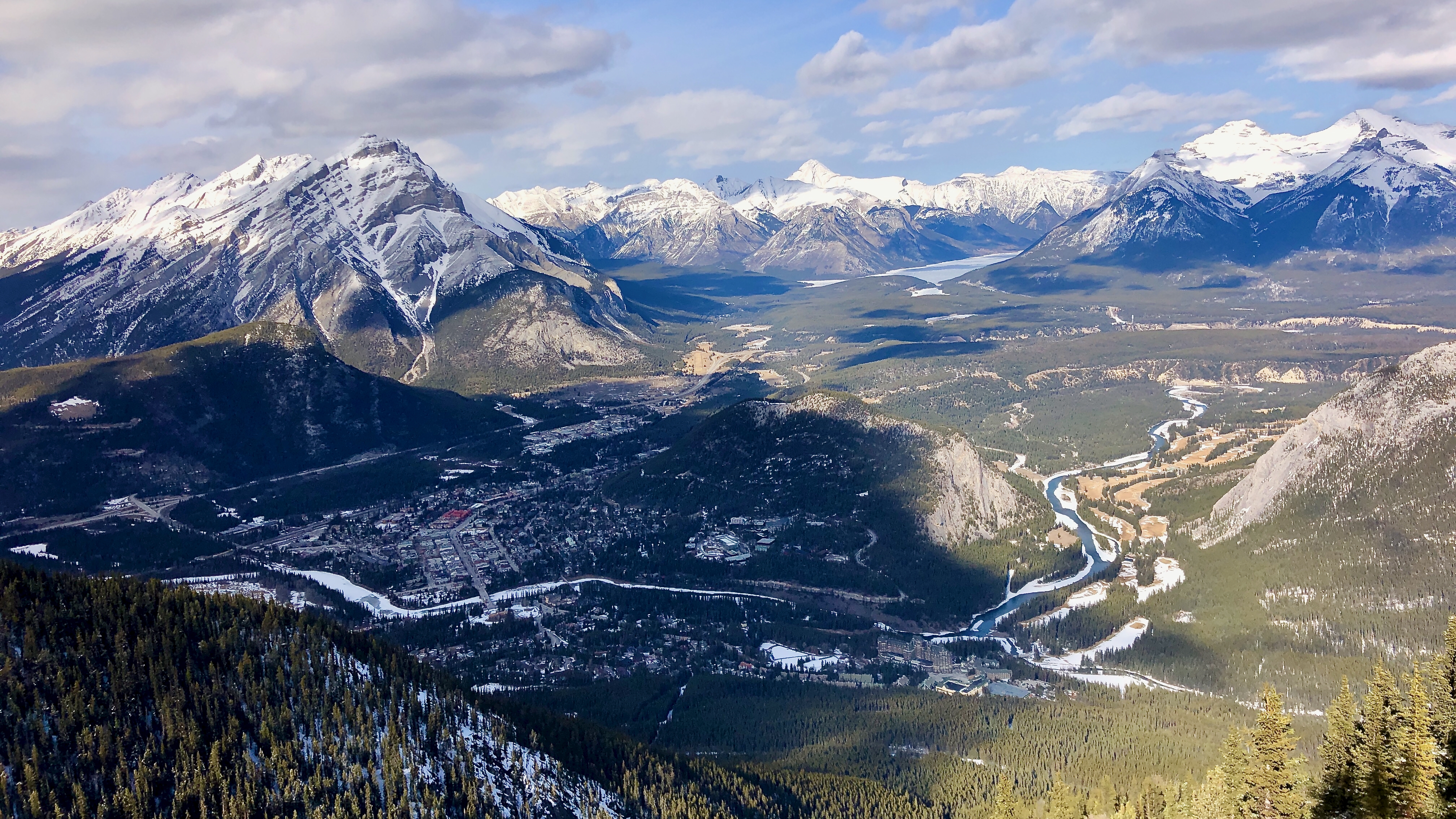
The highest point is the historic Cosmic Ray Station.
On return to the bottom, consider the short walk over to Banff Upper Hot Springs. Let’s call it recovery.
Click PLAY or see the Gondola and the Above Banff interpretive centre on YouTube.
related – Banff Blog – How to Hike Sulphur Mountain (Alternative to Banff Gondola)
Tunnel Mountain 1,692 m (5,551 ft) is located in the Bow River Valley of Banff National Park in Alberta, Canada.
Click PLAY or watch it on YouTube.
The mountain is nearly completely encircled by the town of Banff and the Banff Springs Hotel grounds.
Climbing Tunnel is super popular year round as the trail is well graded. In winter many folks bring hiking poles and ice cleats as there are slippery and icy sections.
4.3 km (3 mi) round-trip.
You’ll often see Elk on the way up as I did.
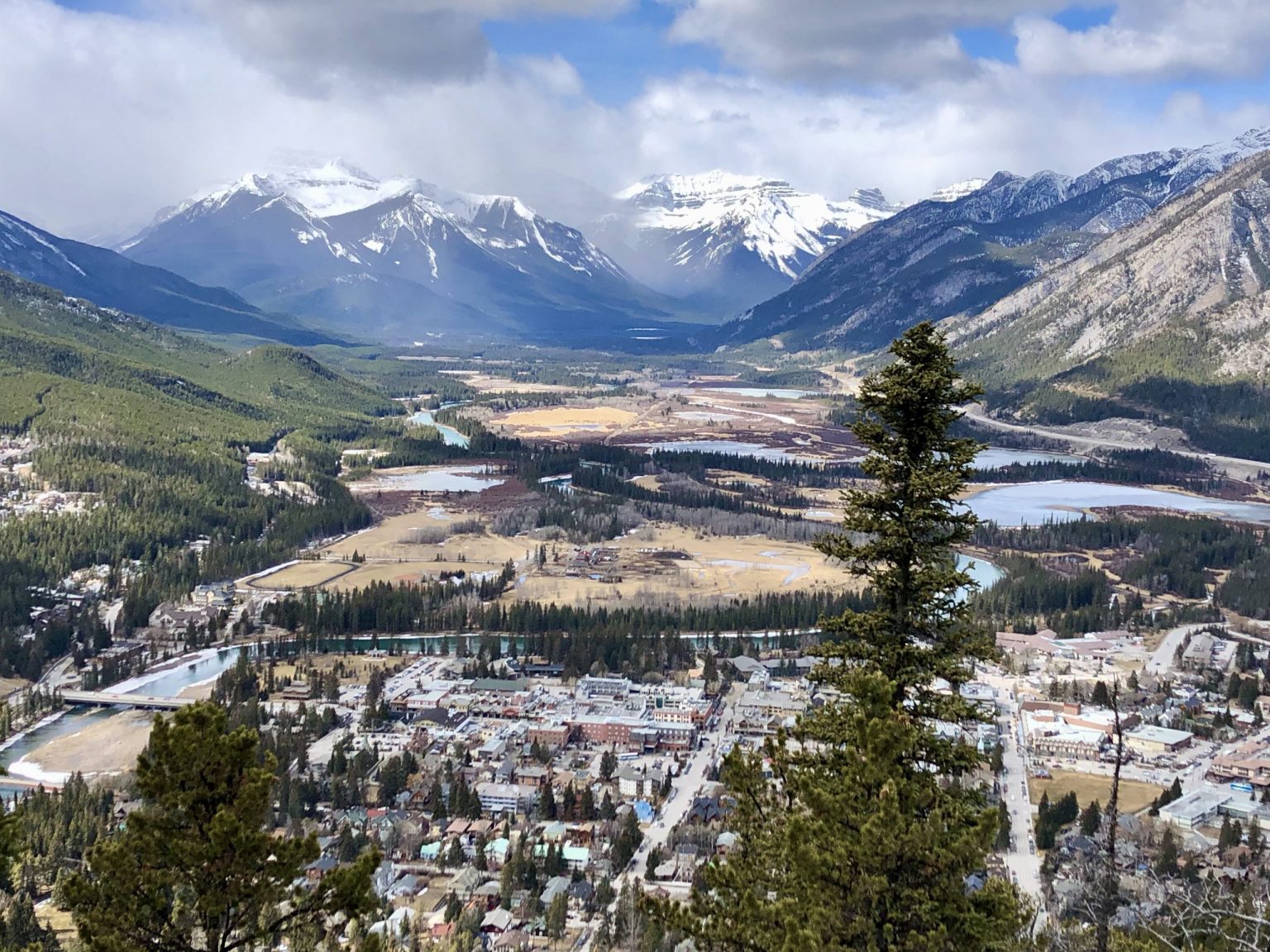
related – Banff’s Tunnel Mountain Hike is Wonderful in Winter
In my travels around the world I’ve seen much elusive wildlife including snow leopards.
BUT I’d never seen more than bobcat paw-prints.
In recent years, bobcats have been moving into big city Calgary, population 1.2 million plus.
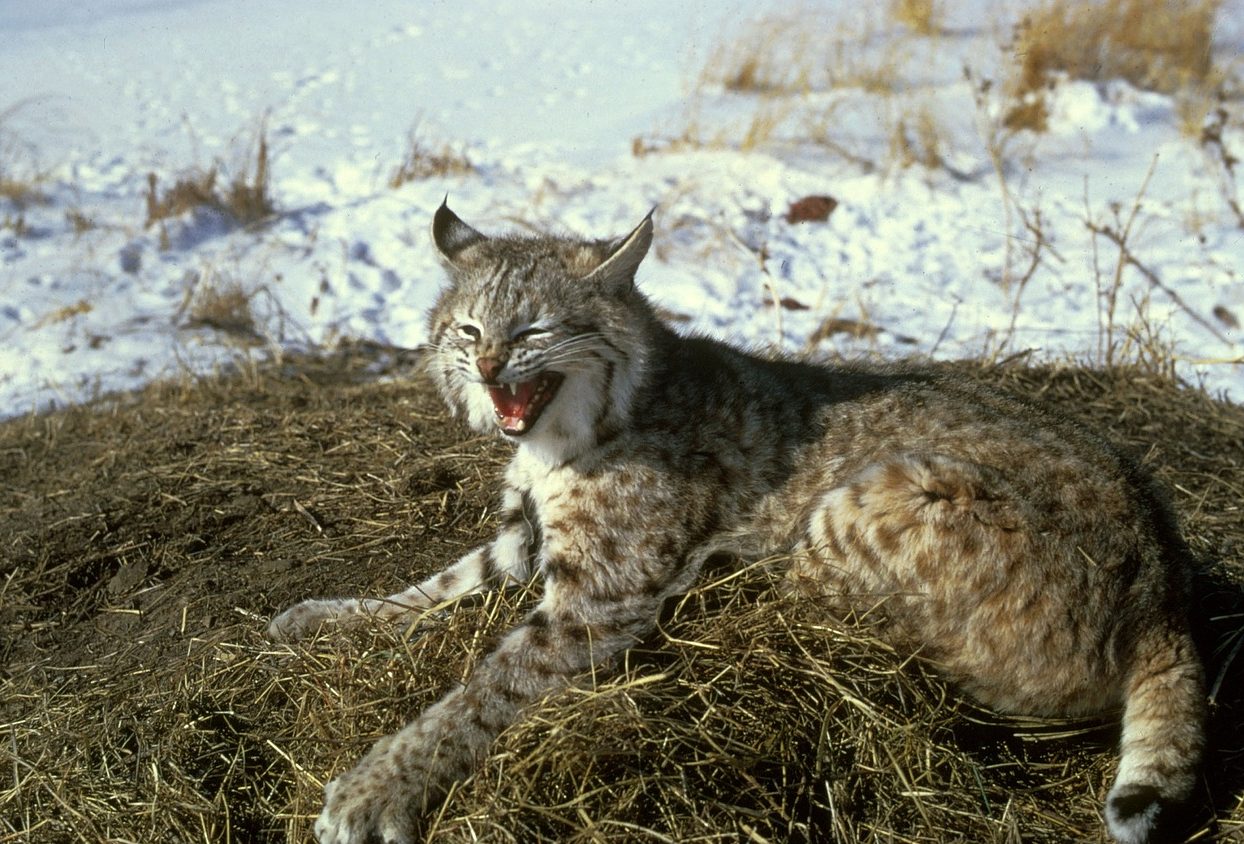
The city offers plenty of squirrels and jackrabbits.
One took a nap in a city yard a couple of weeks ago.
I saw this one just after dawn in the neighbourhood where I grew up. It seemed totally unworried about me standing only about 2m distant.
Click PLAY or watch it on YouTube.
After a year closed, our #1 hike in the world is reopening to hikers June 4, 2021.
Reservations open April 30th. However … only Canadians will be eligible and no standby spaces will be available for walk-on hikers.
Click PLAY or watch a 1-minute preview on YouTube.
To learn more, check our WCT information page.
I feared this excellent guidebook would NEVER be updated by Lonely Planet.
It was.
The only two currently available Lonely Planet walking guides are Nepal and New Zealand.
AND the New Zealand guide is scheduled to be updated December 2022.


