Brian Robeson is a thirteen-year-old son of divorced parents. As he travels from Hampton, New York on a single-engine Cessna bush plane to visit his father in the oil fields in Northern Canada for the summer, the pilot suffers a massive heart attack and dies.
Brian tries to land the plane but ends up crash-landing into a lake in the forest.
He must learn to survive on his own with nothing but his hatchet—a gift his mother gave him shortly before his plane departed.
… He discovers how to make fire with the hatchet and eats whatever food he can find, such as rabbits, birds, turtle eggs, fish, berries, and fruit. …
Over time, Brian develops his survival skills and becomes a fine woodsman. …
I enjoyed the short book. But it’s far from realistic. The Alone (TV series) documented just how difficult it is to survive on the much easier west coast of Vancouver Island.
Many readers asked the author WHAT would have happened to this teenager if he had to try to survive the Canadian winter. Brian was rescued by floatplane in The Hatchet.
So — in 1996 — Paulson published what would have been a sequel IF Brian had not found the emergency beacon.
… still stranded at the L-shaped lake during the fall and winter, constructing a winter shelter, building snow shoes, being confronted by a bear, befriending and naming a skunk and learning how to make a bow more powerful. …
There are more books in this series. I’ll read those as well as I’ve grown to wonder how Brian adapts to civilization.
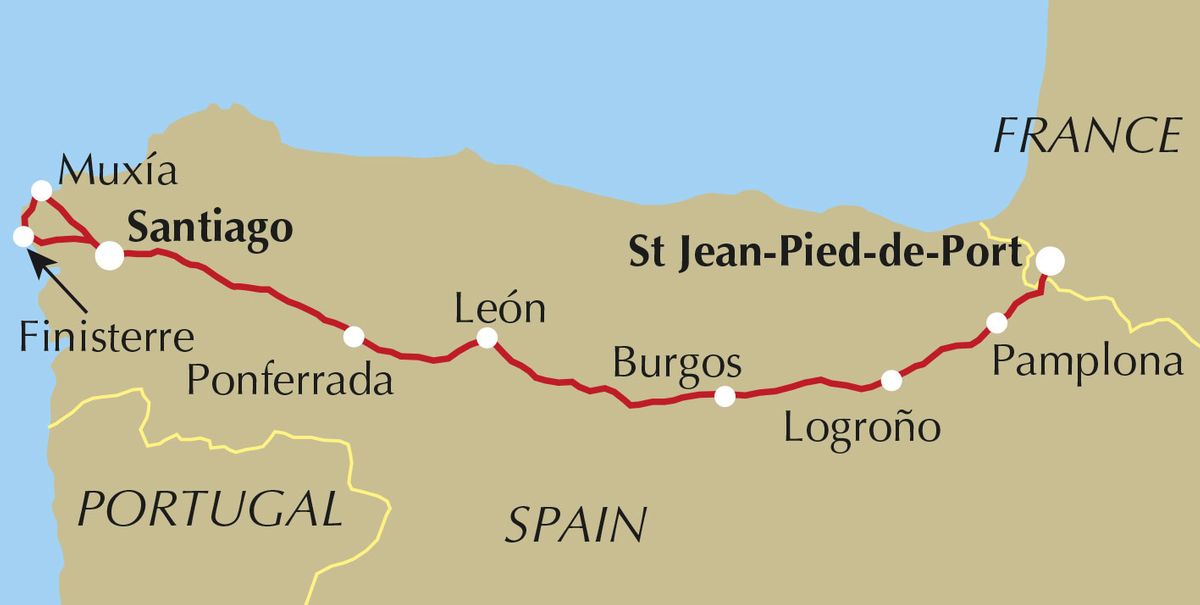
As with most hikes that can be cycled, I prefer to cycle. At least 10% of pilgrims cycle rather than walk or arrive on horseback. They are known as ‘bicigrinos’ or ‘bicigrinas’, bike pilgrims.
My PLAN is to ride León to the famous cathedral. About 325km. Perhaps a week. No rush.
The total length starting in France is 825km.
You need to cycle at least 200km in order to receive a Compostela certificate in Santiago (as opposed to minimum 100km walking).
Nearly 350,000 Compostela pilgrim certificates were issued in 2019. I won’t be lonely. 😀
The Camino Francés, or French Way, is by far the most popular of many routes. Roughly 60% of pilgrims choose this camino over other options.
Though no guidebook is needed, I picked up a paper copy of Mike Wells’ Cycling the Camino de Santiago (2019). I’d listened to a good interview with the author.
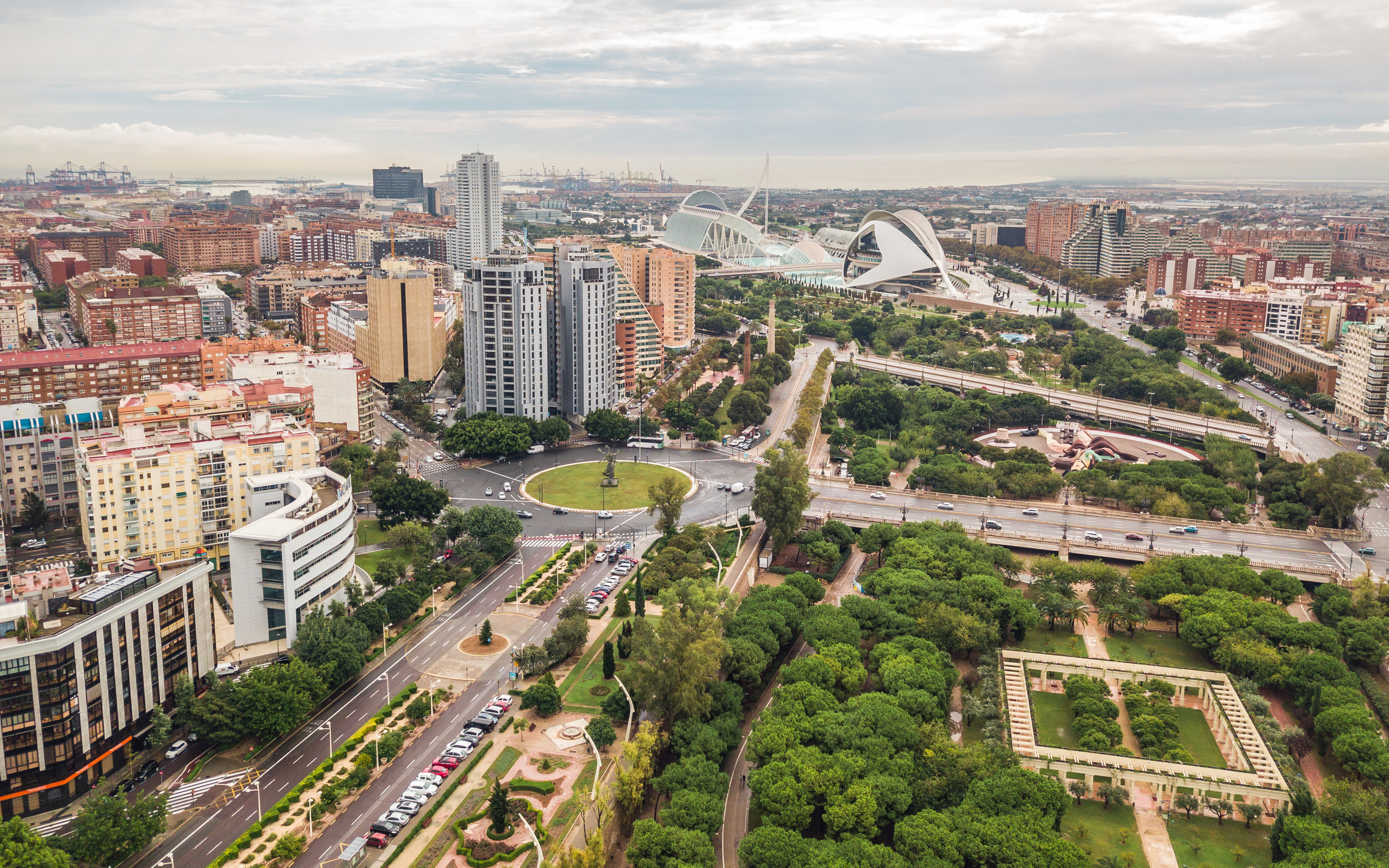
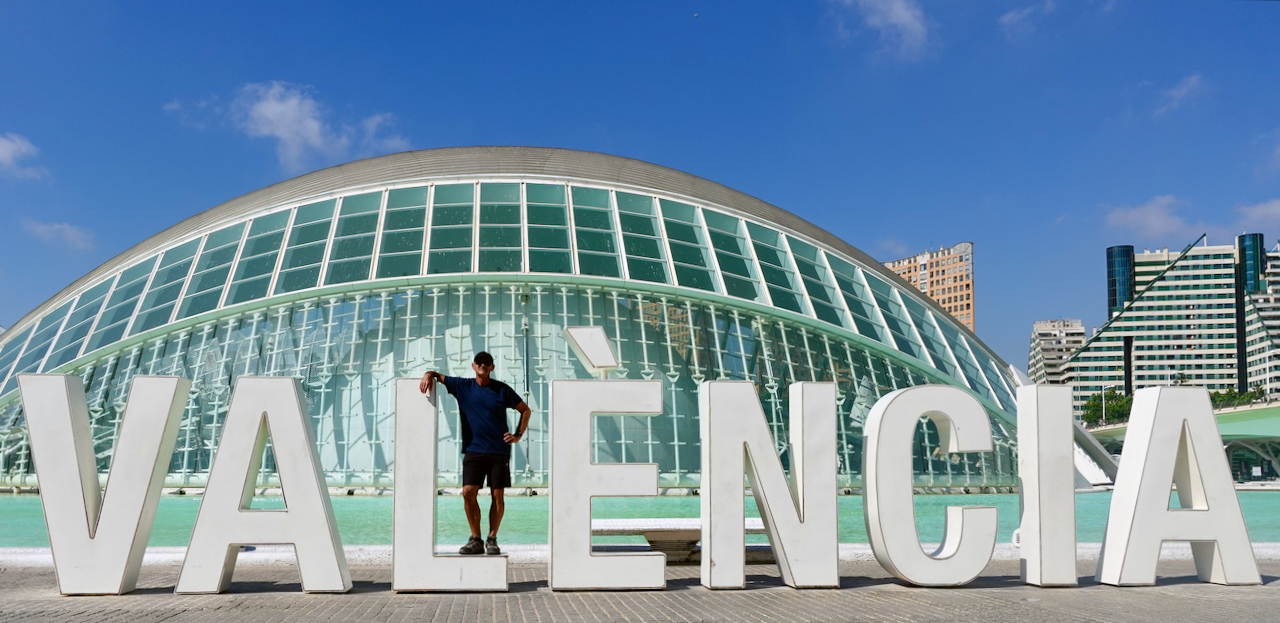
While many tourists stick to the historic centre, the best walking is on a long green space to a complex designed by local architect Santiago Calatrava — the futuristic City of Arts and Sciences(Ciutat de les Arts i les Ciències), which contains an opera house/performing arts centre, a science museum, an IMAX cinema/planetarium, an oceanographic park and other structures such as a long covered walkway and restaurants.
It’s impressive.
Cityscape of Valencia. Turia park. Aerial view
Usually called Turia Garden, the park is officially 9km long. But expect your mileage to be quite a bit longer. I was on it at least 5 hours with side trips.
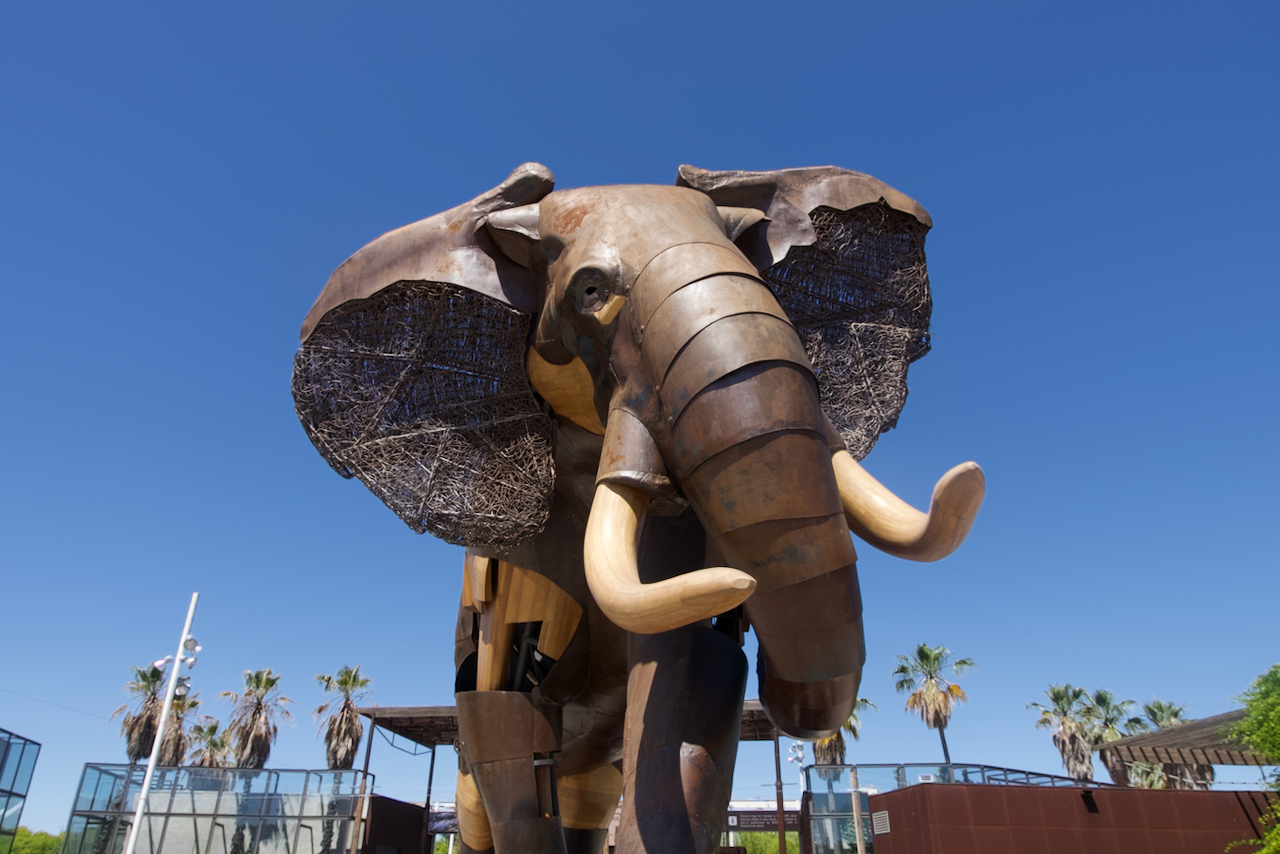
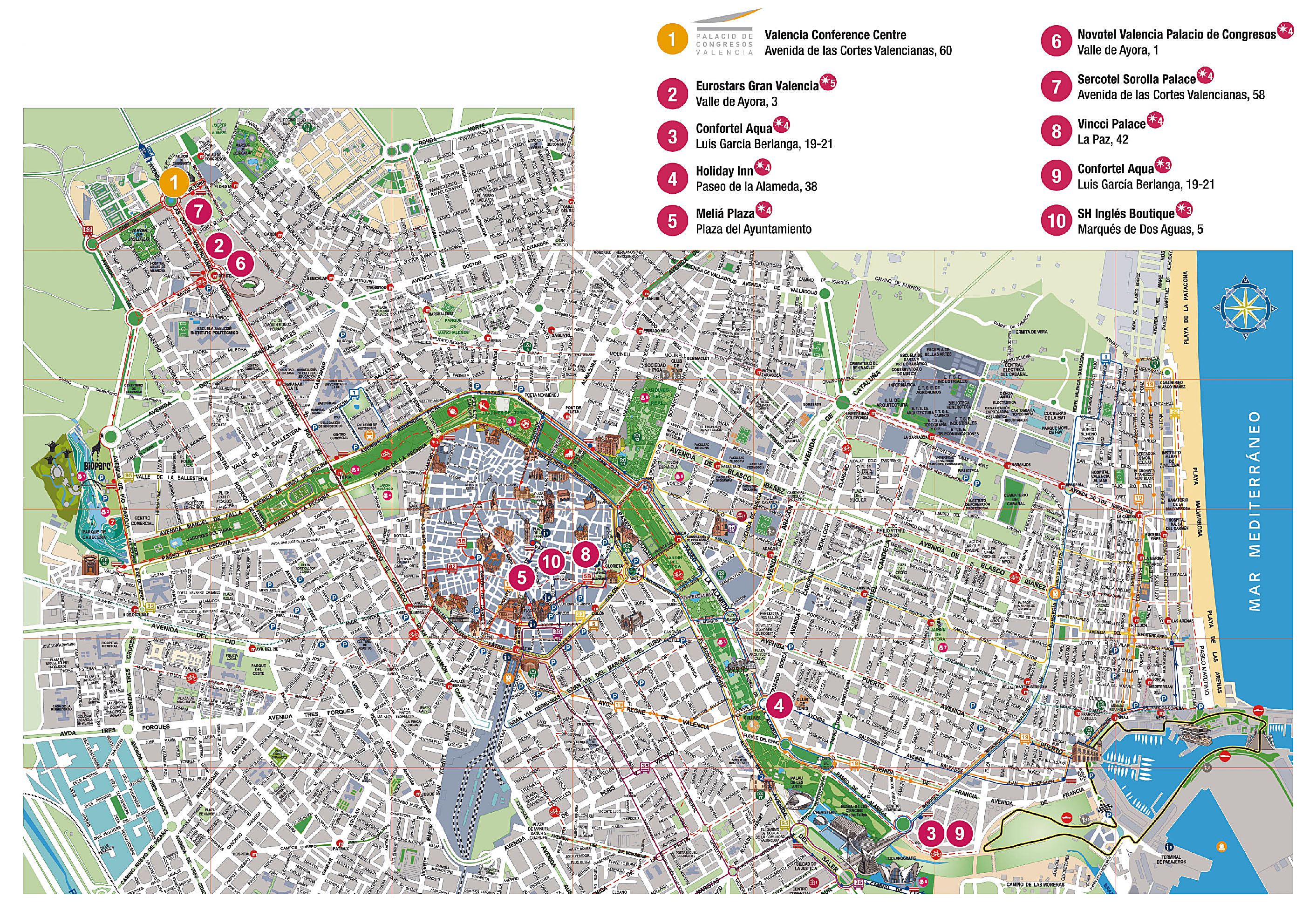
To start, I caught the subway to the Zoo on the far left of this map.
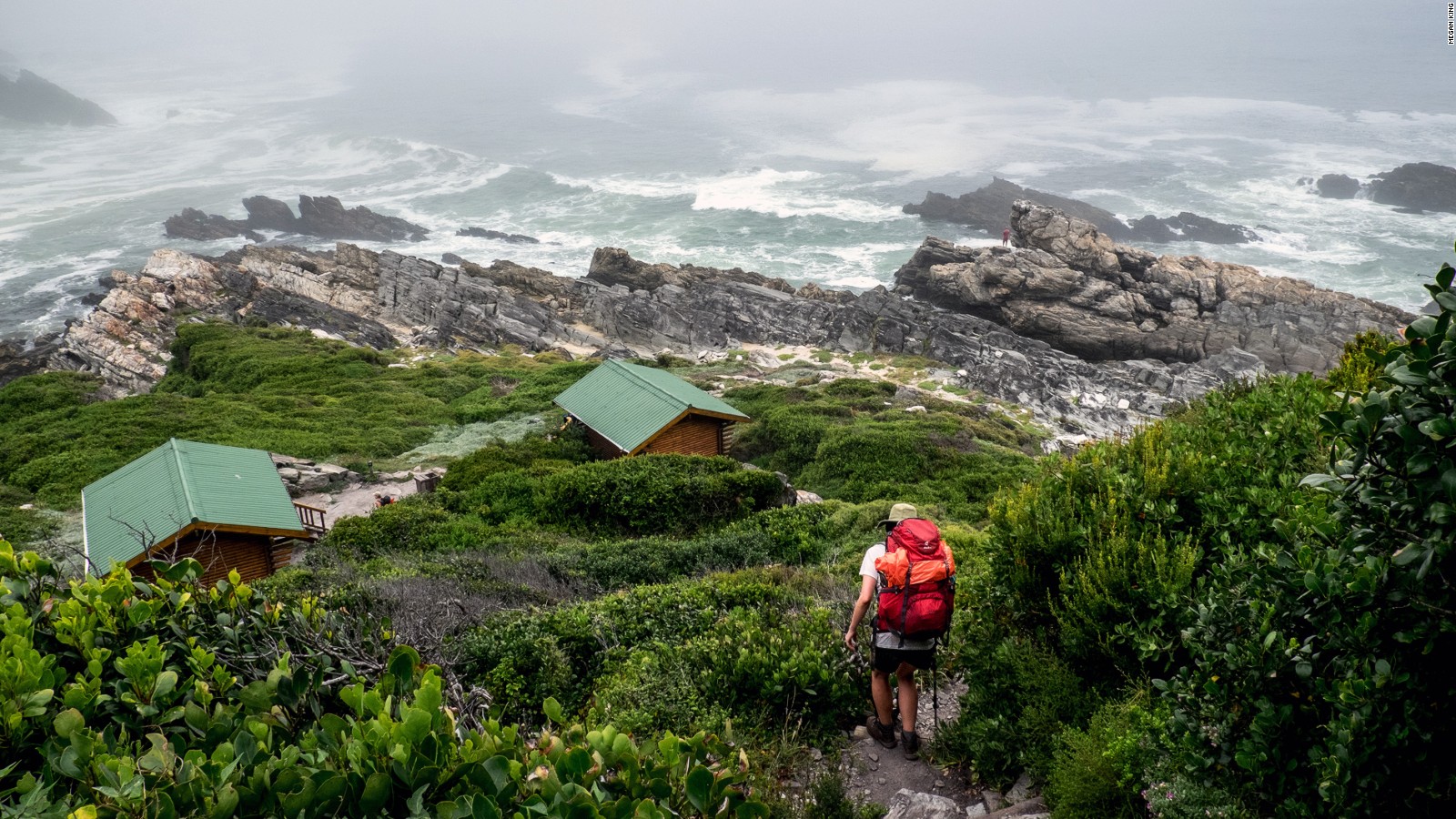
Lush forests, rugged shorelines, river crossings, waterfalls and fragrant fynbos make this adventure at the southern tip of Africa unique. It’s strenuous, with lots of ups and downs …
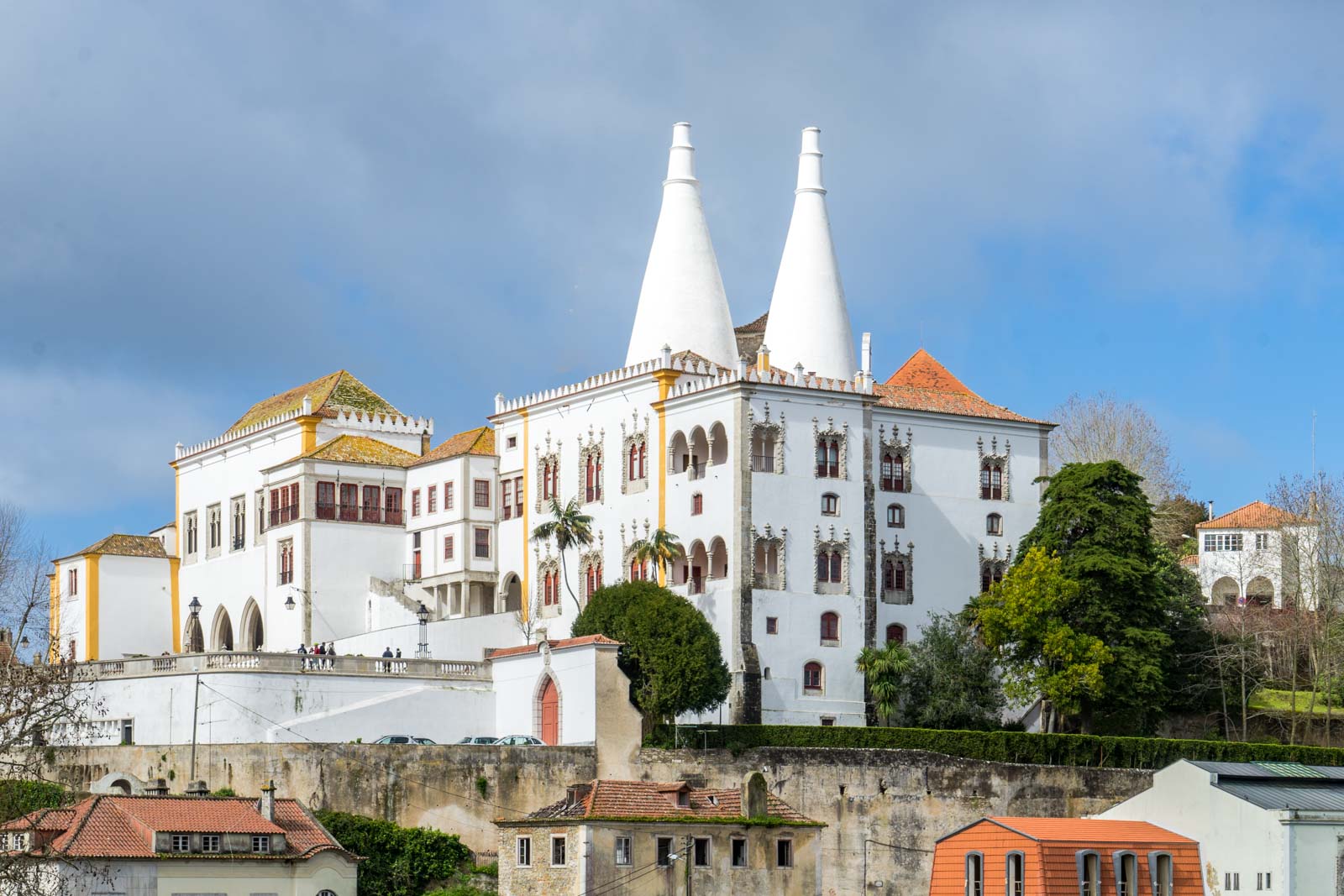
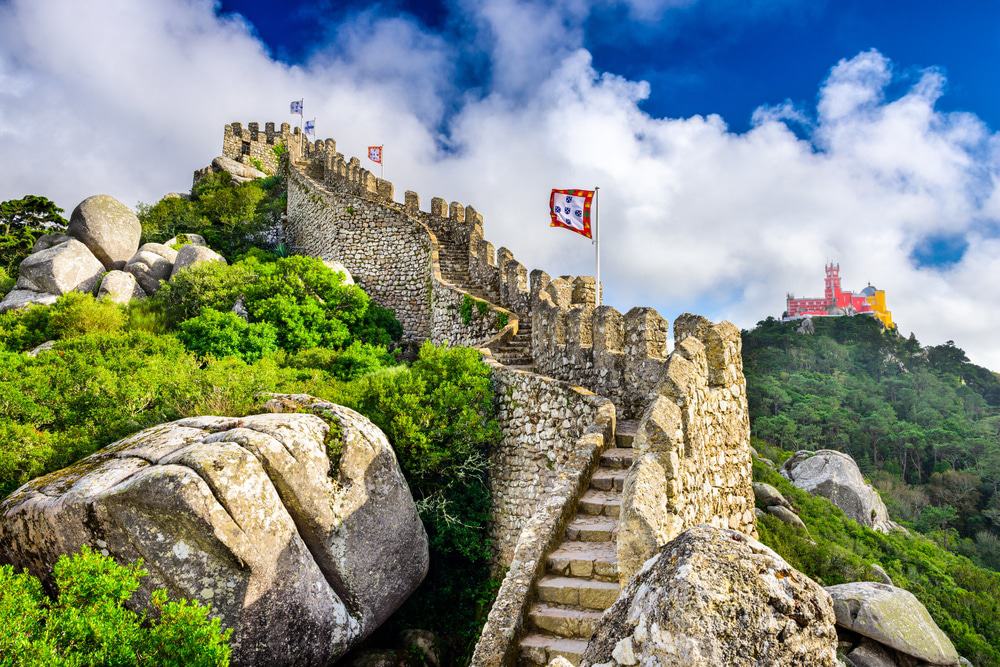
The historic center of the Vila de Sintra is famous for its 19th-century Romanticist architecture which resulted in the classification of the town as a UNESCOWorld Heritage Site.
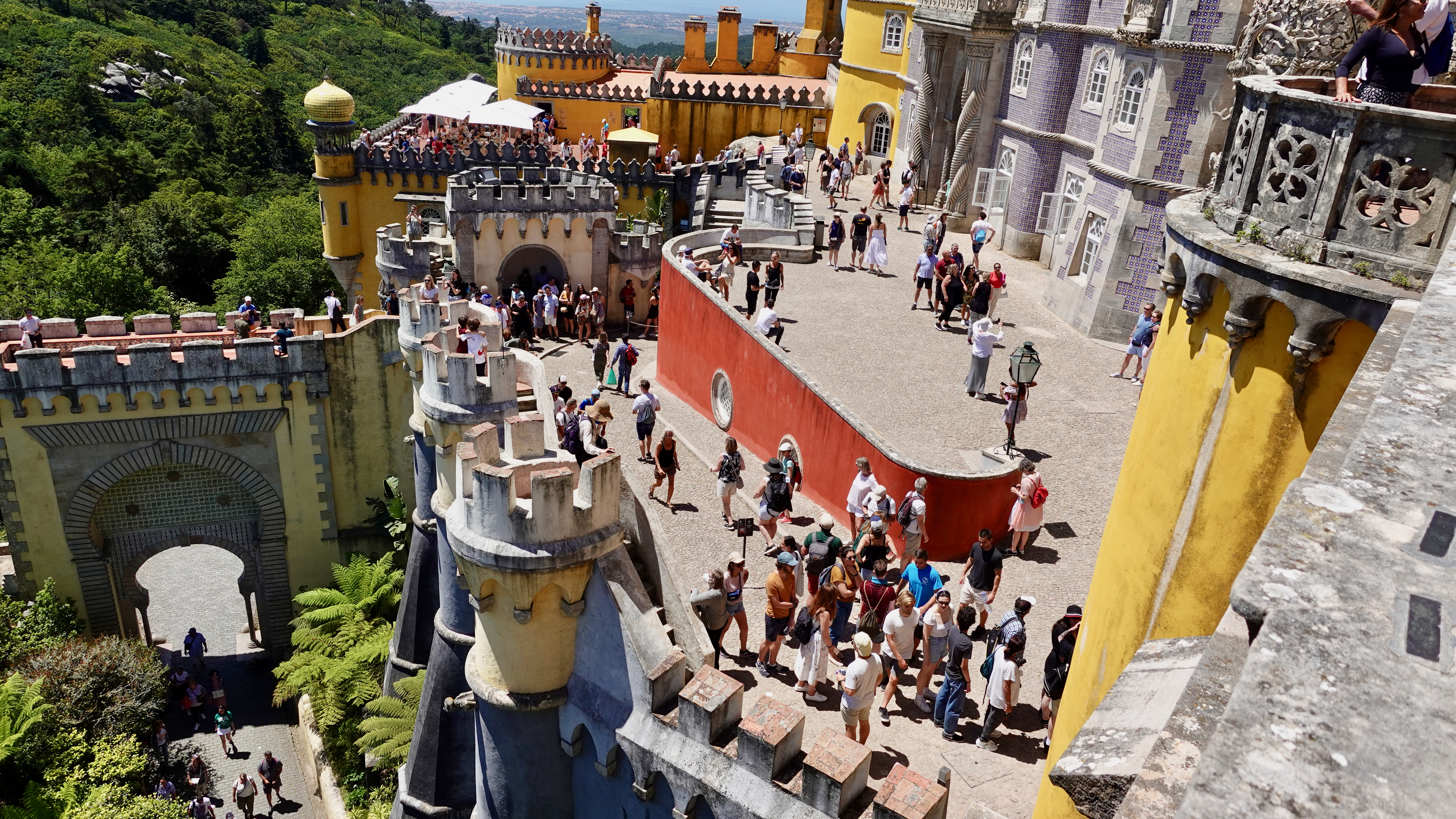
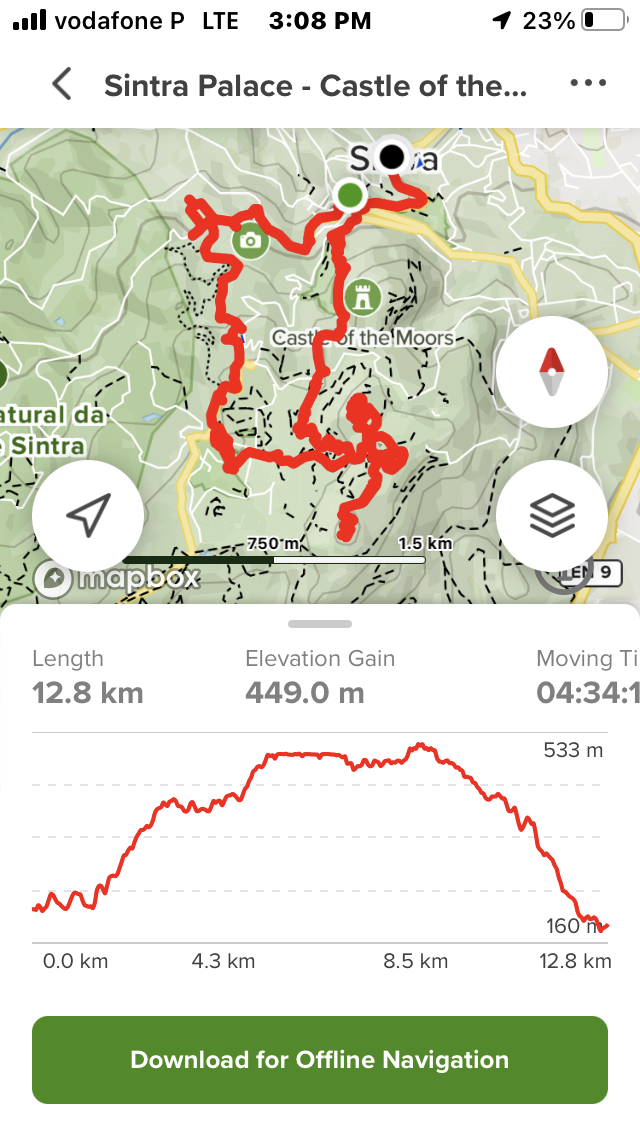
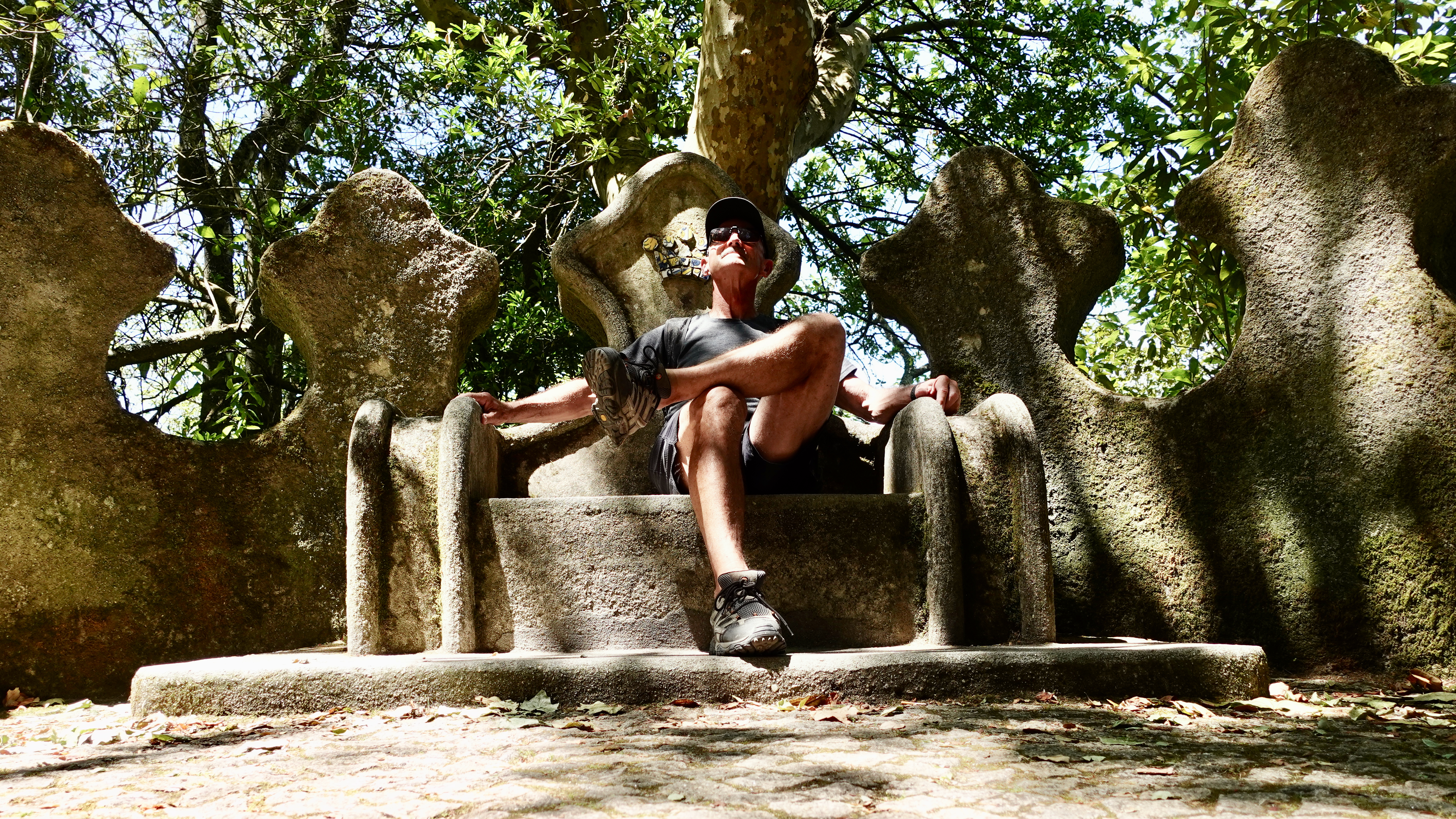
I stood in line for almost an hour to wander the Palace like every other tourist. But wished I’d spent that time — instead — hiking the lovely trails over 200 hectares of surround Pena Park. It’s a labyrinth and I was lost most of the time despite trying to follow a route on AllTrails.
After escaping the Palace, I continued up towards a high crucifix.
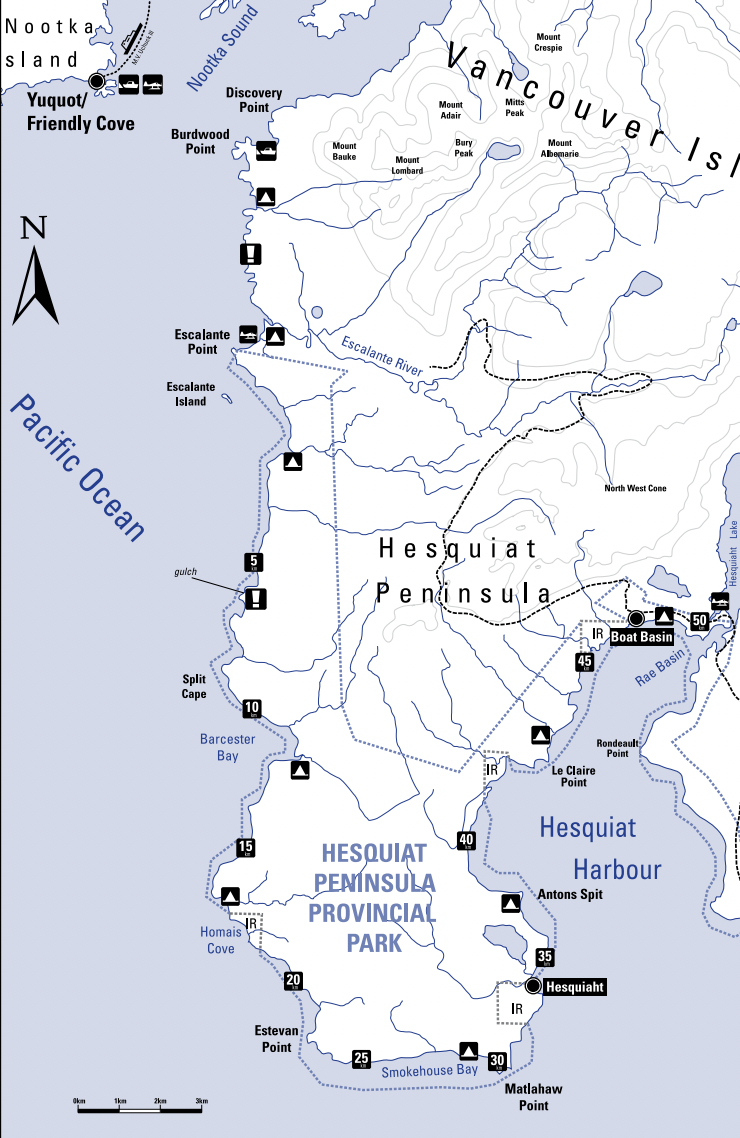
It’s also known as the Escalante Trail as most hikers start at Escalante Point.
Accessing this coastal route requires either a float plane out of Gold River or water taxi from Gold River or Tofino. Or you might be able to kayak.
Hesquiat Peninsula Provincial Park is situated on the west coast of Vancouver Island and occupies most of the eastern shore of Nootka Sound. (MAP) This park is a significant tourism corridor for rugged coastal hiking, boating and sea kayaking. …
This prominent low-elevation peninsula is a significant wilderness area protecting heritage sites, representative old-growth forest stands of Sitka spruce, lodgepole pine, white pine and yellow-cedar and a freshwater lake. The park also encompasses a variety of coastal ecosystems including extensive off-shore reefs, boulder, cobble and sand beaches, sea caves, sheltered bays, kelp beds and mudflats.
This wilderness park has numerous hazards and is in a remote area of the coast. Kayaking and hiking along the shores of the Hesquiat Peninsula is recommended for experienced paddlers and hikers only. This undeveloped wilderness park has no facilities, however backcountry camping is allowed.