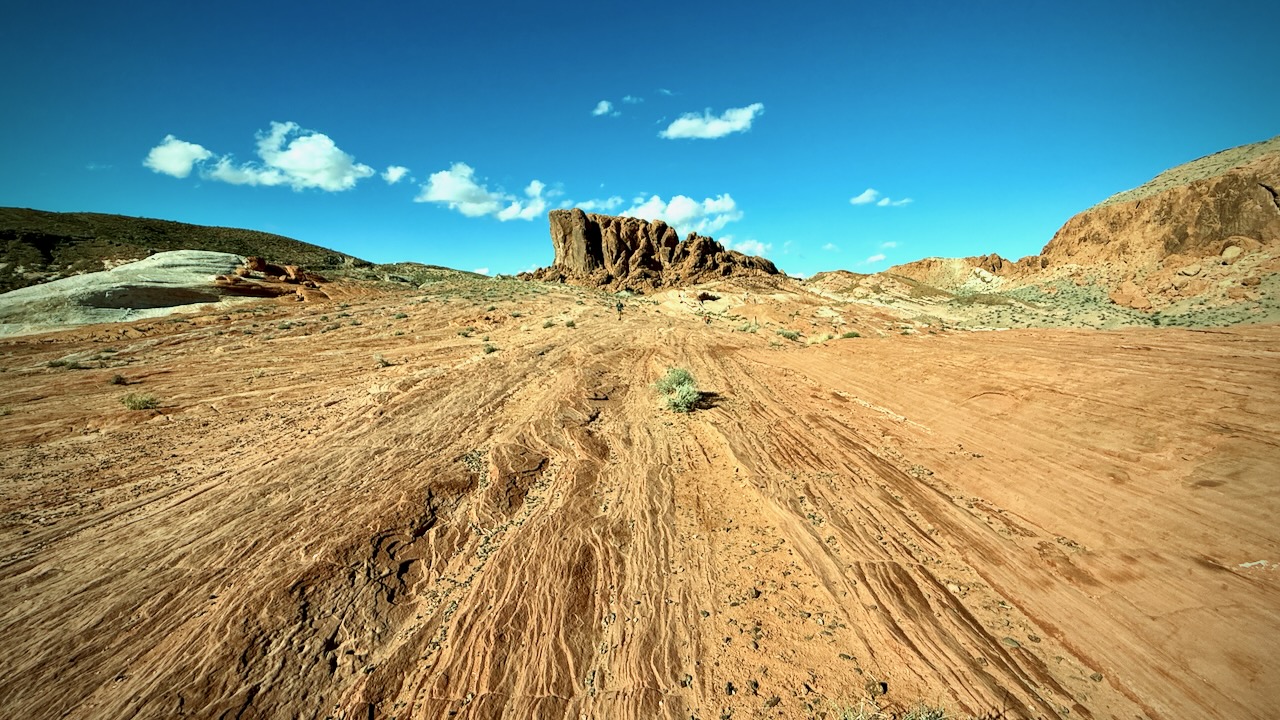
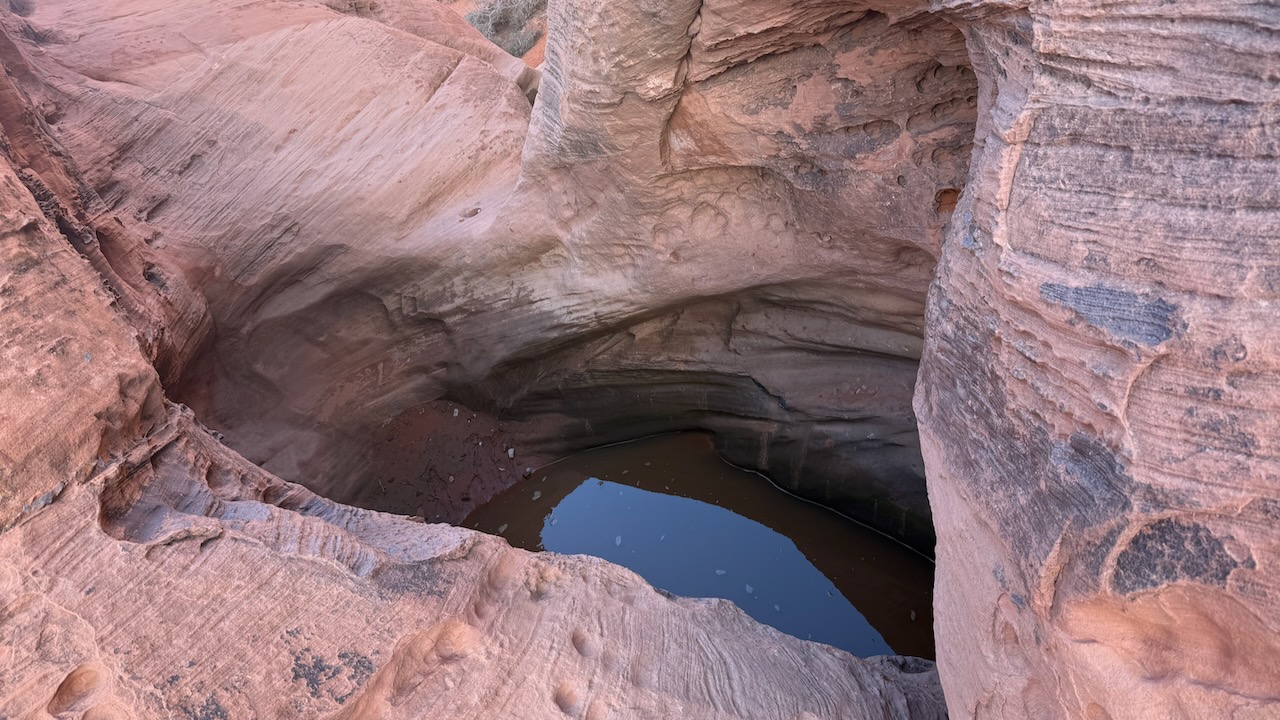
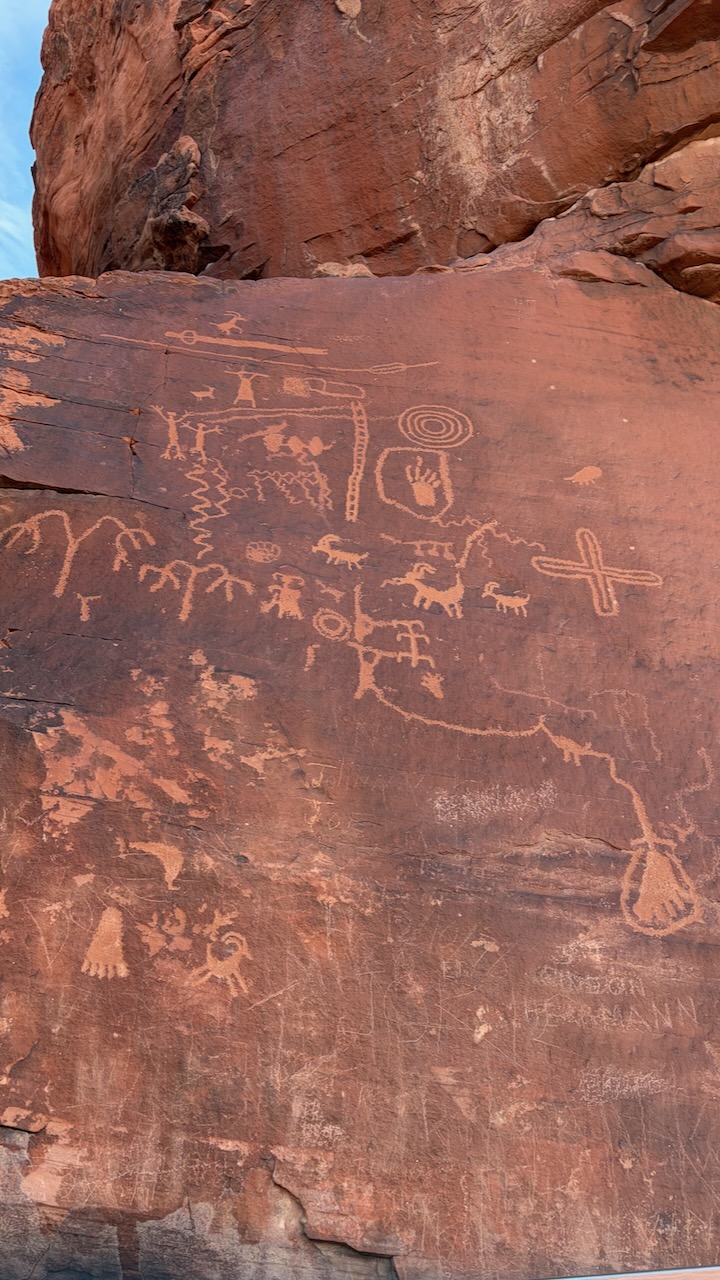
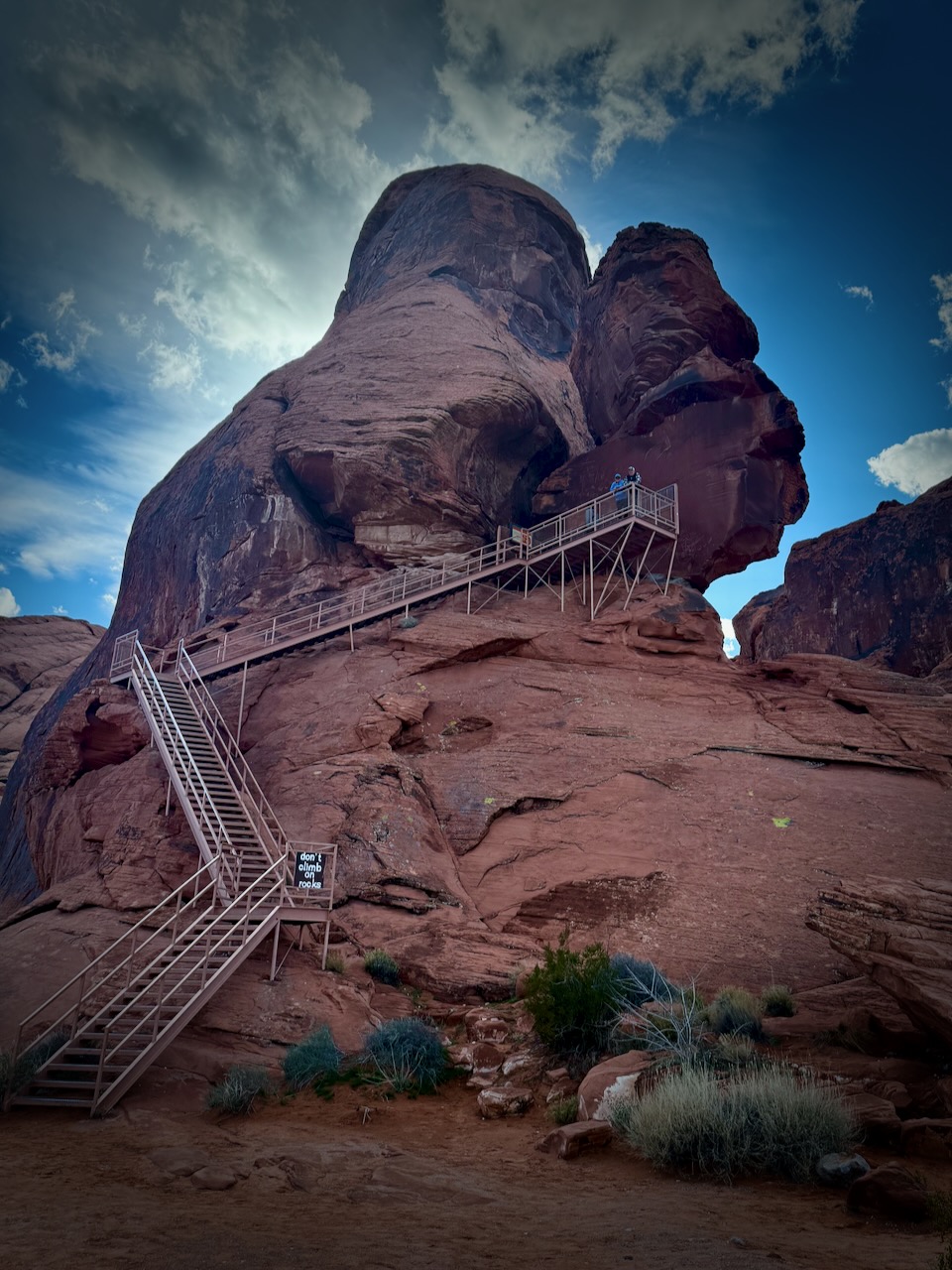
Planning a multi-day adventure in Death Valley? While the desert terrain may look intriguing, it requires serious preparation to spend an extended amount of time here. No matter where you hike – but especially in a place as extreme as Death Valley – your gear and equipment can make the difference between a thrilling trip and a more unpleasant ordeal.
To help you make the most of your trip, here are the essential items you’ll want to pack.
Water, food and cooking items
It goes without saying that the park can get extremely hot – summer temperatures often reach around 120 degrees Fahrenheit. Death Valley is called Death Valley for a reason, and you don’t want to be stuck without water in this vast expanse of desert terrain. Therefore, make sure you have an ample supply – it’s recommended that you plan for several litres per day.
Likewise, food is a necessity, and you’ll need to make sure you’re consuming nutritious meals to sustain your energy. Pack high-protein snacks, meals, and equipment to cook or prepare them if needed. It’s also a good idea to include waste bags and utensils if you plan to cook.
Shelter supplies
A multi-day hike means finding somewhere to stay overnight. A specialised tent or other shelter is essential, and it should both keep you cool during the heat of the day and warm at night – despite what you may think, the desert can get very cold when the sun goes down. Make sure you also have a good quality sleeping bag and sleeping pad.
This Original Travel guideshares some of the park’s best campgrounds, with entrance fees included so you can budget for your trip. While straying off the beaten path may feel like an adventure, it’s best to stick to designated campgrounds for your personal safety – and to protect the landscape around you.
Climate-appropriate clothing
It can be tricky to plan outfits that are both cool enough for the daytime and warm enough for nighttime – as well as being comfortable and appropriate for hiking. In addition to everyday clothing items, it’s a good idea to bring layers and accessories such as:
Wicking base layer and insulating mid layer
Outer shell/wind jacket
Broken-in, comfortable hiking shoes and socks
A wide-brimmed hat and a beanie
High-quality sunglasses with full UV protection
Don’t forget a good backpack that can carry everything you need. It should be durable and waterproof, to keep your belongings safe no matter the weather.
Navigation and emergency gear
While it’s unlikely that you’ll find yourself in an emergency situation, it’s always best to be prepared for the unexpected. Particularly in a place as harsh as Death Valley, where you may find yourself miles away from help should you need it, it’s important to have the essentials to hand.
Bring a map and a compass, and consider a GPS device – it can be easy to get lost, particularly on backcountry routes which can be remote and tricky to navigate. You should also always carry a first aid kit, a torch with batteries, and basic repair tools. Above all else, always let somebody you trust know where you are – even if that just means sharing a general plan before you leave and keeping in touch each day.
Once you’ve got the basics taken care of, all that’s left is to plan your route and enjoy the park. If in doubt, always pack extra and stick to established routes – there’s so many stunning sights to see, and you don’t have to venture off into the unknown to have a wonderful time.
My favourite hostel in Taiwan — Meander 1948 — offers a weekly free special event. Often a hike.
My week we signed up for the Jiantanshan Trail, easily accessible by bus or subway.
This trail is famous for its unique vistas from its various lookout points.
The “Old Place Lookout” is the most sought-after spot, which provides a thrilling, unobstructed view of airplanes taking off and landing at the nearby Songshan Airport.
Screenshot
The hike also features classic, postcard-worthy views of the iconic, red-pillared Grand Hotel and the Keelung River.
First 5 star hotel in Taipei
The trail system consists of a well-maintained network of paved paths, wooden boardwalks, and stone staircases that wind along the ridge.
PJ, our guide, prefers this hike to the more popular, nearby Elephant Mountain as the vistas are more varied.
This section in the city is just one part of the much longer Taipei Grand Hike which PJ completed in 2022;
The most amazing sight for me was the giant orb weaver spider. Adult females are very large, with a body length of 25 to 50 mm (1 to 2 inches). Happily, it’s rare to have cases where humans are bitten.
I’ve seen hardly any spiders nor biting insects after months in tropical S.E. Asia. (But huge spiders are common on Hong Kong hiking trails.)
After the hike, PJ took us to a couple of spots for local specialities.
Shaved Ice
This is a variation of red bean cake. Most of us opted for whipped cream filling, rather than the more savoury alternatives.
I’d heard good things about this short day hike —Teapot Mountain Trail — a final approach to the summit needing a fun scramble through a narrow passage in the teapot-shaped rock.
The hike begins with a steady ascent up a well-maintained stone staircase. With every step, breathtaking views of the Ocean and the rugged northern coastline improve. The path winds up the green, rolling hills that characterize this scenic area.
Click PLAY or watch it on YouTube. You can see the scramble. It’s short, not difficult, BUT very narrow. I had to take off my day pack.
3.2km out and back (though you can descend on different trails and extend the hike)
283m elevation gain, mostly on good stone steps
slippery coming down in the rain. GOOD SHOES needed.
some road walking, depending on route
easy access by local bus from Jiufen, a super popular tourist trap.
There are a number of tunnels still open for exploration.
Screenshot
Up and down there are many rest stations, shrines, and temples.
John Marvin Raganas had the trail almost to himself. (It was crowded to the point of being dangerous when I was there. I spent as little time on the summit as possible.)
Capitol Reef, Zion, Bryce, the Grand Canyon, Monument Valley, Glen Canyon, White Sands National Monument, Canyonlands and Arches National Parks. This part of the world is awesome.
We hike the SW USA every year and have yet to be disappointed.
Fascinating, diverse and mind-boggling. The best WOW geological zone we’ve seen anywhere.
The high desert plateau intersection of the four U.S. states of Utah, Colorado, New Mexico, and Arizona.
The Grand Canyon of the Colorado Plateau is not the deepest nor largest, but it’s by far the most stunningly beautiful on Earth.
Most of the best slot canyons and natural stone arches in the world are here. A desert, your views are unobstructed. The light is perfect for photography.
The best weather is Oct-Nov, Mar-May. Summers are too hot for most hikers.
Most of the hikes in the Four Corners are short due to lack of water and the real risk of getting lost. People die in this wilderness every year.
Our favourite hike in the Four Corners region is Paria Canyon on the border of Arizona and Utah. You enjoy many days beneath huge walls in a slot canyon.
At 3,726 meters, Mount Rinjani is Indonesia’s second-highest volcano and one of the most popular treks in Southeast Asia.
The classic 3-day / 2-night Rinjani trek is famous for its epic summit views, turquoise crater lake (Segara Anak), and hidden hot springs.
But this hike is also notorious for steep cliffs, loose volcanic ash, unpredictable weather, and long, exhausting days – factors that have led to many accidents and even fatalities.
In this video, I take you along on the full Mount Rinjani trek in Lombok, Indonesia – from the crowded trailhead at Sembalun, to the 2am summit push, to descending into the massive caldera.
Hiking Rinjani was both beautiful and brutal, with ash slopes that made every step slide back, camp life above the clouds, and endless hours of climbing and descending.