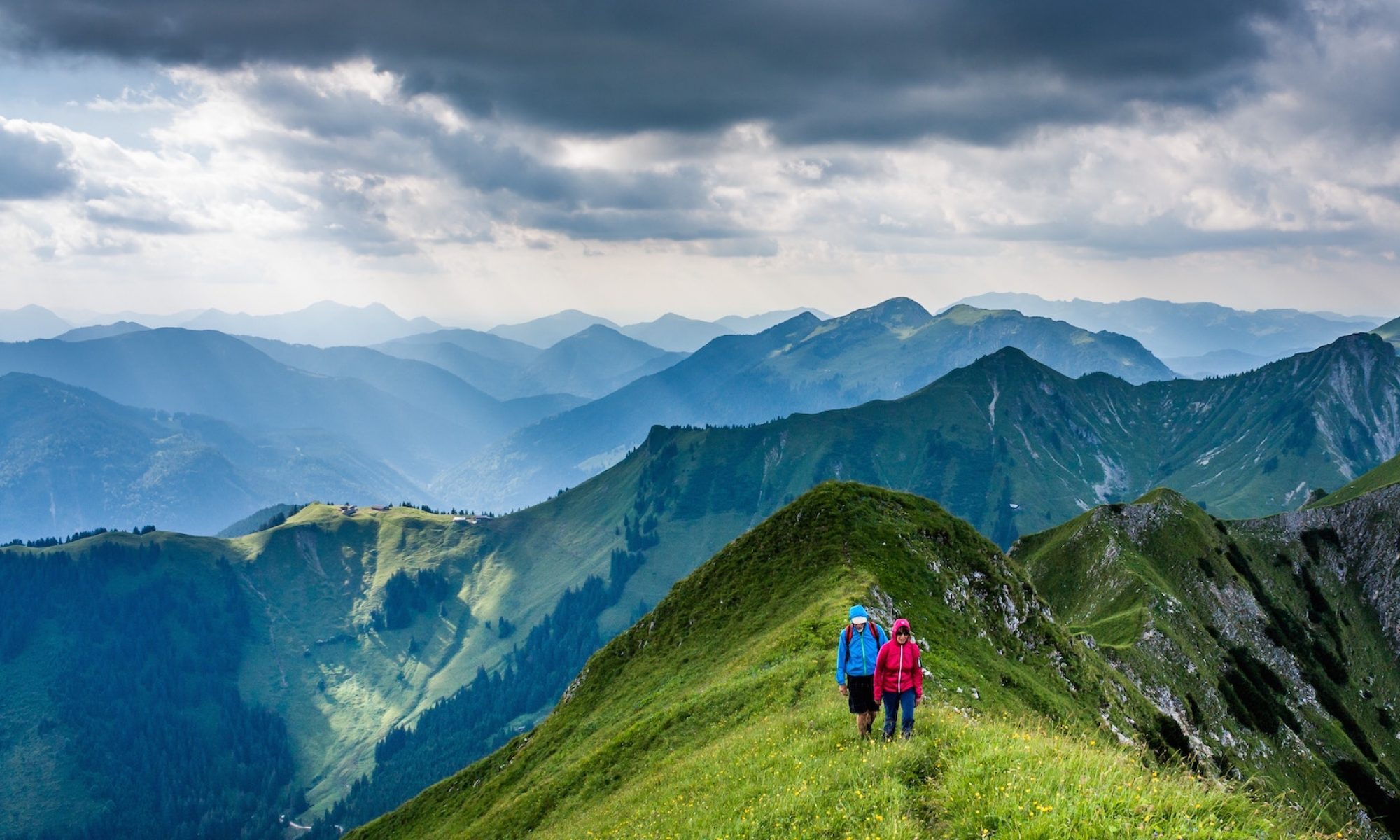
“If all individuals were as active as the top 25% of the population, Americans over the age of 40 could live an extra 5.3 years […] on average,” the study reads.
And if the least active individuals in the study spent an additional 111 minutes walking each day, they could extend their life expectancy by up to 11 years. …
MIGHT work well if hiking many hours in a very sunny location.
EcoFlow says it’ll output a maximum of 5V / 2.4A, so you can expect it to keep your phone or tablet topped up rather than producing anything too life-saving. There’s no battery on board, naturally, so you’ll need to keep a long wire handy to run from your cap down to whichever pocket you keep your devices near.
#FakeNews. 😀 … There is no lighthouse on this inland trail.
Lighthouse Country is a tourist designation for a coastal region just north of Qualicum Beach consisting of smaller communities: Dashwood, Qualicum Bay, Dunsmuir, Bowser, and Deep Bay.
It’s named for the offshore lighthouses on Sisters Island and Chrome Island.
Lighthouse Country Regional Trail is an easy — family friendly — 5.6-km loop that takes an average of 1 h 23 min to complete.
The trail was dry and in great shape, even in chilly December.
I did find the Nile Creek logging road less interesting than the portion closer to the ocean. You could walk north from the parking lot, then backtrack whenever you wish to enjoy the most scenic sections twice.
If you do the entire loop, feel free to call it the Lighthouse Loop.
There are other trails to explore aside from the loop, of course.
Though you don’t really need a map, I followed AllTrails.
Born and raised in nearby Calgary, Alberta — Waterton is my favourite Canadian National Park. I’ve been there dozens of times over the decades.
Many tourists rush to Banff National Park, missing Waterton. And that’s a shame.
Campsites book quickly, so reserve early. Several months ahead.
Gemma and JR posted their advice:
… a three day Waterton Lakes National Park itinerary, based on our favourite experiences and the activities that I think showcase the best of the park. We’ve explored Waterton multiple times, across different seasons. …
For a quieter (and cheaper) trip, visit in mid/late May, June or September. …
A national park pass is required to enter and explore Waterton Lakes National Park
From 19th June to 7th September 2026, there are no admission fees for national parks and national historic sites operated by Parks Canada (Canada Strong program)
Mid/late May to late September is the best time to visit
Facilities, trails and services are more limited outside of this time period, especially during the winter months
Reservations for the Townsite campground open in January each year. The date is usually revealed on this Parks Canada page in late November, early December
In 2017, a major wildfire swept through the western side of Waterton (39% of the park). Burned trees are still visible in many areas. Learn more about the fire at the Visitor Centre