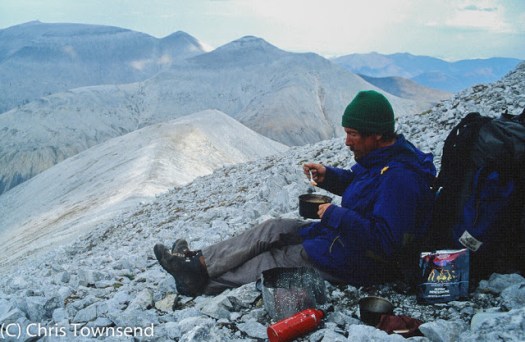
He’s used dozens of different stoves in the wild, comparing them in a long opinion piece:
… lighting a stove. Some come with Piezo igniters – in my experience these break after a while. I’d never rely on just one type of lighter anyway. I always carry at least two – a fire steel and a lighter and/or matches. …
Choosing a stove is as much about choosing the fuel as choosing a burner. The availability of fuel, how long a given amount lasts and how well it works in different conditions are all factors to take into consideration. …
The main fuels are butane/propane, white gas (Coleman Fuel and similar), and methylated spirits (meths)/alcohol. Less commonly used are petrol/gasoline, paraffin/kerosene, diesel, solid fuel and wood. Some stoves are multi-fuel, which can be a big advantage. The heat output from butane/propane, white gas, petrol and paraffin is similar but meths/alcohol is much less powerful so more fuel has to be carried. …
Volunteers are building 130km of trails around the remote village of Curraj Eperm.
It’s part of a non-profit, student project called the Albanian Challenge (www.albanianchallenge.cz).
The village is cut off from the rest of the world. In fact it takes two days to walk there.
Highlights include caves, waterfalls and peaks 3000m high. Typical Albanian culture (food, architecture and customs) will be of interest to foreign visitors.
… The last mile to camp is always a drag. Almost always. Or always. I could be strolling through a wonderland of gold and diamonds and chocolate fountains and unicorns, but moving like an uninspired sloth. My feet are tired. My butt is gently chafed. I need nutrients.
In camp, I immediately engage in some sort of polite battle with fellow tent-pitchers over The Best Spot. “No, you pick first.” “No, no – you pick.” I invariably choose one that seems flat and windless. Seems.
Time for water math. Do I have enough? Should I filter tonight or in the morning? How much should I grab for dinner? …
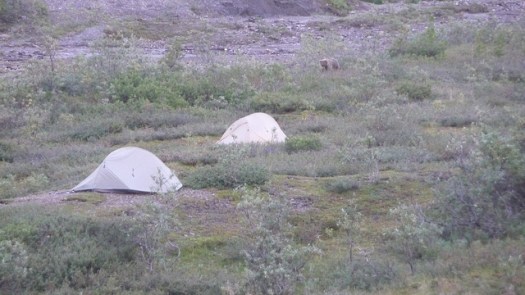
If you’ve been to Alaska, you know hiking there is challenging.
Distances are HUGE. And there are not all that many established trails.
Turns out, that’s partly by design.
GearJunkie in Denali:
The park’s 2006 Backcountry Management Plan … “Except as otherwise specified… backcountry access and travel in Denali will continue without designated routes or constructed trails to allow for freedom to explore and to minimize signs of human presence.”
Similar trail-less wilderness areas exist within Alaska, which contains more than half of all the country’s wildernesses, but Denali is by far the most popular, totaling more than 38,000 backcountry campers last year. According to Burrows, the relative ease at which visitors can access Denali’s backcountry (it’s split in two by the park road) has spurred increased exploration and cause for increased measures to keep the wilderness as Murie intended.
Very quickly after starting hiking from the park road, we ran across our faint trails, and like many of Denali’s visitors we opted to take the path less traveled, spread out to disperse our impact and take advantage of a wilderness experience unlike anyplace else.
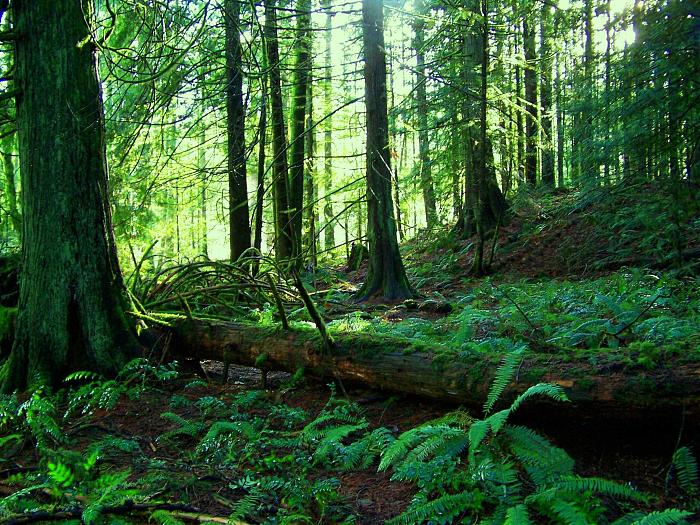
11km of temperate rain forest trails. No mountain bikes allowed.
Morrell Nature Sanctuary is a privately owned nature reserve leased and managed by Morrell Sanctuary Society for Environmental Education, a not-for-profit organization managed by volunteers …
Watch for gnome homes on the (wheelchair accessible) Yew Loop trail.
Check out this exclusive behind-the-scenes interview from the film “A Walk in the Woods.” Travel writer Bill Bryson (Robert Redford) takes a long-lost old friend (Nick Nolte) for a hike along the Appalachian Trail, which stretches more than 2,000 miles from Georgia to Maine.