hike Via Dinarica, the Balkans

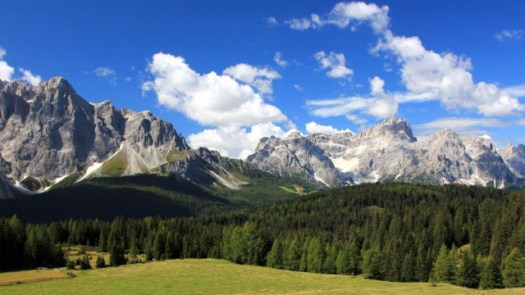
The Dinaric Alps have 8,000-foot stegosaurus spines, fairy-tale meadows, and stone guesthouses. Decades of conflict made them tough to experience, but the area is amping up its tourist offerings, and access is improving on the new Via Dinarica.

… Hire a guide and take three days to walk the 40 miles from Bosnia’s 6,900-foot Prenj Massif to Vran Mountain …

2014 Travel Awards: Best New Trail

Heindrik Morkel‘s trip report:

30°C Sunshine, 3.000 m of ascent and 30 km of ridge walking – a good day on the Via Dinarica!

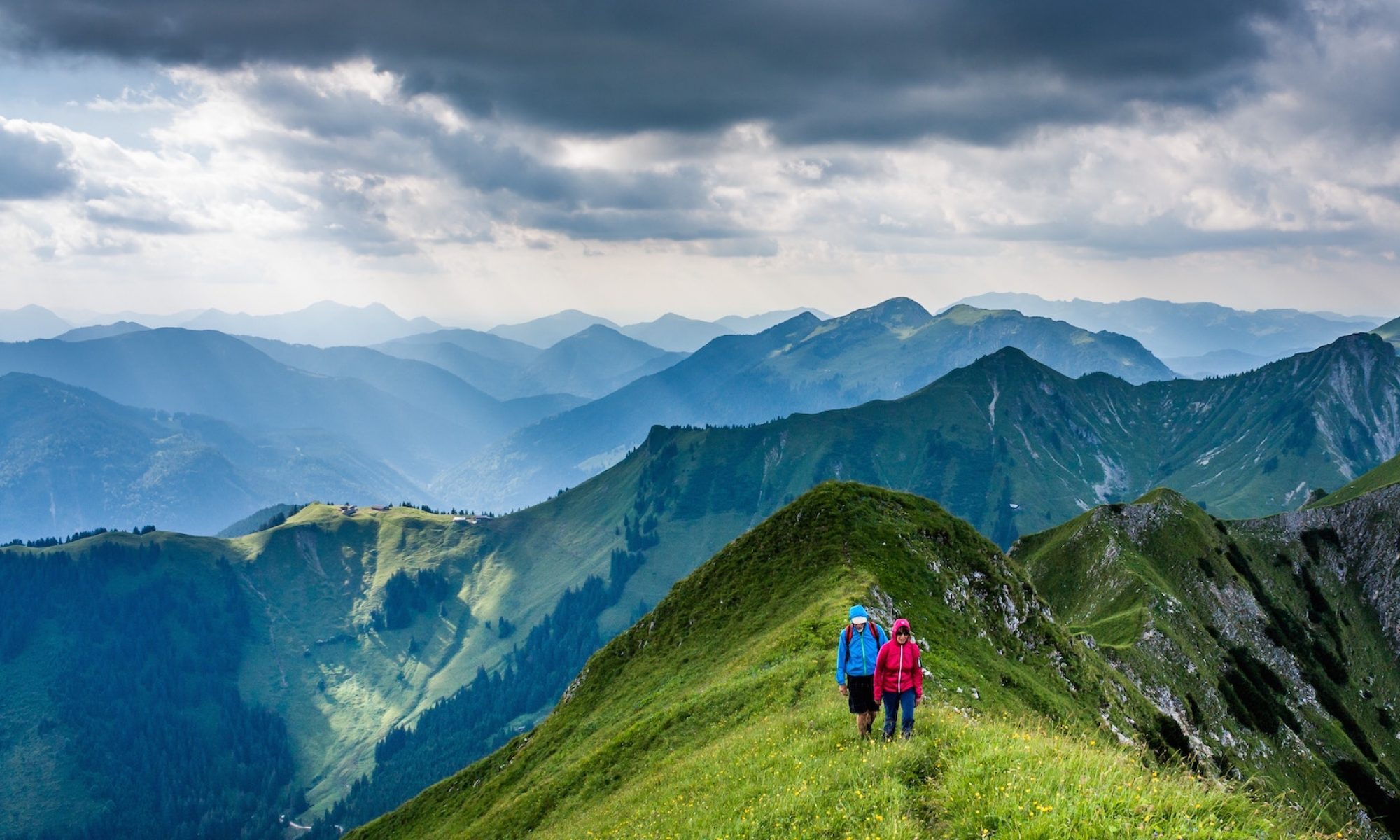
Ridge Walking on the via Dinarica

Via Diarica

Summit Post

related – Interview with Hendrik Morkel

hiking the Camino del Rey

I was in Spain recently, one of my main goals to hike the newly reopened Camino del Rey.

Unfortunately you can only access the trail after booking through the official portal page.

Caminito booking

The portal shows up 3 months in advance. But it’s ALWAYS booked. 😦

I couldn’t get a reservation.

Update: It turns out that the Garganta Hotel, near the train station in Alora, will sell you an expensive lunch for 25 euro … with a “free” ticket for the hike. Other restaurants may do the same.

Here’s a May 2015 trip report (tickets from Garganta Hotel).

I wished I’d known. The official website does not mention this option.

El Caminito del Rey (English: The King’s little pathway) is a walkway, pinned along the steep walls of a narrow gorge in El Chorro, near Ardales in the province of Málaga, Spain. The name is often shortened to Camino del Rey.

The walkway had fallen into disrepair and was partially closed for over a decade. After four years of extensive repairs and renovations, the walkway re-opened in 2015. It has been known in the past as the “world’s most dangerous walkway” following five deaths in 1999 and 2000. …

Caminito_del_Rey_3

DAY 4 Sierra Nevada Traverse

trip report by site editor Rick McCharles

day 1 | day 2| day 3 | day 4

The night had been calm and MUCH warmer than the previous two. I actually got some sleep.

DSCF3677

Josh was reading Into the Wild.

DSCF3680

Civilization was in sight. We were confident of being able to catch the bus back to Granada, a day later than we had originally planned.

DSCF3681

Once we no longer needed trail navigation, there were dozens of signs.

DSCF3684

The promised clean water was finally available.

DSCF3687

We were already starting to forget about the cold and wind.

DSCF3688

In fact, sun and wind burn were our main concerns. We were back in southern Spain. 🙂

DSCF3689

It was a treat to get to Lanjarón village.

Lanjarón

Nearly out of food, we loaded up with treats. And enjoyed coffee at a pleasant restaurant until the bus arrived to return us to Granada.

Instead of the anticipated 45km / 3 day hike … ours was 65km over 4 days. We cursed Lonely Planet loudly.

Sadly, we never saw a single Ibex.

day 1 | day 2day 3 | day 4

DAY 3 Sierra Nevada Traverse

trip report by site editor Rick McCharles

day 1 | day 2| day 3 | day 4

Cold and clear morning at the Refuge.

DSCF3518

I had no water left. We headed directly down to the tarns. For coffee. 🙂

DSCF3519

Somewhat out of the wind, we enjoyed breakfast here.

DSCF3521

Then it was back UP UP UP. Into the wind.

DSCF3527

Here is the weird and wonderful Refuge we’d not been able to find at dusk the previous night. It’s pretty much a ruin. Though we may have had to set up our tents inside.

IMG_3874

DSCF3530

The Traverse continued high.

DSCF3532

Here’s the crux. A short via ferrata section. Some exposure.

DSCF3541

DSCF3555

DSCF3552

DSCF3550

Actually, it was a lot of fun. 🙂

DSCF3546

The instructions in our Lonely Planet guide unclear, we were next … lost.

DSCF3564

DSCF3567

DSCF3566

A pretty area. But our descent was (eventually) blocked by a cliff.

DSCF3571

We were forced partway back up the mountain.

DSCF3572

Then opted to give up on the official route, dropping off trail down to the river.

DSCF3577

DSCF3586

We could see the next couple of kms. It would go. … For a while, at least.

DSCF3601

In fact – in the end – we agreed this was the prettiest section of all. Lost off trail.

DSCF3602

DSCF3608

Soon the river edge trail ended, however.

DSCF3628

We traversed up along an old irrigation channel.

DSCF3619

The guidebook said that the official trail would intersect this water course. All we had to do was find that intersection.

DSCF3646

DSCF3648

We found the official trail near the next Refuge.

DSCF3660

Lonely Planet told that it was a functioning hut. But it had long been bricked up. A ruin.

DSCF3670

Josh suspected that the LP author had never actually walked this section of trail. The information was long out of date.

Daylight running out, we decided to tent on an alpine meadow well above civilization. We’d seen only one local person all day – a sheep herder.

DSCF3651

day 1 | day 2| day 3 | day 4

DAY 2 Sierra Nevada Traverse

trip report by site editor Rick McCharles

day 1 | day 2| day 3 | day 4

Happily the sun appeared around 8:30am. It had been very windy all night. (I’d not slept much.)

It was still windy. As you can see.

IMG_3850

This guy didn’t make it.

DSCF3468

The scenery up here is otherworldly. Reminded me of New Zealand and Iceland.

DSCF3469

Most of these photos were taken by Josh. I was impressed he managed to catch the rainbow. 🙂

DSCF3473

Once up on the cliff edge summit ridge, the wind was even more severe.

But it was fun to be well above some of the clouds.

DSCF3477

DSCF3480

IMG_3856

From up here we could see some of the other 7 lakes (tarns).

DSCF3513

DSCF3483

We managed to somehow lose this very well traveled pathway, sticking close to the cliff instead.

IMG_3859

Josh had to keep moving just to stay warm. He and I pushed ahead over several false summits. To the top of Mulhacén.

We made it!

IMG_3866

IMG_3861

Josh huddled in the rocks at the top to warm-up while I rushed back to help Alisha. On the descent (somehow) I missed her coming up. So I rushed back up to the summit, missing her again. She’d been there already and seen Josh.

DSCF3492

Unfortunately she’d left her backpack close to the cliff edge. And wasn’t sure exactly where.

The three of us – once finally reunited – went searching for it together. We asked one Spanish climber if he’d seen it. He had! And it was finally recovered.

In the end I summited Mulhacén 5 times that day!

Josh really needed to get down to some place warmer. Here’s the scramble down from Mulhacén on the Traverse route.

DSCF3495

IMG_3872

We had lunch at this crowded “Refuge”. Not all that warmer than the summit, to tell you the truth.

IMG_3871

The route would stay above 3000m for the rest of the day, mostly along the Sierra Nevada Road. (Looks great for mountain biking.)

DSCF3501

DSCF3511

Lonely Planet recommended we sleep at the Cariguella Refuge atop the Sierra Nevada Ski Resort.

DSCF3502

We had an hour of daylight left and thought we might make the next Refuge instead, shortening our day 3 back to civilization. That same Spanish walker who found our backpack happened past. He seemed to know where he was going. So we followed.

Big mistake. We ended up off route. Lost. Facing steep cliffs. Eventually we were forced to backtrack to Cariguella.

It was cold. But clean. We shared common bunks with about 6 other hikers who were planning to climb the 3rd highest peak next day.

Unfortunately a loud, obnoxious group arrived after 10pm. Absolutely no consideration for those trying to sleep. They left very early next morning, all their trash on the table. 😦

I dislike European Refuge huts. This was only the second time ever I’d tried to sleep in one.

Remind me never to sleep in one again.

DSCF3516

day 1 | day 2| day 3 | day 4

DAY 1 Sierra Nevada Traverse

trip report by site editor Rick McCharles

day 1 | day 2| day 3 | day 4

I wasn’t surprised to see Josh and Alisha climb on to the morning bus from Granada to Trevélez. We’d met at Oasis hostel in Granada and discussed the possibility of starting together.

DSCF3427

From this trailhead above Trevélez village many do the climb to Mulhacén and back in 10 hours. Having camping gear, we were in no such rush. I planned on 3 days, 2 nights.

map

Mulhacén is the highest peak in Europe outside the Caucasus Mountains and the Alps. It is also the third most topographically prominentpeak in Western Europe, after Mont Blanc and Mount Etna, and is ranked 64th in the world by prominence. …

The scenery was dry, autumn. We were actually happy it was overcast. Heat emergency is just as real a risk on this walk as cold emergency. There’s no shade.

DSCF3430

The elevation gain to our planned campground was about 1000m, a relentless climb. Alisha was already worried about her pack weight.

IMG_3840

Josh was traveling very light. In fact, he had NO JACKET.

DSCF3432

I was feeling terrific. Happy to be here. I ASSumed any mountains in southern Spain had to be much easier than those I’d just left in the Indian Himalaya. 🙂

DSCF3435

How bad could it get? We could see the tourists beaches.

Mulhacen map

Every once in a while sunlight peaked through.

DSCF3440

There was no water between Trevélez and this waterfall close to the top.

DSCF3447

My Lonely Planet guidebook was quite wrong on this urgent subject:

Plenty of water from springs, streams and tarns.” (p 279)

Water IS a constant concern on the Traverse late in the season.

We made it at dusk. The “Seven Lakes”.

Gorgeous.

DSCF3450

IMG_3842

DSCF3458

DSCF3466

Cold. Crowded. Windy. Josh was forced into his tent. Alisha and I stayed out in the wind cooking tea and food.

I was worried about the weather next morning. The forecast was not good. It could snow. 😦

day 1 | day 2day 3 | day 4

Greater Patagonian Trail

UPDATE from Jan Dudeck:

During the last Patagonian summer I continued the investigation and publication of the Greater Patagonian Trail. The trail has now a total length of 1400 to 1500 km – depending on the options chosen – and the trail description contains may updates. I.e. section 17 and 18 were added this year and KMZ and GPX files with plenty of waypoints and several alternative routes are published for all sections.

Also the first hikers have completed the trail or parts of if base on this publication. One Israeli hiker walked sections 1 to 16 in about 50 days (all that was published at this time) and at least 8 more hikers did substantial parts of the Greater Patagonian Trail based on this trail description. …

This trail is not finished yet. There is plenty of terrain left till this trail finally reaches the southern tip of Patagonia and ends either on the shores of the Magellan street or even on Tierra del Fuego. But what is published so far can be hiked by a well experienced self-reliant hiker without much seek and search.

I also look forward that other hikers contribute to this trail by verifying some of the options and adding more sections. The publication on “wikiexplora” permits and facilitates such contributions because “wikiexplora” allows like “wikipedia” a collaboration of multiple authors.

Email: jan.dudeck (a) gmx.ch

Website: http://www.wikiexplora.com/index.php/Greater_Patagonian_Trail

___ original post from Sept 8, 2014:

… in South America leads right through the heart of the legendary Patagonian Andes. It’s a stunningly beautiful and diverse trail that crosses volcanic fields, idyllic Andean valleys, snow covered mountain ranges, lush green forests and deep blue lakes and rivers. …

The complete trail can be hiked in one summer season and requires approx. 90 to 120 days

The generally recommended trekking direction is southbound …

MAP Greater Patagonia

The Greater Patagonian trail is not an official trail that is set up and managed by a government agency. Is simply a compilation of horse trails, minor roads and some cross country sections …

The trail is mostly unmarked, partly not visible and only smaller fractions are documented with maps. Therefore a GPS is essential for navigation. In addition an electronic topographical map is recommended. …

section 1
section 1
section 2
section 2

section 6

River Crossings are possibly the greatest hazard

wikiexplora – Greater Patagonian Trail

I’m considering a trip to Patagonia starting January 2016. Certainly I’ll do a section of the GPT, if I can. 🙂

hiking Cabo de Gata, Spain

After freezing for 3 nights on the Sierra Nevada Traverse, the nearby Mediterranean coast of Spain appealed.

Cabo de Gata map

Cabo de Gata-Níjar Natural Park is Andalucia‘s largest coastal protected area, a wild and isolated landscape with some of Europe’s most original geological features. It is the only region in Europe with a true hot desert climate.

The eponymous mountain range of the Sierra del Cabo de Gata with its highest peak El Fraile is Spain’s largest volcanic rock formation with sharp peaks and crags in red/ochre-hues. It falls steeply to the Mediterranean Sea creating jagged 100-metre (330 ft) high cliffs, which are riven by gullies leading to hidden coves with white sandy beaches, some of the most beautiful in Andalucia. …

I departed Granada by bus at noon. And was sitting down in Cabo de Gata town for Calamari by 4pm.

IMG_3876

Cabo de Gata is a popular beach town in “summer”. But by mid-October it looks like this.

IMG_3877

Mine was the only open restaurant. I need to wait for siesta to finish so I could buy 6 litres of liquid (mostly Coke Zero) to start the walk. Happily, the tiny supermarket opened at 5pm.

IMG_3881

Lonely Planet Hiking in Spain describes a 52km coastal walk from Cabo de Gata to Aqua Amarga. I planned to start. And continue as long as I wanted. Bus transport back from Aqua Amarga is a problem. 😦

IMG_3880

Passing retirees enjoying the sun, first stop is the Cabo de Gata tower.

IMG_3878

Turns out there is a series of these ruins up and down the coast.

Between the village of San Miguel and the Cabo de Gata point are salt flats. This is an important stopping point for migrating flamingoes and other birds.

salt
salt
bird sanctuary
bird sanctuary

In the distance loomed this impressive church.

IMG_3885

IMG_3886

The beaches were near empty. Only one fisherman on this one.

IMG_3888

It was a steep climb up and over to reach the Cabo de Gata light station.

IMG_3891

The rugged geology is impressive.

IMG_3892

Many tourists drive out to enjoy the views at dusk.

IMG_3894

The only other person left standing in the dark with me was a young German who had rented an apartment in San José for a week. We walked together past the road block, back towards his place.

Together we found this tent spot. Quiet. Peaceful. And much warmer than 3000m in the Sierra Nevada.

IMG_3898
___

Here’s a glimpse looking back to where I’d come from. Next morning.

IMG_3900

I’d been looking forward to tramping a series of pocket beaches.

IMG_3902

If the tides are right, you can scramble between most of them. This was a highlight of the trip.

IMG_3910

This time of year you’ll see nude and topless sunbathers at pretty much every near deserted beach.

And artists. 🙂

IMG_3909

IMG_3908

There’s San José (Almeria) in the distance. The centre of Parque Natural de Cabo de Gata.

IMG_3913

I’ve seen cows (Sri Lanka), kangaroos (Australia) and goats (Spain) on beaches. Never once understanding why they would want to be there.

IMG_3916

This is a desert. There’s very little water.

IMG_3917

This windmill marks the start of town.

IMG_3919

I could spend a week or two in San José. It’s lovely. Population about 1000. Plus tourists. And there are very few tourists in October despite daily highs around 28C.

An ideal idyl for cyclists, hikers, artists and photographers, I’d say. Lawrence of Arabia and the Clint Eastwood spaghetti Westerns used this location.

The campground was (surprisingly) closed. On a whim I checked the Aloha Hotel, recommended by Lonely Planet. When they offered me a pool view room for only 40EU, I couldn’t resist. After all … “recovery is an important component of every successful hike”. Plus wine. 🙂

In the afternoon I continued my hike – without backpack – up into the hills beyond San José. Here’s a glimpse back to town.

IMG_3906

It’s rough and arid.

IMG_3929

But with gorgeous coastal views.

IMG_3928

I enjoyed chatting with a very tan elderly couple from GBR before finally stopping at this ruin.

IMG_3931

IMG_3932

IMG_3933

This vista was the end of my Cabo de Gata hike.

IMG_3937

I turned back to civilization.