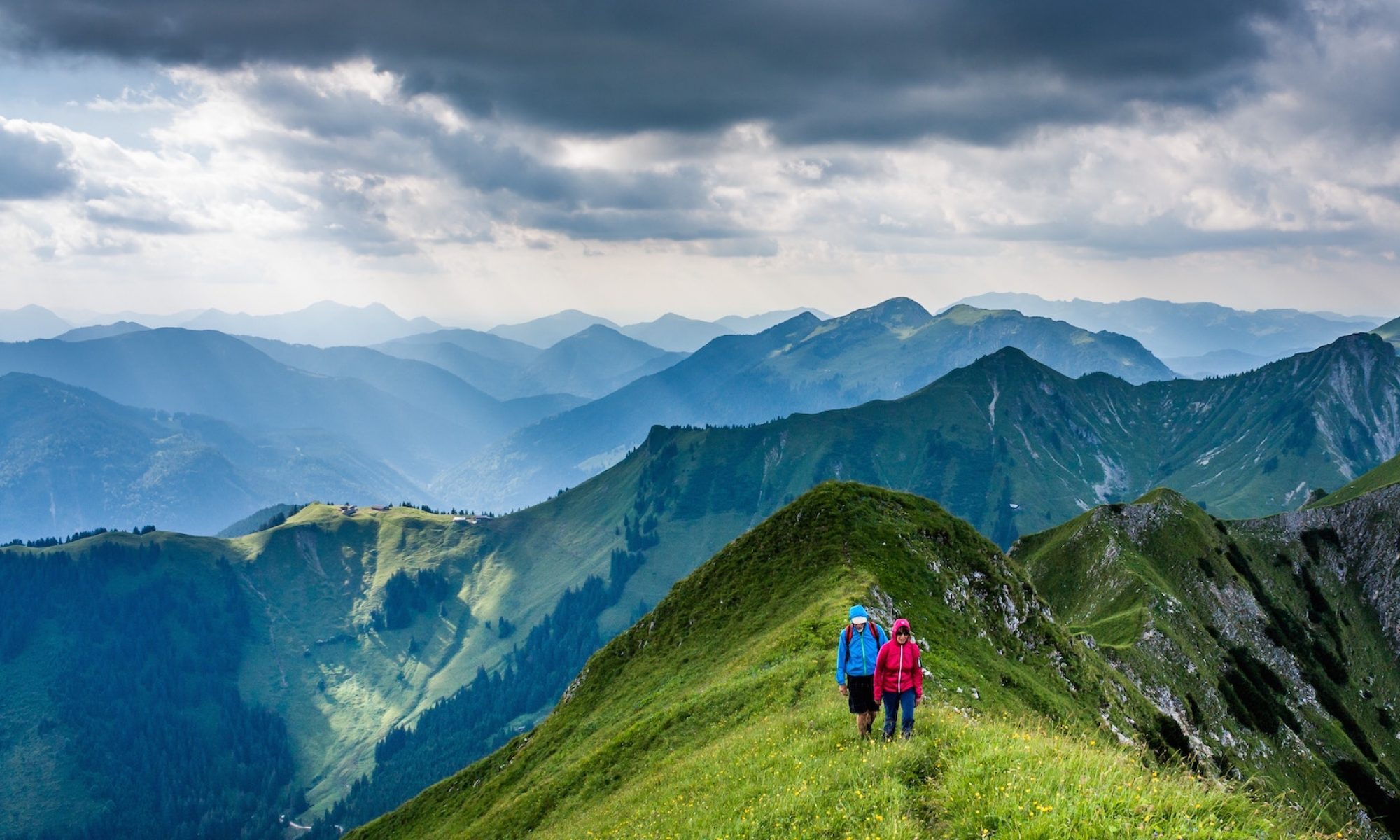

Skookumchuck Narrows Provincial Park is a little known highlight of the Sunshine Coast of British Columbia, Canada.
It was established on August 25, 1957 to protect the Sechelt Rapids located in the Skookumchuck Narrows between Sechelt Inlet and Jervis Inlet.
Famous with the surf kayak crowd.
However, these waters are dangerous. People have drowned.
Click PLAY or watch it on YouTube.
Hikers enjoy an old-growth rainforest hiking trail leading to this powerful tidal phenomenon.

Each day, tides force large amounts of seawater through the narrows …
The difference in water levels can exceed 2 m (6 ft 7 in) in height. … It is sometimes claimed to be the fastest tidal rapids in the world.

Click PLAY or watch it on YouTube.
I got to the jumping off point, Egmont, early morning.
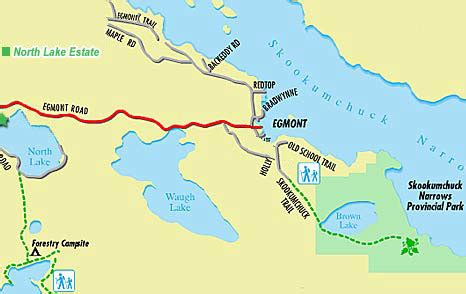
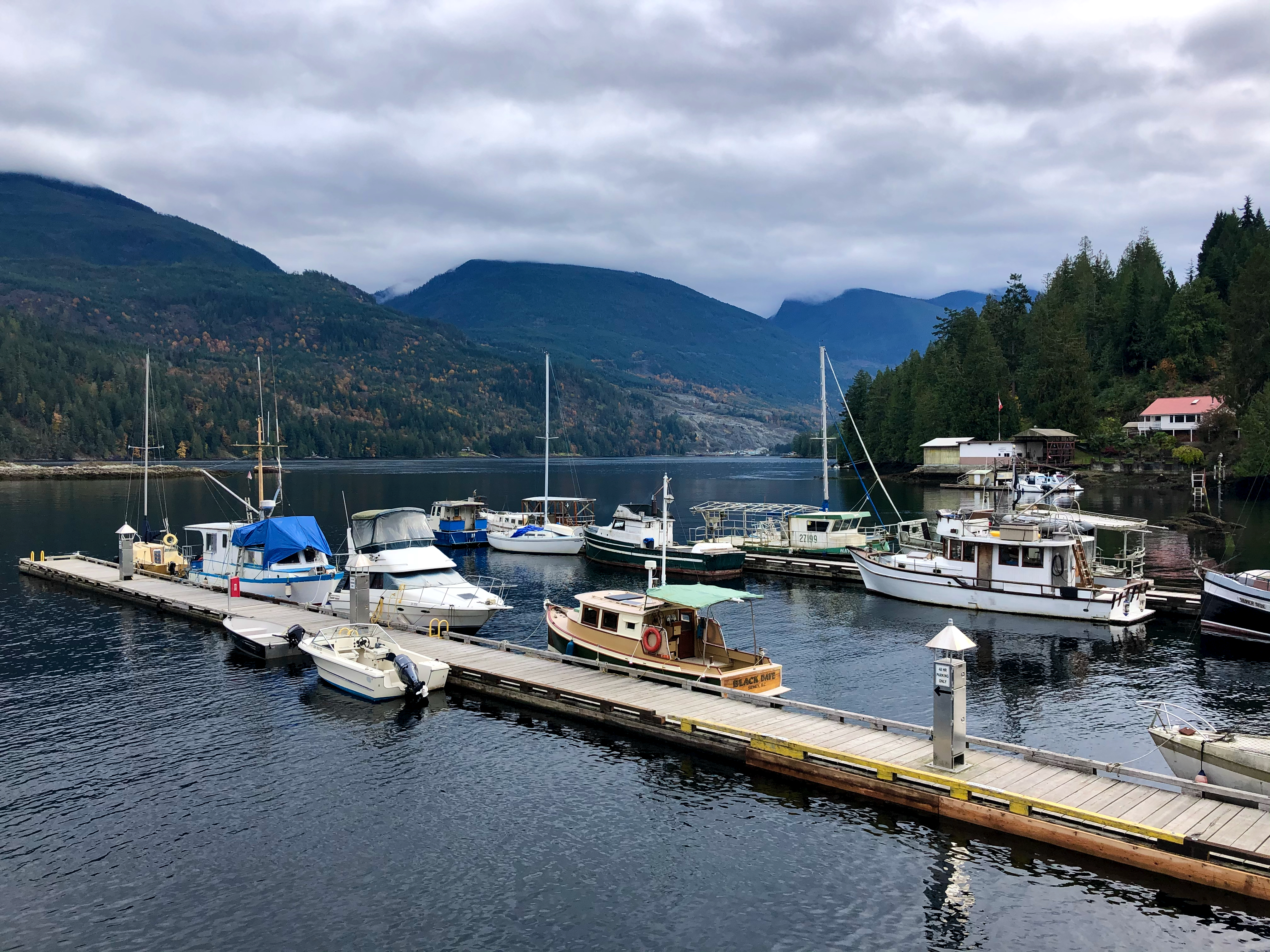
Because Egmont is off the main highway, most people speed past. It’s got an interesting end of the world vibe.
Click PLAY or watch it on YouTube.
Hid my bike in the trees close to the nearby trailhead.

Enjoyed the wide, easy trail to North Point lookout.
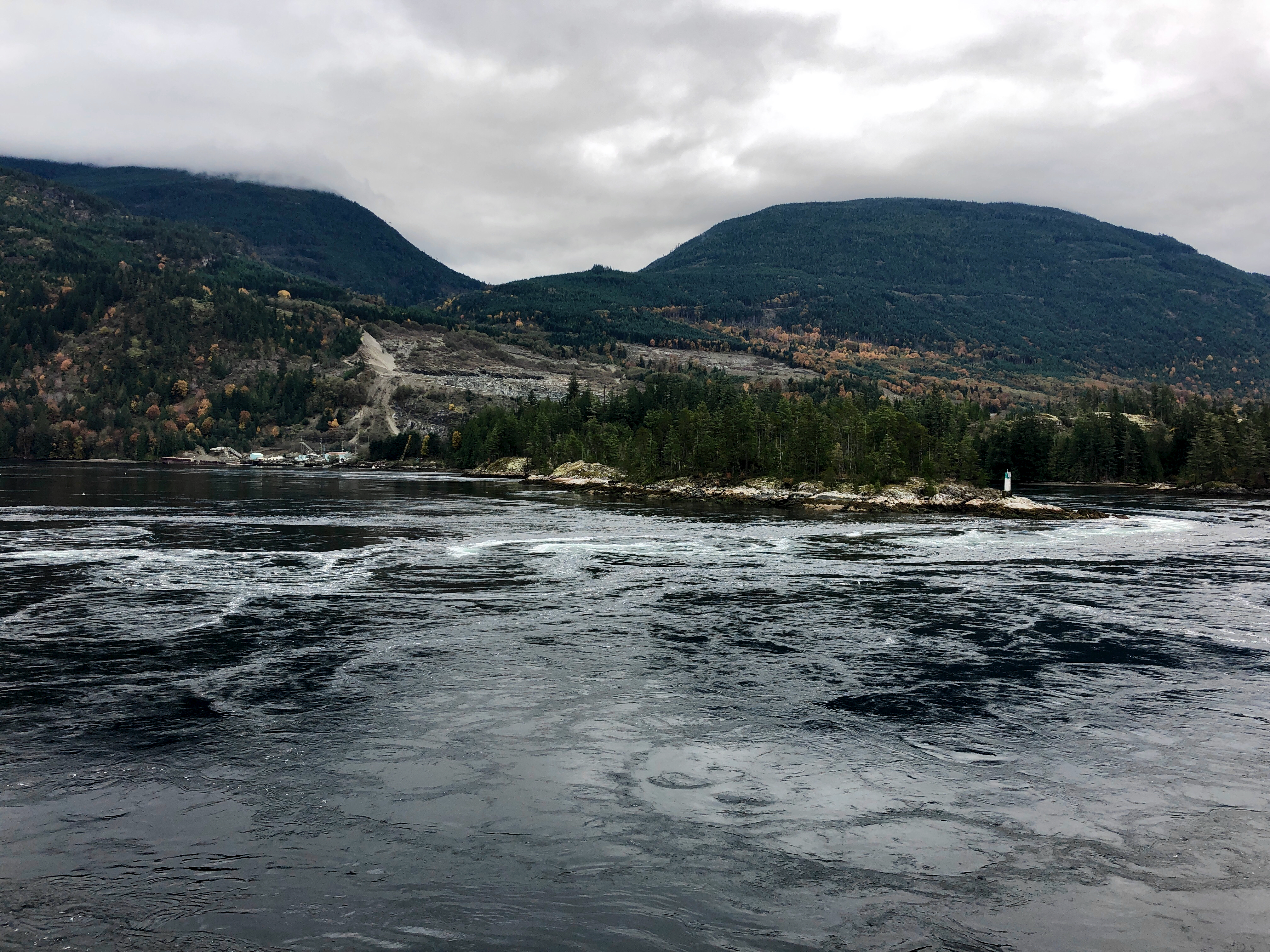
Many turn back at North Point. But I continued on the rough trail to Roland Point.
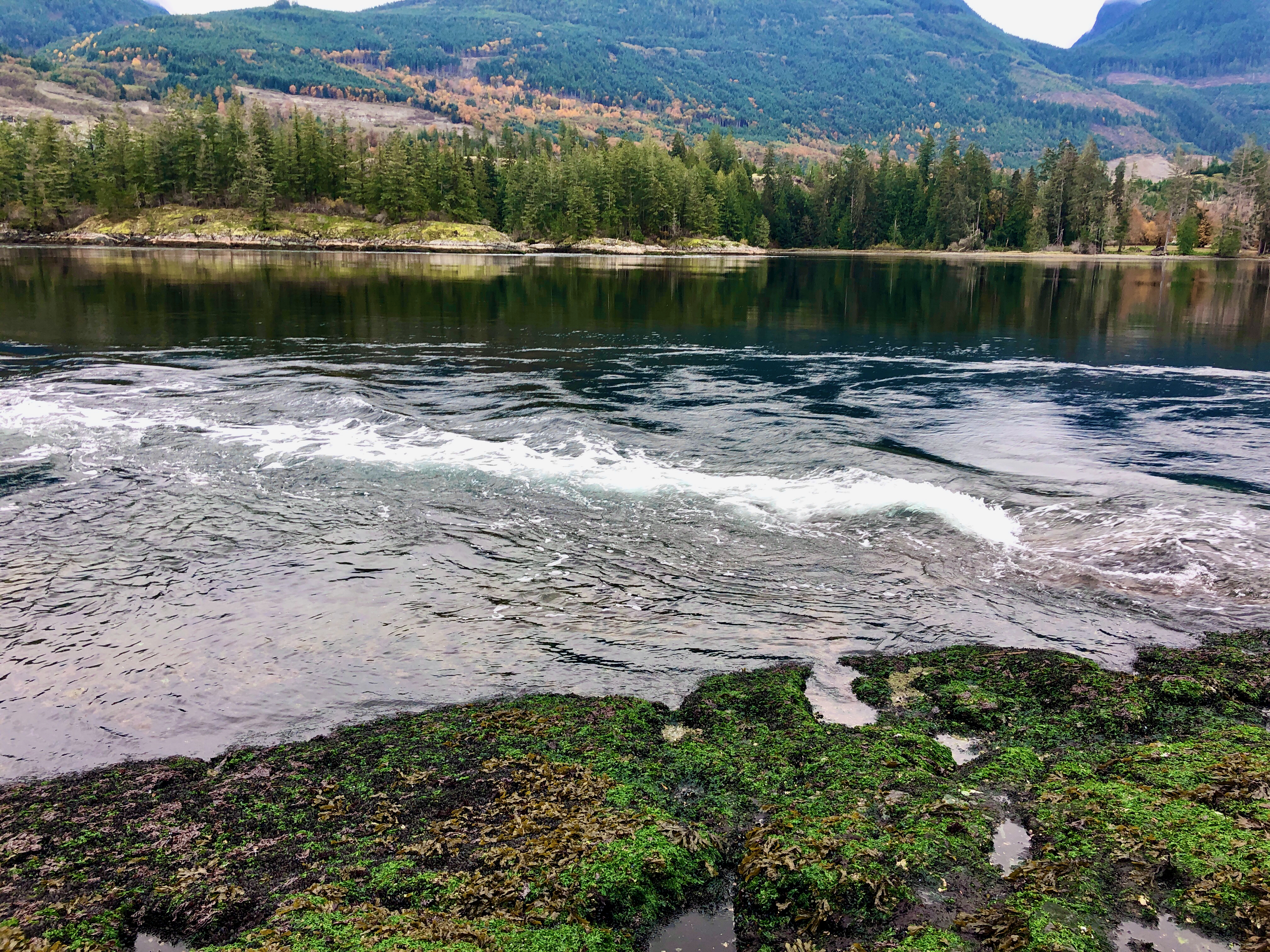
Click PLAY or get a glimpse of my October hike on YouTube.
Related – Likely the world’s most powerful tidal current is not Skookumchuck, but the Saltstraumen maelstrom in Norway.
Click PLAY or watch it on YouTube.
related – Happiest Outdoors – SKOOKUMCHUCK NARROWS





 besthike.com