Mid-June 2023 I returned, wanting — this time — to do some of the famed via ferrata routes there.
Sadly, the cablecars going up high had not started yet. In fact, Madonna di Campiglio doesn’t really get going 100% for summer hiking until the end of June.
Instead, I did the most popular lower level day hike as it was the best available the one day I ended up staying.
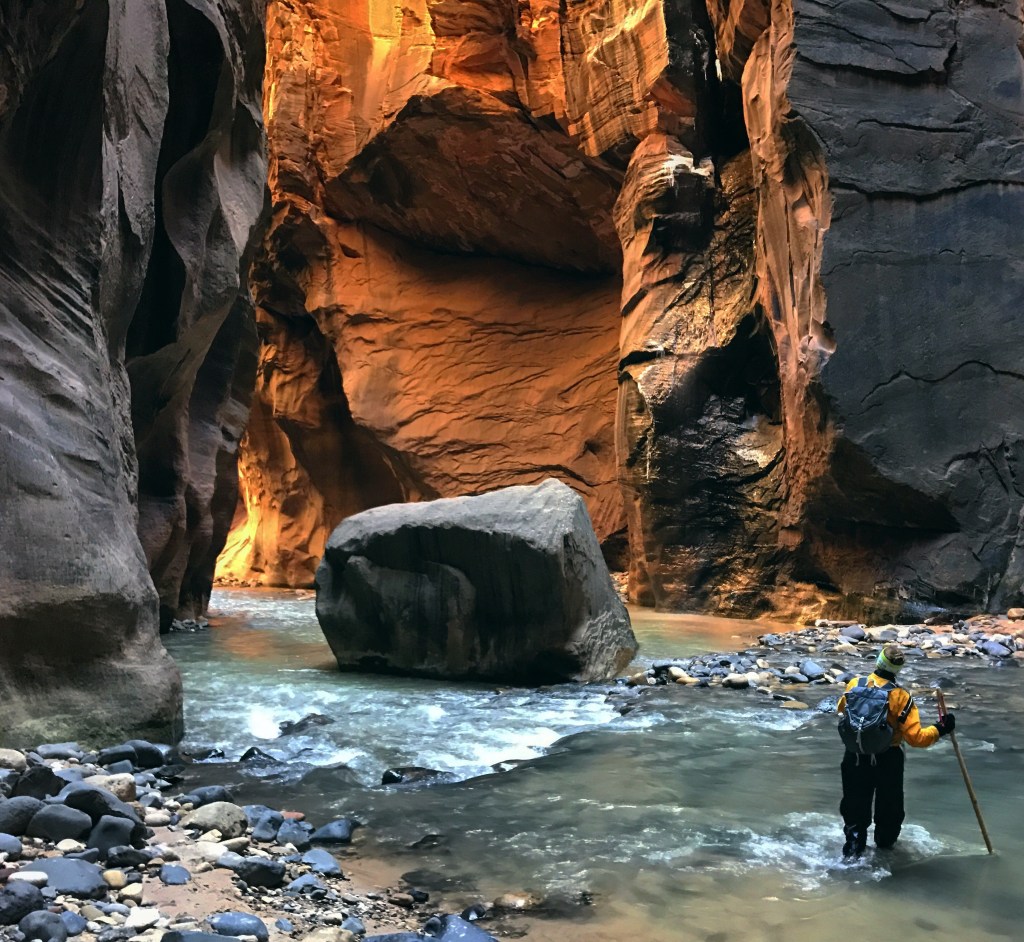
16 miles (25 km) from Chamberlain’s Ranch to Temple of Sinawava in the Park
June through October best months
usually closed from mid-March to mid-May due to spring snowmelt and runoff
in places chasm up to 1,968 ft deep and 20 ft wide
about a 1500 ft descent
walk in water up to half the time
9 – 13 hours. Confirm the time of the last shuttle out of the park!
a long, tiring day or you can camp overnight. Be aware that there are only 12 campsites available and they book quickly. Start as early as possible if you are doing it in a day.
I was probably making a mistake going so late in the season. Laugevagur could shut down any time after Sept. 11th due to weather.
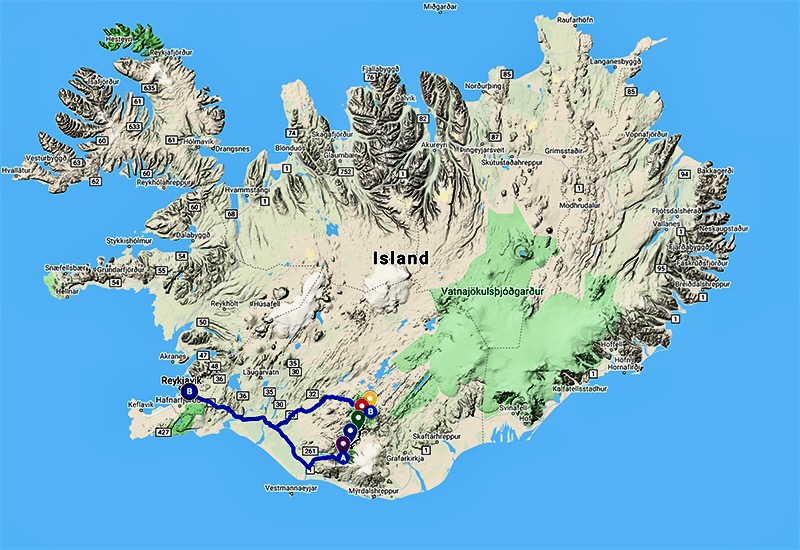
All agree that Laugavegur is the best hike in Iceland. It’s fairly close to Reykjavik. There are a number of transportation options to get to the trailheads.
Cost
For me as a tourist, Iceland has been by far the most expensive nation. And I’ve been to over 90 nations.
Bring. Money. $$$$$
You probably don’t need any Icelandic currency as they accept credit card almost everywhere. The notable exception is local buses that only take cash or payment by their own app.
Food & Fuel
Knowing that food is expensive and limited in variety, I brought quite a bit of camping grub with me on the plane.
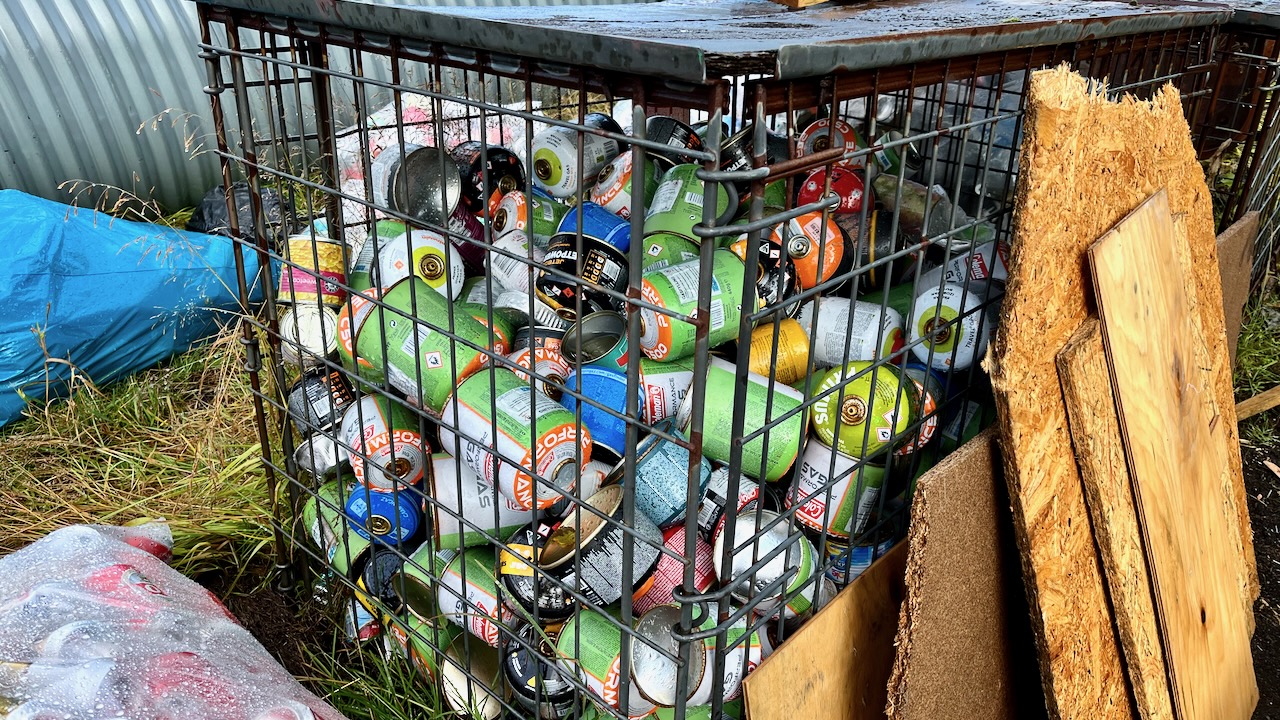
I bought the rest in Reykjavik. And bought a small canister of very expenisve fuel.
Of course there are hundreds of partial containers at the trailheads, but I didn’t want to risk not having fuel.
Fuel canisters left behind at Langidalur, Sept. 2023
Transportation
Deciding on this adventure last minute, I was excited to do it late in the season when there would be fewer hikers. Of course, bad weather is a greater risk.
What I didn’t realize until arrival is that bus service to the trailheads started shutting down Sept. 11, 2023.
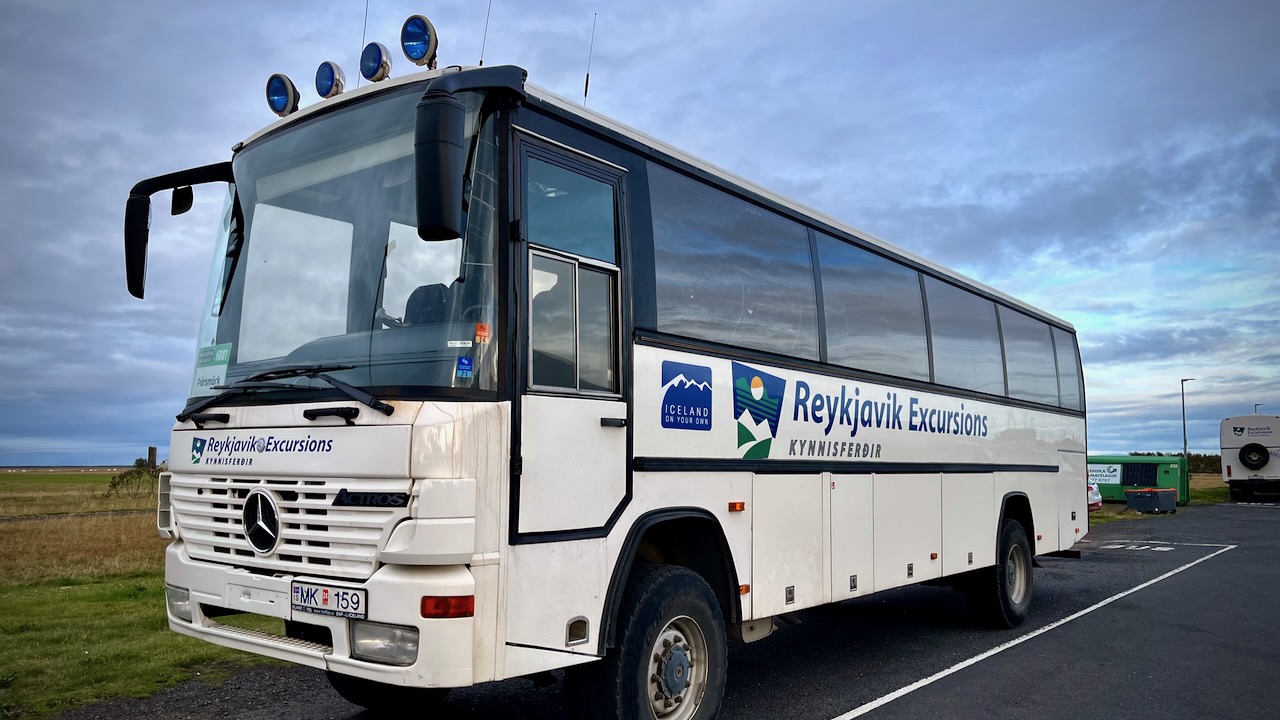
I decided to take the Reykjavik Excursions bus to Þórsmörk on Sept 13.
I’d YOYO the Laugavegur — hiking it both ways back to my starting point. Then continue over the Fimmvörðuháls pass to Skógar on the coastal highway. From there it would be easy to find transportation back to Reykjavík.
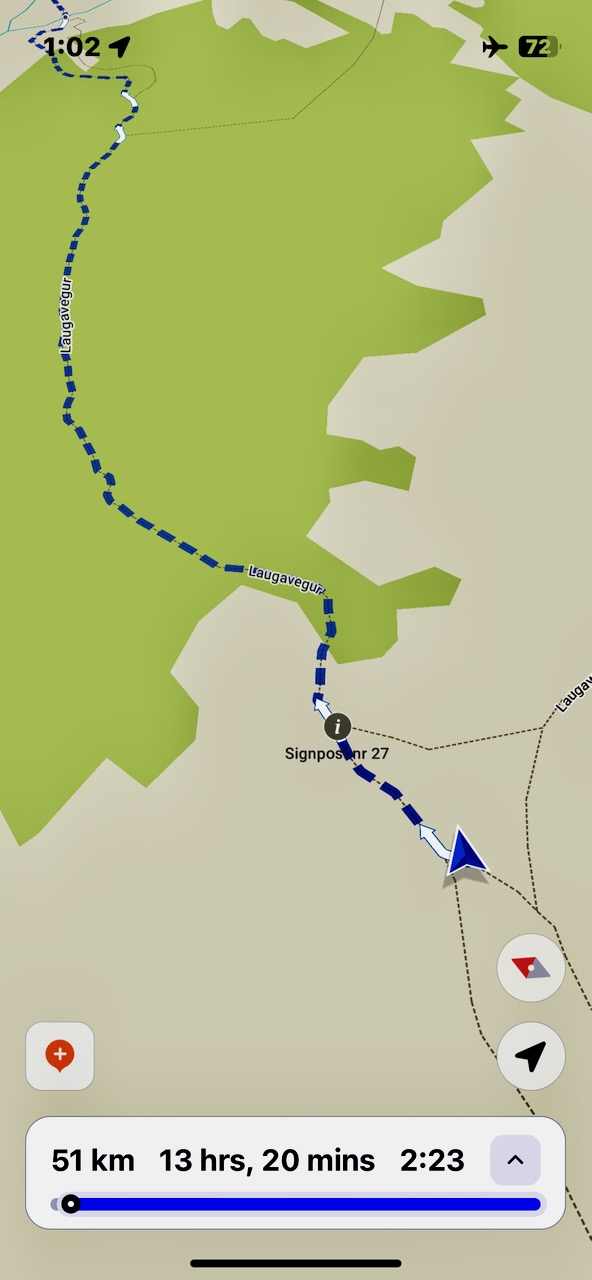
I did carry a paper map as back-up, but mostly used the free Maps.me app offline whenever I wanted to check that I was on track. It’s excellent for Laugevagur and most major hikes worldwide.
The one time I really needed Maps.me was coming in to camp in the dark with headlamp. It’s very easy to get confused when you can’t see the next post in the distance.
Electronics
There’s no access to power on the trail. In order to keep your devices working, bring enough power bank batteries. I brought two 20000mah batteries on my hike.
Be sure to carefully store your electronics in waterproof ways. It’s difficult to keep the rain out.
It’s well documented that walking is good for your health.
Researchers from the University of Sydney and the University of Southern Denmark found that 10,000 steps each day is the “sweet spot” to help lower the risk of disease and death. They also found that a faster pace, such as a brisk power walk, can have even greater benefits. …
Sam has some tips for those who want to get into walking for fitness.
The Great Himalaya Trail (GHT) Women Leaders on the Trail Campaign (GHT Women Leaders campaign) is a once in a lifetime opportunity to elevate the roles and status of female Nepali guides and porters in Nepal.
The campaign involves organizing a group of female Nepali guide(s) and porters to trek on the Great Himalaya Trail for 140 days beginning February until July of 2024.
This campaign is in support of the mission of the non-profit human rights organization, The Porter Voice Collective, which aims to advocate for the human rights of porters in Peru, Nepal & Tanzania via all forms of media and storytelling. …