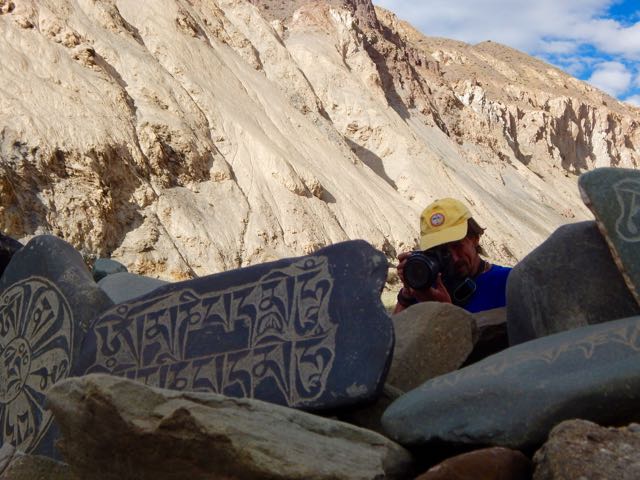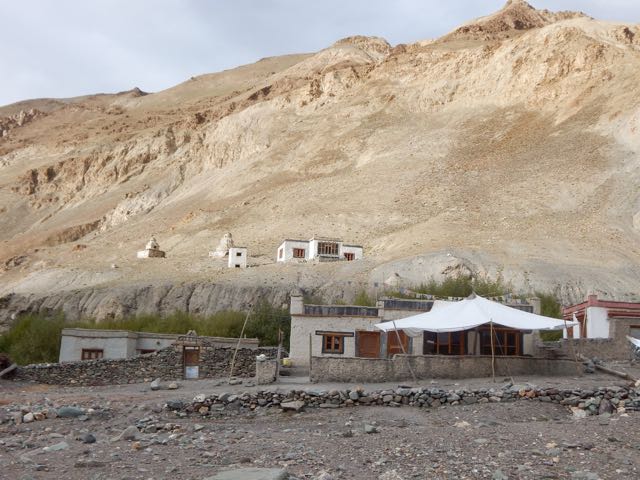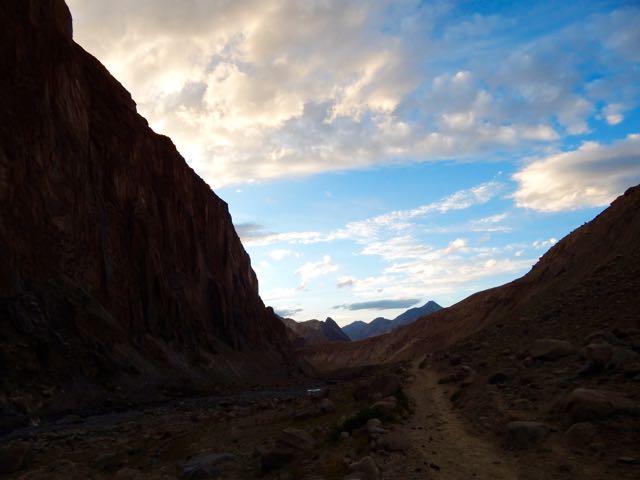

Markha trek, Ladakh – day 5

trip report by besthike editor Rick McCharles

day 0 | day 1 | day 2 | day 3 | day 4 | day 5 | day 6 | day 7 | info page

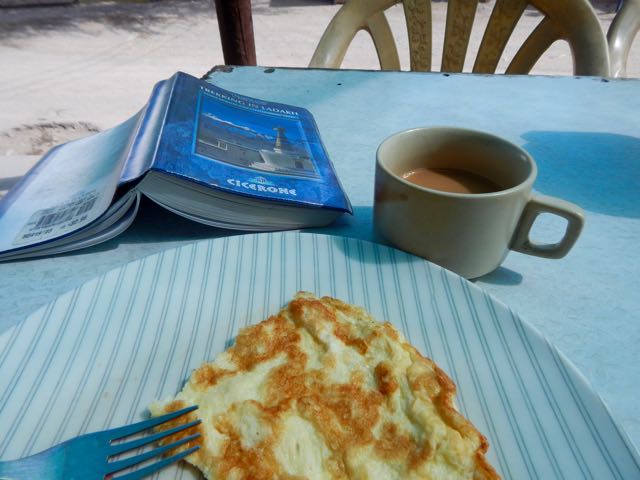
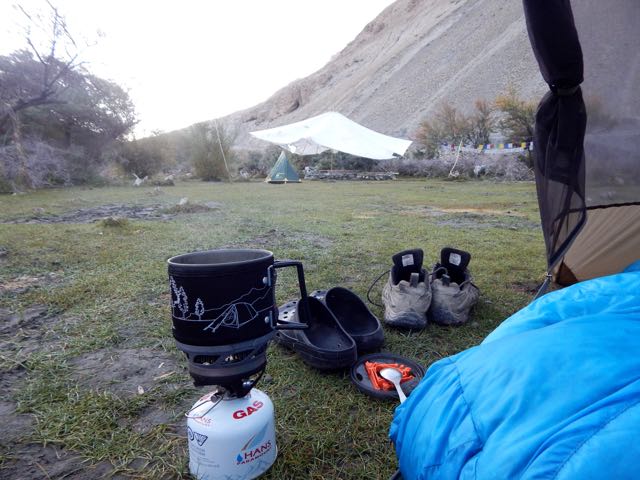
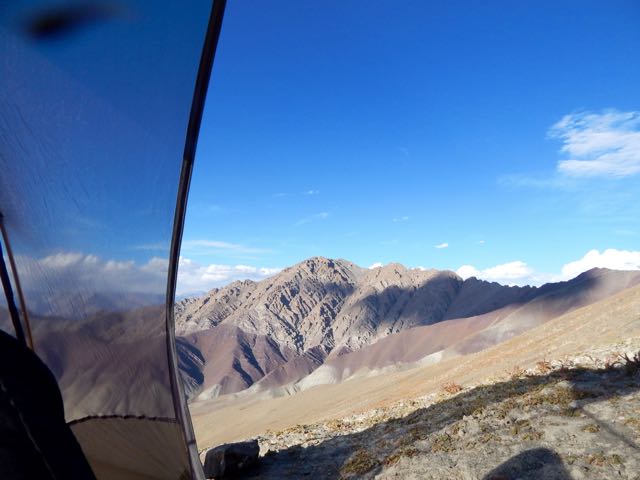
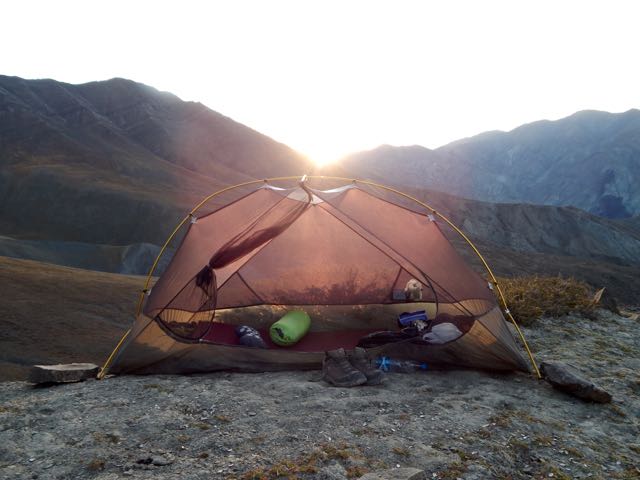
Morning coffee.

DSCN3145

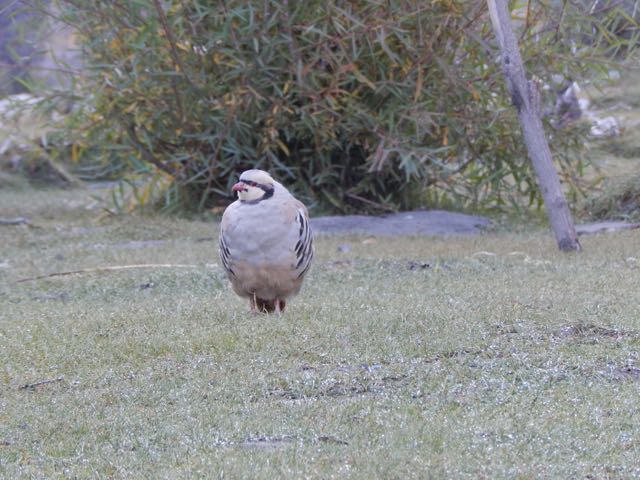
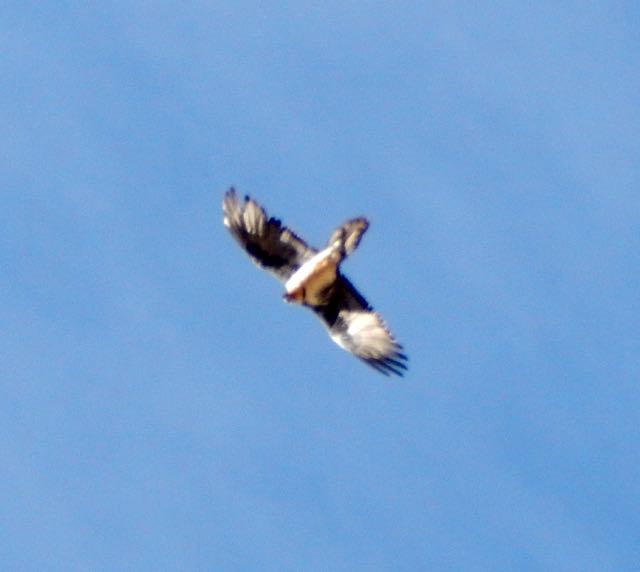
These curious (and common) ground birds dropped by. Are they Chukar partridge?

DSCN3153

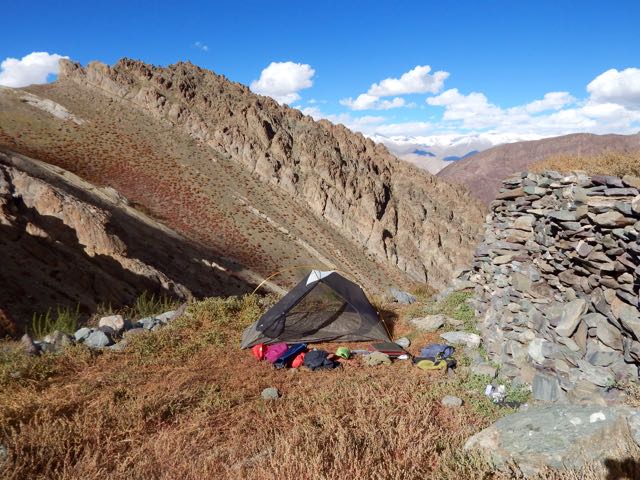
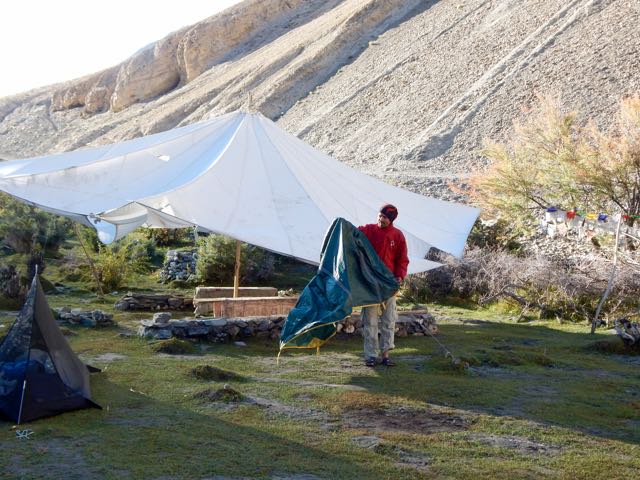
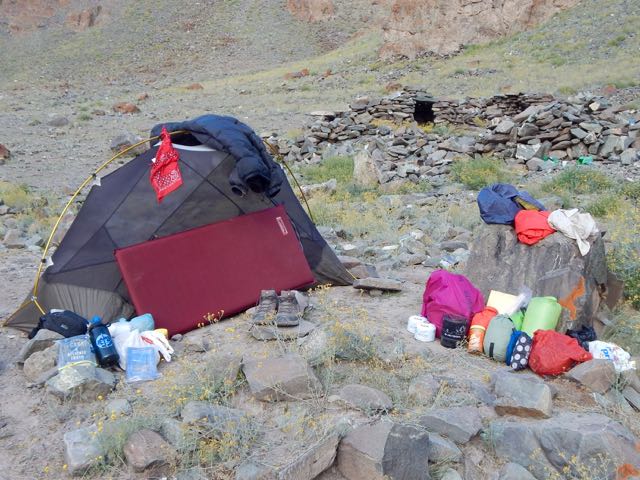
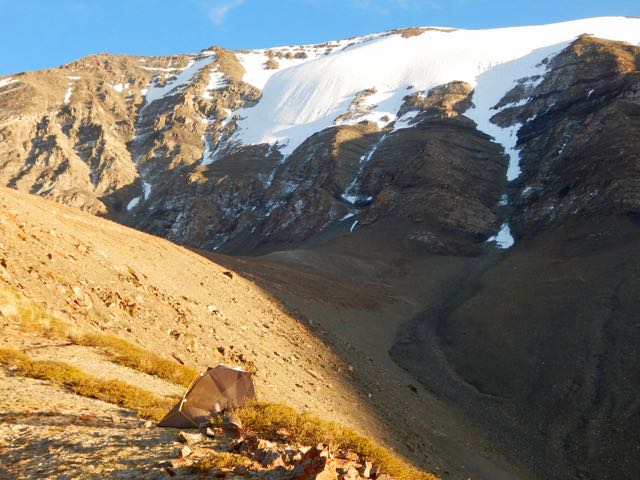
Sergei packs up his small cycling tent.

DSCN3163

We were surprised when a Tibetan woman appeared asking for 150 rupees each. It had seemed the campsite (dirty and without a toilet) was closed for the season. Apparently not.

Official campsites seem to cost 600 Indian rupees in 2015. Unofficial ones 150 Indian rupee. Both overpriced compared with homestays, we felt. (900 rupees including 3 meals)

UP and off.

DSCN3171

DSCN3172

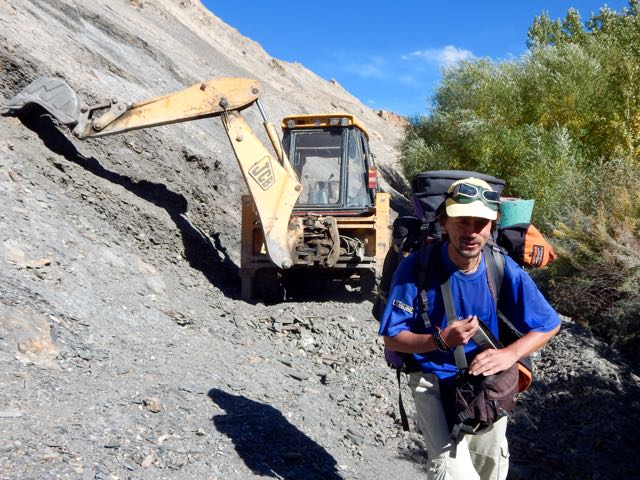
I tried to keep up with Sergei. It wasn’t easy. Especially since I had been exhausted the day before keeping pace.

DSCN3176

On the other hand, we were fairly compatible. Both keen and very independent hikers.

DSCN3187

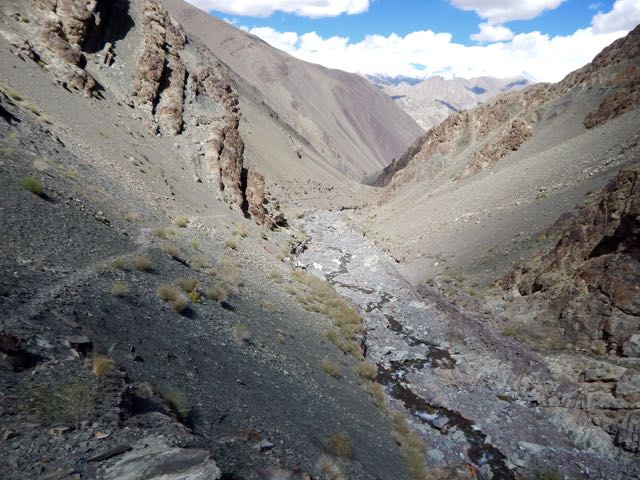
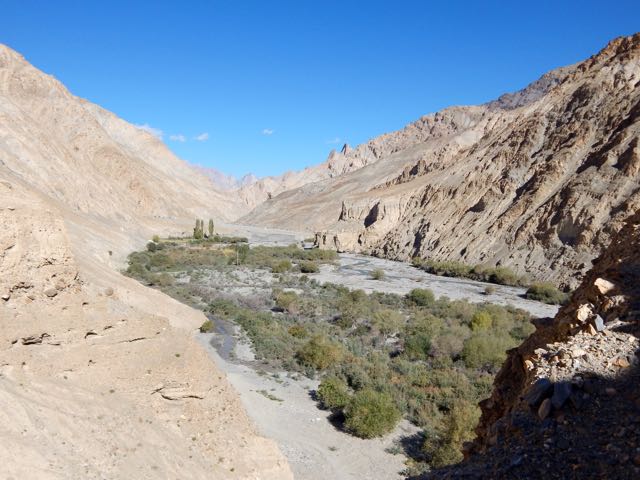
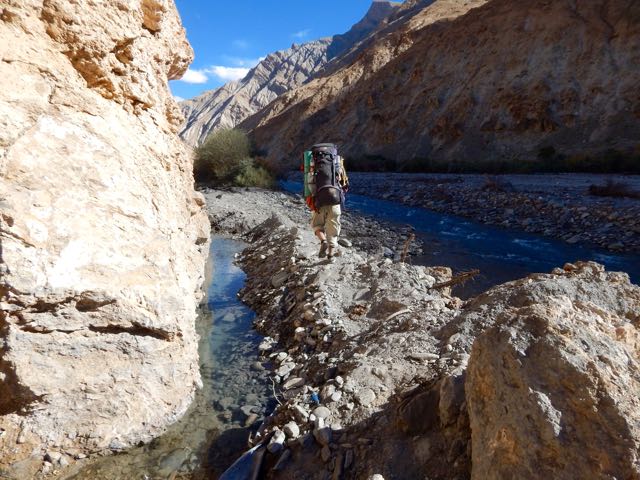
I found the dry Markha valley gorgeous. Sergei missed trees.

DSCN3195

DSCN3193

River crossings were actually a relief. Heat emergency is a real risk here.

DSCN3197

I changed footwear. Sergei plunged through.

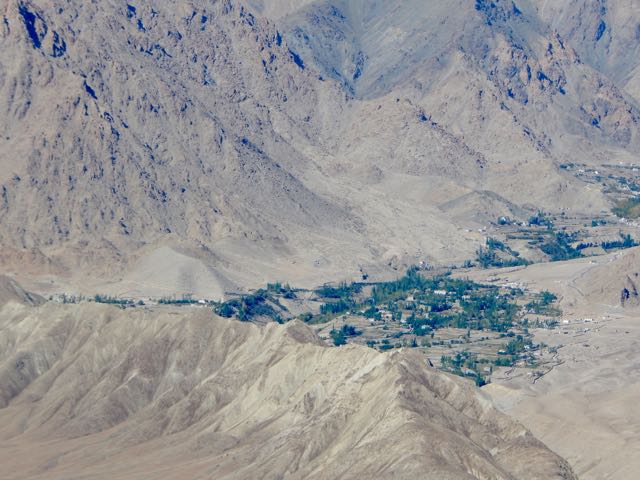
We’d anticipated Markha village 3806m to be somehow more impressive than the other villages. But it was very quiet. Harvest was in progress. Everyone in the fields.

DSCN3214

DSCN3216

DSCN3207

DSCN3209

So we continued.

DSCN3223

DSCN3227

DSCN3228

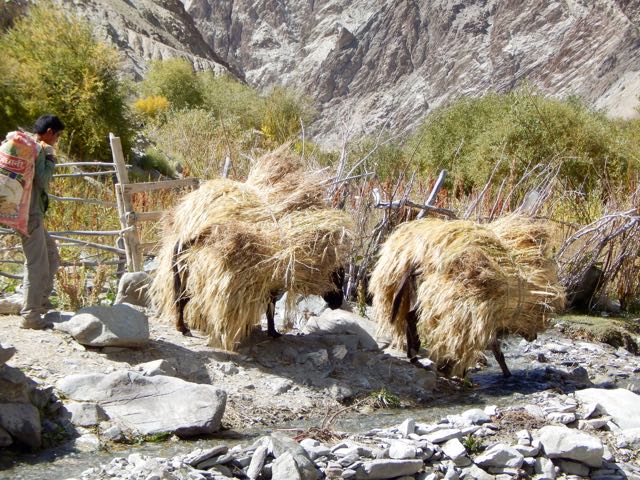
Horses are the most popular pack animal here. Followed by donkeys.

DSCN3231

I didn’t once see a Yak or Yak hybrid used.

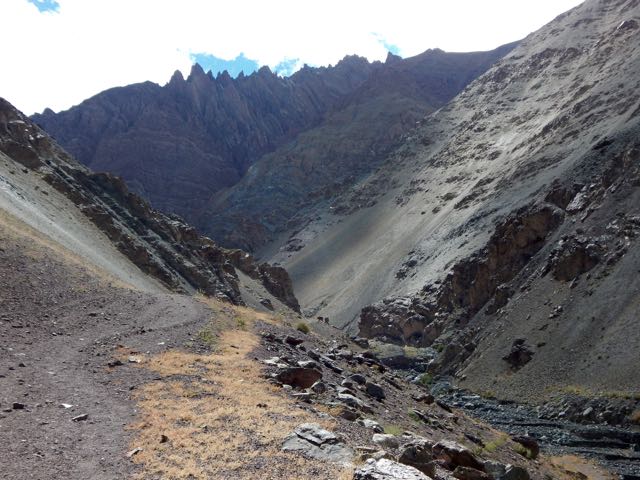
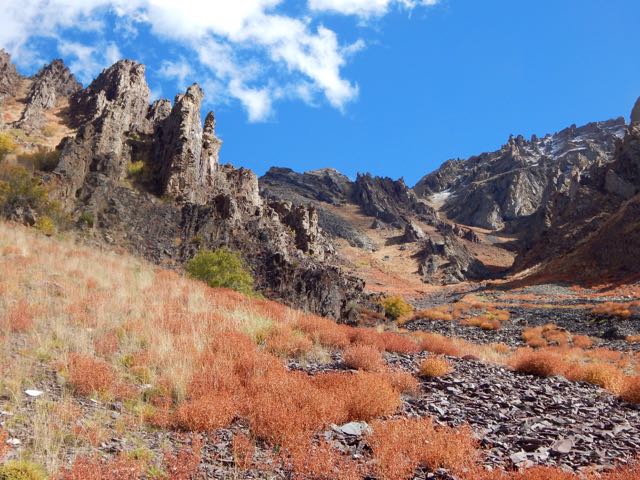
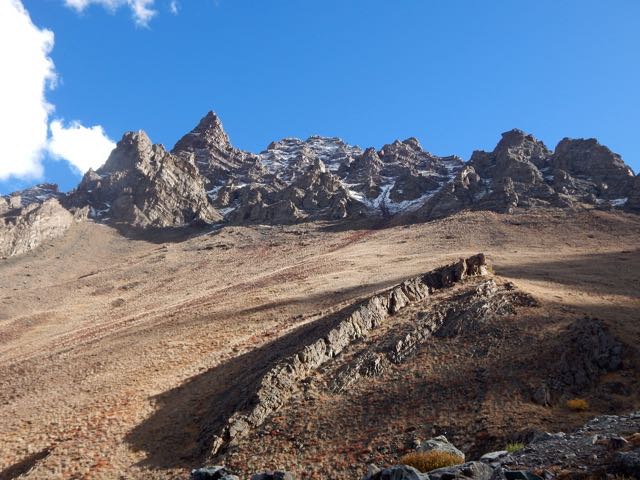
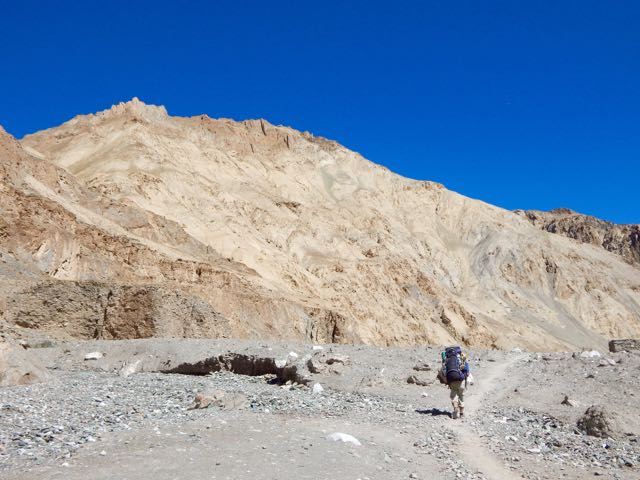
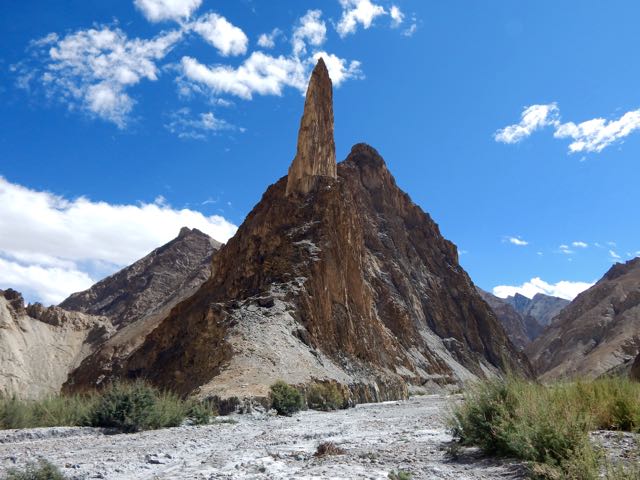
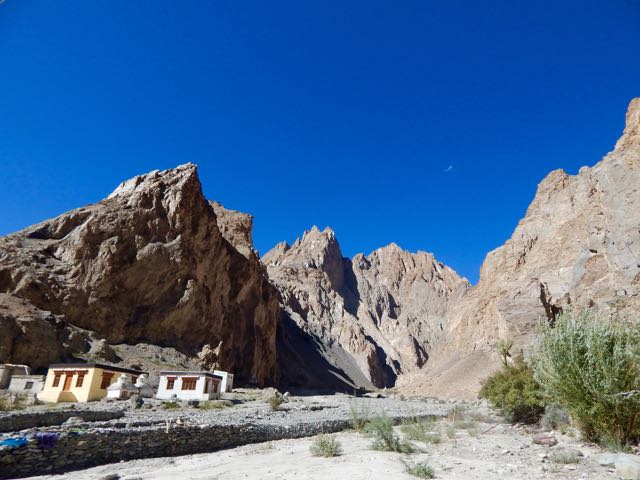
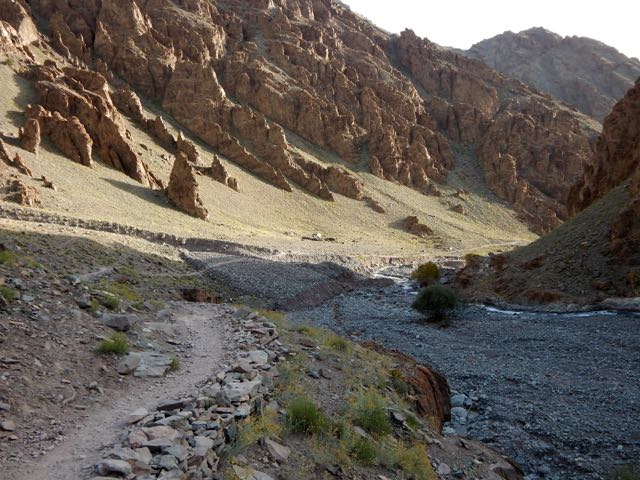
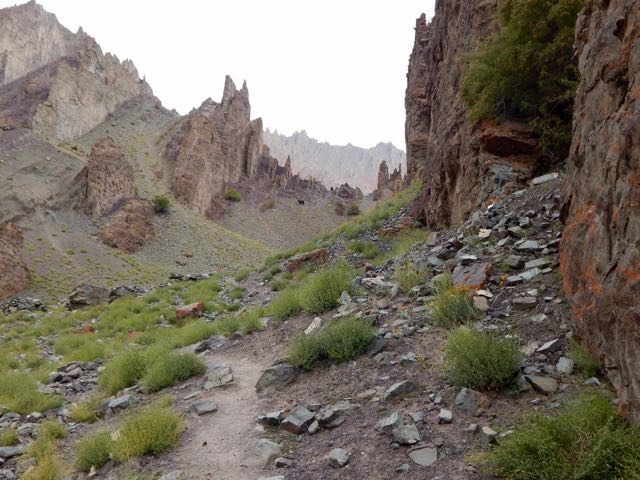
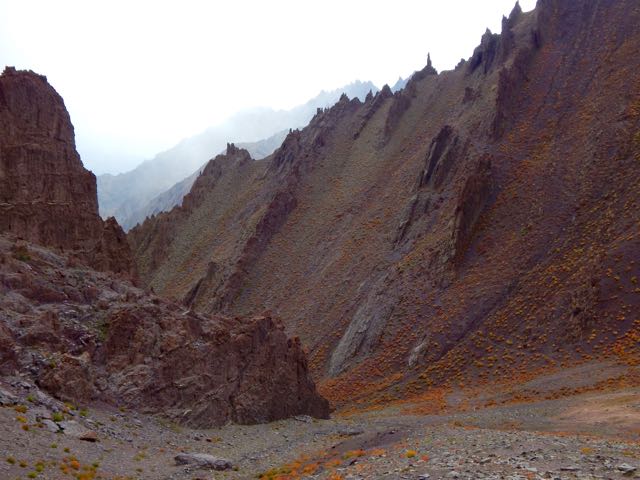
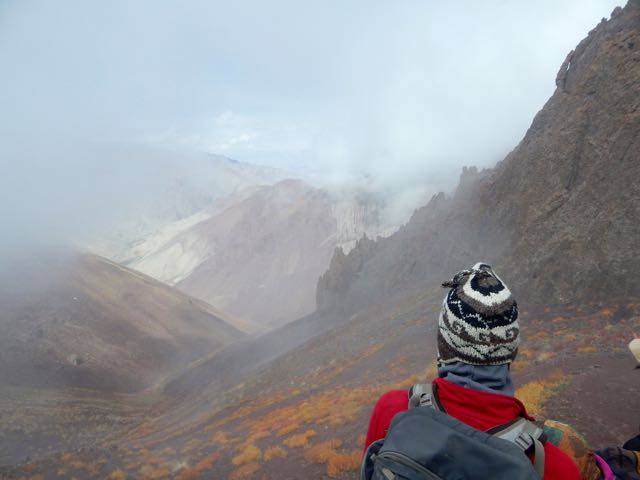
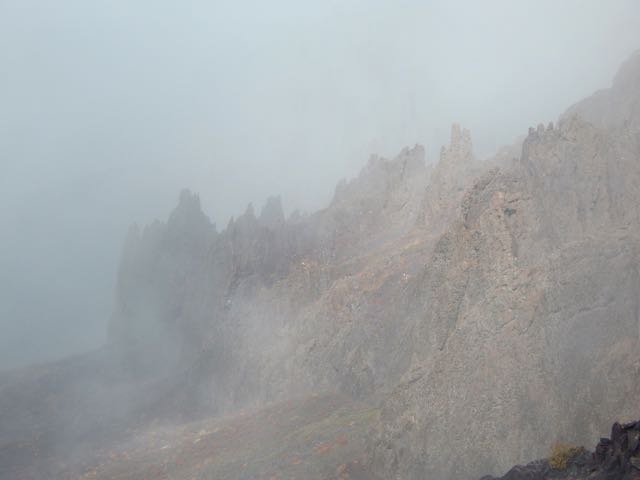
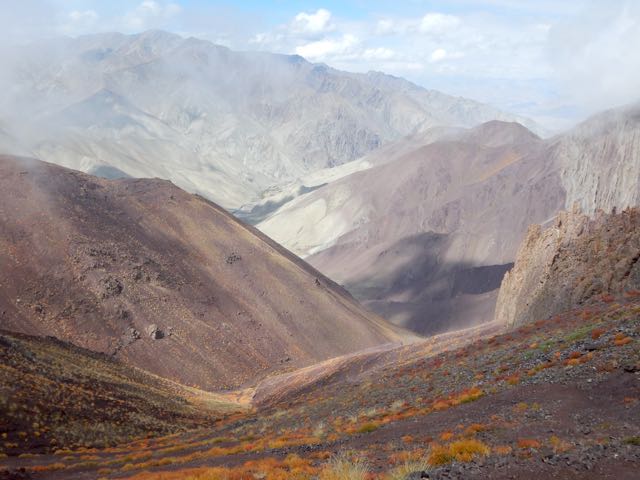
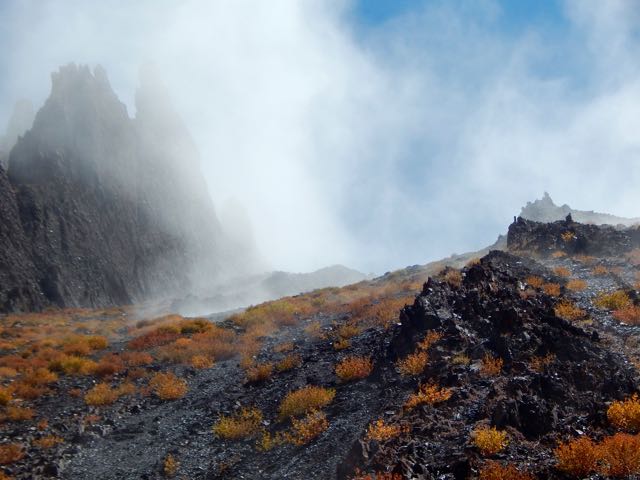
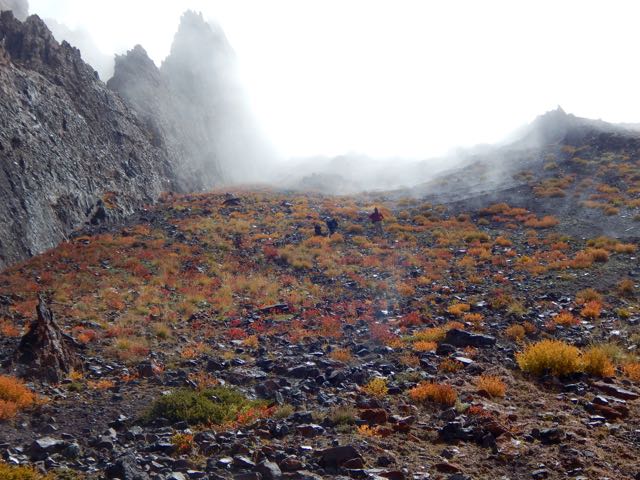
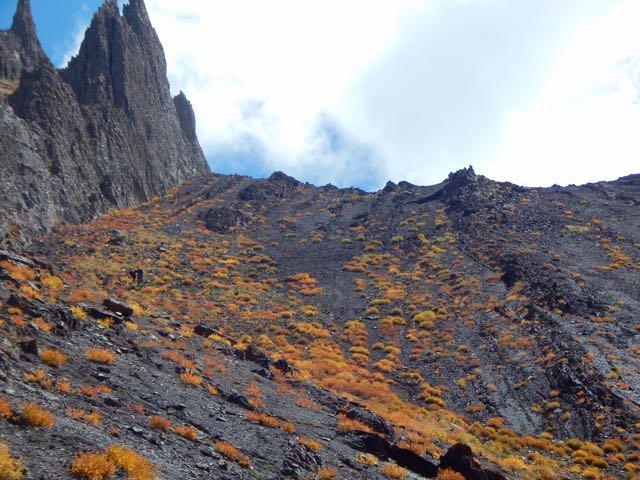
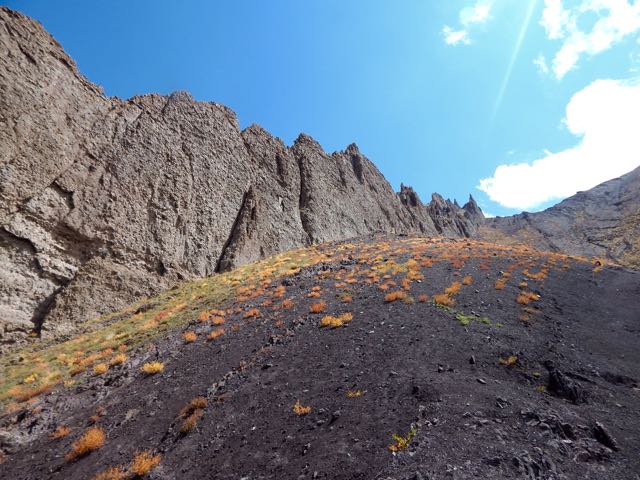
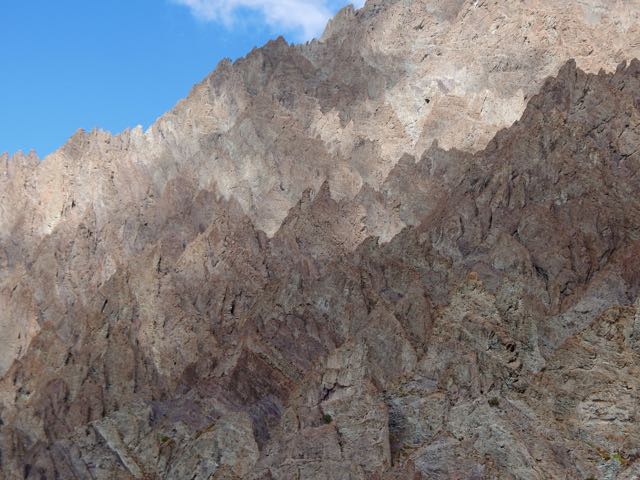
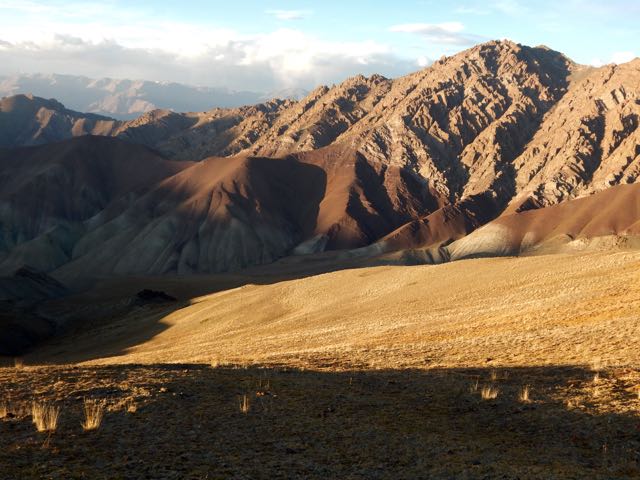
The geology here is stunning.

DSCN3277

Sergei is an alpinist, having summited Lenin Peak. He was interested in these formations.

DSCN3232

DSCN3236

DSCN3237

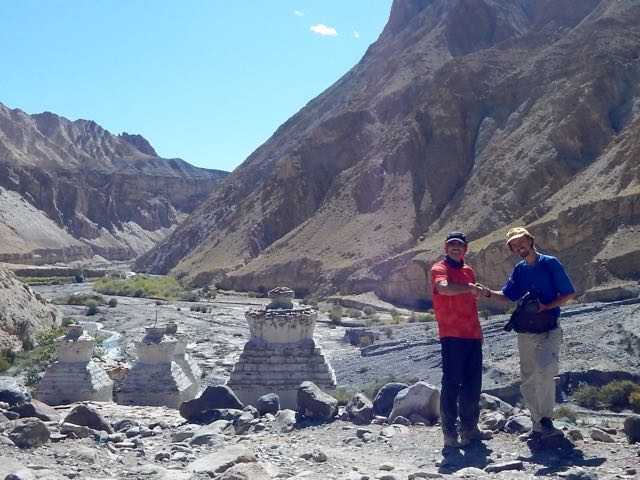
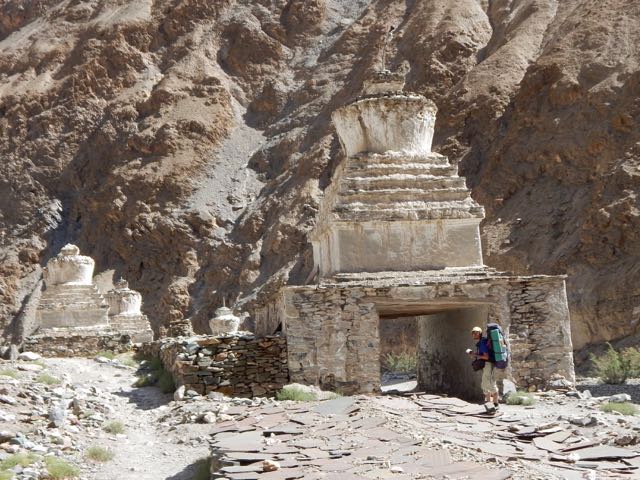
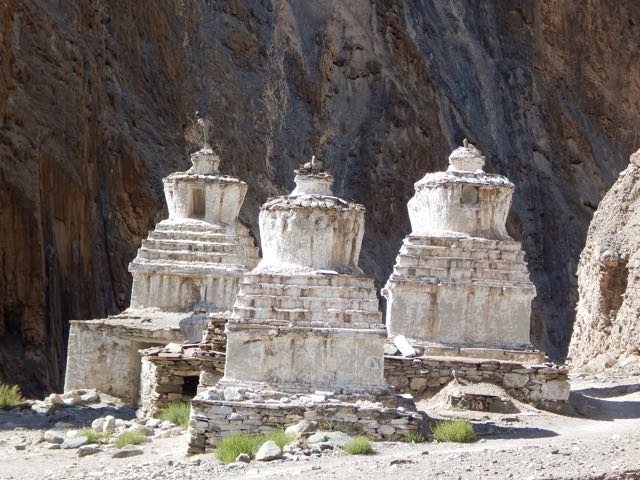
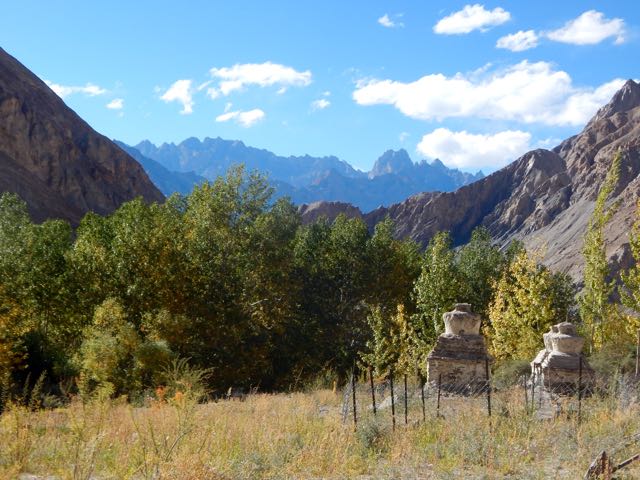
Though there are many impressive stupas and monasteries, it seems Ladakh does not have many monks.

DSCN3241

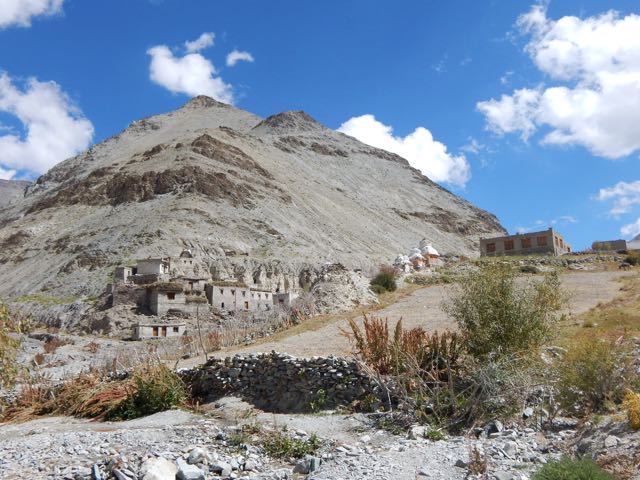
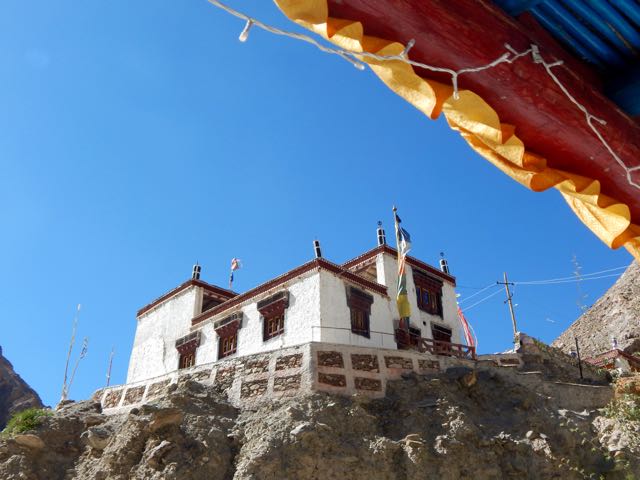
This particular monastery does impress, however. Umlung Gompa 3890m, impossibly situated.

DSCN3245

DSCN3251

The parachute camp was closed. So we carried on.

DSCN3255

Seabuckthorn berries are everywhere. Used for jam and other local products.

DSCN3259

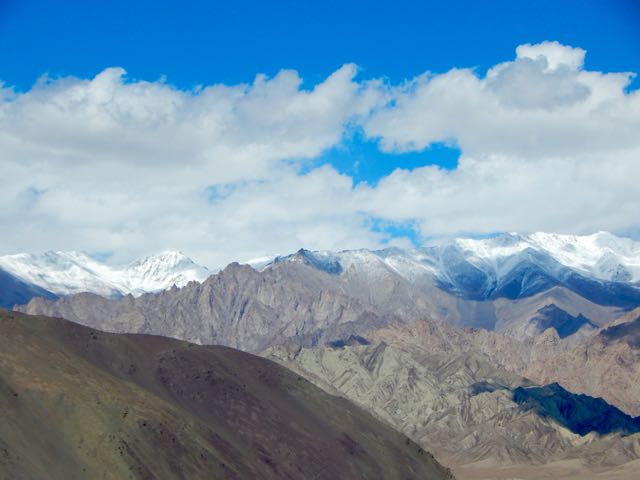
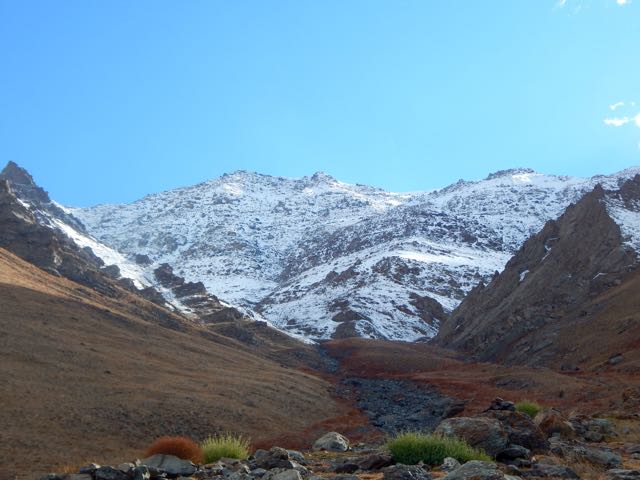
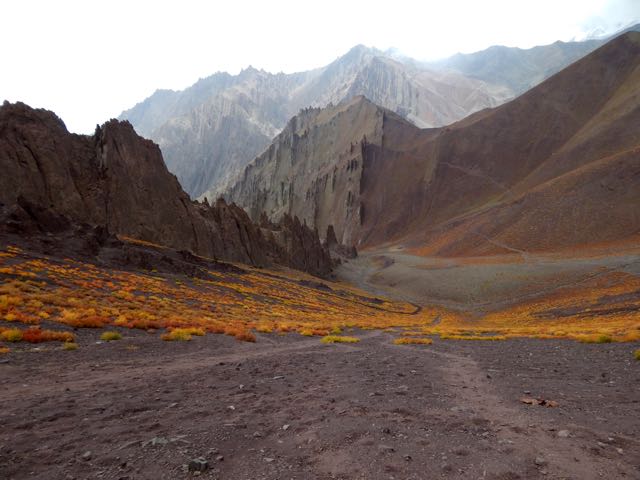
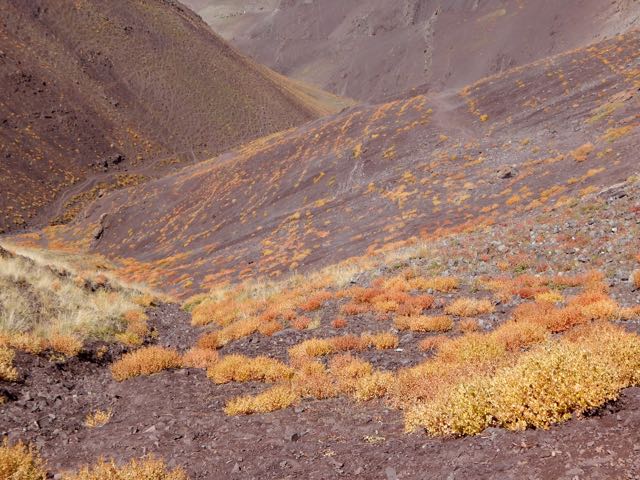
Higher and drier.

DSCN3262

DSCN3263

DSCN3265

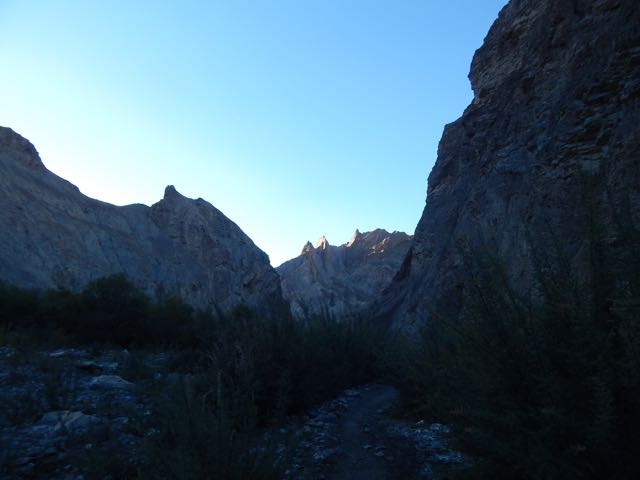
We considered stopping near Hankar 3990m. But Sergei likes to walk until dusk. So he can set up his tent in the dark (for free) and not be hassled by passing locals. Everyone who walks past asks for 150 ruppee, even a monk … though the monk actually seemed to have “receipts” in his robes for the camping fee.

DSCN3273

Exhausted and with sore feet, I finally put down my tent in the official camping at Thachungtse 4250m.

DSCN3285

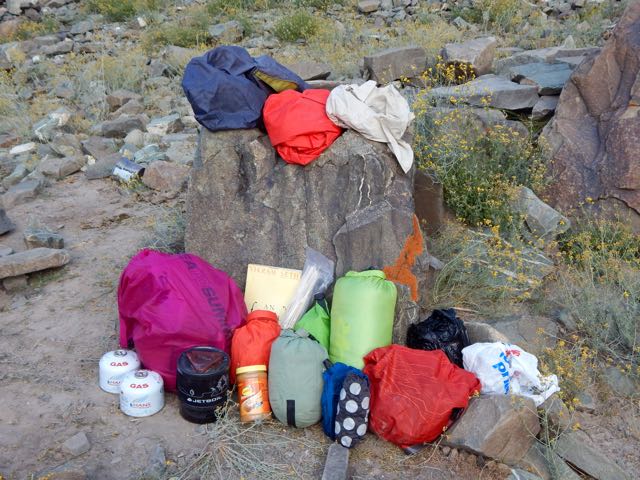
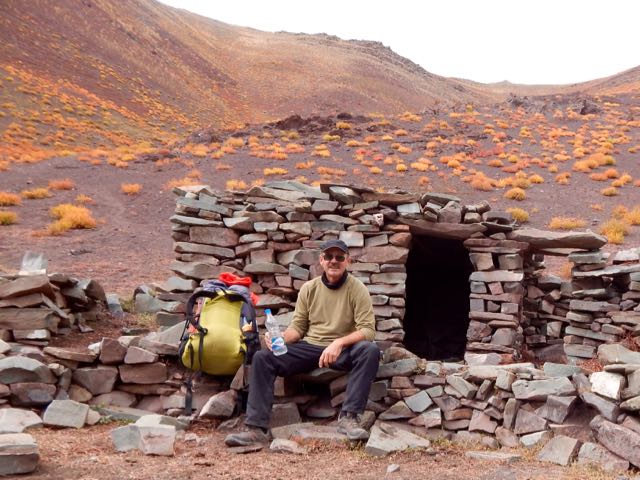
Sergei, lacking firewood to cook his dinner, decided to stay as well and use my gas stove.

See all my high resolution photos from this day on flickr.

day 0 | day 1 | day 2 | day 3 | day 4 | day 5 | day 6 | day 7 | info page

Markha trek, Ladakh – day 4

trip report by besthike editor Rick McCharles

day 0 | day 1 | day 2 | day 3 | day 4 | day 5 | day 6 | day 7 | info page

Like every other night on Markha, I slept under mesh. No fly needed.

DSCN3017

That typically means I awake at first light.

DSCN3019

With the moon setting early, I enjoyed dark nights. Bright stars. Milky way.

Clean water for coffee. Just as soon as the ice melted.

DSCN3020

Rabbits and partridge watched me pack up.

DSCN3027

DSCN3043

DSCN3022

Kanda La 4973m was an easy crossing.

DSCN3045

DSCN3046

Holy shit.

DSCN3048

It’s always a treat to see over the other side of the mountain.

DSCN3052

DSCN3051

Down. Down. Down.

DSCN3054

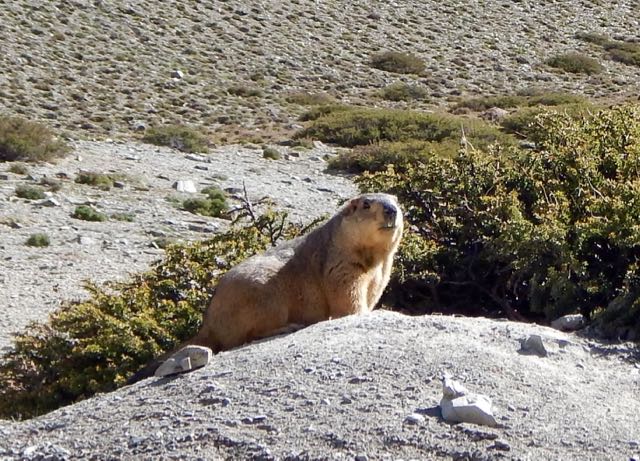
The marmots here are huge.

DSCN3062

Before long I was back in the fields. Harvest in progress.

DSCN3072

This is Shingo 4128m.

DSCN3074

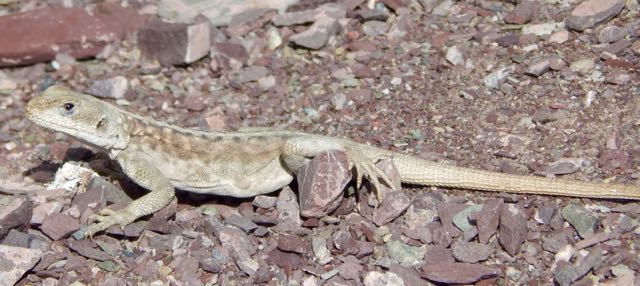
When you get low enough. Dry enough. Hot enough. Lizards appear.

DSCN3091

I finally reached the Markha river at Skyu 3430m.

DSCN3096

DSCN3098

The monastery in Skyu is impressive. The parachute camp clean and organized.

DSCN3106

DSCN3110

DSCN3112

In fact, Skyu has electricity in the evening. And road building has been attempted.

DSCN3115

DSCN3113

Seems to me the Markha valley will one day be ruined for trekking. 😦

It was here I joined Sergei.

DSCN3117

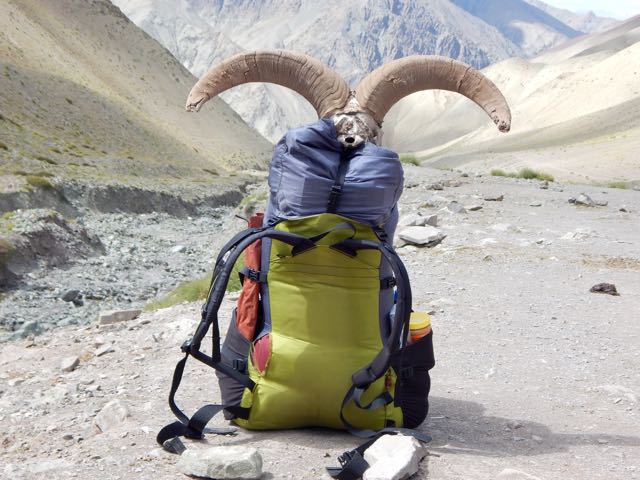
An alpinist and hiker from Russia, nobody on the trail carried a bigger pack. Nor walked as far each day. He was tenting, as was I.

Sergei cooked over an open fire each day. His own food brought from home. He needs wood, a rare commodity in Ladakh.

Happily there are many trees along the river in the lower Markha valley.

DSCN3120

We continued up river.

DSCN3124

The Markha is beautiful. Rugged in places.

DSCN3134

It was getting dark before we finally settled on a (dirty) closed campsite.

DSCN3137

But it had a fire pit. Wood. And clean water. We were happy with the spot.

DSCN3144

See all my high resolution photos from this day on flickr.

day 0 | day 1 | day 2 | day 3 | day 4 | day 5 | day 6 | day 7 | info page

Markha trek, Ladakh – day 2

trip report by besthike editor Rick McCharles

day 0 | day 1 | day 2 | day 3 | day 4 | day 5 | day 6 | day 7 | info page

Colossal blunder or Adventurous Side Trip?

Though I managed to get myself lost for 8 hours, this was to be the best day of the trek. 🙂

Was I carrying too much? Missing anything?

DSCN2709 DSCN2708 DSCN2707

As it turned out, carrying 3 books was crazy. Instead I should have brought some sort of power supply for my iPhone. Audio books are best on the trail.

DSCN2713

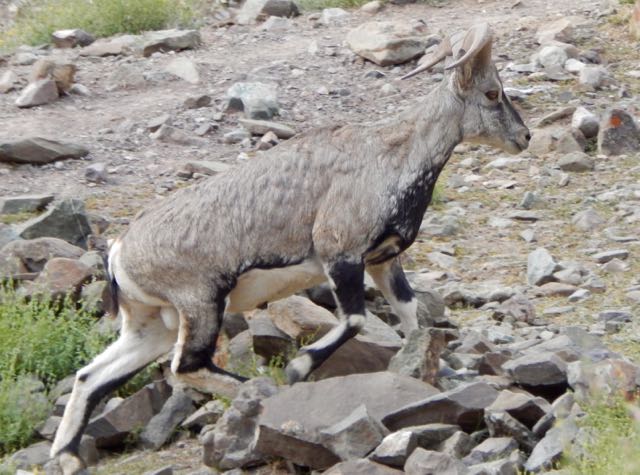
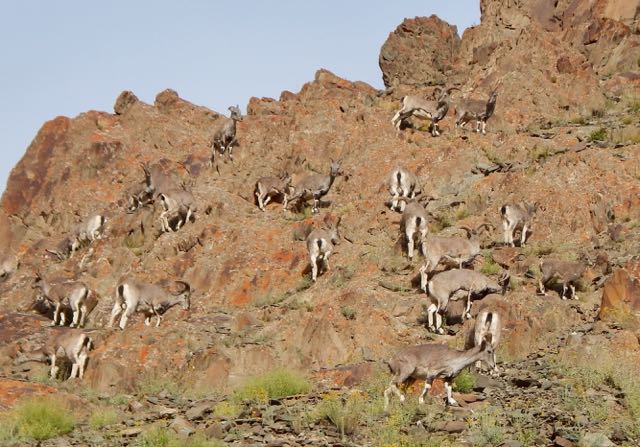
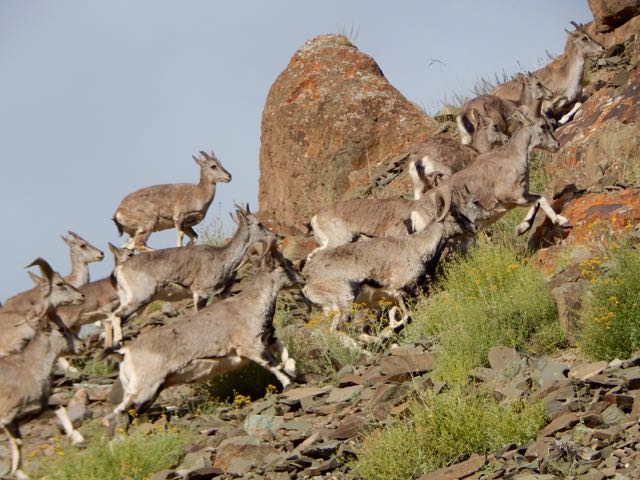
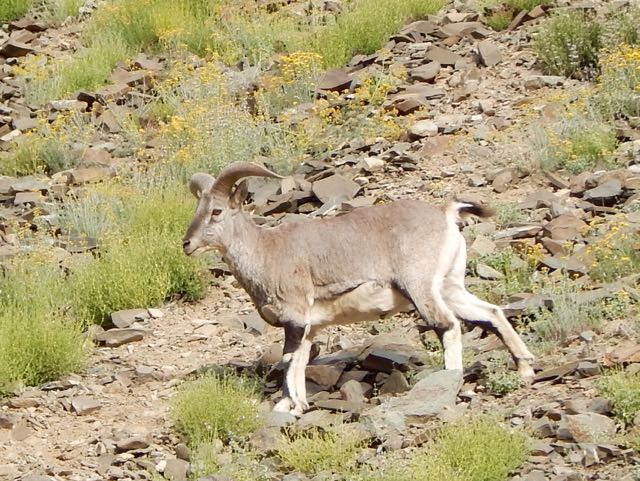
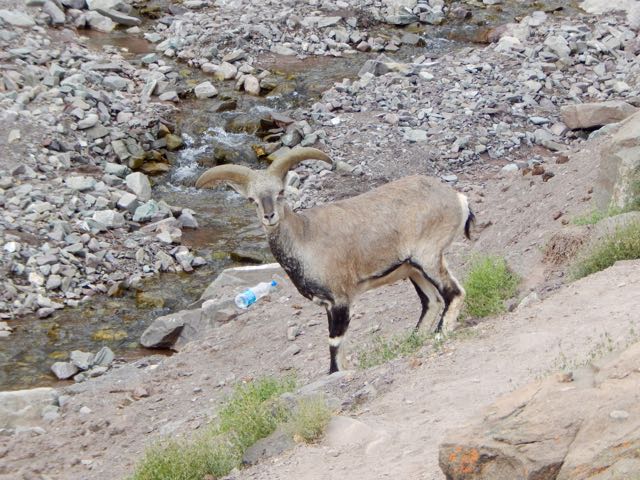
Around one corner I stumbled into a big herd of Blue Sheep.

DSCN2723

DSCN2731

DSCN2726

Lucky me.

DSCN2733

Actually, the boys at this parachute camp were providing a salt lick.

DSCN2732

These parachutes are seasonal restaurants. They all serve hot and cold drinks. Few provide hot food.

I stayed some time snapping pics.

DSCN2741

DSCN2752

DSCN2759

It’s here that you either ascend to climb Stok Kangri 6153m (20,182 feet) … or head for the Markha circuit via one of two passes.

DSCN2757

Up and up.

DSCN2766

Beautiful and somewhat mystical.

DSCN2770

DSCN2775

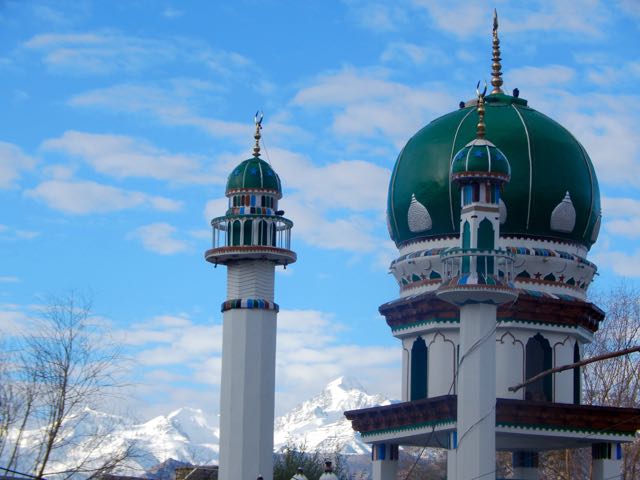
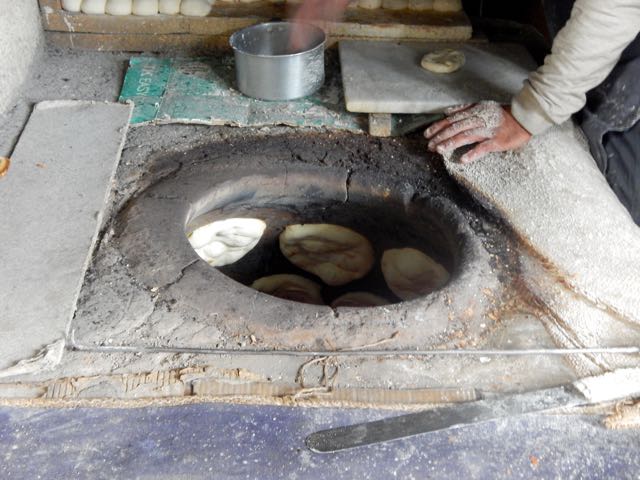
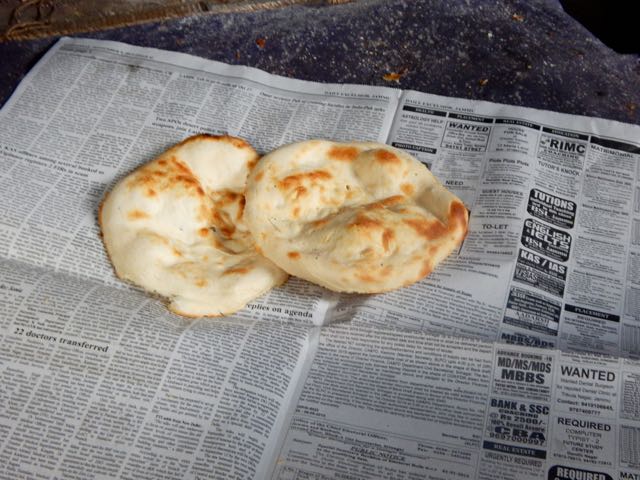
My lunch for the first few days was peanut butter on Naan. I’d purchased these flatbreads from outdoor Muslim bakers near the mosques in Leh. Less than $1 for 10. They keep well on the the trail.

DSCN2778

DSCN2801

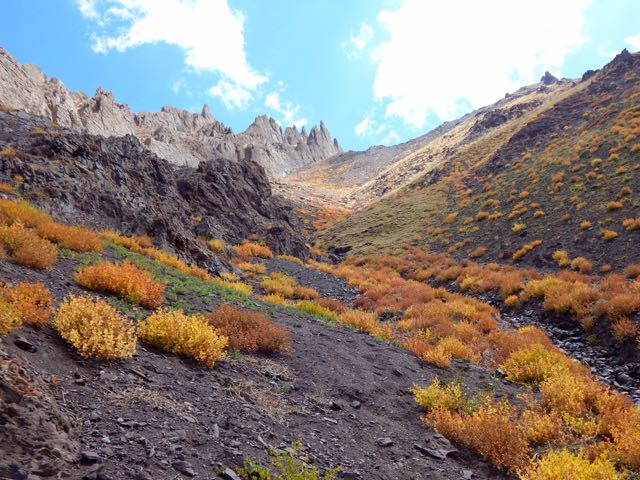
One very good reason to come to Ladakh end of season is to enjoy the autumn colours. It reminded me of Yukon in the Fall.

DSCN2802

DSCN2803

DSCN2807

These odd high altitude plants are mostly leaf.

DSCN2806

I finally reached Stok Pass. Alon from Israel arrived same time from the other side.

DSCN2811

DSCN2812

We were both happy to get some weather. It made the crossing more memorable.

DSCN2814

Just behind Alon were 3 more hikers, not quite so enthusiastic about the snow.

DSCN2823

DSCN2824

Gorgeous.

DSCN2817

DSCN2819

DSCN2825

Dropping down the weather cleared.

DSCN2831

DSCN2829

This is an extreme desert. Precipitation is rare.

I love desert landscapes.

DSCN2832

DSCN2833

DSCN2834

DSCN2836

DSCN2837

Arriving to the other side my plan was to shortcut – skipping Rumbak village. Why descend when I could traverse the mountain?

DSCN2846

A series of cairns seemed to confirm my off-trail route.

DSCN2858

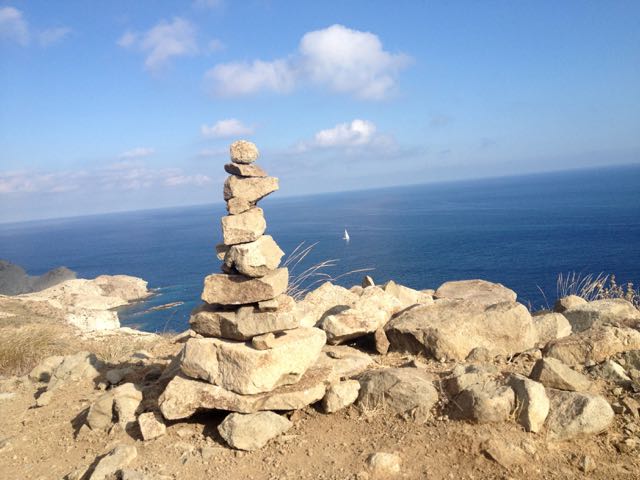
I left a Summit Stone in this sentry.

DSCN2859

DSCN2860

Climbing high I ASSumed I’d be able to traverse towards Kanda Pass in the next valley.

DSCN2861

I ASSumed wrong. I was nowhere near Kanda. 😦

Daylight failing, all I could do was set up my tent well above 5000m.

DSCN2862

Nothing lives up there. But a couple of vultures did fly-bys. Hoping I was dead.

DSCN2866

It was an impressive campsite.

DSCN2874

DSCN2877

If needed, I could melt snow.

DSCN2878

I listened to Jack Reacher on audio through the night.

DSCN2881

DSCN2883

See all my high resolution photos from this day on flickr.

day 0 | day 1 | day 2 | day 3 | day 4 | day 5 | day 6 | day 7 | info page

camping stoves compared

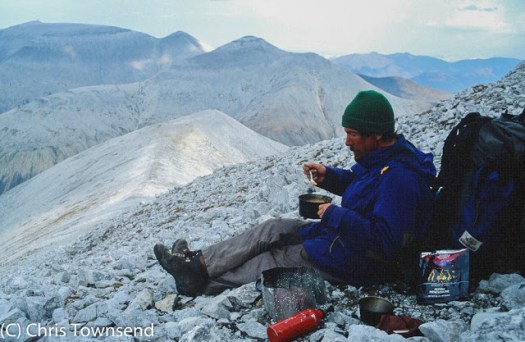
Chris Townsend was the first hiking guru I read.

He’s used dozens of different stoves in the wild, comparing them in a long opinion piece:

… lighting a stove. Some come with Piezo igniters – in my experience these break after a while. I’d never rely on just one type of lighter anyway. I always carry at least two – a fire steel and a lighter and/or matches. …

Choosing a stove is as much about choosing the fuel as choosing a burner. The availability of fuel, how long a given amount lasts and how well it works in different conditions are all factors to take into consideration. …
The main fuels are butane/propane, white gas (Coleman Fuel and similar), and methylated spirits (meths)/alcohol. Less commonly used are petrol/gasoline, paraffin/kerosene, diesel, solid fuel and wood. Some stoves are multi-fuel, which can be a big advantage. The heat output from butane/propane, white gas, petrol and paraffin is similar but meths/alcohol is much less powerful so more fuel has to be carried. …

STOVES FOR WILD CAMPING

Click through his advice.

Stoves-1

Editors’ Choice Awards 2015: Jetboil MiniMo

I did a lousy job packing for 2 weeks in the Colorado Rockies. In fact, I accidentally left behind at home my beloved MSR Reactor stove. 😦

I made a stop at REI to purchase a second Reactor – but they were out of stock. The best alternative available was the MiniMo.

Click PLAY or watch it on YouTube.

The MiniMo upends what we thought we knew about “personal cook systems,” the integrated stove/pot design that Jetboil pioneered in 2004. Like its predecessors, the MiniMo has lightning-fast boil times (it averaged 2 minutes and 21 seconds for 20 ounces at room temp in our controlled test) and efficient fuel consumption (expect about 9 liters of boiled water for a 3.5-ounce fuel canister). But, unlike all its predecessors, it can actually simmer …

Backpacker

I disliked my original Jetboil finding it dangerous. If something boiled over (as it often does) it was difficult to remove pot from flame. And your hand was scalded if you tried to turn off the flame.

But I have to admit, the MiniMo is a huge improvement. Almost as good as the Reactor.

It’s compact with many nifty features.

Outside’s Gear Guy reviewed it – What’s the Best Lightweight Backpacking Stove?

I wonder how long the auto-igniter will continue to work. Piezo ignition has problems above 8,000 feet.

It’s not easy to use a lighter on the MiniMo.

And it truly is lousy in the wind.

But as of now I’ll pack the MiniMo in preference to my old Reactor. Let’s see how long that lasts. 🙂

related – Adventure Tested: Jetboil MiniMo Backpacking Stove

TrekkingPartners on the Nepal disaster

via email …

Dear Trekkers,

It’s been ten days since a large-scale earthquake shook Nepal. It’s been a hard time for everyone, with the loss of family members, homes, entire savings, and historical landmarks. On the other hand, it’s brought the people of Nepal together in the face of adversity and strengthened bonds with those from outside Nepal who offered aid.

Still, with the death toll estimated at 7500, along with 10,000 injured and 1.4 million in need of food assistance, there is still a need for assistance.

We’ve spent the last few days compiling a list of reliable, effective groups working hard to bring support to the people of Nepal. If you’re able, please consider donating time, money, or volunteering via the links below.

What’s Needed Now

  • Remote villages are still in need of relief;
  • Because of sanitation problems, there is a high risk of disease;
  • Lack of electricity and water supply;
  • The monsoon season is a month away, making shelter an urgnet need;
  • Basic necessities like food, water purification tablets, medicine, blankets, and tents are still needed;
  • Support for the long-term rebuilding of homes, villages, and historical landmarks.

Effective Ways To Donate

If you are in a position to donate, here is a list of local, grassroot initiatives working hard to provide relief. By donating to these groups, your money will go directly to the people that need it most via local channels mobilized by local experts:

  • Rebuild Langtang Campaign Langtang village, in particular, will need rebuilding support after the first weeks have passed. After first medical care has been delivered it will take large efforts to re-establish community life back in the valley.
  • Lokesh Todi’s Relief Fund to support and sustain the work of local NGOs and first responders on the ground.
  • Mountain People’s Initiative to provide assistance to those in need around Kathmandu. They’ve set up a temporary relief centre in Thamel functioning as shelter/store/aid post for local Galdunga people.
  • Tsum Nubri Relief & Recovery Program set-up by the local people based in Kathmandu.
  • Sherpa Gear’s CrowdRise Campaign. 100% of your donation will go for immediate relief on the ground through our Paldorje Education Fund network, already set up to benefit the children of Sherpa families in remote villages.
  • Tripureshwor Village Aid Campaign: raising money to distribute rice to 300 families in Dhading Region (close to the epicenter).
  • GlobalGiving’s Campaign to help address the immediate needs for food, fuel, clean water, hygiene products, and shelter. Once initial relif work is complete, remaining funds will transition to support longer-term recovery efforts run by loca, vetted organizations.
  • Karma Foundation is a non-profit branch of socialtours & Karma Coffee working on responsible philanthropy disbursement to projects in Nepal, now for Quake relief.
  • Seva Foundation is working to supply tents to those in need of shelter.
  • To Da Loo Community toilet builders initiative in the wake of the earthquake. Toilets or latrine pits are raised in densely populated communities.
  • Helter Shelter Shelter relief effort for those left homeless.

Other Ways To Help

There will be long-term rebuilding projects that will need volunteer support. If you’re planning a trip to Nepal in the future, consider volunteering as an option. When the media spotlight shifts to another problem in the world, there will still be people in Nepal working to rebuild and regain what was lost.

Continued News, Updates, Photos…

Please share these links with others whom you feel can help. Thanks for your support, and hope to see you back in Nepal someday soon.

Best wishes,
Alex
Founder | TrekkingPartners

Luxury Mount Everest Base Camp Trek

Freya Render:

… Although I love hiking, I also love comfort so I started searching on-line for an “Everest Luxury Trek” and found the Yeti Mountain Homes, a group of luxury lodges located on the classic trekking route in the Khumbu area. I contacted them and as from that moment I was blown away by the Yeti Mountain Home experience … a lovely lady called Pasang patiently and very professionally answered all my questions and created a customized itinerary for us. …

Unfortunately there are no Yeti Mountain Homes (yet) all the way up till Everest Base Camp but Pasang made sure that we had the best possible accommodation in every place. …

Luxury Mount Everest Base Camp Trek 2014 (Yeti Mountain lodges)

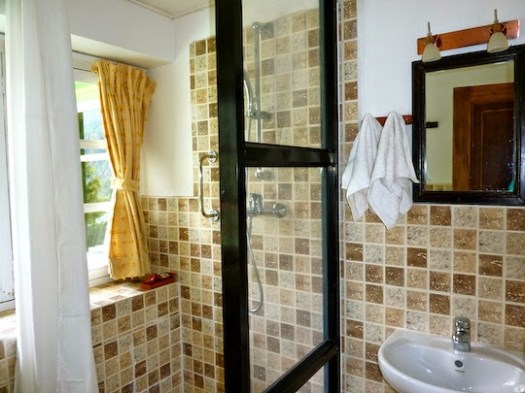
YMH Monjo Bathroom

Everest Base CampOur Everest information page.

Simien Trek Ethiopia – day 4

trip report by site editor Rick McCharles

day 1 | day 2 | day 3 | day 4 | info

Day 4: Chenek-Buwahit, 4-6 hrs walking

We were up before the dawn, wanting our best chance of success climbing Mt Bwahit.

P1330997

Our guards had slept outside beside the tents, despite the cold.

P1340002

The day before our arrival a young Swiss couple had had their daypack stolen. Cameras, money … passports. 😦

It happens all over the world. It happens here, but not very often. Best guess was that one of the mule drivers had grabbed it. Might have been a young shepard boy, though they are chased out of Camp right quick.

I had my valuables strapped to my waist in a passport case, as always.

P1340001

Our guide had said that our best chance to see Walia Ibex would be this morning. We weren’t disappointed. We saw a number up on a ridge. And later down by the road. They are not shy.

P1340083

… only about 500 individuals survived in the mountains of Ethiopia, concentrated in the Semien Mountains, largely due to past poaching and habitat depletion. If the population were to increase, the surrounding mountain habitat would be sufficient enough to sustain only 2,000 ibex. The adult walia ibex’s only known wild predator is the hyena. …

I was still feeling weak though I had not lost my dinner from the previous evening.

I’d not slept much. Happily, as we climbed, I seemed to get stronger.

Though we ascended about 800m in less than 3 hours, it wasn’t all that cold. The sun helps for sure. We added and removed layers frequently.

P1340013

Disappointingly, the road winds up close to the top of the mountain. At times we walked it.

There’s not much traffic, of course. Clouds rolled up the escarpment early. We’d need to reach the top before the clouds did.

P1340029

We were very surprised to see snow on the top.

P1340033


P1340038

This is one of the few spots in Africa where snow falls regularly.

Nadine found snow in Africa

P1340046

Mt Bwahit (4430m) is the third highest mountain in Ethiopia and the 13th or 14th highest in Africa.

This is as far as we got following the escarpment. But the road continues to Mekane Berhan, 10km past the Park.

P1340045

In fact you can keep going 17 days all the way to Lalibela, if you like.

We celebrated with summit photos.

Simien - Josh and Nadine-2

Simien - Josh and Nadine-3

Simien - Josh and Nadine

I left a Summit Stone in the cairn.

Nadine turns back. She’ll be reunited with her husband later in the afternoon.

P1340064

Neither Nadine or I felt many altitude symptoms. Lucky. She gave some medication, on the trail, to one of the other hikers who was feeling rotten.
Obama is wildly popular in Africa though most distrust the American government.

P1340067

We saw many more baboons on the descent. We’d left too early to see them on the way up.

P1340070

The decent was quick. Psychologically, I was ready to go. The Simien a success.

P1340075

In most high mountains lammergeier (bearded vulture) stay far away from me. But here they float right over your tent. After many attempts, this was the best photo I got. They have up to nearly 10ft (2.83 m) wingspan.

P1340091

Here’s Josh’s best photo.

lammergeier - Josh and Nadine

In Ethiopia, they’ve become more tolerant of people, now common near trash piles on the outskirts of small villages and towns.

We saw wild chickens on the way down, too. Nur told us that when he was a shepard, age-5 to age-10, he loved to try to catch one for dinner.

Heading out, I risked eating lunch.

P1340093

Nadine was the one of the few hikers who completed ALL the original planned itinerary. But she was ready to head back to Gondor.

P1340094

It’s a long, bumpy ride back to the Park gates. The roads are bad even in a Toyota Landcruiser.

The closest good hospital is in Dabark. If you crash like this 😦 … they have an ambulance. Another ambulance, I mean.

P1340107

Rich tourists from the highest lodge in Africa take a short day hike to see baboons. Or do a tourist ride. Meh.

P1340103

We tipped around 10% of our tour cost, aside for the cooks who got almost nothing. If the clients get sick, the cooks didn’t do the job.

I suggested to Mohammad, a super guy, that he and the other cooks put a big bottle of alcohol gel on the dining tables. Every time. And to ask cooks and assistants to use it non-stop while preparing food for foreigners.

About half of the hikers I spoke with had stomach problems. Clearly the cook house is not sanitary enough. Cooks work together. If one has dirty hands, it’s possible that all the food will be infected.

When we arrived at the Four Sisters restaurant in Gondar that evening, to celebrate, there was a large bottle of alcohol gel on the table. But don’t expect to see one on a Simien trek any time soon. Inertia is great in Africa.
Four Sisters

I’ll suggest to future hikers that they consider bringing their own stove, cook their own food.

Nur and Hailie

Thanks to Nur and Halie, childhood buddies, who are still working together. Nur Hassan is Coordinator for SimienMountainsTour.com. I’ll be recommending them.

Our cost was $1000 for 3 people for 4 days, all inclusive. The lowest price I heard quoted was $250 each for 7 people in one group.

more photos

day 1 | day 2 | day 3 | day 4 | info

Simien Trek Ethiopia – day 1

trip report by site editor Rick McCharles

day 1 | day 2 | day 3 | day 4 | info

Day 1: Gondar-Sankaber (3250 m), 3-4 hours walking

6:30am Ethiopian coffee

7am pick-up at the (recommended) L-Shape Hotel in the tourist town Gondar. Room about $13 in 2014.

P1330497

It was an easy 2hr drive to Debarq, the jumping off point for Simien Mountains National Park. Quick stop at the National Park office.

P1330499

P1330501

We had breakfast at the Great Work Hotel. Excellent Mango juice.

Our car returned with gear, guide, cook and … personal armed Park Ranger. They call themselves Scouts. A guard is still required for each trekking group in 2014, though these days it’s more of a make work project for the Rangers.

We drove through the Park gates and continued about another hour.

P1330508

This road is rough. Though it was being improved while we were there.

P1330507

We’re HERE. Trekking the Simien mountains. What a thrill.

Simien Ethiopia Map

P1330514

I’d joined Josh and Nadine, a couple from Edmonton, Canada who have been volunteering in Burundi for the past 2 years.

P1330737

Here’s our excellent Guide, Adoo.

P1330753

And our Scout, Adim.

P1330739

Immediately we headed for the great escarpment.

P1330521

It’s a long, long way down. About 800m here.
P1330523

Simien - Josh and Nadine horse

Local people are everywhere. This is a shared use National Park.

P1330531

P1330525

We heard that road and power lines being moved further away from the trekking route. I hope that’s true.

P1330542

Adoo detoured from the cliff when he spotted a group of 200-400 Gelada baboons. (more photos)

P1330543

Geladas are found only in the high grassland of the deep gorges of the central Ethiopian plateau. They live in elevations 1,800–4,400 m above sea level, using the cliffs for sleeping and montane grasslands for foraging. …

Geladas are the only primates that are primarily graminivores and grazers – grass blades make up to 90% of their diet. They eat both the blades and the seeds of grasses. …

P1330567

They mate in May, have babies in November. Females were very protective of their youngest. Some looked like newborns.

P1330667

We sat down and let the group graze past us. Some of the toddlers were curious enough to TRY to touch us.

Simien - Rick baboons 600

What a fantastic 2 hours. This might be the best wildlife encounter anywhere in the world. It was my best wildlife encounter ever. 🙂

Simien was one of the first sites to be made a World Heritage Site by UNESCO (1978). Due to serious population declines of some of its characteristic native species, in 1996 it was also added to the List of World Heritage in Danger.

The word Semien means north in Amharic. But the name Simien and the word simian do make a good mnemonic for this hike. Geladas are the highilght. 🙂

Elated, we shuffled another hour or so to Camp 1. Talking about the baboons.

P1330687

poison tomatoes
poison tomatoes

It’s a very easy half day, yet everyone was huffing and puffing due to altitude.

Popcorn and hot drinks on arrival were much appreciated.

P1330699

I rested an hour. (I opted to use my own tent. Not the one supplied.)

P1330703

We headed over to the ridge for the sunset, surprised how cold it was in Africa at night.

P1330706

Josh got some great pics.

IMG_5955

IMG_5970

IMG_5976

Dinner was impressive: soup, bread, fish, salad, spinach, deep fried banana. I skipped the salad (worried about my health) but tried some of everything else.

P1330715

We checked the full moon, then retreated to our tents. There was no campfire. I climbed into 2 sleeping bags. The one provided. And my own. Everyone was surprised how cold it was at night in Simien.

Simien - Josh and Nadine

more photos

day 1 | day 2 | day 3 | day 4 | info