5 Days, 4 Nights Camping Serengeti, Tanzania

Trip Report by BestHike editor Rick McCharles

Quick overview using just my own photos in this post. I’ll share more detailed information in the near future.

Click PLAY or watch it on YouTube.

There are over 500 companies offering Serengeti wildlife tours.

Least expensive — about U.S. $200 / day in 2026 — is sleeping in large canvas tents.

I signed up for one of the “Camping Safaris” that welcomed solo travellers.

DAY 1

Arusha to Tarangire National Park

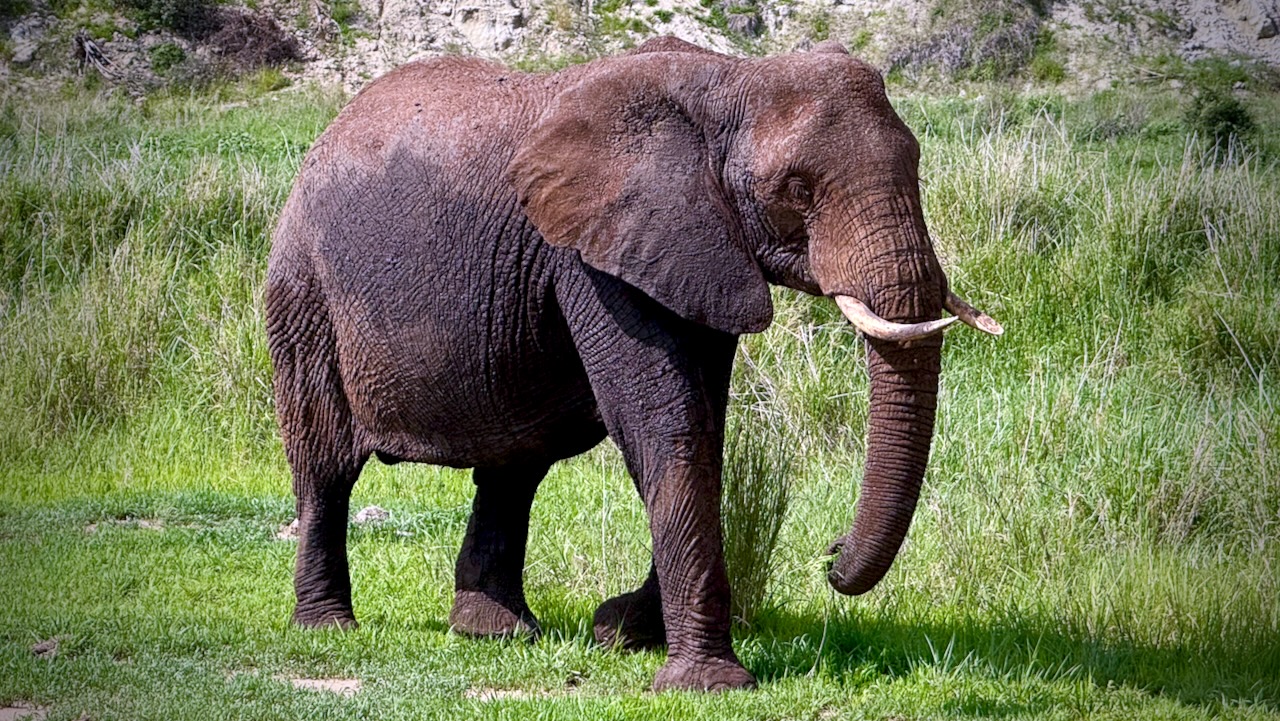
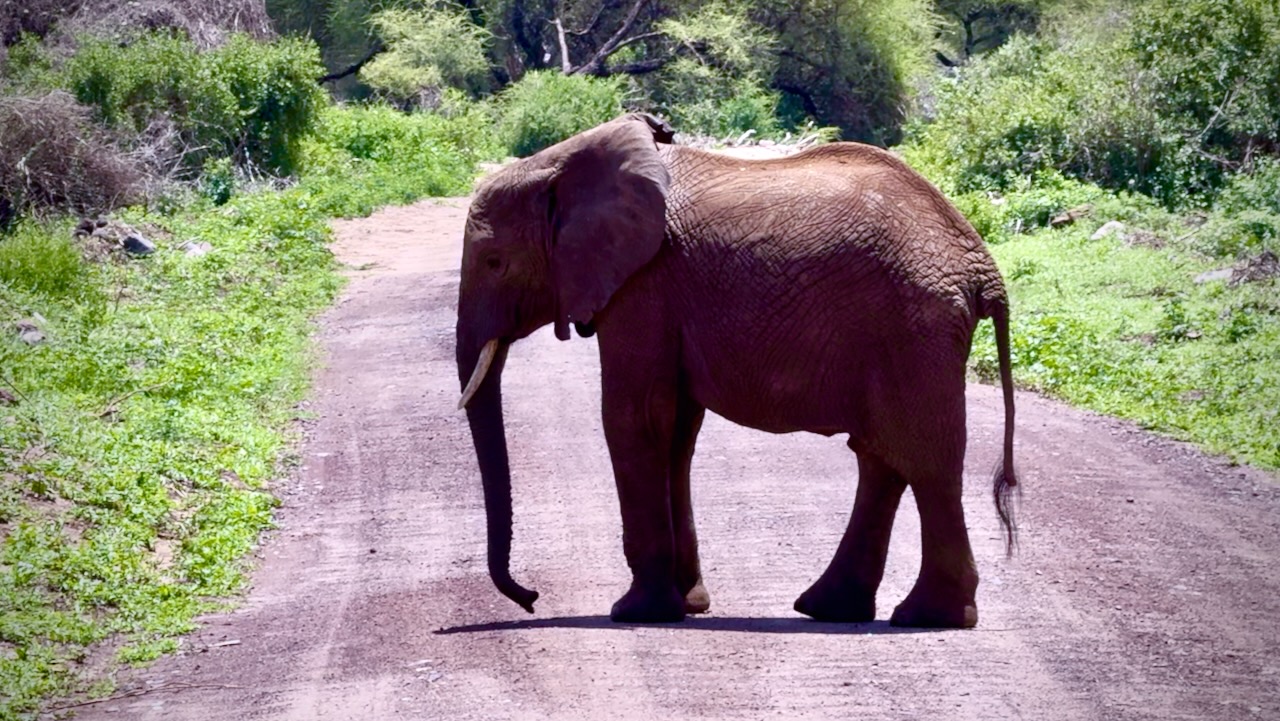
A great start. Tarangire is known as the Elephant Paradise. We saw MANY elephants and giraffes close up.
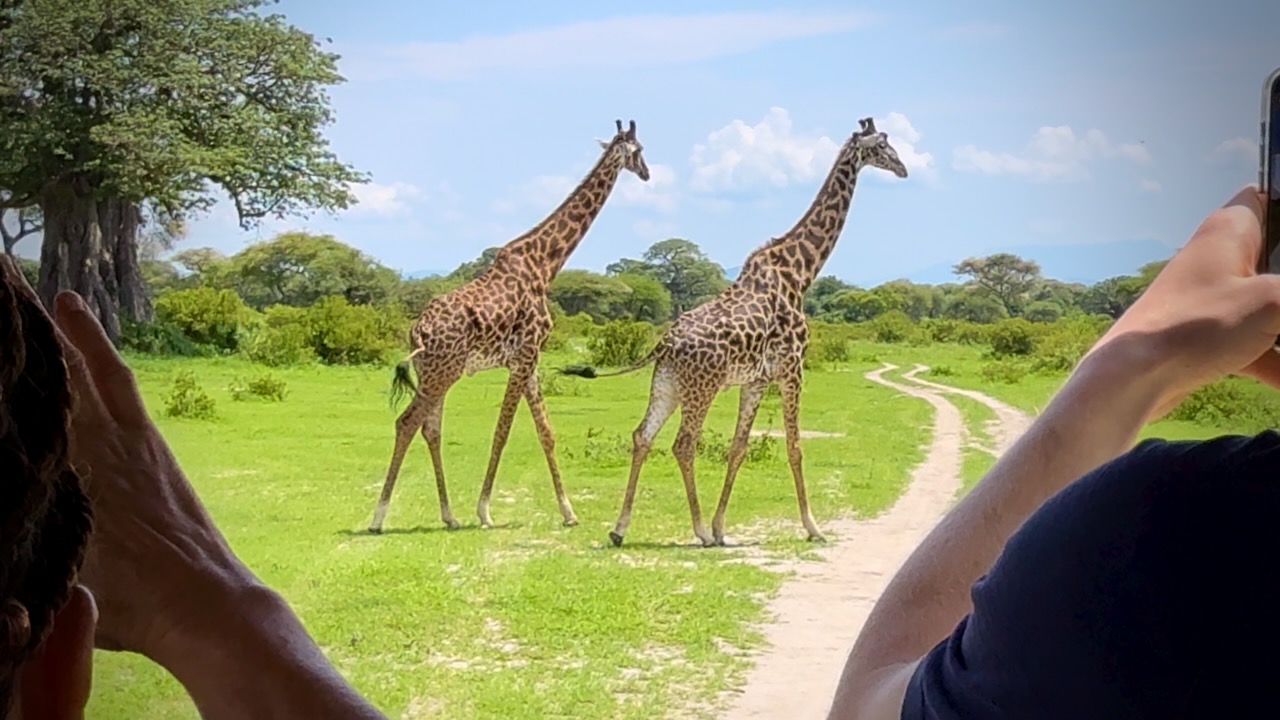
Giraffes love munching on Acacia — despite the very sharp spines.
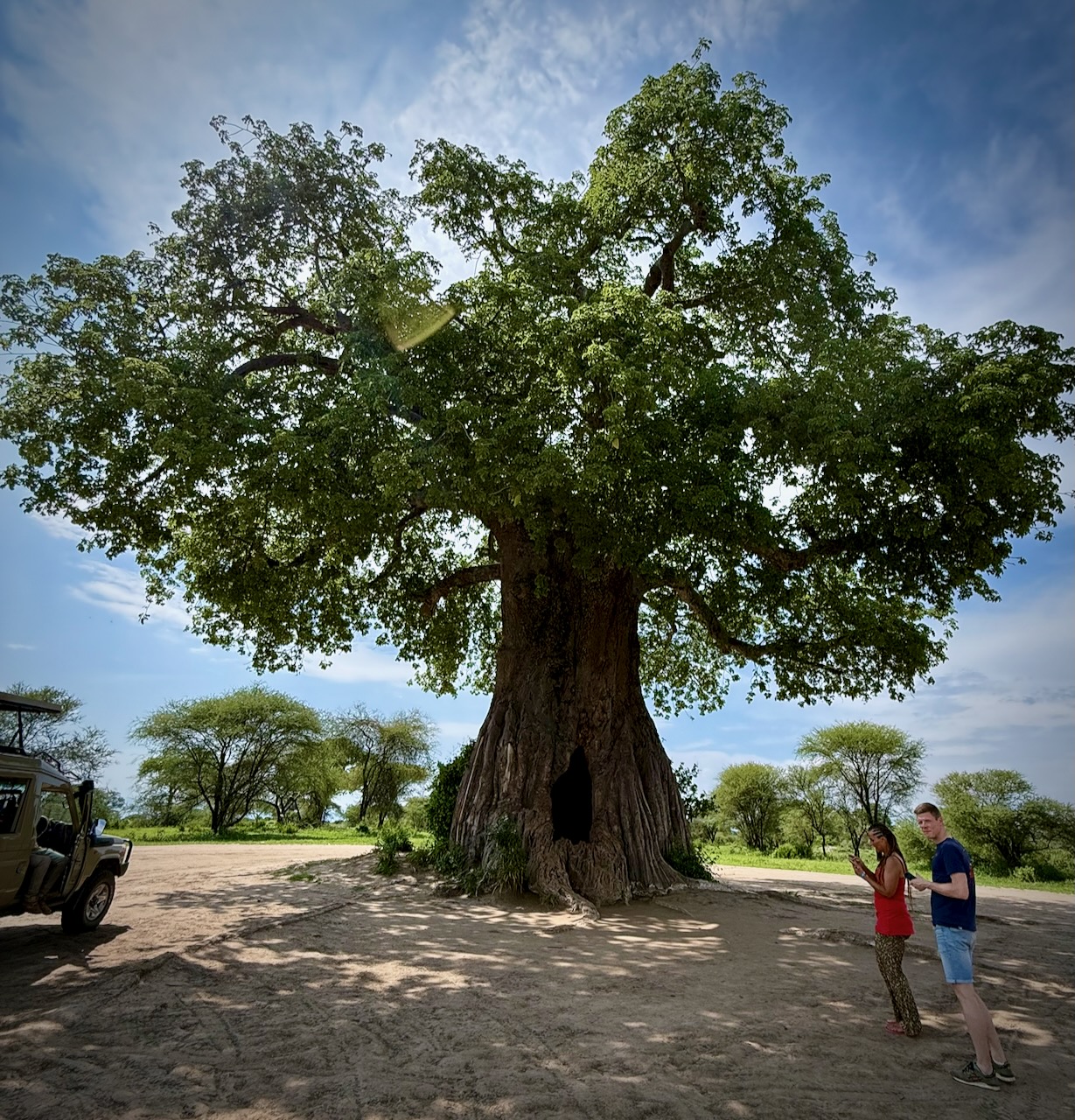
Huge Baobab trees are a highlight, as well. I do love the African trees.
Home to more than 550 bird species, the park is a haven for bird enthusiasts.

And this enthusiast.
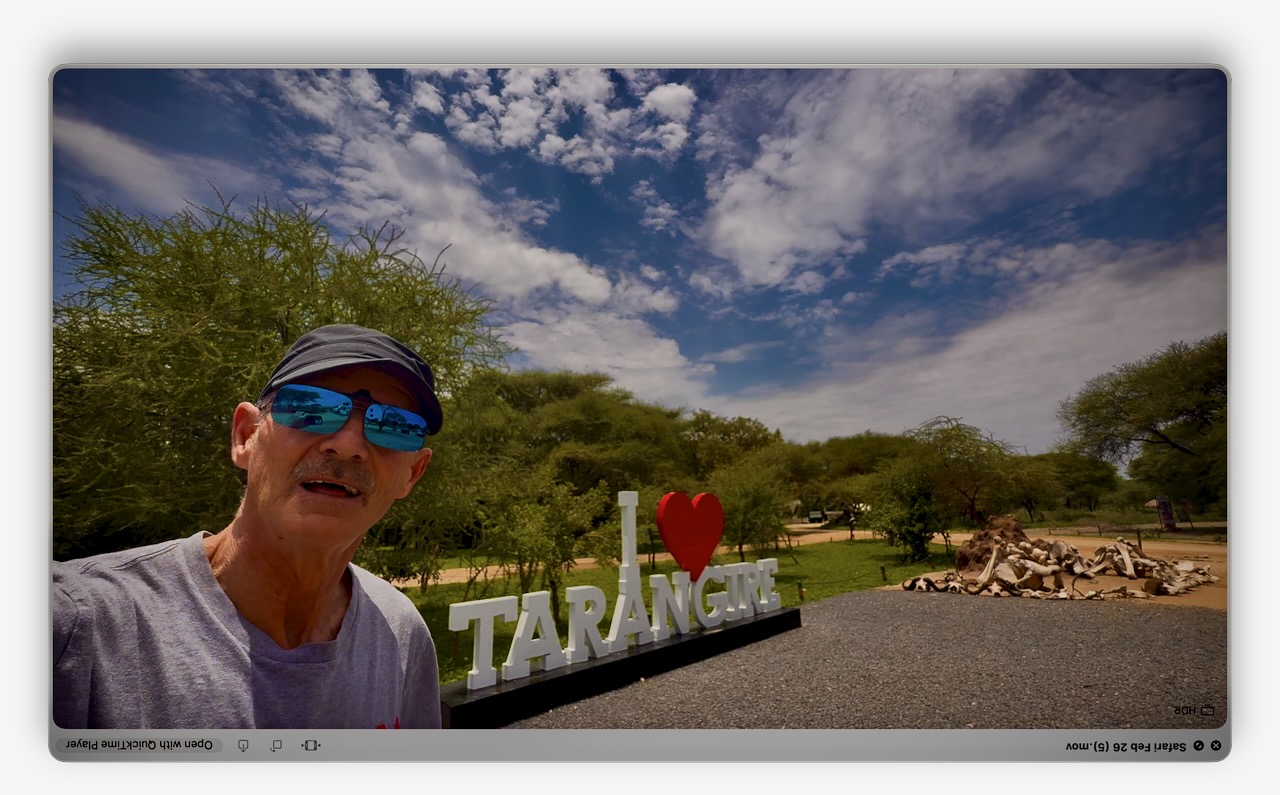
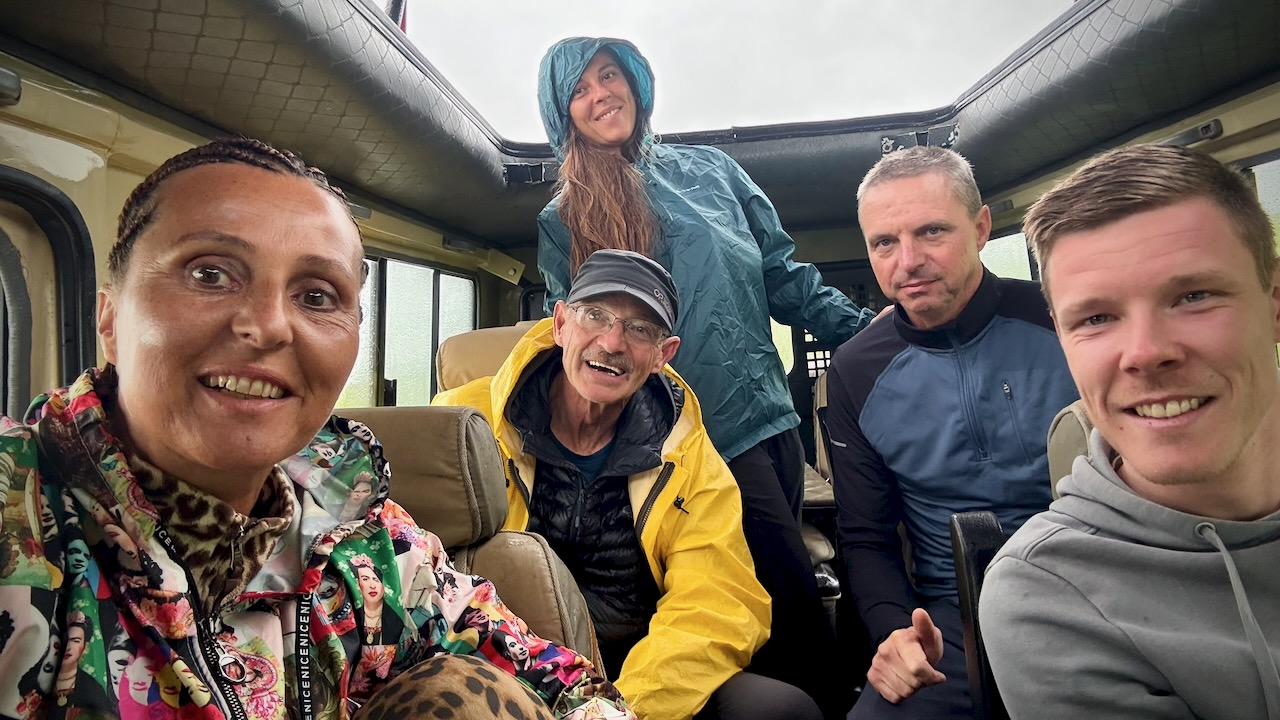
I’d signed on solo just the day before. Our group was 5 individuals who hadn’t met one another before meeting in the Toyota Landcruiser.
We actually had 2 LandCruisers. 2 Guide / Drivers. 2 groups. And one cook.
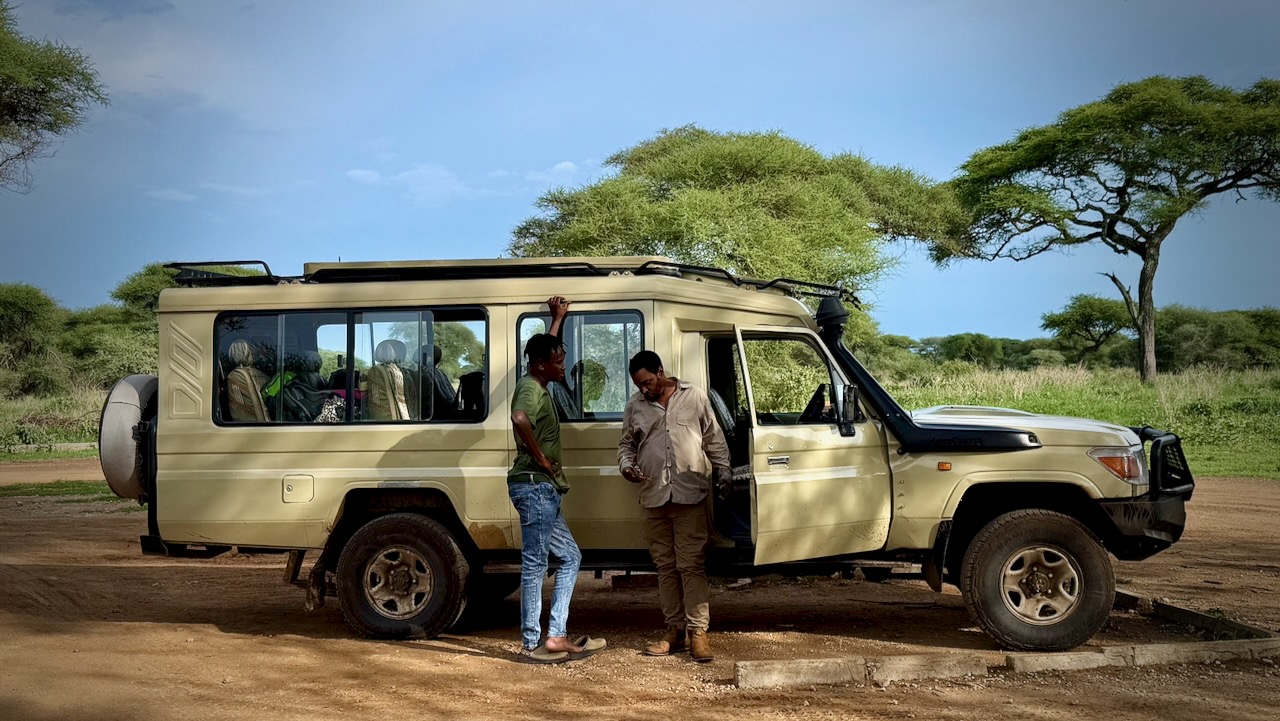
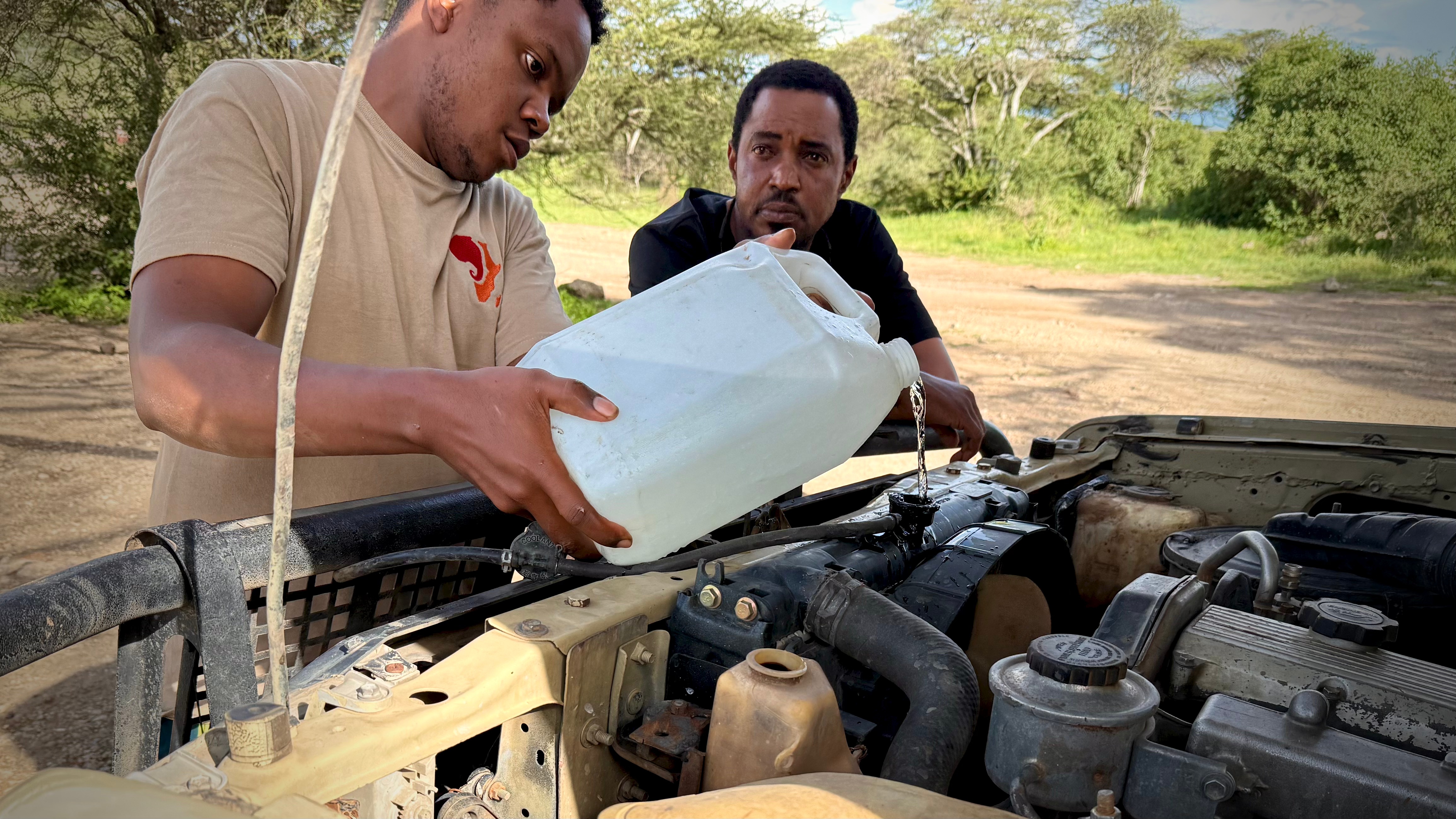
These LandCruisers are incredibly tough — but they do need constant maintenance. We saw several being towed. One crashed on the highway.
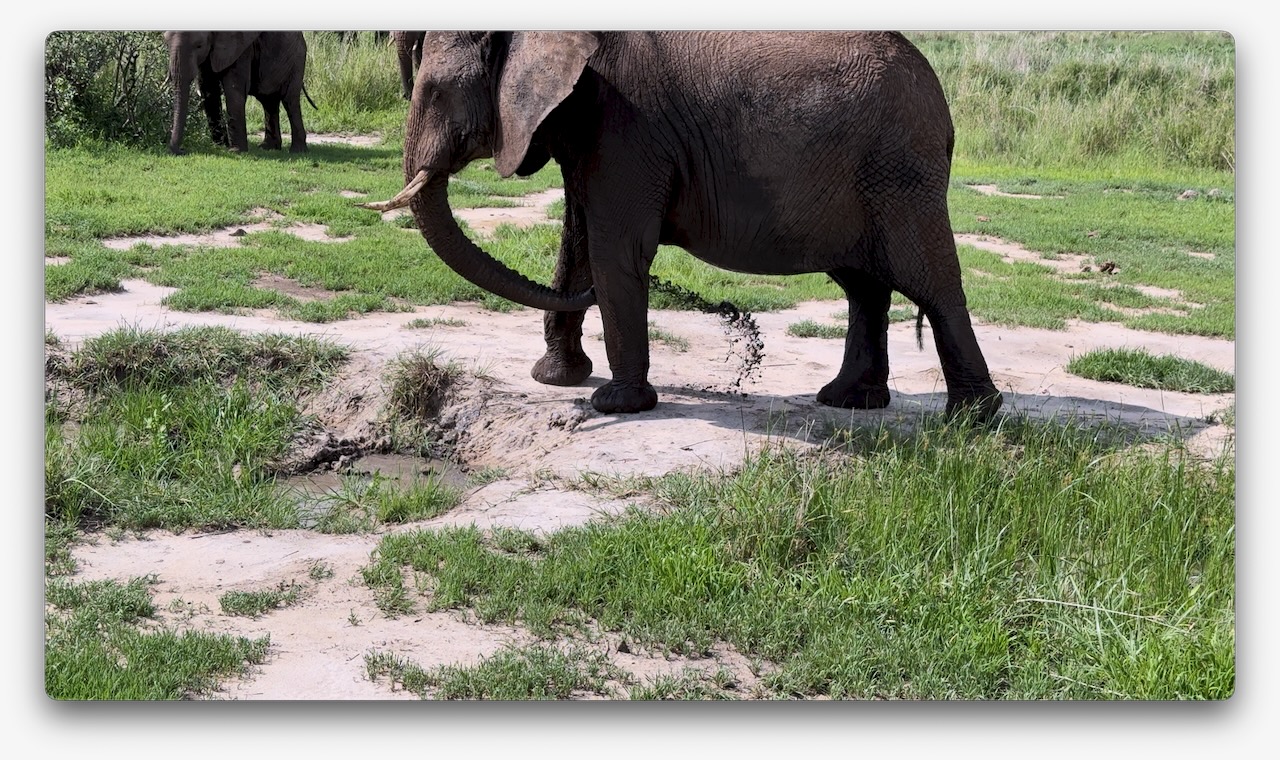
Very memorable was watching elephants give themselves a mud bath.
I was surprised to find myself staying in a comfortable hotel in Mosquito River. I’d signed up for a camping safari. 😀

DAY 2

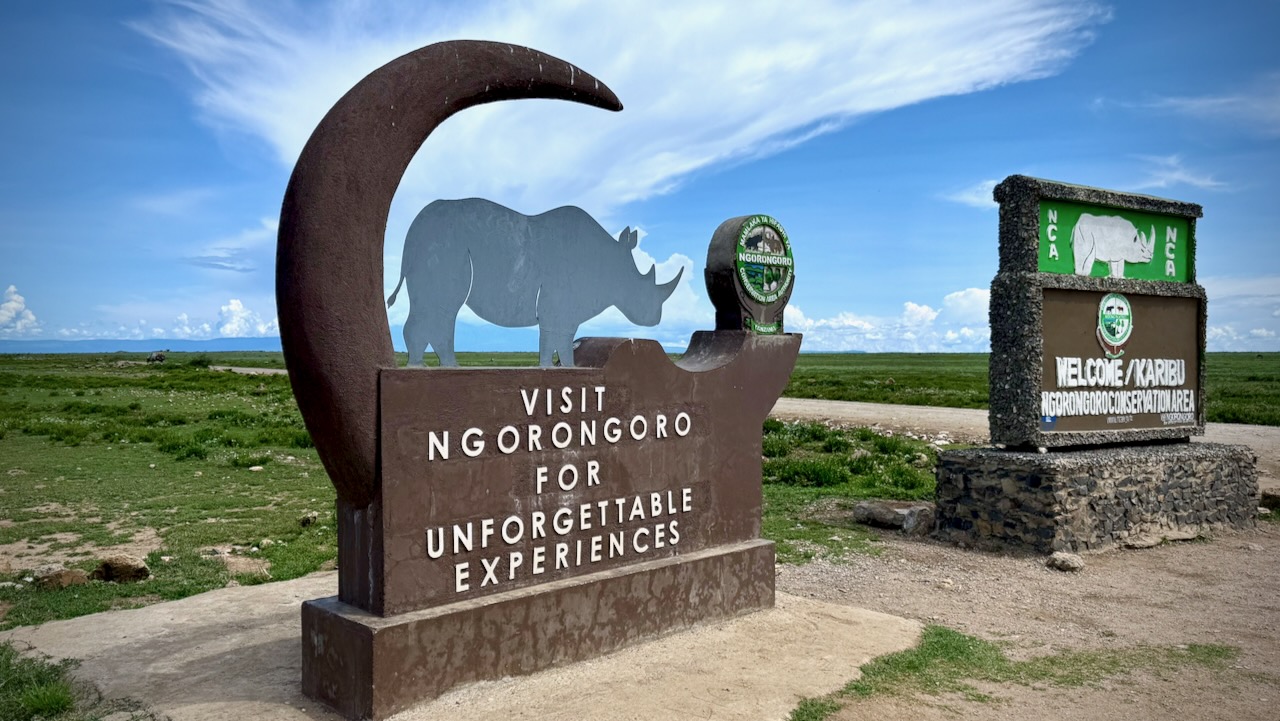
To Ngorongoro Conservation Area

For me Ngorongoro was even better than Serengeti.
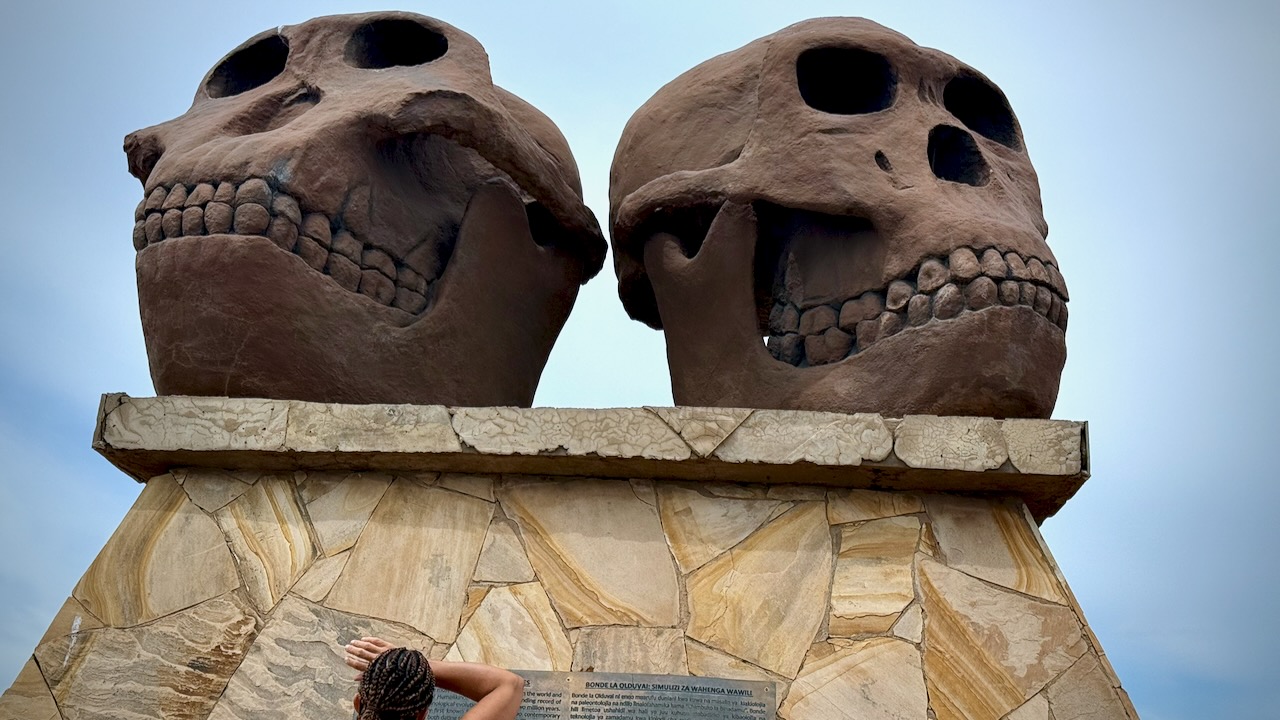
This is where Mary Leakey worked for decades. Olduvai Gorge. Hominin fossils more than 3.75 million years old.

The Maasai still live in the highlands here, though they are no longer in the caldera nor in the National Parks. Maasai herds can be as impressive as the wild animals.

Kids as young as age-4 are sometimes given responsibility to watch them.

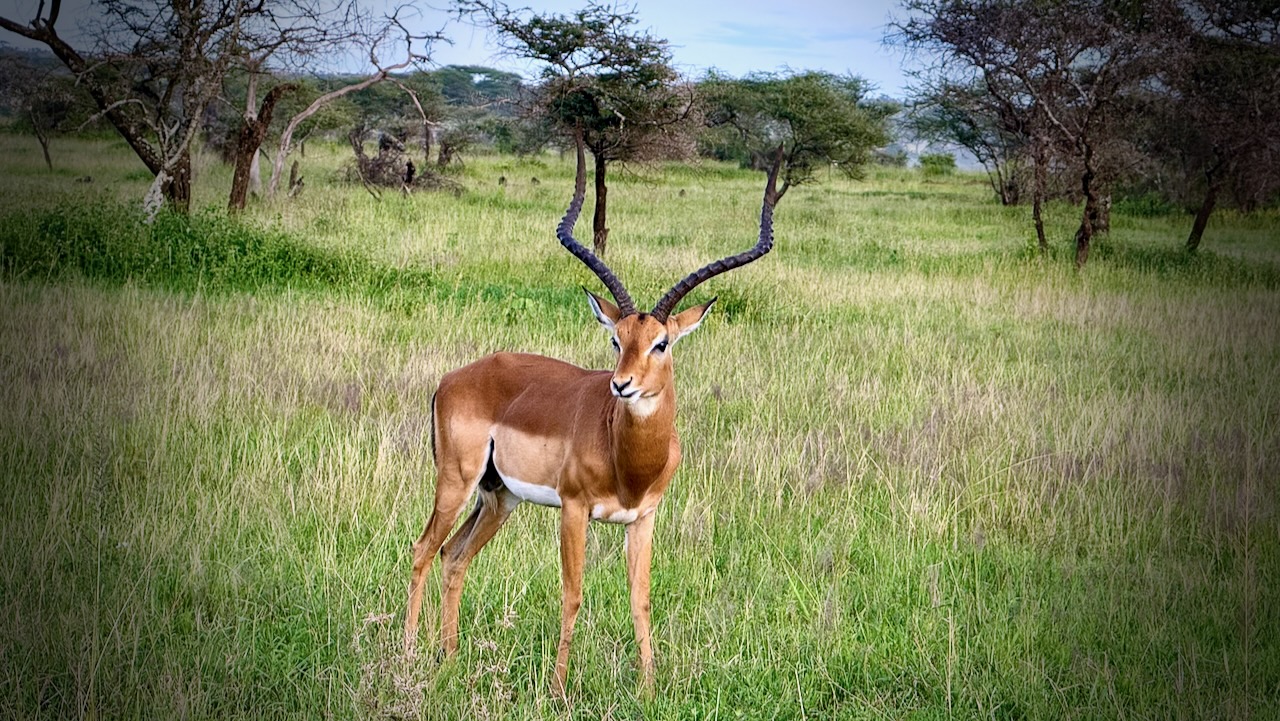
I hadn’t realized how many Impala and similar antelopes roam these grasslands.
We camped in Serengeti.
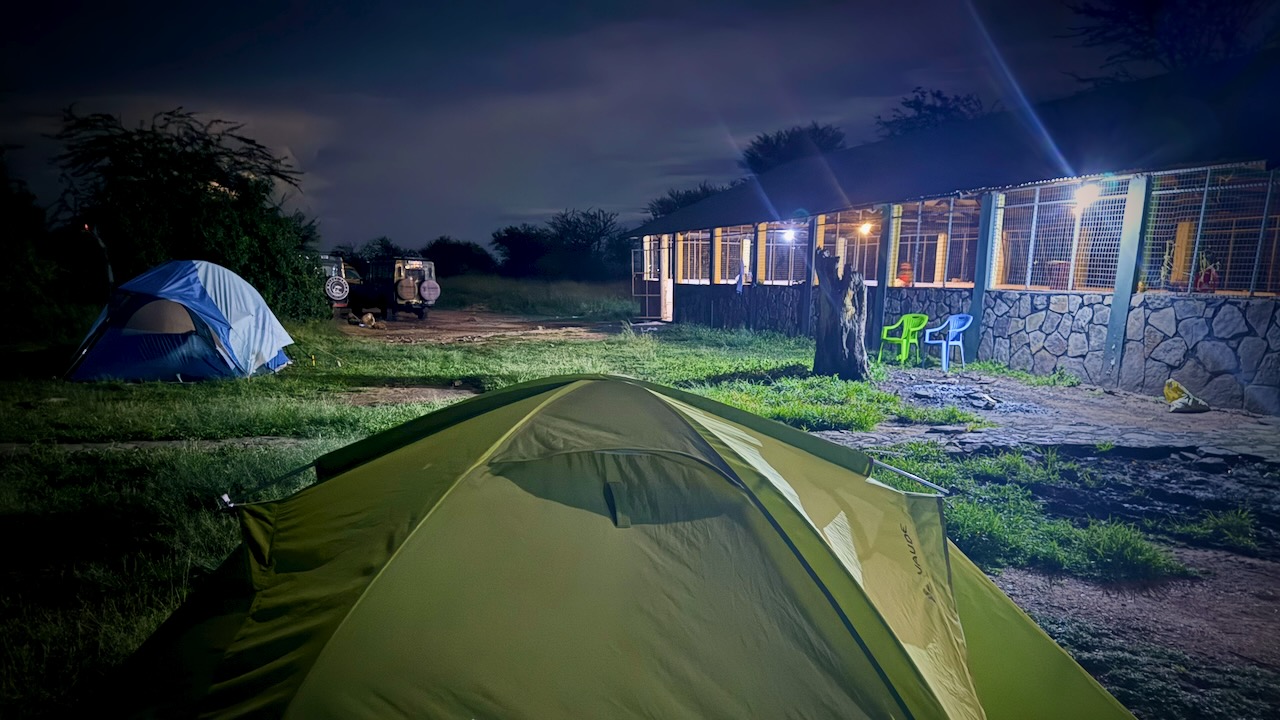
Simple canvas tents. I used my own sleeping bag and air mattress.
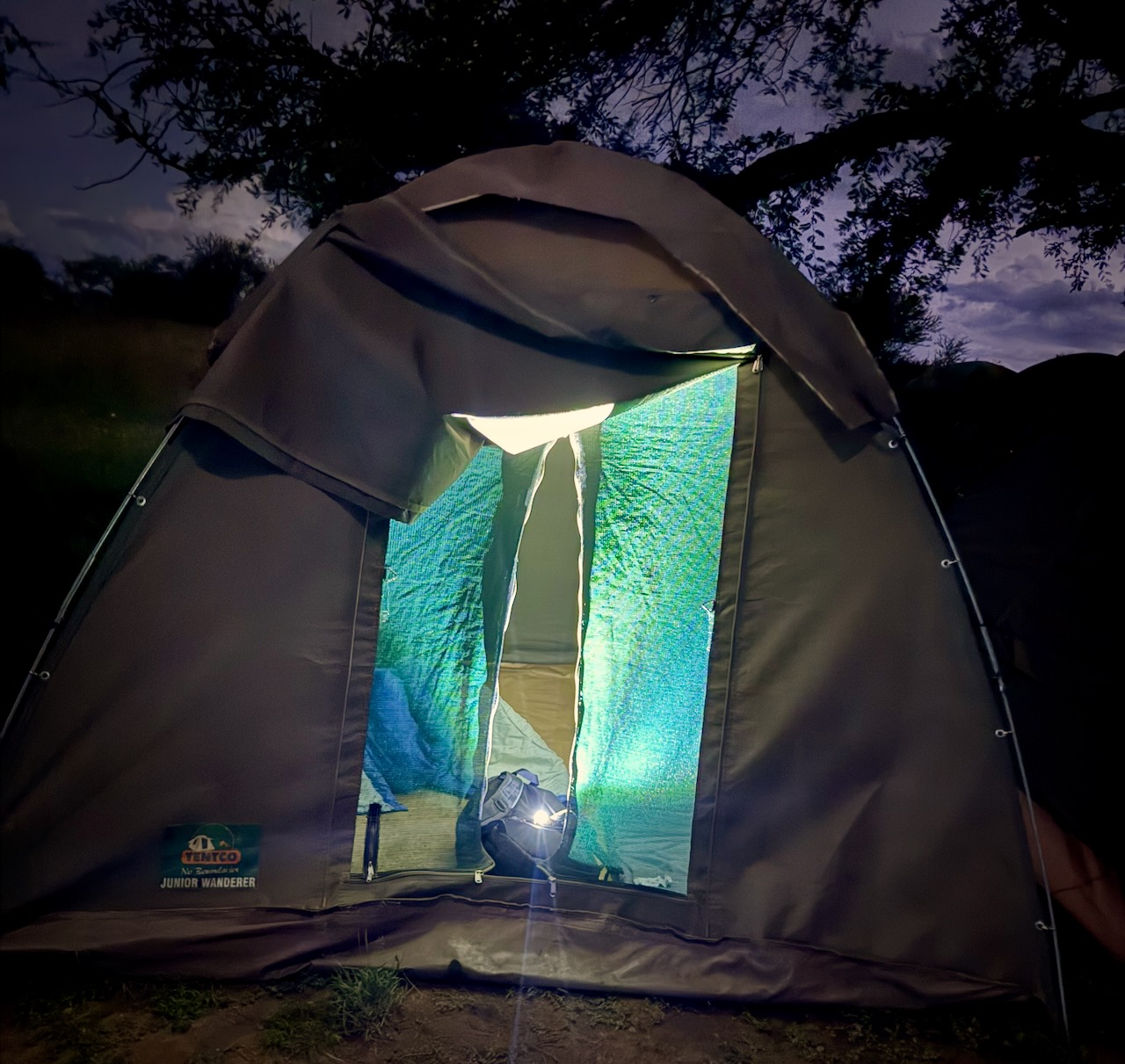
During a 2am pee break, here’s how the sky looked to my iPhone 16 Pro.
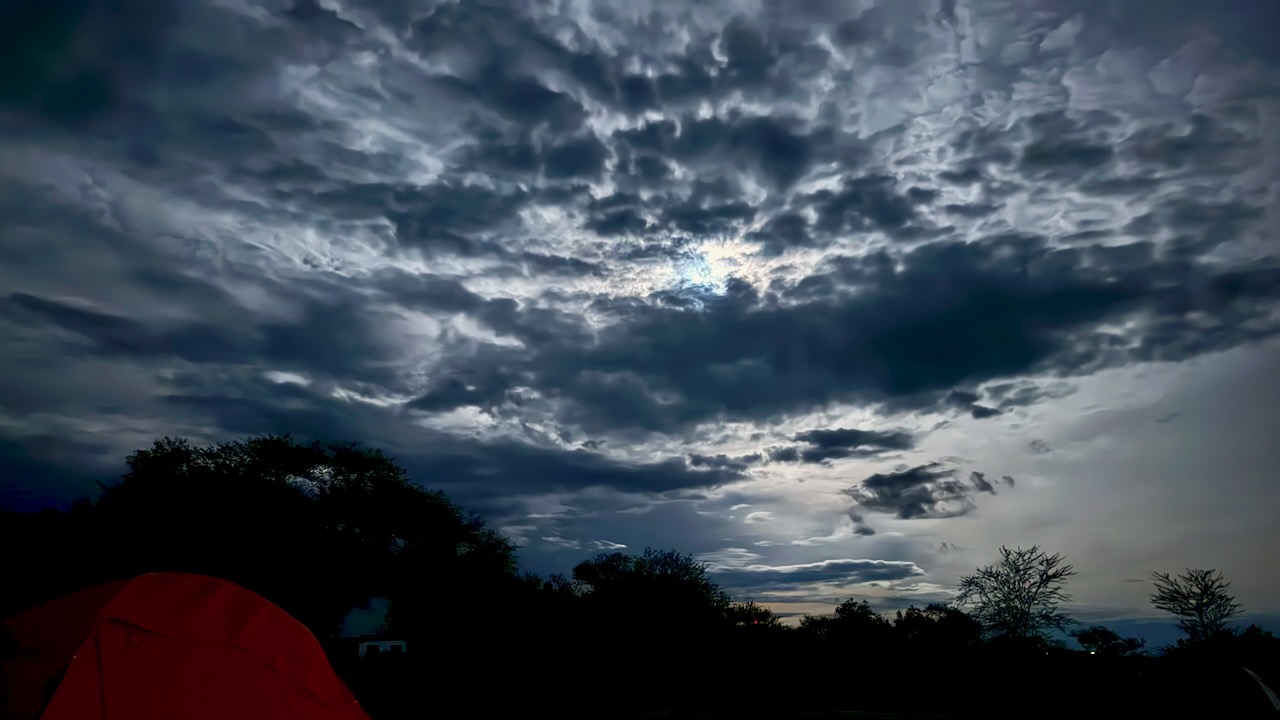
DAY 3

Touring Serengeti National Park

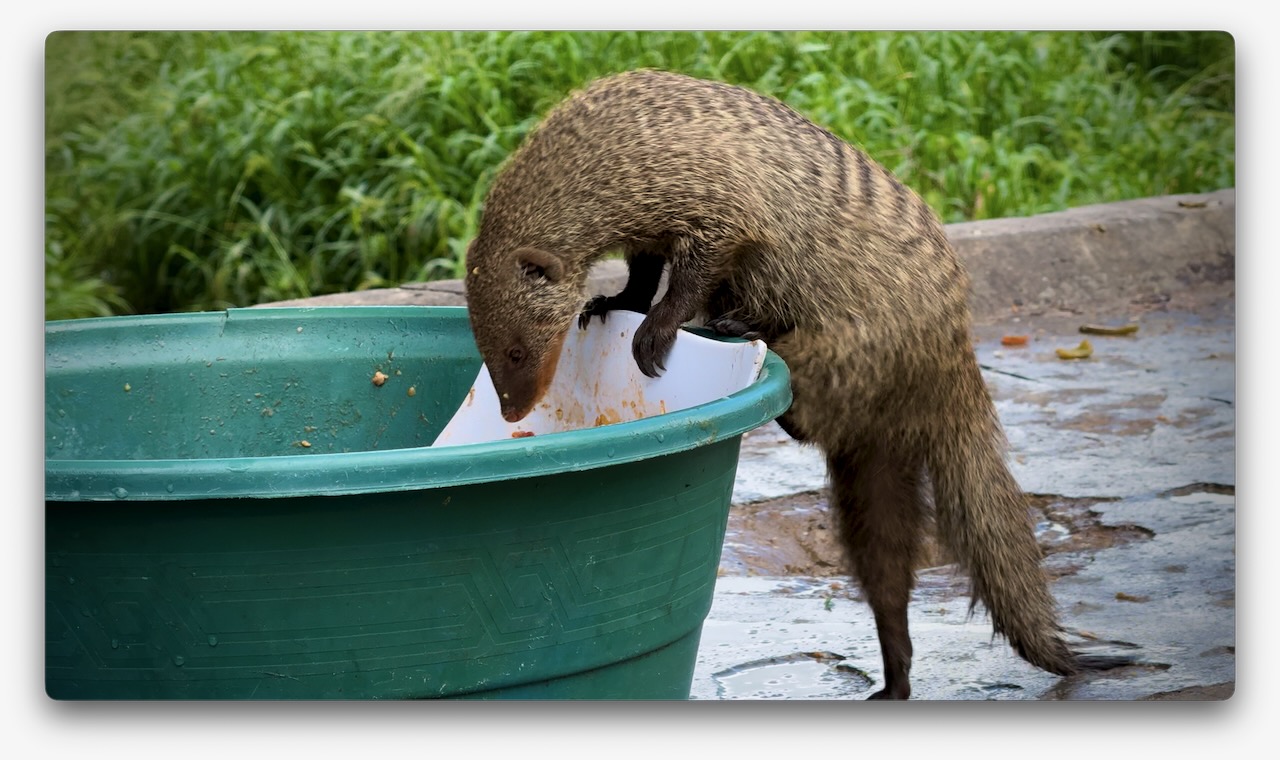
Check out our breakfast visitors. 😀

A horde of mongoose. Including babies.
Two huge cranes.
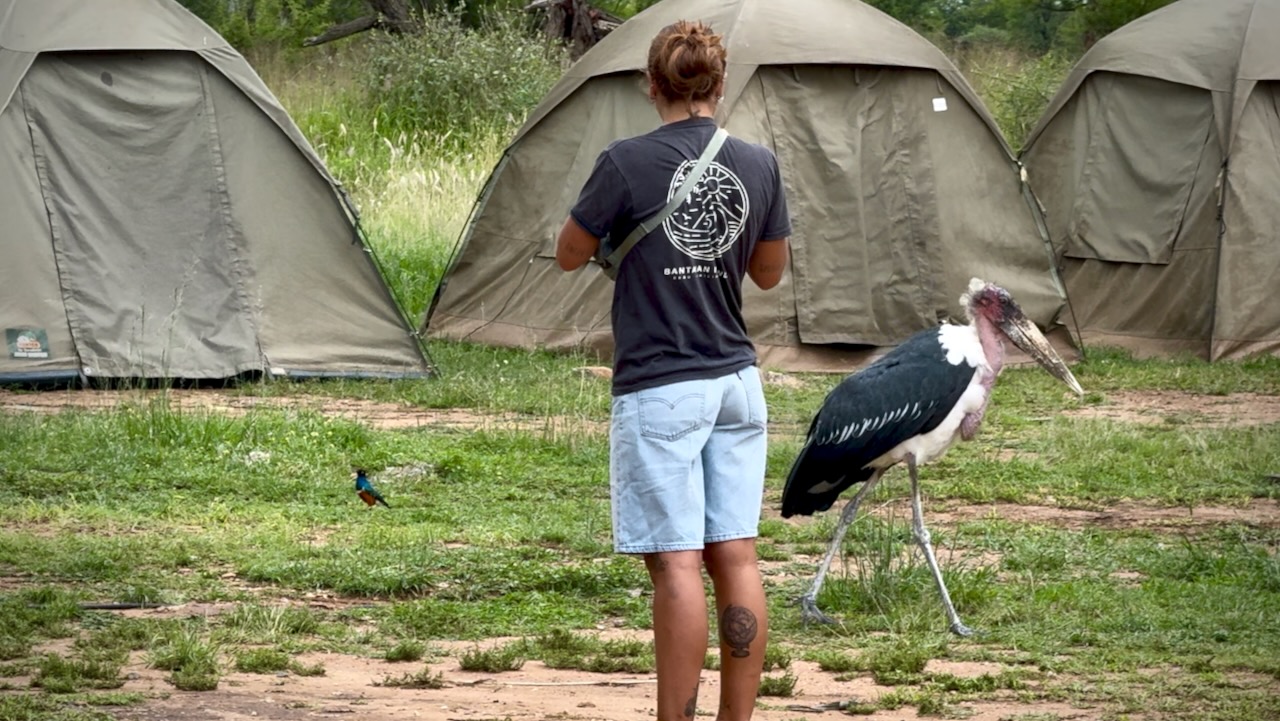
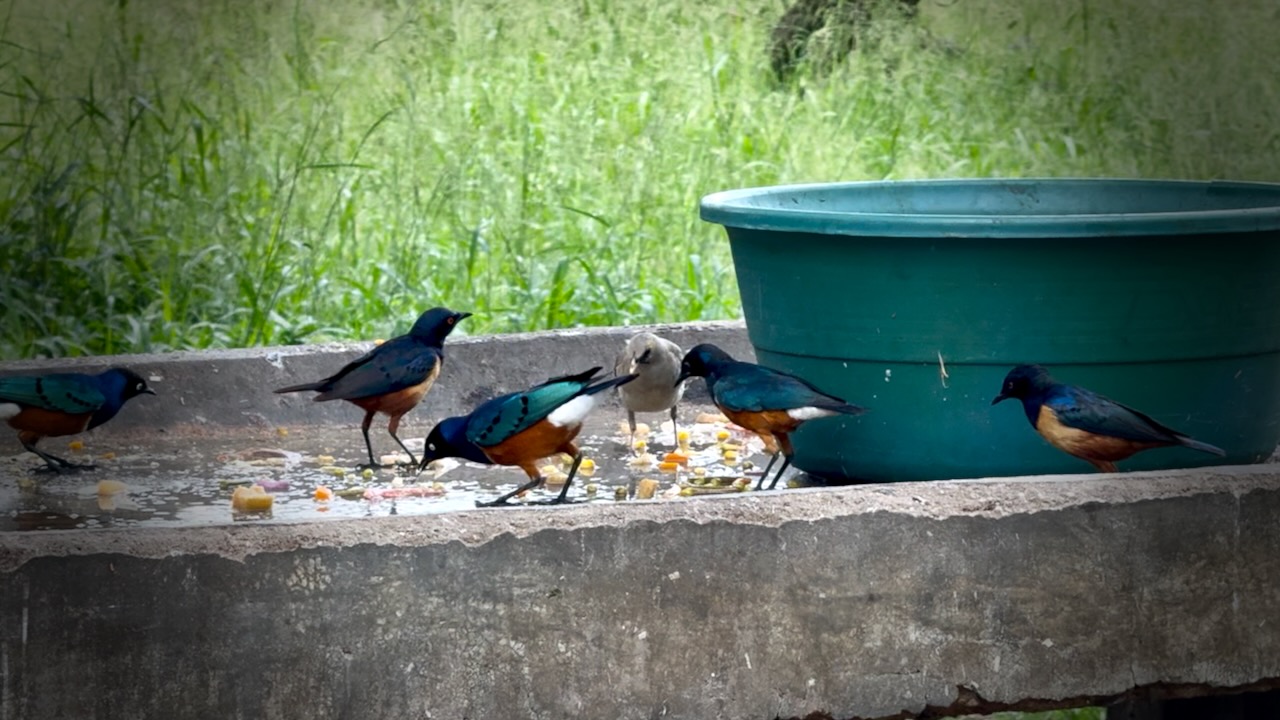
Dozens of small songbirds.
Serengeti is astonishingly vast grasslands. Massive number of grazing animals.

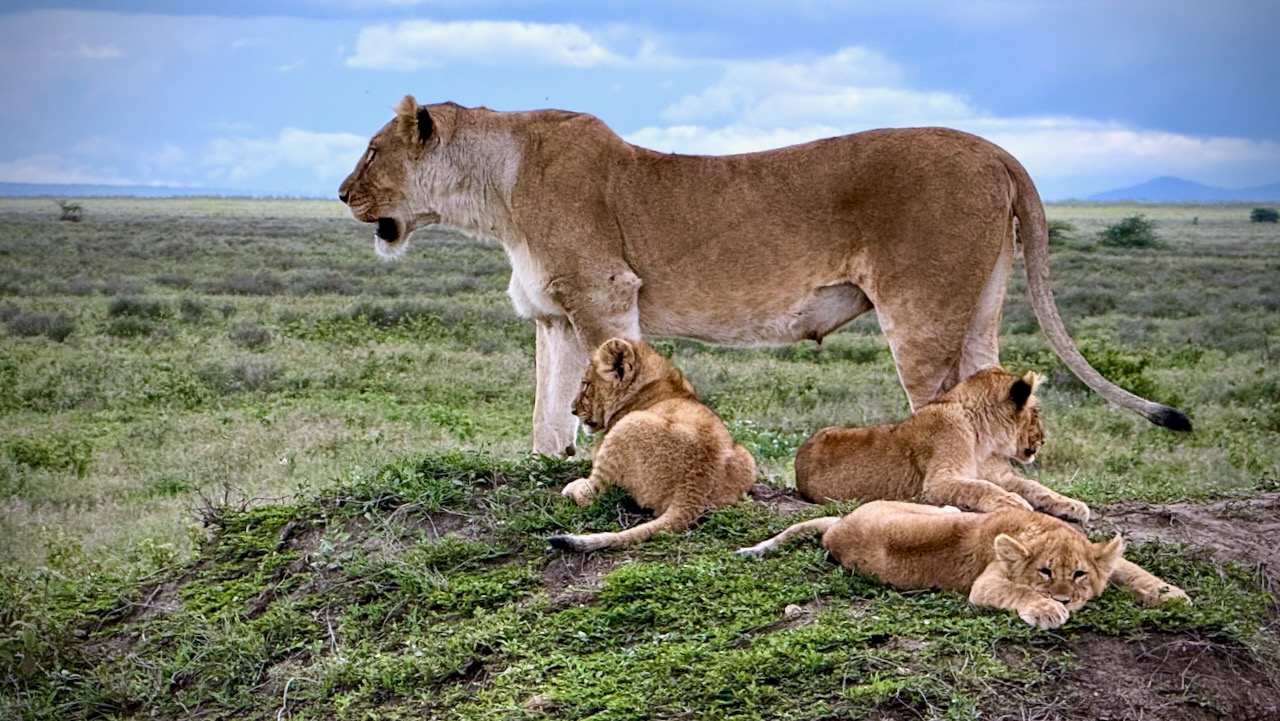
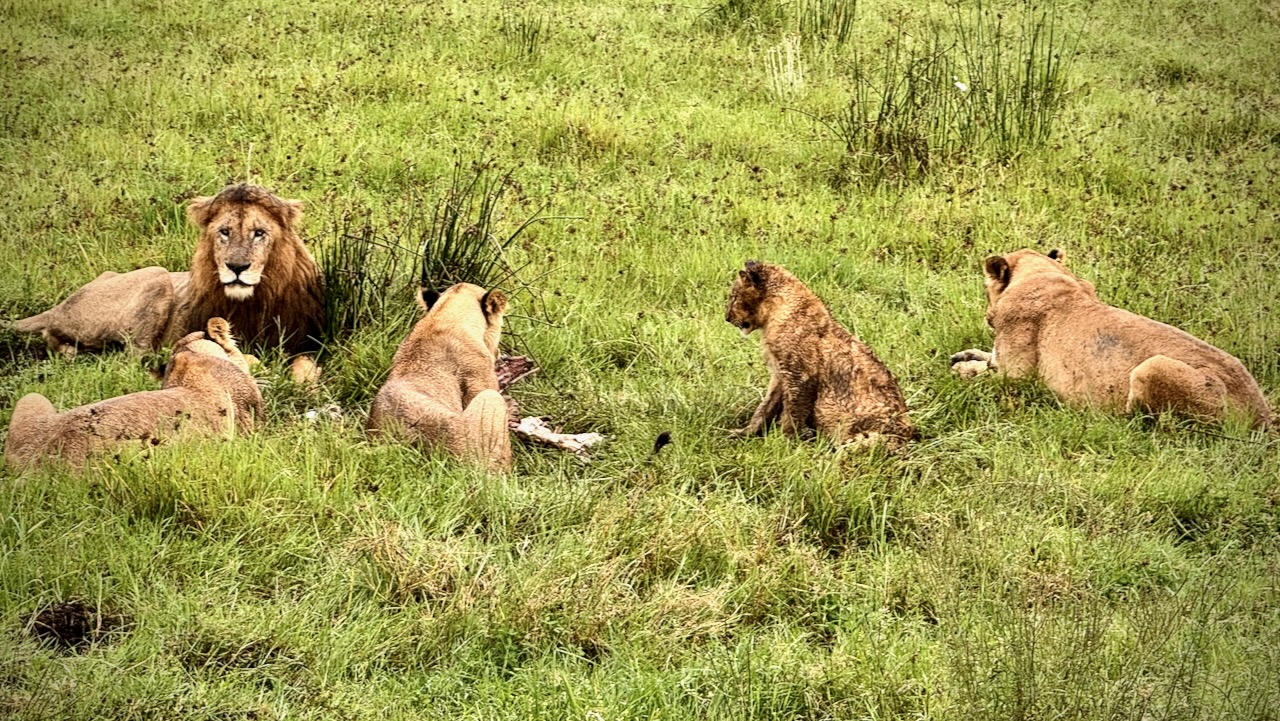
Lions are stars of the show here, often resting suspiciously close to roads. 😀

These three cubs were playful.
Predators seem to have easy pickings of the sick, old, and very young.
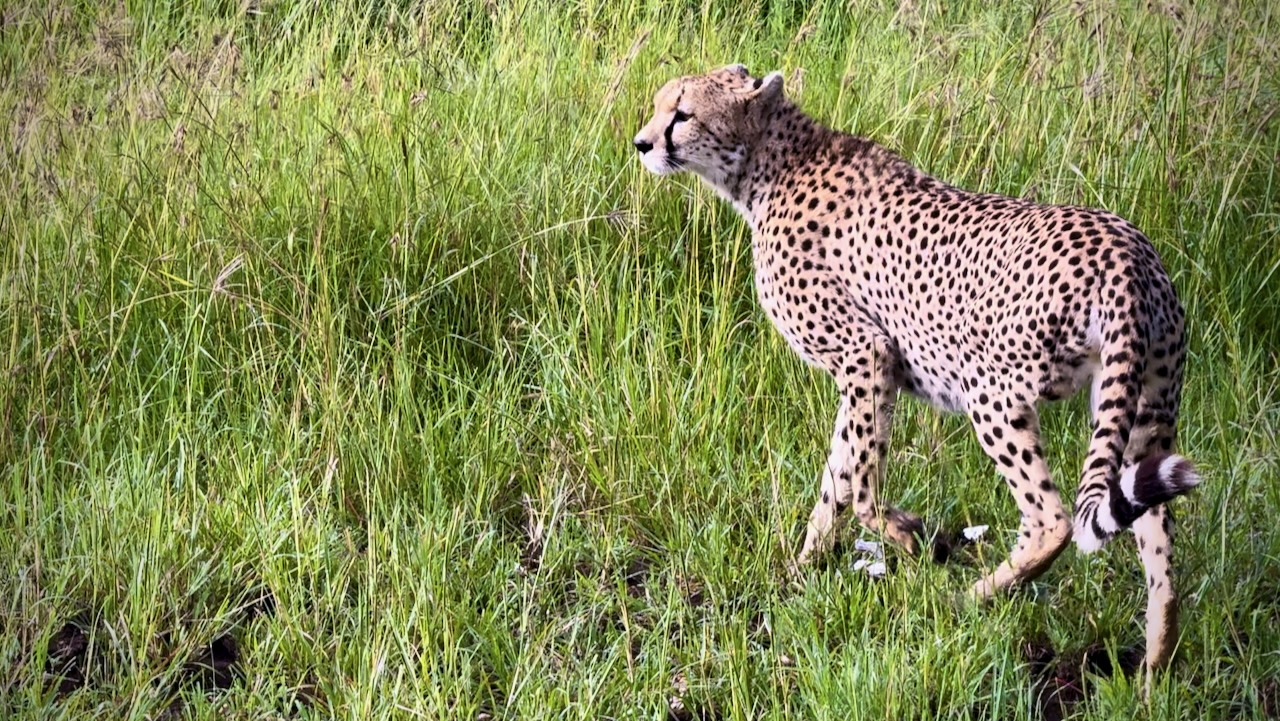
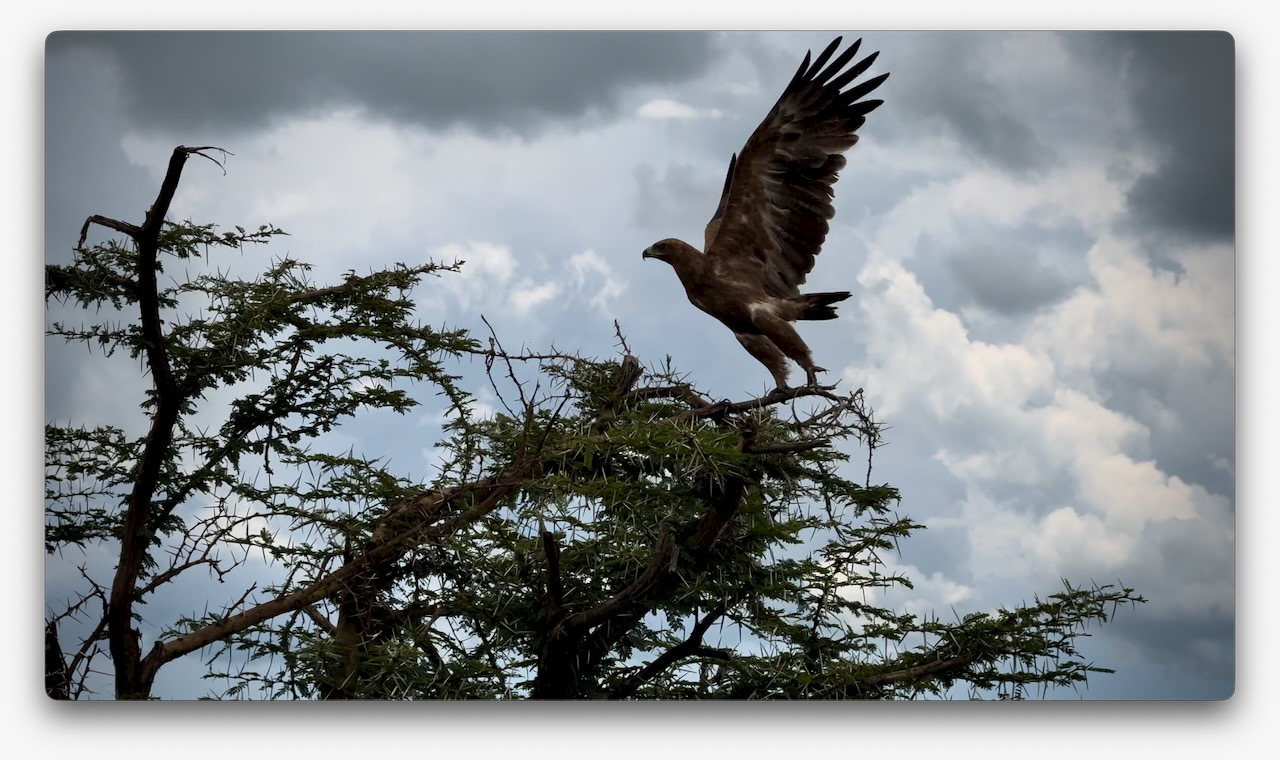
I wished I was a birder as my life list would have grown by about 100 a day here. Many species are very large.
In the afternoon, we drove to a campground in Ngorongoro.

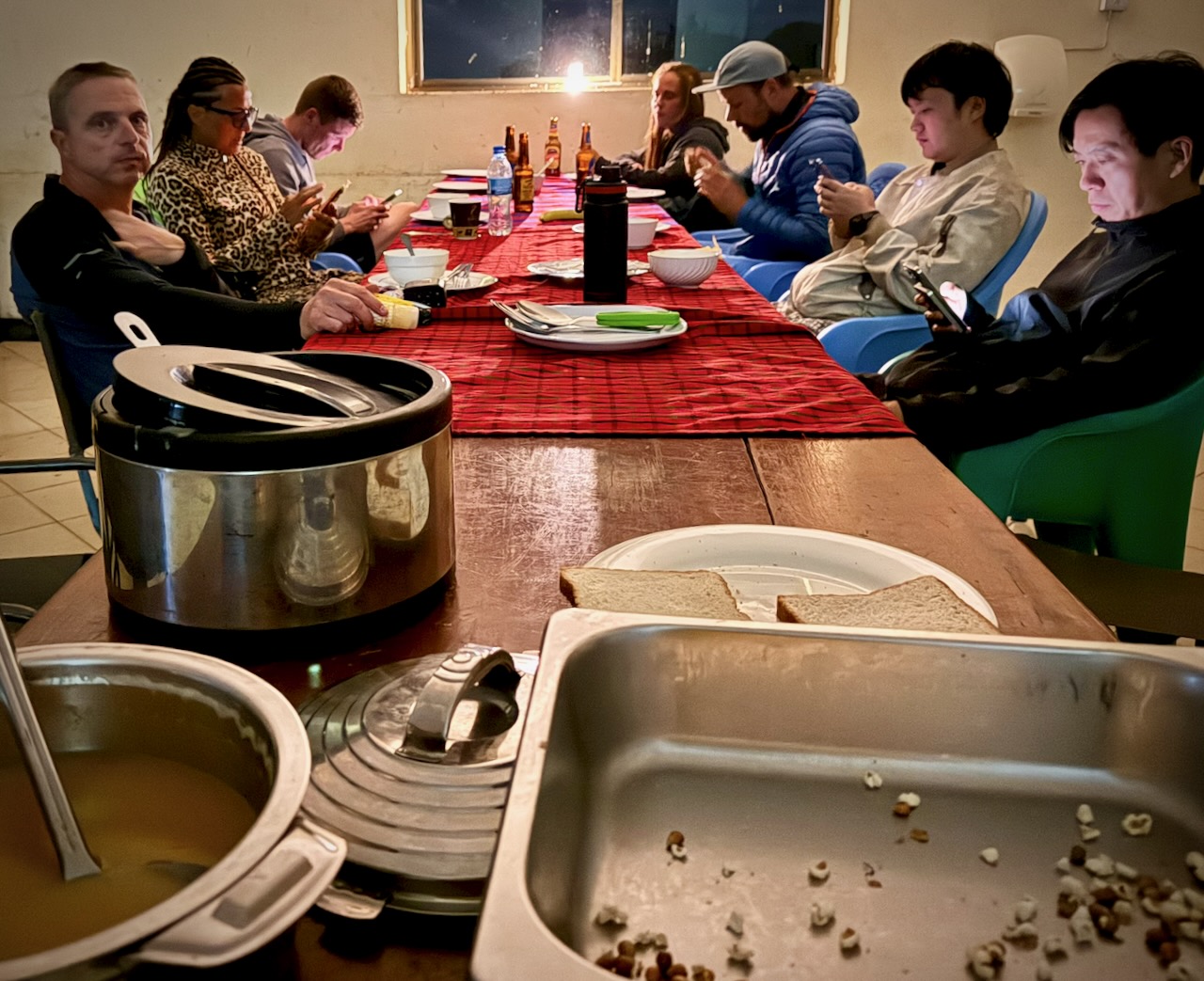
This one had electricity and very good hot showers.
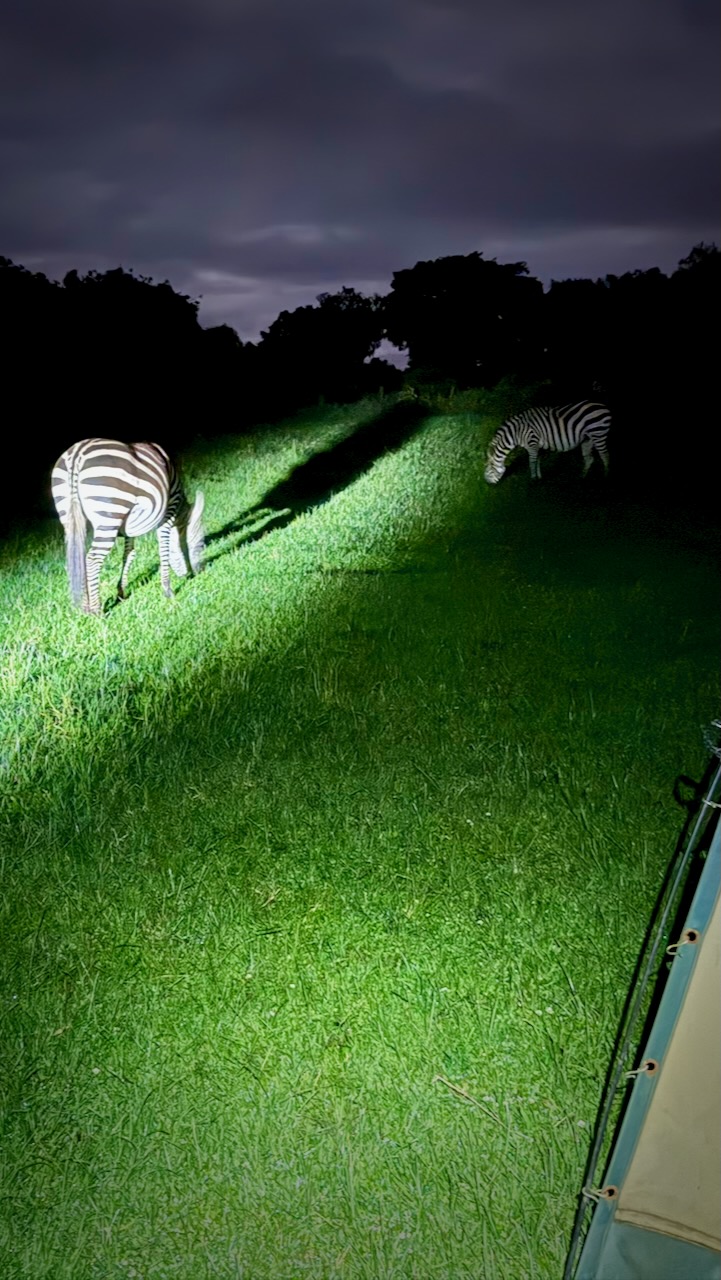
As foretold, we had zebra grazing between our tents.
Two ladies from my group got up to pee in the middle of the night. They found themselves only a few metres from Buffalo — one of the dangerous Big 5.

DAY 4

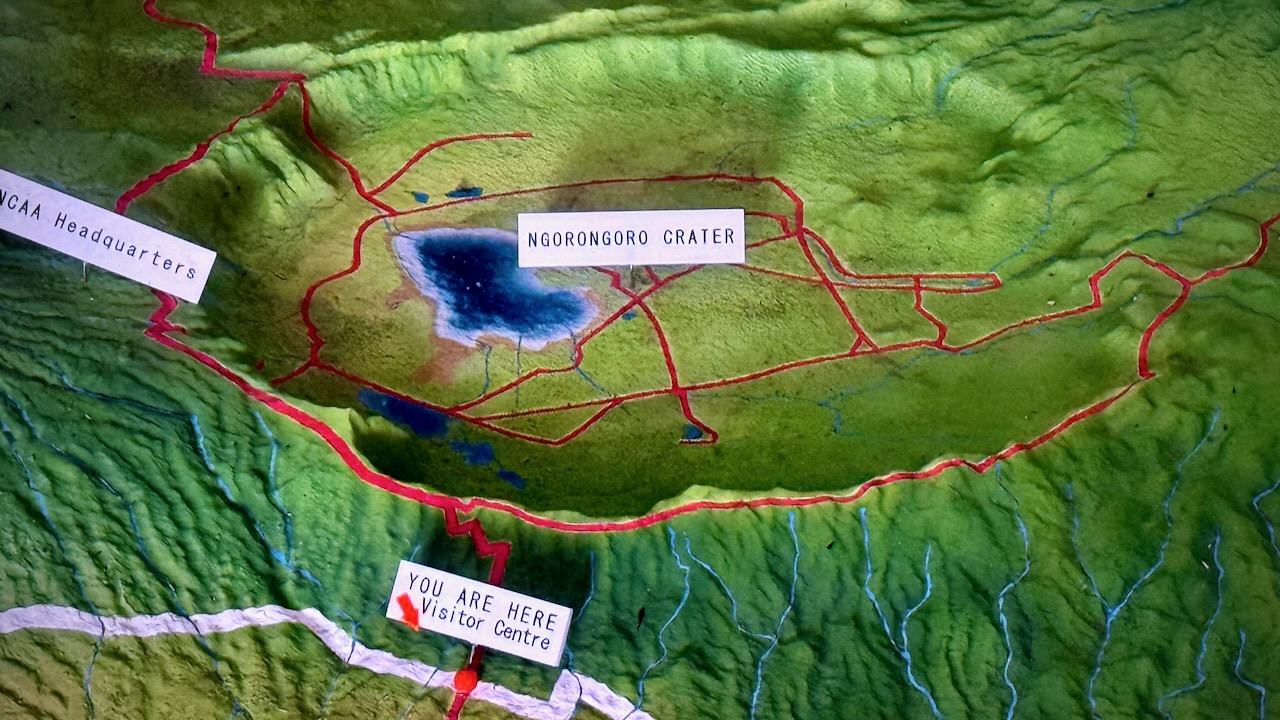
Touring Ngorongoro Conservation Area volcanic caldera in the early morning.

We awoke to heavy rain. It seems the “long rains” from March to May have just begun.
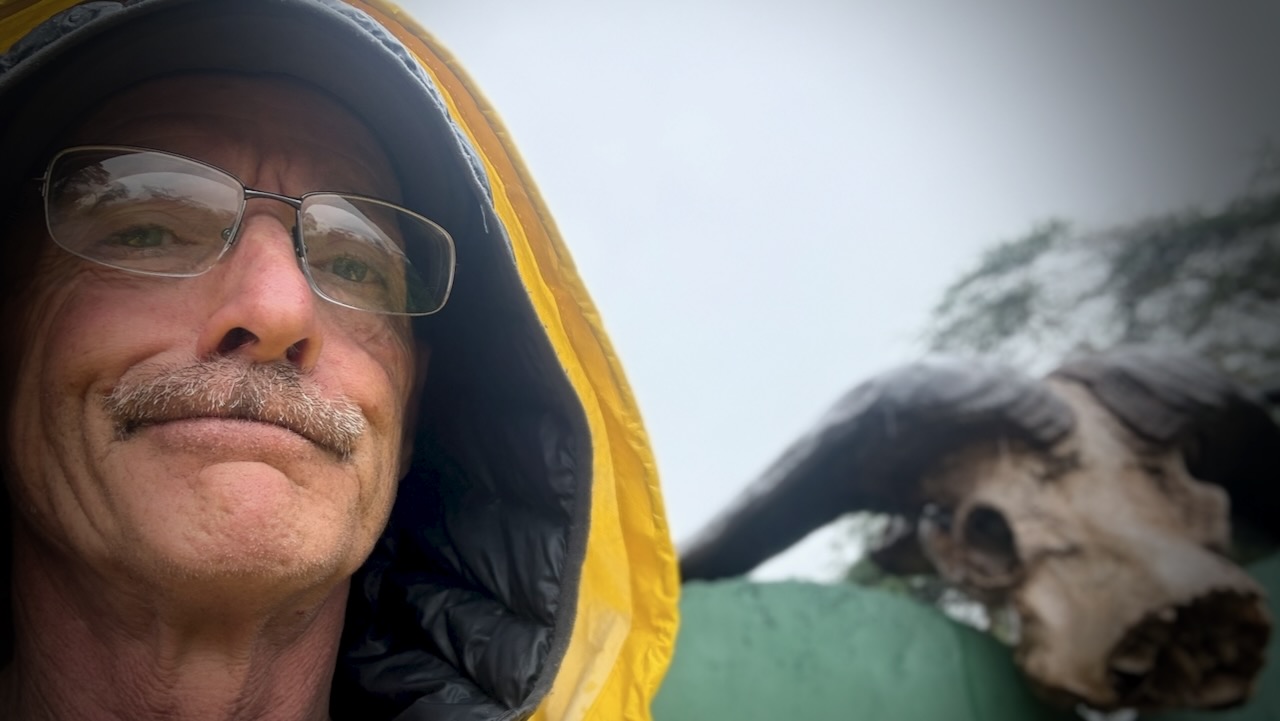
Early start dropping down into the crater.
Predators were still working on their kills from the previous night. It seems young zebra are the dinner of choice for most.
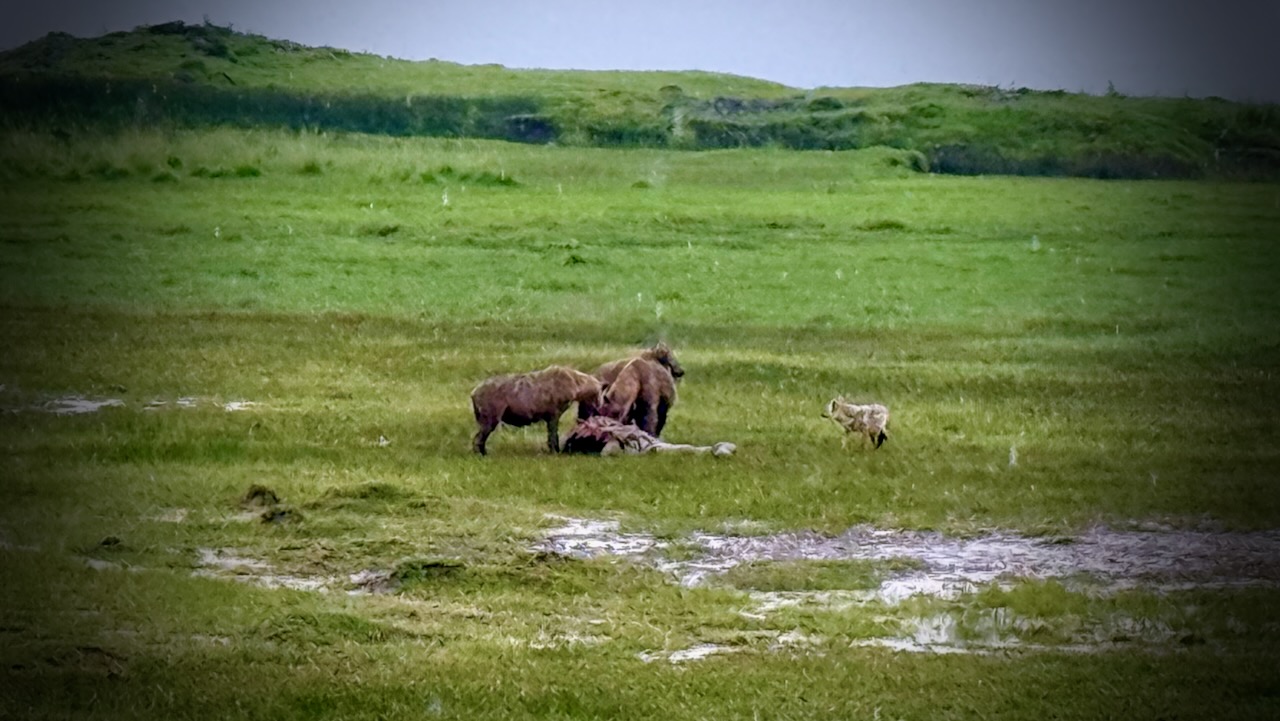
These hyenas were almost finished with their kill. A jackal was sneaking in to get quick bites, when it could.
Why did the Wildebeest cross the road.
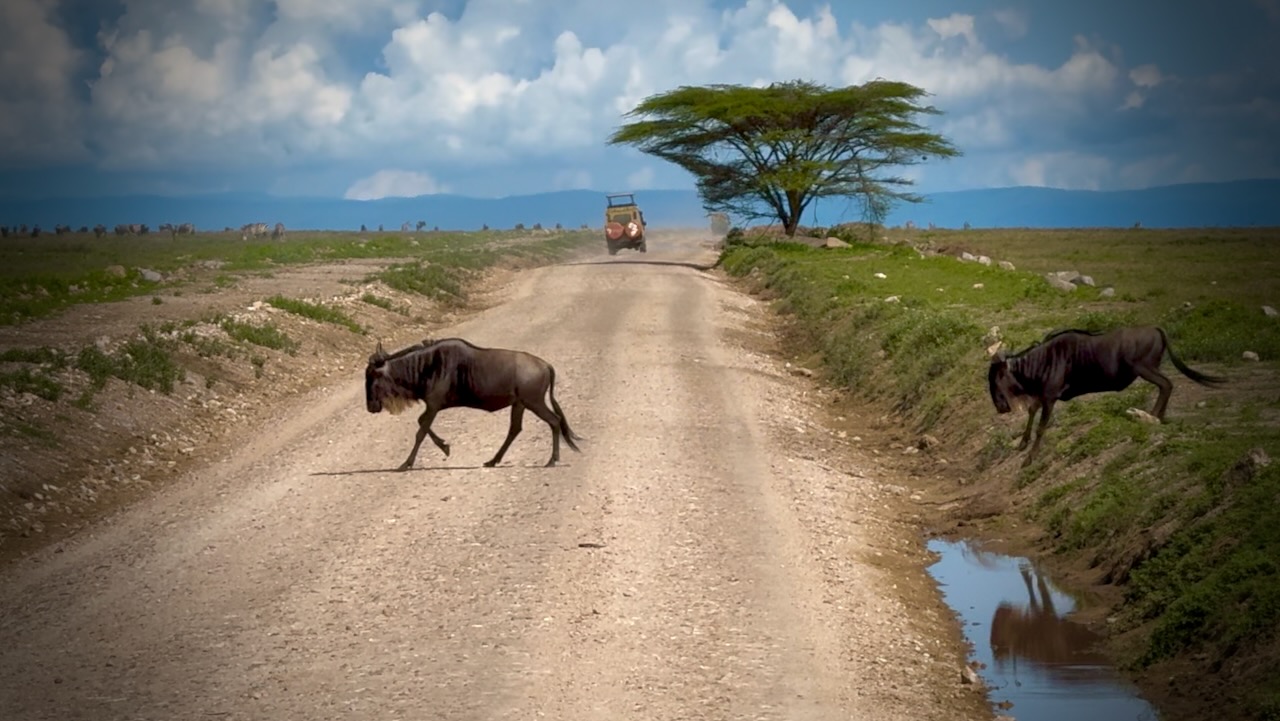
Animals migrate for grazing and water sources. Predators follow.
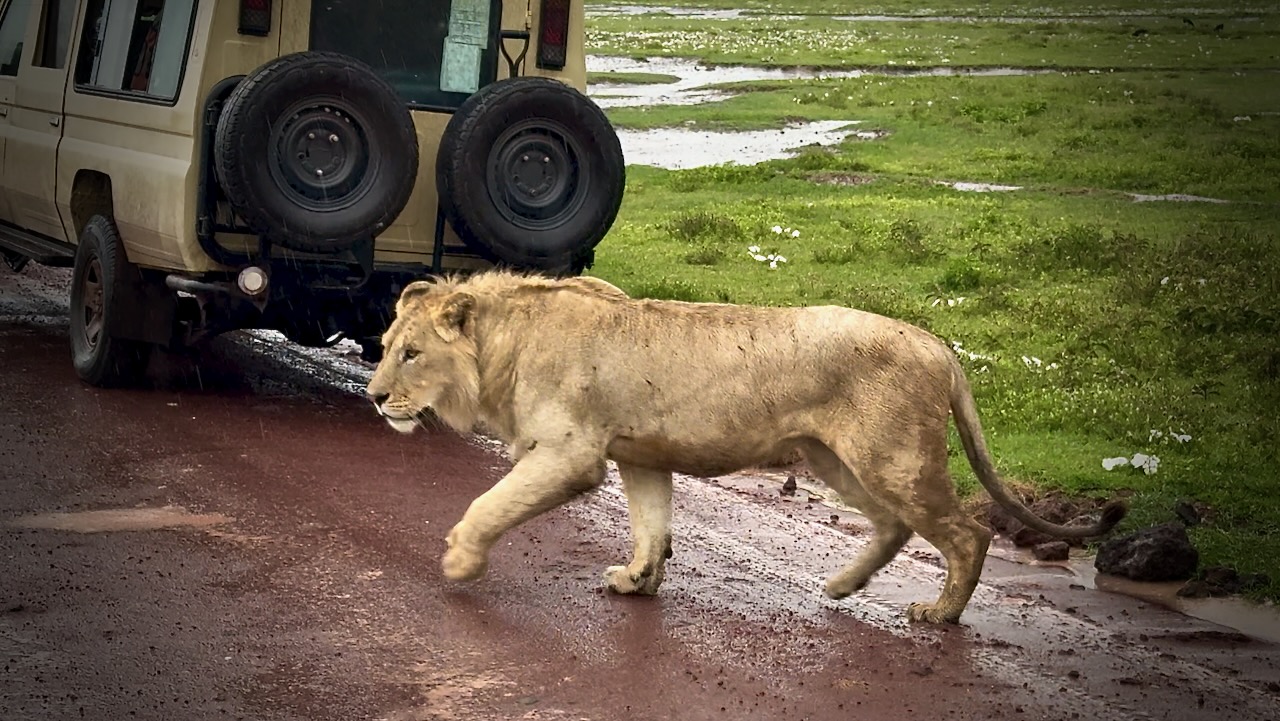
There was plenty of water in the crater while we were there. Flamingos a highlight.
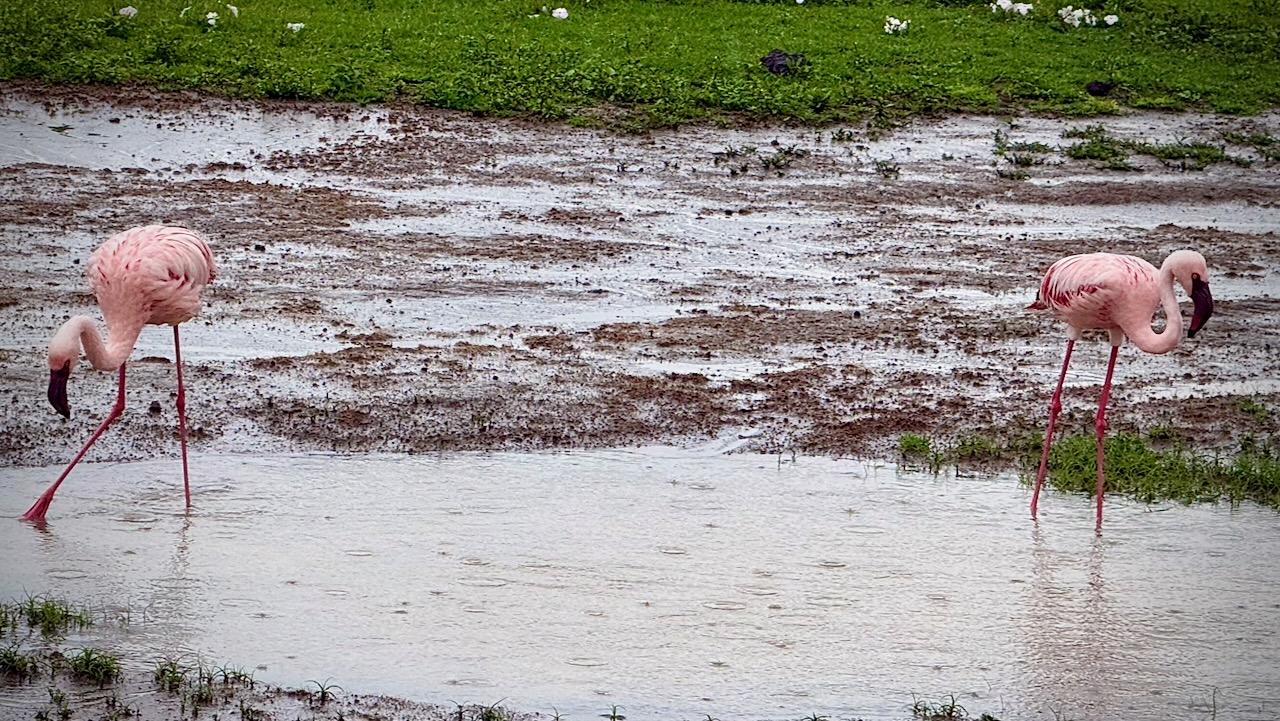
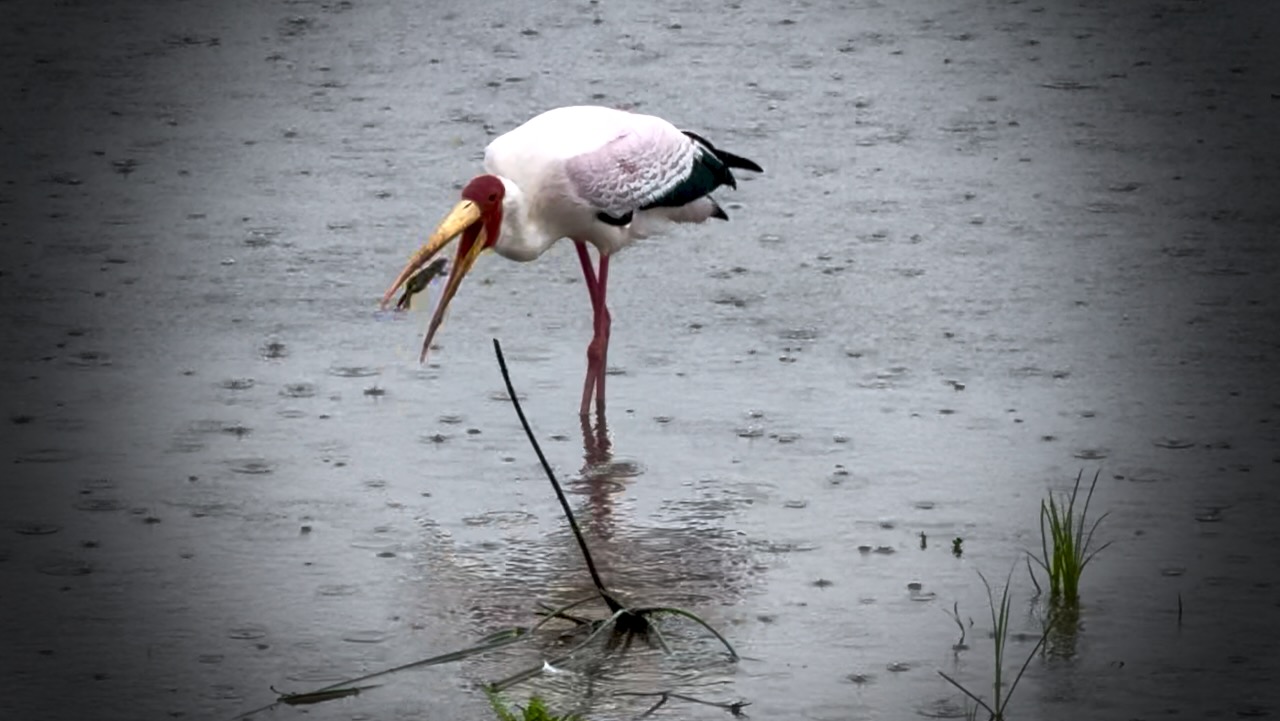
Water birds of all species eat well here.
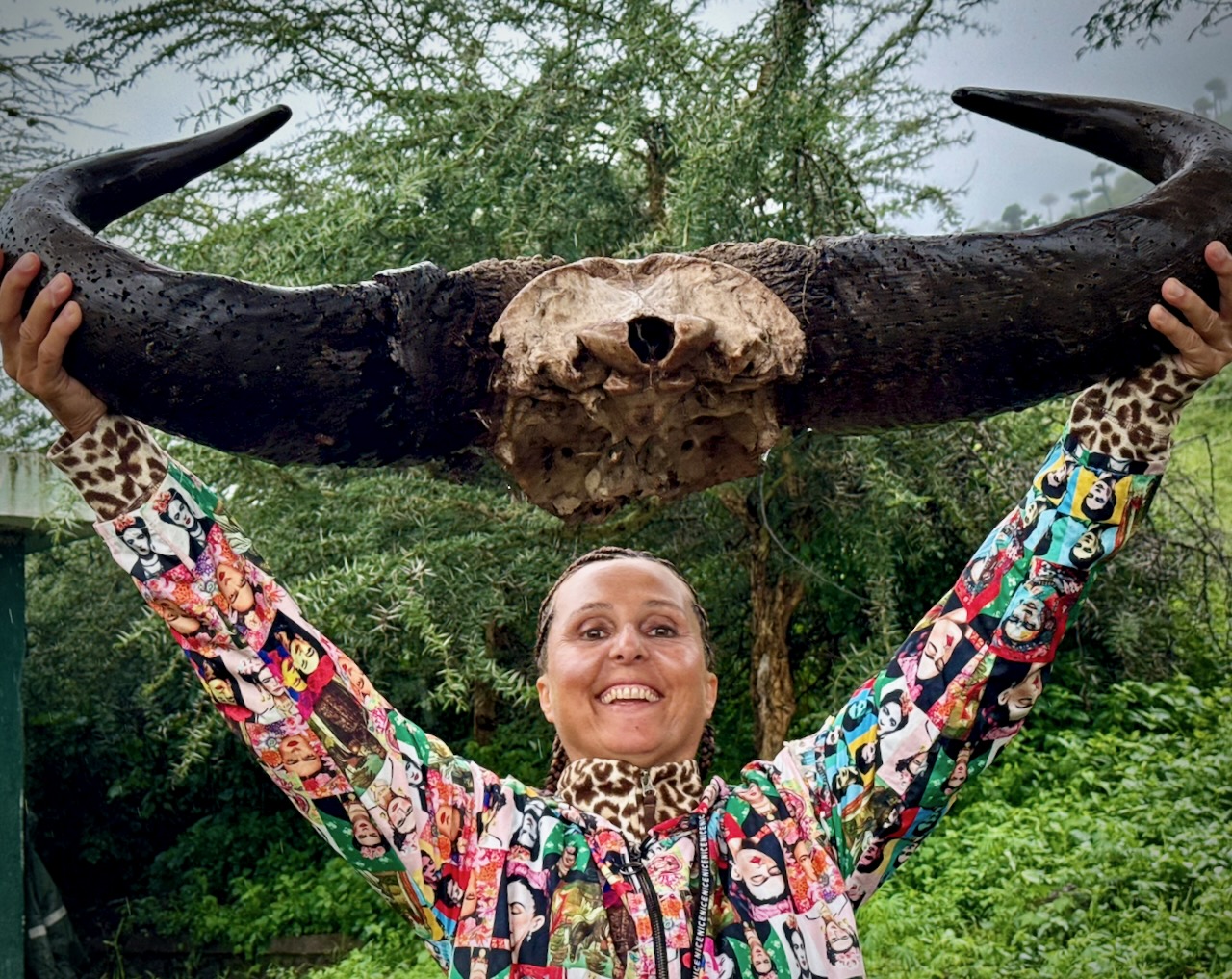
Everyone enjoys the safari experience.
Needing to drop off 2 of our group of 5, we drove all the way back to the Mosquito River hotel. This means I actually spent 2 of the 4 nights in a comfortable hotel, even though I’d signed up for camping. 😀

DAY 5

Touring Lake Manyara National Park. Back to Arusha.

Last day we had only 2 of our original five signed on for the 5th day.

Manyara was better than expected. A small, well-maintained park alongside a muddy Lake.
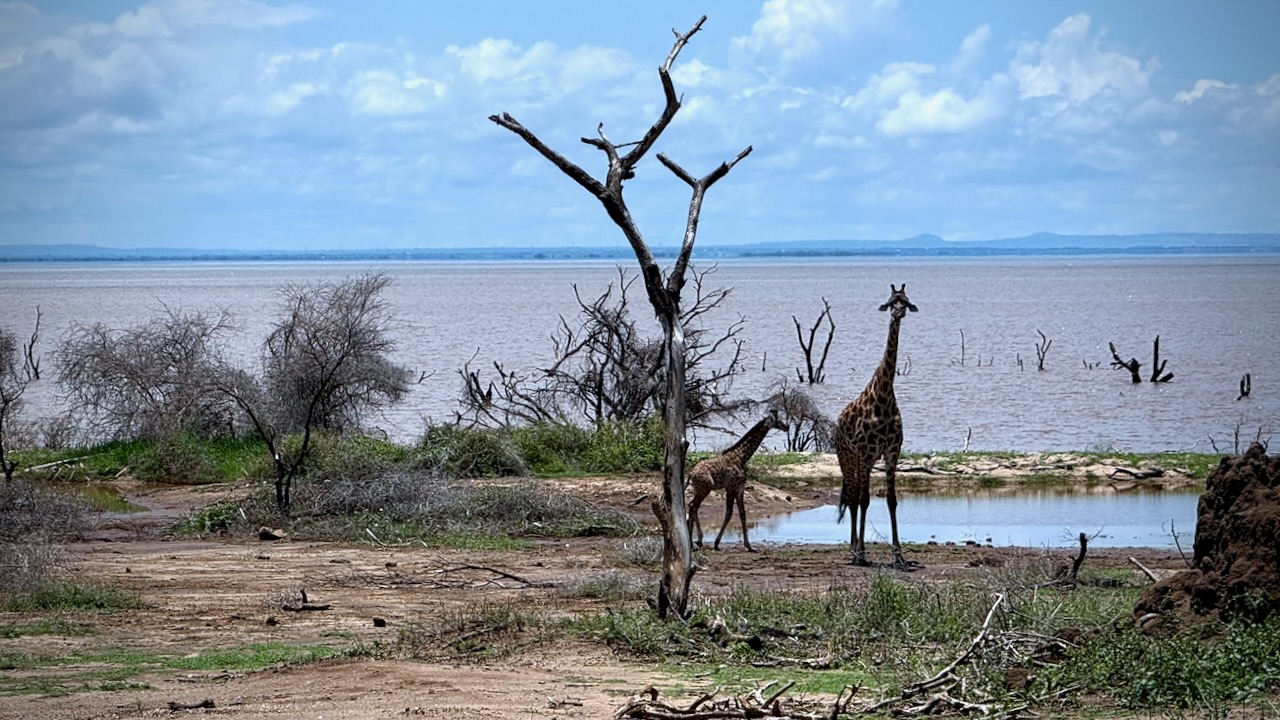
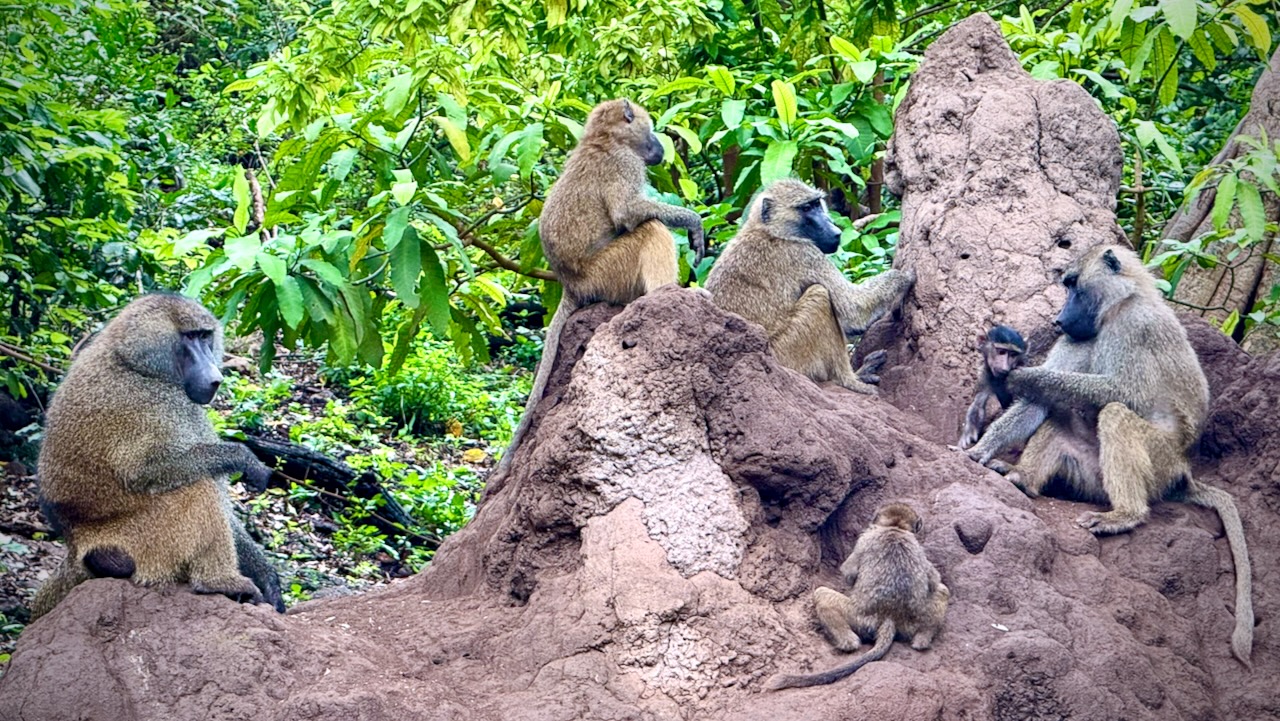
We’d not seen many baboons nor monkeys over the previous 4 days. Made up for it here. We saw thousands of entertaining baboons playing, fighting, chasing, grooming.
Plenty of Blue monkeys. And Blackface (Vervet) monkeys, as well. The different species seem to cooperate well.
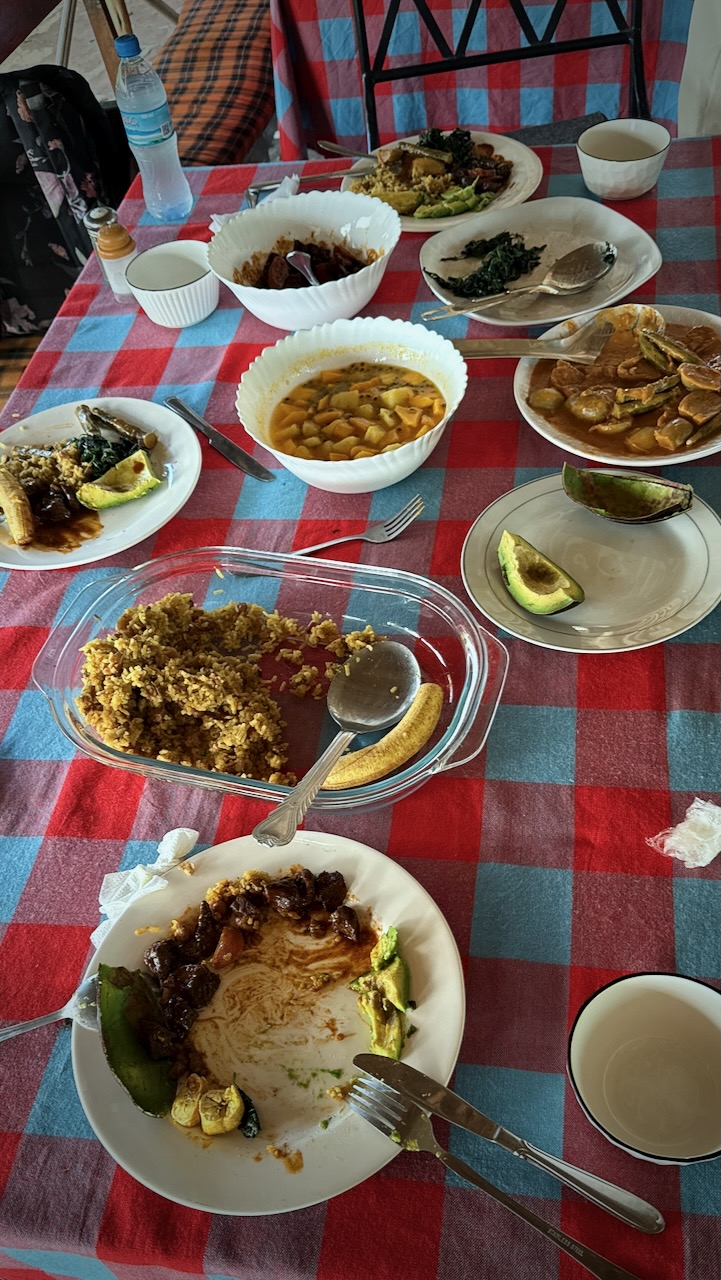
Back to the hotel for one last lunch from Tony.
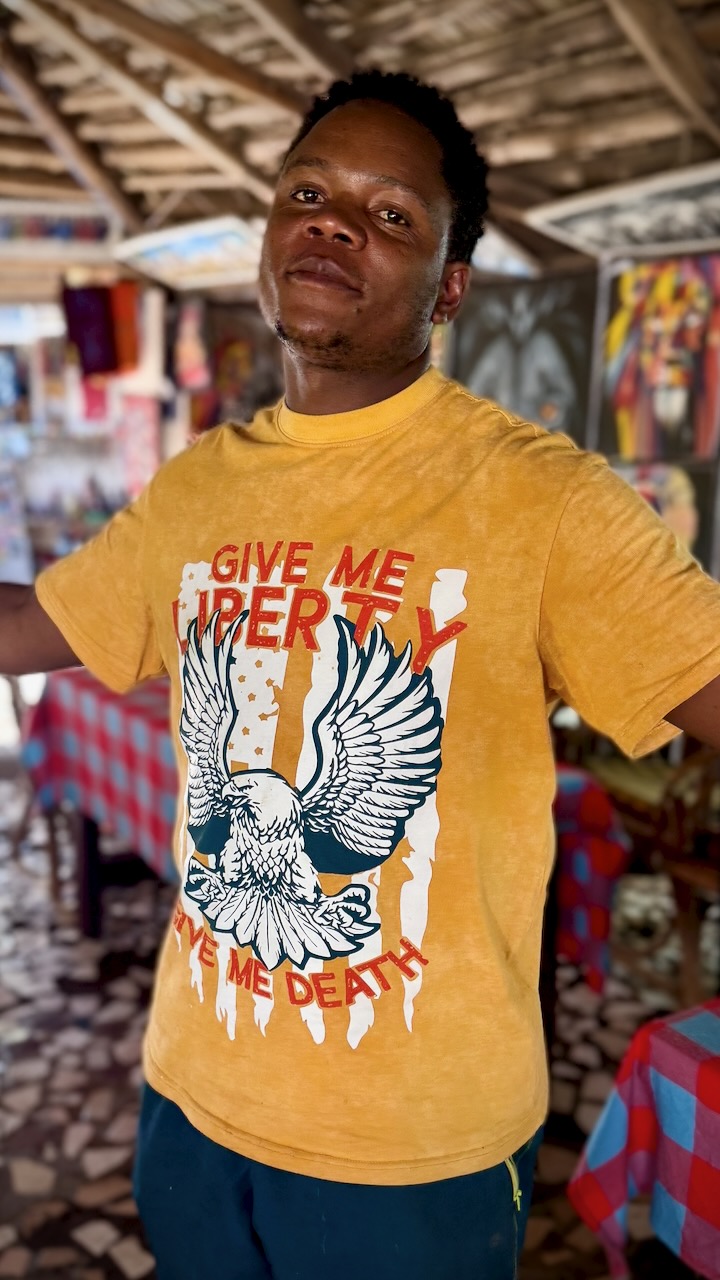
His best yet.
And then the 3 hour drive back to Arusha. Our safari ended.

TIPS

It’s confusing to decide on which company to go with. Certainly you’ll be in the same Toyota LandCruiser, on the same bumpy roads, seeing exactly the same animals with most.

The only one that caught my eye for the camping option is Suricata Safaris.

Prices go way up from $200 / day depending on where you sleep each night. Luxury lodges are available. Budget about 10% for tips. And about 10% for unexpected charges.

Private bookings are more expensive, as well.

Though I did 5 days, 4 nights — optimal, I’m thinking, is 4 days, 3 nights. You’ll probably miss Lake Manyara National Park if you do this.

My iPhone 16 Pro was perfect for climbing Kilimanjaro. But it’s a frustrating, crappy option for safari. I constantly wanted more optical zoom. Bring an excellent camera on a short tripod, if you can. Also binoculars.

My only other safari was Addo Elephant Park, South Africa, in 2013. Excellent. My guide provided a checklist of animals and birds we might see ➙ and it was super fun to fill that checklist during the day. I wished I had something similar here.

Power failures are a near daily occurrence in Tanzania. Bring power banks to recharge your electronic devices.

Wifi is slow and inconsistent here. Best get phone data which works quite well.

Many tourists are over-charged. Some cheated. We had a driver for a day who claimed I had shortchanged him $40. I hadn’t. But rather than argue I gave him an extra $20 — and reported to his employer.

Worst story I heard in person was a tourist landing in Zanzibar at 3am who was stopped by two supposed police. They took his passport. Two hours later he bribed them $200 to get his passport back.

Most of the worst stories I heard were in Zanzibar.

BEST is to have transportation from airports arranged in advance with your accommodation.

Second best is to download the ride sharing Bolt app. It worked well for me.

Arguing with taxi drivers is the worst option.

Intercity buses can be OK — but driving is slow in East Africa. Short flights a better option.

Message me if you have any questions.


Kilimanjaro PHOTOS

Trip report by BestHike editor Rick McCharles.

Disclaimer ➙ There are MANY other mountains to climb in Africa which are much less expensive. Any one of those would be good acclimatization before Kili.

I hiked Kilimanjaro February 2026 on the Machame Route organized by Eric Hanson.

Eric is one of the top hiking YouTubers. He’ll be documenting our trip in coming weeks.

In the meantime, I’m posting some photos here.

We had 22 hikers. 18 of us made both summits. That’s about typical for the Machame Route. It went well for me. My 3 weeks training & acclimatizing in Ecuador prior to this trip was a good idea.

Kili Summit Ridge

Age & fitness matter much less than the ability to acclimatize to altitude.

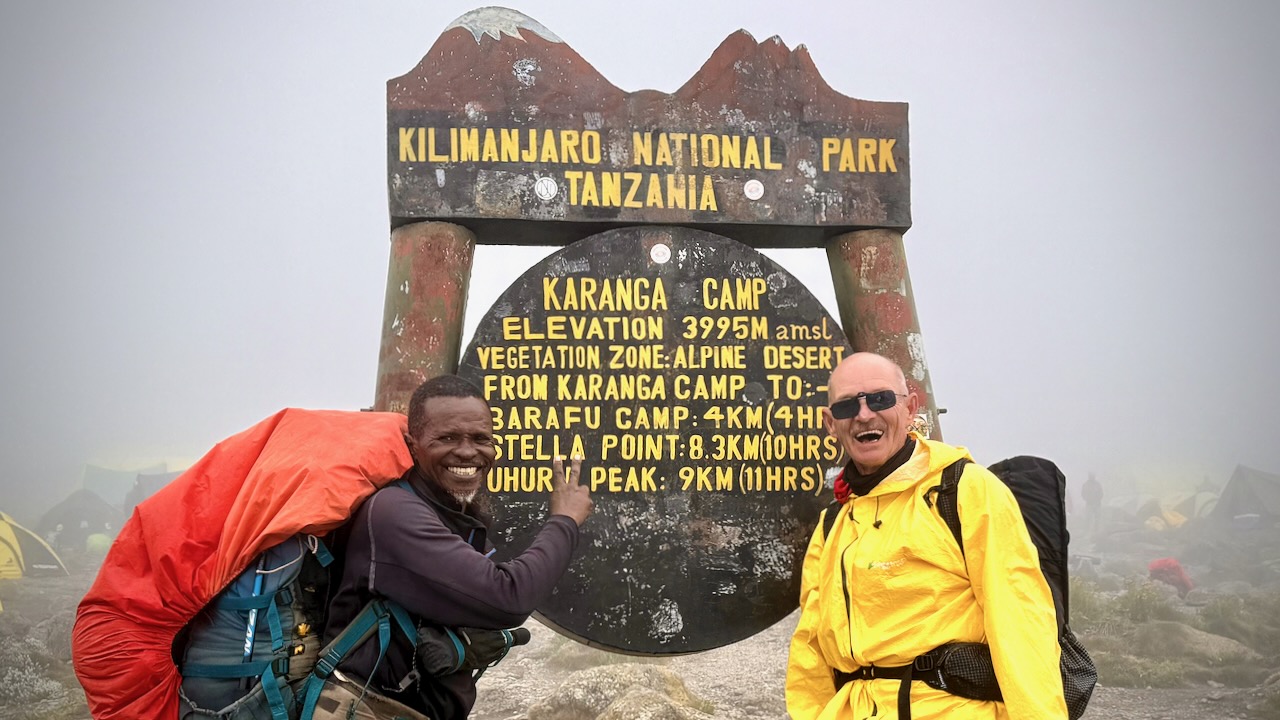
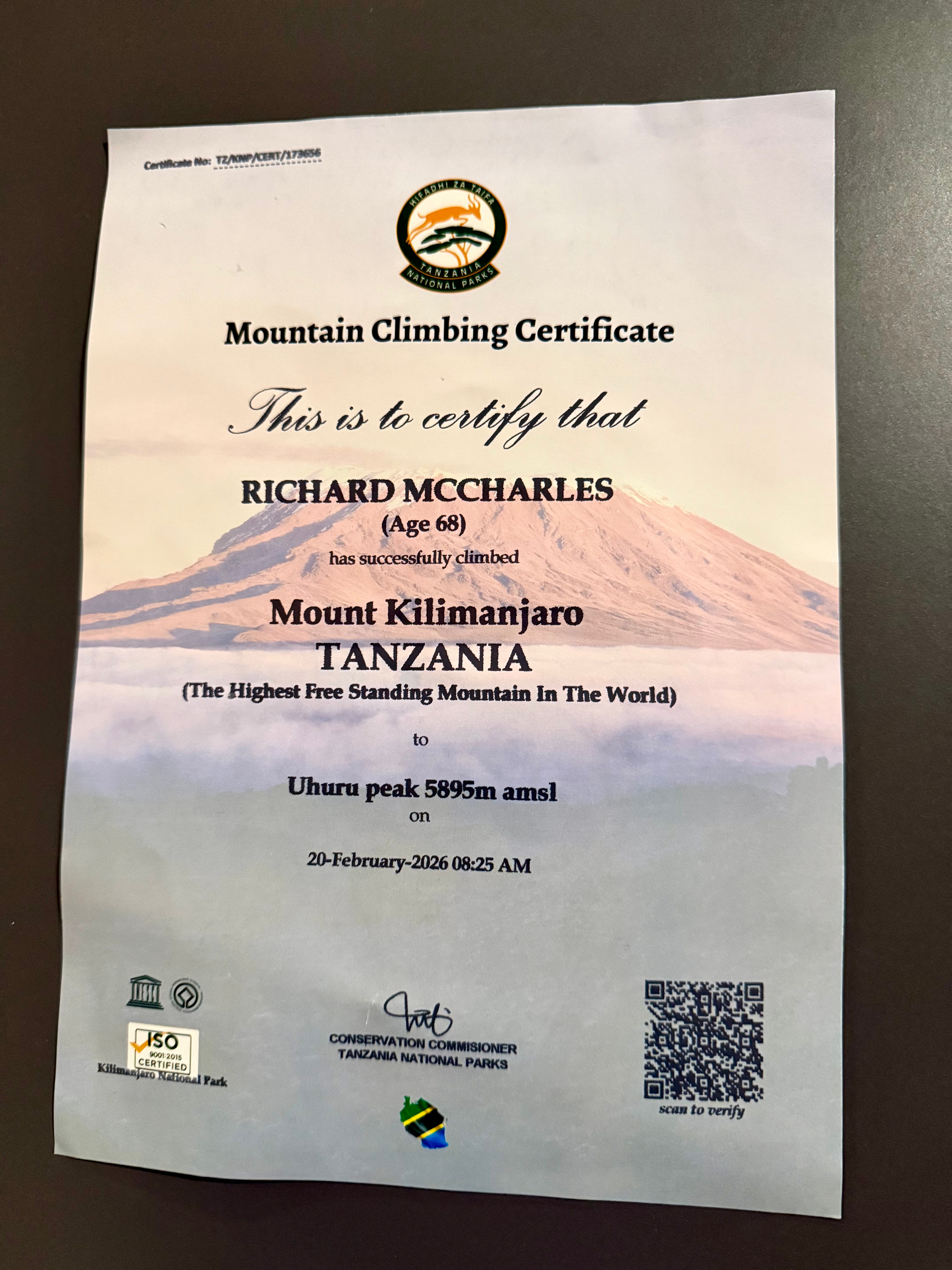
It took me 68-years to finally get to Kilimanjaro. The eldest my African guide got to the summit was 79.

We had another in our group age-66.

Truly impressive is one of our assistant guides who’s been to the summit over 200 times over 31 years. He’s age 64.

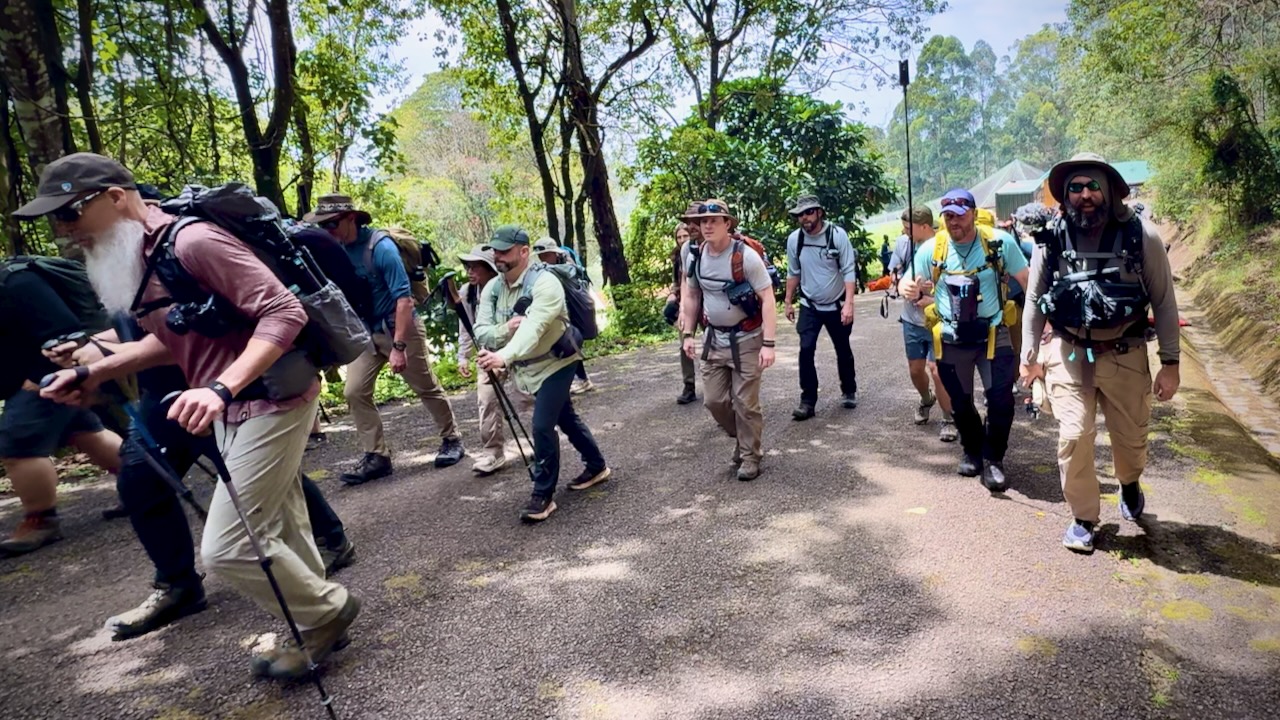
Here we are — clean & keen — at the start of the 7 day adventure.

In fact, it was a party from the start as many who had hiked with Eric in the past joined for Kili. I was simply an addition to a large group, many who knew one another. This is a very social adventure ➙ shared suffering.

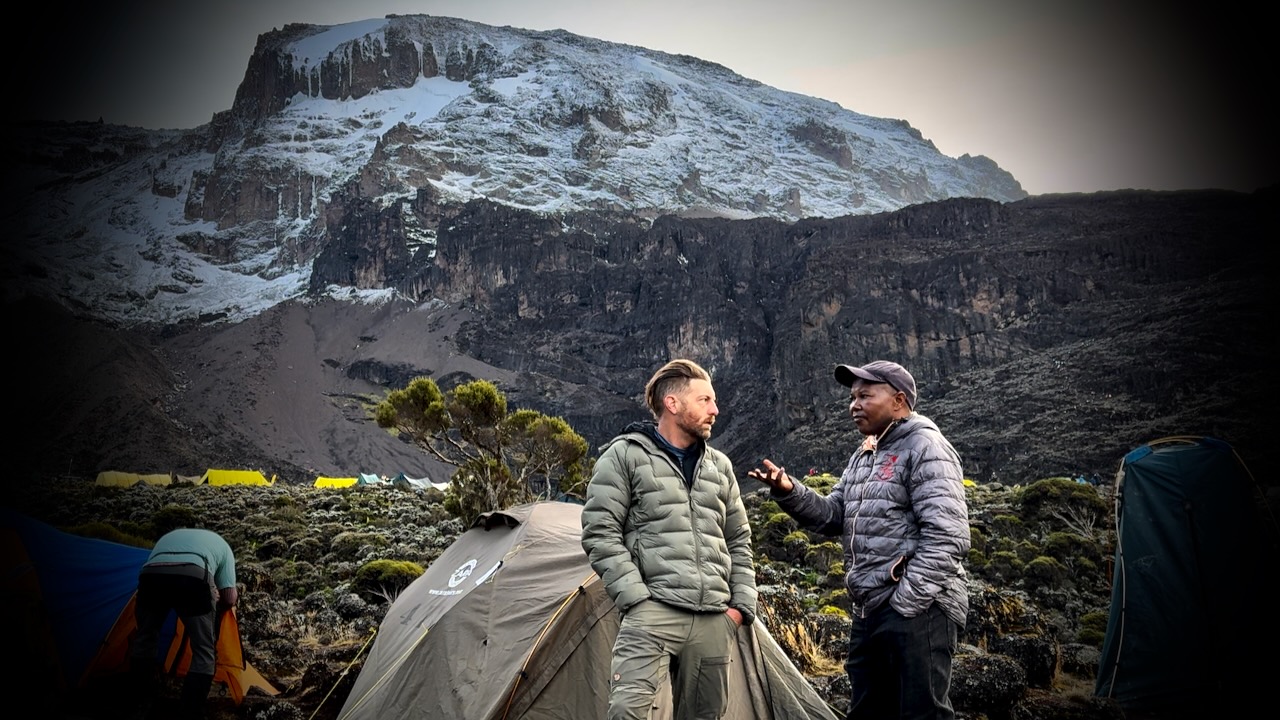
Eric was our American guide. Freddy our African guide. Both responsible for keeping us safe. It was these two who’d make the decision whether or not you were healthy enough to keep climbing.

Those who decided to go down were unable to acclimatize quickly enough. We had daily blood oxygen tests.

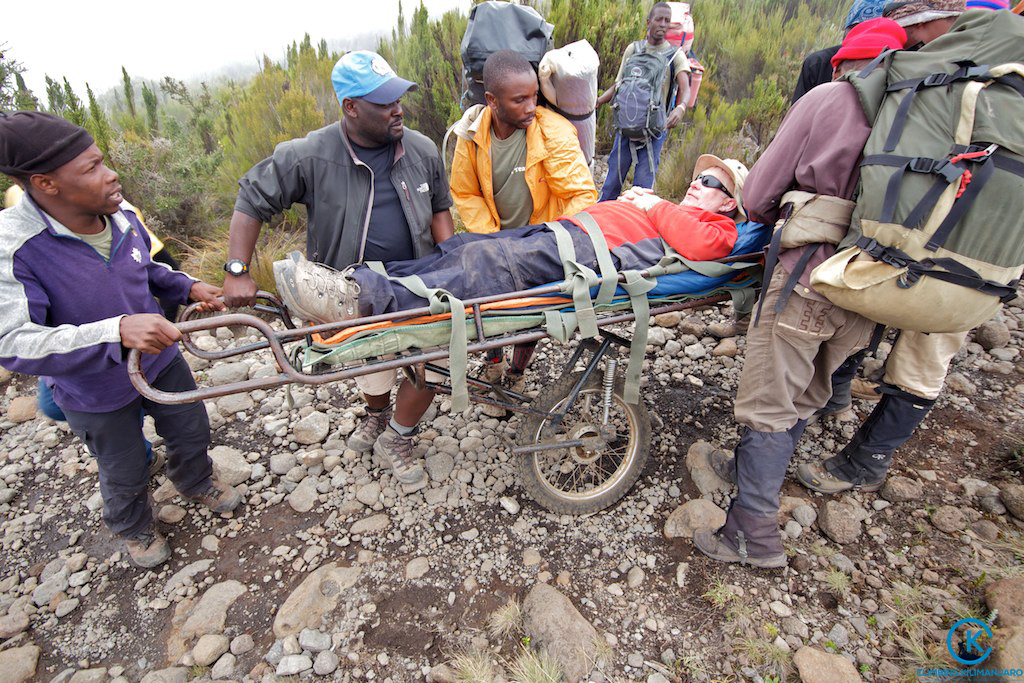
Three decided to walk out. One took a helicopter, hoping she will recoup the $4100 cost through insurance.

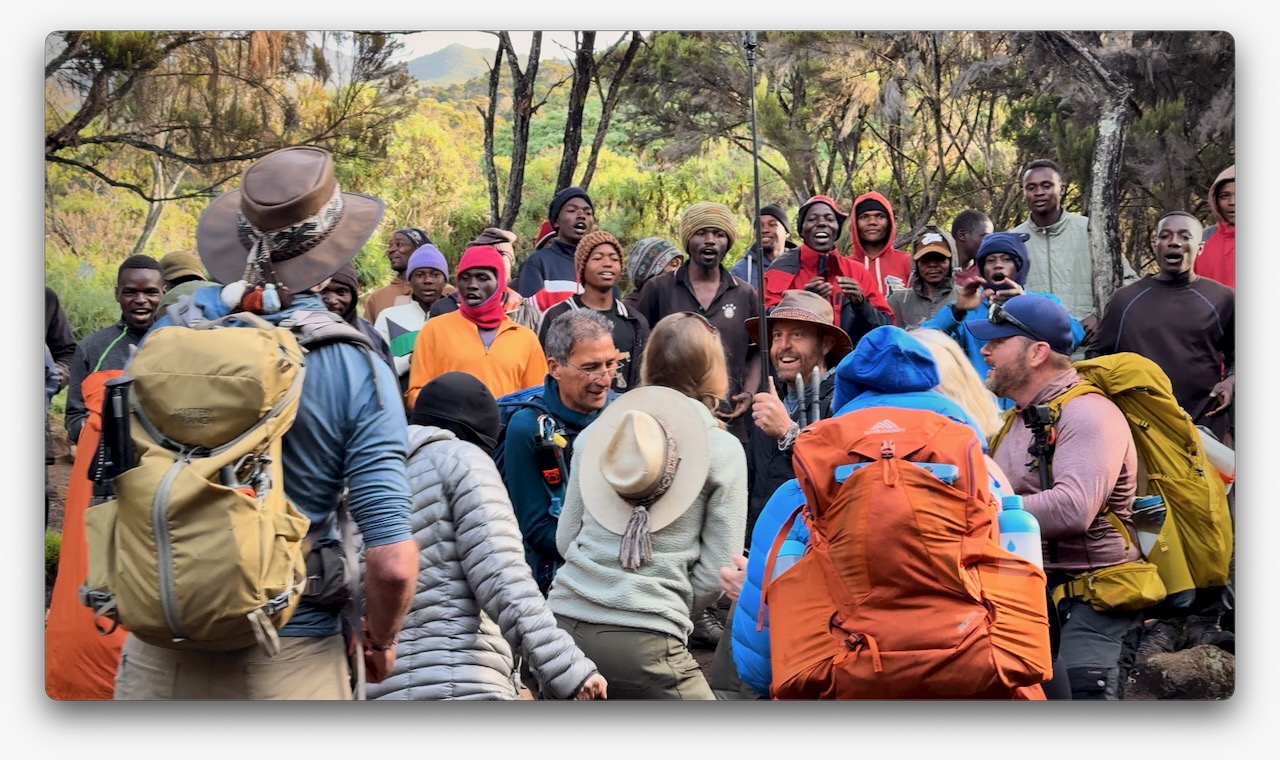
New to me on a trail was the singing and dancing. Non-stop. To the top.

Oddly, all 7 days we had the same weather. Some sort of micro-climate.

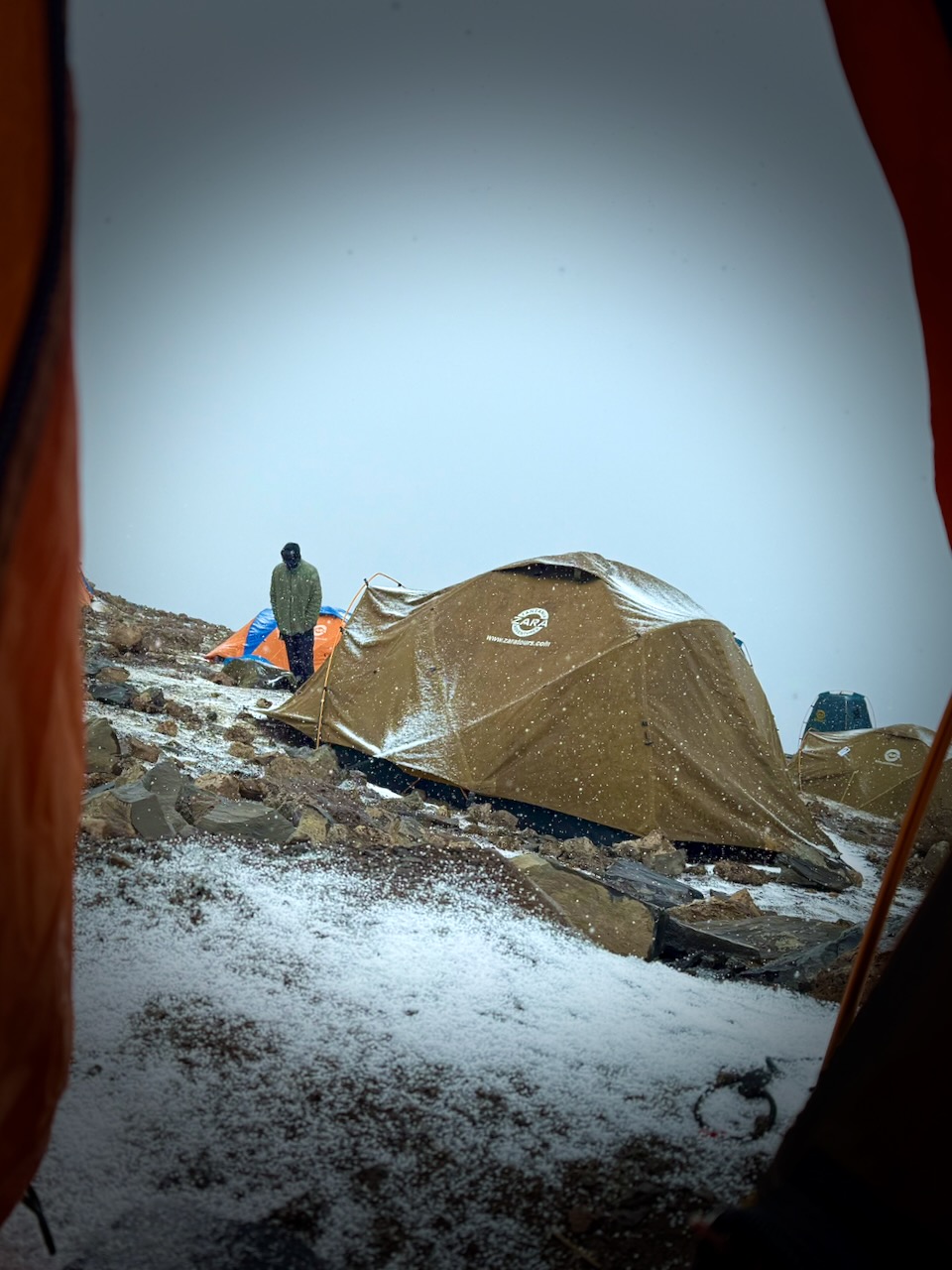
Morning clear. Sunny to start the hiking day. Snow, sleet, and hail in the early afternoon. Clearing by dinner time. Clear skies at night. Kili summit clear at dawn.

We added and removed layers non-stop during the day.

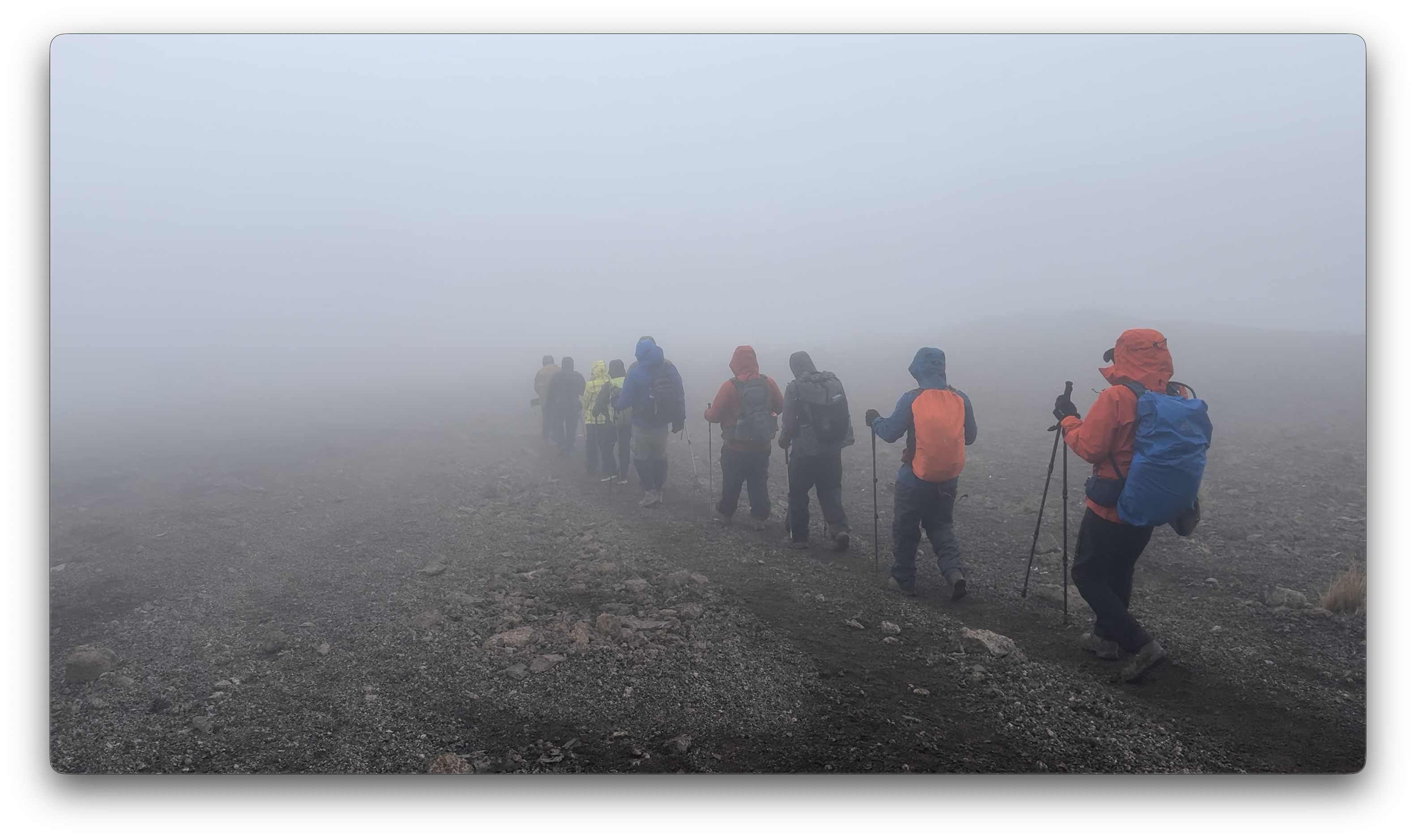
Each day we spent some time hiking through clouds.

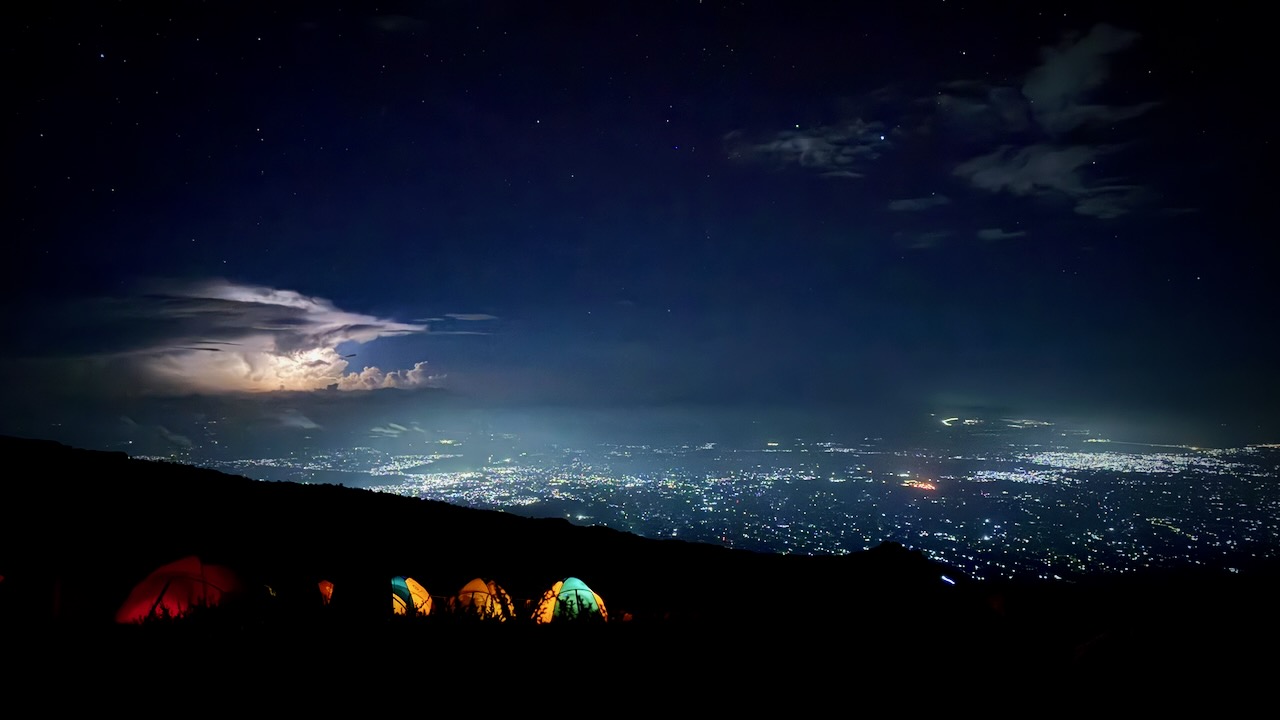
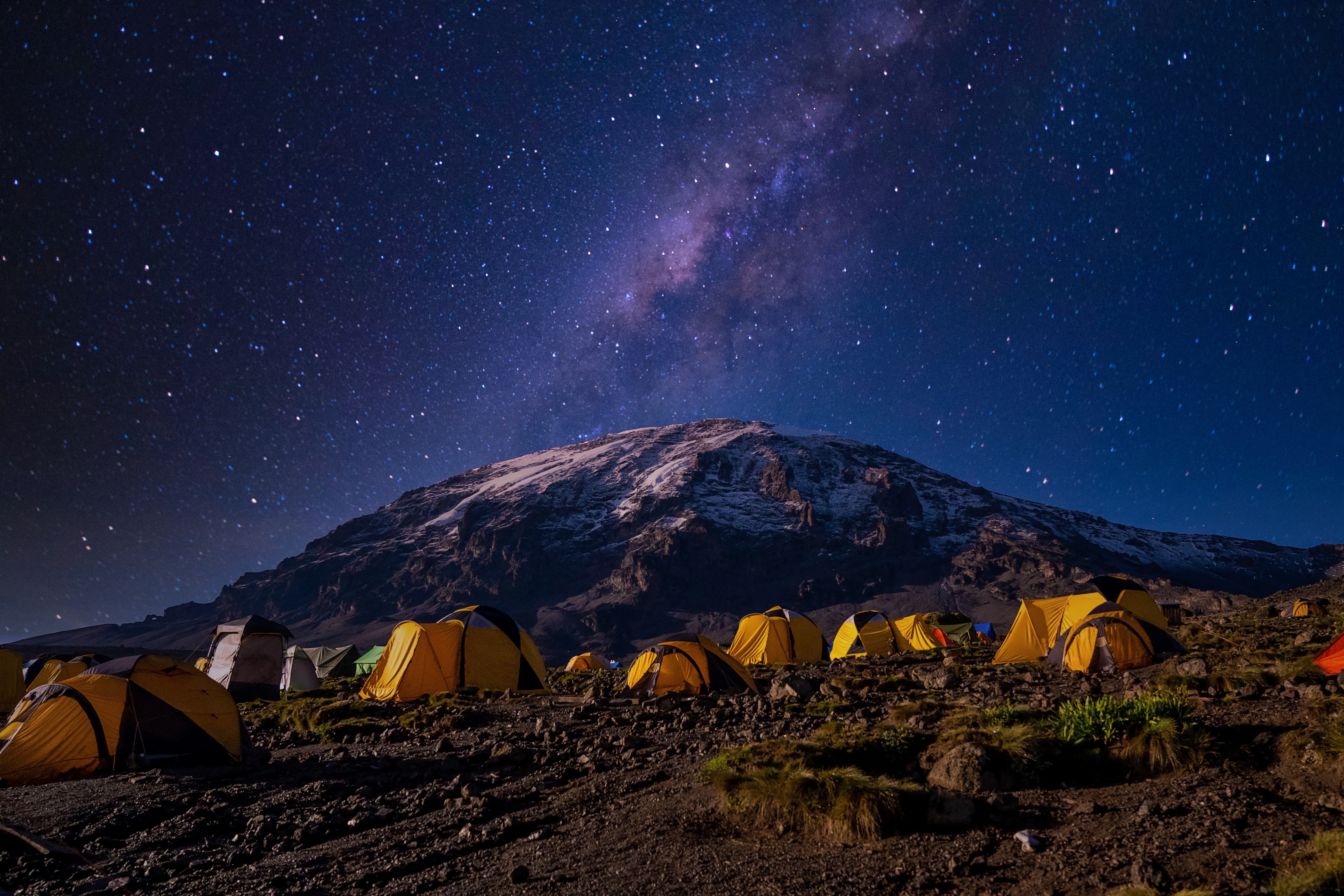
We mostly had clear skies at night. The iPhone 16 Pro is terrific at night photography on a tripod.

I’d paid a little extra to have a tent to myself. It was fairly comfortable — though many of our tent sites were far from level. 😀

Kili is a monstrous lump of a mountain. Much bigger than it appears on the horizon.

I’d signed up for Kili in 2020 with Dave and Kraig — cancelled due to Covid.

When I heard in 2025 that Eric Hanson was hosting a climb, I signed up instantly.

His wife was coming so I knew it would be a quality trip. 😀

Food was plentiful and basic. Especially SOUP and potato dishes.

We saw very little animal life. Four-striped grass mouse. And something like a shrew.

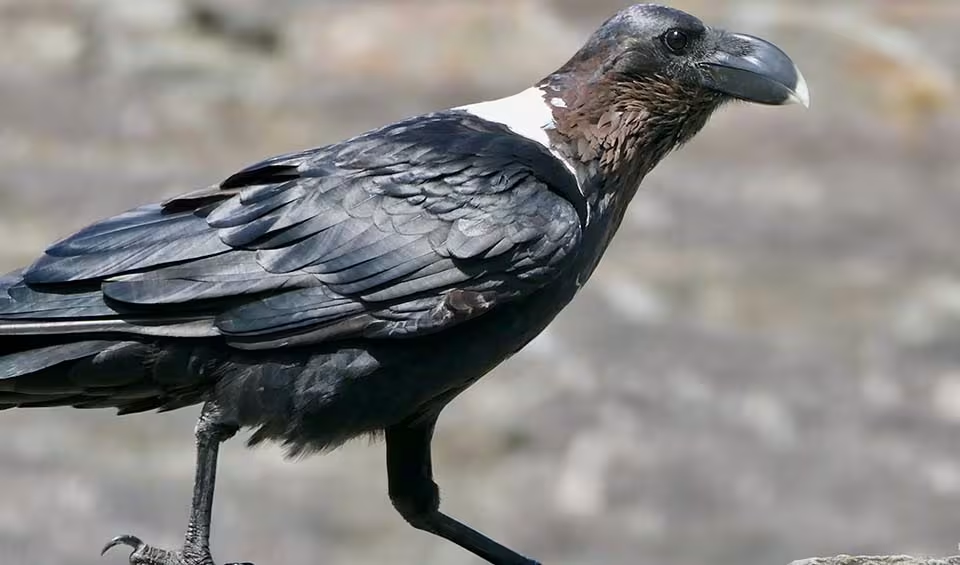
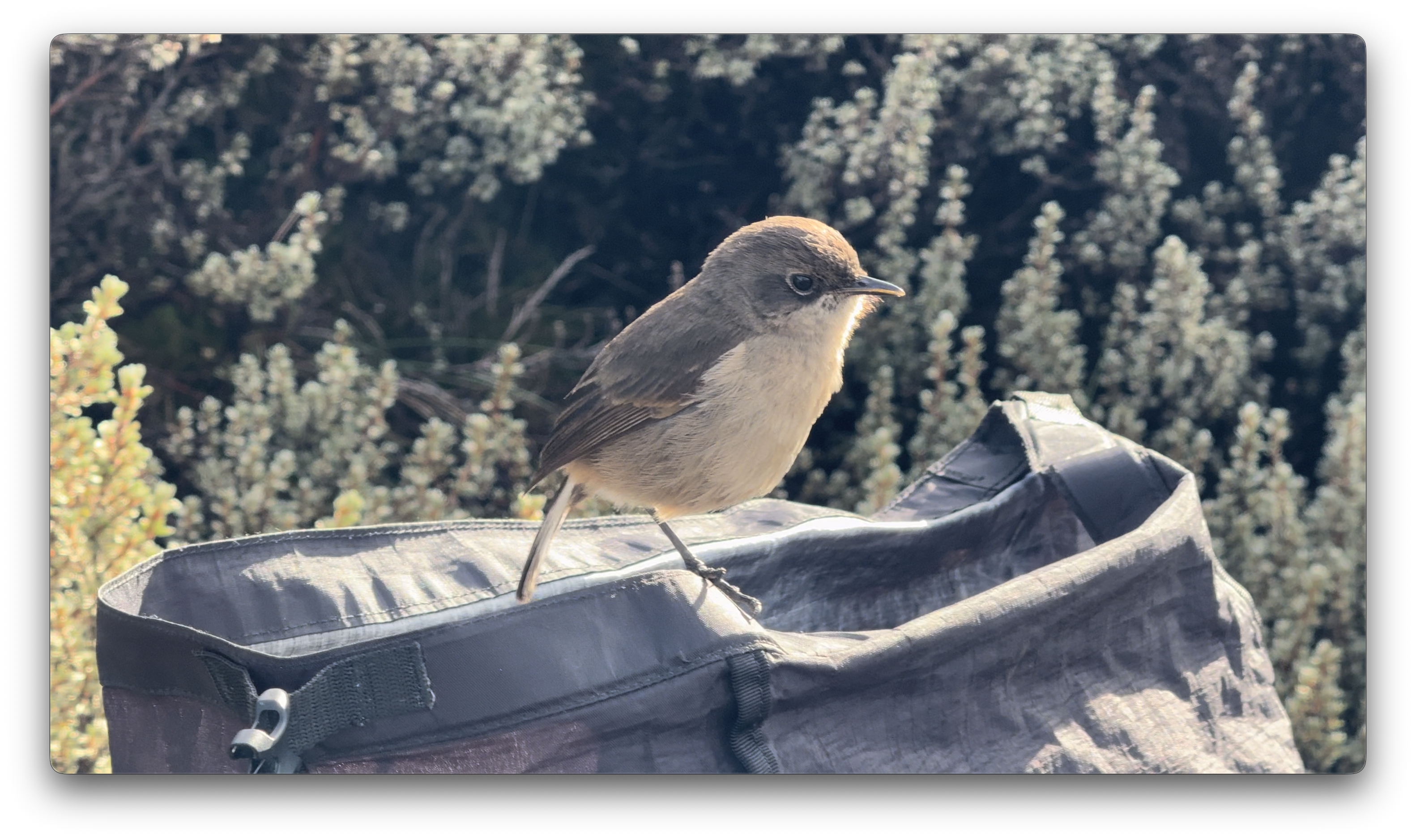
Birds aplenty, however. We lived side-by-side with aggressive White-necked Ravens in every camp.

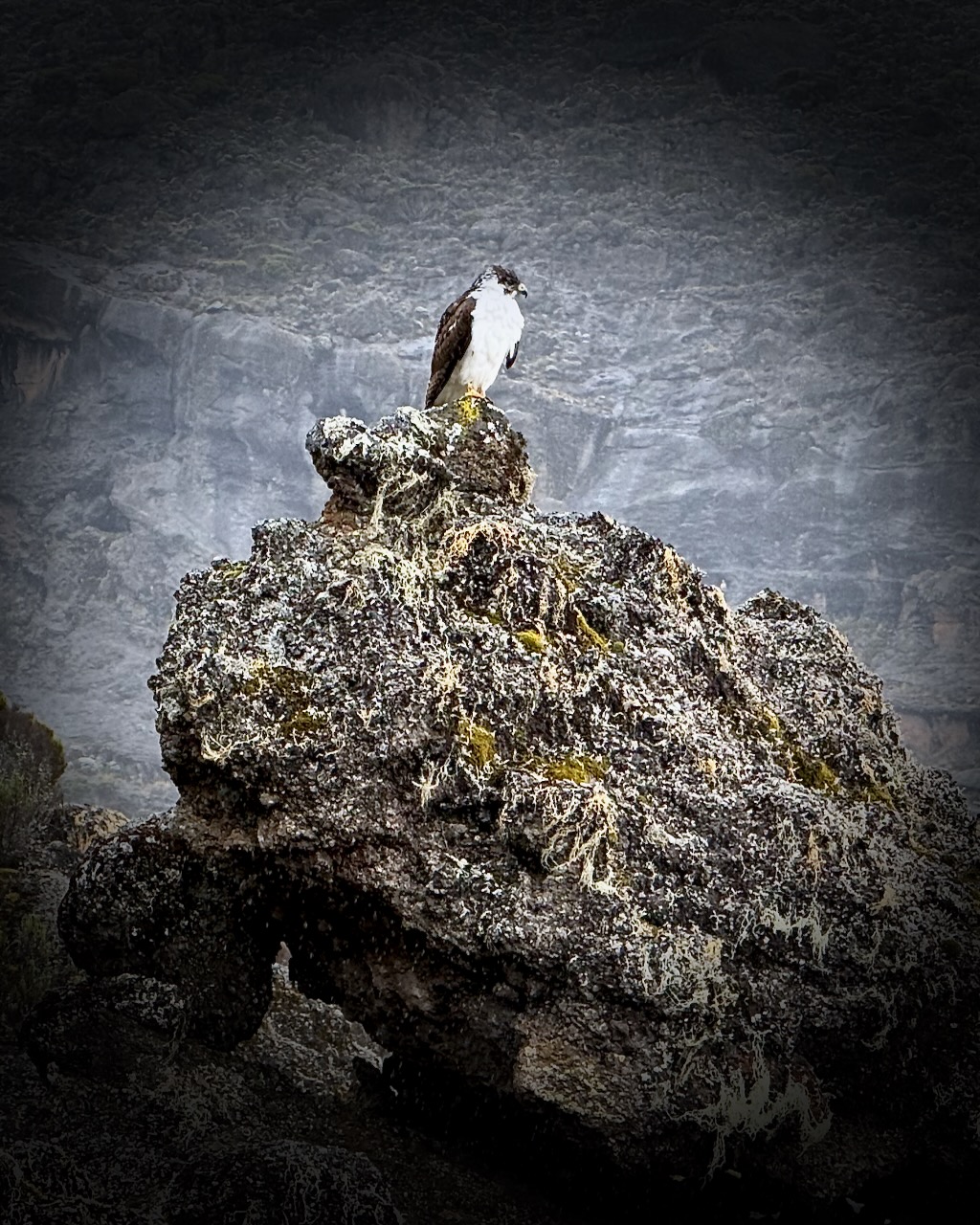
And we did see one Auger Buzzard.

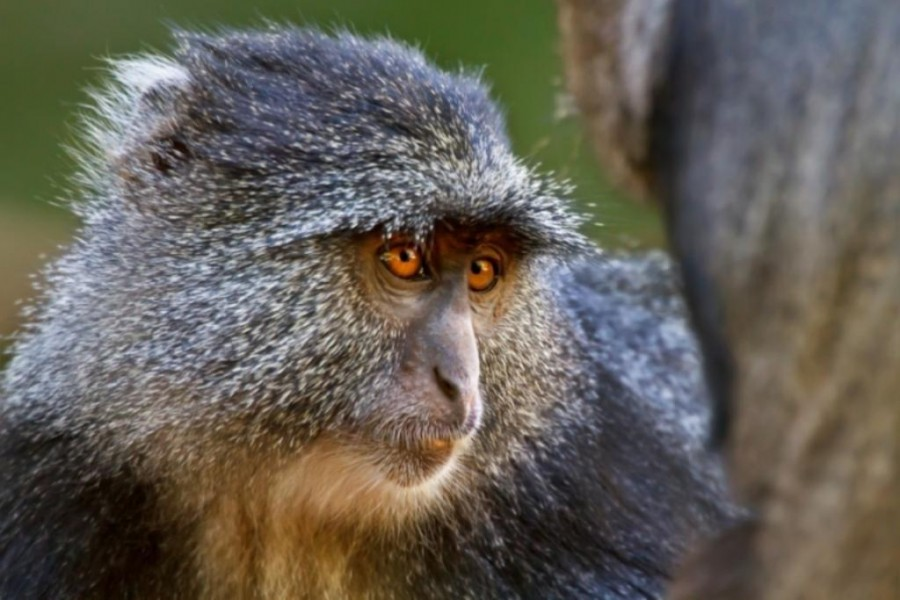
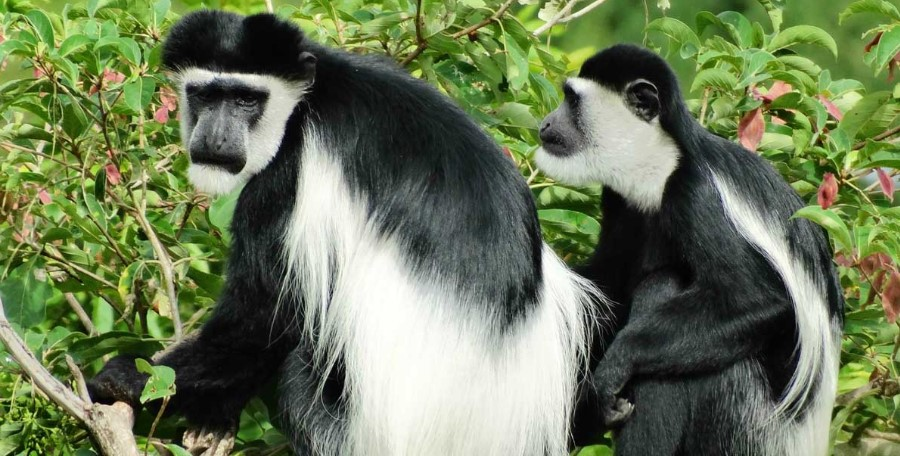
We were happy to see two kinds of monkeys. But both were at lower slopes, close to the start and finishing gates.

Blue Monkey.
Black-and-white Colobus.

Baboons and velvet monkeys have been spotted, but rarely.

This bird took a dump in my backpack. 😀

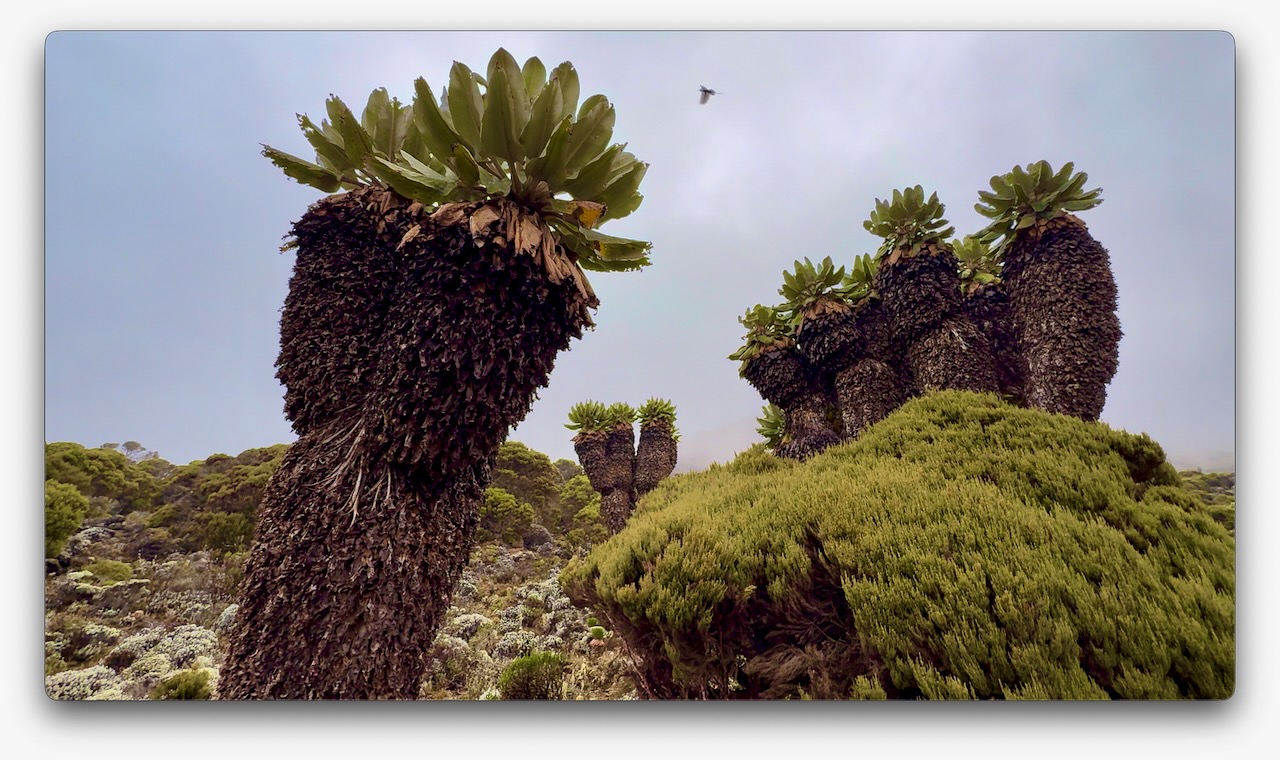
Vegetation was much more interesting as we climbed through so many different ecological zones.

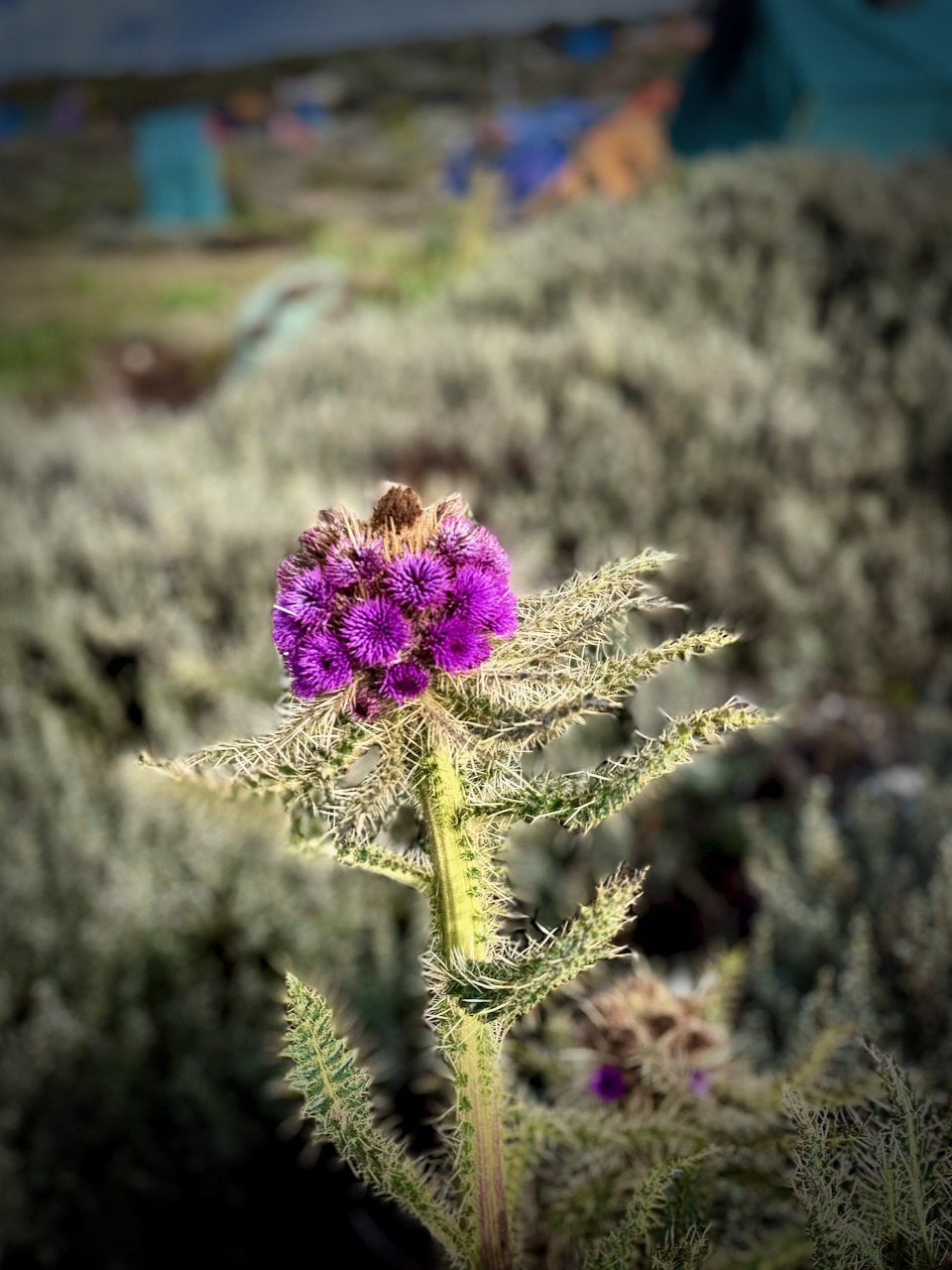
I do love thistles.

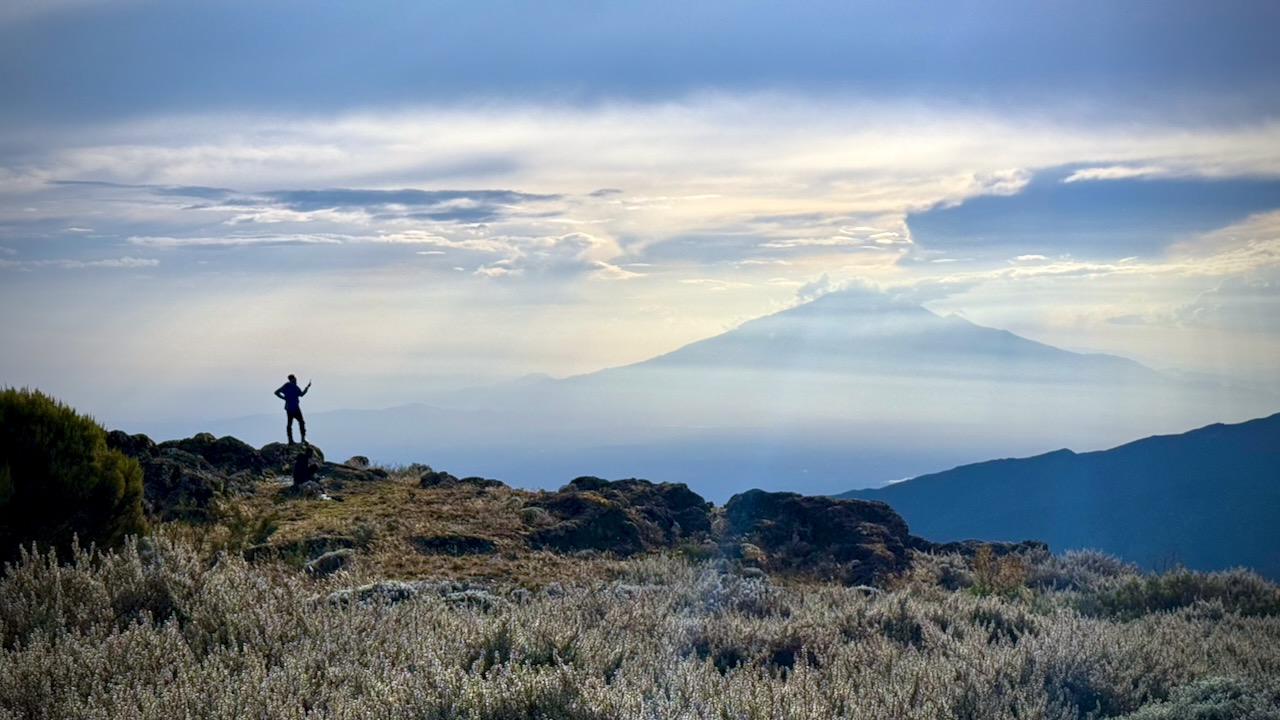
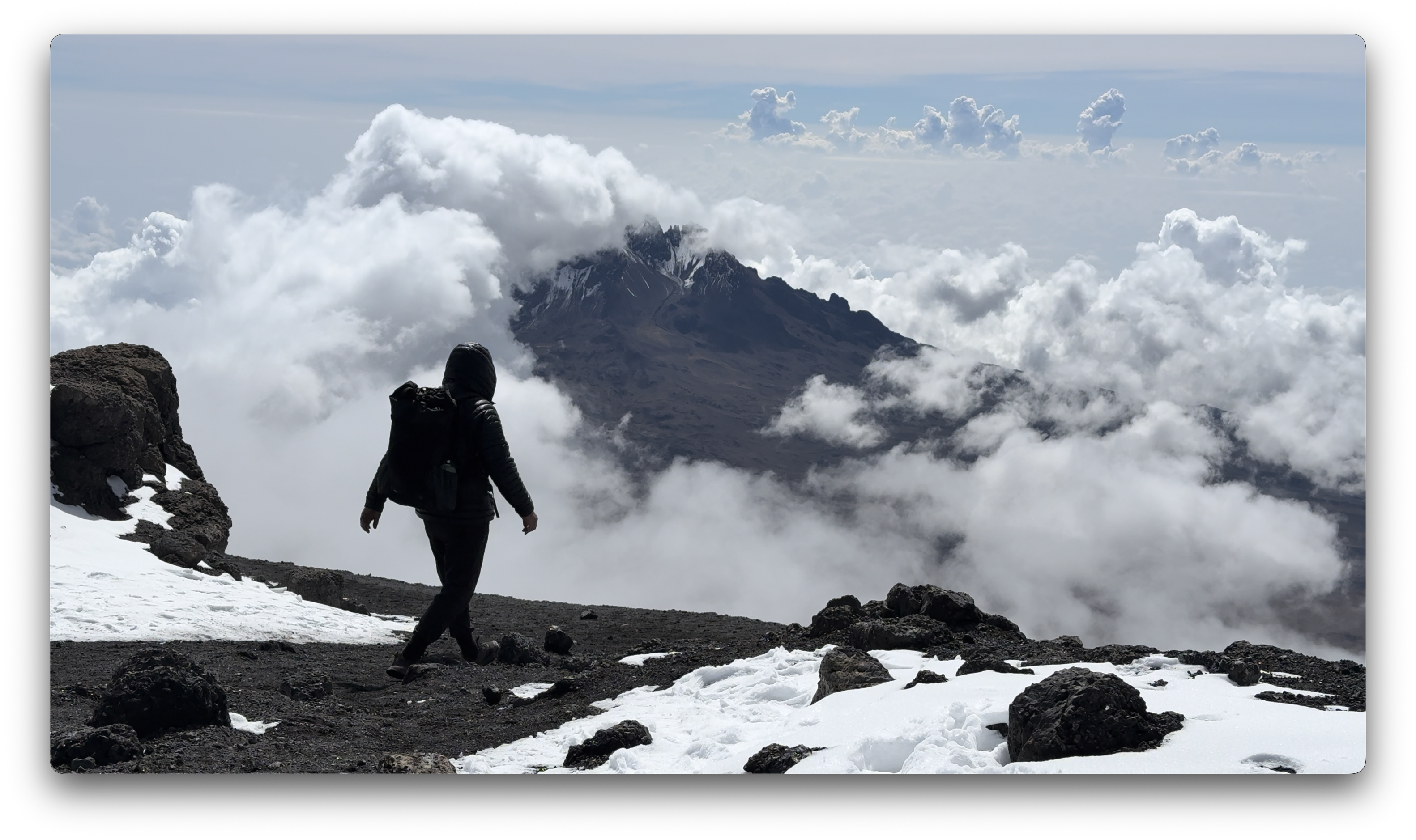
We had great views over to nearby Meru volcano. When you see hikers posed like this, you know they are searching for line-of-sight mobile phone reception. 😀

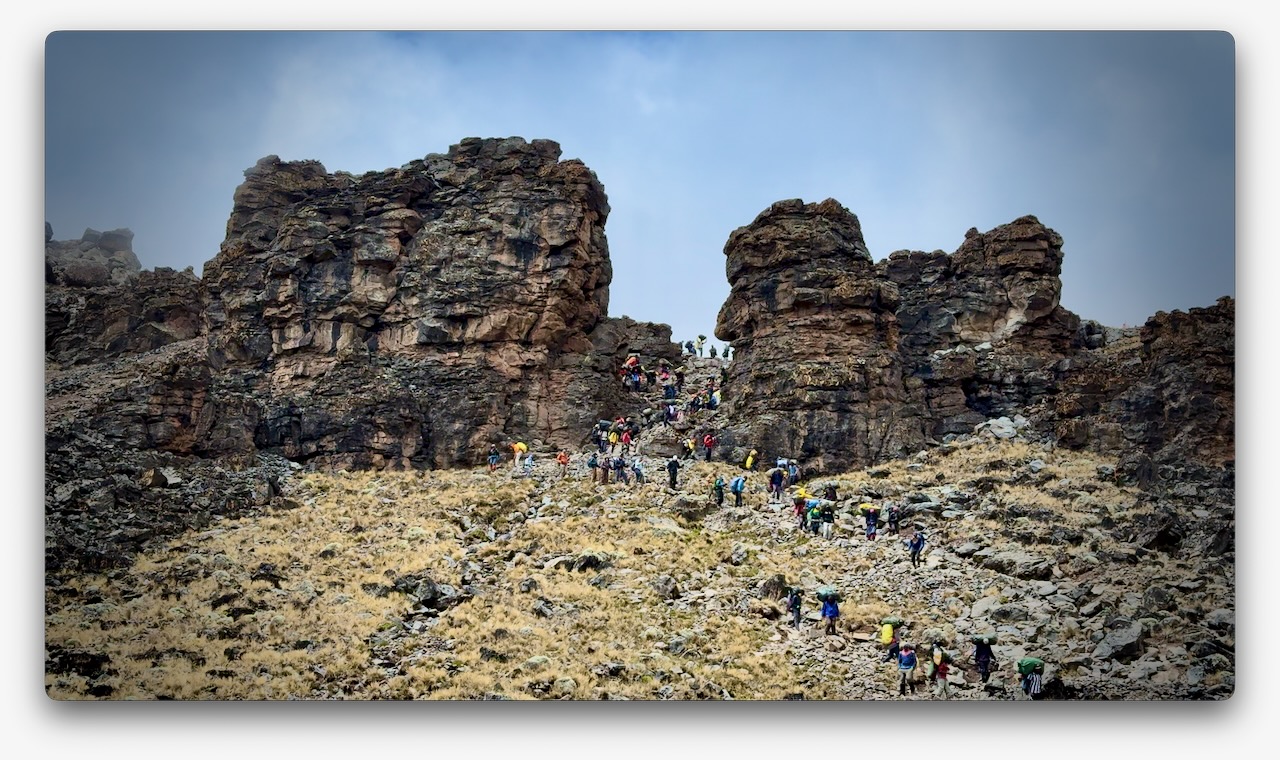
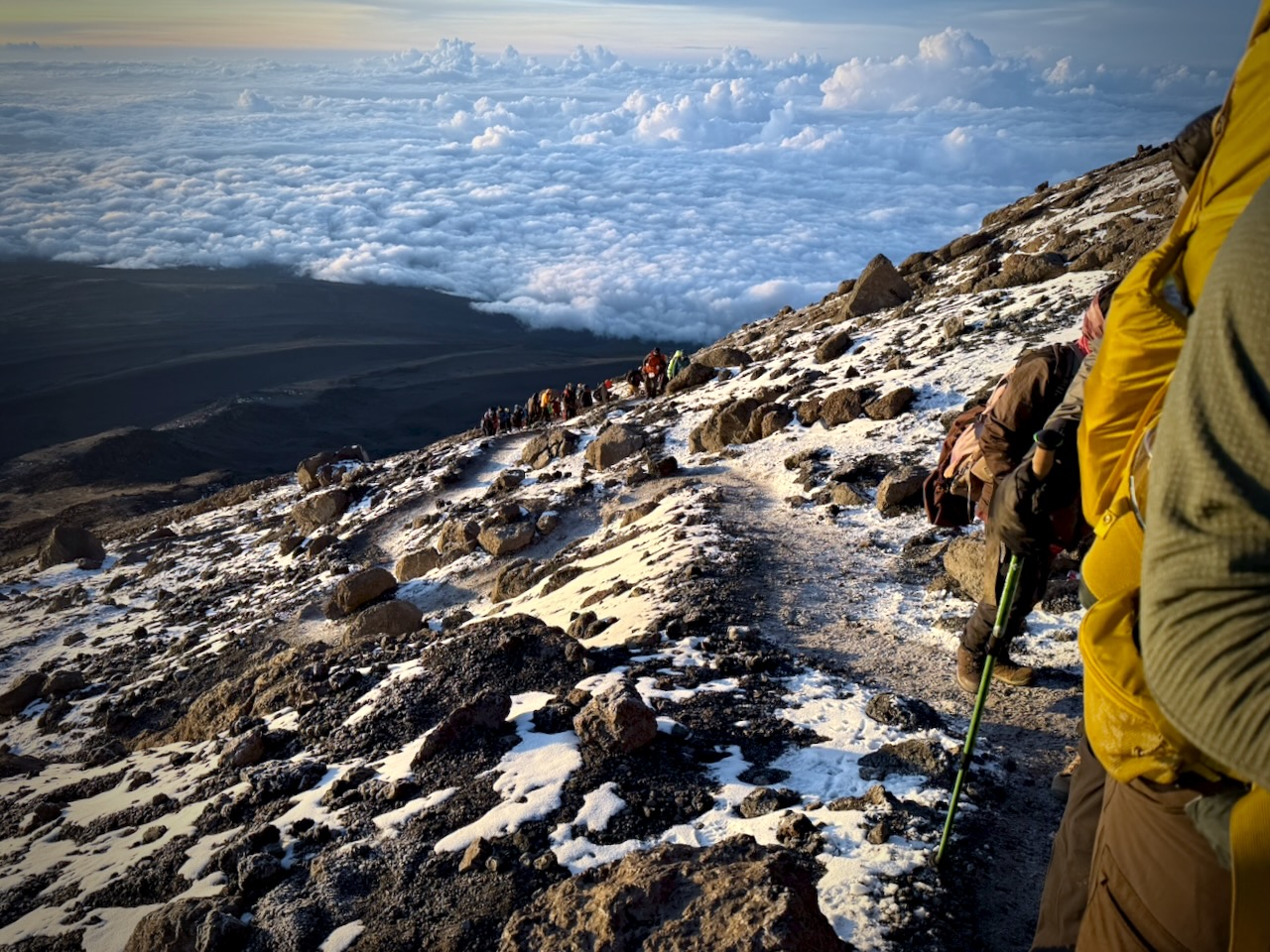
The Machame Route was crowded when I was there. We often had long lines of hikers & porters.

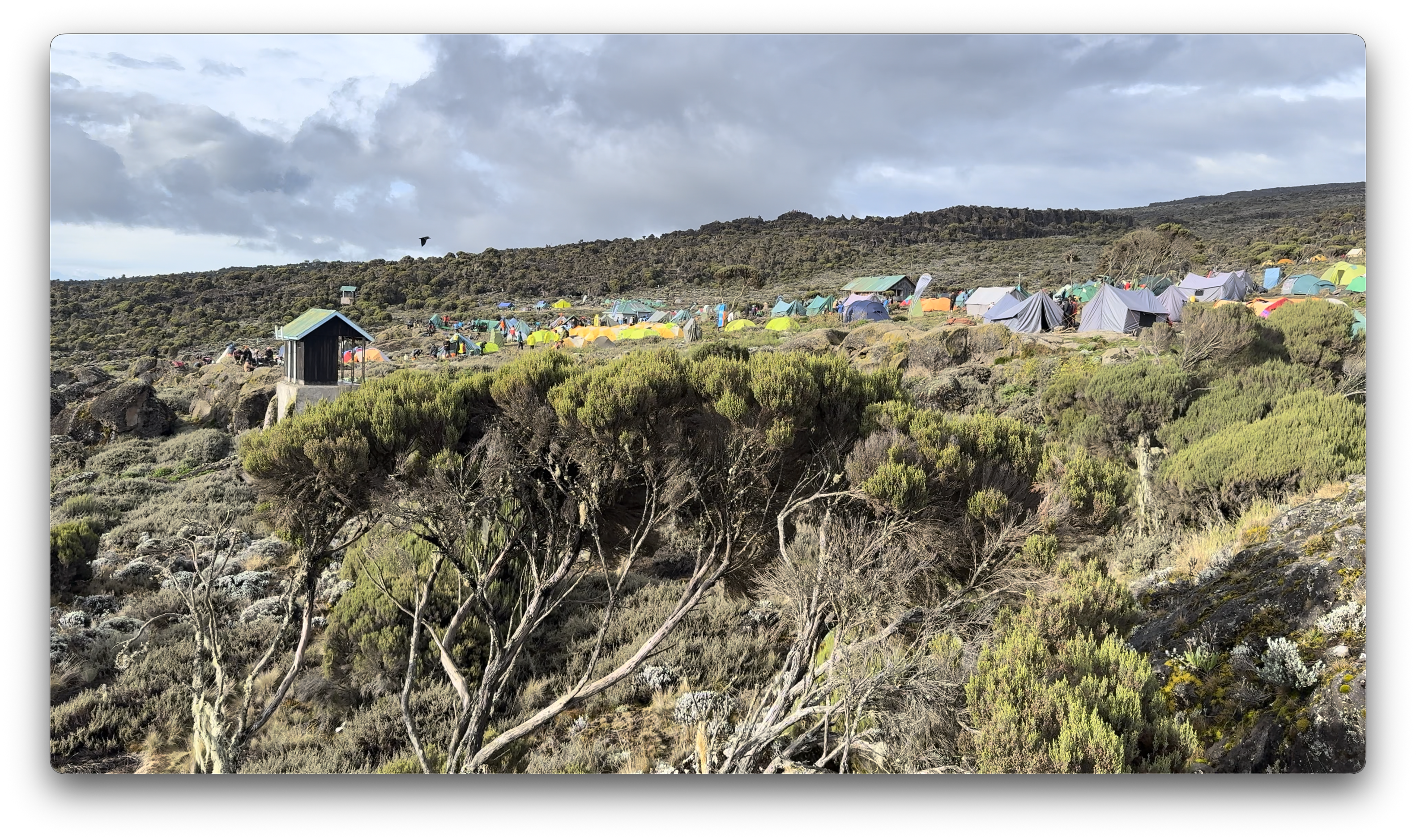
Camps are crowded and littered.

Personally, I felt the portable toilets provided weren’t great. I preferred squatting over a hole in the concrete in the permanent toilet buildings.

Hygiene is not top of mind for any of the guiding companies. In particular, I was surprised alcohol gel was not constantly provided.

That said, nobody in my group got sick from water or food.

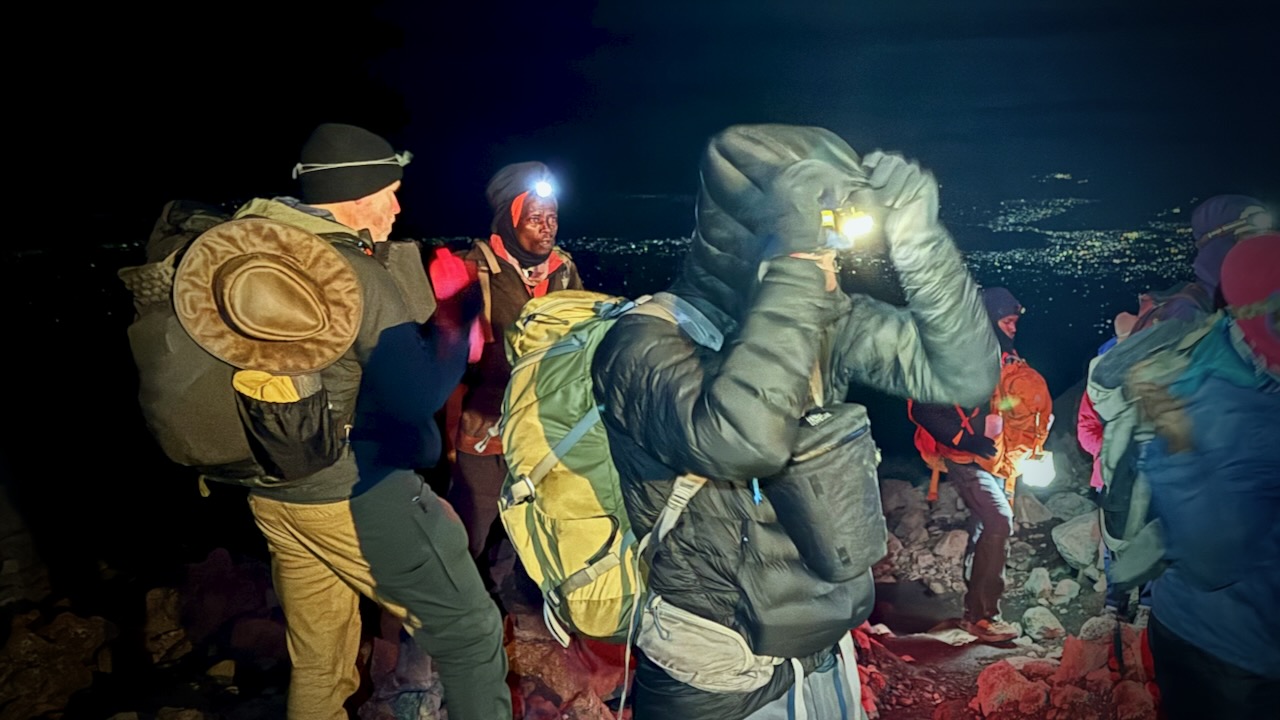
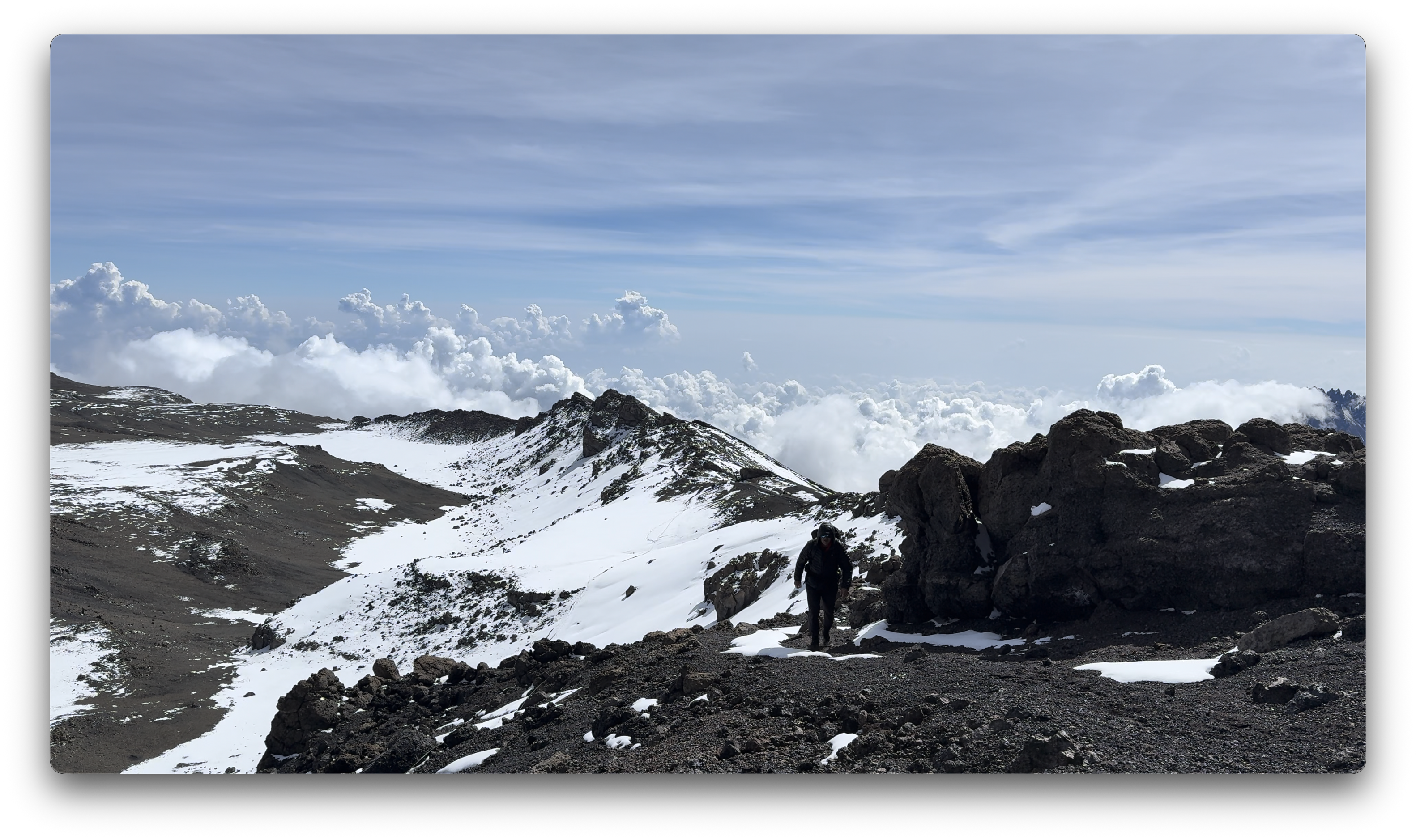
CRUX of Kilimanjaro is summit night. One of the toughest hiking days any of us could recall. I felt perfect. No pain. No problems … when starting.

Wake at midnight. Hot drinks 12:30pm. Start up at 1am.

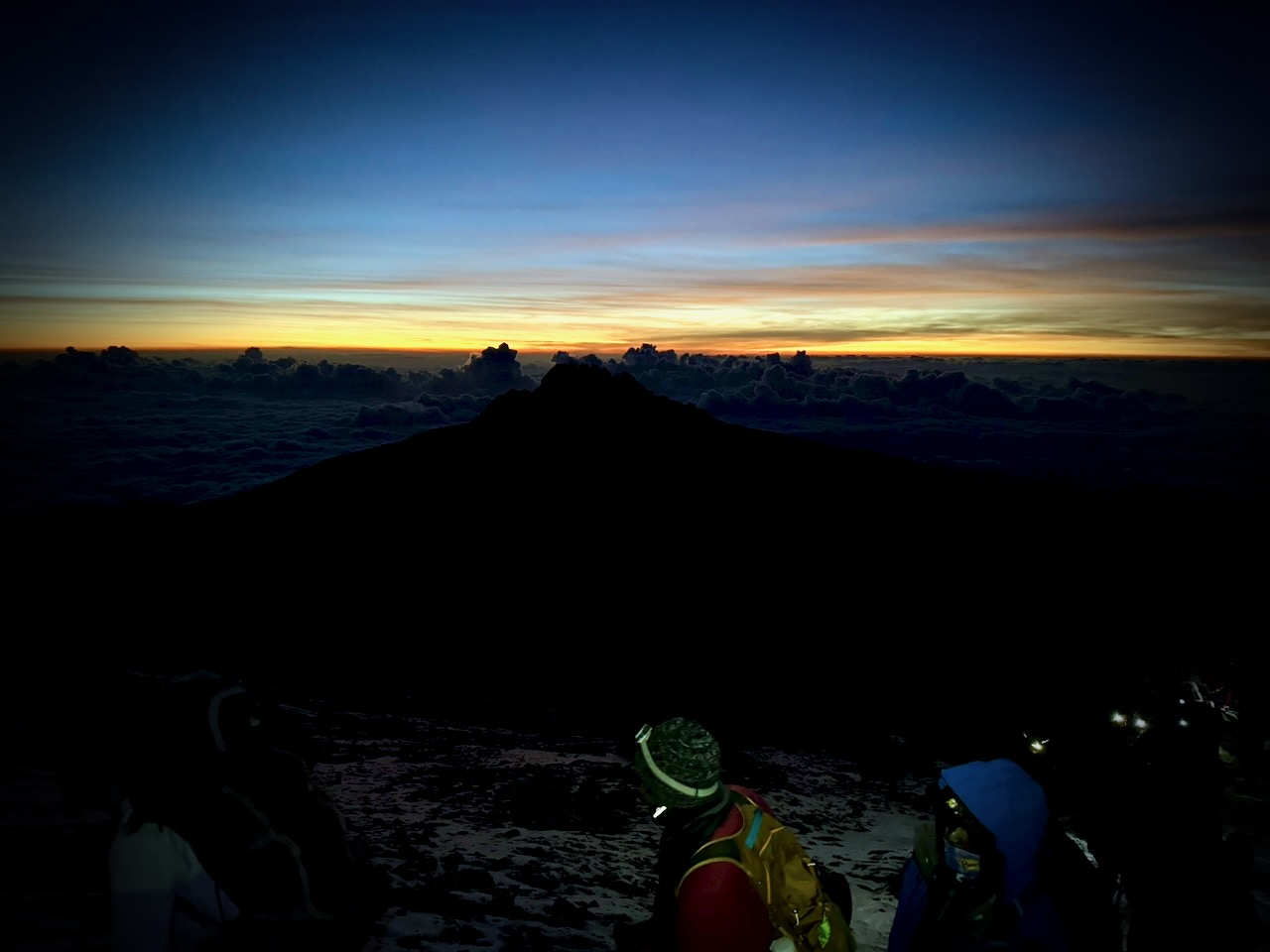
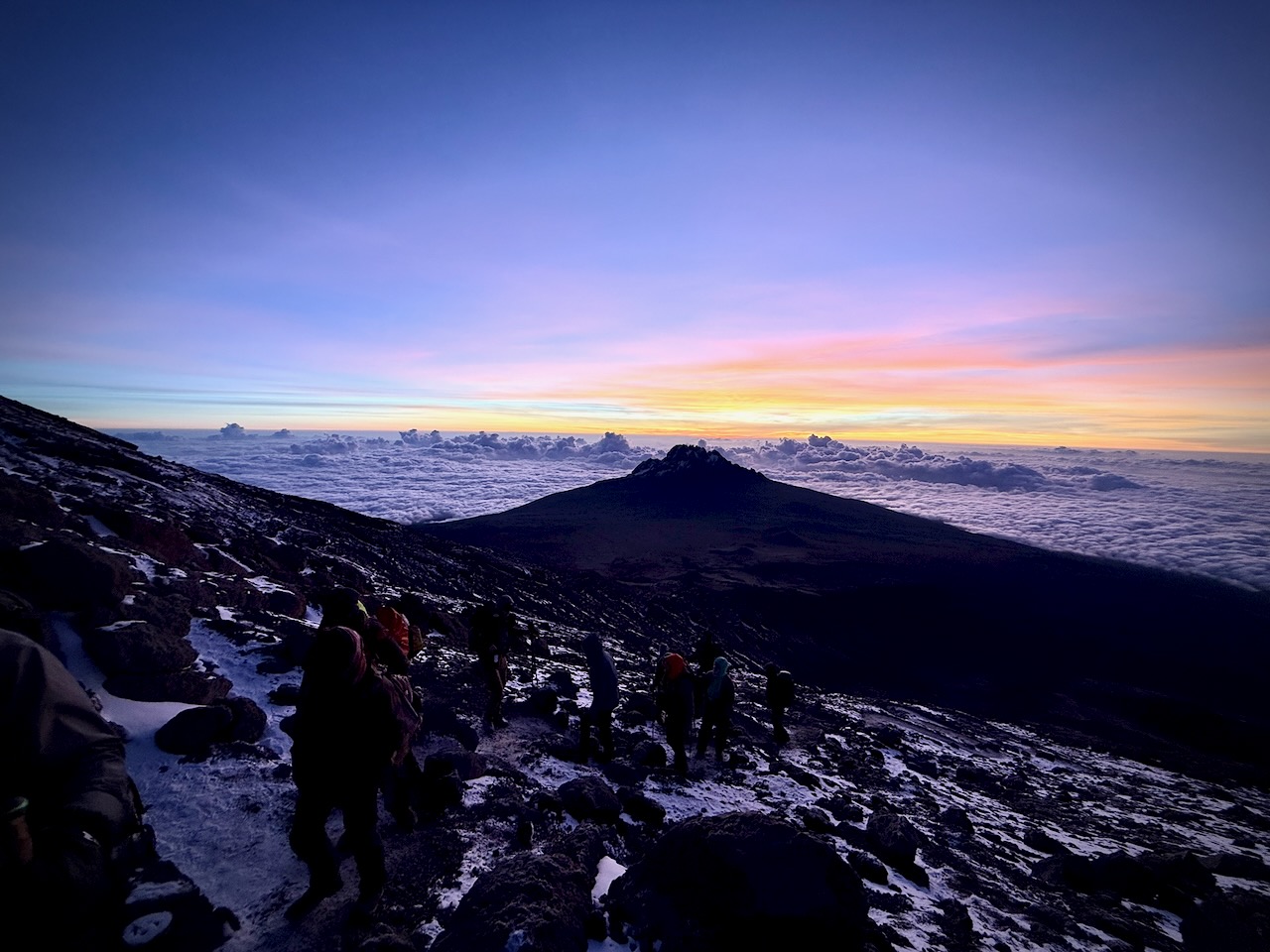
It was a slow, cold trudge until dawn.

We had an ideal view of the changing light.

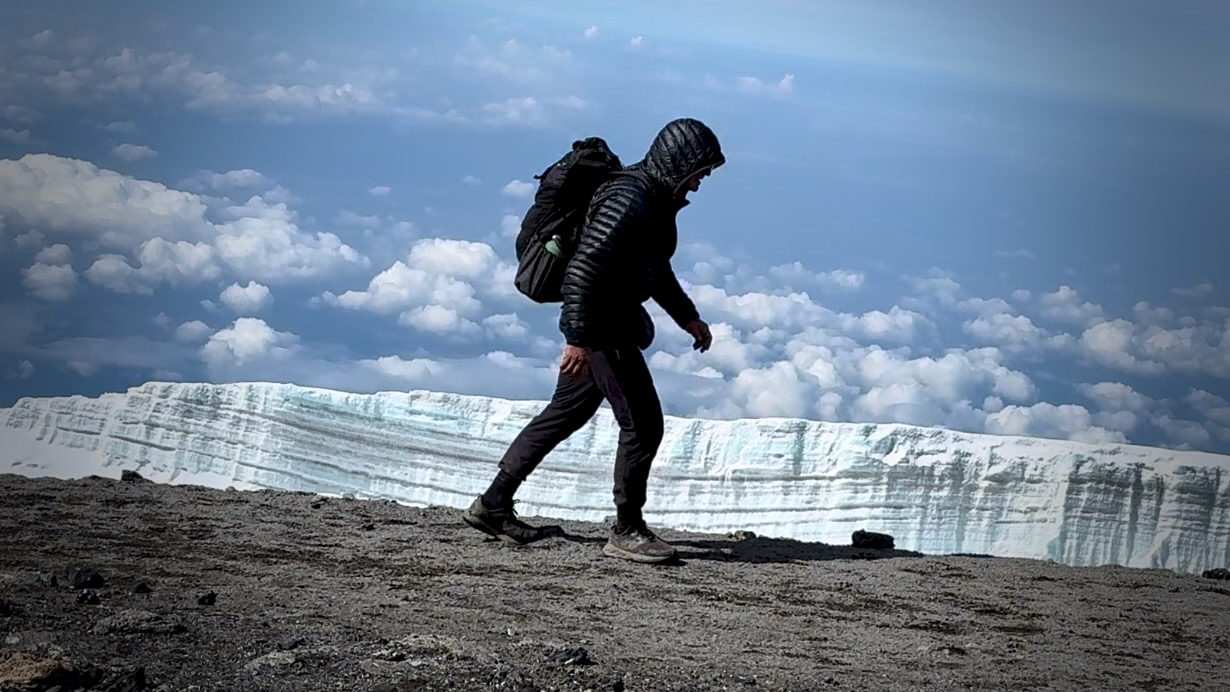
Way above the clouds.

We finally reached the first summit peak. And on perhaps another 35 minutes to the highest peak.

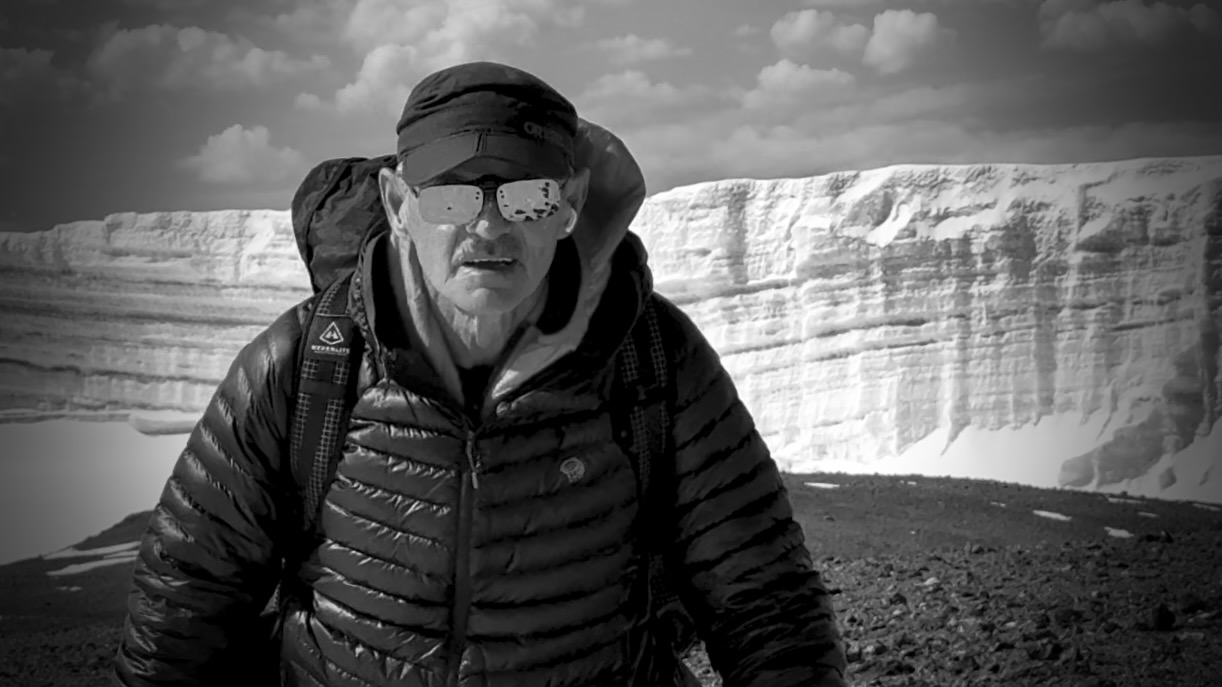
I took a LOT of photos and video up there. Most impressive were the odd, receding glaciers.

That was the FUN part.

Guides hustled us down as quickly as possible to avoid altitude sickness. We climbed down 8000 feet, not getting into low camp until 6pm or so. I ascended & descended for 16 hours, grabbing 1 hour sleep around noon.

Sore knees. Sore toes. And cramping quads.

Highlight?

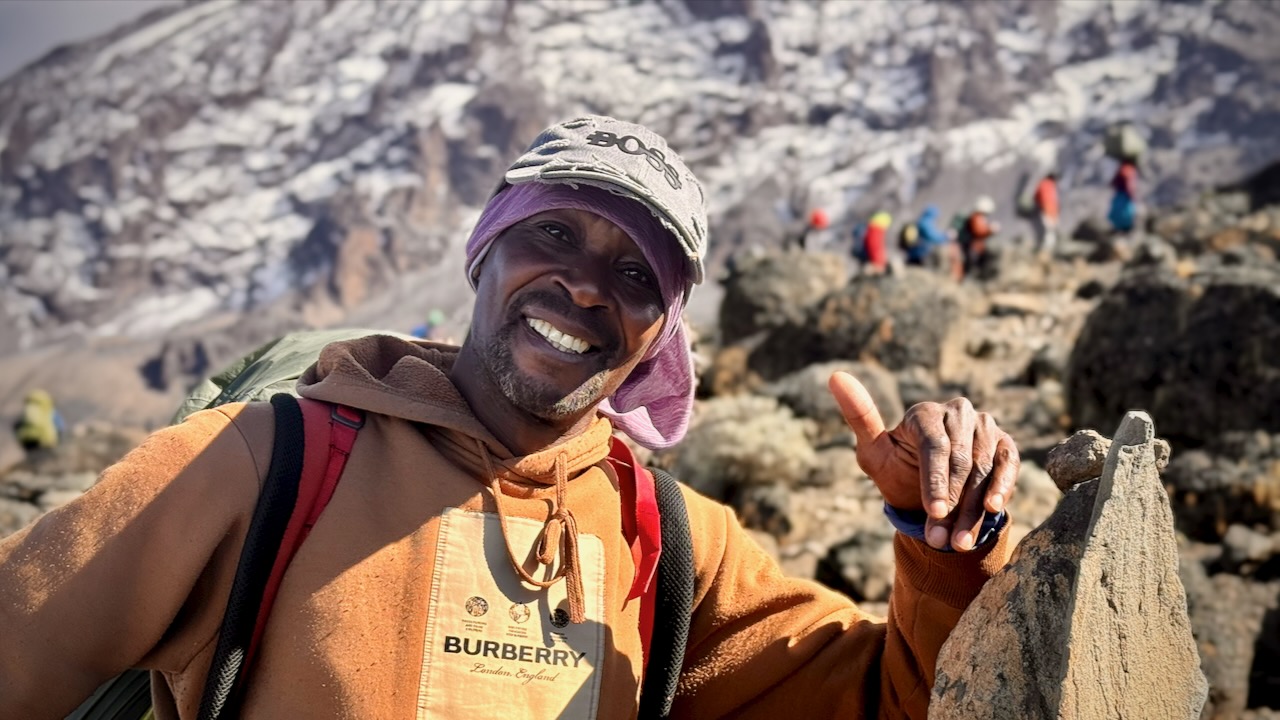
Most would agree that the porters, guides, and staff were the most impressive takeaway from this adventure. We probably had over 100 staff taking care of us over the week. And these folks will do positively anything you request.

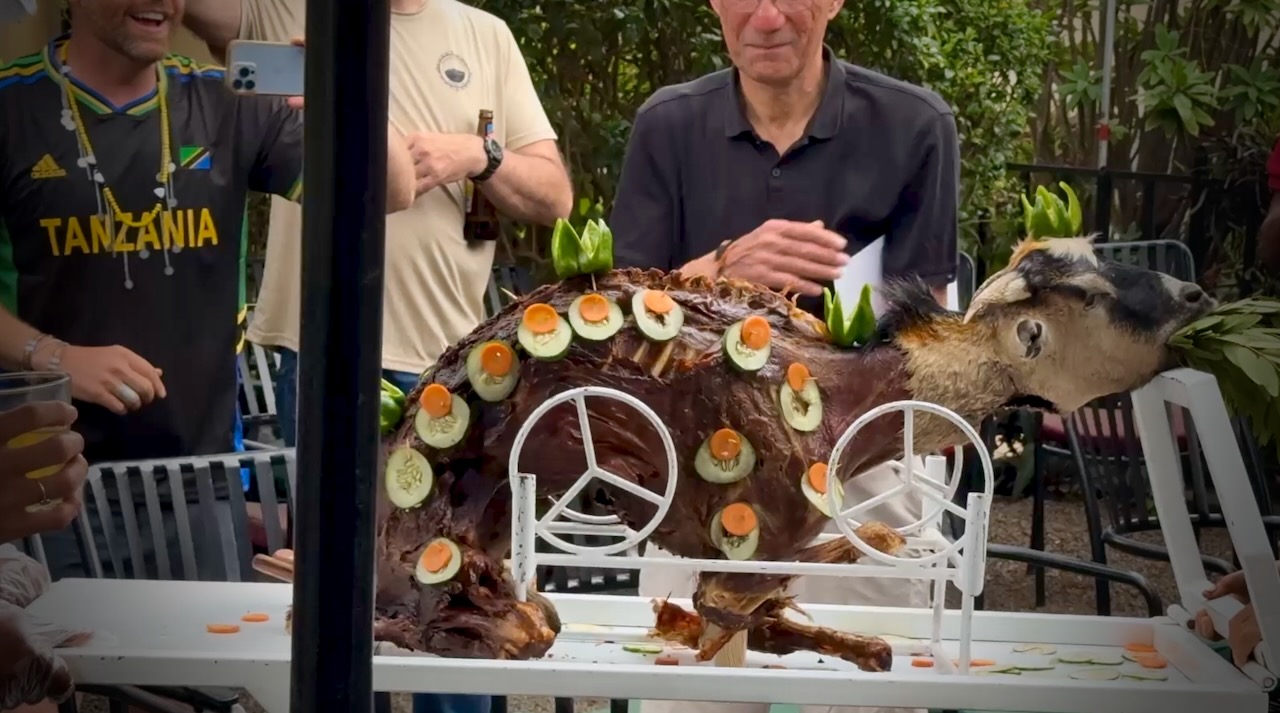
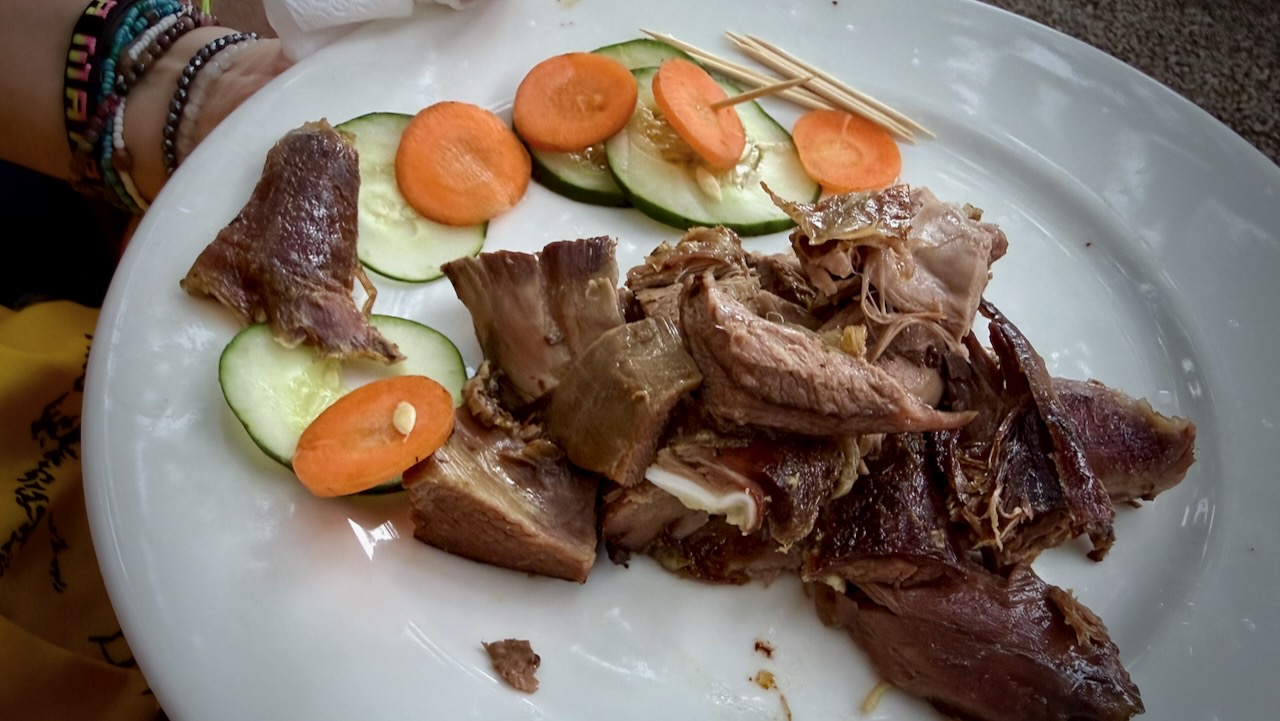
Back at the hotel, we celebrated with alcohol and devoured a full roast goat. Delicious.

A hiker died on Kilimanjaro while I was there. Reported heart attack.

On December 24, 2025, a rescue helicopter crashed, killing all 5 people on board. Two were hikers being evacuated.

10–20 deaths annually out of 30,000+ climbers.

I wrongly thought Kilimanjaro would be easy for me. It wasn’t.

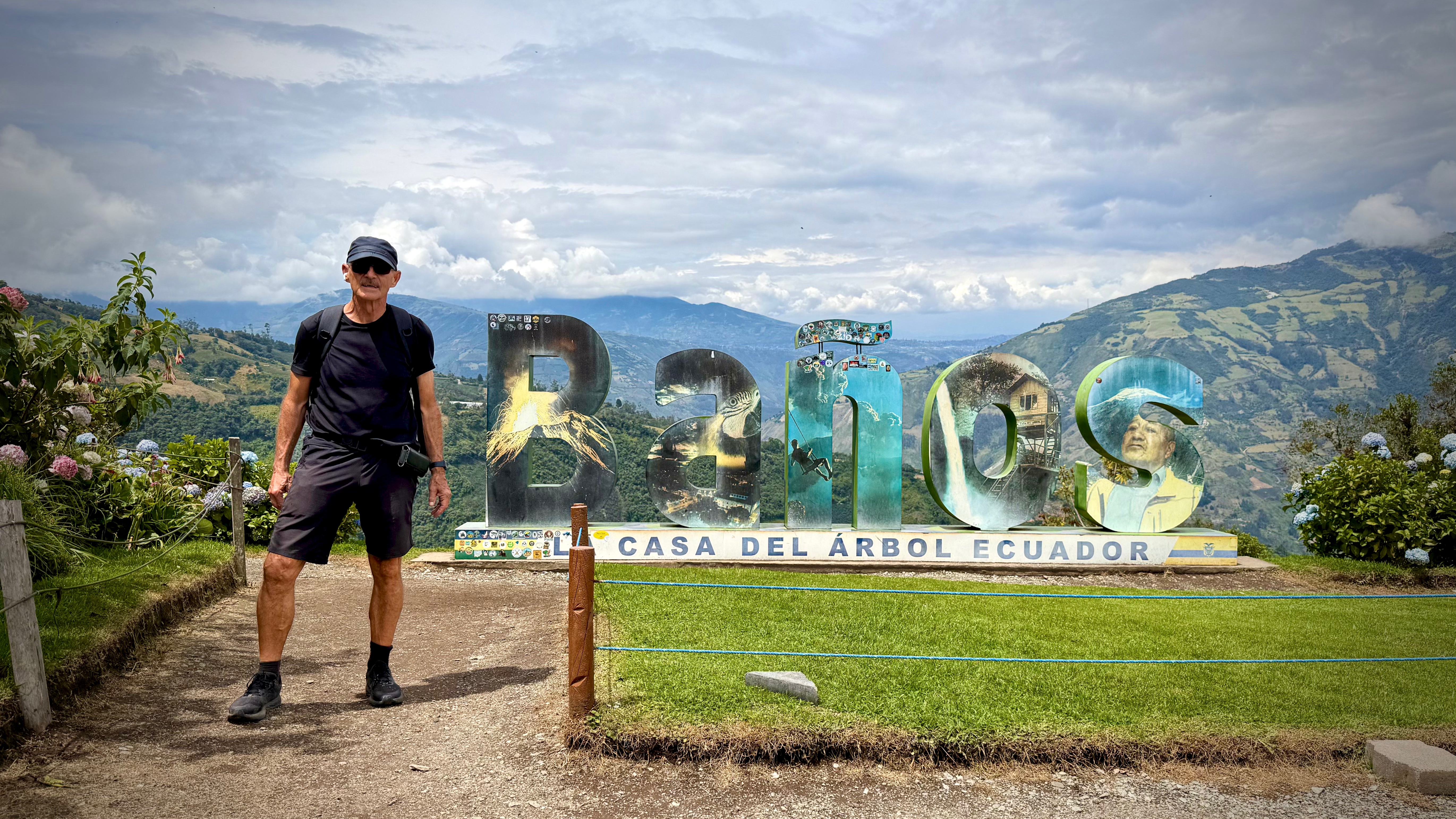
Baños: Ecuador’s adventure capital

Baños de Agua Santa (Baños) is a small mountain town, the nation’s gateway to the Amazon. And legitimately touted the Adventure Capital of Ecuador.

Activities similar to what you are offered in New Zealand, but for 10% of the cost. There MIGHT be some compromises on safety and liability, however. 😀 

I came for the hiking and cycling. And for altitude acclimatization. It’s at 1,820 metres (5,971 feet).  Three weeks at altitude conditioning in preparation for Kilimanjaro up next.

Click PLAY or watch it on YouTube.


Overview of Hiking in the USA 2025

Chris from Greenbelly looks at the big picture in America.

Public lands uncertainty, declining Appalachian Trail hikers, and economic pressure are reshaping the outdoor world.

Here are some emerging trends and events in hiking, conservation, wildlife, gear culture, and how people discover trips and advice today.

  • 0:00 Intro 0:58
  • #1 Thru Hiking Numbers 2:38
  • #2 Public Lands 3:56
  • #3 Conservation 4:48
  • #4 Brands Struggling 6:00
  • #5 Brands Thriving 7:03
  • #6 Performance Hiking 8:31
  • #7 Wildlife Encounters 9:24
  • #8 Reintroductions 10:36
  • #9 Wildfires 11:10
  • #10 AI Rejection 11:46
  • #11 Gear Advice 12:42
  • #12 Trip Discovery

Click PLAY or watch it on YouTube.

Climbing Kilimanjaro February 2026

It’s official.

  • Feb 14–22, 2026
  • 9 days, 8 nights Machame Route
  • Zara Tours
  • 5,895 meters (19,341 feet)
  • $3495 USD

Expensive — but I finally signed on to the single best trekking peak in the world.

I’d long been a fan of hiking vlogger Eric Hanson. When he announced a personally guided adventure — I signed on instantly.

Machame Route (Whiskey Route) for me should be relatively easy. BUT many have to turn back due to altitude sickness symptoms.

My plan is to spend some weeks in Ecuador above 3000m and — hopefully — have some acclimatization ➙ then fly directly to Kilimanjaro airport. Altitude sickness is near impossible to predict. (I’ve never had any despite hiking higher than 6000m many times.)

I’ll stay on in East Africa following Kili. My first visit.

This is the 2nd time I’d signed up for Kilimanjaro. The first was in 2020 — cancelled by Covid.

Eric Hanson

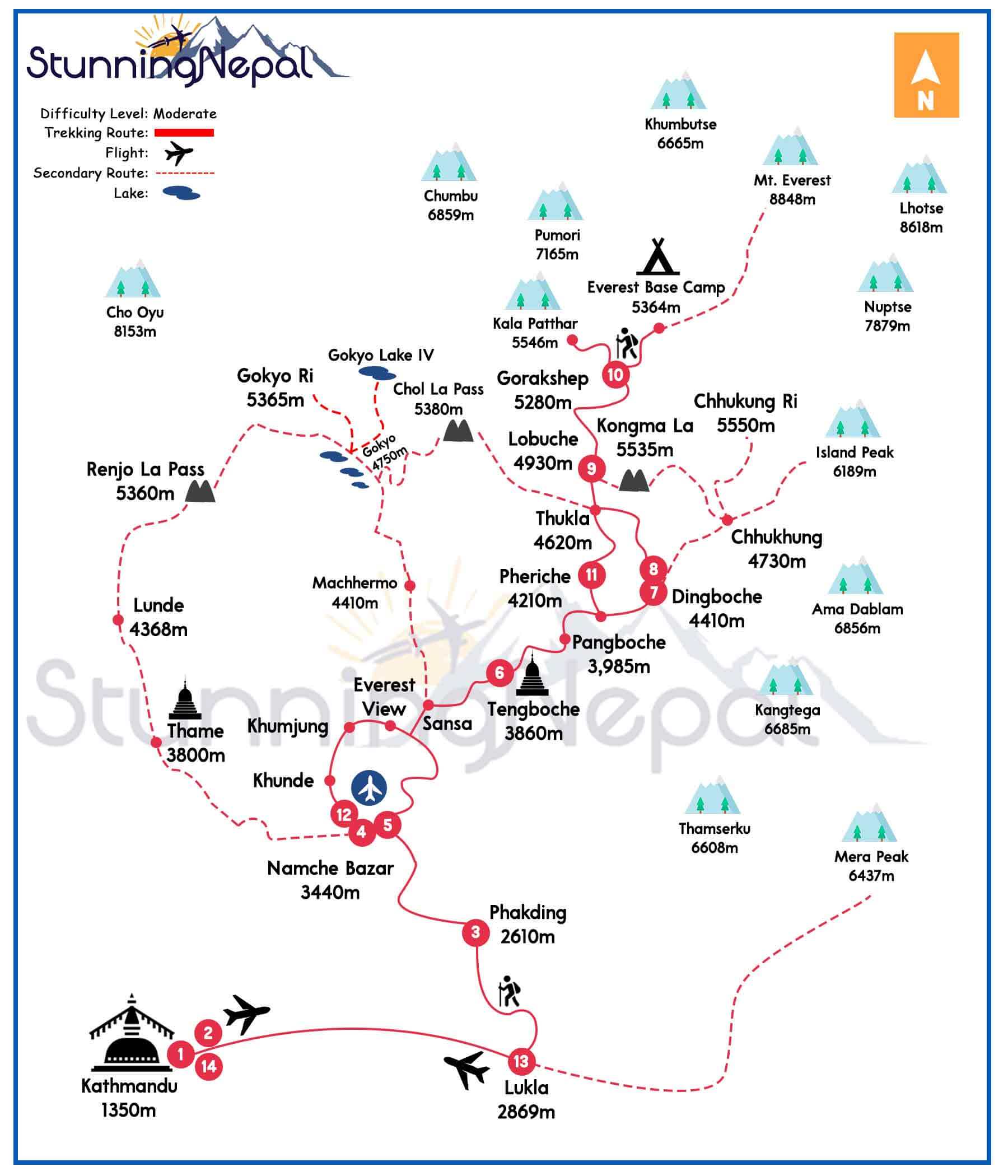
BestHike ➙ Everest Base Camp / 3 Passes, Nepal

As I post in November 2025, it’s NOT required to hire a guide for this part of Nepal.

Who knows how long it will remain an independent hike? 😀


The Everest Base Camp via 3 Passes is one of our top 10 hikes in the world.

Click PLAY or watch a 1 minute introduction on YouTube.

Base Camp / 3 Passes

Everyone wants to hike to Everest Base Camp (5,320m / 17,450ft). The 3 Passes route is the most epic.

Based on weather and fitness, you can do one or more passes as well as peaks like Kala Pattar (5,545m) that don’t require a permit.

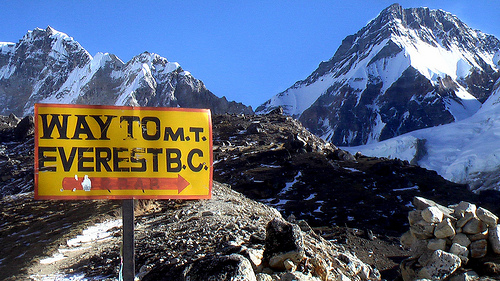
base camp sign

AT A GLANCE

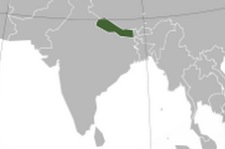
Nepal
  • majority of hikers in the Everest region hire a guide, porter(s) and/or pack animal(s) but it’s fairly easy to do independently.
  • guided trekkers stay in lodges, or sprawling tent encampments
  • October to November best months
  • beginning of March to mid-May next best
  • 16-18 days minimum for 3 Passes. 21 days would allow for rest / illness / sidetrip / and other unanticipated delays.
  • if you don’t have time, it’s recommended 14 days just to get to Base Camp and back safely.
  • generally easy hiking on good trails with a light pack. Some very challenging, potentially dangerous sections, if you cross any of the 3 Passes
  • on the main trails buy food as you go and stay in simple “lodges”
  • Everest trails are not expensive, but many spend more than they anticipate on luxuries
  • be clear — you might have to QUIT if by bad luck or rushed ascent you suffer altitude sickness (Acute Mountain Sickness or AMS).
  • many suffer respiratory problems. And fatigue.

Read more on our Everest Base Camp / 3 Passes information page.

BestHike #1 – West Coast Trail, British Columbia

West Coast Trail is our top hike in the world.

Click PLAY or watch a 1-minute preview on YouTube.

West Coast Trail

Challenging in many ways.

So much VARIETY in pristine Canadian coastal wilderness.

Mystic dawns and mind-blowing sunsets. Hidden pocket coves and weird coastal geology.

You’ll never forget the West Coast Trail.

WCT ladders

AT A GLANCE

  • 75 km (47 mi), 5-7 days Pachena Bay <> Gordon River
  • 3-5 day routes possible via Nitinaht Village trailhead
  • southwestern edge of Vancouver Island
  • Pacific Rim National Park
  • Permits required 
  • May 1 – September 30
  • extremely rugged, requires a high level of fitness
  • 6,000+ backpackers / year

Read more on our WCT information page.

Top 10 Hiking Destinations ➙ Dolomites, Italy

High altitude adventure and colourful sunsets.

Wow!

At BestHike we rank all mountain vistas in the world against Paine in Chile, and Fitz Roy in Argentina.

The scenery in the Dolomites may be just as good. And there are far, far more stunning jagged peaks in Italy than in all of South America.

Seceda – Odle mountains.

Many, many Europeans get out hiking during the Summer. Trails are crowded everywhere throughout the Dolomites and the Alps. There’s a great shared sense of community here.

Instant gratification. You can ride chair lifts up to the very tops of some of these peaks. How convenient is that? Almost anyone can find a best hike for themselves in this range.

WW I history in the Dolomites is sobering. German, Austrian and Italian soldiers were stuck digging tunnels through these mountains through several winters. This was the “Front”. Needless to say, far more young men died from the elements and falls than by fire fights. There are reminders of the Great War everywhere.

Here is the home of via ferrata (Italian for “iron road”). (In fact, our next trip to the Dolomites will be dedicated to doing some of the best of those assisted climbing routes.)

photo by Away On The Road

Not everything is perfect in the Dolomites. We prefer the Sierra Nevada mountains in California, overall.

In the Sierras I can put up a tent anywhere I want. Fantastic.

Unfortunately, in the Dolomites you are required to sleep in alpine buildings called Refuges. (Refugios – Italian). Their locations are stunning. Many people love them. But – personally – I prefer my tent over sleeping on the floor. Or in bunk beds.

Happily you can reach almost any place in the Dolomites by day hike. Public transportation in the valleys below is good!

The two regions – the Sierras and the Dolomites – are similar in that everywhere is a best hike.

I do like the food and drink at Refugios. Prices are regulated.

The main reason I had not hiked in Europe in 30yrs is cost. Italy can be expensive.

It’s possible to hike on the cheap. Putting up my tent in a campground in Cortina only cost 9€ (US$12.80) / night in 2009.  Ryan tells us it’s up to 44€ / night summer 2023!

Bread, chocolate, soft cheese and wine are inexpensive. What more do you need?

Dan & Janine Patitucci relocated from California to the Dolomites. A good site in English for inspiration. A partner offers Dolomite hiking and biking tours.

For specific information on how to hike these limestone mountains, check our Dolomites Information page.

Leave a comment if you have your own favourite hike in the Dolomites.

K2 Basecamp, Concordia, (possibly) Gondogoro La 

The most expensive guided trip I’ve found for 2025 is World Expeditions.
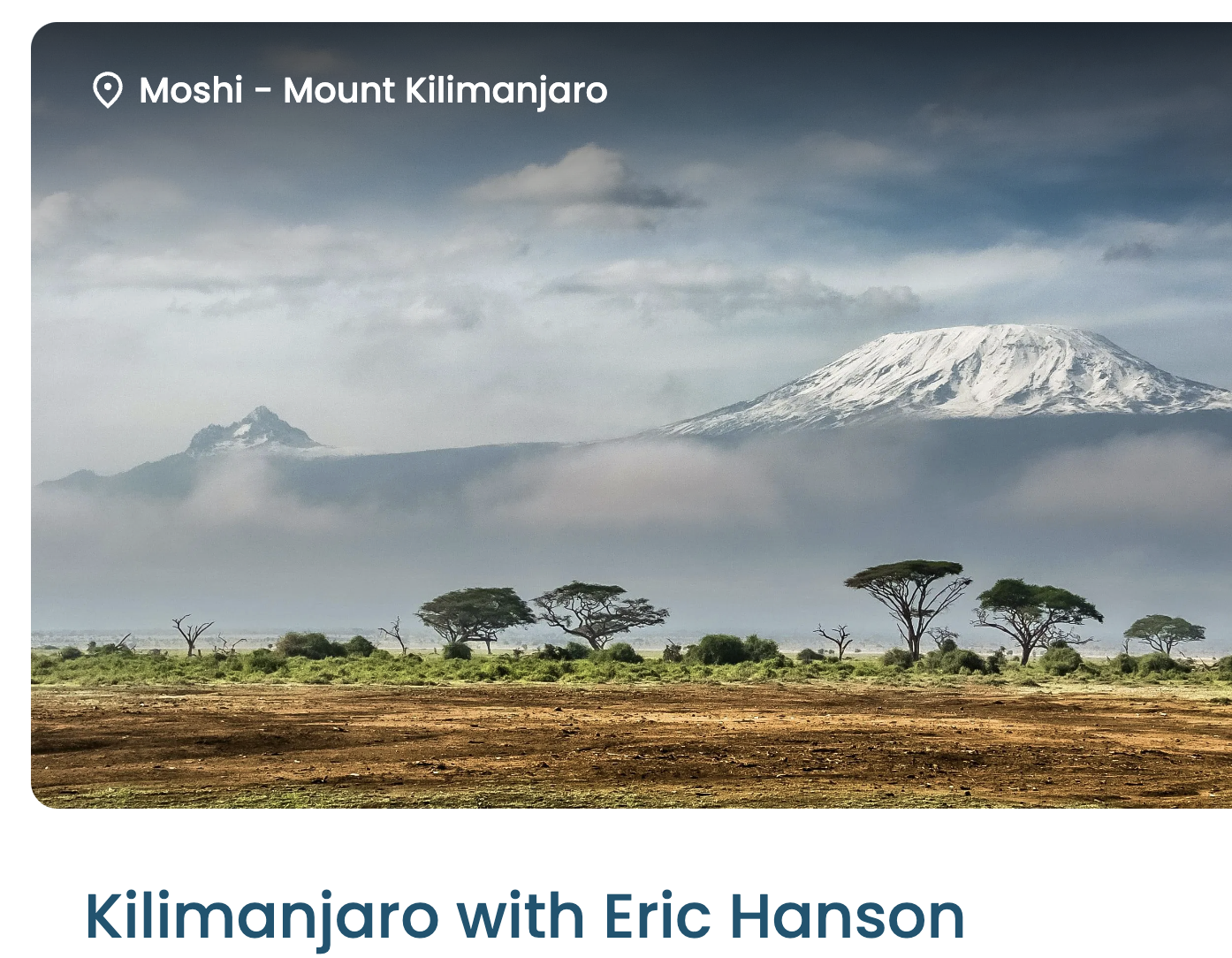
Ultimate K2 Trek: Basecamp, Concordia, Gondogoro La Exploratory

Click PLAY or watch it on YouTube.

At less than 1/3 that cost, you can go with a discount company.

Vertical Pakistan, for example.

One Vertical Pakistan group in 2024 did make it over Gondogoro La — but not all their clients were happy.

Click PLAY or watch it on YouTube.

I’m (again) considering signing up with one of these companies for summer 2026 or 2027.

Leave a comment if you have first hand advice.

Top 10 Hiking Destinations ➙ The Alps

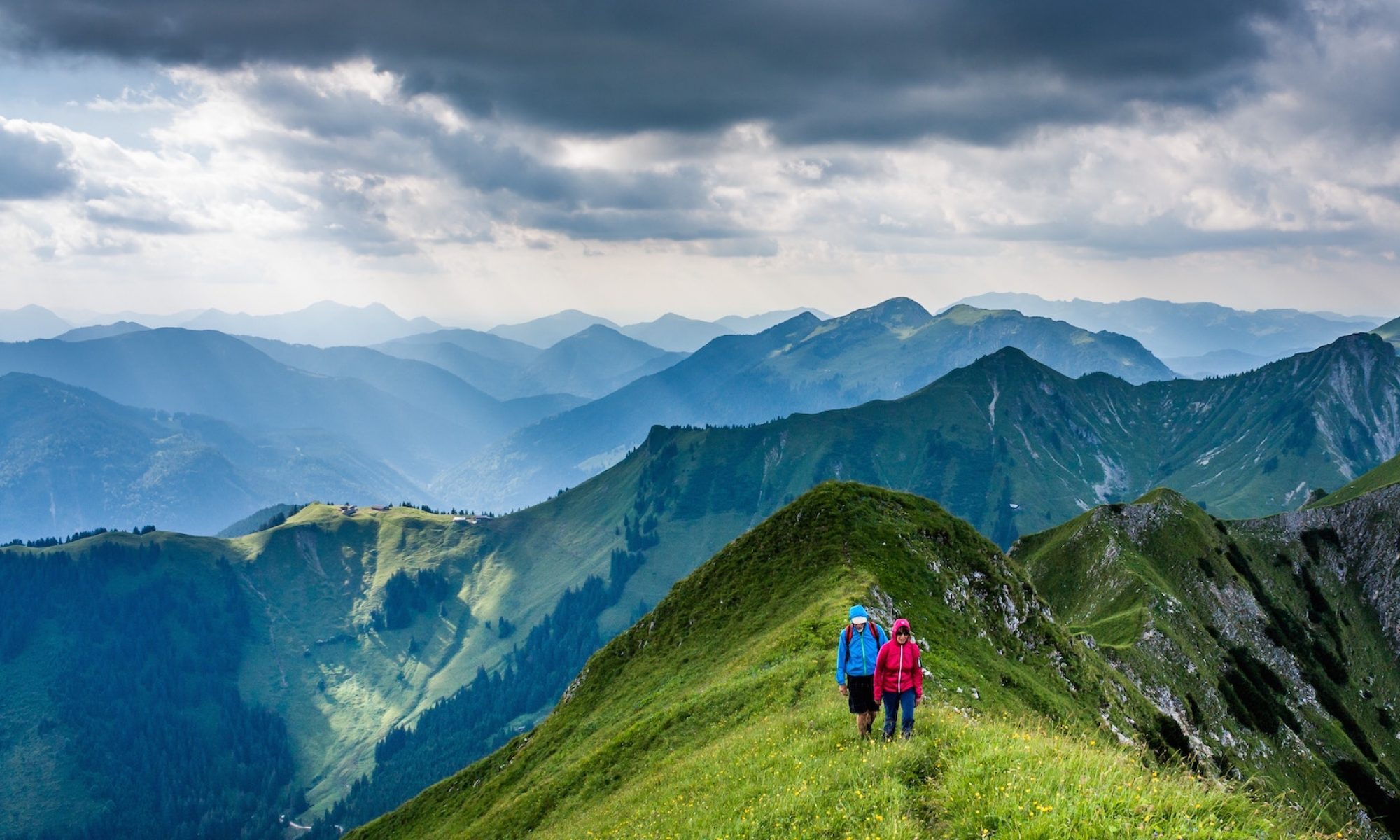
Many North American hikers pooh-pooh hiking in Europe as “too civilized and too expensive“. The ones who have never hiked there.

Harder Ridge, Switzerland

With advanced planning you can get to some of the best wild scenery in the world and not go bankrupt in Europe.

Iconic peaks reflected in tranquil mountain lakes, sweeping hillsides blanketed in wild flowers and dramatic, sprawling glaciers characterize the Alps. Discover why this mighty range, the birthplace of modern mountain walking, has enthralled walkers for centuries. – LP

The culture and history of Austria, France, Germany, Italy, Liechtenstein, Slovenian and Switzerland are an added bonus.

Travel is easy in Europe, of course, but the hiking window is short. You want to be there Jun-Sept, the same high season as North America.

More information on our new Alps information page.

Our favourite trip in the Alps was the Tour of Mont Blanc. But after besthike editor found the TMB crowded with hordes of tour groups the summer of 2009, we changed our “favourite hike in Europe” to the more challenging Walker’s Haute Route, Chamonix to Zermatt.

Both long hikes are in the same region, sharing sections of trail near Chamonix. Both are great, truth be told.

Click PLAY or watch it on YouTube.

Consider both these adventure:

Tour of Mont Blanc Information page

Haute Route information page

Check out, too, the 2009 Haute Route trip report (Mt Blanc to Matterhorn) by besthike editor Rick McCharles.

Leave a comment if you have your own favourite hike in the Alps.