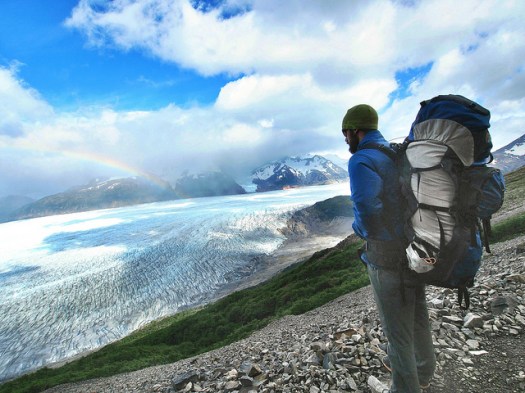
Fitzroy and Cerro Torre

My hiking partner from Manaslu last year is in Patagonia.

He got some (rare) good weather at Fitzroy.

Mike Howarth:

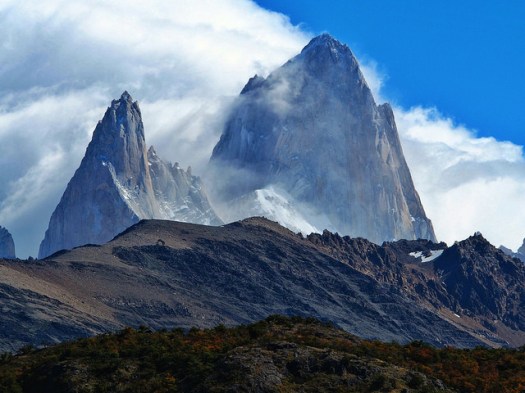
Riding in to El Chalten there before me stood the Fitzroy massif bathed in sunlight. Monte Fitzroy, Cerro Torre, Poincenot, Inominata and many more …

fitz

After two days of fine weather, clear views of Fitzroy and Cerro Torre my business here is done. Autumn begins and its time to head north and begin the next leg of the journey; The Carretera Austral.

El Chalten: Fickle Weather and Enchanting Granite

Dientes de Navarino Circuit

Dientes de Navarino are a mountain range in Navarino Island, Chile, located just south of Puerto Williams, along the Beagle Channel coast.
The Dientes Circuit is recommended as one of the best hikes in the world.

Dietes map

Also known as:

* Isla Navarino Circuit
* Circuito Dientes de Navarino
* the teeth of Navarino

Victory Cruises

Charming, entertaining and original, be sure to watch this video trip report by rlciq from Brazil before heading to Patagonia for the Teeth of the Navarino.

This is the true last trek on earth! High mountain on low altitude. Few people. Lots of beavers. Amazing landscapes. No fee. Perfect balance between challenging and fun!

Click PLAY or watch part 1 on Vimeo.

Click PLAY or watch part 2 on Vimeo.

Check out Dientes information page.

Giant’s Cup Trail, Drakensberg – day 3

Trip report by site editor Rick McCharles.

day 1 | day 2 | day 3

Easy day. Only 12km to finish the Giant’s Cup Trail at Bushman’s Nek Hut.

I departed Swiman hut late.

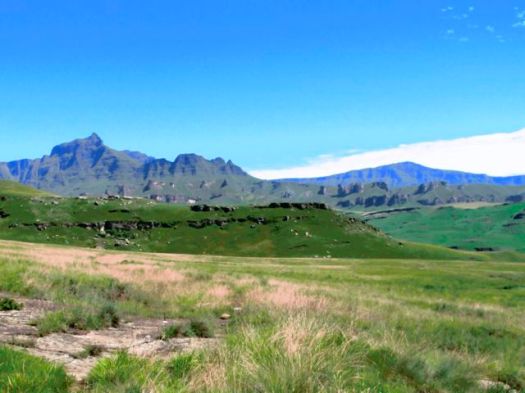
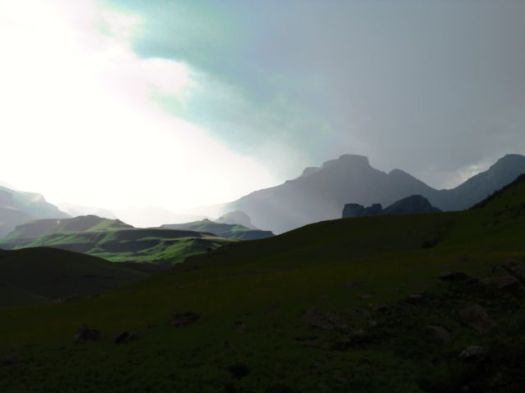
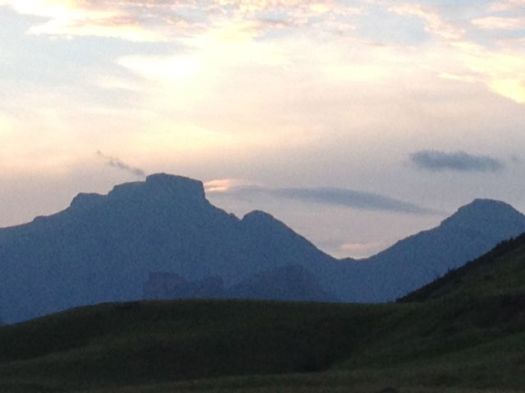
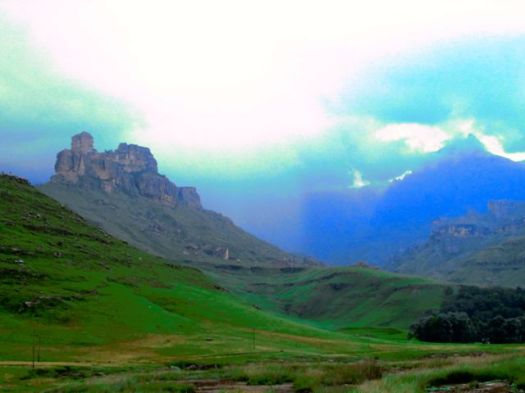
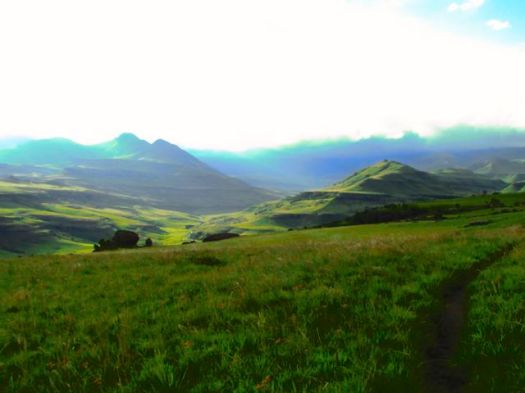
Glorious. Glorious.

IMG_0362

IMG_0338

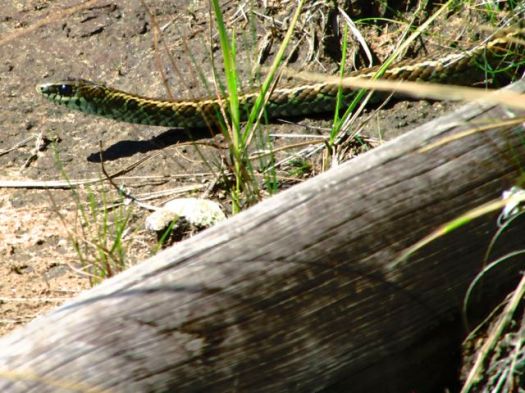
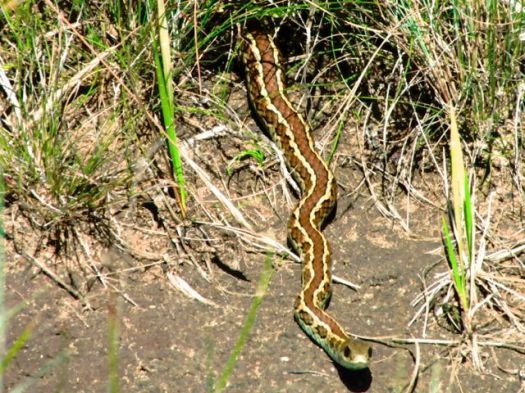
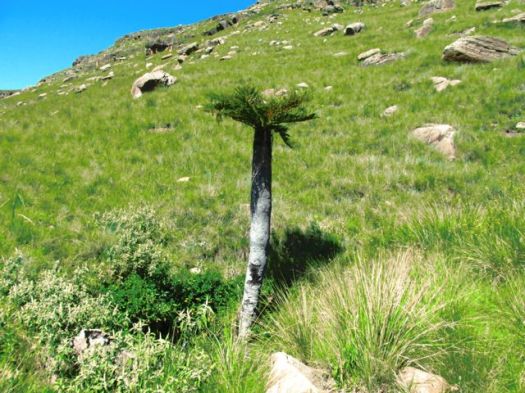
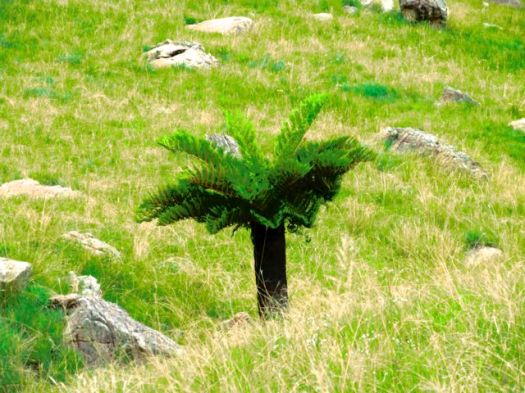
Skies were clear. The landscape empty aside from me. And THIS GUY.

IMG_0340 IMG_0342

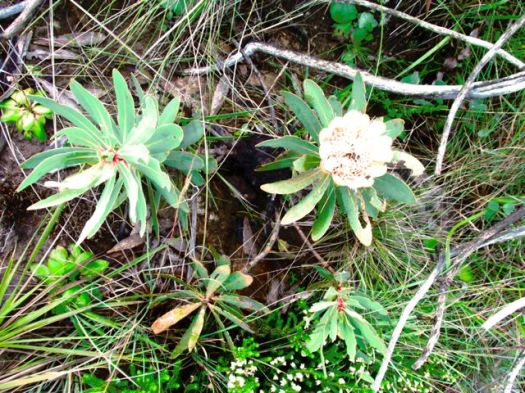
I later did some research … but couldn’t confirm the species. Leave a comment if you know.

Again, each time I got saw some significant shade, I cooled off.

IMG_0346

IMG_0345

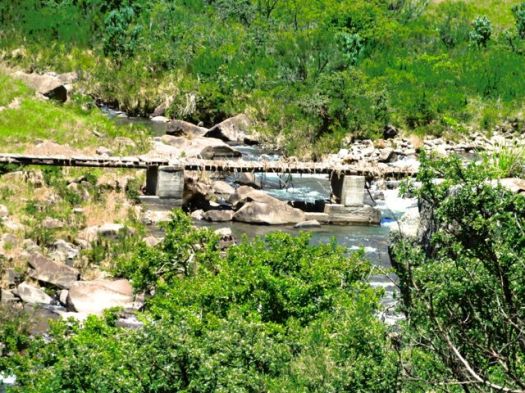
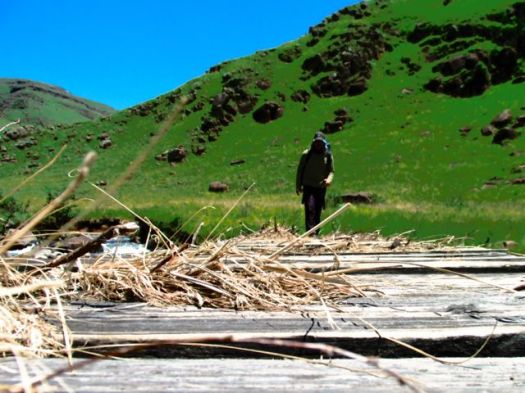
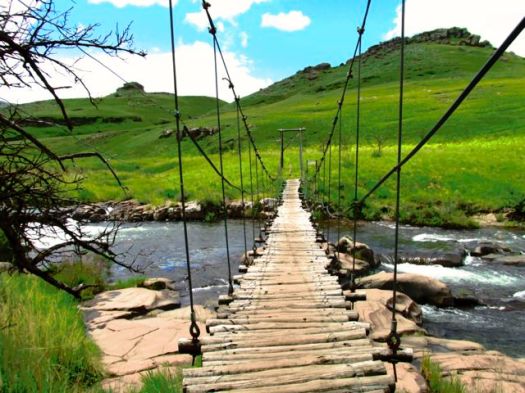
This crude wooden bridge had obviously flooded recently.

IMG_0354

IMG_0355

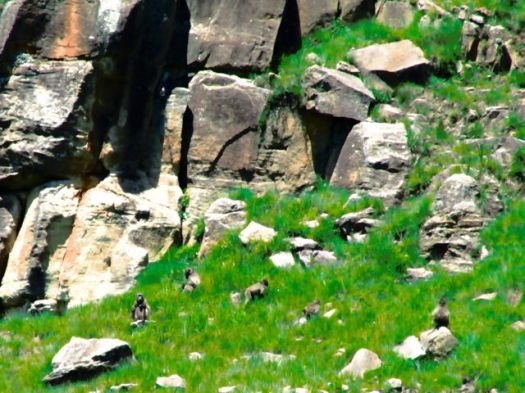
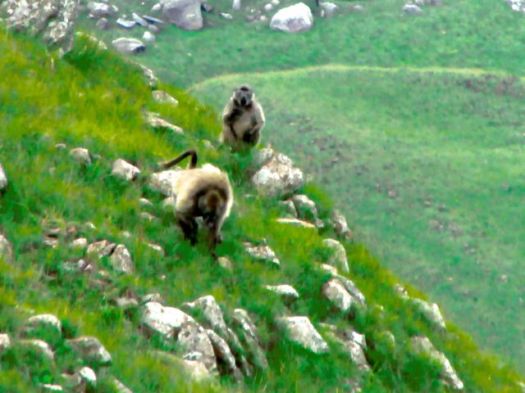
BABOONS!

This afternoon I saw 4-5 different troops of Baboons in the distance.

IMG_0348

This was my best photo.

IMG_0375

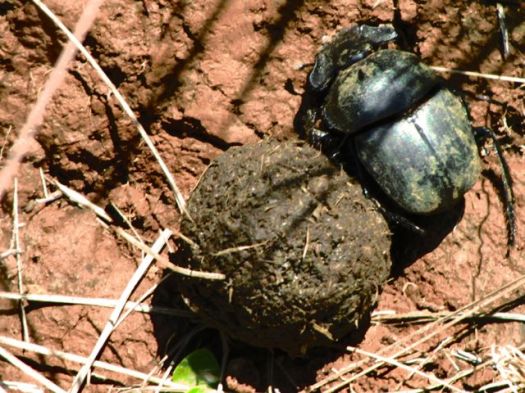
DUNG BEETLE!      … Actually, there are plenty of Dung beetles on this trail.

IMG_0359

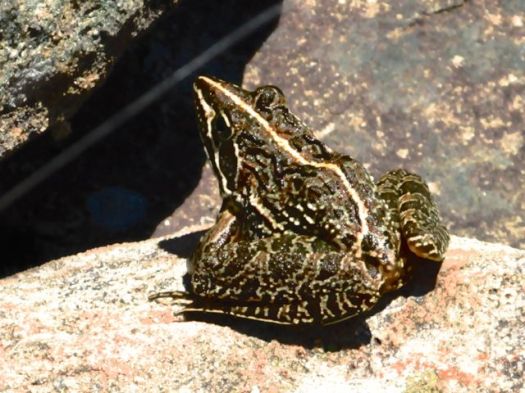
Frog.

IMG_0368

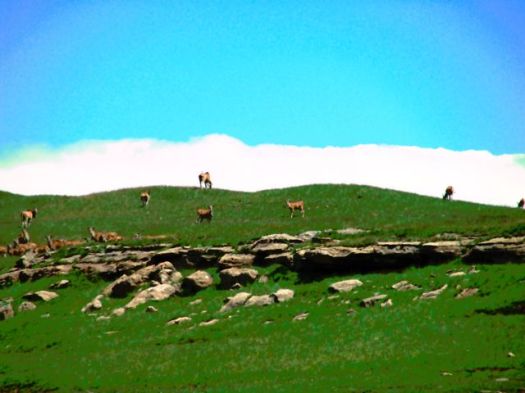
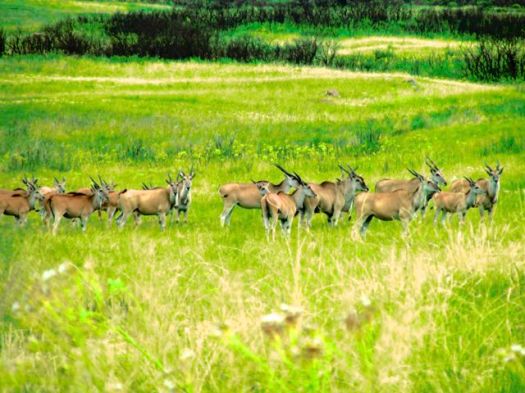
I had great views of a big herd of Eland.

IMG_0369

And again saw grey rhebok.

South Africa is a hot, dry country. But there’s no shortage of water in the Drakensberg during the rainy season.

IMG_0364

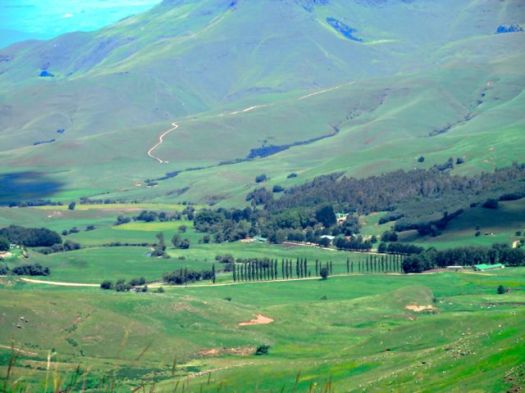
Civilization.

IMG_0373

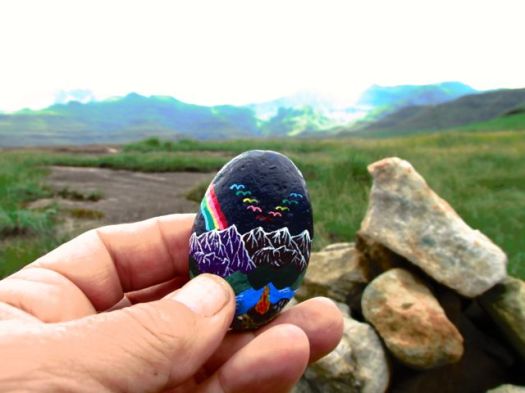
I’d held on to a Summit Stone for the entire trip, waiting on some “highlight” of the Giant’s Cups Trail.

IMG_0376 But there was no one highlight. The Giant’s Cup is all good. I left this one in the final cairn before dropping down to Bushman’s Nek.

IMG_0349
I saw a sign pointing to Bushman’s Nek hut, but ignored it as the trail looked faint.

Instead I stayed on the trail more trodden.

Turned out that took me to the KZN Wildlife office. I had to backtrack about 1km in the rain.

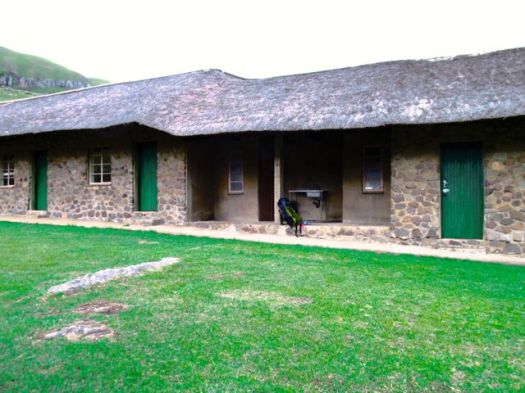
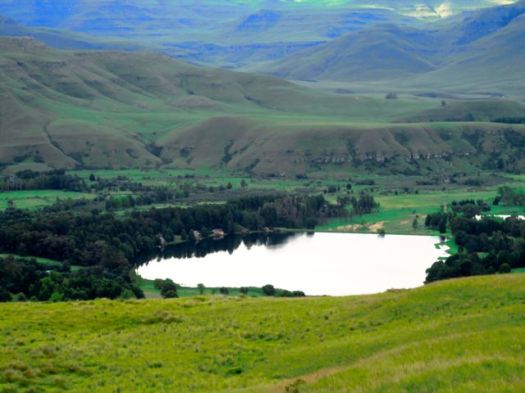
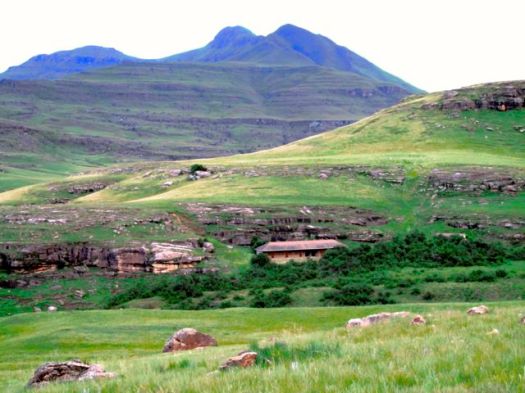
Alone again. Bushman’s Nek hut is in a very pretty location.

IMG_0379

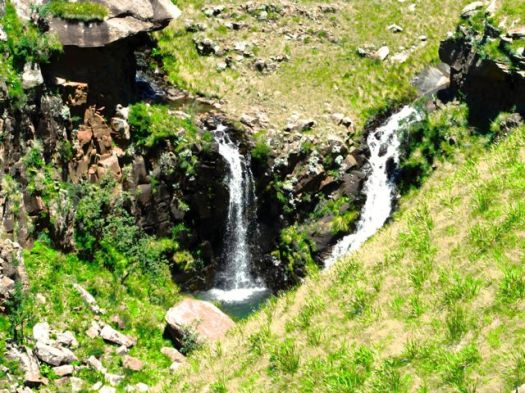
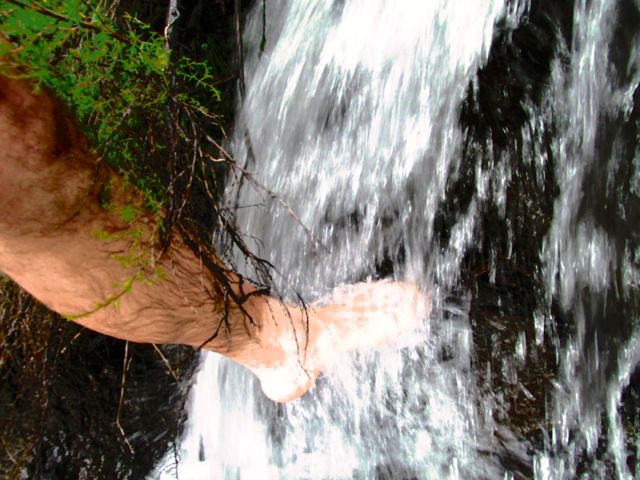
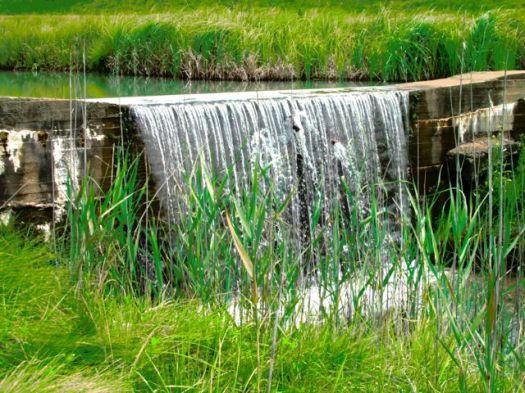
It was nice to wash my dusty, hot feed in the nearby waterfall.

IMG_0382

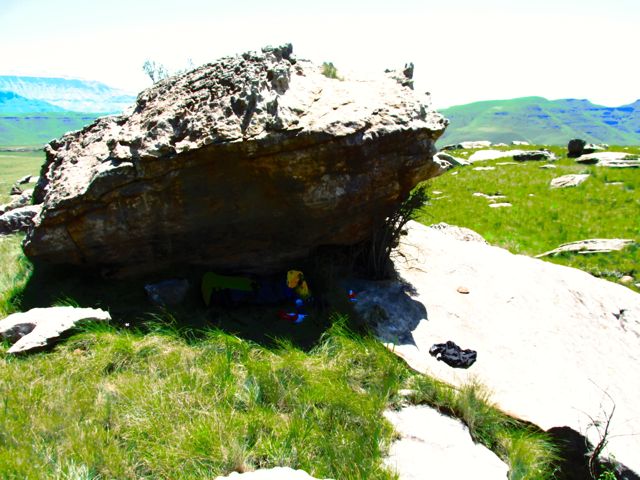
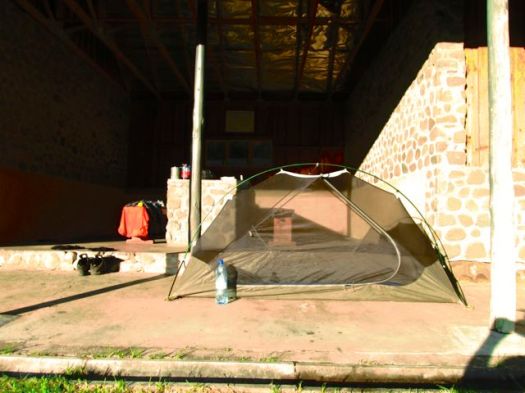
Rather than sleep under a roof, I again set up my tent under cover. And watched the night fall.

IMG_0383

IMG_1373

more photos from this day
___
Logistics

Next morning the KZN Wildlife office called a bush taxi from a local hotel. It took me to Underberg town for about $50 (expensive).

I was there for about 4hrs waiting for the mini-bus to Pietermaritzburg to fill. Though tourists are often advised not to take the local transport, in Underberg they are fairly used to shuttling hikers out from the Giant’s Cup.

You might consider starting at Bushman’s Nek and hiking to Sani Backpackers or Sani Pass Hotel. Travel logistics would be easier and cheaper if you don’t have your own vehicle.

If you wanted to hire a guide, I’d recommend booking through Drakensberg Adventures.

related:

Drakensberg Tourism

Giant’s Cup Trail Run 2014

• EKZ’s Giant’s Cup Trail page

• my hiking guidebook – Cicerone Walking in the Drakensberg

day 1 | day 2 | day 3

Giant’s Cup Trail, Drakensberg – day 2

Trip report by site editor Rick McCharles.

day 1 | day 2 | day 3

Between low clouds, the morning dawned blue, sunny, HOT.

IMG_0334

IMG_0335

This was the prettiest of the three days.

IMG_0329

IMG_0330

IMG_0331

This day I again saw a “wild dog” with one or two young ones. Unfortunately I wasn’t quick enough to zoom the camera in time.

Locals told me they were most likely hyena.

I covered up from the strong sun.

IMG_0332

IMG_0333

IMG_0320

Arriving Winterhoek hut under the trees.

Hikers are advised to lock everything up against baboon and eland.

IMG_0321

IMG_0322

I had lunch here, in the shade.

IMG_0313

My biggest problem on the Giant’s Cup was the strong January sun. Locals thought I was crazy to be hiking in the hot, rainy season. I rested at as many shady spots as possible.

IMG_0328

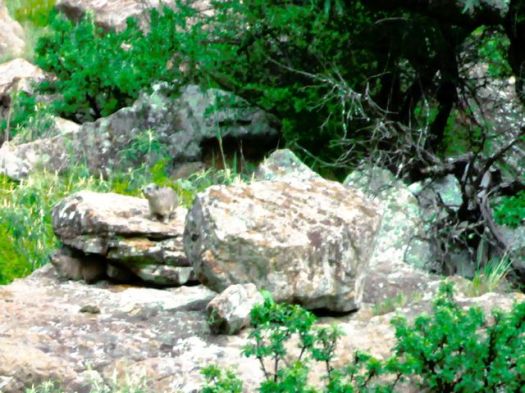
I was surprised not to see more Dassie. This was one of the few I spotted.

IMG_0326

Late afternoon I slapped at something biting me under my pants. Turned out I’d killed a tic, the first that had ever bitten me. Contrary to common wisdom, I’d kicked it. After that I was quite ‘tic vigilant’. They can carry disease.

IMG_0323

I arrived Swiman hut at dusk, quite exhausted. Too exhausted to set up my tent, I crashed into a bunk. After I enjoyed a HOT SHOWER.

Again I was the only hiker in the hut that night.

I did see a caretaker next morning on my way out.

IMG_0336
more photos from this day

day 1 | day 2 | day 3

Giant’s Cup Trail, Drakensberg – day 1

Trip report by site editor Rick McCharles.

day 1 | day 2 | day 3

One of Lonely Planet’s South Africa’s top five multiday hikes:

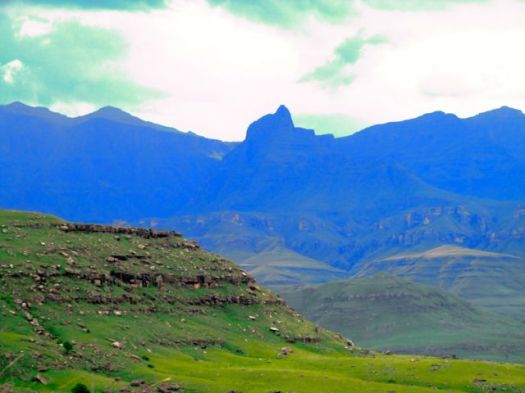
The Drakensberg Mountains, rising to 3482m (11,423ft) on the Lesotho border, are one of Africa’s greatest hiking destinations.

Numerous day and overnight walks crisscross this World Heritage Site …

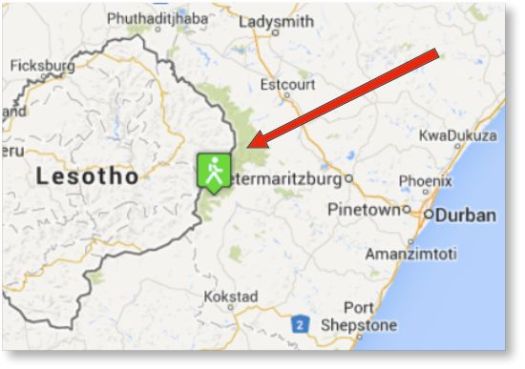
map

Closest major city is Durban.

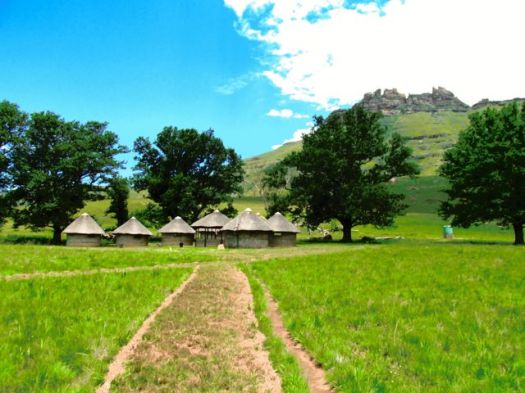
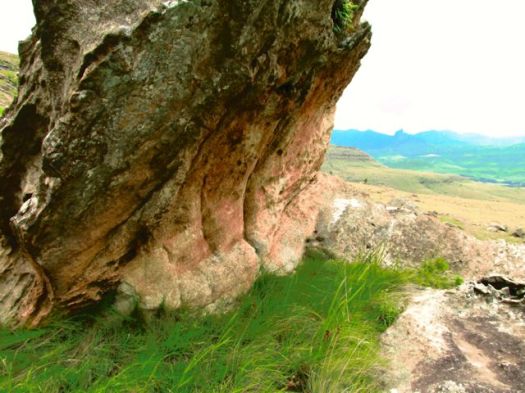
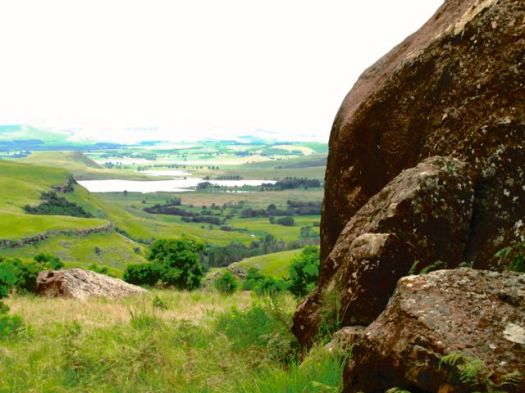
The famous path starts in appropriately grand fashion at the foot of Sani Pass, South Africa’s highest mountain pass. Passing through the Drakensberg foothills, the trail takes in the Bathplug Cave with San rock art, streams and pools for swimming and breathtaking mountain scenery.

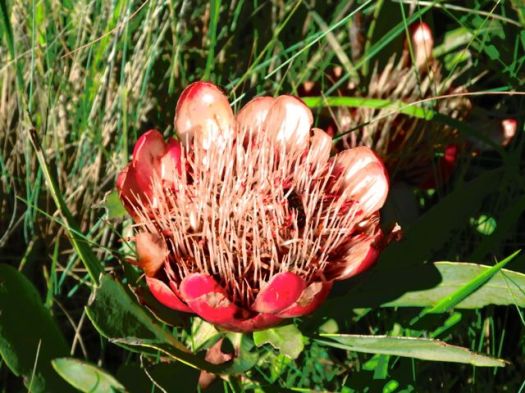
The Giant’s Cup (3256m/10,682ft), from which the trail gets its name, overlooks the Cobham Nature Reserve’s shimmering expanses of grassland, upland lakes, rivers jumping with trout and slopes carpeted with pink proteas. At the southern tip of the Drakensberg, the Garden Castle Nature Reserve is overlooked by sandstone buttresses, caves and the 3051m (10,009ft) Rhino Peak.

The trail ends at Bushman’s Nek Pass, where you can continue into Lesotho on foot or horseback, or unlace your boots in nearby Underberg or Himeville.

The basic 30-person sleeping huts have bunk beds with mattresses, and waking among cairns and circling eagles is an uplifting wilderness experience. With daily distances ranging between 9km (5.6mi) and 13km (8mi), it’s not a strenuous hike and can be managed by younger walkers.

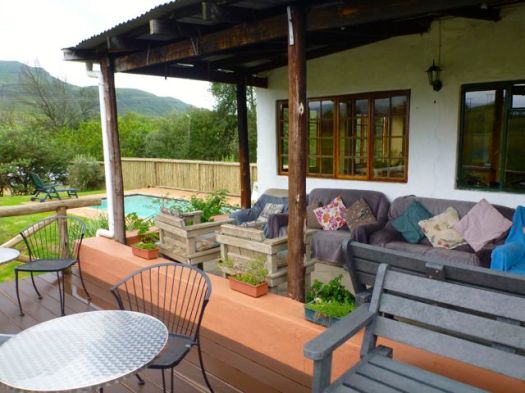
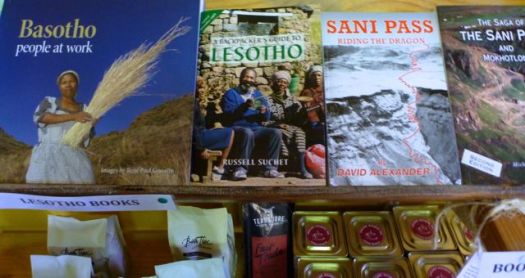
Russell Suchet, author of A Backpackers Guide to Lesotho, is owner of Sani Backpackers where I started.

P1270075

P1270076

Russell and staff agreed that the Giant’s Cup was relatively “tame” for someone of my experience. With a tent.

But I loved it anyway. 🙂

Inexperienced in the Drakensberg, I took every precaution. I purchased maps #5 and #6 ($5ea at Sani Backpackers). And picked up the free “Giant’s Cup Trail Visitor’s Guide” trail description at the KZN Wildlife office at Pholela Hut.

P1270080

Hiking alone, it would have been nice to have a phone in case of emergencies. There is mobile service on most of the route. But I hadn’t bothered to pick up a SIM card for my Canadian phone. 😦

I paid about $8 / night to stay in the huts — even though I carried a tent.

Happy to support the KZN trail system, I wanted the OPTION to stay in the huts if necessary. If it poured rain, for example. It pours rain nearly every afternoon in January.

I carried too much food, adding home made cheese from Sani Backpackers.

I skipped the first 5km as I’d done it the previous day. Here are a few photos starting at Gxalingenwa Cave.

IMG_0273

IMG_0271

IMG_0219

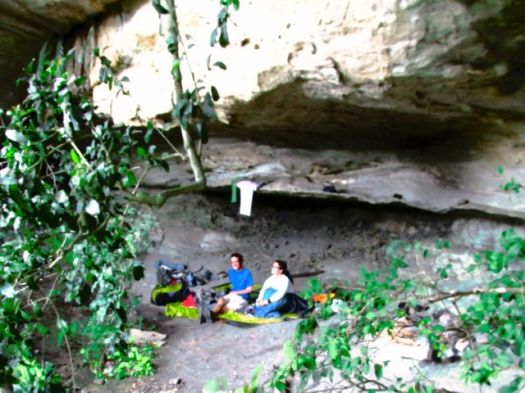
These two ‘mericans had camped 2 nights in the overhang under a waterfall. Later I learned that you are not actually allowed to camp in that particular “cave”.

IMG_0249

Officially, the Giant’s Cup starts on the Sani Pass Road at Ezemvelo KZM Wildlife field ranger outpost at 2847m. I started instead by walking out the door of Sani Backpackers climbing up to intersect the route.

IMG_0216

That’s the Backpacker’s as seen from the parkland area fence.

IMG_0269

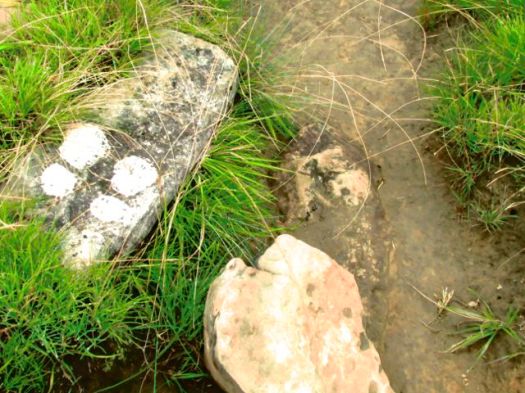
The trail is super well marked. You follow white footprints.

Some locals feel there is too much signage.

I missed paying for my trip & filling out the Mountain Rescue Register at the start. Russell advised me to — instead — do the paperwork at the KZN Wildlife Office near Pholela Hut. I arrived there about 1:30pm.

IMG_0289

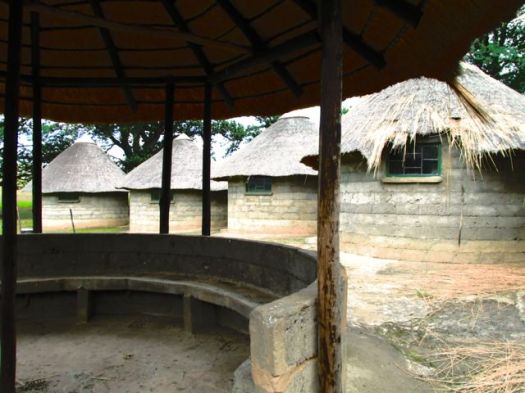
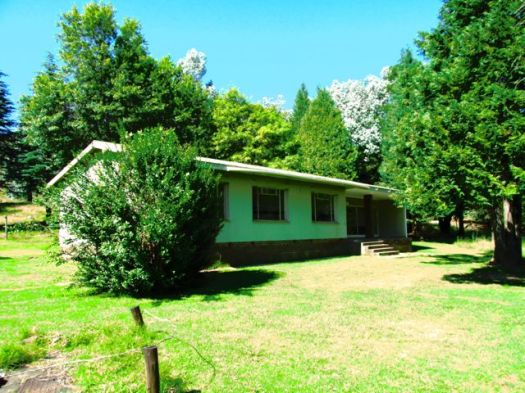
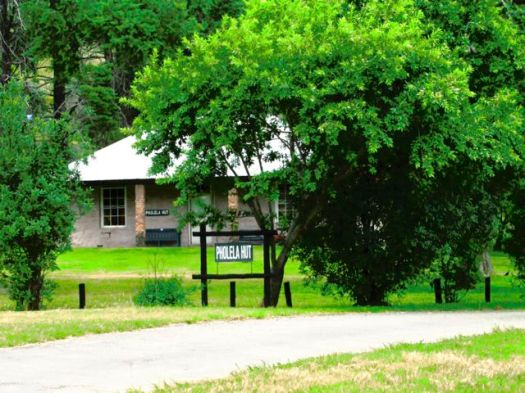
Pholela Hut is a converted farmhouse offering 30 bunk beds in 4 rooms. Cold showers. Empty.

I carried on to the next hut.

Close to Pholela I saw my first herd of Eland.

IMG_0284

Close to that herd I caught a glimpse of an African dog. Most likely a jackal.

The bridges on this trail are not impressive.

IMG_0288

On the other hand, there’s no need to treat water in the Drakensberg.

IMG_0295

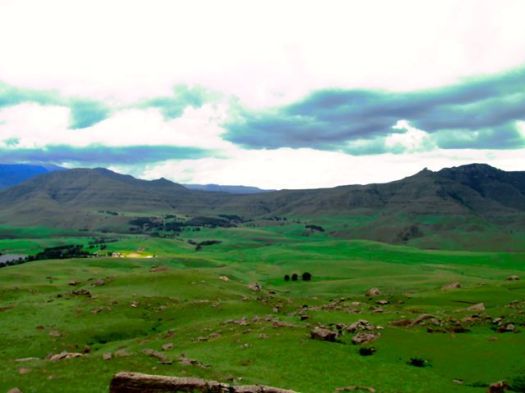
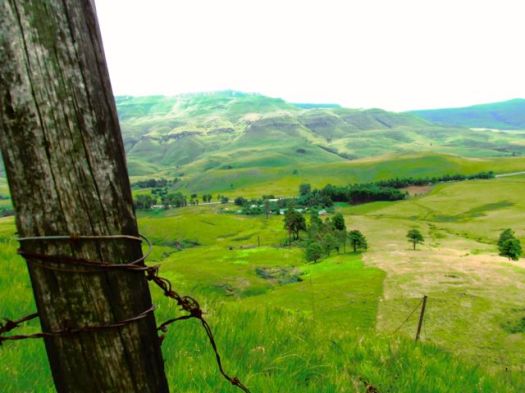
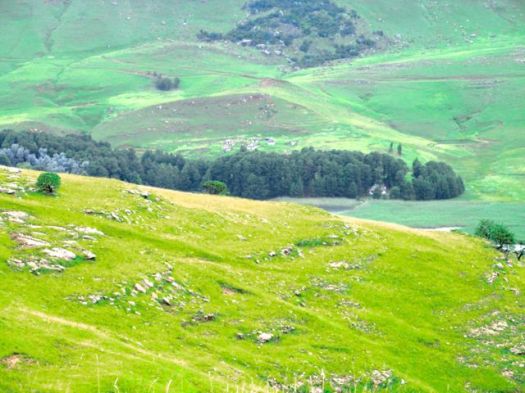
Green. Peaceful. Pretty.

IMG_0297

IMG_0294

I arrived Mzimkhulwana Hut late and tired.

IMG_0302

Rather than sleep indoors, I set up my tent under protection.

Alone, I hid my passport, money and credit cards. Just in case some sneak thief arrived in the night. It was a bit spooky.

IMG_0303

IMG_0304

Sipped wine. Ate my local cheese. Watched the night fall. Went to sleep early.

IMG_0305

more photos from this day

day 1 | day 2 | day 3

Paklenica National Park, Croatia

 
Davor:

Paklenica is one of the most beautiful places in all of Croatia, and it’s a place to be for anyone who’s into hiking, climbing or mountain biking, or any other form of adventure sports like kayaking or snorkeling.


Click PLAY or watch an intro on YouTube.

details – An Invitation To Adventure In the Paklenica National Park

Trek Everest Base Camp: The Ultimate Preparation & Survival Guide

Jason Weise author.

trek base camp

Jason was frustrated organizing his own trek, unable to find all the information he wanted in one place. The book took him over a year to write, research and has been professionally edited.

Cost is only $9.50 in PDF format. Carry it on any portable electronic device.

details – trekbasecampeverest.com

Paine Circuit, Chile

Mike Howarth posted another of his terrific adventure photo journals, this time the famed Paine Circuit in Patagonia.

… Away from the majesty and spectacle of the W circuit, the southern half of the Paine Massif offers something completely different, a peaceful beauty. As the trails widen and birds chatter I remember why I am here. …

Paine

We stumble over the Paso John Gardiner like two drunkards buffeted by the wind. Laughing and whooping at the ferocity.

Glacier Grey

Afforded amazing views down to Glacier Grey and the Southern Patagonian Ice Field stretching off in to the distance.

Justin

read the trip report – Torres Del Paine – The Full Circuit

Community Inca Trail Trek

guest post by Helene Cooper:

Last month I embarked on one of the most amazing experiences of my life, Peru’s Inca Trail. I took part in a five day “Community Trek”, which goes a little more off the beaten track, combining an exhilarating trek along the Peruvian Andes, with an opportunity to camp with local villagers and help with farming and community work.

En-route I enjoyed some of the most beautiful mountainous terrain I’ve ever seen, stopping at amazing ancient ruins and pushing my body to new extremes. The Community Trek gives you the opportunity to give something back to the local people, with a proportion of your fees helping with their schooling and farming activities. While you see less of the ruins than on the Classic Trek, you still see the best, while enjoying a completely different experience, too.

The trek was amazingly hard work, with high altitudes making the long hikes exhausting at times, but with the end reward of Machu Picchu just hours away, it was well worth it. The trails are less preserved than on the Classic Trek, which makes it harder work, but what’s life without a little challenge? The opportunity to spend time in local communities gave the trip an added attraction; I really recommend you try it.

Day 0:

We begin our five-day journey with a pre-trek meeting with our guides from Andina Travel. Everyone takes the opportunity to ask any questions and psyche themselves up for the next four days of walking. We’re told to prepare for the high altitudes, which can reach up to 13,900ft.

Day 1:

We’re picked up early by a minibus; it’s a beautiful clear day and the mountains are simply awe-inspiring – I can’t wait to crack on with the trek.

First stop is Saksaywaman, an incredible old ancient fortress overlooking Cusco; giant boulders are stacked as if they fell from the sky – it’s a great photo opportunity! Our guide tells us this was once a historic, religious and ceremonial place, which you certainly get a feel for.

Next we move to the Sacred Valley, a huge gorge between two steep mountains and home to hundreds of maize fields and numerous tributaries, what an amazing sight!

We trek on to the Pisac ruins and its fantastic terraces and walkways, where we get to put our feet up and give our lungs a rest. We purchase walking sticks, coca leaves and colourful plastic ponchos, the last supplies for our mammoth trek.

After lunch it’s time to start walking! We tentatively start climbing our way up the hills and slowly the scenery starts to change. The higher we climb the colder it gets, and the air starts to thin out, which is a strange feeling.

Our tents are already set up when we arrive to our first camp in the amazing Andes. We’re greeted by hot popcorn and cold drinks in the kitchen tent – very civilised! A pack of cards come out and we play and talk about today’s sights until dinner is served.

I’m starving and it was a pleasure to be served a delicious three course meal including ‘Cuy’, roasted Guinea Pig on a spit, which is really succulent and tasty, followed by a hot cup of Peruvian tea to warm us up, as its now getting pretty cold – I put socks on my hands to keep warm.

Day 2:

The morning starts with a soft knock on our tent and the voice of our guide calling: “coca tea!”

We poke our sleepy heads out to find mugs of steaming tea and a hot basin of washing water waiting for us. What luxury! The coca tea is a greenish yellow colour and has a mild bitter flavour, similar to green tea, but gives you a wake-up kick like a good cup of coffee.

Our cooks continue to spoil us with a breakfast of porridge, toast and eggs, which feels like a real treat. We pick up our snack bags, which include some local fruit and biscuits, and set off for a full day’s walking. Small steps and deep breaths is definitely the recipe for success.

En-route we meet some little old ladies running up the mountain paths without shoes, carrying heavy loads on their backs. Kids hike their way to school down the valley and we all feel a bit sheepish in our Gore-Tex hiking gear.

I feel a real respect for the people living in these harsh conditions, it’s bitterly cold and arid in places, but absolutely stunning nonetheless. We advance towards the highest point of the trek, which is surrounded by clouds and looks incredible.

The air is so thin it’s really hard to fill your lungs with oxygen and my body is getting really tired. As we reach the summit we reward ourselves with a shot of Pisco, which is quite the livener; each of us pouring a drop on the ground as a sacrifice to Pachamama (Mother Earth).

Finally we venture downhill and race towards our lunch stop. The porters and cooks overtook us a long time ago and have served up some delicious hot food, including local rice and beans.

Day 3:

More trekking, I can feel myself getting fitter as we progress, but it’s still a strain on the limbs. There are herds of alpacas and llamas on the mountain sides, which I feed with some of my biscuits; the llama is like a cross between a camel and a sheep and laps up my snacks.

We conquer another high pass and stop for a few photos of the stunning green mountain lakes on show, which shimmer in the sunlight, it’s great to be alive!

We cruise downhill for lunch at our second campsite. I have an afternoon nap while some of the guys play football. At night the stars are shining and we admire the silent stillness of the Andes; it feels like we’re the only ones in the world that are enjoying this moment.

Day 4:

We visit a local school where we work with the local children, helping with break activities, singing and poetry lessons, it’s really good fun. None of the children can speak English but they enjoy learning some useful phrases, like llama and Guinea pig!

We get Quechua lessons, the local dialect, from a teacher, who teaches me “sulpayki wayki” (thank you friend)! We then move on to a local farm and help them with planting and weeding and I buy a nice colourful hat from a local weaver.

Our last day of trekking is short and fortunately it’s all downhill, unsurprisingly nobody complains! We’re sad to say goodbye to our team of porters and cooks as we hop on a bus to Ollantaytambo.

On arrival at our lodge in Ollantaytambo we have glorious hot showers and a short rest before a guided tour of the Ollantaytambo ruins, the royal estate of Emperor Pachacuti. The town is home to a large settlement, so we have dinner in a local restaurant which serves some delicious soups and stews with ‘pan de papa’, a bread made with mashed potatoes.

No sooner have we finished eating we are eager to get back to the lodge to try out those lovely looking beds, which do their job very well indeed.

Day 5:

Today we embark on the final part of our journey, towards the epic Machu Picchu; I am so excited! We have an early breakfast and jump on the train to Aguas Calientes, which has some really picturesque views on route. Unfortunately we don’t arrive at Machu Picchu until late morning, so miss the sunrise, but we still arrive earlier than the masses of tourists, which I’m pleased about.

We take a shuttle bus to Machu Picchu, which suddenly appears on the horizon, lying on a steep sunlit mountain side. We meet up with the other trekkers, who took the more traditional, “Classic” Inca Trail route; they are yet to shower and are pretty envious of our fresh smells!

We have a couple of hours of free time to look around the Machu Picchu complex, so we hike up to the Sun Gate, which offers an amazing view on what is a beautifully clear day; the others take the opportunity to have a closer look around the city’s ruins.
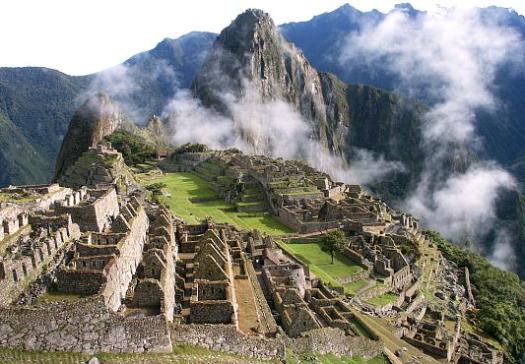
Machu Picchu

Soon it’s time to head back; we board the bus and train to Ollantaytambo and our transfer takes us to back to Cusco, where we tell stories about our experiences of the last five days.
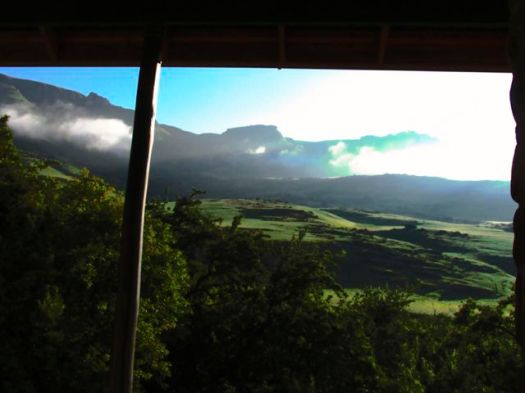
We all have aching muscles, blisters and the odd tummy ache, but the amazing scenery and ancient ruins were well worth it. I can’t recommend the Inca Trail highly enough.

Helene Cooper currently writes for Dragoman, the overland adventure operator

related – our Best Hikes South America list