Have you seen the new 2014/2015 Banff Mountain Film Festival World Tour promo video. 🙂
Click PLAY or watch it on YouTube.
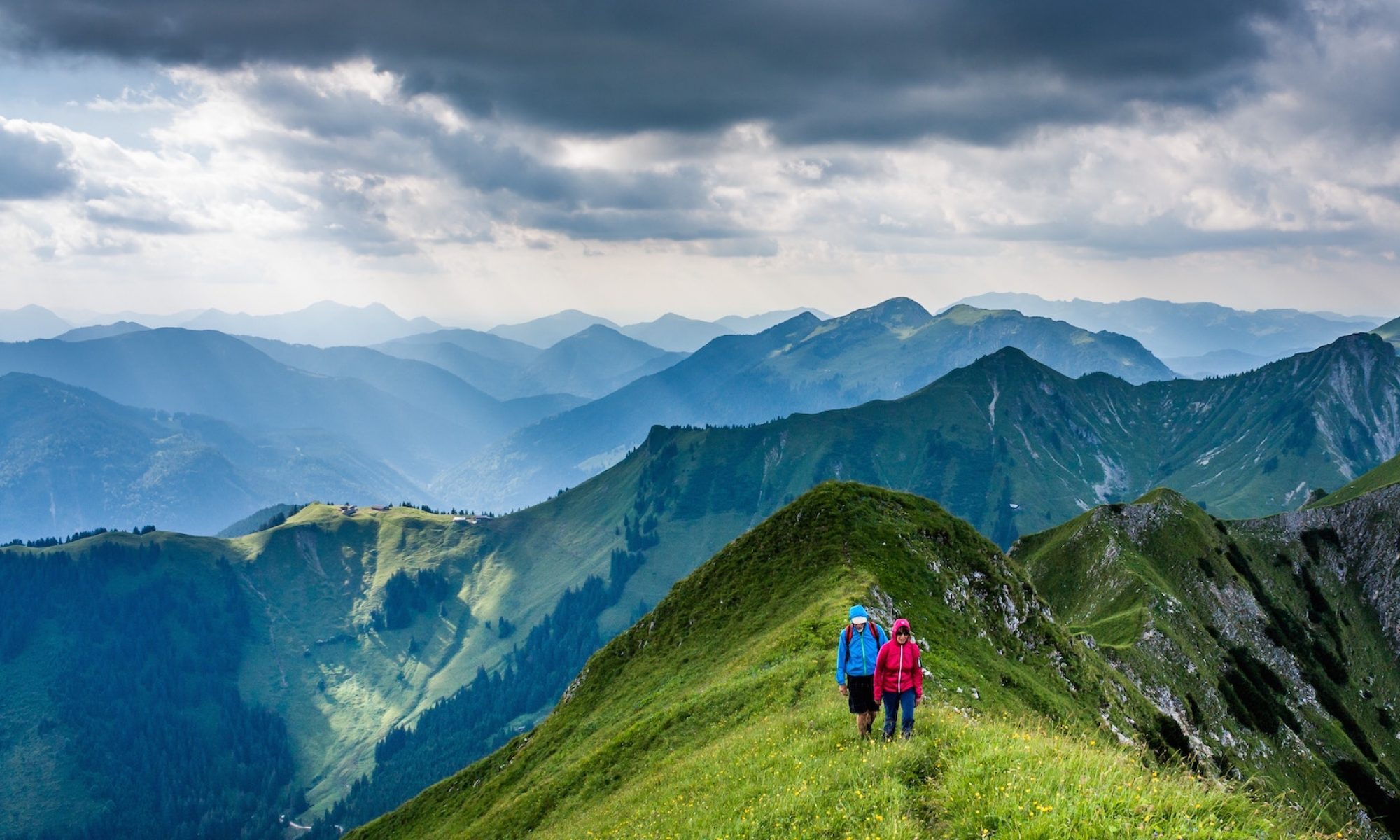

Best hikes, treks, tramps in the world.
Have you seen the new 2014/2015 Banff Mountain Film Festival World Tour promo video. 🙂
Click PLAY or watch it on YouTube.

Mineral Ridge National Recreation Trail is a backcountry hiking area near Lake Coeur d’Alene …
Construction began on the trail in 1963 and the area was designated as a National Recreation Trail in 1982. There is a self-guided interpretive tour along the 3.3-mile (5.3 km) trail.
Summit of Mineral Ridge, 2,400ft (730m). Elevation gain is 600ft (180m).

We hiked it January 3rd after a snowstorm. With a 5yr-old. Late in the afternoon, slipping and sliding back to the trailhead in the dark.

A bit more adventurous than usual. 🙂
Here’s a more typical lake view from the ridge.


Each winter from November through February a migrating population of up to 150 bald eagles visit the area to feed on spawning Kokanee salmon. An interpretive viewing program is offered annually from Christmas through New Years during peak migration.
We saw two bald eagles. 🙂
official Bureau of Land Management page
Kraig Becker linked to a trek I’d not known.
Remote and rugged, the Wakhan Corridor is an almost-legendary strip of land that extends from Afghanistan to China, with Tajikistan bordering to the north, and Pakistan to the south.
Surrounded by the snowcapped peaks of the Hindu Kush, Pamir, and Karakoram mountains, it is a spectacularly beautiful part of the world that remains virtually unknown to the vast majority of outsiders. Populated almost entirely by nomadic herdsmen, the Corridor is a realm of stark beauty, difficult terrain, and some of the most breathtaking landscapes on the entire planet.
Travel through the Wakhan Corridor in 2015 as part of an expedition led by Secret Compass. The trip is 21 days in length, and departs on July 20. …
adventuretravel.about.com – 10 Big Adventures For 2015
Click through to see that and the rest. 🙂

Tom Mangan tipped us off to this well loved day hike.
The trail leads through the spectacular Parque Nacional Alejandro de Humboldt (Alexander von Humboldt National Park), which UNESCO recognizes as “one of the most biologically diverse tropical islands sites on earth.” Careful where you step: you will pass some of the world’s smallest vertebrates on your way to the El Majá Waterfall, which cascades over 82 feet.

The trail begins at the first narrow section of the Santa María River …
Your hike will take you to the source of the Santa María River—El Majá Waterfall, more tban 82 feet (25 meters) high—where you can rest in the shade before treating yourself to a refreshing dip.
Duration: 5 hours
Distance: 4.3 miles (7 kilometers)
By Deby Dixonand and Rebecca Latson.

Bighorn Canyon NRA
Photography In The National Parks: Looking Back On 2014
Click through for more. 🙂
A new BBC film, Snow Wolf Family and Me, explores the lives and habits of arctic wolves, revealing the family secrets of one of our most feared predators.
Ellesmere Island is one of the most remote and beautiful places on Earth. This is the only place in the world where wolves are naive to man and have no fear. It allowed wildlife cameraman Gordon Buchanan and scientists an unparalleled opportunity to form bonds with a wild wolf family, revealing the remarkable story of their relationships and behaviour.
Snow Wolf Family and Me will be broadcast on 29th and 30th December 2014 at 21:00 on BBC Two.
Meeting a wild wolf pack
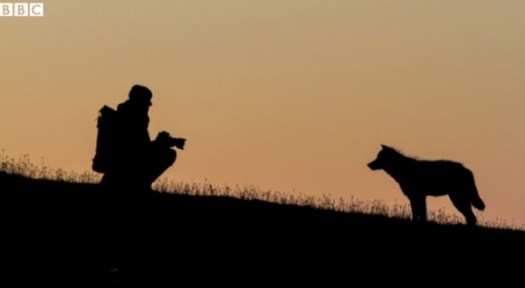
Photo Gallery – The Best National Park Photos of 2014

Adventures Within Reach recommends some of the best hikes during each month of the year.
December
Our Top Trek Recommendation: Vietnam Trekking
Runner Up: Mount Meru, Tanzania
January
Our Top Trek Recommendation: Aconcagua, Argentina
Runner Up: Hill Tribes, Thailand
February
Our Top Trek Recommendation: Torres del Paine, Patagonia, Chile
Runner Up: Gorilla Trekking, Rwanda
A Trek For Every Month: Top Hikes Around The World (December, January & February)

While it’s possible to hike all the way to the top of Aconcagua, we’d recommend you hike around the great peak instead. 🙂
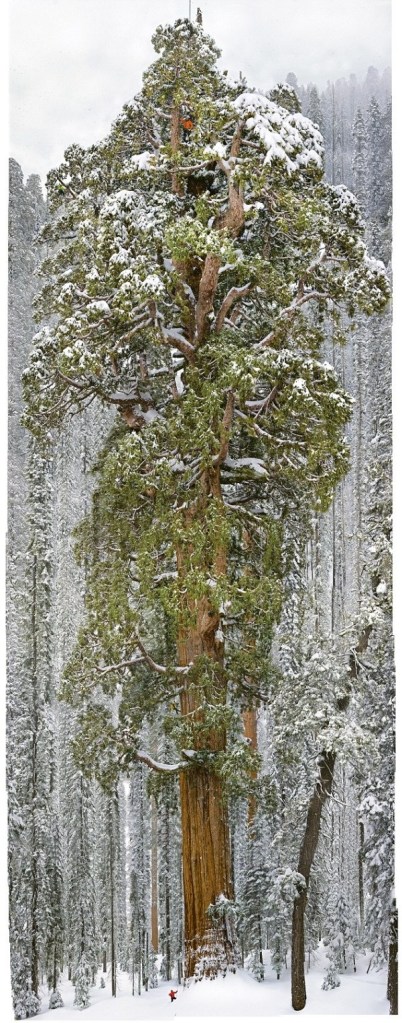
It’s called “The President”, and it stands at 247 feet tall, measures at 45,000 cubic feet in volume, and is an estimated 3,200 years old. …
Photographers know that some of the BEST photos from the developing World are of local people.
I’m always reluctant to ask to take these kinds of photos, but Joshua and Nadine have been living in rural Africa the past two years. They have a good feel for whom to ask, whom to leave alone. Here are a few of their photos from our hike in the Ethiopian highlands.


There seems to be some invisible line off the hiking trail behind which the kids must stay.


