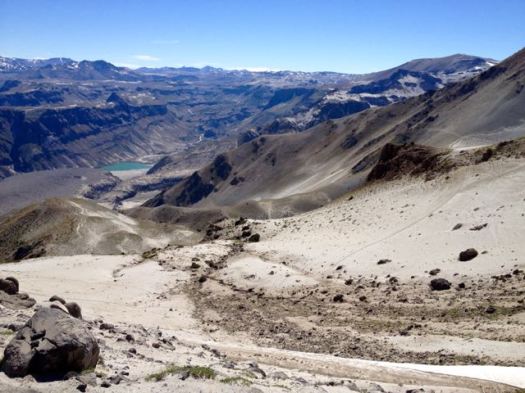
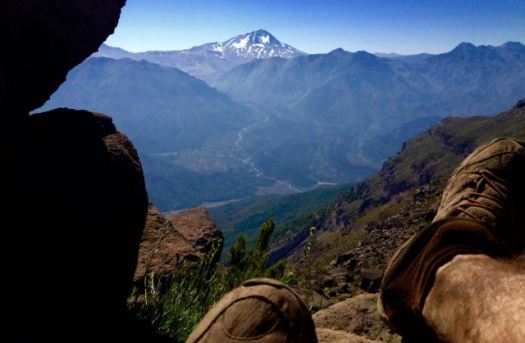
I had a long way to go today. But it was mostly downhill.
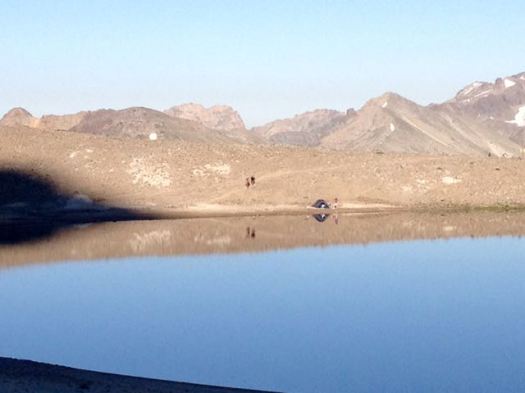
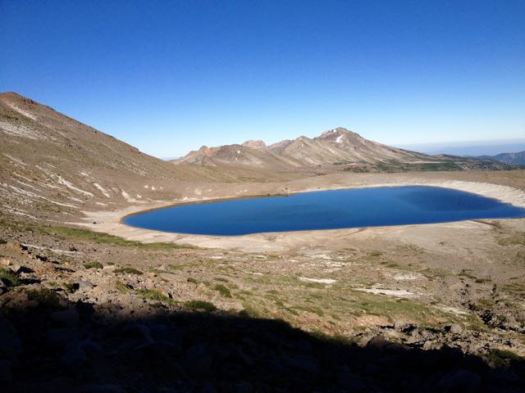
Back past Laguna Ánimas, busier than when I had camped here.
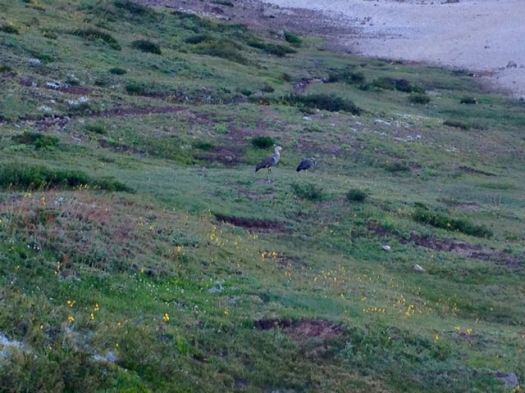
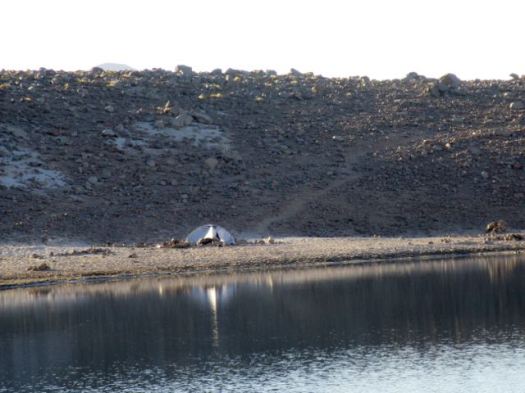
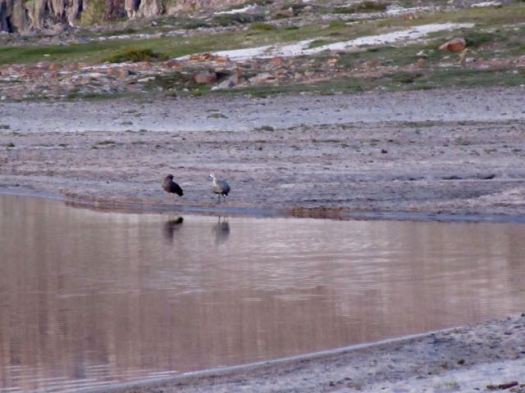
Two large water birds seem to spend their nights here.
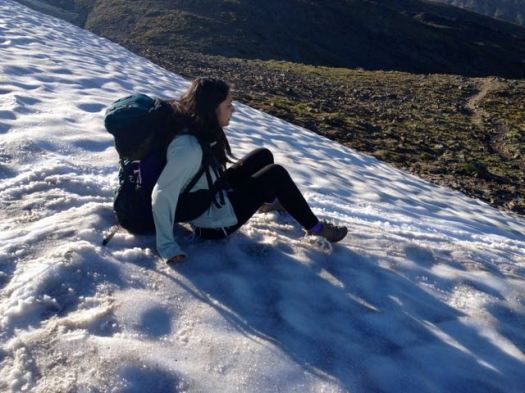
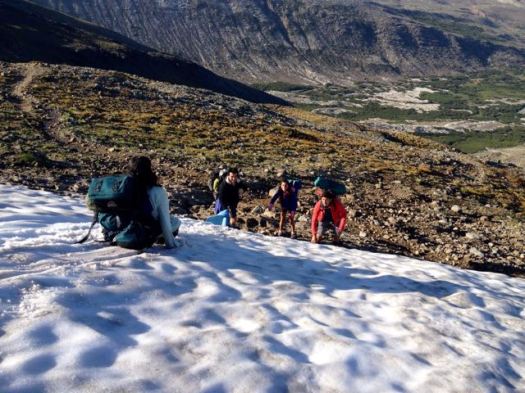
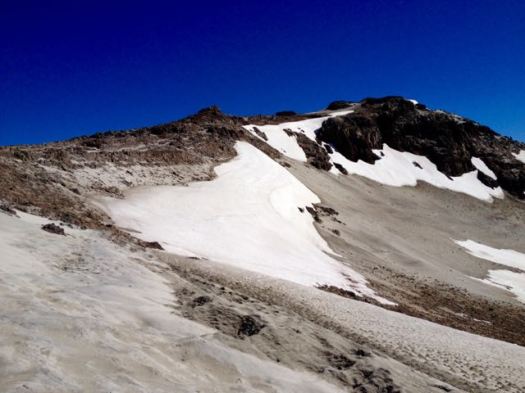
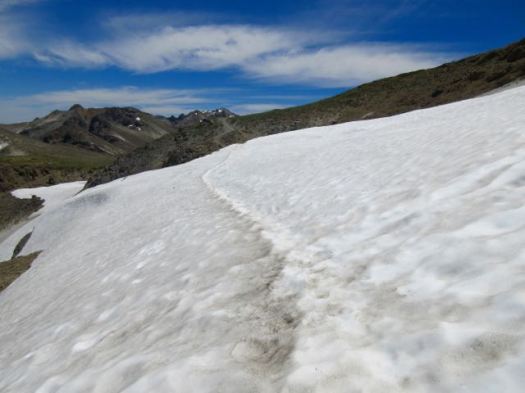
The easy way to descend snow fields.
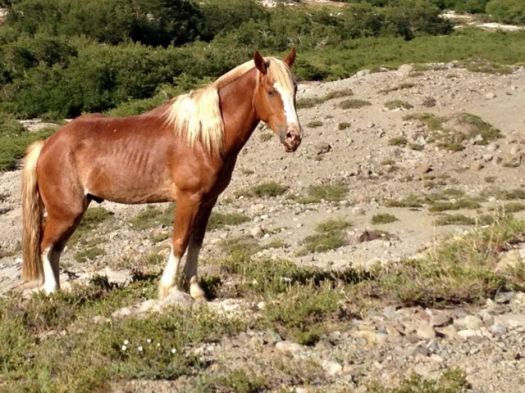
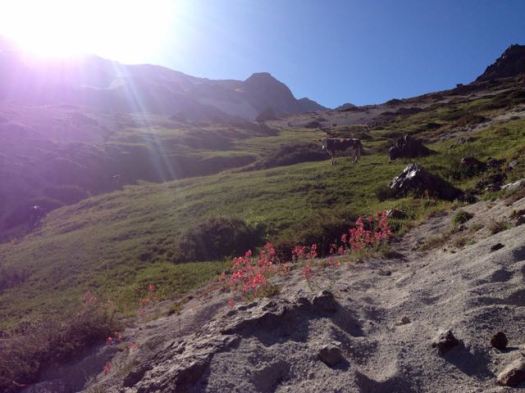
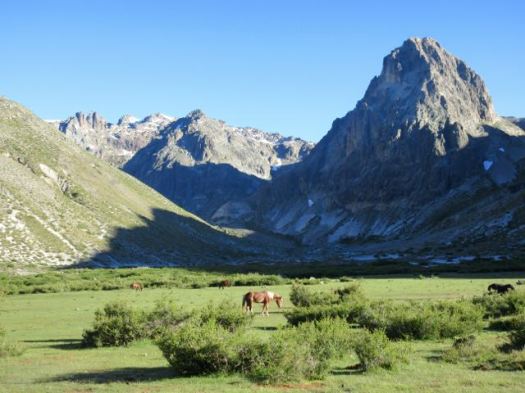
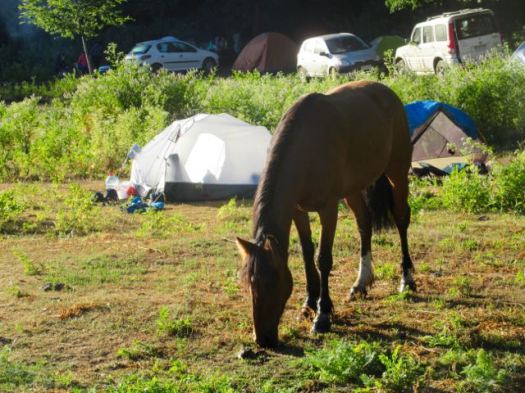
Though I’m afraid of riding horses, Chile is ideal country for cowboys.
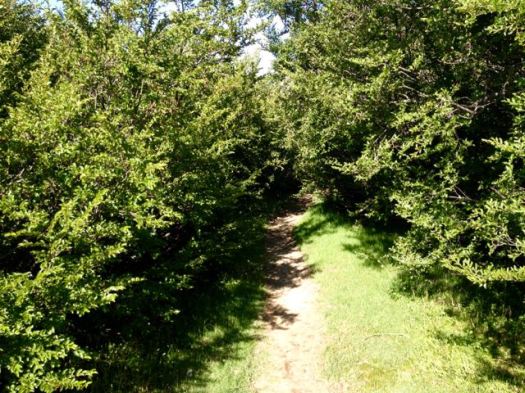
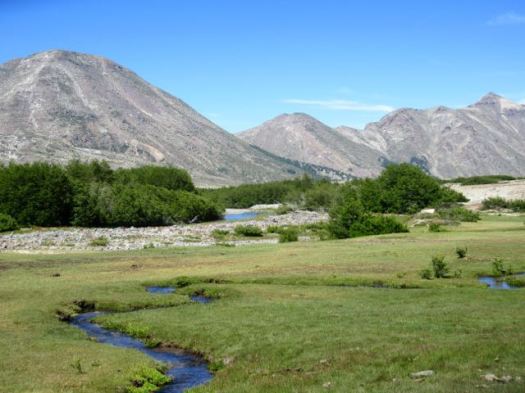
Back to the green. And some shade.
Impressive Bolsón was packed. This great weather had inspired more folks from Santiago to takes some time off work.
This day I did see two large hares, the only indigenous mammals I found.
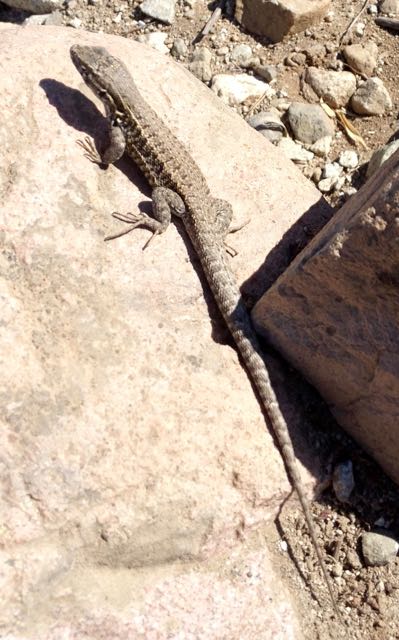
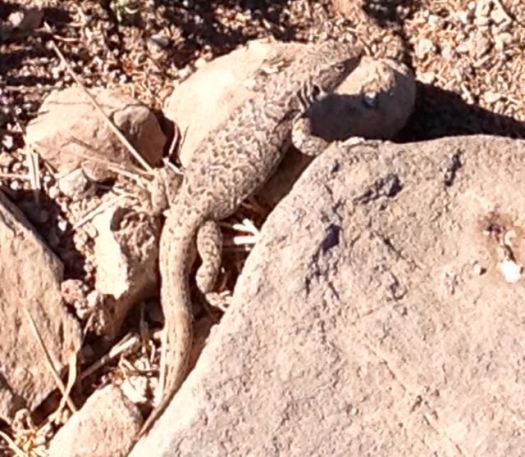
Surprisingly I saw no sign of snakes or scorpions. Or rodents. My principle companions were tens of thousands of these guys.
On the trail the only language I heard was Spanish. Foreign hikers do not seem to get here much. It’s another Chilean secret. 🙂
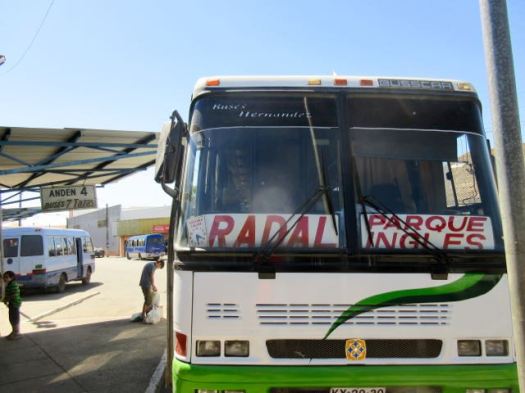
Catching the Parque Inglés bus back to Molina, a tranquil town of about 40,000. I (eventually) found an inexpensive and interesting place to stay in the small town. With a BIG swimming pool.
Hostería Suichi (Suisse + Chile) run by Robert, a (now jaded) Swiss expat.
Robert gave me good information. And cooked up a beef soup typical of the region for me.
In the evening I ate ice cream and hung out in the plaza. As everyone does.
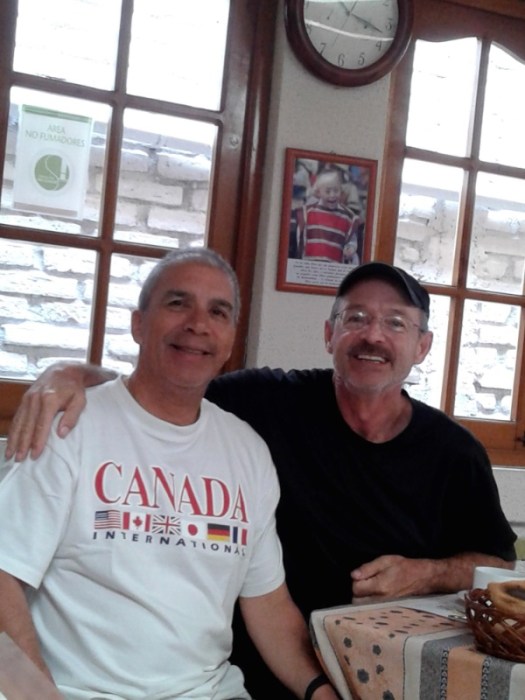
On the street late night I bumped into a Chilean couple on holiday who ended up staying at the Hostería. Next morning we had breakfast together in the popular restaurant. 🙂
Meeting new people is one of the great highlights of travel.
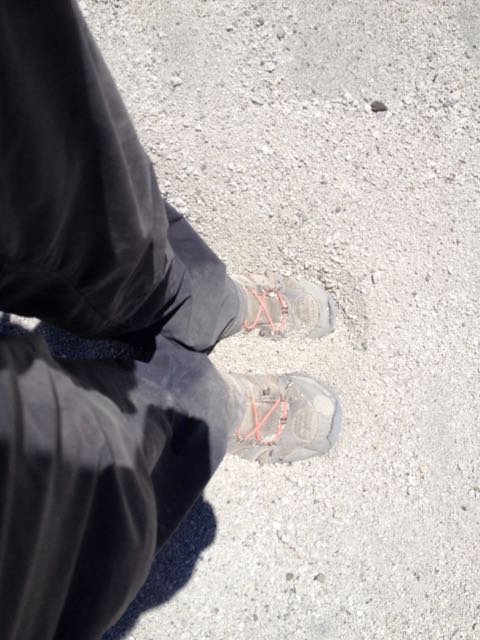
Sunburn was my biggest worry at this point. I had plenty of No-Ad Sport Sunscreen slathered on, but this sun is unrelenting. I was wearing socks on my hands as they were most burnt, so far.
I made one last climb up to the “corner” of the valley to see if it looped back over a pass in the direction I wanted to go …
The cows thought I was crazy.
I was crazy. Odds were slim that it would work. I turned back here.
It was a relief, actually, to finally know where I was going.
River crossings are a big issue here. There are no bridges. Happily this was the most difficult I crossed. Not bad.
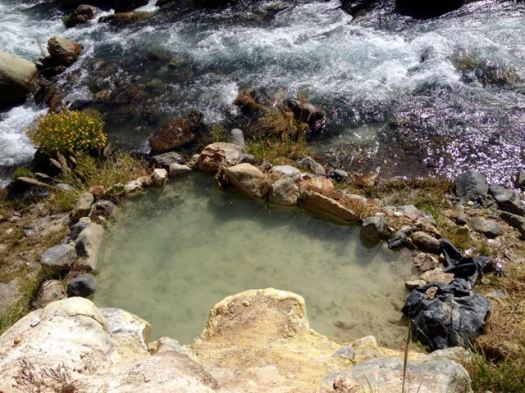
Descending to the hot springs, the group had already vacated. I had the place to myself. 🙂
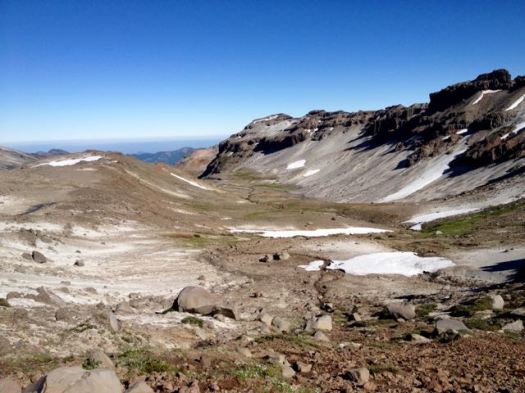
One last look back up my side valley.
Mid-day I took the shade and studied Spanish for 90 minutes or so. Then resumed my high traverse of the massif.
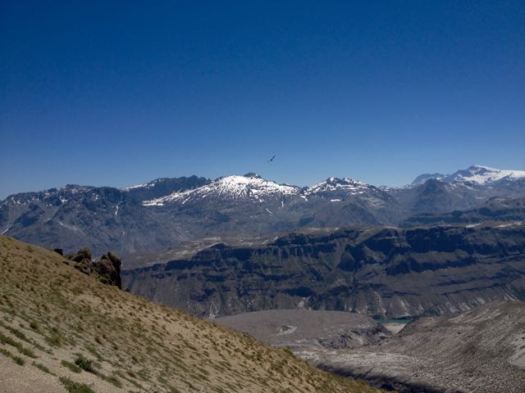
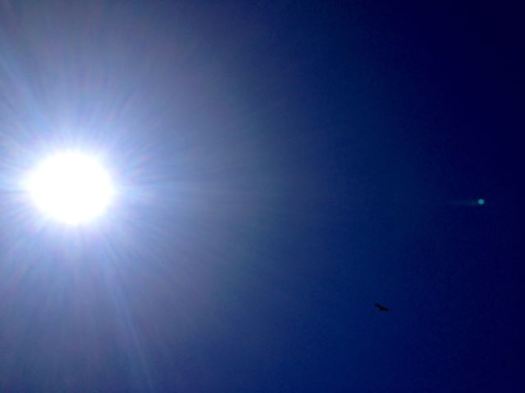
Today the two condors came to check me out.
I was clinging to life yet. 🙂
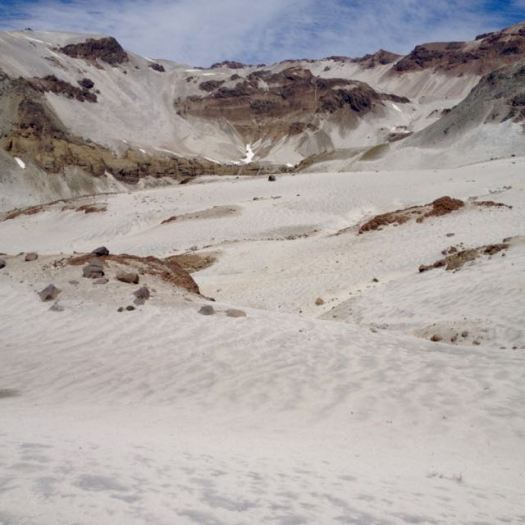
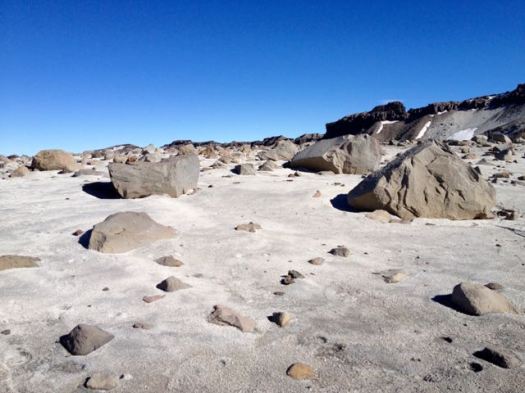
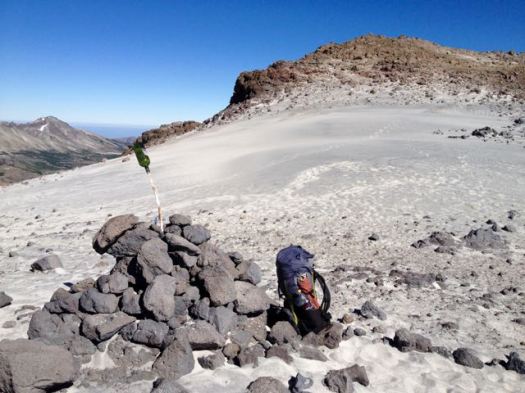
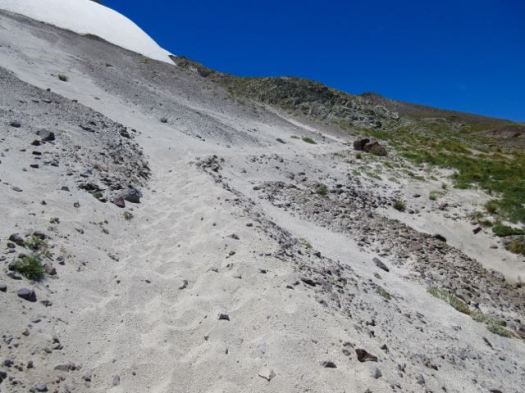
People curse slogging through ash. Personally, I like it. Very soft on the feet. The best screeing surface possible.
I was surprised to come across 4 Chilean hikers in the afternoon. They had put up the tents and got directions from me to the hot springs. Two had just been married. This was part of the honeymoon. Both were just about to move to Montreal for work. Small world.
One of the guys asked me if I knew the way back to the Pass. Of course I did. I’d just come from that direction.
How could I get lost? 🙂
I got lost. 😦
Things truly do look completely different when walking the opposite direction.
My good camera had broken, the telescoping lens mechanism wrecked. 😦 I wasn’t in much of a mood to take photos in any case. 😦
My audio book – Red Rising by Pierce Brown – kept me going.
I was first diverted for about 2 hours. Then about 30 minutes. (Several times I considered backtracking to the honeymoon party tents. I could have walked out with them next morning.)
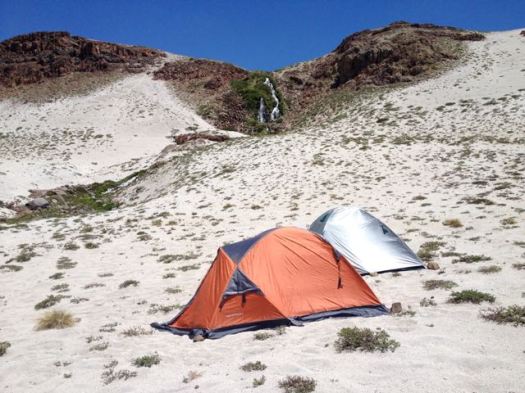
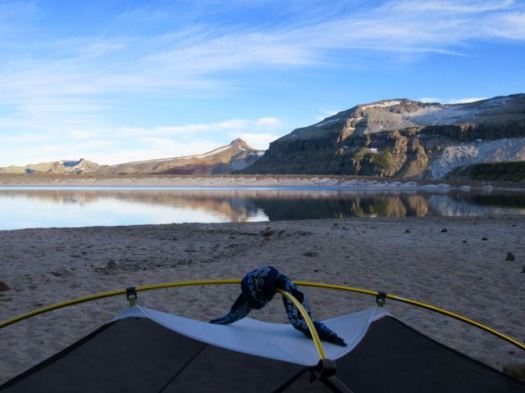
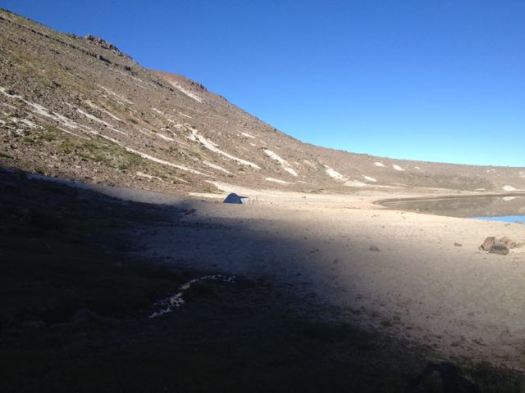
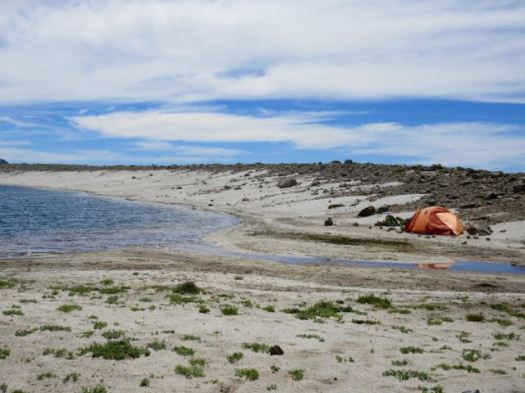
But – finally – I found the way back to Ánimas. I set up my tent above the lake at this junction of alpine meadow and desert. My best campsite.
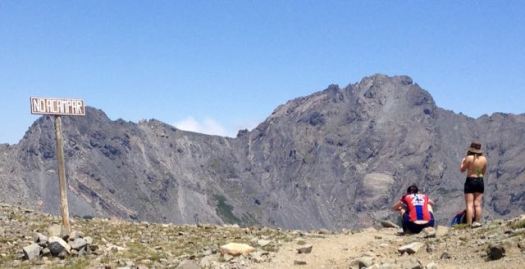
It would be an excellent idea to enjoy the massive and impressive Mt. Decapitated vista from here. And turn back.
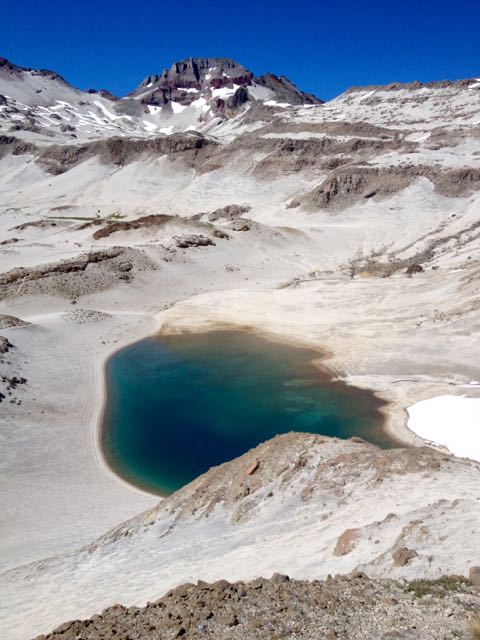
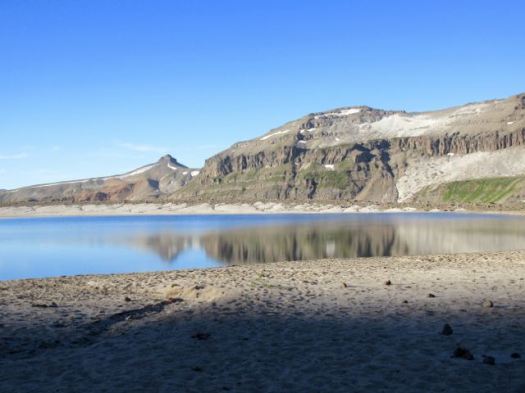
Laguna Mondaca
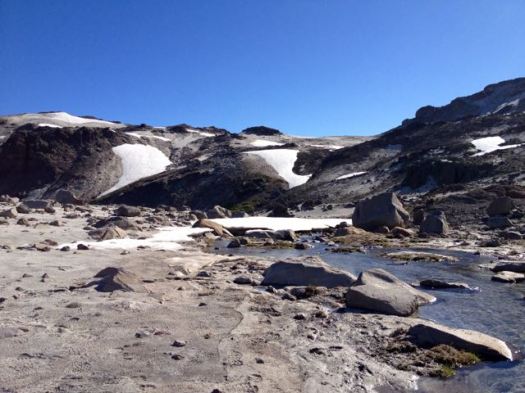
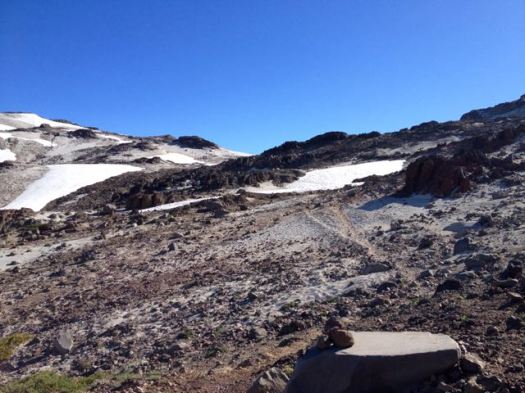
I dropped down to the other side crossing this field of snow and ash.
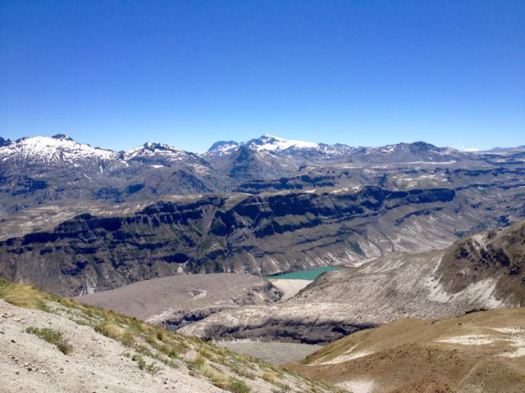
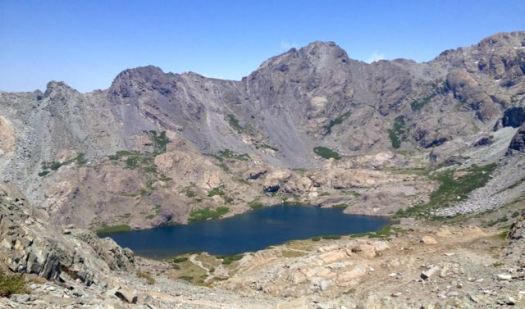
Laguna Mondaca looked too great a descent for me. I’d really rather not drop down that far and have to climb back up.
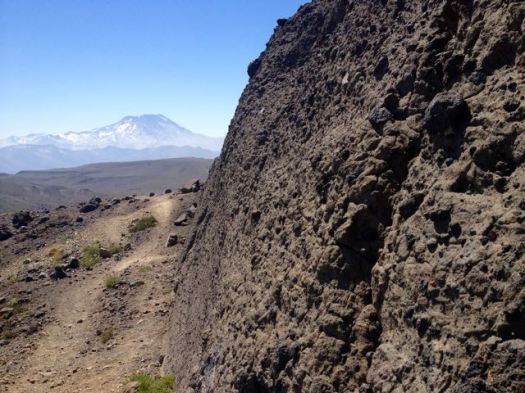
A high traverse trail on the right looked much more tempting. Quickly I decided to stay as high as I could. Returning by the same route if that trail didn’t loop around back to Valle de Indio.
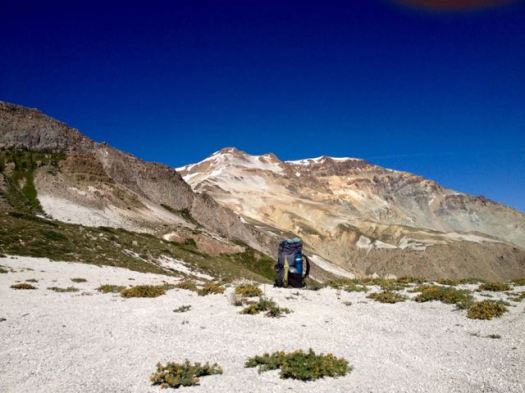
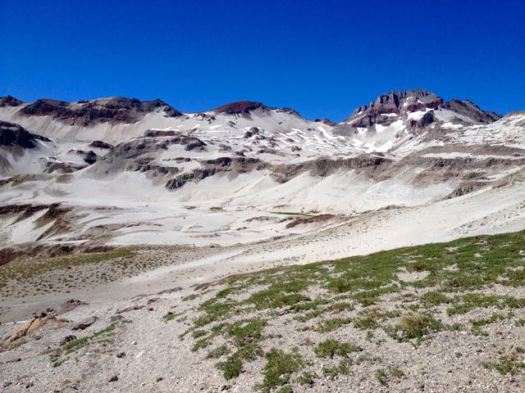
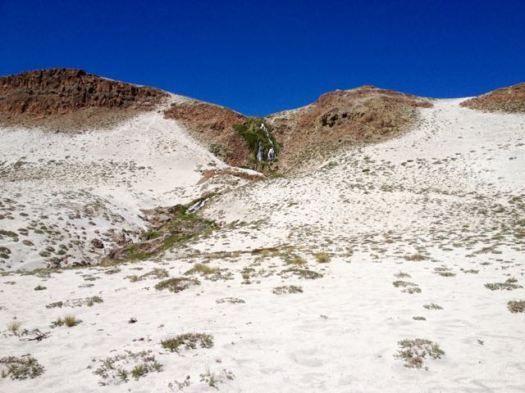
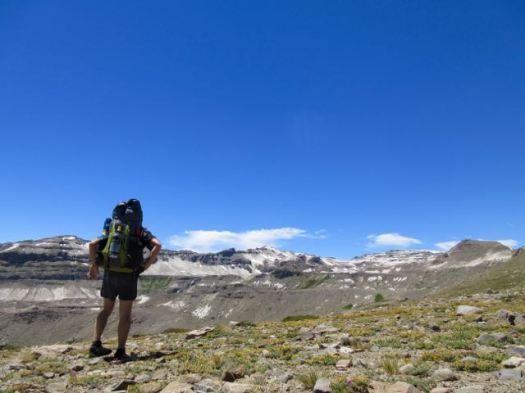
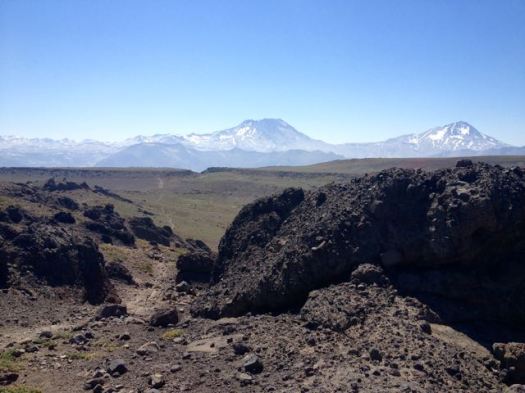
I LOVE this kind of brutal & extreme landscape.
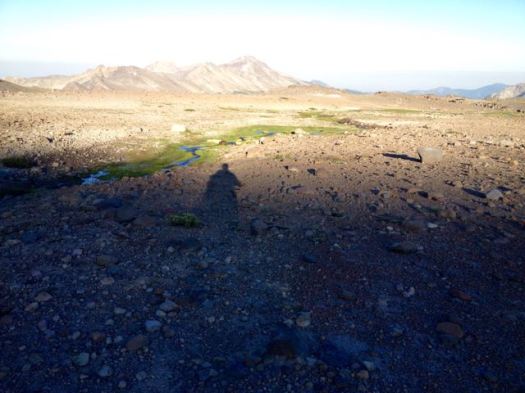
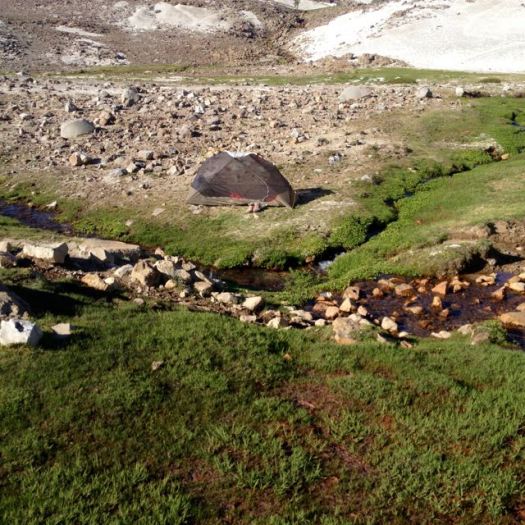
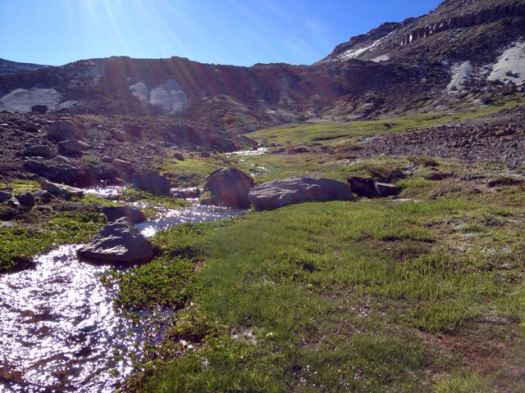
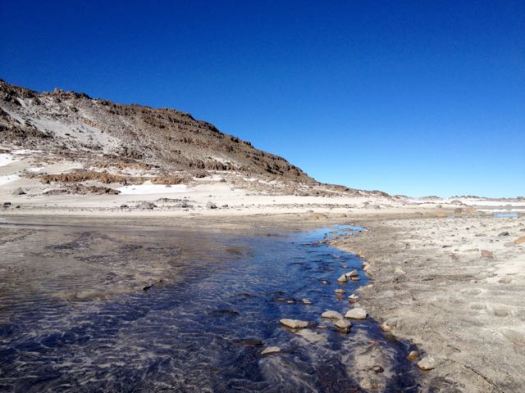
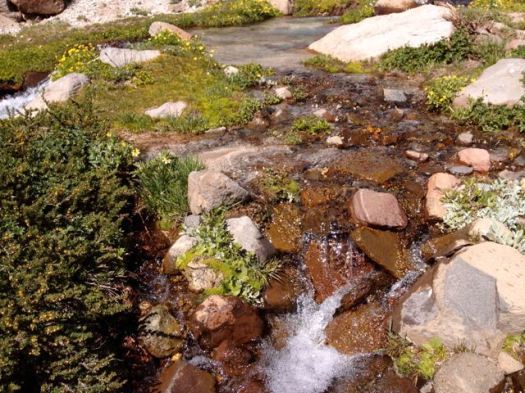
Surprisingly, it’s quite easy to find water here.
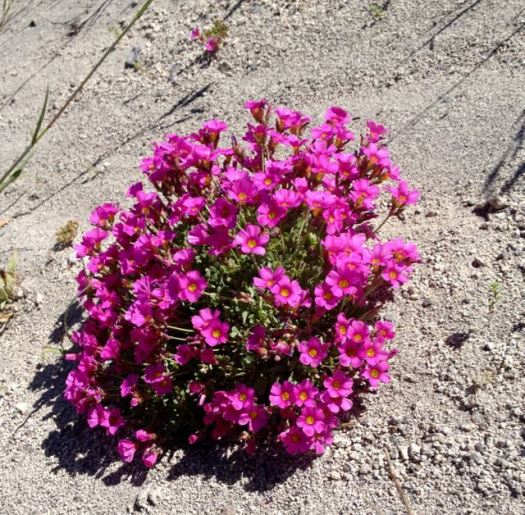
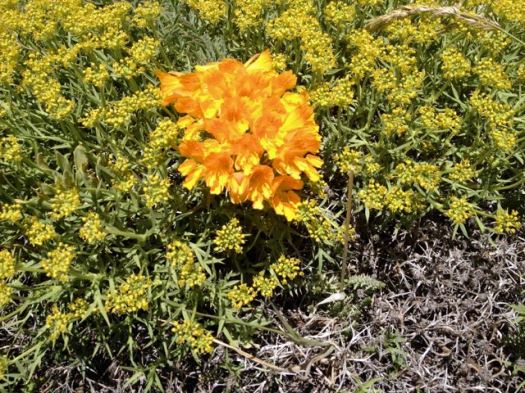
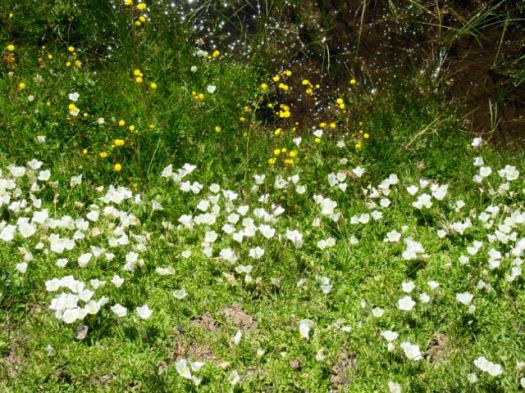
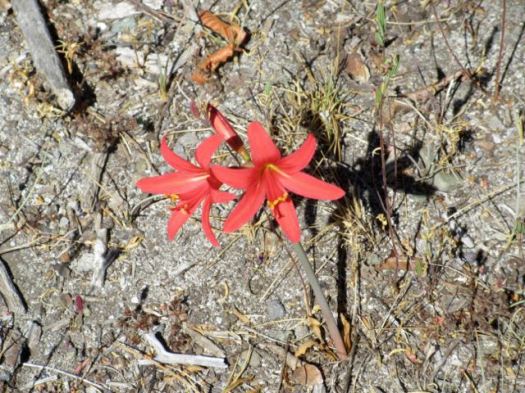
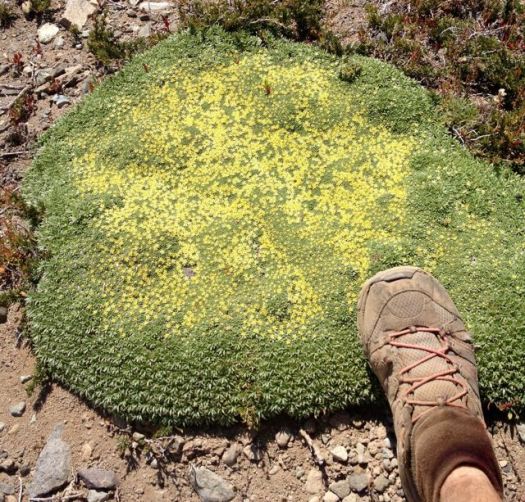
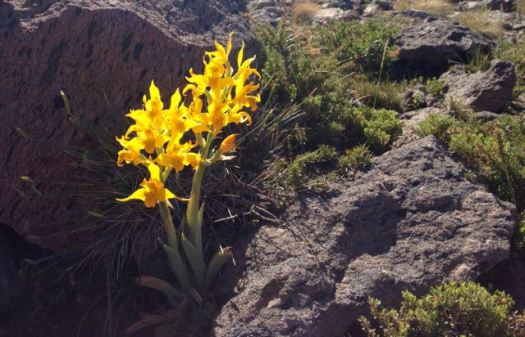
Wildflowers were still thriving in January.
The unofficial trail was excellent. I stayed as high as I could.
Laguna Mondaca
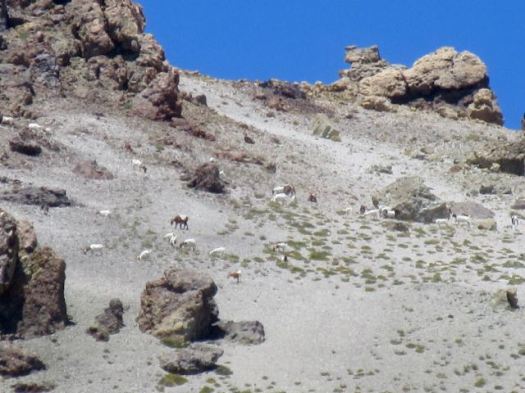
Though I could see for miles in every direction, I’d seen no wild mammals at yet. Goats were grazing very high up, circled by two very interested condors.
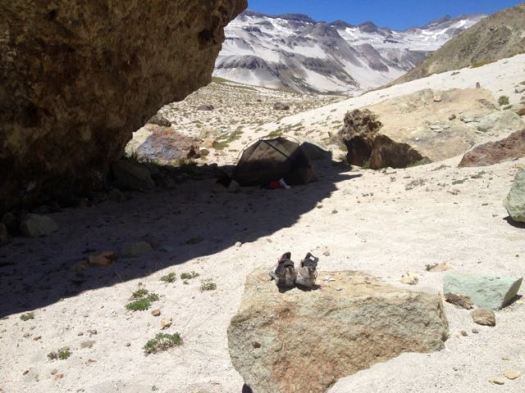
I tried to find some shade to take a siesta mid-day. This was one of the best.
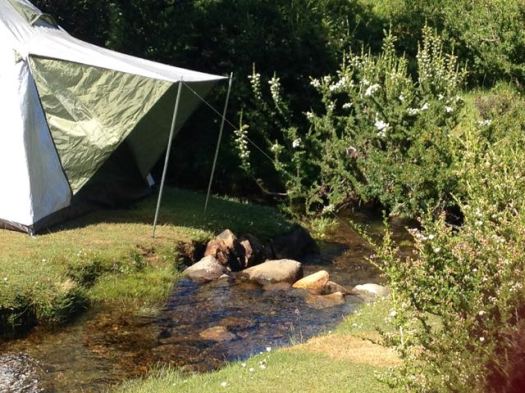
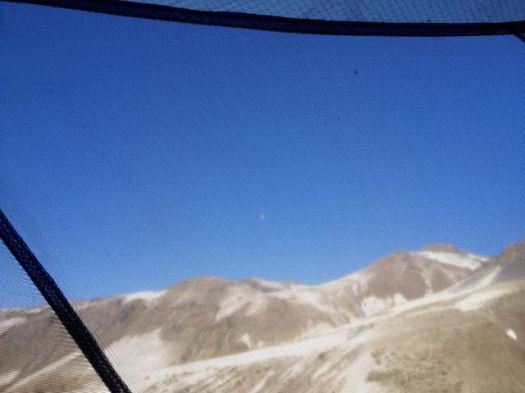
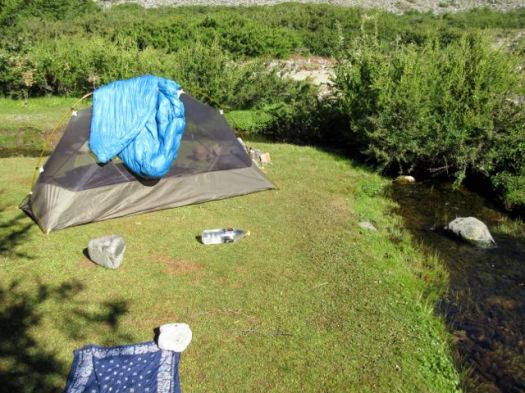
I set up the tent to keep flies and wasps away.
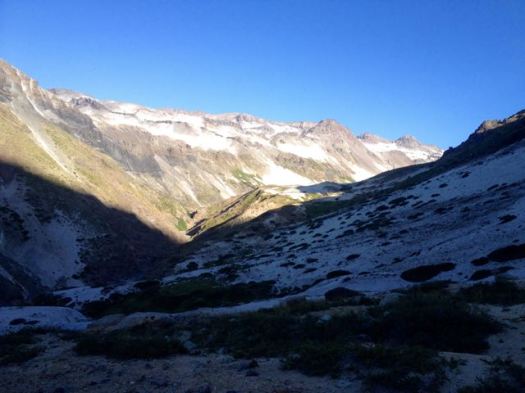
This was a long but comparatively easy day, mostly gradually downhill. I decided to enter a side valley hoping it would loop back to where I started. (My GPS did not work and I had no map, so this was wild speculation.)
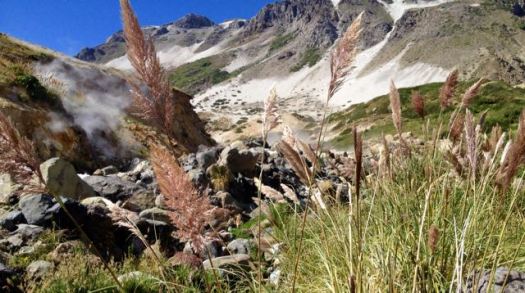
Entering the valley I smelled sulphur. I’d stumbled on to one of the many natural hot springs in the area. But a horse group was already camped there. I decided to wait until next day to have my bath.
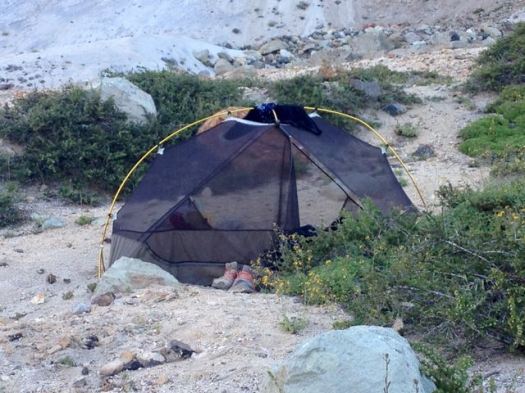
I set up high and out-of-sight since there were cattle and people in this valley.
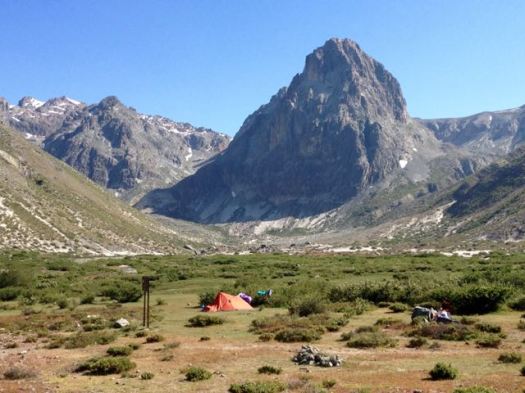
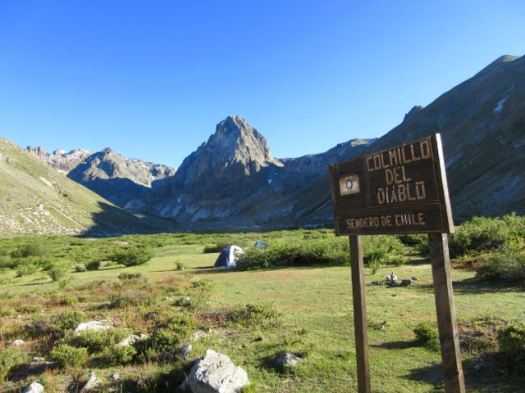
There’s a reason Bolsón is so popular. It’s a pretty alpine meadow, a green oasis on the edge of a volcanic wasteland.
Most who make it this far stop and day hike from here.
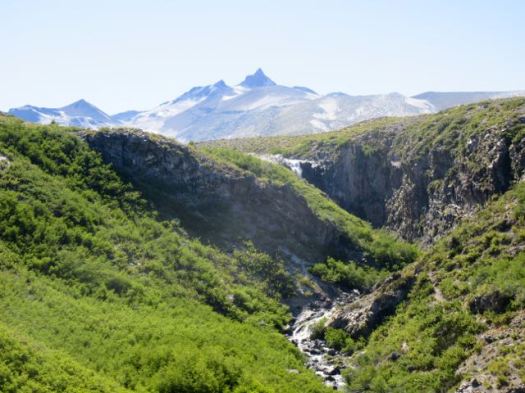
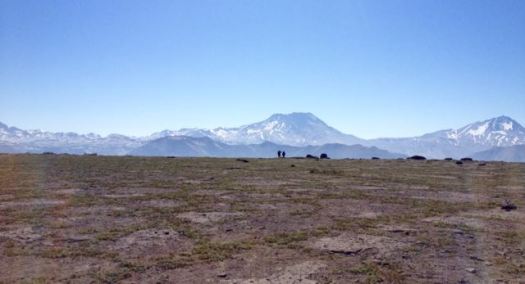
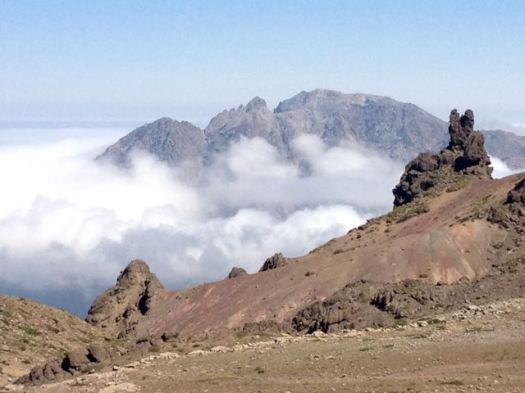
But I was determined to see – if not climb – Mt Decapitated. I’d have to get past that spiky peak in the distance to do so.
On the other hand, I took it easy today ascending steeply up to the next obvious campsite. Past that the next recommend camp is Laguna Mondaca, too far for me with full pack, I was thinking.
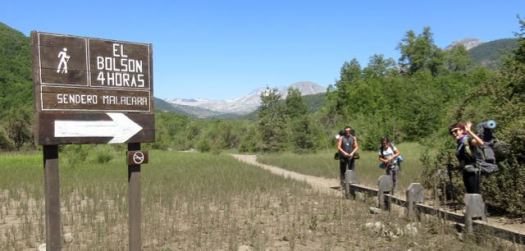
The trail is clearly signed up to Valle de Indio, another lush alpine meadow. It’s gets more volcanic after this point.
Despite the heat and intense sun, snow crossings were frequent. Early season would require an ice axe.
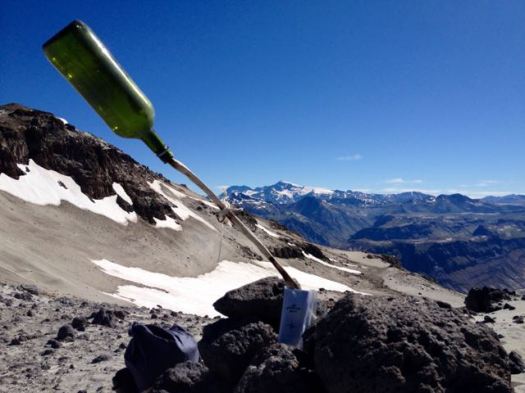
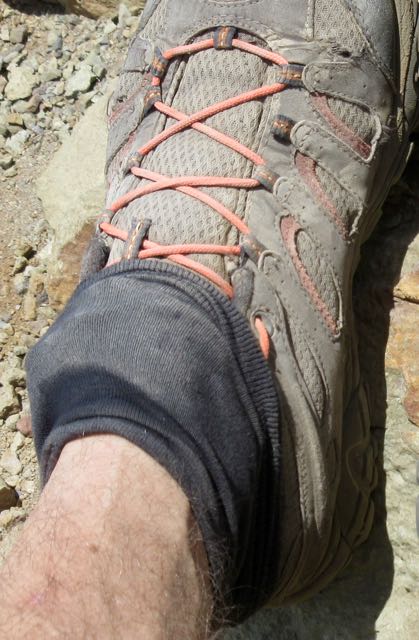
Footing is either bad up here. Or volcanic ash. I used the “instagator” system with my socks.
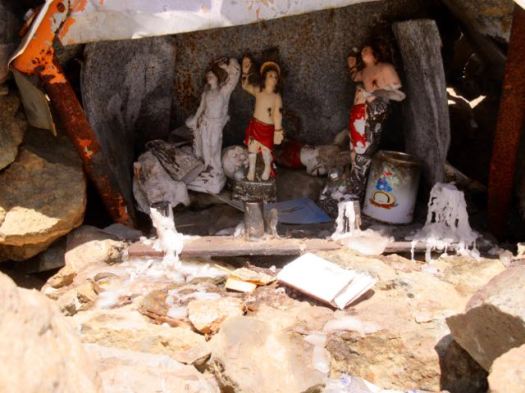
In South America you can expect to see at least one religious pilgrimage site every day.
The higher I climbed, the better I liked it.
I arrived Ánimas before 3pm. With at least 5 hours of sunlight left, I was tempted to risk it and climb higher.
Instead I cooled my heels. Listened to my Coffee Break Spanish lessons. Walked the perimeter of the tarn.
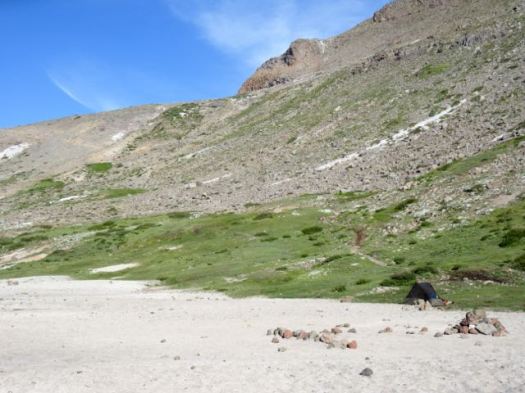
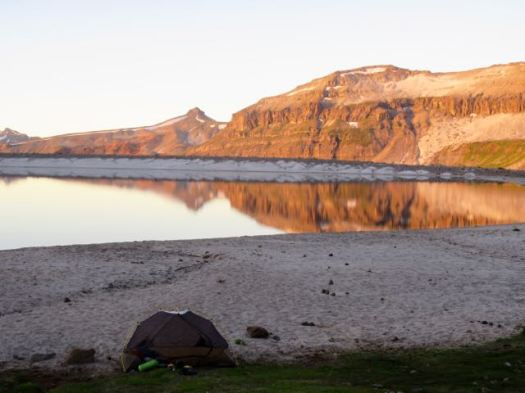
Not many carry tents up here from Bolsón, but there were a few groups with me at the lake.
Just above my tent is the trail I’ll take in the morning.
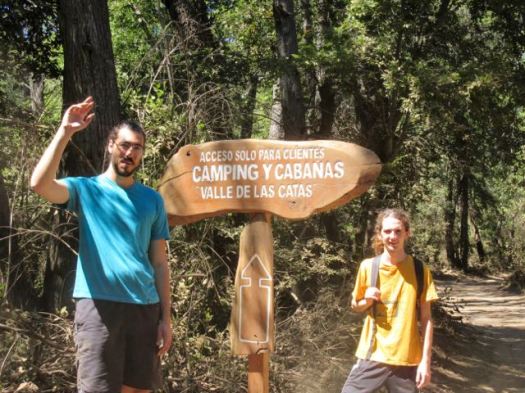
High season on a mid-summer weekend, Valle las Catas campground was full.
We were in no rush. Enjoyed the morning.
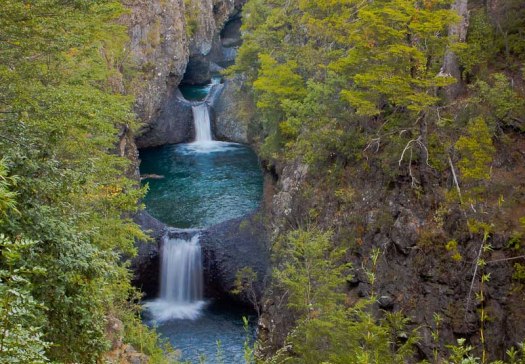
Sendero Los Cipreses (Cypresss Trail) is free entrance from Valle las Catas campground leading to the Siete Tazas (7 cups). Pedro, Victor and myself did the famous tourist attraction as a day hike.
… seven consecutive natural pools with their respective waterfalls along Claro River. These waterfalls range from 1 to 10.5 metres. There are also two high waterfalls called El Velo de Novia (The Bridal Veil) and La Leona (The Lioness), with single vertical drops of 40 and 20 metres respectively. …
On return to the campground I enjoyed one last restaurant meal – 4 eggs.
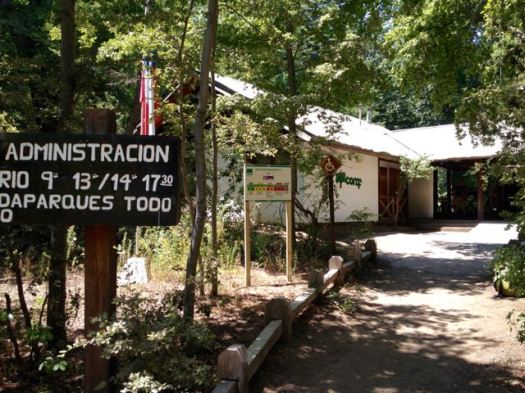
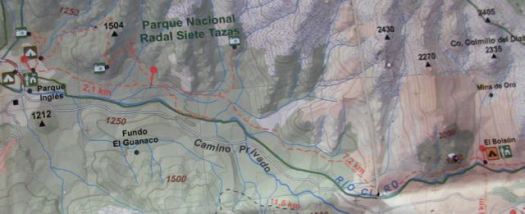
By far the most popular back country campground in the area is El Bolsón. I planned an afternoon start. Tried to get organized at the Ranger station.
In fact it was 4pm before I reached the trailhead.
Christian and his family had been there before. I followed them from the Park office and we stayed together for much of the 12km. All uphill.
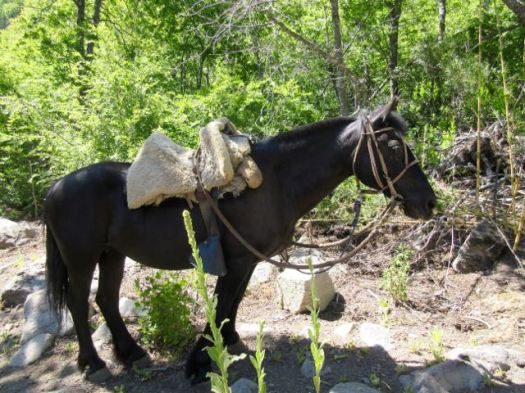
Many groups ride horses up here. Or take pack animals.
Very pretty.
On the steepest section, I dropped my heavy load and went back to carry the 10yr-olds pack for about one km. However, when we finally got to Bolsón, she looked less tired that I did.
The sun going down, I set up my tent in a gorgeous spot. And went to sleep.
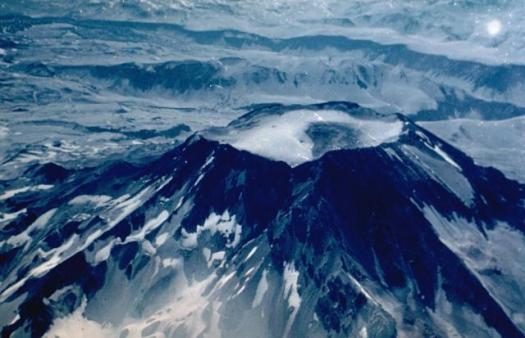
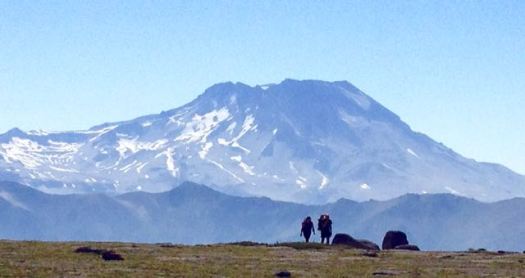
Descabezado Grande (also Cerro Azul or Quizapu) is a stratovolcano located in … central Chile. It is capped by a 1.4-kilometre-wide ice-filled caldera and named for its flat-topped form, asdescabezado means “headless” in Spanish. A smaller crater about 500 metres (1,600 ft) wide is found in the northeast part of the caldera, and it has active fumaroles. …
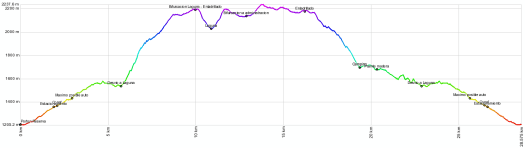
That’s 103km if I had done the whole thing. Plus the optional full day climb of .Descabezado. The trek is challenging enough without that scramble.
If that serious off trail adventure was impossible, Rangers recommended the somewhat easier Circuito de los Condores. (Condor Circuit)
But due to a series of problems I ended up doing something easier. An out and back from Parque Inglés.
What problems?
GPS did not work as I needed it to. Topo maps were sold out at the Ranger station in Parque Inglés. Scorching sun burned my weak Canadian flesh. My good camera broke. 😦
But I had a fantastic hike anyway. 🙂
Descabezado and its nearby brothers have devastated the Andes here. The last major eruption was 1932 – Quizapu, 6km south of the main crater. It’s stark and beautiful.
___ day 0 – Santiago to Parque Inglés
Though it’s only about 250km south of Santiago, it took me all day to get there via public transportation.
Hostel > Santiago bus station (University of Santiago metro station) > bus to Molina > bus to Radal Siete Tazas National Park.
Happily in high season (Jan/Feb) buses go all the way to the CONAF Ranger Station. (The rest of the year they stop in Radal, 10km short.) It’s a bad, bumpy road up into the mountains.
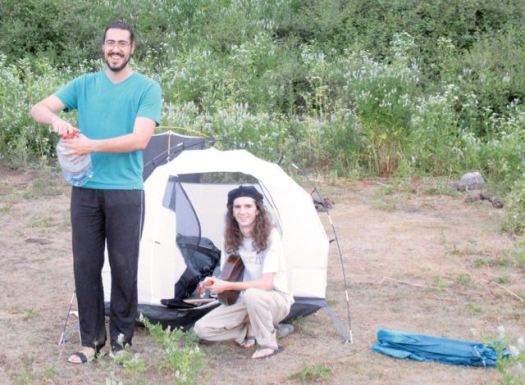
On the bus I’d met Pedro and Victor, Brazilian music students who were on the road on a break from school. In fact, they carried a copy of On the Road by Jack Kerouac.
… slightly more expensive than the other options but includes free entry to the park and some hidden ‘pozas’ (water pools) that people don’t usually get to see. It’s also much quieter …
It cost us 7000 Chilean pesos each rather than the 3-4000 asked at the cheapest campgrounds, but we agreed Valle las Catas was worth it. 🙂
This was the first time they’d sleep in their new tent.
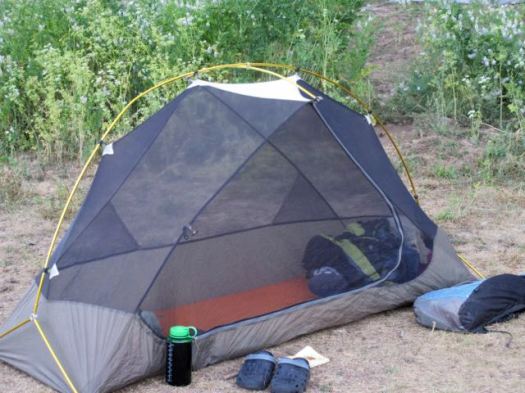
I’d slept hundreds of times in my own.
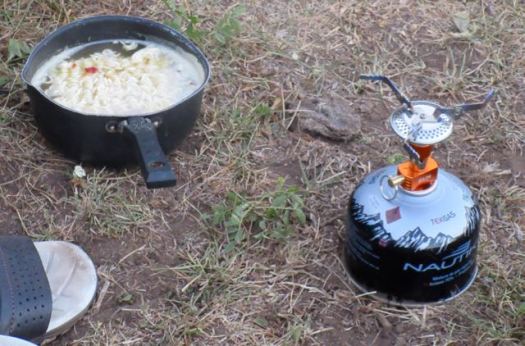
Their first meal on their new camp stove.
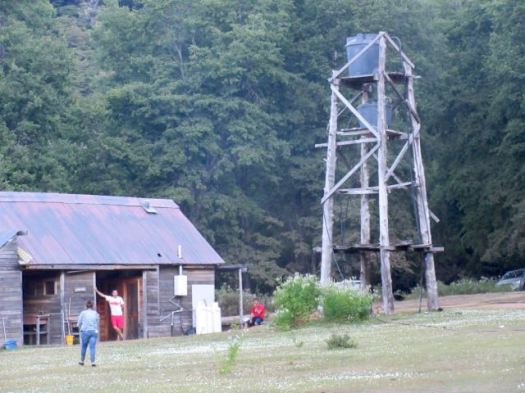
The campsite has a cute restaurant and shop. I ate pizza there.
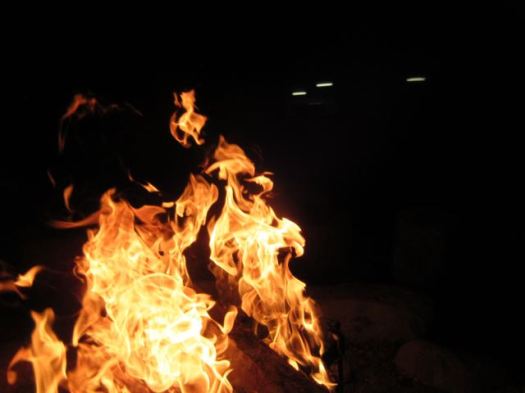
We finished up the evening drinking my red wine, hanging out at the big campfire with anyone else who wished to socialize. The only language Spanish.
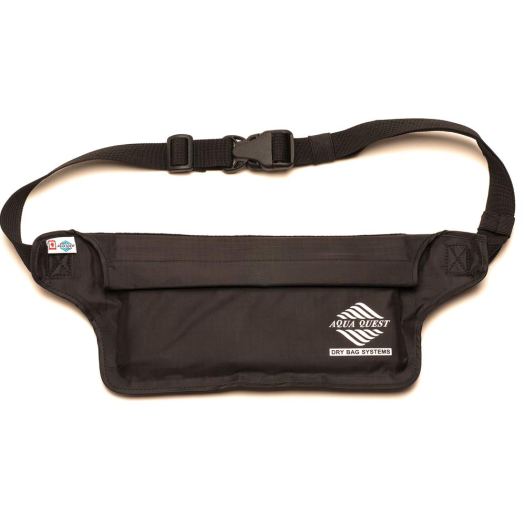
I’ve been using my new AquaRoo for the past couple of weeks. Works perfectly. I recommend it. 🙂
100% WATERPROOF – No amount of rain, sweat, or spilled drinks (picture yourself on vacation) can penetrate the Aqua Quest AquaRoo. A removable clear ‘Joey’ pouch comes included, offering you an additional layer of protection in case you’re venturing into the water. Even under temporary submersion, your stuff will be completely dry!
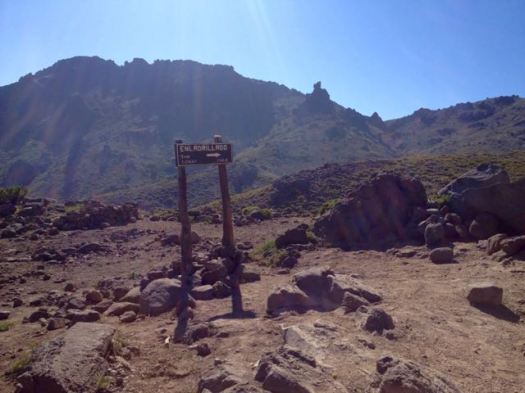
“… Arguably the best hike in all of middle Chile, the full-day Sendero Enladrillado takes you to the top of a unique 2300m basaltic plateau with stunning views. …”
– Lonely Planet
Descabezado volcano
How could I resist? 🙂
I reached Reserva Nacional Altos de Lircay from Talca bus station, 65km west of the Park. A sunny summer Friday afternoon, my Buses Vilches contraption headed to the mountains was packed. I was lucky to get a seat, one of the few perks of having grey hair.
From where the bus drops you off after 90min it’s around a 2km walk uphill to the Conaf administration building. Open even though it was after opening hours.
An older gentleman checked me in but – for some reason – charged me double for Park entrance. 10,000 rather than foreigner’s rate of 5000 pesos. I assumed the extra 5000 was for camping. At the time.
I was given a simple map and instructions on the best hike. A counterclockwise loop seeing all the highlights over about 8 hours.
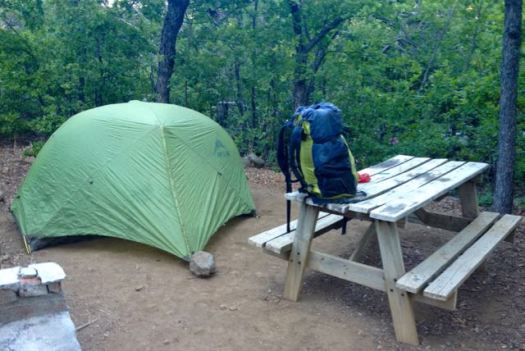
It was dusk by the time I walked uphill another 2km (in crocs) to Camping Antahuara, also run by Conaf. The boys at the campground – after seeing my two Park entrance receipts, did not charge me for camping. Gracias.
Conaf’s Camping Antahuara is an excellent campsite. And I actually had electricity!
I listened to audio books, Spanish lessons. And got to sleep early.
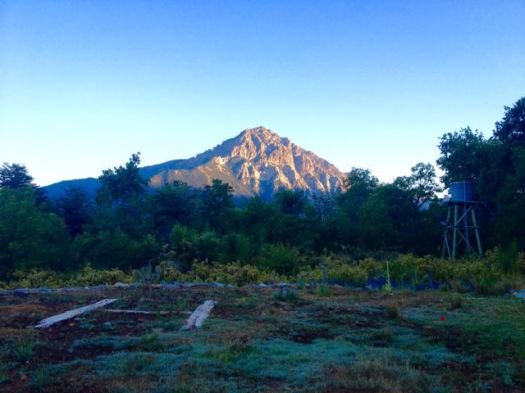
Morning dawned bright and sunny. Again. It was a summer heat wave in Chile.
By 8am I was started up to Enladrillado carrying only a day pack. It felt easy.
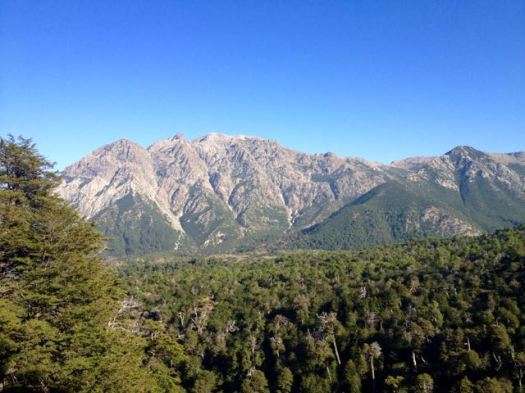
This is a popular hike. I saw nearly as many people as lizards.
It’s steep in places. I recommend you hike right to left, climbing more gradually to the Enladrillado, descending from the Laguna viewpoint.
Enladrillado is great. But if you’d climbed all the way up here without seeing Descabezado (“decapitated”), you’d be disappointed. This is a hike for good weather. Phone the Ranger station (71) 220 9517 to check on he visibility before heading up.
It was getting hot.
I hid out in the shade dreaming of hiking all the way to Descabezado base camp. And climbing. Some day.
Cerro Azul
Starting here and continuing to Parque inglés is called the Circuito de los Condores. (Condor Circuit)
That’s what I should have done this trip. 😦
Next I started looping back towards Camp across the dry plateau.
Up high I saw only 3 small water sources. It’s not easy for flora or fauna to live up here.
Some cloud was rolling in down in the valley. Rangers had warned that a “little rain” was in the forecast for the weekend.
Here’s the viewpoint overlooking the laguna.
It’s a lot further down than it looks.
Though all kinds of signage makes clear that camping is not allowed, it appears the rule is not enforced. Many hikers up here were carrying sleeping bags.
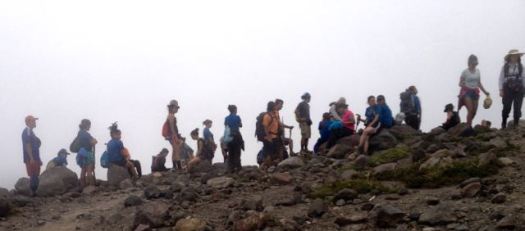
This large group did not get to the top of the plateau until 1:30pm. Sadly the clouds were climbing higher. They’d likely miss the views.
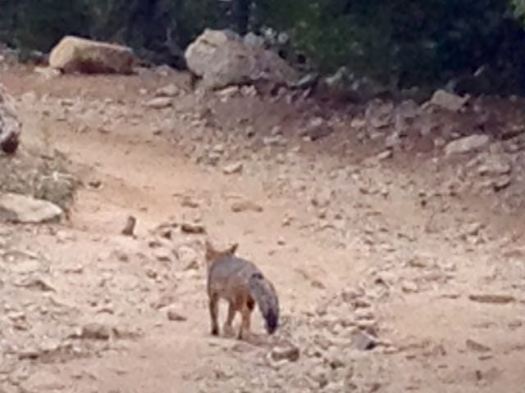
I was back in camp before 4pm. The only highlight on my return this fox. In Spanish you can call him “El Zorro”.
I’d seen his cousins in Patagonia (10yrs ago) brazenly rob tents. I resolved to be more careful hiding away my camping food in Chile.
Enjoying the campground, I decided to stay another night rather than bus back to the city. It rained all night. 😦 I missed the morning bus by 2 minutes 😦 delaying my exit by about 5 hours.
Still, I highly recommend Sendero Enladrillado in good weather. I’ve added it to our list of best hikes in South America.
The best guidebook I’ve seen is Trekking por Chile 40 Rutas 2015 (Spanish). It’s available in larger bookstores in Chile.
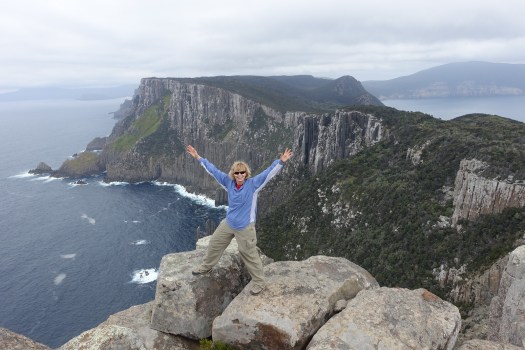
The Three Capes Track is a brand new, 4-day, 46 km, bushwalk in cliff-hugging wildness of Australia’s far south-east. Forty eight permits are issued each day, and the walk is self-guided.
The track opened Dec 23, 2015 …
The track features over 35 “art” pieces, most of which provide a seat” for walkers to sit and enjoy the natural surroundings of a particular area, whilst learning about the Tasman penninsula’s natural, maritime, and convict history. …
Lonely Planet calls the Three Capes Track “The hottest new travel experience of 2015”. …