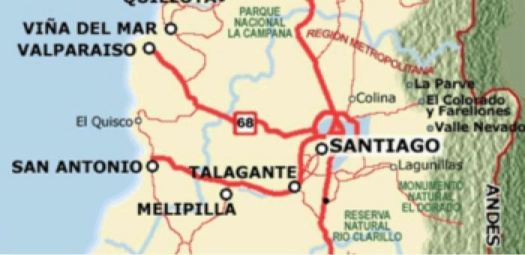
People from the BIG CITY of Santiago love to escape to Valparaíso on the coast.
Valpo is popular with tourists who enjoy the city’s labyrinth of cobbled alleys and colorful buildings.
It has a a mild Mediterranean climate.
In 1996, the World Monuments Fund declared Valparaíso’s unusual system of funicular lifts (steeply inclined carriages) one of the world’s 100 most endangered historical treasures.
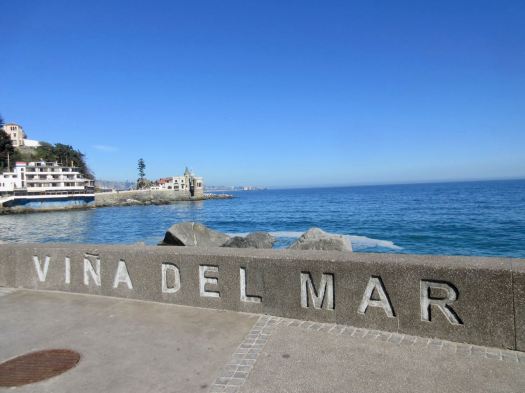
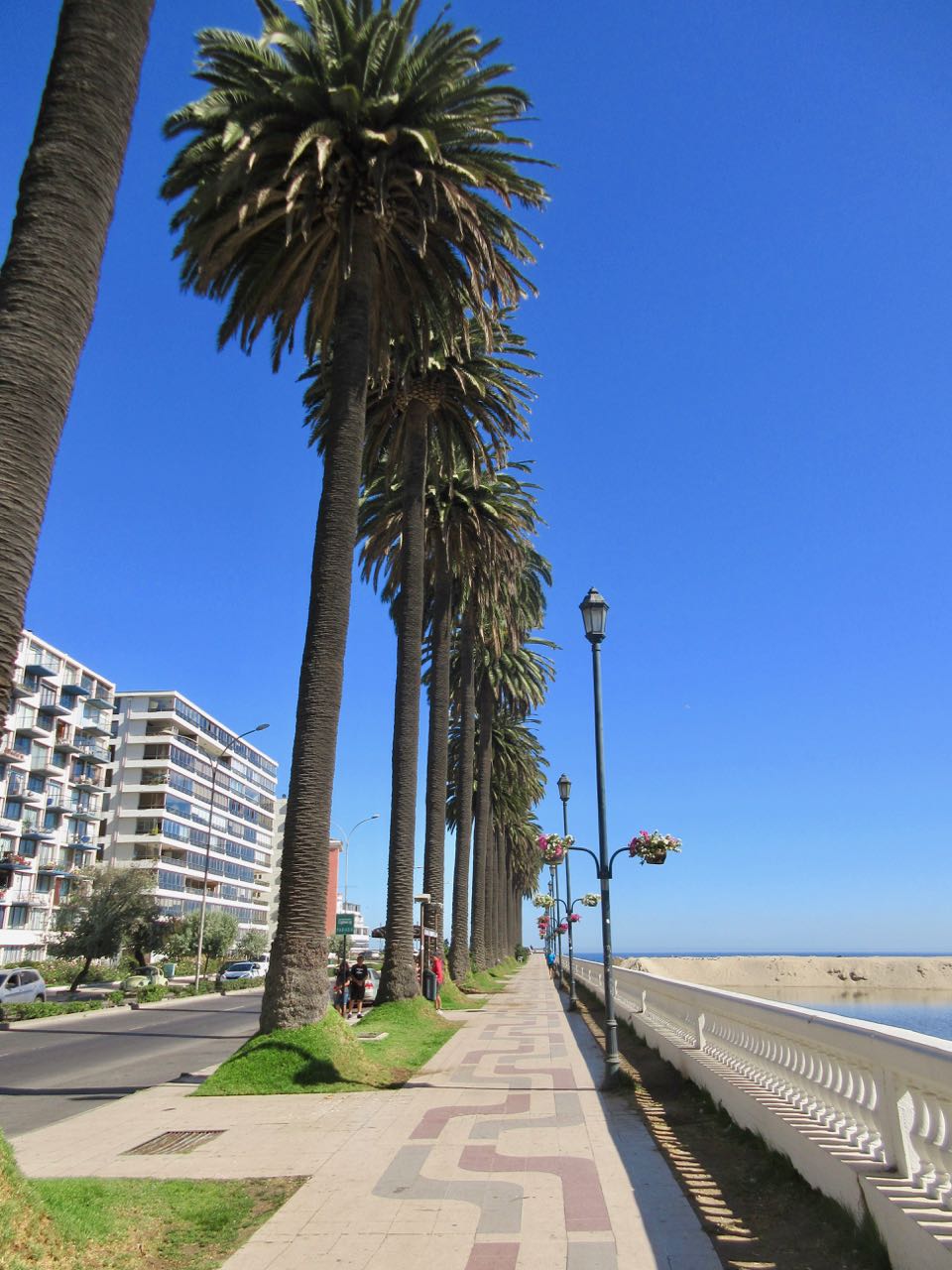
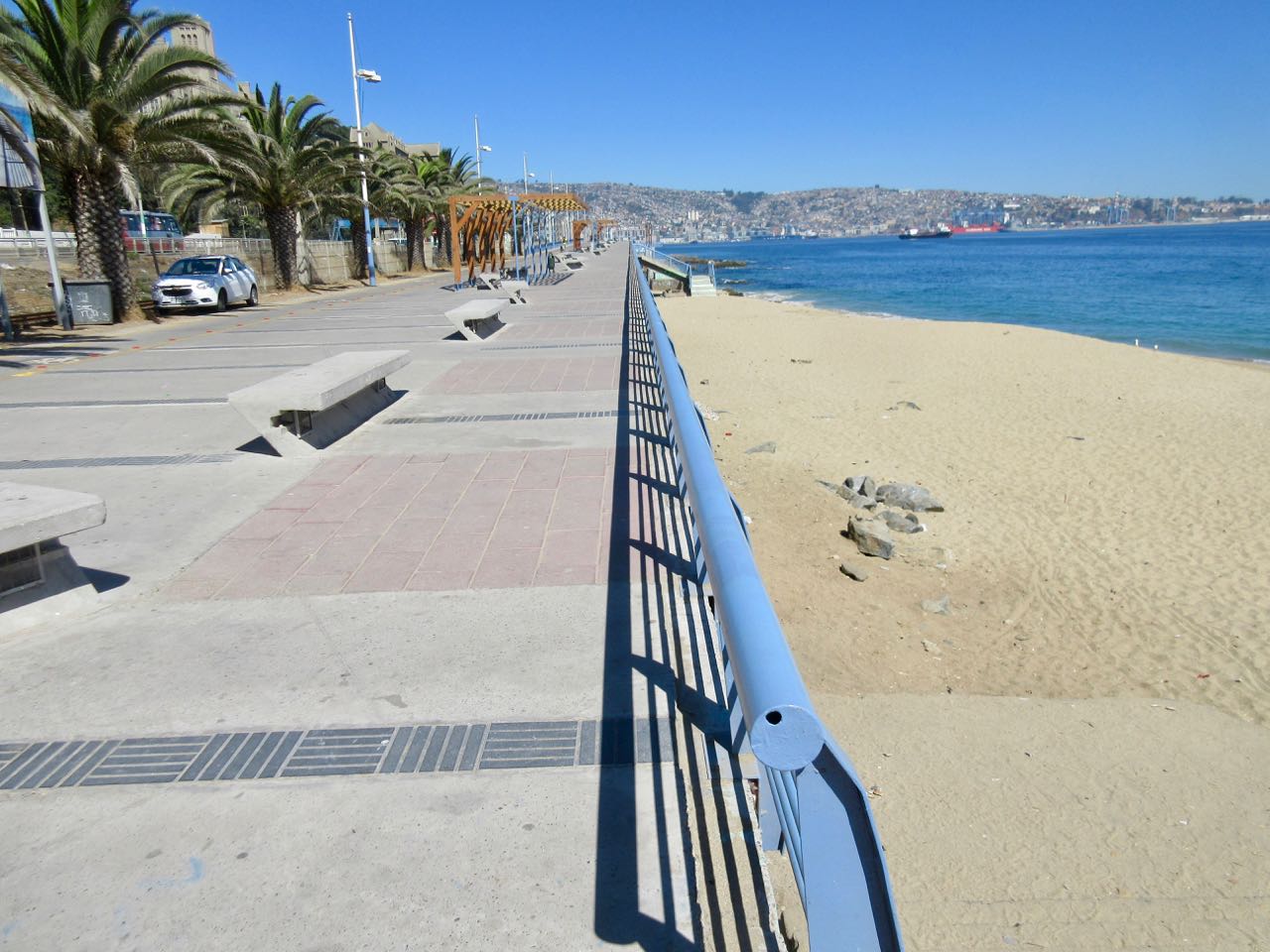
I decided to walk to Valpo along the coast from Viña del Mar, an upscale suburb to the north famed for great beaches.
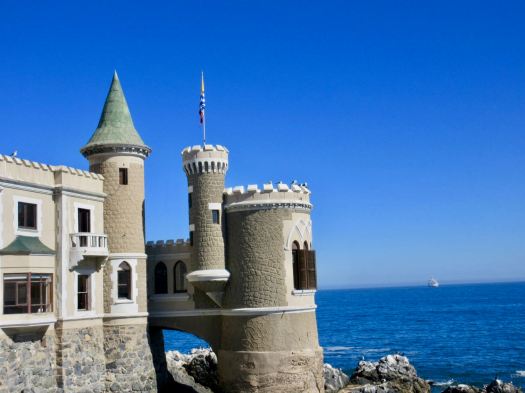
Having walked the beaches the previous evening, I started near the castle.
There were plenty of runners and cyclists, but not many walkers.
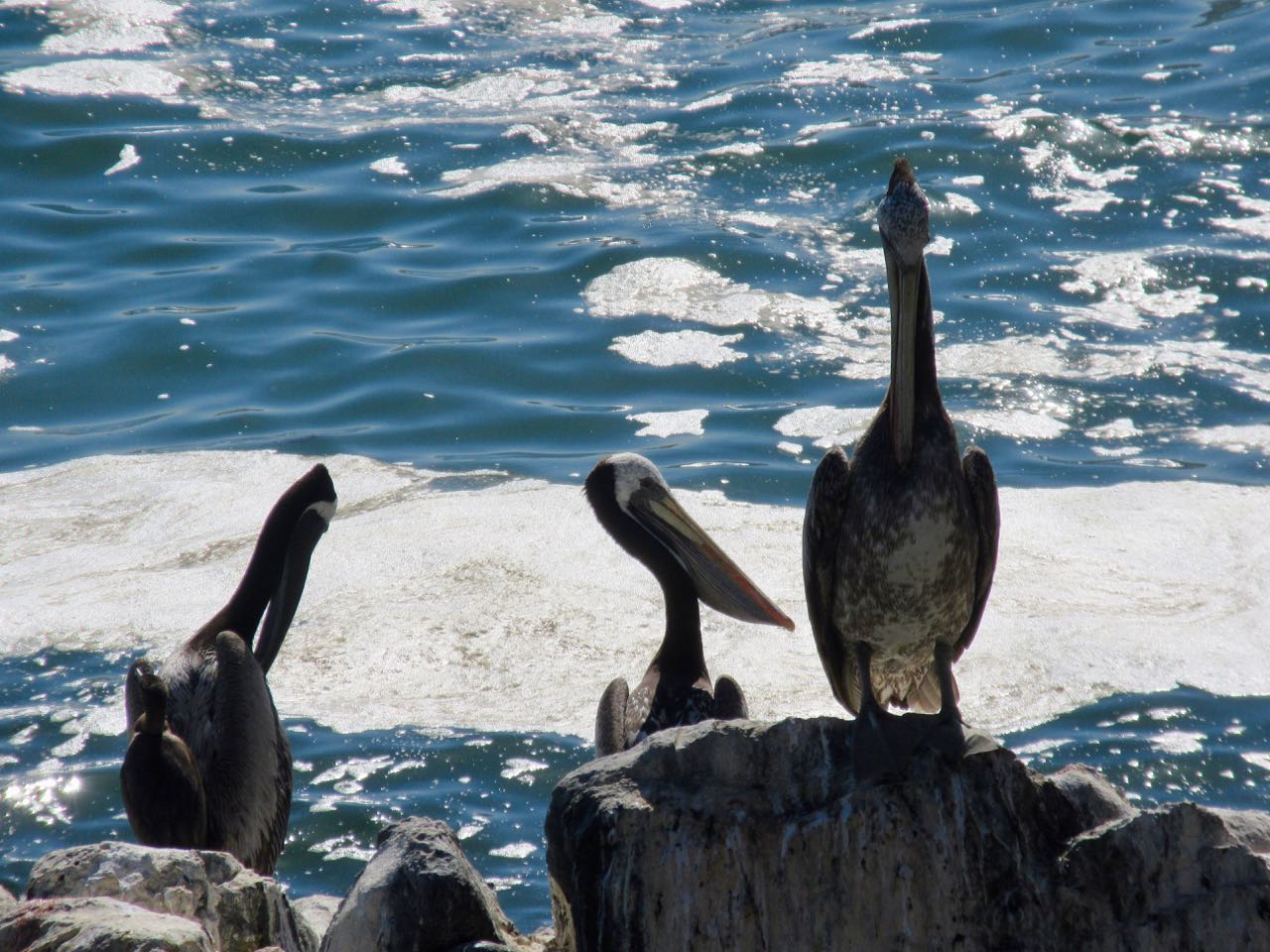
Birds are always a highlight in Chile. Pelicans have always been some of my favourites.
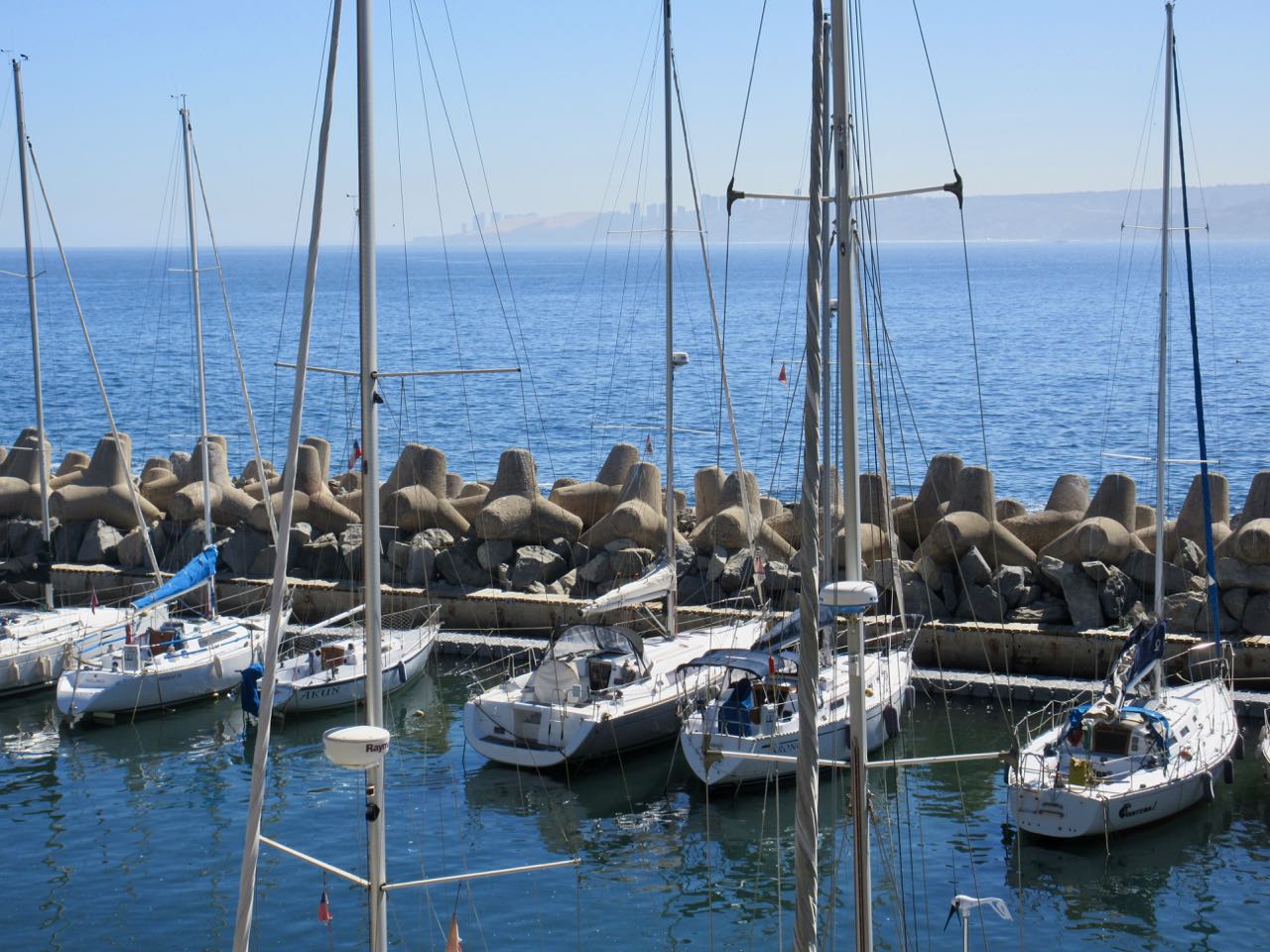
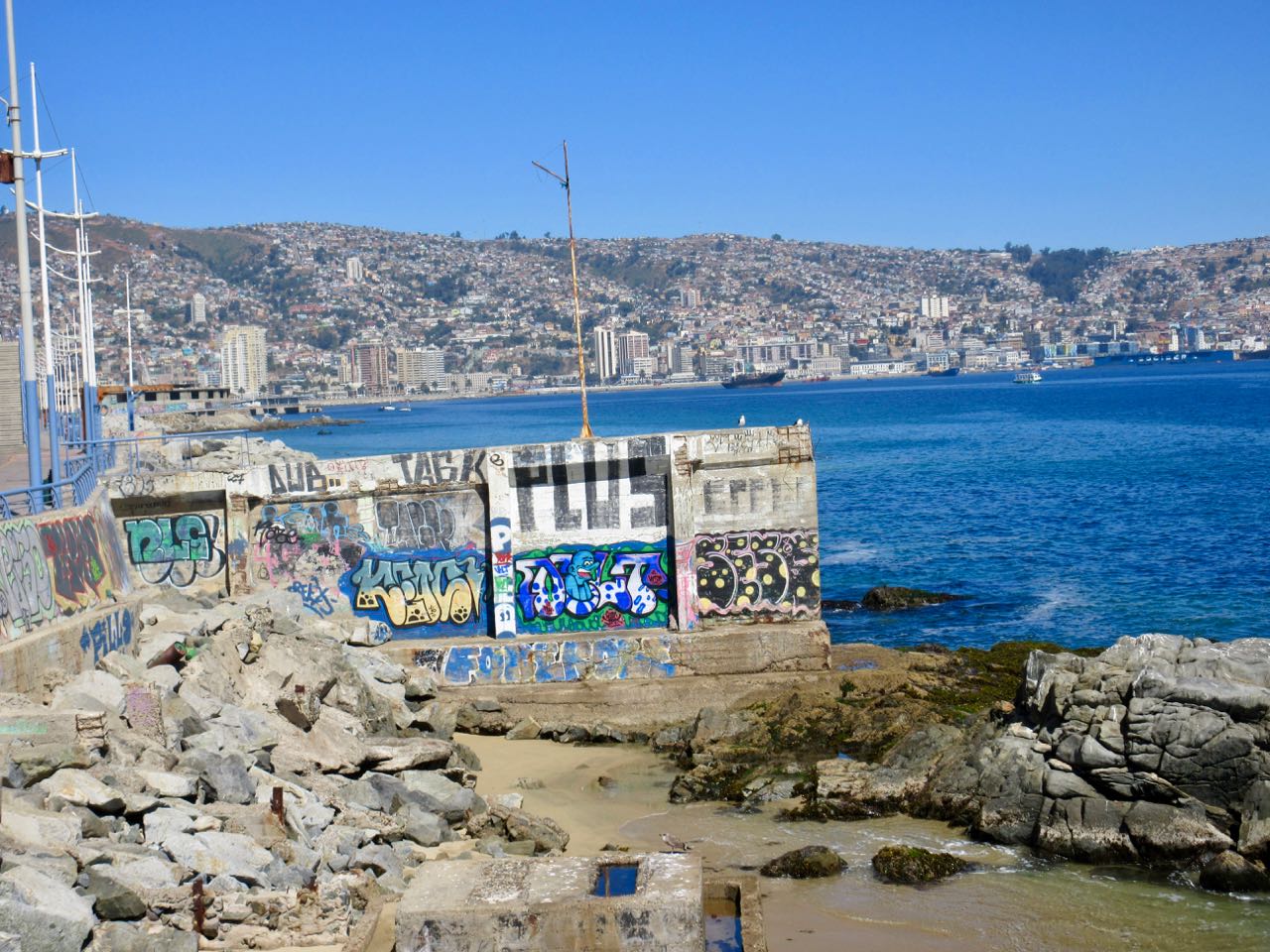
Originally a port and fishing centre, much of the coast has not been improved for pedestrians.
Some has.
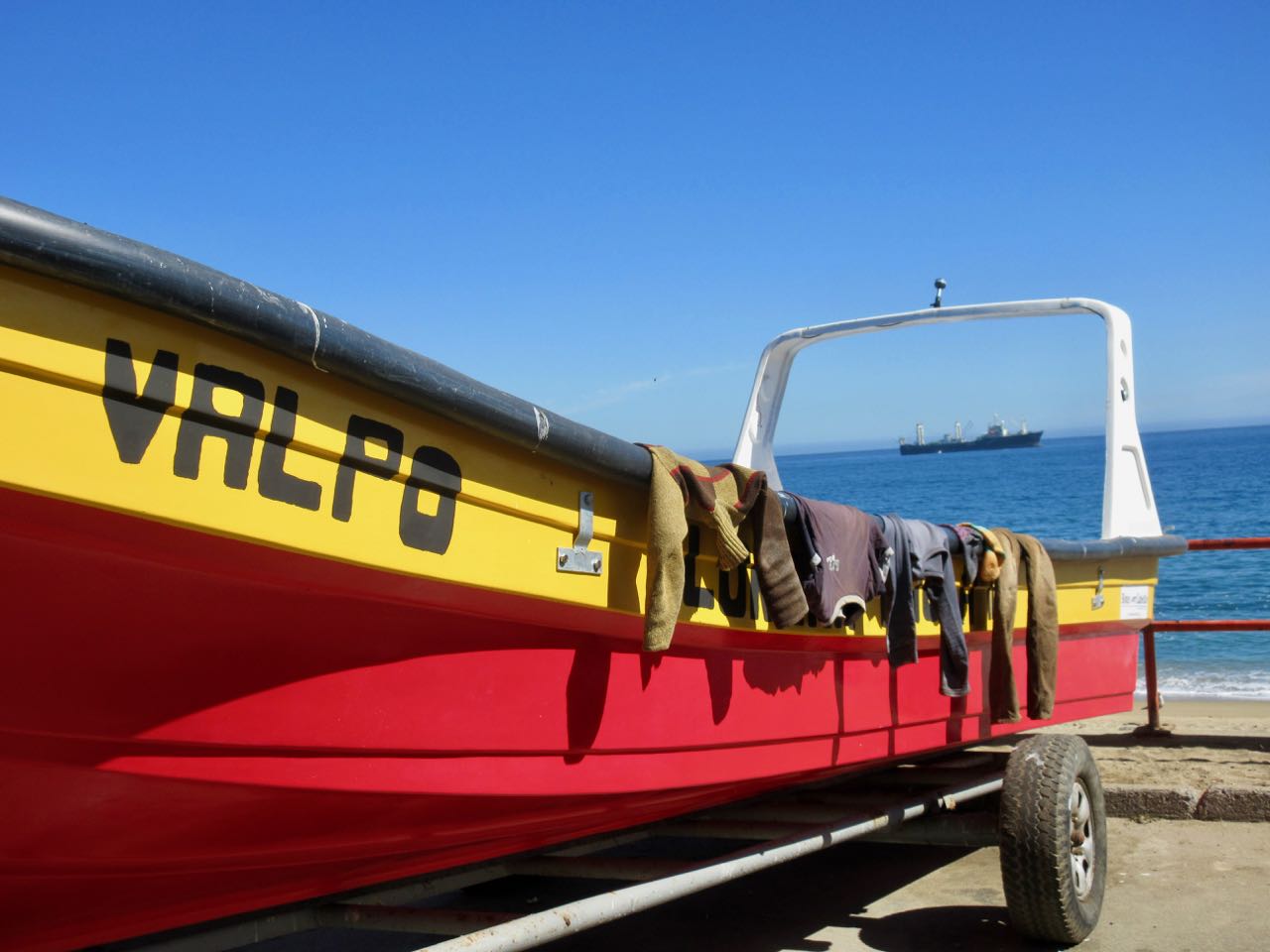
Fishermen use mobile phones now.
There’s a lot of traffic on the coastal road. At one point you are pushed inland by train tracks.
Parts of this 3 hour walk I did enjoy.
Other sections I found annoying. Graffiti EVERYWHERE was starting to bother me.
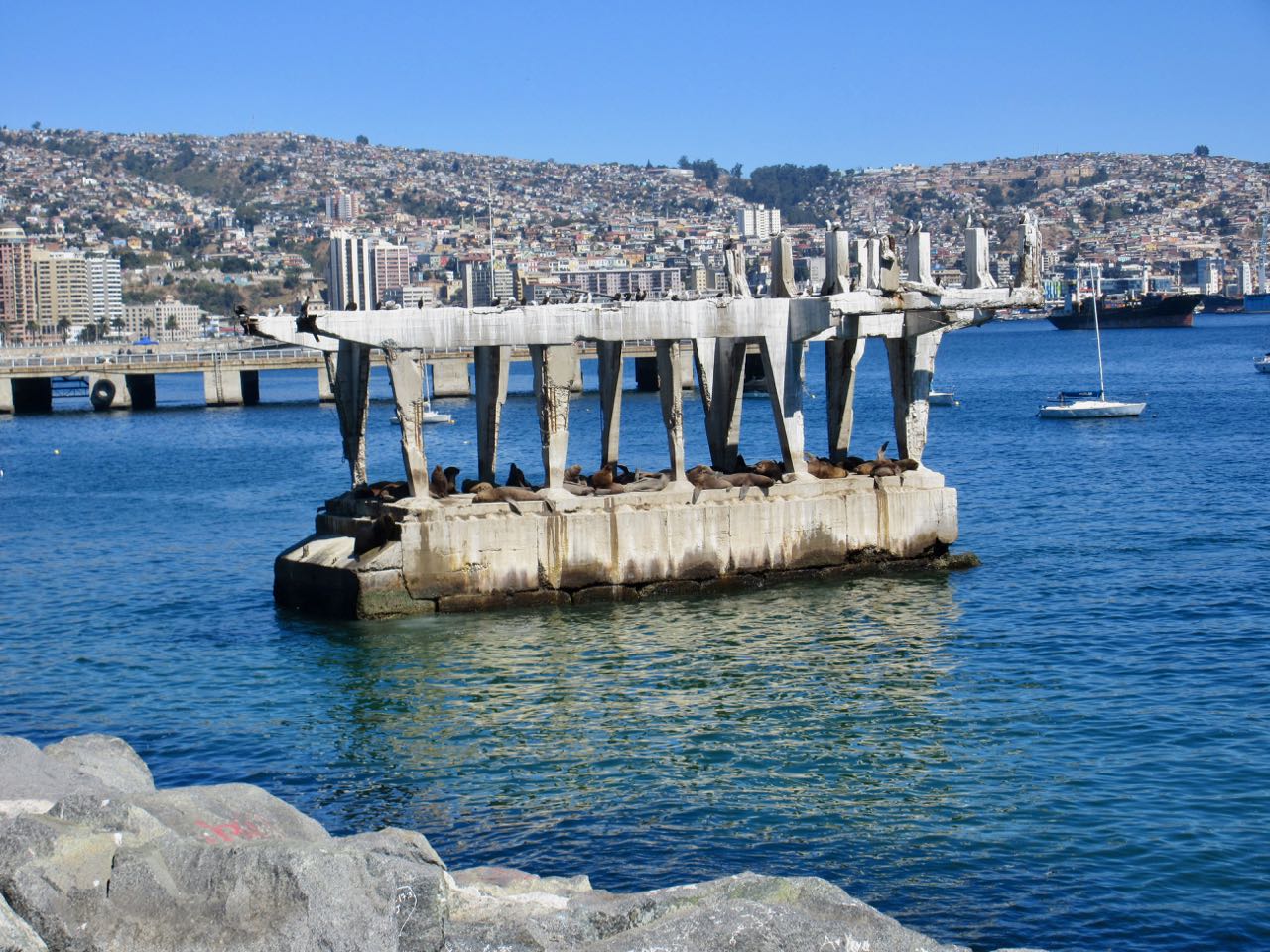
A real highlight near Valpo is watching sea lions close up on this abandoned concrete structure. It’s amazing they can get up there. It’s entertaining to watch them negotiate who gets the prime real estate. And who gets pushed off back into the sea.
The best part was arriving in Valparaíso and joining a free (for tips) walking tour. The daughter of one of the gentlemen in our group had tons of fun sliding down a cement ramp.
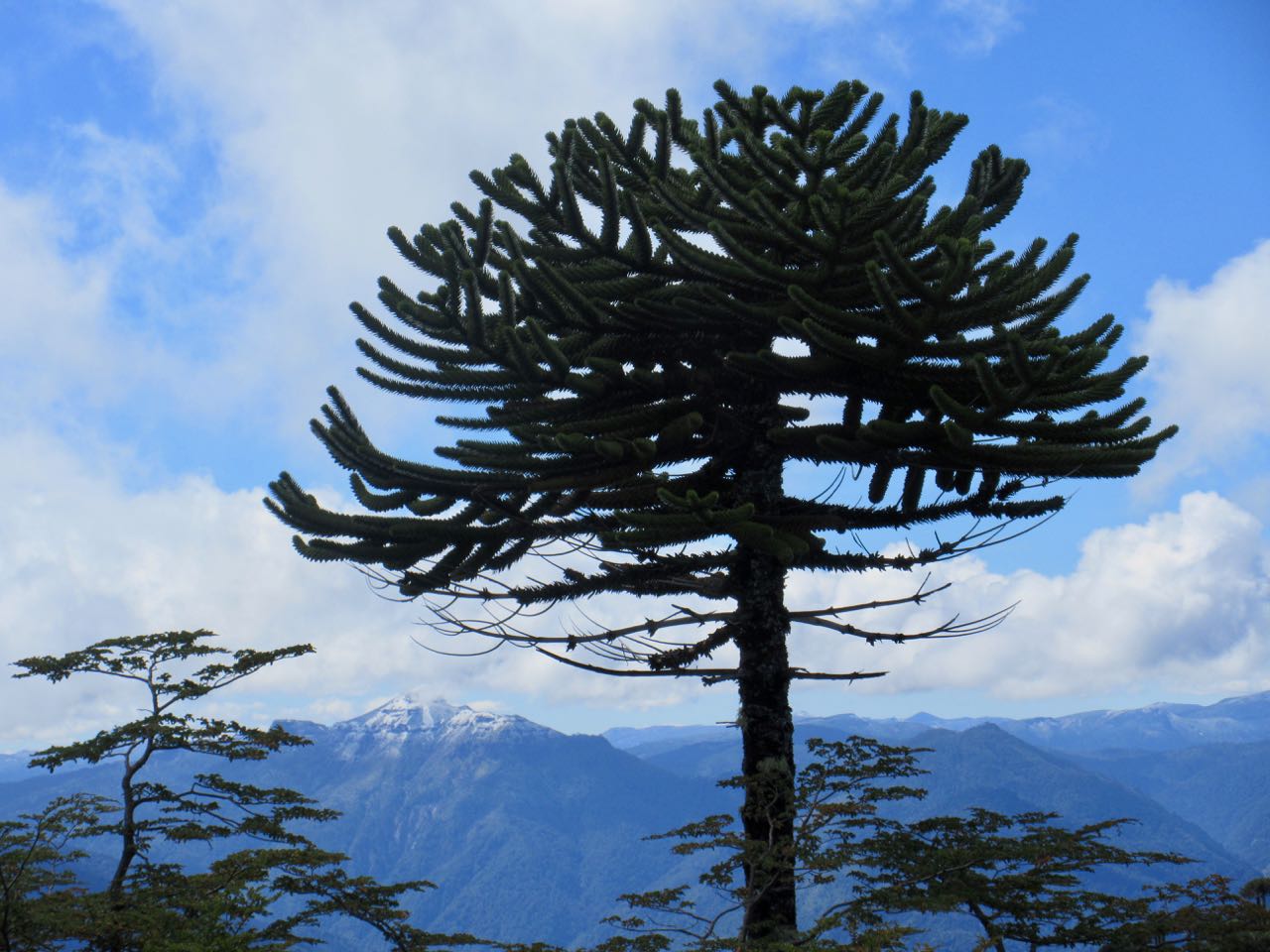
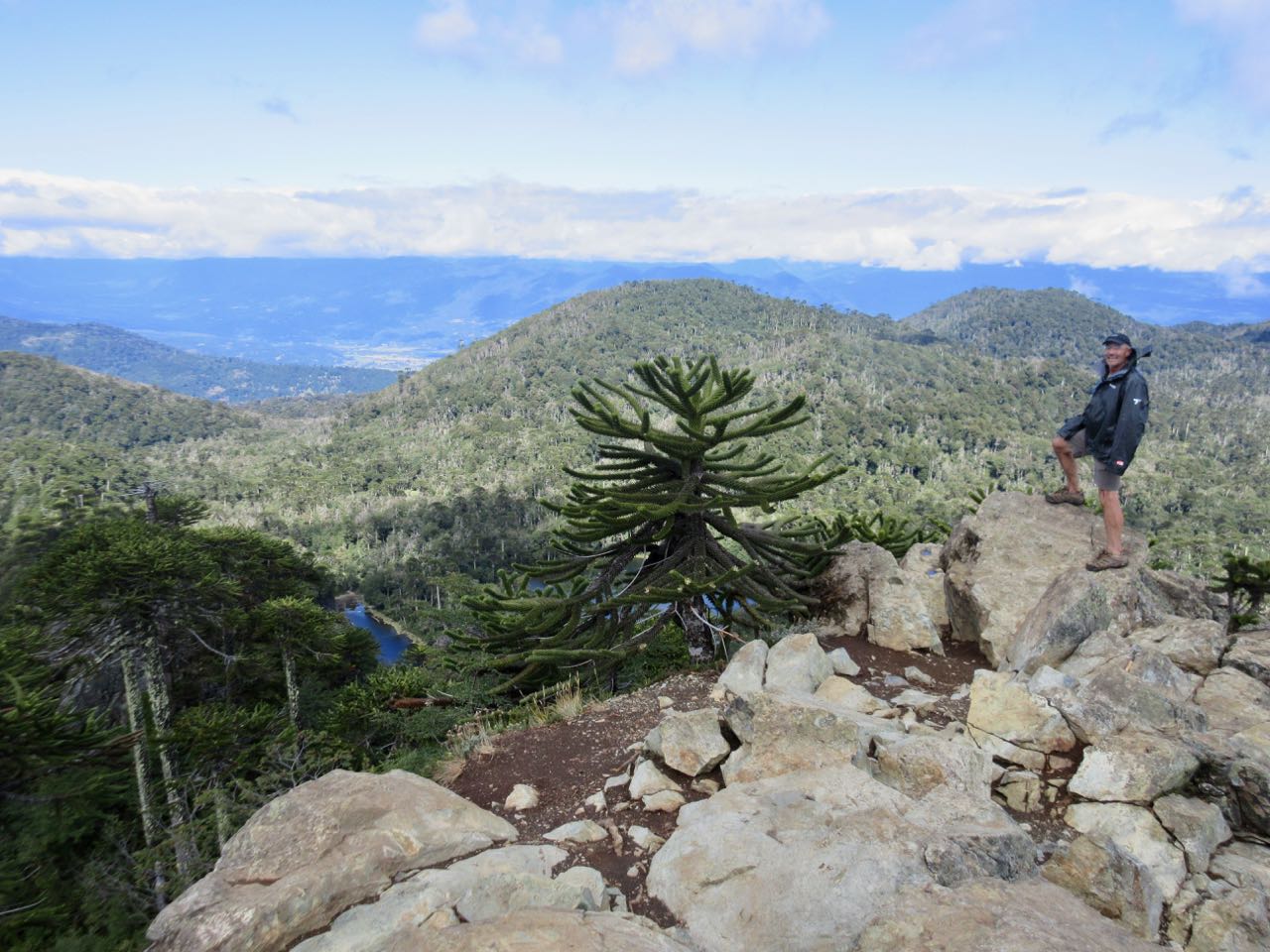
A highlight is the unique Araucaria (monkey-puzzle) forrest. Perhaps my favourite tree.
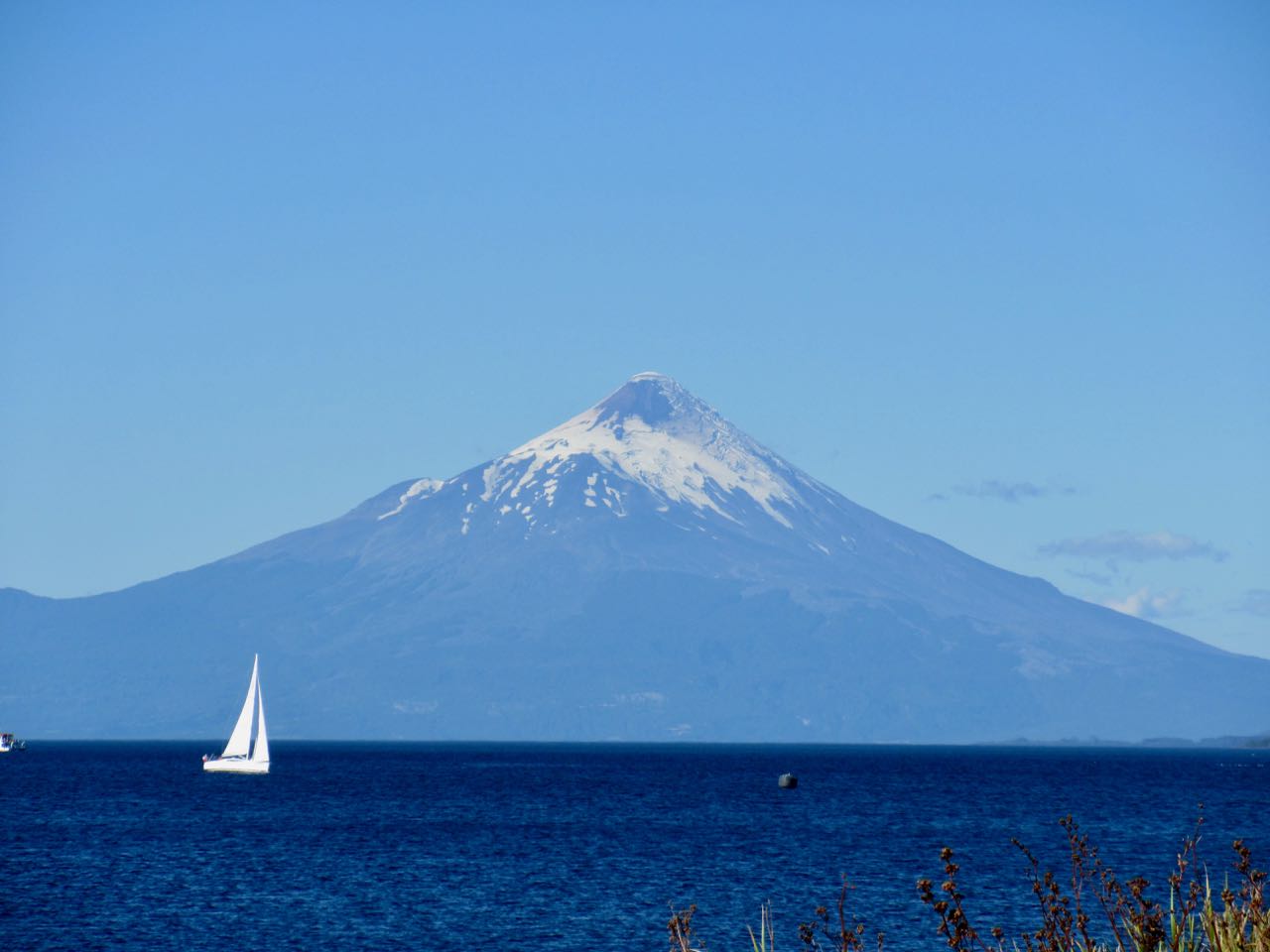
If weather is clear from the summit mirador, you see many volcanoes: Volcán Llaima, Volcán Villarrica, Volcán Quetrupillan and Volcán Lanin.
Almost everyone does this as a day hike. But it’s possible to tent at Laguna Negra or or at the Aserradero hut for about $13 if you prefer.
Another highlight is the add-on Lagunas del Cañi (lake circuit). Some trails are narrow and overgrown.
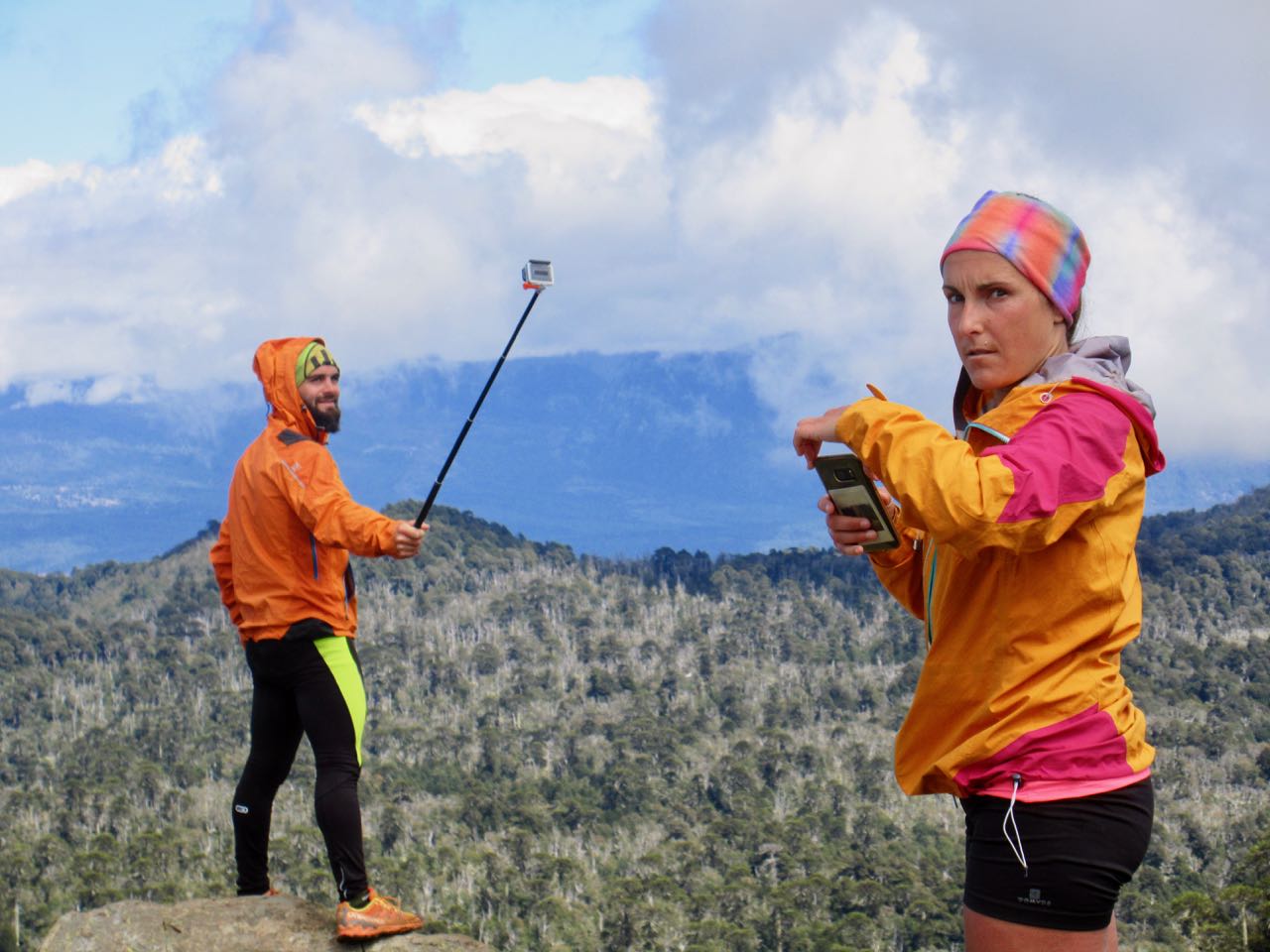
I reached the summitmirador with two trail runners from France. We took photos of one another.
It’s a long way down. Then back to town … or to one of many hotsprings near the trailhead, Termas Los Pozones was recommended. I rushed back to catch a 12 hour night bus.
_____
Most people do this hike independently taking the local bus 13 miles (20 km) themselves. But you can hire a guide in Pucón for about $100.
If interested, stop first at their administrative headquarters & information center in Quellón. Get up-to-date trail conditions. Making bookings there based on the weather forecast
Only about 7700 visited the Park in 2017. It’s not crowded. There are a number of huts available for shelter.
Unlike many other parts of Chile, this is a rainy cold temperate maritime climate.
Click PLAY or watch SOME of this video on YouTube. You’ll get the idea.
I walked it myself in January 2017. It is true that the government stopped the funding, but I must disagree about the fact that “a large proportion of the trails are closed”. Only about 5 out of 43 stages are closed (that’s less than 15%).
There’s a lot of room for improvement but Huella Andina is still one of the best ways to hike-thru and discover the argentinean side of the northern Patagonia.
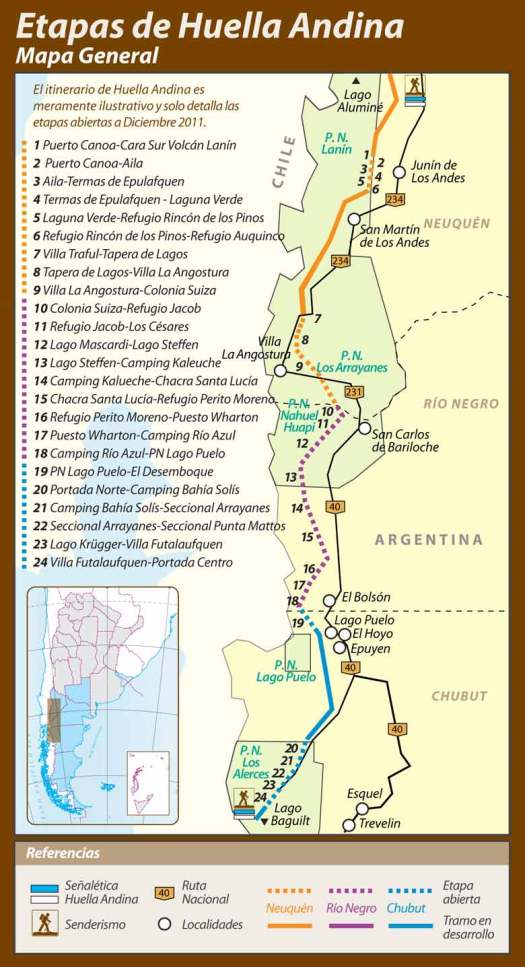
The Huella Andina is a series of routes totalling about 600km. They are not all connected.
Some sections are signposted and marked. Some are not.
In 2017 the government of Argentina officially stopped funding the trail project Huella Andina. Some national parks maintain some routes with other funds but a large proportion of the trails are closed and becoming quickly overgrown. Several parts of the Huella Andina were not traversable since the season 2016/2017.
I checked in person with Club Andino Bariloche and the Nahuel Huapi National Park Office about their section of the Huella Andina. It exists. But is far less popular than the other hikes.
They gave me a free map of the Huella Andina showing about 27 hours of hiking over 4 sections. Difficulty of those sections was rated easy to severe. In fact, a parks officer recommended hiring a guide for the 10 hours between Refugio Jacob to Los Cesares.
Huella Andina connects to the Greater Patagonian Trail on the shore of Lago Puelo. Adventurers might try to loop sections of the two new long distance hikes.
If you want to know more check Wikiexplora – Huella Andina (Spanish)
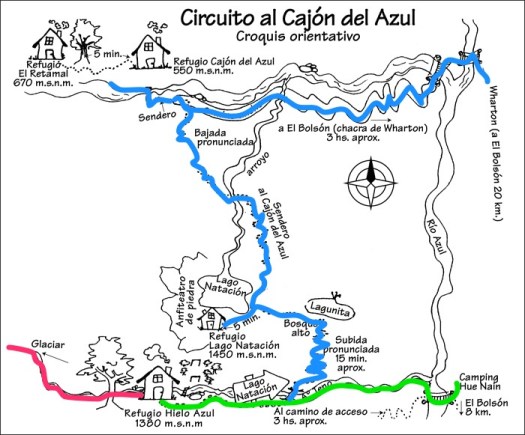
Getting to the trailhead at Camping Hue Nan is the most challenging navigation challenge.
You can road walk from El Bolsón as I did — 3 boring, dusty hours — or ask for bus directions to Camping Hue Nan. That trailhead may be changing. Check before you go. It was open to me February 2018.
Look for the Acceso Refugio Hielo Azul sign.
I used the free Maps.me app and it worked perfectly for the entire circuit. On the other hand, I wished I’d hired a taxi or found the bus rather than done 3 hours of road walking.
Alternatively, there’s a way to start and finish a circuit by bus at Warton. The most popular trailhead.
You could reverse my route too, of course.
El Bolsón, population 19,000 plus tourists is an excellent hiking town. It’s only 2 hours by bus from Bariloche, the bigger hiking destination in Argentina. Many hike both towns on the same trip.
Free registration is required. You don’t need to stick to your planned itinerary.
There are gear shops with camping fuel and fairly large grocery stores in town.
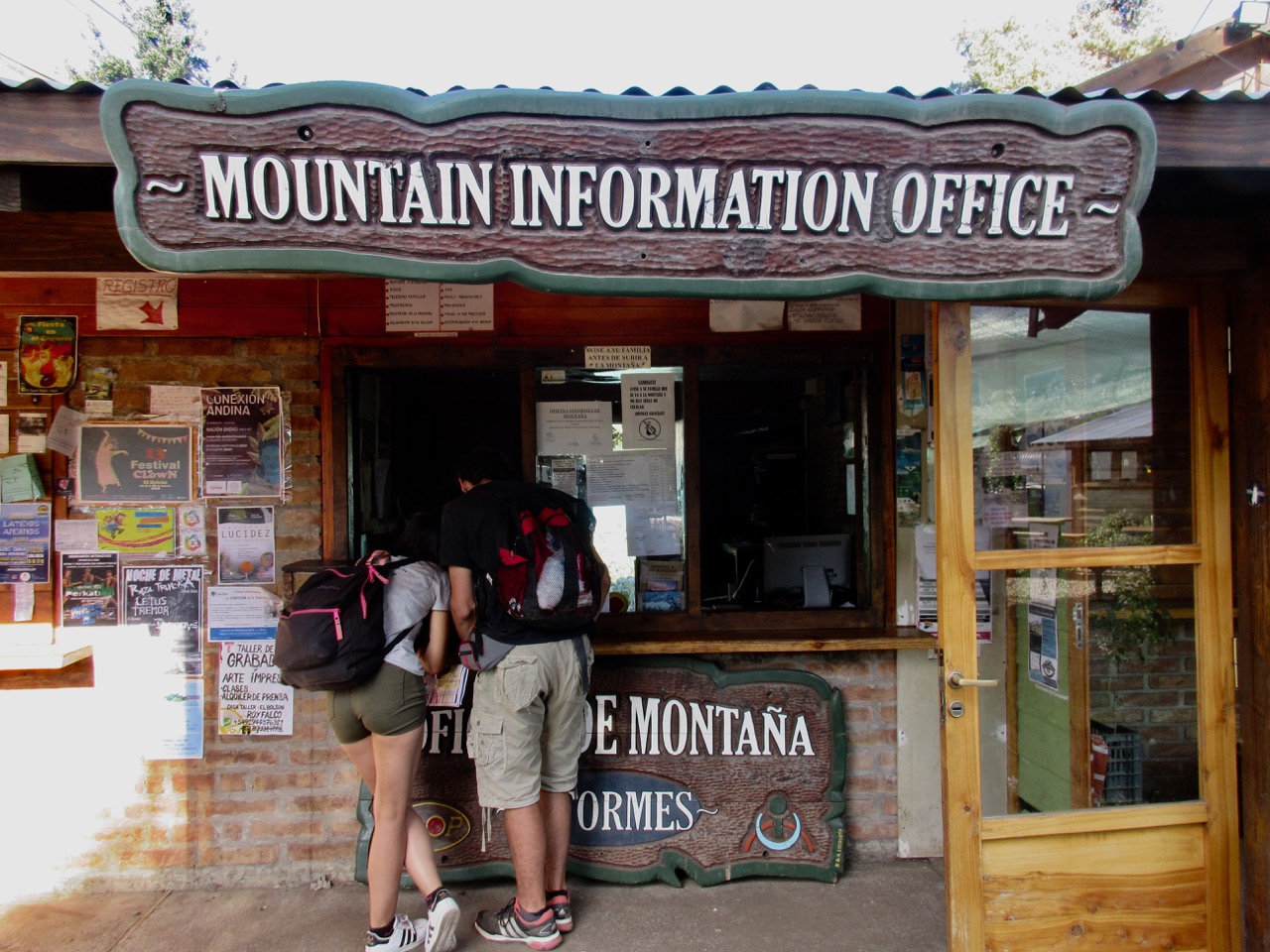
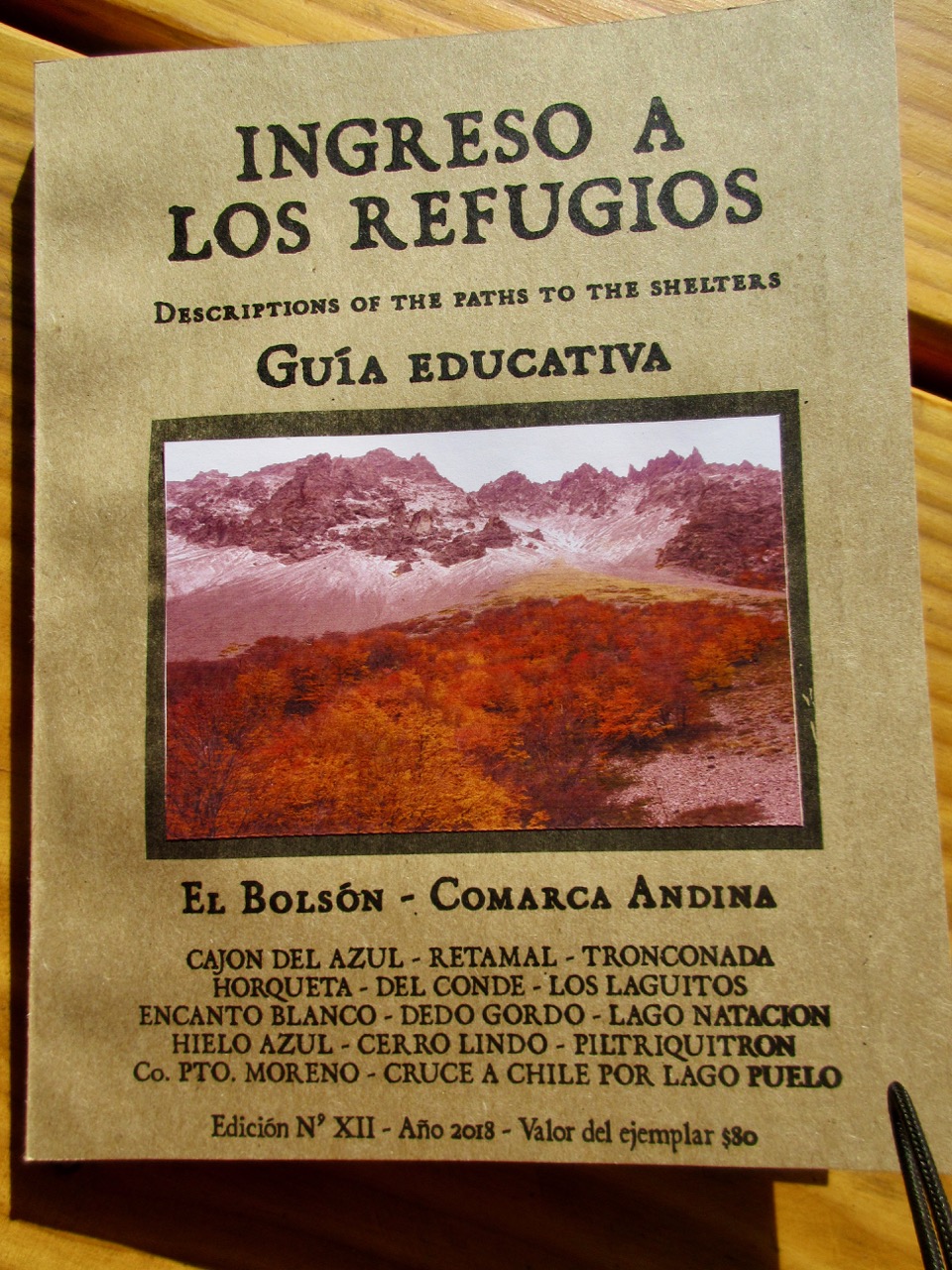
At the Mountain Information Office I bought a $4 amateur hiking guide partially translated to English. It’s not enough to navigate, but did provide some background information.
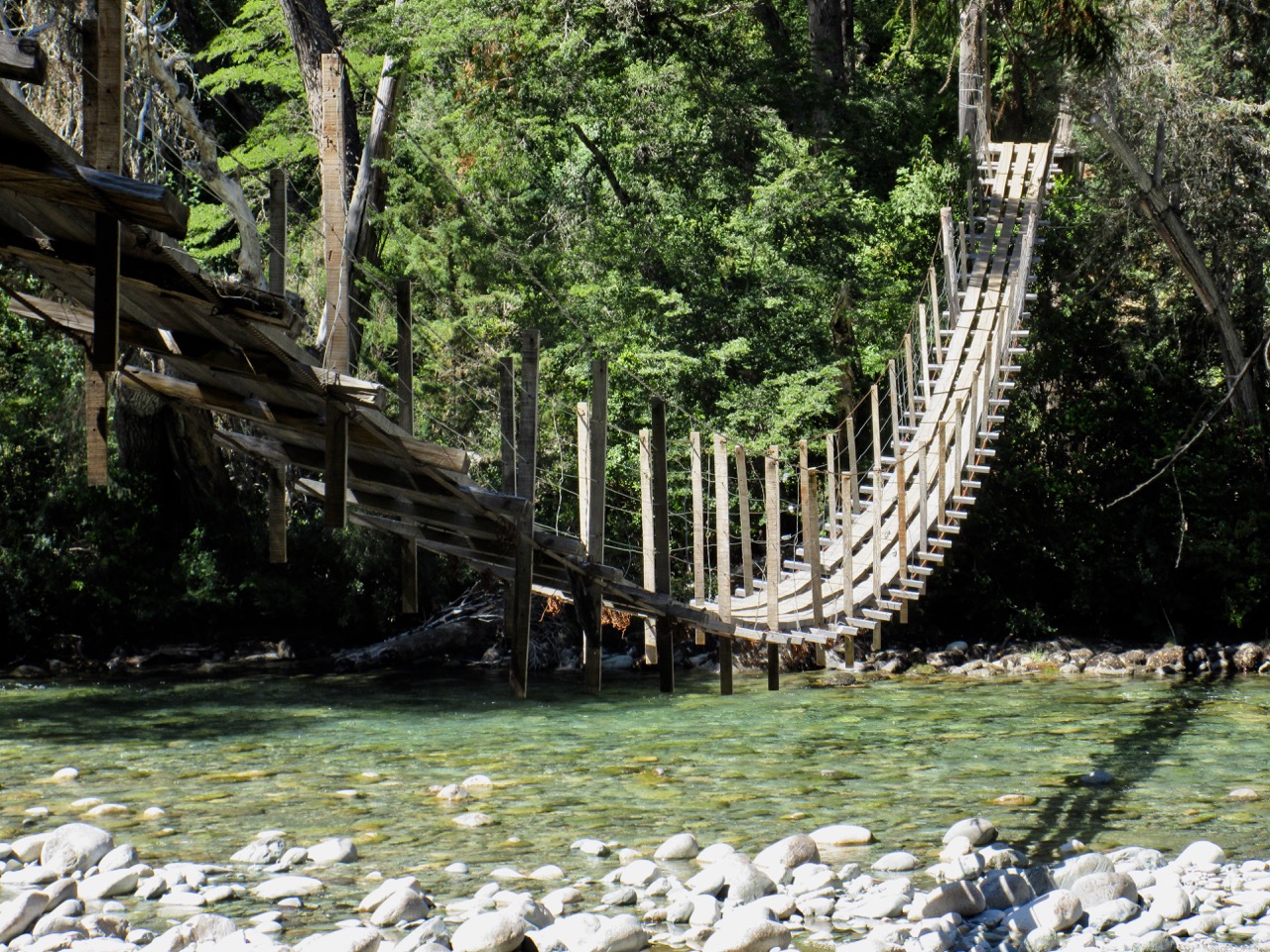
I was shocked to see some of the bridges here.
They are slowly being replaced by modern metal alternatives.
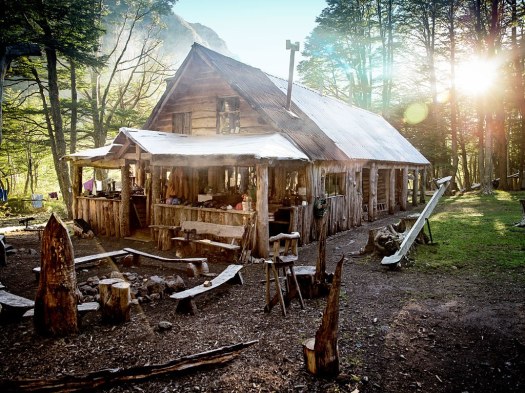
It was at least 1000m ascent and 4 hours up toHielo Azul Refugio. My favourite alpine hut by far.
I was so happy to get there — and felt so warmly welcomed by the woman who greeted me — that I signed up for an 8pm $20 stew meal. My most expensive dinner in Argentina. (I brought my own wine.)
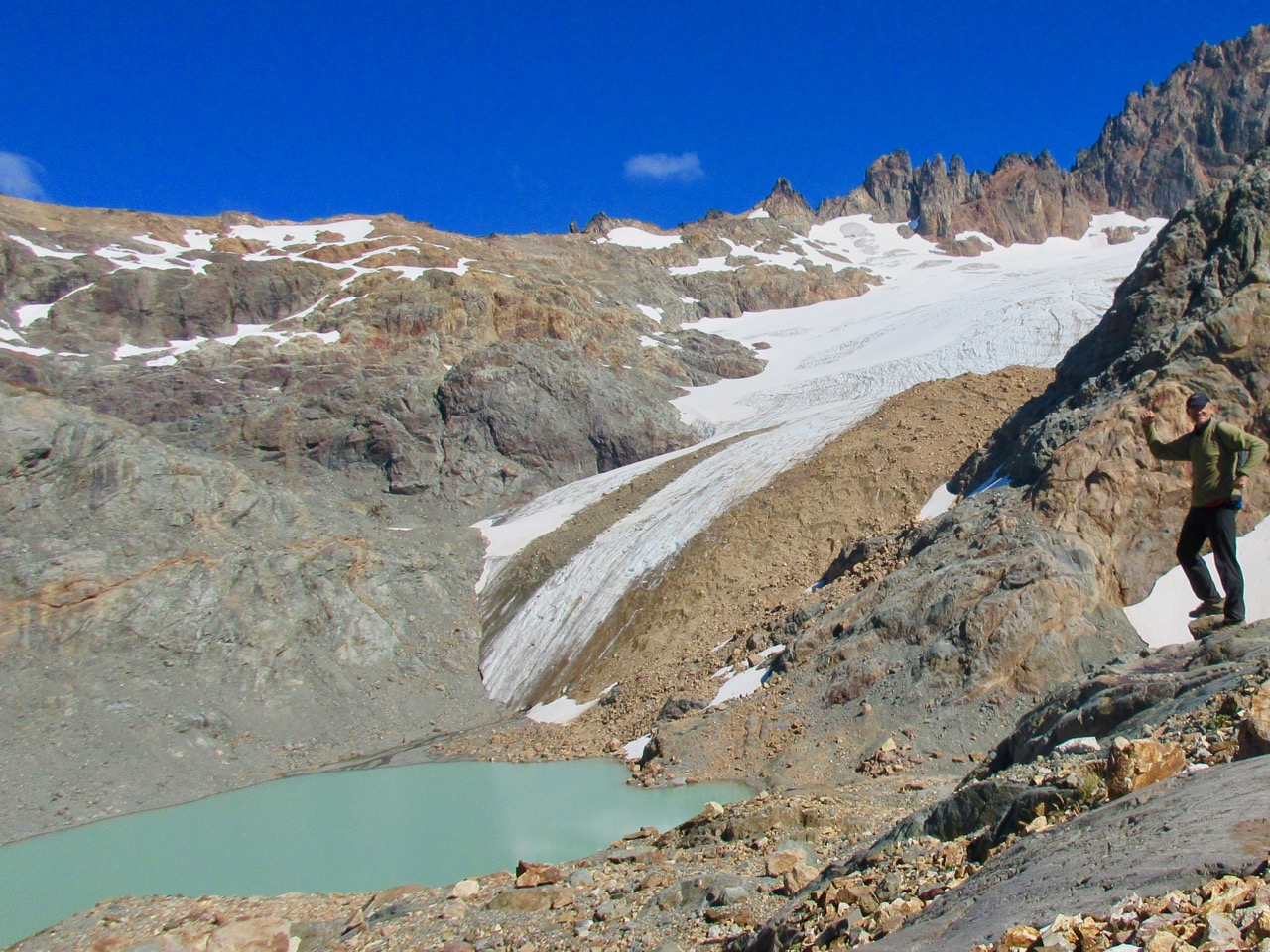
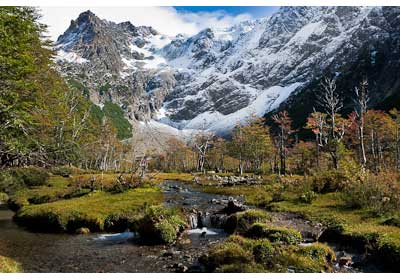
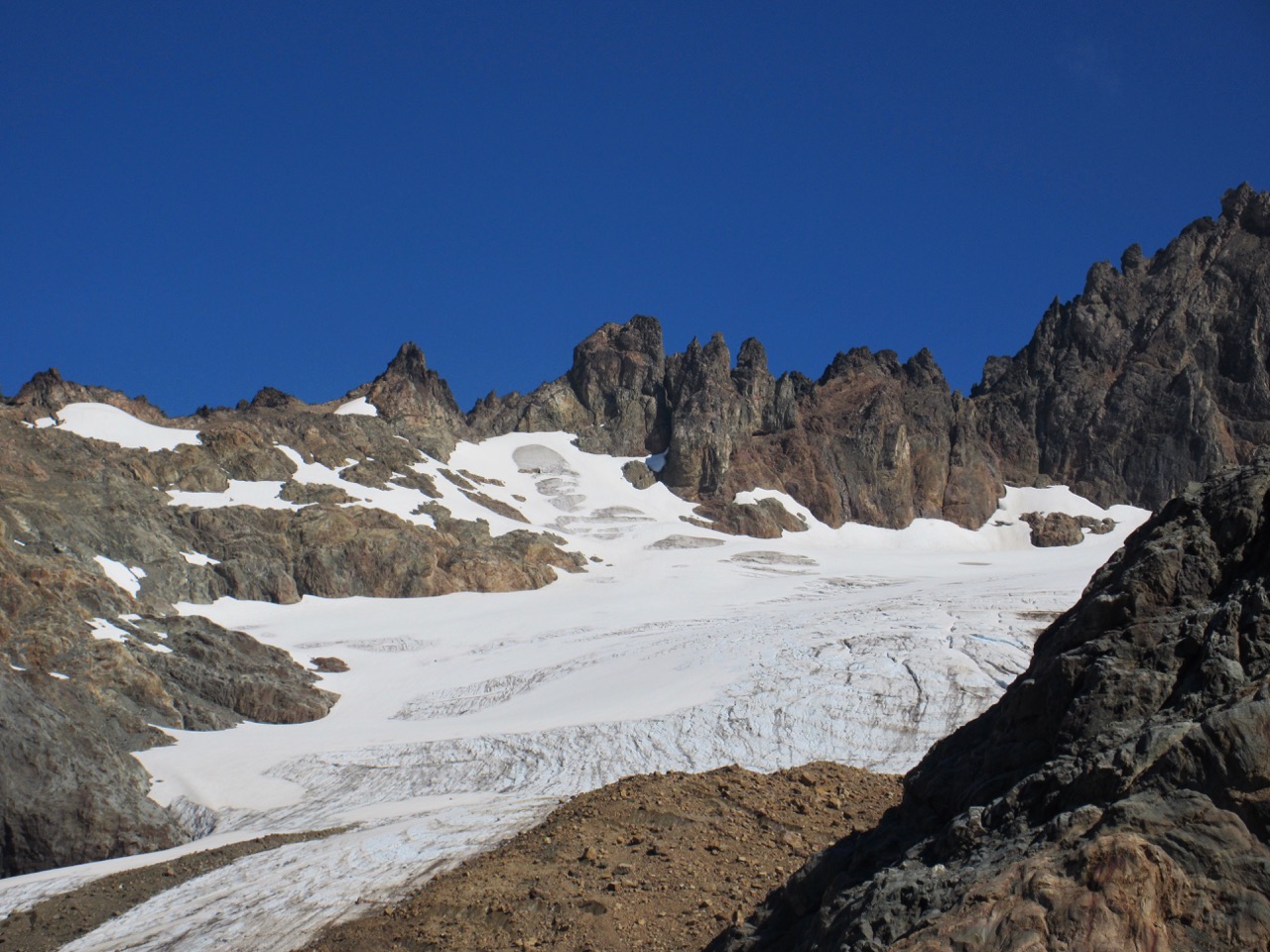
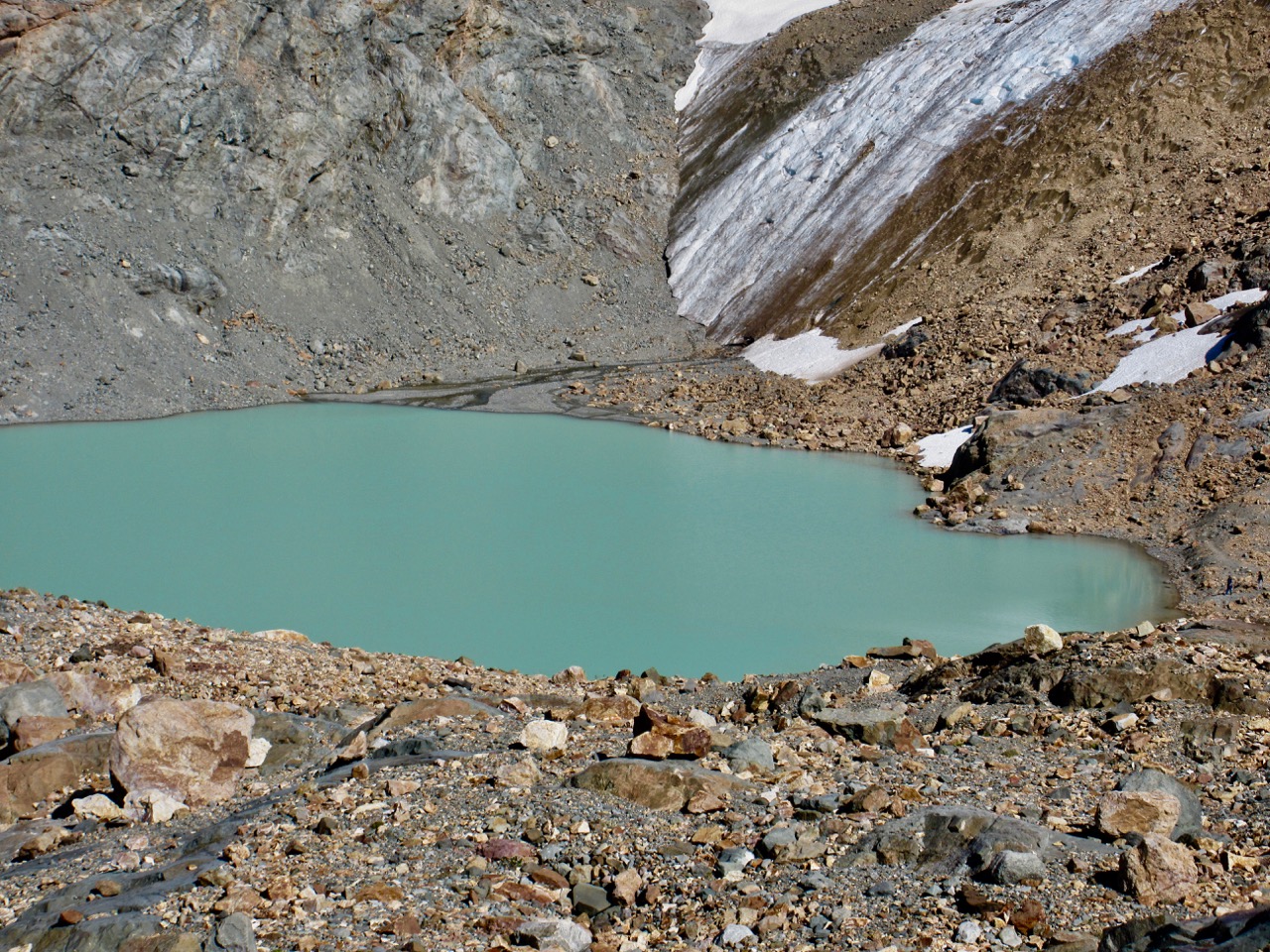
It really is paradise up here just below the glacier.
I paid $5 to tent.
Next morning I first registered at the mountain hut then scrambled the steep, 90 minute route up to the glacier. Beautiful.
I had some lunch on my return. Then set off on the clearly marked trail to Refugio Lago Natacion. An easy add-on.
From Natacion down to the Azul Canyon, however, was surprisingly steep and overgrown. Not many people do the circuit, I suspect, because this one section is quite challenging.
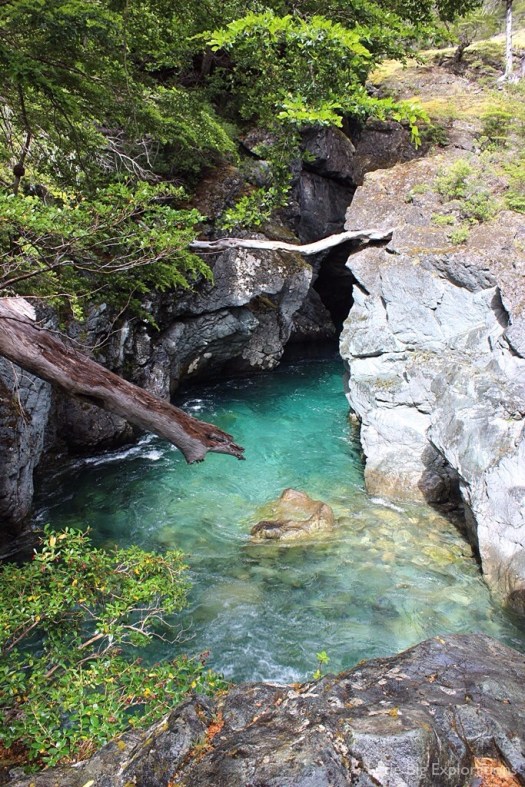
The canyon is impressive once you finally get there.
At one point you can straddle the gap, a long way above the crystal clear water!
I was reminded of Tiger Leaping Gorge. A tiger could easily leap this gorge, but not the one in China.
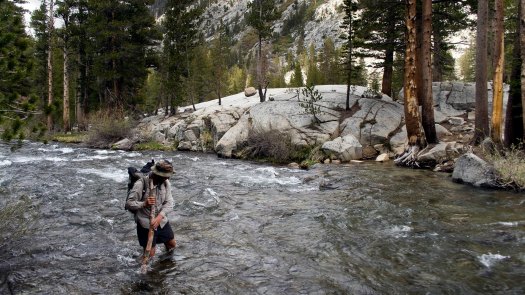
Tired, I decided to illegally wild camp by the river rather than walk the extra hour down to my designated refugio campground.
The trail out to Warton is a road accessible to motor vehicles. Swimming this river is the attraction, not the trail itself.
If my directions sound too sketchy, consider buying a map for about $10.
Aoneker 1:50,000 El Bolson (covers the following refuges: Co.Lindo, Hielo Azul, Natacion, Atillio & El Reramal)
Aoneker 1:120,000 Comarca Andina del Paralelo 42° (covers all the refuges in the El Bolson region)







 besthike.com