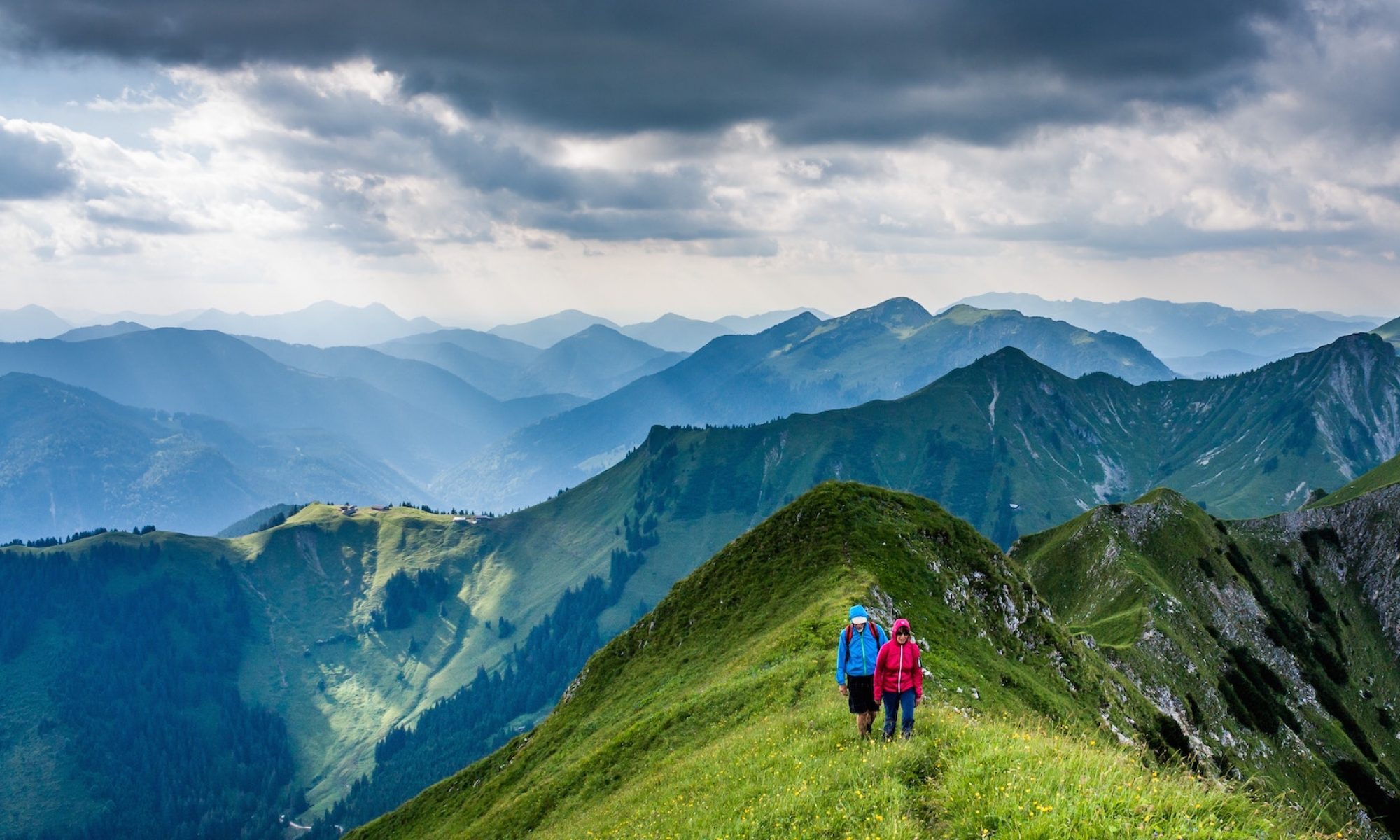

#4 best hike in the world is …

Ausangate Circuit, Peru

Our favourite hike in Peru is still one of the least well known.

It’s wonderful, but dangerous.

Ausangate Circuit is 70km (43.5mi) plus sidetrips. It’s recommended only for confident, self-sufficient hikers experienced at high altitude. If you tolerate cold & altitude symptoms, the trails themselves are little trouble. Some route finding is necessary, but it’s entirely above the treeline with vast views.

Most groups hire pack animals, at least to get them up to the first pass. Worst case scenario — altitude sickness — you can ride your horse back down to lower elevation.

Why we love it:

  • PERU, all things considered, offers the best alpine hiking in the world
  • circle the sacred Ausangate massif (6372m, 20,905ft)
  • fantastic glacier views
  • remote, few trekkers, few people!
  • 4 high passes between 4757m – 5165m!
  • normally gorgeous sunny weather
  • thousands of alpacas
  • hotsprings at the start & finish of the trek
  • it is very inexpensive
  • travel Peru for as little as US$20 / day
  • unique Qoyllur Rit’i festival held nearby in May-June

    Considerations:

  • altitude sickness is a big risk
  • evacuation is difficult
  • no rescue service is available. You are on your own.
  • No Park officers. No campsites. No toilets.
  • acclimatization in Cuzco 3326m (10,912ft) is essential
  • 13-hour long nights in the tent
  • temperatures can fall well below freezing at night
  • be prepared for snow
  • storm could pin you in your tent
  • long, bumpy bus ride (5-8hrs) to & from trailhead or hire private transport from Cuzco

    Details on our Ausangate Circuit information page.

    Alpacas at Ausangate

    Alpacas and Ausangate

  • moose encounters

    From the new Wilderness Trailcraft blog:

    … a moose is quite a bit more agile than it looks. When this moose made it up to the log he paused for only a fraction of a second and leaped over it. (And) … they can swim; underwater.

    moose.jpg

    A short time after this trip I was traveling through Yellowstone and I had a chance to talk to a ranger about my experience. She told me that she wasn’t surprised about the moose swimming but she was surprised at how stupid we were. She said the rangers consider the moose to be the most dangerous animal in the woods. Moose are very unpredictable and frequently aggressive.

    So there you have it. They weigh close to 1500 lbs, they can run faster than you, they can swim faster, jump over logs and they are aggressive and unpredictable. That’s worthy of being filed away as important knowledge!

    A moose can swim underwater

    120px-skilt146_01.pngI’ve seen video of moose diving for particularly succulent plants. And I understand that new born calves can swim immediately to escape predators who sometimes wait on pregnant cows.

    The real worry about moose, in some parts of the world, are vehicle collisions. This is exactly the wrong animal to hit.

    #1 best trekking peak is …

    Kilimanjaro

    If you are going to Africa for just one climb, this is it.

    The standard Marangu route is 64km (40mi) plus sidetrips if you make the summit. The majority of those who try, do not get to the top.

    Technically the trek is not challenging. But anywhere between 2-10 hikers die each year from altitude sickness. It’s difficult to acclimatize while ascending 4,600m (15,000ft) from the plains to 5896m (19,344ft).

    Why we (still) love it:

    • the highest mountain on the continent
    • no need for rope or technical experience
    • one of the “seven summits”
    • the most sought after trek in Africa
    • the sense of accomplishment getting to Gillman’s Point on the crater rim. (Most turn back here.)
    • few do the extra 2hrs or more to Uhuru peak to get a photograph with the sign “Highest Point in Africa”.
    • on the Marangu Route you can sleep in huts or tents. (Other routes you must sleep in tents.)
    • can be climbed year round
    • enjoy almost every type of climate on one trip
    • the summit actually has GSM mobile phone service for emergencies

      Considerations:

    • no independent hikers allowed since 1991
    • minimum cost in 2006 is US$800 carrying your own pack.
    • the Marangu route has been called filthy and overpriced
    • Kilimanjaro often called the highest ‘walkable’ mountain in the world — not true. There are many volcanos higher that can be ‘walked’ in good weather and more than a few higher trekking peaks. Kilimanjaro must be the most popular of the high peaks, however.
    • over 20,000 hikers in 2000
    • even though the volcano is close to the equator, high up be prepared for rain, snow & bitter cold any day of the year
    • warm sleeping bag needed
    • you can tent instead of staying in the huts, but the cost is the same
    • though technically not active, steam is released from the crater & there is a slight chance the mountain could collapse as did Mount St Helens
    • normally the final climb is done at night as the scree is frozen. Many hikers start climbing at midnight. This can be a 16hr walking day!Sounds bad?There is a SMART way to go. Budget the money, then schedule a climb of lower Mt. Meru first followed by an immediate start on Kili. Use the Mt. Meru days for altitude acclimatization, not necessarily to get to the top.

      If possible take one of the alternate (longer, more expensive) routes on Kilimanjaro to allow more days to acclimatize.

      Details on our Kilimanjaro Marangu Route information page.

      And get a good guidebook early. Over 80% of Kilmanjaro hikers book their trip from home, not in Tanzania.

      The Trekking Guide to Africa's Highest Mountain - 2nd Edition; Now includes Mount Meru

      Kilimanjaro: The Trekking Guide to Africa’s Highest Mountain – 2nd Edition; Now includes Mount Meru

    #8 best hike in the world is …

    The Annapurna Circuit

    The best trekking region in Nepal.

    The first reaction of most hikers: “What about Maoist rebels extorting money from trekkers?”

    YetiZone is the website on the Circuit. Editor Ian Johnson says:

    “No trekkers have been harmed during the conflict – both sides recognise the need for the revenues that tourism brings. Both sides are taxing tourists. You may therefore find that the Maoists may expect you to pay their trekking tax – keep the receipt! There is, in our opinion, no reason for tourists to be concerned about the Maoists.”

    When we were there in 1998 the Maoists were sometimes collecting a “tax”. We did not meet any of them. In 2006 the fee seems to have become a little more structured.

    If you decide to go, budget for the “extra donation to the Communist Party”.

    Many call Annapurna the best hike in the world, by far. It is fantastic!

    The entire Circuit is about 300km (186mi), 3 weeks circumambulating the Annapurna massif of peaks. This region is unique in the Himalaya in that it is relatively easy to get up close and personal with two of the world’s highest peaks.

    Surprisingly, hiking here is recommended for all levels of ability and experience. Many non-hikers do the entire Circuit.

    You can hike independently with a light pack, staying in wonderful mountain “lodges” and eating at wonderful restaurants. Or sign on with any of hundreds of trekking tours or independent porter guides.

    There is not a more relaxed long hike anywhere. But if 3 weeks it too long, shorter sections recommended are the Jomsom Trek and Annapurna Base Camp.

    Why we love it:

  • walk from lush sub-tropic to the highest mountains in the world
  • the surreal light in the arid Trans-Himalayan region
  • wonderful cultural experiences with the Tibetan and mountain peoples
  • Buddhist temples, architecture and tradition
  • wonderful photographic opportunities
  • Thorung La 5416m (17,769ft) is the highest altitude ever reached by most hikers
  • very little gear is needed
  • you can easily get pack weight down to 10kg (22lbs)
  • walk with no tent, stove or food. Even books are available on the trail.
  • stay in lodges, eat in lovely restaurants.
  • it’s safe and easy to hike solo
  • no need to speak Nepali, only English
  • food is good and quite safe
  • Kagbeni, the gateway to Lo (Mustang) is wonderful
  • a number of hotsprings en route
  • walking the Kali Gandaki, the world’s "deepest" river valley, 5500 to 6800m lower than the two peaks either side
  • Considerations:

  • crossing Thorung La can be a struggle even if you are acclimatized as the air is thin. Bad weather sometimes causes a build-up of hikers on the east side of the pass.
  • garbage is a problem in some sections
  • footwear is critical on long hikes where you have no chance for replacement
  • sunglasses / eye protection needed
  • this is not a wilderness hike. The Annapurna Circuit is mostly a road! On the other hand, by departing early in the morning, or hiking late during the afternoon, you can get the trail to yourself.
  • both men and women are advised to wear modest clothing respecting local culture
  • we treated water with a filter but boiling is even better
  • "squater" pit toilets are the norm
  • many hikers run out of money, tempted by pizza, beer, German bakeries and everything else. Almost everyone spends more money than they expect.
  • evacuation by helicopter costs about $3000, guaranteed in advance
  • Details on our Annapurna Circuit information page.

    Looking for more inspiration? Start with this, the best of a number of coffee table photography books:

    The Essence of the Annapurna Circuit (Mountain Photography)

    A Nepalese Journey: The Essence of the Annapurna Circuit

    build a quinzee (snow shelter)

    The quickest way to get shelter in the snow is to build a snow cave or quinzee. (quinzhee)

    Once built, the door loosely covered (to allow in some air), temperature stabilizes at about 0C (32F). You can wear a t-shirt while sitting inside your sleeping bag quite comfortably as there is no wind.

    One candle will provide enough brightness.

    Jason Klass has a new gear blog, one post showing a huge quinzee.

    q1sm.jpg

    The roof looks too heavy to me. We keep ours no thicker than 12in as people have suffocated after collapses.

    q4.jpg

    Check out Jason’s blog, Homemade Backpacking Gear.

    By the way, I notice he is using freewebs.com software. Looks good. I have another friend very happy with that free site hosting software. (I cannot seem to find an RSS feed from the blog, however.)

    article “winter camping for beginners”

    Club Tread is a site I have been using for years for advice on trips in Western Canada. We link to many of their pages.

    But this is the best Club Tread article yet!

    Thanks so much to author Stephen Sharp.

    He is less keen on building a quinzee than am I:

    All my experiences with snow shelters have not been successful or comfortable. They are fun to build but I am claustrophobic!

    They are definitely warmer than a tent but take at least three hours to excavate. Having to evacuate a snow cave in the middle of a blizzard because the roof was collapsing under the weight of an enormous snowfall has soured me completely on them.

    My favorite snow shelter is a snow trench. Essentially it is a trench dug into the snow in which sleeping platforms have been cut and is covered by a tarp that is covered with a layer of snow. Remember to bring some sort of sleeping bag cover to protect it from getting wet from dripping melt water!

    I find that a candle lantern is an essential piece of gear to use in any shelter or tent. Besides providing light, a candle will help dry out the air and add a little warmth.

    winter-camp.jpg

    ClubTread.com – Winter Camping for Beginners

    (via The Adventure Blog)

    gear – backpack with solar power

    We took a roll-up solar charging panel with us to Peru. And ended up neither needing it or using it.

    But … if it was built into the backpack itself. We certainly would have.

    TreeHugger.com posted a short video with Shayne McQuade, inventor of the Voltaic Solar Backpack. Very interesting.

    Looking forward to hearing from those who have tried this technology on the trail.

    There are a number of different models available. This pack costs about US$220.

    b000bhf7ws01-ahp4ujeatdf9b_ss400_sclzzzzzzz_v35061542_.jpg

    Voltaic Solar Panel Daypack

    foot pain when hiking

    I’m taking my new hiking boots to be “stretched”. Which of these foot problems is motivating my radical action (which might shorten the life of my expensive footwear)?

  • Bunions
  • Hammertoe
  • Morton’s Neuroma
  • Plantar Fasciitis (can lead to heel spur)
  • Tarsal Tunnel Syndrome
  • Hallux Limitus
  • Nail Fungus
  • Answer? ….

    Bunions. Mine are not genetic, rather built up after injuries.

    Bunion pain is my biggest problem as a hiker. Any advice for me? (Leave a comment below.)

    Active Feet to Aging Feet to Aching Feet – New York Times

    bunion.jpg
    image source

    anti-friction skin cream

    If you suffer from chaffing, check out this product. Runner Trish Monks swears by it.

    bodyglide_skin_formula.jpg

    I have used Bodyglide Skin Formula on my lower back (when I wear my water belt over long distances it prevents my skin being worn away), on my feet to help prevent blisters, on my inner thighs to prevent skin on skin chafing and on my chest around where my sports bra rubs sometimes. It works miracles, and has prevented many a painful abrasion ‘injury’ – unfortunately it’s only when I forget to put it on, that I realise just how great it is!

    … I have only had only moderate success with it protecting my feet.

    The Review: Bodyglide Anti-Friction Skin Formula