I did not enjoy my one and only true mountaineering adventure, guided to the top of 6000m (20,000ft) Huayna Potosi in Bolivia. Being connected by rope was tedious. Having no input into the speed of the climb, annoying.
One of our contributors, George Novak, lived in South Africa and is always urging me to get there for “trekking”.
Top of my list — the Drakensberg Mountains in Kwa-Zula Natal.
Garth and Lee-Anne from GoVertical Mountaineering Adventures guide routes including:
DRAKENSBERG TRAVERSE (5-10 days)
AMPHITHEATRE TO CATHEDERAL PEAK OR TO GIANTS CASTLE
SENTINEL TO SANI (16 days)
The uKhahlamba Drakensberg Park is a World Heritage site of incredible basalt cliffs, giant peaks, dramatic pinnacles, pristine rivers and ancient San Rock Art. Join GoVertical for a guided backpacking experience along the Drakensberg Great Escarpment, a wilderness area which separates South Africa’s coastal lowlands from the highveld plateau.
All Drakensberg Traverse Treks include:
GoVertical Mountaineering guides, all meals & necessary restocks, Park fees, general camping gear, a celebratory dinner & B&B accommodation on the last night at a local mountain lodge
I’m tempted to sign on for a guided hike on my first trek in South Africa. Security is a bit of an issue in that country. It’s safe — but you need to know which areas to avoid. Tourists sometimes make the mistake of being in the wrong place at the wrong time.
An Arizona-based wildlife biologist likely died of the plague, officials from Grand Canyon National Park announced on Friday.
Autopsy reports for Eric York, a 37-year-old wildlife biologist for the National Park Service, showed that he had plague in his body. …
Officials said York was most likely exposed to the plague when he performed an autopsy on a mountain lion that had been infected and most likely killed by it. York was the only person to come in contact with the dead mountain lion, according to officials.
York presented symptoms of exposure on Oct. 30, three days after the mountain lion autopsy. He went to Grand Canyon Clinic, located on the South Rim of the Grand Canyon, with flu-like symptoms. York was sent home that day because the symptoms of plague are difficult to detect and are often confused with the flu, officials said.
I am for reintroduction of wolves to the wilderness.
Elk and porcupine worry me more than wolves in the wild. But this is significant. The first documented case of wolves hunting and killing a man:
Environmentalists backing the re-wolfing of the American West have often said, “Don’t worry, there’s no documented instance of wolves killing any person.â€
That reassurance came under question with the discovery of the body of a 22-year-old college student, Kenton Joel Carnegie, two years ago in northern Saskatchewan. …
At the Banff Mountain Film Festival I saw a fantastic slide show on some of the wildest wolves in the world.
Then watched a preview of the PBS Nature TV special:
In 1995, the first gray wolves were transported from Alberta, Canada to Yellowstone National Park, to repopulate the sprawling landscape with the species, absent for more than 70 years. …
In the Valley of the Wolves was produced and shot in High Definition by Emmy-award winning filmmaker Bob Landis.
On the Web site for In the Valley of the Wolves, you’ll learn how the successful reintroduction of Yellowstone’s apex predator has changed the entire ecosystem of the park, and about the threats that these majestic animals continue to face on their road to recovery.
Watch an exclusive online podcast. In this podcast, Emmy Award-winning wildlife cinematographer Bob Landis discusses the making of the film, including the ideal circumstances for filming a predation scene; the importance of spending a vast amount of time in the field; the uniqueness of Yellowstone’s Druid wolf pack, and more.
Compared with the many other reviews you’ve read, I have little to add:
excellent movie
a little too lengthy
excellent acting
Academy Award consideration, perhaps for Emile Hirsch who played Christopher McCandless. Perhaps for Hal Holbrook and several others.
Hirsch was great too in Lords of Dogtown. He’s got a career ahead of him.
I went to the movie with a hiking buddy, Rocco Cioncio, who had just reread the superb book by Jon Krakauer. Rocco was impressed how little the film was Hollywoodized. Director Sean Penn loves the book and obviously went to pains to stay true to the story.
I want to thank the McCandless family for letting the film go forward. That must have been very painful. I trust it was something of a cathartic resolution.
And I want to thank Jon Krakauer for having the vision to follow-up this, one of many run-a-way tragedy stories.
Krakauer has done more than anyone else over the past 10 years to bring main stream attention to the outdoor lifestyle. Yet he’s lightning rod for criticism, most of it unfair.
One new angle, to me, is the possibility that Chris and Alexander (his alter ego) was a manifestation of mental illness.
This story was published in the Anchorage Daily News recently and it was sent to me by Azzfan. The gist of the story is that the writer, Craig Medred, believes that Into The Wild, both the book and the movie, fail to tell Chris McCandless’ story because they ignore the fact that he may have been a schizophrenic. …
Tom Mangan recommends a new book on the Pacific Crest Trail in his Mercury News review.
I’m intrigued by the 10-year-old Scrambler, Mary, youngest yet to complete the PCT.
… you may want to pick up “Zero Days” just to marvel at how a mom, dad and daughter avoid driving themselves batty after week upon week in the outdoors.
Among the book’s parenting lessons: Never forget your child is a child, but never let her think you’re treating her like one. Don’t hand her more than she can handle, but let her prove she can handle even more. …
Mother and father took extra care to keep her safe, but they also insisted Mary was a full partner in the team, pulling her weight with camp chores and even carrying extra weight when Barbara needed to lighten her load because of foot and leg pain.
By the time they got to Washington state, Mary was a seasoned trail veteran, joining the debates over which trail to take and which water supply to avoid. And, finally, her stern determination to finish the hike propelled her dad to find a safe route to the Canadian border when the high trails were snowed in.
“Zero Days” is a straightforward account full of outdoorsy details most relevant to those captivated by the idea of trekking the PCT, but there is a moral for the non-hiking masses: If you give your kids the opportunity to amaze you, generally they will.
It’s official. As confirmed by Inside Tourism, Issue 665, 2 November 2007.
The internationally-famous Tongariro Crossing is being renamed the Tongariro Alpine Crossing – to reflect how dangerous the 18.5 km trek can be.
About 65,000 people are said to complete the walk each year although last year it claimed two lives and several people were caught out by hypothermia this year. The name has been chosen by DOC, TNZ, TIA, the Ministry of Tourism and Police. Guiding is not allowed on the trek but DOC is considering permitting professional guides.
Bear Grylls is back with a new one-hour special and the second season of MAN VS. WILD, airing Fridays at 9 PM (ET/PT) beginning November 9. Bear travels to the Himalayas for BEAR’S MISSION EVEREST, where this past spring he attempted to fulfill a dream to fly a powered paraglider higher than Everest …
They are expecting good ratings for Bear Grylls and Discovery Channel.
The controversy from last season — claims that some of his stunts were exaggerated or faked — will bring in more viewers.
Discovery Channel has promised to be completely transparent this season. (Film editors will not lead viewers to believe Bear is on a desert island when he is actually sleeping in a motel in Hawaii.)
Bear is the real thing. He climbed Everest at age-23. He’s a true survivalist. No question.
But his show is more about sensationalizing the outdoors. Not about informing the general public.
I can’t help cheering for the “other guy”. Survivorman — Les Stroud. I have a lot more respect for Les, a man who goes out for a week at a time, no cameraman or support crew.
My advice to hikers is to watch Survivorman instead.
Looks to me Bear has a life jacket on under his shirt. But how many people have followed his example and tried to float down a river using only a pack as a raft? What happens when one of those people drowns?
How accountable are Grylls and Discovery Channel?
As for myself, I boycott Man vs. Wild. Getting TV ratings this way is too dangerous.
When I said I want to hike Afghanistan, I didn’t mean I wanted to join the MILITARY to get a free trip there.
Stars and Stripes posted a photo series on “Afghan hiking”.
Troops of Company A, 2nd Battalion, 503rd Parachute Infantry Regiment, 173rd Airborne Brigade got an eyeful of scenery walking down a mountain in Afghanistan’s Kunar province. Many of the men ran out of the water along the way and began cramping up.
The original article was reprinted in American Hiking Society, posted by Jeffrey Hunter:
Yesterday I came across an online article in Stars & Stripes, a paper published for the US Military. The article talked about how hiking can be a regular part of the routine for a member of the US Army’s 173rd Airborne Brigade. Of course, hiking in Afghanistan is nothing like hiking in the US. These soldiers not only have to negotiate steep terrain carrying as much as 100 pound! They also run the risk of encountering enemy fire along the way. My hat is off to these brave young men! …
“The filmmaker creates a rich and beautiful canvas on which this story is told,†says jury member Julie Tait. “This is a sensual film with an experimental treatment, a story of life, love and loss.†“It’s sex mixed up with climbing,†adds jury member Pat Morrow.
“Director Sharon Colman has given us a refreshing look at the resilience of the natural world in the face of human impact. She’s creatively delivered a serious subject in a light-hearted and humorous way,†says jury member Rob Frost.
“He has everything,†says jury member Kerrie Long. “He’s young, talented, beautiful and articulate. And yet, this is a gritty story of persistence and determination — he’s always reaching for the route he might not be able to do.â€
“It’s very difficult to deal with the philosophical approach to life in the mountains, and do it visually, not just with words,†says jury member Pat Morrow. “This film does that, with its strong synergy among visuals, narration and dialogue.â€
“We get to know the central character over time, and the film combines precipitous physical locations with insight into the deepest recesses of this athlete’s mind,†says jury member Pat Morrow.
“Mountain culture is not just about folkloric traditions,†says jury member Charlie Buffet. “It’s the way people live and dream their mountain experience. There was a sense of surprise, of playful curiosity, that carried me through this film.â€
“Rarely does Hollywood treat a delicate story with this level of integrity,†says jury member Rob Frost. “We hope that Penn’s work will lead the way for other Hollywood directors, and develop a taste for truth in their audience.â€
“For the Grand Prize, we looked to a film that transcends category,†says jury member Julie Tait. “In giving us fresh insight into a historic event and the cult of hero, Death on Nanga Parbat offers the viewer a depth of experience that underlines the power of the medium. It’s a triumph of substance over style.â€
You and I can catch these videos on the World Tour, starting today. Check the Schedule to see when it’s coming close to you.
One awesome trailer as reward for getting to the end of this post:
King Lines follows Chris Sharma on his search for the planet’s greatest climbs. From South American fantasy boulders to uncharted deep water soloing in Greece to the future of sport climbing at Mt. Clark, Sharma and friends find and climb the most spectacular routes in the world.
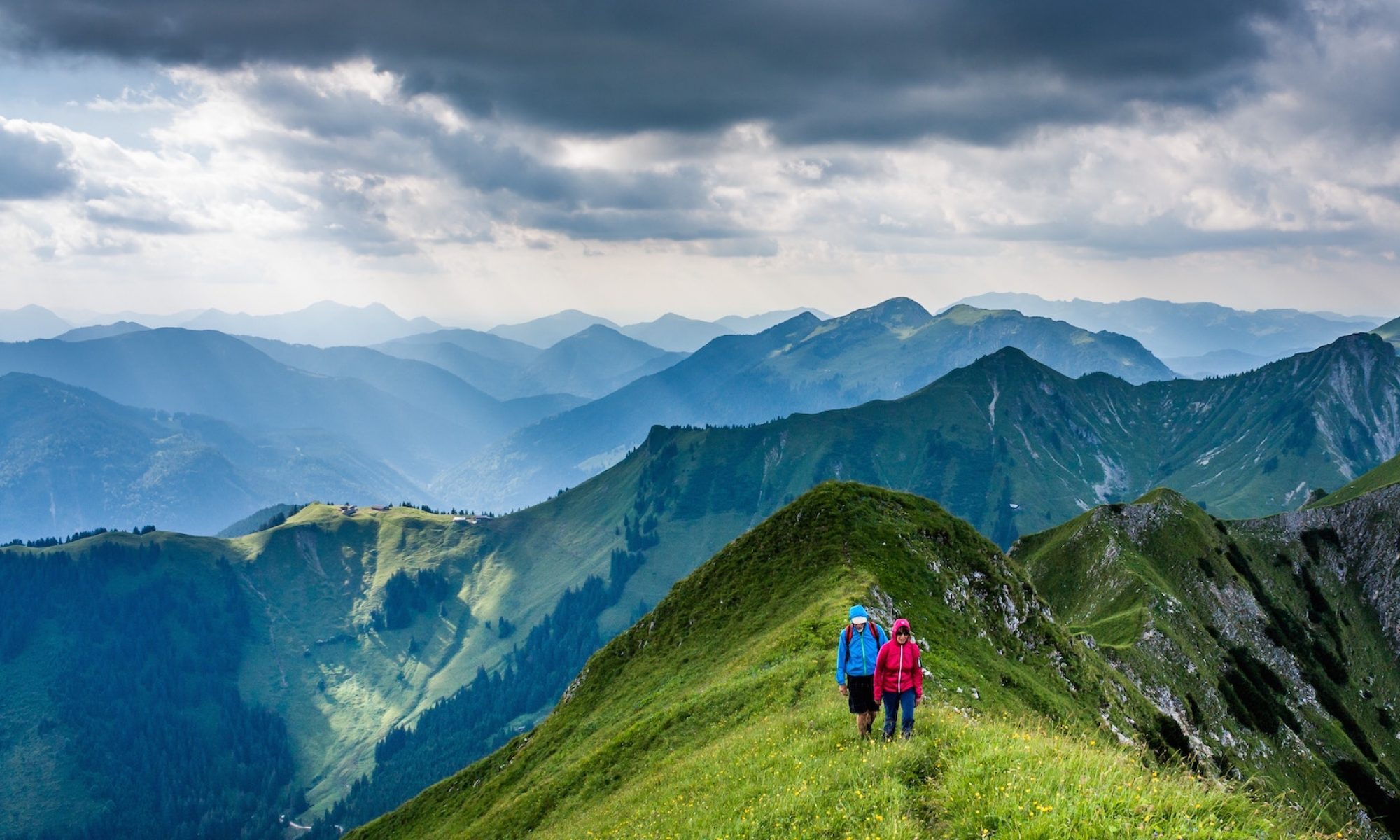


 Garth and Lee-Anne from GoVertical Mountaineering Adventures guide routes including:


