One of our top 10 hikes in the world, Annapurna in Nepal, has had some negative press in the media:
… It is a shame, then, that by 2012 a road will have been built on this path, destroying this experience and, according to many, placing the last nail in the coffin of what was once the greatest trek on earth. …
NY Times
hmm …
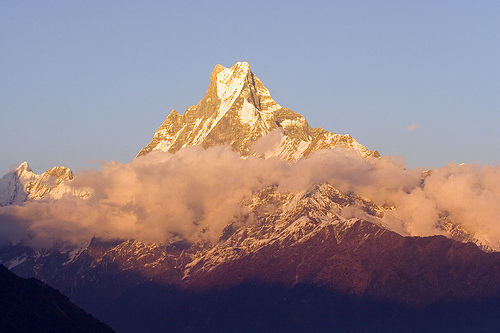
Are these reports of doom and gloom true?
Andrew Ostrowski sends us some notes from last year:
Oct 2010 when we hiked independently (no guides/porters, 10 kg pack plus water, total ~12 kg/person) the combined Circuit and Sanctuary trek in 21 days, hikers age 58 and 62 years old couple with average hiking experience in Canadian Rockies
electricity or back up system was available in all places, cell phones everywhere and carried by most guides/porters and others in case of emergency, expensive internet is readily available at almost all stops at Annapurna Circuit
padlocks and blankets were always provided
free medical high altitude clinic is daily offered at 3:00 PM in Manang in high season
there was no snow in the first week of Oct 2010 and temperature at Thorung La was around zero when we passed it around 11 AM
trekking independently is very easy, providing you do your homework/planning ahead of time
excellent maps are readily available everywhere, very difficult to get lost on the main trail, trails/lodges were busy
used cost effective UV light for water treatment every day with good results
you can take micro bus(Toyota/Nissan van) from Kathmandu bus station to Besisahar trail head (350 Rupees) and further down on the jeep (500 Rupees) if you wish
you can plan and see the whole trek on Google Earth, GPS tracks are easy to find on the web and plot on Google Earth and hundreds of pictures taken every 100 m are also shown
all gear (poles, back pack, jacket, sleeping bag) except hiking boots was rented in Kathmandu and is readily available from dozens of places, total cost for two person/23 days was 8320 Rupees($110) , all gear survived with no problems
daily cost on the trek for two persons (food + room) was 30 to 35 dollars, with no alcohol drinks, can be more if you order most expensive dishes/drinks
flying back 1/2 hr from Pokhara to Kathmandu is definitely worth ~$60 dollars ticket price vs seven hrs on the bus on busy and poor road
had no high altitude sickness problems, with acclimatization as recommended by guidebook only fatique/slow speed while passing Thorung La, we had to slow down and take 2 diamox pills each to speed up hike at critical ascent
overall great experience with no health or any other problems, lost few lbs
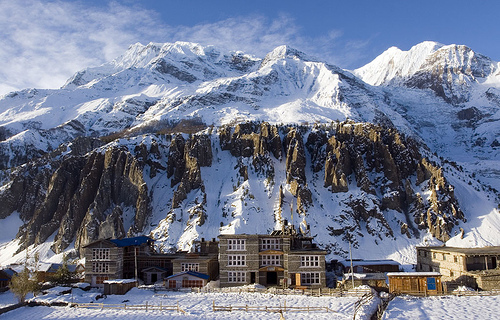
Rumours we’ve heard …
… Although people still circumvent the system, trekkers are now required to hire at least one Nepali staff member (a porter or guide) per group. …
… are not true.
Andrew never heard of any such regulation in 2010. They hiked independently. And they loved the adventure, independently.