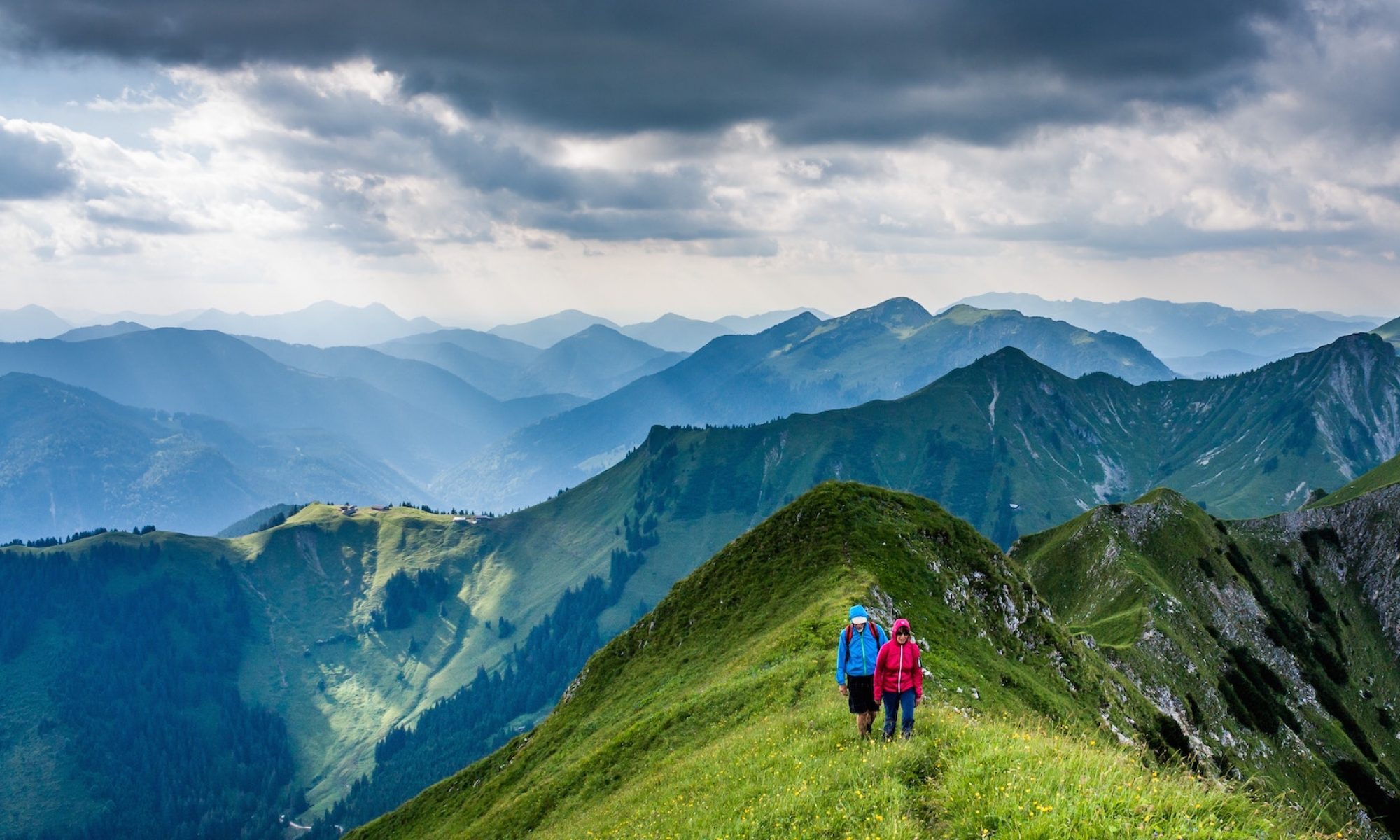
The English countryside, I would argue is the best in the world for walking and hiking.
With diverse scenery and terrain ranging from the magnificent sights of the Yorkshire Dales to the mountains and waterfalls of the Lake District, whether you’re after an adventurous hike up a mountain or a peaceful walk where you can take in some of the amazing sites, there’s something for everyone no matter what your time requirements of fitness levels.
With this in mind, I want to share with you 2 of my favourite UK walking holidays. So whether you’re after a full walking holiday, or a couple of days, please don your outdoor clothing and walking shoes and enjoy England!
1. Wainwright’s Coast to Coast – This is not an official walking trail, so not for the novice walker, but is one of the most beautiful walking holidays in the UK.
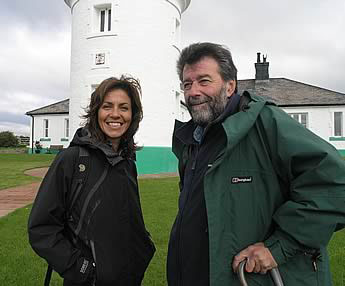 This walk starts in St. Bees on the Cumbria’s Western Coast and stretches across onto Robin Hoods Bay in the north of England, passing through three absolutely beautiful and picturesque national parks: The Lake District NP (pictured), The Yorkshire Dales NP and the North Moors NP.
This self guided walk which obtains its name from the well known travel writer, Alfren Wainwright, covers somewhere in the region of 200 miles of stunning and diverse terrain, which can be covered comfortably in 14 days – so you’ve got to be after a full walking holiday to attempt the whole of this walk.
There are also many alternative routes that are available if at two week walking trip is more than you are after in one go.
Most of the walking its self is not particularly demanding in this terrain, however, does have a few challenging areas along the way – all in all, the views and experience outweigh the effort by far. Normal hiking precautions should be taken, maps and compasses will be necessary along with good outdoor clothing and walking boots and a moderate level of fitness will be required. You’ll need to plan well before you go, to enable you to book suitable accommodation stops along the way.
More information can be obtained at: wainwright.org.uk/coasttocoast.html
_____
My second option is another one based in the North of England, sorry, I do live in the north so tend to go walking there more often, but there are many great places to hike in the south also.
The Cumbria Way – Starts off in Ulverston and cuts through Cumbria.
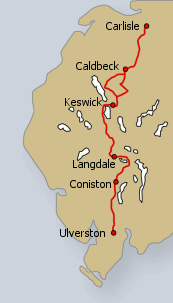 Passing through a lot of the Lake Districts most famous and spectacular scenery, so covers some of the same terrain as the previous walk, but is more manageable if you’re short of time. This walk is split up nicely into 5 manageable stages of approximately 14 miles each.
Some of the dramatic scenery you will encounter includes the famous beauty spot of Tarn Hows, the thunderous cascades of Slelwith Force, the delightful lake Elterwater and the extraordinary Langdale Pikes (pictured). Before ending in the historic Border city of Carlisle, you will walk along the valley to Derwentwater and pass through the quaint village of Caldbedk.
This walk can be comfortably completed in 7 days and requires a moderate level of fitness.
More information can be obtained at: thecumbriaway.info
Don’t hang about, get out your backpack, fill it with your favourite outdoor clothing, and walking shoes and head to the North of England for one or part of one of my favourite walks.
If you’ve read this post and you’ve got any special places you like for walking or hiking in the UK, please share.