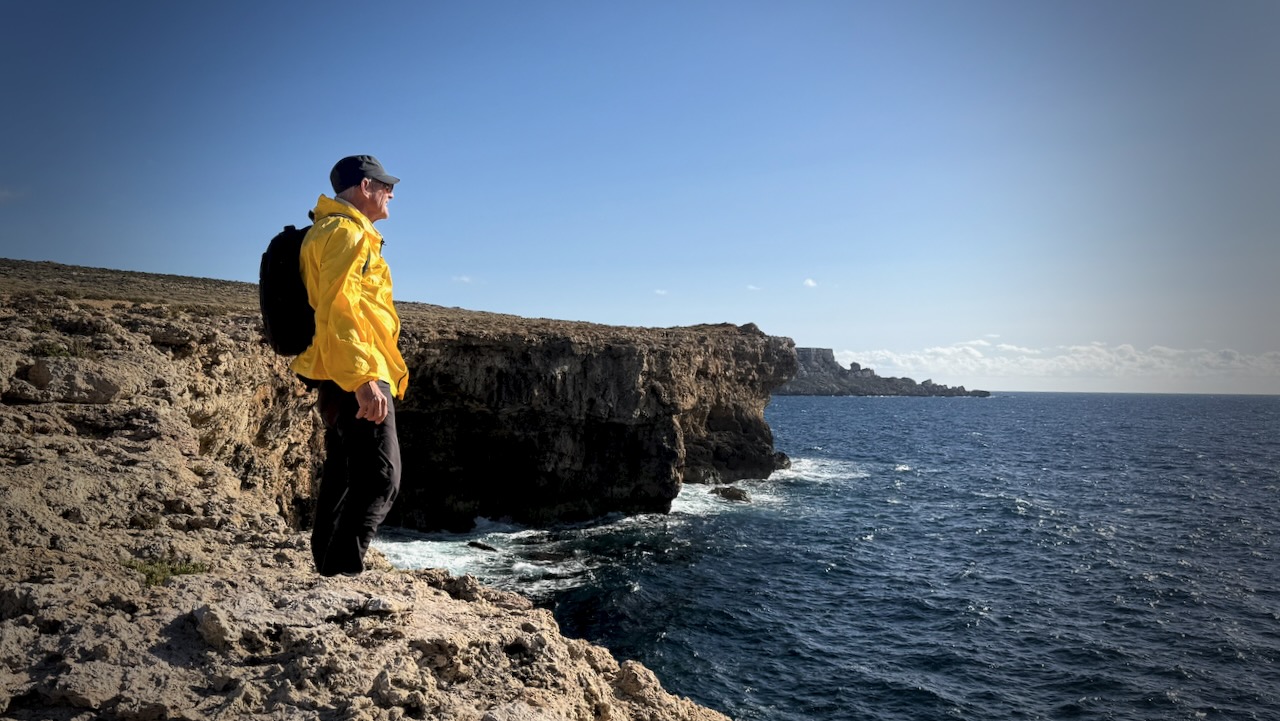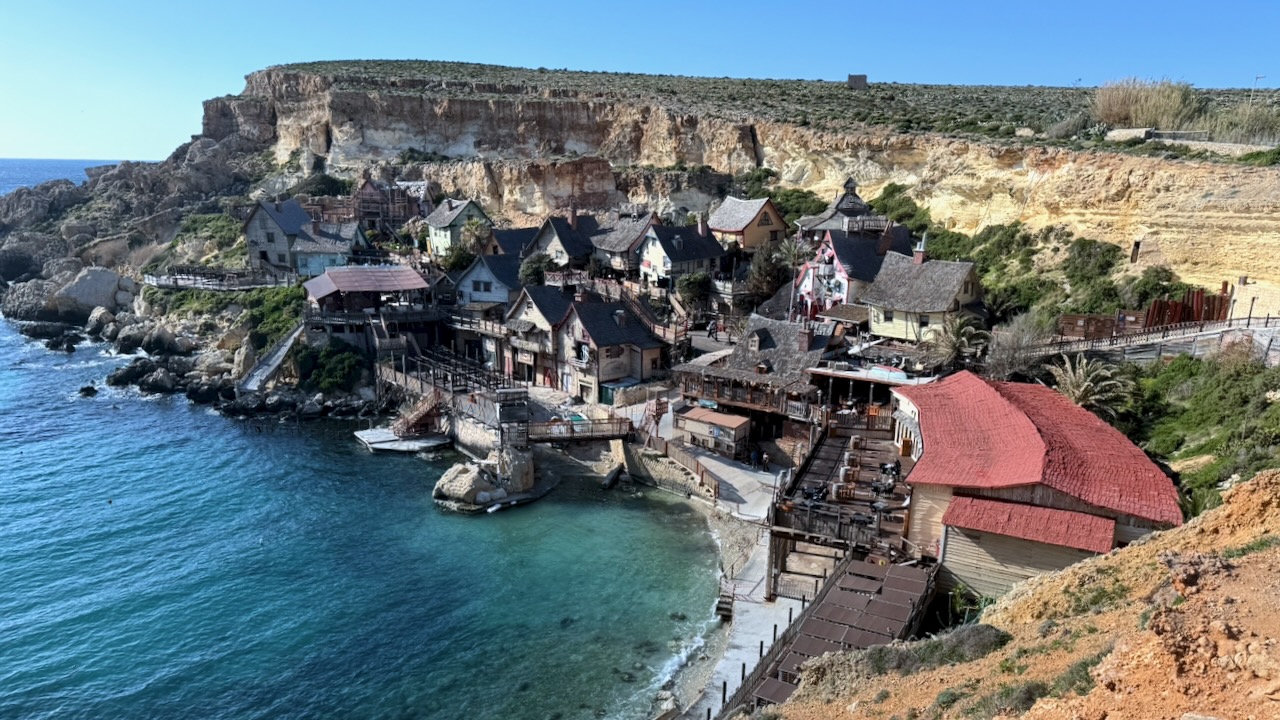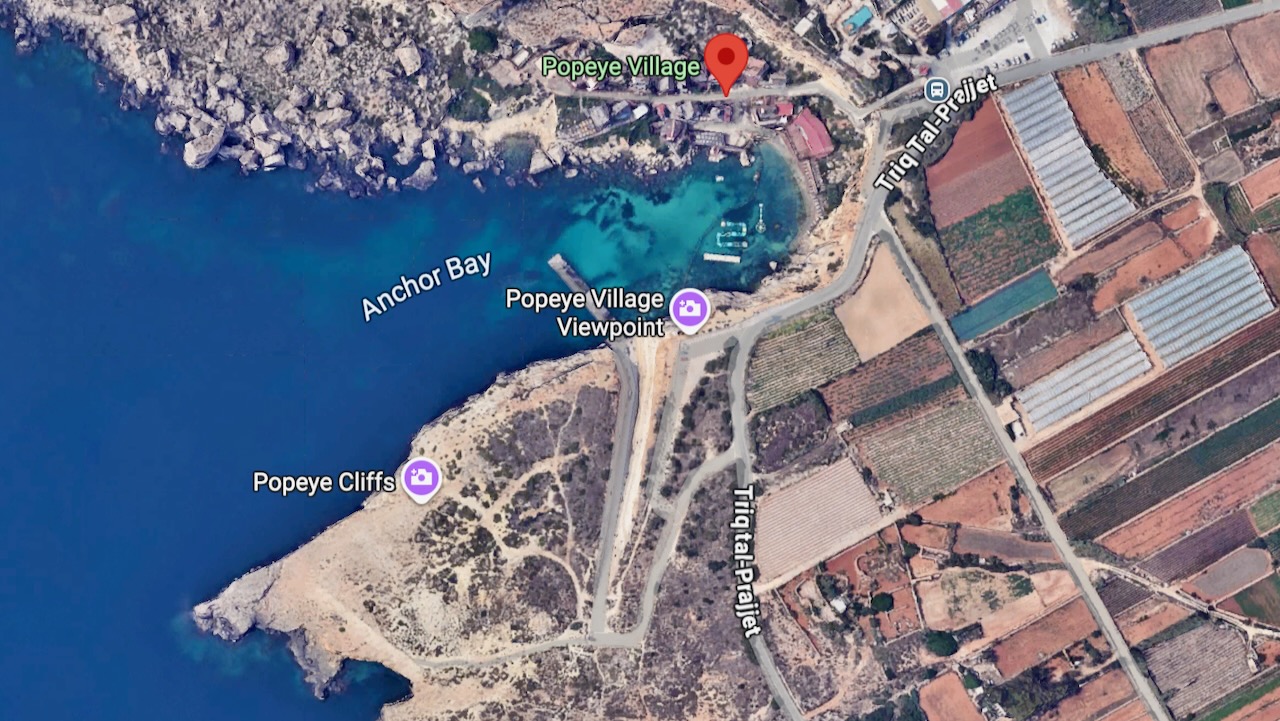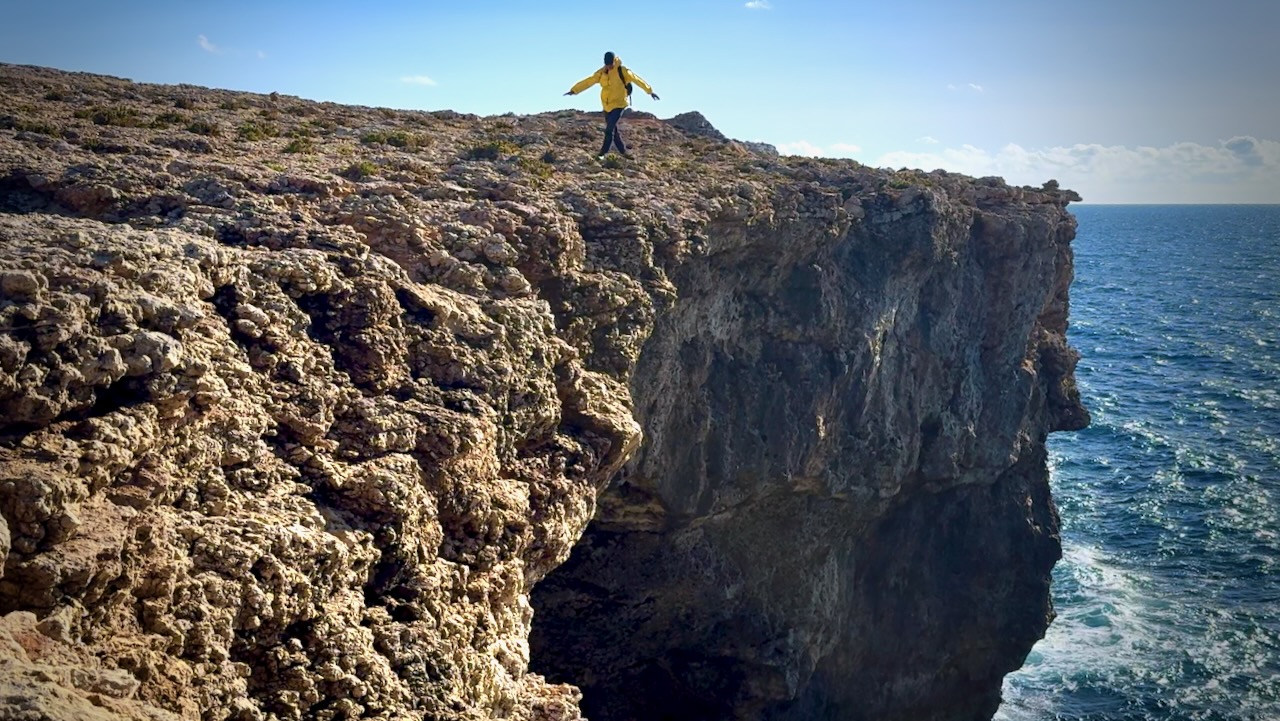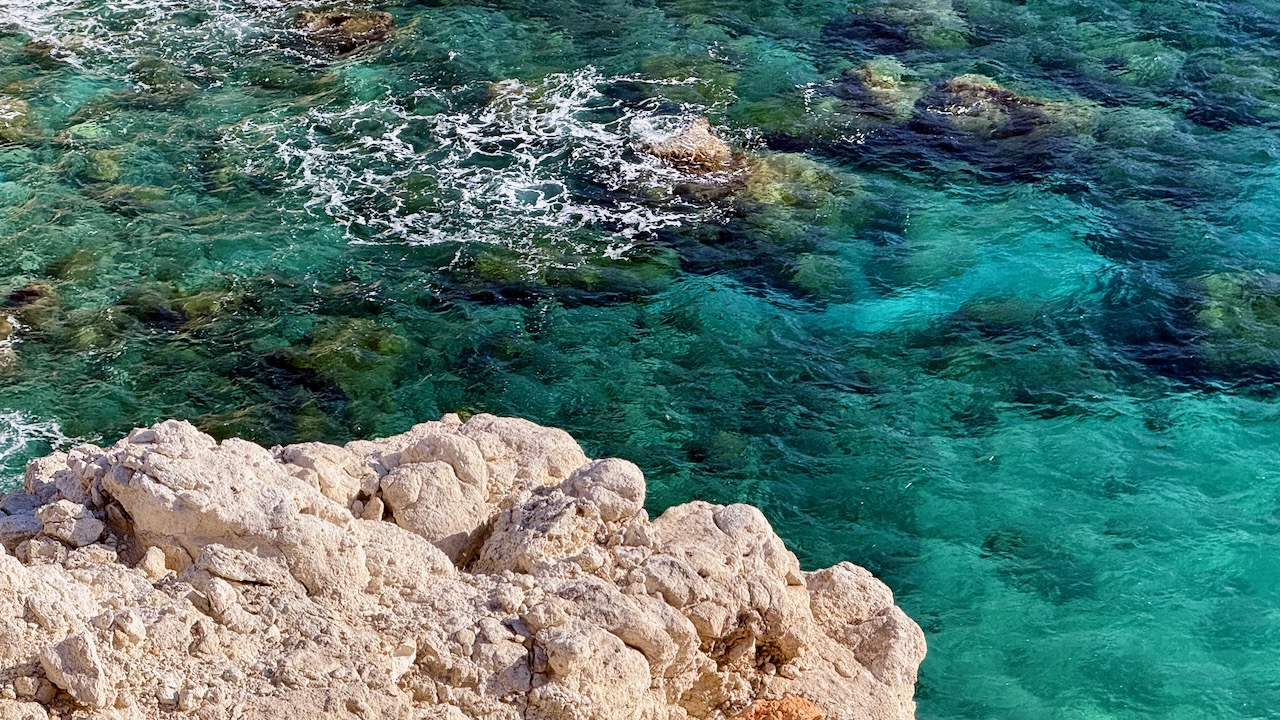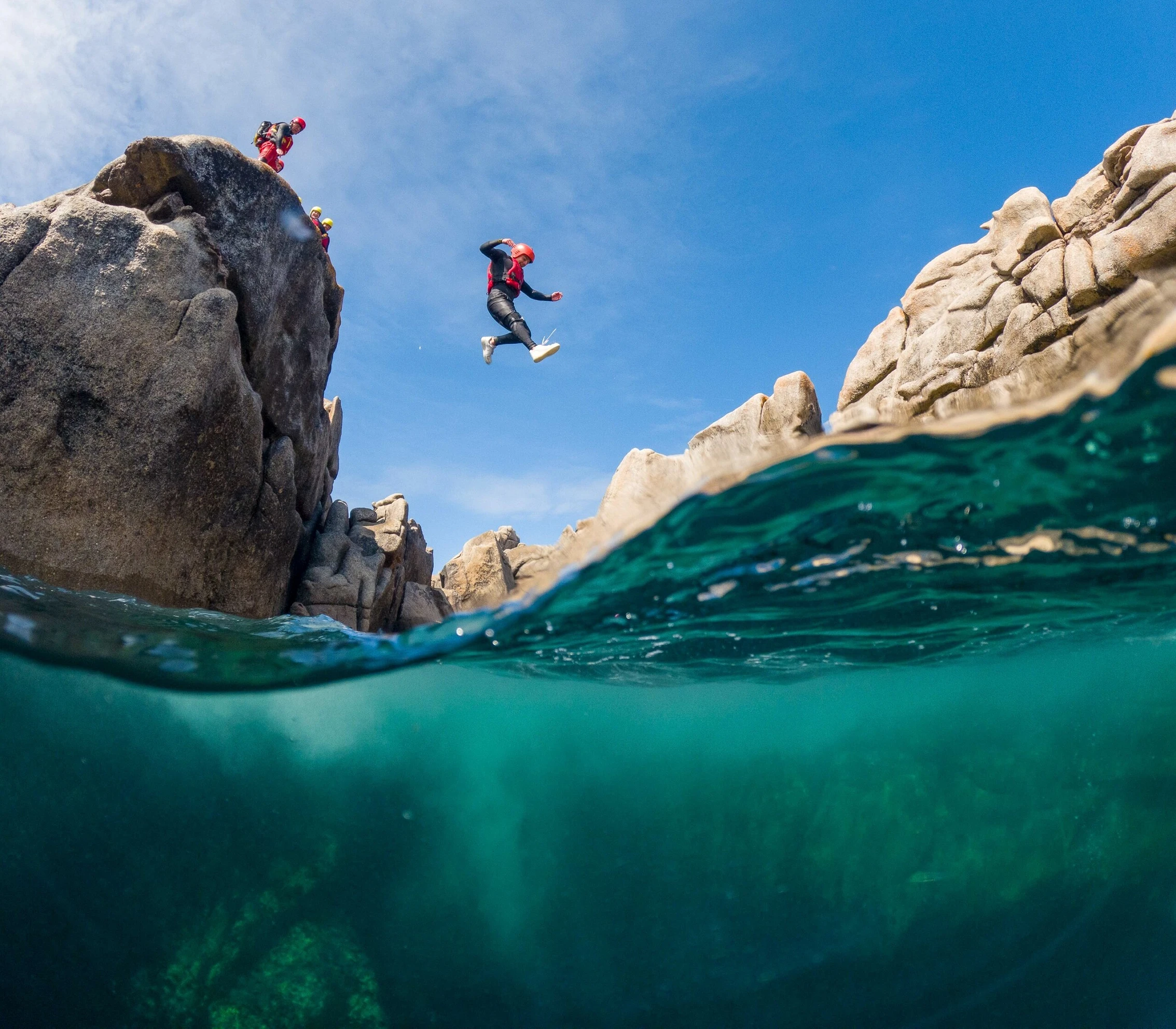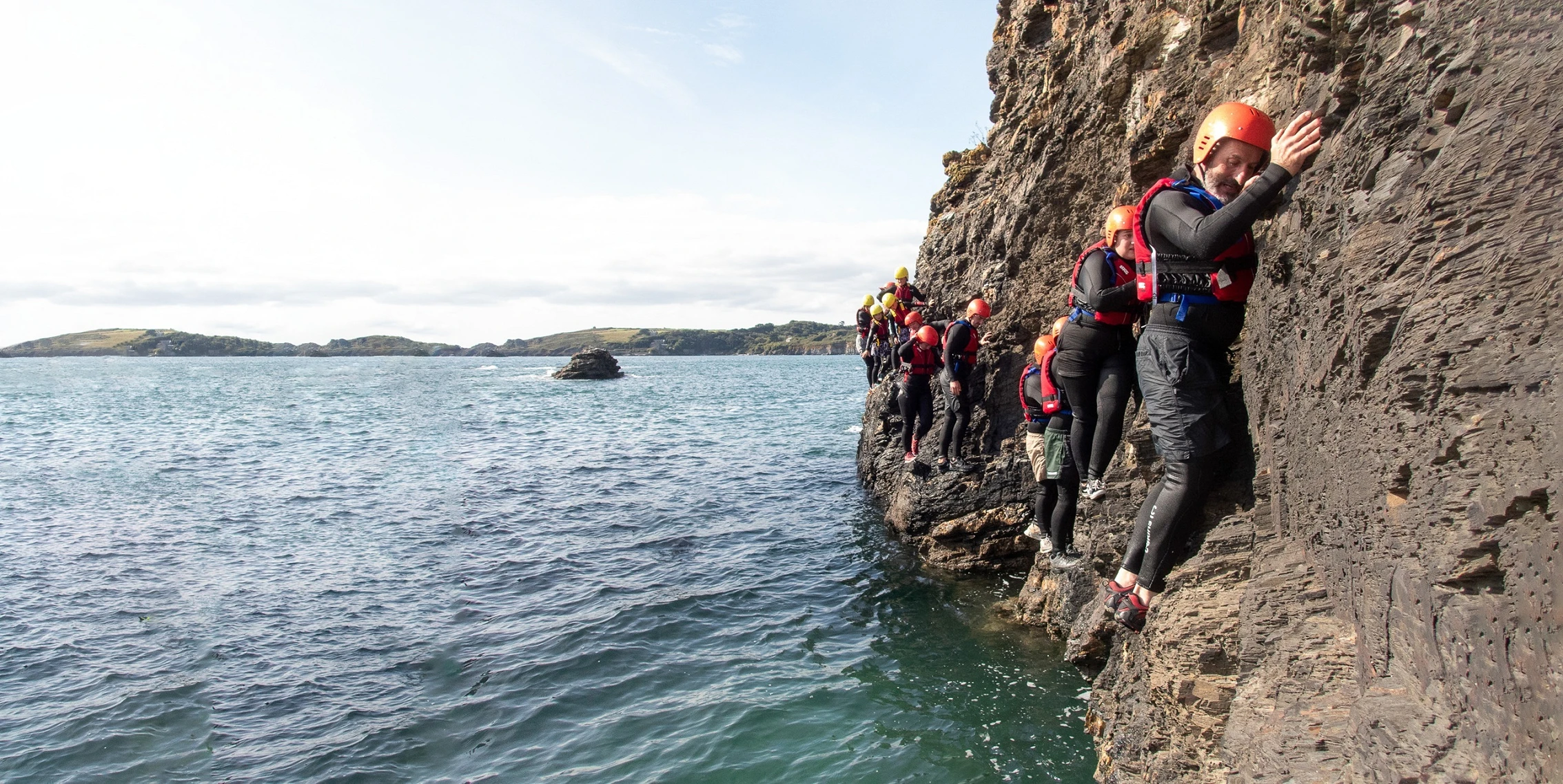

Coasteering is movement along the intertidal zone of a rocky coastline on foot or by swimming, without the aid of boats, surf boards or other craft.
Coasteering allows a person to move in the “impact zone” between a body of water and the coast where waves, tides, wind, rocks, cliffs, gullies, and caves come together.
The term was first used by Edward C Pyatt as the combination of the words “mountaineering” and “coast” and was adopted by Andy Middleton in Wales in 1985, who then made it a business idea. …
The rocky cliff coasts of western Britain provide the world’s principal location for organised guided coasteering, where it is available from over 100 activity centres. …
Coasteering may be included as one of the disciplines for a stage of an adventure race. …
Vowed to return to the beaches on the Cape Scott Trail. One day. The best part of the North Coast Trail.
In 2025 I waited for good weather. And headed back to this paradise.
The worst part of this adventure is the 60km drive in on a gravel road. Bring a good vehicle.
Highlights for many in this remote N.W. corner of Vancouver Island is wildlife. Especially bears and the quickly evolving coastal wolves.
The trail itself is super interesting. Plenty of boardwalk.
Some of the old growth trees were cut in the past. But there’s still plenty of fascinating greenery.
First stop is fantastic San Josef Bay (3-4km from the parking lot).
stunned at the magical scenery 😀
From there, I continued on to the biggest and best beach of all ➙ Nels Bight.
There are a couple of campsites on the way with platforms.
Continue to Nels if you have the time and energy.
This was close to where I camped in 2012.
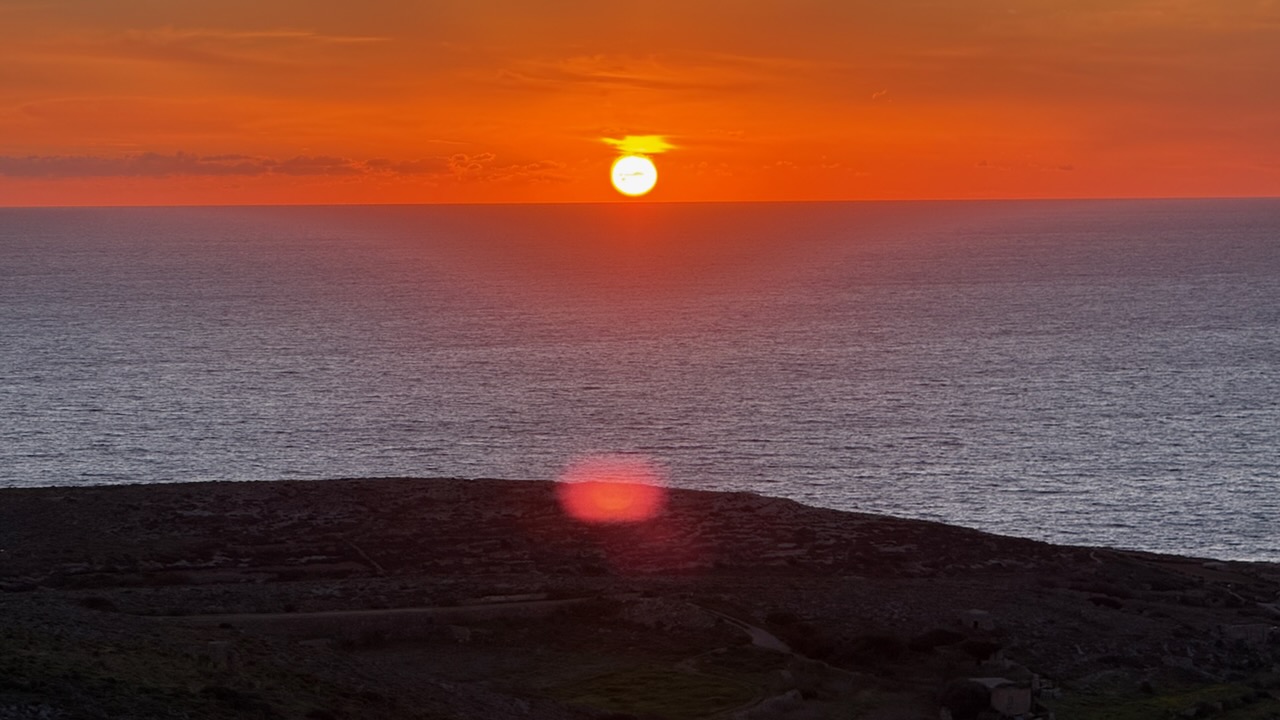
Sunset was fantastic on the west coast.
Here’s the view from my tent.
No photo editing.
Pit toilets are decent.
Be sure to lock up all your food on arrival as bear sightings are almost guaranteed. (I saw only 1 bear next morning. Unlucky. Everyone else saw more.)
Weather on awakening was far more typical. Overcast with fog.
It can be very muddy. Bring good footwear.
On the return to the parking lot, I stopped to read signboards and visit the historical sites.
From 1896-1907 approximately 100 Danish settlers attempted to establish a self-governing farming and fishing community. It was extremely difficult.
A 7-foot-high dyke built to protect these flatlands was wiped out the 1st year.
Later, the government offered incentives to all. By 1912 more than 600 people were homesteading in the Cape Scott area. By 1917 most of the settlers had left the area, leaving behind whatever they could not easily pack out, including farm tools, buildings, stoves, machinery, and vehicles.
Walking out seemed to go more quickly than walking in. That often happens to me on out and back hikes.
Always a pleasure to hike temperate rain forest.
I do hope I get back to the beaches at least once more in this lifetime. 😀
2025
2012
Surprisingly, I saw not one wolf in two days. I’d seen plenty in 2012.
Saysutshun (Newcastle Island Marine) Park is a family friendly adventure, accessible only by foot passenger ferry or your own boat from Nanaimo, British Columbia, Canada.
I put my bike on an intercity bus. Then rode the fantastic Nanaimo bike trails to get to the ferry.
It’s a quick, scenic trip over to Saysutshun.
Many simply kayak over to the island. It’s quite protected and safe.
I believe it’s obligatory 😀 to take a photo at the first totem pole.
There are a number of trails to explore on foot and (some) on bike. I did both.
Most day trippers spend about 2 hours walking the trails.
With frequent stops for photos.
Surprisingly, coal was mined here 1853 – 1882. Hence the name, Newcastle.
The rocky shelf is perfect for exploration.
Most fun for me was exploring some of the boat wrecks at low tide.
As you can see 😀, I pushed this one boat back into the ocean.
You are almost certain to see some of the Nanaimo ferries.
Sandstone quarrying began on Newcastle Island 1869. There is plenty of evidence of that stonework, even today.
Happily, you can still see some huge old growth trees.
I saw many deer. A few rabbits. None of the worrisome racoons.
For the first time at Saysutshun, I camped one night.
18 walk-in campsites are located in a quiet forested area a mere 5-minute walk from the docks.
Five group campsites are also available that can accommodate up to 50 guests.
Potable water is available along with flush and pit toilets, hot showers, and food lockers to protect your rations from local raccoons!
With no cars allowed on the island, the quiet is serene, with nothing but the sound of the ocean, birds and wind in the trees. And with no bears or cougars on the island, there is little worry of any alarming wildlife encounters.
Sites are available on a first-come first-served basis, but reservations are highly recommended.
We love Australia. Who doesn’t? What’s not to like? It’s paradise Down Under.
What an exotic treat to have kangaroos and wallabies hanging about your campsite!
A.I. generated image
“Stunning rocky headlands and perfect beaches, lush rainforests, sun-sharpened deserts and the muted beauty of the bush waking to the trail in Australia offers a kaleidoscope of colours, terrains and adventures for walkers of all levels.” – LP
You have such a wealth of choices: the Blue Mountains (NSW), Whitsunday Islands (QLD), dense subtropical rainforest in Lamington National Park (QLD), Larapinta Trail (NT) out of Alice Springs, wild Kakadu National Park (NT), the rugged Cape-to-Cape (WA) or pretty Wine Glass Bay in Freycinet National Park (TAS).