Eric is one of the top hiking YouTubers. One of the reasons I signed up instantly when he posted this trip is for the superb video documentation.
Before you sign up for Kili, watch his 43 minute documentary in 4K.
Sure Kili is one of the easiest trekking peaks close to 6000m — but it ain’t easy.
This guided trek on the highest mountain in Africa is as good as it gets. Eric worked with Zara Tours, the biggest outfitter on the mountain. TrovaTrip handled logistics.
BUT climbing one of the many alternatives might be better and far less expensive.
Eibhlis Gale-Coleman lays out some of the options:
Mount Kenya
Mount Meru, Tanzania
Mount Ololokwe, Kenya
Mount Ras Dashen, Ethiopia
Mount Ngaliema (Mount Stanley), Uganda
Oldoinyo Lesatima (Mount Satima), Kenya
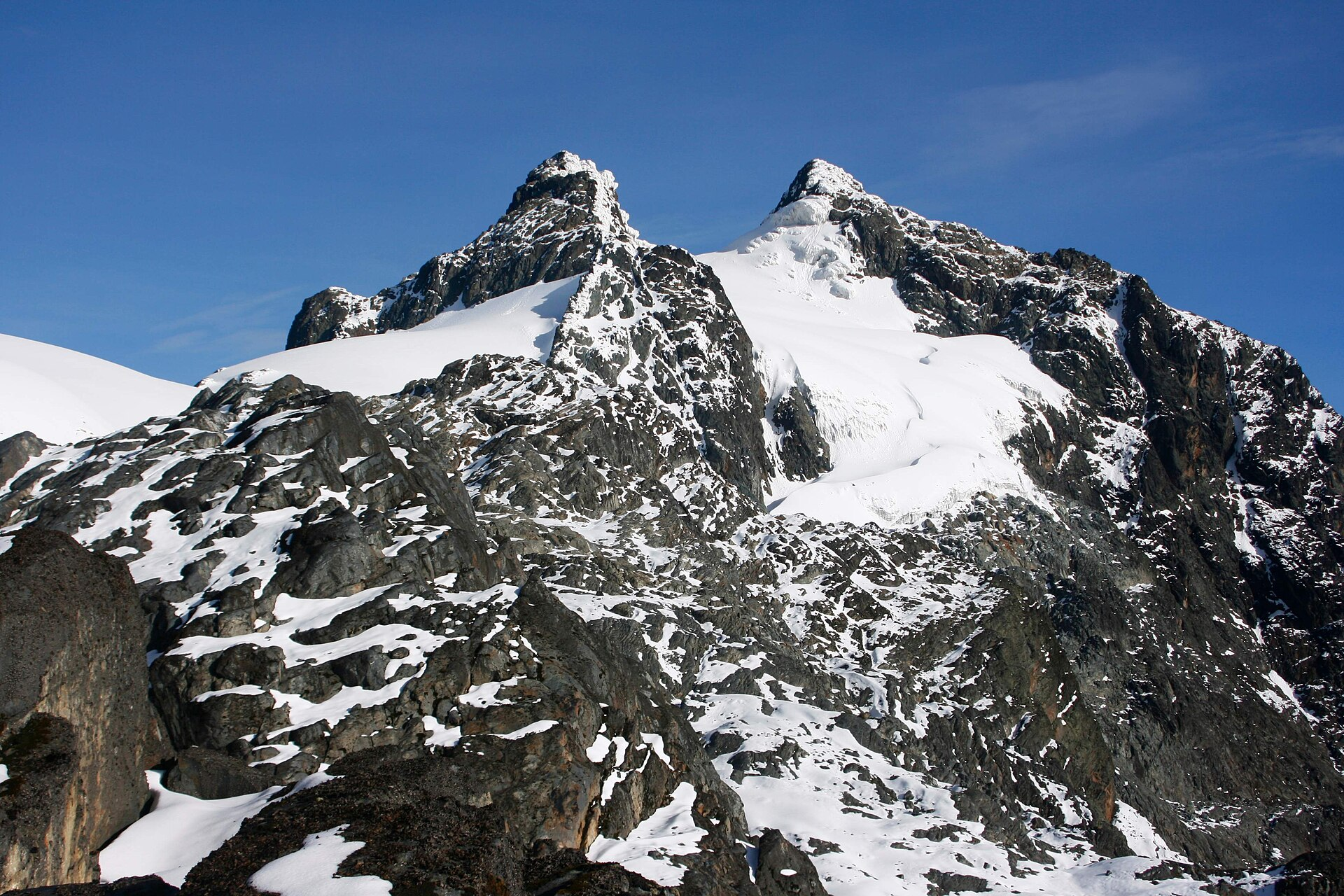
Mount Ngaliema is no mean feat. Perched in the Rwenzori Mountains National Park, it stands at 16,761 feet (5,109 meters), and is the third-highest peak in Africa. The terrain begins in rainforest and ends with a glacier traverse that necessitates crampons: Arrive expecting a pole-assisted trudge, and you’ll be overwhelmed. …
Kraig Adams calls this adventure perhaps the hardest and longest hike of his life.
It’s high on my own life list. Cost and logistics are challenging.
By coincidence, I met guide Ian Taylor, the both of us finishing Kilimanjaro on the same day. I talked to him about possibly signing up for one of his K2 & Gondogoro La adventures in 2027.
We had 22 hikers. 18 of us made both summits. That’s about typical for the Machame Route. It went well for me. My 3 weeks training & acclimatizing in Ecuador prior to this trip was a good idea.
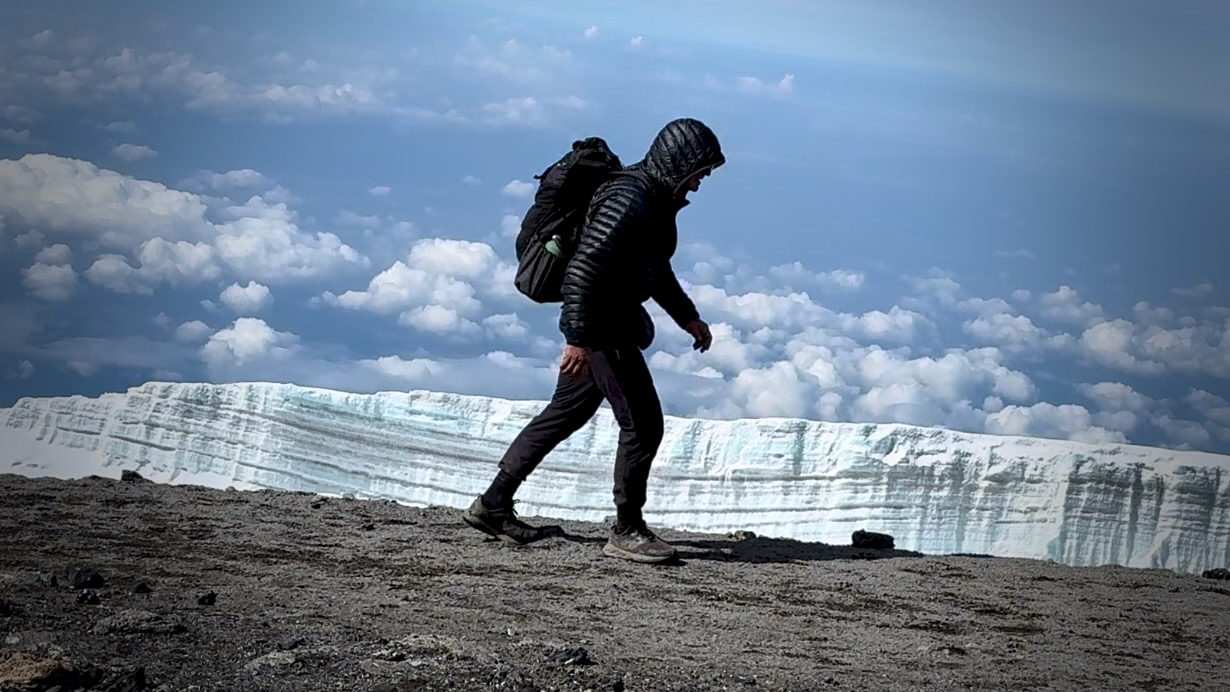
Kili Summit Ridge
Age & fitness matter much less than the ability to acclimatize to altitude.
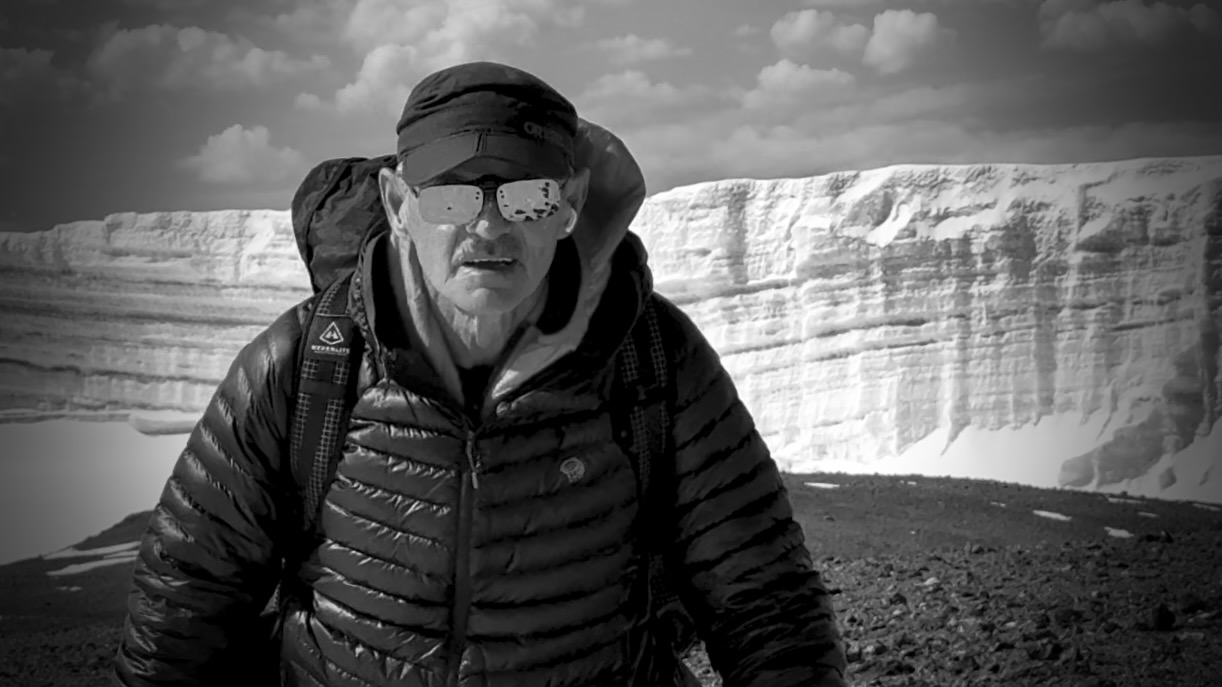
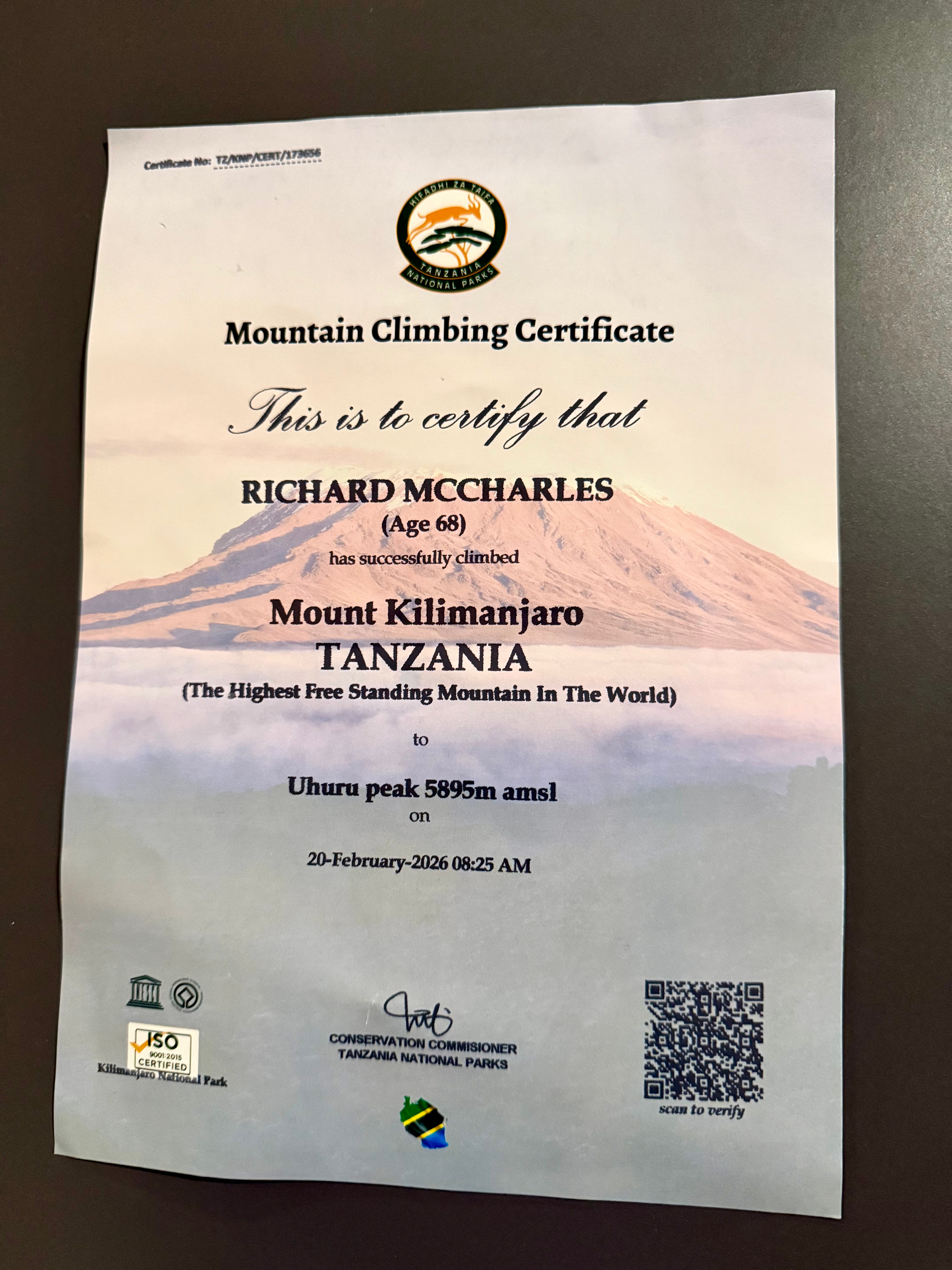
It took me 68-years to finally get to Kilimanjaro. The eldest my African guide got to the summit was 79.
We had another in our group age-66.
Truly impressive is one of our assistant guides who’s been to the summit over 200 times over 31 years. He’s age 64.
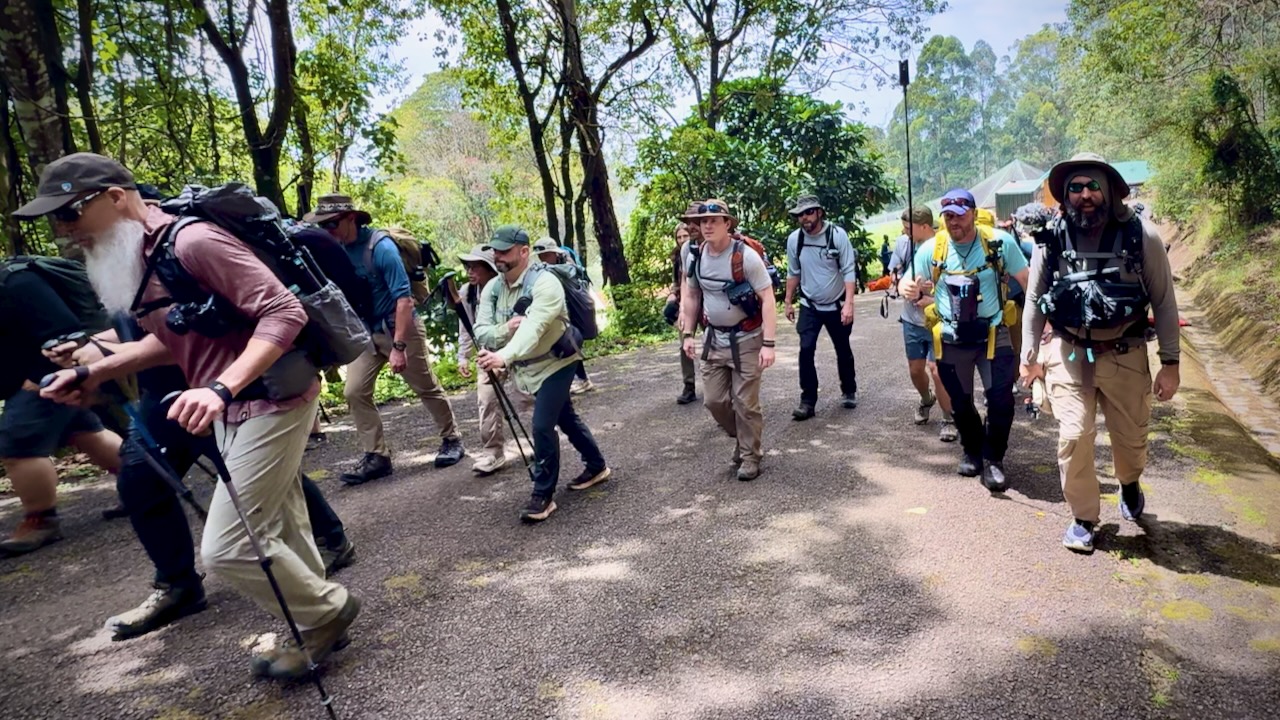
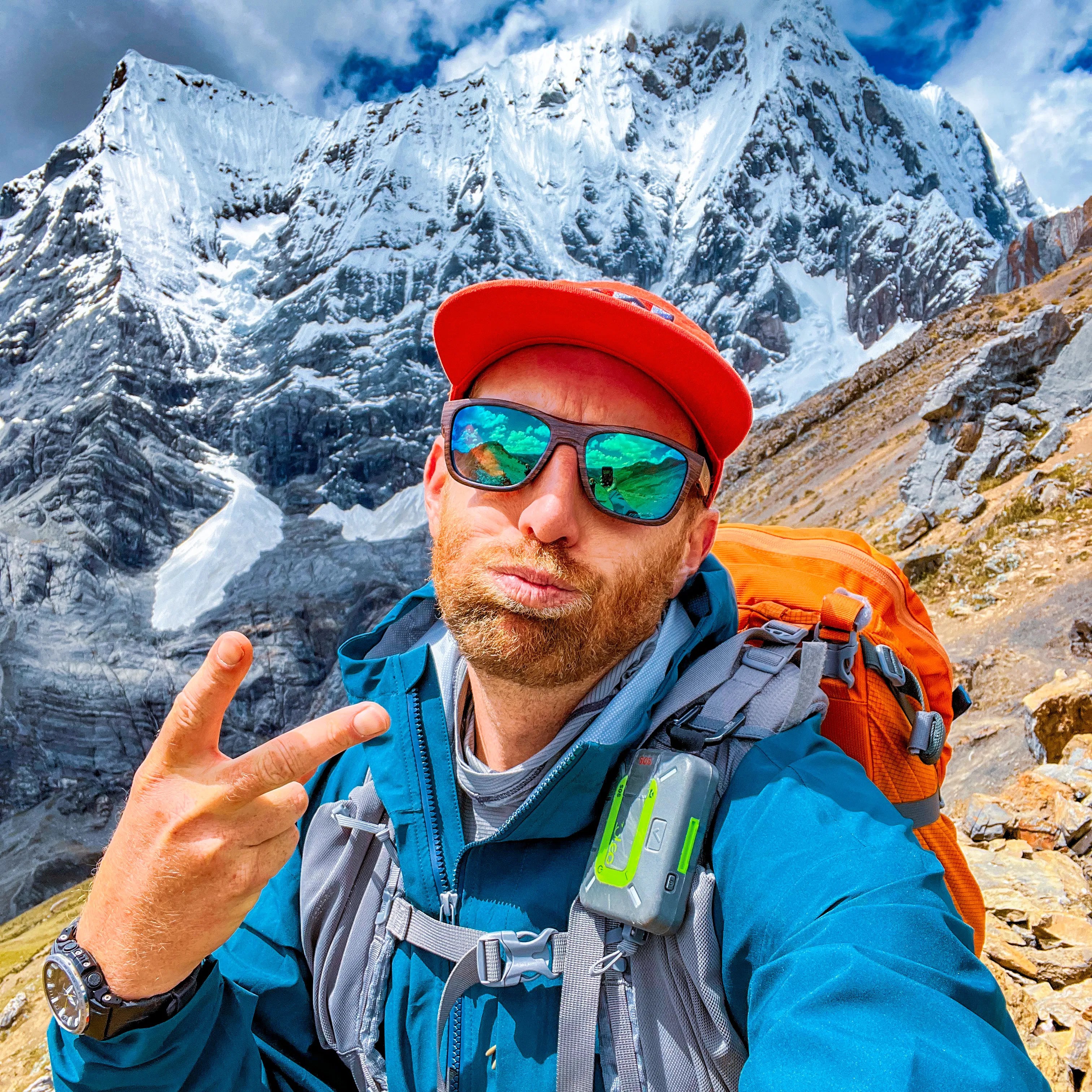
Here we are — clean & keen — at the start of the 7 day adventure.
In fact, it was a party from the start as many who had hiked with Eric in the past joined for Kili. I was simply an addition to a large group, many who knew one another. This is a very social adventure ➙ shared suffering.
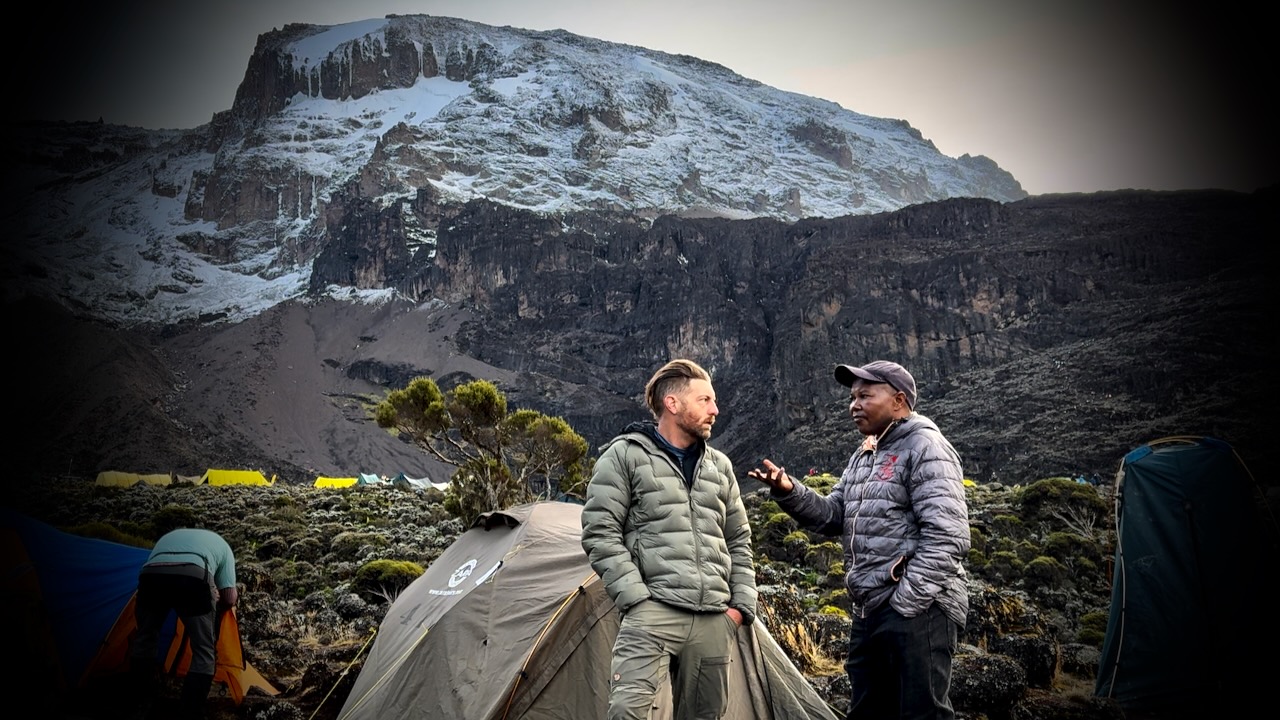
Eric was our American guide. Freddy our African guide. Both responsible for keeping us safe. It was these two who’d make the decision whether or not you were healthy enough to keep climbing.
Those who decided to go down were unable to acclimatize quickly enough. We had daily blood oxygen tests.
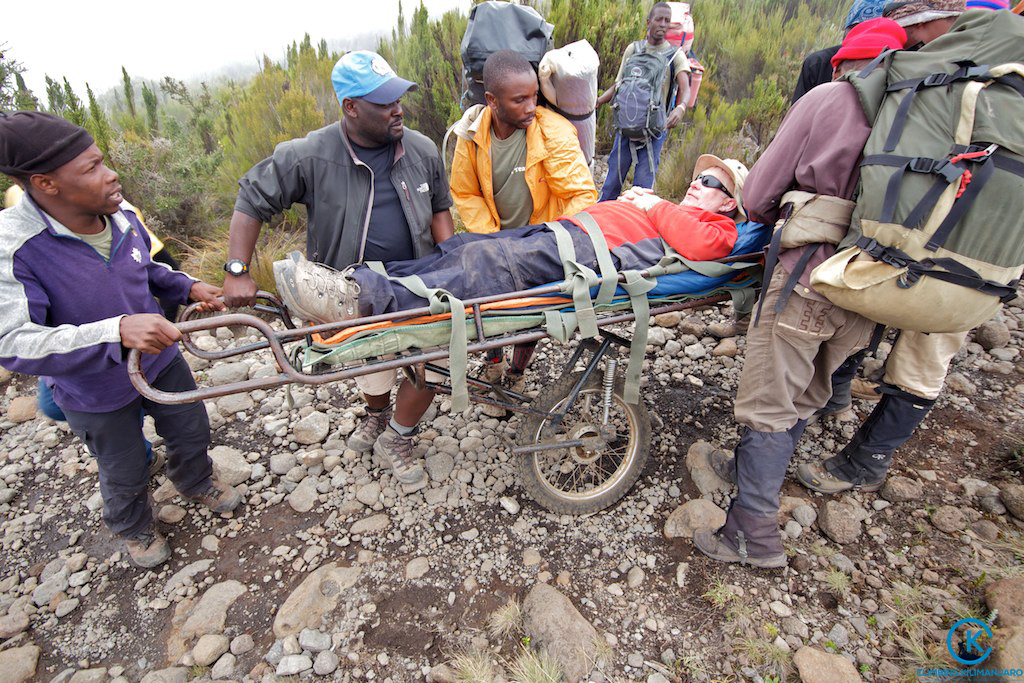
Three decided to walk out. One took a helicopter, hoping she will recoup the $4100 cost through insurance.
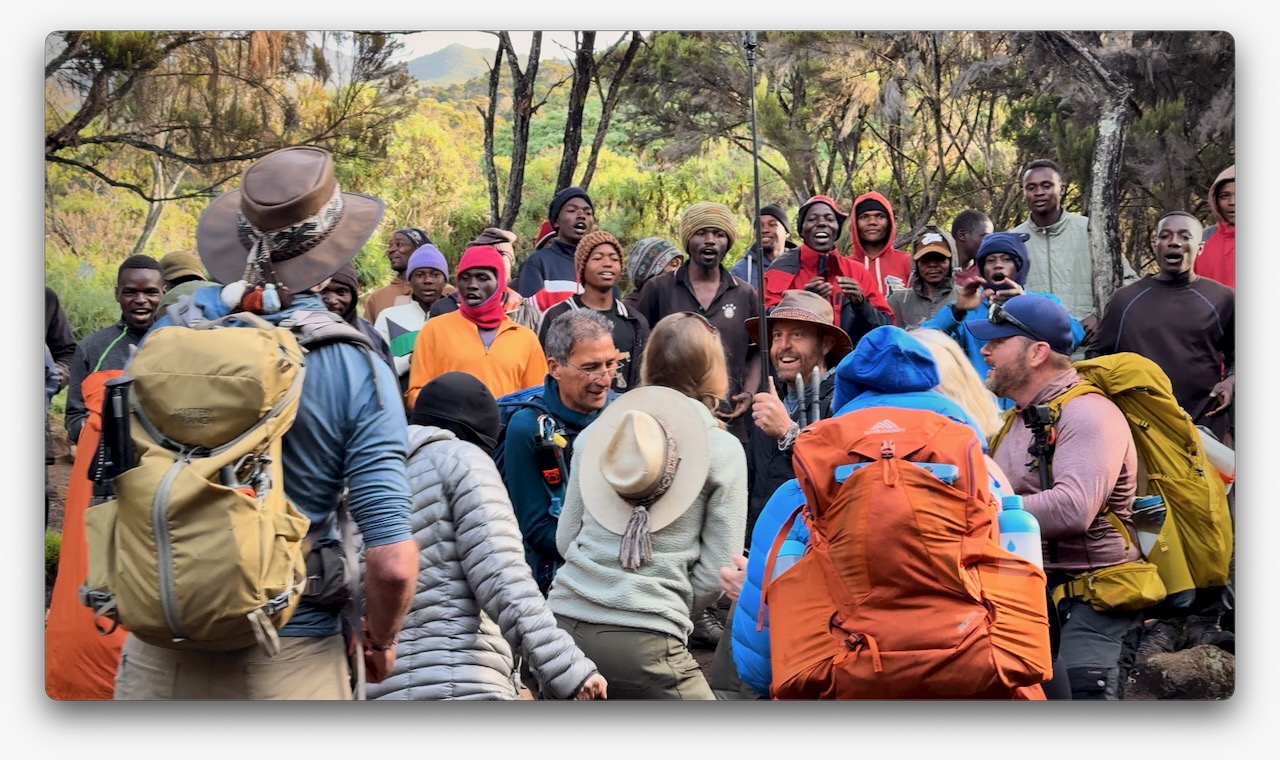
New to me on a trail was the singing and dancing. Non-stop. To the top.
Oddly, all 7 days we had the same weather. Some sort of micro-climate.
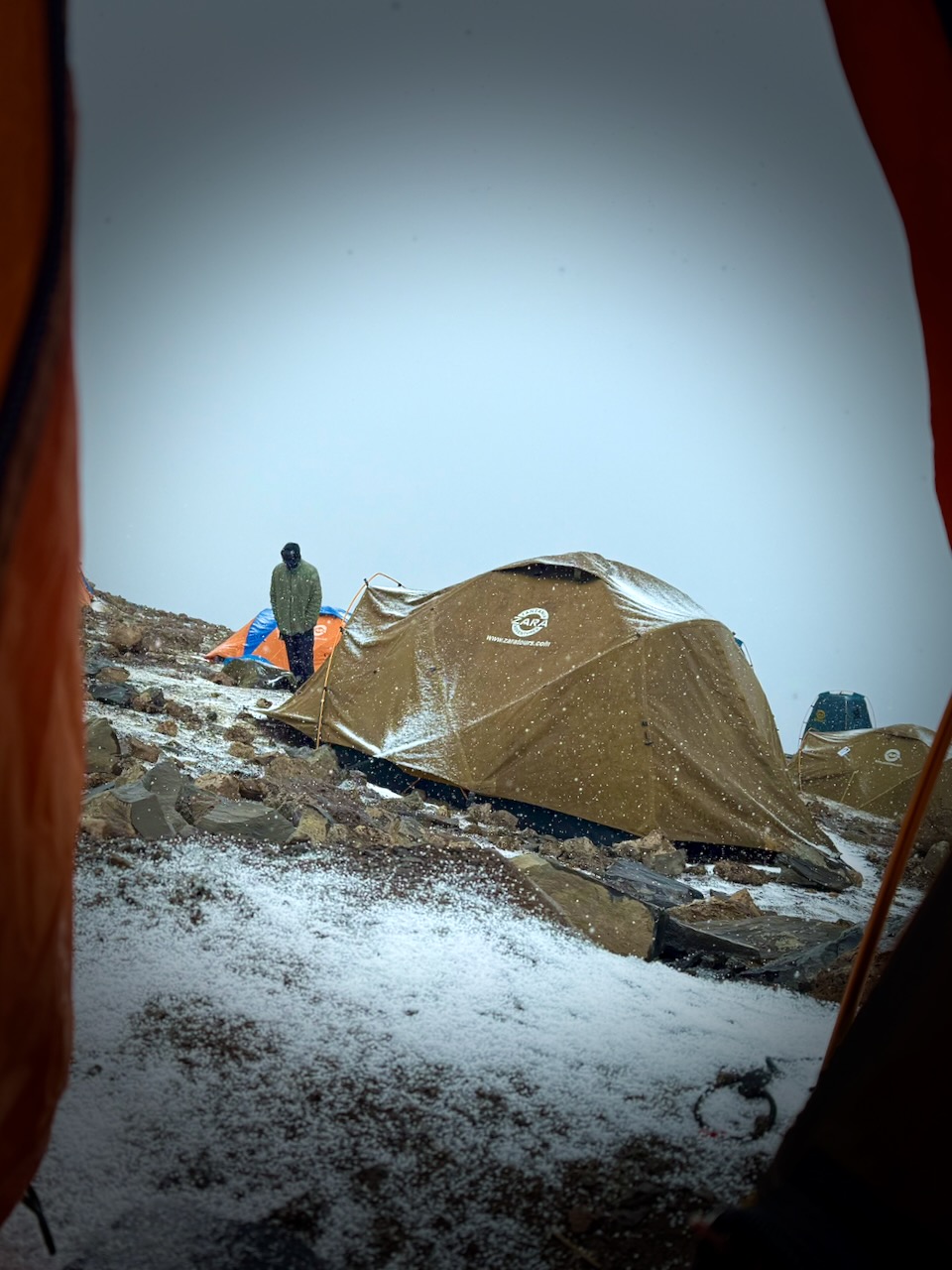
Morning clear. Sunny to start the hiking day. Snow, sleet, and hail in the early afternoon. Clearing by dinner time. Clear skies at night. Kili summit clear at dawn.
We added and removed layers non-stop during the day.
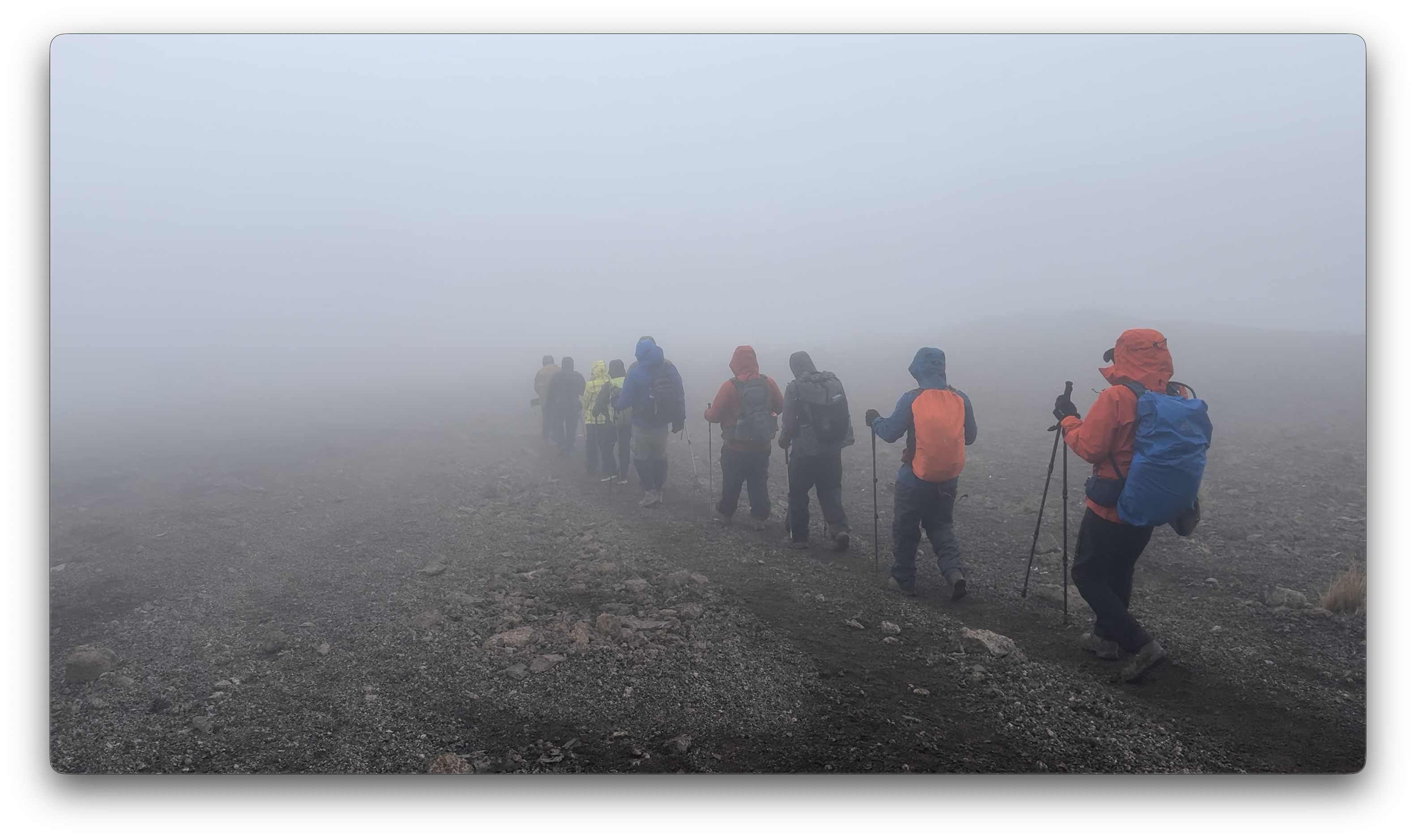
Each day we spent some time hiking through clouds.
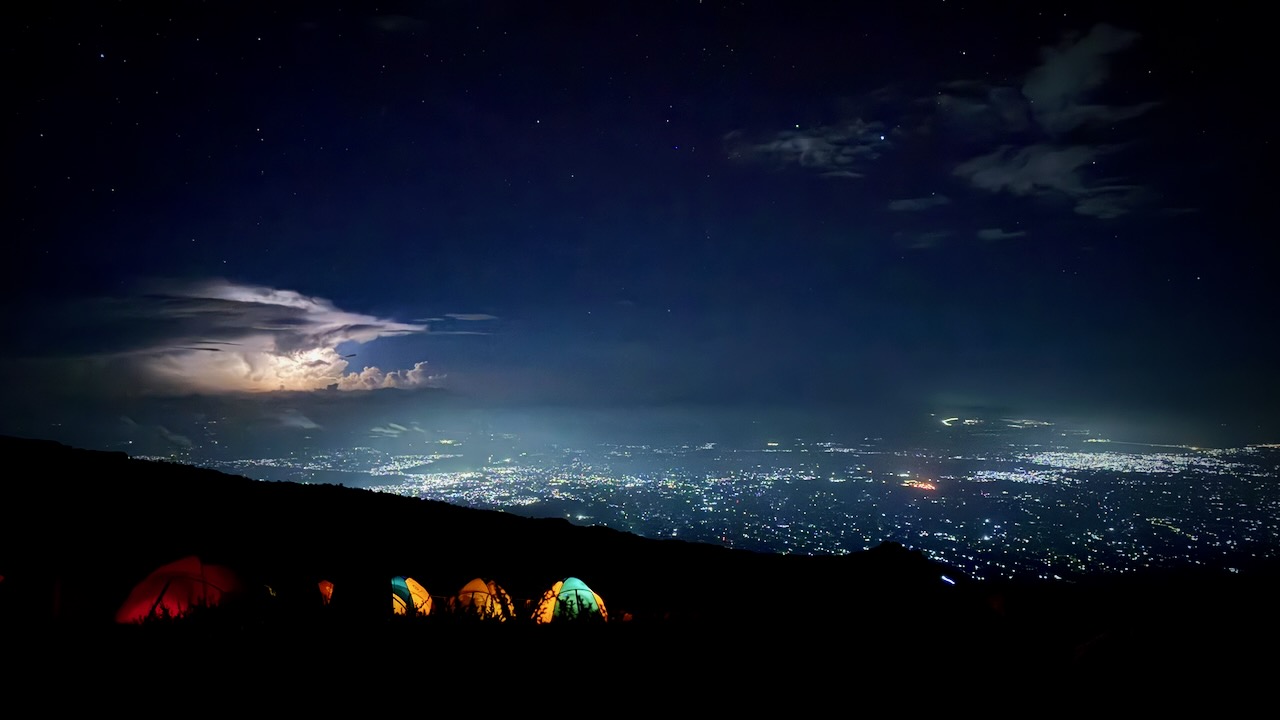
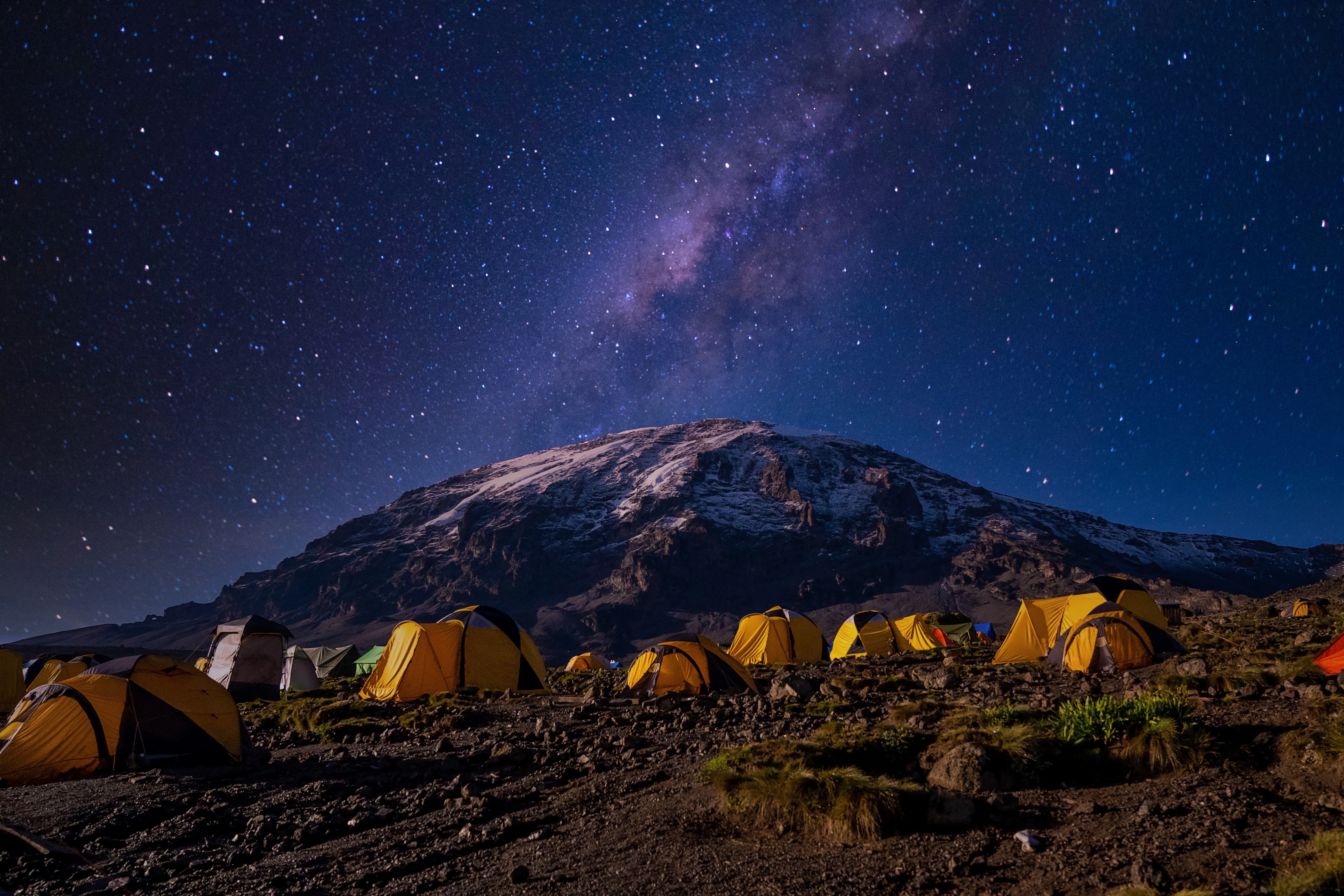
We mostly had clear skies at night. The iPhone 16 Pro is terrific at night photography on a tripod.
I’d paid a little extra to have a tent to myself. It was fairly comfortable — though many of our tent sites were far from level. 😀
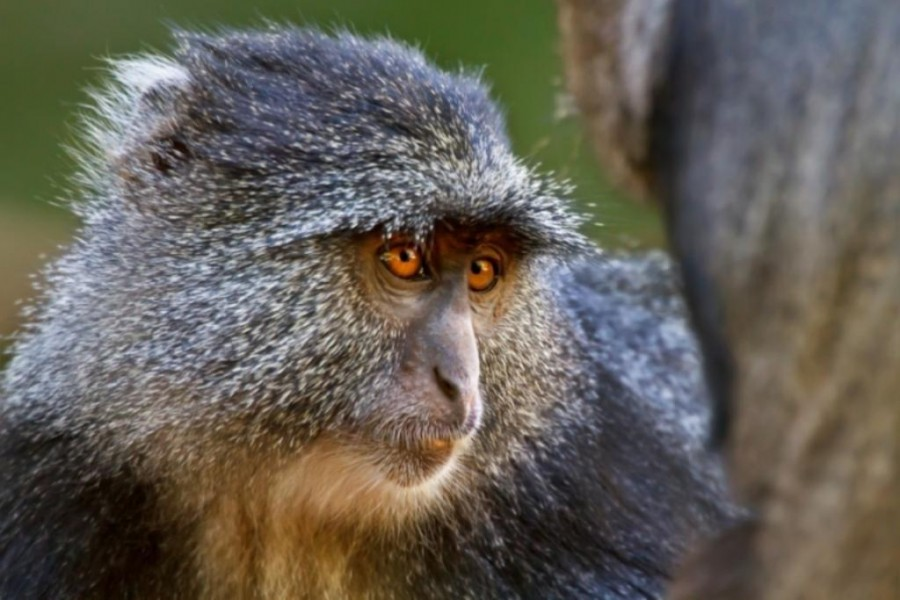
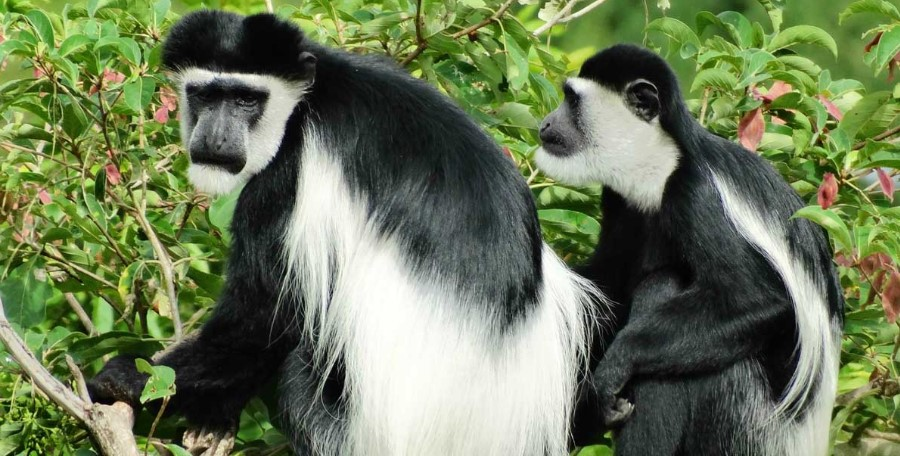
We were happy to see two kinds of monkeys. But both were at lower slopes, close to the start and finishing gates.
Blue Monkey.Black-and-white Colobus.
Baboons and velvet monkeys have been spotted, but rarely.
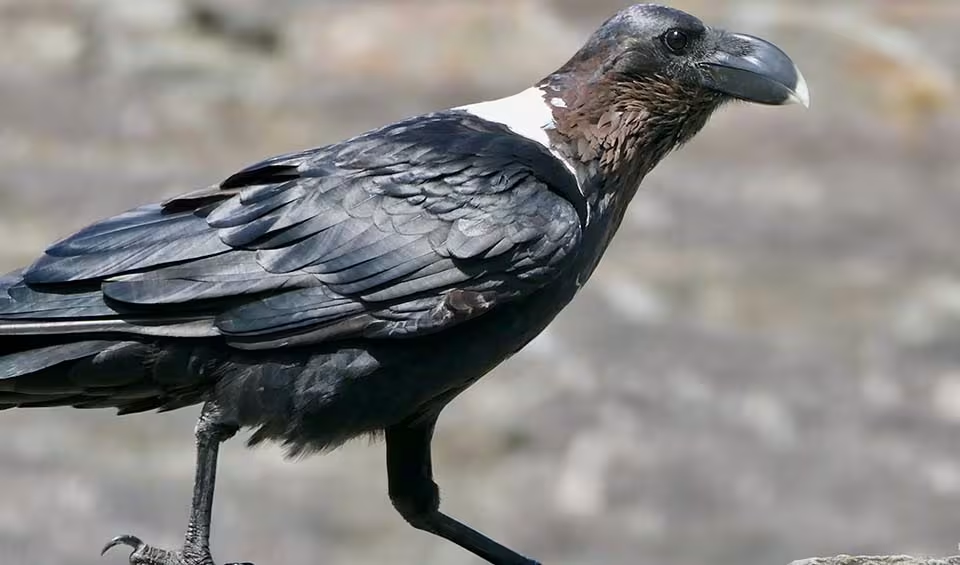
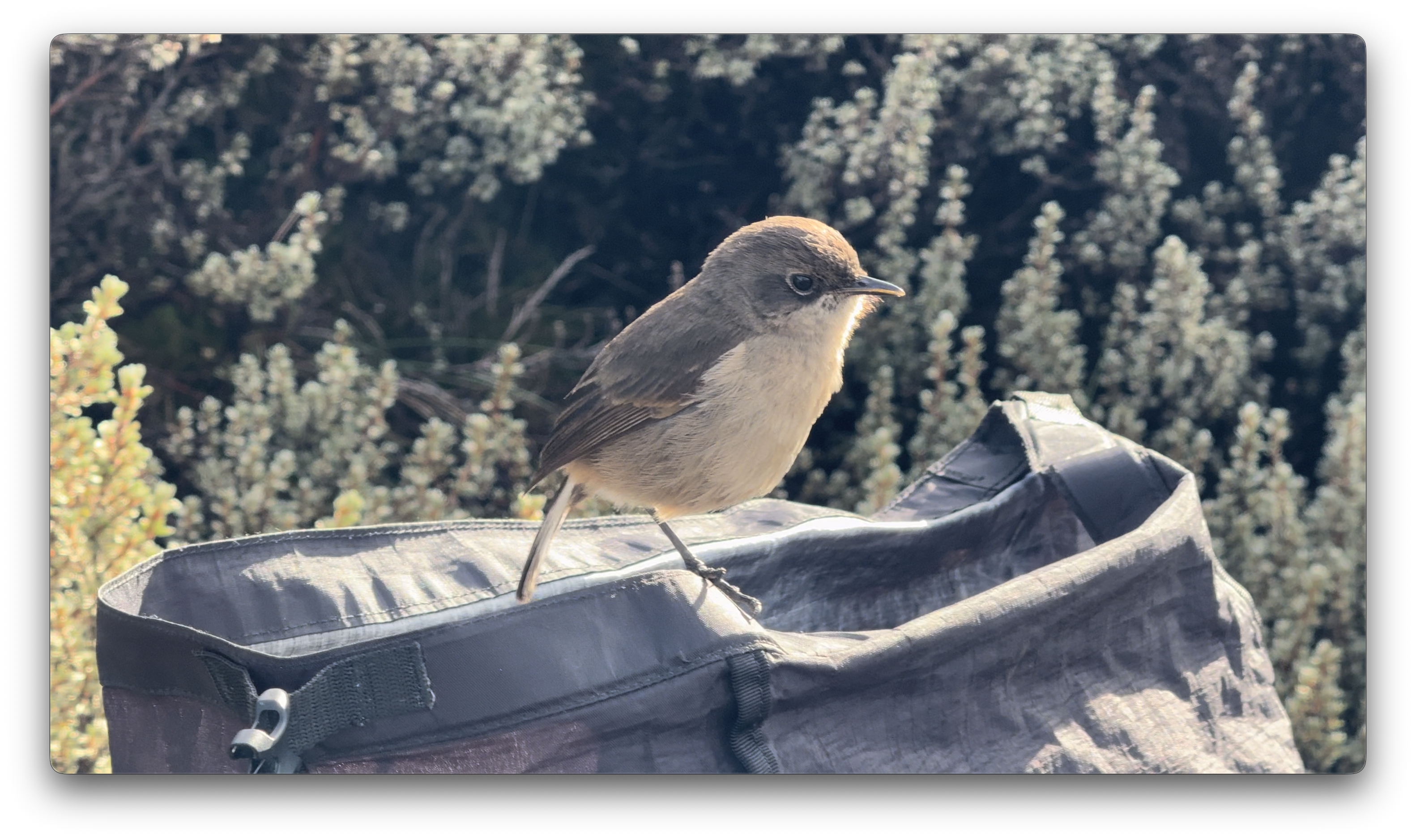
This bird took a dump in my backpack. 😀
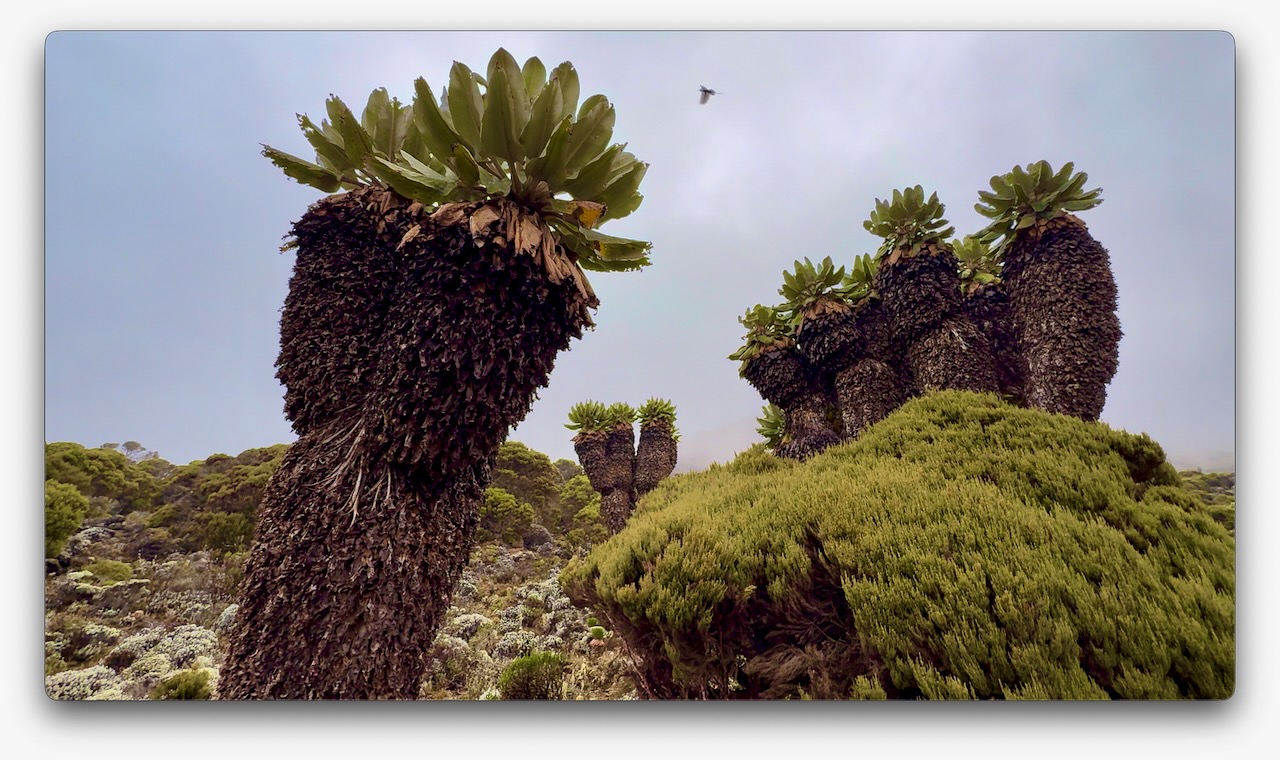
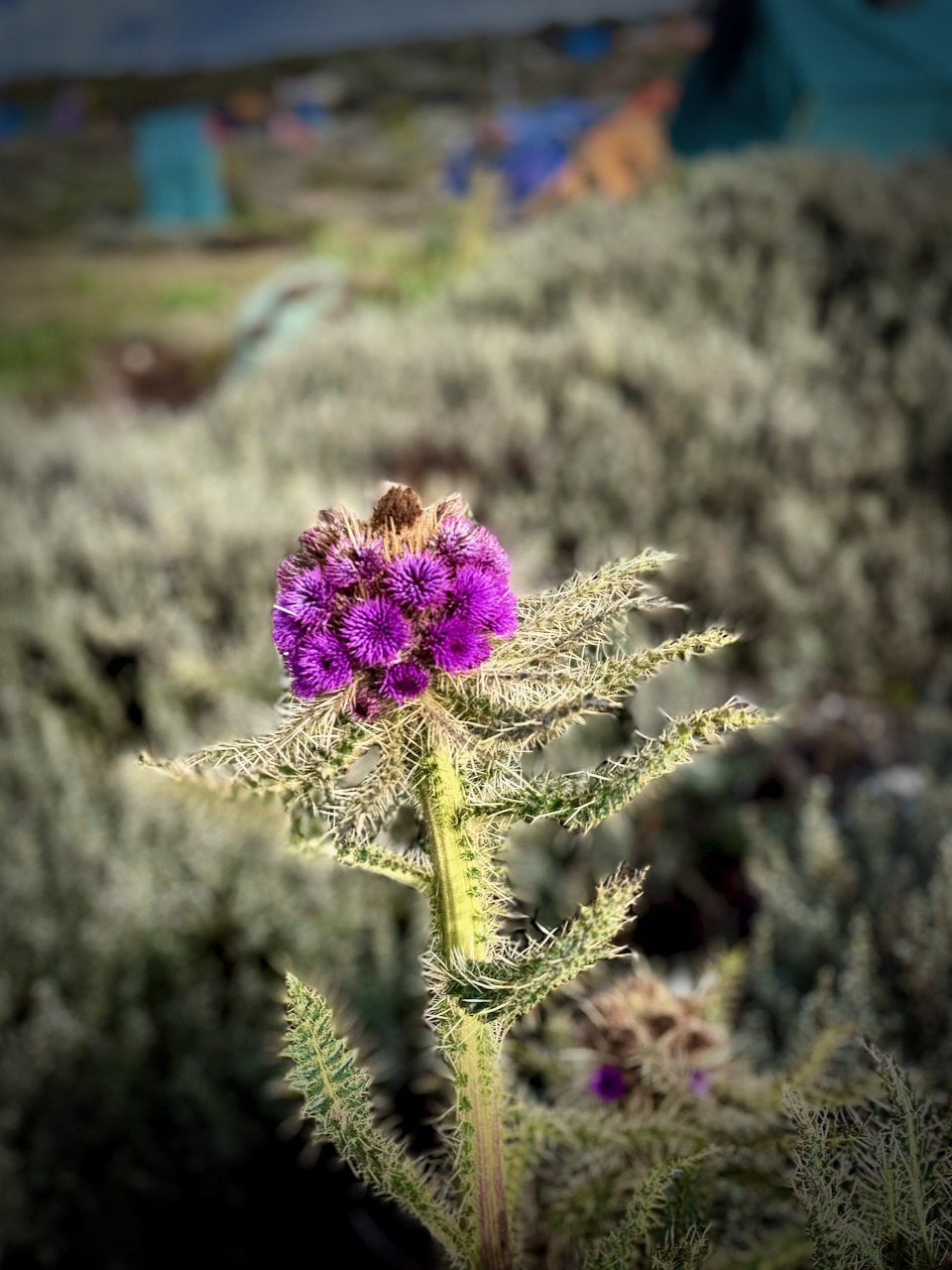
Vegetation was much more interesting as we climbed through so many different ecological zones.
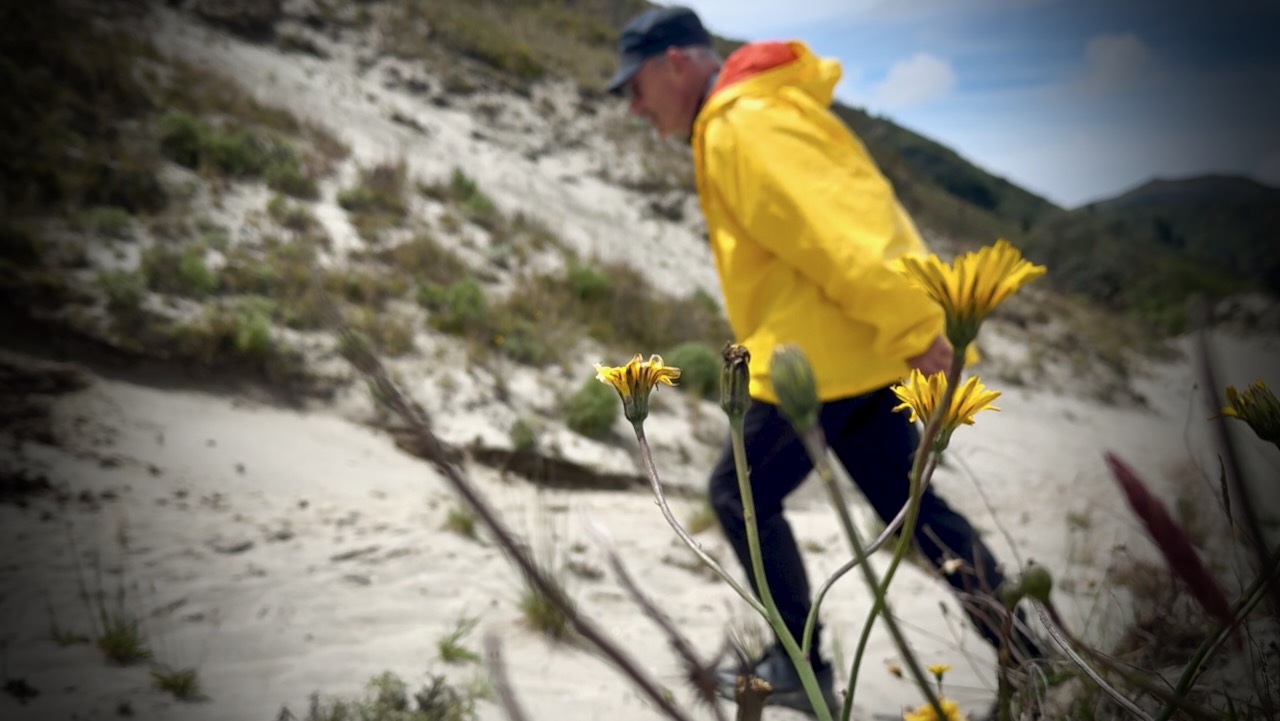
I do love thistles.
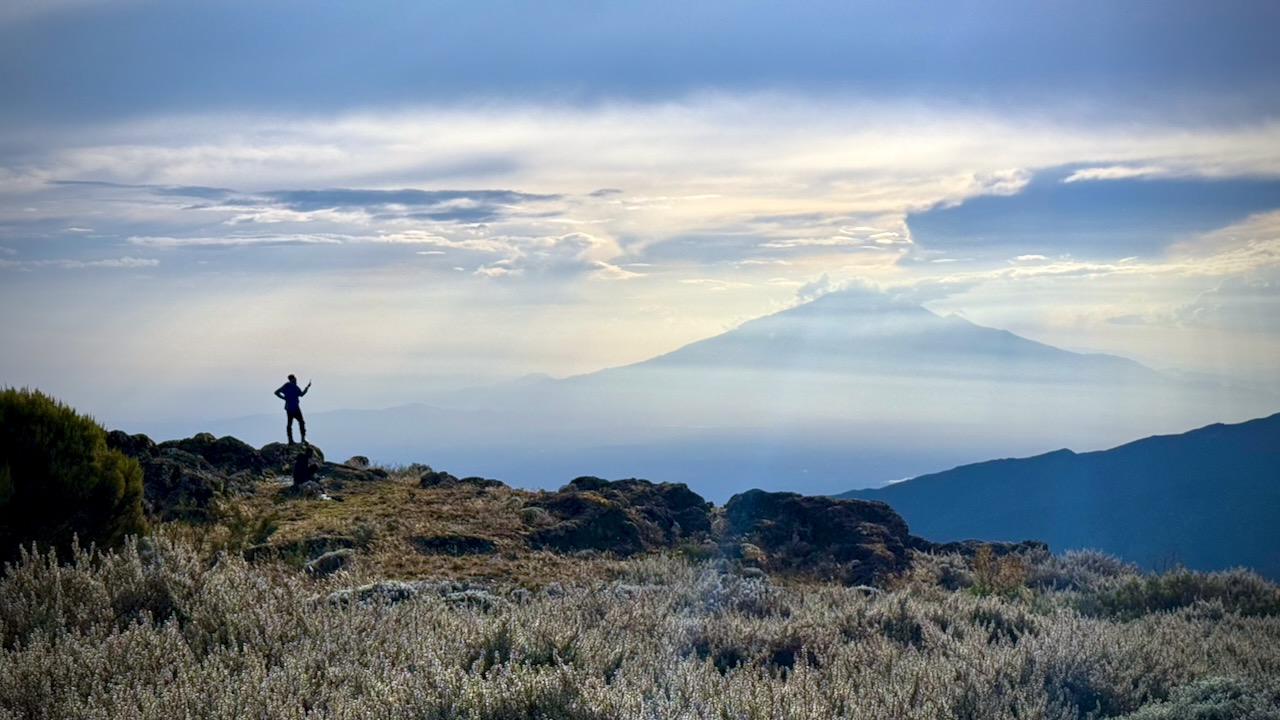
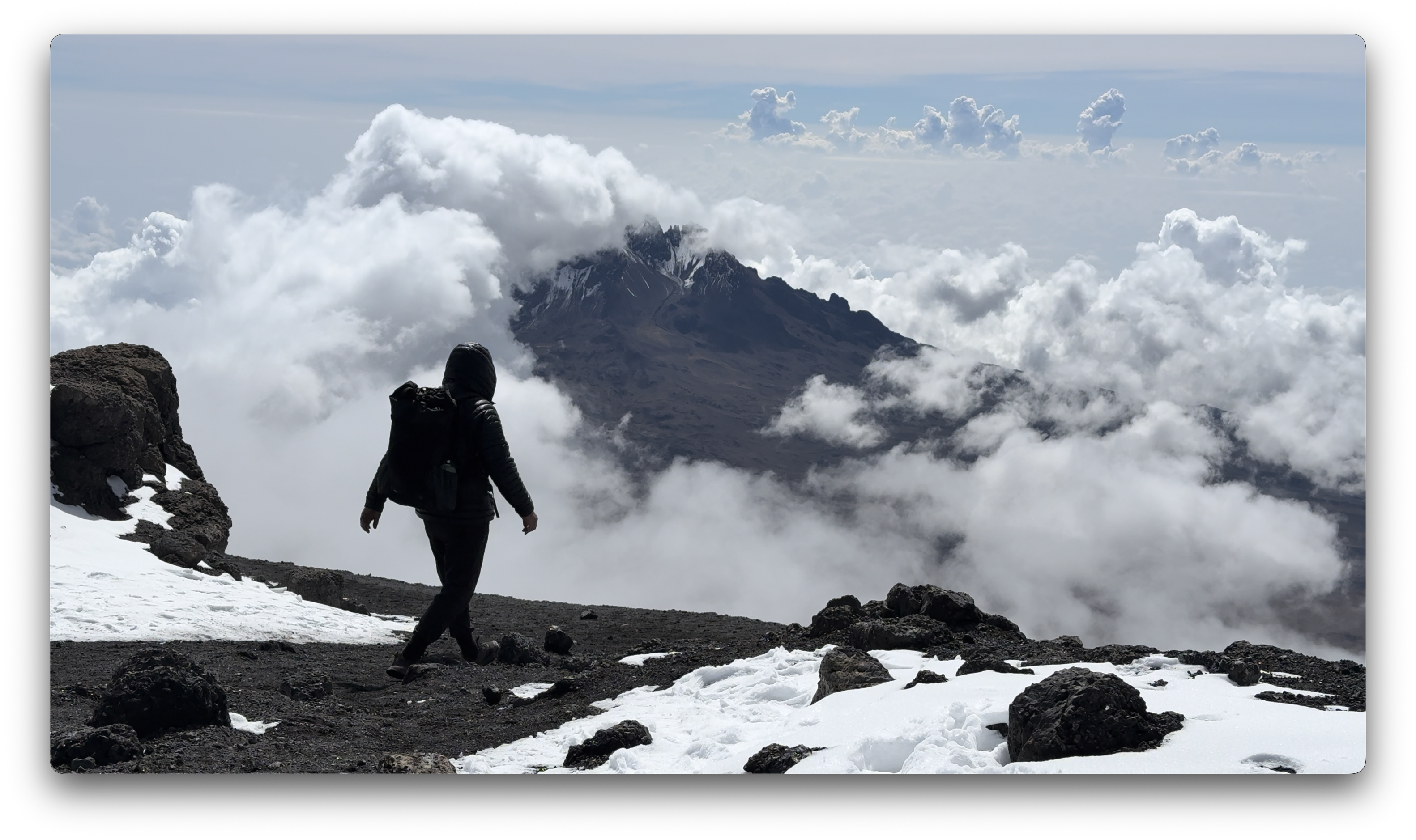
We had great views over to nearby Meru volcano. When you see hikers posed like this, you know they are searching for line-of-sight mobile phone reception. 😀
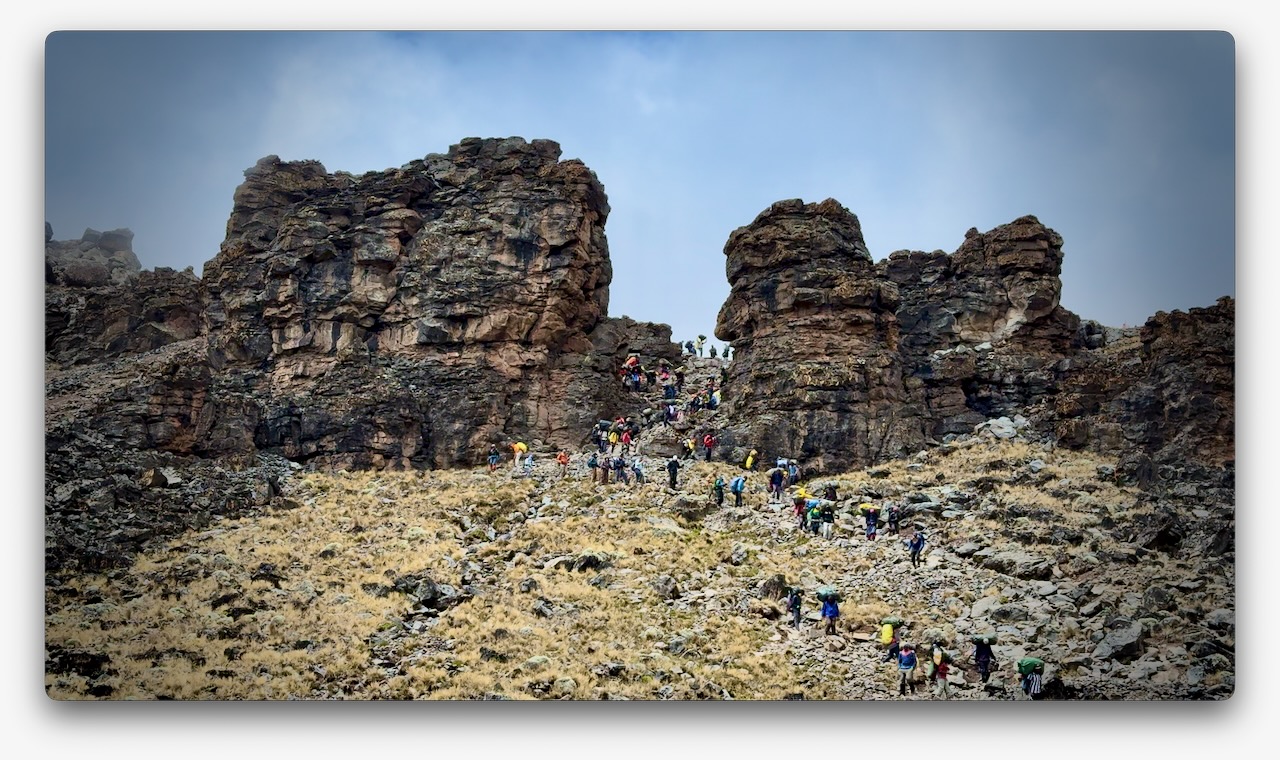
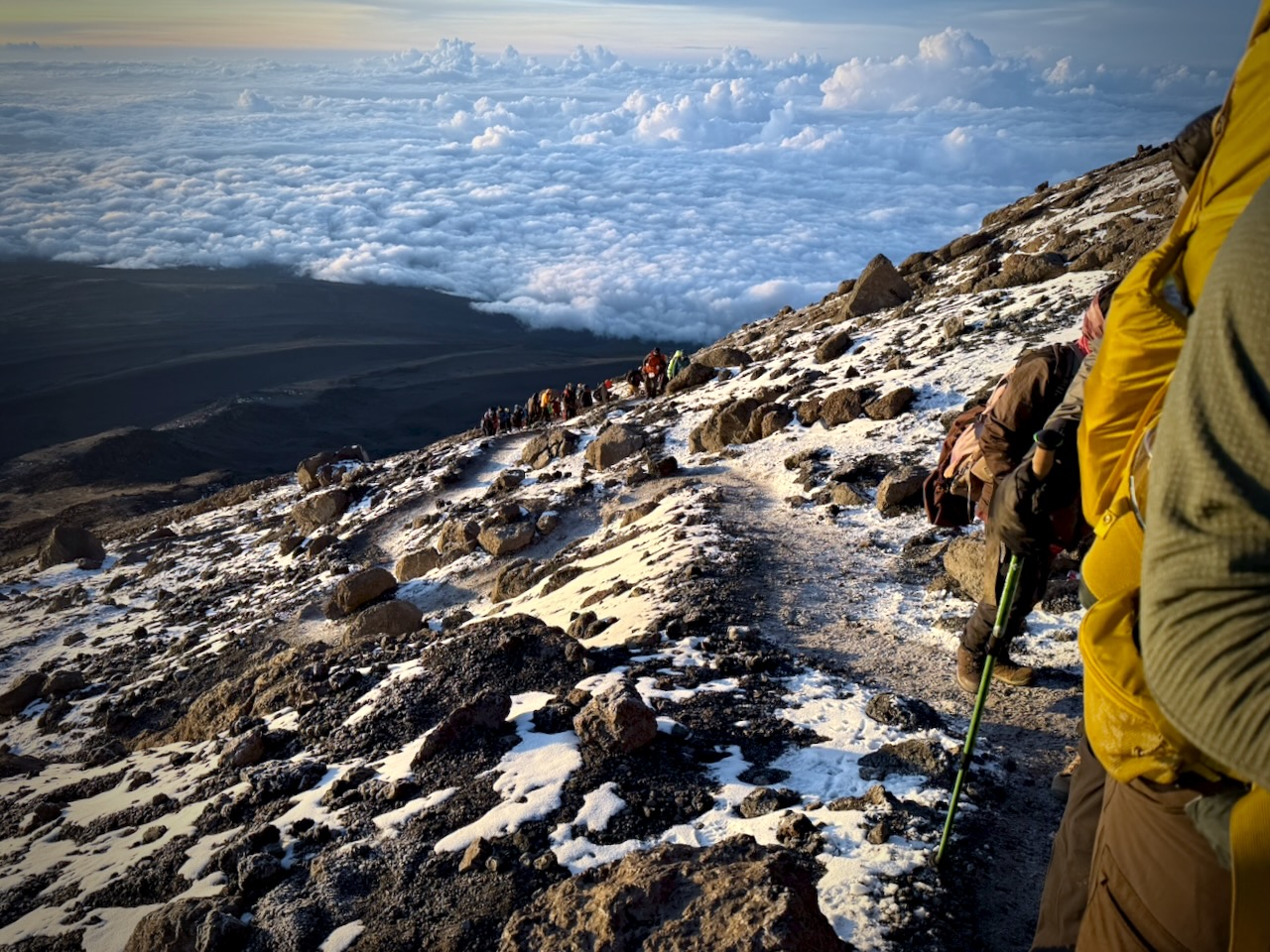
The Machame Route was crowded when I was there. We often had long lines of hikers & porters.
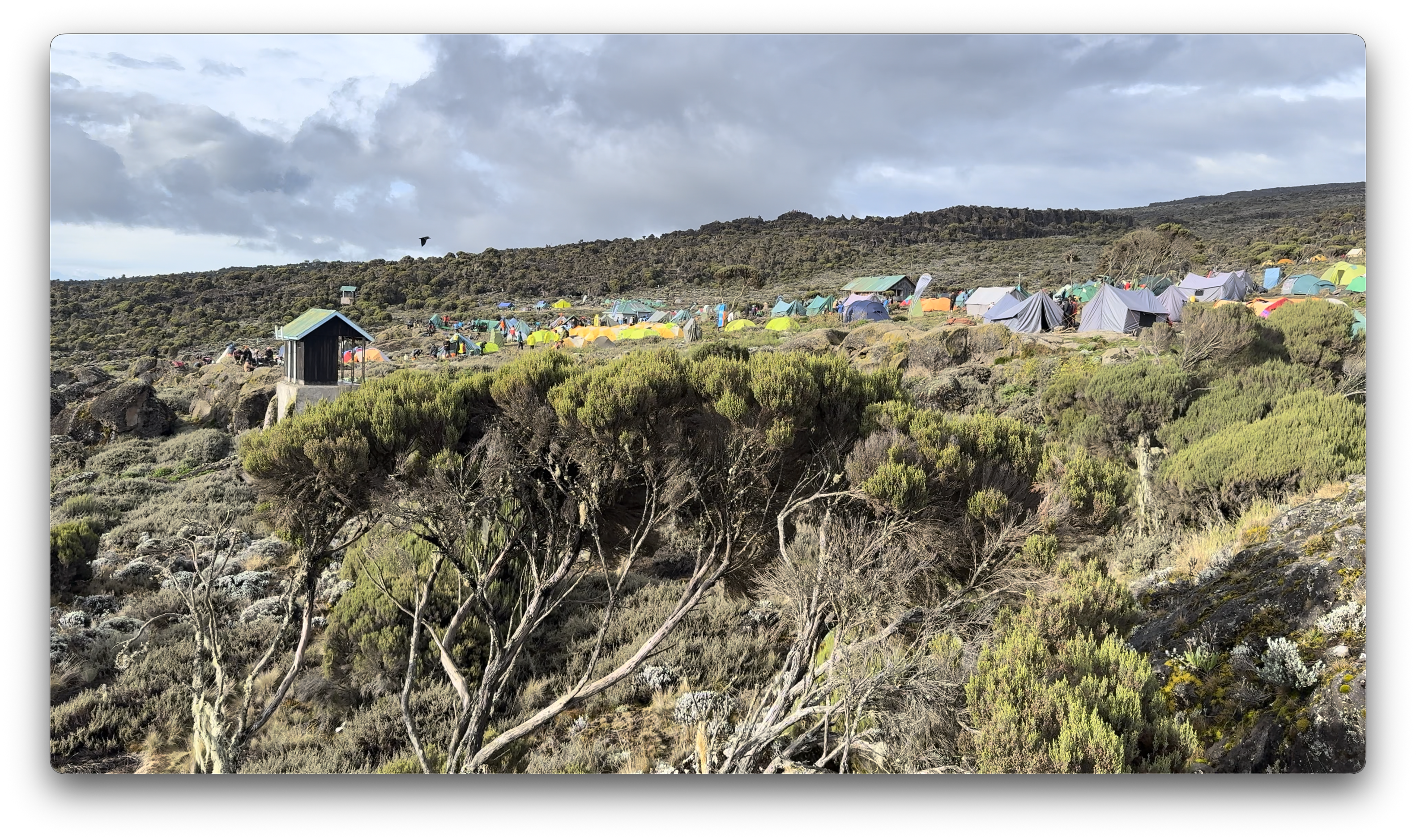
Camps are crowded and littered.
Personally, I felt the portable toilets provided weren’t great. I preferred squatting over a hole in the concrete in the permanent toilet buildings.
Hygiene is not top of mind for any of the guiding companies. In particular, I was surprised alcohol gel was not constantly provided.
That said, nobody in my group got sick from water or food.
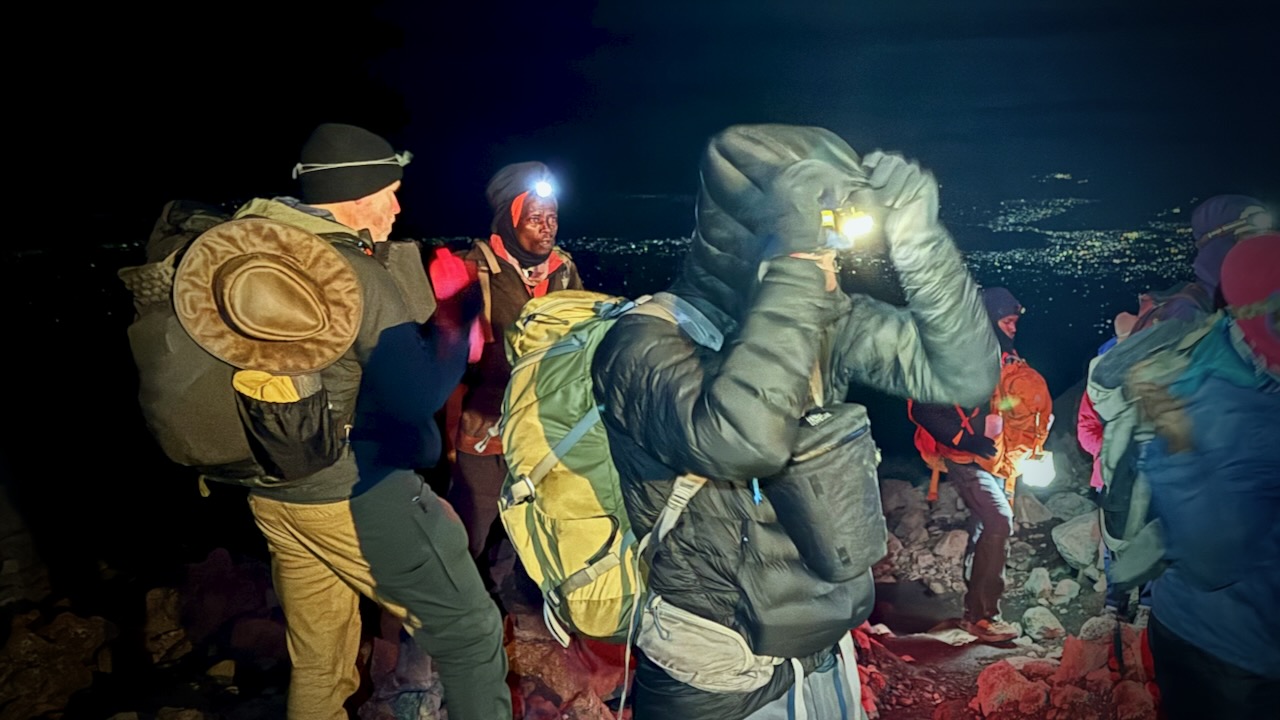
CRUX of Kilimanjaro is summit night. One of the toughest hiking days any of us could recall. I felt perfect. No pain. No problems … when starting.
Wake at midnight. Hot drinks 12:30pm. Start up at 1am.
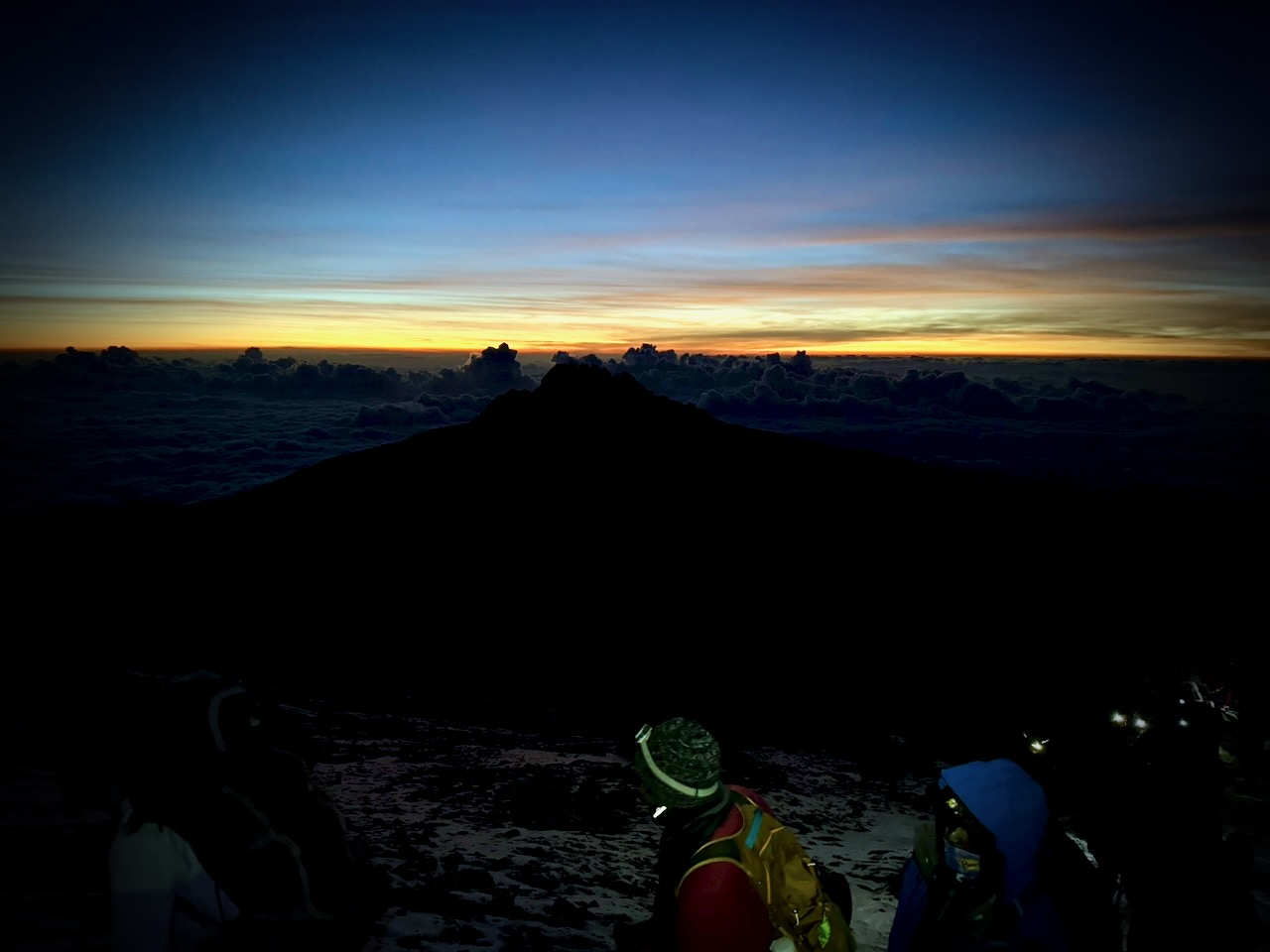
It was a slow, cold trudge until dawn.
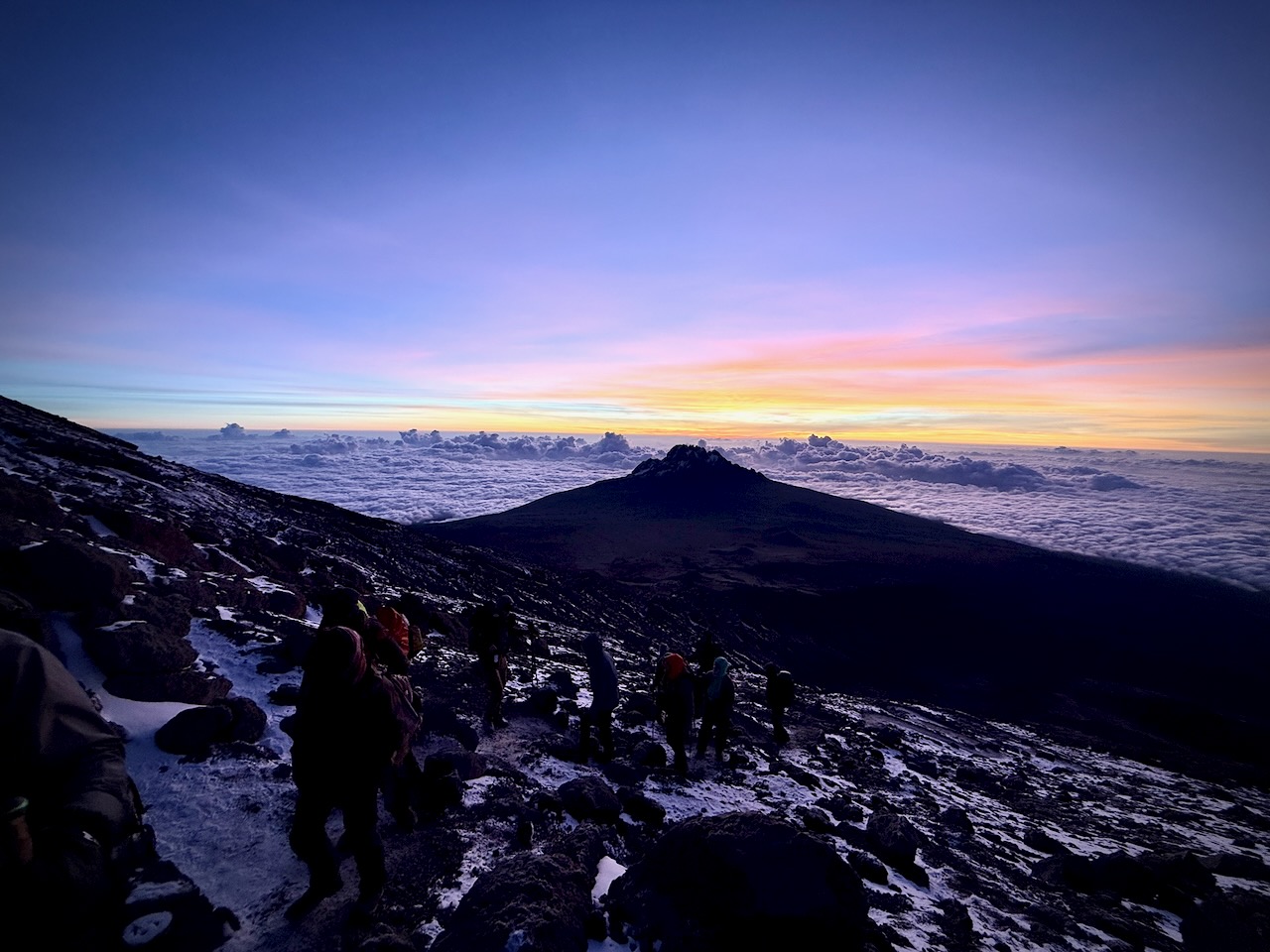
We had an ideal view of the changing light.
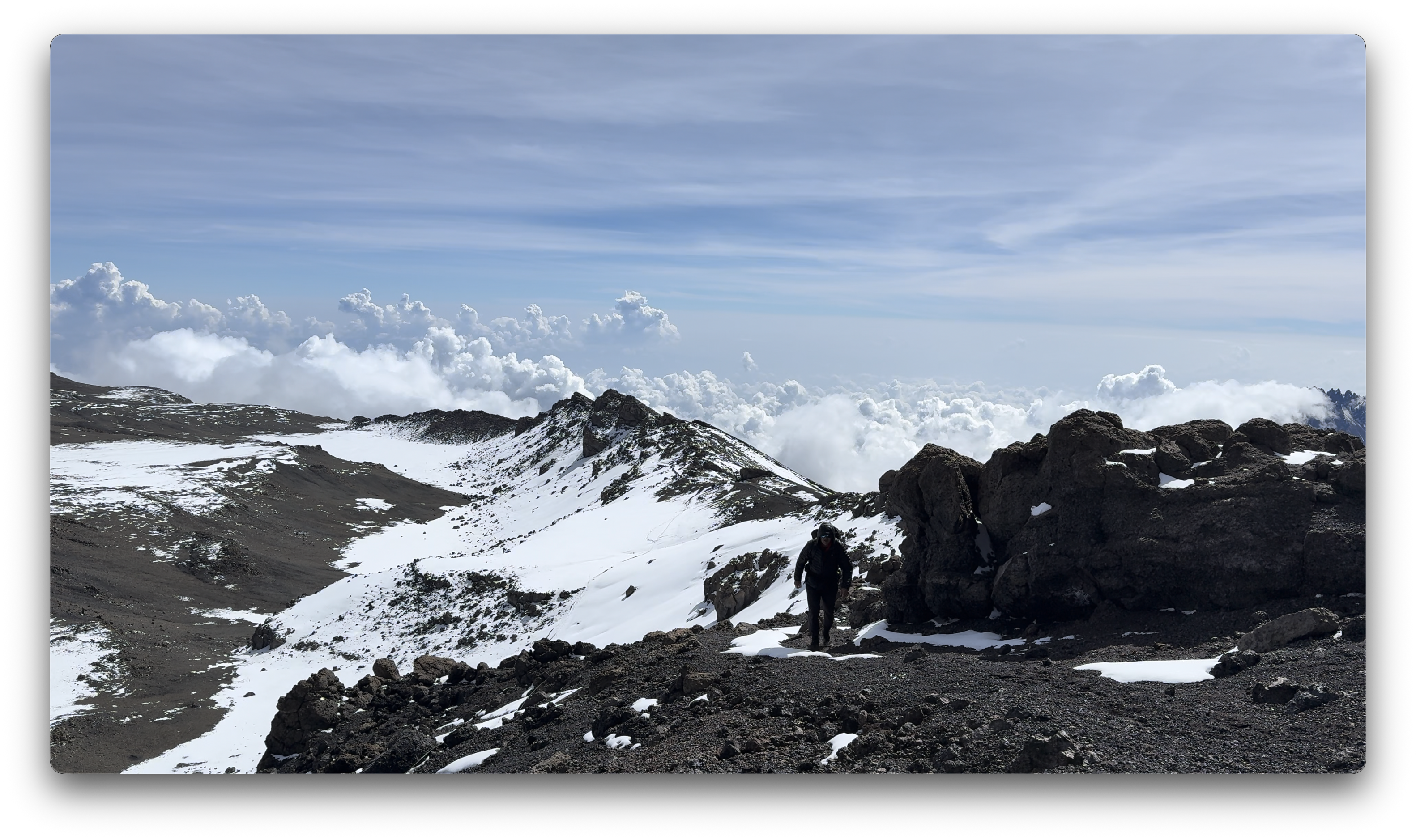
Way above the clouds.
We finally reached the first summit peak. And on perhaps another 35 minutes to the highest peak.
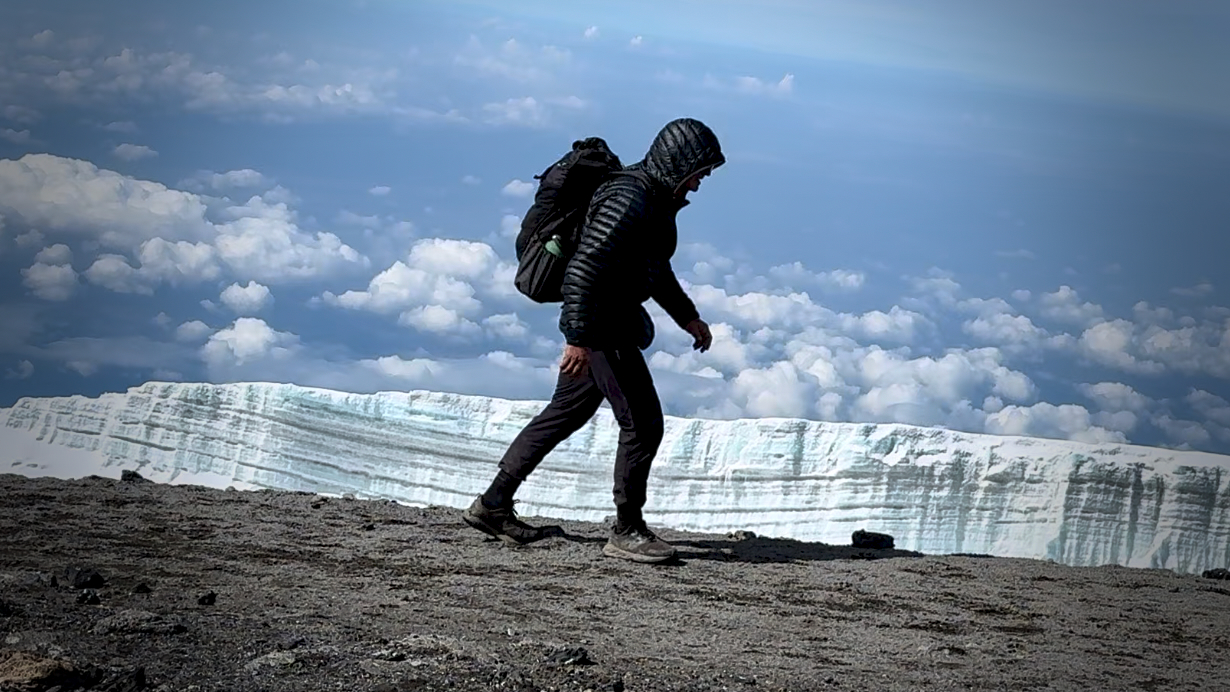
I took a LOT of photos and video up there. Most impressive were the odd, receding glaciers.
That was the FUN part.
Guides hustled us down as quickly as possible to avoid altitude sickness. We climbed down 8000 feet, not getting into low camp until 6pm or so. I ascended & descended for 16 hours, grabbing 1 hour sleep around noon.
Sore knees. Sore toes. And cramping quads.
Highlight?
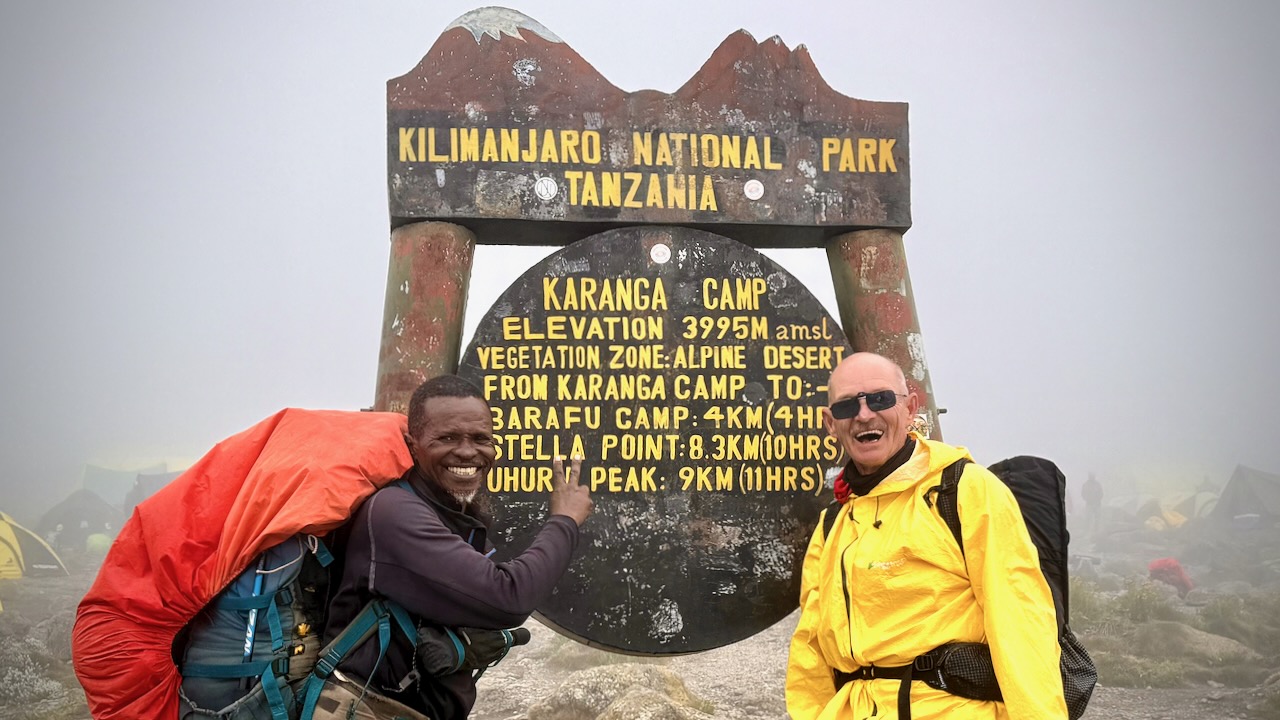
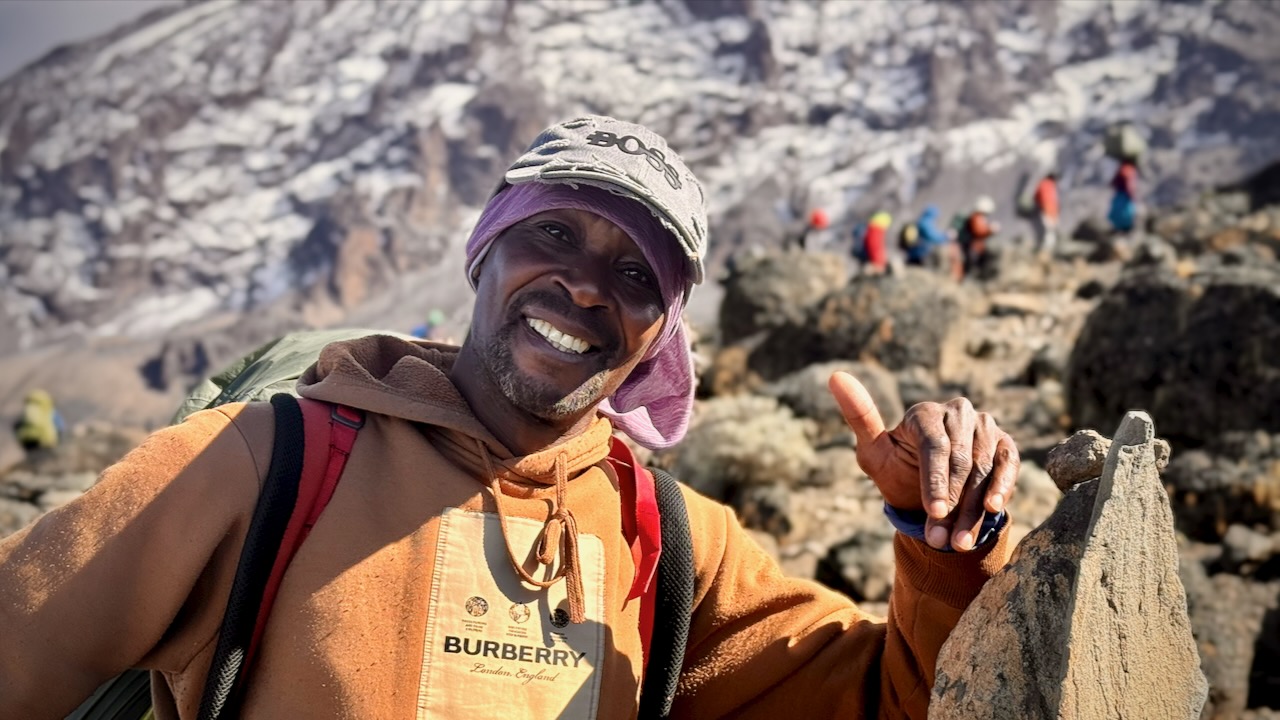
Most would agree that the porters, guides, and staff were the most impressive takeaway from this adventure. We probably had over 100 staff taking care of us over the week. And these folks will do positively anything you request.
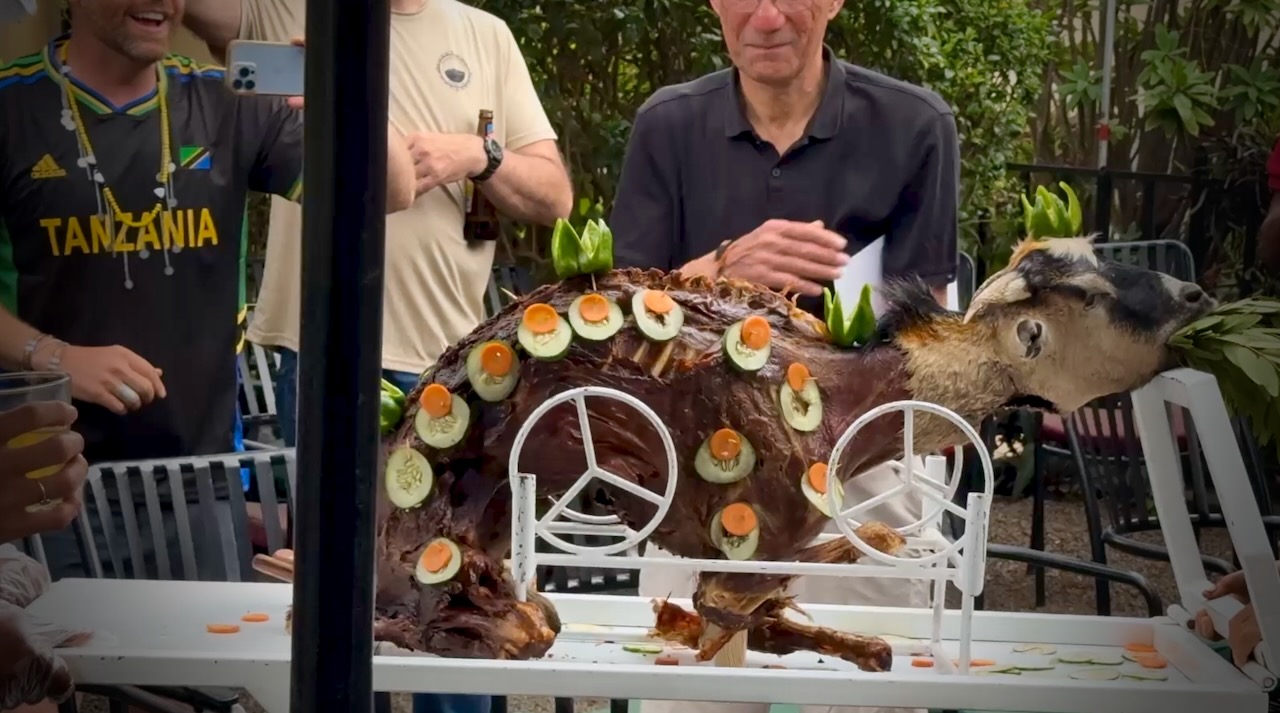
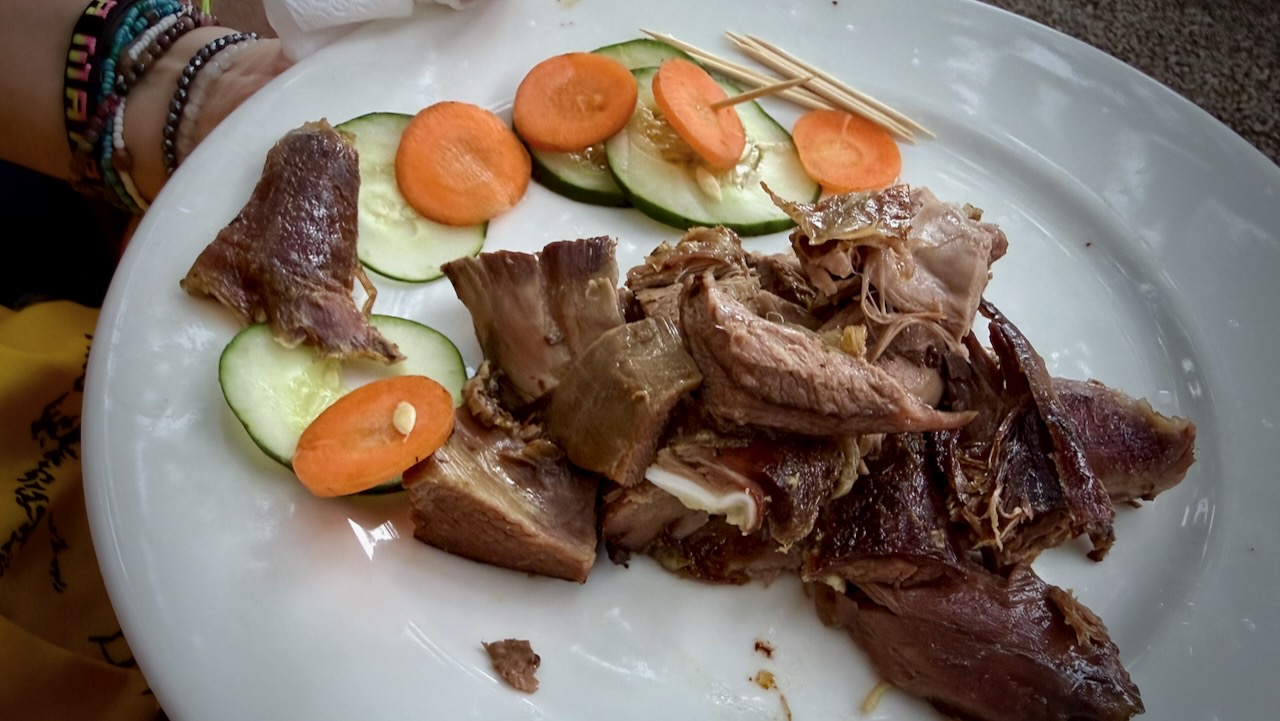
Back at the hotel, we celebrated with alcohol and devoured a full roast goat. Delicious.
A hiker died on Kilimanjaro while I was there. Reported heart attack.
On December 24, 2025, a rescue helicopter crashed, killing all 5 people on board. Two were hikers being evacuated.
10–20 deaths annually out of 30,000+ climbers.
I wrongly thought Kilimanjaro would be easy for me. It wasn’t.
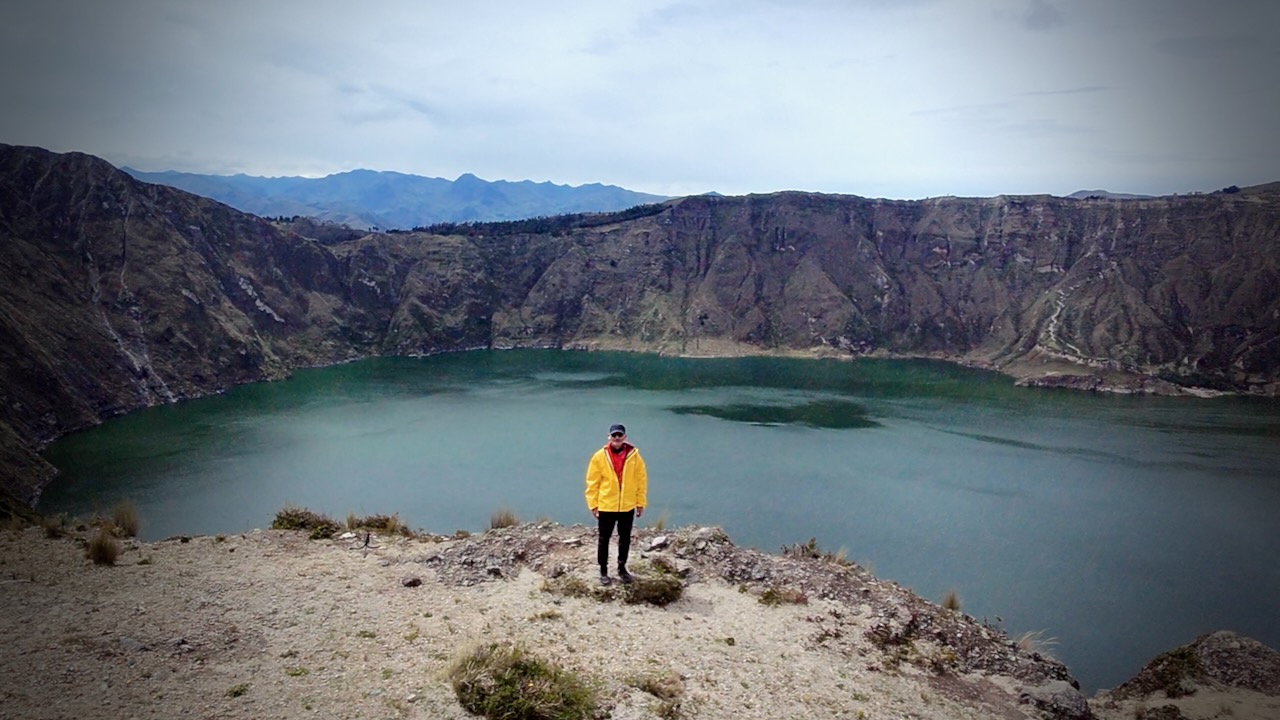
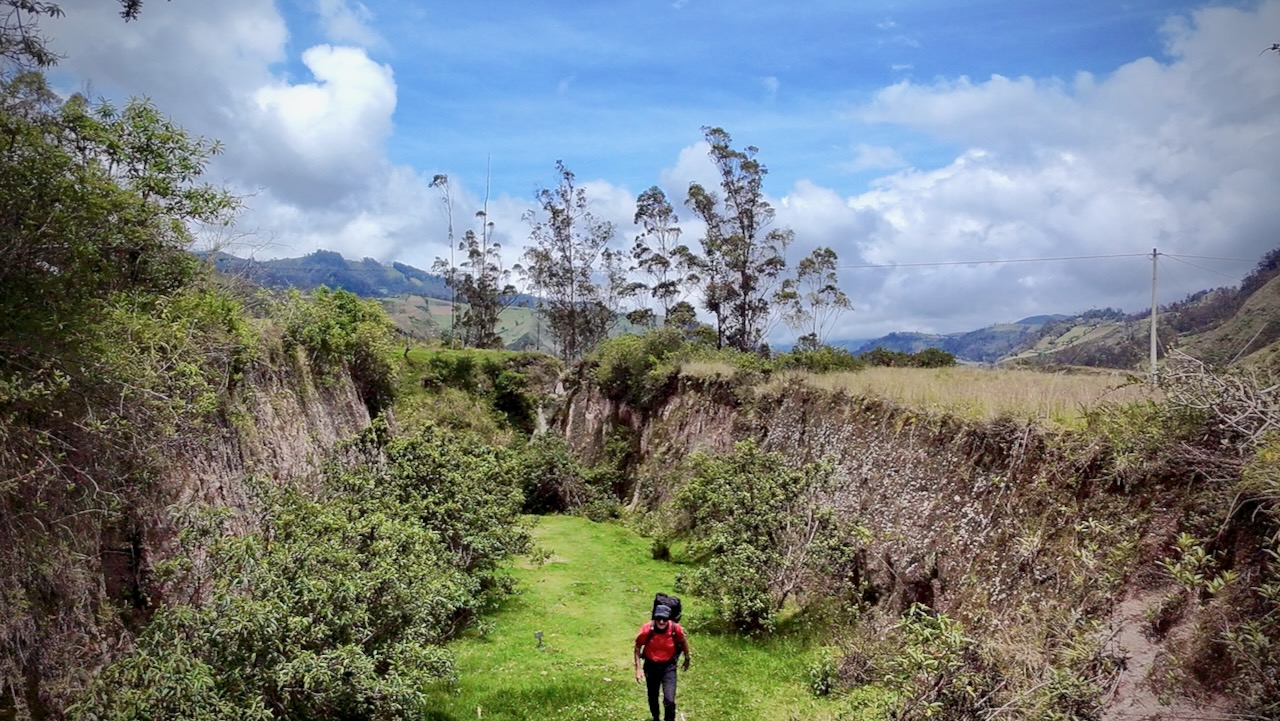
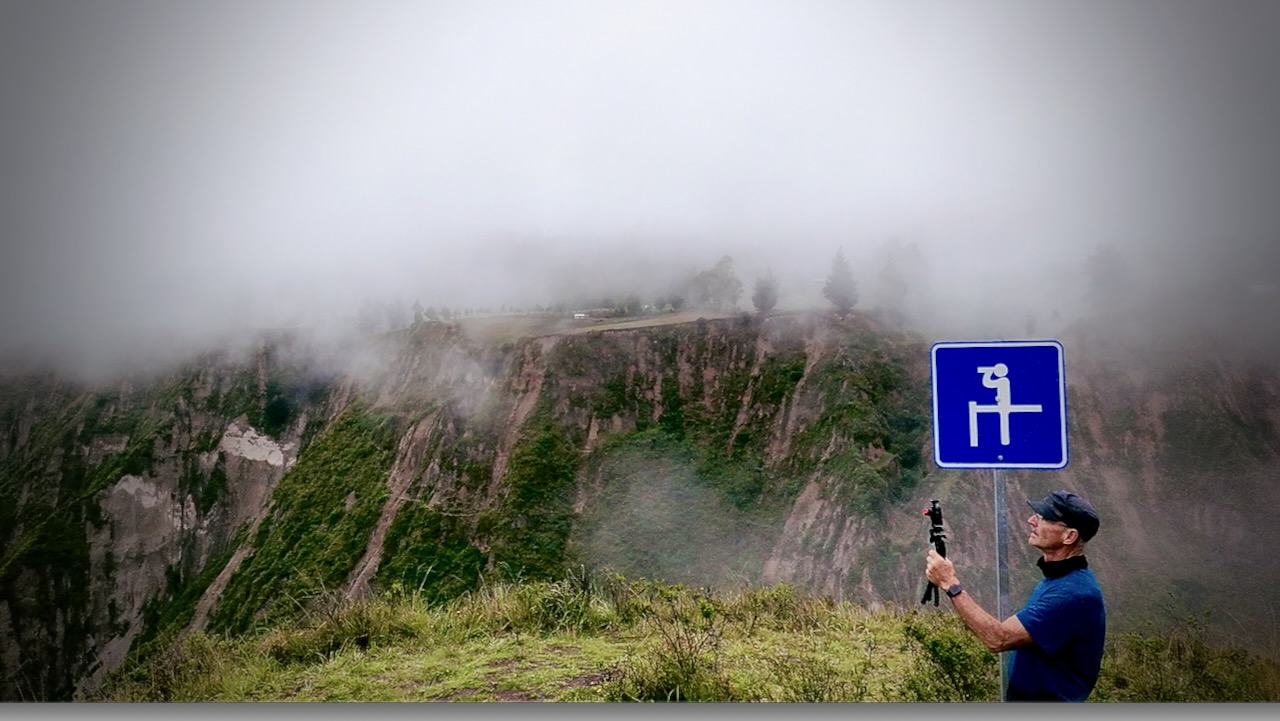
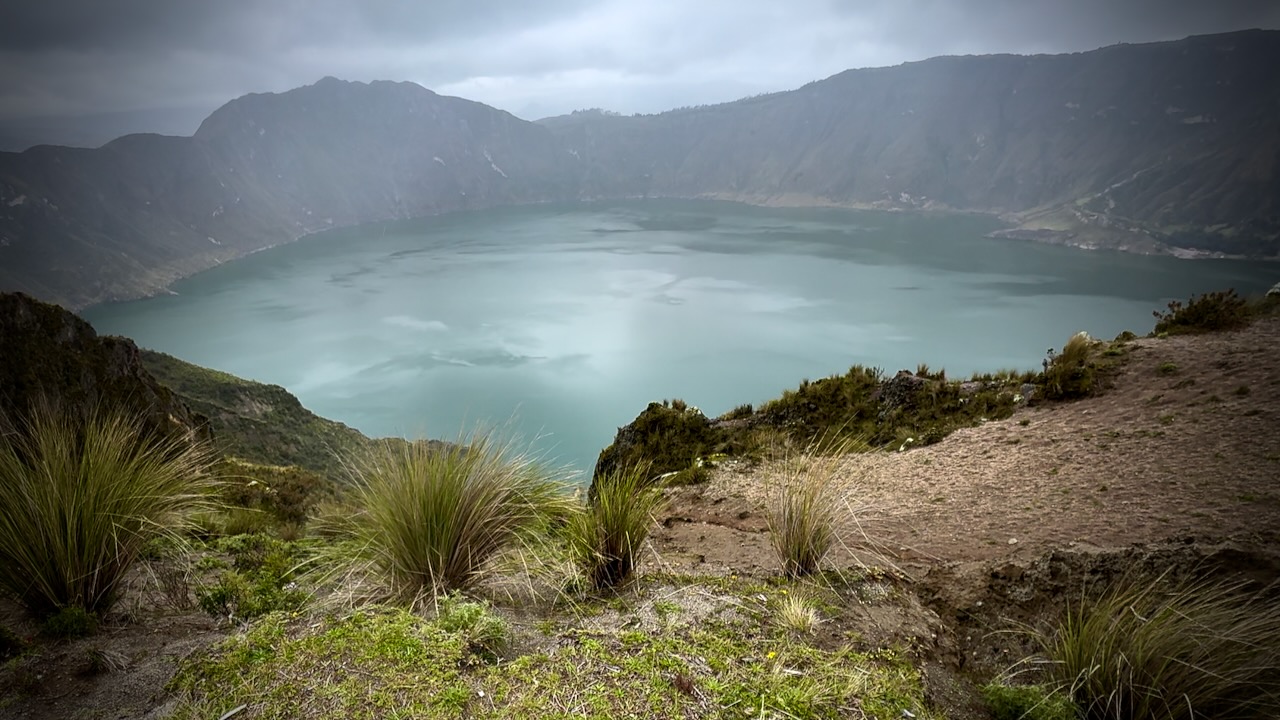
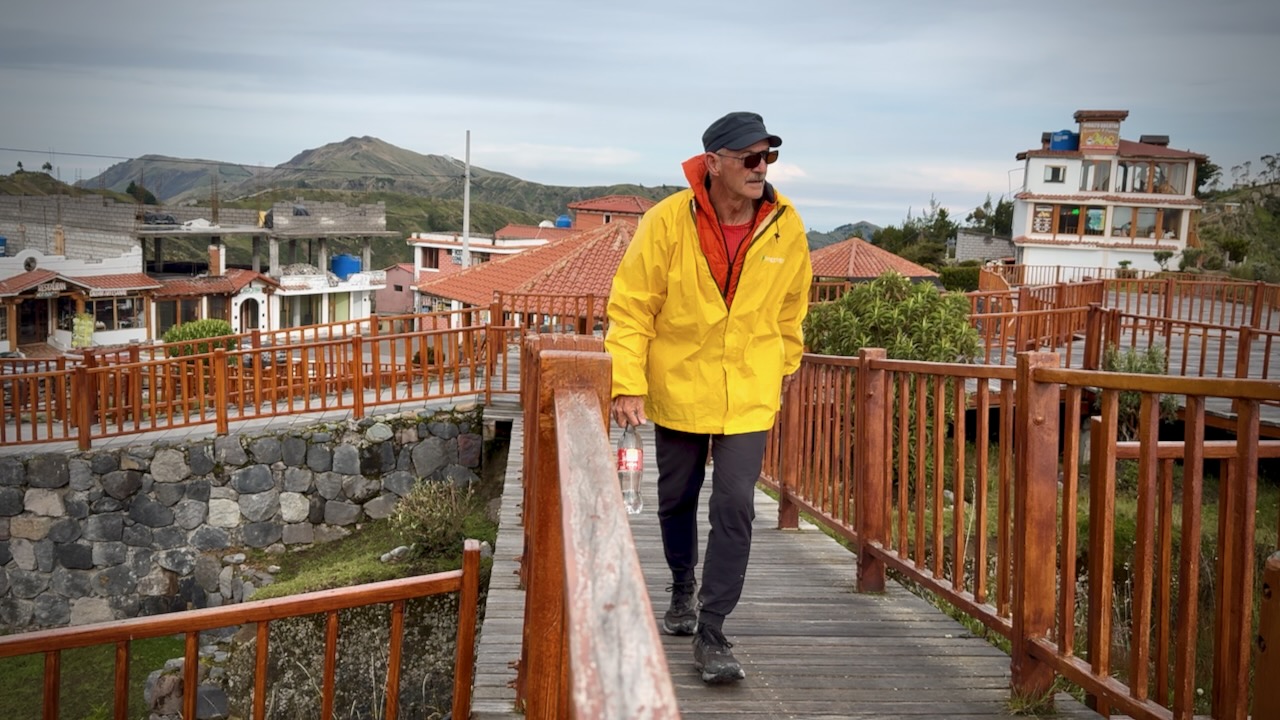
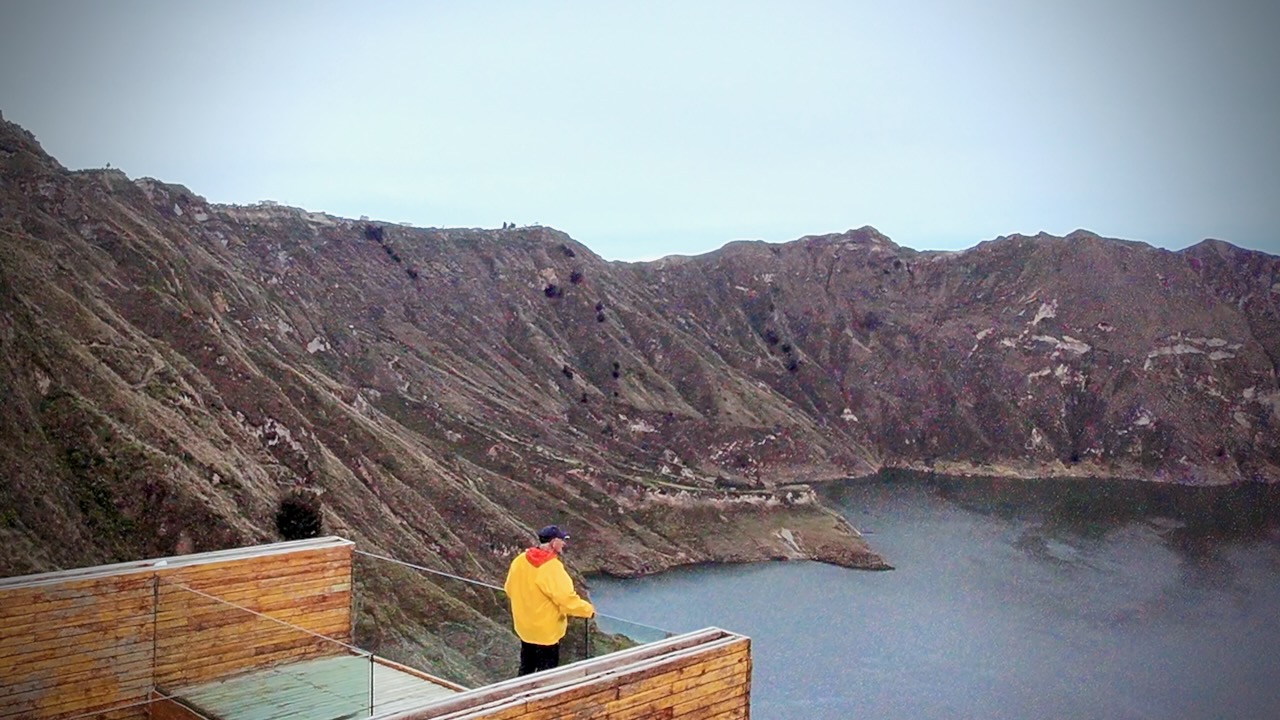
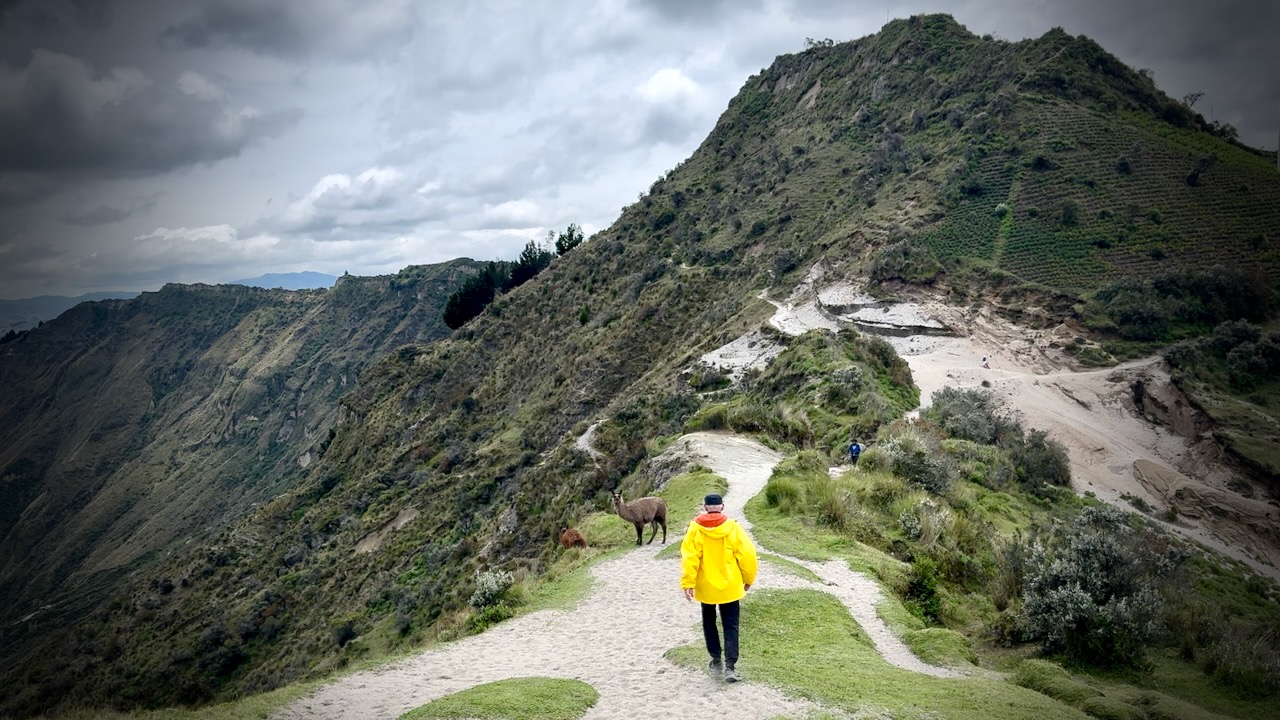
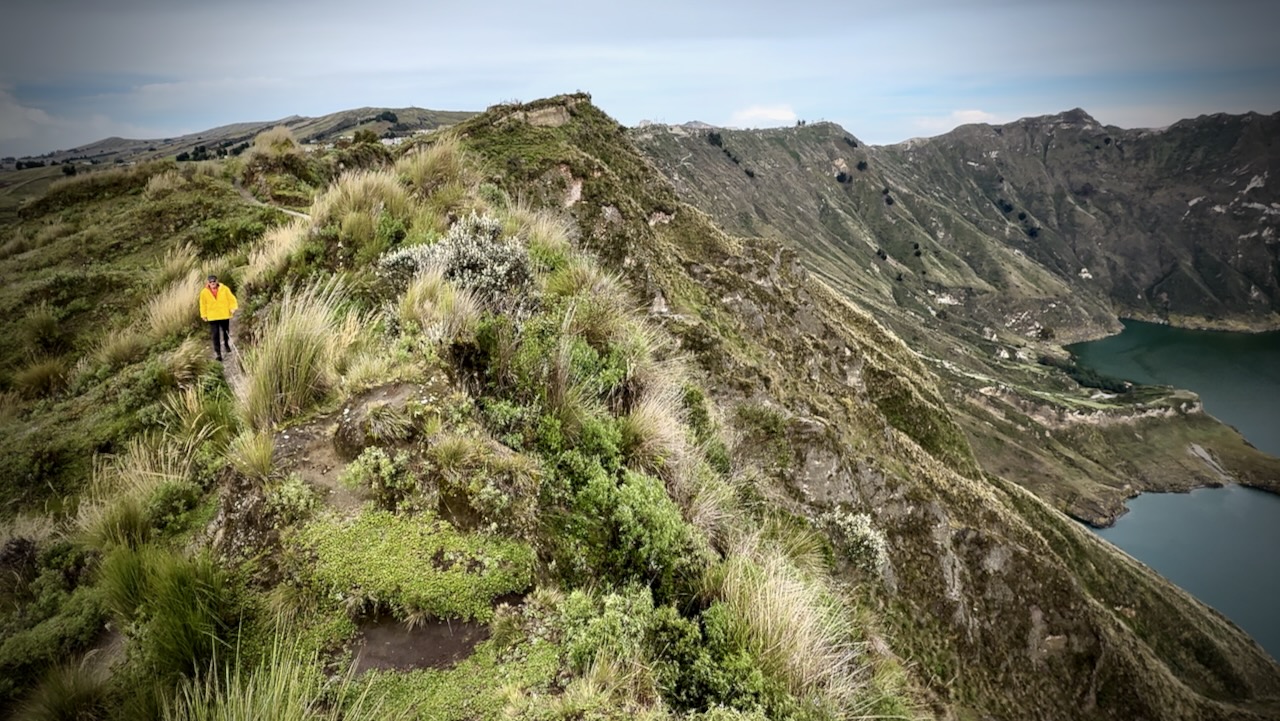
The Quilotoa Loop, climbing to a 3-kilometre (2 mi)-wide volcanic caldera, is the most famous multi-day hike in Ecuador.
34.8km
2,480m elevation gain
4 days, 3 nights
It’s essential that you be acclimatized for altitude before climbing with a full pack. I’d been in Ecuador over 2 weeks before starting, most of that time above 3000m.
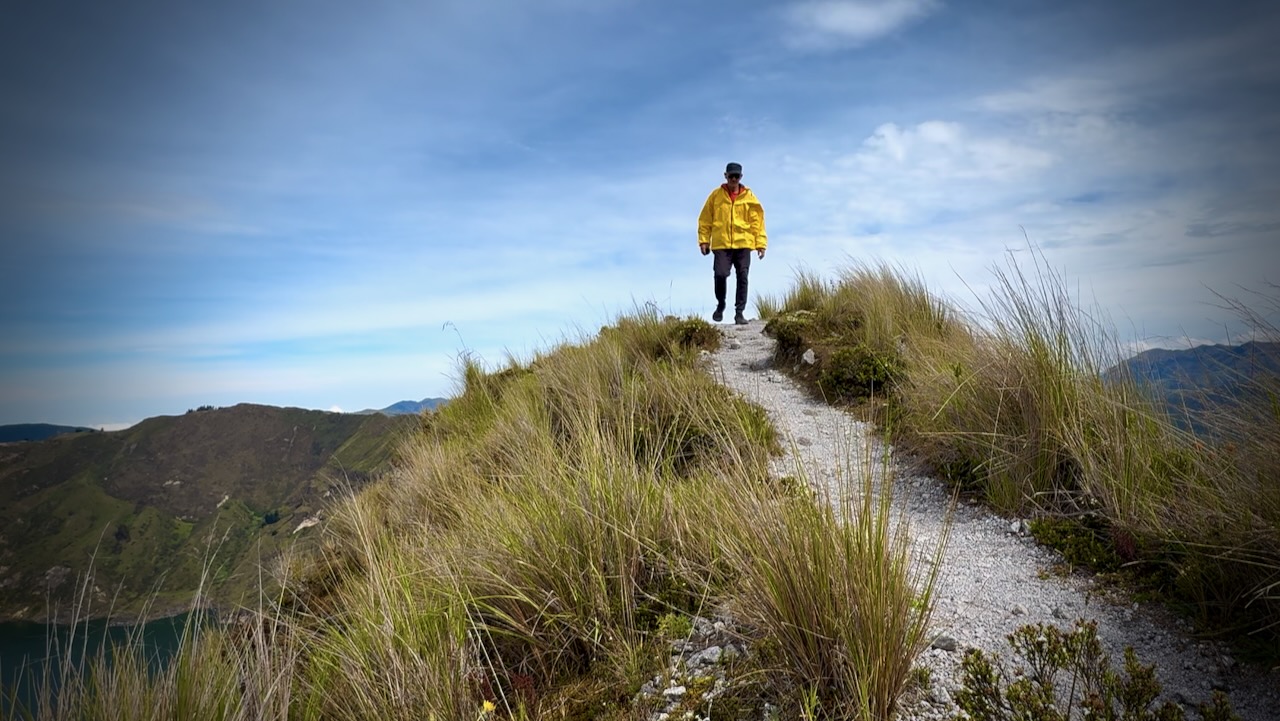
Quilotoa Crater Rim
In 2026 almost every hiker I met was using the AllTrails app offline to find their way. Our back-up was the Maps.me app offline which includes more trails, more options.
Despite those apps, we all managed to miss multiple side trail turn-offs every day. 😀
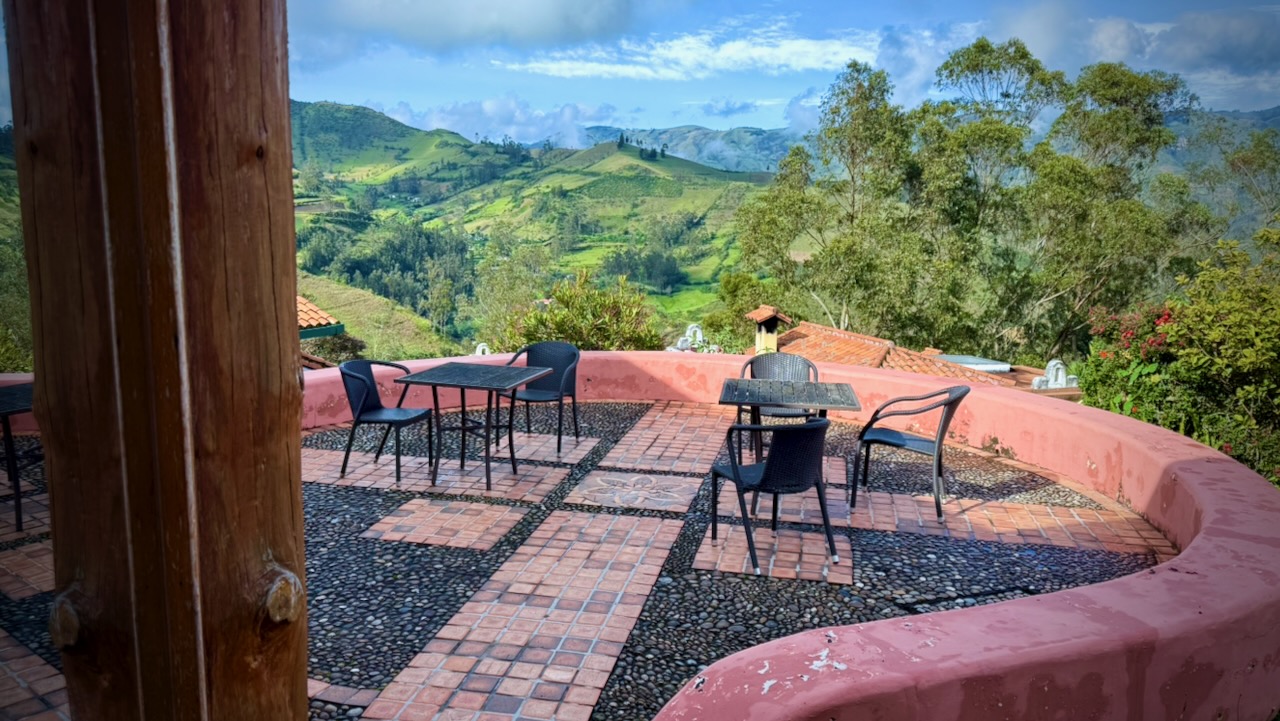
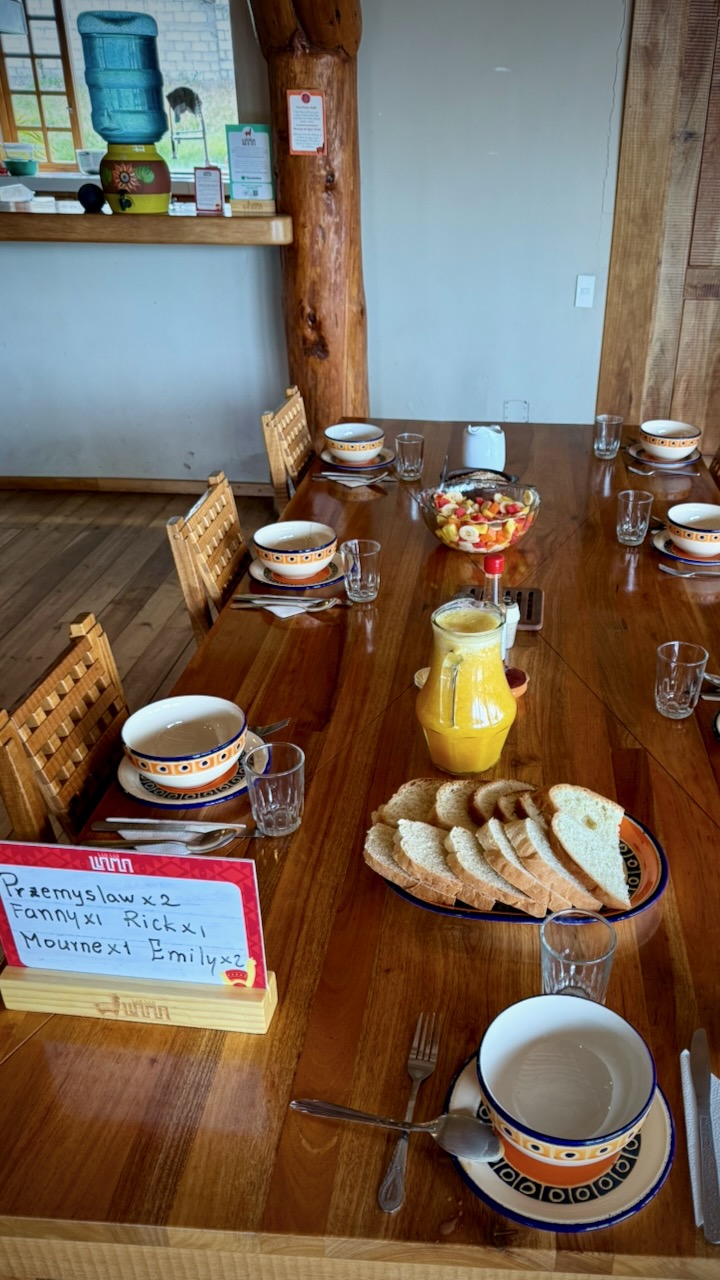
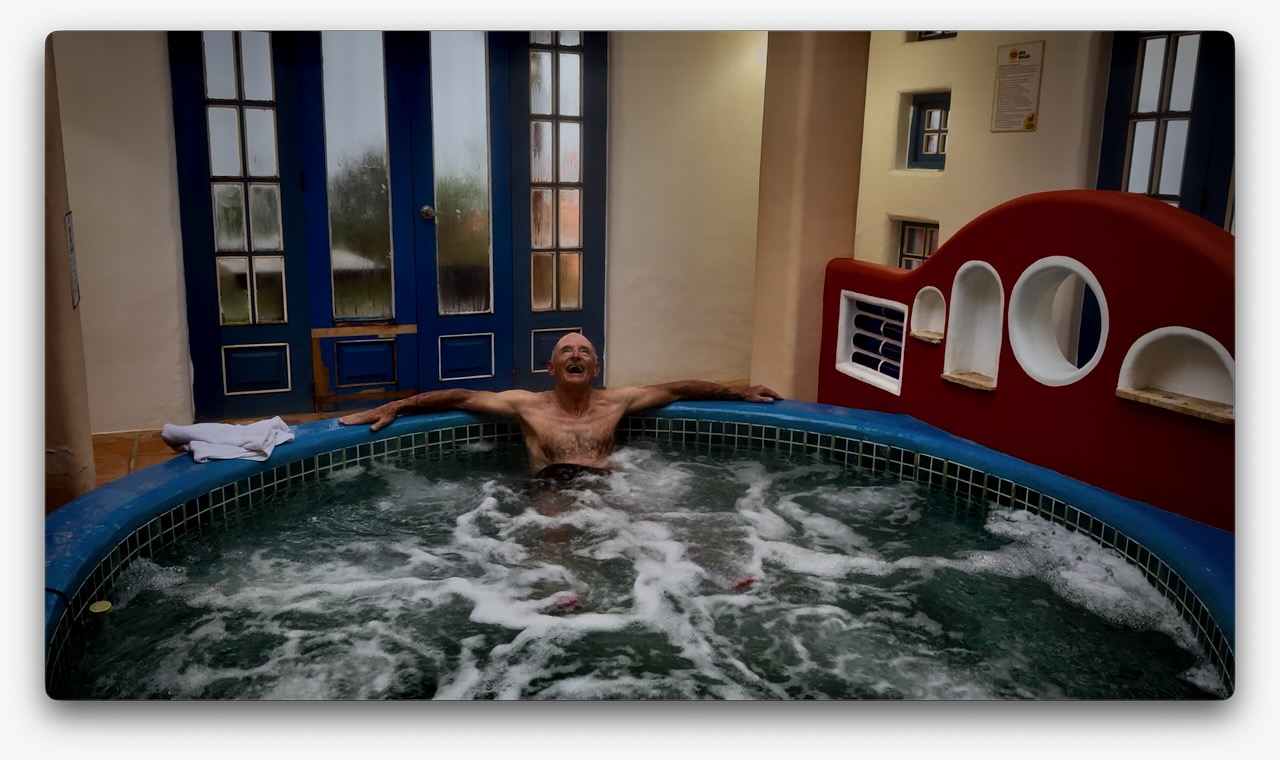
Most hostels cost about $20 for a private room including a complete breakfast and dinner. Hot or warm showers. Good wifi. Jacuzzi and sauna extra charge. A fantastic bargain.
Though I carried a tent as emergency back-up, there’s no way I was going to use it with so many great, inexpensive hostels available.
Weather is a huge factor. I hiked in early February, one of the best months. But had rain almost every afternoon. The rule here is to do as much hiking as possible early in the day.
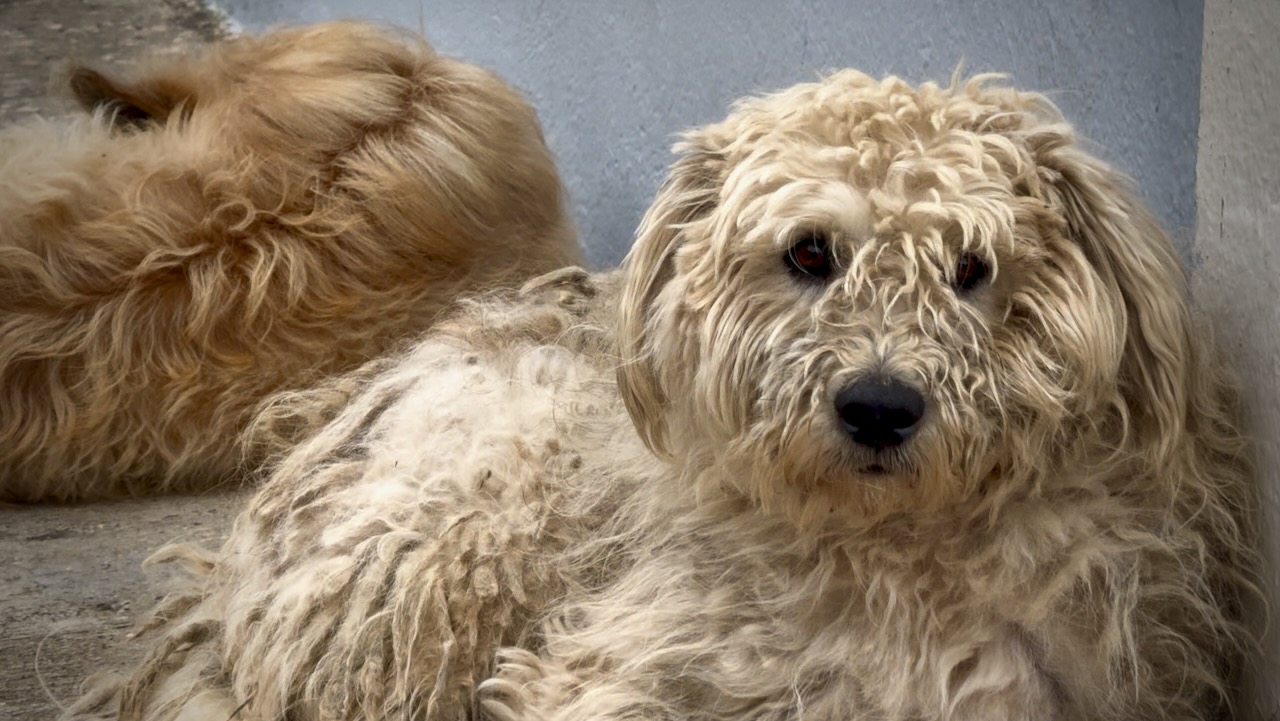
Farm dogs tend to bark at strangers. At times you must pretend to throw something at them to dissuade.
Typical 3-Day Itinerary (Sigchos to Quilotoa)
Most hikers prefer this direction to save thecrater lakefor the end and to acclimatize more gradually.
Sigchos (2850m) to Isinliví (2950m).
Distance: ~9.9 km (6.1 miles)
Time: 4–7 hours
Details: This is the easiest day, involving a descent into the Toachi Canyon and then an ascent to Isinlivi. The trail goes through lush farmland and past small communities.
Isinlivi to Chugchilán (3200m)
Distance: ~11.8 km (7.3 miles)
Time: 4–8 hours
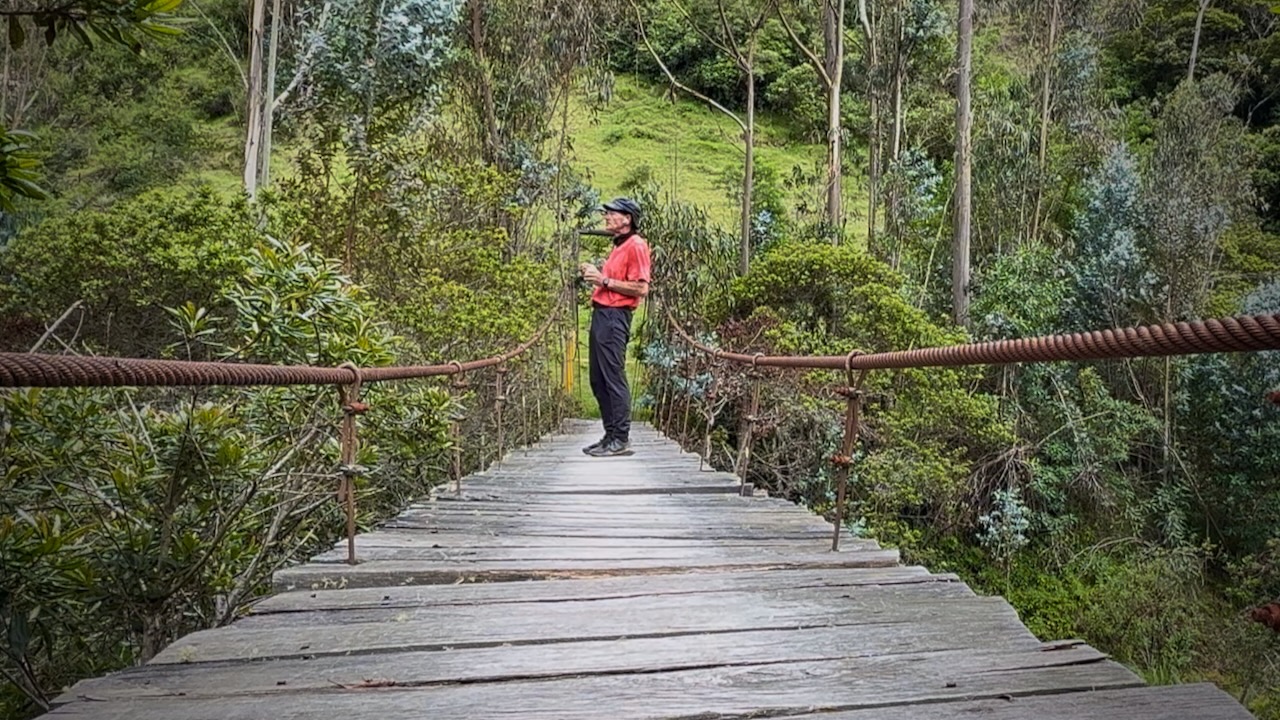
Details: A harder day with two major climbs and a suspension bridge crossing at the bottom of the valley. The hike takes you through more dramatic canyon landscapes.
Chugchilán to Quilotoa (3800m)
Distance: ~13.2 km (8.2 miles)
Time: 5–9 hours
Details: The most challenging day due to the significant elevation gain at high altitude. The trail gradually climbs up to the rim of the Quilotoa crater, offering stunning views of the lake at the finish.
Once at Quilotoa village, most hikers catch a bus back to Latacunga. I stayed overnight in the village to be able to complete the additional 10.8km Quilotoa Crater Circuit next morning. Not easy. That’s an extra 795m elevation gain.
Day 1
I stayed one night in Latacunga, gateway city to the Quilotoa Loop. Hostal Café Tiana was excellent. I opted to carry ALL my gear rather than leave anything behind at the hostel.
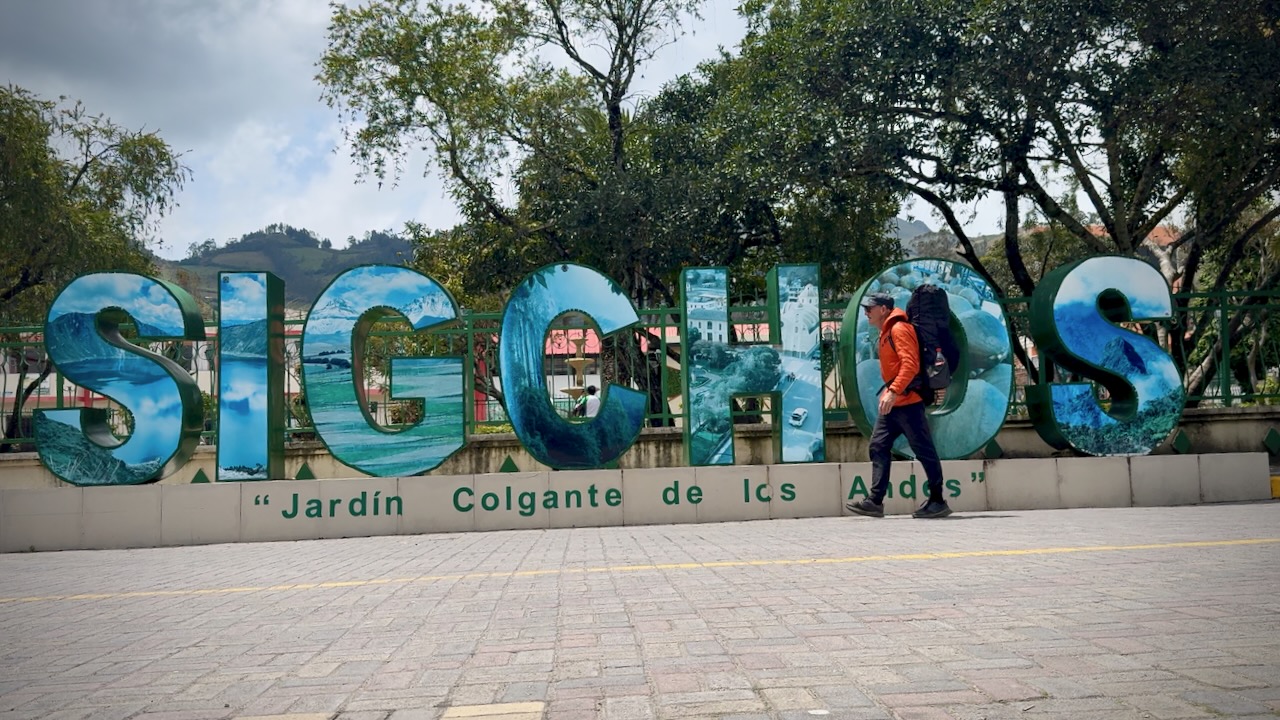
Next morning caught the bus toSigchos. And began the walk to Isinliví.
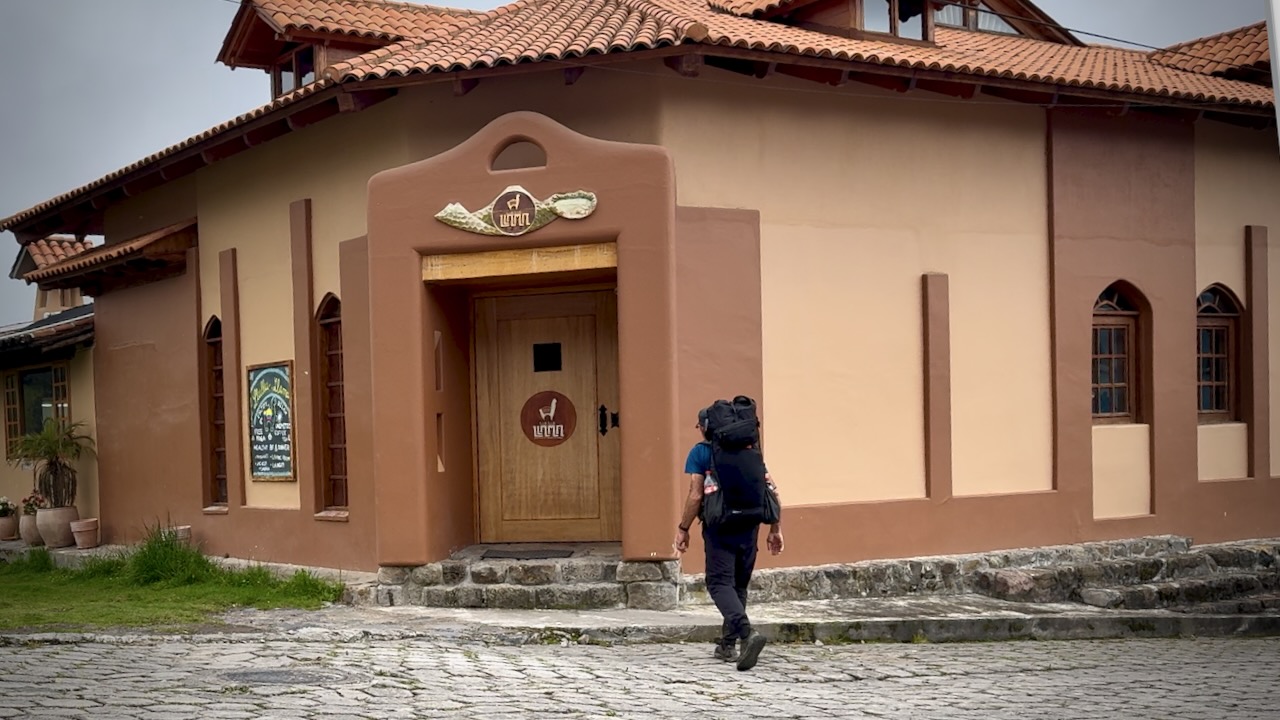
I was enjoying Llullu Llama Mountain Lodge — so didn’t start walking until 11am. Not smart. You should get going as early as possible each day.
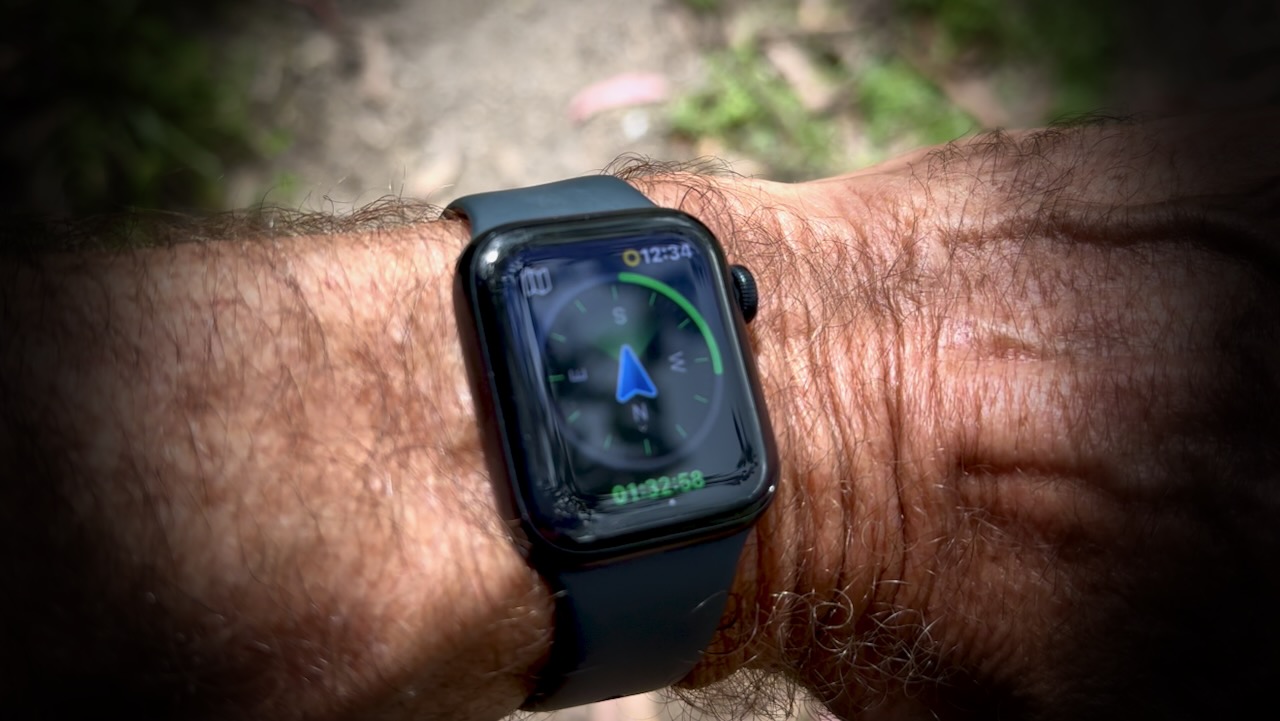
As we’d all missed many small trail turn-offs the day before, this time I opened the AllTrails app on my Apple Watch. In general, the green means you’ll be turning in that direction. It did help. I missed fewer turns. BUT this does kill the watch battery quickly.
Screenshot
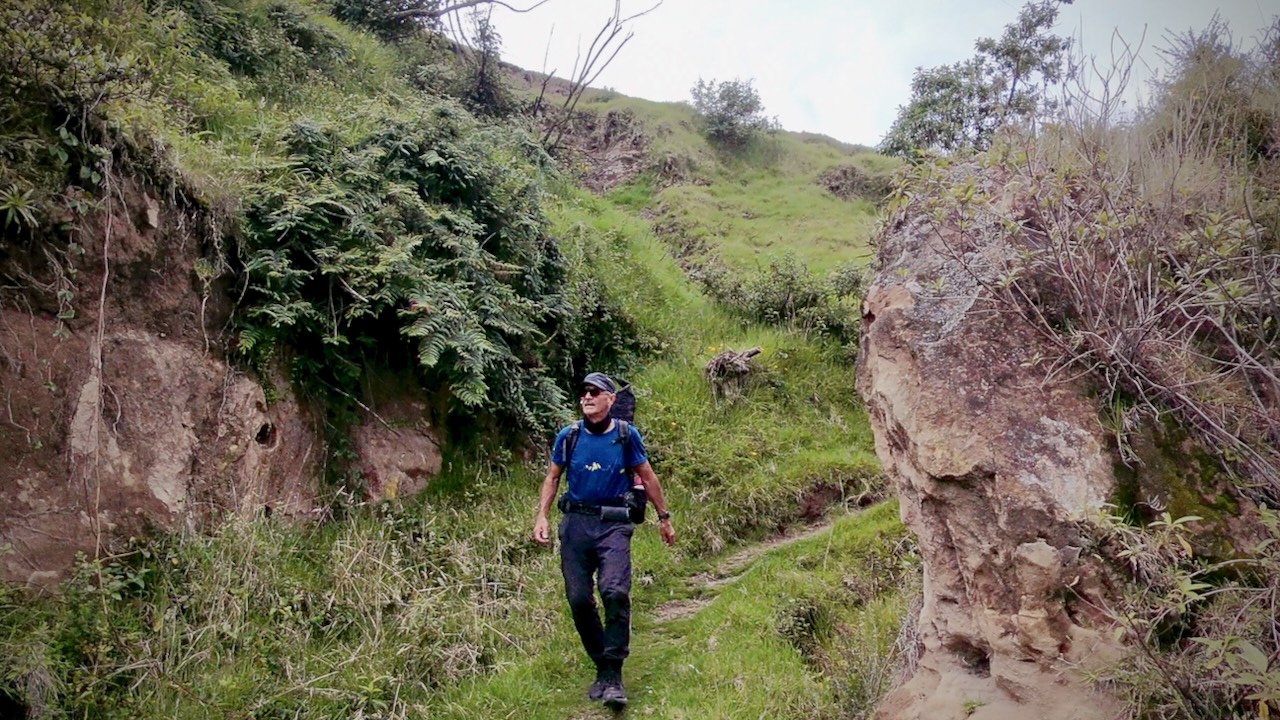
Day 2 was tougher and wetter.
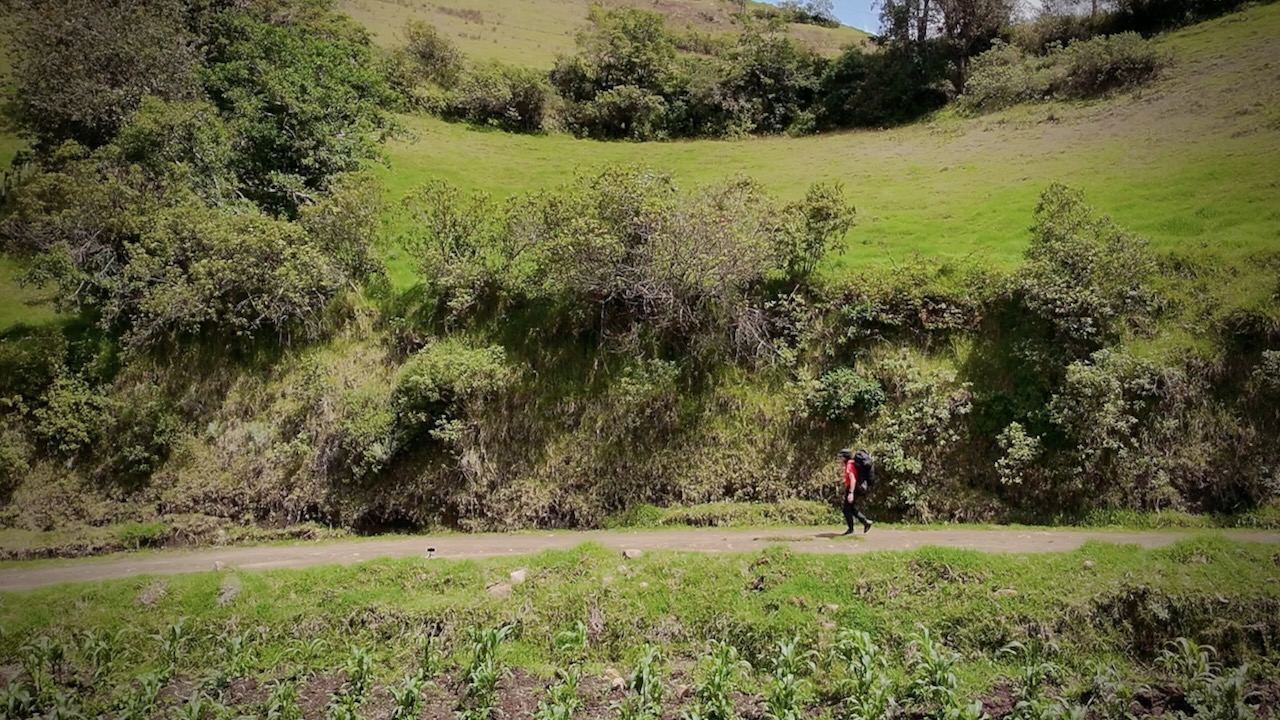
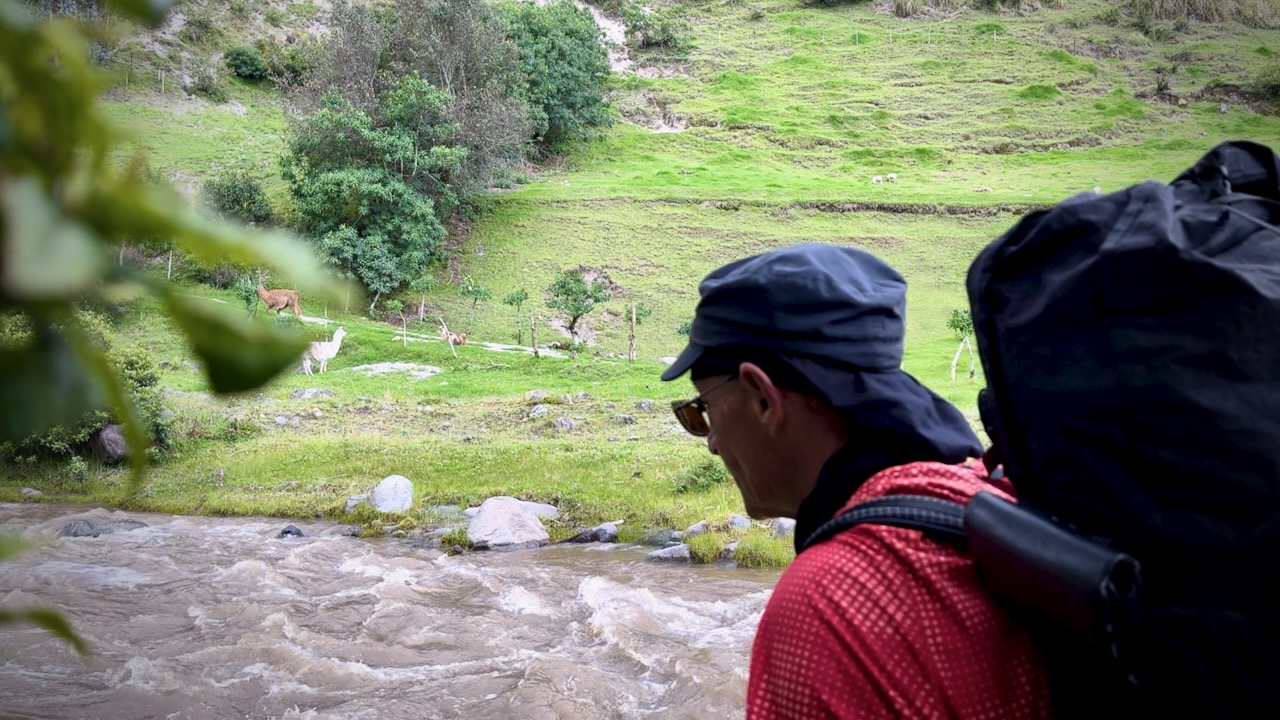
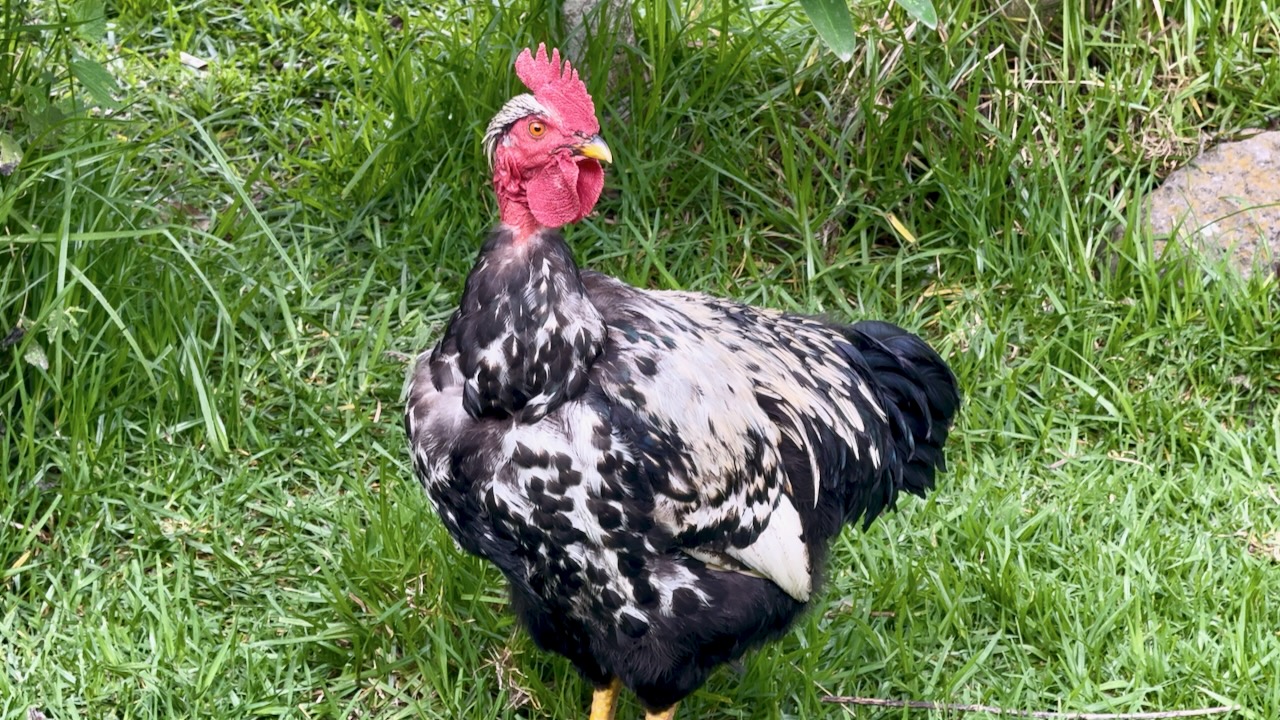
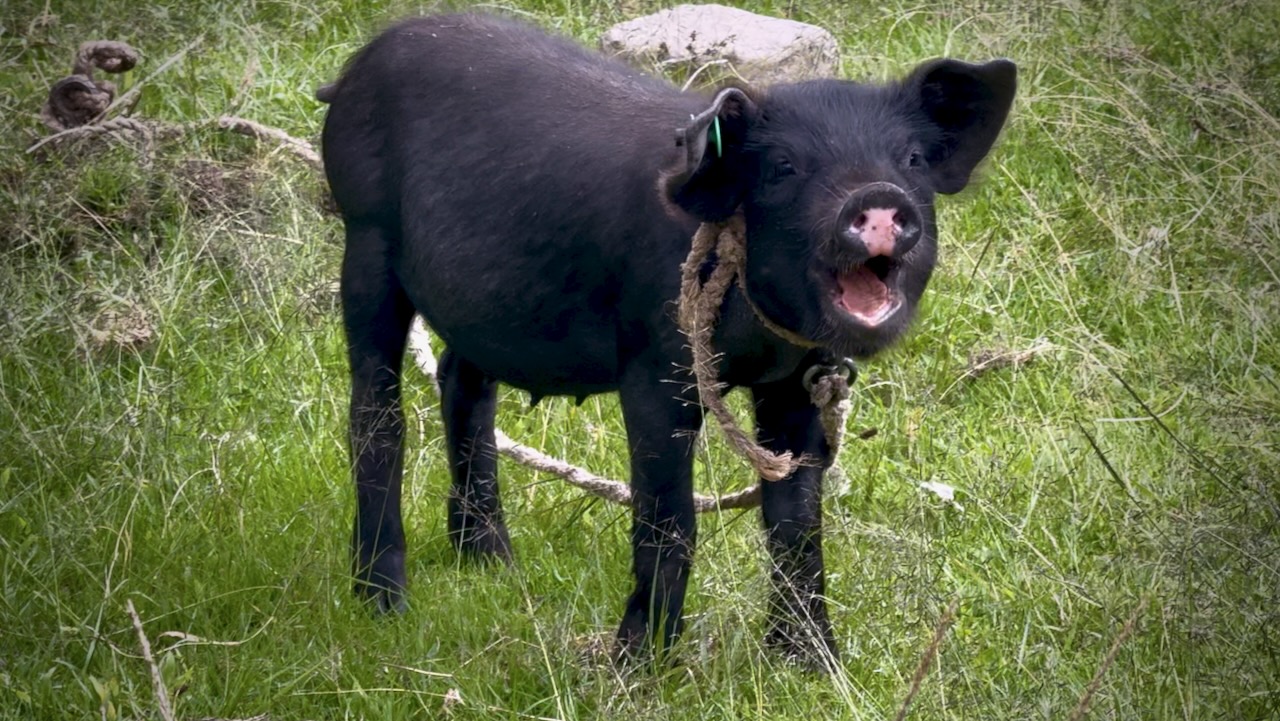
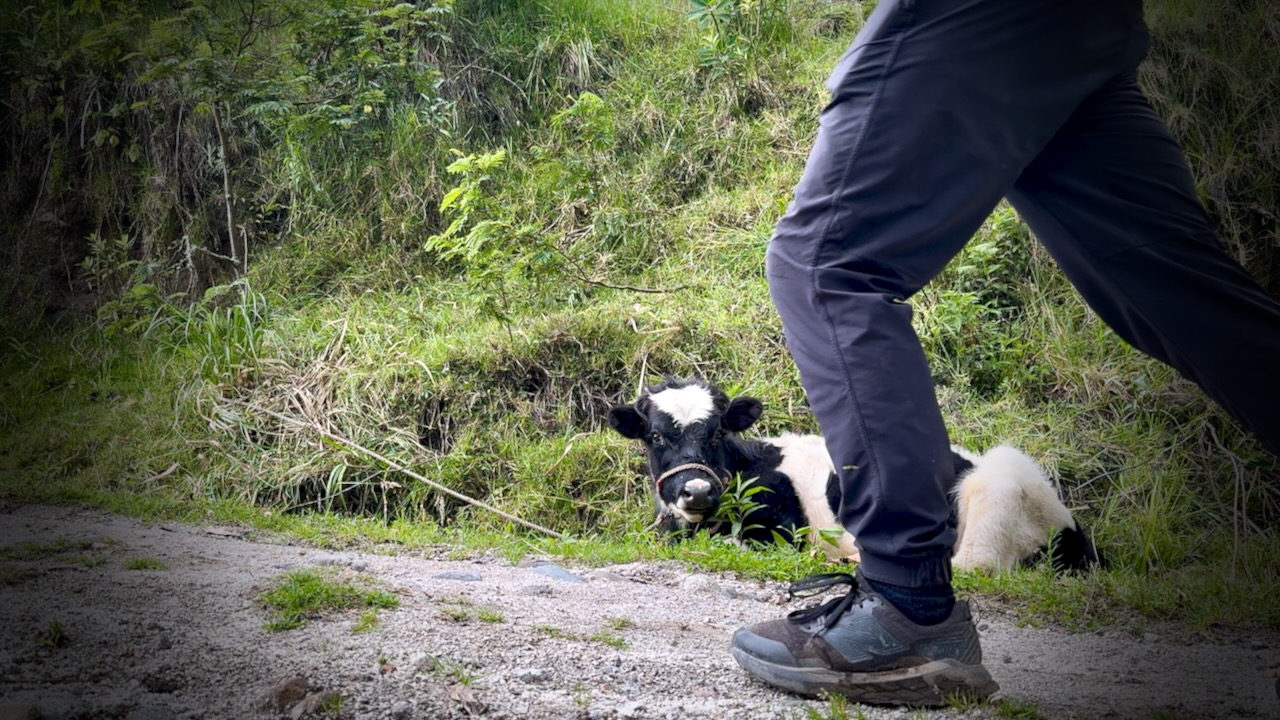
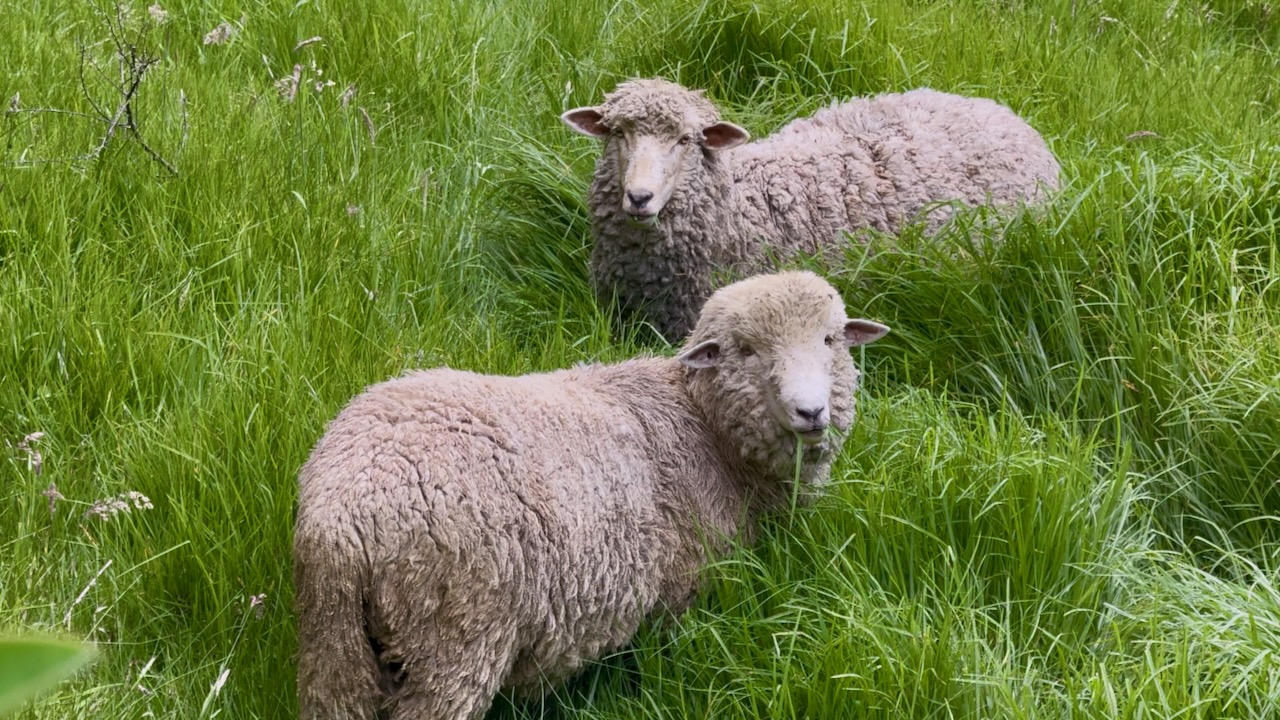
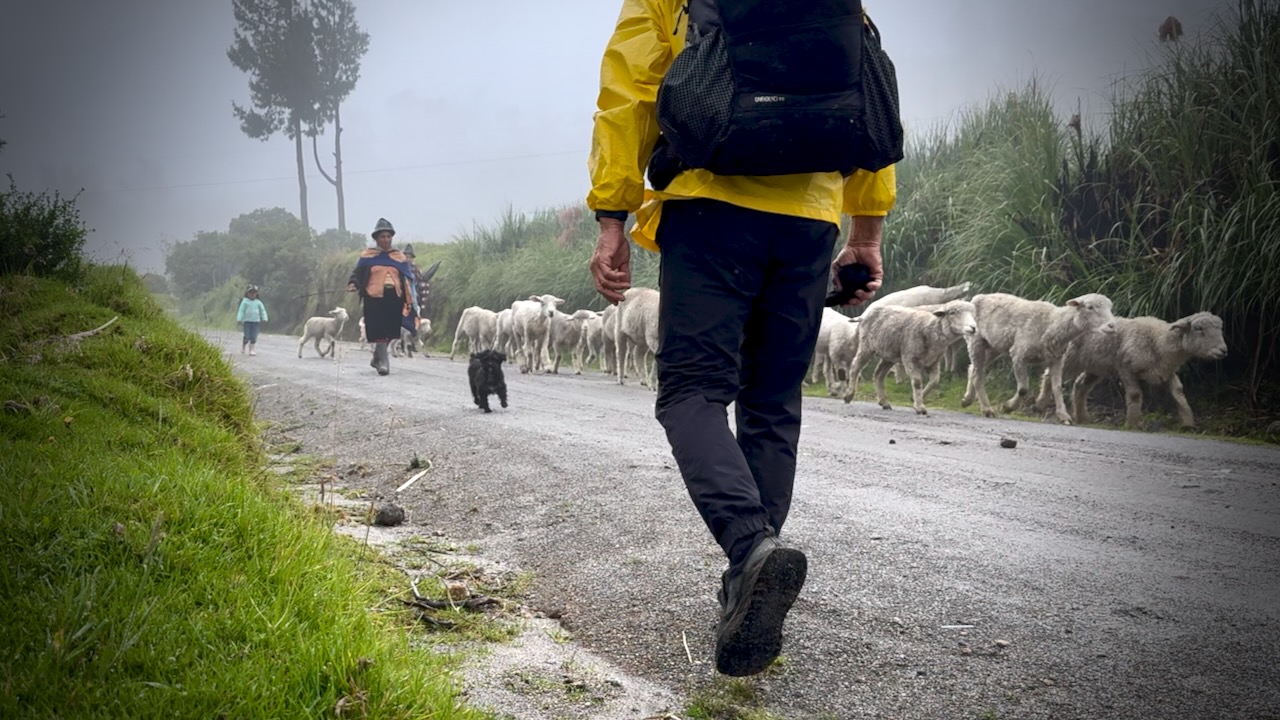
I saw few hikers each day as we were all walking the same direction. BUT was never lonely. Domestic animals are everywhere on this trail.
The sun was out for several hours. Dangerous near the equator. It’s easy to sunburn. I should have covered-up up better.
Sunburn victim.
Peanut butter for lunch on the bridge.
As is typical of the weather here, rain began in the early afternoon. My phone ran out of juice and would not be recharged by portable battery because the cable was wet. My Apple Watch died.
Without electronic navigation, I could really have gotten lost.
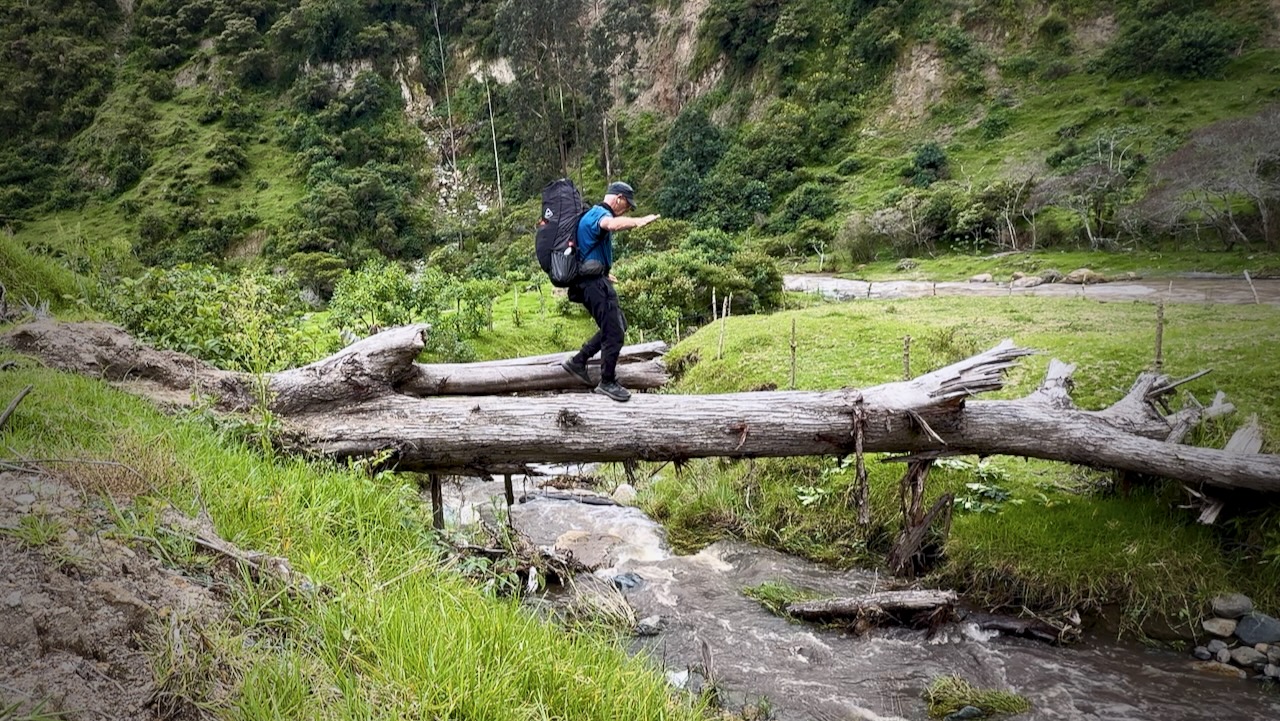
Even worst, the last part of day 2 has multiple possible routes. I ended up on one which was stunning, but more difficult. Somehow I still made it to Chugchilán, a larger town. We stayed at the Cloud Forest which featured a Sauna.
Day 3
Having learned my lesson, I started early.
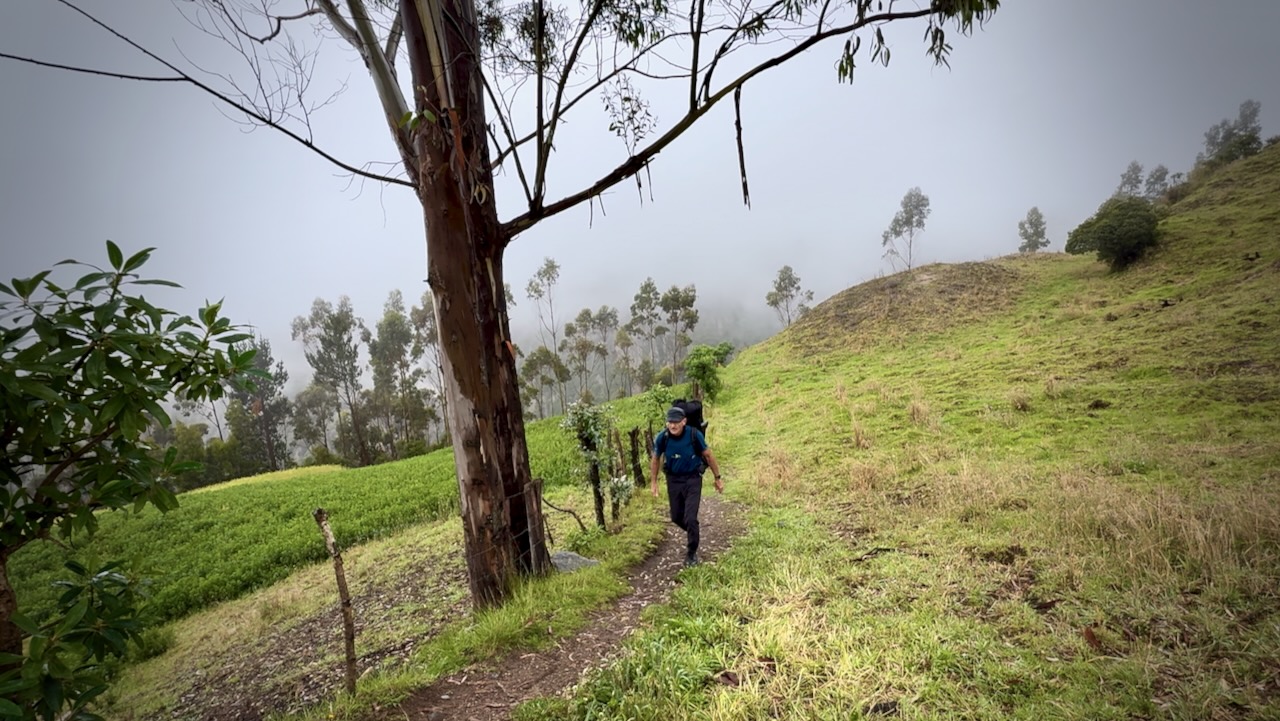
As elevation increases, I had more cloud.
Hikers debate which is tougher ➙ day 2 or day 3. Both are challenging.
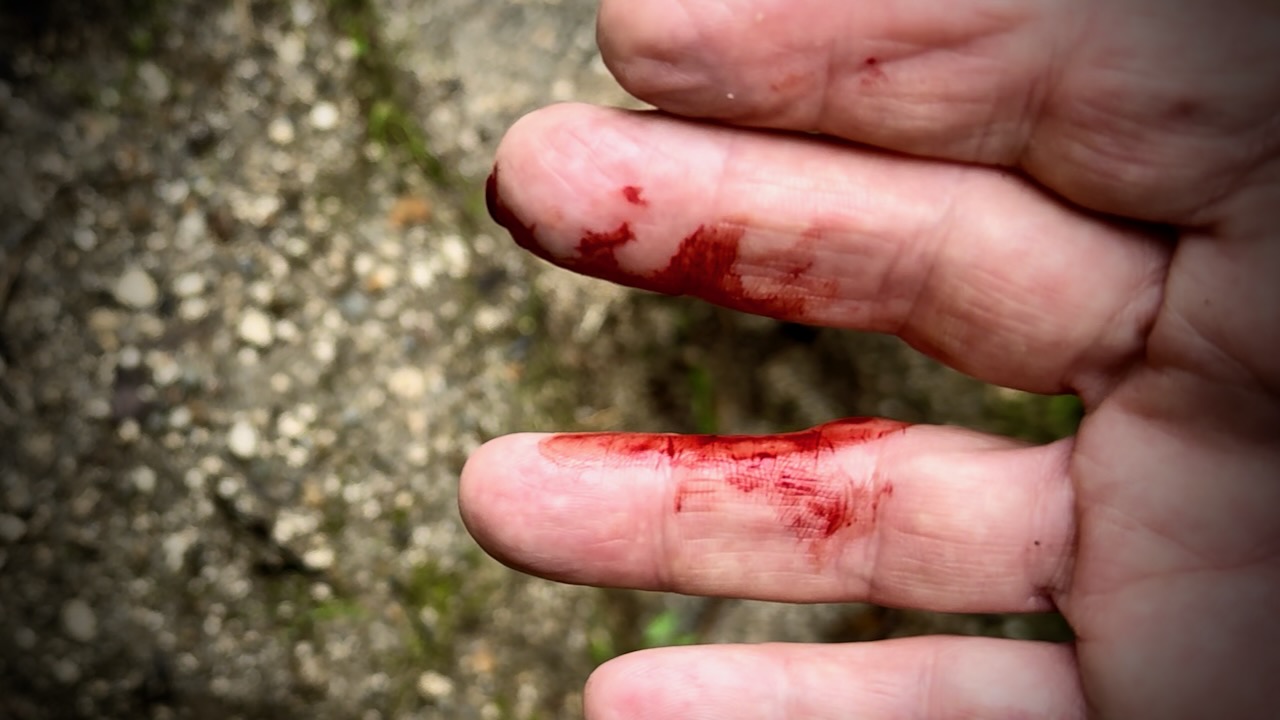
My fingers were bleeding at least 3 times. Some of the vegetation is thorny.
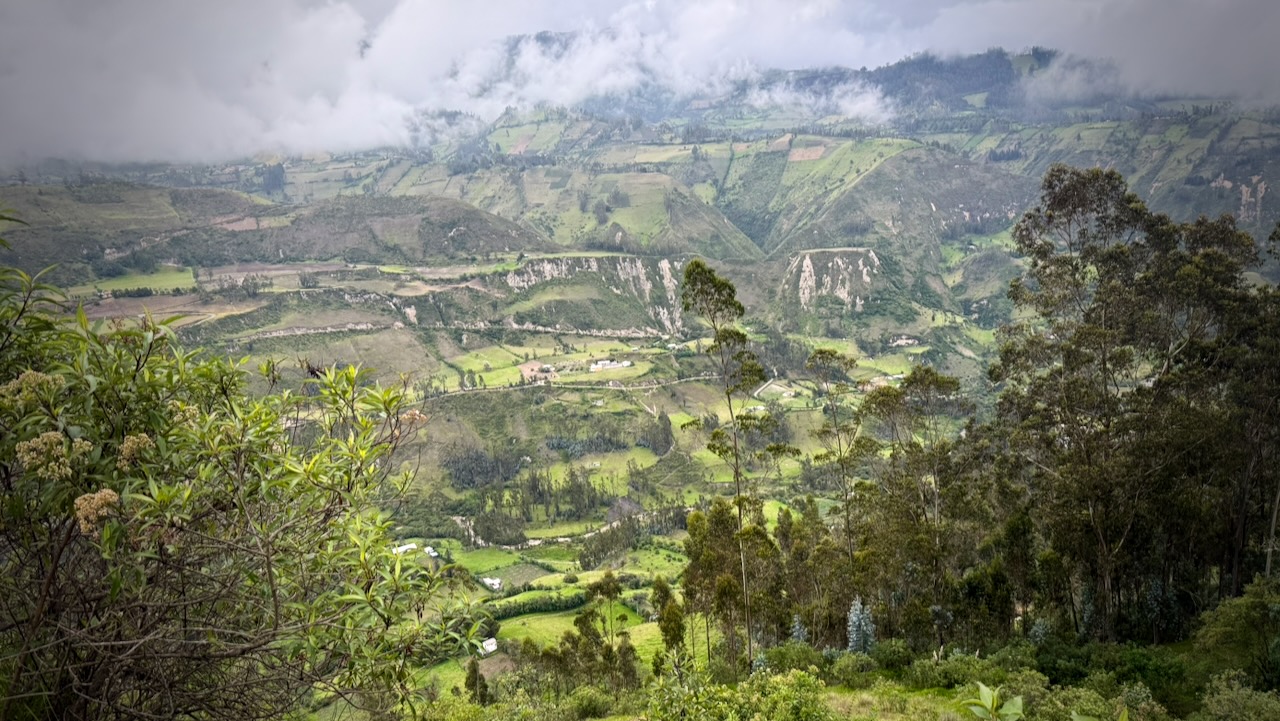
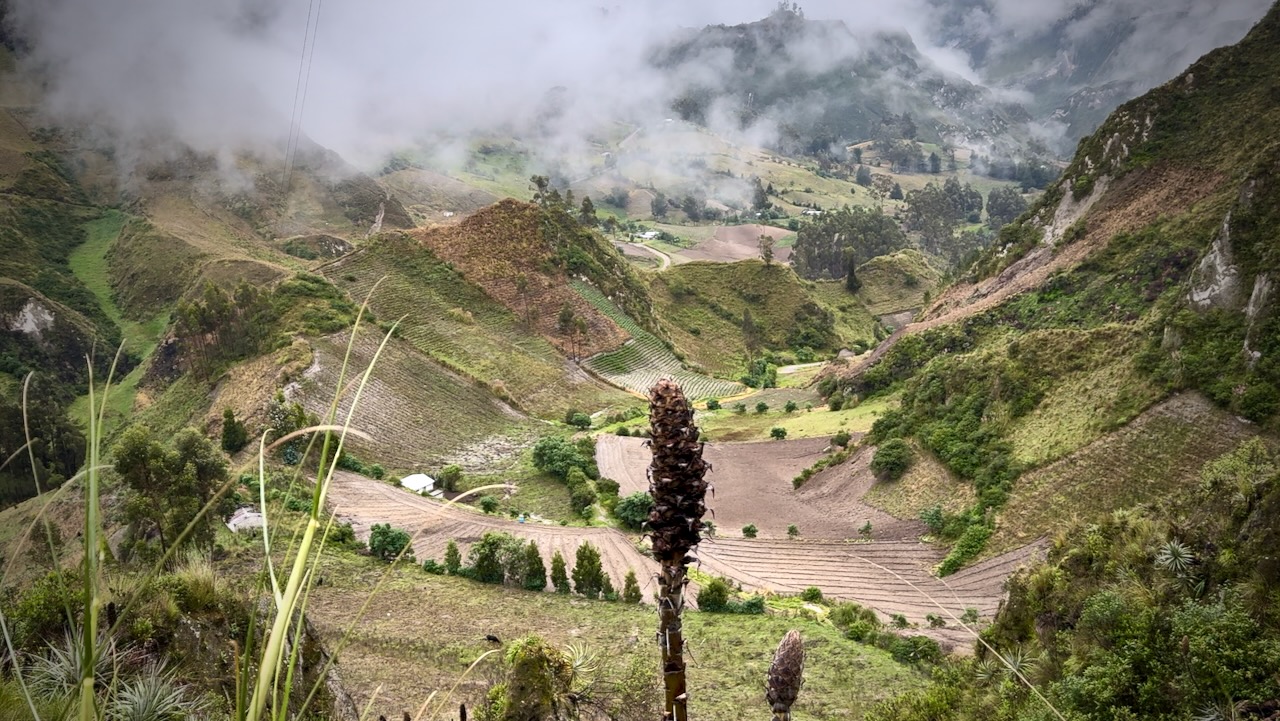
There are some astonishing valley vistas this day.
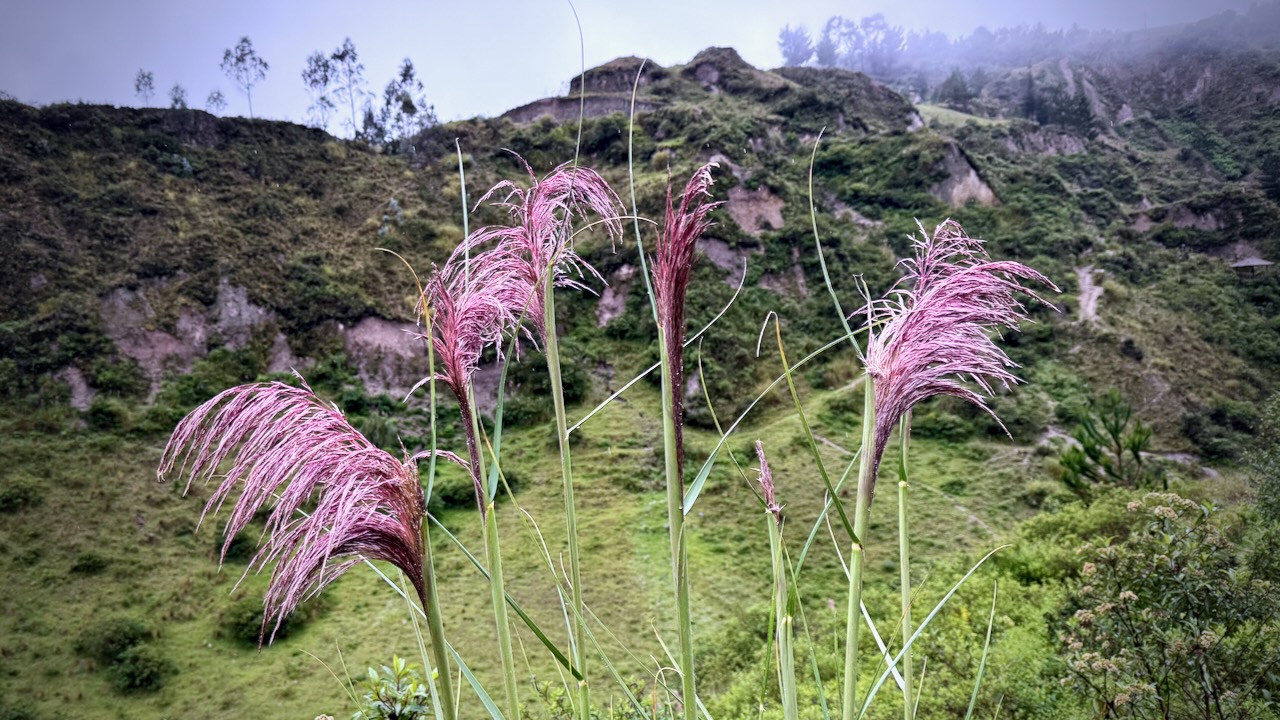
Vegetation does change with elevation.
Rush hour.
Celebration time when finally reaching the crater ridge.
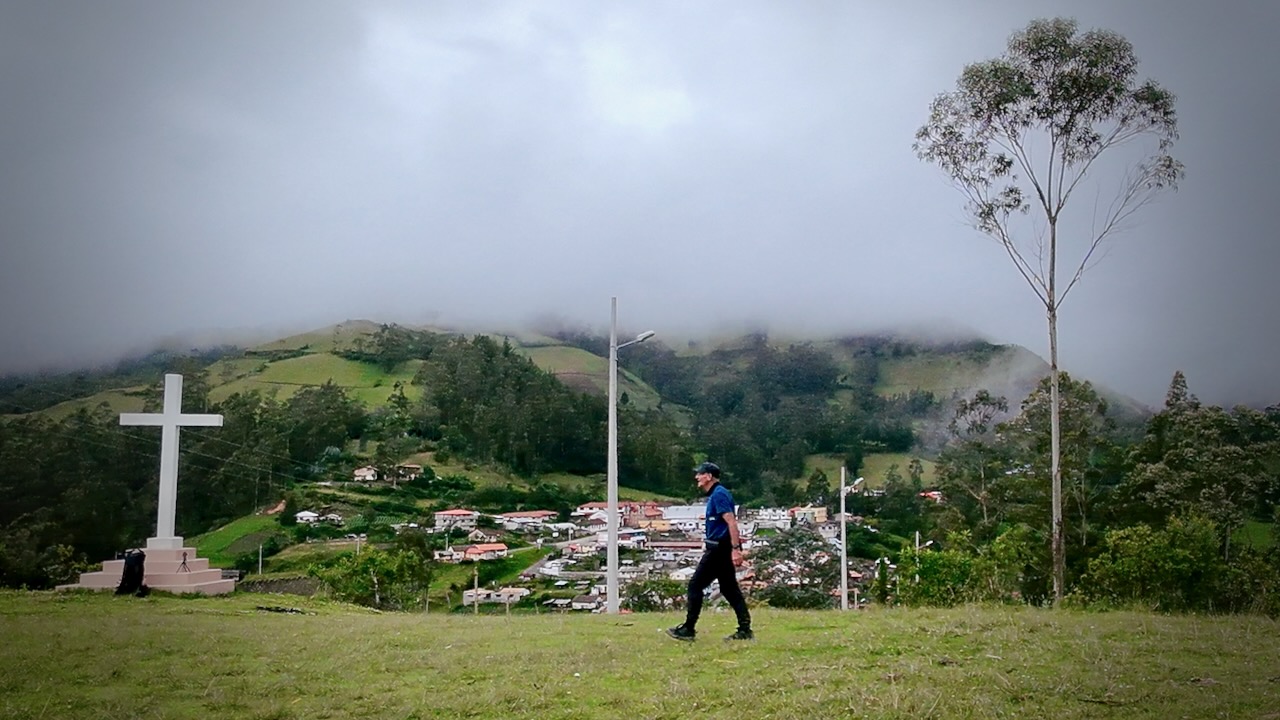
From this point, it’s still about an hour’s walk to Quiloto village, a 100% tourist trap.
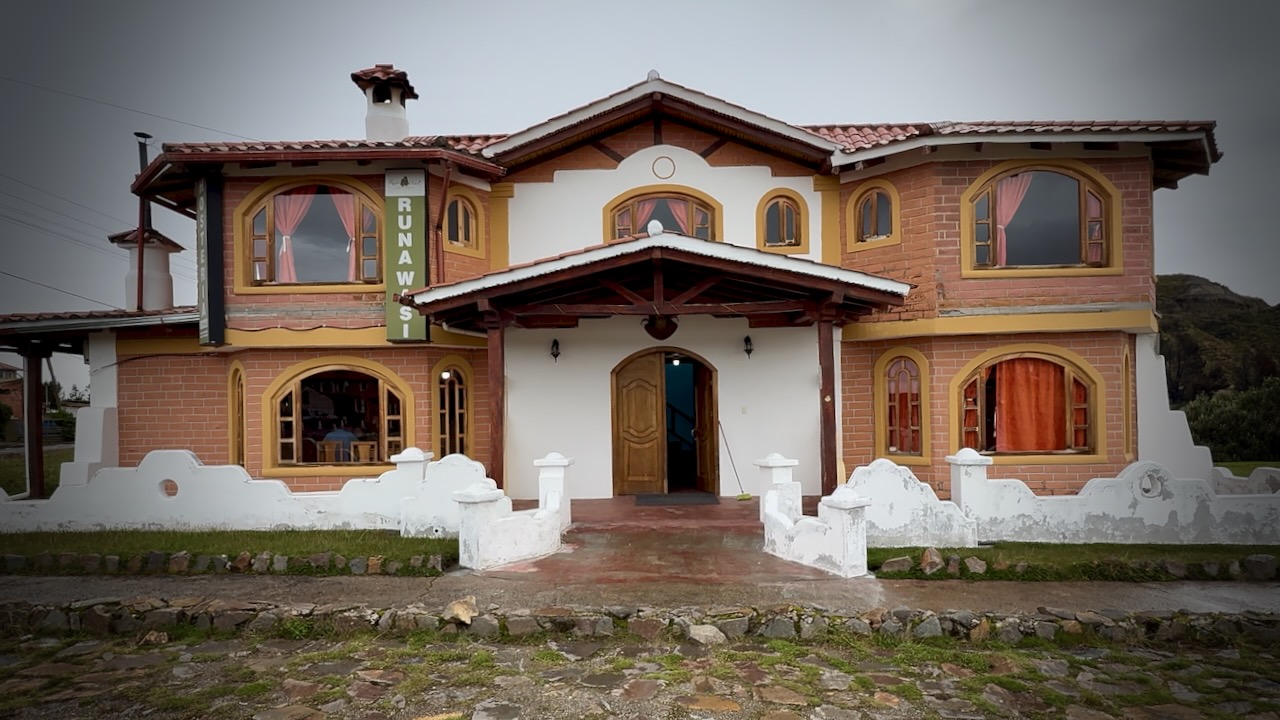
I was happy we decided to stay at Runa Wasi hostel. Classy, friendly accommodation.
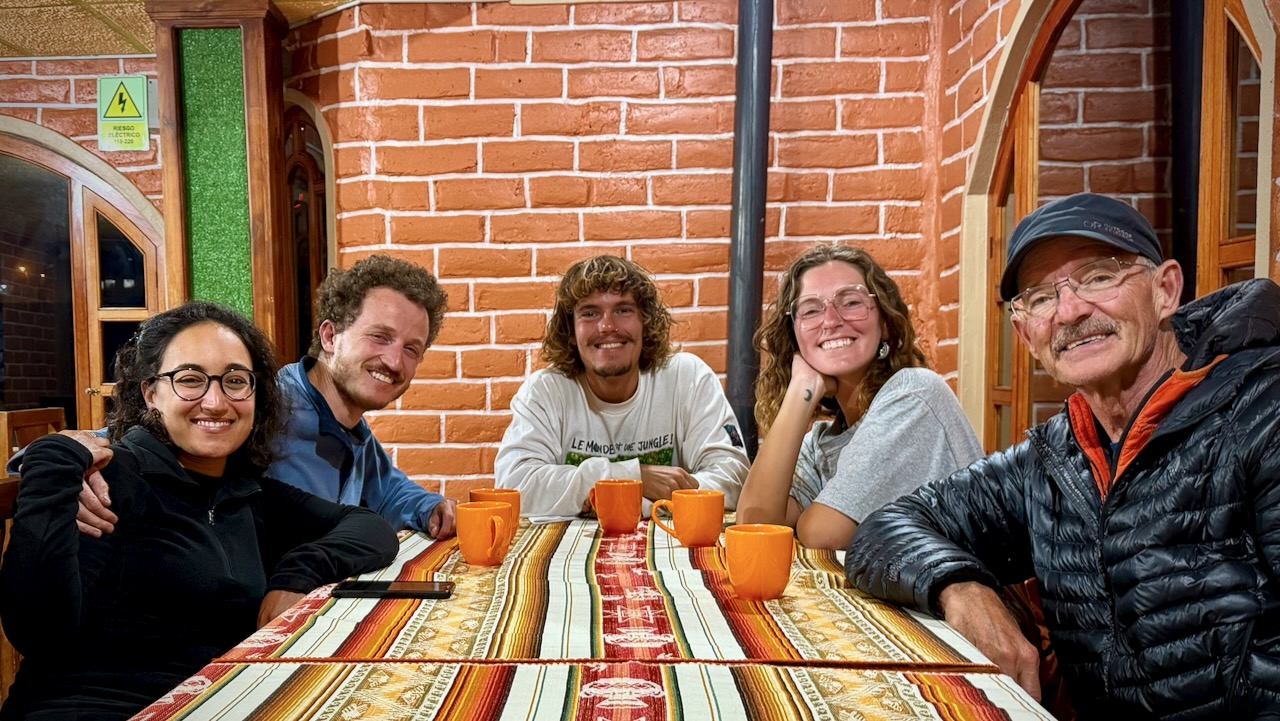
By the end of day 3 you’ve gotten to know hikers on the same schedule. Celebration time.
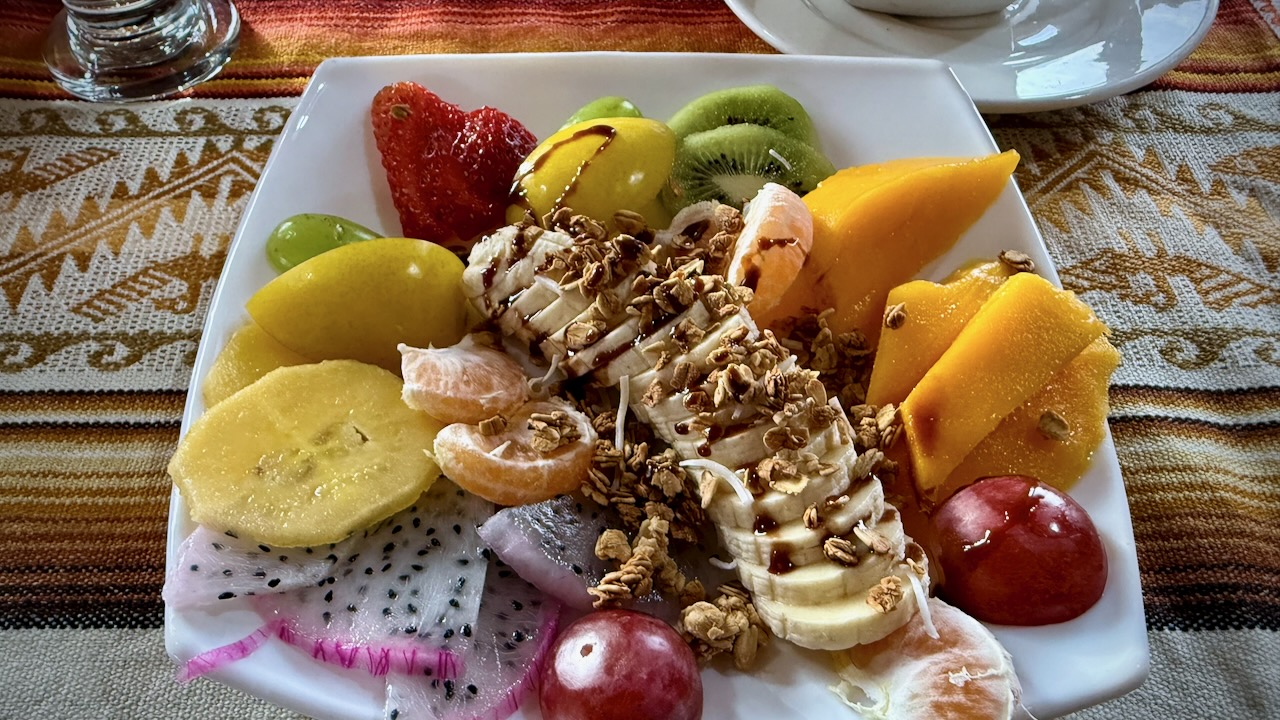
Great food, as well.
Day 4
Breakfast as quick as possible ➙ then off while the weather was good.
The 10.8km Quilotoa Crater Circuit next morning took me 4-5 hours. An extra 795m elevation gain with MANY photo & video stops.
Quilotoa village.
After 3 days with a heavy load, I decided to chug a litre of water. Then speed hike the Circuit with no day pack.
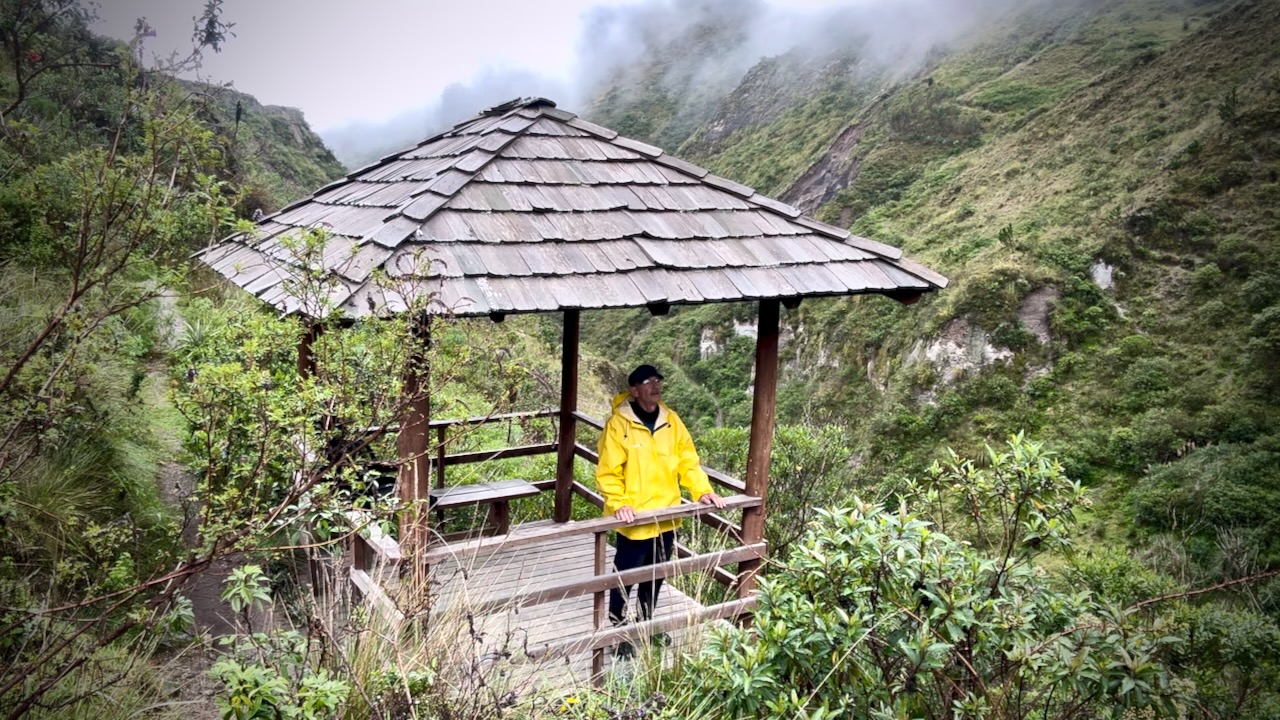
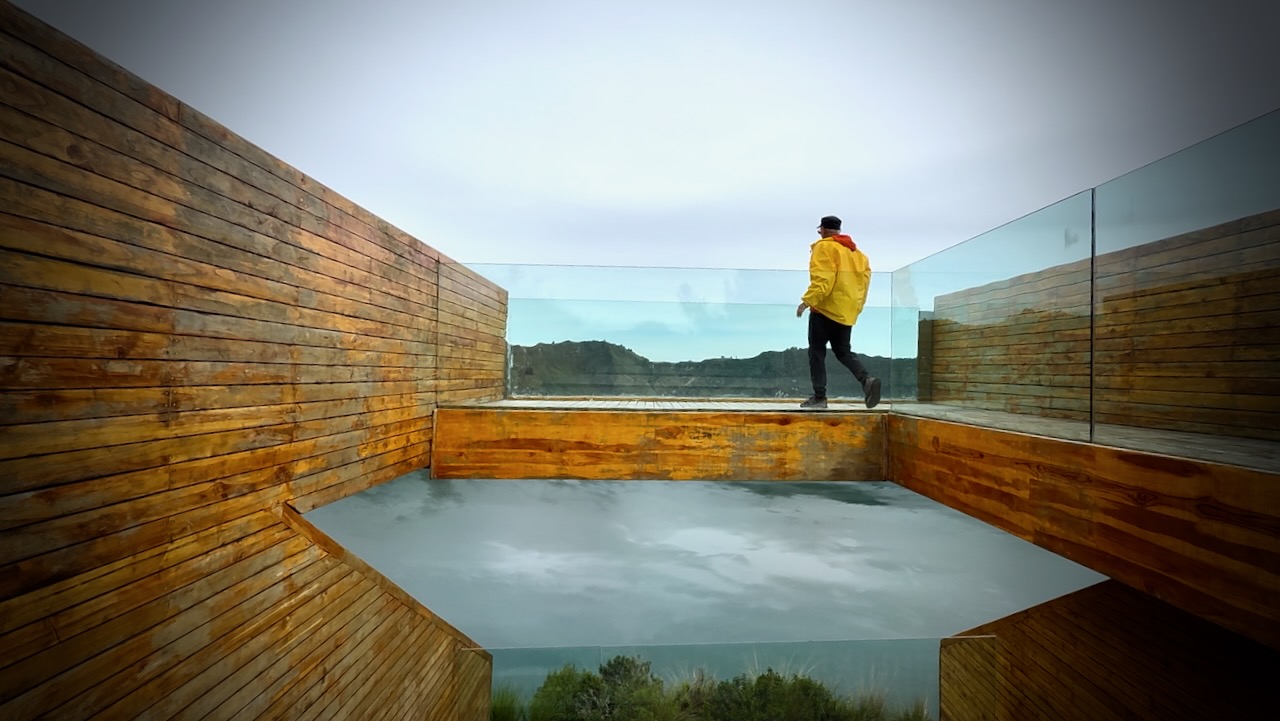
There are a number of viewpoints. This one with the glass floor the most impressive.
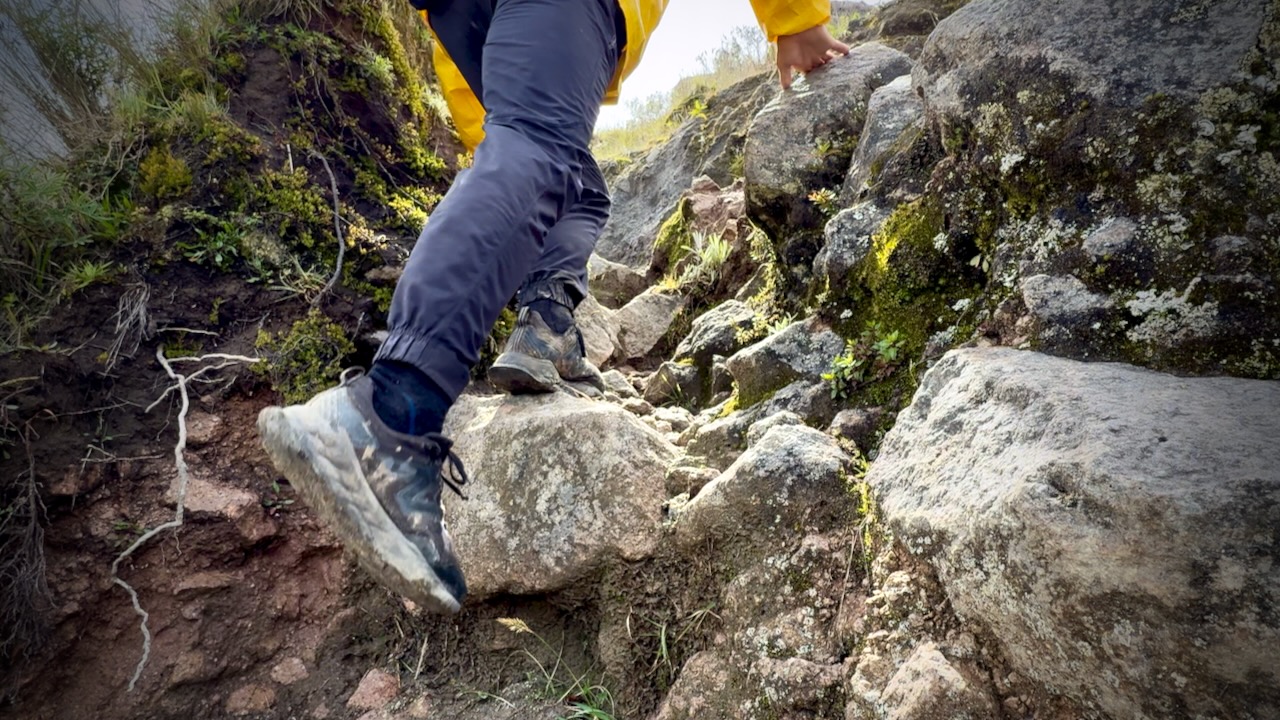
I’d decided to turn right from the village as this was considered the more difficult part. And I wanted to do it first in case of rain later. There is some scrambling.
There are some random llamas on the rim. Village children ask $1 if you want to take a photo.
With no day pack, I made good time.
Weather excellent this morning. Though quite windy.
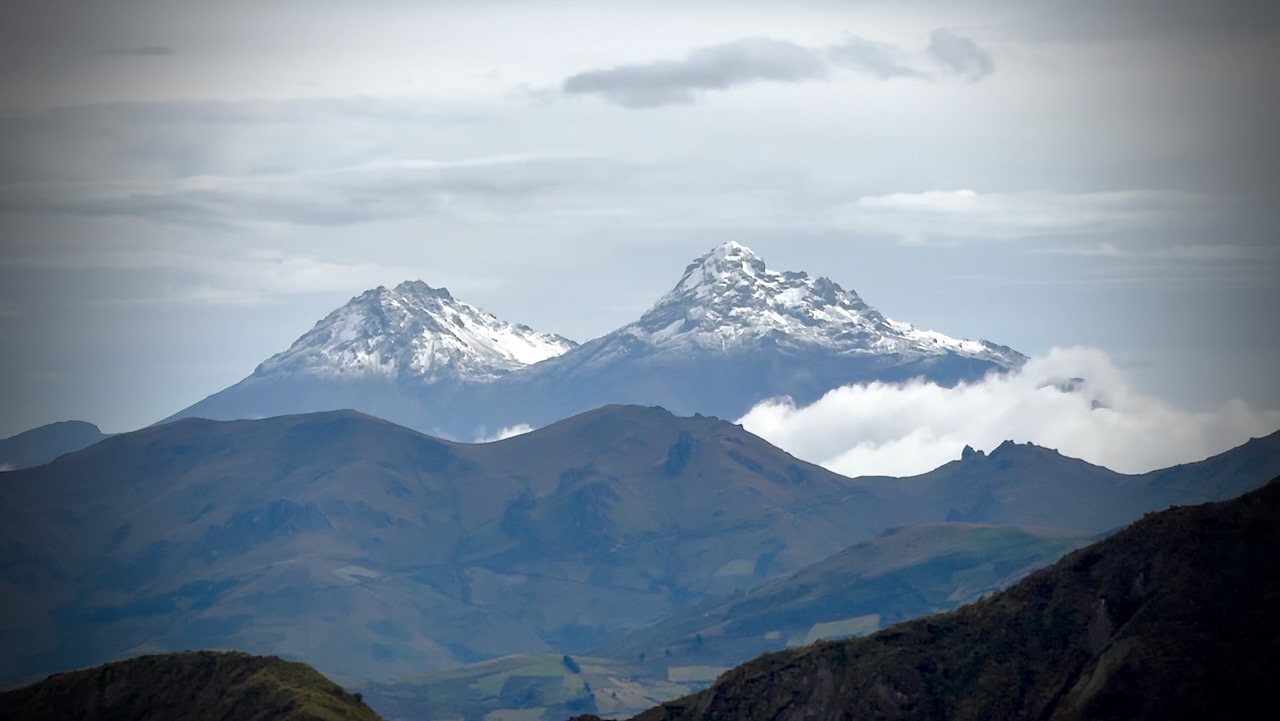
Good views of snow-capped volcanoes Cotopaxi and Chimborazo.
For me, this was the best hiking day.
You could drive or bus up to Quilotoa village and just do this Circuit.
I caught the bus back to Latacunga. And connected to Quito.
60 Minutes has much been in the news of late. New CBS News editor-in-chief, Bari Weiss pulled a segment on President Trump’s deportations just hours before broadcast. It was widely seen as political pandering to Trump. His move to deport people from the USA to the El Salvador prison CECOT, is likely a human rights abuse and potentially criminal.
If you believe in Freedom of the Press as guaranteed by the U.S. Constitution, know that the episode showed on Global TV Canada and was widely available around the world. By trying to protect the President, Bari Weiss ended up bringing even more attention to the potential criminal act.
BUT their feature on the Sherpas of Everest is quite good, bringing public attention to these important guides and porters.

 besthike.com