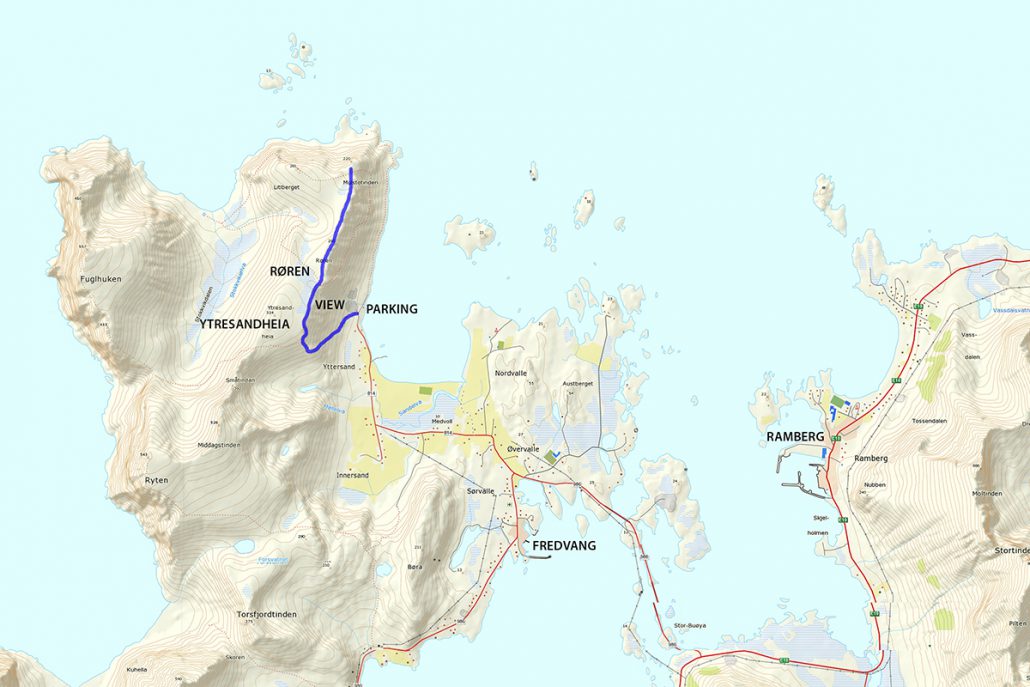
Røren / Ytresandheia is not so much a mountain peak, but rather a long flat ridge on the northernmost tip of Moskenesøy.
With only a small amount of elevation gain and a good trail, this short little hike provides fantastic views over the turquoise waters of Yttersand beach and across to the distant mountains of Flakstadøy. …
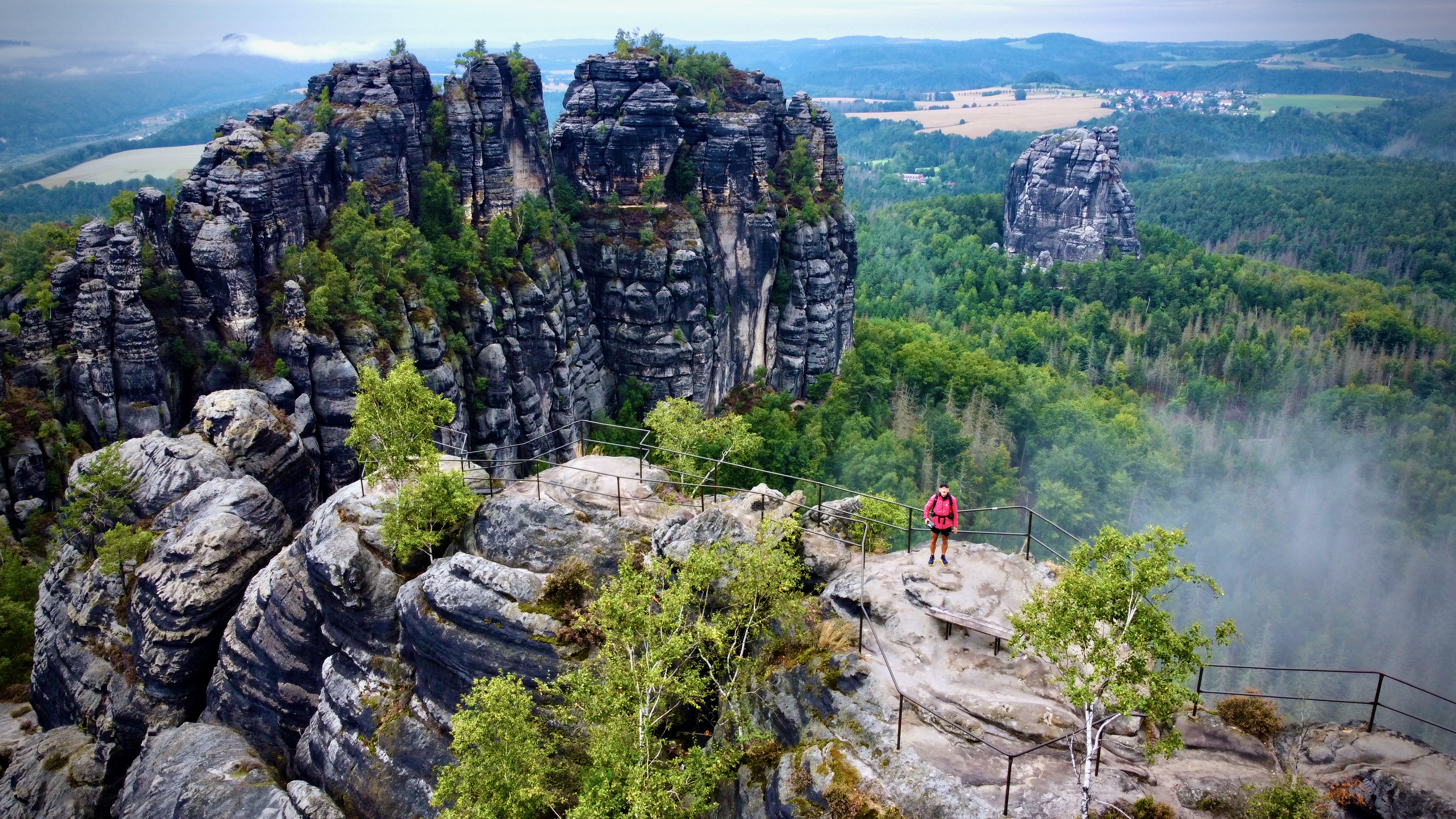
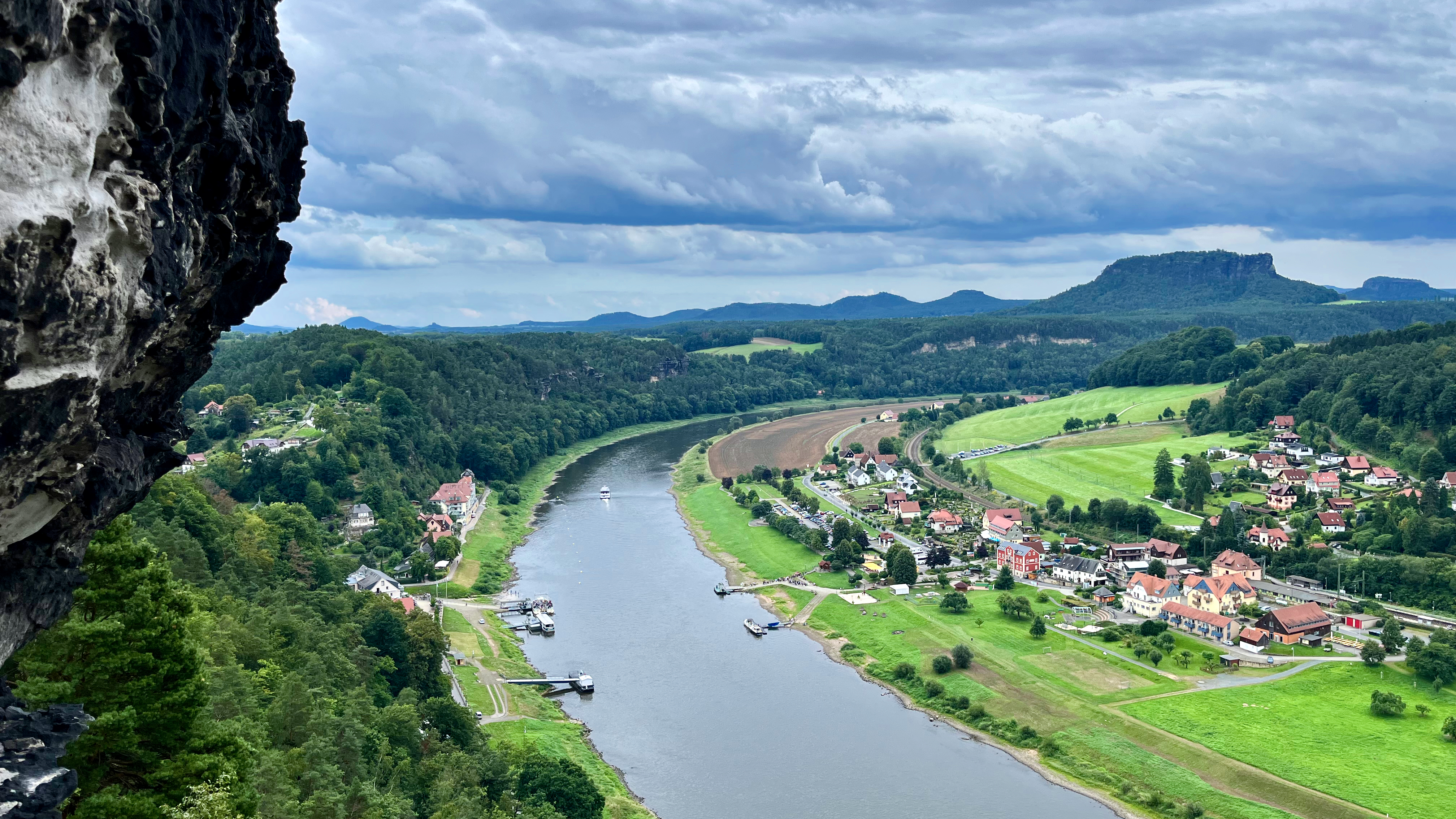
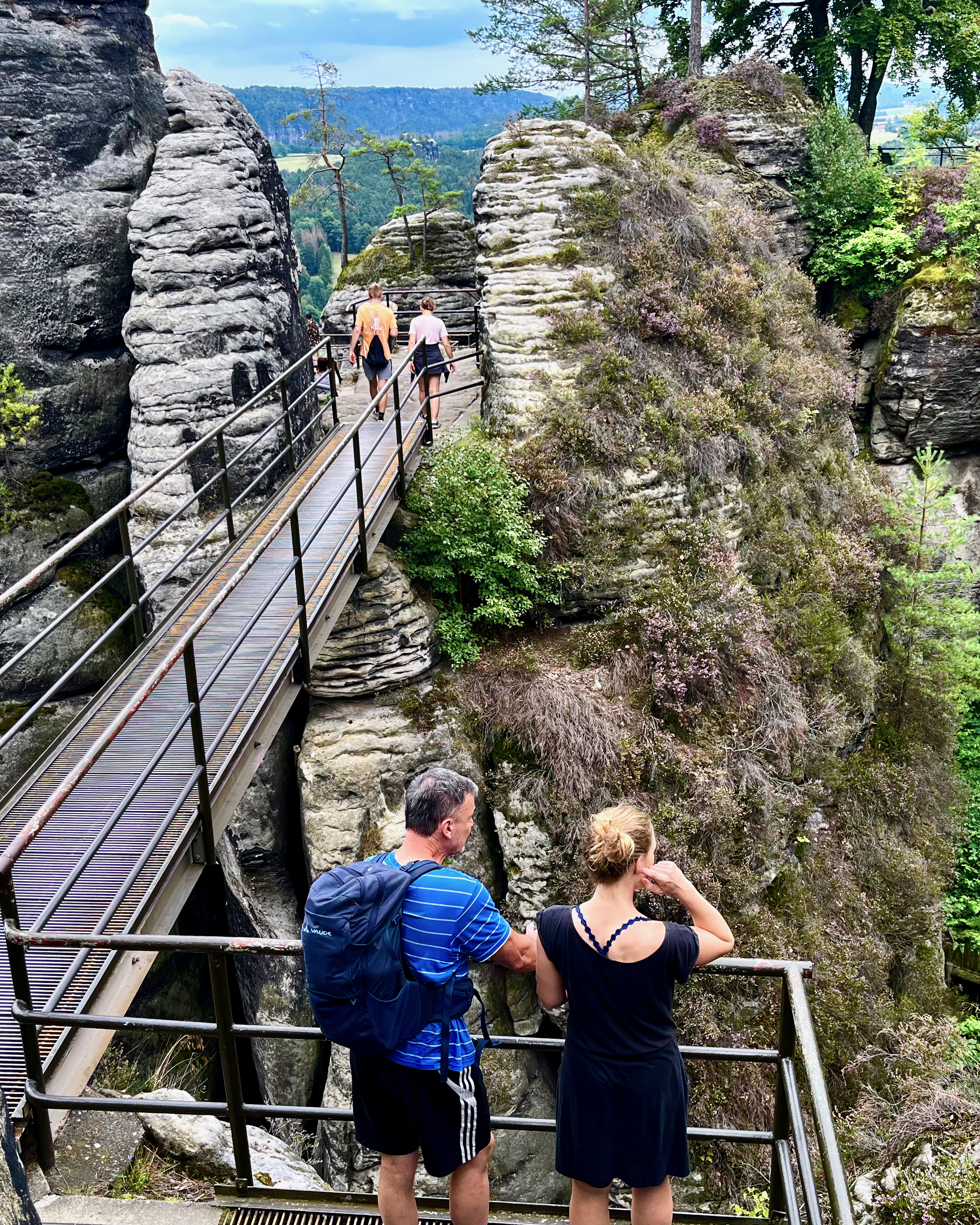
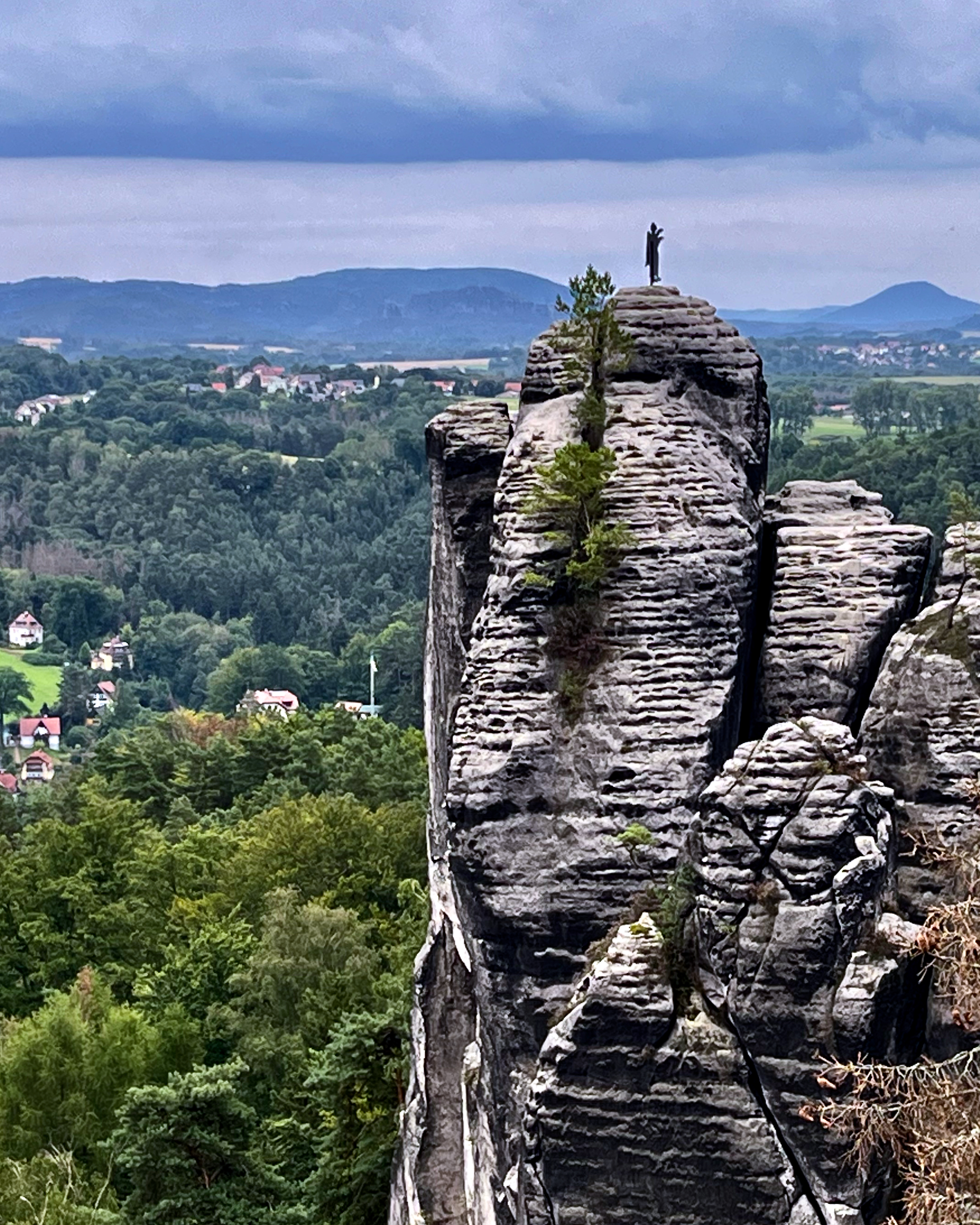
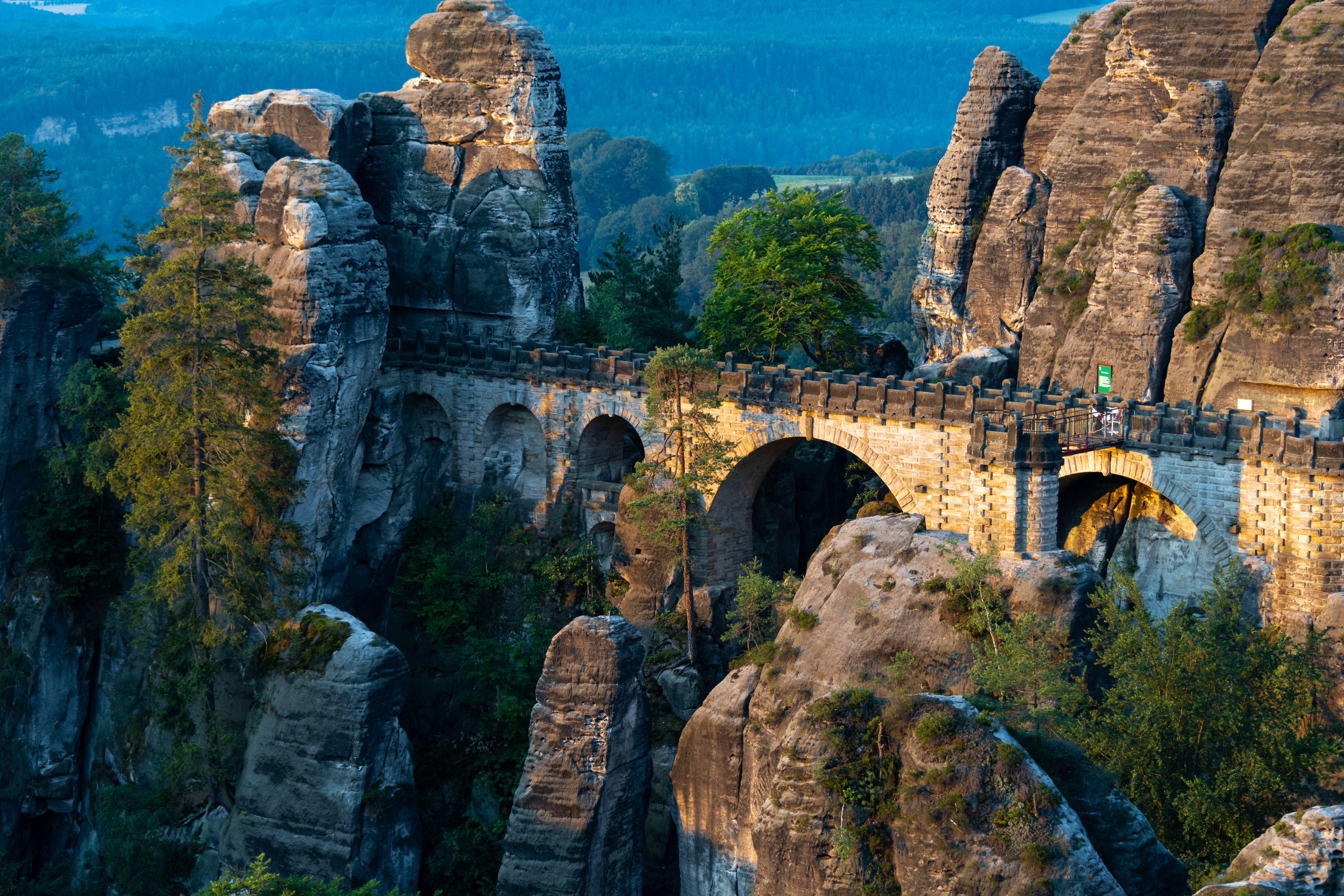
The Bastei (“bastion”) has been a tourist attraction for over 200 years. In 1824, a wooden bridge was constructed to link several rocks for the visitors. This bridge was replaced in 1851 by the present Bastei Bridge made of sandstone. …
I took the train one way to Rathen. Cycled the other.
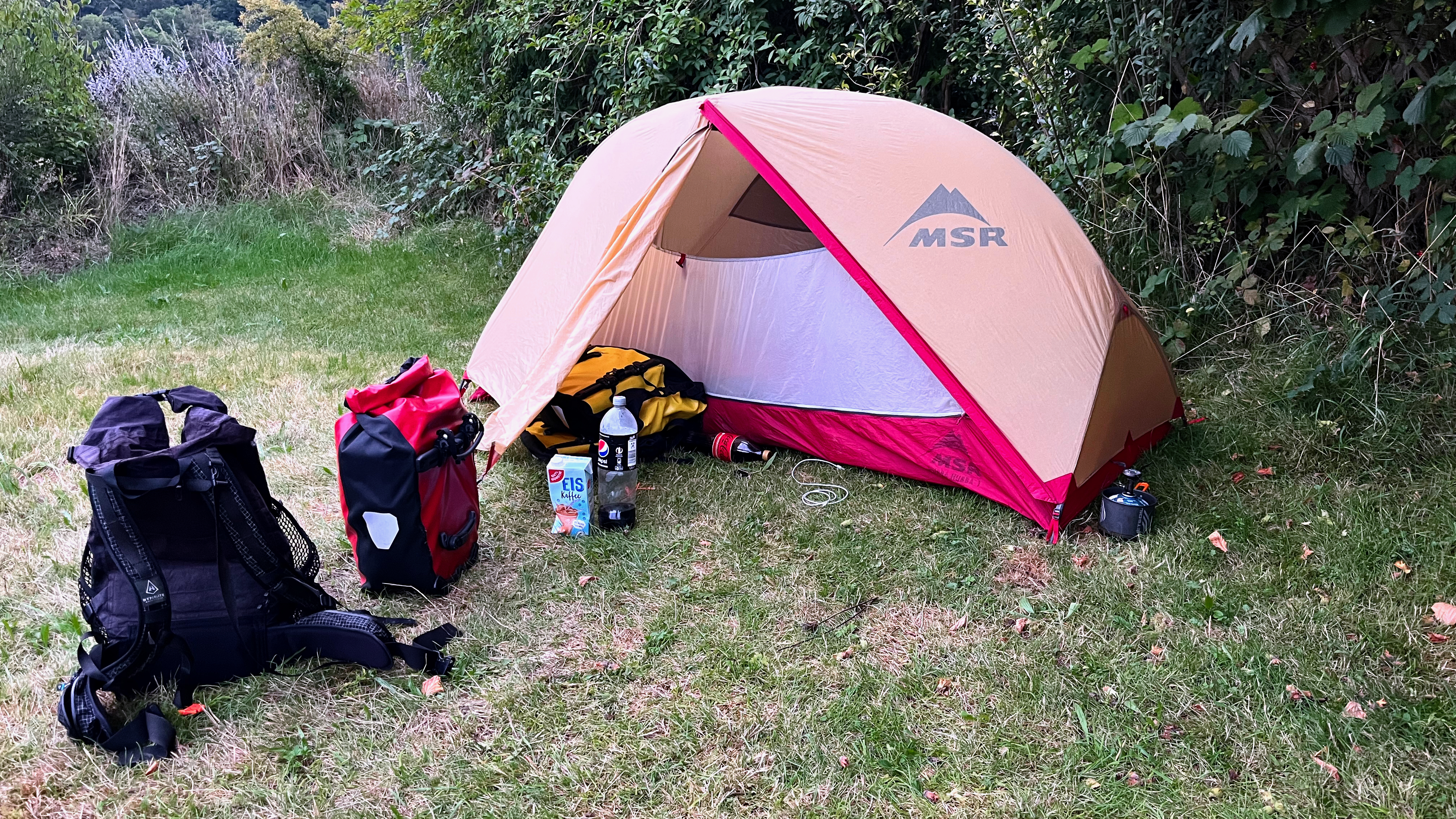
Camped at the very convenient hostel.
My tent is my home away from home. Protection from the elements.
You take a short ferry across the river to reach the Bastei trailheads.
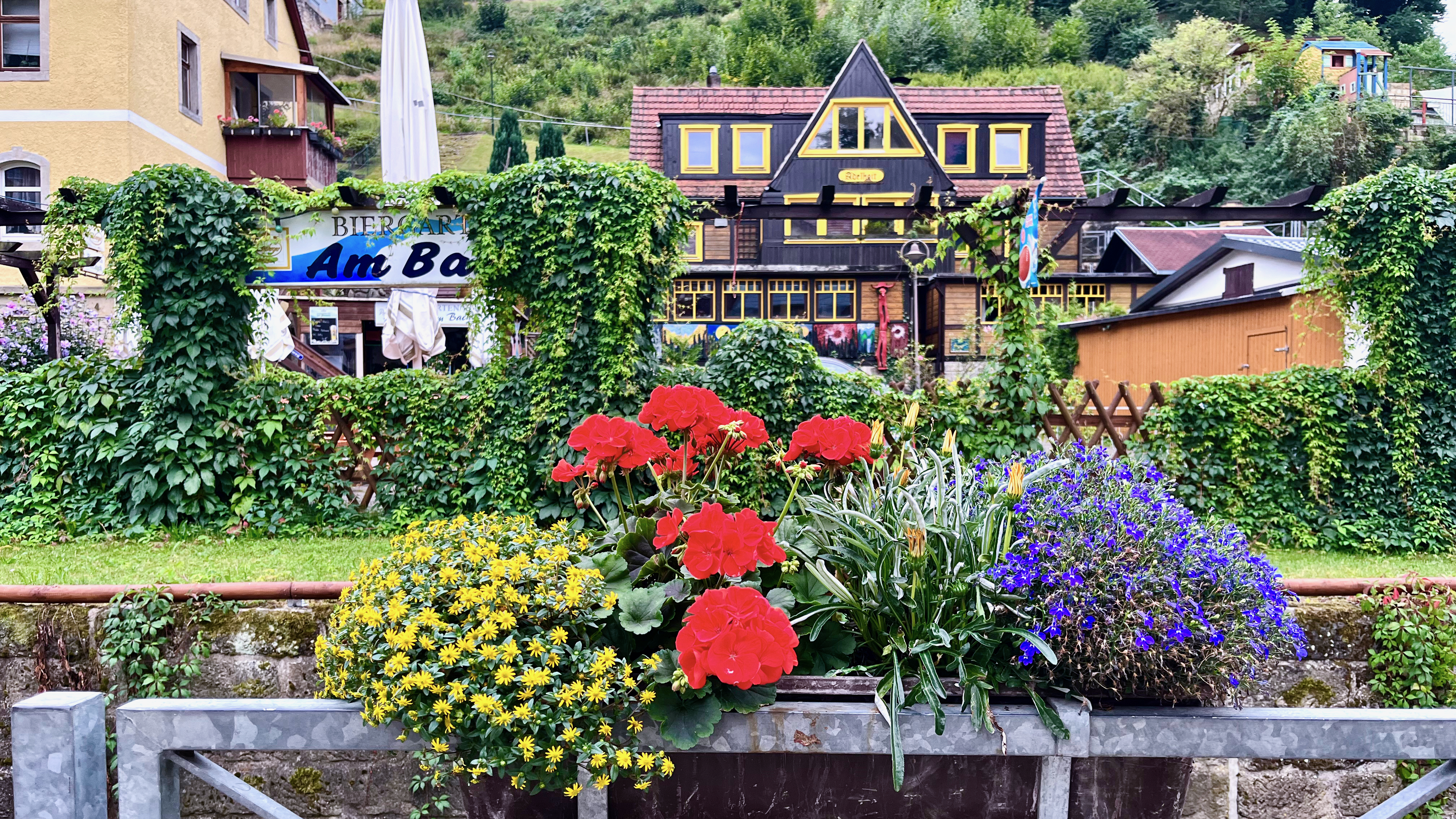
I do love the German country homes. Many are spectacularly colourful and well maintained.
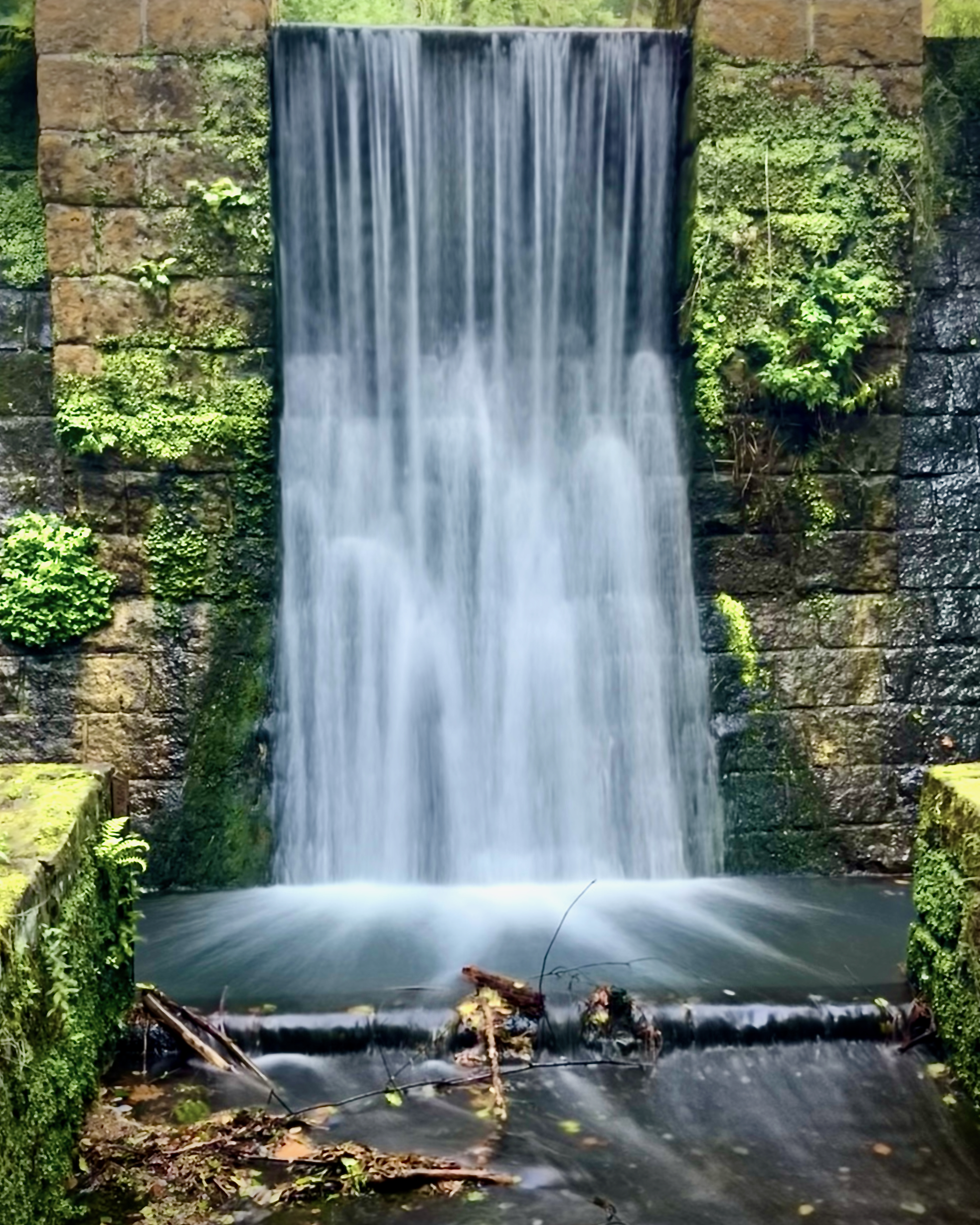
There’s a scenic walk along waterways …
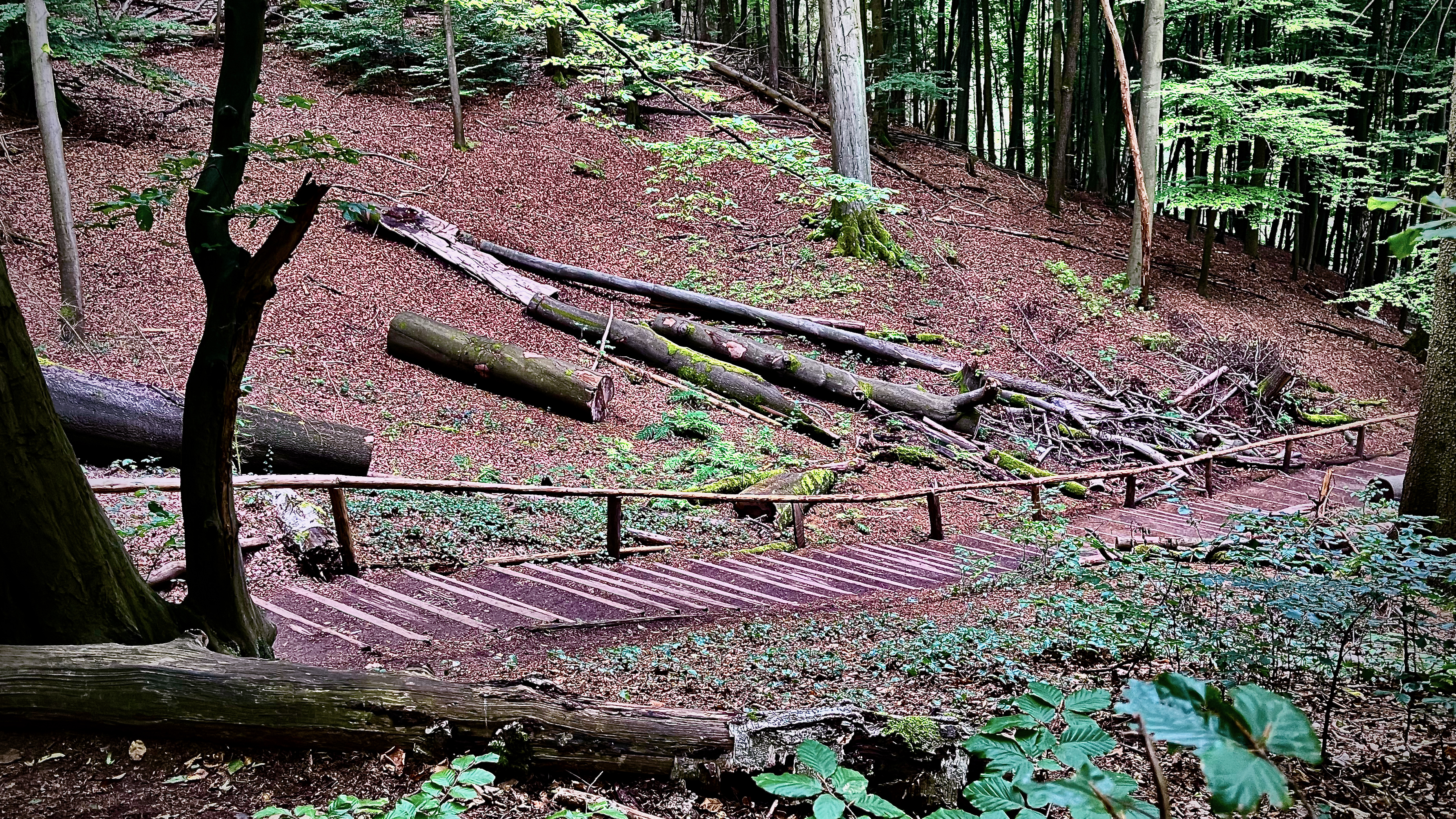
… then several steep ascent trails to get to the bridge.
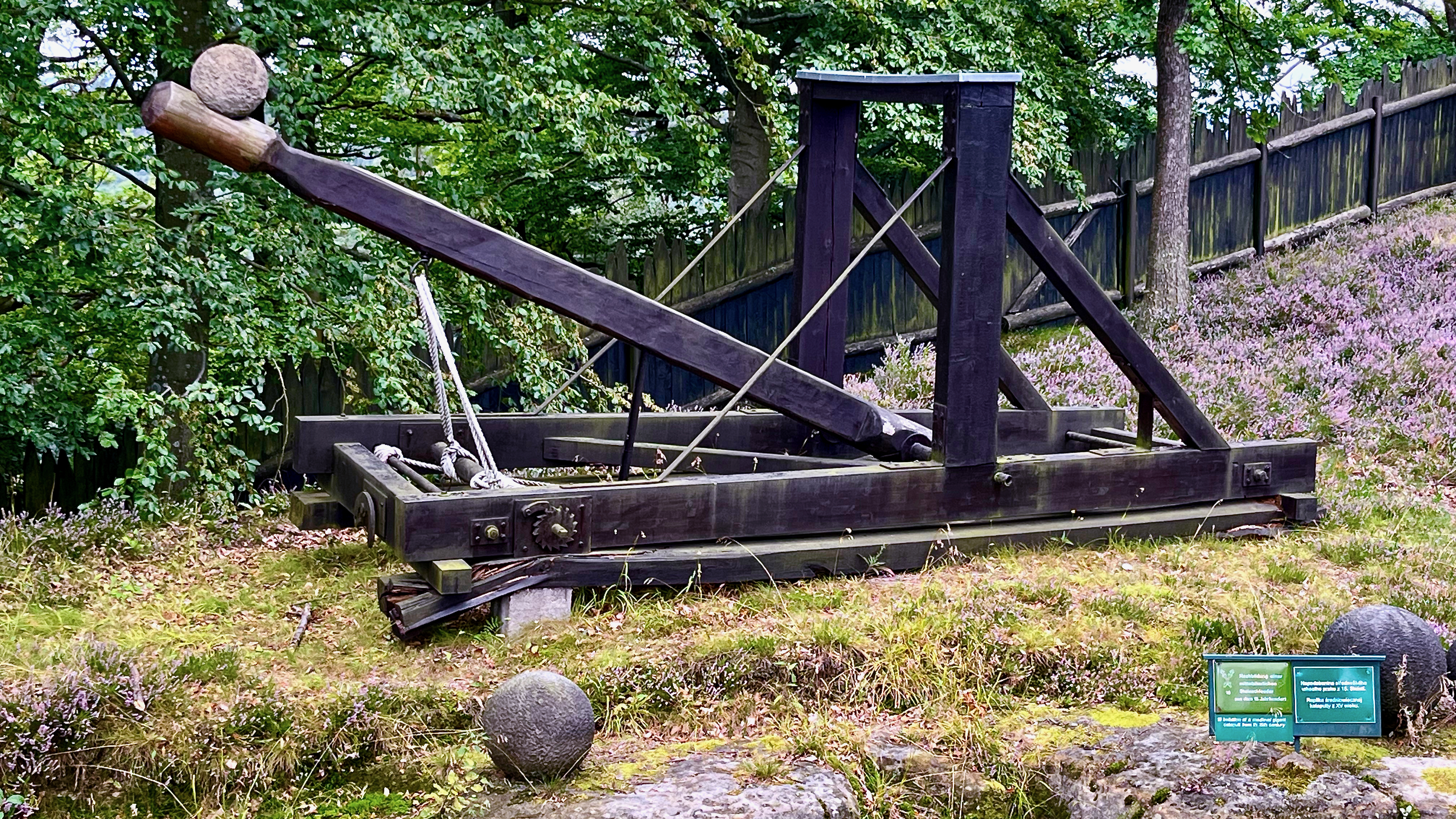
A medieval catapult and many of the boulders are on display.
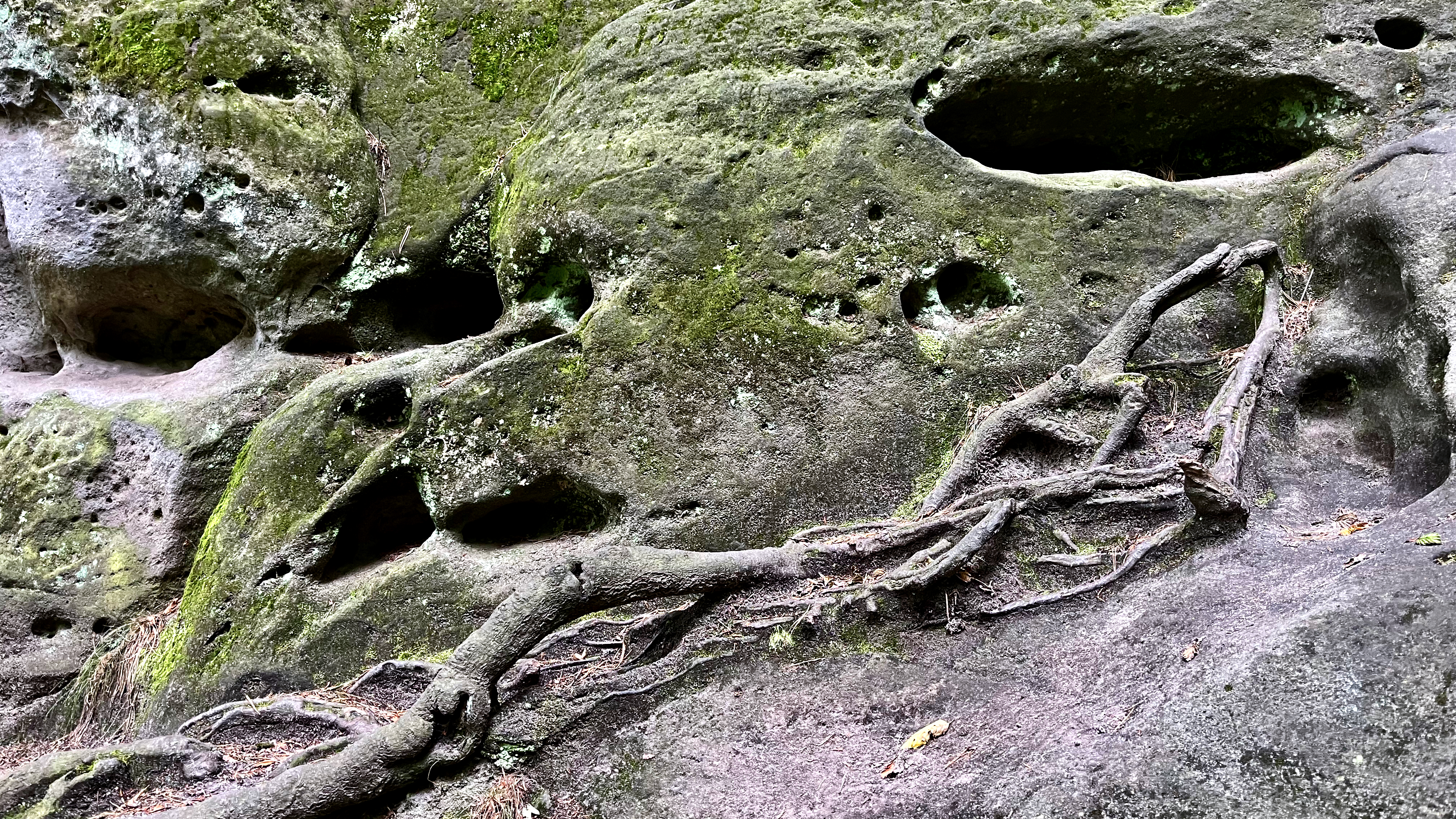
Of course the archeology of the eroded sandstone is varied and interesting.
Once up high it’s all good. Most of the trails are free. But to walk across the bridge itself there is a small fee.
The views are just as good from the free trails, in my opinion.
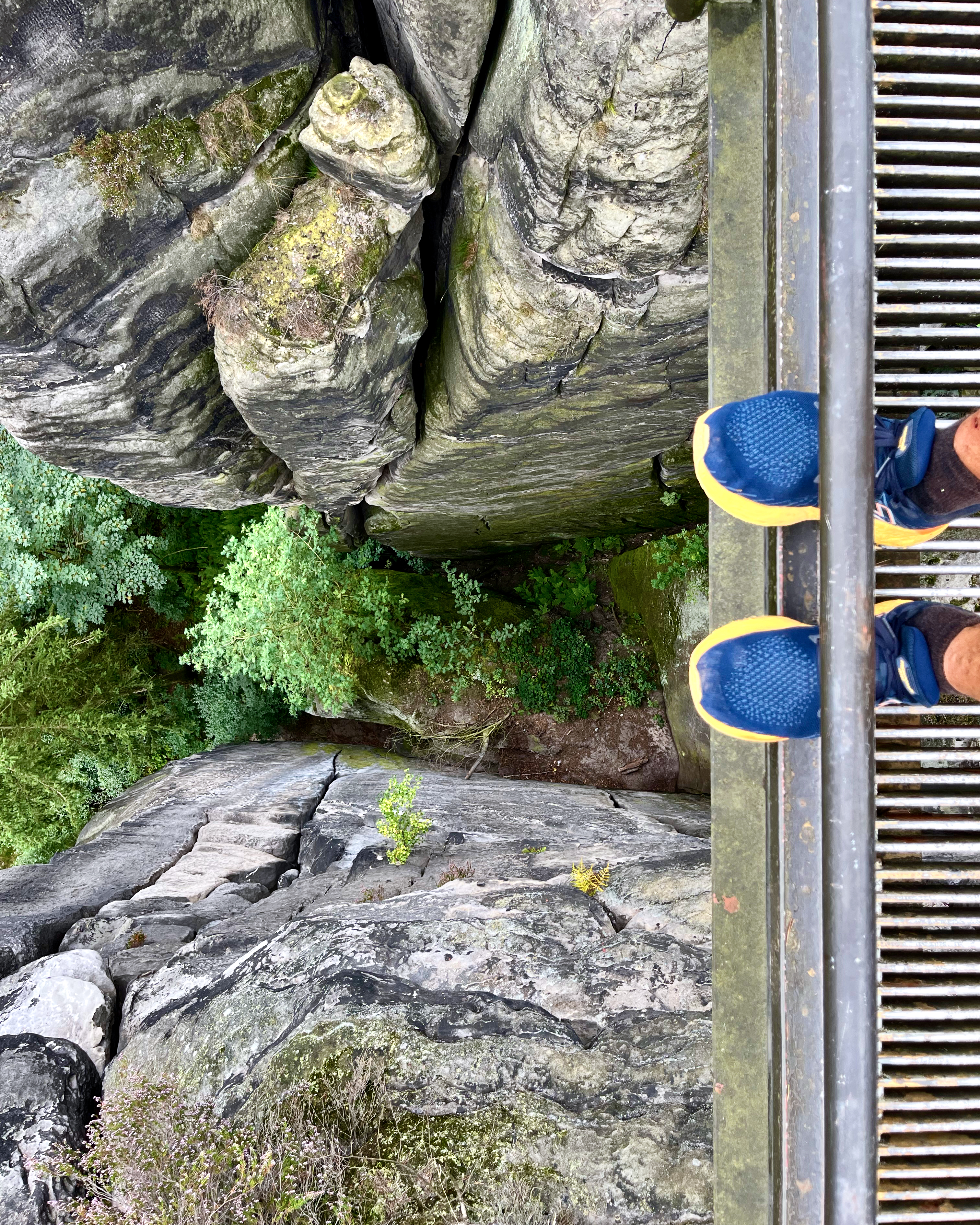
It is high. If you have a fear of heights, this might not be the hike for you.
Don’t miss Bastei if you get to Dresden.
It is busy. If you don’t like crowds on high walkways, come earlier or later in the day.
If you have the time, consider doing more hiking in the area. One popular hike runs from Stadt Wehlen via Bastei to Kurort Rathen (or the other way round).
On this hiking tour, also called the “Golden Triangle”, sights such as the ruins of Wehlen Fort, Bastei Bridge and the Schwedenlöcher (Swede Hole) Trail can be discovered.
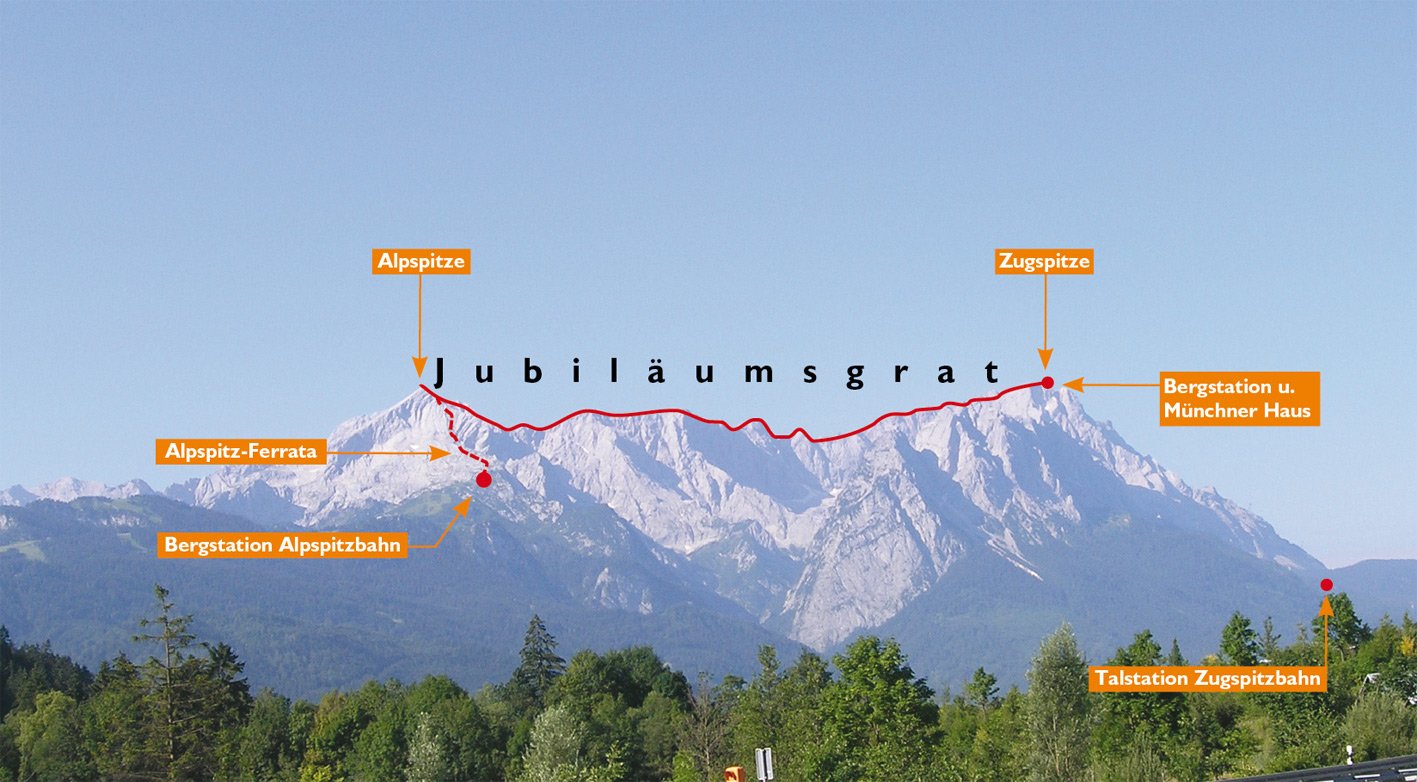
Arriving at the top, I was surprised to see that most of the morning crowd was made up of climbers. Many were taking the Alpspitz Ferrata (or Alpspitze Klettersteig) to the top.
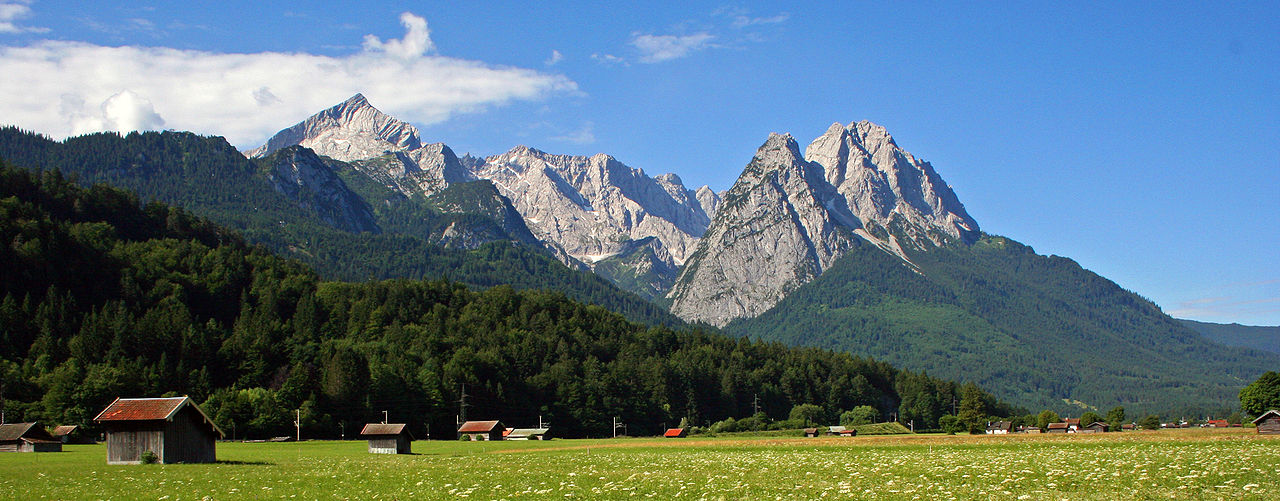
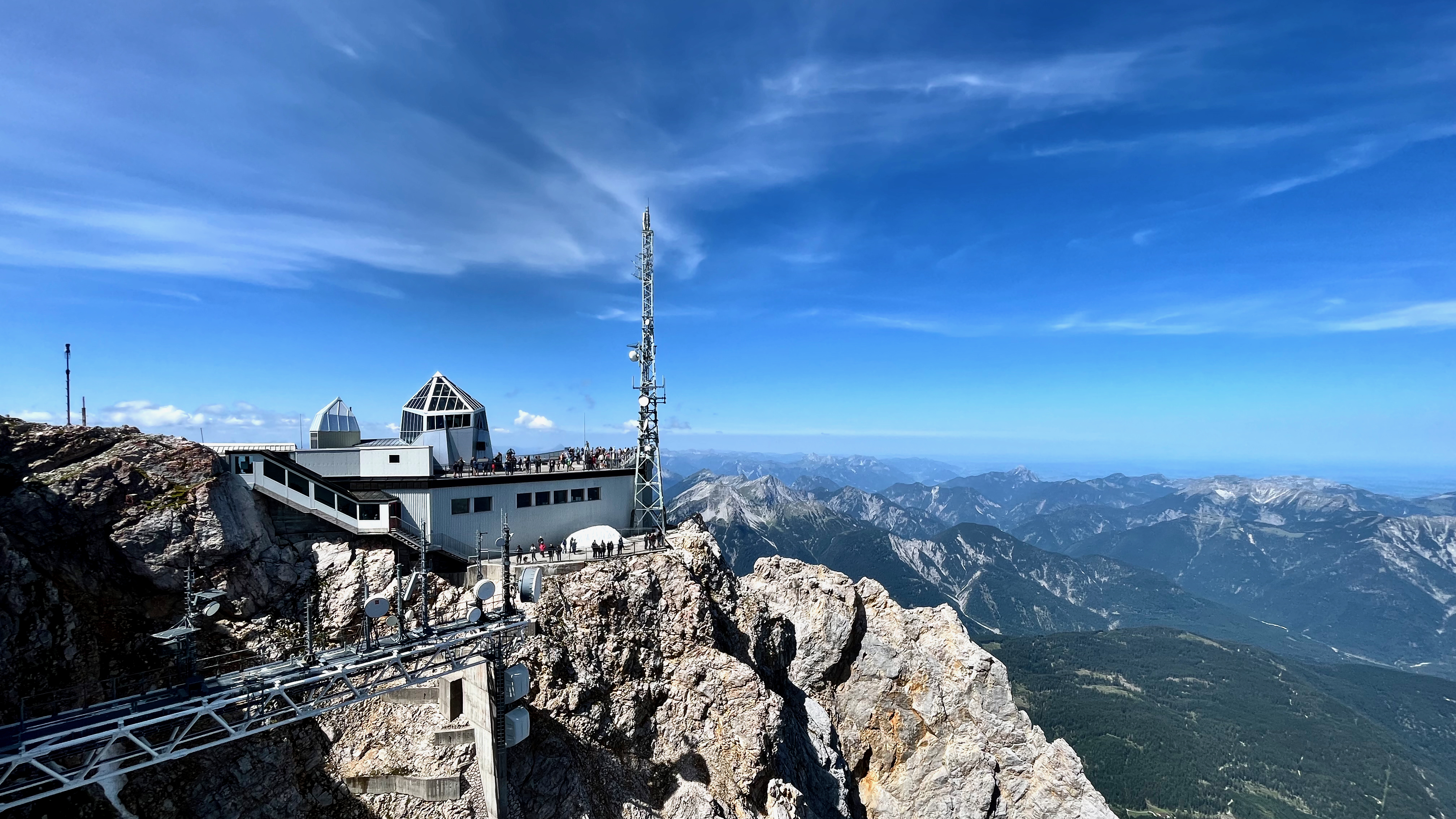
Many tourists chug up to the top of Zugspitze, next door. The highest mountain in Germany. And don’t bother with Alpspitze.
Both are good. But there’s much more and easier hiking on Alpspitze.
I quite enjoyed the long walk down.
It’s fun to watch the many paragliders. Most exit from lower on the mountain.
Best hike Alpspitze?
Depends on the weather. What you are looking for.
I’d say best is to either hike up, ride down. Or the opposite, as I did.
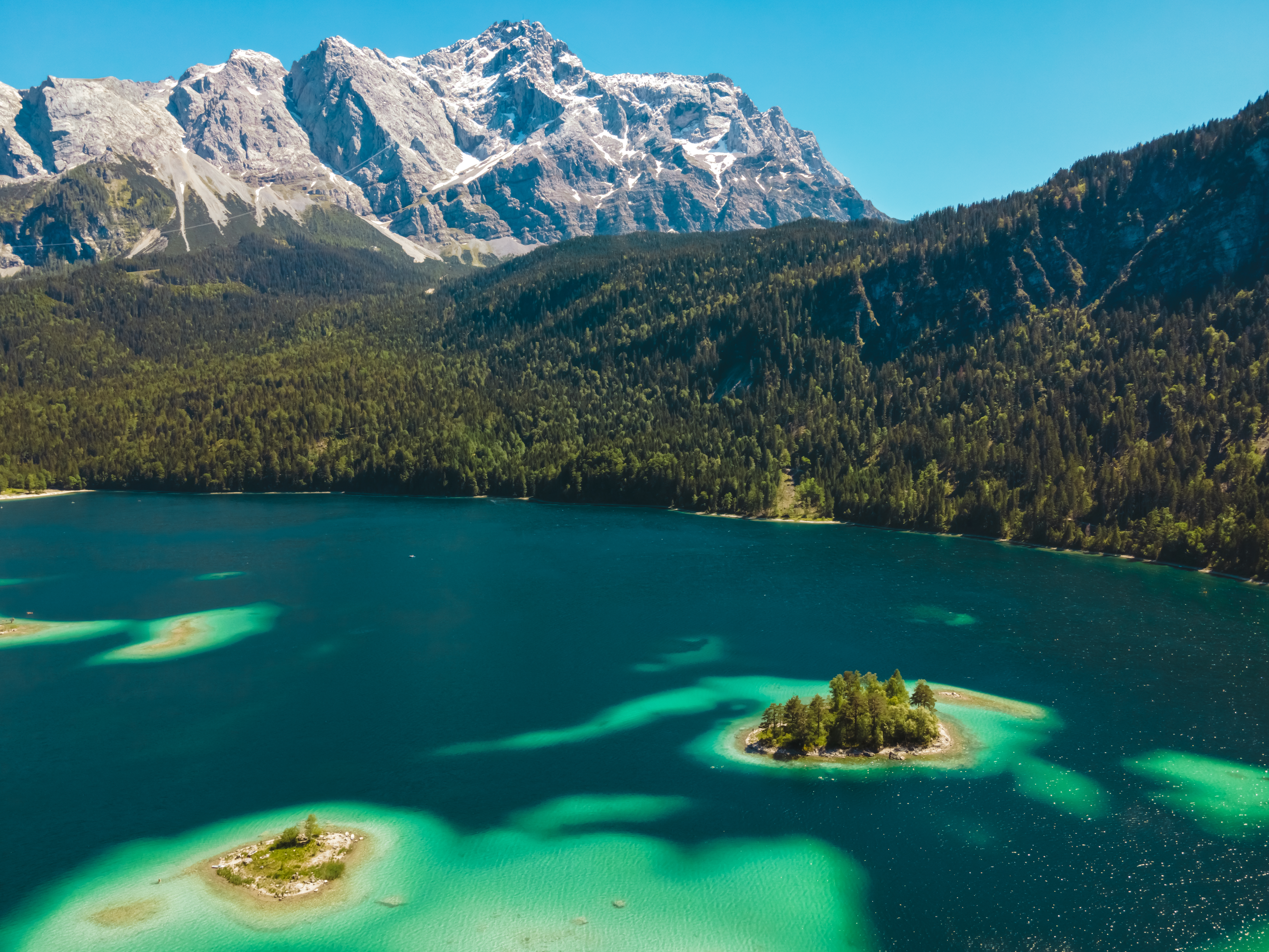
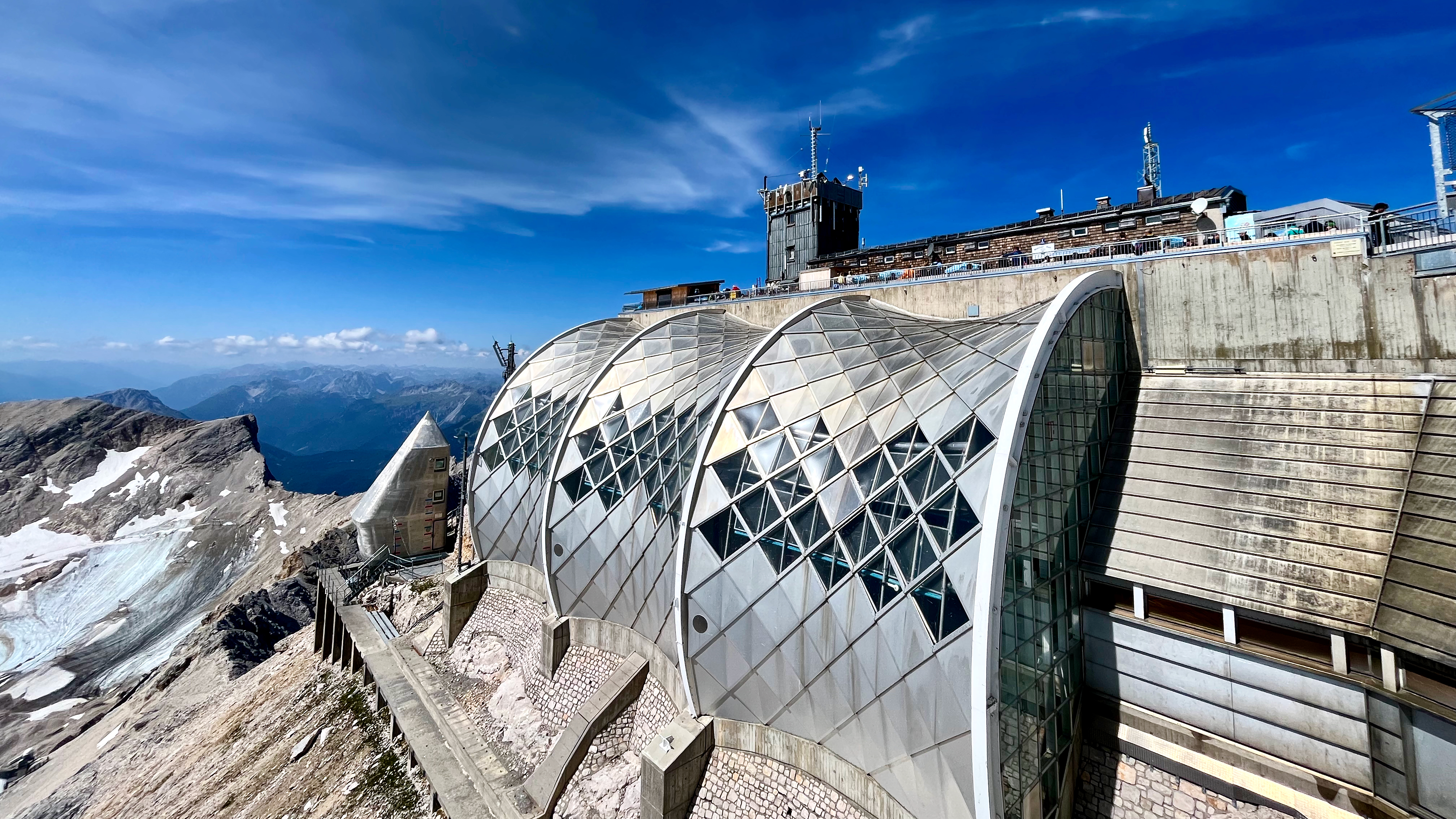
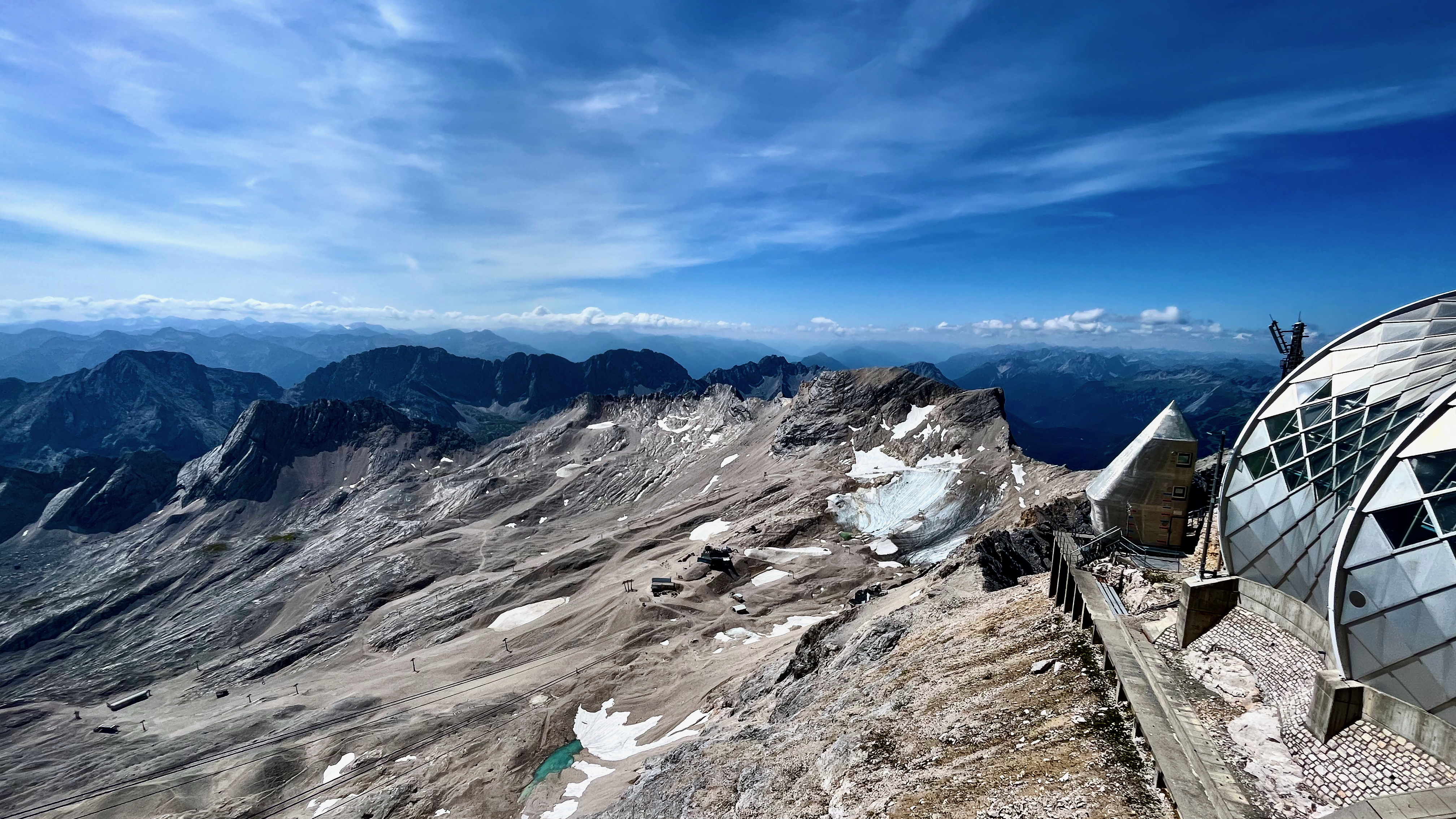
On the flanks of the Zugspitze are two glaciers, the largest in Germany: the Northern Schneeferner with an area of 30.7 hectares and Höllentalferner with an area of 24.7 hectares.
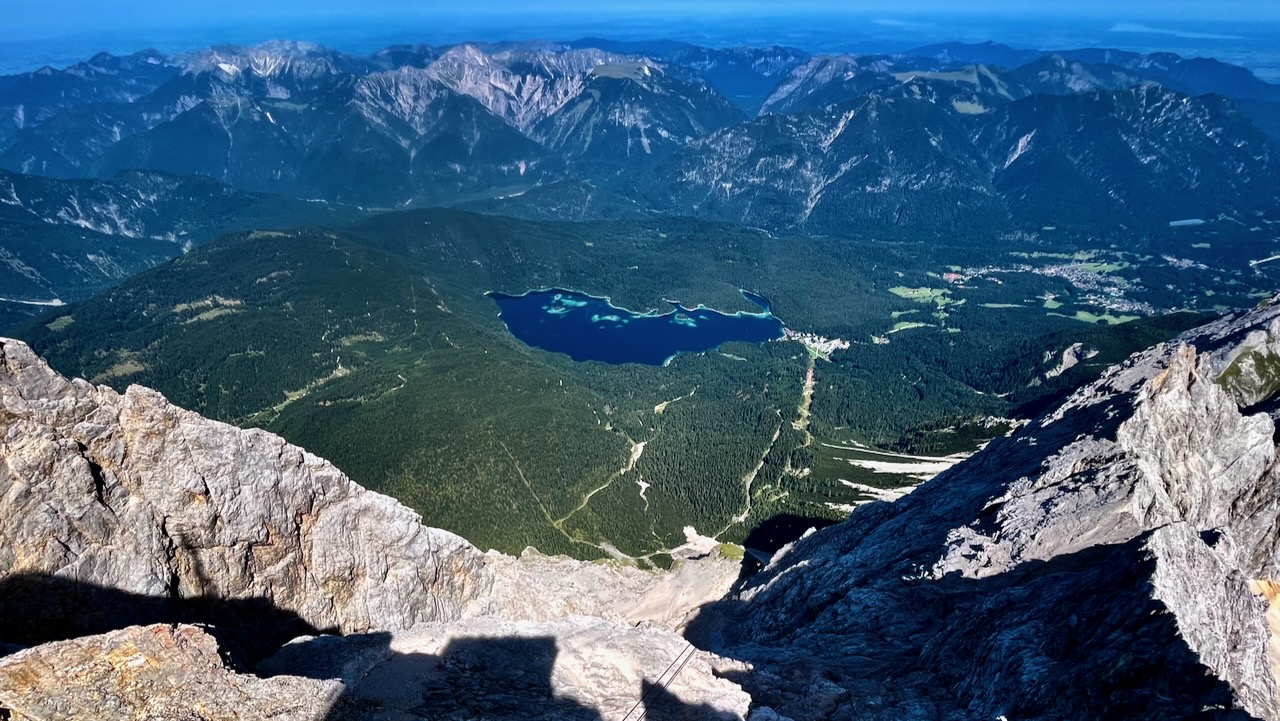
Wanting to beat the rush — as much as possible — I caught the first cable car up in the morning from the Germany side. And immediately headed up to the former “glacier“.
Once 1.5km thick, it may be gone entirely by 2035.





 besthike.com