
Challenging Logistics
The best way to travel the 500km of roads over 17 islands is by personal vehicle. This gives you the flexibility to go when the weather forecast looks … better. 😀
Otherwise you are limited by the infrequent public buses and ferries. AND ferries often don’t run when it’s too windy.
On the other hand, with a motor vehicle, you pay a fee for every undersea tunnel you drive through, and any ferry you need to take. It adds up quickly.
I went with gravel bike — but was too cowardly to cycle through most of the many narrow tunnels. It is allowed, however. Locals told me they don’t mind bikes in tunnels.
I did cycle 2 of them.
It’s easy to put your bike under the bus — and I did it every day.
BUT the buses run infrequently, especially on weekends and holidays. There are very few locals on them, only a few cheapskate tourists.
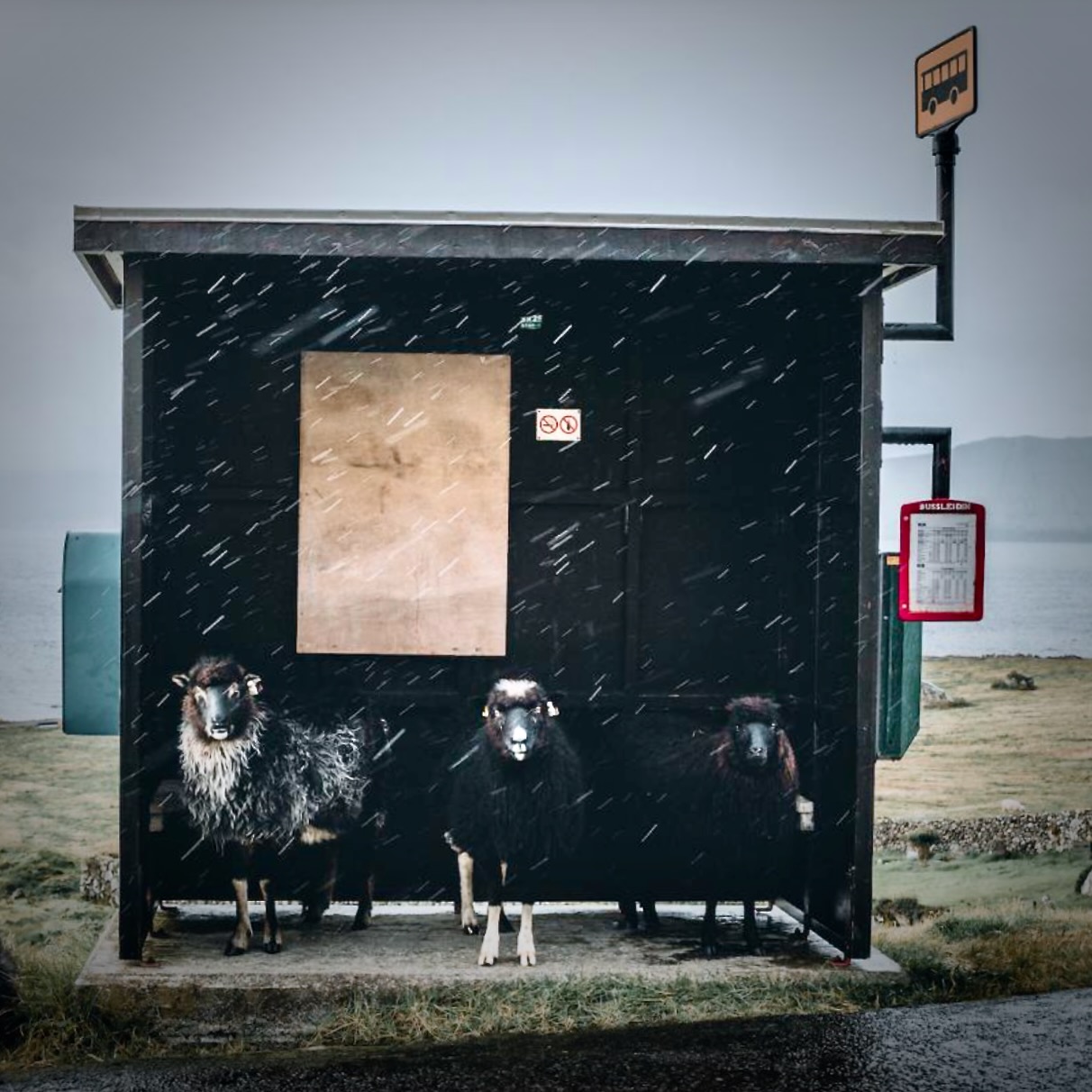
If you like coastal scenery, there is no place on the Faroe Islands more than 5km from the seas.
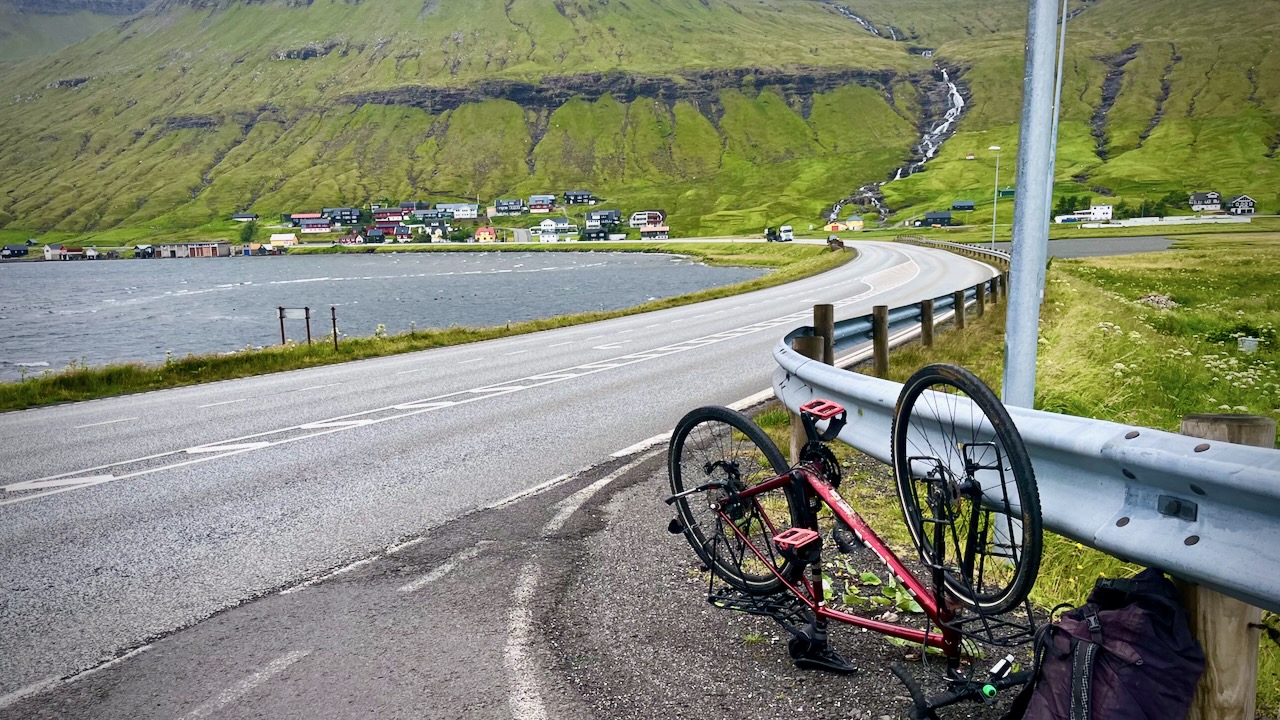
I had a bike shop in the capital do a tune-up and replaced the chain. Bike ran great — until the new chain broke. It was Sunday and there was no bus service. I had to hitchhike with my disabled transport.
Note: A number of the most famous hikes on the Faroe Islands cross privately owned land and have expensive fees. Similar attractions in Norway and Iceland are free.
There are campgrounds, but I’d recommend booking a roof over your head. I had an inexpensive room in a Vestmanna guesthouse, happy to be warm and dry my clothing every night.
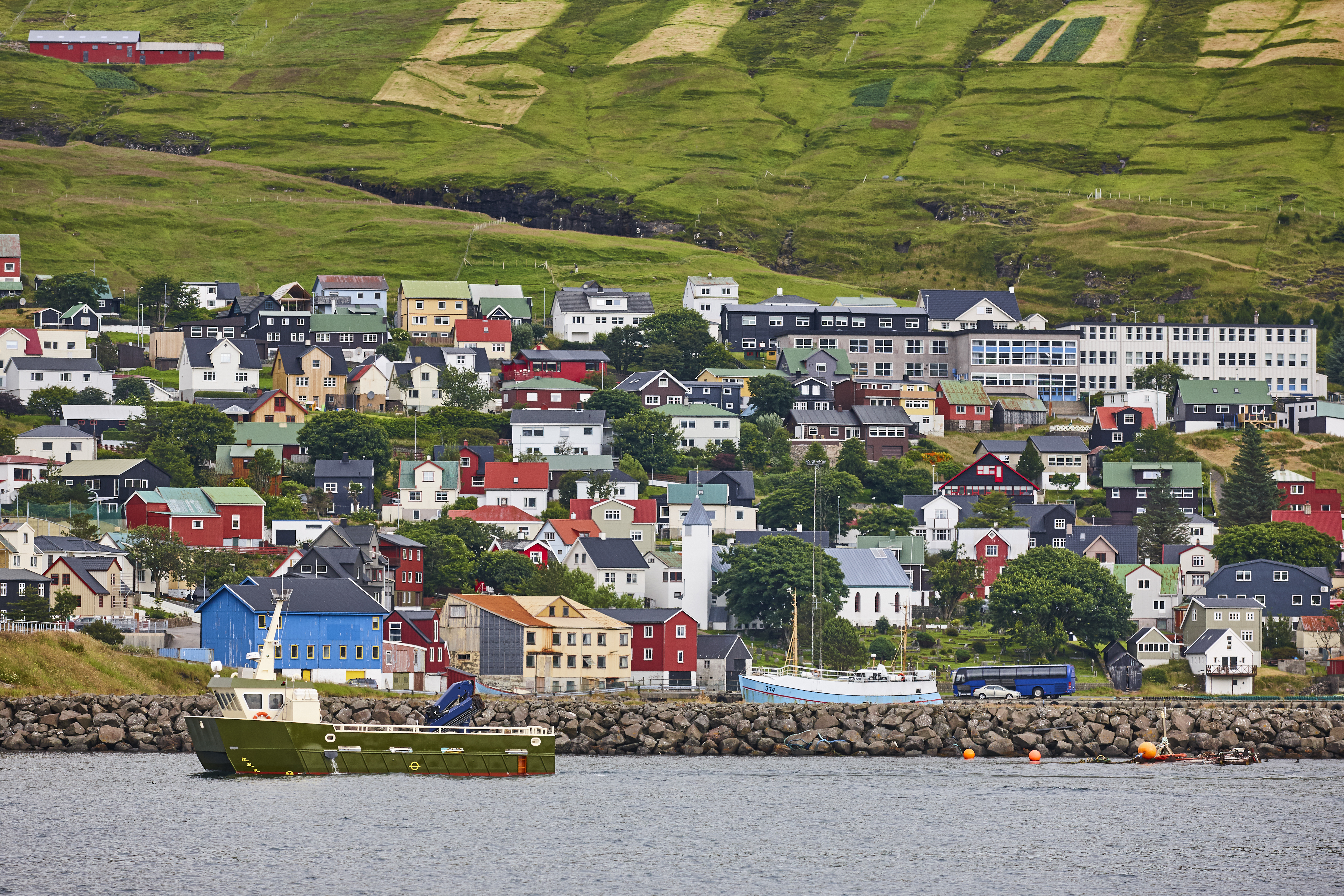
The Faroe Islands are great. But logistics are challenging. Book as many days as possible.
The easiest way to hike is with your own motor vehicle. Either rent — or take the only ferry to the Faroe Islands.
Click PLAY or watch it on YouTube.
related – 15 things to know before visiting the Faroe Islands
 besthike.com